Fatboy Slim herleidt Rockafeller Skank tot obscure Northern Soul-loop
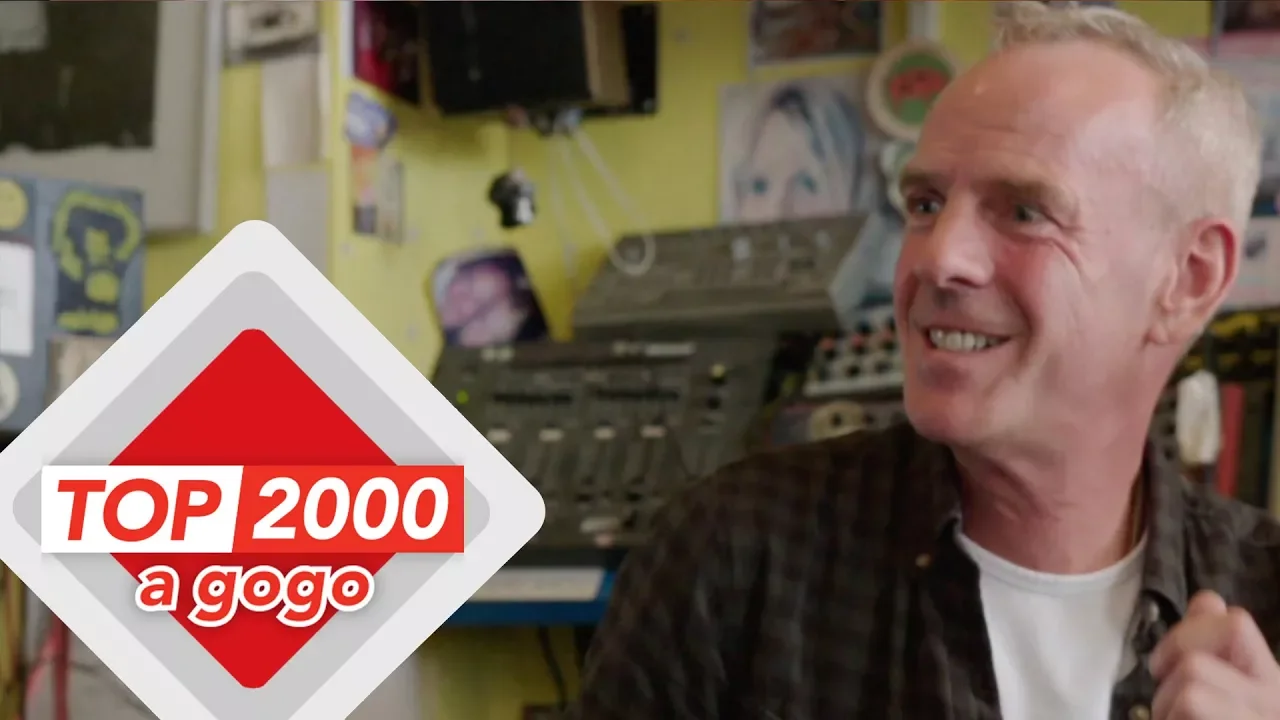
Fatboy Slim - The Rockafeller Skank | Het verhaal achter het nummer — Top 2000 a gogo

Top 2000 a gogo

Betaalbare samplers en fysiek speurwerk naar vergeten vinyl stelden producers in staat om authentieke funk direct over te nemen zonder zwarte muzikanten na te bootsen.

AI-assisted summary of Fatboy Slim - The Rockafeller Skank | Het verhaal achter het nummer — original source. Check the original for full context.

Source published:

Key ideas

  • Norman Cook (Fatboy Slim) toont zijn oorspronkelijke studio-opstelling rond de C-Lab Creator sequencer, waarmee hij via MIDI externe hardware en samplers aanstuurde om klassieke bigbeat-hits te construeren. (0:00)
  • De doorbraak van betaalbare samplers en drumcomputers stelde witte Britse producers in staat om authentieke funk- en groovesound te creëren door rechtstreeks fragmenten uit zwarte muziek te samplen. (1:17)
  • 'The Rockafeller Skank' werd gebouwd rond twee centrale samples: een vocale intro van rapper Lord Finesse en de gitaar- en drumbreak van 'Sliced Tomatoes' van The Just Brothers. (2:41)
  • Het handmatig afspeuren van tweedehands platenbakken ('crate digging') vereiste jaren fysiek zoekwerk, waarbij vinyl uit de periode 1970–1975 als de gouden standaard voor drumbreaks gold. (5:44)

Detailed notes

## Background Deze video werd op 6 februari 2018 gepubliceerd door het Nederlandse YouTube-kanaal Top 2000 a gogo. Volgens de beschrijving is het een reportage uit 2016 waarin Norman Cook, beter bekend als Fatboy Slim, uitlegt hoe zijn wereldhit 'The Rockafeller Skank' tot stand is gekomen.

## TL;DR In zijn klassieke studio-opstelling laat Norman Cook zien hoe hij met vintage apparatuur zoals de C-Lab Creator sequencer en samplers zijn grootste hits produceerde. Hij vertelt over zijn muzikale evolutie vanuit de punk-ethiek van The Housemartins naar de opkomende dans- en samplescene. Vervolgens ontleedt hij de specifieke bouwstenen van 'The Rockafeller Skank', waaronder de iconische vocalen van Lord Finesse en de gitaarloop uit 'Sliced Tomatoes' van The Just Brothers. Tot slot reflecteert hij op het verloren ambacht van 'crate digging', waarbij hij jarenlang stoffige platenbakken afspeurde naar de perfecte zeldzame drumbreaks.

## Atmosphere & style De reportage ademt een ontspannen, nostalgische en ambachtelijke sfeer waarin Norman Cook met zichtbaar plezier en verwondering terugblikt op zijn hoogtijdagen. Met een aanstekelijk enthousiasme en typisch Britse nuchterheid demonstreert hij zijn verouderde apparatuur, alsof hij een goede vriend rondleidt in zijn schatkamer vol oude diskettes en stoffig vinyl. Het voelt als een intiem, warm kijkje achter de schermen van een muzikale pionier die met passie en respect vertelt over het noeste handwerk achter elektronische dansmuziek.

## Bulletin - [00:00](https://www.youtube.com/watch?v=qLjgXPDzeZo&t=0s) Norman Cook (Fatboy Slim) toont zijn oorspronkelijke studio-opstelling rond de C-Lab Creator sequencer, waarmee hij via MIDI externe hardware en samplers aanstuurde om klassieke bigbeat-hits te construeren. - [01:17](https://www.youtube.com/watch?v=qLjgXPDzeZo&t=77s) De doorbraak van betaalbare samplers en drumcomputers stelde witte Britse producers in staat om authentieke funk- en groovesound te creëren door rechtstreeks fragmenten uit zwarte muziek te samplen. - [02:41](https://www.youtube.com/watch?v=qLjgXPDzeZo&t=161s) 'The Rockafeller Skank' werd gebouwd rond twee centrale samples: een vocale intro van rapper Lord Finesse en de gitaar- en drumbreak van 'Sliced Tomatoes' van The Just Brothers. - [05:44](https://www.youtube.com/watch?v=qLjgXPDzeZo&t=344s) Het handmatig afspeuren van tweedehands platenbakken ('crate digging') vereiste jaren fysiek zoekwerk, waarbij vinyl uit de periode 1970–1975 als de gouden standaard voor drumbreaks gold.

## Key takeaways - [00:00](https://www.youtube.com/watch?v=qLjgXPDzeZo&t=0s) Cooks vroege productiewerk draaide volledig op het vintage sequencingsysteem C-Lab Creator, dat fungeerde als het centrale brein om externe samplers en modules aan te sturen. - [00:45](https://www.youtube.com/watch?v=qLjgXPDzeZo&t=45s) Zijn muzikale mentaliteit werd gevormd door de punkgolf van 1977, die liet zien dat je geen virtuoos hoefde te zijn om met een doe-het-zelf-mentaliteit muziek te maken. - [01:00](https://www.youtube.com/watch?v=qLjgXPDzeZo&t=60s) De punkfilosofie leidde hem ertoe basgitaar te spelen in The Housemartins, totdat de bandleden tegelijkertijd besloten uit elkaar te gaan. - [01:17](https://www.youtube.com/watch?v=qLjgXPDzeZo&t=77s) De opkomst van dansmuziek en het experimentele knip- en plakwerk van bevriende dj's zoals Coldcut en Bomb the Bass overtuigden Cook om de popband te verlaten voor de dancewereld. - [01:45](https://www.youtube.com/watch?v=qLjgXPDzeZo&t=105s) Betaalbare samplers zorgden voor een muzikale revolutie doordat producers authentieke funkloops konden overnemen in plaats van baslijnen krampachtig na te spelen. - [02:41](https://www.youtube.com/watch?v=qLjgXPDzeZo&t=161s) Een enkele bewaarde diskette bevatte de projectbestanden van meerdere van zijn grootste successen tegelijk, waaronder 'The Rockafeller Skank', 'Praise You' en 'Right Here, Right Now'. - [03:15](https://www.youtube.com/watch?v=qLjgXPDzeZo&t=195s) De kenmerkende vocale hook 'Right about now, the funk soul brother' is afkomstig uit een gesproken introductie van rapper Lord Finesse op een release van de Vinyl Dogs. - [03:50](https://www.youtube.com/watch?v=qLjgXPDzeZo&t=230s) De instrumentale basis en de surf-gitaarloop van 'The Rockafeller Skank' zijn rechtstreeks gesampled van de Northern Soul-track 'Sliced Tomatoes' van The Just Brothers. - [04:25](https://www.youtube.com/watch?v=qLjgXPDzeZo&t=265s) Cooks dj-ervaring in clubs zoals de Big Beat Boutique was bepalend; hij testte oude platen op de dansvloer voordat hij besloot er een moderne bewerking van te maken. - [05:44](https://www.youtube.com/watch?v=qLjgXPDzeZo&t=344s) Cooks platencollectie is het product van fanatiek 'crate digging' in dumpwinkels, waarbij hij zocht naar obscure library- en tweedehandsplaten met geïsoleerde drumbreaks. - [06:12](https://www.youtube.com/watch?v=qLjgXPDzeZo&t=372s) Voor het samplen van drums beschouwt Cook de periode tussen 1970 en 1975 als de gouden tijd, omdat de funkproductie toen tot volle wasdom was gekomen. - [06:40](https://www.youtube.com/watch?v=qLjgXPDzeZo&t=400s) Een visuele vuistregel bij het zoeken naar onbekend vinyl was dat langharige, gemengde bands die eruitzagen alsof ze verdovende middelen gebruikten vaak de beste breaks bevatten. - [06:58](https://www.youtube.com/watch?v=qLjgXPDzeZo&t=418s) Cook contrasteert de nostalgische fysieke ambacht van 'stoffige vingers' in platenzaken met het moderne gemak van digitale downloads binnen dertig seconden.

## Detailed walkthrough ### [00:00](https://www.youtube.com/watch?v=qLjgXPDzeZo&t=0s) The Studio Rig and Punk Rock Roots

Norman Cook, alias Fatboy Slim, demonstreert zijn oorspronkelijke studio-opstelling en legt uit hoe de basis van zijn muziekproductie destijds in elkaar stak. Het gehele systeem draaide op een vintage sequencingsysteem: C-Lab Creator. Cook legt uit dat het aangesloten keyboard werd gebruikt om partijen in te spelen, waarna de software precies onthield wat er gespeeld was en de noten bewerkt konden worden. Elk extern apparaat in het rek fungeerde als een arm van een octopus die aangestuurd werd vanuit het centrale brein. Hoewel hedendaagse producers vrijwel alles binnen één Digital Audio Workstation (DAW) op een enkele laptop doen en zijn opstelling naar moderne maatstaven uiterst rudimentair oogt, kon het systeem destijds alles wat nodig was om complete hits te bouwen.

```mermaid flowchart LR accTitle: C-Lab Creator Studio Setup accDescr: Diagram showing the MIDI keyboard sending input to C-Lab Creator, which sequences and triggers external hardware modules. subgraph Input ["Invoer"] KB["MIDI Keyboard"] end subgraph Sequencing ["Sequencer / Brein"] CL["C-Lab Creator"] end subgraph Hardware ["Hardware Modules"] direction TB S1["Sampler 1"] S2["Sampler 2 / Synth"] S3["Drumcomputer"] end KB -->|"Partijen inspelen & editen"| CL CL -->|"MIDI-aansturing (Octopus)"| S1 CL -->|"MIDI-aansturing"| S2 CL -->|"MIDI-aansturing"| S3 ```

Zijn muzikale vorming begon in de jaren zeventig. Als kind luisterde hij vooral naar popmuziek, totdat in 1977 de punkrock opkwam. Norman was op dat moment veertien jaar oud en beleefde door de punkrevolutie zijn muzikale volwassenwording. Het genre inspireerde hem vooral door de democratische doe-het-zelf-mentaliteit: technische virtuositeit was geen vereiste om muziek te maken. Hij nam die filosofie letterlijk over en sloot zich aan bij The Housemartins, waarin hij basgitaar speelde.

- “Plus it was like the whole punk rock ethos was do it yourself, you don't have to be a great musician, learn three chords and you can join a band, so I did that being in The Housemartins,” aldus Norman Cook over zijn muzikale start.

---

[01:17](https://www.youtube.com/watch?v=qLjgXPDzeZo&t=77s) Transition to Dance Music and Black Sounds

Uiteindelijk verlieten de bandleden van The Housemartins de groep; iedereen stapte op dezelfde dag op, al had ieder daar zijn eigen persoonlijke redenen voor. Voor Norman Cook lag de directe aanleiding in wat er om hem heen gebeurde in het dj-circuit. Collega-dj’s en vrienden met wie hij optrok, zoals Coldcut en Tim Simenon van Bomb the Bass, begonnen zelf platen te knippen, te plakken en uit te brengen. Cook realiseerde zich dat hij geen zin meer had om uitsluitend als bassist in een traditionele popgroep te spelen terwijl de dansmuziekwereld explodeerde met nieuwe creatieve mogelijkheden.

In die tijd werd wat tegenwoordig dance heet nog aangeduid als zwarte muziek, een stijl waar Cook gaandeweg veel meer van ging houden dan van conventionele rock. De grote doorbraak voor zijn generatie producers kwam toen drumcomputers en samplers betaalbaar en breed toegankelijk werden. Met deze technologie konden blanke artiesten muziek met een overtuigende groove maken zonder zwarte artiesten na te hoeven doen op traditionele instrumenten. In plaats van krampachtig de baslijnen van iconen zoals Bootsy Collins proberen na te bootsen, stelde de sampler hen in staat om de daadwerkelijke funk direct uit bestaande funk- en soulplaten te knippen en in loops te gieten.

- “When the drum machine and the sampler became accessible to us and affordable, that was when white people could make black music without pretending to be black, because you could just nick bits off black records,” legt Cook uit over de sampler-revolutie.

---

[02:41](https://www.youtube.com/watch?v=qLjgXPDzeZo&t=161s) Deconstructing "The Rockafeller Skank"

Terwijl hij door oude computerbestanden en diskettes bladert, ontdekt Cook een diskette waarop meerdere van zijn grootste tracks bij elkaar staan: "The Rockafeller Skank", "Praise You" en "Right Here, Right Now". Hij merkt lachend op dat die specifieke week in de studio buitengewoon productief en succesvol moet zijn geweest. Vervolgens demonstreert hij de losse samples en bouwstenen waaruit "The Rockafeller Skank" is opgebouwd.

Hij start met de befaamde vocale sample: *"Right about now, the funk soul brother / Check it out now, the funk soul brother"*. Cook legt uit dat deze tekst afkomstig is van rapper Lord Finesse, die een intro insprak op een track van de Vinyl Dogs. De vocalen waren oorspronkelijk niet bedoeld als een gezongen hook, maar werden door Cook geïsoleerd, herhaald en gemonteerd over opzwepende breaks, hi-hats en snares. Vervolgens laat hij de instrumentale hoofdloop horen: het opvallende, surf-achtige gitaarthema en het ritme zijn rechtstreeks afkomstig uit het nummer "Sliced Tomatoes" van de soul- en funkgroep The Just Brothers.

Zijn praktijkervaring als dj was doorslaggevend voor zijn producties. Hij draaide "Sliced Tomatoes" al geruime tijd in clubs zoals de Big Beat Boutique. Toen hij zag dat het publiek enorm energiek reageerde op die obscure Northern Soul-plaat uit de jaren zestig, wist hij dat hij diezelfde energie kon transformeren tot een moderne dansvloerhit.

- “Rockafeller Skank came out of me playing the 'Sliced Tomatoes' tune at the Big Beat Boutique, and it's like a Northern Soul record, and watching people really groove into it,” verklaart Cook over de oorsprong van de track.

---

[05:44](https://www.youtube.com/watch?v=qLjgXPDzeZo&t=344s) Crate Digging and Dusty Fingers

Cook laat zijn enorme platencollectie zien en legt uit dat deze niet simpelweg zijn persoonlijke smaak weerspiegelt, maar het resultaat is van jarenlang fanatiek schatgraven in dumpzaken en tweedehands rommelwinkels. Hij zocht gericht naar goedkope, vergeten vinylplaten en bibliotheekalbums (library music), omdat die vaak geïsoleerde drumbreaks bevatten. Voor samplejagers was het releasejaar van cruciaal belang: de periode tussen 1970 en 1975 beschouwt hij als de absolute gouden eeuw. Vóór die tijd, eind jaren zestig, klonken drums vaak nog wat te primitief en hadden vernieuwers zoals James Brown en Stevie Wonder de funk nog niet ten volle tot bloei gebracht.

Bij het handmatig doorbladeren van bakken hanteerde Cook een duidelijke vuistregel voor onbekende hoezen: zodra hij een platenhoes zag met een gemengde band bestaande uit muzikanten met lang haar die eruitzagen alsof ze flink wat verdovende middelen gebruikten, wist hij vrijwel zeker dat er een interessante break of sound op zou staan en kocht hij de plaat ongezien. Tot slot benadrukt hij het schrille contrast tussen toen en nu: waar een hedendaagse producer via internet binnen tien seconden informatie heeft en binnen een halve minuut een mp3 downloadt, kostte crate digging vroeger maanden of zelfs jaren fysiek speurwerk. Dat ambacht leverde een tastbare connectie met de muziek op.

- “Crate digging was a craft and an art, and it gave you dusty fingers, you get this dirt under your fingernails in dusty old record stores; the kids today, they sit there tapping on the keyboards, they don't know what it's like to get their hands dirty,” stelt Cook over het verdwijnen van de traditionele zoektocht naar vinyl.

## Notable quotes > [01:17](https://www.youtube.com/watch?v=qLjgXPDzeZo&t=77s) When the drum machine and the sampler became accessible to us and affordable, that was when white people could make black music without pretending to be black, because you could just nick bits off black records — Norman Cook

> [05:44](https://www.youtube.com/watch?v=qLjgXPDzeZo&t=344s) Crate digging was a craft and an art, and it gave you dusty fingers, you get this dirt under your fingernails in dusty old record stores; the kids today, they sit there tapping on the keyboards, they don't know what it's like to get their hands dirty — Norman Cook

## Mentioned Norman Cook, Fatboy Slim, The Rockafeller Skank, C-Lab Creator, The Housemartins, Coldcut, Tim Simenon, Bomb the Bass, Bootsy Collins, Praise You, Right Here, Right Now, Lord Finesse, Vinyl Dogs, Sliced Tomatoes, The Just Brothers, Big Beat Boutique, James Brown, Stevie Wonder, Top 2000 a gogo

## Video description Norman Cook, oftewel Fatboy Slim, legt uit hoe zijn nummer 'The Rockafeller Skank' opgebouwd is. Een reportage uit 2016.

[Source](https://www.youtube.com/watch?v=qLjgXPDzeZo)

中文简报

Fatboy Slim揭秘《The Rockafeller Skank》源自冷门北方灵魂乐Loop 平价采样器与实地搜寻被遗忘黑胶的经历,让制作人无需模仿黑人乐手便能直接获取地道的放克之声。 诺曼·库克(Norman Cook)在经典的录音室配置中展示了他如何利用C-Lab Creator音序器和采样器等复古设备打造其代表作。他讲述了自己从The Housemartins时期的朋克理念逐步迈入新兴舞曲与采样领域的音乐演变。随后,他拆解了《The Rockafeller Skank》的具体构成元素,包括说唱歌手Lord Finesse的标志性人声以及来自The Just Brothers《Sliced Tomatoes》的吉他循环。最后,他回顾了日渐式微的“淘黑胶”(crate digging)传统,回忆了多年来在落满灰尘的唱片架中搜寻稀有完美鼓点采样的经历。 诺曼·库克(Fatboy Slim)展示了以C-Lab Creator音序器为核心的最初工作室布局,他借助MIDI控制外部硬件与采样器,以此创作经典的Big Beat热门曲目。 (0:00) 实惠型采样器与鼓机的问世,让英国白人制作人得以直接从黑人音乐片段中采样,从而打造出原汁原味的放克与律动声效。 (1:17) 《The Rockafeller Skank》围绕两个核心采样构建:说唱歌手Lord Finesse的人声开场引子,以及The Just Brothers的《Sliced Tomatoes》中的吉他与鼓点过门。 (2:41) 在二手唱片箱中手动淘宝(crate digging)需要多年的实地搜寻,而1970至1975年间的黑胶唱片则被公认为鼓点采样的黄金标准。 (5:44)

Reading summary

Norman Cook (Fatboy Slim) legt uit hoe de doe-het-zelf-mentaliteit van punk, de opkomst van betaalbare samplingtechnologie en intensief speurwerk naar zeldzaam vinyl leidden tot wereldwijde dansvloerhits zoals "The Rockafeller Skank". Doe-het-zelf-mentaliteit en vroege studio-opzet (0:00) Cooks muzikale wortels liggen in de punkgolf van 1977, die hem leerde dat instrumentale virtuositeit geen vereiste was om muziek te maken. Deze doe-het-zelf-filosofie bracht hem eerst bij The Housemartins als bassist en later naar elektronische muziek. Zijn vroege studio-opstelling draaide rond het vintage softwareprogramma C-Lab Creator, dat fungeerde als een centraal brein dat via een MIDI-keyboard diverse externe hardwaremodules, zoals samplers en synthesizers, aanstuurde. Hoewel de opstelling naar hedendaagse maatstaven rudimentair aandoet vergeleken met moderne digitale audioworkstations op een enkele laptop, stelde dit gesloten systeem hem in staat om complexe hitproducties zelfstandig en vanaf de grond op te bouwen. De democratisering van funk via de sampler (1:17) Geïnspireerd door dj-collega’s zoals Coldcut en Tim Simenon (Bomb the Bass) verliet Cook The Housemartins om zich volledig op dansmuziek te richten. De bredere beschikbaarheid en betaalbaarheid van drumcomputers en samplers markeerden een creatieve doorbraak. Cook stelt dat deze apparaten witte producers in staat stelden om overtuigende dansmuziek te maken zonder zwarte muzikanten krampachtig te hoeven imiteren; in plaats van complexe baslijnen handmatig na te spelen, konden authentieke grooves rechtstreeks uit bestaande funk- en soulplaten worden geknipt en geloopt. De deconstructie van "The Rockafeller Skank" (2:41) "The Rockafeller Skank" werd gebouwd rond twee centrale elementen: een herhaalde vocale intro van rapper Lord Finesse (oorspronkelijk ingesproken voor een nummer van de Vinyl Dogs) en een instrumentale gitaarloop uit de obscure Northern Soul-track "Sliced Tomatoes" van The Just Brothers. De vocale hook werd over opzwepende breaks en ritmes gemonteerd. De directe aanleiding voor de productie ontstond tijdens Cooks dj-sets in clubs zoals de Big Beat Boutique. Toen hij zag hoe krachtig het publiek reageerde op de groove van "Sliced Tomatoes", besloot hij die specifieke energie te isoleren en te transformeren tot een moderne clubhit. Het fysieke ambacht van crate digging (5:44) Voor zijn samplemateriaal struinde Cook jarenlang dumpzaken en tweedehands rommelwinkels af, gericht op zoek naar vergeten vinyl en zogeheten 'library music' met geïsoleerde drumbreaks. Hij identificeert de periode tussen 1970 en 1975 als de gouden eeuw van de funk, omdat ritmes daarvóór nog te primitief klonken en de vernieuwingen van artiesten als James Brown en Stevie Wonder toen pas volledig tot wasdom kwamen. Cook typeert het handmatige zoekwerk naar onbekende hoezen met stoffige vingers als een verloren ambacht. Hij plaatst dit fysieke proces tegenover hedendaagse productiemethoden, waarbij artiesten binnen enkele seconden geluidsbestanden downloaden zonder de tastbare connectie met het bronmateriaal. Cook benadrukt dat de verschuiving van fysiek speurwerk en hardware naar hedendaagse software het maakproces radicaal heeft versneld, al toont zijn archief dat een uiterst productieve week op minimale vintage apparatuur volstond om bepalende big beat-klassiekers voort te brengen.

精炼阅读摘要

音乐制作人Norman Cook(Fatboy Slim)回顾了自身从朋克摇滚乐手跨界至大节拍舞曲先锋的历程,阐述了低成本采样技术、黑人音乐律动与实体淘碟文化如何共同催生了经典单曲《The Rockafeller Skank》。 朋克DIY精神与早期硬件音序系统 (0:00) Cook早期的音乐启蒙深受1977年朋克摇滚运动的影响。当时年仅14岁的他被朋克文化中强调的民主化“DIY精神”深深打动,认为制作音乐无需掌握高超的器乐技术,只要学会三个和弦即可组建乐队,他随后以此理念作为贝斯手加入了The Housemartins乐队。这种极简与动手实践的态度,直接延续到了他日后的电子舞曲创作中。 在转向制作大节拍舞曲后,Cook建立了一套以C-Lab Creator音序软件为核心的硬件制作系统。他通过外接键盘输入音符并进行数字化编辑,中央音序系统则如章鱼触手般通过MIDI信号精准调度机架上的各个外部采样器与鼓机。Cook指出,尽管在当今只需一台笔记本电脑和宿主软件(DAW)的制作人看来这套设备极为原始,但在当时它完全具备打造榜首热门单曲所需的全部功能。 采样技术普及与黑人放克律动的重构 (1:17) The Housemartins解散后,Cook受到DJ圈内好友Coldcut以及Bomb the Bass的核心成员Tim Simenon等人的启发,目睹他们通过剪辑和拼贴唱片掀起舞曲浪潮,决心不再局限于传统流行乐队的贝斯演奏。当时舞曲在很大程度上仍被称为黑人音乐,其律动对Cook的吸引力已远超传统摇滚乐。 Cook认为,采样器和鼓机走向低成本与普及化,为整整一代白人音乐制作人带来了革命性转折。以往白人乐手需要费力在传统乐器上模仿诸如Bootsy Collins等传奇大师的放克贝斯声线,而采样技术使他们能够直接从经典的灵魂乐与放克唱片中截取纯正的节奏切片并制成循环,无需刻意模仿便能创造出地道的黑人音乐律动。 舞池实测与经典采样曲目的拼贴解构 (2:41) 在整理早期制作软盘时,Cook发现《The Rockafeller Skank》、《Praise You》与《Right Here, Right Now》这三首代表作均诞生于同一周的高效创作期。现场解构显示,《The Rockafeller Skank》的标志性人声片段“Right about now, the funk soul brother”取自说唱歌手Lord Finesse在Vinyl Dogs唱片中的引言,原声并非歌唱段落,而是被Cook提取后反复剪辑在躁动的碎拍、踩镲与军鼓之上。 该曲极具辨识度的冲浪风格吉他旋律与核心节奏,则直接采样自放克组合The Just Brothers在1960年代创作的北方灵魂乐(Northern Soul)曲目《Sliced Tomatoes》。Cook强调,他在Big Beat Boutique等俱乐部打碟的实战经验是创作成功的决定性因素;正是看到现场舞客对这首冷门黑胶爆发出的狂热反应,他才确信能将其能量重构为一首符合现代舞池审美的大热单曲。 实体淘碟手艺与消失的灰尘印记 (5:44) Cook庞大的黑胶收藏并非单纯展示个人听觉偏好,而是常年在旧货店和废品堆中挖掘孤本与配乐唱片(library music)的结晶,这些冷门唱片往往包含未受其他乐器干扰的干净鼓点片段。Cook将1970年至1975年定为采样猎人眼中的黄金时代,因为在此之前鼓声录制技术尚显原始,而James Brown与Stevie Wonder等人的放克革新也尚未完全成熟。在淘碟时,他甚至形成了一套经验准则:唱片封面若印有长发且外表颓废的多族裔乐队,往往预示着里面藏有出色的律动和独特的音色。 对于音乐制作方式的演变,Cook感叹实体淘碟这项需要让指尖沾满灰尘的传统手艺正在消失。当代制作人借助网络可在数十秒内检索并下载音频文件,虽然效率极高,但过去历经数月乃至数年物理搜寻所带来的触觉经验,以及由此与音乐建立的深层物质联结,已成为现代数字化创作难以复刻的历史记忆。 Cook的创作回忆揭示出《The Rockafeller Skank》的诞生是早期硬件采样技术、俱乐部舞池反馈与黑胶挖掘手艺共同作用的产物;尽管数字网络极大降低了当今音乐制作的门槛,但也使创作者逐渐失去了实体淘碟时代那种在灰尘中探寻未知律动的物质联结与偶然性惊喜。

Detailed notes — zh

## Background 该视频由 YouTube 频道 Top 2000 a gogo 于 2018 年 2 月 6 日发布。视频内容源自 2016 年的专访报道,由著名音乐制作人 Fatboy Slim(Norman Cook)亲自拆解其代表作《The Rockafeller Skank》的制作构架与幕后创作历程。 ## TL;DR Norman Cook 回顾了自己从 1977 年英国朋克 DIY 浪潮中汲取灵感,再到受同辈 DJ 启发转向黑人音乐与采样制作的转型过程。他展示了存有《The Rockafeller Skank》、《Praise You》等神作的经典软盘与 C-Lab Creator 音序系统,详述了如何将 Lord Finesse 的说唱引言切片重组为魔性人声旋律,并借用 The Just Brothers 的《Sliced Tomatoes》构建出标志性的舞曲律动。此外,他还分享了 1970 至 1975 年间淘黑胶(Crate Digging)的黄金法则,感叹技术便利虽好,但实体淘碟时指甲缝沾满尘土的匠人质感已无可替代。 ## Atmosphere & style 整段专访弥漫着浓郁的 90 年代怀旧色彩与温暖的匠人情怀。Norman Cook 坐在堆满老式软盘和硬件设备的机房前,娓娓道来时眼神中闪烁着老派音乐玩家的自豪与幽默。观看体验既像是一堂干货满满的电子音乐解构大师课,又像是一位老练的黑胶淘客在老唱片堆旁分享独门江湖秘籍,平实从容之中流淌着对真实声音质感的深切眷恋。 ## Bulletin - [00:00](https://www.youtube.com/watch?v=qLjgXPDzeZo&t=0s) Norman Cook(Fatboy Slim)早期的编曲核心是一套基于 C-Lab Creator 的老式音序系统与模块硬件,虽然简陋但足以支撑其经典作品的全部制作需求。 - [01:17](https://www.youtube.com/watch?v=qLjgXPDzeZo&t=77s) 廉价采样器与鼓机的普及时刻,让白人音乐人无需刻意模仿黑人演奏技巧,直接提取黑人黑胶唱片的片段即可获得纯正放克律动。 - [02:41](https://www.youtube.com/watch?v=qLjgXPDzeZo&t=161s) 《The Rockafeller Skank》、《Praise You》以及《Right Here, Right Now》的原始工程竟诞生于同一周,并保存在同一张软盘上。 - [04:56](https://www.youtube.com/watch?v=qLjgXPDzeZo&t=296s) 《The Rockafeller Skank》的标志性人声来源于 Lord Finesse 的念白切片,而核心吉他与鼓点律动则直接采样自 The Just Brothers 的 1960 年代北方骚灵名作《Sliced Tomatoes》。 ## Key takeaways - [00:00](https://www.youtube.com/watch?v=qLjgXPDzeZo&t=0s) Fatboy Slim 早期音乐制作高度依赖 C-Lab Creator 音序系统与各硬件模块的协同运作,与如今在单台笔记本电脑 DAW 中完成所有制作的模式形成鲜明对比。 - [00:00](https://www.youtube.com/watch?v=qLjgXPDzeZo&t=0s) 1977 年席卷英国的朋克摇滚运动是 Norman Cook 的音乐启蒙,其极简且提倡“学三个和弦就能组队”的 DIY 精神奠定了他后来的音乐态度。 - [01:17](https://www.youtube.com/watch?v=qLjgXPDzeZo&t=77s) 离开 The Housemartins 乐队的契机,是看到 Coldcut 与 Bomb the Bass 的 Tim Simenon 等 DJ 朋友开始独立做唱片,从而决心放弃在传统流行乐队中弹贝斯。 - [01:17](https://www.youtube.com/watch?v=qLjgXPDzeZo&t=77s) 采样技术与鼓机打破了放克音乐的技术壁垒,创作者通过剪辑黑胶片段和重组 Drum Loop 就能捕获最纯正的黑人律动,而不必假装成 Bootsy Collins 级别的贝斯大师。 - [02:41](https://www.youtube.com/watch?v=qLjgXPDzeZo&t=161s) 在一周极度高产的时间里,Cook 在同一张软盘上连续制作出《The Rockafeller Skank》、《Praise You》和《Right Here, Right Now》三首名作的雏形。 - [02:41](https://www.youtube.com/watch?v=qLjgXPDzeZo&t=161s) 全曲洗脑的人声音轨“Right about now, the funk soul brother”原是 Lord Finesse 在 Vinyl Dogs 唱片中平铺直叙的念白引言,经剪辑重组后被塑造成极具穿透力的核心旋律钩子(Hook)。 - [04:56](https://www.youtube.com/watch?v=qLjgXPDzeZo&t=296s) Cook 在 Big Beat Boutique 俱乐部担任 DJ 放歌的现场经验启发了创作;老歌《Sliced Tomatoes》总能引爆全场狂欢,促使他将其采样作为全曲的骨干律动。 - [04:56](https://www.youtube.com/watch?v=qLjgXPDzeZo&t=296s) 背景音乐库唱片(Library Music)是 Cook 极其推崇的采样宝库,因其往往保留了未经高度商业化修饰的优质鼓点碎拍(Breaks)。 - [04:56](https://www.youtube.com/watch?v=qLjgXPDzeZo&t=296s) 1970 至 1975 年被 Cook 视为放克采样的黄金期,因为早于此时期的录音鼓声过于原始,且 Stevie Wonder 与 James Brown 当时尚未确立成熟的放克框架。 - [04:56](https://www.youtube.com/watch?v=qLjgXPDzeZo&t=296s) 封面视觉线索成为淘碟的重要依据:封面若由长发、多元族裔、神态狂放的乐手组成,往往预示着唱片内蕴藏着上乘的放克律动。 - [04:56](https://www.youtube.com/watch?v=qLjgXPDzeZo&t=296s) Cook 感慨现代互联网数秒内即可下载 MP3 削弱了音乐采样的仪式感,过去长年在尘封黑胶箱中“指甲缝塞满黑灰”的淘碟过程是一门无法替代的匠心艺术。 ## Detailed walkthrough ### [00:00](https://www.youtube.com/watch?v=qLjgXPDzeZo&t=0s) 早期的编曲工作站与庞克音乐的启蒙 Norman Cook(即 Fatboy Slim)指着老旧的工作设备介绍,他当年几乎所有的作品都是围绕着一套名为 C-Lab Creator 的老式音序系统制作完成的。这套系统由键盘输入音符并记录回放,允许创作者自由编辑演奏片段,而每个连接的模块就像章鱼的触手一样各司其职。他对比当下的制作环境感慨道,如今大家都在一台笔记本电脑的数字音频工作站(DAW)里完成所有事情,虽然当年的硬件设备以现在的标准来看显得极其简陋,但它却能实现创作者所需的一切功能。 谈及个人的音乐启蒙,Cook 回忆起自己在 1970 年代还是个痴迷流行音乐的孩子。直到 1977 年他年满 14 岁,适逢朋克摇滚运动席卷英国,那成为他在音乐上的“成人礼”。朋克摇滚的核心精神就是“DIY(自己动手做)”,它告诉年轻人不必成为高超的乐手,只要学上三个和弦就可以组乐队玩音乐。他身体力行实践了这一信条,加入并活跃在 The Housemartins 乐队中。 - 编曲系统:基于老式音序软件 C-Lab Creator 与硬件模块协同运作。 - 摇滚启蒙:1977 年(14 岁)受到英国朋克浪潮冲击,践行极简、低门槛的 DIY 乐队理念。 --- ### [01:17](https://www.youtube.com/watch?v=qLjgXPDzeZo&t=77s) 转向黑人音乐与采样技术的普及 The Housemartins 最终走向解散。Cook 提到,大家离开的原因各不相同,却在同一天分道扬镳。促使他离开的直接契机,是身边的 DJ 朋友们——包括 Coldcut 以及 Bomb the Bass 的 Tim Simenon——纷纷开始自己制作并发行唱片。这让他彻底坐不住了,意识到自己不想再待在传统的流行乐队里弹贝斯。 在那个年代,如今所称的舞曲在当时普遍被称为“黑人音乐”。Cook 发现自己其实远比喜欢摇滚乐更偏爱这种律动。随着鼓机和采样器在市场上普及且价格变得亲民,音乐制作迎来了革命性突破。白人音乐人不再需要笨拙地去模仿黑人的演奏方式,正如 Cook 所说:“that was when white people could make black music without pretending to be black because you could just Nick bits off black records and you know you could get it you could get the funk by using drum loops and samples rather than having to sit there you know pretending to be Bootsy Collins on the bass.”(那是白人可以不必假装自己是黑人就能做出黑人音乐的时刻,因为你可以直接从黑人黑胶唱片里顺走精彩片段;靠着鼓圈和采样就能获得纯正的律动,而不需要干坐在那儿假装自己是贝斯大师 Bootsy Collins。) - 转型契机:受到 Coldcut 与 Tim Simenon(Bomb the Bass)独立做唱片的启发。 - 技术赋能:廉价采样器与鼓机的出现,打破了传统黑人放克音乐的演奏门槛。 --- ### [02:41](https://www.youtube.com/watch?v=qLjgXPDzeZo&t=161s) 神奇高产周与《The Rockafeller Skank》的人声构筑 Cook 翻出一张珍藏的软盘,感叹那真是一个不可思议的高产之周。在这张盘里,不仅保存着《The Rockafeller Skank》,还有《Praise You》以及《Right Here, Right Now》的初始工程。他随即调出《The Rockafeller Skank》中最具标志性的人声音轨:“Right about now, the funk soul brother, check it out now, the funk soul brother”。 他揭示了这句人声采样的幕后来源:它原本出自说唱歌手 Lord Finesse 在 Vinyl Dogs 的曲目开篇所说的一段介绍词。原本 Lord Finesse 的念白平铺直叙,并没有特别强调任何词句;但 Cook 截取了“Right about now”与“the funk soul brother”并重新排布、剪辑,将其变成了贯穿全曲且洗脑至极的核心旋律钩子(hook)。随后,他进一步演示了音轨中踩镲、军鼓与碎拍的叠加与重新编排。 ```mermaid flowchart LR accTitle: The Rockafeller Skank 人声采样重构流程 accDescr: 展示从 Vinyl Dogs 唱片中的 Lord Finesse 引言提取切片并重构为标志性旋律钩子的过程。 subgraph Source["原始素材"] A["Vinyl Dogs 唱片引言<br>(Lord Finesse 念白)"] end subgraph Process["采样与重组 (C-Lab Creator)"] B["提取片段: Right about now"] C["提取片段: The funk soul brother"] end subgraph Output["最终音轨"] D["律动旋律钩子 (Vocal Hook)"] E["叠加上踩镲、军鼓与碎拍循环"] end A --> B A --> C B --> D C --> D D --> E ``` - 核心人声来源:Lord Finesse 为 Vinyl Dogs 录制的人声引言片段。 - 同期诞生名作:同一张磁盘中还包含了《Praise You》和《Right Here, Right Now》。 --- ### [04:56](https://www.youtube.com/watch?v=qLjgXPDzeZo&t=296s) DJ 生涯与黑胶寻宝(Crate Digging)的艺术 Cook 播放了驱动整首歌曲前行的吉他与鼓点循环,指出这是直接采样自 The Just Brothers 的经典曲目《Sliced Tomatoes》。他坦言,长期的 DJ 生涯对他的创作产生了决定性帮助。《The Rockafeller Skank》的诞生,正是因为他在 Big Beat Boutique 俱乐部放歌时经常播放这首《Sliced Tomatoes》;每次只要这首 1960 年代的北方骚灵(Northern Soul)老歌一放,全场观众就会跟着疯狂起舞,这让他意识到只要音乐本身有足够的律动,它是不是一首几十年前的旧录音根本无所谓。 谈到唱片收藏与淘碟(Crate Digging),Cook 分享了许多在二手唱片店寻宝的独门诀窍。他专门挑选廉价、被遗忘的粗糙老唱片,尤其是背景音乐库唱片(Library Music),因为这些唱片里往往藏有绝妙的鼓点碎拍(Breaks)。此外,发行年份至关重要:1970 到 1975 年被他视为挖掘好采样的黄金时期;而 1960 年代末期的录音通常鼓声过于原始,且当时 Stevie Wonder 和 James Brown 尚未彻底奠定放克音乐的标准架构。除了年份,唱片封面也是极佳的判断线索——如果封面是一支留着长发、由不同肤色成员组成的乐队,且看起来吸了不少毒,那这张唱片里通常就会有好东西,必须果断买下。 Cook 意味深长地比较了今昔淘碟的变化:如今的人花 10 秒钟就能在网上搜出背景信息,再花 25 秒就能下载到 MP3 音频。但在当年,为了寻找一段心仪的声音,人们往往要耗费数月甚至数年。“淘黑胶”在当时是一门严谨的手艺与艺术,长年累月在落满灰尘的老唱片箱里翻找,指甲缝里总会塞满黑色的尘土。Cook 笑着调侃,现在的年轻乐手整天坐着敲键盘,根本无法体会手指被尘土弄脏的那种真实质感。 - 核心伴奏采样:The Just Brothers 的北方骚灵曲目《Sliced Tomatoes》。 - 淘碟秘诀: - 首选背景音乐库唱片(Library Records),寻找未经商业污染的 Breakbeat。 - 黄金采样年代定在 1970 年至 1975 年之间。 - 视觉线索:长发、多元族裔、神态狂放的乐队封面命中优质放克律动的概率极高。 - 时代感慨:网络搜索让采样的获取变得唾手可得,但失去了“用双手沾满灰尘”亲自挖掘的仪式感与匠心。 ## Mentioned Fatboy Slim, Norman Cook, C-Lab Creator, The Housemartins, Coldcut, Tim Simenon, Bomb the Bass, Bootsy Collins, The Rockafeller Skank, Praise You, Right Here, Right Now, Lord Finesse, Vinyl Dogs, The Just Brothers, Sliced Tomatoes, Big Beat Boutique, Stevie Wonder, James Brown ## Video description Norman Cook, oftewel Fatboy Slim, legt uit hoe zijn nummer 'The Rockafeller Skank' opgebouwd is. Een reportage uit 2016. [Source](https://www.youtube.com/watch?v=qLjgXPDzeZo)

Source quotes

[1:17] Norman Cook: When the drum machine and the sampler became accessible to us and affordable, that was when white people could make black music without pretending to be black, because you could just nick bits off black records [5:44] Norman Cook: Crate digging was a craft and an art, and it gave you dusty fingers, you get this dirt under your fingernails in dusty old record stores; the kids today, they sit there tapping on the keyboards, they don't know what it's like to get their hands dirty

Original transcript

[0:00] check it out now the funk soul brother [0:03] now basically everything is based around [0:08] an old secret singing system called [0:11] creator seal app creator so that's the [0:13] keyboard to play it in that remembers [0:16] what you played and you can edit what [0:17] you play and then each one of these is [0:19] like an octopus nowadays everything is a [0:22] digital audio workstation is one laptop [0:25] so by today's standards very rudimentary [0:28] but it did everything you can do [0:32] [Music] [0:35] [Applause] [0:37] [Music] [0:44] basically I was into kind of pop music [0:46] when I was a kid in the 70s and then I [0:49] was 14 in 1977 when punk rock came out [0:52] and that for me that was like when I was [0:55] my coming-of-age musically plus it was [0:57] like the whole punk rock ethos was do it [1:00] yourself you don't have to be a great [1:01] musician learn free cause you can enjoy [1:03] the band so I did that being in the [1:05] house phones [1:09] [Music] [1:17] we all left winters but we all left on [1:19] the same day for different reasons and [1:21] my reason was that makes a mind that I [1:24] DJed really like cold car and in [1:27] 'cimmanon from bomb the base were making [1:29] records and putting records out and I [1:32] was like I don't like that I don't want [1:33] to make me making the pot break always [1:35] playing the bass [1:36] [Music] [1:46] [Music] [1:56] [Music] [2:03] [Applause] [2:04] and in those days what we now call dance [2:07] music we call black music and I [2:10] discovered that I'd actually like that a [2:12] lot more than rock music so when the [2:15] drum machine this and the sampler became [2:19] accessible to us and affordable that was [2:22] when white people could make black music [2:23] without pretending to be black because [2:26] you could just Nick bits off black [2:27] records and you know you could get it [2:29] you could get the funk by using drum [2:31] loops and samples rather than having to [2:33] sit there you know pretending to be [2:35] Bootsy Collins on the bass [2:36] [Music] [2:41] I have to [2:50] to praise you like this was a good week [2:55] on this disk yeah Rockafeller skank [2:58] praise you right here right now pull it [3:01] up well down well that was a good week [3:04] yeah now the funk soul brother check it [3:10] out now the funk soul brother [3:17] check it out right about now it's no [3:21] overt in the funk soul brother [3:23] originally it was the little finesse [3:25] introducing the tracks of vinyl dogs he [3:30] wasn't saying any kind of so and yeah [3:51] pill yeah and it sounds like this then [4:07] on especially you've arranged it hi-hat [4:09] snare drums like breaks we may not be [4:13] able to mention out that that one and [4:21] then all is there still other still [4:24] things in it that you've done yeah but [4:28] he didn't show up [4:29] yes [4:42] [Music] [4:53] [Music] [4:56] this is the original loop which is the [4:58] just brothers [4:59] [Music] [5:08] my career is DJ kind of helped in making [5:11] the music that I made Rockafeller skank [5:16] came out of me playing the the sliced [5:19] tomatoes tuned after big lead boutique [5:22] and it's like a Northern Soul record and [5:25] watching it already grew into you ain't [5:28] recruited this it doesn't matter this [5:29] the sixties record [5:44] there's your record collection is that's [5:46] your musical taste or is it the bargain [5:48] shops and trying to look for sounds it's [5:50] a pity bug [5:53] I would go to secondhand fish stores and [5:57] you just buy cheap really rubbish cheap [6:00] old crystal records that's a library [6:02] album so it's probably gonna have brakes [6:05] on it certain things you look for years [6:08] were really important this this one is [6:10] got a really famous break that cold cut [6:12] news from 70 to 75 or the best years for [6:16] finding good samples it's got that Colin [6:19] white pre that it's all quite sixties [6:21] and the drum sounds are quite primitive [6:24] and Stevie and James Brown hadn't [6:28] properly and hadn't been to the funk by [6:30] then if you look at it I would just look [6:35] at that if it's a multiracial band with [6:38] long hair and it looks like they take a [6:40] lot of drugs then there's probably gonna [6:41] be something interesting on it and then [6:43] if you see a record like that it's just [6:44] like it's gotta be bored [6:47] today finding out information you can do [6:50] in 10 seconds on the internet then [6:52] finding a copy or at least finding an [6:53] mp3 of it will take you another 25 [6:56] seconds those days he always like months [6:58] and years and and it was yeah crate [7:00] digging crate digging Rousseau crafted [7:03] an R and it gave your dusty fingers you [7:05] get it yeah you get this dirt under your [7:07] fingernails and dusty old record stores [7:09] that the kids did I a they sit there [7:12] tapping on the keyboards they don't know [7:13] what it's like to get their hands dirty [7:19] you