Friedman Says Welfare State Makes Open US Immigration Impossible
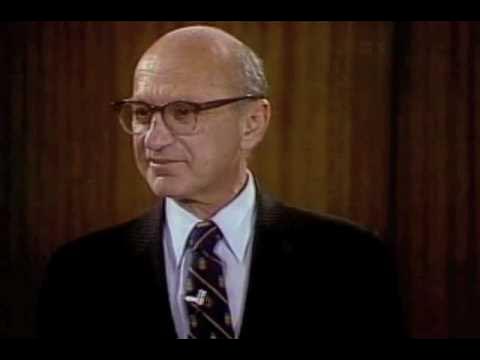
Milton Friedman - Illegal Immigration - PT 1 — LibertyPen

LibertyPen

Free immigration cannot coexist with a guaranteed safety net, making current migrant labor economically beneficial only because undocumented status bars workers from welfare programs.

AI-assisted summary of Milton Friedman - Illegal Immigration - PT 1 — original source. Check the original for full context.

Source published:

Key ideas

  • Milton Friedman identifies an economic incompatibility between the modern welfare state and open borders, stating that a nation can support free immigration to jobs or free immigration to welfare, but cannot sustain both simultaneously. (0:22)
  • Prior to 1914, unrestricted immigration succeeded without quotas because the absence of public welfare guaranteed that incoming workers expanded overall output rather than drawing from public transfers. (0:22)
  • Under current conditions, illegal Mexican immigration creates mutual economic gains precisely because undocumented workers are legally excluded from welfare and Social Security, compelling them to enter productive employment. (3:10)
  • Friedman cautions that bad legislation often criminalizes socially advantageous economic actions, which ultimately undermines public respect for the law and morality. (3:10)

Detailed notes

## Background Published on YouTube by the channel LibertyPen on December 11, 2009, this video is the first installment of a two-part excerpt from the lecture series Milton Friedman Speaks. According to the description, the program features Professor Milton Friedman examining the economic dynamics and policy contradictions surrounding illegal immigration.

## TL;DR Milton Friedman unpacks the contrast between historical open-border policies and modern border controls, arguing that free immigration is fundamentally incompatible with a welfare state guaranteeing minimum subsistence. He observes that contemporary illegal immigration from Mexico is economically advantageous to both American employers and the migrants precisely because the workers are barred from welfare and entitlement programs, compelling them to come exclusively for productive labor. Friedman concludes that this dynamic presents a tragic institutional paradox, as flawed state welfare laws transform mutually beneficial, hard-working human enterprise into criminal activity and erode respect for the law.

## Atmosphere & style The presentation carries the measured, intellectually rigorous atmosphere of a classic public lecture, anchored by Milton Friedman's signature blend of sharp economic realism and accessible Socratic inquiry. Delivering his points with calm clarity and dry irony, Friedman methodically challenges comfortable public assumptions with counterintuitive logic. The listening experience feels intellectually provocative and candid, guiding the audience through a clean, unvarnished diagnosis of government intervention and its unintended social consequences.

## Bulletin - [00:22](https://www.youtube.com/watch?v=3eyJIbSgdSE&t=22s) Milton Friedman identifies an economic incompatibility between the modern welfare state and open borders, stating that a nation can support free immigration to jobs or free immigration to welfare, but cannot sustain both simultaneously. - [00:22](https://www.youtube.com/watch?v=3eyJIbSgdSE&t=22s) Prior to 1914, unrestricted immigration succeeded without quotas because the absence of public welfare guaranteed that incoming workers expanded overall output rather than drawing from public transfers. - [03:10](https://www.youtube.com/watch?v=3eyJIbSgdSE&t=190s) Under current conditions, illegal Mexican immigration creates mutual economic gains precisely because undocumented workers are legally excluded from welfare and Social Security, compelling them to enter productive employment. - [03:10](https://www.youtube.com/watch?v=3eyJIbSgdSE&t=190s) Friedman cautions that bad legislation often criminalizes socially advantageous economic actions, which ultimately undermines public respect for the law and morality.

## Key takeaways - [00:22](https://www.youtube.com/watch?v=3eyJIbSgdSE&t=22s) Public sentiment displays an apparent contradiction by celebrating pre-1914 open immigration while rejecting open borders in the modern era. - [00:22](https://www.youtube.com/watch?v=3eyJIbSgdSE&t=22s) Concerns that unrestricted modern immigration would flood the country and lower domestic living standards have a legitimate economic basis. - [00:22](https://www.youtube.com/watch?v=3eyJIbSgdSE&t=22s) Before 1914, entering the United States required no special permits or quotas, with immigrants arriving through ports like Ellis Island seeking personal advancement. - [00:22](https://www.youtube.com/watch?v=3eyJIbSgdSE&t=22s) Pre-1914 immigration was naturally self-regulating because immigrants bore their own economic risks and arrived exclusively for employment opportunities. - [00:22](https://www.youtube.com/watch?v=3eyJIbSgdSE&t=22s) The advent of the welfare state fundamentally transformed migration incentives by guaranteeing a minimum subsistence level regardless of productive output. - [00:22](https://www.youtube.com/watch?v=3eyJIbSgdSE&t=22s) Pairing open borders with guaranteed state entitlements exerts downward pressure on living standards toward a lower common subsistence baseline. - [03:10](https://www.youtube.com/watch?v=3eyJIbSgdSE&t=190s) Illegal Mexican migration provides significant economic benefits by enriching the country, aiding employers, and improving the migrants' own financial well-being. - [03:10](https://www.youtube.com/watch?v=3eyJIbSgdSE&t=190s) A paradoxical reality exists where undocumented migration remains mutually beneficial only because its illegal status bars migrants from accessing welfare programs. - [03:10](https://www.youtube.com/watch?v=3eyJIbSgdSE&t=190s) Undocumented workers supply a diligent labor force for demanding jobs that domestic citizens generally refuse to take. - [03:10](https://www.youtube.com/watch?v=3eyJIbSgdSE&t=190s) Migrants demonstrate through their actions that crossing the border improves their condition, effectively 'voting with their feet'. - [03:10](https://www.youtube.com/watch?v=3eyJIbSgdSE&t=190s) Legalizing current undocumented migrants under an active welfare state would eliminate the net economic benefits due to the cost of taxpayer-funded entitlements. - [03:10](https://www.youtube.com/watch?v=3eyJIbSgdSE&t=190s) Flawed immigration laws demonstrate the unintended consequences of state intervention by transforming productive, beneficial labor into illegal activity.

## Detailed walkthrough ### [00:22](https://www.youtube.com/watch?v=3eyJIbSgdSE&t=22s) The Immigration Paradox: Jobs versus Welfare

Milton Friedman opens by observing a curious paradox in public sentiment regarding American immigration policy. If you ask everyday citizens whether the completely open borders before 1914—when anyone could simply board a ship, land on Ellis Island, and be accepted as an immigrant—were good or bad, almost no one will say it was bad; virtually everyone agrees it was an enormous benefit to the country. However, when those same individuals are asked whether the United States should reinstate open, free immigration today, their immediate reaction is horror. They protest that the country would be instantly flooded by millions of migrants from places like India, dragging domestic standards of living down to bare subsistence. While this sharp divide appears hypocritical on the surface, Friedman acknowledges that there is a legitimate economic foundation behind people's hesitation.

The fundamental change between then and now is the advent of the modern welfare state. Open immigration functioned successfully prior to 1914 because newcomers arrived exclusively seeking employment opportunities and personal advancement. Because no government safety net existed, individuals only made the journey if they believed their labor would yield a better life here, while their arrival provided expanded economic resources and productivity that mutually enriched the native population. In contrast, pairing free immigration with guaranteed state entitlements creates an untenable dynamic. When the state promises a guaranteed minimum subsistence level regardless of whether a resident works or produces, unlimited open borders would inevitably pull everyone down toward a common, lower economic baseline.

```mermaid flowchart TD accTitle: Immigration Models accDescr: Comparison between pre-1914 free immigration to jobs versus modern welfare state immigration.

subgraph Pre1914["Pre-1914: Free Immigration to Jobs"] A1["Immigrants arrive seeking work"] --> B1["No state welfare guarantees"] B1 --> C1["Provide labor & expand resources"] C1 --> D1["Mutual benefit for immigrants & residents"] end

subgraph Modern["Modern Era: Immigration to Welfare"] A2["Immigrants arrive at border"] --> B2["Welfare state guarantees minimum subsistence"] B2 --> C2["Entitlement to a pro-rata share of the pot"] C2 --> D2["Downward pressure toward uniform subsistence level"] end ```

- Prior to 1914, entering the United States required no special permits or quotas; an individual simply arrived at ports of entry like Ellis Island to become an immigrant. - The pre-1914 influx was self-regulating because immigrants bore their own economic risks, ensuring that arriving workers expanded output rather than consuming public transfers. - As Milton Friedman states: “Because it is one thing to have free immigration to jobs it is another thing to have free immigration to welfare and you cannot have both.”

---

[03:10](https://www.youtube.com/watch?v=3eyJIbSgdSE&t=190s) The Paradox of Illegal Mexican Immigration

Turning to the contemporary debate, Friedman examines Mexican migration across the southern border to illustrate how the welfare state distorts migration incentives. Under current conditions, this migration flow provides genuine economic benefits: it enriches the United States, helps domestic employers, and dramatically improves the fortunes of the migrants themselves. Yet Friedman highlights a dark irony: this arrangement remains mutually beneficial exclusively because the migration is categorized as illegal. If it were formally legalized within a comprehensive welfare regime, that positive dynamic would collapse under the weight of taxpayer-funded entitlements.

Because these workers lack legal status, they are barred from accessing welfare, Social Security, and the vast assortment of redistribution programs funded by American taxpayers. Consequently, their only avenue for survival is labor. They step into demanding jobs that native citizens refuse to perform, supplying employers with a diligent and dependable workforce. Their choice to cross the border—voting with their feet by the thousands or millions—demonstrates beyond doubt that they are better off. Friedman concludes that this paradox offers a profound lesson on the unintended consequences of state intervention: it reveals the deep entanglement between welfare programs and border restrictions, while underscoring how flawed laws transform productive, socially beneficial actions into criminal acts, ultimately eroding public respect for morality and the law.

- Denied access to the welfare safety net, undocumented workers are drawn exclusively to productive employment rather than state assistance. - Migrants actively signal their economic preferences by "voting with their feet," crossing borders despite substantial risks to secure employment. - As Milton Friedman argues: “Make it legal and it's no good why because as long as it's illegal the people who come in do not qualify for welfare they don't qualify for Social Security they don't qualify for all the other myriads of benefits that we pour out from what from our left pocket into our right pocket.” - Friedman notes that the broader institutional tragedy is “how bad laws make socially advantageous acts illegal and therefore leads to an undermining of morality in general.”

## Notable quotes > [00:22](https://www.youtube.com/watch?v=3eyJIbSgdSE&t=22s) it is one thing to have free immigration to jobs it is another thing to have free immigration to welfare and you cannot have both. — Milton Friedman

## Mentioned Milton Friedman, Ellis Island, India, Social Security, United States

## Video description (1 of 2) Professor Friedman looks at the dynamics of illegal immigration. See part two: http://www.youtube.com/watch?v=NfU9Fqah-f4 http://Libertypen.com

Source: Milton Friedman Speaks Buy it: http://www.freetochoose.net/store/product_info.php?products_id=152

[Source](https://www.youtube.com/watch?v=3eyJIbSgdSE)

中文简报

弗里德曼:福利国家令美国无法实行完全开放的移民政策 自由移民无法与保底安全网并存,当前的非法移民劳动力之所以在经济上有利,仅仅是因为其无证身份使其无法享受福利计划。 米尔顿·弗里德曼剖析了历史上的开放边境政策与现代边境管控之间的差异,认为自由移民与保障最低生计的福利国家在根本上是无法兼容的。他指出,目前来自墨西哥的非法移民对美国雇主和移民本身在经济上都是有利的,这恰恰是因为这些工人被排除在福利和福利保障项目之外,迫使他们完全是为了从事生产性劳动而来。弗里德曼总结道,这种动态呈现出一种悲剧性的制度悖论,因为存在缺陷的国家福利法律将互利且勤奋的人类事业定性为犯罪活动,并削弱了人们对法律的敬畏。 米尔顿·弗里德曼指出,现代福利国家与开放边境之间存在经济上的不相容性,表示一个国家可以支持面向就业的自由移民,也可以支持面向福利的自由移民,但无法同时维持这两者。 (0:22) 1914年之前,无限制的移民之所以在没有配额的情况下取得成功,是因为公共福利的缺位确保了流入的工人是在扩大总体产出,而不是索取公共转移支付。 (0:22) 在当前条件下,墨西哥非法移民创造了双赢的经济效益,恰恰是因为无证工人从法律上被排除在福利和社会保障之外,迫使他们进入生产性就业岗位。 (3:10) 弗里德曼警告称,不良立法往往会将具有社会效益的经济行为定性为犯罪,这最终会削弱公众对法律和道德的敬畏。 (3:10)

Reading summary

Milton Friedman argues that open immigration cannot coexist with a modern welfare state, contending that free migration is mutually beneficial only when newcomers move to seek employment rather than access public entitlements. The Divergence Between Pre-1914 and Modern Immigration (0:22) Milton Friedman identifies an apparent contradiction in American public opinion: while most people view the pre-1914 era of unrestricted immigration through Ellis Island as an enormous national benefit, they recoil at the prospect of opening borders today out of fear that millions of impoverished migrants would drag living standards down to subsistence. Friedman argues this fear is economically valid because the institutional environment has fundamentally changed. Before 1914, arriving immigrants bore their own economic risks and could rely only on what their labor produced, ensuring that incoming workers expanded national output and enriched domestic residents. The advent of the modern welfare state fundamentally alters this equation. In Friedman's view, pairing free immigration with guaranteed state entitlements creates an unsustainable incentive structure. When the state provides a guaranteed minimum subsistence level funded through redistribution, open borders would inevitably grant newcomers immediate claims on public resources rather than requiring self-sufficiency, pulling the broader economy toward a lower common denominator. As Friedman summarizes, a country can maintain free immigration to jobs or free immigration to welfare, but it cannot sustain both. The Economic Paradox of Illegal Status (3:10) Friedman examines contemporary Mexican immigration to illustrate how welfare institutions distort cross-border migration. Under current arrangements, Mexican migration across the southern border generates mutual economic gains: employers secure a dependable labor supply, the broader economy expands, and migrants dramatically improve their circumstances by 'voting with their feet.' However, Friedman notes the dark irony that this dynamic remains productive precisely because the migration is classified as illegal. Because undocumented workers lack legal status, they are barred from claiming welfare, Social Security, and related taxpayer-funded benefits, compelling them to survive solely through productive employment in demanding roles. Friedman warns that legalizing this flow within an expansive welfare state would cause its positive economic benefits to collapse under the burden of entitlement expenditures. At the same time, he stresses that relying on illegality is an institutional tragedy. Flawed laws transform mutually beneficial, productive economic exchange into criminal acts, which ultimately undermines public respect for the law and civic morality. Friedman concludes that border restrictions are the direct consequence of welfare programs, warning that state entitlement systems perversely require criminalizing voluntary economic labor to prevent the welfare state from collapsing.

精炼阅读摘要

米尔顿·弗里德曼(Milton Friedman)指出,自由移民与现代福利国家在经济逻辑上无法并存;当代非法移民之所以能为美国和移民自身创造实质性互利,恰恰在于其非法身份使其无法享受纳税人资助的社会福利网络。 1914年前后的移民悖论与福利国家冲突 (0:22) 弗里德曼观察到公众在移民政策上存在一种看似矛盾的态度:绝大多数公众高度肯定1914年以前完全开放边界、经由埃利斯岛(Ellis Island)自由接纳移民的历史贡献;但如果提议在当代重新恢复完全自由的移民制度,公众则普遍感到恐慌,担忧大量来自印度等地的移民涌入,会将国内生活水平拉低至最低生存标准。弗里德曼认为,这种担忧并非单纯的伪善,而是源于制度环境的根本转变。 根本分歧在于现代福利国家的建立。在1914年之前,入境美国无需特别许可或配额,移民入境完全是为了寻找工作机会与个人发展。当时缺乏政府兜底的安全网,移民必须自担经济风险,因此移民的流入带来了劳动生产力的扩张,在不对公共财政造成转移支付负担的前提下实现了移民与本土居民的双赢。弗里德曼强调,追求就业的自由移民与依赖福利的自由移民截然不同,在国家承诺提供最低生活保障的福利制度下,不受限制的开放边界必然产生向下的均贫压力,二者根本无法兼得。 非法身份对生产性劳动激励的扭曲维持 (3:10) 弗里德曼以墨西哥移民进入美国南部边境为例,说明福利国家如何扭曲迁移激励。他指出,目前的墨西哥移民潮在客观上为各方带来了收益:既丰富了美国整体经济、为雇主提供了稳定劳动力,也显著改善了移民自身的生活处境,成千上万移民“用脚投票”跨越国境的行为明确印证了这一改善。然而,这一良性格局得以维系的讽刺前提在于该移民行为被界定为“非法”。 正因为缺乏合法身份,无证劳工无法享受福利金、社会保障(Social Security)以及由美国纳税人资助的庞大财富再分配项目。生存的唯一途径是投入工作,这促使他们从事本土劳动力不愿承担的繁重岗位。弗里德曼直言,一旦将这些移民的身份合法化,其原有的经济互利机制就会在庞大的福利资格挤兑下瓦解,从而丧失积极的经济效益。 不良制度干预对法治与道德的侵蚀 (3:10) 弗里德曼将非法移民现象上升为对政府干预政策意外后果(unintended consequences)的批判。福利国家不仅倒逼政府对边境施加严格管制,而且催生了制度性的道德困境。在这一体系下,市场自发的互利合作与勤奋工作等有益社会的经济行为,被现行法律强行定性为违法犯罪。 弗里德曼认为,不良法律将具有社会效益的行为界定为非法,不仅未能消除劳动力市场的现实需求,反而人为制造了守法与经济生存之间的冲突,最终逐步削弱公众对普遍法律与社会道德规范的尊重与信任。 弗里德曼的论述表明,关于边境管制与移民合法化的争论,其核心根源在于现代福利国家体系与自由市场激励机制的内在冲突。在保留庞大福利救济制度的前提下,如何平衡劳动力需求、移民权益与法律尊严,仍是一个制度性未决难题。

Detailed notes — zh

## Background 该视频由 YouTube 频道 LibertyPen 于 2009 年 12 月 11 日发布。视频源自《Milton Friedman Speaks》系列讲座,简介指出这是两部曲中的第一部分,记录了经济学家米尔顿·弗里德曼(Milton Friedman)探讨非法移民内在机制与经济逻辑的精彩演讲。 ## TL;DR 弗里德曼剖析了公众对自由移民态度的历史悖论:1914 年以前的完全自由移民备受推崇,但在现代福利国家体制下却不可行,因为社会无法同时承受自由移民与福利保障的双重叠加。他进一步提出了一个发人深省的论断——墨西哥非法移民对双方均有益处,而这种互利恰恰是因为其身份处于“非法”状态。由于无法申领福利救济,非法劳工完全奔着就业而来并从事本土居民不愿承担的工作,他们“用脚投票”改善了自身处境,同时也为美国创造了价值;这也反衬出不良法律往往会将对社会有益的行为定为违法,进而损害社会道德准则。 ## Atmosphere & style 现场弥漫着典型弗里德曼式的睿智、从容与思辨张力。他以循循善诱的讲课风格打破常人的直觉定势,用幽默而犀利的逻辑将看似挑衅性的观点娓娓道来。整场演讲逻辑层层推进,在冷静严密的经济学推导中夹带发人深省的现实洞察,让听众在豁然开朗的同时陷入深层的制度反思。 ## Bulletin - [00:22](https://www.youtube.com/watch?v=3eyJIbSgdSE&t=22s) 弗里德曼指出自由移民与福利国家存在不可调和的矛盾:奔向工作的自由移民能促进繁荣,但奔向福利的自由移民则必然难以为继。 - [00:22](https://www.youtube.com/watch?v=3eyJIbSgdSE&t=22s) 1914年前的美国因缺乏普遍福利保障,进入的移民全凭劳动谋生,不仅自身获益,也为本土居民创造了更多财富与机会。 - [03:13](https://www.youtube.com/watch?v=3eyJIbSgdSE&t=193s) 在现行制度下,来自墨西哥的非法移民反而实现了多方共赢,核心原因在于非法身份剥离了其申领政府福利与社保的资格,促使其纯粹因劳动力市场需求而流动。 - [03:13](https://www.youtube.com/watch?v=3eyJIbSgdSE&t=193s) 不良法律将互利共赢的纯市场劳工流动强行定性为违法,不仅扭曲了经济规律,还在深层次上侵蚀了社会的道德观念。 ## Key takeaways - [00:22](https://www.youtube.com/watch?v=3eyJIbSgdSE&t=22s) 大多数美国人赞同1914年前的全面自由移民政策,但本能地反对当今开放边境,担心生活水平被严重拉低。 - [00:22](https://www.youtube.com/watch?v=3eyJIbSgdSE&t=22s) 奔向工作岗位的自由移民与奔向福利救助的自由移民性质截然相反,二者无法在同一个制度体系内并存。 - [00:22](https://www.youtube.com/watch?v=3eyJIbSgdSE&t=22s) 现代福利国家承诺提供最低生活保障,导致开放移民会按人头稀释公共财富底池,将社会整体平均生活水准拉低。 - [00:22](https://www.youtube.com/watch?v=3eyJIbSgdSE&t=22s) 在1914年以前,没有公共安全网兜底,只有确信能改善生活的移民才会赴美,形成了本土居民与新移民双赢的自发调节机制。 - [03:13](https://www.youtube.com/watch?v=3eyJIbSgdSE&t=193s) 墨西哥非法劳工越境赴美从经济上看是有益的,既改善了劳工自身境况,也为美国经济填补了劳动力缺口。 - [03:13](https://www.youtube.com/watch?v=3eyJIbSgdSE&t=193s) 这种互利关系赖以存续的关键在于其身份是“非法的”,一旦全面合法化并享有同等福利,这种互惠模式就会瓦解。 - [03:13](https://www.youtube.com/watch?v=3eyJIbSgdSE&t=193s) 非法身份使移民无法享受社会保障金(Social Security)及各类政府补贴,确保其流动完全由真实劳动需求驱动。 - [03:13](https://www.youtube.com/watch?v=3eyJIbSgdSE&t=193s) 非法移民承担了本土居民不愿从事的繁重工作,有效缓解了雇主面临的基层劳动力短缺问题。 - [03:13](https://www.youtube.com/watch?v=3eyJIbSgdSE&t=193s) 数以百万计的劳工通过“用脚投票”跨越边境,无可辩驳地证明了他们通过赴美工作切实改善了自身生活处境。 - [03:13](https://www.youtube.com/watch?v=3eyJIbSgdSE&t=193s) 将实质上对经济和社会各方有利的互利行为强行定为非法,体现了不良法律对社会整体道德理念的严重损害。 ## Detailed walkthrough ### [00:22](https://www.youtube.com/watch?v=3eyJIbSgdSE&t=22s) 自由移民的历史悖论与福利国家的冲突 米尔顿·弗里德曼(Milton Friedman)首先提出一个令他感到颇有意味的悖论:如果去问普通美国民众,在 1914 年以前美国实行完全自由移民政策——任何人只要坐上船抵达这片土地,在埃利斯岛(Ellis Island)上岸就能成为合法移民——这究竟是好事还是坏事?几乎没有人会说那是件坏事,绝大多数人都会一致认为那是好事。然而,如果紧接着问同一个人:“那么今天呢?你认为我们今天应该开放自由移民吗?”对方往往会断然否定,惊呼绝对不能这样做,否则大量来自印度等各地的移民会涌入美国,将所有人的生活水平拉低到维持生存的最低标准。 面对人们这种看似矛盾的态度,弗里德曼解释称,从某种角度来看公众的直觉并没有错,因为当今确实无法再像 1914 年以前那样实行自由移民。其核心症结在于社会机制的本质改变:自由移民究竟是奔着“工作”而来,还是奔着“福利”而来。正如米尔顿·弗里德曼所指出的:“Because it is one thing to have free immigration to jobs it is another thing to have free immigration to welfare and you cannot have both.”如果一个国家建立了福利制度,承诺为每位居民提供最低收入或最低生存保障(无论其是否工作、是否生产价值),那么自由移民就绝对难以为继。 ```mermaid flowchart TD accTitle: 自由移民与社会制度匹配模型 accDescr: 对比1914年前自由移民进入劳动力市场与现代福利国家下自由移民导致资源均摊的两种结果 subgraph Pre1914["1914 年以前模式(无福利国家)"] A["自由移民进入"] --> B["完全奔向工作岗位"] B --> C["移民与本地居民双赢互利"] end subgraph Modern["现代福利国家模式"] D["自由移民进入"] --> E["享有法定最低生存福利"] E --> F["稀释公共财富底池,整体水平拉低"] end ``` - 1914 年以前,移民唯有认为自己与家庭在美生活会优于原籍才会前来,新移民为本土居民创造了更多资源与发展机会,双方互惠共利。 - 在福利国家体系下,如果每个人都有权按比例分摊公共财富底池(或至少分走一部分),自由移民的结果必然是将全体社会的财富水准推向平均化降低的境地。 ### [03:13](https://www.youtube.com/watch?v=3eyJIbSgdSE&t=193s) 非法移民的悖论:为何“非法”反而对各方有益 顺着这一逻辑,弗里德曼转向了一个极具现实意义的典型案例——来自墨西哥的非法移民。他提出了一个十分敏锐且惊人的论断:墨西哥人越境进入美国是一件好事,既对非法移民自身有利,也对美国及本土公民有利,但这种互利局面之所以能够维持,恰恰是因为其身份是“非法的”。如果将其合法化,这种互惠关系便会立刻瓦解。 原因在于,只要这些人处于非法居留状态,他们就无法申领政府福利、无法享受社会保障金(Social Security),也无法获取国家从左口袋掏到右口袋发放的无数公共补贴。正因无法依赖福利救济,他们来到美国纯粹是为了寻找工作。他们勤奋肯干、表现优良,愿意承担绝大多数美国本地居民不愿从事的脏活累活,从而为雇主填补了无法从本地获得的劳动力缺口。正如米尔顿·弗里德曼所评价的:“If you ever want to know how people are what people prefer the surest sign is how they vote with their feet and there is no doubt how the braceros vote.”成千上万乃至数以百万计的劳工(braceros)用双脚穿过边境,证明了这种选择显著改善了他们自身的境况。 - 非法劳工无法享受各类社会福利,因而其流动机制完全是由就业需求驱动的纯市场行为。 - 这不仅展现了自由各要素之间、福利安排与移民管制政策之间的深度交织,还揭示了一个发人深省的侧面:不良法律往往将对社会整体有利的行为强行定为非法,进而严重侵蚀社会的整体道德观念。 ## Notable quotes > [00:22](https://www.youtube.com/watch?v=3eyJIbSgdSE&t=22s) Because it is one thing to have free immigration to jobs it is another thing to have free immigration to welfare and you cannot have both. — 米尔顿·弗里德曼 ## Mentioned 米尔顿·弗里德曼, 埃利斯岛, 墨西哥, 印度, 美国社会保障金 ## Video description (1 of 2) Professor Friedman looks at the dynamics of illegal immigration. See part two: http://www.youtube.com/watch?v=NfU9Fqah-f4 http://Libertypen.com Source: Milton Friedman Speaks Buy it: http://www.freetochoose.net/store/product_info.php?products_id=152 [Source](https://www.youtube.com/watch?v=3eyJIbSgdSE)

Source quotes

[0:22] 米尔顿·弗里德曼: Because it is one thing to have free immigration to jobs it is another thing to have free immigration to welfare and you cannot have both.

Source quotes

[0:22] Milton Friedman: it is one thing to have free immigration to jobs it is another thing to have free immigration to welfare and you cannot have both.

Original transcript

[0:04] [Music] [0:22] I have always been [0:24] amused by a kind of a paradox suppose [0:27] you go around and ask people the United [0:30] States as you know before 1914 had [0:33] completely free immigration anybody [0:36] could get on a boat and come to these [0:37] Shores and if he landed on Ellis Island [0:39] he was an immigrant was that a good [0:42] thing or a bad [0:43] thing you will find hardly a [0:46] soul who will say it was a bad thing [0:49] almost everybody will say it was a good [0:51] thing but then I suppose I say to the [0:53] same people but now what about today do [0:56] you think we should have free [0:57] immigration oh no they'll say we [0:59] couldn't Poss possibly have free [1:00] immigration today why that would that [1:03] would flood us with immigrants from [1:06] India and God knows where we'd be driven [1:09] down to a a bare subsistence [1:12] level what's the difference how can [1:16] people be so inconsistent why is it that [1:18] free immigration was a good thing before [1:21] 1914 and free immigration is a bad thing [1:24] today well there's a sense in which that [1:26] answer is right there's a sense in which [1:29] free immigration in the same sense as we [1:32] had it before in 1914 is not possible [1:34] today why [1:37] not because it is one thing to have free [1:40] immigration to jobs it is another thing [1:43] to have free immigration to [1:45] welfare and you cannot have both if you [1:48] have a welfare state if you have a state [1:52] in which every every resident is is [1:56] Promised certain minimum level of income [1:59] or a minimum level of subsistence [2:01] regardless of whether he works or not [2:03] produces it or not well then it really [2:06] is an impossible thing if you have free [2:09] immigration in the way in which we had [2:10] it before [2:12] 1914 everybody benefited the people who [2:15] were here benefited the people who came [2:17] benefited because nobody would come [2:20] unless he or his family thought he would [2:22] do better here than he would elsewhere [2:25] and the new immigrants provided [2:27] additional resources provid additional [2:30] possibilities for the people already [2:32] here so everybody could mutually [2:34] benefit but on the other hand if you [2:38] come under circumstances where each [2:40] person is entitled to a pro rate a share [2:42] of the pot to take the extreme example [2:44] or even to a low level of the P then the [2:47] effect of that [2:49] situation is that free immigration would [2:52] mean a uh reduction of everybody to the [2:56] same uniform level of course I'm [2:58] exaggerating wouldn't go quite that far [3:01] but it would go in that direction and it [3:03] is that [3:04] perception that leads people to adopt [3:07] what it first seemed like inconsistent [3:10] values look for example at the obvious [3:13] immediate practical case of illegal [3:15] Mexican [3:17] immigration now that Mexican immigration [3:19] over the border is a good thing it's a [3:23] good thing for the PE illegal immigrants [3:26] it's a good thing for the United States [3:27] it's a good thing for the citizens of [3:29] the country [3:30] but it's only good so long as it's [3:34] illegal that's an interesting Paradox to [3:37] think about make it legal and it's no [3:39] good why because as long as it's illegal [3:43] the people who come in do not qualify [3:45] for welfare they don't qualify for [3:48] Social Security they don't qualify for [3:50] all the other myriads of benefits that [3:52] we pour out from what from our left [3:54] pocket into our right [3:57] pocket and so as long as they don't [3:59] qualify [4:00] they migrate to jobs they take [4:03] jobs that uh most residents of this [4:07] country are unwilling to take they [4:09] provide employers with workers of a kind [4:11] they cannot get they're hard workers [4:13] they're good workers and they are [4:15] clearly better off if you ever want to [4:18] know how people are what people prefer [4:21] the shest sign is how they vote with [4:22] their feet and there is no doubt how the [4:25] Bros [4:26] vote they vote to cross the border with [4:30] their feet on their feet or in any other [4:32] way they [4:33] can by the M by the thousands and [4:35] perhaps Millions for all I [4:38] know it's illegal immigration is [4:42] fascinating because it shows not only [4:45] the main point I'm trying to bring out [4:47] now [4:48] how [4:50] interconnected are the various aspects [4:53] of [4:53] Freedom how interconnected is the [4:56] problem of governmental arrangements for [4:58] welfare and governmental arrangements [5:00] for immigration and other things but it [5:02] shows a very different point that's kind [5:04] of a [5:05] digression and that is how bad [5:08] laws make socially advantageous acts [5:14] illegal and therefore leads to an [5:16] undermining of Morality In [5:19] [Music] [5:26] general