CNN, Feynman and the Challenger disaster
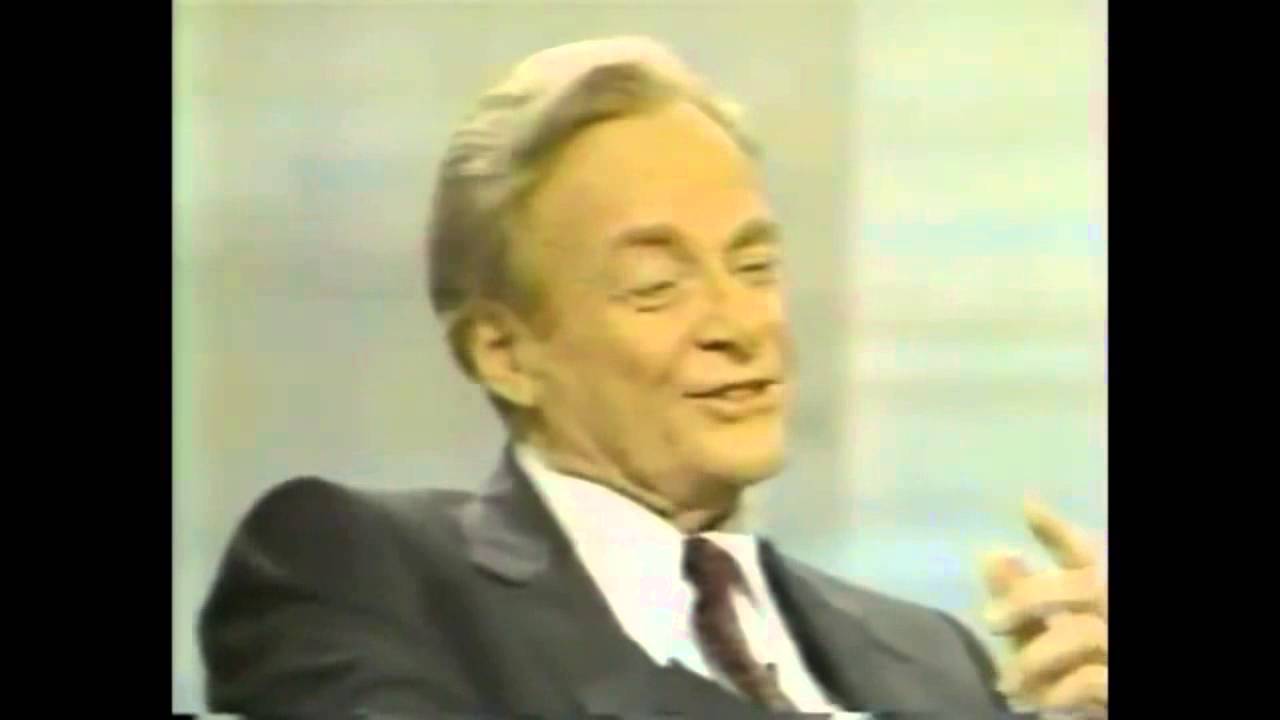
CNN, Feynman and the Challenger disaster — vsrr83

vsrr83

AI-assisted summary of CNN, Feynman and the Challenger disaster — original source. Check the original for full context.

Source published:

Key ideas

  • Richard Feynman and Commission Chairman William P. Rogers reached a compromise to include Feynman's harsh critique of NASA as an appendix to the official Challenger report after Feynman threatened to resign and withhold his signature. (0:00)
  • Feynman described the Challenger disaster as completely preventable, comparing NASA management's launch decisions to a child repeatedly running into traffic and falsely assuming safety because no accident had occurred yet. (2:30)
  • The root cause of NASA's broken communication was traced to unrealistic early promises of 60 shuttle flights per year, creating bureaucratic layers that systematically filtered out warnings from engineers on the shop floor. (4:30)
  • While low temperatures degraded O-ring resilience, Feynman noted the fundamental engineering flaw was that combustion pressure caused solid rocket booster joints to flex and widen beyond the stiffened rubber's ability to rebound. (6:58)

Detailed notes

## Background Published on YouTube by channel vsrr83 on May 19, 2015, this video features archival broadcast coverage and a June 1986 interview with Nobel laureate physicist Richard Feynman regarding the Space Shuttle Challenger disaster. According to the page description, the footage captures the aftermath of the presidential inquiry, with the newsmaker interview segment beginning at the 2:30 mark.

## TL;DR The broadcast opens with CNN reporting on internal friction within the Rogers Commission after Richard Feynman threatened to withhold his signature unless his critical findings on NASA's flawed safety practices were published in the final report. In a direct interview, Feynman characterizes the disaster as entirely preventable, using the analogy of a child playing in traffic to describe NASA management repeatedly gambling on luck despite explicit engineering warnings. He traces the root failure to an organizational culture where unrealistic political promises of frequent, low-cost flights led middle management to filter out critical hardware warnings, including the temperature-sensitive solid rocket booster O-rings. Addressing published reports of a bitter personal feud with Commission Chairman William P. Rogers over Appendix F, Feynman dismisses the controversy as exaggerated press sensationalism around routine editorial trimming.

## Atmosphere & style The presentation blends the urgent, investigative tension of 1980s network news with the calm, methodical candor of a master scientist holding power accountable. Once the sit-down interview begins, the mood transforms from political controversy into an intimate, intellectually rigorous tutorial, as Feynman dismantles institutional hubris through plainspoken, evocative analogies. The viewer experiences a palpable contrast between bureaucratic myth-making and unvarnished physical reality, marked by Feynman's understated wit, unwavering integrity, and quiet grief over an entirely avoidable tragedy.

## Bulletin - [00:00](https://www.youtube.com/watch?v=4kpDg7MjHps&t=0s) Richard Feynman and Commission Chairman William P. Rogers reached a compromise to include Feynman's harsh critique of NASA as an appendix to the official Challenger report after Feynman threatened to resign and withhold his signature. - [02:30](https://www.youtube.com/watch?v=4kpDg7MjHps&t=150s) Feynman described the Challenger disaster as completely preventable, comparing NASA management's launch decisions to a child repeatedly running into traffic and falsely assuming safety because no accident had occurred yet. - [04:30](https://www.youtube.com/watch?v=4kpDg7MjHps&t=270s) The root cause of NASA's broken communication was traced to unrealistic early promises of 60 shuttle flights per year, creating bureaucratic layers that systematically filtered out warnings from engineers on the shop floor. - [06:58](https://www.youtube.com/watch?v=4kpDg7MjHps&t=418s) While low temperatures degraded O-ring resilience, Feynman noted the fundamental engineering flaw was that combustion pressure caused solid rocket booster joints to flex and widen beyond the stiffened rubber's ability to rebound.

## Key takeaways - [00:00](https://www.youtube.com/watch?v=4kpDg7MjHps&t=0s) Richard Feynman concluded that NASA had abandoned sound scientific practices and that the actual probability of a catastrophic shuttle disaster was far higher than official estimates acknowledged. - [00:00](https://www.youtube.com/watch?v=4kpDg7MjHps&t=0s) To prevent Feynman from resigning and withholding his signature, the presidential commission agreed to include his critical assessment, known as Chapter F, in full as an appendix to the final report. - [02:30](https://www.youtube.com/watch?v=4kpDg7MjHps&t=150s) Feynman asserted that Challenger was an entirely preventable accident preceded by numerous explicit warnings that hardware was failing and liable to cause catastrophe. - [02:30](https://www.youtube.com/watch?v=4kpDg7MjHps&t=150s) Using a 'child in the road' analogy, Feynman argued that NASA management treated past flights with O-ring blow-by as proof of safety rather than near-miss warnings. - [02:30](https://www.youtube.com/watch?v=4kpDg7MjHps&t=150s) Feynman emphasized that assigning individual blame was unproductive compared to addressing the systemic managerial mindset that tolerated dangerous gambles on luck. - [04:30](https://www.youtube.com/watch?v=4kpDg7MjHps&t=270s) Unrealistic initial promises made to Congress—including claims of 60 flights annually with low-cost reusable hardware—incentivized management to suppress technical realities. - [04:30](https://www.youtube.com/watch?v=4kpDg7MjHps&t=270s) Unlike the Apollo program, where open communication thrived on achievable challenges, the shuttle program suffered from administrative layers actively filtering out bad news from engineers. - [06:58](https://www.youtube.com/watch?v=4kpDg7MjHps&t=418s) During commission hearings, Feynman demonstrated the vulnerability of the shuttle's rubber O-rings by submerging a sample in a glass of ice water. - [06:58](https://www.youtube.com/watch?v=4kpDg7MjHps&t=418s) The O-ring design failed because booster joints flexed and widened under combustion pressure, requiring rapid seal rebound that the cold, stiffened rubber could not provide. - [06:58](https://www.youtube.com/watch?v=4kpDg7MjHps&t=418s) Secondary mechanical flaws, such as thermal barrier putty developing blow-holes under pressure, compounded the vulnerability of the booster joints. - [08:33](https://www.youtube.com/watch?v=4kpDg7MjHps&t=513s) Feynman observed that determining the physical cause of the explosion was straightforward, but uncovering the pervasive managerial decay inside an American icon was emotionally difficult for the panel. - [09:36](https://www.youtube.com/watch?v=4kpDg7MjHps&t=576s) Feynman dismissed media reports of a personal feud with Chairman Rogers, explaining the conflict arose when editors attempted to cut down his informally phrased research memo intended for the appendix. - [09:36](https://www.youtube.com/watch?v=4kpDg7MjHps&t=576s) Feynman agreed to minor grammatical adjustments in Appendix F while preserving his technical conclusions, allowing the commission to submit a unanimous final report.

## Detailed walkthrough ### [00:00](https://www.youtube.com/watch?v=4kpDg7MjHps&t=0s) The Battle Over Chapter F and the Commission Report

The presidential commission's final report on the Space Shuttle *Challenger* disaster has been presented to President Ronald Reagan, with a public release scheduled for Monday. CNN correspondent John Holliman reports from Washington that behind closed doors, the investigative body was rocked by fierce internal battles. Commission member and Nobel Prize–winning Caltech physicist Richard Feynman leveled severe accusations against NASA, charging that the agency had practically discarded core principles of physics and sound scientific practices while designing, testing, and constructing the Space Shuttle. Feynman compiled his harsh critique into a submission intended for the main body of the document, known as "Chapter F."

Upon reading Chapter F, commission chairman William P. Rogers was reportedly furious. Fearing that such blistering criticism would completely erode public confidence in the space agency, Rogers summoned Feynman to Washington on a Wednesday and pressured him to tone down his language. Feynman returned to his California residence and initially began rewriting the draft, but abruptly changed his mind when he felt his scientific and personal integrity were being compromised. He issued an ultimatum to Rogers: include Chapter F in its entirety, or he would resign from the commission and pull his signature from the final report. Following a day of intense negotiations, a compromise was struck. Feynman agreed to remain on the panel and sign the report on the condition that his unvarnished text appear as part of the document's published appendix. Consequently, President Reagan will not see Feynman's critique during his weekend review at Camp David. Meanwhile, a senior administration official noted that while consensus is still pending regarding a fourth orbiter, President Reagan supports building a replacement for *Challenger* and intends to ask Congress for new appropriations rather than stripping funds from existing NASA programs.

- Richard Feynman concluded that the real likelihood of a catastrophic shuttle disaster was vastly higher than NASA's pre-launch estimates had ever acknowledged. - Dr. Feynman emerged as one of the most skeptical interrogators during public commission hearings, repeatedly confronting NASA management with pointed technical inquiries. - The compromise relegated Feynman’s text from the main report body to an official appendix to avoid gutting his findings.

---

[02:30](https://www.youtube.com/watch?v=4kpDg7MjHps&t=150s) "The Child in the Road": Warnings Ignored and the Fallacy of Safety

In a sit-down newsmaker interview, Richard Feynman is asked directly whether the *Challenger* disaster was an accident that did not have to happen. Feynman affirms without hesitation that it was entirely preventable, noting that there were numerous explicit warnings indicating something was severely wrong and liable to fail at any moment, yet every single warning was disregarded. When asked whether this stemmed from incompetence, systemic failure, or poor judgment, Feynman offers an extended analogy comparing NASA's decision-making to a reckless child repeatedly darting into traffic.

Feynman explains that when a child runs into a busy street, a frightened parent rushes to warn them of the extreme danger. If the child runs out several times without getting hit and replies, "but nothing happened," they mistakenly interpret the absence of a catastrophe as proof of safety. In Feynman's analogy, the working engineers represent the cautious mother, while NASA management represents the heedless child who keeps gambling on luck. Even after hearing the metaphorical brakes squealing—represented in reality by hot combustion gas blowing by the O-rings on previous flights—management repeatedly justified new launches with the rationalization: "This new flight is within our database." To Feynman, this meant nothing more than "it was okay last time," a dangerous, infantile mindset where a catastrophic outcome ceases to be an unforeseeable accident. When challenged on why Chairman Rogers insisted the commission was not convened to assign personal blame, Feynman remarks that finding fault rarely educates anyone, observing: “The question is how do we educate the child.”

> “If the child's view that nothing happened is a clue that there was nothing going to happen then that's going to be an accident.” — Richard Feynman

---

[04:30](https://www.youtube.com/watch?v=4kpDg7MjHps&t=270s) Bureaucracy, Broken Communication, and the Ghost of Apollo

Probing into why management developed such an irrational attitude toward safety, Feynman outlines his personal theory of organizational breakdown. While some colleagues suggested simple management incompetence finding its own level, Feynman traces the root cause back to the shuttle's inception, when unrealistic promises were made to secure political and financial backing. Overzealous claims promised that the shuttle could fly up to 60 missions a year, at minimal cost, with fully reusable hardware and no operational roadblocks.

```mermaid flowchart TD accTitle: NASA Bureaucratic Information Blockage accDescr: Flow diagram showing how top-level unrealistic flight promises created a filter where middle management suppressed engineering warnings.

subgraph TopLevel["Top Management & Congress"] A["Promises to Congress:<br/>60 flights/year, low cost, reusable"] end

subgraph Bureaucracy["Middle Management Filters"] B["Bureaucratic Barrier:<br/>Avoid uncomfortable realities"] end

subgraph Engineering["Working Engineers"] C["Technical Reality:<br/>Only ~10 flights/year, crew training deficits"] D["Hardware Warnings:<br/>O-ring erosion and blow-by"] end

C -->|"Warnings pushed up"| B D -->|"Concerns raised"| B B -.->|"Filtered & suppressed"| A ```

Feynman contrasts this toxic dynamic with the Apollo program. Apollo was extraordinarily difficult, but it was just within reach—a problem slightly harder than what engineers already knew how to do, which fostered shared excitement and open intercommunication whenever someone found a solution. By contrast, the shuttle’s operational schedule was fundamentally unrealistic from an engineering standpoint. Engineers on the shop floor were effectively screaming that the flight rate was impossible and that they lacked the equipment to train that many flight crews, but upper management had to sell the program to Congress and refused to hear bad news. As a result, each administrative layer learned to filter out warnings:

> “Each level in a bureaucracy kind of understands what it's supposed to do keep it from the other guys they don't have to hear it they don't want to hear it they don't want to hear it because it would be uncomfortable to be going and saying we're going to do 60 flights a year when just that morning they were told that it's impossible.” — Richard Feynman

---

[06:58](https://www.youtube.com/watch?v=4kpDg7MjHps&t=418s) The Ice Water Demonstration and Flaws in the O-Ring Design

The interviewer turns to the commission's first public hearing, where Feynman famously submerged a sample of the shuttle's rubber O-ring seal in a simple glass of ice water to demonstrate that low ambient temperatures destroy the material's resilience. Asked if cold weather alone caused the fatal seal failure, Feynman cautions against attributing the disaster to a single variable. While chilling the rubber clearly degraded its properties, the deeper issue lay in how the seal was engineered into the shuttle's solid rocket booster joints.

In standard industrial applications, such as automotive engines, O-rings sit in fixed, rigid grooves where the surrounding metal does not shift; resilience is not critical, and ambient temperature has little operational effect. In the Space Shuttle's solid rocket boosters, however, the immense internal combustion pressure caused the metal casing joints to flex and vibrate, widening the gap between the segments. To maintain a seal, the rubber O-ring had to rapidly expand to track the widening space. Under freezing launch temperatures, the cold rubber stiffened and could not rebound quickly enough to bridge the expanding gap. Beyond temperature sensitivity, the investigation uncovered a litany of compounding design flaws, including thermal barrier putty that developed blow-holes under pressure, making it impossible to single out cold weather as the sole culprit.

> “It's definite that when the temperature is reduced on this the seals the way they were being used in that device in the shuttle temperature has a very bad effect.” — Richard Feynman

---

[08:33](https://www.youtube.com/watch?v=4kpDg7MjHps&t=513s) Unmasking the Wizard of Oz: Investigating NASA's Culture

Reflecting on the overall performance of the presidential commission, Feynman evaluates the investigation as a success, remarking that determining the physical cause of the failure turned out to be unexpectedly straightforward. The interviewer notes a contradiction: Chairman Rogers had just stated at the White House that the inquiry was far more difficult than anticipated. Feynman explains that this discrepancy stems from differing initial expectations. At the commission's very first meeting, Rogers had warned that they might never discover what caused the accident, whereas Feynman and the technical investigators quickly identified the physical chain of events.

The truly difficult part of the investigation—and likely what Rogers meant—was confronting the profound institutional decay inside NASA. The panel was forced to unearth an extensive, pervasive illogic regarding safety risk and managerial blindness. Coming face-to-face with these structural deficiencies proved emotionally jarring for the commissioners, as it required tearing away the infallible public mystique of an agency long revered as an American technological icon, exposing that the vaunted "Wizard of Oz" was hollow inside.

> “At the very beginning of this commission meeting I remember Mr Rogers saying well of course we may never find out what made the accident occur and that turned out that's what I meant was easy.” — Richard Feynman

[09:36](https://www.youtube.com/watch?v=4kpDg7MjHps&t=576s) The Alleged Clash with Chairman Rogers over Appendix F

The interviewer brings up a report published that morning in *The New York Times*—as well as a passing mention by Elizabeth Brackett in her broadcast segment—alleging that Richard Feynman had a major clash with Commission Chairman William P. Rogers regarding an appendix to the final report. Feynman immediately dismisses the rumors, explaining that the press blew routine editorial discussions completely out of proportion: “Well that's terribly exaggerated got into the news somehow I have no control of news have no experience with uh at one point I had written a document which was meant for the other Commissioners I had investigated a number of things and I was just sending them a note telling them what I'd found and it wasn't written for publication.”

Feynman elaborates on how the personal memo ended up slated for the final publication. Other members of the commission reviewed his notes, found them compelling, and suggested they ought to go directly into the official report. However, because Feynman had drafted the piece in an informal, personal voice that did not match the formal tone of the main body, the commissioners agreed to include it as a detailed appendix. Problems arose when commission editors applied their standard practice of trimming repetitive material to save space and started cutting down sections of his text. Feynman pushed back, arguing that because appendices are not constrained by space limitations, his text should remain intact without modifications: “I looked at it and I thought it was nice the way I wrote it you know so I asked that it be put in the since it was in the appendix and we weren't so worried about space let's leave it in the appendix with any modification at all and they said okay.”

The editors pointed out a specific sentence that was poorly phrased, and Feynman willingly revised it. He explains that the change did not dilute his findings at all, since he had already stated the exact same point in a more careful, quieter manner earlier in the paragraph, making the repetitive sentence unnecessary. He also fixed another sentence with flawed grammar on his own, joking that nobody noticed or made a fuss about that correction. When asked if the controversy had caused lasting damage, Feynman firmly insists, “There's no stink here at all no sir there's no problem,” agreeing with the interviewer's summary that the commission produced a unanimous report and that neither he nor Chairman Rogers walked away with any scars.

- *The New York Times* and correspondent Elizabeth Brackett had both reported on an apparent internal fight between Feynman and Chairman Rogers over his appended findings. - The document originated as an informal internal research memo to inform other commissioners of Feynman's personal technical investigations rather than as a public document. - The commission editors attempted to cut and rewrite sections that overlapped with the main body, prompting Feynman to insist on preserving his original draft in the appendix. - The final adjustments made to the appendix consisted strictly of minor typographical polish and grammatical fixes, preserving all of Feynman's original conclusions.

## Notable quotes > [02:30](https://www.youtube.com/watch?v=4kpDg7MjHps&t=150s) If the child's view that nothing happened is a clue that there was nothing going to happen then that's going to be an accident. — Richard Feynman

## Mentioned Apollo program, Camp David, CNN, Elizabeth Brackett, John Holliman, NASA, Richard Feynman, Ronald Reagan, Space Shuttle Challenger, The New York Times, William P. Rogers

## Video description June 1986 Interview of Richard Feynman on the Challenger Disaster (Footage taken from https://www.youtube.com/watch?v=2TtGySL2WLw ) The interview begins at 2:30.

[Source](https://www.youtube.com/watch?v=4kpDg7MjHps)

中文简报

CNN、费曼与“挑战者号”航天飞机灾难 节目开篇报道了罗杰斯委员会内部的分歧:理查德·费曼此前威胁称,除非将他对美国国家航空航天局(NASA)存在缺陷的安全措施的尖锐调查结果列入最终报告,否则他将拒绝签字。在一次直接采访中,费曼称这场灾难完全可以避免,并用儿童在车流中玩耍的比喻,指责NASA管理层尽管收到了明确的工程警告,却一再拿运气冒险。他将根本原因归咎于组织文化,即由于出于政治考量作出了频繁且低成本飞行的不切实际承诺,导致中层管理人员过滤掉了包括对温度敏感的固体火箭助推器O型环在内的关键硬件警告。对于媒体报道的其就“附录F”与委员会主席威廉·P·罗杰斯之间存在激烈个人恩怨一事,费曼驳斥称这是媒体在针对常规编辑删减进行夸大其词的耸人听闻炒作。 在理查德·费曼威胁要辞职并拒绝签字后,费曼与委员会主席威廉·P·罗杰斯达成妥协,将费曼对NASA的严厉批评作为官方“挑战者号”报告的附录收录。 (0:00) 费曼形容“挑战者号”灾难完全可以避免,他将NASA管理层的发射决定比作一个屡次冲进车流中的孩子,仅仅因为尚未发生事故就错误地自以为安全。 (2:30) NASA沟通失效的根本原因,被归结为早期关于航天飞机每年飞行60次的不切实际承诺,这导致了官僚层级的产生,并系统性地过滤掉了来自一线工程师的警告。 (4:30) 尽管低温降低了O型环的弹性,但费曼指出,根本的工程缺陷在于燃烧压力导致固体火箭助推器接缝弯曲扩开,超出了硬化橡胶的回弹能力。 (6:58)

Reading summary

Following the Challenger disaster, physicist Richard Feynman identified deep structural failures within NASA, arguing that political pressures and bureaucratic filtering led management to ignore repeated engineering warnings. While news reports framed Feynman's unvarnished critique as the catalyst for an internal clash within the presidential commission, Feynman maintained the dispute was an exaggerated editorial disagreement over preserving his technical appendix. Preventable Disaster and the Fallacy of Safety (2:30) Feynman asserted that the Challenger accident was entirely preventable, citing numerous clear warnings of impending failure that NASA repeatedly dismissed. He compared the space agency's leadership to a reckless child darting into a busy street who wrongly assumes the absence of a catastrophe proves safety. Although hot combustion gases had eroded and blown past O-rings on prior missions, management repeatedly justified launches by declaring the flights were within their historical database. In Feynman's view, this logic conflated surviving past gambles with actual safety, transforming an inevitable disaster into a predictable failure rather than an unforeseeable accident. Bureaucratic Breakdown and Unrealistic Political Targets (4:30) Feynman traced NASA's compromised safety culture back to early political commitments made to win funding and support from Congress. Agency leaders had promised an unrealistic flight rate of up to 60 missions annually at minimal cost with fully reusable hardware. In contrast to the Apollo program—which tackled difficult yet achievable goals with transparent communication—the shuttle's operational goals were technically impossible, with engineers warning they lacked the resources to train sufficient crews. To maintain appearances before Congress, administrative layers functioned as filters that suppressed uncomfortable technical warnings and prevented shop-floor realities from reaching the top. Mechanical Vulnerabilities Beyond Cold Weather (6:58) While Feynman's famous demonstration of chilling an O-ring in ice water illustrated that low temperatures caused the rubber to lose resilience, he emphasized that ambient weather alone did not cause the failure. In standard industrial uses, O-rings sit in rigid grooves unaffected by temperature changes; however, shuttle rocket booster joints flexed and widened under extreme internal combustion pressures. The stiffened rubber could not expand rapidly enough to bridge the widening gap. Compounded by thermal barrier putty that blew out under pressure, the joint suffered from severe design flaws that made cold-weather launching fatal. Disputed Conflict Over Appendix F (0:00) Reporting by CNN, The New York Times, and other outlets indicated fierce internal conflict between Feynman and commission chairman William P. Rogers, reporting that Rogers sought to tone down Feynman's harsh critique—known as Chapter F—to protect public trust, resulting in an ultimatum where Feynman threatened to withhold his signature. In a direct interview, however, Feynman dismissed the reported acrimony as exaggerated press coverage. He explained that his document originated as an informal working memo for fellow commissioners that was moved to an appendix due to its personal tone. When commission editors attempted to trim sections to eliminate redundancy, Feynman successfully insisted on retaining his complete text, agreeing only to minor grammatical revisions without altering his findings. While technical investigators quickly deduced the mechanical mechanics of the booster seal failure, the commission faced a far more painful challenge in confronting NASA's pervasive cultural decay, puncturing the infallible public mystique of an American technological icon to expose that its vaunted management apparatus was hollow.

精炼阅读摘要

诺贝尔物理学奖得主理查德·费曼在参与挑战者号航天飞机失事总统调查委员会期间指出,事故并非不可预见的意外,而是NASA内部管理层长期忽视工程警告、陷入虚假安全感以及层级官僚系统压制真实信息所致。 “路上的孩童”:虚假安全感与被忽视的警告 (2:30) 费曼断言挑战者号灾难完全可以避免,在发射前早已有多次明确警告显示部件存在严重故障隐患,但所有预警均被无视。为了阐述这一管理决策失误,费曼提出了“路上的孩童”这一比喻:一线工程师宛如担忧的父母,不断警告孩子横穿马路的极端危险;管理层则像在车流中穿行的顽皮孩童,因多次冒险未被车撞就产生“没发生事故即代表安全”的错觉。即便在以往飞行中已经出现了相当于汽车急刹声的炽热燃气泄漏(O形环吹散现象),管理层仍以“本次发射在既有数据库范围之内”进行自我辩护,实质上只是在侥幸赌博。 官僚信息壁垒与阿波罗遗留神话的幻灭 (4:30) 在剖析管理层对待安全为何如此非理性时,费曼认为根源在于航天飞机项目启动之初所做出的脱离实际的政治承诺。为了争取资金和国会支持,项目方许诺航天飞机每年可执行多达60次飞行,且具备极低成本和完全可重复使用性。费曼将此与阿波罗计划对比:阿波罗虽极其艰难,但仍在工程能力可触及的范围内,能激发团队解决问题的透明合作;而航天飞机的预定飞行频次在工程层面根本无法实现。车间工程师在人员训练和设备严重不足的情况下发出警告,但高层由于需要向国会推销方案而不愿直面坏消息,导致中间官僚机构形成逐层过滤机制,系统性压制了底层反映的技术隐患。 O形环动态密封缺陷与冰水实验 (6:58) 在公众调查听证会上,费曼曾用一杯冰水浸泡橡胶O形环,直观揭示了低温会导致该材料失去弹性。但他强调,不能将事故原因简单归咎于寒冷天气这单一变量。关键的技术症结在于该密封环在固体火箭助推器接缝处的工程设计方式:在诸如汽车发动机等常规工业应用中,O形环处于刚性固定的凹槽内,周围金属不会位移,因此回弹性要求不高;但在助推器工作时,巨大的内部燃烧压力会导致外壳接缝弯曲振动、间隙扩大,要求橡胶环必须迅速回弹以填补变宽的缝隙。在冰冻发射环境下,僵硬的橡胶无法及时回弹,再加上热阻绝缘腻子在受压时产生通气孔等多重设计缺陷,最终酿成灾难。 文化崩塌的调查与F章附录的幕后争议 费曼指出,调查在物理层面上查明故障原因相对直接,真正艰难的是直面NASA内部广泛存在的非理性安全文化并打破其神话光环。此前CNN记者约翰·霍利曼报道称,委员会主席威廉·P·罗杰斯曾对费曼严厉批评NASA背离物理法则的草稿“F章”感到愤怒并施压其修改,费曼以辞职退出相要挟,最终双方妥协将未删改的全文移至正式附录。不过,费曼在后续访谈中淡化了外界关于两人剧烈冲突的传闻,称媒体将编辑部精简篇幅的常规沟通夸大其词,最终附录保留了其全部核心结论,仅做了个别语法润色,调查最终以全体一致的报告收尾。 挑战者号调查不仅还原了固体火箭助推器的物理破坏机制,更揭露了NASA在政治承诺压力下由官僚防卫和侥幸心理构筑的制度性痼疾。费曼认为追究个人责任难以带来教育意义,如何真正校正管理体系对风险的盲目认知,才是防止灾难重演的核心课题。

Detailed notes — zh

## Background 该视频由 YouTube 频道 vsrr83 于 2015 年 5 月 19 日发布。视频内容为 1986 年 6 月 CNN 针对“挑战者号”航天飞机失事对物理学家理查德·费曼(Richard Feynman)进行的深度专访,采访环节自 2 分 30 秒处正式展开。 ## TL;DR 在罗杰斯委员会向里根总统提交调查报告之际,理查德·费曼接受 CNN 专访,尖锐剖析了导致“挑战者号”失事的深层制度根源。他指出,NASA 管理层忽视工程师对 O 型环失效的多次警告,暴露出一种类似“小童在马路上乱跑未被撞就以为安全”的侥幸心态。费曼对比了阿波罗时期的务实求真与航天飞机时期向国会夸大承诺的官僚主义,阐明低温不仅是橡胶硬化的诱因,更暴露了助推器接缝的系统性设计缺陷;同时,他也澄清了媒体有关他与委员会主席罗杰斯就“附录 F”产生严重内部决裂的夸大报道。 ## Atmosphere & style 整场访谈在严谨的科学理性与克制的批判锋芒之间形成了微妙张力。费曼展现出标志性的坦率与敏锐,用生活化的譬喻将复杂的工程灾难与官僚黑箱拆解得通俗易懂,言谈间既有面对顶尖航天机构神话破灭的深刻叹息,又带着学者直面真相的超然风度。与严肃的新闻主播对谈时,现场氛围既充满揭秘体制积弊的沉重压迫感,又贯穿着费曼特有的松弛、从容与科学求真精神。 ## Bulletin - [00:00](https://www.youtube.com/watch?v=4kpDg7MjHps&t=0s) 理查德·费曼在罗杰斯委员会调查中猛烈抨击 NASA,指责其在航天飞机设计与运行中实际上漠视了物理学原理与科学实践,航天飞机失事的真实概率远高于官方预期。 - [02:30](https://www.youtube.com/watch?v=4kpDg7MjHps&t=150s) 费曼将 NASA 忽视安全隐患的管理思维比作“在马路上乱跑的孩子”,指出管理层多次以“未发生爆炸=在既有数据库内”来推断系统安全,使灾难从意外变成了必然。 - [04:56](https://www.youtube.com/watch?v=4kpDg7MjHps&t=296s) 相较于阿波罗计划时期的务实与顺畅沟通,航天飞机项目从立项时就许下了“年飞60次”等脱离现实的政治承诺,催生了各层级自下而上层层拦截坏消息的官僚体制。 - [06:58](https://www.youtube.com/watch?v=4kpDg7MjHps&t=418s) 费曼澄清了著名的冰水实验:低温导致的 O 型环弹性迟滞确实是关键诱因,但事故根源是包含绝缘油灰受冲刷形成孔洞等一系列设计与装配缺陷的综合结果。 - [09:36](https://www.youtube.com/watch?v=4kpDg7MjHps&t=576s) 针对外界传言其与罗杰斯主席就“附录 F”产生激烈决裂的报道,费曼表示媒体报道被严重夸大,改动仅局限于修饰文风与语法,其核心技术批评已完整保留在附录中。 ## Key takeaways - [00:00](https://www.youtube.com/watch?v=4kpDg7MjHps&t=0s) 罗杰斯委员会内部围绕最终报告措辞产生争端,费曼坚持要求原汁原味收录其严厉批评 NASA 的章节,最终妥协以附录形式公开发布。 - [02:30](https://www.youtube.com/watch?v=4kpDg7MjHps&t=150s) 费曼明确指出“挑战者号”绝非不可预测的意外,此前多次飞行中出现的密封圈烧蚀与热气泄漏早已发出明确警告,但均被管理层无视。 - [02:30](https://www.youtube.com/watch?v=4kpDg7MjHps&t=150s) NASA 官僚机构形成了一种危险的认知偏差:只要过去的飞行侥幸存活,就判定当前隐患“处于数据库容许范围内”,以幸存推导安全。 - [04:56](https://www.youtube.com/watch?v=4kpDg7MjHps&t=296s) 航天飞机项目为了争取国会拨款而夸大指标(如年飞行 60 次、低成本可重复使用),背离了工程与物理学的可行性边界。 - [04:56](https://www.youtube.com/watch?v=4kpDg7MjHps&t=296s) 阿波罗计划时期的跨部门主动协作在航天飞机时期荡然无存,官僚体制为了维护向国会的承诺而系统性遮蔽来自基层工程师的负面警报。 - [06:58](https://www.youtube.com/watch?v=4kpDg7MjHps&t=418s) 冰水实验直观展示了低温对橡胶弹性的致命削弱,由于助推器点火时接缝会发生剧烈形变扩展,失去回弹性的 O 型环根本无法即时封堵缝隙。 - [06:58](https://www.youtube.com/watch?v=4kpDg7MjHps&t=418s) 不能将失事单纯归咎于寒冷天气,固体火箭助推器接缝处还存在隔热油灰被高压气体冲出孔洞等一连串复合设计与装配缺陷。 - [08:33](https://www.youtube.com/watch?v=4kpDg7MjHps&t=513s) 调查硬件故障与物理失效是整项工作中较容易的部分,最困难的反而是直面并揭露 NASA 内部混乱的安全逻辑,打破其如“奥兹巫师”般的神话光环。 - [09:36](https://www.youtube.com/watch?v=4kpDg7MjHps&t=576s) 费曼回应媒体关于附录争议的炒作,表示保留在附录中的改动仅属于文风调和与语法润色,全员最终一致通过了调查报告。 ## Detailed walkthrough ### [00:00](https://www.youtube.com/watch?v=4kpDg7MjHps&t=0s) 罗杰斯委员会内部的激烈交锋与费曼的抗争 调查“挑战者号”(Challenger)航天飞机失事原因的总统委员会(罗杰斯委员会)最终报告已送达罗纳德·里根(Ronald Reagan)总统手中,并即将在下周一向公众公开。CNN 记者约翰·霍利曼(John Hollman)自华盛顿发来报道披露,委员会内部围绕报告的最终措辞爆发了激烈的争端。来自加利福尼亚理工学院(Caltech)的诺贝尔物理学奖得主理查德·费曼(Richard Feynman)对美国国家航空航天局(NASA)提出了异常尖锐的批评。费曼指控 NASA 在航天飞机从设计、测试到建造的全过程中,“实际上无视了物理学原理与严谨的科学实践”。 费曼亲自执笔撰写了长达数页的报告草稿,即后来被称为“附录 F”(Chapter F)的部分。知情人士透露,委员会主席威廉·罗杰斯(William Rogers)在审阅这一章节后勃然大怒。罗杰斯在周三紧急召集费曼前往华盛顿,极力劝阻他放缓对 NASA 的严厉批评,声称“附录 F”的内容将彻底摧毁公众对这家航天机构的信任。费曼随后返回加利福尼亚州家中尝试重新修改,但在重写过程中,他感到自己的学术良知与职业道德受到了严重损害。他随即向罗杰斯发去通牒:如果自己所写的章节不能完整、不作删改地纳入最终报告,他将退出委员会,并要求从最终报告上抹去自己的名字。经过长达一天的紧张交涉与博弈,费曼最终同意留在委员会并在报告上签字,但他撰写的尖锐批评未被纳入正文,里根总统周末在戴维营阅读的主报告中不会直接包含这些内容,而是将其作为漫长报告的附录公开发布。 - 费曼在附录中得出核心结论:航天飞机遭遇灾难性事故的实际概率,远远高出 NASA 在“挑战者号”失事前的官方预测。 - 白宫方面表示,关于是否建造第四架航天飞机轨道器尚未达成内部共识,但里根总统支持建造替代机型;高级官员透露,如果批准该计划,总统将请求国会专门拨款,而非挪用 NASA 现有的项目预算。 ### [02:30](https://www.youtube.com/watch?v=4kpDg7MjHps&t=150s) 忽视警报的“孩童心态”:航天飞机事故的根本逻辑 在随后的 CNN 专访中,记者抛出了一个核心问题:“挑战者号”是否本是一场完全可以避免的悲剧?费曼斩钉截铁地回答: > “是的,这确实是一场本可以避免的事故;当时已经出现了许许多多的警告,表明某些地方存在问题,且迟早会爆发,但这些警告全部被无视了。” 面对主持人追问这些警告究竟是被管理层的无能、体制漏洞还是错误判断所无视,费曼给出了一个极为生动的比喻:这就像一个在马路上乱跑的小孩,母亲非常焦虑地警告说“太危险了”,但小孩跑了一圈回来却说“这不是什么都没发生吗?”于是孩子一次又一次地冲向马路,母亲不断警告,而孩子始终以“反正刚才没出事”作为依据,深信未来也不会出事。费曼指出,在飞行的过往记录中,人们其实好几次都听到了“尖锐的刹车声”——那正是炽热气体穿透密封圈的泄漏现象。 ```mermaid flowchart TD accTitle: 费曼的安全逻辑失误模型 accDescr: 展示工程师发出警报但管理层以过往成功推断未来安全的孩童心态循环 subgraph Problem["安全隐患与警告"] A["热气泄漏 / 密封圈烧蚀<br/>(相当于尖锐的刹车声)"] --> B["工程师团队<br/>(扮演焦虑警告的母亲)"] end subgraph Bureaucracy["官僚思维模式"] B -->|"发出危险警报"| C["管理层<br/>(扮演乱穿马路的孩子)"] C --> D{"过往飞行是否幸存?"} D -->|"未发生机毁人亡"| E["判定:处于既有数据库内<br/>(上次没事,这次就安全)"] end E -->|"持续推进下一次发射"| A E -->|"累积风险最终爆发"| F["必然发生的灾难<br/>(孩子最终被车撞倒)"] ``` 费曼强调,他在查阅 NASA 历次内部文件时,频繁看到一句话:“新的一次飞行处于我们的数据库范围之内(within our database)”。这在官僚语境中实际上意味着:因为以前飞过类似状态且没有爆炸,所以它不可能是危险的。费曼犀利地评述道: > “母亲对应的是这里的工程师,而管理层对应的则是那些孩子;这就是我所看到的情况,你迟早会看到这个孩子被车撞倒,这能算是一场意外事故吗?不,这根本不是意外。” 针对罗杰斯主席公开声称“调查的目的不是归咎于任何人”的说法,费曼直言,追究具体责任人是否有用值得商榷,核心难题在于“我们该如何教育这个孩子”。 ### [04:56](https://www.youtube.com/watch?v=4kpDg7MjHps&t=296s) 登月神话的反噬:不可行的指标与向上遮蔽的官僚体系 对于管理层为何会陷入这种盲目态度,费曼分享了他对航天系统演变的剖析。许多人向他提出“彼得原理”等管理无能的论调,但费曼持有不同的看法。他指出,在航天飞机项目启动之初,管理层为了争取国会预算,许下了种种不切实际的夸大承诺——宣称它一年能够安全执行多达 60 次飞行任务、飞行成本极低、所有部件皆可快速回收重复使用,几乎没有任何难以攻克的技术阻碍。 然而,底层的基层工程师很可能在内心狂喊这些指标根本无法实现,因为现有设备甚至连一年培训多批宇航员都做不到。然而,向国会汇报的高层根本不想听取这些坏消息,从而在体制内压制了自下而上的真实信息流动。这与阿波罗计划(Apollo program)时期的良好氛围形成了鲜明对比: | 对比维度 | 阿波罗计划(登月时期) | 航天飞机计划(挑战者号时期) | |:--- |:--- |:--- | | **工程目标难度** | 仅比团队极限“难了一点点”,切实可行 | 从工程学和物理学角度而言“几乎不可能”、“脱离现实” | | **团队沟通机制** | 兴奋而自发的跨部门协作,攻克难题后迅速互通有无 | 官僚层级逐层拦截负面消息,防止真相向上传递 | | **高层对待反馈的态度** | 渴望获取真实进展以解决核心瓶颈 | 不愿听取异见,避免推翻向国会承诺的宏大叙事(如年飞 60 次) | 费曼解释道,在官僚机构中,每一个层级都会心领神会地履行某种潜规则——帮上一级挡掉坏消息,因为如果高层早上刚被告知指标根本不可能达成,下午就无法硬着头皮去向国会担保。 ### [06:58](https://www.youtube.com/watch?v=4kpDg7MjHps&t=418s) 冰水实验与 O 型环隐患:不仅是温度的问题 主持人随后提到了费曼在公开听证会上震撼全场的经典实验:他将一段橡胶密封圈(O-ring)浸入一杯冰水中,用夹子夹紧后取出,展示其弹性迟滞,从而直接向公众证明了低温对密封橡胶的致命影响。面对“这是否彻底证明了失事就是因为过冷天气导致密封圈失效”的提问,费曼给出了极为严密审慎的科学回应: > “当温度降低时,对于这种装置中使用的密封圈而言,温度确实会产生非常恶劣的影响。” 费曼进一步揭示了设计概念上的致命误区。普通大众或工程师在汽车等日常机械中使用 O 型环时,橡胶圈所处的缝隙空间是恒定不变的,材料弹性并不起决定性作用,因此人们通常形成了一种“密封圈对温度不敏感”的思维定势。然而在航天飞机固体火箭助推器(SRB)的高压点火瞬间,接缝处的金属构件会因内部巨大压力而发生形变和剧烈振动,这就要求 O 型环必须具备极高的回弹性,在毫秒级别内紧跟缝隙的扩张进行贴合填补。而在严寒天气下,变硬变脆的橡胶根本无法跟上这种缝隙位移。 不过,费曼特意纠正了外界将事故完全归咎于单一天气因素的简单化倾向。他指出,随着委员会调查的深入,他们发现固体火箭助推器接缝处存在一连串的设计漏洞——不仅包括橡胶弹性的低温延迟,还有内部用于隔热的绝缘油灰(putty)容易在高压气体冲刷下被吹出孔洞,以及一系列复杂的装配缺陷。费曼认为,低温绝对是一个关键的促成诱因,但绝不能简单地断言事故仅仅是由温度引起的。 ### [08:33](https://www.youtube.com/watch?v=4kpDg7MjHps&t=513s) 调查的难与易:剥离 NASA 的“绿野仙踪”神话 谈及委员会整体的工作表现,费曼评估认为团队的成效相当不错,而且在某些方面甚至比预想的要容易得多——查清硬件故障的技术细节其实非常轻松。主持人随即提出疑问:为何罗杰斯主席当天在白宫却公开表示,这项工作“比他预想的要困难得多”?费曼对此给出了耐人寻味的分析: > “在这项委员会工作刚开始的时候,我记得罗杰斯先生曾说:‘当然,我们可能永远也查不出发导致事故发生的原因到底是什么。’而结果证明,查出真正的原因反而是最容易的部分。” 费曼解释,罗杰斯所说的“极其艰难”,恐怕是指在调查过程中被迫直视并揭开 NASA 内部深层的组织弱点与混乱的思维方式。这种对飞行安全机制在逻辑上的彻底混乱,竟然大规模存在于一个在全美享有崇高声誉的顶尖机构之中。费曼感叹,这种艰难更多是情感层面的冲击——调查人员不得不撕开那层完美的光环,亲口向世人揭示:那个被所有人顶礼膜拜的“绿野仙踪里的奥兹巫师”(The Wizard of Oz),脱去伪装后究竟是什么模样。 ### [09:36](https://www.youtube.com/watch?v=4kpDg7MjHps&t=576s) 澄清与罗杰斯主席关于附录的争端传闻 主持人向理查德·费曼(Richard Feynman)提及当天早晨《纽约时报》(The New York Times)的一则报道,指出费曼曾与罗杰斯委员会(Rogers Commission)主席威廉·罗杰斯(William Rogers)就一份调查附录产生冲突;记者伊丽莎白·布拉克特(Elizabeth Brackett)在报道中也顺带提到了这一风波。费曼对此回应称,这件事情被媒体“极大地夸大了”(terribly exaggerated)。他解释自己并无应付新闻媒体的经验,也无法控制新闻界如何渲染此事。他还原了事件的原貌:最初他撰写了一份备忘文档,仅是为了向其他委员通报自己的多项调查发现,原本并非为了公开发表而准备的。 委员们在审阅该文档后,认为内容相当不错,建议将其纳入最终调查报告。然而,该文是用费曼鲜明的个人风格写成的,与整份报告官方、严谨的文风并不协调。既然报告本身会包含提供详尽细节的附录部分,大家便提议将其放入附录,费曼也对此感到十分满意。然而,委员会在撰写主报告时一直有精简篇幅、删减重复内容的习惯。当工作人员试图对费曼的附录进行修改删减时,费曼认为原本的写法就很好,既然放在附录中不受主报告篇幅的限制,就应当原汁原味地保留,不要进行任何删改。 委员会方面随后指出其中某些句子的表述确实欠妥,费曼也坦诚接受了这一意见并进行了修润。他强调,这些修改并没有抹去他的任何核心观点,因为相同的观点在段落前文已经用更谨慎、平实的语言阐述过了,删改仅是为了行文更加流畅精炼,本质上属于文字和排版层面的润色。费曼还透露,自己后来在通读时还主动修正了另一处存在语法错误的句子,只是外界无人知晓,自然也没有引发任何舆论骚动。在回应所谓委员内部矛盾时,费曼果断澄清道:“这里根本没有任何风波,先生,完全没有问题。”主持人据此总结,调查报告依然是委员会全员一致通过的成果,无论费曼还是罗杰斯主席都没有因此结下芥蒂,访谈随后进入进广告的过渡环节。 - 费曼直言媒体对所谓冲突的报道是小题大做:“Well, that's terribly exaggerated, got into the news somehow; I have no control of news, have no experience with it.” - 针对外界关于他和罗杰斯主席关系的猜疑,费曼表示:“There's no stink here at all, no sir, there's no problem.” - 争议核心的文档最初仅是供委员们内部审阅的调查笔记,后经协商同意作为个人附录(即著名的附录 F)原封不动收录进最终报告。 - 最终的文本改动仅涉及语病修正和消除不必要的赘述,并未损失任何关键的技术批评和结论。 ## Notable quotes > [02:30](https://www.youtube.com/watch?v=4kpDg7MjHps&t=150s) 母亲对应的是这里的工程师,而管理层对应的则是那些孩子;这就是我所看到的情况,你迟早会看到这个孩子被车撞倒,这能算是一场意外事故吗?不,这根本不是意外。 — 理查德·费曼 > [02:30](https://www.youtube.com/watch?v=4kpDg7MjHps&t=150s) 这确实是一场本可以避免的事故;当时已经出现了许许多多的警告,表明某些地方存在问题,且迟早会爆发,但这些警告全部被无视了。 — 理查德·费曼 ## Mentioned 理查德·费曼, 威廉·罗杰斯, 罗纳德·里根, 约翰·霍利曼, 伊丽莎白·布拉克特, 挑战者号, 罗杰斯委员会, 美国国家航空航天局, 加利福尼亚理工学院, 阿波罗计划, 固体火箭助推器, O型环, CNN, 纽约时报 ## Video description June 1986 Interview of Richard Feynman on the Challenger Disaster (Footage taken from https://www.youtube.com/watch?v=2TtGySL2WLw ) The interview begins at 2:30. [Source](https://www.youtube.com/watch?v=4kpDg7MjHps)

Source quotes

[2:30] 理查德·费曼: 母亲对应的是这里的工程师,而管理层对应的则是那些孩子;这就是我所看到的情况,你迟早会看到这个孩子被车撞倒,这能算是一场意外事故吗?不,这根本不是意外。 [2:30] 理查德·费曼: 这确实是一场本可以避免的事故;当时已经出现了许许多多的警告,表明某些地方存在问题,且迟早会爆发,但这些警告全部被无视了。

Source quotes

[2:30] Richard Feynman: If the child's view that nothing happened is a clue that there was nothing going to happen then that's going to be an accident.

Original transcript

[0:00] good evening here's what's happening the [0:02] report on the space shuttle disaster is [0:04] now in President Reagan's hands and the [0:06] public will get a look at it on Monday [0:08] tonight CNN's John Hollman reports some [0:10] hard-fought battles among members of the [0:12] investigative commission that wrote the [0:13] report one member was harshly critical [0:16] of NASA and therein lies the tale that [0:18] John hullman unfolds now from [0:21] Washington commission member Richard [0:23] feineman charged that NASA had virtually [0:25] ignored the principles of physics and [0:27] good scientific practice in designing [0:30] testing and building the space shuttle [0:32] the Nobel prize winning physicist wrote [0:34] a section of the final report known as [0:36] chapter F commission sources say [0:38] chairman William Rogers read the chapter [0:40] and was Furious he called pinan to [0:42] Washington Wednesday and urged him to [0:44] tone down his criticism of NASA because [0:46] chapter F threatened to destroy public [0:49] confidence in the space agency binan [0:52] returned to his home in California and [0:53] began his rewrite but then changed his [0:56] mind sources close to the scientists say [0:58] he felt his ethics were being being [1:00] compromised he sent a message to Rogers [1:02] threatening to resign from the [1:03] commission and demanding his name be [1:05] taken off the final report if his [1:08] chapter was not included in its entirety [1:11] after a day of tense negotiation Fineman [1:13] agreed to stay on the commission and [1:15] sign the final document but the result [1:17] of all this is that President Reagan [1:19] will not read Dr Fan's criticism this [1:21] weekend at Camp David his chapter will [1:23] be printed and released as part of the [1:25] lengthy appendix to the report at the [1:27] White House a senior Administration [1:29] official says there's still no consensus [1:31] on a fourth shuttle Orbiter but CNN has [1:33] learned the president does support the [1:35] plan to replace Challenger the senior [1:37] officials says if the fourth Orbiter is [1:40] approved the president will ask Congress [1:42] to appropriate money to build it rather [1:44] than take money from current NASA [1:46] programs John hollan CNN [1:48] Washington the members one promises to [1:51] be somewhat more harsh in its evaluation [1:53] of the space agency than the general [1:55] commission report being made public [1:56] today sources close to the panel say the [1:59] Nobel physicist Richard finman had [2:01] concluded that the chances of a [2:03] catastrophic shuttle accident were far [2:05] greater than NASA had predicted before [2:07] the Challenger disaster did happen Dr [2:09] fman you may remember was one of the [2:11] more skeptical members of the Rogers [2:13] commission he' asked some of the tougher [2:15] questions of the NASA Witnesses in fact [2:17] he had threatened not to sign the final [2:19] report out today because it was he [2:21] thought not Tough Enough later however [2:23] Professor pman reached an agreement with [2:25] William Rogers on the report's language [2:27] and he signed the report being made [2:29] public today [2:30] good [2:31] morning with us now for a newsmaker [2:34] interview as a key member of the [2:35] presidential commission he is Richard [2:37] feineman the Nobel prize winning [2:39] physicist from the California Institute [2:40] of Technology welcome sir was this an [2:44] accident that did not have to happen yes [2:47] yes it was it was uh an [2:50] accident that had many many warnings [2:53] that there was something wrong and that [2:55] it might sooner or later go off and uh [2:58] the warnings were dis disregarded [3:01] disregarded out of incompetence out of a [3:04] faulty system out of bad judgment out of [3:06] for what reason I had some difficulty [3:09] with that I kind of imagine that [3:12] something like a child that runs in the [3:16] in the road and the parent is very [3:19] upset and says it's very dangerous and [3:22] the child comes back and says but [3:23] nothing happen and he runs out in the [3:25] road again several times and parent [3:27] keeps saying it's dangerous and nothing [3:30] happens if the child's view that nothing [3:32] happened is a clue that there was [3:34] nothing going to happen then that's [3:36] going to be an accident you could hear [3:38] Brak squealing a couple of times that's [3:40] leakage and the gas is going through the [3:43] Rings and so forth but again and again I [3:46] saw in looking through this statements [3:49] this new flight is within our database [3:51] which just means nothing happened before [3:53] it's about the same as we did before so [3:56] it can't be unsafe because it was okay [3:58] last time and that is a kind of childish [4:02] attitude that uh the mother correspond [4:05] to the engineers here right and the [4:07] management corresponding to the children [4:10] and that's the way I look at it and I [4:11] don't know what you would say sooner or [4:13] later the child gets run over is it an [4:16] accident no it's not an accident and yet [4:19] your commission and we just heard uh [4:22] chairman Rogers your chairman say we [4:24] should we're not here to blame anybody [4:26] why not why not why is somebody not [4:29] blamed [4:30] I don't know how to assign blame and [4:32] whether it does any good the question is [4:35] how do we educate the child uh the [4:38] question is you could say you blame the [4:41] child for being a little foolish but [4:44] it's very difficult I tried to figure [4:46] out why they have this this attitude and [4:50] why they weren't paying attention I've [4:52] tried various theories and I really [4:54] don't know the ultimate cause what's [4:56] your theory well one of the there's two [4:59] the people a lot of people say to me [5:01] that there's some kind of of an idea in [5:04] management that the incompetence reaches [5:06] its level or whatever but I had another [5:09] idea which I don't know whether it's [5:10] right and that is that in the beginning [5:14] all kinds of exaggerations were made [5:17] about what this thing can do it can fly [5:18] 60 flights it will only cost so much [5:21] it'll be recoverable and there'll be no [5:23] real problems the engineers at the [5:26] bottom has probably scream this is my [5:28] imagination they're screaming up no no [5:30] it can't be this way it can't be this [5:31] way we can only go 10 flights we haven't [5:33] got enough equipment to train that many [5:35] crews a year so forth and so on and the [5:38] people at the top were talking to [5:39] Congress don't want to hear this and so [5:42] they discourage information from moving [5:45] up you see it was just after they were [5:48] so successful with Apollo and in that [5:50] case they were doing a project with just [5:52] a little bit harder than they could do [5:54] just a little bit harder so they could [5:55] do it and it would solve one problem [5:58] this is my imag I'm imagine I was [6:00] somebody would say we can how we going [6:02] to make a space finally they got a [6:04] solution to that they get excited and [6:05] tell the others fell are working on some [6:07] other problem gets a solution to his [6:09] problem and there's a lot of [6:10] intercommunication because there's [6:11] excitement and motivation but when the [6:14] people which is not always necessarily a [6:15] bad thing right no not at all it's what [6:17] makes it Go and that's why it worked [6:19] okay with the [6:20] Apollo but then when they had this other [6:22] project which is so to speak impossible [6:24] from an engineering point of view it's [6:27] unrealistic they don't want to hear what [6:29] happens it does goes up and each level [6:31] in a bureaucracy kind of understands [6:33] what it's supposed to do keep it from [6:36] the other guys they don't have to hear [6:38] it they don't want to hear it they don't [6:39] want to hear it because it would be [6:40] uncomfortable to be going and saying [6:42] we're going to do 60 flights a year when [6:45] just that morning they were told that [6:46] it's [6:47] impossible that's with Theory now I as [6:50] you know you're a professor of physics [6:51] and not of management and human [6:53] relations and so it's very likely not [6:55] right but you asked me for my theory at [6:58] the one of the hearings by in fact I [7:00] think it was the first public hearing [7:01] you took a glass of water and dropped a [7:04] piece of uh Rubber seal into a glass of [7:07] water and made the demonstration that [7:09] cold weather is not necessarily a good [7:11] thing for a Rubber seal have you proven [7:14] was your theory in the glass been proven [7:16] correct do you think that's really what [7:18] caused the seal to go bad it was too [7:19] cold that's one of the one of the [7:21] possibilities uh certainly was one of [7:24] the [7:25] possibilities it's definite that when [7:28] the temperature is reduced on this the [7:29] seals the way they were being [7:31] used in that device in the shuttle [7:36] temperature has a very bad effect what [7:38] caused a certain amount of trouble is [7:39] that o o-ring seals is used auto in [7:42] automobiles and so on are in a position [7:45] where the space is constant that the the [7:47] space that they have to isn't move and [7:50] therefore resilience is not vital and [7:52] the temperature is not it's not [7:53] sensitive to temperature so everybody [7:55] thought seals are not sensitive to [7:56] temperature but the way this seal was [7:58] being used the space ing between the [8:00] Rings and so on would vibrate as the [8:02] thing blew up with the pressure and [8:03] would move and the ring has to follow [8:05] that and when it's cold it can't follow [8:07] that so that's definitely a possible [8:10] contributor but as we looked into this [8:12] thing we found so many other problems [8:14] associated with the seal design that [8:16] there was a kind of putty that could [8:17] have holes blown into it there was [8:20] problems about whether there were all [8:22] other kinds of difficulties I got you so [8:25] com we couldn't decide exactly what it [8:28] was and I wouldn't be able to say that [8:29] it was solely the temperature but that [8:31] certainly was a possibility how do you [8:33] feel about the job your commission did [8:36] generally I think we did a pretty good [8:38] job it turned out to be easier in some [8:39] respects than we could have imagined it [8:41] was easy to find out what happened I but [8:43] I was curious why did Chairman Rogers uh [8:46] say at the White House today that it [8:47] would turned out to be more difficult [8:49] than he thought it was going to be what [8:50] was he talking about well maybe we had [8:53] different [8:54] expectations it's strange because at the [8:57] very beginning of this commission [8:59] meeting I remember Mr Rogers saying well [9:01] of course we may never find out what [9:02] made the accident occur and that turned [9:05] out that's what I meant was easy I see [9:07] you know what happened and we know what [9:09] happened now the what was difficult and [9:11] I think maybe he's referring to this was [9:14] the discovery of these weaknesses inside [9:17] of NASA and their attitudes MH this kind [9:20] of illogic about safety and so forth [9:23] which was so extensive from an [9:24] organization which had such a reputation [9:26] in the country that it was hard for us [9:29] to find it out in a sort of emotional [9:31] way as to have to come around and say [9:34] that the wizard of ozs which everybody [9:36] respects has nothing behind it the New [9:40] York Times almost nothing almost okay [9:42] the New York Times reported this morning [9:44] that you had some you had a clash with [9:47] uh chairman Rogers over an appendix and [9:49] other and also U Elizabeth Brackett in [9:52] her report referred to that passing [9:54] what's that all about well that's [9:55] terribly exaggerated got into the news [9:58] somehow I have no control of news have [10:00] no experience [10:01] with uh at one point I had [10:04] written a document which was meant for [10:06] the other Commissioners I had [10:08] investigated a number of things and I [10:09] was just sending them a note telling [10:11] them what i' found and it wasn't written [10:14] for [10:16] publication uh then there was a [10:18] discussion the various commissioner [10:20] members who looked at it said it was [10:21] pretty good and we ought to just put it [10:22] in the report but it wasn't it was [10:25] written in a personal style it wasn't [10:27] proper for the rest of the report so [10:28] since we're going going have appendices [10:30] which have a lot of detail they said [10:31] let's put it in appendix and I'm very [10:33] happy with [10:35] that but because we had this habit of [10:38] modifying and and trying to keep things [10:40] short by cutting things down that were [10:42] repetitious and there were some things [10:44] in there that were also in the report it [10:47] started to modify this and I looked at [10:48] it and I thought it was nice the way I [10:50] wrote it you know so I asked that it be [10:54] put in the since it was in the appendix [10:55] and we weren't so worried about space [10:57] let's leave it in the appendix with any [10:59] modification at all and they said okay [11:03] but look at this sentence isn't written [11:05] very well and I agreed definitely it was [11:09] only a suggestion that I changed the [11:11] sentence and I changed it not because I [11:13] lost any ideas I had said the same idea [11:16] in a careful and much more quiet way [11:18] earlier on in a paragraph and there was [11:20] no need to repeat it it improved the [11:22] sentence it's just [11:24] typographical I also made another change [11:26] where I found a sentence had bad grammar [11:28] nobody knows about that one there's no [11:30] stink about that one so there's no stink [11:32] here there's no stink here at all no sir [11:34] there's no problem it so as far as [11:36] you're concerned you're this was a [11:37] unanimous report from the commission and [11:39] uh sir you didn't go away with any scars [11:42] and neither to Chairman Rog all right Dr [11:45] fman don't go away we'll be back thank [11:47] you Charlene NASA