## Background
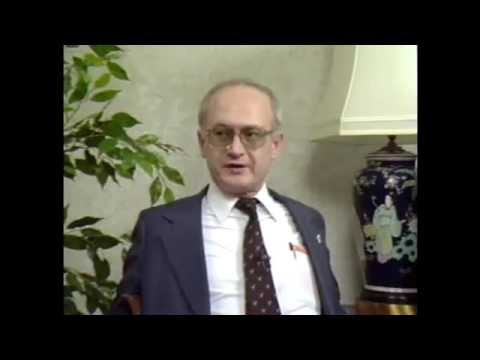
This full-length interview was published on YouTube by the channel Federaljacktube on December 28, 2012. The video has no accompanying description or show notes provided by the uploader.
## TL;DR
Former KGB operative and Novosti Press Agency journalist Yuri Bezmenov details his early life, elite Soviet background, and eventual defection to the West disguised as a hippie while stationed in India. He pulls back the curtain on Soviet propaganda fronts, debunking Western academic illusions about convergence and exposing the enduring reality of the Gulag slave labor system. Crucially, Bezmenov explains that the KGB allocates roughly 85% of its resources not to classic espionage, but to active measures and ideological subversion designed to dismantle free societies from within. He outlines the four-stage subversion model—demoralization, destabilization, crisis, and normalization—warning that the United States is in an undeclared total war and must cut off all economic and technological aid to the Kremlin to survive.
## Atmosphere & style
The presentation is chilling, deadpan, and intensely urgent, trading Hollywood spy tropes for a cynical post-mortem of societal manipulation. Bezmenov speaks with cold, biting humor and ruthless clarity, delivering blunt metaphors and unflinching assessments of Western naivety. As the narrative progresses from biographical anecdotes to a clinical breakdown of psychological warfare, the tone shifts from sardonic historical reflection to an impassioned, survivalist alarm aimed at an oblivious public.
## Detailed walkthrough
### [00:03](https://www.youtube.com/watch?v=5It1zarINv0&t=3s) Early Life, KGB Recruitment, and Disinformation Assignments
Yuri Alexandrovich Bezmenov opens by presenting photographs from his personal archives illustrating his upbringing and career in the Soviet apparatus. His father served as an officer of the General Staff of the Soviet Army, functioning as an inspector of land forces responsible for overseeing Soviet troops stationed abroad in satellite states and partner territories such as Mongolia, Cuba, and Eastern European countries. Bezmenov pursued his education at the Institute of Oriental Languages, an elite division of Moscow State University. Like other Soviet students of his generation, he was compelled to perform mandatory farm labor under the guise of “volunteering” for grain harvesting campaigns in Kazakhstan.
```mermaid
flowchart TD
accTitle: Yuri Bezmenov's Early Career Path
accDescr: Flowchart illustrating Yuri Bezmenov's trajectory from elite student to KGB operative and defector.
subgraph Education ["Elite Soviet Education"]
A["Institute of Oriental Languages (MSU)"] --> B["Mandatory 'Volunteering' in Kazakhstan"]
end
subgraph KGB_Novosti ["KGB Recruitment & Front Organizations"]
B --> C["Recruited by the KGB"]
C --> D["Novosti Press Agency (APN)"]
D --> E["Handling Foreign Visitors & Press Escort"]
end
subgraph Operations ["Active Measures & Assignments"]
E --> F["1967 Look Magazine Delegation Escort"]
F --> G["Soviet Embassy in New Delhi, India"]
end
```
By the end of his schooling, Bezmenov was recruited into the KGB. Pointing to a photo taken on the day of his induction, he wryly notes how cheerful an inductee had to appear and highlights the numerous alcohol bottles on the table. A key component of his operative duties was social engineering: keeping visiting foreign delegations and dignitaries permanently intoxicated from the moment they touched down at Moscow airport so they remained pliable and oblivious to Soviet realities. In 1967, the KGB assigned him to work directly with an American media delegation from *Look* magazine consisting of twelve journalists and photographers sent to cover the 50th anniversary of the October Socialist Revolution. Bezmenov reflects bluntly on the resulting commemorative spread: “From the first page to the last page, it was a package of lies.”
- **Father's role:** High-ranking Soviet Army General Staff officer inspecting land forces in Cuba, Mongolia, and Warsaw Pact territories.
- **Academic training:** Institute of Oriental Languages at Moscow State University, specializing in Indian culture and languages.
- **Core operative function:** Plying arriving Western delegates with alcohol to lower their vigilance during guided tours.
- **Media manipulation:** Escorting *Look* magazine's 12-person crew in 1967 to manufacture favorable reporting for the 50th anniversary of the Bolshevik Revolution.
---
[01:30](https://www.youtube.com/watch?v=5It1zarINv0&t=90s) Introduction of Yuri Bezmenov: Defection and the Novosti Front
The program host formally introduces Yuri Alexandrovich Bezmenov, born in 1939 in a Moscow suburb into the family of a prominent Soviet military commander. Benefiting from this privileged lineage, Bezmenov was educated in the Soviet Union's most prestigious academic institutions, developing fluent expertise in Indian linguistics and culture. This background paved the way for an influential career at the Novosti Press Agency (APN). While operating outwardly as a legitimate Soviet news organization, Novosti served in reality as an essential front and recruitment ground for the KGB's foreign propaganda operations and disinformation apparatus.
During his tenure with Novosti and the KGB, Bezmenov handled sensitive intelligence tasks, including the psychological conditioning and ideological manipulation of visiting foreign diplomats. His mission was to cultivate foreign dignitaries, subtly steer their perspectives, and plant tailored narratives that would eventually resurface in Western free-press outlets. Having grown completely disillusioned with the systemic brutality and duplicity of the communist regime, Bezmenov orchestrated an escape to the West in 1970 at mortal risk to himself, establishing him as an authoritative Western authority on Soviet active measures, psychological warfare, and disinformation.
---
[02:36](https://www.youtube.com/watch?v=5It1zarINv0&t=156s) Postwar Childhood and Anti-American Mass Hysteria
When asked about his earliest memories, Bezmenov recalls the end of the Second World War as the defining shock of his childhood. Over the course of a single night, the United States was transformed in the state-controlled media apparatus from an indispensable ally that helped the USSR crush Nazism into a mortal, bloodthirsty imperialist adversary. Soviet state propaganda relentlessly bombarded citizens with warnings that an aggressive American military was on the immediate verge of launching a preemptive invasion against the socialist motherland.
This anti-American hysteria produced absurd domestic campaigns. Soviet authorities informed the population that the American CIA was air-dropping Colorado potato beetles across Soviet collective farms to sabotage food production. Schoolchildren—Bezmenov included—had diagrams of the Colorado bug printed inside the back covers of their notebooks and were organized into search parties to comb through collective agricultural fields. Bezmenov observes with dark irony: “Of course, we couldn't find any. Neither we could find many potatoes. And that was explained again by the encroachments of the decadent imperialist power.” While the paranoia was potent enough to make naive citizens live in genuine fear of an imminent American attack, Bezmenov reveals that some citizens secretly harbored the hope that the United States actually *would* invade and liberate them from the regime.
---
[04:14](https://www.youtube.com/watch?v=5It1zarINv0&t=254s) The Illusion of Convergence: Life Under State Capitalism
Addressing the popular Western academic theory of convergence—the belief that the Soviet and Western capitalist systems were steadily growing similar and that both suffered from comparable degrees of corruption and tyranny—Bezmenov forcefully repudiates the comparison. He characterizes the Soviet economic and administrative structure not as genuine socialism, but as an absolute state capitalism under which the individual has zero intrinsic worth. In the Soviet Union, an individual is treated as a disposable insect, whereas in the United States, even a convicted felon retains legal due process and human rights, with some prisoners even able to write memoirs and receive large payments from commercial publishers.
Bezmenov emphasizes that his decision to defect was not driven by material deprivation or a search for consumer affluence. Due to his father’s high rank in the military hierarchy, he lived a remarkably pampered life within the Soviet elite: his education was fully state-funded, elite doors were permanently opened to him, and he enjoyed total immunity from ordinary police harassment. Describing his real impetus for breaking with the regime, Yuri Bezmenov explains: “My main motivations to defect had nothing to do with affluence. It was mainly moral indignation, moral protest, rebellion against the inhuman methods of the Soviet system.” He was sickened by the ongoing persecution of domestic dissidents and free-thinking writers during the volatile transition period from Stalin’s direct terror to Khrushchev's cosmetic thaw.
---
[06:21](https://www.youtube.com/watch?v=5It1zarINv0&t=381s) The Indian Posting and Developing "Split Loyalty"
Bezmenov’s moral revulsion crystallized completely when he was stationed at the Soviet Embassy in New Delhi, India. Having prepared for the role through rigorous cultural and linguistic study, he anticipated that the USSR was spreading progress and international brotherhood. Instead, he observed Soviet personnel engaging in deep-seated racism, exploitation, and political subversion against the host nation, behaving with a level of cruelty exceeding that of past Western colonial empires. While Moscow claimed to export progress, it delivered economic stagnation, bureaucratic corruption, and covert dominance.
During this posting, Bezmenov developed a deep respect and affection for India’s culture, philosophical traditions, and tolerance. In the rigid operational handbook of the KGB, this emotional connection represents an unforgivable counterintelligence infraction known as split loyalty—a situation where an operative comes to love the country of their assignment more than the Soviet state. Bezmenov realized that while his own ancestors were living in primitive conditions, Indian civilization was thriving thousands of years prior. Describing the psychological rupture that prompted his escape, Yuri Bezmenov recalls: “Since I fell in love with India, I developed something which by KGB standards is extremely dangerous thing. It's called split loyalty. When an agent likes a country of assignment more than his own country.” Choosing to sever ties with the Soviet empire permanently, he resolved to stage his escape.
---
[08:02](https://www.youtube.com/watch?v=5It1zarINv0&t=482s) The Reality of the Soviet Gulag System
Challenging the widespread Western assumption that forced labor camps were liquidated alongside Stalinism, Bezmenov asserts that the Soviet concentration camp network never underwent any meaningful qualitative change. While prisoner tallies fluctuated due to shifting political tides and unreliable official Soviet statistics, the structural mechanics of mass slave labor remained an integral cornerstone of the state economy.
Bezmenov estimates that at any given moment, between 25 and 30 million Soviet citizens were held behind barbed wire within the forced labor camp system—a figure equivalent to the entire contemporary population of Canada. He expresses deep contempt for Western intellectuals, academics, and journalists who whitewash these ongoing human rights abuses or argue that the Gulag is a relic of the past:
> “I would say that those intellectuals who try to convince American public that concentration camp system is a thing of the past are either conscientiously misleading public opinion or they are not very intellectual people. They're selectively blind. They lack intellectual honesty when they say that.”
---
[09:34](https://www.youtube.com/watch?v=5It1zarINv0&t=574s) Popular Discontent, Internal Rot, and Western Collusion
When asked whether the Soviet working class actively supports the communist regime, Bezmenov dismisses the idea entirely. The average citizen detests the system because it directly degrades, starves, and endangers everyday life, even if the worker lacks the formal political education to articulate the systemic ideology behind their suffering. Furthermore, members of the privileged intellectual and journalistic elite despise the regime just as fiercely. Though exempt from material poverty, elites suffer from the psychological torment of compulsory doublethink, continuous terror, and an enforced split personality where one can never speak one's true thoughts.
Bezmenov asserts that the Soviet state contains a fatal internal design flaw: lacking genuine feedback loops and resting on zero organic loyalty from its subjugated populace, it is naturally destined for internal collapse. However, this self-destructive cycle is continually interrupted and delayed by external lifelines provided by the West. Bezmenov condemns Western corporate executives, politicians, financial establishments, and academic circles who bail out the Soviet junta with cheap trade credits, advanced technology, and ideological apologetics, keeping a bankrupt tyranny artificially suspended.
```mermaid
flowchart TD
accTitle: Systemic Instability vs External Western Lifelines
accDescr: Flowchart demonstrating how domestic discontent leads to systemic collapse unless propped up by Western support.
subgraph Internal_Crisis ["Domestic Structural Failure"]
A["Suppression of Feedback & Truth"] --> C["Built-in Self-Destructive Mechanism"]
B["Universal Popular Hatred & Elite Doublethink"] --> C
end
subgraph External_Support ["Western Propping Mechanisms"]
D["Western Trade Credits & Capital"] --> E["Prolonged Survival of Soviet Junta"]
F["Academic & Intellectual Apologetics"] --> E
G["Technology Transfers & Commercial Deals"] --> E
end
C -.->|"Natural collapse blocked by"| E
```
- **Psychological cost to the Soviet elite:** Chronic fear, duplicity, and permanent split personality caused by having to profess allegiance to doctrines they privately despise.
- **Structural flaw:** Total absence of bottom-up social feedback and complete lack of genuine public loyalty.
- **The role of the West:** Western governments, multinational corporations, and American academia actively prevent the collapse of the regime by supplying capital credits, trade deals, and ideological legitimacy.
[11:43](https://www.youtube.com/watch?v=5It1zarINv0&t=703s) The Paradox of Western Support for Soviet Fascism
Yuri Bezmenov expresses despair over the prospects of internal reform in the USSR, observing that the regime does not face domestic collapse because it is kept alive through external life support. The Soviet Union continues to receive money, advanced technology, massive grain deals, and formal political legitimacy from Western leaders whom Bezmenov considers naive or treacherous. He points out the historical irony that the capitalist world finances and sustains the very power dedicated to destroying it. In his view, the Soviet apparatus cannot crumble on its own so long as it is continually propped up by Western resources.
Bezmenov delivers a sharp warning to the American public, stating that unless citizens compel their leaders to stop aiding the Soviet apparatus, they will ultimately suffer totalitarian tyranny firsthand. He draws a vivid picture of what socialist reality entails—forced labor camps, catching fleas, and sleeping on bare plywood planks, which he sardonically imagines happening in Alaska for future American prisoners. As Bezmenov puts it:
> “This is the greatest paradox in history of mankind when capitalist world supports and actively nourishes its own destructor.”
```mermaid
flowchart LR
accTitle: Western Subsidies to the Soviet Regime
accDescr: Capital, grain, and tech from the West feed the Soviet system, preventing collapse and threatening the free world.
subgraph West["The Capitalist West"]
Aid["Capital, Technology, Grain Deals, Recognition"]
end
subgraph USSR["The Soviet Regime"]
Regime["Totalitarian State / Gulag System"]
end
Aid -->|"Nourishes & Preserves"| Regime
Regime -.->|"Ultimate Destructive Threat"| West
```
[13:06](https://www.youtube.com/watch?v=5It1zarINv0&t=786s) Escaping New Delhi Disguised as a Hippie
When the interviewer asks how Bezmenov accomplished the dangerous feat of defection, he replies that it was not merely dangerous, but "crazy." At the time, Bezmenov was stationed in New Delhi working as a press officer for the Soviet Embassy. Defecting in India was almost suicidal: Indian Prime Minister Indira Gandhi had implemented strict legislation catering to Soviet pressure, barring foreign defectors from seeking political asylum inside any foreign embassy on Indian soil. Bezmenov brands this law a total hypocrisy, because no diplomats other than Soviet personnel ever needed asylum in India. Moreover, Soviet personnel were aware that Indian police routinely turned defectors back over to Soviet authorities, and even certain Western embassy personnel could not be trusted.
To evade both Indian law enforcement and KGB surveillance, Bezmenov devised an unorthodox plan based on studying the Western counterculture youth traveling across India. Thousands of American hippies—barefoot, bearded, smoking marijuana and hashish, and ostensibly studying Eastern philosophy—were roaming through New Delhi. Though mocked by locals and disliked by the police, they moved through the country without official scrutiny. Bezmenov carefully mapped their gathering places, travel routes, slang, and habits. He purchased a hippie outfit complete with blue jeans, beads, a decorated shirt, and a long-haired wig to conceal his short-cropped diplomatic look. Blending directly into a pack of traveling hippies, he slipped through police cordons and broke out of the diplomatic bubble unnoticed. Had he been caught, he anticipated secret execution or life in a forced labor camp by KGB order.
- Indira Gandhi pushed legislation through the Indian Parliament declaring that no defector from any nation had the right to political asylum within any foreign embassy on Indian territory.
- Western embassies in New Delhi harbored personnel whom Bezmenov viewed not necessarily as double agents, but as amoral bureaucrats willing to sacrifice Soviet defectors.
- Disguising himself with a wig, beads, and jeans took weeks of behavioral preparation to shed his mannerisms as a conservative Soviet diplomat.
[16:34](https://www.youtube.com/watch?v=5It1zarINv0&t=994s) Resettlement in Canada and KGB Pressure at the CBC
After breaking away in 1970, Bezmenov underwent approximately six months of extensive debriefing by American intelligence (CIA and FBI) in Athens, Greece. Concerned for the safety of his family in the Soviet Union and anxious about potential KGB reach or Western double agents, he chose not to stay in the United States immediately. The CIA provided him with a new identity under the name "Thomas Schuman," and he relocated to Canada. There, he worked as a farmhand, a laundry truck driver, a university student, and a language instructor before landing a position with the International Service of the Canadian Broadcasting Corporation (CBC) in Montreal, broadcasting in Russian to the Soviet Union.
Broadcasting proved to be a critical tactical error. Soviet monitoring stations scrutinized every voice transmitted across the Iron Curtain, and within five years, KGB intelligence discovered that the CBC broadcaster calling himself Thomas Schuman was in fact Yuri Alexandrovich Bezmenov. The Soviet Ambassador to Canada, Alexander Yakovlev, launched a personal campaign to remove him, lodging complaints with Prime Minister Pierre Trudeau. CBC management acquiesced to Soviet diplomatic pressure, opening an inquiry into Bezmenov's broadcast scripts to determine if they insulted the Soviet Politburo. Facing internal censorship and quiet street-level intimidation—such as veiled suggestions to watch out for Montreal traffic—Bezmenov refused to yield. He openly pushed back, keeping shotguns in his home and reminding his harassers that he could defend himself. While the KGB could not break his resolve on an individual level, their diplomatic leverage on Canadian officials ultimately forced him out of his broadcast post.
> “Once they spot that you are scared, they keep on developing that line.”
[21:01](https://www.youtube.com/watch?v=5It1zarINv0&t=1261s) Family Album: Childhood and the Soviet Military Mindset
Bezmenov presents a slideshow of personal photographs, embassy documents, and media clippings to corroborate his background and verify his credibility. The first slide shows his hometown of Mytishchi, located roughly 20 miles north of Moscow, anchored by the mandatory statue of Vladimir Lenin. Another slide shows Bezmenov at age seven posing under a monument of Joseph Stalin extending a hand of solidarity to the world. He reflects that as a child he was an idealistic young pioneer believing that conditions would eventually improve, yet even early in life he could see that the system was hollow: official propaganda boasted of miraculous agricultural output while grocery store shelves sat completely empty.
He then presents a photograph of his father, an inspector of ground forces within the General Staff of the Soviet Army. His father was a high-ranking officer responsible for inspecting Soviet military deployments stationed in satellite nations such as East Germany, Cuba, and Mongolia, reporting straight to the Minister of Defense rather than through the KGB. Bezmenov explains that his father was an authentic Russian patriot who disliked foreign adventurism and felt ashamed of Soviet military overextension into regions where Russian troops were loathed. He emphasizes that seasoned military officers of his father's generation were far less reckless or warmongering than the ideological party functionaries running the Kremlin, noting that Western press portrayals of the Soviet military as trigger-happy aggressors fundamentally misread the internal power dynamics of Moscow.
> “When American mass media describes Soviet military as potentially dangerous counterpart for Pentagon, I simply laugh because I know better.”
[23:37](https://www.youtube.com/watch?v=5It1zarINv0&t=1417s) The Triangle of Power and Hate in the Soviet Union
Addressing the internal power dynamics of the USSR, Yuri Bezmenov contends that the military is far from the most dangerous element of the Soviet apparatus. Professional soldiers, having experienced war firsthand, understand its catastrophic reality; if military leaders were to assume control, they would likely prove to be far more sensible partners in negotiating nuclear disarmament and withdrawing Soviet troops abroad. Instead, the real danger originates from the ruling oligarchy of the Communist Party. Bezmenov outlines an antagonistic relationship between three rival factions: the Party elite at the apex, with the military and the KGB occupying the bottom corners.
Bezmenov emphasizes the mutual loathing that defines this system, singling out Party bureaucrats as the most volatile actors on the global stage. As Yuri Bezmenov puts it: “They are the most adventurous senile megalomaniacs. They can start war. I wouldn't be surprised. Not the military.” The risk of reckless conflict, he explains, stems entirely from ideologues and functionaries who have never shouldered a rifle or witnessed battlefield devastation, unlike his own father and other career military officers.
```mermaid
flowchart TD
accTitle: Soviet Triangle of Power
accDescr: Diagram illustrating the three-way power struggle and animosity between the Communist Party, the KGB, and the Soviet Military.
subgraph PowerStructure ["Triangle of Power and Hate"]
Party["Communist Party Elite<br/>(Oligarchy / Senile Megalomaniacs)"]
Military["Soviet Military<br/>(Professional Soldiers)"]
KGB["KGB<br/>(State Security / Intelligence)"]
end
Party <-->|"Mutual Hatred"| Military
Military <-->|"Mutual Hatred"| KGB
KGB <-->|"Mutual Hatred"| Party
```
[24:33](https://www.youtube.com/watch?v=5It1zarINv0&t=1473s) Studies at the Institute of Oriental Languages and KGB Recruitment
Examining a photograph taken in front of the Institute of Oriental Languages at Moscow State University, from which he graduated in 1963, Bezmenov points out himself on the right alongside classmate Vadim Smirnov. Smirnov later became an *apparatchik* within the Central Committee of the Soviet Communist Party. Bezmenov defines an *apparatchik* as an entrenched functionary comparable to a permanent civil servant in the British Empire—someone who remains insulated from dismissal, maintaining an enduring, dependable presence within the bureaucratic machine even if never promoted to top leadership.
During his university years, Bezmenov's curriculum was not confined to languages; it included comprehensive study of history, literature, and Indian music. Students were explicitly encouraged to adopt the appearance and customs of their target regions, as the institute served as a feeder school preparing graduates for careers as diplomats, foreign correspondents, or foreign intelligence operatives. Like all Soviet students, he was also forced into state-mandated labor, "volunteering" to harvest grain in Kazakhstan as part of a massive agricultural blunder. Bezmenov sardonically notes that the regime justified this forced labor using a biblical phrase co-opted into communist dogma: "Those who do not work shall not eat." Alongside academic and manual labor, students underwent demanding physical conditioning, field maneuvers in suburban Moscow, and exercises in regions as far north as Arkhangelsk. Upon completing his studies, the KGB formally recruited him.
[27:24](https://www.youtube.com/watch?v=5It1zarINv0&t=1644s) Military Training and First Deployment to India
Every Soviet university student, regardless of their academic specialty, was required to complete four years of extensive military and civil defense training—a stark contrast to the United States, where civil defense was virtually nonexistent. Bezmenov explains that the objective was the continuous maintenance of a massive military reserve, with every student mandated to graduate as a commissioned junior lieutenant. Bezmenov was commissioned into the administrative and military intelligence service.
In his initial overseas deployment, Bezmenov was dispatched to India as a translator for a Soviet economic aid mission constructing oil refineries in the states of Bihar (at Barauni) and Gujarat. Initially, he viewed his mission through an idealistic lens, believing his labor fostered mutual understanding and international fraternity. Reflecting on this disillusionment, Yuri Bezmenov remarks: “It took me quite a number of years to realize that what we were bringing to India was a new type of colonialism thousand times more oppressive and exploitative than any colonialism or imperialism in in history of mankind.”
His personal life was strictly controlled by the state. Although he became enamored with Indian culture and sought to marry a local Indian woman, Party authorities refused to permit it. Instead, the personnel department directed him to marry a Russian woman. In the Soviet overseas service, marriage was mandatory for operatives sent abroad: spouses served either as hostages left behind in the USSR to deter defection, or as mutual surveillance partners reporting on one another to prevent ideological contamination by decadent capitalist values. Bezmenov detested his assigned spouse, divorcing her the moment they returned to Moscow. By the conclusion of this first Indian tour, he had advanced to public relations officer, translating speeches for Soviet officials at ceremonial events such as the commissioning of the Barauni refinery complex.
- **Locations of Soviet refinery aid**: Barauni in Bihar state, and facilities in Gujarat state.
- **Marriages of convenience**: Arranged on the instruction of the Department of Personnel to enforce mutual surveillance and prevent defection.
[30:26](https://www.youtube.com/watch?v=5It1zarINv0&t=1826s) Novosti Press Agency and Lumumba University Fronts
Upon his return to Moscow, Bezmenov was integrated into the Novosti Press Agency, an organization operating under the direction of the KGB to conduct propaganda and ideological subversion abroad. According to Bezmenov, roughly 75 percent of Novosti personnel were commissioned KGB officers, while the remaining 25 percent consisted of co-opted operational agents like himself. One of his responsibilities involved engaging students at Patrice Lumumba Friendship University in Moscow. Operated under the joint control of the KGB and the Central Committee, the university recruited foreign youths to become future cadres for national liberation movements—which Bezmenov characterizes as a euphemism for international terrorist networks.
Bezmenov was also assigned to manage foreign delegations of "progressive intellectuals," such as writers, journalists, publishers, and academics visiting the Kremlin. While these visitors flattered themselves into believing they were receiving VIP treatment in recognition of their intellectual accomplishments, Soviet handlers held them in absolute contempt. Regarding this cynical exploitation, Yuri Bezmenov states: “For us, they were just a bunch of political prostitutes to be taken advantage for various propaganda operations.” Novosti leadership, including agency director and high-ranking propaganda bureaucrat Boris Burkov, routinely hosted events for these figures. Bezmenov recounts accompanying guests such as Indian poet Sumitranandan Pant, who had been granted an all-expenses-paid trip to Moscow after authoring a panegyric titled *Rhapsody to Lenin*.
[33:24](https://www.youtube.com/watch?v=5It1zarINv0&t=2004s) Subversion Through Intoxication and the *Look* Magazine Assignment
A standard Novosti operational procedure for handling visiting foreign dignitaries and journalists was to keep them in a state of continuous intoxication. Beginning the moment targets stepped off their flights into the Moscow airport VIP lounge, handlers plied them with successive toasts of vodka to cloud their critical faculties and inspire an artificially rosy view of Soviet life. Handlers maintained this drunken stupor for two to three weeks.
Once the foreign guests were thoroughly disoriented, handlers would abruptly withdraw the alcohol. The ensuing physical withdrawal and psychological guilt left the visitors vulnerable, anxious about what indiscretions they might have uttered the previous evening. Soviet operatives capitalized on this compromised state to coax them into signing joint communiqués, propagandistic declarations, and pro-Soviet statements. To maintain control during these sessions, Bezmenov and his colleagues relied on covert techniques, including sobriety pills provided by intelligence staff, allowing them to remain clear-headed while their guests drank heavily. This apparatus of manipulation set the stage for his next major task in 1967, when the KGB assigned Bezmenov to monitor a twelve-person delegation from the American publication *Look* magazine, which had arrived to report on the 50th anniversary of the October Socialist Revolution.
[35:12](https://www.youtube.com/watch?v=5It1zarINv0&t=2112s) The Pre-Screening of Foreign Journalists and the *Look* Magazine Deception
Reviewing the special issue of *Look* magazine on the Soviet Union, Yuri Bezmenov describes it as a calculated package of lies from cover to cover. Rather than presenting genuine impressions, the publication simply recycled Soviet propaganda cliches under the guise of independent American journalistic deduction. Bezmenov clarifies that while the magazine contained mild, superficial criticisms to create an illusion of balance, its core premise—that the Soviet Union was an efficient, functioning system supported by the majority of its citizens—was entirely false. American journalists and intellectuals did not uncover this reality; instead, they intellectualized the lie and invented justifications to sell it back to their domestic audience.
When the interviewer notes that it was Bezmenov’s job to ensure these reporters internalized such narratives as their own, Bezmenov reveals that the indoctrination began long before the correspondents ever set foot in Moscow. Even prior to paying astronomical sums for their travel, prospective visitors were handed a 20- to 25-page "backgrounder" authored by the Novosti Press Agency. Soviet diplomats and Novosti officials in Washington, D.C., carefully evaluated how applicants reacted to these materials. Only journalists whose responses demonstrated the desired ideological compliance were issued visas. As Bezmenov explains:
> “They were preselected very carefully and there is not much chance for honest journalists to arrive to USSR and to stay there for 1 year and to bring this package of lies back home.”
```mermaid
flowchart TD
accTitle: Soviet Journalist Vetting and Tour Process
accDescr: Flowchart illustrating how foreign correspondents were vetted and controlled by the Novosti Press Agency.
subgraph Vetting ["Pre-Departure Screening"]
A["Novosti Backgrounder (20-25 pages)"] --> B["Reaction & Compliance Assessment"]
B --> C{"Visa Decision"}
C -->|"Compliant"| D["Visa Approved"]
C -->|"Critical / Honest"| E["Visa Denied"]
end
subgraph Tour ["Staged Soviet Tour"]
D --> F["Curated Itinerary (Model Facilities)"]
F --> G["Handler Oversight (Yuri Bezmenov)"]
G --> H["Favorable Western Media Coverage"]
end
```
[37:18](https://www.youtube.com/watch?v=5It1zarINv0&t=2238s) The Stalingrad Myth and the Misrepresentation of the Russian Spirit
Bezmenov points to the centerfold of *Look* magazine, which displayed the colossal World War II memorial monument (*The Motherland Calls*) erected by the Communist Party in Volgograd (formerly Stalingrad). The magazine framed the statue as an embodiment of the Soviet national spirit, reporting that citizens felt immense pride in their wartime victory. Bezmenov denounces this interpretation as a deep misunderstanding and a myth:
> “No sensible people would be proud to lose 20 millions of their countrymen in a war which was started by Genosse Hitler and Comrade Stalin and paid by American multinationals.”
For ordinary Soviet families, virtually every household had lost a father, brother, sister, or child, causing the populace to view these state monuments with profound grief and disgust rather than chest-thumping pride. Bezmenov highlights a photograph from the trip showing the journalists gathered beneath the monument: Bezmenov stands in the center wearing what he calls a "devilish smile," while *Look* photographer Philip Harrington appears on the far left, clutching his camera. Bezmenov characterizes Harrington as utterly deaf to and uninterested in the genuine reality of the country he was sent to document, preferring instead to please his hosts and deliver the scripted narrative expected by his editors.
[39:23](https://www.youtube.com/watch?v=5It1zarINv0&t=2363s) Staged Kindergartens and Siberian Penal Colonies
Bezmenov details how Novosti operatives organized Potemkin tours across Siberia for foreign delegations from Asia, Africa, and the West. Handlers would guide these visitors through model institutions, such as a seemingly comfortable kindergarten where well-fed children sat eating breakfast. Bezmenov appears in accompanying photos looking business-like, executing his official duties while privately harboring faint hopes that some of the "useful idiots" would recognize that these facilities bore no relationship to the everyday poverty of ordinary Soviet families.
To expose how easily foreign observers were deceived, Bezmenov presents an image accidentally published in an official Canadian government report, complete with a caption identifying it as a "typical kindergarten in Siberia." In reality, the photo depicted an enclosed courtyard inside a detention facility for the children of political prisoners:
> “What these idiots didn't understand that it is not kindergarten at all. It is a prison for children of political prisoners.”
The site was situated squarely within a concentration camp zone. To conceal the setting, handlers made sure guards with machine guns were out of sight, cleared away corpses, and dressed the imprisoned children in special clothes for the foreigners' arrival. When visiting journalists occasionally ventured to ask if there were prisons in Siberia, handlers dismissed the queries with mock simplicity, insisting that no prisons existed in the region and that everyone present was a free, proud citizen contributing to the glory of socialism.
- Handlers answered naive inquiries with deliberate absurdities, knowing compliant journalists would not press further.
- Delegations were restricted strictly to hand-picked showpiece institutions that represented an extreme exception to Soviet life.
- Canadian officials published an uncritical photograph of a penal colony for dissidents' children, mistaking it for a state daycare.
[42:07](https://www.youtube.com/watch?v=5It1zarINv0&t=2527s) The Motivations of Western Journalists and the Silencing of Truth
Bezmenov analyzes why foreign correspondents continually repeated regime propaganda to their home audiences instead of investigating reality. He argues that this failure stemmed from a combination of fear, careerism, and financial greed:
- **Fear:** Journalists recognized they were operating inside a totalitarian police state and chose self-preservation over dangerous reporting.
- **Conformism and Career Preservation:** Correspondents from major outlets such as *The New York Times* and the *Los Angeles Times* knew that offending Soviet administrators would result in deportation within 24 hours, costing them their prestigious foreign postings and leading their editorial boards to replace them.
- **Greed and Prestige:** Upon returning home, reporters marketed themselves as definitive "Sovietologists," penning best-selling books with grandiose titles like *The Russians* or *The Truth About Russia* that merely recycled Novosti talking points.
Bezmenov expresses sharp frustration that Western media lionized reporters like Hedrick Smith and Robert Kaiser—who boasted of meeting dissidents while actively evading them on Moscow streets—while genuine defectors and exiles were sidelined or smeared:
> “If a person like Solzhenitsyn is either defecting or kicked out of USSR, they try all their best to discredit him and to discourage him.”
Bezmenov laments the absurdity of Western media consumption habits, noting that while someone wishing to learn about Spain reads Spanish authors, audiences seeking knowledge about the Soviet Union turn to "Hendricks and Schmendricks and all kind of Kissingers" who know next to nothing yet posture as supreme authorities.
[45:29](https://www.youtube.com/watch?v=5It1zarINv0&t=2729s) The Staged Wedding and Western Political Gullibility
Turning to Western politicians, Bezmenov highlights the visit of Senator Edward Kennedy to Moscow as an example of political vanity and gullibility. Kennedy presented himself as a charismatic, easygoing American statesman who could spontaneously mingle with ordinary Russians, famously smiling and dancing with a bride at the Moscow Palace of Marriages. In truth, the entire scene was a fabricated performance staged explicitly to deceive foreign officials and media:
> “What he did not understand or maybe he pretended not to understand that actually he was being taken for a ride.”
Every guest attending the ceremony had undergone security screening, held official clearance, and had been briefed extensively on what to say and how to behave around foreigners. Bezmenov reveals that he himself was present on assignment, actively managing the illusion at the very same ceremony.
[46:19](https://www.youtube.com/watch?v=5It1zarINv0&t=2779s) The Propaganda Farce of Soviet Weddings and VIP Visits
Yuri Bezmenov presents a photograph of Senator Ted Kennedy dancing during a visit to Moscow, smiling warmly and clearly believing he is displaying great political savvy. However, Bezmenov explains that the reality on the ground was entirely different. To the ordinary Soviet citizens watching this display, Kennedy did not look like a sophisticated statesman; instead, he appeared to be a useful tool for the regime's public relations machine. Bezmenov notes that the local population viewed these high-profile Western visitors with a mixture of pity and contempt, seeing them as self-serving actors who willingly lent their credibility to Soviet stage-managed events.
To illustrate how deeply these deceptions ran, Bezmenov shares another photograph featuring himself alongside an "exemplary Soviet bride" and three foreign journalists representing media outlets in Asia, Africa, and Latin America. The journalists in the photo are visibly enjoying themselves, completely convinced that they are experiencing an authentic, traditional Soviet wedding. In reality, the entire event was a carefully choreographed theatrical production staged by the state. When these journalists returned to their home countries, they wrote glowing, firsthand reports about regular Soviet life, entirely unaware that they had merely been spectators in a state-run circus.
Yuri Bezmenov said, "From the viewpoint of Russian citizens who observed this idiocy, he's he's narrow-minded, egocentrical idiot who tries to earn his own popularity through the uh through participation in propaganda farces like this."
- **Ted Kennedy's Moscow Visit:** Staged events designed to make Western politicians look cooperative while serving Soviet domestic propaganda.
- **The Staged Wedding:** Foreign journalists from developing nations were brought to fake weddings to write positive human-interest stories about Soviet society.
[47:09](https://www.youtube.com/watch?v=5It1zarINv0&t=2829s) The Hypocrisy of Western Media and the Soviet Passport
Bezmenov expresses deep frustration with the double standards of Western media outlets, pointing specifically to *Time* magazine. He notes that while Western journalists frequently and rightly condemned the shameful internal passport system of the South African apartheid regime—which legally restricted Black citizens from living in white areas—they completely ignored the exact same system operating inside the Soviet Union. Bezmenov displays his own Soviet passport to the camera, pointing out the *propiska*, a mandatory police rubber stamp that legally bound him to a specific, assigned area of residence. Just like a Black South African under apartheid, Bezmenov was forbidden from leaving his designated area without state permission.
Despite the clear parallels, Bezmenov's attempts to expose this domestic restriction to Western human rights advocates fell on deaf ears. Over the fourteen years following his defection, he sent copies of his Soviet passport to numerous American liberals, civil rights defenders, and media figures, but he never received a single response. He characterizes these prominent Western figures as hypocrites who selectively choose which human rights abuses to protest while ignoring the systemic oppression of the Soviet regime.
Yuri Bezmenov remarked, "They are a bunch of hypocrites because they don't want to recognize a good example of racism in my country."
[48:36](https://www.youtube.com/watch?v=5It1zarINv0&t=2916s) Cultivating the "Useful Idiot" Academic
Bezmenov walks through the systematic process the KGB used to recruit and exploit foreign academics, using a photograph to illustrate the initial stages of contact. The photo shows Bezmenov alongside his KGB supervisor, Comrade Leonid Mitrokhin, and a political science professor from Delhi University. The process begins with simple, friendly socialization, designed to make the academic feel respected and valued. Once a rapport is established, the target is invited to local events, such as gatherings of the Indo-Soviet Friendship Society, accompanied by their spouse.
The final stage of this initial cultivation is an all-expenses-paid trip to the Soviet Union, funded entirely by the Soviet government. The professor is led to believe that this invitation is a tribute to their brilliant mind and objective, sober-thinking scholarship. In reality, the KGB targets them because they are highly impressionable and willing to accept Soviet propaganda at face face value. Upon returning to their home countries, these "useful idiots" spend decades teaching the supposed wonders of Soviet socialism to successive generations of students, effectively doing the KGB's propaganda work for them.
Yuri Bezmenov explained, "He was made to believe that he is invited to USSR because he is a talented, sober thinking intellectual."
```mermaid
flowchart TD
accTitle: KGB Academic Cultivation Process
accDescr: A step-by-step flowchart showing how the KGB targets, cultivates, and exploits foreign academics to spread propaganda.
A["Stage 1: Friendly Contact"] -->|"KGB agent befriends professor"| B["Stage 2: Social Integration"]
B -->|"Invite to Indo-Soviet Friendship Society"| C["Stage 3: The Free Trip"]
C -->|"All-expenses-paid visit to USSR"| D["Stage 4: Intellectual Flattery"]
D -->|"Target believes they are valued for their intellect"| E["Stage 5: Long-term Exploitation"]
E -->|"Professor returns home to teach Soviet propaganda"| F["Result: Generational Demoralization"]
```
[49:38](https://www.youtube.com/watch?v=5It1zarINv0&t=2978s) Maharishi Mahesh Yogi and the Weaponization of Meditation
The KGB's interest in subversion extended into unexpected cultural areas, including the Western craze for Eastern mysticism. Bezmenov reveals that the KGB closely monitored Maharishi Mahesh Yogi and his ashram in Haridwar, India, where high-profile Westerners like the Beatles and actress Mia Farrow went to learn Transcendental Meditation. While some viewed the Maharishi as a spiritual leader and others saw him as a clever charlatan, the KGB saw his school as a highly effective brainwashing center. Westerners returned from these ashrams completely "zoned out," their minds filled with ideas of isolationist meditation and drug use.
Bezmenov was personally dispatched by the KGB to investigate the ashram and identify the prominent Americans attending. Although he attempted to enroll, he was deterred by the steep $500 enrollment fee. Nevertheless, his mission was successful in identifying influential Americans, including the wives of congressmen and prominent Hollywood personalities, who were attending the school. Bezmenov explains that the practice of turning inward to solve real-world problems through "cosmic vibrations" perfectly aligned with Soviet goals. By encouraging Americans to ignore political and social realities and focus entirely on their own navels, the gurus effectively neutralized their target audience's civic energy.
Yuri Bezmenov argued, "This is exactly what the KGB and Marxist-Leninist propaganda wants from Americans, to distract their opinion, uh attention, and mental energy from real issues of United States into a non-issues, into a non-world, non-existent uh harmony."
- **The Haridwar Ashram:** Monitored by the KGB as an unintentional but highly effective tool for neutralizing American civic alertness.
- **The Cost of Enrollment:** The Maharishi charged $500 USD, which prevented Bezmenov from formally enrolling, though he still gathered intelligence on attendees.
- **Demoralization via Distraction:** Encouraging citizens to meditate rather than engage in political action directly benefits foreign adversaries by creating a passive, compliant population.
[54:27](https://www.youtube.com/watch?v=5It1zarINv0&t=3267s) The Secret Department of Research and Counter-Propaganda
Showing a photograph of the USSR Embassy in New Delhi, Bezmenov introduces his supervisors: Comrade Mehdi, an Indian communist, and Comrade Mitrokhin. They worked together in the secret department of "research and counter-propaganda." Despite its academic-sounding name, the department's primary function was not research, but the compilation of massive, detailed dossiers on individuals who shaped public opinion. This included journalists, editors, publishers, actors, professors, politicians, and business leaders.
The KGB divided these public opinion makers into two distinct groups based on their utility to the Soviet Union. The first group consisted of individuals who actively supported or could be manipulated into supporting Soviet foreign policy; these people were systematically promoted into positions of power and influence through media manipulation. The second group consisted of principled individuals who resisted Soviet influence. This latter group was marked for character assassination, and, in the event of a communist revolution, physical liquidation.
Yuri Bezmenov stated, "Most of the activity of that department was to compile huge amount, volume of information on individuals who were instrumental in creating public opinion."
[55:31](https://www.youtube.com/watch?v=5It1zarINv0&t=3331s) The Hue Massacre and the Fate of Disillusioned Leftists
To demonstrate the deadly seriousness of these KGB dossiers, Bezmenov points to the historical precedent of the 1968 Hue massacre during the Vietnam War. When the Viet Cong captured the South Vietnamese city of Hue for a mere two days, they managed to systematically round up and execute several thousand citizens in a single night. The American CIA was baffled by how the communists knew exactly where every target lived. Bezmenov explains that the answer was simple: years before the occupation, a local network of communist informers—including everyday workers like taxi drivers and barbers—had compiled detailed lists of every individual sympathetic to the United States.
Bezmenov experienced a profound shock when he discovered that the KGB's execution lists for India contained the names of pro-Soviet, left-wing journalists with whom he was personally friendly. When he questioned this, he was told that these idealistic leftists were actually the most dangerous elements to a post-revolutionary communist regime. Because these "useful idiots" genuinely believed in the romantic ideals of socialism, they would inevitably become deeply disillusioned once they saw the grim reality of a totalitarian state. To prevent them from becoming bitter enemies of the new regime, they had to be eliminated.
Yuri Bezmenov recalled, "To my horror, I discovered that in the files where people were doomed to execution, there were names of of pro-Soviet journalists with whom I was personally friendly."
- **The Hue Massacre:** A real-world example of how pre-compiled intelligence lists are used to execute thousands of political targets within hours of a communist takeover.
- **The Vulnerability of Idealists:** Left-wing sympathizers are marked for execution post-revolution because their inevitable disillusionment makes them dangerous counter-revolutionaries.
[57:09](https://www.youtube.com/watch?v=5It1zarINv0&t=3429s) Targeting the Cynical and Greedy
Because idealistic leftists were viewed as unstable liabilities, Bezmenov's KGB instructors gave him explicit orders to avoid wasting time on them, dismissively referring to them as "political prostitutes." Instead, Bezmenov was instructed to "aim higher" and target established, mainstream institutions. The ideal targets for KGB recruitment were not passionate communists, but rather cynical, self-serving individuals within conservative media, wealthy Hollywood circles, and prestigious academic institutions.
These elite targets are highly susceptible to manipulation because they lack strong moral principles. They are driven primarily by greed, vanity, and an inflated sense of self-importance. The KGB found that these individuals were more than willing to look someone in the eye and lie with an angelic expression, making them highly effective and reliable tools for shaping public opinion in directions favorable to the Soviet Union.
Yuri Bezmenov asserted, "These are the most recruitable people, people who lack moral principles, who are either too greedy or too uh suffer from self-importance."
[57:53](https://www.youtube.com/watch?v=5It1zarINv0&t=3473s) The Fate of the “Useful Idiots” and Execution Lists
The interviewer asks Yuri Bezmenov why the KGB would want to eliminate or execute the very leftists and sympathizers who supported them, questioning whether those people wouldn't be the ones the Soviets rely upon. Bezmenov clarifies that these individuals serve a purpose only during the initial destabilization stage of a target nation. Activists, professors, and civil rights figures are instrumental in subverting a society, but once their task is complete, they become dangerous liabilities because they know too much. They naively believe that when Marxist-Leninists achieve power, they themselves will assume leadership. Instead, they find themselves lined up against the wall and shot, having transformed into bitter political enemies after becoming disillusioned.
Bezmenov points out that this is an established historical pattern across the globe. In Nicaragua, former Marxist-Leninists were imprisoned, or defected to fight against the Sandinistas. In Grenada, Prime Minister Maurice Bishop, already a committed Marxist, was assassinated by a faction that claimed to be even more Marxist than he was. In Afghanistan, Nur Muhammad Taraki was murdered by Hafizullah Amin, who was then murdered by Babrak Karmal with direct KGB assistance. In Bangladesh, the pro-Soviet leftist Sheikh Mujibur Rahman was murdered by his own Marxist-Leninist military colleagues. In Cuba, countless early ideological Marxists ended up in prison cells.
When Bezmenov discovered that Indian intellectuals, journalists, and sympathizers who had actively cooperated with the Soviet Embassy’s Department of Information were compiled onto lists earmarked for execution, the realization sickened him to his core. He recounts sitting in high-level briefings at the Soviet ambassador’s office, fighting the urge to erupt and openly declare their operation a criminal enterprise operating under false pretenses.
Bezmenov summarizes the operational fate of these sympathizers:
> “The moment they serve their purpose, all the useful idiots are used either the executed entirely or the idealistically minded Marxist or exiled or put in prisons like in Cuba.”
He recounts his intense personal reaction upon realizing the Soviet mission's true nature:
> “I thought that I'm going to explode one day during the briefing at the ambassador's office. I would stand up and say something that we are basically a bunch of murderers.”
[01:00:52](https://www.youtube.com/watch?v=5It1zarINv0&t=3652s) The Bangladesh Crisis as the Catalyst for Defection
The breaking point that compelled Bezmenov to defect was the brewing Bangladesh crisis. Western media outlets consistently portrayed the regional turmoil as an organic, Islamic grassroots movement, a characterization Bezmenov vehemently dismisses as sheer nonsense. He maintains that no genuine grassroots revolutions exist anywhere; political upheavals are manufactured and directed by disciplined cadres of professional organizers.
The political vanguard of East Pakistan was thoroughly cultivated by Moscow. Members of the Awami League were trained in the Soviet Union at the High Party School, while commanders of the Mukti Fauj (the liberation army) were indoctrinated and trained at Patrice Lumumba University and at specialized KGB paramilitary facilities in Tashkent and in Simferopol, Crimea. Bezmenov observed the Indian state acting as a compliant staging ground for Soviet infiltration into East Pakistan, watching thousands of Soviet-backed militants passing across the border while Indian authorities, domestic police, and intelligence agencies looked the other way.
A revealing incident took place in Calcutta that exposed the mechanics of this covert operation. A Soviet consular colleague, while heavily intoxicated in the consulate basement, stumbled upon large shipping crates labeled "printed matter" bound for Dhaka University. Curious, the diplomat pried open a box, discovering crates packed with Kalashnikov rifles and ammunition. Bezmenov realized that East Pakistan was marked for systematic destruction. When he later warned CIA debriefers that the territory was about to explode, they dismissed his alerts, telling him he had been reading too many James Bond novels.
Bezmenov expresses his definitive view on mass political upheavals:
> “Actually, there are no grassroots revolutions, period. Any revolution is a byproduct of a highly organized group of conscientious and professional organizers, but has nothing to do with grassroots.”
```mermaid
flowchart TD
accTitle: Soviet Destabilization and Infiltration Flow
accDescr: Diagram illustrating how Soviet-trained political and military assets in Moscow and Crimea moved through India to destabilize East Pakistan.
subgraph Training["Soviet Training Centers"]
A["Moscow: High Party School<br/>(Awami League Political Cadres)"]
B["Patrice Lumumba University & KGB Centers<br/>Simferopol & Tashkent (Mukti Fauj Fighters)"]
end
subgraph Transit["Staging Ground"]
C["Indian Territory & Consulates<br/>(Weapons shipped as 'Printed Matter')"]
end
[01:03:13](https://www.youtube.com/watch?v=5It1zarINv0&t=3793s) The Dilemma, Disguise, and Escape
Despite his revulsion, defection posed enormous practical and psychological obstacles. Bezmenov loved India, its culture, and its languages, but he lived a privileged life as a well-compensated, respected Soviet propaganda operative with a private pool from which ordinary Indians were barred. Defecting meant risking harsh backlash in the West, where defectors were frequently slandered as paranoid McCarthyites or relegated to driving New York taxicabs. Furthermore, Indian law mandated that defectors be returned to the KGB. Attempting to bring along his wife and baby was out of the question; she was unaware of his covert KGB assignments and would have panicked, leading to disaster and potential execution.
To survive, Bezmenov needed his departure to look like a spontaneous disappearance or a casualty of radical violence. Many Soviet operatives had been killed abroad by erratic liberation fighters or crossfire. Bezmenov chose an unconventional escape route: he spent months immersing himself in the counterculture, studying the habits, mannerisms, and dress of barefoot Western hippies who roamed India.
When the time came, Bezmenov discarded his diplomat's suit, grew his hair, joined a group of hippies, and adopted their lifestyle—traveling across India while smoking hashish. Indian authorities distributed notices with his picture offering a 2,000-rupee bounty, but their search focused on a conventional Soviet diplomat in a suit and tie. Slipping past the KGB right under their noses at the Bombay airport, Bezmenov boarded a flight to Greece, where he safely turned himself over to the CIA.
Bezmenov explains the internal calculations that made defecting so difficult:
> “One of the reasons not to defect was, as you can see, I was living in relative affluence. Who the hell in in in a normal mind would defect and do what? To be abused by your media? To be called McCarthyist and fascist and paranoid? Or to drive a taxi in New York City?”
Addressing the risk to his family under Indian jurisdictional treaties, he states:
> “To defect with the baby and the wife would be virtual suicide because according to law, that hypocritical law which I quoted before, the Indian police will have to hand me over back to the KGB and that will be the end of my defection and probably my life.”
With the slide presentation concluded, the interviewer pivots to the conceptual core of Bezmenov's testimony: ideological subversion. The interviewer notes that this phrase is often poorly understood by the American public and asks Bezmenov to articulate precisely what Soviet strategists mean when they employ the term.
Bezmenov emphasizes that ideological subversion is not a hidden, romantic espionage operation involving cloak-and-dagger assassinations or secret vaults. Rather, it is a completely open, overt, and legitimate operation conducted in plain view. It proceeds unimpeded because the institutions of the target country refuse to recognize what is occurring right in front of them. Bezmenov bluntly remarks that if the American mass media would simply take the bananas out of their ears and open their eyes, they would see how ideological subversion functions openly throughout modern Western society.
Bezmenov defines the open nature of the process:
> “Ideological subversion is is the process which is legitimate, overt and open. You you can see it with your own eyes. All all you have to do All American mass media has to do is to unplug their bananas from their ears, open up their eyes and they can see it.”
[01:07:47](https://www.youtube.com/watch?v=5It1zarINv0&t=4067s) Ideological Subversion vs. Espionage: The Reality of KGB Operations
Yuri Bezmenov addresses the widespread public misconception surrounding the work of the KGB, noting that Westerners typically associate Soviet intelligence with romanticized cloak-and-dagger espionage. He quips that Hollywood producers obsess over James Bond-style thrillers because espionage looks glamorous and probably sells more deodorant through commercial advertisements. In truth, classic intelligence gathering and espionage account for a minor slice of Soviet activity. Bezmenov states that according to his own experience and the consensus of high-caliber Soviet defectors, only about 15% of the KGB's budget, manpower, and time is dedicated to espionage as such.
The remaining 85% is invested in an insidious, long-term campaign known within the agency as *aktivnyye meropriyatiya* (active measures), ideological subversion, or psychological warfare. The objective is not to steal technical secrets or military blueprints, but to fundamentally alter how every American perceives reality. Bezmenov explains that this psychological program aims to warp perception to such a degree that, despite having access to an unprecedented abundance of factual information, citizens become entirely incapable of reaching sensible conclusions to protect their families, their communities, and their nation.
```mermaid
flowchart TD
accTitle: The Four Stages of Ideological Subversion
accDescr: A diagram illustrating the progression and time frames of Soviet ideological subversion from demoralization to normalization.
subgraph S1["Long-Term Shaping"]
D["1. Demoralization<br/>(15–20 Years)<br/>Subversion of values & education"]
DS["2. Destabilization<br/>(2–5 Years)<br/>Attacking economy, defense & foreign relations"]
end
subgraph S2["Rapid Transition"]
C["3. Crisis<br/>(Up to 6 Weeks)<br/>Violent shift of power structure"]
N["4. 'Normalization'<br/>(Indefinite)<br/>Totalitarian military control"]
end
D --> DS
DS --> C
C --> N
```
- Espionage represents only about 15% of KGB expenditures, time, and manpower.
- 85% of KGB resources are channeled into ideological subversion (*aktivnyye meropriyatiya*), psychological warfare, and perception management.
- The principal aim is psychological paralysis: rendering a target population incapable of defending itself despite having access to truthful data.
---
[01:09:05](https://www.youtube.com/watch?v=5It1zarINv0&t=4145s) Stage One: Demoralization and the Fate of Useful Idiots
Bezmenov breaks subversion down into four sequential stages, starting with demoralization. This foundational stage requires approximately 15 to 20 years because that is the minimum timeframe needed to educate a single generation of students in an adversary nation. In the American context, Bezmenov asserts that Marxist-Leninist ideology has been pumped into the malleable minds of at least three successive generations of students without being challenged by patriotic American principles or traditional values. As a consequence, university dropouts and half-baked intellectuals from the 1960s now occupy commanding heights of American influence: civil service, corporate boards, newsrooms, and the education system itself.
These individuals have become permanently programmed to respond predictably to specific ideological stimuli. Bezmenov emphasizes that once demoralization takes root, it becomes virtually irreversible: you cannot change their minds even if you bring forth irrefutable proof, authentic documentation, or show them that black is black and white is white. When the interviewer points out that the very people who welcome Soviet ideas would be targeted under a communist takeover, Bezmenov readily agrees. Once idealistic sympathizers realize what socialist reality looks like in practice, they inevitably revolt in frustration, making them intolerable to a Marxist-Leninist regime. While dissidents in America become wealthy and celebrated—Bezmenov specifically points to figures like Jane Fonda and Daniel Ellsberg—in a realized Marxist-Leninist America, dissenters would be squashed like cockroaches.
Bezmenov bluntly evaluates the psychological state of the demoralized subject:
> “A person who was demoralized is unable to assess true information.”
He adds that such an individual will ignore concentration camps and physical evidence until brute force enters the equation:
> “When a military boot crashes his balls, then he will understand, but not before that.”
- Demoralization requires 15 to 20 years—the time needed to educate and condition one generation.
- Western dissidents like Jane Fonda and Daniel Ellsberg achieve fame and wealth under capitalism for criticizing the Pentagon, whereas a communist regime would eliminate them without hesitation.
- Bezmenov considers the demoralization of the United States already completed and "overfulfilled" over the preceding 25 years beyond what Yuri Andropov and KGB leadership ever dreamed possible.
- Reversing demoralization would require another 15 to 20 years to educate a brand-new generation grounded in common sense and American patriotism.
---
[01:13:34](https://www.youtube.com/watch?v=5It1zarINv0&t=4414s) The Stages of Subversion: Destabilization, Crisis, and "Normalization"
Once a population is thoroughly demoralized, the subverter proceeds to the second stage: destabilization. At this juncture, the subverter no longer cares about cultural habits, consumer choices, or personal fitness. Destabilization unfolds far more rapidly, requiring only two to five years, and strikes at structural foundations: the national economy, foreign relations, and defense apparatus. Bezmenov expresses astonishment that the penetration of Marxist ideas into American defense and economic policy advanced as fast as it did in the 14 years since his defection.
Following destabilization, the third stage is crisis. It can take as little as six weeks to bring a society to the brink of systemic collapse, a phenomenon Bezmenov notes was actively playing out across Central America at the time. Once crisis sparks a violent change in power and economic structure, the final, open-ended phase arrives: "normalization." Bezmenov emphasizes that this term is a cynical euphemism borrowed straight from Soviet double-talk, recalling how Leonid Brezhnev proclaimed that the situation was "normalized" in 1968 immediately after Soviet tanks crushed Czechoslovakia. In the United States, normalization would mean the permanent installation of a Big Brother government in Washington, D.C., accompanied by false assurances from benevolent-talking politicians such as Walter Mondale, who offer endless promises while yielding to the Kremlin.
Bezmenov rejects the complacency of the American public:
> “Most of the American politicians, media, and educational system trains another generation of people who think they are living at a peacetime.”
Contrasting this delusion with reality, he delivers an uncompromising warning:
> “United States is in the state of war, undeclared total war against the basic principles and the foundations of of this system.”
- **Destabilization (2 to 5 years):** Focuses exclusively on disrupting the economy, foreign policy, and defense architecture.
- **Crisis (up to 6 weeks):** Drives the targeted nation to sudden systemic breakdown and power restructuring.
- **"Normalization" (indefinite duration):** Imposes authoritarian control under the guise of restoring order, following the precedent set by the 1968 Soviet invasion of Czechoslovakia.
---
[01:15:38](https://www.youtube.com/watch?v=5It1zarINv0&t=4538s) America in Undeclared War: Recommendations for Survival
Expanding on the nature of the confrontation, Bezmenov stresses that this undeclared war is driven by the world communist system itself rather than the personal whims of individual leaders like Yuri Andropov. He brushes off potential accusations of fear-mongering, declaring that if people are not terrified by current realities, nothing will scare them. He warns that native-born Americans face a far more perilous situation than defectors: while he had the opportunity to flee the USSR, Americans will have nowhere left to defect to if their republic collapses, unless they want to live among the penguins in Antarctica.
When asked for concrete prescriptions, Bezmenov details the urgent measures the American public must undertake. First, the country must initiate an uncompromising national educational campaign to teach authentic patriotism and make citizens aware of the mortal dangers of a Big Brother, welfare-statist socialist government. He cautions that if this awareness is not realized, every domestic liberty—including the rights of homosexuals and prison inmates—will evaporate in an instant along with their lives. Second, citizens must exert real pressure on their leaders. Bezmenov clarifies that polite gestures like letter-writing campaigns and petitions are useless; the public must actively force the United States government to cut off all economic, financial, and technological assistance to communism, thereby starving the Soviet military-industrial complex of the means to destroy the free world.
Bezmenov encapsulates the stakes for the United States if citizens remain passive:
> “If people will fail to grasp the impending danger of that development, nothing ever can help United States.”
- Defection is no longer a viable escape hatch for the West, as the United States remains the last bastion of liberty.
- Civil liberties and minority protections will vanish instantly under a communist consolidation of power.
- Bezmenov calls for direct political coercion of the U.S. government to halt all aid, trade, and concessions that subsidize Soviet military-industrial survival.
[01:18:23](https://www.youtube.com/watch?v=5It1zarINv0&t=4703s) Cutting Aid to the Kremlin and Recognizing a State of War
Yuri Bezmenov lays out an uncompromising, direct course of action for the United States regarding its relationship with the Soviet Union. He demands a total cessation of all Western assistance: no credits, no technology, no money, no diplomatic or political recognition, and an immediate end to trade policies such as grain deals. Bezmenov argues that the Russian population does not benefit from these concessions; rather, outside assistance merely keeps a brutal regime in power. He criticizes American political leadership for treating the rulers in Moscow as legitimate state administrators, arguing that they lack the capability to govern a functional modern society.
Instead of complicated geopolitical strategies, Bezmenov reduces the required response to two basic, indispensable principles: citizens must actively educate themselves and realize that the United States is not living in an era of peace, but is actively engaged in a total, undeclared war. Time is rapidly running out for the country to recognize the threat and take decisive action to save itself.
> “The Soviet people, 270 millions of Soviets, will be eternally thankful to you if you stop aiding a bunch of murderers who sit now in Kremlin and whom President Reagan respectfully calls government.” — Yuri Bezmenov
> “Educate yourself, understand what's going on around you. You are not living at the time of peace. You are in a state of war.” — Yuri Bezmenov
- Demands complete cutoff of credits, technology, capital, diplomatic courtesies, and grain exports to the USSR.
- Emphasizes that 270 million Soviet citizens suffer under Kremlin leadership that cannot even manage the complexities of its own domestic economy.
- Asserts that American self-education on the reality of ideological warfare is the only viable starting point for survival.
[01:19:13](https://www.youtube.com/watch?v=5It1zarINv0&t=4753s) The Urgency of Survival: A Warning to Youth and Capitalists
Bezmenov turns directly to specific segments of American society, issuing an urgent warning that the window for self-preservation is closing. He chastises the younger generation for squandering their focus on trivial hedonism, warning that self-indulgence and dancing to disco music will be wiped out almost overnight if the system falls. He reserves equally sharp condemnation for wealthy Western capitalists and corporate executives who prioritize short-term trade profits over long-term survival, invoking the classic imagery of capitalists manufacturing the very instrument of their own destruction. Bezmenov cautions that if these businessmen do not rein in their greed and stop trading with Soviet communism, they will face forced labor rather than the quick executions they might hope for.
In his closing reflections, Bezmenov rejects the romanticized Hollywood depiction of espionage. He stresses that his defection was not motivated by sensational tales of microfilm and James Bond adventures, which he dismisses as irrelevant garbage in modern ideological warfare. His sole purpose in speaking out is the physical and systemic survival of the free world. Because he has defected to the West, his own destiny is entirely bound to that of the United States, leaving no further refuge if the nation collapses.
> “If they don't stop, if they cannot curb their unsettled desire for profit, and if they keep on trading with the monster of the Soviet communism, they're going to hang very soon.” — Yuri Bezmenov
> “I have come to talk about survival. It's a question of survival of this system.” — Yuri Bezmenov
> “There is no other place on this planet to defect to.” — Yuri Bezmenov
```mermaid
flowchart TD
accTitle: Western Complacency Versus the Reality of Ideological Warfare
accDescr: Flowchart illustrating how youth hedonism and capitalist trade feed Soviet power, and the necessary response of cutting aid and educating citizens.
subgraph Complacency["Vulnerabilities in the West"]
A["Youth Culture:<br/>Hedonism, Disco, and Distraction"]
B["Capitalist Trade:<br/>Credits, Tech, and Grain Deals"]
end
subgraph Solution["Required Countermeasures"]
E["Public Self-Education & War Awareness"]
F["Complete Embargo & Diplomatic Isolation"]
end
A --> D
B --> C
C --> D
E -.->|"Halts Subversion"| A
F -.->|"Cuts Off Support"| B
```
- Warns the American youth that shallow consumerism and sexual distraction offer no defense against rapid ideological subversion.
- Predicts that American businessmen trading with the Soviets will end up enslaved in places like Alaska rather than spared.
- Clarifies that defection was not about espionage thrillers or microfilms, but about sounded alarms for civilizational survival.
- Reminds the audience that defector and citizen now share the same boat: if the West sinks, there is nowhere left to escape.
## Background
该视频由 YouTube 频道 Federaljacktube 于 2012 年 12 月 28 日发布。视频全长约 1 小时 21 分钟,原页面未提供具体的简介与说明文字,其核心内容为前苏联克格勃特工尤里·别兹梅诺夫(Yuri Bezmenov)针对国家级意识形态颠覆与洗脑策略所作的深度专访。
## TL;DR
前克格勃特工尤里·别兹梅诺夫结合自身成长、外宣工作及伪装成嬉皮士叛逃的亲身经历,系统揭露了苏联对西方阵营开展的虚假宣传与认知战真相。他指出,克格勃仅将 15% 的资源用于传统间谍活动,而将高达 85% 的精力投入长达数十年的“意识形态颠覆”战略中。该颠覆包含“士气瓦解”、“去稳定化”、“危机”与“正常化”四个阶段,旨在逐步摧毁目标社会的道德底线与批判能力;别兹梅诺夫严厉批判了沦为“有用白痴”的西方知识分子与政客,并呼吁自由世界立刻清醒、停止在经济与技术上对克里姆林宫输血,以保卫文明体制的最后阵地。
## Atmosphere & style
整场访谈散发着冷战高潮期特有的严峻、紧迫与警示感,兼具冷静的内幕剖析与刺痛人心的辛辣讽刺。别兹梅诺夫展现出一种毫不妥协的直率姿态,他一边展示珍贵档案照片与使馆秘辛,一边以黑色幽默嘲弄西方自由派与媒体的盲目与伪善。随着对话层层深入,谈及理想主义者的悲惨宿命与西方文明面临的灭顶之灾,现场氛围急转为沉重肃穆的末日警钟,给听众带来强烈的情感冲击与退无可退的生存窒息感。
## Bulletin
- [01:07:47](https://www.youtube.com/watch?v=5It1zarINv0&t=4067s) 前克格勃特工尤里·别兹梅诺夫揭露,克格勃仅有约15%的资源投入传统间谍活动,高达85%的精力与预算用于“意识形态颠覆”(积极措施),旨在从认知层面彻底瓦解目标国家的自我防御能力。
- [01:09:05](https://www.youtube.com/watch?v=5It1zarINv0&t=4145s) 意识形态颠覆包含四个阶段:耗时15至20年的“士气瓦解”、耗时2至5年的“去稳定化”、仅需6周的“危机”,以及最终无限期的“正常化”铁腕统治。
- [11:43](https://www.youtube.com/watch?v=5It1zarINv0&t=703s) 别兹梅诺夫警告西方社会不要盲目援助苏联,直斥西方跨国财团的信贷、技术与粮食贸易是在出资喂养“自身的掘墓人”,维系了本应从内部瓦解的极权体制。
- [57:53](https://www.youtube.com/watch?v=5It1zarINv0&t=3473s) 被利用来破坏西方秩序的左翼知识分子与民权人士(“有用的白痴”),在革命成功后往往最先遭到清洗处决,因为他们在理想破灭后极易转变成政权最危险的敌人。
## Key takeaways
- [30:26](https://www.youtube.com/watch?v=5It1zarINv0&t=1826s) 苏联官方新闻社诺沃斯蒂实质上是克格勃的门面掩护,全社75%的人员为现役情报军官,核心职能是对外宣传与物色第三世界颠覆骨干。
- [23:37](https://www.youtube.com/watch?v=5It1zarINv0&t=1417s) 苏联权力结构由苏共官僚、军方与克格勃组成“仇恨三角”,其中党政意识形态官僚最具侵略性和冒险性,而非务实的职业军人。
- [35:12](https://www.youtube.com/watch?v=5It1zarINv0&t=2112s) 访苏的外国媒体与记者受到极为严格的事前政治筛选与全程信息操控,西方主流杂志如《Look》的深度报道充斥着克格勃精心编排的谎言。
- [32:45](https://www.youtube.com/watch?v=5It1zarINv0&t=1965s) 克格勃利用“伏特加外交”系统性麻痹外宾与西方政要,通过酒精削弱其警惕心,并在戒断焦虑期诱导其签署符合苏联立场的声明文件。
- [41:35](https://www.youtube.com/watch?v=5It1zarINv0&t=2495s) 西方知识分子与记者沦为“有用的白痴”,背后受到人身恐惧、保住驻外体面饭碗以及回国贩卖“苏联专家”人设获取名利的利益驱使。
- [08:01](https://www.youtube.com/watch?v=5It1zarINv0&t=481s) 苏联境内长期维持约2500万至3000万人规模的古拉格强制劳改体制,西方左翼学者宣称古拉格早已终结是对公众的蓄意欺瞒。
- [49:38](https://www.youtube.com/watch?v=5It1zarINv0&t=2978s) 克格勃积极关注并利用西方的东方神秘主义与冥想风潮,借助逃避主义将西方公众的精神注意力从真实社会与地缘危机中引开。
- [54:27](https://www.youtube.com/watch?v=5It1zarINv0&t=3267s) 克格勃在海外使馆系统性搜集社会精英档案并编制清洗名单,一旦革命爆发便对知识分子和抵抗人士展开闪电肉体消灭。
- [01:00:52](https://www.youtube.com/watch?v=5It1zarINv0&t=3652s) 孟加拉等地的第三世界冲突并非草根自发革命,而是苏联在莫斯科大学及特训营地集中培训激进武装分子并武装输出的颠覆产物。
- [01:09:05](https://www.youtube.com/watch?v=5It1zarINv0&t=4145s) “士气瓦解”阶段已在美国完成三代人的意识形态渗透,导致大量执掌政府、媒体与教育系统的精英丧失了基于常识判断是非的能力。
- [01:13:34](https://www.youtube.com/watch?v=5It1zarINv0&t=4414s) 国家颠覆越过士气瓦解后,将迅速通过破坏经济与国防的“去稳定化”,在短短数周内制造“危机”,并最终以极权维稳的“正常化”收场。
- [01:15:54](https://www.youtube.com/watch?v=5It1zarINv0&t=4554s) 美国大众误以为生活在和平年代,实则处于一场针对立国原则的隐秘未宣之战中,而美国是自由文明退无可退的最后避难所。
- [01:18:23](https://www.youtube.com/watch?v=5It1zarINv0&t=4703s) 自救的核心举措在于彻底切断对克里姆林宫的一切信贷、技术及粮食输血,同时在全国范围内重启爱国主义教育以破除福利国家与大政府幻想。
## Detailed walkthrough
### [00:03](https://www.youtube.com/watch?v=5It1zarINv0&t=3s) 特权出身与克格勃的初步招募
尤里·亚历山德罗维奇·别兹梅诺夫(Yuri Alexandrovich Bezmenov)通过几张早年照片回顾了自己的成长背景。他的父亲是苏联陆军总参谋部的高级军官,担任陆军视察员,负责监督驻扎在蒙古、古巴及东欧等地的苏联军队。作为特权阶层的子弟,尤里进入莫斯科国立大学下属的名门学府——东方语言学院深造。在此期间,他与所有苏联大学生一样,响应官方安排前往哈萨克斯坦“自愿”参加粮食收割。
在完成高等教育之际,尤里正式被克格勃(KGB)招募入伍。在一张摄于招募当天的纪念照片中,他带着讽刺的口吻指出,画面中人人都洋溢着进入克格勃的“幸福感”。尤里特别提醒观众注意桌上摆满的酒瓶,因为在当时,他的核心任务之一就是在外国代表团降落莫斯科机场的那一刻起,用酒精让他们始终处于不省人事的沉醉状态,以便于操纵与监控。
1967年,克格勃将尤里指派给美国《展望》(Look)杂志的访苏报道团。当时正值十月社会主义革命50周年,美方派出了一个由12人组成的代表团前往苏联进行专题报道。尤里直言不讳地揭露,这期最终在西方发表的杂志从头到尾充斥着精心编织的虚假宣传。正如尤里·别兹梅诺夫所评价的那样:“从第一页到最后一页,整本杂志完全就是一整套谎言。”
- 尤里的父亲曾任苏军总参谋部陆军视察员,驻地覆盖蒙古、古巴和东欧卫星国。
- 尤里毕业于莫斯科国立大学东方语言学院,精通印度语言与文化。
- 1967年《Look》杂志派出12人代表团前往苏联采写十月革命50周年专题,全程受到克格勃的陪同与信息操纵。
---
### [01:30](https://www.youtube.com/watch?v=5It1zarINv0&t=90s) 官方假象与冷战初期的反美狂热
访谈主持人随后向观众介绍了尤里的身份与背景:他于1939年出生在莫斯科郊区,在苏联精英体制内接受培养,熟稔印度事务。尤里在苏联官方对外宣传旗舰机构——诺沃斯蒂通讯社(Novosti Press Agency)建立了光鲜的职业生涯,而该通讯社实质上是克格勃开展对外渗透与宣传的门面掩护。尤里的主要职责包括对造访莫斯科的外国外交官进行思想改造与洗脑,并将苏联官方伪造的信息暗中植入自由世界的报刊媒体。由于对苏联极权体系彻底幻灭,尤里于1970年冒着生命危险叛逃西方,成为西方世界揭露苏联虚假宣传(Disinformation)与“积极措施”(Active Measures)的核心专家。
谈及童年记忆时,尤里表示战后初期的剧烈转变令他终生难忘。第二次世界大战刚刚结束,苏联官方的舆论口径便发生了180度的急转弯。原本并肩作战、援助苏联击溃纳粹德国的盟友美国,一夜之间被官方宣传机器塑造为头号死敌。各大报纸铺天盖地宣扬“好战且富于侵略性的美帝国主义”,向民众灌输美国随时准备入侵苏联社会主义家园的恐慌。
为了强化这种对抗狂热,苏联宣传系统甚至炮制了荒诞的阴谋论,声称美国中央情报局(CIA)正向苏联的土豆田空投“科罗拉多马铃薯甲虫”(Colorado beetles)以摧毁粮食收成。当时所有小学生的笔记本封底都印有这种甲虫的样图,学生们被成群结队地派往集体农庄的田地里捉虫。当然,孩子们既没有找到任何帝国主义投放的甲虫,田里也几乎刨不出土豆,而官方则堂而皇之地将农业减产和物资匮乏统统归咎于西方帝国主义的暗中破坏。尤里幽默而辛辣地指出,官方的反美歇斯底里煽动到极点时,许多单纯的民众深信不疑,但尤里·别兹梅诺夫特别强调:“苏联宣传中的反美偏执和歇斯底里达到了如此严重的程度,以至于许多不那么怀疑或不那么固执的人真的相信美国马上就要入侵我们美丽的祖国,而有些人甚至暗中希望这能成真。”
---
### [04:14](https://www.youtube.com/watch?v=5It1zarINv0&t=254s) 体制真相:“趋同论”谬误与叛逃的道德动因
针对西方学术界盛行的“美苏趋同论”(认为所有国家体制最终都会面临腐败、不公和专制,因而美苏体制没有本质差异),尤里依据切身体会予以驳斥。他指出,苏联在经济本质上是冷酷的“国家资本主义”(State Capitalism),普通个体在体制内没有任何权利和尊严,生命轻如草芥;而在美国,即便是犯下重罪的罪犯也享有完整的程序正义与人身权利,甚至能在狱中撰写回忆录赚取高昂稿酬。
尤里坦陈,他在苏联本土生活期间并未在物质上遭受过迫害。作为军方高层的后裔,他处处享有特权,求学与生活开支全部由政府买单,从未与警察或官方发生过冲突。因此,他选择叛逃绝非出于对西方物质财富的渴望,而是出于深沉的道德良知反抗。他首先无法忍受的是克格勃对本土不同政见者和自由知识分子的残酷清洗与压制;而当他被派往印度使馆工作后,亲眼目睹的现实彻底粉碎了他的政治信仰。
尤里震惊地发现,苏联带给印度的并非其宣称的“自由、进步与友谊”,而是露骨的种族主义、剥削、奴役和混乱低效的经济制度。相比之下,古老而充满包容、哲学自由的印度文明深深打动了他。这种心理在克格勃内部被称为大忌——“忠诚分裂”(Split Loyalty),即外派特工对驻在国产生了超越对母国的认同。当意识到苏联体制的野蛮本质后,尤里·别兹梅诺夫毅然决定彻底斩断与苏维埃政权的联系:“我的主要叛逃动机与物质富足毫无关系,它主要是道德义愤、道德抗议,是对苏联体制非人道手段的反叛。”
```mermaid
flowchart TD
accTitle: 苏联体制内外矛盾与特工意识觉醒路径
accDescr: 展示尤里从享受特权的精英阶层,到目睹体制压迫与对外渗透真相,最终产生忠诚分裂并叛逃西方的全过程。
subgraph Elite_Life ["苏联特权体系内部"]
A["高官家庭背景与精英教育"] --> B["进入对外宣传前哨(诺沃斯蒂/克格勃)"]
B --> C["享受国家特权与全额资助"]
end
subgraph Moral_Crisis ["现实碰撞与道德觉醒"]
D["国内见闻:残酷镇压持不同政见者与知识分子"]
E["外派印度:目睹苏联输出剥削、种族主义与奴役"]
C --> D
C --> E
end
subgraph Defection ["心理断裂与决裂"]
D & E --> F["产生克格勃大忌:忠诚分裂 (Split Loyalty)"]
F --> G["拒绝出卖良知,彻底否定苏联极权体制"]
G --> H["1970年冒生命危险叛逃西方"]
end
```
---
### [08:01](https://www.youtube.com/watch?v=5It1zarINv0&t=481s) 古拉格的存续、民众的普遍怨恨与西方的输血
针对西方社会普遍认为斯大林时期的集中营(古拉格)已经成为历史陈迹的观点,尤里作出了极其严厉的纠正。他证实,苏联劳改营体制在本质上没有任何根本性的转变,变化的仅仅是受审和服刑的具体数字。尽管由于苏联官方统计数据严重失真而无法获知确切数字,但根据多方独立情报证实,在任何给定的时间点,苏联境内都有大约2500万到3000万公民被关押在强制劳改营内充当现代奴隶,这一规模相当于当时加拿大全国的人口总和。
尤里严厉批评了为苏联粉饰太平的西方知识分子。他直言,那些试图让西方公众相信集中营早已终结的文人学士,要么是蓄意误导公众的骗子,要么就是丧失了基本治学诚实、患有选择性失明的假学者。在谈到苏联普通工人和大众阶层时,尤里指出,没有任何正常的苏联人会真正打心底支持这个体制,因为体制每天都在制造伤害、破坏与杀戮;而像他这样的新闻界特权精英同样痛恨这个体制,因为他们长期生活在恐惧、欺瞒和“人格分裂”(Split Personality)的精神折磨中,被剥夺了最基本的独立思考权利。
在评估苏联体制从内部瓦解的可能性时,尤里指出,由于缺乏社会反馈机制,且根本得不到基层民众的真正效忠,任何社会主义或法西斯体制内部都存在与生俱来的自毁倾向,终究会从内部坍塌。然而,这一崩溃进程之所以被一再推迟,完全是因为西方阵营内部的跨国公司、建制派政客以及高校学术界不断在为莫斯科军政府提供支持和生命线。尤里·别兹梅诺夫一针见血地指出:“任何社会主义、共产主义或法西斯体制内部都植入了自我毁灭的机制,因为缺乏反馈,因为该体制并不依赖于民众的忠诚;但是,只要苏联军政府继续获得西方所谓帝国主义者的支持——即跨国公司、建制派、政府以及学术界的支持,只要苏联军政府不断获得贷款,它就会继续维持下去。”
- 集中营常态化关押规模:在任何时期,苏联劳改营内大约有2500万至3000万人被剥夺自由充当苦役,规模与整个加拿大人口相当。
- 西方智识界的道德盲区:尤里指责宣称古拉格已成历史的西方左翼知识分子缺乏智识诚实(Intellectual Honesty)。
- 苏联社会的心理危机:社会大众因生计摧残而怨恨体制,体制内精英则因失去思考自由而饱受人格分裂与恐惧折磨。
- 极权维系的外部因素:西方金融信贷、跨国财团与学术界背书,构成了苏联极权机器得以长期续命的关键支柱。
### [11:43](https://www.youtube.com/watch?v=5It1zarINv0&t=703s) 资本主义喂养自己的掘墓人与古拉格的警告
西方世界源源不断地向苏联输送资金、尖端技术、粮食协议,并在政治上给予其合法承认,但在尤里·贝兹梅诺夫看来,这些举动无疑是“自由与民主的叛徒”所为。只要这种输血机制还在运作,苏联体制内部发生积极变革的希望就极其渺茫。这个庞大的极权机器根本不会自行崩溃,因为所谓的“美帝国主义”正竭尽所能地为它提供养分。贝兹梅诺夫尖锐地指出,这是人类有史以来最荒谬的悖论:资本主义阵营竟然在主动出资喂养、扶植那个立志要将自己彻底埋葬的掘墓人。
面对主持人的提问,贝兹梅诺夫直言不讳地发出严厉警告:如果西方社会不能立刻清醒并切断这种援助,所有人都将承受可怕的代价。他用极具画面感且辛辣讽刺的语言描绘了那种前景——美国人最终可能会被送进属于自己的古拉格集中营,去亲身体验所谓“社会主义人人平等”的巨大优越性:在严酷的环境中无偿劳作,徒手在自己身上抓跳蚤,并在冰天雪地的阿拉斯加蜷缩在粗糙的胶合板上过夜。贝兹梅诺夫强调说:“这就是美国人注定的下场,除非他们真正清醒过来,强迫自己的政府停止去援助苏联法西斯主义。”
---
### [13:06](https://www.youtube.com/watch?v=5It1zarINv0&t=786s) 伪装成嬉皮士:不可思议的印度叛逃计划
谈及当年的逃亡经历,贝兹梅诺夫并没有将其描绘成一场惊心动魄的特工大片,而是直言“那不是危险,简直是疯狂”。当时他正以新闻官的公开身份在苏联驻印度新德里大使馆工作。在印度叛逃对一名苏联外交官来说几乎等同于自杀,其阻力主要来自印度政府与莫斯科之间的特殊同盟关系。时任印度总理英迪拉·甘地在议会强行推动通过了一项法案,规定任何国家的叛逃人员都无权在印度共和国境内的任何外国使馆寻求政治庇护。贝兹梅诺夫嘲弄这完全是“虚伪的杰作”,因为在冷战时期的印度,除了苏联人,根本没有其他国家的外交官需要冒死寻求政治庇护。
不仅印度警方会对苏联叛逃者实施搜捕并直接遣返引渡,甚至部分西方驻印使馆也扮演着极其肮脏的角色。根据苏联使馆掌握的情报,美国使馆内部充斥着一些毫无道德底线的雇员,甚至存在双重间谍的嫌疑,向他们求助无异于自投罗网。面对腹背受敌的绝境,贝兹梅诺夫决定利用当时涌入印度的西方反文化浪潮。成千上万来自美国的年轻男女光着脚、留着披肩长发,成天吸食大麻和哈希什,打着钻研印度哲学的幌子在街头晃荡。这帮不学无术的流浪嬉皮士虽然让印度警察头疼不已并沦为当地人的笑柄,却为贝兹梅诺夫提供了天然的伪装屏障。
贝兹梅诺夫耗费大量心血深入研究嬉皮士群体的聚集地点、旅行路线、行话黑话以及吸食的毒品种类。为了彻底隐匿行踪,他买来假发,换上牛仔裤和宽松印花衬衫,挂上珠串配饰,在几周内硬生生将自己从一名举止严谨刻板的苏联保守外交官,改装成一个言行前卫的美国嬉皮士,随后成功混入嬉皮士群体人间蒸发。如果这一疯狂的冒险中途败露,等待他的绝不仅是叛逃失败。贝兹梅诺夫回忆道:“如果我被当场抓获,最可能的结果就是被关进集中营;或者根据当时局势以及克格勃官僚的一时兴起,甚至可能被秘密处决——正如大家所知,这是他们的惯用手段。”
```mermaid
flowchart TD
accTitle: 苏联驻印外交官伪装叛逃流程
accDescr: 展示贝兹梅诺夫从苏联使馆新闻官通过伪装成嬉皮士突破外交与情报封锁的叛逃路线
subgraph RiskEnv ["危机四伏的环境"]
A["苏联驻印使馆新闻官身份"]
B["英迪拉·甘地庇护禁令: 禁止任何使馆收留叛逃者"]
C["印度警方搜捕与西方使馆道德败坏者出卖风险"]
end
subgraph DisguiseMethod ["反文化隐蔽策略"]
D["深入研究驻印美国嬉皮士: 语言、路线、聚集地"]
E["外貌改造: 戴长假发、穿牛仔裤与波希米亚衬衫、佩戴串珠"]
F["混入嬉皮士浪潮, 成功躲过印度警方与克格勃眼线"]
end
subgraph Extraction ["脱离与转移"]
G["成功脱离苏联使馆控制"]
H["转入西方情报网络接应阶段"]
end
A --> B
B --> C
C --> D
D --> E
E --> F
F --> G
G --> H
```
---
### [16:34](https://www.youtube.com/watch?v=5It1zarINv0&t=994s) 身份重塑、CBC俄语广播与克格勃的跨国施压
成功逃脱后,贝兹梅诺夫在希腊雅典度过了大约六个月的时间,接受中央情报局(CIA)以及联邦调查局(FBI)的高强度审查与情况汇报。审查结束后,他没有选择留在美国本土,而是先前往德国,最终决定在加拿大定居。之所以做出这一抉择,一方面是为了改名换姓以保护远在苏联的家人与朋友免受株连,另一方面也是出于一种高度警惕的防御心理——他深知克格勃的刺杀触角无孔不入,且美国情报系统内部也可能潜伏着敌方鼹鼠,因此远走加拿大隐姓埋名成了唯一的安全选择。在加拿大,他以全新身份重新做人,做过农场杂工、开过洗衣店货车,随后凭借语言优势成为大学语言教师,并最终进入蒙特利尔的加拿大广播公司(CBC)国际广播部。
然而,在CBC海外俄语频道(性质类似美国之音)担任播音员成了他走得最险的一步棋。苏联国家侦听监控部门对海外广播中的每一个新声音都会进行严格声纹比对和摸排。在入职大约五年后,克格勃最终锁定了这名播音员的真实身份不是“托马斯·舒曼”,正是当年叛逃的尤里·亚历山德罗维奇·贝兹梅诺夫。苏联当局指责他的广播内容正在破坏当时加拿大与苏联之间“美好的缓和局面(Détente)”。苏联驻加拿大大使亚历山大·雅科夫列夫甚至亲自出面,向被普遍认为对社会主义态度暧昧温和的加拿大总理皮埃尔·特鲁多施压并提出严正交涉。
面对苏联大使的干涉,CBC管理层表现出了令人不齿的软弱与妥协,不仅对苏联大使的意见言听计从,还启动了一场针对贝兹梅诺夫广播文稿的内部政治审查,最终裁定其部分言论确实“冒犯了苏共中央政治局”,从而迫使他离开工作岗位。与此同时,克格勃的隐秘恐吓也接踵而至,特工人员甚至在街头当面语带威胁地警告他:“过马路可得小心点,要知道魁北克的交通可是非常繁忙的。”
面对这种经典的心理战,深谙克格勃运作逻辑的贝兹梅诺夫没有退让半步。他指出,克格勃恐吓叛逃者的套路就是一旦发现目标表现出恐惧,就会不断加码,直到彻底将其心理击垮、重归其掌控或使其完全退出政治活动。贝兹梅诺夫针锋相对地回敬恐吓者:“听着,这是一个自由的国家,我和你们一样自由。我开车也开得飞快。而且加拿大当时还没有实施枪支管制,我地下室里备有几支成色极好的猎枪,欢迎你们哪天带着卡拉什尼科夫冲锋枪来我家做客。”贝兹梅诺夫总结这场交锋时谈到:“在那个层面上他们得逞了,但在个人层面上,他们一败涂地。”
---
### [21:01](https://www.youtube.com/watch?v=5It1zarINv0&t=1261s) 幻灯片档案:童年、列宁斯大林像与父亲的军人底色
为了确立自身作为叛逃者的可信度,贝兹梅诺夫带来了一批从苏联带出的珍贵幻灯片,其中既包括偷运出来的使馆公文、苏联官方媒体的剪报复印件,也有他的私人家庭相册。第一张展示的是他的出生地——位于莫斯科以北约20英里的梅季希小镇,镇中心广场上矗立着标志性的列宁雕像。紧接着是他七岁时拍摄的一张黑白快照,照片中的小贝兹梅诺夫站在一座斯大林雕像之下,雕像上的斯大林正微笑着向全世界人民伸出友善的手臂。
贝兹梅诺夫坦承,在那个年纪自己确实是一个满脑子理想主义的少先队员,坚信情况迟早会好起来。然而随着年龄增长,周遭的现实让他逐渐看清了这套体系的虚伪:官方喉舌成天连篇累牍地吹嘘苏联先进农业带来的粮食大丰收,但国营商店货架上却永远空空如也,连基本生活物资都极度匮乏,这种脱离现实的谎言让他彻底对官方意识形态幻灭。
随后展示的照片聚焦于他的家庭背景。站在照片左侧的是他的父亲——一名战功卓著的苏联陆军总参谋部军官。作为陆军地面部队高级监察员,他的父亲曾被派驻蒙古、古巴以及多个东欧华约国家,负责视察驻外苏军部队。贝兹梅诺夫感慨道,如果父亲还活着,如今恐怕不得不被派往尼加拉瓜、安哥拉等第三世界前线去视察苏军,但幸运的是父亲在苏联走向更大耻辱前便已离世。深层骨子里,他的父亲是一位真正的俄罗斯爱国者,从心底反感苏联盲目向海外扩张军力的冒险行径,尤其厌恶把军队强行开进那些根本不欢迎苏联人的土地。
与其他很多军官不同,由于职务高度敏感且受到高层信赖,贝兹梅诺夫的父亲可以直接跨过克格勃和外交系统,越级向苏联国防部长直接汇报工作。贝兹梅诺夫借此指出,西方社会对苏联军事集团存在极大的认知偏差。他在谈到两军对比的舆论误区时表示:“当美国主流媒体把苏联军方描绘成五角大楼极其危险的潜在对手时,我简直忍不住发笑,因为我比他们更了解内情。”他强调,这类职业军人骨子里远没有克里姆林宫那些意识形态官僚那般好战和热衷冒险。
- 贝兹梅诺夫出生于莫斯科近郊的梅季希(Mytishchi)。
- 其父亲曾任苏军总参谋部监察员,派驻地区覆盖古巴、蒙古及东欧,职权可直接通达国防部长。
- 在贝兹梅诺夫看来,克里姆林宫的文官官僚比前线指挥作战的职业军官更具侵略性和意识形态狂热。
### [23:37](https://www.youtube.com/watch?v=5It1zarINv0&t=1417s) 苏联权力的“仇恨三角”与东方语言学院的求学岁月
尤里·贝兹梅诺夫(Yuri Bezmenov)指出,苏联权力架构中最危险的部门根本不是军方。相反,如果职业军人掌权,他们很可能是更理智的谈判对象,愿意就核裁军以及从世界许多地区撤出苏联军队展开谈判;而真正好战的是党政体系。贝兹梅诺夫将苏联体制的核心形容为一个“权力与仇恨的三角结构”:
```mermaid
flowchart TD
accTitle: 苏联权力与仇恨三角结构
accDescr: 展示苏共党政官僚、克格勃与军方之间的权力关系与互相对立。
subgraph 顶层核心
Party["苏共党政寡头 / 官僚集团<br/>(最危险、最受痛恨)"]
end
subgraph 底层支柱
Military["苏联军方<br/>(深知战争残酷,倾向务实)"]
KGB["克格勃 / 安全部门<br/>(专事意识形态颠覆与情报)"]
end
Party <-->|"互相仇视"| Military
Party <-->|"互相利用与猜忌"| KGB
Military <-->|"彼此对抗"| KGB
```
在谈到这一架构的危害性时,尤里·贝兹梅诺夫直截了当地评价道:“苏共党政官僚是这个三角中最遭人痛恨的角,他们是最具冒险倾向、老迈昏聩的狂妄自大狂。他们干得出挑起战争的事,我对此丝毫不觉得意外。”(“They are the most adventurous senile megalomaniacs. They can start war. I wouldn't be surprised. Not the military. They know what war is.”)
贝兹梅诺夫展示了自己在莫斯科国立大学东方语言学院门前拍摄的毕业合影,他于 1963 年毕业。照片右侧是他本人,左侧则是他的同窗瓦季姆·斯米尔诺夫(Vadim Smirnov),后者后来成了苏共中央委员会的一名政客官僚(Apparatchik)。贝兹梅诺夫解释说,所谓“Apparatchik”就类似于大英帝国的文官公务员,是一群永远不会被开除、终生留任体制内、级别未必升得极高但绝对听话可靠的官僚。
在校期间,他不仅学习语言,还广泛涉猎历史、文学乃至音乐。他指着照片回忆自己曾试图学习弹奏印度乐器,大二时甚至刻意将外形打扮得像个印度人。这种行为得到了学校教员的大力鼓励,因为该学院的毕业生未来的去向高度一致:不是外交官,就是外派记者,或者是间谍。
此外,如同所有苏联大学生一样,他也必须“自愿”参加前往哈萨克斯坦收割庄稼的劳动——贝兹梅诺夫直言这是“苏联政府最大的农业败笔”。但他别无选择,因为借用自《圣经》的共产主义口号写得很清楚:“不劳动者不得食。”
### [26:49](https://www.youtube.com/watch?v=5It1zarINv0&t=1609s) 严苛的军事化受训、外派印度与包办婚姻的内幕
在苏联的高等教育体制下,所有大学生无论主修什么专业,都必须完成为期四年的极密集军事、体能及民防训练。贝兹梅诺夫对比指出,美国几乎不存在成体系的民防,而在苏联,战备演练是全员性的,目的就是为苏联打造一支庞大的预备役大军。每位大学生毕业时都会被授予少尉军衔,而贝兹梅诺夫获得的则是行政与军事情报方向的少尉军衔。在学业即将结束时,他正式被克格勃招募。
毕业后,贝兹梅诺夫的第一项外派任务是前往印度,作为苏联经济援助团的翻译,参与在比哈尔邦(Bihar)巴劳尼(Barauni)和古吉拉特邦(Gujarat)修建炼油厂的项目。初到印度的他满怀天真与理想主义,以为自己的工作是在促进国际合作与理解。然而多年之后他才彻底看清事实:“我们带给印度的实际上是一种新型殖民主义,比人类历史上任何殖民主义或帝国主义都更具压迫性和掠夺性百倍千倍。”(“...what we were bringing to India was a new type of colonialism thousand times more oppressive and exploitative than any colonialism or imperialism in history of mankind.”)
在私生活方面,贝兹梅诺夫非常沉醉于印度文化和传统家庭生活,甚至试图践行“全世界无产者联合起来”的口号,追求一位印度姑娘。但苏共人事部门对他的基因有完全不同的算盘。为了防止外派人员变节叛逃或被资本主义思想腐化,苏联规定派往海外的人员必须结婚,通常由人事处牵头包办:
- **人质模式**:将妻子与家人留在苏联本土充当人质;
- **互相监视模式**:即使是这种形式婚姻,夫妻双方在海外实际上也是相互汇报、彼此监督的眼线。
贝兹梅诺夫的这段婚姻极其痛苦,他非常厌恶那个女方,以至于飞机一降落莫斯科,两人便立刻办理了离婚手续。在结束第一任印度任务前,他被提拔为公关官(Public Relations Officer),并在巴劳尼炼油厂落成典礼上为苏联高官担任现场翻译。
### [30:26](https://www.youtube.com/watch?v=5It1zarINv0&t=1826s) 诺沃斯蒂新闻社与“政治娼妓”的攻心圈套
回到莫斯科后,贝兹梅诺夫立刻被调入苏联诺沃斯蒂新闻社(Novosti Press Agency)。他揭露该机构实际上就是克格勃用于对外宣传和意识形态颠覆的幌子机构:全社 75% 的人员是克格勃现役军官,其余 25% 则是像他这样被吸纳、派去执行具体任务的特工人员。
```mermaid
flowchart LR
accTitle: 诺沃斯蒂新闻社与颠覆网络架构
accDescr: 展示诺沃斯蒂新闻社的人员构成及其对外国知识分子与留学生的运作方式。
subgraph 诺沃斯蒂人员构成
KGB_Officers["75% 克格勃现役军官"]
Agents["25% 协同特工(如贝兹梅诺夫)"]
end
subgraph 颠覆工作对象
Lumumba["卢蒙巴人民友谊大学<br/>(受训学员 / 国际恐怖组织骨干)"]
VIPs["外国进步知识分子<br/>(作家、记者、学者、出版商)"]
end
KGB_Officers --> Lumumba
Agents --> VIPs
```
贝兹梅诺夫在诺沃斯蒂的一项重要任务是接触莫斯科卢蒙巴人民友谊大学(Patrice Lumumba Peoples' Friendship University)的学生。该大学完全处于克格勃和苏共中央的严密掌控之下,表面上是为第三世界培养精英,实际是甄选所谓的“民族解放运动”领袖。贝兹梅诺夫展示了一张卢蒙巴大学受训人员的照片,指出他们毫无学生相,一身军人做派,回到本国后实际上就是去担任国际恐怖组织的头目。
他的另一项核心职责是陪同来自西方的“进步知识分子”代表团,包括作家、记者、出版商和大学教授。他指着一张在克里姆林宫与印巴学者合影的照片回忆道,这些外宾多数自欺欺人,假装不知道接待他们的是苏联政府和克格勃,自以为是凭借过人智慧受邀的贵宾。而克格勃人员在背后则将他们蔑称为一帮用于宣传造势的“政治娼妓”(political prostitutes)。
### [32:45](https://www.youtube.com/watch?v=5It1zarINv0&t=1965s) 伏特加外交与控制外宾的心理洗脑术
贝兹梅诺夫随后展示了一张在诺沃斯蒂总部举行的高层会议照片。画面中央是时任社长鲍里斯·布尔科夫(Boris Burkov),苏共宣传部的高级官僚;贝兹梅诺夫自己则站在著名的印度诗人苏米特拉南丹·潘特(Sumitranandan Pant)身旁。潘特之所以成为座上宾且全程享受全额公费接待,仅仅是因为他写过一首题为《列宁狂想曲》的著名赞美诗。
贝兹梅诺夫特别提醒注意会议桌上摆满的酒瓶,并详述了克格勃系统性麻痹外国媒体人警惕性的标准化操作:
- **落地即灌醉**:外宾刚在莫斯科机场落地,陪同人员就将他们带入贵宾室,以“为国际友谊与理解干杯”为由接连灌下几大杯伏特加,使他们迅速处于看一切都自带粉红滤镜的亢奋状态;
- **持续酒精麻痹**:在长达 15 到 20 天的访苏日程中,全程让外宾保持在微醺或醉酒状态,彻底摧毁他们的观察力、敏锐度与好奇心;
- **戒断与攻心收网**:在行程的特定节点突然掐断酒精供应。宿醉清醒的客人会感到心虚、焦虑、手抖,拼命回想自己昨晚酒后胡言乱语了什么。就在其心理防线最为脆弱、最具妥协性的时候,特工便趁虚而入,拿出预先拟定好的联合公报或各类苏联宣传声明要求其签字画押。
外宾完全没有察觉的是,全程陪饮的苏联特工根本没有真正喝醉。贝兹梅诺夫透露,自己不仅掌握各种防醉倒酒的行话技巧,还随身备有同事配发的专用解酒药丸。外国客人们则对此浑然不觉,大杯酗酒后往往在次日清晨陷入极大的被动。
1967 年,克格勃将贝兹梅诺夫派往美国《看》(Look)杂志代表团。该团一行 12 人来到苏联,专门报道十月社会主义革命 50 周年纪念活动,这也拉开了他与西方主流媒体直接周旋的序幕。
### [35:12](https://www.youtube.com/watch?v=5It1zarINv0&t=2112s) 《Look》杂志背后的整套谎言与事先审查机制
尤里·贝兹梅诺夫指出,美国《Look》杂志当年关于苏联建国五十周年的专刊,从第一页到最后一页完全是一整套彻头彻尾的谎言与宣传陈词滥调。然而,这些内容却被包装成美国顶尖记者亲自观察后的独立见解与推理,呈现给广大美国读者。贝兹梅诺夫直言,这与事实相差十万八千里,那些文字根本不是记者的观点,而是苏联宣传机构处心积虑灌输给西方受众的假象。尽管报道中夹杂着对苏联体制微不足道、无关痛痒的含蓄批评,其核心基调却被彻底固定在“当今的俄罗斯是一个运转良好、高效且受到绝大多数人民拥护的体制”。美国知识分子和记者们不仅没有识破这一弥天大谎,反而通过各种修辞去粉饰、辩护,并将其加以“知识分子式的升华”,变成了用来欺瞒美国公众的精致谎言。
贝兹梅诺夫解释道,引导并确保这些外国记者全盘接受苏联观点,正是他当时作为苏联新闻社(Novosti Press Agency)外宣人员的核心职责之一。事实上,这种思维驯化早在记者们踏上苏联领土之前就已经展开。这些西方媒体为了这次访问向苏联支付了天文数字的费用,但在他们购买飞往莫斯科的机票之前,苏联新闻社驻华盛顿的代表或外交官就会向他们提供一份长达20至25页的所谓“背景参考资料”(backgrounders)。这份材料包含了苏联官方对当前局势的既定立场与解读,苏联情报人员会密切观察记者对这些材料的反应与分析能力。如果记者流露出敏锐、独立或拒绝接受官方说辞的倾向,他们就绝对拿不到签证。因此,能够成行的记者无一例外都是经过极其严格的事先政治筛选的人,一个诚实正直的调查记者根本不可能获批入境常驻并把这一大包官方谎言原封不动地打包带回美国。
```mermaid
flowchart TD
accTitle: 西方记者赴苏访问筛选机制
accDescr: 展示苏联新闻社与克格勃如何在记者成行前通过背景材料测试其顺从程度并决定发放签证的流程。
subgraph PreScreen["行前政治筛查"]
A["西方记者支付巨款申请访苏"] --> B["苏新社提供20-25页背景材料"]
B --> C["测试记者对官方宣传的反应"]
end
subgraph Assessment["政审与签证评估"]
C --> D{"是否顺从官方口径?"}
D -- "独立怀疑/诚实批判" --> E["拒发签证,排除异己"]
D -- "主动迎合/全盘接受" --> F["发放签证,安排入境"]
end
subgraph Propagation["在地陪同与宣传输出"]
F --> G["外宣特工全程陪同制造假象"]
G --> H["炮制回国深度报道与畅销专著"]
end
```
### [37:18](https://www.youtube.com/watch?v=5It1zarINv0&t=2238s) 斯大林格勒雕像的神话与普通苏联人的真实悲痛
贝兹梅诺夫展示了《Look》杂志的跨页插图:那是共产党在斯大林格勒竖立的巨型“祖国母亲在召唤”纪念雕像,文章将其描绘为俄罗斯军事力量与民族精神的崇高化身。配文宣称,全体苏联人民对第二次世界大战的伟大胜利感到无比自豪。贝兹梅诺夫痛斥这是苏联官方制造的又一个巨大神话与谎言。他情绪激动地指出,没有任何一个心智健全的民族会为一个在上千万人丧生中换来的胜利而盲目自豪,更何况这场惨剧的源头根本就是纳粹独裁者与布尔什维克暴政共同点燃的战火。普通苏联百姓看到这种宏大纪念碑时,内心感到的绝非荣耀,而是无尽的厌恶与悲凉,因为在那个国家里,几乎每个家庭都有父亲、兄弟、姐妹或孩子在战争中丧生。
然而,那些一心想要讨好莫斯科东道主的美国记者,却毫无同理心地将这座挥舞利剑的冰冷巨像吹捧为所谓的“俄罗斯民族精神”。贝兹梅诺夫称这是最荒谬的误判与最悲哀的误解。虽然《Look》杂志不在苏联本土发行,其受众全在美国,但成百上千万阅读这本杂志的美国人就此对苏联人民的真实情感产生了完全颠倒的认知,根本不知道他们内心真正憎恨什么、又在为何而悲泣。在展示的历史照片中,贝兹梅诺夫指着自己在斯大林格勒雕像前与西方记者的合影,照片里的他挂着外宣人员标准的职业微笑,而站在最左侧手持相机的正是摄影师菲利普·哈灵顿(Philip Harrington)——一个对贝兹梅诺夫试图透露的真实内幕充耳不闻、毫无兴趣的西方媒体人。
- 尤里·贝兹梅诺夫在反驳苏联官方胜利叙事时尖锐地断言:“没有任何理智的人会因为在希特勒同志与斯大林同志挑起、由美国跨国公司买单的战争中丧生两千万同胞而感到骄傲。”(“No sensible people would be proud to lose 20 millions of their countrymen in a war which was started by Genosse Hitler and Comrade Stalin and paid by American multinationals.”)
- 几乎每个苏联家庭都在二战中付出了血亲代价,普通民众面对宏大纪念碑的本能反应是痛苦与反感,而非官方宣传中的爱国狂热。
### [39:23](https://www.youtube.com/watch?v=5It1zarINv0&t=2363s) 西伯利亚的“样板幼儿园”与被掩饰的儿童劳改营
谈到实地参访中的造假手段,贝兹梅诺夫回忆起自己带领来自亚洲、非洲及西方各国的代表团横跨西伯利亚的经历。宣传机构会带外宾参观精心挑选的“典型幼儿园”。在外宾眼里,那不过是一群干净可爱的小朋友坐在明亮的教室里吃早点或午餐,按美国标准看似乎平平无奇;但外宾们无法理解——或者装作无法理解——这根本不是苏联普通工薪家庭能够享有的设施,而是一所专门用来粉饰太平的特权样板机构。苏联特工与陪同人员全程维系着这种虚假幻象。贝兹梅诺夫在当年的旧照中头顶被红点标出,神情严肃而公事公办。他坦言自己当时只是拿钱办事的体制螺丝钉,但内心深处仍然暗自期望这些“有用的白痴”中能有一两个清醒过来,看清眼前的一切与广大苏联平民的生活水平没有半点关系。
为了揭露这种欺骗的极端程度,贝兹梅诺夫展示了另一张极具震撼力的照片——该照片曾因疏忽被加拿大政府的一份官方刊物误当正面素材刊登。画面中是一群衣衫灰暗的孩子在狭窄封闭的泥地院子里玩耍,配文却写着“西伯利亚的典型幼儿园”。贝兹梅诺夫揭露了这幅画面背后可怕的真相:这根本不是什么日托机构,而是一所专门关押政治犯子女的集中营托儿所。当时访问该地区的外国代表团完全置身于古拉格劳改营区,但随行特工的任务就是确保这些外宾绝对不会察觉自己接触的其实是囚徒。孩子们在外国人到达前被刻意换上了较体面的衣服,营区里自然不会陈列尸体,也没有端着冲锋枪的看守在镜头前乱晃。整座设施虽然显得沉闷破败,却足以让缺乏警惕性的外国记者产生“这只是一所偏远落后幼儿园”的错觉,完全掩盖了人间地狱的实质。
- 尤里·贝兹梅诺夫揭露那张加拿大出版物照片的残酷真相时说道:“这些白痴没有意识到这根本不是幼儿园,而是一所关押政治犯子女的监狱。”(“What these idiots didn't understand that it is not kindergarten at all. It is a prison for children of political prisoners.”)
- 当有记者随口问起西伯利亚是否有监狱时,苏联陪同人员便用荒唐的托词糊弄过去,宣称西伯利亚没有监狱,街上的所有人都是建设社会主义的幸福自由公民,而多数外宾选择对此深信不疑。
### [41:35](https://www.youtube.com/watch?v=5It1zarINv0&t=2495s) 恐惧、饭碗与名利:西方记者成为“有用白痴”的三重动因
当被问及为什么这些西方记者会顽固地配合苏联官方、通过本国大众媒体向自己的同胞兜售谎言时,贝兹梅诺夫分析了背后的多重心理与利益驱动。首先是纯粹的生理恐惧:这些西方人深知自己踏上了一个敌对的警察国家领土,为了保全自己的身家性命和回国后的优渥生活,他们本能地选择顺从与说谎,绝对不敢提出尖锐的真相问题。其次是保住职位的平庸之恶。作为《纽约时报》或《洛杉矶时报》驻莫斯科的通讯员,如果谁敢报道关于苏联的黑暗真相,24小时之内就会被苏联当局驱逐出境。而一旦被驱逐,这些记者就会被西方报社的高层视为“无法与俄国人沟通协作的失败者”而惨遭解雇。为了迎合后方编辑部并保住驻外记者的体面饭碗,他们竭尽全力避免冒犯苏联官员以及贝兹梅诺夫这类特工的情感。
第三重最让贝兹梅诺夫鄙视的原因则是贪婪与名利。这些记者回国后摇身一变,成为名利双收的“苏联问题专家”(Sovietologists)。像赫德里克·史密斯(Hedrick Smith)或罗伯特·凯泽(Robert G. Kaiser)这样的人,回国后出版名为《俄罗斯人》或《关于俄罗斯的真相》的畅销书,销量高达数百万册,大肆贩卖官方特许给他们的宣传陈词滥调。他们吹嘘自己在莫斯科采访过异见人士,贝兹梅诺夫对此嗤之以鼻,指出真相其实是苏联异见人士冒着生命危险在街头追赶西方记者求助,而这些记者却像懦夫一样仓皇逃窜。更荒谬的是,西方社会如果想了解西班牙会去读西班牙作家,想了解法国会去读法国作家,甚至想了解南极洲都会去观察企鹅;唯独面对苏联时,西方公众宁可去听信这些一无所知的本国“假专家”,甚至极力排斥和贬低像亚历山大·索尔仁尼琴(Aleksandr Solzhenitsyn)这样被驱逐流亡的真正苏联良心。
- 贝兹梅诺夫直指西方记者的道德沦丧:“我会说他们是一群不诚实的人,缺乏操守、常识以及知识分子的良知。”(“I would say they are dishonest people who lack integrity and uh common sense and intellectual honesty.”)
- 真正的苏联叛逃者和流亡异见人士在西方主流电视网络上很难获得发声机会,相反,那些替莫斯科涂脂抹粉的西方媒体人却被捧为洞悉苏联内情的英雄。
### [45:29](https://www.youtube.com/watch?v=5It1zarINv0&t=2729s) 爱德华·肯尼迪的莫斯科作秀与全员演员的假婚礼
贝兹梅诺夫列举的另一个西方政客盲目自大的极度荒谬案例,是美国参议员爱德华·肯尼迪(Edward Kennedy)访问莫斯科时的滑稽表演。肯尼迪自以为是一位极具魅力、平易近人的美国明星政治家,在访问期间春风得意地走进莫斯科的“婚礼宫殿”,满脸堆笑地与苏联新人拥抱、跳舞,试图向西方媒体展示自己与苏联普通百姓打成一片的亲善形象。贝兹梅诺夫毫不留情地揭穿了这场彻头彻尾的闹剧:肯尼迪完全不知道——或者装作不知道——自己从头到尾都被苏联宣传机构彻底当猴耍。
这场在莫斯科婚礼宫殿举行的仪式根本不是民间自发的普通婚礼,而是苏联国家安全机关为了震慑并取悦外国媒体及肯尼迪这类“有用的白痴”而专门排练、搭建的虚假舞台。现场所有的宾客、新人以及家属全都经过极其严苛的安全审查,并且事先接受了专门培训,精确掌握了在面对西方镜头和政客时该说什么话、展现什么表情。贝兹梅诺夫苦笑着指出,当时自己的核心工作正是参与导演这种骗局,在那场荒唐的假婚礼现场,他本人就站在不远处冷眼旁观,看着不可一世的西方政客在克格勃布置的提线木偶戏中翩翩起舞。
- 贝兹梅诺夫在评价爱德华·肯尼迪的莫斯科之行时讽刺道:“这是一场专门为了打动外国媒体或像爱德华·肯尼迪这样有用的白痴而精心排演的婚礼。”(“This is a staged wedding specially to impress foreign media or or useful idiots like Ed Kennedy.”)
- 参加婚礼的每一个所谓“普通民众”均持有安全通行许可,整场公共外交互动完全是由苏联特务机关一手编排的政治皮影戏。
### [46:19](https://www.youtube.com/watch?v=5It1zarINv0&t=2779s) 西方名流参与的莫斯科宣传闹剧与西方媒体的“双标”
尤里·贝兹梅诺夫展示了一张在莫斯科某宫殿拍摄的照片,画面中美国参议员爱德华·肯尼迪正在兴高采烈地跳舞微笑。在尤里眼中,肯尼迪自以为精明过人,但在那些目睹这场闹剧的苏联普通百姓看来,他不过是一个狭隘、以自我为中心的蠢人,试图通过参与克格勃精心编排的对外宣传马戏来博取自身在国内的政治资本。另一张照片展示了尤里本人与一名被树立为典范的“模范苏联新娘”,身边则围绕着来自亚洲、非洲和拉丁美洲的三位外国记者。这些外国记者兴致勃勃地以为自己亲历了一场“普通的苏联民间婚礼”,回国后据此撰写报道,却丝毫不知自己只是克格勃宣传杂耍中的群众演员。
随后,尤里谈到了西方自由派在人权问题上的惊人伪善。他提到《时代周刊》等西方主流媒体曾连篇累牍地严厉谴责南非的种族隔离政权,抨击其禁止黑人与白人混居的国内通行证制度。然而,在尤里叛逃西方的十四年间,没有一个西方自由派人士愿意正视他的苏联国内护照。尤里展示了自己的护照,上面不仅明确标注了持有者的“民族”,更盖有名为“Propiska”(户口登记)的警方橡皮图章,强制将公民绑定在特定行政区域内,未经许可绝不能擅自离开——这与南非黑人所受的迁徙限制毫无二致。尤里曾将自己的苏联护照复印件寄给简·方达等大量美国自由派名流和民权活动家,试图揭露苏联制度性的压迫,但从未收到过任何回复。
对于西方自由派对苏联体制性压迫的集体沉默,尤里·贝兹梅诺夫痛斥道:“他们是一群伪君子,因为他们根本不愿意承认我祖国存在的典型种族主义。”
- 莫斯科涉外虚假展示:肯尼迪参议员等西方政要参与的社交活动实为克格勃搭建的虚假门面。
- 涉外记者受骗机制:安排第三世界记者参与“模范婚礼”,以此向发展中国家输出苏联社会幸福祥和的假象。
- Propiska 制度:苏联警方通过护照上的强制居留图章严格限制国内人口流动,实质等同于国内通行证。
- 西方自由派的沉默:美国知名反战名流(如简·方达)与民权组织对尤里寄出的苏联人权压迫证据置之不理。
---
### [48:37](https://www.youtube.com/watch?v=5It1zarINv0&t=2917s) 针对知识分子的结交套路与“有用的白痴”机制
尤里接着拆解了克格勃在海外拉拢学术界精英的标准操作流程。他出示了一张历史照片:照片左侧是带着“詹姆斯·邦德式招牌微笑”的年轻尤里,右侧是他的克格勃上司列昂尼德·米特罗欣同志,中间则是德里大学的一名政治学教授。这是对目标知识分子展开接触与结交的第一阶段。随后的第二阶段,克格勃会将该学者邀请至“印苏友好协会”的集会中,与其家属建立联系,最终安排其前往苏联展开全程由苏联政府全额资助的“免费豪华旅行”。
这类学者往往沉浸于盲目的自负之中,坚信自己之所以获邀访问莫斯科,是因为苏联官方看重其作为“才华横溢、思维清醒的知识分子”的学术造诣。尤里尖锐地指出,这种认知完全是自欺欺人——克格勃之所以挑选这名教授,纯粹是因为他是一个能够全盘接受并转述苏联宣传口径的“有用的白痴”。当该学者结束访问返回本国大学讲台后,他会在随后数十年的教学生涯中,乐此不疲地向一批又一批年轻学生兜售苏联社会主义的美好幻景,在潜移默化中沦为苏共意识形态的义务传声筒。
尤里·贝兹梅诺夫在揭露这种学术统战的本质时直言:“他被邀请是因为他是一个有用的白痴,因为他会认同并接受绝大多数苏联的宣传陈词滥调。”
```mermaid
flowchart TD
accTitle: 克格勃拉拢外国知识分子的标准流程
accDescr: 描述克格勃从物色目标、建立关系、提供全包免费旅行到回国持续进行意识形态输出的完整链条
subgraph Phase1["第一阶段:接触与物色"]
A["选定具有社会影响力的学者"] --> B["特工携同克格勃主管出面结交"]
end
subgraph Phase2["第二阶段:统战与利诱"]
B --> C["引荐加入苏印友好协会等外围组织"]
C --> D["提供全额免费赴苏豪华考察旅行"]
end
subgraph Phase3["第三阶段:思想输出与利用"]
D --> E["学者误信自身才华获得官方认可"]
E --> F["回国向数代青年学生兜售苏联体制"]
end
```
---
### [49:38](https://www.youtube.com/watch?v=5It1zarINv0&t=2978s) 东方神秘主义、逃避现实与美国社会的“去士气化”
克格勃的海外情报与颠覆触角不仅伸向政治与学术界,甚至密切注视着看似人畜无害的东方精神运动。尤里披露,克格勃曾对超觉冥想的倡导者玛哈礼希·玛赫西·优济产生了极浓厚的兴趣。披头士乐队成员曾专程前往其位于印度哈里瓦的静修所学习冥想,好莱坞影星米亚·法罗等名流也趋之若鹜。在尤里看来,玛哈礼希究竟是伟大的精神导师还是巧取豪夺的江湖骗子取决于观察角度,但这些美国名流在接触了大麻、哈希什和玄学冥想后,回国时神情涣散、脱离现实,完全退缩进逃避真实社会冲突与政治危机的“个人气泡”中。
克格勃敏锐地意识到,这种让美国人“闭门冥想、不问世事”的精神训练所,是促成美国社会整体去士气化(Demoralization)的绝佳工具。尤里曾奉克格勃之命亲自前往哈里瓦的静修所卧底调查,摸清究竟有哪些美国 VIP 名流在接受其培训。当时玛哈礼希开出了高达 500 美元的高昂报名费,虽然尤里并未真正缴费入学,但他成功掌握了大量美国国会议员夫人及好莱坞权贵学员的档案。尤里解释道,一个整天只知道“盯着肚脐眼冥想”、寄望于通过“宇宙震动”来化解现实危机的人,在面对舆论操纵与意识形态颠覆时毫无防御力。这正中苏联下怀——苏联绝不希望面对清醒、健康且对现实保持警惕的美国公众,而渴望看到一群沉湎于虚无和谐的麻木顺民。
尤里·贝兹梅诺夫在阐述冥想风潮对地缘政治的影响时剖析道:“这恰恰是克格勃和马克思列宁主义宣传想要从美国人身上得到的:将他们的观点、注意力和精神能量从美国的现实问题中引开,转移到毫无意义的琐事和虚无缥缈的和谐世界中去。”
- 调查地点与目标:印度哈里瓦,调查披头士乐队、米亚·法罗等欧美名流云集的超觉冥想营地。
- 入学门槛细节:玛哈礼希要求外国学员缴纳 500 美元学费,克格勃特工主要任务是摸排赴印名流身份。
- 颠覆机制逻辑:宣扬放弃社会斗争与现实关注,让受众陷入闭门冥想与虚幻的自我中心,客观瓦解美国公民的现实防御意识与批判能力。
- 间接协同作用:各路古鲁教派虽不在克格勃发薪名单上,却在客观上强力助推了西方社会的思想瓦解与士气涣散。
---
### [54:27](https://www.youtube.com/watch?v=5It1zarINv0&t=3267s) 秘密调查处运作内幕:清洗名单与对“理想主义左翼”的防范
画面切换到苏联驻印大使馆的一角,尤里指认了他的两名主管:印度共产党人迈赫迪同志与克格勃军官米特罗欣同志。他们当时供职于使馆内一个名为“研究与反宣传处”的机密部门。尤里指出,该部门实际上与真正的学术研究或反宣传毫无关系,其核心职能是系统性地搜集、编制能够左右公众舆论的社会各界精英的庞大情报档案,监控对象涵盖出版商、媒体主编、记者、知名演员、教育界人士、政治学教授、国会议员及工商界领袖。
在克格勃的档案库中,这些舆论关键人物被严格划分为两大阵营:顺从并执行苏联外交政策者,将被克格勃通过操控媒体和公共舆论推举至权力核心;而坚决抵制苏联渗透影响者,则会在平时遭遇人格暗杀与抹黑,一旦革命或政变爆发,则直接面临肉体消灭。尤里以越战期间南越顺化战役为例,越共仅仅占领顺化两天,就在短短数小时内连夜逮捕并处决了数千名当地知识分子和亲美市民。美国中央情报局曾长期困惑于越共为何能精确掌握每个人的住址与行踪,答案正是苏联情报系统长期指挥建立的告密者网络早已渗透至理发师和出租车司机等各个阶层。尤里在整理新德里使馆的秘密处决名单时惊恐地发现,上面赫然列着多位曾多次访苏、与他私交甚笃的亲苏左翼记者的名字。
当被问及为何克格勃在革命来临时连亲苏左翼分子都要一并消灭时,尤里给出了极为残酷的逻辑:这些盲目崇拜苏联体制的理想主义左翼分子,一旦看清社会主义的血腥残酷真相,往往会转变成最凶猛、最危险的敌人。因此,克格勃教官给尤里的行动指南是绝不要把精力浪费在左翼分子这群“政治妓女”身上,而是要瞄准社会阶层更高的大型主流保守派媒体、腰缠万贯的影视大亨以及毫无道德底线的虚伪学术名流。
尤里·贝兹梅诺夫引述当年克格勃教官的原话总结道:“正因如此,我的克格勃教官特意强调,永远不要理会左翼分子。忘掉这些政治妓女,把目标放得更高。”
- 顺化屠杀前例:越共占领顺化后在黎明前四小时内有组织地用卡车运走并枪决数千名亲美人士与舆论塑造者,全赖长期搜集的情报档案支撑。
- 亲苏左翼的悲剧宿命:由于理想主义左翼“知道得太多”,在理想破灭后极易转变为死敌,因而在克格勃的预备清洗名单中首当其冲。
- 最佳策反与统战画像:道德败坏、贪婪自负、极具自我表现欲、能面不改色撒谎的建制派名流与学术官僚,是克格勃最容易操控的理想对象。
### [57:53](https://www.youtube.com/watch?v=5It1zarINv0&t=3473s) “有用白痴”的宿命与处决名单的震撼
主持人提问:克格勃既然极力想要招募那些左翼人士,为何一旦政权到手却要消灭、处决他们?难道这些人不具备利用价值、不是他们所依赖的对象吗?尤里·贝兹梅诺夫(Yuri Bezmenov)明确指出,这类人在国家“去稳定化”(destabilization)阶段确实至关重要——比如美国的大学教授和人权活动家,他们在颠覆国家的阶段是不可或缺的工具。然而,一旦任务完成,他们便毫无用处,因为他们“知道得太多了”。当这些怀揣理想主义的马克思主义者目睹真正的马列主义掌权,发现自己非但无法掌权反而被边缘化时,他们会感到幻灭和被冒犯,从而可能转变成马列政权最凶险的死敌。贝兹梅诺夫强调,任何妄想分享权力的左翼理想主义者,最终下场都是被推到墙角枪决。
```mermaid
flowchart TD
accTitle: 颠覆代理人的生命周期
accDescr: 展示左派理想主义者从被克格勃利用到最终被清洗的过程
subgraph Phase1 ["第一阶段:国家去稳定化"]
A["招募左翼学者与民权活动家<br/>('有用白痴')"] --> B["制造社会动荡与制度瓦解"]
end
subgraph Phase2 ["第二阶段:马列主义政权夺权"]
B --> C["马列政权建立垄断统治"]
C --> D["理想主义者幻灭并感到被冒犯"]
end
subgraph Phase3 ["第三阶段:彻底清洗"]
D --> E["沦为政权最危险的潜在敌人"]
E --> F["处决、投狱或被迫流亡"]
end
```
这种过河拆桥的清洗模式在历史上屡见不鲜:
- **尼加拉瓜**:桑地诺民族解放阵线(Sandinistas)夺权后,早期多数马列主义战友要么被投入监狱,要么决裂出逃转而对抗政权。
- **格林纳达**:马克思主义领导人莫里斯·毕晓普(Maurice Bishop)被党内自诩“更彻底”的激进马列主义新派系残酷处决。
- **阿富汗**:塔拉基(Taraki)被阿明(Amin)杀害,而阿明随后又在克格勃的协助下被巴布拉克·卡尔迈勒(Babrak Karmal)处决。
- **孟加拉国**:极其亲苏的左翼领袖谢赫·穆吉布·拉赫曼(Mujibur Rahman)最终死于本国马列主义军人同志的暗杀。
- **古巴**:无数曾经为革命效力的理想主义马克思主义者最终被关进监狱或流亡海外。
贝兹梅诺夫透露,当他发现苏联驻印度大使馆新闻处拟定的处决名单上,竟然密密麻麻写着长期与苏方紧密合作的印度本土人士时,他感到了生理与心理上的双重极度恶心。在使馆大使主持的简报会上,他甚至产生过当场爆发的冲动,想拍案而起痛斥道:国家之间友谊与理解的崇高辞令全是谎言,克格勃本质上就是一帮寄生在拥有古老文明与好客传统的异国土地上的谋杀犯与暴徒。为了唤醒外界,贝兹梅诺夫曾试图通过泄露信件、故意“遗失”文件等手段向外界通风报信,然而令他惊骇的是,根本没有人愿意倾听或相信他的警告,甚至连印度的保守派媒体都对此不予刊发。
> “When their job is completed, they are non- they are not needed anymore. They know too much. Some of them when when they get disillusioned, when they see that Marxist-Leninists come to power, they obviously they get offended. They think that they will come to power. That will never happen, of course. They will be lined up against the wall and shot.” —— 尤里·贝兹梅诺夫
---
### [01:00:52](https://www.youtube.com/watch?v=5It1zarINv0&t=3652s) 孟加拉危机的真相与叛逃的决意
促使贝兹梅诺夫下定决心叛逃的直接导火索是孟加拉危机。西方记者当时将这场危机粉饰为“伊斯兰基层民众自发革命”,贝兹梅诺夫对此痛斥为一派胡言。他断言世界上根本不存在所谓的“自发草根革命”,任何革命都是由受过专业训练的职业组织者精心策划制造的产物。孟加拉人民联盟(Awami League)的大多数核心骨干在莫斯科的高级党校接受政治培训;而所谓的“人民军”穆克蒂·巴希尼(Mukti Bahini,录音误作 Mukti Fauj)武装人员,与西南非洲人民组织(SWAPO)等形形色色的民族解放组织如出一辙,不过是一群被利用的白痴,全部是在莫斯科卢蒙巴大学(Lumumba University)以及克格勃设在克里米亚辛菲罗波尔和塔什干的特训营地训练出来的。
当时,印度领土被苏方充当渗透并肢解东巴基斯坦的跳板。贝兹梅诺夫亲眼目睹成千上万名伪装成“学生”的受训人员借道印度潜入东巴,而印度政府、警察与情报机构明明心知肚明,却集体装聋作哑。最让他愤怒的是中央情报局(CIA)的颟顸:当他叛逃后向美国情报官员发出警告,指出东巴基斯坦局势即将彻底爆发时,CIA的审查官却讥讽他“007谍战小说看多了”。
东巴基斯坦在苏联的操作下面临覆顶之灾,而潜伏的行动也在荒诞中暴露过痕迹。贝兹梅诺夫提到一名驻加尔各答苏联领事馆的同事,某晚醉得不省人事后摸进地下室方便,意外发现大量木箱,箱体赫然印刷着“发往达卡大学印刷品(Printed Matter to Dhaka University)”。这名同事在醉意与好奇心驱使下撬开木箱,里面装的根本不是图书杂志,而是清一色的卡拉什尼科夫步枪(AK-47)和弹药。
眼见战火与侵略迫在眉睫,贝兹梅诺夫明白自己必须叛逃,以阻止这个自己深深热爱的国度遭受毁灭。但他同时也面临着巨大的思想斗争:
- **舒适优渥的特权生活**:作为高薪的宣传专家,他家庭美满、受人尊重,住所有专属游泳池(甚至严禁印度本地人进入),仕途一片光明。
- **对西方社会的幻灭恐惧**:叛逃不仅意味着放弃锦绣前程,还可能遭到美国媒体的羞辱,被扣上“麦卡锡主义者”、“法西斯”或“偏执狂”的帽子,甚至沦落到纽约街头开出租车谋生。
- **法律陷阱与家庭牵绊**:根据印度政府与苏联签署的虚伪法令,擅自叛逃的苏联公民会被印度警方无情逮捕并遣返克格勃,这等同于自杀;此外,他的妻子对克格勃的罪恶内幕一无所知,根本无法贸然带上妻儿出逃。
> “Actually, there are no grassroots revolutions, period. Any revolution is a byproduct of a highly organized group of conscientious and professional organizers, but has nothing to do with grassroots.” —— 尤里·贝兹梅诺夫
---
### [01:05:10](https://www.youtube.com/watch?v=5It1zarINv0&t=3910s) 遁入嬉皮士浪潮:出逃与“意识形态颠覆”
为了逃避追捕并保护家人不受牵连,贝兹梅诺夫策划将自己的叛逃伪装成一次普通的“离奇失踪”。在当时的冷战前线,苏联特工因好奇或与激进分子私下接触而丧命的情况屡见不鲜;在许多非洲国家,某些克格勃官员甚至死于自己扶植的游击队派系交火中。贝兹梅诺夫将目光投向了当时在印度流浪的西方反文化群体。他花了很长时间深入观察和模仿那些赤脚、蓬头垢面的美国嬉皮士,研究他们的言行举止与生活方式,最终成功将自己伪装成一名吸食大麻、浪迹天涯的嬉皮士浪人。
印度报纸随后刊登了他的寻人启事,悬赏2000卢比征集线索。然而,军警和克格勃特工全都在搜寻一个身着白衬衫、系领带的标准年轻苏联外交官形象,压根没有人会料到一名苏联外交官竟敢自甘堕落混迹在嬉皮士队伍中。凭借这层近乎好莱坞电影般的掩护,贝兹梅诺夫在克格勃特工的眼皮底下穿过孟买机场,登上客机成功逃往希腊,随后接受了中央情报局的审查。
```
【传统搜捕画像】 【实际伪装形象】
┌─────────────────────────┐ ┌─────────────────────────┐
│ • 身穿整洁白衬衫、系领带 │ VS │ • 赤脚、衣衫褴褛 │
│ • 举止严肃的年轻苏联外交官│ │ • 蓄长发胡须、吸食大麻 │
│ • 悬赏 2,000 卢比搜捕 │ │ • 混迹于西方嬉皮士浪潮 │
└─────────────────────────┘ └─────────────────────────┘
```
幻灯片放映结束后,主持人将话题转向了贝兹梅诺夫反复提及的核心概念——“意识形态颠覆”(Ideological Subversion),指出许多美国人对这个术语缺乏准确理解,并询问苏联官方定义中的“意识形态颠覆”究竟何意。
贝兹梅诺夫阐明,外界常常将间谍活动神秘化,以为颠覆都是见不得光的阴谋,但事实上,“意识形态颠覆是一个完全合法、公开且透明的过程”。人们完全可以用自己的眼睛看得一清二楚;美国主流媒体所需要做的,仅仅是“把塞在耳朵里的香蕉拔出来,睁开双眼”,就能看清正在发生的现实,这其中根本没有任何不可告人的秘密。
> “Ideological subversion is is the process which is legitimate, overt and open. You you can see it with your own eyes. All all you have to do All American mass media has to do is to unplug their bananas from their ears, open up their eyes and they can see it.” —— 尤里·贝兹梅诺夫
### [01:07:47](https://www.youtube.com/watch?v=5It1zarINv0&t=4067s) 克格勃的核心:意识形态颠覆与认知战
尤里·贝兹梅诺夫(Yuri Bezmenov)开门见山地打破了西方大众对间谍活动的浪漫幻想。他带着讥讽的口吻指出,间谍情报活动之所以显得光鲜浪漫,大概只是因为“通过广告能卖出更多除臭剂”,这也正是好莱坞制片人对“詹姆斯·邦德(007)”式惊悚片趋之若鹜的原因。然而在现实中,克格勃的重心根本不在情报搜集领域。贝兹梅诺夫指出,根据他以及许多同等层级叛逃者的评估,克格勃仅有约 15% 的时间、金钱和人力投入在纯粹的间谍活动上,其余 85% 则全部用于一个漫长的过程。
在克格勃的术语中,这个过程被称为“意识形态颠覆”(Ideological Subversion)或“积极措施”(Aktivnyye Meropriyatiya,*активные мероприятия*),在西方则常被称为心理战。其核心目标是彻底改变每一个美国人对现实的认知,导致即使在信息极为充沛的社会环境中,也没有人能够为了捍卫自身、家庭、社区和国家的利益而得出合乎常理的结论。这是一场极其缓慢、系统性的大脑清洗过程。
```mermaid
flowchart TD
accTitle: KGB颠覆战略的时间与资源分配
accDescr: 展示克格勃仅将15%的精力投入间谍活动,而将85%的核心资源投入为期数十年的意识形态颠覆。
subgraph KGB["克格勃资源分配"]
E["间谍与情报搜集: 15%<br/>(好莱坞邦德式幻想)"]
S["意识形态颠覆 / 积极措施: 85%<br/>(认知重塑与心理战)"]
end
subgraph Goal["最终目标"]
G["颠覆大众认知:<br/>在信息过载中丧失常识判断力"]
end
S --> G
```
- 仅约 15% 的克格勃资源(人力、资金、时间)用于传统情报刺探与间谍活动。
- 85% 的精力用于漫长的意识形态颠覆(积极措施或心理战)。
- 颠覆的根本目的是扭曲认知,让公众在海量信息面前彻底丧失保护自身利益与常识判断的能力。
---
### [01:09:05](https://www.youtube.com/watch?v=5It1zarINv0&t=4145s) 第一阶段:士气瓦解(Demoralization)
颠覆全过程被划分为四个基本阶段,第一阶段是“士气瓦解”(Demoralization)。贝兹梅诺夫解释,瓦解一个国家的士气需要 15 到 20 年的时间。之所以需要这么久,是因为这正是在敌国教育整整一代学生所需的最低年限。在这期间,马列主义意识形态被持续灌输进至少三代美国学生毫无防备的头脑中,而美国本土的基本价值观与爱国主义却未能对其进行有效制衡。其恶果如今已显露无遗:那些在 20 世纪 60 年代毕业的学生、退学生或半吊子知识分子,如今已全面占据政府机关、公务员系统、商业界、大众媒体以及教育体系的领导地位。
贝兹梅诺夫直言,美国社会已经被这批人死死套牢,无法轻易摆脱:“他们已经被污染了。他们被编程设定为按照特定模式去思考并对特定刺激做出反应。”即便拿出真实确凿的信息摆在他们面前,证明白就是白、黑就是黑,也无法改变他们的基本认知和行为逻辑。士气瓦解的过程已经完成且不可逆转。要彻底清除这些影响,美国必须再花 15 到 20 年去重新培养一代具备爱国思想和常识的新生代。贝兹梅诺夫甚至尖锐地打比方说,哪怕强行把一个被士气瓦解的人带到苏联的集中营前,他也绝不会相信,直到“一双军靴踢碎他的下体,他才会明白,但为时已晚”。
```mermaid
flowchart LR
accTitle: 意识形态颠覆的四个演进阶段
accDescr: 展示从士气瓦解、去稳定化、危机到正常化的完整演化周期。
D["第一阶段:士气瓦解<br/>(15至20年)<br/>渗透教育、重塑一代人认知"] --> S["第二阶段:去稳定化<br/>(2至5年)<br/>破坏经济、国防与外交"]
S --> C["第三阶段:危机<br/>(最多6周)<br/>激化社会矛盾促成权力突变"]
C --> N["第四阶段:正常化<br/>(无限期)<br/>军事铁腕维稳与极权统治"]
```
- **第一阶段(士气瓦解)**耗时 15 至 20 年,对应教育整整一代人所需的时间周期。
- 60 年代受马克思主义思潮影响的学生如今已全面执掌政界、教育界与媒体界。
- 缺乏道德底线与价值防线导致美国甚至“超额完成”了士气瓦解,连苏联前克格勃主席安德罗波夫(Yuri Andropov)等专家都未曾料到其效果会如此显著。
- 扭转这一现状需要至少另一个 15 至 20 年来重新培养一代具备爱国心与常识的青年。
---
### [01:10:49](https://www.youtube.com/watch?v=5It1zarINv0&t=4249s) 左翼知识分子与异见人士的悲惨下场
主持人提问:那些被程序化操控、对苏联模式持赞成态度的所谓“进步人士”,在未来苏联式的体系中是否反而会首当其冲被清洗?贝兹梅诺夫给出了绝对肯定的回答。他指出,绝大多数此类人员都会被列入处决名单。原因在于,当这些人未来亲眼目睹他们口中所谓的“平等与社会正义的美丽社会”在现实中究竟意味着什么时,他们必定会陷入巨大的心理休克,进而产生幻灭、愤怒并起来反抗。
然而,马列主义政权绝不会容忍任何异见者。贝兹梅诺夫辛辣地对比了美苏两国的处境:在如今的美国,像丹尼尔·埃尔斯伯格(Daniel Ellsberg)这样泄露五角大楼文件的异见者可以名声大噪,像简·方达(Jane Fonda)这样批评五角大楼的名流可以通过宣扬反叛思想而赚得盆满钵满;但在未来的马列主义美国,根本不会给异见人士留下任何容身之地。贝兹梅诺夫毫不留情地断言:“在未来,这些人会像蟑螂一样被直接踩死。没有人会为他们那些崇高美丽的平等理念付一分钱。”这将是他们未曾预料到的最大打击。
- 那些推动苏联模式的激进知识分子在革命成功后将面临心理休克并转向抗议,因而会被新政权第一批清洗消灭。
- 西方社会的所谓“体制反叛者”(如丹尼尔·埃尔斯伯格、简·方达)能在资本主义体制下名利双收,但在极权体制下绝无生存空间。
---
### [01:13:34](https://www.youtube.com/watch?v=5It1zarINv0&t=4414s) 去稳定化、危机与“正常化”
随着士气瓦解的彻底完成,颠覆行动便进入后三个阶段。第二阶段是“去稳定化”(Destabilization),通常仅需 2 到 5 年。此时颠覆者不再关心人们的饮食习惯或日常消费观念(例如是否吃垃圾食品变得臃肿懒散),而是直插国家的核心命脉:经济基础、外交关系和国防系统。贝兹梅诺夫感叹,在国防和经济等敏感领域,马列主义思想在美国的渗透之深令人震惊,这是他 14 年前叛逃至西方时完全不敢想象的。
紧随其后的是第三阶段“危机”(Crisis),将一个国家推向危机的边缘仅需短短 6 周,彼时的中美洲局势便是例证。危机伴随着政权结构和经济体制的暴力重组,随后便顺理成章地进入第四阶段——无限期的“正常化”(Normalization)。贝兹梅诺夫讽刺道,“正常化”是苏联宣传机器极度冷酷的口吻:1968 年苏联坦克开进捷克斯洛伐克镇压布拉格之春后,勃列日涅夫(Leonid Brezhnev)便公开宣称“兄弟般的捷克斯洛伐克局势已经实现正常化”。他警告美国人,如果任由政客破坏自由市场竞争、以天花乱坠的许诺建立大政府,华盛顿特区就会被像沃尔特·蒙代尔(Walter Mondale)这类“仁慈的独裁者”所把持。这些政客会编造局势可控的虚假幻象,但实际上局势早已彻底失控。
- **第二阶段(去稳定化)**耗时 2 至 5 年,核心打击对象是国防、经济和外交关系。
- **第三阶段(危机)**最短仅需 6 周即可诱发,导致社会秩序崩溃与体制暴力更替。
- **第四阶段(正常化)**借用 1968 年苏联入侵捷克斯洛伐克后的政治黑话,指极权武力压制后的长期控制。
- 贝兹梅诺夫点名批评了当时的总统候选人沃尔特·蒙代尔,指责这类政客不断做出无法兑现的承诺并对莫斯科妥协。
---
### [01:15:54](https://www.youtube.com/watch?v=5It1zarINv0&t=4554s) 最后的避难所:拯救美国的紧急建议
贝兹梅诺夫神情严肃地指出,美国的政界、媒体和教育体系至今仍在教育大众误以为自己身处和平年代,而事实上,“美国正处于战争状态,一场针对这个体制基本原则和基石的未宣之战、全面战争。”这场战争的发动者并非安德罗波夫个人,而是庞大的世界共产主义体系。他毫不讳言,即使被指责贩卖阴谋论也无所谓,因为事实就摆在眼前。他警示美国民众,自己的处境与他们截然不同——作为叛逃者,他曾有地方可逃,但如果美国沦陷,普通的美国人将无路可逃,“除非你想去南极洲和企鹅生活在一起,因为这里就是自由与希望的最后立足之地。”
当被问及美国民众现在应当如何应对时,贝兹梅诺夫给出了两项极为明确的紧急建议:
1. **发起强有力的国家级爱国主义教育**:必须以真正的爱国主义精神教育公众,同时讲清社会主义、共产主义、福利国家和大政府所带来的致命危险。如果民众无法意识到这种危险,任何人都救不了美国,一切自由(包括同性恋群体和囚犯的自由)都将在瞬息之间化为乌有,甚至连宝贵的生命也将不保。
2. **坚决迫使政府停止资助共产主义**:贝兹梅诺夫强调,这指的绝不仅是写信或签名请愿这类温和的活动,而是必须采取实际行动迫使美国政府停止对共产主义阵营的经贸与技术输血。当下没有任何问题比“阻止苏联军工复合体摧毁自由世界的残存根基”更为紧迫和关键。
- 美国正面临针对其立国根基的隐蔽全面战争,社会大众却误以为身处和平时期。
- 美国是全球自由的最后一道防线,一旦失守,民众将无处可逃。
- 应对方案一:展开全民爱国教育,揭穿大政府、共产主义与福利国家的真实危害。
- 应对方案二:以强硬手段施压政府,全面切断西方对苏联及其共产阵营的经济与科技援助。
### [01:18:23](https://www.youtube.com/watch?v=5It1zarINv0&t=4703s) 立即停止对克里姆林宫的输血与援助
尤里·贝兹梅诺夫(Yuri Bezmenov)对西方政策提出了极其严厉的呼吁:西方必须彻底切断对苏联的实质性支持。他强调,西方不应再向苏联提供任何贷款、任何技术、任何资金,也不应给予任何政治或外交上的承认,更不能再做向苏联出售粮食这种荒唐至极的交易。贝兹梅诺夫直言,两亿七千万苏联人民真正渴望的是摆脱暴政,如果西方停止扶持目前盘踞在克里姆林宫里的那帮杀人凶手,苏联人民将会对西方感激不尽。然而令人讽刺的是,罗纳德·里根(Ronald Reagan)总统在公开场合依然毕恭毕敬地称呼这帮人为“政府”。贝兹梅诺夫驳斥道,这些人根本没有能力治理任何事物,更不用说去驾驭像苏联经济这样错综复杂的大系统了。
- 必须全面切断对苏联的外部输血:禁止提供信贷、严控技术转让、切断资金支持、停止外交与政治承认,彻底废除粮食贸易协议。
- 苏联境内的2.7亿普通民众真正需要的不是外部帮凶维护特权阶级,而是让克里姆林宫政权彻底失去赖以喘息的资源。
> 尤里·贝兹梅诺夫对此尖锐地指出:“如果你们停止援助目前盘踞在克里姆林宫里、被里根总统毕恭毕敬地称为‘政府’的那帮杀人凶手,两亿七千万苏联人民将会对你们感激不尽。”
### [01:18:53](https://www.youtube.com/watch?v=5It1zarINv0&t=4733s) 自我觉醒:认清战争状态与资本家的自掘坟墓
在提出具体的抵制措施后,贝兹梅诺夫给出了看似过于简单却至关重要的唯二解决方案:首先是进行自我教育,真正搞清楚周围正在发生的一切。他疾呼西方社会必须清醒过来,因为大众根本不是生活在和平时期,而是切切实实处于一场隐秘而致命的战争状态之中,留给人们拯救自己的时间已经微乎其微。谈到年轻一代时,他毫不客气地批评道,没有多少时间能留给年轻人在美妙的迪斯科音乐中沉溺于抽搐和性宣泄了,这种虚幻的安逸可能在一夜之间灰飞烟灭。而对于那些利欲熏心的资本家和富商,贝兹梅诺夫则引用了著名的讽刺:他们正在出卖那根很快就会用来吊死他们自己的绳索。如果商人无法克制对利润永无止境的贪婪,继续与苏联共产主义这个怪兽做交易,他们很快就会大祸临头;到那时,他们甚至会祈求一死了之,但等待他们的下场很可能是被押送到阿拉斯加去充当管理奴隶劳工的苦役头目。
- 唯一的自救之道在于保持清醒的认知和教育,彻底抛弃西方处于和平时期的盲目幻想。
- 年轻一代面临严峻倒计时,沉迷于流行文化与感官享乐的逃避生活方式随时可能被残酷现实粉碎。
- 贪婪的西方商人持续向共产阵营输送利益,最终只会自食恶果,亲手缔造埋葬自由市场的专制劳改体系。
> 贝兹梅诺夫向公众发出严正警告:“你们并不是生活在和平时期,你们正处于战争状态,而且你们用来拯救自己的时间已经少得可怜。”
### [01:20:01](https://www.youtube.com/watch?v=5It1zarINv0&t=4801s) 叛逃的终极目的:关乎整个文明体制的存亡
贝兹梅诺夫坦承,这些话听起来确实粗暴、刺耳,他也清楚美国人向来不喜欢听不愉快逆耳的言论。但他郑重声明,自己当年冒死叛逃到西方,绝不是为了向公众兜售微缩胶卷、詹姆斯·邦德(007)式特工暗战这类好莱坞式的间谍荒诞剧。他斥责那些传统的间谍花边完全是无意义的垃圾废话,在现代总体颠覆战面前,早已不需要那种低级的谍报手段。他站在这里发声的唯一目的,是为了文明的生存,这关乎整个西方社会体制能否在颠覆攻势下幸存下来。面对可能有人会质疑他四处奔走到底图谋什么,贝兹梅诺夫给出了最坦诚的回答:所求的唯有生存本身。因为他如今与所有西方人同坐在一条船上,如果这艘船沉没了,大家将一同沉入海底;在这个星球上,已经没有任何其他地方可以让人再次叛逃了。
- 传统的微缩胶卷与特工谍报故事在现实的总体意识形态渗透面前毫无意义,纯属博人眼球的垃圾信息。
- 当前的核心议题不是刺探情报,而是西方自由体制在制度颠覆面前的根本生死存亡。
- 自由世界已是退无可退的最后防线,面对极权扩张,全人类已无处可逃。
> 面对外界对他动机的疑问,贝兹梅诺夫给出了掷地有声的最后结语:“如果我们要一起沉没,我们就会极惨烈地一同沉没,在这个星球上,已经没有别的地方可以叛逃了。”
## Notable quotes
> [01:18:53](https://www.youtube.com/watch?v=5It1zarINv0&t=4733s) 你们并不是生活在和平时期,你们正处于战争状态,而且你们用来拯救自己的时间已经少得可怜。 — 尤里·贝兹梅诺夫
> [01:20:01](https://www.youtube.com/watch?v=5It1zarINv0&t=4801s) 如果我们要一起沉没,我们就会极惨烈地一同沉没,在这个星球上,已经没有别的地方可以叛逃了。 — 尤里·贝兹梅诺夫
> [54:27](https://www.youtube.com/watch?v=5It1zarINv0&t=3267s) 我的克格勃教官特意强调,永远不要理会左翼分子。忘掉这些政治妓女,把目标放得更高。 — 尤里·贝兹梅诺夫
> [01:18:23](https://www.youtube.com/watch?v=5It1zarINv0&t=4703s) 如果你们停止援助目前盘踞在克里姆林宫里、被里根总统毕恭毕敬地称为‘政府’的那帮杀人凶手,两亿七千万苏联人民将会对你们感激不尽。 — 尤里·贝兹梅诺夫
> [04:14](https://www.youtube.com/watch?v=5It1zarINv0&t=254s) 我的主要叛逃动机与物质富足毫无关系,它主要是道德义愤、道德抗议,是对苏联体制非人道手段的反叛。 — 尤里·别兹梅诺夫
> [49:38](https://www.youtube.com/watch?v=5It1zarINv0&t=2978s) 这恰恰是克格勃和马克思列宁主义宣传想要从美国人身上得到的:将他们的观点、注意力和精神能量从美国的现实问题中引开,转移到毫无意义的琐事和虚无缥缈的和谐世界中去。 — 尤里·贝兹梅诺夫
## Mentioned
尤里·亚历山德罗维奇·别兹梅诺夫, 克格勃, 诺沃斯蒂通讯社, 中央情报局, 联邦调查局, 《展望》杂志, 加拿大广播公司, 亚历山大·雅科夫列夫, 皮埃尔·特鲁多, 列宁, 约瑟夫·斯大林, 瓦季姆·斯米尔诺夫, 鲍里斯·布尔科夫, 苏米特拉南丹·潘特, 菲利普·哈灵顿, 赫德里克·史密斯, 罗伯特·凯泽, 亚历山大·索尔仁尼琴, 爱德华·肯尼迪, 简·方达, 列昂尼德·米特罗欣, 玛哈礼希·玛赫西·优济, 披头士乐队, 米亚·法罗, 莫里斯·毕晓普, 谢赫·穆吉布·拉赫曼, 孟加拉人民联盟, 穆克蒂·巴希尼, 莫斯科卢蒙巴人民友谊大学, 尤里·安德罗波夫, 丹尼尔·埃尔斯伯格, 列昂尼德·勃列日涅夫, 沃尔特·蒙代尔, 罗纳德·里根
[Source](https://www.youtube.com/watch?v=5It1zarINv0)
[0:03] My father was He is on the left here. My
[0:05] father was officer of the General Staff
[0:07] of the Soviet Army. He was inspector of
[0:10] land forces, Soviet troops stationed in
[0:12] countries like Mongolia, Cuba, East
[0:15] European countries.
[0:17] This is the picture taken at the
[0:18] entrance of my Institute of Oriental
[0:21] Languages. It's a part of Moscow State
[0:23] University. As every Soviet student, I
[0:26] was {quote} and {quote} volunteering for
[0:28] harvesting grain in Kazakhstan.
[0:32] By the end of my training in school, I
[0:33] was recruited by the KGB. This picture
[0:35] was taken on that day and you can see
[0:37] again how happy it feels to be recruited
[0:40] by the KGB.
[0:42] Pay special attention to number of
[0:43] bottles on the table. One of my
[0:45] functions was to keep foreign guests
[0:47] permanently intoxicated the moment they
[0:49] land at Moscow airport.
[0:52] In 1967, the KGB attached me to this
[0:55] magazine, Look magazine. A group of 12
[0:58] people arrived to USSR from the United
[1:00] States to cover the 50th anniversary of
[1:03] October Socialist Revolution in my
[1:05] country.
[1:07] From the first page to the last page, it
[1:08] was a package of lies.
[1:30] Our conversation is with Mr. Yuri
[1:32] Alexandrovich Bezmenov.
[1:34] Mr. Bezmenov was born in 1939 in a
[1:37] suburb of Moscow.
[1:39] He was the son of a high-ranking Soviet
[1:42] Army officer.
[1:43] He was educated in the elite schools
[1:45] inside the Soviet Union and became an
[1:47] expert in Indian culture and Indian
[1:49] languages.
[1:51] He had an outstanding career with
[1:53] Novosti, which was the and still is, I
[1:55] should say, the press arm or the press
[1:58] agency of the Soviet Union. It turns out
[2:00] that this is also a front for the KGB.
[2:04] One of his interesting assignments was
[2:05] to brainwash foreign diplomats when they
[2:08] visited Moscow.
[2:10] And he'll tell us a little bit about how
[2:12] they did this and how they planted
[2:14] information which eventually wound up in
[2:16] the press of the free world.
[2:19] He escaped to the West in 1970 after
[2:21] becoming totally disgusted with the
[2:23] Soviet system and he did this at great
[2:26] risk to his life.
[2:27] He certainly is one of the world's
[2:28] outstanding experts on the subject of
[2:31] Soviet propaganda and disinformation and
[2:33] active measures.
[2:35] Mr. Bezmenov, I'd like to begin by
[2:37] having you tell us a little bit about
[2:38] some of your childhood memories.
[2:41] Well, the most vivid memory of my
[2:43] childhood was Second World War.
[2:45] Or to be more precise, the end of the
[2:47] Second World War when all of a sudden
[2:49] United States from a friendly uh nation
[2:54] which helped us to defeat Nazism, turned
[2:57] overnight into a a deadly enemy.
[3:00] And it was very shocking because
[3:02] uh all newspapers were trying to present
[3:05] an image of belligerent, aggressive
[3:07] American imperialism. Most of the things
[3:09] that we were taught is that United
[3:11] States is aggressive power which is just
[3:15] about to invade our beautiful, free,
[3:17] socialist country.
[3:19] Uh that American CIA is dropping
[3:22] Colorado beetles on our beautiful potato
[3:24] fields
[3:25] to eliminate our crops. And each
[3:28] schoolboy had a a picture of Colorado
[3:31] bug on the on the back page of his
[3:33] notebook.
[3:34] And we were instructed to go into
[3:36] collective fields to search for those
[3:39] little Colorado bugs. Of course, we
[3:40] couldn't find any. Neither we could find
[3:42] my many potatoes. And that was explained
[3:45] again by the encroachments of the
[3:47] decadent imperialist power.
[3:50] Um the anti-American paranoia, hysteria
[3:54] in in the Soviet propaganda was to such
[3:56] an
[3:57] uh of such a higher degree that many
[4:01] less skeptical people or less stubborn
[4:04] would really believe that United States
[4:06] is just about to invade our beautiful
[4:08] motherland and some secretly hope that
[4:11] it will come true.
[4:13] That's interesting.
[4:14] Yes. Well, getting back to life inside
[4:17] the Soviet Union or inside communist
[4:20] countries in general,
[4:22] in this country
[4:23] uh
[4:24] at the university level primarily, we
[4:26] read and hear that uh the Soviet system
[4:29] is different from ours, but not that
[4:31] different in that there is a convergence
[4:33] uh
[4:34] developing between all of the systems of
[4:36] the world and that really doesn't make
[4:38] an awful lot of difference what system
[4:39] you live under because you have
[4:40] corruption and dishonesty and tyranny
[4:43] and all that sort of thing. From your
[4:45] personal experience, what is the
[4:46] difference between life under communism
[4:48] and life in the United States? Well,
[4:51] life is obviously very much different
[4:53] for for simple reason that
[4:55] uh the Soviet Union
[4:57] is a state capitalist economically. It's
[5:00] a state capitalism where an individual
[5:03] has absolutely no rights, no value. His
[5:05] life is nothing. It's just like an
[5:07] insect. He's disposable. Whereby in
[5:10] United States, even the even the worst
[5:12] criminal is treated as a human being. He
[5:15] has a fair trial and some of them
[5:17] capitalize on their crimes. They they
[5:19] publish their memoirs in their prisons.
[5:22] And uh get handsomely paid by your crazy
[5:25] publishers.
[5:26] Uh the um differences of course, in the
[5:30] daily life are very various uh depending
[5:34] on who whom we are talking about. In my
[5:37] own private life, I never suffered from
[5:39] communism simply because I was brought
[5:41] up in the family of high-ranking
[5:43] military officer.
[5:45] Uh most of the doors were open for me.
[5:48] Most of my expenses were paid by the
[5:50] government and I never had any troubles
[5:52] in with the authorities or with the
[5:54] police.
[5:55] So, in other words, I I would say I I
[5:58] enjoyed or I had good reasons to enjoy
[6:01] all the advantages of so-called
[6:03] socialist
[6:04] uh system.
[6:06] My main uh motivations to defect was had
[6:09] nothing to do with affluence. It was
[6:11] mainly moral indignation, moral protest,
[6:15] rebellion against the inhuman methods of
[6:18] of the Soviet system.
[6:20] Well, specifically, what did you object
[6:22] to?
[6:23] I objected first of all against
[6:25] oppression of my own dissidents and
[6:28] intellectuals.
[6:30] And that was
[6:31] the most disgusting thing that that I
[6:33] witnessed as a as a young man, young
[6:35] student who was brought up uh at a very
[6:38] troublesome period in our history from
[6:41] Stalin to Khrushchev from total tyranny
[6:44] and oppression to some kind of
[6:46] liberalization.
[6:48] Second, when I started working for the
[6:50] Soviet Embassy in India,
[6:53] I to my horror, I discovered that we are
[6:56] millions times more oppressive than any
[6:59] colonial or imperialist power in the
[7:02] history of mankind.
[7:03] That my country brings to India not
[7:06] freedom, progress, and and friendship
[7:08] between the nations,
[7:10] but uh racism, exploitation, and
[7:13] slavery.
[7:15] And and of course, economical
[7:16] inefficiency to this country. Since I
[7:18] fell in love with India, uh
[7:20] I developed something which by KGB
[7:22] standards is extremely dangerous thing.
[7:24] It's called split loyalty. When an agent
[7:27] likes a country of assignment more than
[7:29] his own country. I literally fell in
[7:31] love with this beautiful country, a
[7:34] country of great contrasts, but also
[7:36] great humility, great tolerance, and and
[7:39] uh philosophical and intellectual
[7:41] freedoms. My ancestors used to live in
[7:43] caves and eat raw meat when India was
[7:46] highly civilized nation 6,000 years ago.
[7:49] So, obviously, the choice was not to the
[7:52] advantage of my own nation. I decided to
[7:55] defect and to entirely disassociate
[7:58] myself from that brutal
[8:01] Mr. Bezmenov, uh we've read a lot about
[8:03] the concentration camps and the slave
[8:06] labor camps under the Stalin regime.
[8:08] Now, the general impression in America
[8:10] is that those things are part of the
[8:12] past. Are they still going on today or
[8:14] what is the status?
[8:15] Yes.
[8:17] There's no
[8:19] qualitative change in in the Soviet
[8:21] concentration camp system.
[8:24] Uh there are changes in in numbers of
[8:26] prisoners. Again, this is
[8:29] uh
[8:30] unreliable Soviet statistics. We don't
[8:33] know how many political prisoners are
[8:35] there in the Soviet concentration camps.
[8:38] But we sure know from from various
[8:40] sources that at each particular time,
[8:44] there are close to 25 to 30 million of
[8:48] Soviet citizens who are virtually kept
[8:51] as slaves in forced labor camp system.
[8:54] Size of population of uh country like
[8:58] Canada is serving terms as as prisoners.
[9:02] Incredible. So, um
[9:05] I would say that
[9:06] those intellectuals who try to convince
[9:10] American public that concentration camp
[9:12] system is a thing of the past
[9:16] are either conscientiously misleading
[9:19] public opinion
[9:21] or they are not in very intellectual
[9:24] people. They they're selectively blind.
[9:27] They don't they lack
[9:29] um intellectual honesty when they say
[9:32] that.
[9:34] Well, we've spoken about the
[9:35] intellectuals in this country and also
[9:36] the intellectuals in the Soviet Union.
[9:39] What about down at the broad mass level?
[9:44] Do the people in general, the working
[9:46] the working people, the workers in
[9:47] general in the Soviet Union, do they
[9:49] support the system? Do they tolerate it?
[9:51] What is their attitude?
[9:53] Well, average Soviet citizen, if there
[9:55] is such an animal, of course,
[9:57] does not like the system because it
[10:00] hurts, it kills. He may not understand
[10:03] the the reasons. He may not have enough
[10:06] information or or
[10:08] educational background to understand.
[10:11] Uh but I doubt very much there are many
[10:15] people who are
[10:17] uh
[10:18] conscientiously supporting the Soviet
[10:20] system. There are not such
[10:22] such people in USSR. Even those who have
[10:25] all the reasons to enjoy socialism,
[10:27] people like myself,
[10:29] who were a member of journalistic elite,
[10:31] uh they they also hate system for for
[10:34] different reasons, though. Not because
[10:36] they lack material affluence, but
[10:38] because they are unfree to think, they
[10:40] are in constant fear, duplicity, split
[10:43] personality. And this is the greatest
[10:45] tragedy for my nation. Well, what do you
[10:48] think are the chances of the people
[10:50] actually overcoming their system or
[10:52] replacing it?
[10:54] Uh there is a great possibility that
[10:57] system will sooner or later be be
[10:59] destroyed from within. There is a
[11:01] self-destructive mechanism built in into
[11:04] any socialist or communist or fascist
[11:07] system.
[11:08] Uh because there is lack of feedback,
[11:10] because the system does not rely upon
[11:13] loyalty of population. But until and
[11:16] until this Soviet junta is being
[11:19] supported by the Western so-called
[11:22] imperialists, that is multinational
[11:25] companies, establishments, governments,
[11:28] um
[11:29] and let's face it, intellectuals,
[11:32] so-called academia in the United States
[11:35] is famous for supporting the Soviet
[11:36] system.
[11:38] Uh as long as the Soviet junta will keep
[11:41] on receiving credits,
[11:43] money, technology, grain deals, and
[11:46] political recognition from all these
[11:49] traitors of democracy or freedom,
[11:51] uh there is no hope, there is not much
[11:53] hope for for changes in my country. And
[11:58] the system
[12:00] will not collapse by itself simply
[12:02] because it's being nourished
[12:05] by so-called American imperialism. This
[12:07] is the greatest paradox in history of
[12:10] mankind when
[12:11] uh capitalist world
[12:14] supports and actively nourishes its own
[12:17] destruct destroyer, destructor.
[12:20] Hm. I think you're trying to tell us
[12:22] something. Oh, yes.
[12:25] I'm trying to tell you that it it has to
[12:27] be stopped unless you want to end up in
[12:29] in gulag system and enjoy all the
[12:31] advantages of socialist
[12:33] uh equality,
[12:35] uh working for free, catching fleas on
[12:38] your body,
[12:40] sleeping on on the planks of of
[12:43] plywood in in Alaska this time, I guess.
[12:47] That's where Americans will belong
[12:49] unless they will wake up, of course, and
[12:51] force their government to stop aiding
[12:54] Soviet fascism.
[12:57] Well, you told us a moment ago why you
[12:59] left the system.
[13:01] I'd like to hear the details of how you
[13:03] did it. It must have been a very
[13:04] dangerous thing.
[13:06] It was not so dangerous, it was crazy.
[13:09] Uh first of all, because defecting in
[13:11] India is virtually impossible.
[13:14] Thanks to very strong pressure from the
[13:16] Soviet government.
[13:17] Excuse me, you were in India on
[13:19] assignment at that time.
[13:20] working for the Soviet Embassy in New
[13:22] Delhi as a press officer.
[13:25] And uh defecting
[13:28] for Soviet diplomat is next to
[13:30] impossible. It's a suicide, as I said,
[13:32] because
[13:33] a great friend, Indira Gandhi,
[13:36] um pushed a law through parliament which
[13:38] says, and I quote, "No defector from any
[13:42] country has a right of political asylum
[13:44] in any embassy on the territory of
[13:46] Indian Republic."
[13:48] Which is a masterpiece of hypocrisy. No
[13:50] other defector but a Soviet one needs a
[13:53] political asylum.
[13:55] So, knowing that perfectly well, I I
[13:59] I planned a craziest possible way to
[14:02] defect. I studied counterculture in
[14:05] India.
[14:06] There are there were thousands of young
[14:09] American boys and girls
[14:11] with no shoes, long hair,
[14:13] smoking hash and marijuana, studying
[14:16] sometimes
[14:17] uh
[14:18] Indian philosophy, sometimes simply
[14:20] pretending that they studied.
[14:23] And they greatly annoyed Indian police,
[14:25] and they were laughing stock of Indians
[14:28] uh because obviously they they were
[14:30] good-for-nothing students.
[14:32] I studied carefully where they
[14:34] congregate, what routes they travel,
[14:36] what language they speak, what do they
[14:38] smoke.
[14:39] And one day I simply joined a group of
[14:42] hippies to avoid detection of Indian
[14:45] police.
[14:46] I was dressed as a typical hippie with
[14:49] uh blue jeans, um long commie shirts
[14:52] with all kind of nice
[14:54] decorations like beads, long hairs.
[14:57] Uh I I I bought a wig because for
[15:00] several weeks I had to turn myself from
[15:02] a conservative Soviet diplomat into a
[15:05] very progressive American hippie.
[15:08] And that was the only way that that I
[15:10] could avoid detection.
[15:14] It was very interesting experience, uh
[15:17] but it was necessary because
[15:19] um from my own knowledge as a as a
[15:23] member of Soviet Embassy staff, I knew
[15:25] that
[15:26] there were many cases when Soviet
[15:28] defectors were betrayed by
[15:30] Indian police.
[15:32] And also some Western embassies
[15:35] played a very dirty role in betraying
[15:38] the Soviet defectors. According to our
[15:40] information, they were some I wouldn't
[15:43] call them double agents, but simply
[15:45] amoral people working for this for the
[15:49] United States Embassy.
[15:51] And confiding in in people like this
[15:53] would be a suicide.
[15:55] So, I had to be extremely careful. I
[15:57] could not trust anyone.
[16:00] It and that was the
[16:02] that was the reason for such a crazy way
[16:04] to defect.
[16:05] Well, had you been uh caught in the act
[16:08] of trying to get out, what would have
[16:10] happened to you? Oh, uh
[16:12] most likely I would I end up in in
[16:14] concentration camp.
[16:16] Um
[16:17] or
[16:19] depending on the situation and on on a
[16:21] on a whim of some bureaucrat in KGB, uh
[16:24] maybe even executed. You know, that this
[16:26] is normal practice. Quietly, of course,
[16:29] not publicly.
[16:31] Um but that would be the end of my
[16:32] defection, of course.
[16:34] Well, when did you finally make it to
[16:35] the United States?
[16:37] Uh in 1970, after about
[16:41] 6 months of debriefing in Athens by the
[16:45] CIA and I presume FBI, too,
[16:48] they let me go first to Germany, then to
[16:51] Canada. That was my decision. I had to
[16:54] change my identity to protect my family
[16:57] and my friends in in USSR.
[17:00] And also I was little bit paranoid
[17:03] uh knowing that both Soviet KGB and
[17:07] probably some double agents within
[17:09] American system may be after me. So, I
[17:12] wanted to settle down as far away as
[17:14] possible.
[17:16] Uh I requested CIA to give me some kind
[17:19] of new identity and just let me go
[17:24] on my own. And I settled in Canada. I
[17:26] was a student.
[17:28] Uh I changed many professions from
[17:32] farm help and and laundry truck driver
[17:35] to
[17:36] instruct language instructor and
[17:39] broadcaster for Canadian Broadcasting
[17:41] Corporations in Montreal.
[17:44] Well, have you had any threats on your
[17:45] life or any uh Yes.
[17:48] In about 5 years, KGB eventually
[17:50] discovered that I'm working for Canadian
[17:52] Broadcasting.
[17:53] Uh I made a very big mistake. I started
[17:56] talk I started working for
[17:58] overseas service of CBC, which is
[18:01] similar to Voice of America,
[18:04] in Russian language. And of course,
[18:06] monitoring service in USSR picked up
[18:09] every new
[18:10] voice.
[18:12] Uh every new announcer would they they
[18:14] would make it a point to discover who he
[18:16] is. And in 5 years, sure enough, slowly
[18:19] but surely they discovered that I am not
[18:22] Thomas Schuman, that I am Yuri
[18:24] Alexandrovich Bezmenov, and that I'm
[18:26] working for Canadian Broadcasting, and
[18:28] undermining beautiful detente between
[18:30] Canada and USSR.
[18:33] And Soviet Ambassador Alexander Yakovlev
[18:36] made it his personal effort to discredit
[18:39] me. He complained to Pierre Trudeau, who
[18:42] is known to be
[18:43] little bit soft on socialism.
[18:46] And um
[18:48] the management of CBC
[18:50] behaved in a very strange,
[18:54] cowardly way, unbecoming to
[18:56] representatives of an independent
[18:58] country like Canada.
[19:00] They listened to every suggestion that
[19:03] Soviet Ambassador gave.
[19:05] And they started
[19:07] shameful investigation,
[19:09] analyzing content of my broadcasts to
[19:12] USSR. Sure enough, they discovered that
[19:15] some of my statements were probably to
[19:18] um
[19:20] would be offending to the Soviet
[19:22] Politburo.
[19:24] So, I had to to leave my my job. And of
[19:27] course, subtle intimidations. They would
[19:29] say something like, "Please cross the
[19:32] street carefully because, you know,
[19:33] traffic is very heavy in Quebec."
[19:36] And um
[19:39] fortunately, I know about the psychology
[19:41] and and the logic of activity of the
[19:43] KGB, and I never allowed myself to be
[19:46] intimidated.
[19:47] This is the worst thing. This is what
[19:49] they expect a person, a defector, to be
[19:51] intimidated. Once they spot that that
[19:53] you are scared, they keep on developing
[19:56] that line. Mhm. And then
[19:59] eventually you either have to give up
[20:01] entirely and and and work for them, or
[20:05] you they neutralize you. They They They
[20:07] would definitely stop all kind of
[20:10] political activity, which they failed to
[20:12] do in my case. Mhm. Because I was
[20:15] stubbornly working for the Canadian
[20:17] Broadcasting.
[20:18] And um
[20:19] in response to their intimidations, I
[20:21] said that look, this is a free country
[20:23] and I am as free as you are. And I also
[20:26] can drive very fast.
[20:28] And gun control is not yet established
[20:30] in Canada. So I had couple of good
[20:33] shotguns in my basement. So welcome to
[20:36] visit me someday.
[20:38] With your Kalashnikovs machine guns. So
[20:41] obviously it didn't work. Intimidation
[20:43] didn't work. So they they tried
[20:46] different approach. As I described, they
[20:49] approached on the highest level, on the
[20:51] level of Canadian bureaucracy.
[20:54] Uh
[20:54] and
[20:55] level I would suggest
[20:55] On that level they were successful. On
[20:57] individual level they failed flat.
[21:01] Mr. Bezmenov has brought a series of
[21:03] slides with him that he has taken from
[21:05] the Soviet Union. And I think this is a
[21:07] good time to take a look at the slides.
[21:10] Now the viewers will be able to see
[21:11] these slides as as we talk about them.
[21:14] Yes, this is a collection of slides
[21:16] which are
[21:17] Some of them are uh
[21:20] snapshots from my family album. Some of
[21:22] them are documents which I smuggled from
[21:23] the Soviet Embassy. And some are
[21:26] reproductions from local mass media. I
[21:28] usually show them to establish my
[21:30] credibility
[21:31] Mhm. as a defector. This is a picture of
[21:33] of my native town Mytishchi, about 20 mi
[21:36] north from Moscow.
[21:38] Uh characteristically there is a statue
[21:39] of comrade Lenin in the central square.
[21:43] Uh
[21:44] this is myself at the age of seven.
[21:46] Again, characteristically under statue
[21:49] of comrade Stalin extending his friendly
[21:51] hand to
[21:53] peoples of the world.
[21:54] Uh at that age of course
[21:57] I was still idealistically minded young
[21:59] communist. And um I still believe that
[22:02] sooner or later things will go for
[22:04] better.
[22:05] But I realized that the system stinks,
[22:08] that something is fishy, and that
[22:10] ideology is is fake.
[22:13] And the propaganda about advanced Soviet
[22:16] agriculture simply didn't meet the
[22:18] criteria of reality. If they talk about
[22:21] abundance of food and and there's none
[22:23] in the stores, there must be something
[22:25] wrong.
[22:26] Um my father was He's on the left here.
[22:29] My father was
[22:31] um
[22:32] officer of the General Staff of the
[22:33] Soviet Army. He was inspector of land
[22:36] forces, Soviet troops stationed in
[22:38] countries like Mongolia, Cuba, uh East
[22:42] European countries. Were he alive today,
[22:44] most likely he would be inspecting
[22:46] Soviet troops in in Nicaragua, Angola,
[22:49] and many other parts of the world.
[22:51] Fortunately he died and he didn't see
[22:53] the disgrace because deep inside he was
[22:56] a Russian patriot. He didn't He didn't
[22:59] like the idea of expanding Soviet
[23:01] military might, especially in the areas
[23:03] where where we were not welcomed at all.
[23:06] Unlike many other military officers, he
[23:08] was reporting directly to the Minister
[23:10] of Defense bypassing KGB and diplomatic
[23:13] service. In other words, he was a
[23:15] trusted military professional. And my
[23:18] impression that this type of people are
[23:21] much less hawkish and adventurous than
[23:24] party bureaucrats in Kremlin.
[23:26] When American mass media describes
[23:28] Soviet military as potentially dangerous
[23:31] counterpart for for Pentagon, I simply
[23:34] laugh because I know better. I know that
[23:37] the most dangerous part of the Soviet
[23:39] power structures are not military at
[23:41] all.
[23:43] Most likely if they come to power in my
[23:45] country, they'll be more sensible
[23:47] negotiators for nuclear disarmament and
[23:50] withdrawal of the Soviet troops from
[23:51] many parts of the world.
[23:53] But if someone from the party structure
[23:55] or the KGB structure were to give the
[23:57] orders for a military action
[23:59] Yes, because they they are they are
[24:01] professional military. But they You see
[24:03] the triangle of power and hate in USSR
[24:06] is the party at the top, the party
[24:08] elite, the oligarchy of the party. Then
[24:10] the military and the KGB at the bottom.
[24:13] They hate each other.
[24:15] And the most hated triangle the most
[24:18] hated corner of the triangle is the
[24:20] Communist Party bureaucrats.
[24:23] They are the most adventurous senile
[24:25] megalomaniacs. They can start war. I
[24:28] wouldn't be surprised. Not the military.
[24:30] They know what war is. Yes. At least my
[24:33] father did. This is the picture taken at
[24:35] the at the entrance of my Institute of
[24:38] Oriental Languages. It's a part of
[24:40] Moscow State University. I graduated in
[24:43] 1963.
[24:45] And I
[24:46] Now excuse me, which one were you on?
[24:47] I I am on the right.
[24:49] You're on the right.
[24:50] And on the left is my uh colleague my
[24:52] schoolmate Vadim Smirnov, who later was
[24:55] an apparatchik in the Central Committee
[24:57] of the Soviet Union Communist Party.
[24:59] What is an apparatchik? It's It's It's a
[25:02] functionary, something like civil
[25:03] service in British Empire. Some someone
[25:07] who is never fired from from the
[25:09] service. He stays there internally. He
[25:11] may not be promoted too high, but he's a
[25:13] dependable um bureaucrat who will stay
[25:16] forever.
[25:18] Uh I studied not only languages, but
[25:20] also history, literature, even music.
[25:23] I'm I'm On this picture I'm trying to
[25:25] learn how to play musical
[25:28] Indian musical instrument.
[25:30] I even tried to look like an Indian when
[25:32] I was second year student.
[25:33] bad, eh? Uh yes, and actually it was
[25:36] strongly encouraged by the by the
[25:38] instructors in my school because uh
[25:42] this the graduates of my school were
[25:44] later on employed as diplomats, foreign
[25:47] journalists, or spies.
[25:50] Uh
[25:51] as every Soviet student, I was {quote}
[25:54] and {unquote} volunteering for
[25:56] harvesting grain in Kazakhstan.
[25:58] This is a biggest
[26:00] uh agricultural blunder of the Soviet
[26:03] government.
[26:04] Uh
[26:05] but I didn't have much choice of course
[26:07] because the Communist motto borrowed
[26:09] from the Bible says, "Those who do not
[26:11] work shall not eat." And you can see me
[26:14] eating, therefore I was working. And you
[26:16] can see how happy I was about it.
[26:19] I went through very expensive physical
[26:21] and military training
[26:23] uh including the manure and including
[26:26] the um
[26:27] military games in in uh
[26:29] uh
[26:30] areas uh
[26:32] suburban areas of Moscow.
[26:34] And here for example we are on a tour in
[26:36] Arkhangelsk area.
[26:38] And by the end of my training in school,
[26:40] I was recruited by the KGB. This picture
[26:42] was taken on that day and you can see
[26:44] again how happy it feels to be recruited
[26:47] by the KGB.
[26:49] Our conversation with Yuri Alexandrovich
[26:51] Bezmenov, who is a defector from the
[26:54] Soviet Union, a former propaganda agent
[26:56] for Novosti and the KGB,
[26:59] will continue after this message.
[27:24] All right. As every student in USSR, I I
[27:27] went through very extensive physical and
[27:30] military training
[27:31] and civil defense training too. Unlike
[27:34] in United States where civil defense is
[27:37] virtually non-existent, zero. Uh in USSR
[27:40] every student, whatever is major
[27:43] subject, has to go through very
[27:45] extensive four-year military and civil
[27:47] defense training. You can see me here
[27:49] with a group of students during one of
[27:51] the war games in near Moscow.
[27:54] Um
[27:55] the main idea of course is to prepare uh
[27:59] huge reserve army of of the USSR. Each
[28:04] student has to to graduate as a junior
[28:07] lieutenant. In my case it was
[28:08] administrative and military intelligence
[28:11] service.
[28:12] My first assignment was to India as a
[28:15] translator with the Soviet economical
[28:17] aid group building refineries
[28:20] in Bihar state and Gujarat state. At
[28:23] that time I was still naively
[28:25] um
[28:26] idealistically believing that what I was
[28:28] doing contributes to the understanding
[28:30] and cooperation between the nations.
[28:33] Uh it took me quite a number of years to
[28:35] realize that what we were bringing to
[28:37] India was a new type of colonialism
[28:40] thousand times more oppressive and
[28:43] exploitative than any
[28:45] colonialism or imperialism in in history
[28:48] of mankind.
[28:49] Uh but at that time I was still hoping
[28:52] that well, maybe it's not that bad,
[28:54] could be worse, and things may go for
[28:56] better. And I even tried to implement
[28:59] the beautiful Marxist motto,
[29:01] "Proletarians of all the countries
[29:03] unite." I tried to unite with a nice
[29:05] Indian girl.
[29:07] And I was Actually, I was fascinated by
[29:10] Indian culture, by by the family life in
[29:12] in this country.
[29:14] But obviously Communist Party had
[29:15] different plans for my genes. So I had
[29:17] to marry this beautiful Russian girl.
[29:20] Uh in the span of my career, I married
[29:22] three times. Most of these marriages
[29:25] were marriages of convenience on advice
[29:28] from the Department of Personnel. This
[29:30] is normal practice in USSR. When a
[29:32] Soviet citizen is assigned to a foreign
[29:34] job, he has to be married.
[29:37] Either to keep family in USSR as
[29:40] hostages, or if it's a convenience
[29:42] marriage like mine,
[29:44] uh so so the husband and wife are
[29:46] virtually informers on each other to
[29:48] prevent defection or
[29:51] contamination by decadent imperialist or
[29:53] capitalist ideas. In my case, I hated
[29:57] that girl so much that the moment I
[29:58] landed in Moscow we
[30:00] uh we were divorced and I
[30:02] uh I married later second time. By the
[30:06] end of my first assignment in India,
[30:08] I was promoted to the position of of
[30:10] public relation officer. You can see me
[30:12] here translating a speech by a Soviet
[30:16] boss. And you're on the right.
[30:18] I'm on the right here, yes. And it was
[30:21] the occasion was commissioning of the
[30:22] refinery complex in Bihar Barauni.
[30:26] Uh back in Moscow, I was immediately
[30:29] recruited by Novosti Press Agency, which
[30:31] is a propaganda and ideological
[30:33] subversion front for the KGB. 75% of the
[30:37] members of the Novosti are commissioned
[30:40] officers of the KGB. The other 25 are
[30:43] like myself co-opted agents
[30:46] who are assigned to specific operations.
[30:49] In this particular case, you can see me
[30:50] talking to students of Lumumba
[30:52] Friendship University in Moscow.
[30:55] Um this is the
[30:57] a huge school under the
[30:59] uh direct control of the KGB and Central
[31:02] Committee where future leaders of the
[31:04] so-called national liberation movements
[31:06] are being educated
[31:08] and selected carefully.
[31:10] And some of them have absolutely they
[31:13] neither this for example is a group of
[31:15] students from Lumumba. They don't look
[31:16] like students at all. They look more
[31:18] like military and that's exactly what
[31:20] they were. They were dispatched back to
[31:21] their countries to be leaders of the
[31:24] so-called national liberation movements
[31:26] or to be translated into normal human
[31:28] language
[31:29] leaders of uh international terrorist
[31:32] groups.
[31:34] Another
[31:35] uh
[31:36] area of activity when I was working for
[31:38] the Novosti was to accompany groups of
[31:41] so-called progressive intellectuals,
[31:43] writers, journalists, publishers,
[31:46] um
[31:48] teachers, professors of of of colleges.
[31:51] You can see me here in Kremlin. I'm
[31:53] second on on the left with a group of
[31:55] Pakistani and Indian intellectuals.
[31:59] Uh most of them pretended they don't
[32:01] understand that uh we are actually
[32:03] working on behalf of the Soviet
[32:05] government and the KGB.
[32:07] They pretended that they are actually
[32:09] being guests, a VIP intellectuals, that
[32:12] they are treated according to their
[32:14] merits and and and their intellectual
[32:16] abilities.
[32:18] For us, they were just a bunch of
[32:20] political prostitutes to be taken
[32:22] advantage for various propaganda
[32:24] operations. Therefore, you can see
[32:26] perfectly well
[32:27] the
[32:28] senior colleague of mine on the left
[32:30] doesn't really have that much respect on
[32:32] his face and myself with a very
[32:35] skeptical smile,
[32:37] uh typical KGB sarcastic smile
[32:40] anticipating another victim of of
[32:42] ideological brainwashing.
[32:45] This is how a a typical
[32:47] uh conference in Novosti headquarters in
[32:50] Moscow look likes. Uh
[32:52] sitting in the middle is Boris Burkov,
[32:55] the then director of Novosti Press
[32:57] Agency, high-ranking party bureaucrat in
[33:00] the Department of Propaganda. I'm
[33:02] standing next to a famous Indian poet
[33:05] Sumitranandan Pant.
[33:07] Uh he was famous because he was an
[33:09] author he was the author of the famous
[33:12] poem titled Rhapsody to Lenin. That's
[33:15] why he was invited to USSR
[33:18] and everything was paid by the Soviet
[33:21] government.
[33:22] The pay special attention to number of
[33:24] bottles on the table. This is one of the
[33:26] ways to
[33:27] kill the awareness or curiosity of of
[33:31] foreign journalists.
[33:33] My one of my functions was to keep
[33:35] foreign guests permanently intoxicated
[33:38] the moment they land at Moscow airport.
[33:41] I had to take them to the VIP lounge and
[33:44] toast to friendship and understanding
[33:46] between the nations of the world, glass
[33:48] of vodka, then a second glass of vodka.
[33:51] And in no time my guests would be
[33:52] feeling very happy. They would see
[33:54] everything in kind of pink nice color.
[33:58] And that's the way I
[34:00] I had to keep them permanently for the
[34:02] next
[34:03] 15 or 20 days.
[34:06] At certain point in time, I had to
[34:08] withdraw alcohol from them so that some
[34:10] of them who are the most recruitable
[34:12] would feel a little bit shaky, guilty
[34:14] trying to remember what they were
[34:16] talking last night. That's the time to
[34:18] approach them with all kind of nonsense
[34:20] such as joint communique or statement
[34:23] for for Soviet propaganda.
[34:25] Uh that's the time they are in the most
[34:27] flexible.
[34:28] And of course, what they didn't
[34:29] understand, they didn't realize or
[34:31] pretended not to realize that myself was
[34:34] drinking together with them
[34:36] uh was not drinking at all. I had ways
[34:38] to get rid of alcohol through various
[34:41] techniques including special pills which
[34:44] were given to me by my colleagues.
[34:46] Uh but they were taking it seriously. In
[34:48] other words, they they they would
[34:49] consume quite a large volumes of alcohol
[34:52] and feel quite uneasy next morning.
[34:56] Um
[34:57] In 1967, the KGB attached me to this
[35:01] magazine, Look magazine. A group of 12
[35:04] people arrived to USSR from United
[35:06] States to cover the 50th anniversary of
[35:09] October Socialist Revolution in my
[35:11] country.
[35:12] From the first page to the last page, it
[35:14] was a package of lies,
[35:16] propaganda cliche which were presented
[35:19] to American readers
[35:21] as opinions and deductions of American
[35:25] journalists.
[35:26] Nothing could be far from truth.
[35:29] This were not opinions. They were not
[35:31] opinions at all. They were
[35:34] the cliches which
[35:35] the Soviet propaganda wants American
[35:38] public to think that they think.
[35:41] Yeah, if it
[35:42] does make any sense at all. It sure does
[35:45] because from the viewpoint of the Soviet
[35:47] propaganda, although there are some
[35:48] subtle criticism of the Soviet system,
[35:51] the basic message is that Russia today
[35:54] is a nice functioning
[35:56] efficient system supported by majority
[35:58] of population. That's the biggest lie.
[36:01] And of course, American intellectuals
[36:03] and journalists from Look magazine
[36:05] elaborated on that untruth in various
[36:07] different ways. They intellectualized
[36:10] that lie.
[36:12] They found all kind of justifications
[36:15] for telling lies to American public.
[36:19] Um
[36:20] This is
[36:20] Excuse me, it was partly your job to
[36:22] make sure that they got these ideas and
[36:25] accepted them as their own ideas.
[36:27] Right. Actually, even before they
[36:29] arrived to USSR and they paid
[36:31] astronomical sum of money for that
[36:33] visit.
[36:34] Uh
[36:34] they were submitted this Novosti Press
[36:37] Agency developed so-called
[36:38] backgrounders,
[36:40] 20-25 pages of information and opinions
[36:43] which were presented to the journalists
[36:45] even before they bought their tickets to
[36:47] Moscow. They had to analyze the
[36:49] situation and judging on their reaction
[36:51] to that backgrounder, the local Novosti
[36:54] representative or local Soviet diplomat
[36:57] in Washington, D.C. would assess whether
[36:59] they have whether they'd be given visa
[37:02] to USSR or not.
[37:04] So they were selected ahead of time.
[37:06] They were they were preselected very
[37:07] carefully and there is not much chance
[37:10] for honest journalists to arrive to USSR
[37:13] and to stay there for 1 year and to
[37:15] bring this package of lies back home.
[37:18] This for example is a centerfold of the
[37:21] of the Look magazine.
[37:22] They presented this monument erected by
[37:24] Communist Party in Stalingrad as the
[37:27] symbol personification of Russian
[37:29] military might.
[37:31] And they said in the article which is
[37:34] published on the side that Soviets are
[37:36] very proud of the victory in the Second
[37:38] World War. This is another big myth, a
[37:41] lie. No sensible people would be proud
[37:44] to lose 20 millions of their countrymen
[37:46] in a war which was started by Genosse
[37:49] Hitler and Comrade Stalin and paid by
[37:52] American multinationals. Most of the
[37:54] Soviet citizens look at this type of
[37:56] monuments with disgust and sorrow
[37:58] because every family lost father,
[38:00] brother, sister or child in the Second
[38:04] World War.
[38:05] Yet American journalists who were trying
[38:08] to appease, to please their hosts,
[38:12] presented this picture on the centerfold
[38:14] as the symbol and personification of
[38:16] Soviet national
[38:18] uh they call it Russian national spirit.
[38:21] And it was greatest
[38:24] greatest misconception and and a very
[38:26] tragic misunderstanding.
[38:28] Of course, Look magazine was not
[38:30] distributed in USSR. The main uh
[38:33] audience was in United States.
[38:36] But uh I presume that many Americans,
[38:39] millions of Americans who were reading
[38:41] Look magazine at that time
[38:43] had absolutely wrong idea about the
[38:47] sentiments of my nation, about what the
[38:50] Soviets are proud of and what they hate.
[38:53] This is a group you see the same lady
[38:55] with the sword in Stalingrad. This is
[38:58] the group of journalists. Myself is in
[39:00] the center with the same devilish smile.
[39:02] And Mr. Philip Harrington is on the
[39:04] extreme left there with with his camera.
[39:07] Uh this is the gentleman which was so
[39:11] deaf
[39:13] or so uninterested in what I had to say
[39:15] to him.
[39:18] Uh this is the same picture, a blow up
[39:20] of the same of the same picture.
[39:22] Uh
[39:23] many many guests from various countries,
[39:26] in this particular case from Asia and
[39:28] Africa, were taken by me
[39:31] as a Novosti Press Agency employee
[39:33] uh for a tour across Siberia for
[39:36] example. We would show them typical
[39:38] kindergarten. You see, nothing special
[39:40] by American standards. Just nice
[39:43] children sitting eating their breakfast
[39:45] or or lunch. Um
[39:48] what they could not understand or they
[39:50] pretended not to understand that this is
[39:52] an exemplary kindergarten. This is not
[39:55] the kindergarten for average person or
[39:57] average family in USSR.
[39:59] And we maintained that illusion in their
[40:02] minds. You can see myself under the red
[40:05] spot in the middle there uh with the
[40:07] same business-like expression. I'm on
[40:10] you know I'm doing my job. That that's
[40:12] what I'm assigned to do and that's what
[40:13] I was paid to do.
[40:15] But deep inside I still hope that at
[40:17] least some of these useful idiots would
[40:20] understand that what they are looking at
[40:22] has nothing to do with the level of
[40:24] affluence in my nation.
[40:26] This is a better picture which reflects
[40:29] the true
[40:31] spirit of of the
[40:33] Soviet
[40:34] Soviet childhood. This picture was
[40:36] printed in a Canadian government
[40:38] publication by mistake.
[40:41] In the middle you can see children
[40:42] playing on a small courtyard and the
[40:45] caption goes, "This is a typical
[40:47] kindergarten in Siberia."
[40:49] What these idiots didn't understand that
[40:51] it is not kindergarten at all. It is a
[40:55] prison for children of political
[40:57] prisoners.
[40:59] Mhm. But there was not a single
[41:00] mentioning that what they were visiting
[41:02] actually was an area of concentration
[41:04] camps.
[41:06] And the job of people like myself to
[41:08] help them to not to notice that they are
[41:12] actually talking to prisoners.
[41:14] Most of the children were dressed
[41:15] especially on the occasion of the
[41:17] foreigners' visit. Uh they
[41:20] of course there were no corpses on the
[41:21] ground. There were no machine gun
[41:24] guards.
[41:25] And they well it looks not very pleasant
[41:28] as you see. It's a it it looks dull but
[41:30] obviously does not create an impression
[41:32] that this is actually a prison. Well did
[41:35] any of the journalists have the
[41:37] curiosity to ask about prisons and that
[41:40] kind of thing? They were in Siberia.
[41:41] This is what you associate
[41:43] Yes. Some of them asked questions and
[41:44] naturally we would give them for the
[41:46] stupid question we give them stupid
[41:48] answer. No there are no prisons in
[41:50] Siberia. No most of the people who are
[41:52] who you see are free citizens of USSR.
[41:55] They are very happy to be here. Uh and
[41:57] and they are contributing to the glory
[42:00] of the socialist system.
[42:02] Uh some of them pretended that they they
[42:04] believe what what I was telling them.
[42:07] And um
[42:09] most of them we may discuss it later.
[42:11] What are the motivations of these
[42:13] people? Why would they stubbornly bring
[42:15] lies to their own population through
[42:17] their own mass media?
[42:19] I have various answers to this. There is
[42:21] not a single explanation. It's a complex
[42:23] of explanations.
[42:25] It's fear, pure biological fear. They
[42:28] understand that they are on the
[42:29] territory of an enemy state, a police
[42:31] state. And just to save their rotten
[42:34] skins and their miserable jobs, their
[42:36] affluence back home, they would prefer
[42:39] to tell a lie than to to ask truthful
[42:41] questions and and report truthful
[42:43] information.
[42:45] Second, most of these schmucks were
[42:48] afraid to lose their jobs because
[42:50] obviously if you tell truth about my
[42:52] country, you will not last long as a
[42:54] correspondent of New York Times or or
[42:56] Los Angeles Times. They will fire you.
[42:59] What kind of correspondent are you? You
[43:01] obviously cannot find common language
[43:02] with Russians if they kick you out in 24
[43:05] hours. So just by by trying to be
[43:08] conformist to their own editorial bosses
[43:11] they tried not to offend the sentiments
[43:14] of the Soviet administrators and people
[43:16] like myself. Deep inside I hope they
[43:18] would insult my uh
[43:21] or offend my sentiments. Obviously they
[43:23] preferred not to.
[43:26] Uh another reason
[43:27] uh I did I I refuse to believe it but
[43:30] obviously there is another reason.
[43:32] Obviously it's a greed. These people
[43:35] earn a lot of money. When they come back
[43:37] to USA they claim that they are experts
[43:40] on my country. They write books which
[43:42] sells in million copies titled like
[43:45] Russians, The Truth About Russia. Most
[43:47] of it is lie about Russia. Yet they
[43:50] claim to be Sovietologists.
[43:53] They they bring they play back myths
[43:55] about my country, the propaganda
[43:57] cliches.
[43:58] Yet they are stubbornly resist
[44:00] the word of truth. If a a person like
[44:03] Solzhenitsyn
[44:05] is either defecting or kicked out of
[44:07] USSR, they try all their best to dis to
[44:10] discredit him and to discourage him.
[44:13] I don't have much chance to appear on
[44:15] national network
[44:16] with a true story about my country.
[44:19] But a useful idiot like Hedrick Smith or
[44:21] Robert Kaiser, they are big heroes. They
[44:24] come back from USSR. They say, "Oh we
[44:26] were talking to dissidents in Russia."
[44:28] Big deal.
[44:30] Soviet dissidents are chasing American
[44:32] correspondents in the streets. And they
[44:34] are cowardly escaping from these
[44:36] contacts.
[44:38] For some strange reason if you want to
[44:39] know more about Spain, you refer to
[44:41] Spanish writers. If you want to learn
[44:43] more about French you read
[44:46] French or writers.
[44:48] Even about Antarctica I bet you would
[44:50] read penguins. Only about the Soviet
[44:52] Union for some strange reason you read
[44:55] Hendricks and Schmendricks and all kind
[44:56] of Kissingers because they claim that
[44:59] they know more about my country. They
[45:01] know nothing or next to nothing or they
[45:04] pretend that they know more than they
[45:06] actually do.
[45:08] I would say they are dishonest people
[45:11] who lack integrity and uh
[45:13] common sense and intellectual honesty.
[45:16] They bring back all kind of stories like
[45:18] that. A kindergarten in Siberia.
[45:21] Omitting the most important fact, it's a
[45:24] prison for children of political
[45:27] prisoners.
[45:29] Uh
[45:30] another greatest example of monumental
[45:33] idiocy of American politicians
[45:36] uh Edward Kennedy was in Moscow.
[45:39] And he thought that he is a popular
[45:42] charismatic American politician
[45:45] who is easygoing, who can smile, dance
[45:48] at the wedding in in Russian Palace of
[45:50] Marriages. What he did What he did not
[45:52] understand or maybe he pretended not to
[45:55] understand that actually he was being
[45:56] taken for a ride.
[45:58] This is a staged wedding specially to
[46:01] impress foreign media
[46:03] or or useful idiots like Ed Kennedy.
[46:06] Most of the of the guest there
[46:09] they had security clearance and they
[46:11] were instructed what to say to
[46:13] foreigners.
[46:15] This is exactly what I was doing. You
[46:16] can see me in the same damn wedding
[46:19] palace in Moscow where Ed Kennedy was
[46:22] dancing here. You see smiling.
[46:24] He thinks he's very smart. From the
[46:26] viewpoint of Russian citizens who
[46:28] observed this idiocy, he's
[46:31] he's narrow-minded, egocentrical idiot
[46:35] who tries to earn his own popularity
[46:37] through the uh through participation in
[46:39] propaganda farces like this. Here you
[46:41] can see myself on the right again
[46:44] exemplary Soviet bride. On the left
[46:47] three journalists from various
[46:49] countries, Asia, Africa and Latin
[46:51] America. Obviously they
[46:53] enjoying the situation. They they will
[46:56] go back home and write the reports. We
[46:58] were present and the on a regular Soviet
[47:00] wedding. They were not present on a
[47:03] regular Soviet wedding. They were
[47:04] present they were part of a farce, of a
[47:07] circus performance.
[47:09] Uh another thing which
[47:12] I had to sometimes risking my life to
[47:15] explain to foreigners.
[47:17] Time magazine for example is very
[47:19] critical of South African racist regime.
[47:23] The whole article
[47:25] was dedicated to the shameful internal
[47:28] passport system where black blacks are
[47:31] not allowing to live with whites.
[47:34] For some strange reason for the last 14
[47:35] years since my defection nobody wanted
[47:37] to pay attention to my passport. This is
[47:40] my passport. It also shows my
[47:42] nationality and it it it has a police
[47:45] rubber stamp which is called propiska in
[47:48] Russian language which assigns me to a
[47:50] certain area of residence. I cannot
[47:53] leave that area same way as this black
[47:56] man cannot leave the area in South
[47:58] Africa. Yet we call South African
[48:00] government racist regime.
[48:03] Not a single Jane Jane Fonda or Fonda is
[48:06] brave enough, courageous enough to come
[48:08] to media and say Look this is what
[48:11] happens in USSR. I sent a copy of of my
[48:14] passport to many American liberals and
[48:16] civil rights uh defenders and and all
[48:19] the other useful idiots. They never They
[48:21] never bothered to answer me back. This
[48:24] shows what kind of integrity, what kind
[48:26] of honesty these people are.
[48:28] They are a bunch of hypocrites because
[48:30] they don't want to recognize a good
[48:32] example of racism in my country.
[48:37] This is the first stage of befriending a
[48:39] professor. You can see myself on the
[48:41] left with the same James Bond smile. On
[48:44] my On the right is my KGB supervisor
[48:46] Comrade Leonid Mitrokhin. And in the
[48:48] middle a professor of political science
[48:50] in Delhi University.
[48:52] The next stage would be to invite him to
[48:54] a gathering of Indo-Soviet Friendship
[48:56] Society. There he is sitting next to his
[48:58] wife before he is being sent to USSR for
[49:02] free trip. Everything is paid by the
[49:04] Soviet government.
[49:05] He was made to believe that he is
[49:07] invited to USSR because he is a
[49:09] talented, sober thinking intellectual.
[49:14] Absolutely false. He is invited because
[49:16] he is a useful idiot because he would
[49:18] agree and subscribe to most of the
[49:20] Soviet propaganda cliche. And when he is
[49:23] coming back to to his own country, he is
[49:25] going for years and years
[49:27] to teach the beauties of Soviet
[49:29] socialism to
[49:30] uh newer and newer generations of his
[49:33] students thus promoting the Soviet
[49:35] propaganda line.
[49:38] Uh the KGB was even
[49:40] curious about this gentleman. It may
[49:42] look innocent. Maharishi Mahesh Yogi, a
[49:45] great spiritual leader
[49:47] or maybe a great charlatan and crook,
[49:50] depending on which from which side you
[49:52] are looking at him.
[49:53] Uh Beatles were trained at his ashram in
[49:56] Hardwar in India how to meditate. Mia
[49:59] Farrow and and other uh useful idiots
[50:02] from Hollywood visited his uh school and
[50:06] they returned back to to United States
[50:08] absolutely zoned out of their minds with
[50:10] marijuana, hashish, and crazy ideas of
[50:13] meditation. To meditate, in other words,
[50:15] to isolate oneself from the current
[50:18] social and political issues of your own
[50:20] country.
[50:22] To get into your own bubble, to forget
[50:24] about troubles of the world.
[50:26] Obviously, KGB was very fascinated with
[50:28] such a beautiful school, such a a
[50:31] brainwashing center for stupid
[50:33] Americans. I was dispatched by the KGB
[50:36] to check what kind of VIP Americans
[50:38] attend this school. That's you on the
[50:40] left.
[50:40] Yes, I'm on the left. Uh I I I was
[50:43] trying to get enrolled in that school.
[50:45] Unfortunately, they Maharishi Mahesh
[50:47] Yogi asked too much. He wanted 500
[50:49] American dollars for enrollment.
[50:51] But my function was not actually to get
[50:54] enrolled in the school. My function was
[50:55] to discover what kind of people from
[50:58] United States attend this school. And we
[51:01] discovered that yes, there are some
[51:04] influential members of family,
[51:06] uh
[51:08] uh public opinion makers of United
[51:11] States who come back with the crazy
[51:13] stories about Indian philosophy.
[51:16] Indians themselves look up upon them as
[51:18] idiots, useful idiots.
[51:21] To say nothing about KGB who looked at
[51:23] them as as as extremely naive, misguided
[51:27] people.
[51:29] Obviously, a VIP, say a wife of of of a
[51:32] congressman
[51:33] or or a prominent Hollywood personality,
[51:37] after after being trained in that
[51:38] school, is much more instrumental in the
[51:41] hands of of manipulators of public
[51:43] opinion and KGB than a normal person who
[51:47] who understands who who who looks
[51:49] through this this
[51:50] this this type of of uh
[51:53] fake religious training. Well, why would
[51:55] they be more susceptible to
[51:57] manipulation?
[51:57] I just mentioned that because you see, a
[52:00] a person
[52:01] who is too much involved in in in in
[52:04] introspective meditation. You see, if
[52:07] you carefully look what what Maharishi
[52:09] Mahesh Yogi is teaching to to Americans,
[52:12] is that all most of the problems, most
[52:14] of the burning issues of today can be
[52:17] solved simply by meditating.
[52:19] Don't don't don't rock the boat. Don't
[52:22] get involved. Just sit down, look at
[52:24] your navel, and meditate. And the
[52:26] things, due to some strange logic, due
[52:29] to cosmic vibration, will will will
[52:31] settle down by themselves.
[52:34] This is exactly what the KGB and
[52:36] Marxist-Leninist propaganda wants from
[52:37] Americans, to distract their opinion,
[52:41] uh attention, and mental energy from
[52:44] real issues of United States into a
[52:46] non-issues, into a non-world,
[52:48] non-existent uh harmony.
[52:51] Obviously, it's more beneficial for the
[52:53] Soviet aggressors to have a bunch of
[52:55] duped Americans than Americans who are
[52:58] self-conscious, healthy, uh physically
[53:01] fit, and alert to to the reality.
[53:05] Maharishi Mahesh Yogi obviously is not
[53:06] on the payroll of the KGB.
[53:09] But whe- whether he knows it or not, he
[53:11] contributes greatly to demoralization of
[53:13] American society. And he's not the only
[53:16] one. There are hundreds of those gurus
[53:19] who come to to your country to
[53:21] capitalize on naivete and stupidity of
[53:24] of Americans. It's a fashion. It's a
[53:26] fashion to meditate. It's a fashion not
[53:29] to be involved.
[53:31] So, obviously, you can see that if if
[53:34] KGB were
[53:35] uh that curious, if they paid my trip to
[53:37] Hardwar, if they assigned me to that to
[53:40] that strange job, obviously, they were
[53:43] very much fascinated. They were
[53:45] convinced that that type of of of
[53:47] brainwashing is very efficient and
[53:49] instrumental in demoralization of United
[53:52] States. Our conversation with Yuri
[53:54] Alexandrovich Bezmenov, who is a
[53:56] defector from the Soviet Union, a former
[53:58] propaganda agent for Novosti and the
[54:01] KGB,
[54:02] will continue after this message.
[54:27] This picture shows the part of the
[54:29] building of USSR Embassy and my
[54:31] supervisors. On the left is comrade
[54:33] Mehdi, an Indian communist, and on the
[54:35] right, comrade Mitrokhin.
[54:38] My supervisors in the secret department
[54:40] of research and counter-propaganda.
[54:42] It has nothing to do with either
[54:44] research or counter-propaganda.
[54:46] Most of the activity of that department
[54:48] was to compile huge
[54:50] amount, volume of information on
[54:53] individuals who were instrumental in
[54:55] creating public opinion.
[54:58] Publishers, editors, journalists,
[55:00] uh actors, educationalists, professors
[55:04] of political science, members of
[55:06] parliament, uh
[55:08] representatives of business circles.
[55:11] Most of these people were divided
[55:12] roughly in two groups. Those who would
[55:14] tow the Soviet foreign policy, they
[55:16] would be promoted to the positions of
[55:18] power through media and public opinion
[55:20] manipulation. Those who refused the
[55:22] Soviet influence in their own country
[55:24] would be character assassinated or
[55:28] executed physically come revolution.
[55:31] Same way as uh in the small town of Hue
[55:34] in South Vietnam, several thousands of
[55:36] Vietnamese were executed in one night
[55:39] when the city was captured by Viet Cong
[55:42] for only two days. And American CIA
[55:44] could never figure out how could
[55:46] possibly communists know each
[55:48] individual, where he lives, where where
[55:50] to get him, and would be arrested in one
[55:53] night, basically in in some 4 hours
[55:56] before dawn, put on a van,
[55:58] taken out of the city limits, and shot.
[56:01] The answer is very simple. Long before
[56:03] communists occupied the city, there was
[56:05] extensive network of informers, local
[56:08] Vietnamese citizens, who knew absolutely
[56:11] everything about people who were
[56:13] instrumental in public opinion,
[56:15] including barbers and taxi drivers.
[56:17] Everyone who was sympathetic to United
[56:19] States was executed. Same thing was done
[56:22] under the guidance of of the Soviet
[56:24] Embassy in Hanoi, and same thing I was
[56:26] doing in New Delhi. To my horror, I
[56:29] discovered that in the files where
[56:30] people were doomed to execution, there
[56:33] were names of of
[56:35] pro-Soviet journalists with whom I was
[56:37] personally friendly. Pro-Soviet? Yes.
[56:40] They were idealistically minded leftists
[56:43] who made several visits to USSR, and yet
[56:47] the KGB decided that come revolution or
[56:49] drastic changes in political structure
[56:51] of India, they will have to go. Why is
[56:54] that? Because they know too much.
[56:57] Simply because you see, the useful
[56:59] idiots, the the leftists who are
[57:01] idealistically believing in the beauty
[57:03] of Soviet socialist or communist or
[57:05] whatever system,
[57:07] when they get disillusioned, they become
[57:09] the worst enemies. That's why my KGB
[57:11] instructors specifically made a point,
[57:14] never bother with leftists. Forget about
[57:17] these political prostitutes. Aim higher.
[57:20] This was my instruction. Try to get into
[57:23] into
[57:25] large circulation, established
[57:27] conservative media. Reach filthy rich
[57:30] movie makers, intellectuals, so-called
[57:33] academic circles, cynical, egocentric
[57:35] people who can look into your eyes with
[57:37] angelic expression and tell you a lie.
[57:40] These are the most recruitable people,
[57:42] people who lack moral principles, who
[57:45] are either too greedy or too uh suffer
[57:48] from self-importance.
[57:50] Uh they feel that they they matter a
[57:52] lot.
[57:53] Uh these are the people who KGB wanted
[57:56] very much to recruit.
[57:58] But to eliminate the others, to execute
[58:00] the others, don't they serve some
[58:01] purpose? Wouldn't they be the ones they
[58:03] rely on?
[58:03] they serve purpose only at the stage of
[58:05] destabilization of a nation. For
[58:07] example, your leftists in United States,
[58:10] all these professors and all these
[58:12] beautiful civil rights defender,
[58:15] they are instrumental in the process of
[58:17] the of the uh
[58:19] uh subversion only to destabilize a
[58:21] nation.
[58:23] When their job is completed, they are
[58:25] non- they are not needed anymore. They
[58:27] know too much. Some of them when when
[58:30] they get disillusioned, when they see
[58:31] that Marxist-Leninists come to power,
[58:34] they obviously they get offended. They
[58:36] think that they will come to power. That
[58:38] will never happen, of course. They will
[58:39] be lined up against the wall and shot.
[58:42] But they may turn into the most bitter
[58:44] enemies of Marxist-Leninists when they
[58:46] come to power. And that's what happened
[58:48] in Nicaragua. You remember, most of
[58:50] these former Marxist-Leninists were
[58:53] either put to prison or one of them
[58:55] split, and now he's working against
[58:57] Sandinistas. It happened in in Grenada
[59:00] when Maurice Bishop was he was already a
[59:02] Marxist, he was executed by by new
[59:05] Marxist, who was more Marxist than this
[59:06] Marxist. Same happened in Afghanistan
[59:09] when first there was Taraki, he was
[59:11] killed by Amin, then Amin was killed by
[59:13] Babrak Karmal with the help of KGB. Same
[59:15] happened in in Bangladesh when Mujibur
[59:17] Rahman, very pro-Soviet leftist, was
[59:20] assassinated by his own Marxist-Leninist
[59:23] military comrades.
[59:25] It's the same pattern everywhere. The
[59:27] moment they serve their purpose, all the
[59:29] useful idiots are used either the
[59:32] executed entirely or the idealistically
[59:35] minded Marxist or
[59:37] exiled or put in prisons like in Cuba.
[59:39] Many many former Marxists are in Cuba. I
[59:42] mean in prison. So, most of the Indians
[59:45] who were cooperating with the Soviets,
[59:47] especially without
[59:49] department of
[59:51] information of the USSR embassy, were
[59:54] listed for execution.
[59:57] And when I discovered that fact, of
[59:59] course I was sick. I was mentally and
[60:01] physically sick. I thought that I'm
[60:03] going to explode one day during the
[60:05] briefing at the ambassador's office. I
[60:07] would stand up and say something that we
[60:09] are basically a bunch of murderers.
[60:11] That's what we are. We has nothing to do
[60:13] with friendship and understanding
[60:15] between the nation and blah blah blah.
[60:17] We are murderers. We behave as as bunch
[60:19] of thugs in in a country which which is
[60:21] hospitable to us.
[60:23] A country which which with ancient
[60:25] traditions.
[60:26] But I I I did not defect. I tried to get
[60:29] the message across to my horror, nobody
[60:31] wanted even to listen, least of all to
[60:34] believe what I had to say.
[60:36] And I tried all kind of tricks. I would
[60:38] I would I would leak information through
[60:41] letters or lost documents or something
[60:44] like that. And still I got no message.
[60:46] The message was not published even in
[60:48] the conservative mass media of India.
[60:52] The immediate impulse to defect was
[60:54] Bangladesh crisis which was described by
[60:56] American correspondents
[60:58] as Islamic grassroots revolution which
[61:01] is absolute baloney.
[61:03] There was nothing to do with Islam and
[61:05] there was no grassroots revolution.
[61:07] Actually, there are no grassroots
[61:08] revolutions, period. Any revolution is a
[61:10] byproduct of a highly organized group
[61:13] of conscientious and professional
[61:16] organizers, but has nothing to do with
[61:19] grassroots.
[61:20] In Bangladesh, it was nothing with
[61:23] grassroots. Most of the Awami League
[61:26] party members, Awami League means
[61:27] people's party, were trained in Moscow
[61:30] in the high party school. Most of the
[61:33] Mukti Fauj leaders, Mukti Fauj in
[61:35] Bengali means people's army, same as
[61:37] SWAPO and and all kind of liberation
[61:40] armies all over the world. The same
[61:42] bunch of useful idiots. They were
[61:44] trained at Lumumba University and
[61:46] various centers of the KGB in Simferopol
[61:49] in in Crimea and in Tashkent.
[61:52] So, when I saw that India Indian
[61:55] territory is being used as a as a
[61:57] jumping board to destroy East Pakistan,
[62:00] I saw myself thousands of of so-called
[62:02] students
[62:04] traveling through India to East Pakistan
[62:06] through the territory of India and
[62:09] Indian government pretended not to see
[62:11] what what's going on. They knew
[62:12] perfectly well. The Indian police knew
[62:14] it. The intelligence department of
[62:16] Indian government knew it. The KGB, of
[62:18] course, knew it and the CIA knew it.
[62:21] That that was most infuriating because
[62:23] when I defected and I explained to the
[62:24] CIA debriefers they should watch out
[62:27] because East Pakistan is going to erupt
[62:29] any moment. They said I'm I I was I was
[62:31] reading too too many James Bond novels.
[62:35] Anyway, so East Pakistan was doomed.
[62:38] One of my colleagues in in the Soviet
[62:41] consulate in Calcutta, when he was dead
[62:43] drunk, he ventured into the basement to
[62:45] relieve himself. And he found that big
[62:47] boxes
[62:49] which said printed matter to Dhaka
[62:50] University.
[62:52] Dhaka is the capital of East Pakistan.
[62:55] And since he was drunk and curious, he
[62:57] opened one of the boxes and he
[62:58] discovered not printed matter. He
[63:00] discovered Kalashnikov guns and
[63:02] ammunition in there. Anyway, it's a long
[63:04] story. When I saw the the preparations
[63:06] for the for the invasion into East
[63:09] Pakistan, obviously I wanted to defect
[63:11] immediately.
[63:13] The only thing I couldn't
[63:14] I could not at that time
[63:16] make up my mind when and where and how.
[63:19] One of the reasons, of course, you see,
[63:21] I was
[63:22] in love with the India. I mentioned it
[63:23] before. I spoke the languages. I
[63:26] socialized with people. And I understood
[63:28] that
[63:29] I had to to act fast unless I want this
[63:32] beautiful country to be
[63:34] permanently and irreparably damaged by
[63:37] our presence.
[63:39] One of the reasons not to defect was, as
[63:41] you can see, I was living in relative
[63:43] affluence. Who the hell in in in a
[63:46] normal mind would defect and do what? To
[63:49] be abused by your media? To be called
[63:52] McCarthyist and fascist and paranoid?
[63:55] Or to drive a taxi in New York City?
[63:57] What for? What the hell for should I
[63:59] defect? To be abused by by Americans? To
[64:02] be insulted in exchange for for my
[64:05] effort to bring the truthful information
[64:06] about impending danger subversion?
[64:09] As you can see, I was living in quite a
[64:12] comfortable conditions next to swimming
[64:13] pool where Indians were not allowed, by
[64:15] the way.
[64:16] I was highly paid expert in propaganda.
[64:19] I had my family. I was respected by my
[64:21] nation.
[64:22] My career was cloudless.
[64:24] The third reason, how to defect with the
[64:26] family?
[64:28] To defect with the baby and the wife
[64:30] would be virtual suicide because
[64:33] according to law, that hypocritical law
[64:35] which I quoted before,
[64:37] the Indian police will have to hand me
[64:38] over back to the KGB and that will be
[64:40] the end of my defection and probably my
[64:42] life.
[64:44] Again,
[64:45] I cannot smuggle my wife because she was
[64:48] not quite sure what what I was doing.
[64:51] She was not that idealistically involved
[64:53] and she was definitely not in in in the
[64:56] total picture what I was doing for the
[64:58] KGB. She would be shocked
[65:00] if I if I uh
[65:02] you know, put her in my van and and
[65:04] drive her to the American embassy or
[65:06] elsewhere.
[65:07] That would be the greatest danger.
[65:10] So, again, I had to defect in such a way
[65:12] that my defection would look as simple
[65:14] disappearance and there were many cases
[65:16] like that when the Soviet agents simply
[65:19] disappeared, either killed in action or
[65:23] thanks to their curiosity and and their
[65:25] close contacts with radicals, some of
[65:27] them were killed by the Marxists, by the
[65:29] way.
[65:30] It happened in many African countries
[65:32] when the Soviet KGB were killed by
[65:34] Africans themselves. Not because they
[65:36] hated Marxism-Leninism, but because they
[65:38] were simply trigger-happy bunch of
[65:40] unruly characters. If you give them
[65:42] machine gun, they will shoot.
[65:44] And some of the Soviets, obviously, were
[65:46] not careful enough to protect themselves
[65:48] and they got into embarrassing
[65:50] situations when they were shot
[65:52] at the crossfire between factions of of
[65:54] so-called liberation movements.
[65:57] Anyway, so I I decided, as I said, to
[65:59] study the counterculture. I decided this
[66:02] probably would be the best way to
[66:04] disappear.
[66:05] I socialized with characters like this
[66:08] on the left. See, he's a barefoot
[66:11] American hippie.
[66:13] It took me quite a long time to study
[66:15] exactly what they were doing and how to
[66:18] mix with them.
[66:19] But eventually I did it. Most of Indian
[66:21] newspapers carried my picture and
[66:23] promise of 2,000 rupees for information
[66:26] about my whereabouts.
[66:28] But they were looking for wrong person
[66:30] because they obviously tried to stop a
[66:32] young Soviet diplomat in
[66:35] white shirt and tie. And this is how I
[66:37] looked at the time of defection. Nobody
[66:39] could possibly
[66:41] think that the Soviet diplomat would be
[66:42] as crazy as to join a bunch of hippies.
[66:45] That's you. Yes, travel Indian, smoke
[66:47] hash. So, I made it
[66:50] literally
[66:51] almost like a Hollywood style
[66:53] um
[66:55] detective story
[66:56] from under the nose of the KGB in Bombay
[66:59] airport. I landed the plane and I flew
[67:02] to to Greece where I was debriefed by
[67:04] the CIA.
[67:05] That's basically most That's all for my
[67:08] slides.
[67:09] can turn off the projector then. That's
[67:10] very interesting.
[67:13] Well, you spoke several times before
[67:15] about ideological subversion. That is a
[67:17] phrase that
[67:18] I'm afraid some Americans don't fully
[67:20] understand. When
[67:22] the Soviets use the phrase ideological
[67:25] subversion, what do they mean by it?
[67:27] Ideological subversion is is the process
[67:31] which is legitimate, overt
[67:34] and open. You you can see it with your
[67:36] own eyes. All all you have to do All
[67:38] American mass media has to do is to
[67:40] unplug their bananas from their ears,
[67:42] open up their eyes and they can see it.
[67:45] There's no mystery. There's nothing to
[67:47] do with espionage. I know that espionage
[67:49] and intelligence gathering looks more
[67:51] romantic. It sells more deodorants
[67:54] through the advertising, probably.
[67:55] That's why your Hollywood producers are
[67:58] so crazy about James Bond type of
[68:01] thrillers.
[68:02] But in reality, the main emphasis of the
[68:05] KGB is not in the area of intelligence
[68:08] at all.
[68:09] According to my opinion and opinion of
[68:12] many defectors of my caliber, only about
[68:15] 15% of time, money and manpower is spent
[68:19] on espionage as such. The other 85% is a
[68:22] slow process
[68:24] which we call either ideological
[68:26] subversion or active measures, aktivnyye
[68:30] meropriyatiya in the language of of the
[68:32] KGB, or psychological warfare. What it
[68:35] basically means is to change the
[68:37] perception of reality of every American
[68:41] to such an extent that despite of the
[68:44] abundance of information,
[68:46] no one is able to come to sensible
[68:48] conclusions
[68:50] in the interest of defending themselves,
[68:52] their families, their community and
[68:54] their country.
[68:56] It's a great brainwashing
[68:59] process which goes very slow and it's
[69:02] divided in in four basic stages.
[69:05] The first one being demoralization. It
[69:08] takes from 15 to 20 years to demoralize
[69:10] a nation. Why that many years?
[69:13] Because this is the minimum number of
[69:15] years which requires to
[69:17] educate one generation of students
[69:20] in the country of of your enemy exposed
[69:24] to the ideology of the enemy. In other
[69:27] words, Marxism-Leninism ideology is
[69:29] being pumped into the soft heads of of
[69:32] of at least three generations of
[69:33] American students without being
[69:35] challenged or counterbalanced by the
[69:37] basic values of Americanism, American
[69:40] patriotism. The result The result you
[69:42] can see. Most of the people who
[69:44] graduated in '60s,
[69:46] dropouts or half-baked intellectuals,
[69:49] are now occupying the positions of power
[69:51] in the government, civil service,
[69:53] business, mass media, educational
[69:55] system. You are stuck with them. You
[69:58] cannot get rid of them. They are
[69:59] contaminated. They are programmed to
[70:02] think and react to certain stimuli in a
[70:04] certain pattern.
[70:06] You cannot change their mind even if you
[70:08] if you expose them to authentic
[70:10] information, even if you prove that
[70:12] white is white and black
[70:14] is black. You still cannot change the
[70:16] basic perception and the logic of
[70:18] behavior.
[70:20] In other words, these people
[70:22] uh uh the process of demoralization is
[70:25] complete and irreversible. To get rid
[70:28] society of these people, you have you
[70:29] need another 100 or or or 15 years
[70:33] to educate a new generation of
[70:35] patriotically minded and and and uh
[70:38] common common-sense people who would be
[70:42] acting in
[70:44] favor and in the interests of of the uh
[70:46] of the United States society. And yet
[70:49] these people who've been programmed and
[70:50] as you say in place and who are
[70:52] favorable to an opening with the Soviet
[70:55] concept, these are the very people who
[70:57] would be marked for extermination in
[70:59] this country.
[71:00] Most of them, yes. Uh
[71:01] simply because
[71:02] the psychological shock when when they
[71:05] will see in future what they what the
[71:07] beautiful society of equality and social
[71:10] justice means in practice,
[71:12] obviously they will revolt. They they
[71:14] they will
[71:16] they they will be very unhappy,
[71:17] frustrated people.
[71:19] And the Marxist-Leninist regime does not
[71:21] tolerate these people.
[71:23] Uh they obviously they will join the
[71:25] ranks of dissenters, dissidents. Yes.
[71:29] Uh unlike in present United States,
[71:32] there will be no place for dissent in in
[71:34] future Marxist-Leninist America.
[71:36] Uh here you can you can get uh
[71:40] popular like Daniel Ellsberg and filthy
[71:43] rich like Jane Fonda for being
[71:45] dissident, for criticizing your
[71:47] Pentagon. In future these people will be
[71:49] simply
[71:50] squashed like cockroaches. Nobody's
[71:53] going to pay them nothing for their
[71:54] beautiful noble ideas of equality. This
[71:57] they don't understand and it will be the
[72:00] greatest shock for them, of course.
[72:02] The demoralization process in United
[72:04] States is basically completed already.
[72:07] Uh for the last 25 years, actually it's
[72:11] overfulfilled because demoralization now
[72:13] reaches such areas where previously not
[72:16] even Comrade Andropov and and all his
[72:19] experts would would even dream of such a
[72:22] tremendous success. Most of it is done
[72:25] by Americans to Americans thanks to lack
[72:28] of moral standards. As I mentioned
[72:30] before,
[72:31] uh exposure to true information does not
[72:34] matter anymore.
[72:36] A person who was demoralized
[72:38] is unable to assess true information.
[72:41] The facts
[72:42] tell nothing to him.
[72:44] Uh even if I shower him with
[72:46] information, with with authentic proof,
[72:48] with documents, with pictures,
[72:51] even if I take him by force to the
[72:53] Soviet Union and show him concentration
[72:55] camp, he will refuse to believe it until
[72:58] he he is going to receive a kick in the
[73:01] in his fat bottom.
[73:03] When a military boot crashes his balls,
[73:05] then he will understand, but not before
[73:08] that. That's the tragic of the situation
[73:09] of demoralization.
[73:11] So basically America is stuck with with
[73:14] demoralization and unless even if if you
[73:16] start right now, here this minute, you
[73:18] start educating new generation of
[73:20] American, it will still take you 15 to
[73:22] 20 years to turn the tide of uh of
[73:26] ideological perception of reality
[73:29] uh back to normal normalcy and and
[73:32] patriotism.
[73:34] The next stage is destabilization.
[73:36] This time subverter does not care about
[73:39] your ideas and the patterns of your
[73:41] consumption, whether you eat junk food
[73:43] and get fat and flabby, it doesn't
[73:45] matter anymore. This time, and it takes
[73:47] only from two to five years to
[73:49] destabilize a nation,
[73:51] uh it's what what matters is essentials,
[73:54] economy, foreign relations, defense
[73:57] systems.
[73:58] Uh and you can see it quite clearly that
[74:01] in some areas uh
[74:03] in such sensitive areas as as uh defense
[74:07] and economy,
[74:08] uh the influence of Marxist-Leninist
[74:11] ideas in the United States is absolutely
[74:13] fantastic. I I could never believe it 14
[74:15] years ago when I landed uh in this part
[74:18] of the world that the process will go
[74:20] that fast.
[74:22] Uh the next stage, of course, is crisis.
[74:24] It it it may take only up to six weeks
[74:27] to to bring a country to the verge of
[74:29] crisis. You can see it in in Central
[74:31] America now.
[74:32] And after crisis with a violent change
[74:35] of of power, structure, and economy, you
[74:37] have so-called the period of
[74:39] normalization. It may last indefinitely.
[74:42] Normalization is a cynical expression
[74:44] borrowed from Soviet propaganda. When
[74:46] the Soviet tanks moved into
[74:48] Czechoslovakia in '68, Comrade Brezhnev
[74:50] said, "Now the situation in brotherly
[74:53] Czechoslovakia is normalized." This is
[74:56] what will happen in United States if you
[74:58] allow all these schmucks to bring the
[75:00] country to crisis,
[75:02] to promise people all kind of goodies
[75:04] and the paradise on Earth, uh to to
[75:07] destabilize your economy, to eliminate
[75:10] the principle of free market
[75:12] competition, and to put a big brother
[75:15] government
[75:16] in Washington, D.C.
[75:18] with uh benevolent dictators like Walter
[75:21] Mondale
[75:22] who will promise lots of thing. Never
[75:24] mind whether the promises are
[75:26] fulfillable or not. He will go to Moscow
[75:28] to kiss the bottoms of new generation of
[75:31] Soviet assassins. Never mind. He will
[75:34] create false illusions that the
[75:36] situation is under control. Situation is
[75:38] not under control. Situation is
[75:41] disgustingly out of control. Most of the
[75:44] American politicians, media, and
[75:46] educational system
[75:48] trains another generation of people who
[75:50] think they are living at a peacetime.
[75:54] False.
[75:55] United States is in the state of war,
[75:58] undeclared total war against the basic
[76:01] principles and the foundations of of
[76:03] this system.
[76:05] And and the initiator of this war is not
[76:08] Comrade Andropov, of course.
[76:11] Uh it's it's the system.
[76:14] However ridiculous it may sound, the
[76:16] world communist system or the world
[76:18] communist conspiracy, whether I scare
[76:20] some people or not, I don't give a hoot.
[76:23] Uh if if you are not scared by now,
[76:25] nothing can scare you.
[76:27] But you don't have to be paranoid about
[76:29] it. What what actually happens now
[76:33] that unlike myself, you have
[76:36] literally several years to live on
[76:39] unless United States wake up. The the
[76:42] time bomb is ticking. With every second
[76:45] the disaster is coming closer and
[76:46] closer. Unlike myself, you will have
[76:48] nowhere to defect to.
[76:52] Unless you want to live in Antarctica
[76:53] with penguins. This is it. This is the
[76:55] last country of freedom and and
[76:58] possibility. Okay, so what do we do?
[77:00] What is your recommendation to the
[77:02] American people? Well, uh the the
[77:06] the immediate thing that comes to my
[77:08] mind is, of course, there must be a very
[77:11] strong national effort to educate people
[77:14] in
[77:15] in in the spirit of real patriotism,
[77:18] number one. Number two, to to explain
[77:21] them the real danger of socialist,
[77:23] communist, whatever, welfare state, big
[77:25] brother government.
[77:27] If people will fail to grasp the
[77:29] impending danger
[77:31] of that development, nothing ever can
[77:34] help United States. You may kiss goodbye
[77:36] to your freedom, including freedoms to
[77:38] to homosexuals, to uh
[77:40] prison inmate. All these freedoms will
[77:42] vanish, evaporate in 5 seconds,
[77:45] including your precious lives.
[77:47] Um the second thing I the moment at
[77:51] least part of United States population
[77:54] is convinced
[77:55] that the danger is real, they have to
[77:57] force their government. And I'm not
[77:59] talking about sending letters, signing
[78:01] petitions, and all this beautiful noble
[78:04] activity. I am talking about forcing
[78:06] United States government to stop aiding
[78:09] communism.
[78:11] Because there is no other problem more
[78:13] burning and and urgent than to stop the
[78:16] Soviet military-industrial complex from
[78:18] destroying what is whatever is left of
[78:20] the free world. And it is very easy to
[78:23] do. No credits,
[78:25] no technology, no money, no political or
[78:28] diplomatic recognition, and of course no
[78:30] such idiocy as grain deals to USSR.
[78:33] The Soviet people, 270 millions of of
[78:36] Soviets, will be eternally thankful to
[78:39] you if you stop aiding a bunch of
[78:42] murderers who sit now in Kremlin and
[78:44] whom President Reagan respectfully calls
[78:47] government. They do not govern anything,
[78:49] least of all such complexity as the
[78:51] Soviet economy.
[78:53] So basic two two very simple, maybe too
[78:56] simplistic answers or solutions, but
[78:58] nevertheless they are the only
[79:01] solutions. Educate yourself, understand
[79:03] what's going on around you. You are not
[79:05] living at the time of peace. You are in
[79:08] a state of war.
[79:09] And you have precious little time to
[79:12] save yourself.
[79:13] Um
[79:14] you don't have much time, especially if
[79:16] you are talking about young generation.
[79:18] There's not much time left for
[79:20] convulsions and sexual masturbation
[79:24] uh
[79:24] to the beautiful
[79:26] disco music. Very soon it will go just
[79:29] just overnight. If we are talking about
[79:32] capitalists or or or wealthy
[79:34] businessmen, they I think they are
[79:37] selling the rope on which they will hang
[79:39] very soon. If they don't stop, if they
[79:41] cannot curb their unsettled desire for
[79:45] profit, and if they keep on trading with
[79:47] the monster of the Soviet communism,
[79:50] they're going to hang very soon. And if
[79:53] they will pray to be killed, but
[79:55] unfortunately they will be sent to
[79:56] Alaska probably to manage industry of
[79:59] slaves.
[80:01] It's It's simplistic. I know it sounds
[80:03] unpleasant. I know Americans don't like
[80:05] to listen to things which are
[80:06] unpleasant. But I have defected not to
[80:09] tell you the stories about such idiocies
[80:12] as microfilm James Bond type espionage.
[80:16] This is garbage.
[80:18] Uh you don't need any espionage anymore.
[80:21] I have come to talk about survival. It's
[80:24] a question of survival of this system.
[80:27] Um you may ask me what is it in for me?
[80:29] Survival, obviously, because unlike
[80:32] I as I said, I am now in your boat. If
[80:36] If we sink together, we'll sink
[80:38] beautifully together. There is no other
[80:40] place on this planet to defect to.