Laura Try Crew Wins 3,000-Mile Atlantic Rowing Race in 43 Days
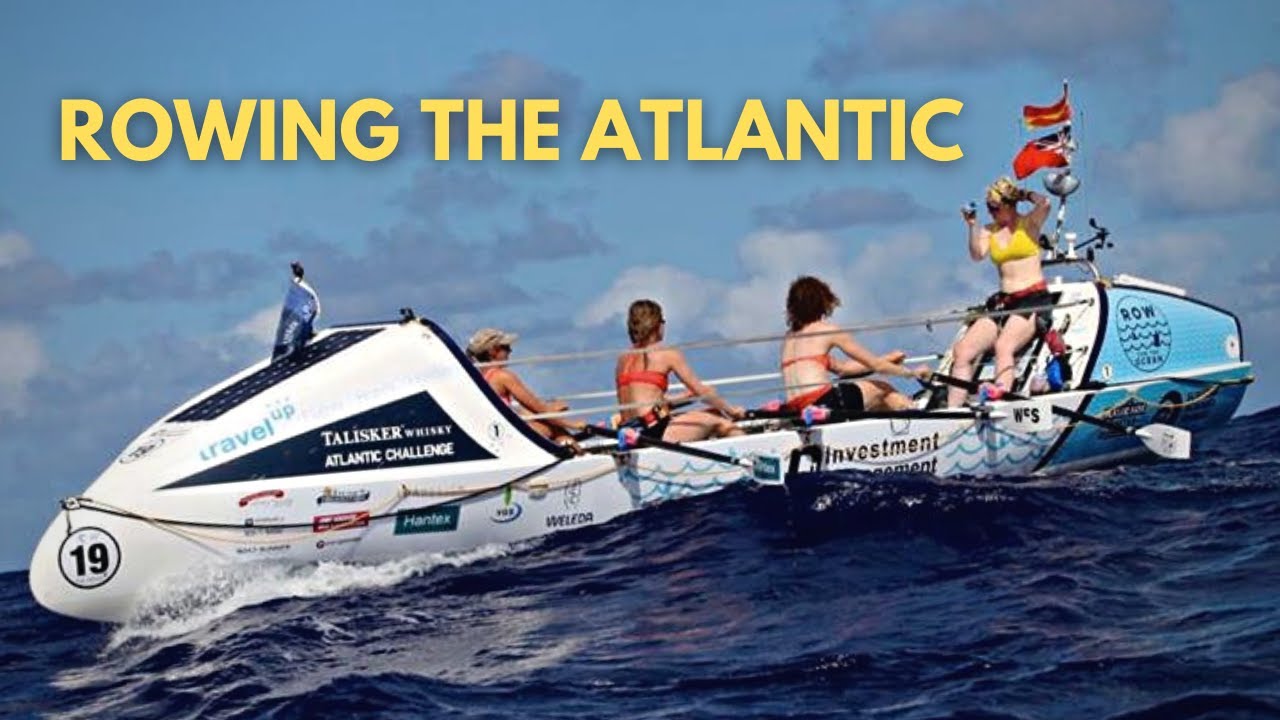
Rowing 3,000 Miles Across the Atlantic Ocean — Laura Try

Laura Try

Row for the Oceans secured victory across 260 continuous shifts by grinding forward through severe headwinds at half a mile per hour while competitors anchored and drifted backward.

AI-assisted summary of Rowing 3,000 Miles Across the Atlantic Ocean — original source. Check the original for full context.

Source published:

Key ideas

  • Laura Try and her four-person all-female crew, Row for the Oceans, won the female class of the 2018 Talisker Whisky Atlantic Challenge, completing the 3,000-mile crossing from La Gomera to Antigua in 43 days, 2 hours, and 20 minutes across 260 shifts. (18:55)
  • To keep the boat moving 24/7, the crew adhered to a strict rotation of two hours rowing and two hours off, leaving only about 80 minutes per rest cycle for sleep after completing hygiene, maintenance, and eating duties. (2:01)
  • During an unexpected nine-hour headwind, the crew switched to three rowers pulling and one steering to crawl forward at 0.5 mph for a 4-mile gain, while rivals drifted backward 10 miles on sea anchors—creating a decisive 14-mile competitive swing. (9:03)
  • Expedition operations relied entirely on solar power to run navigation systems and an onboard desalination water maker, while food rations totaled nearly 1,000,000 calories stowed beneath the deck to meet 4,000-calorie daily targets per rower. (4:57)

Detailed notes

## Background Published on YouTube by adventurer Laura Try on December 5, 2021, this video documents her 3,000-mile journey across the Atlantic Ocean. According to the description, Try recounts her participation in the 2018 Talisker Whisky Atlantic Challenge as part of a four-woman crew.

## TL;DR Laura Try details the grueling reality of competing in the 2018 Talisker Whisky Atlantic Challenge alongside her three teammates aboard the 8.5-meter carbon-fiber boat Row for the Oceans. Operating on a relentless schedule of two hours on the oars and two hours off around the clock, the team endured suffocating cabin heat, severe salt sores, grueling 9-hour headwind battles, and deep psychological crises. Supported by natural wonders, dark humor, and simple resilience mantras like 'it will pass' and 'just get on with it,' the crew persevered through 260 shifts. After 43 days, 2 hours, and 20 minutes at sea, they arrived victorious in English Harbour, Antigua, clinching first place in the women's class and transforming maritime hardship into enduring life lessons.

## Atmosphere & style The presentation is candid, gritty, and deeply introspective, pairing unvarnished video diaries recorded inside cramped, humid cabins with reflective, clear-headed post-race narration. Watching it feels like an intimate survival confession, seamlessly oscillating between the raw claustrophobia of sleep-deprived night rows on 10-meter swells and transcendent awe beneath star-drenched skies. The emotional arc charts a realistic descent into mental and physical exhaustion that ultimately resolves into empowering clarity, profound gratitude, and hard-won elation.

## Bulletin - [18:55](https://www.youtube.com/watch?v=6SYHamnHqU8&t=1135s) Laura Try and her four-person all-female crew, Row for the Oceans, won the female class of the 2018 Talisker Whisky Atlantic Challenge, completing the 3,000-mile crossing from La Gomera to Antigua in 43 days, 2 hours, and 20 minutes across 260 shifts. - [02:01](https://www.youtube.com/watch?v=6SYHamnHqU8&t=121s) To keep the boat moving 24/7, the crew adhered to a strict rotation of two hours rowing and two hours off, leaving only about 80 minutes per rest cycle for sleep after completing hygiene, maintenance, and eating duties. - [09:03](https://www.youtube.com/watch?v=6SYHamnHqU8&t=543s) During an unexpected nine-hour headwind, the crew switched to three rowers pulling and one steering to crawl forward at 0.5 mph for a 4-mile gain, while rivals drifted backward 10 miles on sea anchors—creating a decisive 14-mile competitive swing. - [04:57](https://www.youtube.com/watch?v=6SYHamnHqU8&t=297s) Expedition operations relied entirely on solar power to run navigation systems and an onboard desalination water maker, while food rations totaled nearly 1,000,000 calories stowed beneath the deck to meet 4,000-calorie daily targets per rower.

## Key takeaways - [00:04](https://www.youtube.com/watch?v=6SYHamnHqU8&t=4s) Row for the Oceans prepared for months through physical conditioning, logistics, and raising roughly £120,000 to cover their boat, entry, and equipment. - [02:01](https://www.youtube.com/watch?v=6SYHamnHqU8&t=121s) The continuous 2-hour on, 2-hour off shift rotation resulted in severe cumulative sleep deprivation, offering less than 4 hours of broken rest in a 24-hour window. - [02:25](https://www.youtube.com/watch?v=6SYHamnHqU8&t=145s) Living quarters aboard the 8.5-meter carbon-fiber vessel were stifling, hot, and damp, requiring hatches to remain sealed against saltwater spray. - [04:08](https://www.youtube.com/watch?v=6SYHamnHqU8&t=248s) Daily nutrition consisted of dehydrated ration pouches and high-calorie snacks aiming for 4,000 calories per crew member per day, with roughly 1,000,000 calories stowed aboard. - [04:57](https://www.youtube.com/watch?v=6SYHamnHqU8&t=297s) Sanitation and waste management were stripped to the absolute basics, relying on a solar-powered water maker for fresh water and a single bucket for toilet, laundry, and bathing needs. - [07:00](https://www.youtube.com/watch?v=6SYHamnHqU8&t=420s) The physical toll of rowing 12 hours a day included swollen, blistered hands, severe salt sores, and buttock pressure wounds, with daily step counts dropping as low as 25 steps. - [09:03](https://www.youtube.com/watch?v=6SYHamnHqU8&t=543s) Grinding out forward progress at just 0.5 mph against a punishing headwind reinforced the principle that slow progress remains immensely valuable compared to drifting backward. - [11:12](https://www.youtube.com/watch?v=6SYHamnHqU8&t=672s) Practicing active gratitude for safety, food, and the craft helped counteract mental exhaustion, complemented by natural spectacles like whale encounters, shooting stars, and moonbows. - [12:25](https://www.youtube.com/watch?v=6SYHamnHqU8&t=745s) Rapidly shifting oceanic conditions and psychological lows were managed through the shared grounding mantra 'It will pass.' - [13:05](https://www.youtube.com/watch?v=6SYHamnHqU8&t=785s) Day 39 marked Laura's severe mental breakdown under 300 miles from the finish, requiring three days of inward focus and headphone isolation to overcome. - [14:22](https://www.youtube.com/watch?v=6SYHamnHqU8&t=862s) Accountability to exhausted teammates facing shift changes inspired the actionable mindset of 'Just get on with it' to bypass procrastination and self-pity. - [16:08](https://www.youtube.com/watch?v=6SYHamnHqU8&t=968s) Every five to six days, rowers dove into open ocean water five kilometers deep to scrape drag-inducing barnacles and algae from the boat's hull. - [17:20](https://www.youtube.com/watch?v=6SYHamnHqU8&t=1040s) Interpersonal friction in tight confinement was diffused by prioritizing the team's singular, unifying objective of winning their race category over individual grievances. - [18:55](https://www.youtube.com/watch?v=6SYHamnHqU8&t=1135s) The team officially won the female race category upon reaching English Harbour, Antigua, proving that large endurance goals are conquered one stroke and one shift at a time.

## Detailed walkthrough ### [00:04](https://www.youtube.com/watch?v=6SYHamnHqU8&t=4s) Embarking on the Atlantic Challenge

Laura Try introduces her 3,000-mile journey across the Atlantic Ocean, traveling from San Sebastián de La Gomera in the Canary Islands over to Antigua in the Caribbean. She competed in the 2018 Talisker Whisky Atlantic Challenge alongside 27 other boats as part of an all-female four-person crew named Row for the Oceans, rowing with teammates Roz, Kirsty, and Kate. Laura had previously completed high-intensity endurance events—such as adventure races, running a marathon on the Great Wall of China, and rowing around Great Britain—yet she notes that none of those achievements truly prepared her for what lay ahead. Since she lacked footage for certain stretches of the crossing, she supplemented her video with clips from other crews to fully convey the reality of ocean rowing.

```mermaid flowchart LR accTitle: Atlantic Ocean Rowing Route accDescr: Map showing the 3,000-mile journey across the Atlantic Ocean from the Canary Islands to Antigua. A["La Gomera<br>(Canary Islands)"] -->|"3,000-mile ocean crossing"| B["Antigua<br>(Caribbean)"] ```

Having harbored a desire to take on the Atlantic challenge for several years, Laura leaped at the opportunity when invited to join the team. Preparing meant months of dedicated physical conditioning, logistics, and fundraising. The physical training involved endless hours on the indoor rowing machine, including grueling four-hour Sunday sessions. Covering the cost of the carbon-fiber boat, equipment, and race entry required roughly £120,000, which the crew raised through public donations and corporate sponsorships. On December 12, 2018, the team was pushed away from land to face at least six weeks of total isolation without seeing other people or terra firma, prompting Laura to reflect on day one’s sunrise: “How on earth would we cope? I did wonder that myself as we set off.”

- **Team Members**: Laura Try, Roz, Kirsty, Kate (Row for the Oceans) - **Fleet Size**: 28 boats total (competing against 3 other teams in the female category) - **Total Budget Raised**: ~£120,000 - **Departure Date**: December 12, 2018

---

[02:01](https://www.youtube.com/watch?v=6SYHamnHqU8&t=121s) Shift Life, Tight Cabins, and Rations

The squad set out with an intensely competitive ambition: they wanted to win the women's class outright. To keep the boat running continuously around the clock, they utilized a standard ocean rowing shift system of two hours on the oars followed by two hours off, day and night. While two hours enabled rowers to pull hard through the water and rotate before suffering complete exhaustion, the "off" shift provided only about 1 hour and 20 minutes of actual sleep. The remaining 40 minutes were consumed by personal maintenance (eating, hydrating, bodily care) and boat upkeep (navigation checks, weather monitoring, and repairs). Describing the claustrophobic conditions in a video dispatch from the stern, Laura mentioned receiving less than four hours of broken sleep across 24 hours.

```mermaid flowchart TD accTitle: Two-Hour Off Shift Breakdown accDescr: Breakdown of time allocation during the two-hour resting rotation. subgraph OffShift["Two-Hour Off Shift"] A["Total Off Time: 120 Minutes"] B["Sleep: ~80 Minutes"] C["Maintenance: ~40 Minutes"] A --> B A --> C C --> D["Boiled water & meals"] C --> E["Navigation & weather"] C --> F["Boat repairs & hygiene"] end ```

The carbon-fiber craft measured 8.5 meters long by 1.5 meters wide, bookended by two small enclosed compartments. The bow cabin was slightly roomier and contained nothing except a bed mat, while the stern cabin was far more cramped, with the rowers’ legs sliding underneath the deck floorboards alongside navigation electronics and power gear. Although sleeping beside the electronics suite was convenient, frequent alarms and tech glitches regularly jolted the off-duty rowers awake. The cabins had to stay firmly latched to keep saltwater spray out, making the space stiflingly hot, dark, and damp. Laura noted, “It’s unbearably hot in this cabin. But we have to have the cabin door shut so everything doesn't get wet because when things are wet in here, it's just miserable.”

Daily sustenance came from dehydrated meal pouches—including dishes like chicken tikka, hot pot, and penne pasta—reconstituted with water. The meals were supplemented by rations of nuts, dried fruit, dark chocolate, protein cookies, and jars of peanut butter. The boat carried close to 1,000,000 calories stowed underneath the deck. Each woman aimed to consume roughly 4,000 calories a day to match their energy expenditure, though forcing that volume of food down while exhausted and rocking in the heat proved remarkably difficult.

- **Boat Dimensions**: 8.5 m long by 1.5 m wide - **Cabin Split**: Bow cabin (empty sleeping berth); Stern cabin (nav/electrical equipment, legroom extending under deck) - **Daily Energy Intake/Burn**: ~4,000 calories per crew member per day (~1,000,000 calories aboard)

---

[04:57](https://www.youtube.com/watch?v=6SYHamnHqU8&t=297s) Hygiene, Power Systems, and Rigors at Sea

Fresh water was harvested directly from the ocean using an onboard solar-powered desalination unit (water maker) that drew in seawater and stripped out the salt. For daily sanitation, the entire operation relied on simple buckets. A large blue bucket served as the sole toilet—adhering to the ocean rowing adage “bucket and chuck it”—as well as the wash basin and laundry tub. Laundry was essentially abandoned for hundreds of miles. Laura documented taking her first genuine wash in 30 days using just half a liter of fresh water and a bar of soap, discovering that an underlying tan had formed beneath thirty accumulated coats of sunscreen and grime. To preserve comfort and modesty, rowers often stripped down entirely, with Laura having to angle her video camera away to avoid filming Kate naked on the deck.

Two cabin-roof solar panels fed the house battery bank to drive the water maker, lights, and navigation array. Communication with land support, race organizers, and emergency contacts relied on two satellite phones and specialized data equipment for plain-text email transmission. In one radio exchange over VHF, the crew established contact with a passing 54-meter motor yacht that had identified their position on the Yellowbrick tracking system, marking their first conversation with an outside ship. Shortly after, Laura managed a satellite phone call home to her father, excitedly reporting they were surging through large swell and overtaking a rival crew.

Physical wear accumulated relentlessly after weeks of pulling 12 hours every day in salt-saturated air. The rowers suffered from swollen, heavily blistered hands and painful pressure sores on their buttocks from constant friction on the hard seats. The confined deck afforded almost no walking; Laura logged a pedometer count of just 25 steps across an entire 24-hour day. Rowers simply crawled from their rowing stations into the cabin hatch and back. To buoy morale during holidays, the women celebrated Christmas by reading messages from loved ones, and on New Year's Day, Kate surprised the crew by dancing across the deck dressed in an inflatable banana suit while playing a plastic recorder to welcome 2019.

- **Hygiene & Sanitation**: Desalination unit for drinking water; 500 ml water allowance for whole-body soap washes; blue bucket for waste and hygiene - **Power & Communications**: Cabin-top solar panels; VHF radio; two sat phones; data unit for email transmissions - **Physical Toll**: 12 hours of rowing per day; severe hand blisters, salt sores, buttock pressure sores; step count recorded as low as 25 steps per day

---

[09:03](https://www.youtube.com/watch?v=6SYHamnHqU8&t=543s) The 9-Hour Headwind Battle and the 0.5 MPH Lesson

When land support warned of an approaching headwind that threatened to blow their boat backward, the team altered their strategy to fight it head-on. Rather than maintaining their standard two-person rowing pattern, they put three women on the oars simultaneously across every available station, leaving the fourth member to manage the rudder hand-steering to generate maximum forward drive. While forecasters predicted the adverse winds would dissipate in four hours, the blow dragged on relentlessly. The team spent nine continuous hours grinding against the gale, with six of those hours spent pulling exclusively on their port (left) oars to keep the hull tracking straight into the sea.

Progress slowed to a crawl of roughly 0.5 miles per hour—the equivalent of circling a standard 400-meter athletics track just twice over an hour. When the headwind finally ceased after nine hours of agonizing work, the boat had gained a meager four miles, leaving the women physically depleted and emotionally crushed by the discrepancy between their sheer output and the microscopic distance achieved.

```mermaid flowchart TD accTitle: Headwind Performance Comparison accDescr: Visualizing the net gain of battling the headwind versus drifting backwards. subgraph RowForOceans["Row for the Oceans (Rowed 9 Hours)"] A["Traveled +4 Miles Forward"] end subgraph Competitors["Other Competitors (Stopped / Drifted)"] B["Blown -10 Miles Backward"] end A -.->|"Net Competitive Gain: 14 Miles"| B ```

The emotional defeat vanished when updated race tracking reports arrived later that evening. Other crews had surrendered to the wind, laid on their sea anchors, and drifted 10 miles backward. By grinding out four positive miles, Row for the Oceans had effectively opened up a 14-mile swing on their rivals. Reflecting on how that grueling day shaped her philosophy on perseverance, Laura explains:

> “That was a massive lesson for me in that sometimes it doesn't matter how slow we go as long as we're going forward and making progress.”

She carries that insight into daily life whenever progress feels stalled at a crawl, reminding herself, “I did it once and I can do it again.” Invigorated by news that they were closing the gap on the boat ahead of them, the crew held an impromptu karaoke session on the deck and prepared to row through the night to complete the overtake.

- **Headwind Duration**: Forecast for 4 hours; lasted 9 continuous hours - **Strategy**: 3 rowers pulling, 1 person manually steering (6 hours pulling left oar only) - **Speed During Headwind**: ~0.5 mph - **Distance Result**: 4 miles gained vs. 10 miles lost by competitors (14-mile relative swing)

[11:12](https://www.youtube.com/watch?v=6SYHamnHqU8&t=672s) Gratitude and the Wonders of Nature

Despite being completely shattered, Laura reflects on maintaining a profound sense of gratitude throughout the expedition. She had spent two and a half years actively working toward this goal, and she found herself sitting on a £70,000 ocean rowing boat alongside three incredible crewmates, equipped with all the food, gear, and safety supplies they needed. Through the hardest moments, she felt that Mother Nature consistently rewarded their physical and mental struggles with extraordinary natural spectacles.

The crew enjoyed frequent visits from dolphins and whales, watched breathtaking sunrises and double rainbows, and marveled at shooting stars burning so brilliantly that they resembled fireworks. Out on the open ocean, away from light pollution, the Milky Way appeared as a seamless, dense band of light where individual stars seemed to merge together. Laura was particularly captivated by spotting a "moonbow"—a nighttime rainbow glimmering in delicate shades of gray under a bright full moon. One memorable morning offered a stunning dual display: a glowing moonset on one horizon paired directly with a vibrant sunrise on the other.

- Vessel value: £70,000 ocean rowing boat - Wildlife sightings: Whales and dolphins - Astronomical phenomena: Blazing shooting stars, continuous band of the Milky Way, and nighttime moonbows

---

[12:25](https://www.youtube.com/watch?v=6SYHamnHqU8&t=745s) Volatility and the Mantra "It Will Pass"

As the boat tracked closer to the equator, the environmental conditions grew punishingly volatile. Scorching, intense heat would suddenly give way to torrential downpours. Laura notes that their circumstances could shift from perfect harmony to absolute chaos in seconds—whether sparked by an abrupt weather shift or a piece of equipment breaking and sending the boat spinning in circles. The crew experienced wild swings in energy levels and moods. To survive these psychological lows, they adopted a short, shared mantra: “It will pass.” Just like the passing squalls and winds, they reminded themselves that any miserable situation was inherently temporary.

Day 39 marked Laura’s lowest emotional point of the entire 3,000-mile voyage. Fully exhausted in mind and body, she felt she had reached her absolute limit: “They finally broke me and I just couldn't bear. Just couldn't bear anymore. I just didn't want to row.” Even though they were under 300 miles from the finish line, she found herself trapped in an unfamiliar, dark headspace. Rowing shifts felt agonizing, and she felt so sleep-deprived that she described feeling drunk. She retreated behind her headphones, refusing to speak to anyone while continuously whispering the mantra to herself on the oars. Though the dread persisted longer than usual, after three full days the fog lifted, the earphones came out, and her belief in the phrase was cemented as a permanent life philosophy.

- Crisis point: Day 39 of the expedition - Distance from destination during breakdown: Less than 300 miles - Duration of mental funk: 3 consecutive days before resolving

---

[14:22](https://www.youtube.com/watch?v=6SYHamnHqU8&t=862s) Cabin Life, Surfing Waves, and "Just Get On with It"

The physical realities of the boat were grueling and claustrophobic. Laura recalls rowing on the oars while surfing 10-meter-high waves in pitch-black night conditions, astonished looking back that they managed to survive it. Off-shift rest offered little relief. The boat's sleeping cabin was roughly the size of an under-stairs cupboard, suffocatingly hot like the interior of a car parked in the summer sun with all windows sealed shut. During rough seas, crew members were slammed against the cabin walls like clothes in an active washing machine.

```mermaid flowchart TD accTitle: Sleep Deprivation and Shift Change Cycle accDescr: Diagram illustrating the grueling cycle between rough cabin rest, the alarm sounding, overcoming resistance, and relieving the exhausted teammate on deck.

subgraph RestCycle["Cabin Downtime"] A["Claustrophobic Cabin<br/>(Washing machine motion & intense heat)"] --> B["1.5 Hours Fitful Sleep"] end

subgraph AlarmShift["Shift Change Challenge"] B --> C["Middle-of-the-Night Alarm<br/>(Damp, pitch-black, freezing outside)"] C --> D{"Mental Resistance<br/>('I really don't want to go')"} end

subgraph ActionTakeover["Resolution"] D -->|Mantra: 'Just get on with it'| E["Dress & Step Onto Deck"] E --> F["Relieve Rosie at the Oars"] end ```

After finally drifting off for a mere hour and a half, the dreaded alarm would sound in the middle of the night. Faced with stepping out into the cold, damp, pitch darkness while still exhausted, Laura struggled against the urge to stay cocooned in her sleeping bag. However, knowing her teammate Rosie was utterly desperate for rest and waiting to be relieved kept her accountable. Lying there, she said aloud: “Just get on with it.” She immediately dressed and reported to deck. Laura highlights this phrase as perhaps the single greatest lesson she took from the Atlantic row, applying it to early 5:00 a.m. wakeups, rainy runs, and long-delayed chores: “Often it's just easier to do the thing rather than procrastinate beating ourselves up for not doing it.”

- Cabin conditions: Cramped under-stairs cupboard proportions, intense trapped heat, heavy tossing - Nighttime row conditions: Surfing 10-meter swells in complete darkness - Typical rest window between shifts: 1.5 hours

---

[16:08](https://www.youtube.com/watch?v=6SYHamnHqU8&t=968s) The Primitive Rhythm: Hull Cleaning and Shared Purpose

Living stripped of non-essential possessions fostered a simple, primitive survival rhythm that Laura found deeply rewarding. She loved nighttime rowing shifts with drum and bass music blasting over the deck speaker, as well as the routine maintenance of diving into the open ocean. Because accumulating algae and barnacles created drag that slowed the boat down, the crew had to jump overboard every five to six days to scrape the hull clean. Tethered to the boat while floating over five kilometers of abyssal blue water, Laura found the chore exhilarating—even packing exfoliating mitts on one dive to give herself a sea wash.

Laura strongly rejects the notion that ocean rowers possess superhuman abilities, arguing that ordinary individuals endure equivalent emotional and mental demands every day through grief, financial strain, anxiety, and depression. Coexisting with three other people in cramped confinement inevitably brought friction due to distinct personalities and needs. However, their team cohesion held firm because of a single, unifying objective: winning the female class of the race. Recognizing that harboring anger or negativity was a drain on limited physical energy, the crew chose to abandon grievances and keep moving forward toward their goal.

- Hull cleaning frequency: Every 5 to 6 days to clear barnacles and algae - Ocean depth below swimmers: Approximately 5 kilometers (5,000 meters) - Shared crew objective: Winning the women's class of the Talisker Whisky Atlantic Challenge

---

[18:55](https://www.youtube.com/watch?v=6SYHamnHqU8&t=1135s) Victory in Antigua and Life Lessons

After 43 days, 2 hours, and 20 minutes at sea, the crew officially crossed the finish line in English Harbour, Antigua. The arrival was an overwhelming sensory experience: horns from superyachts blasted across the water, while cheering families and spectators lined the shore. Laura describes every single cell in their bodies vibrating with elation and absolute relief. To crown the achievement, they clinched first place in the female category. Across all 260 of their grueling two-hour rowing shifts, winning had been the sole vision driving them forward through the pain.

Laura concludes by drawing a parallel between the ocean challenge and navigating regular life. While long endurance expeditions leave her body physically battered, the simplicity of living outdoors clears her mind and leaves her feeling healthy and energized. She underscores that life, much like crossing an ocean, requires consistently turning up for your shift, taking progress one stroke at a time, staying grounded in gratitude, and trusting that every difficult shift will eventually pass.

- Official finish time: 43 days, 2 hours, 20 minutes - Total rowing shifts completed: 260 individual two-hour shifts - Final race placement: Winners of the female race category

## Notable quotes > [14:22](https://www.youtube.com/watch?v=6SYHamnHqU8&t=862s) Often it's just easier to do the thing rather than procrastinate beating ourselves up for not doing it. — Laura Try

> [09:03](https://www.youtube.com/watch?v=6SYHamnHqU8&t=543s) That was a massive lesson for me in that sometimes it doesn't matter how slow we go as long as we're going forward and making progress. — Laura Try

## Mentioned Laura Try, Roz, Kirsty, Kate, Row for the Oceans, Talisker Whisky Atlantic Challenge 2018, San Sebastián de La Gomera, Canary Islands, Antigua, English Harbour, Caribbean, Great Wall of China, Great Britain, Vivobarefoot, Yellowbrick, Sony ZV1, Sony AX53, GoPro 11, Rode Wireless Go, Rode Lavalier Go, Rode VideoMicro, Joby RangePod, Joby GripTight Pro Telepod, Samsung, SanDisk, Epidemic Sound, Story Blocks

## Video description In this video, I share my 3,000 mile row across the Atlantic Ocean. I took part in the Talisker Whisky Atlantic Challenge 2018.

Get 15% off Vivobarefoot shoes. Use LAURATRY15 at https://bit.ly/Vivobarefoot-shoes (sometimes a 25% discount code works, try that first - LAURATRY25) They offer a 100 day trial to make sure you like them.

SUPPORT THE CHANNEL: - via YouTube: https://bit.ly/YouTube-Member-LauraTryUK - or Paypal: https://bit.ly/Paypal-LauraTryUK Thank you 🙏🏼

__________

FEATURING: - Talisker Whisky Atlantic Challenge: https://bit.ly/AtlanticRowingChallenge

SOCIALS - Instagram: https://www.instagram.com/lauratryuk/ - Twitter: https://twitter.com/LauraTryUK - Website: https://lauratry.com

MUSIC, SOUND EFFECTS & STOCK FOOTAGE - Epidemic Sound: https://www.epidemicsound.com/referral/2pj2ai - Story Blocks: http://bit.ly/StoryBlocks-info

KIT I USE: - Sony ZV1 camera: https://amzn.to/3Y3KXY7 - Sony AX53 camera: https://amzn.to/40uEFSM (for night vision and as second camera) - Rode Wireless Go Mic: https://amzn.to/3jydPbO - Rode Lavalier Go Mic: https://amzn.to/3HVAA1J - Rode VideoMicro Mic: https://amzn.to/3JEs09W - Joby RangePod Tripod: https://amzn.to/3X0b14U - Joby GripTight Pro Telepod: https://amzn.to/3RGUQbF - GoPro 11: https://amzn.to/3HWrvXA - GoPro Shorty Handle: https://amzn.to/40tkMvn - Samsung 1TB SSD: https://amzn.to/3YukxOZ - SanDisk Extreme Pro 64GB memory card: https://amzn.to/3YlQtWd

[Source](https://www.youtube.com/watch?v=6SYHamnHqU8)

中文简报

劳拉·特赖船队历时43天赢得3000英里大西洋划船赛 “为海洋而划”号在强劲逆风中以每小时半英里的速度艰难前行,而竞争对手则抛锚倒退,凭借连续260个轮班锁定了胜局。 劳拉·特赖详细讲述了她与三名队友乘坐8.5米长的碳纤维赛艇“为海洋而划”号,参加2018年泰斯卡威士忌大西洋挑战赛的艰辛历程。全队全天候实行严苛的“划两小时、歇两小时”轮班制,忍受着舱内窒息般的酷热、严重的盐疮、长达9小时的逆风苦战以及深重的心理危机。在大自然奇景、黑色幽默以及“一切都会过去”、“硬着头皮干下去”等朴实坚韧格言的支撑下,船员们熬过了260个轮班。在海上航行43天2小时20分钟后,她们胜利抵达安提瓜的英国港,夺得女子组冠军,并将海上的磨难转化为了终身受益的人生感悟。 劳拉·特赖与她的四人全女性船队“为海洋而划”号夺得2018年泰斯卡威士忌大西洋挑战赛女子组冠军,她们历经260个轮班,用时43天2小时20分钟完成了从戈梅拉岛到安提瓜的3000英里跨洋航行。 (18:55) 为了保证赛艇24小时不间断前行,船员们严格执行划桨两小时、休息两小时的轮换制度,在完成个人卫生、维护检修和进食任务后,每个休息周期仅剩约80分钟用于睡眠。 (2:01) 遭遇长达九小时的突发逆风时,船队改为三人划桨、一人掌舵,以每小时0.5英里的速度艰难向前推进了4英里,而对手们则在海锚作用下后退了10英里,由此奠定了14英里的决定性竞争优势。 (9:03) 远航运作完全依赖太阳能为导航系统和船载海水淡化造水机供电,甲板下存放了近100万卡路里的口粮,以满足每位划手每天4000卡路里的热量目标。 (4:57)

Reading summary

Drawing on her 3,000-mile crossing in the 2018 Talisker Whisky Atlantic Challenge, endurance athlete Laura Try argues that overcoming extreme adversity relies on radical consistency, mutual accountability, and embracing incremental progress. Relentless Shift Routines and Confined Survival (2:01) To maintain continuous forward momentum across the Atlantic, the four-woman crew of Row for the Oceans operated on an unyielding schedule of two hours rowing followed by two hours off, day and night, totaling 260 shifts over 43 days. Within each two-hour rest interval, roughly 40 minutes were consumed by meal preparation, navigation, and maintenance, leaving rowers with only about 80 minutes of broken sleep in cramped, stiflingly hot cabins. Daily life on the 8.5-meter carbon-fiber vessel required managing severe physical attrition, including pressure sores, hand blisters, and extreme step deprivation logged as low as 25 steps per day. Progress Measured in Increments Over Absolute Speed (9:03) The strategic value of grinding through adverse conditions became clear during an unexpected nine-hour headwind battle. Facing gale-force winds that forecasters predicted would last only four hours, the crew deployed three rowers on the oars while one steered, pulling for six hours on the port oars alone to keep the hull straight. Although their agonizing effort yielded a crawl of just 0.5 miles per hour—gaining a meager four miles—tracking updates revealed that rival teams had deployed sea anchors and drifted ten miles backward. By refusing to halt, the team opened a net 14-mile competitive lead, underscoring Try's principle that forward momentum matters regardless of how slow the pace appears. Psychological Anchors: Impermanence and Action Over Resistance (12:25) Surviving volatile weather squalls and severe sleep deprivation required mental frameworks designed to counter emotional despair. When the crew reached crisis points—such as Try's lowest mental state on Day 39, when exhaustion left her feeling drunk and alienated—they relied on the mantra 'It will pass' to endure until circumstances stabilized. To overcome the paralyzing reluctance of leaving a warm sleeping bag to surf 10-meter waves in pitch-black night conditions, Try adopted the rule 'Just get on with it.' This discipline was anchored by mutual obligation, recognizing that hesitation directly deprived an exhausted teammate waiting at the oars of essential relief. Shared Objectives and Stripped-Down Simplicity (16:08) Despite the severe physical tolls, Try found clarity in a simplified existence governed by routine maintenance, such as leaping into 5,000-meter-deep waters every five to six days to scrape algae and barnacles off the hull. The inevitable interpersonal friction of four personalities confined to tight quarters was neutralized by an absolute alignment of purpose: securing first place in the women's division. Try rejects the premise that ocean rowers possess superhuman resilience, contending that ordinary individuals routinely exercise equivalent endurance when navigating everyday hardships such as grief, anxiety, and financial pressure. Row for the Oceans reached English Harbour, Antigua, after 43 days, 2 hours, and 20 minutes to win the female race category. Try frames ocean rowing as an amplified parallel for daily life, concluding that sustained progress requires repeatedly showing up for difficult shifts, staying grounded in perspective, and trusting that emotional lows are inherently temporary.

精炼阅读摘要

耐力运动员Laura Try与三名女队员组成的“Row for the Oceans”队伍,在2018年泰斯卡威士忌大西洋挑战赛中历时43天、划行3000英里夺得女子组冠军。Try指出,这场极度严苛的远洋征程不仅是对肉体耐力与轮班纪律的极限考验,更揭示出一种深刻的人生哲学:无论客观阻力多大、进展多么缓慢,只要持续交替前行、克服拖延并坚信艰难时刻终会过去,就能在身心濒临崩溃的极限中实现突破。 严苛轮班制与极端狭小船舱的生存现实 (2:01) 为了维持全天候不间断推进并争夺女子组冠军,团队执行了严苛的“划桨两小时、休息两小时”轮换制度。在短短两小时的下岗休整时间内,队员必须完成脱水食品复水冲泡、个人身体护理、导航与气象核对以及设备抢修,这耗费了大约40分钟,导致每次真正的睡眠时间仅剩约1小时20分钟,全天破碎的睡眠总量不足4小时。与此同时,每位队员每天需克服剧烈颠簸与潮湿闷热,强行摄入约4000卡路里的脱水餐与能量补给,以维持每日高负荷划桨的能量支出。 长8.5米、宽1.5米的碳纤维艇生活空间极其逼仄。船尾客舱极为狭小,队员平躺时双腿必须伸入甲板底板下方,并与导航电气设备紧贴在一起。为防止高浓度盐雾与海水倒灌破坏仪器,舱门在任何时候都必须紧闭,使得内部如同盛夏封闭的汽车般窒息灼热。全船日常卫生完全依托太阳能海水淡化器与塑料水桶,单次全身擦洗仅配给500毫升淡水;由于长达数周处于高盐环境与硬座摩擦中,队员饱受严重手部水疱与臀部压疮折磨,因缺乏活动空间,Try甚至记录下单日步数仅有25步的极致静止状态。 九小时逆风战与微小前进的战术价值 (9:03) 在面临可能将船只反向吹退的突发强逆风时,团队打破了常规的双人划桨模式,果断采取三人全力划桨、一人负责手动操控舵向的极限战术。原本陆上气象预报仅有4小时的逆风风暴,实际持续了整整9个小时,其中长达6个小时队员们被迫单靠左侧(左舷)划桨来维持船身迎风航向。在极度高压的体能消耗下,船只推进速度骤降至每小时约0.5英里(相当于一小时仅能在标准田径场挪动两圈),整整9小时的死磕仅仅换来4英里的微小位移。 这微弱的进展起初让全队感到身心俱疲与沮丧,但当晚的赛事追踪数据却彻底逆转了心理态势:其他许多竞争船队在遭遇风暴时选择放弃划行、抛出海锚随波漂流,导致船位被逆风吹退了10英里。Try团队逆势拼出的4英里,反而在赛程上确立了相对于对手14英里的巨大战术优势。Try由此总结出一项贯穿其余生的行动哲学:在面对人生与事业的低谷逆境时,前进的速度快慢并非决定性因素,只要始终保持向前挪动的势头,即便看似极其微小的积累,也能在长期竞争中拉开质的差距。 心理至暗时刻与情绪应对心法 (12:25) 随着船艇向赤道靠近,海况环境变得越发不可预测,暴晒与倾盆暴雨频繁交替,器材突发故障也常使船体瞬间陷入混乱。在航行进行到第39天、距离终点安提瓜不足300英里时,Try遭遇了全程最严重的心理崩溃。长期的极度缺眠使她产生了如同醉酒般的意识模糊,精神与肉体的双重耗竭使她陷入拒绝说话的黑暗心理旋涡。面对这场心理危机,她退缩在耳机音乐中,依靠队伍共享的简短格言“一切都会过去”(It will pass)反复自我暗示;经历整整三天的持续低谷后,心理阴霾才逐渐消散,使她确立了任何痛苦境遇均具暂时性的坚定信念。 另一个深刻塑造团队行动力的是应对半夜换岗时的心理机制。当闹钟在漆黑的深夜响起,队员必须离开仅睡了一个半小时的睡袋,面对冰冷潮湿且伴随10米巨浪的危险甲板。面对留在睡袋中的强烈诱惑,Try以“直接行动起来”(Just get on with it)这一原则强制自己穿戴整齐、登台接替极度疲惫的队友。Try强调,与其躺在原处反复内耗和推迟应尽之责,不如立即起身执行行动,这种杜绝拖延的心智模式不仅维系了海上的换岗秩序,也成为了她应对日常繁重任务的核心工具。 原始生存节律、团队凝聚力与夺冠 (16:08) 在剥离了一切多余物质的大洋上,队员们重归简单纯粹的生存节律。为了降低船底附着的水藻与藤壶所产生的航行阻力,队员们每隔五至六天就必须系上安全绳,纵身跃入深达5000米的大洋深处刮除船体污垢。四名性格迥异的女性在极度狭窄的空间内不可避免地会产生情绪摩擦,但她们将精力严格集中于单一的共同目标——赢得女子组冠军。她们清晰认识到,将体能浪费在积怨与消极情绪上是致命的内耗,因而选择主动化解矛盾,以高度一致的步调保持战术专注。 在浩瀚大洋上,团队同时见证了海豚跃动、璀璨银河、壮丽日落以及在满月下泛着灰白色光晕的罕见夜间“月虹”(moonbow),将大自然的壮美化作坚持的支撑。在累计完成260个筋疲力竭的两小时划桨班次后,队伍历时43天2小时20分钟成功冲过安提瓜英国港的终点线,如愿斩获女子组总冠军。Try反驳了远洋划手属于“超人”的论调,认为普通人在现实中面对家庭变故、经济压力、焦虑与抑郁时所调动的坚韧品质与之毫无二致;远洋挑战的本质,正是踏实守好每一次轮班,将长远目标分解为当下的每一次稳健挥桨。 Laura Try的亲历记录以详实的航行数据与细致的生活细节,重构了极限海洋划渡中的生理剥夺与团队心理机制。尽管内容主要建立在单艇个案的主观回忆与自我叙事之上,未对其他参赛船队的技术参数或策略选择展开横向对比,但其所展现的逆风相持战术、极限制约下的时间切片管理以及应对严重心理枯竭的自律心法,为耐力挑战管理与极端环境下的团队协同提供了极具实证价值的心理学参照。

Detailed notes — zh

## Background 该视频由耐力运动员 Laura Try 于 2021 年 12 月 5 日发布在 YouTube 平台。视频简介介绍,她在本期内容中分享了自己参加 2018 年泰斯卡威士忌大西洋挑战赛(Talisker Whisky Atlantic Challenge 2018)、历经 3000 英里横渡大西洋的真实经历。 ## TL;DR 视频完整记录了 Laura Try 与另外三名女性队友组成“Row for the Oceans”船队,在长达 43 天的航行中穿越 3000 英里大西洋并夺得女子组冠军的壮举。全队实行全天候“划 2 小时、休 2 小时”的严苛轮班,直面睡眠匮乏、空间狭小、身体压疮以及高达 10 米的暗夜巨浪等极限考验,甚至在 9 小时强逆风中咬牙推进。在展现极简生活美学与海洋自然奇观的同时,Laura 总结出“这都会过去的”与“硬着头皮干吧”的心智哲学,深刻揭示了专注当下与拒绝情绪内耗的人生意义。 ## Atmosphere & style 全片节奏张弛有度,既有直面大洋暴风雨和极端身体痛苦时的惊心动魄与无力感,又洋溢着豁达、坚韧与真挚的幽默感。叙述风格极其接地气且毫无掩饰,从赤身划桨、水桶如厕到悬于五千米深渊清洗船底,细节生动入微。随着漫长煎熬逐渐升华为终点超级游艇齐鸣汽笛的夺冠狂喜,整部影片带给观众一种既震撼又平静的心灵洗礼,宛如一场从深渊走向光明的沉浸式精神航行。 ## Bulletin - [18:55](https://www.youtube.com/watch?v=6SYHamnHqU8&t=1135s) Laura Try 与三名队友组成的 Row for the Oceans 船队历时 43 天 2 小时 20 分钟完成 3000 英里横渡大西洋,夺得 2018 年泰斯卡威士忌大西洋挑战赛女子组冠军。 - [02:01](https://www.youtube.com/watch?v=6SYHamnHqU8&t=121s) 整场航程实行全天无休的“划 2 小时、休 2 小时”轮班制度,全队在 43 天内累计熬过了 260 个单次 2 小时的划船班次,每次休息除杂务外睡眠往往仅剩约 80 分钟。 - [09:03](https://www.youtube.com/watch?v=6SYHamnHqU8&t=543s) 面对持续 9 小时的逆风险情,队伍咬牙硬撑推进 4 英里,而对手停桨漂流后退 10 英里,队伍借此逆势建立起 14 英里的战术优势,领悟出“无论多慢只要向前即是进展”的哲学。 - [03:44](https://www.youtube.com/watch?v=6SYHamnHqU8&t=224s) 船队在 8.5 米长的碳纤维赛艇上携带了近 100 万卡路里干粮配给,依靠海水淡化机维持饮水,全程在极度高温、压疮蔓延及严重缺觉的恶劣条件下完赛。 ## Key takeaways - [00:04](https://www.youtube.com/watch?v=6SYHamnHqU8&t=4s) 横渡大西洋挑战全程约 3000 英里,从加那利群岛戈梅拉岛划至加勒比海安提瓜,参赛耗资约 12 万英镑,完全依赖赞助与公众筹款筹集。 - [02:01](https://www.youtube.com/watch?v=6SYHamnHqU8&t=121s) 严苛的“划 2 进 2 出”轮班机制是大西洋划船的标准节奏,但扣除进食、饮水、个人护理与船务检修后,单次有效睡眠时间常不足 1 小时 20 分钟。 - [02:01](https://www.youtube.com/watch?v=6SYHamnHqU8&t=121s) 8.5 米长的狭窄船艇两端各设船舱,船艉后舱集中了所有电气与导航设备,舱内高温如蒸笼且警报频繁打断休息,但必须紧闭舱门防止海水倒灌。 - [03:44](https://www.youtube.com/watch?v=6SYHamnHqU8&t=224s) 每名队员每日需摄入并消耗约 4000 卡路里脱水干粮,淡水完全依赖机载反渗透造水机抽取海水净化,如厕与清洁则全靠一只塑料水桶解决。 - [06:32](https://www.youtube.com/watch?v=6SYHamnHqU8&t=392s) 长达数周的高盐高湿与持续握桨导致划手双手剧烈肿胀疼痛,长久坐姿引发坐骨部位严重压疮,活动范围受限至单日仅移动 25 步。 - [09:03](https://www.youtube.com/watch?v=6SYHamnHqU8&t=543s) 在遭遇超预期的 9 小时逆风时,全员放弃轮休全力单侧划桨硬抗,虽然航速骤降至 0.5 英里/小时,却通过对手倒退拉开了 14 英里的决定性差距。 - [12:25](https://www.youtube.com/watch?v=6SYHamnHqU8&t=745s) 逆境航行中的核心心理法则包括默念“这都会过去的(It will pass)”对抗绝望,以及在极度抗拒出舱时大喊“硬着头皮干吧(Just get on with it)”消除内耗。 - [16:08](https://www.youtube.com/watch?v=6SYHamnHqU8&t=968s) 航行中每隔数日需系上安全绳跳入 5 公里深的大洋中刮除船底海藻与藤壶,极简原始的海上生存状态反而让身心卸下了现代社会的繁杂包袱。 - [17:44](https://www.youtube.com/watch?v=6SYHamnHqU8&t=1064s) 四人朝夕相处难免产生摩擦,但夺得女子组第一的共同目标让团队迅速达成共识,决不将宝贵的时间与精力耗费在毫无益处的负面抱怨上。 - [18:55](https://www.youtube.com/watch?v=6SYHamnHqU8&t=1135s) 航程最终以 43 天 2 小时 20 分钟夺冠告终,Laura 认为横渡大西洋并不比现实生活中的失恋、财务压力或抑郁更难,唯有像轮班一样一桨一桨专注向前推进。 ## Detailed walkthrough ### [00:04](https://www.youtube.com/watch?v=6SYHamnHqU8&t=4s) 挑战缘起与赛前准备 Laura Try 讲述了自己横渡大西洋的故事——这是一段从加那利群岛(Canary Islands)的戈梅拉岛(La Gomera)出发,终点为加勒比海安提瓜(Antigua)的 3000 英里漫长航程。她参加的是 2018 年泰斯卡威士忌大西洋挑战赛(Talisker Whisky Atlantic Challenge 2018),与包括她在内的四名女性(Roz、Kirsty、Kate 和 Laura)组成了一支船队,同场竞技的还有其他 27 艘船。在此之前,Laura 曾完成过多项耐力赛事,包括探险越野赛、长城马拉松以及环大不列颠岛划船,但她直言:“Before doing this challenge, I had done several other endurance events like adventure races, a marathon across the Great Wall of China, and I rowed around Great Britain, but nothing would prepare me for this.”(在参加这项挑战之前,我曾参加过多次耐力赛事,比如探险赛、中国长城马拉松,还曾划船环游大不列颠,但没有任何经历能让我为这次挑战做好准备。) 为了这次横渡,团队筹备了数月之久。体能训练极其严苛,队员们在划船机上挥洒了无数小时,有时周日单人就要在划船机上连续划行 4 个小时,过程相当煎熬,但她们很清楚如果连这都做不到,就根本无法横渡大西洋。整个项目包括赛艇、装备以及参赛报名的总费用约为 12 万英镑,这笔资金完全依靠企业赞助和公众筹款凑齐。2018 年 12 月 12 日,她们乘坐狭小的赛艇告别陆地推入大海,接下来的 6 周甚至更长时间里,她们不仅见不到陆地,也见不到其他人类,首日的壮丽日出拉开了这趟未知旅途的序幕。 - **航线**:从加那利群岛的拉戈梅拉岛到加勒比海安提瓜,全程约 3000 英里。 - **参赛团队**:四人女子艇(队伍名为 Row for the Oceans,成员为 Roz、Kirsty、Kate、Laura)。 - **赛事规模**:2018 年赛事共有 28 艘船参赛,其中女子组有 4 支队伍角逐冠军。 - **筹备花费**:赛艇、装备及报名费总计约 120,000 英镑。 --- ### [02:01](https://www.youtube.com/watch?v=6SYHamnHqU8&t=121s) 轮班机制、艇体构造与舱内生活 为了在女子组中拔得头筹,团队采用了极其严格的轮换制度:全天 24 小时无休,实行“划 2 小时、休 2 小时”的轮班模式(2 hours on, 2 hours off)。这种轮班是大西洋划船的标准节奏,能够确保划手在 2 小时内持续输出高爆发力,同时理论上留出足够的休息时间。但在短短 2 小时的下班时间里,除去吃饭、补充水分、个人护理以及船只维护(如导航、天气检查、故障维修等杂务),每次实际的睡眠时间往往仅剩 1 小时 20 分钟左右。Laura 在一次记录中疲惫地提到,在过去的 24 小时里,她的总睡眠时间甚至不足 4 小时,而距离下一次 2 小时的划船只剩 15 分钟。 她们的赛艇长 8.5 米、宽 1.5 米,由碳纤维制成,两端各设有一个船舱。船艏舱(前舱)相对宽敞,除了一张床铺别无他物;船艉舱(后舱)则十分狭窄,人躺进去时双腿必须伸到划船甲板下方,这里集中了所有电气与导航设备,也是 Laura 睡觉的地方。虽然置身各种仪器之间看起来很酷,但这些设备经常在熟睡时发出警报把人吵醒。舱内温度高得难以忍受,如同蒸笼一般,但舱门必须紧闭以防海水倒灌,因为一旦舱内被海水打湿,环境就会变得无比凄惨。 ```mermaid flowchart TD accTitle: 轮班时间分配与船体结构 accDescr: 展示2小时休息期间的时间切分以及8.5米碳纤维赛艇的前后舱布局 subgraph ShiftCycle["2小时休息轮班切分"] A["下班休整 (总计 120 分钟)"] --> B["睡眠补觉 (~80 分钟)"] A --> C["个人照料 (进食/补水/清洁)"] A --> D["船务维护 (导航/气象/检修)"] end subgraph BoatLayout["8.5m x 1.5m 碳纤维赛艇布局"] E["船艏舱 (前舱)"] ---|"仅设床铺,空间稍大"| F["露天划船甲板"] F ---|"腿部延伸至甲板下"| G["船艉舱 (后舱)"] G ---|"电气/导航设备集中区 (Laura寝位)"| H["设备警报常打断睡眠"] end ``` --- ### [03:44](https://www.youtube.com/watch?v=6SYHamnHqU8&t=224s) 海上补给:脱水干粮、海水淡化与“水桶哲学” 为了支撑每日高达 12 小时的划行,整艘船在甲板下方储备了将近 100 万卡路里的食物。队员们主要依靠冻干脱水配给包维持体能,包含印度烤鸡(chicken tikka)、火锅(hot pot)和意大利通心粉等口味,食用时只需加水浸泡几分钟。为了补充热量,她们还携带了大量坚果、干果、黑巧克力、蛋白饼干和花生酱。四名队员每人每天要消耗并摄入约 4000 卡路里,但在高温和剧烈颠簸下,逼迫自己吃下如此多食物其实极其艰难。淡水则全部依赖船上的海水淡化机(反渗透造水机),直接从大洋中抽取咸水过滤成淡水饮用。 输入身体的食物和水最终引出了一个现实问题——如厕。在赛艇上,卫生间就是一个巨大的蓝色塑料水桶,也就是著名的“水桶倒掉法”(bucket and chuck it)。不仅如此,这个水桶还兼职充当淋浴间和洗衣机(尽管在距离陆地数百英里的海面上几乎没人洗衣服)。在出海整整 30 天后,Laura 才迎来了第一次真正意义上的擦洗,她仅仅用了半升淡水和一块肥皂,在此之前只能用湿毛巾擦拭,结果只是把防晒霜和污垢在全身抹匀。由于天气炎热且远离人烟,队员们常常赤身划船以防衣物摩擦损伤皮肤,Laura 在录制视频时也打趣提醒自己不能把镜头摇得太宽,因为队友 Kate 当时正全身赤裸地在甲板上。 - **总热量储备**:全船携带了近 1,000,000 卡路里的储备粮。 - **每日摄入与消耗**:每名划手每天约需消耗并摄入 4,000 卡路里。 - **淡水来源**:依靠机载反渗透造水系统过滤海水。 - **清洁洗漱**:Laura 经历 30 天后才用半升水和肥皂完成了第一次彻底清洗。 --- ### [06:32](https://www.youtube.com/watch?v=6SYHamnHqU8&t=392s) 通信、身体损耗与节日坚守 整艘船的能源来自两个船舱顶部的两块太阳能电池板,负责给蓄电池充电,从而驱动造水机和导航通讯仪器。船上配备了 VHF 无线电电台,航行中她们甚至与一艘途经的 54 米长大型机动游艇取得了呼叫联系,对方通过 Yellowbrick 追踪系统认出了这艘名为“Row for the Oceans”的女子赛艇,这成了她们在无垠大洋上首次与其他船只对话的兴奋时刻。此外,船上备有两部卫星电话用于与岸上支持团队、赛事安全组联络及紧急呼叫,还配有专门设备以收发文字电子邮件。在一次卫星电话中,Laura 兴奋地向父亲报喜,提到她们在大风浪中终于超越了前方的竞争对手。 长时间的极限划行和高盐高湿的环境让她们的身体迅速垮掉。由于长时间紧握浸透咸水的船桨,四人的手掌严重肿胀并伴随剧烈疼痛;臀部情况更为惨烈,无休止的坐姿划船导致坐骨和臀缝间长满了严重的压疮。因为整天要么在剧烈颠簸中划桨,要么躺在狭窄的船舱里,根本没有站立空间,她们有一天特意记录了步数,全天居然只走了 25 步,所有移动不过是在划船座垫和船舱入口之间踉跄爬行。即便条件如此恶劣,她们依然在海上度过了圣诞节和元旦,读着家人发来的节日祝福,Kate 还别出心裁地拿出了悄悄带上船的香蕉变装服,吹着竖笛为大家带来惊喜的新年欢笑。 --- ### [09:03](https://www.youtube.com/watch?v=6SYHamnHqU8&t=543s) 逆风鏖战 9 小时与人生的半哩哲学 航行中途,岸上团队发来预警,称前方即将出现持续约 4 小时的逆风(headwind)。如果任由风浪冲刷,赛艇将被直接吹退。为了对抗风阻,团队决定打破轮休机制全力拼搏:三人同时坐上划船席划桨,第四人负责手动掌舵,以最大化输出动力。然而,预计 4 小时的逆风在 5 小时后仍未平息,四人最终咬牙连续不间断划了 9 个小时,其中整整 6 个小时甚至全靠单侧(左侧)船桨死撑来对抗水流偏差。在这场残酷的消耗战中,她们的推进速度一度骤降至每小时仅 0.5 英里,相当于三个人拼尽全力划一小时,仅仅前进了相当于田径场两圈的距离。 当 9 小时后逆风终于停止时,全船精疲力竭,航程总计仅仅前进了 4 英里,队员们陷入了巨大的挫败与沮丧之中。但随后的赛况通报却迎来了惊天逆转:其他队伍在风暴中放弃了抵抗,选择停桨漂流,结果被逆风向后硬生生吹退了 10 英里。这意味她们虽然只前进了 4 英里,但相对其他队伍实际确立了 14 英里的巨大优势。这段经历成了 Laura 终生难忘的一课:“That was a massive lesson for me in that sometimes it doesn't matter how slow we go as long as we're going forward and making progress.”(这对我来说是极其重要的一课:有时候我们走得多慢并不重要,只要我们一直在向前迈进并取得进展就行。)这一领悟成为了她日后面对人生困境时的座右铭。熬过逆风后,船上办起了卡拉 OK 之夜重振旗鼓,在得知正在持续迫近前车队伍后,全员再次调整状态,准备在当晚发起新一轮的冲刺追击。 - **逆风持续时间**:原预计 4 小时,实际持续并高强度划行 9 小时。 - **单侧划桨极限**:9 小时中有 6 小时完全靠左侧单桨发力对抗水流。 - **航速与距离**:极限对抗下船速仅为 0.5 英里/小时,9 小时净推进 4 英里。 - **相对战术战果**:竞争对手停桨后退 10 英里,队伍借此逆势拉开 14 英里的净优势。 ### [11:12](https://www.youtube.com/watch?v=6SYHamnHqU8&t=672s) 感恩之心与大自然的壮丽馈赠 无论挑战多么残酷,Laura Try 内心始终充满感激。这是她渴望了两年半并亲自做出的选择——坐在一艘重达 70,000 磅(约合 3.2 万磅/造价与物资配备完备的远洋划艇)上,身边有三位不可思议的队友,周围备足了确保安全所需的一切食物与装备。每当度过最艰难的时刻,大自然母亲总会以无与伦比的美景作为奖赏。海豚和鲸鱼时常造访,她们见证了美到窒息的日出、双彩虹,以及亮如烟火、划破天际的流星。夜空中的银河清晰耀眼,密密麻麻的繁星汇聚成一条纯粹的光带;更令人称奇的是,她们甚至亲眼见到了罕见的“月虹”(moonbow)——那是夜间在满月清辉照耀下闪烁着不同灰度层级的光晕彩虹。在某些特殊的清晨,海平面的这一侧正在缓缓落月,而另一侧已然迎来喷薄的日出。 - 海洋生物相伴:海豚与鲸鱼多次在船边游弋探访。 - 天象奇观:灿若烟火的流星、连成光带的璀璨银河、极罕见的夜间月虹,以及日月同辉的壮丽清晨。 --- ### [12:25](https://www.youtube.com/watch?v=6SYHamnHqU8&t=745s) 极度酷热与第 39 天的崩溃:“这都会过去的” 随着船只逐渐靠近赤道,暴晒与酷热成为了最大的磨难之一。上一分钟还是烈日灼人,下一分钟暴风雨便倾盆而下。在如此变幻莫测的环境中,情况随时会急转直下,突变的天气或是船上器械的损坏都可能让划艇在原地打转。队员们的精力和情绪频繁波动,但她们拥有一句支撑彼此坚守的格言:“这都会过去的(It will pass)。”然而在划行的第 39 天,Laura 的身心终于逼近了极限,她感觉自己被彻底击溃,整个人精疲力竭,甚至感到如同醉酒般眩晕。虽然距离终点安提瓜已不足 300 英里,本应全力冲刺,但她彻底不想再握住船桨。她戴上耳机,沉默地划桨,拒绝与任何人交流,心里反复默念那句格言却迟迟不见好转。直到整整三天后,那种绝望的情绪才终于烟消云散,耳机摘下的那一刻,她重新坚定了信念。 > “I now use this saying in my everyday life knowing that bad situations will always pass.”(我现在把这句话用在日常生活中,深知无论多么糟糕的处境终将过去。)——Laura Try --- ### [14:22](https://www.youtube.com/watch?v=6SYHamnHqU8&t=862s) 黑暗巨浪中的逼仄船舱:“硬着头皮干吧” 在漆黑一团的深夜里,她们曾操纵着船桨在高达 10 米的滔天巨浪上冲浪,凶险到事后自己都难以想象究竟是如何做到的。船上的船舱狭小得如同楼梯底下的储物间,且在烈日烘烤下闷热得好似夏天紧闭车窗的轿车,极难获得安稳的休息。夜间大浪滔天时,人被困在舱内就像扔进了高速运转的洗衣机般被疯狂甩打。好不容易沉沉睡去,深夜刺耳的闹钟便会准时响起。外面一片漆黑、阴冷潮湿,而自己往往才睡了一个半小时,就必须离开温暖舒适的睡袋去接替精疲力竭的队友 Rosie。每当在舱里内心剧烈挣扎、极度抗拒上甲板时,Laura 便会对着空气大声对自己说上一句:“硬着头皮干吧(Just get on with it)。”随后立刻起身穿衣、走上甲板。这段经历彻底改变了她的行事方式,无论是清晨五点爬起来晨跑,还是拖延已久的工作任务,她都以此来击碎内耗。 > “Often it's just easier to do the thing rather than procrastinate beating ourselves up for not doing it.”(很多时候,直接把事情做了,往往比拖延并不断因没做而苛责自己要轻松得多。)——Laura Try - 极端居住条件:船舱酷热如封闭暴晒的汽车,颠簸如洗衣机内筒,单次休息时间通常仅有约 1.5 小时。 - 应对阻抗的心态法则:以“Just get on with it”直面闹钟、恶劣天气与积压任务,杜绝拖延带来的精神内耗。 --- ### [16:08](https://www.youtube.com/watch?v=6SYHamnHqU8&t=968s) 极简生存与五千米深渊之上的清洗仪式 横渡大西洋虽然无比残酷,但回归原始、抛开多余身外之物的极简生存状态,却有一种难以言喻的美妙。夜晚划船时,音箱里大声播放着充满活力的 Drum and Bass 音乐,成为海上最惬意的时光之一。此外,每隔五到六天,她们就必须跳入海中清理船底。随着船只推进,船底会附着藻类与甲壳类藤壶,严重拖慢滑行航速。尽管身上系着安全绳与船体相连,但低头望向身下深达 5 公里的深蓝大洋,那种悬于深渊之上的感觉既怪异又令人血脉偾张。Laura 非常喜欢这项任务,甚至曾带上磨砂手套跳进海里给自己痛痛快快地搓了个澡。她常常听到很多人说自己绝不可能完成这种壮举,但在她看来,绝大多数普通人其实都具备这样的潜能,横渡大西洋并不比人生中经历的心碎、经济压力、抑郁或焦虑更难,关键在于停止徒劳的幻想,一步步穿越眼前的困境。 > “For me, this isn't any harder than other challenges that we go through in life such as heartbreak, financial stress, depression, and anxiety.”(对我而言,这并不比我们在生活中经历的心碎、财务压力、抑郁和焦虑等其他挑战更难。)——Laura Try --- ### [17:44](https://www.youtube.com/watch?v=6SYHamnHqU8&t=1064s) 挤在一条船上的团队哲学:向同一个终点前行 四个人在与世隔绝的狭小船体上朝夕相处一个多月,性格与习惯各异,每个人所适应的环境也不尽相同,磕磕碰碰在所难免。然而,将整个队伍牢牢粘合在一起的基石,是赢得女子组冠军的强烈渴望。大家拥有一个共同的目标,因而迅速达成共识:将宝贵的时间和精力浪费在消极情绪、埋怨和抱怨上是极大的内耗,不仅毫无益处,更无法让船划得更快半步。Laura 把这条处世哲学带回了现实生活。人生中很多事情注定不会按照计划发展,但干着急并不能让人更快到达心中的彼岸,唯有专注当下、握紧船桨继续划下去。 ```mermaid flowchart TD accTitle: 远洋划船与应对挑战的心理闭环 accDescr: 展示四人团队如何通过明确目标凝聚力量,并在遭遇困难时拒绝内耗,最终冲向胜利并指导现实生活。 subgraph Mindset["核心驱动与心智模式"] A["统一目标: 夺得女子组冠军"] --> B["拒绝情绪内耗\n不把精力浪费在负面抱怨上"] B --> C["双重行动口诀\n'这都会过去的' + '硬着头皮干吧'"] end subgraph Action["海洋与人生的推进"] C --> D["专注当下单次轮班\n(2小时一班,累计260个轮班)"] D --> E["冲过安提瓜终点线\n斩获女子组第一名"] end subgraph Reality["现实人生的映射"] E --> F["人生宛如横渡大洋\n直面低谷,一桨一桨向前推进"] end ``` > “We realized that using time and energy on negative thoughts, feelings, and actions was a waste of our precious resources and it wouldn't help us get to the finish line any faster.”(我们意识到,把时间和精力消耗在消极的想法、情绪和行动上是对宝贵资源的浪费,它根本不会帮我们更快到达终点线。)——Laura Try --- ### [18:55](https://www.youtube.com/watch?v=6SYHamnHqU8&t=1135s) 冲线安提瓜:狂喜、夺冠与人生隐喻 历经 43 天 2 小时 20 分钟的漫长划行,她们终于在安提瓜冲过了终点线。那一刻的震撼与狂喜无以复加:港湾里的超级游艇齐声鸣笛,家人与成群的观众在岸上欢呼招手,身体里的每一个细胞都仿佛被电流击穿,充斥着彻底的释怀与巨大的喜悦。更为耀眼的是,她们真的赢得了女子组的冠军。在整整 260 个长达两小时的轮班中,她们每一次都在心中默默坚守这个信念,如今终于化为现实。这场冒险让 Laura 深刻体会到,虽然身体极度劳累,但置身自然、过着简朴原始的生活却让心灵充实而健康。人生就像横渡一片汪洋,每个人都必须按时走上自己的轮班,一桨接着一桨地推着小船向前;会有顺风顺水的顺境,也必然会有险象环生的艰难轮班,但那些艰难的时刻终究都会过去。 - 最终成绩:耗时 43 天 2 小时 20 分钟成功横渡大西洋,夺得女子组冠军。 - 划行付出:全队总计熬过了整整 260 个单次时长为 2 小时的划船轮班。 - 终点盛况:超级游艇齐鸣汽笛,岸边人群夹道欢呼,宣告长达 3,000 英里的极限征程圆满落幕。 ## Notable quotes > [14:22](https://www.youtube.com/watch?v=6SYHamnHqU8&t=862s) Often it's just easier to do the thing rather than procrastinate beating ourselves up for not doing it. — Laura Try > [09:03](https://www.youtube.com/watch?v=6SYHamnHqU8&t=543s) That was a massive lesson for me in that sometimes it doesn't matter how slow we go as long as we're going forward and making progress. — Laura Try > [17:44](https://www.youtube.com/watch?v=6SYHamnHqU8&t=1064s) We realized that using time and energy on negative thoughts, feelings, and actions was a waste of our precious resources and it wouldn't help us get to the finish line any faster. — Laura Try ## Mentioned Laura Try, Roz, Kirsty, Kate, Row for the Oceans, Talisker Whisky Atlantic Challenge 2018, 加那利群岛, 戈梅拉岛, 安提瓜, 大西洋, Yellowbrick ## Video description In this video, I share my 3,000 mile row across the Atlantic Ocean. I took part in the Talisker Whisky Atlantic Challenge 2018. Get 15% off Vivobarefoot shoes. Use LAURATRY15 at https://bit.ly/Vivobarefoot-shoes (sometimes a 25% discount code works, try that first - LAURATRY25) They offer a 100 day trial to make sure you like them. SUPPORT THE CHANNEL: - via YouTube: https://bit.ly/YouTube-Member-LauraTryUK - or Paypal: https://bit.ly/Paypal-LauraTryUK Thank you 🙏🏼 __________ FEATURING: - Talisker Whisky Atlantic Challenge: https://bit.ly/AtlanticRowingChallenge SOCIALS - Instagram: https://www.instagram.com/lauratryuk/ - Twitter: https://twitter.com/LauraTryUK - Website: https://lauratry.com MUSIC, SOUND EFFECTS & STOCK FOOTAGE - Epidemic Sound: https://www.epidemicsound.com/referral/2pj2ai - Story Blocks: http://bit.ly/StoryBlocks-info KIT I USE: - Sony ZV1 camera: https://amzn.to/3Y3KXY7 - Sony AX53 camera: https://amzn.to/40uEFSM (for night vision and as second camera) - Rode Wireless Go Mic: https://amzn.to/3jydPbO - Rode Lavalier Go Mic: https://amzn.to/3HVAA1J - Rode VideoMicro Mic: https://amzn.to/3JEs09W - Joby RangePod Tripod: https://amzn.to/3X0b14U - Joby GripTight Pro Telepod: https://amzn.to/3RGUQbF - GoPro 11: https://amzn.to/3HWrvXA - GoPro Shorty Handle: https://amzn.to/40tkMvn - Samsung 1TB SSD: https://amzn.to/3YukxOZ - SanDisk Extreme Pro 64GB memory card: https://amzn.to/3YlQtWd [Source](https://www.youtube.com/watch?v=6SYHamnHqU8)

Source quotes

[14:22] Laura Try: Often it's just easier to do the thing rather than procrastinate beating ourselves up for not doing it. [9:03] Laura Try: That was a massive lesson for me in that sometimes it doesn't matter how slow we go as long as we're going forward and making progress. [17:44] Laura Try: We realized that using time and energy on negative thoughts, feelings, and actions was a waste of our precious resources and it wouldn't help us get to the finish line any faster.

Source quotes

[14:22] Laura Try: Often it's just easier to do the thing rather than procrastinate beating ourselves up for not doing it. [9:03] Laura Try: That was a massive lesson for me in that sometimes it doesn't matter how slow we go as long as we're going forward and making progress.

Original transcript

[0:04] This is my story of rowing across the [0:06] Atlantic Ocean, a 3,000 [music] mile [0:09] journey from La Gomera in the Canary [0:11] Islands to Antigua in the Caribbean. [0:15] I did it in 2018 [music] in a team of [0:18] four women, Roz, Kirsty, Kate, and [0:21] myself, taking part in the Talisker [0:23] Whisky Atlantic Challenge [music] 2018 [0:27] along with 27 other boats. Before doing [0:30] this challenge, I had done several other [0:32] endurance events [music] [0:33] like adventure races, a marathon across [0:36] the Great Wall of China, and I rowed [0:38] around Great Britain, but nothing would [0:40] prepare me for this. [0:43] And there are some parts of this video [0:44] where I don't have my own [music] video [0:46] footage, so I've used some from some [0:48] other teams, and I hope it still relays [0:50] my experience. [0:53] I'd wanted to do this challenge for [0:55] several years, so when I was invited [0:57] onto an awesome team, I jumped at the [0:59] chance. [1:01] We spent [music] months preparing, [1:03] training, and fundraising for the [1:04] challenge. [1:06] [music] [1:06] Physical training consisted of many [1:08] hours on the rowing machine. Some [1:10] Sundays we'd each row 4 hours, which was [1:13] pretty miserable, but if we couldn't do [1:15] that, then how would we row across the [1:17] Atlantic Ocean? The boat, [music] kit, [1:20] and race entry totaled to around 120,000 [1:24] pounds, which we raised through [music] [1:26] corporate and public sponsorship. [1:30] Then on the 12th of December [music] [1:31] 2018, [1:33] we were pushed off land in our tiny [1:35] boat, and we wouldn't see land or any [1:37] other humans for 6 weeks or more. [1:40] How on earth would [music] we cope? [1:42] I did wonder that myself as we set off. [1:45] Still day one. [1:46] There's our first sunrise. Look at that. [1:51] Pretty special. [1:52] The team and I had entered the event to [1:54] be competitive. [music] [1:55] We wanted to win the female category, [1:58] and we were up against three other [1:59] female [music] teams. [2:01] We rowed in 2-hour shifts, 2 hours on [2:04] and 2 hours off, all throughout the day [2:07] and all throughout the night. This is a [2:09] common shift pattern in ocean [music] [2:10] rowing because in 2 hours you can put [2:12] good power through the oars, then [2:14] [music] have enough time to get a decent [2:16] rest in between. Well, kind of. During [2:19] our off shift, we'd [music] get about 1 [2:21] hour and 20 minutes sleep at a time. The [2:24] other time was taking care of ourselves [2:26] [music] with food, water, and self-care, [2:28] and then the boat with navigation, [2:30] weather checks, [music] [2:31] repairs, and things like that. There was [2:34] always jobs to do on the boat. Coming at [2:37] you from a very, very rocky, dark, hot, [2:42] and damp cabin. [2:44] In the last 24 hours, I've got less than [2:46] 4 hours [music] sleep. I don't know how [2:48] it happened, but there was quite a lot [2:49] of jobs to do on the boat. Now I've got [2:51] just 15 minutes before my next [music] [2:54] 2-hour rowing session. The boats were 8 [2:57] and 1/2 m long by [music] 1 and 1/2 m [3:00] wide and made of carbon fiber. At each [3:02] end of the boat is a cabin, which is [3:04] where we rest. [music] [3:06] The bow cabin, the one at the front, is [3:08] a bit bigger, and it doesn't have [3:10] anything in it apart from a bed. The [3:12] stern cabin, the one at the back, [3:13] [music] was smaller with our legs going [3:16] underneath the rowing deck, and this is [3:18] where all the electrical and navigation [3:19] [music] equipment was. This is where I [3:22] slept. [3:23] It was really cool being up there with [3:25] all the tech, but [music] it would often [3:26] play up and wake us up when we were [3:28] sleeping, which wasn't nice. [3:31] It's unbearably hot [3:34] in this cabin. [3:36] But we have to have the cabin door shut [3:38] so [3:40] everything doesn't get wet because when [3:42] things are wet in here, it's just [3:43] miserable. [3:44] For food, we ate dehydrated ration [3:47] packs. [3:47] [music] [3:48] They look like this. They sing like [3:50] chicken tikka, hot pot, penne pasta. [3:53] Just add [music] water, leave it to [3:55] hydrate for a few minutes, and then eat [3:57] it. [3:58] We also had snacks to supplement our [4:00] meals, [music] [4:01] bags of nuts, dried fruit, and dark [4:03] chocolate. And then there was the [4:05] [music] protein cookies and peanut [4:07] butter. Don't even get me started [4:10] [music] on how good those were. [4:12] We had almost 1 million calories on [4:14] board for the whole team, [music] which [4:16] was all stored under the deck in the [4:18] bottom of the boat. We each burned and [4:21] ate [music] around 4,000 calories a day. [4:23] That may sound like a dream, but it was [4:25] actually quite hard to eat that much, [4:27] especially when sitting and rowing for [4:29] all that time. [4:31] I've just got in from an absolute killer [4:35] day. [4:36] The sun has been so hot, and all of us [4:38] have been so lethargic. [4:40] And I just laid in bed eating chocolate. [4:44] It was just amazing. Now I've got an [4:47] hour and a half set on my timer. [4:49] Going to get some sleep. [4:52] Then I'm going to wake up, and then I'm [4:54] going to go rowing again. [4:57] Our water came from [music] the sea, [4:58] which was sucked in through a machine [5:00] called a water maker or a desalination [5:03] system. [music] [5:04] The salt was filtered out, giving fresh [5:06] drinking water. [5:07] With all that food and water going in [5:09] our bodies, you're probably thinking, [5:13] "What about the toilet, LT?" [5:15] Well, our toilet [5:17] was a bucket. [5:19] A big, [music] blue bucket. The phrase [5:22] is, "Bucket and chuck it." I've got some [5:25] really funny stories about that, but [5:27] [music] I don't think I'm going to share [5:28] them with you in here. [5:30] Our shower was a bucket. Our washing [5:33] machine was [5:36] a bucket. Although we rarely did [5:38] laundry. Why bother doing laundry when [5:40] hundreds of miles from land? [5:43] I just had my first proper well wash in [5:46] 30 days, and it [music] feels amazing. [5:49] It consisted of half a liter of water [5:52] and a bar of soap. [5:54] And before that, I've just kind of [5:56] washed [5:57] wiped myself with a flannel, which [5:59] ultimately just spread the sun cream [6:01] around and spread the the grime around [6:03] my body. And believe it or not, I've [6:06] actually got a little bit of a tan. It [6:08] was hidden under 30 layers of sun cream. [6:12] This might all sound awful to you, but [6:14] it wasn't as bad as it sounds. When [6:16] living in those conditions, [music] we [6:18] just got on with it. [6:20] I don't go too wide with the camera [6:23] because Kate behind me is completely [6:25] naked. [6:32] For electrical power, we had two solar [6:34] panels on the top of each cabin, [music] [6:36] which charged batteries, which then [6:38] powered the water maker and navigation [6:40] equipment. This is Liberty. We are a [6:43] small ocean rowing vessel. What kind of [6:46] vessel are you over? We are a 54 m motor [6:50] yacht, and we have you on Yellowbrick. [6:52] You are Row for the Oceans, is that [6:53] correct? This is so exciting. You're the [6:56] first [6:57] vessel that we've been able to speak to. [6:59] We are Row for the Oceans, that is [7:01] correct. Four women rowing across the [7:03] Atlantic. Over. He sounds handsome. [7:07] We had two satellite phones on board for [7:09] communication [music] with the race [7:10] safety team, our land support, and for [7:13] emergencies. [music] [7:15] We also had a fancy bit of kit which [7:17] allowed us to send and receive emails. [7:20] Ah! Dad, it's me. [7:22] It's an absolutely scorching today, but [7:25] we've got big waves, and [music] we just [7:27] got news that we're ahead of our stroke. [7:29] Yeah, we've been trying to catch them [7:31] for bloody ages, and then we finally [7:33] made it. [7:34] As a result of rowing for 12 hours a day [7:37] and being in that damp environment, our [7:39] bodies deteriorated quickly. [music] Our [7:42] hands become swollen and sore from [7:44] gripping the oars and the salt water. [7:46] Our bums weren't in a great way either. [7:49] All that sitting caused pressure sores [7:51] between our bum cheeks. I haven't got a [7:53] video for that, which I guess you'll [7:55] [music] be pretty pleased about. One day [7:57] we counted the amount of steps we took, [8:00] [music] and it was just 25 in a day. [8:03] There wasn't really an opportunity to [8:04] stand up on the boat. [8:06] It was either too rocky, we were rowing, [8:09] or we were laying in our cabin. We'd [8:11] just stumble between our rowing seat and [8:14] our cabin. [8:15] This is our Christmas. Roz and Kirsty [8:18] reading a message from Angus. We rowed [8:21] through Christmas Day, [8:22] and we rowed through New Year's Day, and [8:25] Kate brought her fancy dress banana suit [8:28] and a recorder as a surprise for us. [8:31] Happy 2019! [8:34] [laughter] [8:34] [crying] [8:36] You're amazing! [8:38] It's bizarre because the idea of rowing [8:40] for 12 [music] hours a day sounds [8:42] absolutely dreadful now. [8:45] I'm not sure how we did it, but we did. [8:48] I get asked [music] if I got bored being [8:49] in the same place doing the same thing [8:52] every [music] day, but I didn't. [9:03] One day we got news from our land [9:04] support that we were going to experience [9:06] [music] a headwind. That's a wind [9:08] blowing in the opposite direction, which [9:10] would have pushed us back. [9:12] So we decided to try and fight [music] [9:14] it by having three people rowing, that's [9:16] using all of the rowing seats, and have [9:19] one person hand steering to gain more [9:21] power. [9:22] The wind was meant to last for 4 hours, [9:25] which we knew we could do, but after 5 [9:27] hours, it was clear that the wind wasn't [9:29] going to die down. We ended up rowing [9:32] for 9 hours nonstop, and 6 hours of that [9:36] was with our left oar only. [9:38] That was a brutal day. I wish I had [9:41] footage of that day, but we just wanted [9:43] to get through it and keep the boat [9:45] moving forward. During that time, we [9:47] traveled [music] at just 0.5 miles an [9:50] hour. [9:51] To put that into perspective, with three [9:53] people's [music] effort, that was just [9:55] twice around a running track in an hour. [9:59] When the wind [music] finally stopped [10:00] after 9 hours, we had traveled just 4 [10:04] miles and [music] we were exhausted. [10:07] We also felt demotivated. [10:09] All that effort and such a small [10:11] distance covered. But then later on we [10:14] found [music] out that other teams had [10:16] given into the wind, stopped rowing, and [10:19] drifted back 10 miles. So in fact, we'd [10:22] made up 14 [music] [10:23] miles. That was a massive lesson for me [10:26] in that sometimes it doesn't matter how [10:29] slow we go as long as we're going [10:31] forward and making [music] progress. [10:34] This is a lesson I now use in my [10:36] everyday life all the time. [10:38] Many days [music] can feel like that [10:40] half a mile an hour day. [10:42] I did it once and I can do it again. [10:50] We're all loving it. Karaoke night here [10:52] on the boat. [10:57] And we've just got news that we're [10:59] gaining on a team [11:02] and if we put in a big shift tonight, [11:05] then we're going to catch them up. [11:07] We've put all the systems into place and [11:09] we are absolutely going for it. We're [11:12] all shattered. No matter how hard the [11:15] challenge was, I always felt [music] [11:17] grateful for being on that boat. I put [11:19] myself there and wished to do it for 2 [11:21] and 1/2 years and I was sat on a 70,000 [11:25] lb ocean rowing boat with three [11:27] incredible people surrounded by all of [11:30] the food and equipment we needed to be [11:32] safe. [11:34] And through the toughest times, Mother [11:36] Nature always rewarded us for our [11:39] efforts. Visits from dolphins and [11:41] whales. [11:47] We saw breathtaking [music] sunrises, [11:50] double rainbows, shooting stars that [11:53] burned so bright they looked like [11:54] [music] fireworks. [11:56] The Milky Way was so clear and so bright [11:59] the stars merged together into a solid [12:01] band [music] of light. And who even knew [12:04] that a moonbow existed? A rainbow in the [12:07] night [music] sparkling various shades [12:09] of gray, glistening under the light of a [12:12] full moon. This morning is a very [12:15] special morning because [12:17] over here we have a moon set and over [12:21] here we have a sunrise. [12:25] One of the [music] biggest challenges of [12:26] doing this was the intense heat as we [12:29] rowed closer to [music] the equator. 1 [12:31] minute it was blazing hot. Then suddenly [12:34] [music] the weather would change and [12:36] pour with rain. Being in that [12:38] environment was volatile. [12:40] 1 minute things were great and the next [12:43] the weather would turn or something [12:45] would break and send us spinning in [12:47] circles. [12:48] Our energy levels and our moods changed [12:51] frequently [12:52] but we had a saying to keep us strong [12:54] [music] [12:55] and that was [12:56] it will pass. [12:58] Just like the wind that day, we always [13:00] knew bad [music] situations would pass. [13:03] 39 days into the challenge, my body and [13:06] mind had had enough. [13:08] The challenge had [music] finally got [13:09] the better of me and I was done. [13:12] I didn't want to do it anymore but I had [13:15] no choice. I had to go rowing. They [13:18] finally broke me [13:20] and [13:21] I just couldn't bear. [13:24] Just couldn't bear anymore. I just [13:26] didn't want to row. [13:29] I didn't think that I could get in this [13:31] kind of mentality [13:34] of just not wanting to do it. We're less [13:36] than 300 miles away from the finish [13:39] and I should be able to push. [13:42] I'm so [13:43] so tired. [13:46] I'm so tired. I feel drunk. [13:50] It felt as though this feeling would [13:52] never [music] go. I'd row with my [13:54] headphones in and not want to talk to [13:56] anyone. And each shift I kept [music] [13:59] saying to myself, it will pass. It will [14:02] pass. But it didn't. [14:06] And then after 3 days, the feeling [14:08] finally disappeared [14:10] [music] [14:10] and my earphones came out giving me [14:12] faith in the phrase it will pass. [14:14] [music] [14:15] I now use this saying in my everyday [14:18] life knowing that bad situations will [14:20] always pass. [14:22] I was on the oars and we were surfing. [14:27] We were surfing waves [14:30] about 10 m high in the pitch black. [14:34] I don't know how we I just don't know [14:35] how we did it. [14:37] Our cabin was as small as an understairs [14:40] cupboard [music] [14:41] and as hot as a car in the summer with [14:43] all of the windows closed. It was a [14:45] challenge to get any rest [music] [14:47] sometimes. Then in the night when the [14:49] waves were big, we'd be thrown around in [14:51] there like we was in a washing machine. [14:54] And finally I'd get to sleep. [14:57] Then [14:59] the alarm [music] goes off in the middle [15:01] of the night. It's pitch black, damp, [15:04] and cold outside my cozy sleeping bag. [15:07] I've only had an hour and a half of [15:09] sleep [15:09] [music] [15:09] and now I've got to get up and go rowing [15:12] and I really don't want to go. But [15:14] Rosie's desperate for a rest and waiting [15:16] for me [music] to take over. [15:18] And I remember I laid there and I said [15:21] out loud, [15:22] [music] [15:23] just get on with it. And with that, I [15:25] get up, get dressed, and go out on deck. [15:29] I use this phrase all the time in my [15:31] real life. When I need to get something [15:33] done I don't want to [music] do. The [15:35] 5:00 a.m. alarm each morning. Just get [15:38] on with it. My morning run when [music] [15:40] it's raining outside. Just get on with [15:43] it. How about that job that's been [15:45] [music] on the top of our list of things [15:47] to do for days, weeks, months, even [15:51] years? [15:52] Just get on with it. Often it's just [15:55] easier to do the thing rather than [15:56] procrastinate beating [music] ourselves [15:58] up for not doing it. This is probably [16:01] the biggest lesson I took from doing [16:03] this challenge. [music] [16:08] Rowing across the Atlantic Ocean was [16:10] really tough but there was something so [16:13] incredibly special [music] about being [16:15] out there in nature, not having many [16:18] belongings, and being in this survival [16:20] mode. [music] [16:21] It was such a simple life. Some of the [16:24] best bits were rowing at night, having [16:26] drum and bass music blaring out of the [16:29] speaker really loud. And then there was [16:31] the job of cleaning the bottom of the [16:33] boat. [16:34] Every few days we get into the ocean and [16:37] we clean the bottom of the boat because [16:39] it gets little barnacles on and [music] [16:41] it's one of my most favorite parts of [16:44] this whole journey. As the boat moves [16:46] through the sea, algae and crustaceans [16:49] would grow on the underneath [16:50] [music] [16:50] and this slowed the boat speed. So every [16:53] 5 to 6 days we would need to get in the [16:55] ocean and clean them off. [16:57] Even though we were attached to the [16:59] boat, [music] [17:00] looking down into the 5 km of ocean [17:03] below us, it was a weird and [17:06] exhilarating [music] [17:06] feeling. [17:09] On today's boat boat cleaning session, I [17:12] decided to get in [17:13] with my [17:14] exfoliating mitts and give myself [17:18] a little wash. [17:20] Some people tell me they couldn't do [17:21] something like this but I'm convinced [17:24] the majority [music] could. [17:26] For me, this isn't any harder than other [17:28] challenges that we go through in life [17:30] [music] [17:30] such as heartbreak, financial stress, [17:34] depression, and anxiety. [17:36] We just have [music] to move through it. [17:38] And there was no point in me being on [17:40] that boat and wishing for things to be [17:42] different. [17:44] You may be wondering what it was like [17:46] living on a boat with three other people [17:48] [music] and not seeing anyone else for [17:50] all that time. Well, of course there [17:53] were challenges [music] [17:54] but it's not that much different from [17:55] real life I suppose. Different people, [17:59] different characters, each [music] [18:00] wanting and needing different [18:02] environments. But we adapted. [18:05] The thing that kept us all [music] [18:07] united was our desire to win the female [18:10] race. Through everything, [music] [18:12] we all had one goal and that was the [18:14] glue that held it all together. [18:17] We couldn't get frustrated [music] with [18:18] things. We realized that using time and [18:21] energy on negative thoughts, feelings, [18:24] and actions was a waste of our precious [18:26] [music] resources and it wouldn't help [18:28] us get to the finish line any faster. We [18:31] just had [music] to move forward through [18:33] the challenges. [18:35] And I've brought these lessons back into [18:37] real [music] life, too. [18:38] Many things don't go to plan but we [18:41] can't wish to be in Antigua or our [18:44] metaphorical [music] Antigua any faster. [18:47] It will take as long as it takes. We [18:49] just [music] need to keep rowing and [18:51] moving forward. [18:55] After 43 days, 2 hours, [music] and 20 [18:59] minutes, we crossed the finish line in [19:01] Antigua. [19:03] And the feeling was like nothing else [19:05] [music] I've ever experienced in my [19:08] whole life. [19:09] Super yachts were blowing their horns. [19:12] Family and crowds of people were [19:14] shouting and waving from the shore. [19:17] Every cell of our bodies was [19:19] electrified. [19:20] It was total relief and utter elation. [19:25] And the other thing that was pretty [19:26] cool, we were the winners of the female [19:29] race. [19:30] We had thought about it on each [19:32] [cheering] and every 2-hour rowing [19:34] shift. All 260 of them. And we had [19:39] [music] finally done it. [19:40] Words cannot express the feeling we had [19:43] that day. I'd do it all again just for [19:46] that. [19:50] My challenges and adventures [music] [19:51] makes my body really tired, but being [19:55] outside living this simple primitive [19:57] [music] existence makes my brain feel so [20:00] full and so healthy. And just recently [20:04] I've realized that our [music] life is [20:05] like rowing an ocean. [20:07] We have to show up on shift and keep our [20:10] boat moving forward. [20:12] Take one day at a time, one or stroke at [20:15] a time. [20:16] Be grateful for where we are [20:19] and there will be good shifts and bad [20:21] shifts, [music] [20:22] but the bad shifts will always pass. [20:26] Thank you for listening to my story. As [20:29] time passes, it's easy for the adventure [20:31] to [music] fade into the past, so I [20:34] appreciate having the opportunity to [20:36] share it with you [20:37] [music] [20:37] and remember the lessons. [20:39] Thanks for watching and hopefully I'll [20:41] see you soon.