Pakistan Tribal Arms Hub Defies US Push to Crush Taliban Insurgency
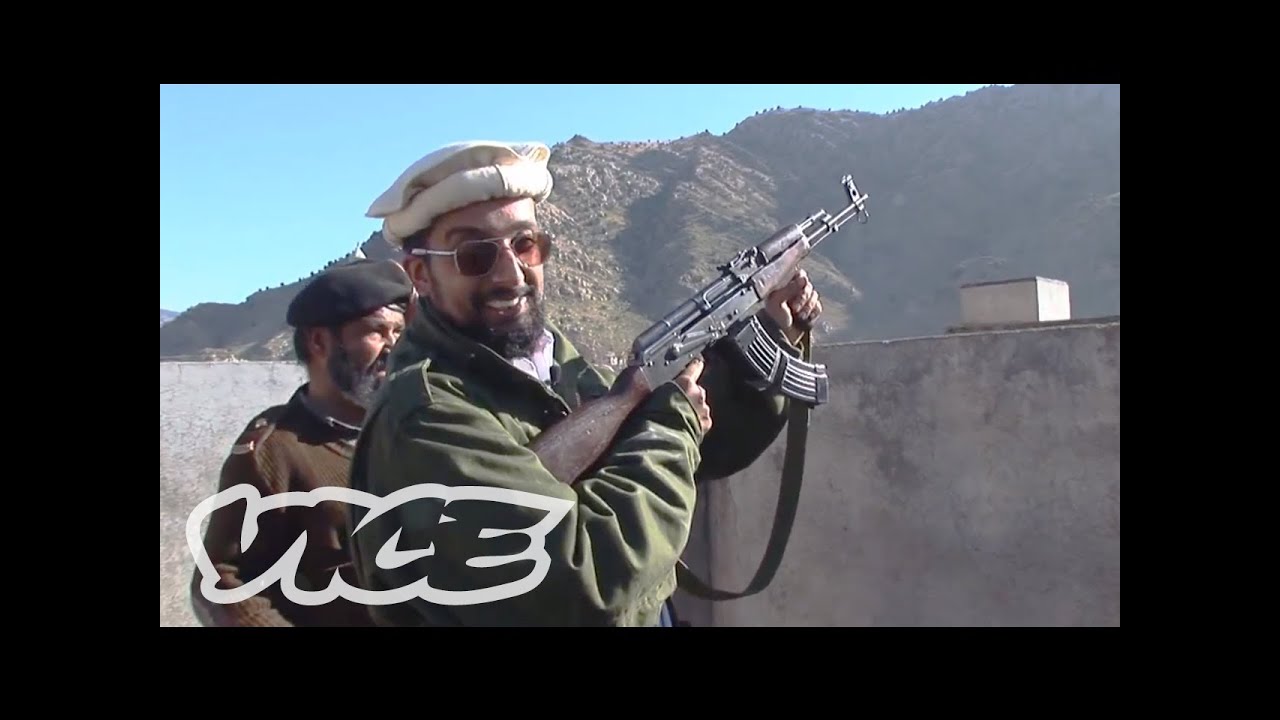
The Gun Markets of Pakistan with Suroosh Alvi — VICE

VICE

Unchecked artisanal weapons production in Darra Adam Khel proves US and Pakistani military strategies cannot eradicate the entrenched Taliban insurgency.

AI-assisted summary of The Gun Markets of Pakistan with Suroosh Alvi — original source. Check the original for full context.

Source published:

Key ideas

  • Darra Adam Khel operates as the world's largest illicit weapons bazaar, producing roughly 1,000 handcrafted firearms per day from scrap metal dating back to the Soviet-Afghan war. (3:23)
  • Local tribal gunsmiths assemble sophisticated weapons and counterfeits—such as a Mauser replica stamped 'Made as China by Norinco' selling for 3,050 Pakistani rupees—using basic hand tools on dirt floors. (3:23)
  • Suroosh Alvi secured rare access to the Federally Administered Tribal Areas by leveraging family ties with the Chief Secretary of Khyber Pakhtunkhwa to obtain an official armed tribal escort. (1:04)
  • Following filming, the Pakistani government fully closed the region to foreign press as full-scale armed conflict erupted between the military and Taliban militants. (7:40)

Detailed notes

## Background Published on YouTube by VICE on October 26, 2011, this video report documents host and co-founder Suroosh Alvi's rare journey into the massive gun markets within Pakistan's tribal territories along the Afghan border. According to the page description, Alvi was one of only a handful of journalists granted access to this Taliban home base following the 2001 U.S. invasion, returning years later to discover a nation resembling a volatile powder keg ready to detonate.

## TL;DR Traveling from the culturally polarized streets of Lahore through the Khyber Pass, Suroosh Alvi and a VICE film crew secure armed tribal escorts to infiltrate Darra Adam Khel, the world's largest illicit arms bazaar. Inside the village, generational gunsmiths use crude hand tools and recycled scrap to manufacture over 1,000 replica and surplus firearms daily, freely discharging live rounds into the sky. After handling historical weapons and test-firing Kalashnikovs from a rooftop, Alvi reflects on the sheer resilience of the local population and the failure of Western and Pakistani military strategies to contain the insurgency. The piece concludes with a sobering analysis of the region's intractable conflict, characterized by experts as an insolvable 'wicked problem.'

## Atmosphere & style The video carries an edgy, immersive gonzo-journalism tone that balances nervous, self-deprecating humor with genuine tension as live gunfire constantly echoes through narrow alleyways. Alvi's presentation is candid and visibly anxious, moving from fascination with centuries-old mountain passes to chilling disbelief while handling Nazi surplus weaponry and firing automatic rifles off a dining room rooftop. Watching the footage feels raw, dusty, and unvarnished, shifting from high-stakes adventure into sobering geopolitical disillusionment.

## Bulletin - [03:23](https://www.youtube.com/watch?v=FinRqCocwGE&t=203s) Darra Adam Khel operates as the world's largest illicit weapons bazaar, producing roughly 1,000 handcrafted firearms per day from scrap metal dating back to the Soviet-Afghan war. - [03:23](https://www.youtube.com/watch?v=FinRqCocwGE&t=203s) Local tribal gunsmiths assemble sophisticated weapons and counterfeits—such as a Mauser replica stamped 'Made as China by Norinco' selling for 3,050 Pakistani rupees—using basic hand tools on dirt floors. - [01:04](https://www.youtube.com/watch?v=FinRqCocwGE&t=64s) Suroosh Alvi secured rare access to the Federally Administered Tribal Areas by leveraging family ties with the Chief Secretary of Khyber Pakhtunkhwa to obtain an official armed tribal escort. - [07:40](https://www.youtube.com/watch?v=FinRqCocwGE&t=460s) Following filming, the Pakistani government fully closed the region to foreign press as full-scale armed conflict erupted between the military and Taliban militants.

## Key takeaways - [00:03](https://www.youtube.com/watch?v=FinRqCocwGE&t=3s) Modern Pakistan is characterized by stark polarization between an urban, progressive media class and an aggressive wave of Taliban insurgent violence. - [01:04](https://www.youtube.com/watch?v=FinRqCocwGE&t=64s) Access to the volatile Federally Administered Tribal Areas required direct high-level government clearance and an armed Afridi tribal escort. - [01:04](https://www.youtube.com/watch?v=FinRqCocwGE&t=64s) The Khyber Pass has served as a historically fraught military corridor where imperial forces, including the British Army, suffered devastating losses. - [03:23](https://www.youtube.com/watch?v=FinRqCocwGE&t=203s) Darra Adam Khel functions as a self-sustaining artisanal weapons market that expanded significantly by repurposing scrap metal left behind after the Soviet invasion. - [03:23](https://www.youtube.com/watch?v=FinRqCocwGE&t=203s) Local gunsmiths produce approximately 1,000 functioning firearms daily using primitive hand tools, relying on visual inspection rather than standardized machinery. - [03:23](https://www.youtube.com/watch?v=FinRqCocwGE&t=203s) Firearms in the bazaar feature counterfeit stamps that arbitrarily mix manufacturers, nations, and eras onto single handcrafted pieces. - [03:23](https://www.youtube.com/watch?v=FinRqCocwGE&t=203s) Live weapon testing is routinely conducted directly within the village by firing rounds over bazaar alleys and from residential rooftops into nearby hills. - [05:39](https://www.youtube.com/watch?v=FinRqCocwGE&t=339s) Market inventories bridge centuries of warfare, encompassing nineteenth-century British muskets, Nazi-stamped World War II surplus, and modern Kalashnikov variants. - [07:40](https://www.youtube.com/watch?v=FinRqCocwGE&t=460s) Western and Pakistani military strategy underestimated the resilience, technical resourcefulness, and deep local roots of tribal weapons manufacturing. - [07:40](https://www.youtube.com/watch?v=FinRqCocwGE&t=460s) The escalation of regional combat between the Pakistani military, NATO, and the Taliban transformed the tribal areas into an intractable, volatile crisis.

## Detailed walkthrough ### [00:03](https://www.youtube.com/watch?v=FinRqCocwGE&t=3s) Lahore and the Contradictions of Modern Pakistan

Suroosh Alvi arrives in the historic old city of Lahore, Pakistan, returning after three years away to visit family. During that three-year gap, the country transformed dramatically, displaying extreme cultural and political polarization. On one side of Pakistani society, an urban, progressive class is flourishing—hosting high-profile fashion weeks, attending parties, and fueling an explosive, uncensored independent media scene operating free from state regulation.

Directly opposing this progressive energy is the escalating presence of the Taliban, whose fighters have aggressively infiltrated major population centers across the country. A relentless wave of suicide bombings and militant assaults targeting government installations and local police headquarters has plunged the nation into crisis. The unrest has erupted into open war, pitting the Pakistani military against entrenched Taliban forces in the rugged Federally Administered Tribal Areas along the Afghan border. Observing the stark divide, Suroosh Alvi reflects: “And in that time, the country has gone through insane amounts of change-- truly full of deep contradictions.”

[01:04](https://www.youtube.com/watch?v=FinRqCocwGE&t=64s) Entering the Khyber Pass with a Tribal Escort

Three years prior to the escalation, Alvi and the VICE crew secured rare access to the tribal belt to investigate an underground arms hub suspected of supplying weapons directly to the Taliban. Regarded as one of the most perilous regions on earth, the territory was strictly forbidden to foreign press. To circumvent the lockdown, Alvi leveraged personal connections: his mother contacted an old acquaintance serving as the Chief Secretary of the Khyber Pakhtunkhwa province (then known as the Northwest Frontier Province). Through this official channel, the crew secured high-level clearance and their own armed escort to prevent kidnappings or lethal ambushes along the road.

Their guide on the ground is Naeem Afridi, a government protocol officer belonging to the indigenous Afridi tribe. Born and raised in the territory, Afridi handles the dense administrative red tape and coordinates the armed escorts protecting the convoy. As they travel through the Khyber Pass, Alvi notes the loaded assault rifles carried by their security team, joking nervously with Naeem about safety catches. Alvi marvels at the mountain corridor's blood-soaked past, pointing out how the ancient Aryans, the Mongol hordes, and the British Empire all marched through the pass, with the British Army facing catastrophic defeat along the way.

```mermaid flowchart TD accTitle: Journey to the Arms Market of Darra Adam Khel accDescr: Step-by-step route and logistics enabling the VICE crew to access the tribal arms market.

subgraph Logistics["Logistics & Escort"] A["Chief Secretary of NWFP<br/>(Family connection)"] --> B["Government protocol clearance<br/>& private tribal militia"] B --> C["Naeem Afridi<br/>(Local fixer & Afridi tribesman)"] end

subgraph Transit["Transit Corridor"] C --> D["Khyber Pass<br/>(Historic invasion route)"] D --> E["Darra Adam Khel<br/>(Tribal weapons bazaar)"] end

subgraph Operations["Ground Operations"] E --> F["Workshops:<br/>Handcrafted firearms"] E --> G["Retail stalls:<br/>Military surplus & replicas"] E --> H["Rooftop firing range:<br/>Live test shots into hills"] end ```

[03:23](https://www.youtube.com/watch?v=FinRqCocwGE&t=203s) Darra Adam Khel: The World's Largest Illegal Arms Market

Passing out of the Khyber Pass, the convoy enters Darra Adam Khel, home to what Alvi terms the largest illicit weapons bazaar in the world. As Naeem negotiates with local tribal officials, an elder breaks into laughter upon hearing that the foreign visitors want to purchase and test-fire live weapons, enthusiastically waving them through. The market's explosive growth dates back to the 1980s Soviet-Afghan war, when local tribesmen scavenged scrap metal from destroyed Soviet tanks, down-range wreckage, and abandoned munitions to replicate firearms.

``` ┌────────────────────────────────────────────────────────┐ │ DARRA ADAM KHEL: WEAPONS MARKET AT A GLANCE │ ├─────────────────────────┬──────────────────────────────┤ │ Daily Production Output │ ~1,000 firearms per day │ │ History of Manufacture │ Active for over 70 years │ │ Handcrafted 9mm Pistol │ 3,050 Pakistani rupees │ │ Markings & Counterfeits │ "Made as China by Norinco", │ │ │ Mauser, Kalashnikov stamps │ │ Testing Procedure │ Live ammunition fired freely │ │ │ overhead into the sky/hills │ └─────────────────────────┴──────────────────────────────┘ ```

The entire village operates as an artisanal firearms assembly line, producing approximately 1,000 functioning guns each day—an unbroken tradition spanning over 70 years. Alvi visits cramped, dusty workshops where gunsmiths hammer out parts by eye. In one shop, a deaf and mute craftsman sits on the dirt floor assembling 9-millimeter semi-automatic handguns with bare hands and rudimentary hand tools. Alvi inspects a newly finished handgun based on a German Mauser design, yet stamped with counterfeit factory markings reading "Made as China by Norinco," selling for just 3,050 Pakistani rupees. Gunfire rings out continuously overhead through the bazaar alleys as merchants casually fire live ammunition into the air to verify chambering and cycling for prospective buyers, prompting Alvi to wonder aloud where the stray rounds eventually come down.

[05:39](https://www.youtube.com/watch?v=FinRqCocwGE&t=339s) Gun Shopping and Rooftop Target Practice

Alvi browses the retail stalls of the bazaar, looking over an eclectic inventory ranging from modern assault rifles to historical military curiosities. Dealers show off compact bullpup conversions, an Italian-style machine gun, and various iterations of the Kalashnikov family, including the stubby "Kalakov" (AKS-74U) variant mounted in a aftermarket Muzzelite chassis. Sifting through antique weapons, Alvi handles an original 1857 Khyber muzzle-loading musket—one of 10,000 rifles supplied to Afghan fighters by the British Empire during nineteenth-century colonial conflicts. The shopkeeper then hands him a surplus World War II German infantry rifle. Handling the Nazi-stamped rifle, Alvi remarks: “World War II, Nazi gun-- pure evil in my hand.”

After selecting their weapons, the crew is led up a flight of stairs directly above the dining room where they had eaten lunch earlier that afternoon. The rooftop serves as an impromptu shooting range facing out toward the surrounding barren hillsides. With security guards lingering close by, Alvi admits to feeling anxious as he shoulders a Kalashnikov rifle for the very first time. Taking aim at distant rocks along the ridge line, Alvi and his colleague Eddy Moretti empty magazines in full-auto and semi-auto bursts out over the valley.

- The market's inventory mixes nineteenth-century colonial muskets, World War II surplus, Soviet-era Kalashnikovs, and modern tactical knockoffs. - Weapons testing takes place directly off residential rooftops and second-story shop balconies pointing toward the open hills. - Handcrafted copies are detailed down to the manufacturer engravings, frequently blending logos and text from entirely different nations and eras onto a single firearm.

[07:40](https://www.youtube.com/watch?v=FinRqCocwGE&t=460s) Reflections on an Unwinnable Conflict and a Powder Keg

Following the shooting, Alvi reflects on the raw resilience of the local craftsmen and the disconnect between military strategy and regional realities. Western and Pakistani strategic planners had assumed that coordinated armed force could suppress the insurgency, but witnessing the tribal territories first-hand exposed the limits of that assumption. Remarking on the sheer determination and primitive resourcefulness of the local population, Suroosh Alvi explains: “America thought that by sending in troops to Afghanistan and the Pakistani Army into the tribal areas, they'd to be able to squash the Taliban uprising. They were wrong.”

Shortly after the VICE crew filmed inside Darra Adam Khel, the Pakistani government shut down the entire area to outsiders and foreign journalists as full-scale fighting broke out between the military and Taliban militants. Returning to the country years later, Alvi concludes that the corridor has evolved into an uncontrollable flashpoint. Caught between the Pakistani Army's offensives, NATO operations across the Afghan border, and deep-rooted Taliban networks, the tribal region remains on the brink of disaster. Suroosh Alvi underscores the intractability of the war, noting: “The military expert that we know, he described the situation as the wickedest problem you could possibly imagine.”

## Notable quotes > [07:40](https://www.youtube.com/watch?v=FinRqCocwGE&t=460s) America thought that by sending in troops to Afghanistan and the Pakistani Army into the tribal areas, they'd to be able to squash the Taliban uprising. They were wrong. — Suroosh Alvi

## Mentioned Suroosh Alvi, VICE, Lahore, Taliban, Federally Administered Tribal Areas, Khyber Pass, Khyber Pakhtunkhwa, Naeem Afridi, Afridi tribe, Darra Adam Khel, Mauser, Norinco, Kalashnikov, AKS-74U, Muzzelite, Eddy Moretti, NATO

## Video description In 2006, Suroosh Alvi was one of a handful of journalists who was able to get into the massive guns market in Pakistan's tribal areas -- home base for the Taliban since the U.S. invasion of Afghanistan in 2001. He returned to Pakistan this month and found the entire country was a "powder keg ready to explode."

To see where VICE goes to next, check out: http://www.vice.com/the-vice-guide-to-travel

[Source](https://www.youtube.com/watch?v=FinRqCocwGE)

中文简报

巴基斯坦部落武器枢纽对抗美国剿灭塔利班叛乱的行动 达拉亚当海勒不受制约的手工作坊武器生产表明,美国和巴基斯坦的军事战略无法根除根深蒂固的塔利班叛乱。 苏鲁什·阿尔维与VICE摄制组从文化两极分化的拉合尔街头出发,穿过开伯尔山口,在武装部落人员护送下深入全球最大的非法武器集市达拉亚当海勒。在村庄内部,世代相传的枪匠利用简陋的手工工具和回收废料,每天制造出1000多支仿制枪械和剩余枪械,并肆意向空中试射实弹。在亲手把玩历史枪支并于屋顶试射卡拉什尼科夫步枪后,阿尔维反思了当地民众的极强韧性,以及西方与巴基斯坦军事战略未能遏制叛乱的现状。该报道最后对该地区难以化解的冲突进行了发人深省的分析,专家将其定性为无法解决的“棘手问题”。 达拉亚当海勒作为全球最大的非法武器集市运作,利用可追溯至苏阿战争时期的废旧金属,每天生产约1000支手工枪支。 (3:23) 当地部落枪匠在泥地上仅使用基础手工工具,就能组装复杂的武器和仿制品,例如印有“Made as China by Norinco”字样、售价3050巴基斯坦卢比的毛瑟仿造枪。 (3:23) 苏鲁什·阿尔维利用与开伯尔-普赫图赫瓦省首席秘书的家族关系,获得了官方武装部落护送,从而极为罕见地进入了联邦直辖部落区。 (1:04) 拍摄结束后,随着军方与塔利班武装分子之间爆发全面武装冲突,巴基斯坦政府已完全对外国媒体关闭了该地区。 (7:40)

Reading summary

VICE's Suroosh Alvi examines how the illicit, artisanal gun market of Darra Adam Khel reflects Pakistan's deep internal polarization and exposes the limits of military strategies aimed at crushing the Taliban. National Polarization and the Tribal Frontier (0:03) Modern Pakistan exhibits stark cultural and political divides, contrasting a thriving urban progressive sphere that hosts fashion weeks and independent media against an escalating wave of Taliban suicide bombings and attacks on state infrastructure. This unrest plunged the country into open warfare between the Pakistani military and militant networks in the Federally Administered Tribal Areas along the Afghan border. Entering this restricted frontier required high-level bureaucratic coordination. Using family connections to the Chief Secretary of Khyber Pakhtunkhwa, the reporting team secured armed tribal escorts to navigate the Khyber Pass—a historically embattled invasion route navigated by the Aryans, Mongols, and the defeated British Empire. Cottage Arms Production in Darra Adam Khel (3:23) Darra Adam Khel houses an illicit firearms bazaar active for over 70 years, yielding approximately 1,000 functioning weapons each day. The market's scale expanded during the 1980s Soviet-Afghan war, when tribal gunsmiths began salvaging metal from destroyed Soviet armor and discarded ammunition to replicate foreign weaponry. Craftsmen assemble firearms inside primitive, dirt-floor workshops without advanced machinery. Alvi observed workers hand-filing 9-millimeter pistols based on German Mauser patterns, priced at 3,050 Pakistani rupees and stamped with counterfeit manufacturer labels reading 'Made as China by Norinco.' To verify cycling for customers, merchants routinely fire live rounds into the open air above bazaar streets. Centuries of Combat in Market Inventory (5:39) The bazaar's inventory illustrates the continuous flow of foreign weaponry through regional conflicts. Retail stalls display nineteenth-century artifacts, including an original 1857 Khyber muzzle-loading musket supplied during British colonial engagements, alongside World War II German infantry rifles stamped with Nazi insignia. Modern firepower sits alongside these historical curiosities, ranging from aftermarket bullpup chassis to diverse Soviet-era Kalashnikov variants such as the AKS-74U 'Kalakov.' Buyers and shopkeepers conduct live-fire tests directly from shop rooftops and residential terraces, aiming into nearby hillsides. Strategic Blind Spots and Regional Intractability (7:40) Witnessing the market's entrenched manufacturing base led Alvi to question foreign and domestic security policies. Strategic assumptions by the United States and Pakistan that coordinated military incursions could suppress the Taliban insurgency overlooked the population's historical resilience, resourcefulness, and embedded gun culture. Following the reporting, Pakistani authorities closed Darra Adam Khel to foreign press as combat escalated. Caught between Pakistani military offensives, NATO operations in Afghanistan, and militant networks, Alvi cites a military expert's assessment that the border region represents the 'wickedest problem you could possibly imagine.'

精炼阅读摘要

VICE联合创始人Suroosh Alvi通过深入探访巴基斯坦西北部达拉亚当克尔(Darra Adam Khel)的地下武器黑市,揭示了该国大都市世俗繁荣与边境部落武装割据之间的尖锐撕裂。Alvi指出,西方及巴基斯坦军方试图仅凭正规武装力量强行清剿塔利班叛乱的战略构想存在严重误判,植根于当地的历史传统与廉价武器制造网络已形成极难拆解的地缘死结。 现代都市繁荣与边境动荡的二元撕裂 (0:03) 在探访巴基斯坦第二大城市拉合尔时,Suroosh Alvi观察到该国在三年内展现出的极度文化与政治两极分化。一方面,城市中涌现出活跃的世俗精英阶层,他们举办时装周、参与派对,并在不受国家管制的独立媒体平台推动文化繁荣;但另一方面,塔利班武装势力加速向主要人口密集区渗透,政府机构与警察局频繁遭遇自杀式炸弹袭击和武装袭击。巴基斯坦正规军被迫在毗邻阿富汗边境的联邦直辖部落区(FATA)与塔利班打响全面内战,这种割裂令Alvi感叹整个国家在剧变中充斥着深刻的内在矛盾。 为了调查向塔利班源源不断输送武器的地下网络,VICE团队设法前往长期封锁且禁止外媒涉足的危险部落带。依靠家庭关系,Alvi联络到时任西北边境省(现开伯尔-普什图省)首席秘书的熟人,获得了高级别通行许可与武装护卫以防范绑架与致命伏击。车队由当地阿夫里迪(Afridi)部落出身的官方礼宾官Naeem Afridi全程协调,全副武装穿行于开伯尔山口(Khyber Pass)。Alvi回顾指出,这条咽喉走廊曾见证古雅利安人、蒙古大军及遭遇惨败的英国殖民军队的流血征战,如今依然是充满未知风险的武装前沿。 达拉亚当克尔的地下军工生态与仿制技术 (3:23) 穿过开伯尔山口后,车队进入了被Alvi称为全球最大非法武器市场的达拉亚当克尔。当得知外国访客意图购买并试射真枪时,当地部落长老大笑着予以放行。该市场的规模化扩张始于20世纪80年代的苏阿战争,当时部落民广泛收集苏军被毁坦克残骸、报废弹药和废旧金属来逆向拆解与仿制武器。这项作坊式手工业在此已持续超过70年,整个村庄演变成一条大型地下枪械流水线,每天能够出产约1000支具备完整功能的各类轻武器。 集市内的作坊极为逼仄简陋,工匠们完全依靠肉眼观察与基础手动工具打磨零部件。Alvi记录到一名聋哑工匠赤脚坐在泥地上,徒手组装9毫米半自动手枪。这些仿制武器价格极低,例如一把仿照德国毛瑟(Mauser)结构制造、却盖有“Made as China by Norinco”(中国北方工业制造)虚假英文印记的手枪,售价仅为3050巴基斯坦卢比。在逼仄的街巷中,枪贩为了向买主展示枪机供弹与闭锁正常,直接对着天空或后山持续鸣枪,流弹四散更加剧了集市混乱而致命的氛围。 跨越殖民历史的军械库存与屋顶实弹试射 (5:39) 达拉亚当克尔的零售摊位不仅展售现代步枪,更宛如一座混杂历史的轻武器仓库。摊主向Alvi展示了多样化的存货,包括无托结构(Bullpup)改装枪支、意大利风格冲锋枪,以及安装了Muzzelite底座的短管“卡拉科夫”(Kalakov / AKS-74U)等卡拉什尼科夫衍生型号。此外,这里还留存着珍贵的殖民战争遗物,例如一支1857年开伯尔前膛步枪——这是19世纪英阿冲突期间英国向阿富汗武装人员配发的1万支步枪之一;更有二战时期带有纳粹鹰徽印记的德国军用步枪,Alvi手握该枪直言感受到了历史罪恶的沉重感。 在挑选枪械后,团队被带上他们午餐餐馆上方的居民楼屋顶。该屋顶被直接改造成面向荒芜山脊的实弹靶场,在身旁多名荷枪实弹的部落守卫注视下,Alvi首次肩顶AK步枪向远方山头岩石进行全自动和半自动连发射击。作坊工匠不仅能将不同国家、不同时期的枪械结构与标识拼凑在一起,还使居民生活区与实弹试射无缝重叠,反映出当地武器文化的高度泛滥与日常化。 武力清剿的战略误判与难以拆解的地缘僵局 (7:40) 在亲眼目睹作坊的制造效能与部落民的生存韧性后,Alvi对西方与巴基斯坦官方的军事平叛策略提出了根本质疑。他直言,美军以为向阿富汗派兵、巴基斯坦政府以为向部落区部署军队就能彻底消灭塔利班武装的暴动,这一前提假设已被事实证明完全错误。外部军事规划者严重脱离地方现实,低估了部落社会依托原始高效的手工制造体系所维系的顽强反抗网络。 在VICE团队完成此次探访后不久,随着巴基斯坦军方与塔利班爆发更大规模的全面正面交火,政府随即对达拉亚当克尔实施全面封锁,禁止一切外国记者和外来人员进入。数年后重新审视该地,Alvi认为该走廊已被推向爆发边缘,夹在巴基斯坦军队的清剿攻势、阿富汗境内的北约行动以及根基深厚的塔利班地下网络之间。他援引军事专家的观点强调,这一错综复杂的安全泥潭,堪称当代地缘政治中“所能想象到的最棘手难题”(wickedest problem)。 达拉亚当克尔的地下军火市场展现了部落手工业与反叛武装之间难以割裂的共生关系。低成本、大批量的枪械复制能力,使得单纯依赖常规军事围剿和行政封锁难以切断武装势力的装备供给。随着该区域在拍摄后迅速进入高度军事戒严状态,外界观察渠道被切断,如何兼顾地方部落传统、经济生存与反恐安全,仍是巴基斯坦乃至跨国地缘治理中未解的根本困局。

Detailed notes — zh

## Background 该视频由VICE于2011年10月26日发布在YouTube平台上。视频简介指出,苏鲁什·阿尔维(Suroosh Alvi)早在2006年就曾深入巴基斯坦部落区探访塔利班的重要后方军火黑市,而在多年后重返巴基斯坦时,他发现整个国家已沦为一个随时可能彻底引爆的火药桶。 ## TL;DR VICE创始人苏鲁什·阿尔维借助巴基斯坦高层私人关系与普什图部落向导纳伊姆的护送,冒险穿过开伯尔山口,深入被封锁的“全球最大非法军火黑市”达拉镇。阿尔维实地记录了当地工匠利用战争废铁赤手空拳手工仿造各类枪械、日产千支致命武器的惊人地下产业,甚至在餐馆楼顶进行了实弹试射。视频最后深刻反思了美军与巴基斯坦政府试图用正规军清剿部落区叛乱的战略误判,揭示出深植于当地顽强尚武生态背后的无解困局。 ## Atmosphere & style 全片充斥着VICE标志性的沉浸式战地探险质感,紧张窒息的危险气息与黑色幽默式的荒诞感交织并存。在手持镜头的晃动与街头此起彼伏的刺耳枪声中,阿尔维流露出未经掩饰的惊慌与不知所措,而身旁谈笑风生的部落向导与赤手搓枪的聋哑工匠则形成了极具冲击力的反差。影片从开局的猎奇探险逐渐走向沉重的现实叩问,最终在荒凉山丘与地缘死局的冷峻反思中落下帷幕。 ## Bulletin - [00:10](https://www.youtube.com/watch?v=FinRqCocwGE&t=10s) 苏鲁什·阿尔维重返巴基斯坦,记录下大城市世俗派对与联邦直辖部落区全面武装冲突并存的极度分裂社会现状。 - [03:23](https://www.youtube.com/watch?v=FinRqCocwGE&t=203s) 达拉镇作为全球最大非法军火黑市,70年来依托苏阿战争废旧装甲残骸,发展出手工日产约1,000支枪械的惊人产能。 - [03:23](https://www.youtube.com/watch?v=FinRqCocwGE&t=203s) 当地工匠仅凭简陋锉刀与铁锤即可逆向仿造各型武器,一把打着仿冒北方工业标识的毛瑟手枪售价低至3,050卢比。 - [07:40](https://www.youtube.com/watch?v=FinRqCocwGE&t=460s) 阿尔维指出美巴军方试图通过武力扫荡平息叛乱是对当地部落生态的严重误判,深扎民间的尚武与造枪产业根本无法轻易铲除。 ## Key takeaways - [00:10](https://www.youtube.com/watch?v=FinRqCocwGE&t=10s) 巴基斯坦社会呈现剧烈割裂:城市中流行文化与自由媒体活跃,但塔利班势力渗透全国并屡次袭击政府机构。 - [00:10](https://www.youtube.com/watch?v=FinRqCocwGE&t=10s) 联邦直辖部落区(FATA)是塔利班的主要军火补给地,局势恶化后彻底对外封锁,被视作极度危险区域。 - [00:10](https://www.youtube.com/watch?v=FinRqCocwGE&t=10s) 摄制组依靠高层私人关系获得特许,在西北边境省首席秘书协调的部落私人武装民兵护卫下深入禁区。 - [01:34](https://www.youtube.com/watch?v=FinRqCocwGE&t=94s) 开伯尔山口作为兵家必争之地见证了雅利安人南下、蒙古征服及英军覆灭,具有厚重的军事历史背景。 - [01:34](https://www.youtube.com/watch?v=FinRqCocwGE&t=94s) 阿夫里迪部落向导纳伊姆打通繁杂官僚关卡,为外国团队在武器黑市中提供全副武装护送。 - [03:23](https://www.youtube.com/watch?v=FinRqCocwGE&t=203s) 达拉镇黑市源于20世纪80年代苏阿战争,工匠收集苏军废弃坦克装甲作为造枪原材料并延续至今。 - [03:23](https://www.youtube.com/watch?v=FinRqCocwGE&t=203s) 达拉镇军火工匠展现出惊人的逆向工程能力,全镇依靠原始手工工具日产可达约1,000支各型枪支。 - [03:23](https://www.youtube.com/watch?v=FinRqCocwGE&t=203s) 手工作坊普遍存在伪造铭文现象,甚至有生理残疾的工匠徒手锉削出刻有虚假中国军工印记的低价手枪。 - [03:23](https://www.youtube.com/watch?v=FinRqCocwGE&t=203s) 黑市交易与实弹测试毫无安全间隔,工人在街道朝天连发射击验枪,构成独特的日常危险生态。 - [05:39](https://www.youtube.com/watch?v=FinRqCocwGE&t=339s) 武器店商品跨越上百年历史,从1857年英属印度时期的前膛火枪、二战德军步枪到现代无托突击步枪一应俱全。 - [05:39](https://www.youtube.com/watch?v=FinRqCocwGE&t=339s) 当地生活区与军火测试彻底混同,民众在餐馆屋顶将荒山作为实弹靶场进行全自动射击体验。 - [07:40](https://www.youtube.com/watch?v=FinRqCocwGE&t=460s) 西方大国试图用常规正规军扫荡消灭叛乱是重大误判,难以瓦解深植于洞穴工匠与部落文化中的抵抗基础。 - [07:40](https://www.youtube.com/watch?v=FinRqCocwGE&t=460s) 摄制组撤离后巴基斯坦政府全面封锁达拉镇,使该国在多方势力角逐下成为随时可能彻底爆发的“火药桶”。 ## Detailed walkthrough ### [00:10](https://www.youtube.com/watch?v=FinRqCocwGE&t=10s) 拉合尔的巨大反差与开拔部落区的特许安保 苏鲁什·阿尔维(Suroosh Alvi)时隔三年重返巴基斯坦,首先来到了拉合尔老城探访家人。在这三年间,巴基斯坦经历了翻天覆地的剧烈变化,整个社会充斥着极度分裂的矛盾面貌。一方面,城市中存在着高度世俗与前卫的社会阶层,年轻人大张旗鼓地举办时装周、通宵派对,同时该国还经历了一场前所未有的自由派媒体大爆发,媒体人在未经政府严苛审查的环境下肆意发声;然而硬币的另一面却是血腥与动荡,阿尔维指出:“在另一方面,塔利班已经渗透了整个国家,在最近的一波暴力冲突中袭击了警察局和政府大楼。”这种冲突迅速升级为正规战,巴基斯坦陆军在靠近阿富汗边境的联邦直辖部落区(FATA)与塔利班武装展开了全面交火。 早在三年前,阿尔维就曾前往该区域探访一处庞大的非法军火黑市,那里普遍被认为是塔利班最重要的武器补给来源地。该地区曾被称为“世界上最危险的地方”,在局势恶化后已基本对外界及媒体记者彻底封锁。为了能够进入禁区,阿尔维动用了极其硬核的私人关系——他让母亲给老朋友通了个电话,这位熟人正是巴基斯坦西北边境省(现开伯尔-普赫图赫瓦省)的首席秘书。在这位政要的直接协助下,摄制组获得了一支专属的私人武装民兵护卫队,以确保他们不至于在途中遭遇绑架或被当场射杀。 ### [01:34](https://www.youtube.com/watch?v=FinRqCocwGE&t=94s) 护航向导纳伊姆与帝国折戟的开伯尔山口 带领摄制组深入部落区的核心向导名叫纳伊姆(Naeem Afridi)。纳伊姆隶属于当地势力强大的阿夫里迪(Afridi)普什图部落,土生土长于此,当时担任巴基斯坦政府的礼宾官。纳伊姆凭借深厚的部落背景和人脉,穿透了极其繁琐复杂的官僚行政审查,一手打通关卡,并安排当地部落民兵沿途全副武装护送摄制组穿行于军火市场之中。在车上,阿尔维摆弄着身边的武器,紧张地向纳伊姆询问枪里是否装了子弹,纳伊姆淡定地回应说确实上了膛,但保险都锁上了;阿尔维随即低头手忙脚乱地到处寻找保险开关究竟在哪里。 车队随后行进在著名的开伯尔山口(Khyber Pass)。阿尔维赞叹这里是“世界历史上最具传奇色彩的隘口”:在数千年的时光里,雅利安人由此南下涌入印度次大陆,蒙古铁骑横扫穿过此地,而不可一世的大英帝国军队更是曾在此遭遇全军覆灭的惨重打击。在这条见证无数帝国兴亡的险峻通道上,一行人一边警戒一边调侃着头顶特制的意大利帽子,纳伊姆承诺会尽全力保全大家的安全,随后车队驶离山口,直奔整个旅程的核心目的地——达拉镇(Darra Adam Khel)。 ### [03:23](https://www.youtube.com/watch?v=FinRqCocwGE&t=203s) 达拉镇的造枪奇观:用废铁手工复刻的全球最大黑市 车队正式抵达达拉镇的军火黑市。纳伊姆在与当地官员交涉备案时,提到这群外国人想来这里实弹射击甚至买几把枪带走,负责的老官员听闻后不仅没阻拦,反而哈哈大笑起来,显然对这个简单粗暴的要求颇感赞赏。阿尔维解释道,达拉镇是公认的全球最大非法军火交易市场,其造枪产业的兴起源于20世纪80年代的苏阿战争。当时,当地人从阿富汗战场上收集苏军报废的坦克装甲和损毁火炮的残骸废铁,运回部落区作为原材料,凭借惊人的逆向工程能力手工复刻各类枪械。 漫步在达拉镇的作坊街,阿尔维揭示了一个令人瞠目结舌的产业规模:整座小镇每天能手工敲打出多达1,000支枪械,且这种制造传统已经延续了整整70年。在一间逼仄简陋的手工作坊里,阿尔维看到一名完全不会说话的聋哑工匠,仅凭一把锤子、几把锉刀等简陋工具,赤手空拳地搓制9毫米口径的手枪零部件。工匠正在打磨的是一把毛瑟手枪的仿制品,枪身上竟赫然刻着荒诞的“Made as China by Norinco”(中国北方工业制造)仿冒字样,而整支枪的开价仅为3,050卢比。在他们走访作坊的同时,四周密集的枪声此起彼伏,工人们为了向客户证明新枪合格,直接端着装满实弹的枪械朝天连续扣动扳机。阿尔维一边被枪声震得发懵,一边困惑而担忧地嘀咕:“他们就这样朝着天上开火,那些落下来的子弹到底掉哪儿去了?” ```mermaid flowchart TD accTitle: 达拉镇枪械黑市运转生态 accDescr: 展示达拉镇如何从废铁原料手工制造出仿冒枪械并进行实弹测试交易 subgraph RawMaterials["原料来源"] A["苏阿战争苏军遗弃坦克与火炮废铁"] end subgraph Production["作坊手工逆向制造"] B["达拉镇民间工匠<br/>(日产约1,000支枪)"] C["徒手锉削零件<br/>(如聋哑匠人打磨9mm手枪)"] D["伪造刻印铭文<br/>(例如仿冒'Made as China by Norinco')"] end subgraph TradeAndTesting["交易与实弹测试"] E["街头朝天实弹试射检验"] F["低价销往塔利班武装与黑市客户<br/>(单价低至数千卢比)"] end A --> B B --> C C --> D D --> E E --> F ``` ### [05:39](https://www.youtube.com/watch?v=FinRqCocwGE&t=339s) 淘枪记与设在餐厅楼顶的靶场 随后,阿尔维在纳伊姆的陪同下进入武器店铺挑选枪支。店主们向他们展示了五花八门的武器:包括带有意大利风格的微型冲锋枪、被称为“卡拉科夫”(Kalakov,即短管突击步枪)的枪型,以及装配了Muzzelite无托枪托套件的改装武器。店里甚至还藏有历史悠久的古董枪支,店员掏出一把带有开伯尔本地风格的古老前膛步枪——据称在1857年印度民族大起义期间,英国人曾向阿富汗人发放了10,000支此类步枪;阿尔维端着这把沉重的老枪,连如何拉栓和装填火药弹丸都无从下手。紧接着店员又展示了一把二战时期的纳粹德国军枪,阿尔维握在手中感叹道,这简直就是“握在手中的纯粹邪恶”。 挑完枪支后,向导带他们前往所谓的“靶场”进行试射。当登上建筑高处时,阿尔维忍不住惊呼:“开什么玩笑,这就是靶场?我们刚才明明就在楼下吃的午餐!”所谓的靶场不过是餐馆上方的开阔平台,前方就是连绵起伏的光秃山丘。阿尔维抱起一支卡拉什尼科夫步枪,坦言自己此前从未碰过真枪,心里难免有些发怵;他嘴里念叨着把远处的山头当作假想敌,随后扣动扳机,密集的子弹呼啸射向荒山,同行导演艾迪·莫雷蒂(Eddy Moretti)也紧接着上前体验了全自动连射的后坐力与硝烟。 - 达拉镇黑市流转的枪支跨越百余年:涵盖1857年英制前膛火枪、二战德军步枪,到无托卡拉什尼科夫步枪应有尽有。 - 靶场与日常生活毫无物理隔离,建筑底层是日常餐厅,屋顶即为对准后山的实弹射击平台。 ### [07:40](https://www.youtube.com/watch?v=FinRqCocwGE&t=460s) 盲目自信的破灭与“最棘手的问题” 在结束实弹试射后,阿尔维对着镜头反思了国际社会与西方大国对这片土地的致命误判。他郑重地指出:“美国以为通过向阿富汗派兵、并让巴基斯坦军队开进部落地区,就能彻底平息塔利班的叛乱,但他们完全想错了。”阿尔维强调,只要亲眼看看这些生活在岩洞里、工作在极端恶劣环境下的当地人就能明白,许多工匠即便生理残疾、赤手空拳,也能源源不断地敲打出致命武器,试图用正规军式的机械化扫荡来征服这样深入骨髓的部落尚武生态,根本是不切实际的幻想。 圆满完成探访、买枪与实弹射击的摄制组在纳伊姆的告别声中高呼“巴基斯坦万岁”(Pakistan Zindabad),匆匆撤离。镜头切回三年后的当下,阿尔维透露,在他们摄制组离开达拉镇后不久,巴基斯坦政府就以陆军进驻清剿塔利班为由,彻底封锁了达拉镇,严防外界媒体和任何外来人员踏入半步。如今,在边境的美军、山地作战的巴基斯坦政府军以及深扎部落区的塔利班三方撕扯之下,整个巴基斯坦已沦为一个“随时可能彻底引爆的火药桶”;正如一位军方专家对阿尔维所坦言的那样,当下的巴基斯坦局势已经演变成“你能想象得到的最棘手、最邪恶的问题”。 ## Notable quotes > [07:40](https://www.youtube.com/watch?v=FinRqCocwGE&t=460s) 美国以为通过向阿富汗派兵、并让巴基斯坦军队开进部落地区,就能彻底平息塔利班的叛乱,但他们完全想错了。 — 苏鲁什·阿尔维 ## Mentioned 苏鲁什·阿尔维, 纳伊姆, 艾迪·莫雷蒂, 拉合尔, 联邦直辖部落区, 开伯尔-普赫图赫瓦省, 开伯尔山口, 达拉镇, 塔利班, 巴基斯坦陆军, 中国北方工业, 卡拉什尼科夫步枪, 毛瑟手枪, VICE ## Video description In 2006, Suroosh Alvi was one of a handful of journalists who was able to get into the massive guns market in Pakistan's tribal areas -- home base for the Taliban since the U.S. invasion of Afghanistan in 2001. He returned to Pakistan this month and found the entire country was a "powder keg ready to explode." To see where VICE goes to next, check out: http://www.vice.com/the-vice-guide-to-travel [Source](https://www.youtube.com/watch?v=FinRqCocwGE)

Source quotes

[7:40] 苏鲁什·阿尔维: 美国以为通过向阿富汗派兵、并让巴基斯坦军队开进部落地区,就能彻底平息塔利班的叛乱,但他们完全想错了。

Source quotes

[7:40] Suroosh Alvi: America thought that by sending in troops to Afghanistan and the Pakistani Army into the tribal areas, they'd to be able to squash the Taliban uprising. They were wrong.

Original transcript

[0:03] [GUNFIRE] [0:10] SUROOSH ALVI: We're here in Lahore, [0:10] Pakistan, in the old city. [0:14] I'm here visiting family. [0:15] It's been about three years since I was in the country. [0:17] And in that time, the country has gone through insane [0:20] amounts of change-- [0:21] truly full of deep contradictions. [0:24] On the one hand, you've got this progressive side of the [0:26] population. [0:27] They're organizing fashion weeks. [0:28] They're partying. [0:30] And you've got this liberal media explosion happening in [0:34] this country. [0:38] And they're operating uncensored by the government. [0:47] On the other side, you got the Taliban. [0:49] They've been infiltrating the entire country, attacking [0:52] police stations and government buildings in a [0:54] recent wave of violence. [0:56] It's now escalated into a full-fledged battle with the [0:58] Pakistani Army fighting the Taliban in the tribal areas [1:01] near the Afghan border. [1:04] We travelled to this area three years ago when we wanted [1:06] to visit a massive illegal arms market believed to be a [1:09] source of weapons for the Taliban. [1:11] It's been called the most dangerous place in the world [1:13] and is now basically closed outside of the journalists. [1:17] So I asked my mom to call her buddy. [1:18] He is the chief secretary of the Northwest Frontier [1:21] Province of Pakistan. [1:22] With his help, we got our own private militia. [1:25] And they made sure we wouldn't get kidnapped or killed. [1:34] SUROOSH ALVI: Naeem, who is our host, is part of the [1:36] Afridi tribe. [1:38] He is born and raised there, now works as a protocol [1:40] officer for the government. [1:43] He put them together for us. [1:44] He got us through, dealt with a huge amount of bureaucracy, [1:47] and got the militia to cover us as we [1:49] went through the market. [1:50] Is this loaded? [1:51] NAEEM AFRIDI: Yes, this is loaded, but they're locked. [1:53] SUROOSH ALVI: They locked it. [1:54] Where's the lock? [1:59] SUROOSH ALVI: It's the most historic pass in the history [2:01] of the world. [2:02] The Aryans came through. [2:03] The Mongols came through. [2:05] The British Army came through and got destroyed-- [2:07] special place. [2:11] SUROOSH ALVI: Thanks, buddy. [2:13] [PARADE MUSIC] [2:48] SUROOSH ALVI: He's the founder of the heroin trade. [2:57] SUROOSH ALVI: The concept? [3:00] SUROOSH ALVI: Of what? [3:14] SUROOSH ALVI: It's a very special Italian hat. [3:15] NAEEM AFRIDI: I will try my best to-- [3:18] SUROOSH ALVI: Oh god. [3:20] No. [3:23] After Khyber, we went into Darra. [3:25] That's where the arms market is. [3:27] So when you were explaining to the officials what we wanted [3:29] to do, the old man started laughing when you said we [3:32] wanted to shoot guns and maybe buy some guns. [3:34] I think he liked that idea. [3:36] SUROOSH ALVI: He liked that idea. [3:39] SUROOSH ALVI: He was laughed. [3:58] SUROOSH ALVI: This is definitely the largest illegal [4:00] arms market in the world. [4:02] There is another one in Pakistan. [4:03] It's not quite as big. [4:04] And the story is that during the '80s, the Soviet-Afghan [4:08] war was happening. [4:09] All the scrap metal from all the broken-down tanks and guns [4:14] they would find, they would bring it back over and then [4:17] replicate the firearms. [4:46] SUROOSH ALVI: So in the whole town, they're making 1,000 [4:47] guns a day here. [4:48] And they've been doing that for 70 years. [4:50] That's a lot of guns. [4:51] So this guy is making 9-millimeter pistols with his [4:55] bare hands. [4:56] The guy who's making it is deaf. [5:00] It's a Mauser but says "Made as China [5:04] by Norinco." [GRUNTING] [5:09] SUROOSH ALVI: This is the cartridge. [5:11] He has no tongue. [5:14] 3,050 rupees? [5:18] We're hearing lots of guns being shot around us. [5:21] And they're just checking to make sure that the guns work. [5:24] They're doing it with live ammo. [5:25] What I'm wondering is, they shoot it up in the air, where [5:29] do the bullets fall? [5:39] SUROOSH ALVI: It's time we go gun shopping. [5:42] This is an Italian machine. [5:45] This is like a Kalashnikov? [5:46] MALE SPEAKER: Kalakov. [5:47] SUROOSH ALVI: Kalakov. [5:48] It says it's a Muzzelite. [5:54] I think we can do some damage with this. [6:10] The original Khyber rifle-- [6:12] so in 1857, the British gave the Afghanis 10,000 of these. [6:16] I don't even know how to cock this thing. [6:18] Where do you put the bullet in? [6:20] [INTERPOSING VOICES] [6:21] SUROOSH ALVI: The musket? [6:22] The musket is where you put it in. [6:25] MALE SPEAKER: Nazi gun. [6:26] German. [6:27] SUROOSH ALVI: Germany. [6:29] World War II, Nazi gun-- [6:32] pure evil in my hand. [6:41] MALE SPEAKER: Suroosh, now we are going into [6:43] the shooting area. [6:45] Yes? [6:46] Let's go. [6:47] SUROOSH ALVI: Bullet. [6:51] So we were wondering, were they following me? [6:52] MALE SPEAKER: They're not going far from us. [6:56] SUROOSH ALVI: If not, I'm going to keep it. [6:57] NAEEM AFRIDI: Yes, keep it. [7:01] SUROOSH ALVI: You got to be kidding. [7:02] This is the shooting area? [7:03] We just had lunch downstairs. [7:05] NAEEM AFRIDI: Yes. [7:06] SUROOSH ALVI: All right. [7:06] Let's do this. [7:09] I'm shooting the enemies in the hills. [7:12] I've never done this before. [7:13] It's a Kalashnikov. [7:15] And we're kind of nervous. [7:18] I see my target. [7:20] [GUNFIRE] [7:33] EDDY MORETTI: [SPEAKING FOREIGN LANGUAGE] [7:34] [GUNFIRE] [7:40] SUROOSH ALVI: America thought that by sending in troops to [7:41] Afghanistan and the Pakistani Army into the tribal areas, [7:44] they'd to be able to squash the Taliban uprising. [7:47] They were wrong. [7:49] The people we saw live in caves. [7:51] They work in insane conditions. [7:52] They have no tongues. [7:54] They make guns with their bare hands. [7:56] We're done. [7:56] We succeeded our mission. [7:57] We came to Darra. [7:58] And we bought guns. [7:59] We shot them. [8:00] We saw how it all happens. [8:05] If you come here, you got to make sure you look the part. [8:07] And you've got to have a guy like Naeem [8:09] to make it all happen. [8:11] SUROOSH ALVI: And one last thing-- [8:12] NAEEM AFRIDI: Goodbye to the gun. [8:12] SUROOSH ALVI: --Pakistan Zindabad. [8:23] Three years ago, when we filmed in Darra, after we [8:25] left, the government basically shut it down. [8:28] They shut it down to outsiders and journalists because the [8:31] Pakistani Army was in there fighting the Taliban. [8:34] And right now, between the Pakistani Army and the US [8:37] troops on the border, the Taliban inside the tribal [8:39] areas, it's essentially a powder keg [8:42] that's ready to blow. [8:43] The military expert that we know, he described the [8:46] situation as the wickedest problem you [8:49] could possibly imagine. [8:52] [FOREIGN LANGUAGE].