De Botton Blames Meritocracy Myth for Fueling Modern Career Anxiety
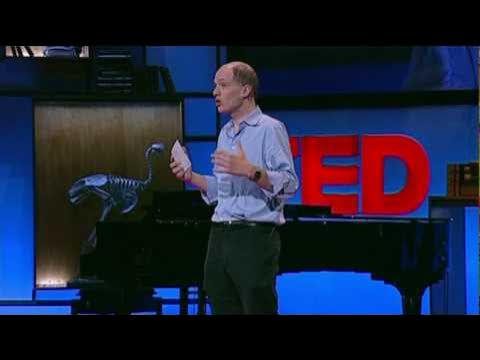
A kinder, gentler philosophy of success | Alain de Botton — TED

TED

Belief in a pure meritocracy transforms professional failure into a crushing moral verdict, requiring society to acknowledge random chance and reject borrowed definitions of success.

AI-assisted summary of A kinder, gentler philosophy of success | Alain de Botton — original source. Check the original for full context.

Source published:

Key ideas

  • Alain de Botton argues that modern career anxiety stems from systemic social factors—including job snobbery, the illusion of total equality, and the moralization of success under meritocracy—rather than personal shortcomings. (0:12)
  • The belief in a pure meritocracy has transformed poverty and failure from an accident of fortune into a moral verdict, replacing the historical concept of the 'unfortunate' with the modern label of the 'loser.' (5:53)
  • Western tragedy provides a compassionate alternative to tabloid culture, contextualizing failure and preserving human dignity where modern media reduces misfortune to ridicule. (9:27)
  • Because modern secular society lacks non-human objects of worship, status competition becomes all-consuming, making encounters with nature essential to gain perspective beyond the human anthill. (11:22)
  • Achieving universal success or work-life balance is impossible; individuals must explicitly acknowledge the trade-offs in their choices and ensure their ambitions are genuinely their own rather than absorbed from advertising or parental expectations. (12:23)

Detailed notes

## Background This talk by Alain de Botton was published on YouTube by TED on July 28, 2009. According to the page description, de Botton examines conventional notions of success and failure, questioning whether either is truly earned, while presenting an eloquent and witty case for overcoming snobbery to discover genuine fulfillment in our work.

## TL;DR Alain de Botton investigates the roots of contemporary career anxiety, identifying job snobbery, the deceptive promise of total equality, and the cruel moral judgments inherent in modern meritocracy as primary drivers of our discontent. He contrasts the harsh ridicule of tabloid culture with the redemptive empathy found in classical tragedy, urging society to recognize the role of chance in human outcomes rather than branding those who stumble as mere 'losers.' Furthermore, he cautions against the illusion of work-life balance and the uncritical adoption of status markers driven by parental and cultural expectations. Ultimately, de Botton advocates for a kinder, more authentic definition of success—one grounded in conscious trade-offs and an honest ownership of our ambitions.

## Atmosphere & style The presentation is intellectually refined, disarmingly vulnerable, and punctuated by dry, understated wit. De Botton balances poignant observations on modern melancholy—such as the quiet Sunday evening despair over personal unmet potential—with laugh-out-loud cultural juxtapositions, such as pitching canonical tragic plots to British tabloid editors. The tone shifts gracefully from philosophical melancholy to compassionate warmth, transforming what could be an overwhelming critique of modern capitalism into an intimate, reassuring, and mentally liberating conversation.

## Bulletin - [00:12](https://www.youtube.com/watch?v=MtSE4rglxbY&t=12s) Alain de Botton argues that modern career anxiety stems from systemic social factors—including job snobbery, the illusion of total equality, and the moralization of success under meritocracy—rather than personal shortcomings. - [05:53](https://www.youtube.com/watch?v=MtSE4rglxbY&t=353s) The belief in a pure meritocracy has transformed poverty and failure from an accident of fortune into a moral verdict, replacing the historical concept of the 'unfortunate' with the modern label of the 'loser.' - [09:27](https://www.youtube.com/watch?v=MtSE4rglxbY&t=567s) Western tragedy provides a compassionate alternative to tabloid culture, contextualizing failure and preserving human dignity where modern media reduces misfortune to ridicule. - [11:22](https://www.youtube.com/watch?v=MtSE4rglxbY&t=682s) Because modern secular society lacks non-human objects of worship, status competition becomes all-consuming, making encounters with nature essential to gain perspective beyond the human anthill. - [12:23](https://www.youtube.com/watch?v=MtSE4rglxbY&t=743s) Achieving universal success or work-life balance is impossible; individuals must explicitly acknowledge the trade-offs in their choices and ensure their ambitions are genuinely their own rather than absorbed from advertising or parental expectations.

## Key takeaways - [00:12](https://www.youtube.com/watch?v=MtSE4rglxbY&t=12s) Career anxiety and Sunday evening dread are not isolated personal neuroses, but structural symptoms of modern life where earning a living is easier while inner calm is harder to maintain. - [01:10](https://www.youtube.com/watch?v=MtSE4rglxbY&t=70s) Job snobbery dominates contemporary society, leading people to define a person's total human worth by their professional answer to the question 'What do you do?' - [02:30](https://www.youtube.com/watch?v=MtSE4rglxbY&t=150s) Materialism and the acquisition of luxury goods like Ferraris are driven by an emotional desire for dignity, respect, and acceptance rather than greed. - [03:16](https://www.youtube.com/watch?v=MtSE4rglxbY&t=196s) The collapse of rigid social hierarchies and the promise of universal equality foster rampant envy, as people intensely compare themselves to immediate peers rather than remote figures. - [04:50](https://www.youtube.com/watch?v=MtSE4rglxbY&t=290s) A direct correlation exists between self-help books promising limitless ambition and the modern epidemic of low self-esteem when those lofty expectations fail. - [05:53](https://www.youtube.com/watch?v=MtSE4rglxbY&t=353s) Meritocracy carries a cruel underside: believing that those at the top earned their position implies that those at the bottom entirely deserved their failure. - [06:35](https://www.youtube.com/watch?v=MtSE4rglxbY&t=395s) The 400-year linguistic shift from labeling impoverished people as 'unfortunates' to 'losers' illustrates society's belief that individuals hold total internal ownership over their worldly outcomes. - [07:15](https://www.youtube.com/watch?v=MtSE4rglxbY&t=435s) Émile Durkheim linked the crushing individual responsibility for career outcomes to rising suicide rates in developed, individualistic nations. - [07:42](https://www.youtube.com/watch?v=MtSE4rglxbY&t=462s) A perfectly graded meritocracy is an impossible fantasy because human lives are perpetually disrupted by uncontrollable variables like illness, birth accidents, and chance. - [08:18](https://www.youtube.com/watch?v=MtSE4rglxbY&t=498s) Drawing on St. Augustine's warning in 'The City of God' that it is a sin to judge a man by his post, society should refrain from judging personal worth by job titles. - [08:55](https://www.youtube.com/watch?v=MtSE4rglxbY&t=535s) Fear of professional failure is driven more by the dread of public ridicule and tabloid sensationalism than by the threat of physical poverty. - [09:27](https://www.youtube.com/watch?v=MtSE4rglxbY&t=567s) Tragic art from fifth-century B.C. Greek theater to Shakespeare demonstrates that individuals can fail or lose everything without being dismissed as 'losers' or stripped of dignity. - [11:22](https://www.youtube.com/watch?v=MtSE4rglxbY&t=682s) Modern secular culture is historically unique in having no non-human worship, causing human competition to feel absolute unless counterbalanced by nature. - [12:23](https://www.youtube.com/watch?v=MtSE4rglxbY&t=743s) Work-life balance is a myth because excelling in one domain inevitably forces sacrifice, compromise, or failure in another. - [13:15](https://www.youtube.com/watch?v=MtSE4rglxbY&t=795s) Personal ambitions are frequently internalized unconsciously from advertising, cultural prestige, and parental expectations rather than being truly self-authored. - [14:54](https://www.youtube.com/watch?v=MtSE4rglxbY&t=894s) Public policy should pursue justice while recognizing that luck, chance, and haphazard factors play an inevitable role in human fortunes. - [15:48](https://www.youtube.com/watch?v=MtSE4rglxbY&t=948s) Effective leadership and successful economies require a model of authority that is 'tough but gentle' rather than management based on fear, cruelty, or total permissiveness.

## Detailed walkthrough ### [00:12](https://www.youtube.com/watch?v=MtSE4rglxbY&t=12s) Sunday Evening Weeping and Modern Career Anxiety

Alain de Botton opens by describing the acutely familiar dread of a career crisis, which for him typically arrives on a Sunday evening just as the sun goes down. In those twilight hours, the agonizing chasm between an individual’s internal ambitions and the harsh reality of their daily life becomes so wide that it frequently culminates in weeping softly into a pillow. De Botton insists that this distress is not a personal failure or an isolated neurosis, but rather a structural symptom of contemporary life. Modern existence is regularly disrupted by these panics, moments where comfortable assumptions about where our lives and professions are headed suddenly clash with a threatening reality.

He frames the central paradox of the modern economy: while it may be technically easier today than in any previous century to earn a decent living, it has become profoundly harder to maintain a sense of inner peace. People are haunted by the unrelenting terror of underperforming, making career anxiety a defining psychological burden of our time. As de Botton observes, “It's perhaps harder than ever before to stay calm, to be free of career anxiety.”

[01:10](https://www.youtube.com/watch?v=MtSE4rglxbY&t=70s) Job Snobbery and the Need for Love

De Botton attributes this persistent anxiety in large part to the ubiquity of snobs. Addressing visitors from abroad who might view snobbery as a quaint, antiquated British idiosyncrasy fixated exclusively on ancestral country houses and aristocratic titles, he clarifies that it is an inescapable global phenomenon. He defines a snob as anyone who takes a single, isolated slice of someone’s identity and uses it to construct a definitive verdict on their entire human worth. In contemporary society, the dominant manifestation of this impulse is job snobbery. Within minutes of arriving at any social gathering, one inevitably faces what de Botton calls the iconic question of the early twenty-first century: “What do you do?” Based entirely on the prestige or insignificance of the response, interlocutors will either light up with delight or quickly check their wristwatches to invent an escape.

The direct inverse of a snob, de Botton suggests, is the ideal mother—someone who unconditionally values a person without any regard to their social or material achievements. Yet because most of the world does not love like an ideal mother, social affection, respect, and time are strictly rationed according to one's standing in the professional hierarchy. This dynamic completely reframes conventional assumptions about consumerism. Society routinely chides itself for being shallow and materialistic, but de Botton argues that humans are not fundamentally greedy for goods themselves. Rather, we live in a culture that has tightly hitched vital emotional rewards—respect, dignity, and acceptance—to the acquisition of high-status objects. Explaining this hidden emotional vulnerability, de Botton notes, “The next time you see somebody driving a Ferrari, don't think, ‘This is somebody who's greedy.’ Think, ‘This is somebody who is incredibly vulnerable and in need of love.’”

- A snob is defined as anyone who takes a small part of a person and uses it to forge a totalizing judgment of who they are. - The default social currency of respect is governed by the opening party inquiry: “What do you do?” - Materialistic consumption is driven by a hunger for the emotional status attached to luxury goods rather than the goods themselves.

[03:16](https://www.youtube.com/watch?v=MtSE4rglxbY&t=196s) The Curse of Equality, Envy, and Self-Esteem

A second driving factor behind modern career panic stems from an otherwise noble ideal: the democratization of opportunity and the collapse of rigid social hierarchies. Modern societies have largely dismantled historical caste systems, instilling an intoxicating belief that any individual can rise to any position through sheer effort. While equality sounds universally beneficial, it has quietly unleashed an epidemic of envy, an emotion de Botton calls one of the most powerful yet heavily tabooed forces in modern culture. Envy operates strictly on identification: people do not envy those who feel entirely alien to them. For example, ordinary people rarely feel bitter envy toward the Queen of England; despite her immense wealth and palaces, she speaks differently, hails from a remote background, and seems simply too eccentric to serve as a plausible benchmark.

Instead, envy burns brightest among peers who share similar backgrounds, ages, and starting lines. This is precisely why school reunions are emotionally perilous minefields, as former classmates provide the most agonizingly direct points of personal comparison. The tragedy of the modern era is that by dressing everyone in jeans and promoting a veneer of total equality, society effectively turns the entire planet into a giant schoolyard where everyone feels like a direct rival. While modern media insists that anyone with a garage, some energy, and a clever tech idea can become the next Bill Gates, the statistical reality is as remote as an ordinary seventeenth-century French peasant ascending into the ranks of Versailles aristocracy.

```mermaid flowchart TD accTitle: The Psychological Engine of Modern Envy accDescr: Flowchart illustrating how the promise of equality leads to peer identification, rampant envy, and low self-esteem. subgraph Promise["Democratic Promise"] A["Abolition of Castes & Hierarchies"] --> B["Spirit of Universal Equality"] end subgraph Comparison["Social Comparison"] B --> C["Identical Peer Expectations<br>(The 'World as a School')"] C --> D["Intense Identification with Peers"] end subgraph Outcome["Psychological Toll"] D --> E["Rampant Taboo Envy"] E --> F["Pervasive Low Self-Esteem"] end ```

This disparity between soaring cultural promises and stubborn reality registers directly on contemporary bookstore shelves. De Botton observes that modern self-help literature splits into two mutually reinforcing camps:

| Self-Help Category | Core Message | Psychological Impact | |:--- |:--- |:--- | | **Inspirational / Ambition** | "You can do it! You can make it! Anything's possible!" | Inflates expectations; implies that any failure to reach greatness is personal negligence. | | **Therapeutic / Coping** | How to handle "low self-esteem" (feeling intensely bad about oneself). | Tries to treat the psychological damage caused when lofty, impossible promises collapse. |

Reflecting on this systemic tension, de Botton concludes, “There's a real correlation between a society that tells people that they can do anything, and the existence of low self-esteem.”

[05:53](https://www.youtube.com/watch?v=MtSE4rglxbY&t=353s) The Cruelty of Meritocracy and the Rise of the "Loser"

The third wellspring of career anguish is meritocracy—a concept championed across the political spectrum from the Left to the Right. In theory, a meritocracy is deeply attractive: an open society where raw talent, skill, and energy govern advancement, allowing anyone capable to rise unimpeded. However, de Botton exposes the sinister underside that accompanies this philosophy. If an individual genuinely believes that those at the top reached their station purely because they merited it, they are logically forced to believe that those trapped at the bottom earned their degradation just as completely. In a meritocratic paradigm, social status ceases to be viewed as an accident of birth or chance; it is treated as a moral verdict on one's competence and worth.

This shift marks a profound linguistic and spiritual evolution over the last four centuries. In medieval England, an impoverished person was understood and spoken of as an “unfortunate”—literally someone who had not been favored by the whims of fortune. Today, particularly in hyper-individualistic cultures like the United States, an individual occupying the lowest tier of society is casually dismissed as a “loser.” Comparing these labels, de Botton points out, “There's a real difference between an unfortunate and a loser, and that shows 400 years of evolution in society and our belief in who is responsible for our lives.”

When people no longer believe the gods or fate control their fortunes, they place themselves entirely in the driving seat. While this shift feels intoxicating during times of triumph, it is devastating in times of defeat. Citing the work of French sociologist Émile Durkheim, de Botton links this total internal ownership of personal outcome to skyrocketing suicide rates in developed, individualistic nations, where people take their perceived career shortcomings to heart with lethal seriousness.

[07:42](https://www.youtube.com/watch?v=MtSE4rglxbY&t=462s) Challenging Meritocracy: St. Augustine and the Fear of Ridicule

Offering relief from the crushing demands of meritocracy, de Botton denounces the concept of a fully realized meritocratic society as a dangerous fantasy. While he supports well-intentioned meritocratic policies designed to open up opportunities, he insists that establishing a world where people are graded with perfect fairness is impossible. Human life is perpetually derailed by uncontrollable variables: accidents of birth, sudden illnesses, and random misfortunes that defy any tidy moral balance sheet. Summarizing the fundamental flaw in the concept, de Botton states, “The idea that we will make a society where literally everybody is graded, the good at the top, bad at the bottom, exactly done as it should be, is impossible.”

To counter this modern vanity, he invokes St. Augustine’s classic text *The City of God*, highlighting his warning that “it's a sin to judge any man by his post.” Translated into contemporary terms, de Botton interprets this as an admonition against evaluating a human being's worth by the title printed on their business card. While St. Augustine maintained that only God, flanked by angels and trumpets on the Day of Judgment, could ever properly sort human beings into their rightful places—a dramatic concept de Botton acknowledges sounds bizarre to a committed secularist—the underlying philosophical wisdom remains vital: society must refrain from passing quick, arrogant judgments on human worth, because true merit remains hidden.

Ultimately, de Botton emphasizes that the terror of falling short in one's career is rarely just about financial destitution or a drop in living standards; rather, it is driven by an intense dread of public judgment and social mockery. The primary modern vehicle for this public humiliation is the daily newspaper, which stands ready each morning to turn individual missteps into sensationalized spectacles of ridicule.

[09:27](https://www.youtube.com/watch?v=MtSE4rglxbY&t=567s) Tragic Art versus Tabloid Ridicule

Modern society is unforgiving toward those who stumble, whether they have slept with the wrong partner, consumed the wrong substance, or backed the wrong piece of legislation. Society brands them with the merciless label of "losers" and treats them as targets for public mockery. Alain de Botton points out that Western civilization preserves a profound, humane alternative to this punitive reflex: the tradition of tragic art. Originating in fifth-century B.C. Greek theater, tragedy was designed specifically to trace how human beings fall from grace while extending to them a level of compassion that everyday life routinely denies.

To test how contemporary culture handles human catastrophe compared to classical art, de Botton recalls visiting the newsroom of the British tabloid *The Sunday Sport* on a Saturday afternoon. Curious to see how editors would frame classic literary masterpieces if they arrived across the desk as breaking news, he pitched three canonical plots. When presented with Shakespeare’s *Othello*, the editors—unfamiliar with the play but instantly intrigued—coined the splashy headline: “Love-Crazed Immigrant Kills Senator’s Daughter.” For Flaubert’s *Madame Bovary*, they generated: “Shopaholic Adulteress Swallows Arsenic After Credit Fraud.” Their crowning achievement was for Sophocles’ *Oedipus the King*, which they summarized in five punchy words: “Sex With Mum Was Blinding.”

While acknowledging the tabloid editors' raw, inventive headline genius, de Botton contrasts the two cultural extremes: tabloids sit at the cruelest end of the spectrum of judgment, while tragedy occupies the opposite pole of empathy and understanding. When an audience watches a tragic play, it witnesses catastrophe without condescension. As de Botton observes, “It would be insane to call Hamlet a loser. He is not a loser, though he has lost.” Tragic art reminds us that someone can suffer total ruin without forfeiting their basic dignity or deserving ridicule.

```mermaid flowchart LR accTitle: Spectrum of Sympathy in Representing Failure accDescr: A continuum showing how failure is framed across different cultural mediums, from harsh ridicule to deep empathy.

subgraph Tabloid["Tabloid Journalism"] T1["Sensational Framing"] --> T2["Mockery and Moral Condemnation"] T2 --> T3["The 'Loser' Label"] end

subgraph Tragedy["Tragic Art (Ancient Greece to Modern Drama)"] TR1["Contextualized Human Flaw"] --> TR2["Pity and Fear"] TR2 --> TR3["Compassion for the Fallen"] end

Tabloid ---|"Spectrum of Sympathy"| Tragedy ```

- **Tabloid headline treatments for Western classics:** - *Othello*: “Love-Crazed Immigrant Kills Senator’s Daughter” - *Madame Bovary*: “Shopaholic Adulteress Swallows Arsenic After Credit Fraud” - *Oedipus the King*: “Sex With Mum Was Blinding” - **Historical origin of tragedy:** Fifth-century B.C. Athenian theater, developed specifically to chronicle human failure with sympathy.

---

[11:22](https://www.youtube.com/watch?v=MtSE4rglxbY&t=682s) The Absence of the Non-Human and the Escape into Nature

A major source of contemporary status anxiety stems from living in an entirely secular, human-centered civilization. Modern society is historically unique because it places nothing non-human at its core. Having engineered remarkable triumphs like landing astronauts on the Moon, people naturally venerate their own capabilities. Previous societies centered their collective lives on transcendent forces—a deity, an ancestral spirit, a natural cycle, or the cosmos. Today, humans worship human heroes, turning human competition and judgment into the sole metric of reality.

As de Botton explains, “We are the first society to be living in a world where we don't worship anything other than ourselves.” Because the habit of transcendent worship has largely faded, people feel an instinctive pull toward the natural world. Going to the wilderness, viewing glaciers, standing before the ocean, or gazing at satellite images of Earth from space is not merely a healthy recreational hobby; it serves as a vital spiritual refuge from the relentless pressure of the "human anthill." Nature provides relief precisely because it exists outside human rivalries, status games, and petty social dramas.

- **Unique condition of modern culture:** The first society in human history with strictly human heroes and no collective worship of transcendent entities. - **The true appeal of nature:** Serves as a psychological escape hatch from human status anxiety, competition, and ego.

---

[12:23](https://www.youtube.com/watch?v=MtSE4rglxbY&t=743s) Redefining Success and Questioning Internalized Ambitions

When people hear that an individual behind a screen is "successful," their minds automatically equate that status with immense wealth or public renown. De Botton admits that he is personally preoccupied with success and constantly thinks about how to attain it, but argues that maturity demands a far more nuanced understanding of the term. First, universal achievement is a myth: the popular idea of "work-life balance" is an illusion because excelling in one domain inevitably forces failure or neglect in another. As de Botton flatly states, “You can't have it all. You can't. So any vision of success has to admit what it's losing out on, where the element of loss is.” A truly wise life accepts that trade-offs are unavoidable.

Furthermore, people rarely generate their own life goals. Ambitions are absorbed unconsciously from external pressures, notably advertising, television, cultural prestige, and parental expectations—specifically fathers for men and mothers for women, a reality psychoanalysis has documented for eighty years. When society deems investment banking respectable, hordes of young people flock to the field; when its reputation falls, interest evaporates. De Botton urges the audience not to renounce ambition, but to interrogate it relentlessly to ensure it is authentic. As he cautions, “We should focus in on our ideas, and make sure that we own them; that we are truly the authors of our own ambitions. Because it's bad enough not getting what you want, but it's even worse to have an idea of what it is you want, and find out, at the end of the journey, that it isn't, in fact, what you wanted all along.”

- **The trade-off principle:** Every concrete success necessitates an explicit sacrifice or area of underachievement. - **The psychological vector:** Career ambitions are heavily shaped by parental figures and fluctuating cultural status markers (such as the shifting prestige of banking).

---

[14:54](https://www.youtube.com/watch?v=MtSE4rglxbY&t=894s) Q&A with Chris Anderson: Meritocracy, Randomness, and Leadership

Following the address, TED curator Chris Anderson steps forward to ask how de Botton reconciles his critique of the "loser" label with the practical need for personal agency, noting that an entrepreneurial society that empowers people to seize control of their lives almost inevitably creates winners and losers. De Botton replies that the crucial missing ingredient in modern discourse is an honest appreciation of chance. While modern politicians constantly promise a perfectly meritocratic, fair society, de Botton argues that true justice is impossible: “Now I'm a firm believer in justice, I just think that it's impossible. So we should do everything we can to pursue it, but we should always remember that whoever is facing us, whatever has happened in their lives, there will be a strong element of the haphazard.” Acknowledging luck and misfortune keeps social judgment from becoming suffocatingly claustrophobic.

Anderson then presses de Botton on whether a kinder, gentler philosophy can support a competitive, high-performing economy, or whether organizations must maintain a degree of fear and pressure to drive results. De Botton identifies that assumption as a toxic management fallacy: “The nightmare thought is that frightening people is the best way to get work out of them, and that somehow the crueler the environment, the more people will rise to the challenge.” Using the metaphor of parenting, he argues that the ideal father figure is neither a brutal, authoritarian disciplinarian nor an indulgent parent with no standards, but someone who is "tough but gentle." Healthy economies and organizations need leadership that holds high standards while offering compassion and psychological safety.

- **The role of randomness:** Social justice and meritocracy are vital ideals to chase, but luck and chance inevitably shape human outcomes. - **Model of healthy authority:** An ideal corporate or societal leader balances firmness with kindness, rejecting both fear-based tyranny and unstructured permissiveness.

## Notable quotes > [03:16](https://www.youtube.com/watch?v=MtSE4rglxbY&t=196s) There's a real correlation between a society that tells people that they can do anything, and the existence of low self-esteem. — Alain de Botton

> [12:23](https://www.youtube.com/watch?v=MtSE4rglxbY&t=743s) You can't have it all. You can't. So any vision of success has to admit what it's losing out on, where the element of loss is. — Alain de Botton

> [05:53](https://www.youtube.com/watch?v=MtSE4rglxbY&t=353s) There's a real difference between an unfortunate and a loser, and that shows 400 years of evolution in society and our belief in who is responsible for our lives. — Alain de Botton

> [09:27](https://www.youtube.com/watch?v=MtSE4rglxbY&t=567s) It would be insane to call Hamlet a loser. He is not a loser, though he has lost. — Alain de Botton

> [00:12](https://www.youtube.com/watch?v=MtSE4rglxbY&t=12s) It's perhaps harder than ever before to stay calm, to be free of career anxiety. — Alain de Botton

> [11:22](https://www.youtube.com/watch?v=MtSE4rglxbY&t=682s) We are the first society to be living in a world where we don't worship anything other than ourselves. — Alain de Botton

> [07:42](https://www.youtube.com/watch?v=MtSE4rglxbY&t=462s) The idea that we will make a society where literally everybody is graded, the good at the top, bad at the bottom, exactly done as it should be, is impossible. — Alain de Botton

## Mentioned Alain de Botton, Chris Anderson, Queen of England, Bill Gates, Émile Durkheim, St. Augustine, The City of God, The Sunday Sport, William Shakespeare, Othello, Gustave Flaubert, Madame Bovary, Sophocles, Oedipus the King, Hamlet

## Video description http://www.ted.com Alain de Botton examines our ideas of success and failure -- and questions the assumptions underlying these two judgments. Is success always earned? Is failure? He makes an eloquent, witty case to move beyond snobbery to find true pleasure in our work.

TEDTalks is a daily video podcast of the best talks and performances from the TED Conference, where the world's leading thinkers and doers give the talk of their lives in 18 minutes. TED stands for Technology, Entertainment, Design, and TEDTalks cover these topics as well as science, business, development and the arts. Closed captions and translated subtitles in a variety of languages are now available on TED.com, at http://www.ted.com/translate. Watch a highlight reel of the Top 10 TEDTalks at http://www.ted.com/index.php/talks/top10

[Source](https://www.youtube.com/watch?v=MtSE4rglxbY)

中文简报

德波顿指责精英管理神话加剧现代职场焦虑 对绝对精英管理的盲信将职业失败转变为毁灭性的道德判决,社会因而必须承认偶然机缘并拒绝套用既定的成功定义。 阿兰·德波顿深入探讨了当代职场焦虑的根源,指出职业势利、完全平等的虚妄承诺以及现代精英管理中固有的残酷道德评判是我们感到不满的主要驱动因素。他将小报文化的无情嘲弄与古典悲剧中蕴含的救赎性同理心进行对比,敦促社会承认偶然机缘在人生境遇中的作用,而不是将挫败者简单贴上“失败者”的标签。此外,他还提醒人们警惕工作与生活平衡的幻觉,不要盲目迎合受父母和文化期望所驱使的身份象征。最终,德波顿提倡一种更宽厚、更真实的成功定义——建立在清醒的取舍以及对自身抱负的坦诚认同之上。 阿兰·德波顿认为,现代职场焦虑源于系统性的社会因素——包括职业势利、完全平等的假象,以及精英管理制度下对成功的道德化——而非单纯的个人不足。 (0:12) 对纯粹精英管理的盲信已将贫困与失败从命运的偶然转变为一种道德判决,将历史上“不幸者”的概念替换为现代的“失败者”标签。 (5:53) 西方悲剧为小报文化提供了一种富有同情心的替代视角,在现代媒体将不幸简化为嘲讽之处,它将失败置于具体情境中并捍卫了人的尊严。 (9:27) 由于现代世俗社会缺乏非人类的崇拜对象,身份地位的竞争变得令人心力交瘁,这使得与大自然的接触成为跳出“人类蚁穴”以拓宽视野的必要途径。 (11:22) 实现全方位的成功或工作与生活的平衡是不可能的;个人必须明确承认自己选择中的取舍,并确保自身抱负真正源于内心,而非盲目吸收自广告宣传或父母的期望。 (12:23)

Reading summary

Alain de Botton argues that modern career anxiety is driven by the false promise of universal meritocracy, widespread job snobbery, and peer envy, which collectively turn professional standing into a moral verdict on personal worth. To counter this psychological burden, he contends that society must acknowledge the role of chance, restore compassion for failure, and encourage individuals to define success on their own terms. The Pressures of Snobbery and Peer Envy (1:10) De Botton identifies job snobbery—evaluating an individual's total worth by their occupation—as a primary driver of career distress. Because affection and respect are rationed by professional hierarchy, material consumption often reflects emotional vulnerability rather than mere greed; acquiring luxury goods functions as an attempt to secure dignity and acceptance. This vulnerability is exacerbated by modern egalitarian ideals. While historical caste systems limited comparison, contemporary society treats everyone as peers, turning the world into an expansive schoolyard where former classmates and peers generate intense, taboo envy. When culture promises that anyone can reach the top through hard work, failure is internalized as personal negligence, directly linking inflated societal expectations to pervasive low self-esteem. The Hidden Cruelty of Meritocracy (5:53) Although meritocracy is widely praised as an engine of fairness, de Botton warns that it carries a punitive underside. Believing that those at the top earned their position requires believing that those at the bottom deserved their degradation. This shift has replaced the historical concept of the "unfortunate"—someone neglected by luck or fate—with the modern label of the "loser," a transition de Botton associates with rising suicide rates in individualistic societies that hold individuals entirely responsible for their outcomes. Invoking St. Augustine’s admonition against judging people by their worldly posts, de Botton asserts that a perfectly fair meritocracy is an impossible fantasy. Random variables such as birth, health, and chance persistently distort outcomes. Rather than viewing career position as an accurate moral scorecard, societies must recognize that true merit remains hidden and cannot be neatly measured by titles or wealth. Tabloid Mockery versus the Dignity of Tragedy (9:27) De Botton notes that fear of career failure is fundamentally a dread of public humiliation and mockery, epitomized by sensationalist tabloid culture. In an experiment with The Sunday Sport, editors reduced complex literary downfalls—such as Othello, Madame Bovary, and Oedipus the King—to mocking, moralizing headlines. This reflex strips individuals of dignity by treating missteps as proof of absolute worthlessness. In contrast, Western civilization developed tragic art in fifth-century B.C. Greece specifically to foster compassion for human frailty. De Botton argues that while modern culture quickly brands someone who falters as a loser, tragedy provides a humane framework where a character like Hamlet can experience total defeat without losing personal dignity or earning contempt. Nature, Inevitable Trade-offs, and Authentic Success (12:23) Modern secular society is historically unique in worshipping only human achievements, leaving individuals trapped in relentless social competition. De Botton suggests that spending time in nature offers a vital spiritual refuge from this "human anthill" because the natural world exists completely outside human status games. Ultimately, de Botton stresses that a mature philosophy of success requires acknowledging inevitable sacrifices. The notion of achieving complete work-life balance is an illusion, as excellence in one domain inevitably forces neglect in another. Because ambitions are routinely absorbed unconsciously from parents, advertising, and cultural prestige, de Botton urges individuals to scrutinize their desires to ensure they genuinely own their goals, rather than discovering late in life that they chased someone else's definition of achievement. While de Botton advocates a gentler perspective that accounts for chance and rejects fear-based management, his argument leaves open the practical challenge of how competitive organizations and economies can maintain high standards of performance without inadvertently reinforcing status anxiety.

精炼阅读摘要

作家阿兰·德波顿(Alain de Botton)在TED演讲中指出,现代人普遍面临的职业焦虑并非个人软弱,而是由势利文化、平等假设与精英体制神话共同构成的结构性困境;他主张建立一种更加温和宽容的成功哲学,正视命运的偶然性并夺回对自身志向的定义权。 势利文化与以职业界定人格的困境 (1:10) 德波顿认为,当代社会极难维持内心平静,核心根源之一在于无处不在的势利态度。他将“势利者”定义为仅凭一个人极小部分的特征便对其整个人格价值作出盖棺定论的人。在现代社交场合中,这种倾向集中体现于“你是做什么的?”这一常见发问,对话者的态度往往完全取决于该回答所代表的社会声望。与之相对,理想母亲能够无条件肯定一个人的价值,但在现实社会中,爱与尊重往往与职业等级严格挂钩。德波顿指出,人们追逐奢侈消费并非出于纯粹的物质贪婪,而是因为社会文化将尊严、接纳与情感回报同高地位物品紧密绑定,炫耀性消费背后往往隐藏着极度脆弱和对爱的渴求。 平等承诺背后的嫉妒与低自尊蔓延 (3:16) 等级制度的瓦解与机会平等的普世承诺,在消除阶级藩篱的同时意外催生了普遍的嫉妒心理。德波顿解释称,嫉妒遵循强烈的身份认同机制,人们极少嫉妒遥不可及的英国女王,却容易对年龄、背景和起点相似的同龄人产生苦涩的嫉妒,这使得校友聚会常沦为心理雷区。当现代媒体宣称任何人只要在车库里付出努力就能成为比尔·盖茨时,这种极低概率的成功神话便将整个社会变成了彼此直接竞争的庞大校园。这一落差鲜明地投射于图书出版界:一边是不断推高期望、宣称一切皆有可能的成功学励志书,另一边则是治疗因期望破灭而产生的低自尊心理辅导书。德波顿强调,一个告诉所有人“无所不能”的社会,往往与普遍蔓延的自卑感高度相关。 精英体制的神话与“失败者”的道德判决 (5:53) 横跨左右两派政治立场的“精英体制”(Meritocracy)承诺让才华与努力决定阶层跃迁,但在德波顿看来,其阴暗面在于一旦人们相信高位者是凭自身能力赢得了成就,就必然会得出低位者同样罪有应得的残酷结论。这一观念重构了社会对底层的道德定性:中世纪英格兰将贫民称为“不幸者”(unfortunate),意味着其处境源于不受控制的命运眷顾;而现代社会尤其是美国文化则直接使用“失败者”(loser)一词,将地位低落视为个人道德与能力的彻底溃败。这种将个人结果完全归因于自身的思维模式,在带来胜利欢愉的同时也对受挫者造成了毁灭性打击,甚至与个别发达国家的高自杀率存在内在联系。援引圣奥古斯丁在《上帝之城》中的警告,德波顿指出凭名片头衔评判人的价值是一种狂妄的罪恶,完全公正地将全人类按优劣精确分级的社会在现实中根本不可能实现。 悲剧传统的宽容与小报文化的苛刻审判 (9:27) 面对个人失误与职业溃败,现代小报文化倾向于将当事人的不幸转化为耸人听闻的公开嘲弄,将其贬为无可救药的“失败者”。德波顿曾走访英国小报《The Sunday Sport》编辑部,发现编辑们将莎士比亚的《奥赛罗》浓缩为“狂爱情杀移民杀害参议员之女”,将福楼拜的《包法利夫人》概括为“购物狂通奸犯信用欺诈后服砒霜”,而将索福克勒斯的《俄狄浦斯王》戏谑为“与母通奸致盲”。德波顿指出,小报代表了残酷审判的极端,而发源于公元前五世纪古希腊戏剧的悲剧艺术则处于同情的另一端。悲剧直面人性的沉沦与灾难,却始终赋予受难者同情与理解;正如没有人会轻蔑地将哈姆雷特斥为“失败者”一样,悲剧艺术提醒人们,一个人可以经历全面的失败,却绝不应丧失基本尊严或沦为大众取乐的靶子。 重塑成功定义并正视取舍与随机性 (12:23) 在世俗化与以人类为中心的现代社会中,由于缺乏对超越性力量的集体敬畏,自然界成为了逃离激烈的“人类蚁丘”竞争与地位焦虑的重要精神避难所。谈及何为成功,德波顿直言绝对的“工作与生活平衡”是一场幻觉,任何领域的杰出表现必然伴随着其他维度的牺牲,成熟的成功观必须坦然接纳其中蕴含的损失。同时,大众的志向往往在无意识中受到广告、媒体及父母期望的深刻塑造,极易在随波逐流中追逐并不真正渴望的目标。在回答克里斯·安德森(Chris Anderson)关于竞争与治理的提问时,德波顿进一步强调,追求社会正义虽属必要,但必须承认运气与随机事件对人生的巨大影响;卓越的组织治理绝非依靠残忍恐吓来激发潜能,而应效仿“严格但温和”的健康权威,在坚持高标准的同时提供必需的包容与心理安全感。 德波顿总结认为,真正的清醒并非放弃进取心,而是对自身持有的抱负展开严格审视,确保自己成为志向的真正缔造者;同时在社会层面接纳运气的客观存在,用更加宽容、仁慈的态度取代严苛的成王败寇审判。

Detailed notes — zh

## Background 本内容由 TED 官方频道于 2009 年 7 月 28 日发布在 YouTube 平台。根据页面简介,作家阿兰·德波顿(Alain de Botton)在演讲中探讨了关于成功与失败的定义,并质疑了支撑这些评判的预设前提,以机智而雄辩的方式呼吁公众超越“势利”,在工作中探寻真正的乐趣。 ## TL;DR 阿兰·德波顿深入剖析了现代人职业焦虑的三大根源:职业势利对情感奖赏的绑架、平等表象下对同侪的剧烈嫉妒,以及唯才主义(meritocracy)将失败残酷个人化的致命逻辑。他指出,由于人生存在大量不可控的随机与偶然因素,绝对的唯才社会只是一种幻想,应当以悲剧艺术式的悲悯替代现代小报式的道德审判与标签化。现代人失去了对超验力量的崇拜,导致自我膨胀与竞争压力剧增,因此我们更需要从大自然中寻求慰藉。最后,他警示公众所谓的“人生平衡”并不存在,每个人都必须建立源自本心的成功定义,避免盲目追逐被外界与商业文化强加的野心。 ## Atmosphere & style 整场演讲充满典型的英式自嘲与机智幽默,德波顿从周日傍晚抱枕痛哭的私人体验切入,迅速营造出亲切而真诚的共鸣感。他的语调从容优雅、娓娓道来,在看似轻松诙谐的叙事中层层剥开当代社会光鲜外表下的精神困境与残酷底色。整场分享如同一剂清醒剂,不仅消解了听众对事业成败的窒息感与羞耻感,更在深刻的哲学省思与悲悯情怀中带来强烈的释然与治愈感。 ## Bulletin - [00:12](https://www.youtube.com/watch?v=MtSE4rglxbY&t=12s) 现代职业焦虑的核心在于“职业势利”,社会将情感认同与职位成就过度绑定,使物质追求实质上沦为对爱与尊重的渴望。 - [05:53](https://www.youtube.com/watch?v=MtSE4rglxbY&t=353s) 唯才主义社会虽然宣扬机会均等,却衍生出将失败完全个人化的残酷逻辑,将贫困者从过去的“不幸者”贬低为咎由自取的“失败者”,甚至推高了自杀率。 - [07:44](https://www.youtube.com/watch?v=MtSE4rglxbY&t=464s) 绝对的唯才社会因疾病、出身等不可抗力而纯属乌托邦,阿兰·德波顿借圣奥古斯丁与古希腊悲剧艺术呼吁公众对成败保持悲悯与审慎。 - [12:23](https://www.youtube.com/watch?v=MtSE4rglxbY&t=743s) 现代社会充斥着被广告与家庭潜移默化植入的欲望,真正的成功哲学要求个体主动厘清自身的真正追求,并接纳“不可能兼顾一切”的人生局限。 ## Key takeaways - [00:12](https://www.youtube.com/watch?v=MtSE4rglxbY&t=12s) 尽管现代人维持体面生计比以往任何时候都更容易,但维持内心的平静并摆脱职业焦虑却变得前所未有地艰难。 - [00:12](https://www.youtube.com/watch?v=MtSE4rglxbY&t=12s) 当今世界充斥着“职业势利”,人们习惯以微小的职业标签去评判一个人的全部价值,并以此决定给予的尊重与时间。 - [00:12](https://www.youtube.com/watch?v=MtSE4rglxbY&t=12s) 现代人对奢侈品与金钱的狂热并非纯粹的物质贪婪,而是因为社会强行将物质占有与爱、尊严等情感奖赏挂钩。 - [03:16](https://www.youtube.com/watch?v=MtSE4rglxbY&t=196s) 身份平等与阶层流动的神话缩短了同侪间的心理距离,导致最剧烈的嫉妒往往滋生于背景相似的同窗或同龄人之间。 - [03:16](https://www.youtube.com/watch?v=MtSE4rglxbY&t=196s) 大众文化一方面兜售“一切皆有可能”的成功学幻想,另一方面又导致全社会陷入大面积的“低自尊”与自我贬低危机。 - [05:53](https://www.youtube.com/watch?v=MtSE4rglxbY&t=353s) 唯才主义的阴暗面在于逆向推导:如果成功者是理所应当,那么失败者便被贴上“咎由自取”的标签,社会用词也从“不幸者”蜕化为“失败者”。 - [05:53](https://www.youtube.com/watch?v=MtSE4rglxbY&t=353s) 埃米尔·涂尔干的研究表明,在极度推崇个人主义的社会中,把一切成败过分个人化会显著推高自杀率。 - [07:44](https://www.youtube.com/watch?v=MtSE4rglxbY&t=464s) 世上充斥着出身、意外与疾病等随机因素,建立绝对公平的唯才社会纯属妄想,因此以名片头衔定夺人的价值是危险且狭隘的。 - [09:27](https://www.youtube.com/watch?v=MtSE4rglxbY&t=567s) 小报文化通过简化与嘲弄将犯错者降格为“失败者”,而古希腊悲剧传统则为探寻人性失败的复杂成因保留了同情与尊严。 - [11:22](https://www.youtube.com/watch?v=MtSE4rglxbY&t=682s) 现代社会彻底失去了对超越性力量的崇拜与敬畏,人类逃向大自然的本质是为了从彼此竞争的人类“蚁穴”中获得解脱。 - [12:23](https://www.youtube.com/watch?v=MtSE4rglxbY&t=743s) 所谓的“工作与生活平衡”是一句谎言,人不可能在所有领域均获成功,明智的人生必须坦然承认并接纳必然的放弃与缺憾。 - [12:23](https://www.youtube.com/watch?v=MtSE4rglxbY&t=743s) 许多人脑海中的成功定义来自父母、电视或广告的灌输,必须警惕在历经艰辛到达终点后,才发现追求的目标并非出自本心。 - [14:54](https://www.youtube.com/watch?v=MtSE4rglxbY&t=894s) 面对社会的输赢机制必须为“偶然与偶然性”留出空间,否则绝对正义的幻觉会让整个社会的心理环境变得令人窒息。 - [14:54](https://www.youtube.com/watch?v=MtSE4rglxbY&t=894s) 破除依靠恐吓制造焦虑的管理误区,理想的社会引导者应如“理想父亲”般在严格要求与温和包容之间取得平衡,以维系人性尊严。 ## Detailed walkthrough ### [00:12](https://www.youtube.com/watch?v=MtSE4rglxbY&t=12s) 职业危机与当代的“势利”现象 阿兰·德波顿(Alain de Botton)以自嘲开场,讲述自己常在周日傍晚遭遇职业危机:当太阳缓缓西下,内心的自我期许与现实生活的差距拉大到令人痛苦的地步,往往只能把脸埋在枕头里抽泣。他指出,这绝非个案,当代社会的生活频繁被此类危机所打断,我们自以为明了的生活与事业,总会与残酷的现实发生剧烈冲撞。尽管如今维持体面的生计比以往任何时代都更容易,但要保持内心的平静、摆脱职业焦虑,却比以往任何时候都更加困难。 造成这种焦虑的首要原因,是我们身处一个充斥着“势利者”(snobs)的世界。德波顿指出,势利并非英国独有的庄园与贵族头衔情结,而是一种全球现象。他为势利下了一个精准的定义:凡是抓住你极小的一部分特质,就以此推断你整个人全部价值的人,就是势利者。当今社会占统治地位的是“职业势利”(job snobbery)。在社交派对上,人们在头几分钟内必然会抛出 21 世纪初标志性的提问:“你是做什么工作的?”对方会根据你的回答来决定是表现得无比热情,还是低头看表、找借口离开。 作为对比,势利者的反面是“理想中的母亲”——一个完全不在乎你取得何种成就的人。遗憾的是,世界上绝大多数人都不是我们的母亲;人们愿意给予我们的时间、尊重与关爱,往往严格取决于我们在社会阶层中所处的位置。这也解释了为什么现代人如此在意职业与物质财富。德波顿反驳了现代人仅仅是“贪婪”的指责,他认为社会只是把情感回报与物质占有强行挂钩:“我们想要的不是物质本身,而是背后的情感奖赏。” > 阿兰·德波顿指出:“下次你看到有人开着法拉利驶过,别觉得‘这人真贪婪’,而要想‘这是一个极其脆弱、极度渴望爱的人’。” ### [03:16](https://www.youtube.com/watch?v=MtSE4rglxbY&t=196s) 平等社会的阴暗面:对同侪的嫉妒与低自尊 焦虑的第二个根源恰恰源于一件表面上美好的事物:现代人对职业前途抱有的极高期望。随着种姓制度与世袭等级的瓦解,社会宣扬人人生而平等、任何人都能够凭借努力登上顶峰。然而,这种平等的精神催生了现代社会最普遍但也最被视为禁忌的情感——嫉妒(envy)。 德波顿解释称,人们通常不会嫉妒英国女王,即便她坐拥巨大的豪宅与财富,因为她“太古怪了”(too weird),与普通人的生活相距甚远;而人只有在能够产生认同感时才会心生嫉妒。双方在年龄、背景和经历上越接近,嫉妒的风险就越高。这正是为什么“同学聚会”往往成为焦虑的温床,因为没有比同窗更具杀伤力的参照系。现代社会的问题在于它把整个世界变成了一所巨大的学校——每个人都穿牛仔裤,看似大家毫无分别,但实质上依然存在深层的不平等。 ```mermaid flowchart TD accTitle: 现代平等幻觉引发嫉妒与自尊危机的机制 accDescr: 流程图展示了现代平等宣传如何通过缩短心理距离放大嫉妒,进而导致自尊受损。 subgraph Belief["文化叙事"] A["抹平身份层级与打破阶层"] --> B["宣称‘任何人皆可达成一切’"] end subgraph Reality["心理现实"] B --> C["同侪心理距离缩短<br/>(视所有人为同等起点)"] C --> D["深层不平等依旧存在<br/>(如比尔·盖茨的巨大差距)"] D --> E["强烈嫉妒蔓延"] end subgraph Bookmarket["图书市场映射"] E --> F1["励志类图书<br/>(‘你能做到!一切皆有可能!’)"] E --> F2["心理自救类图书<br/>(应对‘低自尊’与自我贬低)"] end ``` 在 17 世纪,一个普通人晋升为法国贵族的概率极低;如今普通人要变得像比尔·盖茨(Bill Gates)一样富有声名显赫,概率同样微乎其微。但大众媒体与杂志却不断营造一种幻象:只要你拥有充沛的精力、一点技术创意和一个车库,你也能成就一番伟业。这种文化在书店的励志区体现得淋漓尽致,当今的书籍基本分为两类:一类高呼“你能行!一切皆有可能!”,另一类则教导读者如何应对“低自尊”(low self-esteem)或极度糟糕的自我感觉。 - 嫉妒与认同感紧密相连:心理距离越近、背景越相似,嫉妒情绪越剧烈。 - 现代文化在给予无限期望的同时,也埋下了自尊崩溃的隐患。 ### [05:53](https://www.youtube.com/watch?v=MtSE4rglxbY&t=353s) 精英特权与唯才主义的残酷反面 带来焦虑的第三个因素是备受推崇的“能力主义”或“唯才主义”(meritocracy)。政界无论左翼还是右翼,都一致赞成社会应当走向能力主义——只要一个人拥有才能、精力与技能,就应当能够脱颖而出登上次席,没有任何障碍阻拦。然而,这种制度隐藏着极其残酷的逻辑:如果你相信那些凭借才华登顶的人是“理应如此”,那么你也必须接受,那些跌落到底层的人同样是“咎由自取”。 在古代英格兰,遇到赤贫者时,人们会称其为“不幸者”(an unfortunate),字面意思是没有得到命运女神眷顾的人;而在现代社会(尤其是在美国),底层人士往往被无情地贴上“失败者”(loser)的标签。德波顿指出,从“不幸者”到“失败者”的词义演变,折射出 400 年间社会观念的巨变:主宰人生的不再是神明或运气,而是我们自己。如果你成功了,固然令人振奋;可一旦失败,这种归因会造成毁灭性的打击。社会学家埃米尔·涂尔干(Émile Durkheim)的研究表明,在发达而崇尚个人主义的国家,自杀率往往居高不下,其根源正是人们把遭遇的一切过分个人化——在独揽成功荣耀的同时,也必须独自吞下失败的羞辱。 > 阿兰·德波顿总结道:“这在社会学家的分析中——比如埃米尔·涂尔干的研究——在最坏的情况下会导致自杀率上升。” ### [07:44](https://www.youtube.com/watch?v=MtSE4rglxbY&t=464s) 瓦解唯才迷思:偶然性与圣奥古斯丁的诫勉 面对这种沉重的心理压力,德波顿提出必须彻底反思唯才主义社会的预设。他虽然支持任何半开化的能力主义政策,但坚信建立一个绝对公平的能力主义社会是“彻头彻尾的疯狂妄想”(an impossible dream)。世上存在着太多不可抗的随机因素:出生的偶然、各种意外飞来横祸、突发疾病等等,我们永远不可能严密地按道德或才能给全人类排定等级,让善者全居高位、恶者全堕底层。 德波顿引用了圣奥古斯丁(St. Augustine)在《上帝之城》(*The City of God*)中的警句:“依职位来评判任何人都是一种罪过。”在现代语境下,这意味着根据名片上的头衔来决定对一个人的态度是一种罪过。按照圣奥古斯丁的宗教观,唯有上帝能在最后的审判日吹响号角、打开天门,将每个人安置在应有的位置上。德波顿自认是一个世俗主义者,但他强调这个宗教隐喻包含着巨大的价值:在对他人下定论时务必克制,因为没人真正知晓一个人的真实价值,那是一片未知的领域。 此外,失败之所以令人恐惧,并不仅仅关乎收入与地位的丧失,更在于他人随之而来的评判与嘲讽。在当代社会,充当嘲弄与审判首要工具的,正是无处不在的新闻报纸。 - 绝对的唯才社会是不可能实现的乌托邦,因为随机偶然性(疾病、出身、飞来横祸)不可消除。 - 圣奥古斯丁的洞见提醒现代人:名片与头衔并不等同于一个人的内在价值。 ### [09:27](https://www.youtube.com/watch?v=MtSE4rglxbY&t=567s) 小报文化与悲剧艺术:如何对待失败者 现代社会充斥着把生活搞得一团糟的人:他们睡错了人、吸食了错误的物质,或者通过了错误的法案。无论具体犯了什么错,他们立刻就会沦为大众嘲弄的对象。换句话说,他们失败了,并被轻蔑地冠以“失败者”(losers)的称号。阿兰·德波顿指出,西方传统其实提供了一种极为辉煌的替代方案——悲剧。发源于公元前五世纪古希腊剧场的悲剧艺术,本质上就是一种专注于探寻人们如何走向失败的艺术形式,并且它会赋予失败者一种普通日常生活往往吝于给予的同情心。 为了验证这一点,德波顿分享了他几年前探访英国通俗小报《星期日体育报》(The Sunday Sport)办公室的经历。他想看看如果把西方伟大的悲剧内核当作周六下午的新闻素材,小报编辑们会如何炮制头条。这群编辑展现出一种独特而粗暴的“天才”: - 听到莎士比亚的《奥赛罗》(*Othello*)情节时,编辑拟出的头条是:“为爱疯狂的移民杀害参议员之女”(Love-Crazed Immigrant Kills Senator's Daughter)。 - 听到福楼拜的《包法利夫人》(*Madame Bovary*)故事后,他们写下:“购物狂荡妇在信用卡诈骗后服砒霜自尽”(Shopaholic Adulteress Swallows Arsenic After Credit Fraud)。 - 最绝的是索福克勒斯的《俄狄浦斯王》(*Oedipus the King*),被提炼为:“与母亲乱伦导致双目失明”(Sex With Mum Was Blinding)。 这构成了同情心光谱的两个极端:一端是冷酷无情、将人简化的通俗小报,另一端则是充满怜悯与深度的悲剧艺术。德波顿强调我们应当汲取悲剧艺术的力量:“It would be insane to call Hamlet a loser. He is not a loser, though he has lost.”(称哈姆雷特为失败者是疯狂的。他虽然输了,但他绝不是一个失败者。)这正是悲剧传达给现代人最核心的启示。 ```mermaid flowchart LR accTitle: 同情心光谱对比 accDescr: 对比小报文化与悲剧艺术对人生失败的不同对待方式 subgraph Tabloid["小报文化(通俗新闻)"] T1["道德审判与简化"] --> T2["贴标签:‘失败者’"] T2 --> T3["公众嘲笑与鄙视"] end subgraph Tragedy["悲剧艺术(古希腊传统)"] R1["探寻失败的复杂根源"] --> R2["保留人格尊严"] R2 --> R3["给予深层同情与悲悯"] end ``` ### [11:22](https://www.youtube.com/watch?v=MtSE4rglxbY&t=682s) 人类中心社会的焦虑与自然的慰藉 现代社会造成严重焦虑的另一个深层原因,在于我们生活的中心没有任何“非人类”(non-human)的存在。德波顿指出,我们是历史上第一个完全不崇拜自身以外任何事物的社会。现代人类对自己的成就极为自负——我们登上了月球,完成了不可思议的技术壮举,因此我们将自己奉若神明,崇拜的偶像也全是人类英雄。 然而,在历史上绝大多数文明中,社会的中心始终存在着某种超越人类的力量:神灵、精神力量、自然伟力或是浩瀚的宇宙。现代人失去了敬畏与崇拜超验力量的习惯,这也正是我们如今格外向往自然的原因。我们走向大自然,表面上常常被粉饰为为了健康,但德波顿认为其真正的原因是:“It's an escape from the human anthill. It's an escape from our own competition, and our own dramas.”(这是为了逃离人类这个巨大的蚁穴,逃离我们彼此间的竞争与纷扰戏剧。)当我们凝视冰川、海洋,或者从外太空审视地球全貌时,我们获得了与非人类事物相接触的解脱感。 ### [12:23](https://www.youtube.com/watch?v=MtSE4rglxbY&t=743s) 拥有属于自己的成功定义 谈到成功,德波顿坦言自己一直对成功充满渴望,总在思索如何变得更成功,但随着阅历增长,他对“成功”一词的理解变得更加细腻。普遍的偏见认为成功就等于赚大钱和扬名立万,但他提出了一个关键洞见:人不可能在所有事情上都取得成功。社会上充斥着关于“工作与生活平衡”的夸夸其谈,德波顿毫不客气地将其斥为一派胡言——你不可能拥有一切。任何明智的人生设想,都必须坦然承认并接纳自身所放弃和未能成功的部分。 更危险的陷阱在于,人们脑海中关于“成功生活”的定义往往根本不是自己的,而是被动吸收进来的: - 男性往往受到父亲观念的潜移默化。 - 女性则深受母亲期望的影响(精神分析学对此强调了约80年)。 - 电视、广告和市场营销构成了极其强大的外部力量,不断规训我们的欲望与自我评价。例如,当银行家被社会视为体面职业时,大众便趋之若鹜;而当其声誉滑坡,人们的热情便迅速退去。 德波顿呼吁,我们绝不应该放弃追求成功,但必须确保这些野心出自我们本心:“Because it's bad enough not getting what you want, but it's even worse to have an idea of what it is you want, and find out, at the end of the journey, that it isn't, in fact, what you wanted all along.”(得不到想要的东西已经够糟了,但更糟糕的是,你历经艰辛到达旅途终点,却发现那根本不是你真正想要的东西。) ### [14:54](https://www.youtube.com/watch?v=MtSE4rglxbY&t=894s) 问答环节:随机性、正义与理想的“父亲” 演讲结束后,TED 主持人克里斯·安德森(Chris Anderson)走上台提出了两个尖锐的问题: 1. **掌控人生与承认失败者的矛盾**:如果一个社会鼓励人们掌控自我命运,是否不可避免地会划分出“赢家”与“输家”? 2. **温和哲学与经济活力的兼容性**:这种更温和、更宽容的成功哲学能否与繁荣高效的现代经济相兼容,抑或它只是一种不切实际的空想? 针对第一个问题,德波顿回应称,他并非反对正义,而是想强调输赢机制背后的极度随机性。政治家们整天将社会正义挂在嘴边,但他直言:“Now I'm a firm believer in justice, I just think that it's impossible.”(我坚信正义的崇高,但我认为绝对的正义是不可能实现的。)正因绝对的公平竞争环境并不存在,面对任何人的成败,我们都必须为“偶然与偶然性”(the haphazard)留出空间;否则,整个社会的心理环境就会变得极其压抑、令人窒息(claustrophobic)。 针对经济与管理环境,德波顿指出了一个残酷的思维误区——人们常以为通过恐吓制造焦虑才是榨取工作效能的最佳方式,环境越残酷,人就越能迎难而上。对此,他用“理想父亲”的比喻给出了破局方案: - 优秀的社会引导者应当像一位理想的父亲——既严格要求,又饱含温情(tough but gentle)。 - 必须避开两极化的陷阱:一端是冷酷、专制的严厉管教者(authoritarian disciplinarian),另一端则是毫无规矩、彻底放任自流的软弱模式(the lax, no-rules option)。只有在这条微妙的平衡线上,社会才能在保持经济动力的同时,维系人性的尊严。 ## Notable quotes > [00:12](https://www.youtube.com/watch?v=MtSE4rglxbY&t=12s) 下次你看到有人开着法拉利驶过,别觉得‘这人真贪婪’,而要想‘这是一个极其脆弱、极度渴望爱的人’。 — 阿兰·德波顿 > [12:23](https://www.youtube.com/watch?v=MtSE4rglxbY&t=743s) Because it's bad enough not getting what you want, but it's even worse to have an idea of what it is you want, and find out, at the end of the journey, that it isn't, in fact, what you wanted all along. — 阿兰·德波顿 ## Mentioned 阿兰·德波顿, 克里斯·安德森, 比尔·盖茨, 埃米尔·涂尔干, 圣奥古斯丁, 莎士比亚, 福楼拜, 索福克勒斯, 哈姆雷特, 上帝之城, 奥赛罗, 包法利夫人, 俄狄浦斯王, 星期日体育报, 法拉利, TED ## Video description http://www.ted.com Alain de Botton examines our ideas of success and failure -- and questions the assumptions underlying these two judgments. Is success always earned? Is failure? He makes an eloquent, witty case to move beyond snobbery to find true pleasure in our work. TEDTalks is a daily video podcast of the best talks and performances from the TED Conference, where the world's leading thinkers and doers give the talk of their lives in 18 minutes. TED stands for Technology, Entertainment, Design, and TEDTalks cover these topics as well as science, business, development and the arts. Closed captions and translated subtitles in a variety of languages are now available on TED.com, at http://www.ted.com/translate. Watch a highlight reel of the Top 10 TEDTalks at http://www.ted.com/index.php/talks/top10 [Source](https://www.youtube.com/watch?v=MtSE4rglxbY)

Source quotes

[0:12] 阿兰·德波顿: 下次你看到有人开着法拉利驶过,别觉得‘这人真贪婪’,而要想‘这是一个极其脆弱、极度渴望爱的人’。 [12:23] 阿兰·德波顿: Because it's bad enough not getting what you want, but it's even worse to have an idea of what it is you want, and find out, at the end of the journey, that it isn't, in fact, what you wanted all along.

Source quotes

[3:16] Alain de Botton: There's a real correlation between a society that tells people that they can do anything, and the existence of low self-esteem. [12:23] Alain de Botton: You can't have it all. You can't. So any vision of success has to admit what it's losing out on, where the element of loss is. [5:53] Alain de Botton: There's a real difference between an unfortunate and a loser, and that shows 400 years of evolution in society and our belief in who is responsible for our lives. [9:27] Alain de Botton: It would be insane to call Hamlet a loser. He is not a loser, though he has lost. [0:12] Alain de Botton: It's perhaps harder than ever before to stay calm, to be free of career anxiety. [11:22] Alain de Botton: We are the first society to be living in a world where we don't worship anything other than ourselves. [7:42] Alain de Botton: The idea that we will make a society where literally everybody is graded, the good at the top, bad at the bottom, exactly done as it should be, is impossible.

Original transcript

[0:12] For me they normally happen, these career crises, [0:15] often, actually, on a Sunday evening, [0:17] just as the sun is starting to set, [0:19] and the gap between my hopes for myself and the reality of my life [0:24] starts to diverge so painfully [0:26] that I normally end up weeping into a pillow. [0:29] I'm mentioning all this -- [0:30] I'm mentioning all this because I think this is not merely a personal problem; [0:34] you may think I'm wrong in this, [0:35] but I think we live in an age when our lives are regularly punctuated [0:39] by career crises, by moments when what we thought we knew -- [0:42] about our lives, about our careers -- [0:44] comes into contact with a threatening sort of reality. [0:48] It's perhaps easier now than ever before to make a good living. [0:51] It's perhaps harder than ever before [0:54] to stay calm, to be free of career anxiety. [0:57] I want to look now, if I may, at some of the reasons [1:00] why we might be feeling anxiety about our careers. [1:04] Why we might be victims of these career crises, [1:06] as we're weeping softly into our pillows. [1:10] One of the reasons why we might be suffering [1:13] is that we are surrounded by snobs. [1:15] In a way, I've got some bad news, [1:18] particularly to anybody who's come to Oxford from abroad. [1:20] There's a real problem with snobbery, [1:22] because sometimes people from outside the U.K. [1:24] imagine that snobbery is a distinctively U.K. phenomenon, [1:27] fixated on country houses and titles. [1:30] The bad news is that's not true. [1:31] Snobbery is a global phenomenon; we are a global organization, [1:34] this is a global phenomenon. [1:36] What is a snob? [1:37] A snob is anybody who takes a small part of you, [1:41] and uses that to come to a complete vision of who you are. [1:44] That is snobbery. [1:46] The dominant kind of snobbery that exists nowadays is job snobbery. [1:50] You encounter it within minutes at a party, when you get asked [1:53] that famous iconic question of the early 21st century, [1:56] "What do you do?" [1:58] According to how you answer that question, [2:00] people are either incredibly delighted to see you, [2:02] or look at their watch and make their excuses. [2:04] (Laughter) [2:05] Now, the opposite of a snob is your mother. [2:08] (Laughter) [2:10] Not necessarily your mother, or indeed mine, [2:13] but, as it were, the ideal mother, [2:14] somebody who doesn't care about your achievements. [2:17] Unfortunately, most people are not our mothers. [2:19] Most people make a strict correlation between how much time, [2:22] and if you like, love -- [2:23] not romantic love, though that may be something -- [2:26] but love in general, respect -- they are willing to accord us, [2:29] that will be strictly defined by our position in the social hierarchy. [2:33] And that's a lot of the reason why we care so much about our careers [2:36] and indeed start caring so much about material goods. [2:40] You know, we're often told that we live in very materialistic times, [2:43] that we're all greedy people. [2:45] I don't think we are particularly materialistic. [2:47] I think we live in a society which has simply pegged certain emotional rewards [2:51] to the acquisition of material goods. [2:54] It's not the material goods we want; it's the rewards we want. [2:57] It's a new way of looking at luxury goods. [2:59] The next time you see somebody driving a Ferrari, don't think, [3:02] "This is somebody who's greedy." [3:03] Think, "This is somebody who is incredibly vulnerable and in need of love." [3:07] (Laughter) [3:11] Feel sympathy, rather than contempt. [3:13] There are other reasons -- [3:15] (Laughter) [3:16] There are other reasons why it's perhaps harder now to feel calm than ever before. [3:20] One of these, and it's paradoxical, [3:21] because it's linked to something that's rather nice, [3:24] is the hope we all have for our careers. [3:26] Never before have expectations been so high [3:28] about what human beings can achieve with their lifespan. [3:31] We're told, from many sources, that anyone can achieve anything. [3:34] We've done away with the caste system, [3:36] we are now in a system where anyone can rise to any position they please. [3:39] And it's a beautiful idea. [3:42] Along with that is a kind of spirit of equality; [3:44] we're all basically equal. [3:46] There are no strictly defined hierarchies. [3:50] There is one really big problem with this, [3:52] and that problem is envy. [3:54] Envy, it's a real taboo to mention envy, [3:56] but if there's one dominant emotion in modern society, that is envy. [4:00] And it's linked to the spirit of equality. [4:03] Let me explain. [4:04] I think it would be very unusual for anyone here, or anyone watching, [4:07] to be envious of the Queen of England. [4:09] Even though she is much richer than any of you are, [4:12] and she's got a very large house, [4:15] the reason why we don't envy her is because she's too weird. [4:18] (Laughter) [4:19] She's simply too strange. [4:21] We can't relate to her, she speaks in a funny way, [4:23] she comes from an odd place. [4:24] So we can't relate to her, [4:26] and when you can't relate to somebody, you don't envy them. [4:29] The closer two people are -- in age, in background, [4:32] in the process of identification -- the more there's a danger of envy, [4:35] which is incidentally why none of you should ever go to a school reunion, [4:39] because there is no stronger reference point than people one was at school with. [4:43] The problem of modern society is it turns the whole world into a school. [4:46] Everybody's wearing jeans, everybody's the same. [4:48] And yet, they're not. [4:50] So there's a spirit of equality combined with deep inequality, [4:53] which can make for a very stressful situation. [4:55] It's probably as unlikely that you would nowadays [4:58] become as rich and famous as Bill Gates, [5:00] as it was unlikely in the 17th century [5:02] that you would accede to the ranks of the French aristocracy. [5:05] But the point is, it doesn't feel that way. [5:07] It's made to feel, by magazines and other media outlets, [5:10] that if you've got energy, a few bright ideas about technology, a garage -- [5:14] you, too, could start a major thing. [5:16] (Laughter) [5:18] The consequences of this problem make themselves felt in bookshops. [5:21] When you go to a large bookshop and look at the self-help sections, [5:24] as I sometimes do -- [5:25] if you analyze self-help books produced in the world today, [5:29] there are basically two kinds. [5:30] The first kind tells you, "You can do it! You can make it! Anything's possible!" [5:34] The other kind tells you how to cope with what we politely call "low self-esteem," [5:39] or impolitely call, "feeling very bad about yourself." [5:41] There's a real correlation [5:43] between a society that tells people that they can do anything, [5:47] and the existence of low self-esteem. [5:49] So that's another way in which something quite positive can have a nasty kickback. [5:53] There is another reason why we might be feeling more anxious -- [5:56] about our careers, about our status in the world today, than ever before. [6:00] And it's, again, linked to something nice. [6:02] And that nice thing is called meritocracy. [6:04] Everybody, all politicians on Left and Right, [6:07] agree that meritocracy is a great thing, [6:09] and we should all be trying to make our societies really, really meritocratic. [6:13] In other words -- what is a meritocratic society? [6:17] A meritocratic society is one in which, if you've got talent and energy and skill, [6:21] you will get to the top, nothing should hold you back. [6:23] It's a beautiful idea. [6:24] The problem is, if you really believe in a society [6:28] where those who merit to get to the top, get to the top, [6:31] you'll also, by implication, and in a far more nasty way, [6:34] believe in a society where those who deserve to get to the bottom [6:37] also get to the bottom and stay there. [6:40] In other words, your position in life comes to seem not accidental, [6:43] but merited and deserved. [6:45] And that makes failure seem much more crushing. [6:48] You know, in the Middle Ages, in England, [6:50] when you met a very poor person, [6:52] that person would be described as an "unfortunate" -- [6:55] literally, somebody who had not been blessed by fortune, an unfortunate. [6:59] Nowadays, particularly in the United States, [7:01] if you meet someone at the bottom of society, [7:03] they may unkindly be described as a "loser." [7:06] There's a real difference between an unfortunate and a loser, [7:09] and that shows 400 years of evolution in society [7:12] and our belief in who is responsible for our lives. [7:15] It's no longer the gods, it's us. We're in the driving seat. [7:18] That's exhilarating if you're doing well, [7:20] and very crushing if you're not. [7:22] It leads, in the worst cases -- [7:23] in the analysis of a sociologist like Emil Durkheim -- [7:26] it leads to increased rates of suicide. [7:28] There are more suicides in developed, individualistic countries [7:32] than in any other part of the world. [7:33] And some of the reason for that [7:35] is that people take what happens to them extremely personally -- [7:38] they own their success, but they also own their failure. [7:42] Is there any relief from some of these pressures [7:44] that I've been outlining? [7:45] I think there is. [7:47] I just want to turn to a few of them. [7:48] Let's take meritocracy. [7:50] This idea that everybody deserves to get where they get to, [7:53] I think it's a crazy idea, completely crazy. [7:55] I will support any politician of Left and Right, [7:58] with any halfway-decent meritocratic idea; [8:00] I am a meritocrat in that sense. [8:02] But I think it's insane to believe [8:03] that we will ever make a society that is genuinely meritocratic; [8:07] it's an impossible dream. [8:08] The idea that we will make a society where literally everybody is graded, [8:12] the good at the top, bad at the bottom, [8:14] exactly done as it should be, is impossible. [8:16] There are simply too many random factors: [8:18] accidents, accidents of birth, [8:20] accidents of things dropping on people's heads, illnesses, etc. [8:23] We will never get to grade them, [8:25] never get to grade people as they should. [8:27] I'm drawn to a lovely quote by St. Augustine in "The City of God," [8:30] where he says, "It's a sin to judge any man by his post." [8:34] In modern English that would mean [8:36] it's a sin to come to any view of who you should talk to, [8:39] dependent on their business card. [8:40] It's not the post that should count. [8:42] According to St. Augustine, only God can really put everybody in their place; [8:46] he's going to do that on the Day of Judgment, [8:48] with angels and trumpets, and the skies will open. [8:50] Insane idea, if you're a secularist person, like me. [8:53] But something very valuable in that idea, nevertheless. [8:56] In other words, hold your horses when you're coming to judge people. [8:59] You don't necessarily know what someone's true value is. [9:02] That is an unknown part of them, [9:04] and we shouldn't behave as though it is known. [9:07] There is another source of solace and comfort for all this. [9:10] When we think about failing in life, when we think about failure, [9:13] one of the reasons why we fear failing [9:15] is not just a loss of income, a loss of status. [9:17] What we fear is the judgment and ridicule of others. [9:20] And it exists. [9:21] The number one organ of ridicule, nowadays, is the newspaper. [9:25] If you open the newspaper any day of the week, [9:27] it's full of people who've messed up their lives. [9:29] They've slept with the wrong person, taken the wrong substance, [9:32] passed the wrong piece of legislation -- [9:34] whatever it is, and then are fit for ridicule. [9:36] In other words, they have failed. And they are described as "losers." [9:40] Now, is there any alternative to this? [9:42] I think the Western tradition shows us one glorious alternative, which is tragedy. [9:46] Tragic art, as it developed in the theaters of ancient Greece, [9:49] in the fifth century B.C., was essentially an art form [9:52] devoted to tracing how people fail, [9:55] and also according them a level of sympathy, [9:59] which ordinary life would not necessarily accord them. [10:02] A few years ago, I was thinking about this, [10:04] and I went to "The Sunday Sport," [10:06] a tabloid newspaper I don't recommend you start reading [10:09] if you're not familiar with it already. [10:11] (Laughter) [10:12] And I went to talk to them [10:13] about certain of the great tragedies of Western art. [10:16] I wanted to see how they would seize the bare bones of certain stories, [10:19] if they came in as a news item at the news desk on a Saturday afternoon. [10:23] I mentioned Othello; they'd not heard of it but were fascinated. [10:26] (Laughter) [10:27] I asked them to write a headline for the story. [10:30] They came up with "Love-Crazed Immigrant Kills Senator's Daughter." [10:33] Splashed across the headline. [10:35] I gave them the plotline of Madame Bovary. [10:37] Again, a book they were enchanted to discover. [10:39] And they wrote "Shopaholic Adulteress Swallows Arsenic After Credit Fraud." [10:44] (Laughter) [10:45] And then my favorite -- [10:46] they really do have a kind of genius of their own, these guys -- [10:49] my favorite is Sophocles' Oedipus the King: [10:51] "Sex With Mum Was Blinding." [10:54] (Laughter) [10:57] (Applause) [10:59] In a way, if you like, at one end of the spectrum of sympathy, [11:02] you've got the tabloid newspaper. [11:03] At the other end of the spectrum, you've got tragedy and tragic art. [11:07] And I suppose I'm arguing that we should learn a little bit [11:09] about what's happening in tragic art. [11:11] It would be insane to call Hamlet a loser. [11:14] He is not a loser, though he has lost. [11:16] And I think that is the message of tragedy to us, [11:19] and why it's so very, very important, I think. [11:22] The other thing about modern society and why it causes this anxiety, [11:26] is that we have nothing at its center that is non-human. [11:29] We are the first society to be living in a world [11:31] where we don't worship anything other than ourselves. [11:34] We think very highly of ourselves, and so we should; [11:36] we've put people on the Moon, done all sorts of extraordinary things. [11:40] And so we tend to worship ourselves. Our heroes are human heroes. [11:43] That's a very new situation. [11:44] Most other societies have had, right at their center, [11:47] the worship of something transcendent: a god, a spirit, a natural force, [11:50] the universe, whatever it is -- something else that is being worshiped. [11:54] We've slightly lost the habit of doing that, [11:56] which is, I think, why we're particularly drawn to nature. [11:59] Not for the sake of our health, though it's often presented that way, [12:02] but because it's an escape from the human anthill. [12:05] It's an escape from our own competition, [12:07] and our own dramas. [12:09] And that's why we enjoy looking at glaciers and oceans, [12:11] and contemplating the Earth from outside its perimeters, etc. [12:15] We like to feel in contact with something that is non-human, [12:19] and that is so deeply important to us. [12:23] What I think I've been talking about really is success and failure. [12:26] And one of the interesting things about success [12:28] is that we think we know what it means. [12:30] If I said that there's somebody behind the screen who's very successful, [12:34] certain ideas would immediately come to mind. [12:36] You'd think that person might have made a lot of money, [12:39] achieved renown in some field. [12:41] My own theory of success -- [12:42] I'm somebody who's very interested in success, [12:44] I really want to be successful, [12:46] always thinking, how can I be more successful? [12:48] But as I get older, I'm also very nuanced about what that word "success" might mean. [12:52] Here's an insight that I've had about success: [12:55] You can't be successful at everything. [12:57] We hear a lot of talk about work-life balance. [12:59] Nonsense. [13:00] You can't have it all. You can't. [13:02] So any vision of success has to admit what it's losing out on, [13:06] where the element of loss is. [13:08] And I think any wise life will accept, [13:10] as I say, that there is going to be an element where we're not succeeding. [13:14] And the thing about a successful life is that a lot of the time, [13:17] our ideas of what it would mean to live successfully are not our own. [13:21] They're sucked in from other people; [13:23] chiefly, if you're a man, your father, and if you're a woman, your mother. [13:27] Psychoanalysis has been drumming home this message for about 80 years. [13:30] No one's quite listening hard enough, but I very much believe it's true. [13:33] And we also suck in messages from everything from the television, [13:37] to advertising, to marketing, etc. [13:38] These are hugely powerful forces [13:41] that define what we want and how we view ourselves. [13:45] When we're told that banking is a very respectable profession, [13:48] a lot of us want to go into banking. [13:50] When banking is no longer so respectable, we lose interest in banking. [13:53] We are highly open to suggestion. [13:56] So what I want to argue for is not that we should give up [13:59] on our ideas of success, [14:01] but we should make sure that they are our own. [14:03] We should focus in on our ideas, [14:05] and make sure that we own them; [14:07] that we are truly the authors of our own ambitions. [14:10] Because it's bad enough not getting what you want, [14:13] but it's even worse to have an idea of what it is you want, [14:16] and find out, at the end of the journey, [14:18] that it isn't, in fact, what you wanted all along. [14:21] So, I'm going to end it there. [14:23] But what I really want to stress is: by all means, success, yes. [14:28] But let's accept the strangeness of some of our ideas. [14:30] Let's probe away at our notions of success. [14:33] Let's make sure our ideas of success are truly our own. [14:37] Thank you very much. [14:39] (Applause) [14:54] Chris Anderson: That was fascinating. [14:56] But how do you reconcile this idea [15:02] of it being bad to think of someone as a "loser," [15:04] with the idea that a lot of people like, of seizing control of your life, [15:09] and that a society that encourages that, [15:12] perhaps has to have some winners and losers? [15:15] Alain De Botton: Yes, I think it's merely the randomness [15:17] of the winning and losing process that I want to stress, [15:20] because the emphasis nowadays is so much on the justice of everything, [15:24] and politicians always talk about justice. [15:26] Now I'm a firm believer in justice, I just think that it's impossible. [15:29] So we should do everything we can to pursue it, [15:33] but we should always remember that whoever is facing us, [15:36] whatever has happened in their lives, [15:38] there will be a strong element of the haphazard. [15:41] That's what I'm trying to leave room for; [15:43] otherwise, it can get quite claustrophobic. [15:45] CA: I mean, do you believe that you can combine [15:47] your kind of kinder, gentler philosophy of work [15:50] with a successful economy? [15:53] Or do you think that you can't, [15:54] but it doesn't matter that much that we're putting too much emphasis on that? [15:58] AB: The nightmare thought [16:00] is that frightening people is the best way to get work out of them, [16:04] and that somehow the crueler the environment, [16:07] the more people will rise to the challenge. [16:09] You want to think, who would you like as your ideal dad? [16:12] And your ideal dad is somebody who is tough but gentle. [16:16] And it's a very hard line to make. [16:18] We need fathers, as it were, the exemplary father figures in society, [16:22] avoiding the two extremes, [16:24] which is the authoritarian disciplinarian on the one hand, [16:28] and on the other, the lax, no-rules option. [16:32] CA: Alain De Botton. [16:34] AB: Thank you very much. [16:36] (Applause)