Ben Crystal Uses Original Pronunciation to Reframe Hamlet on Mortality
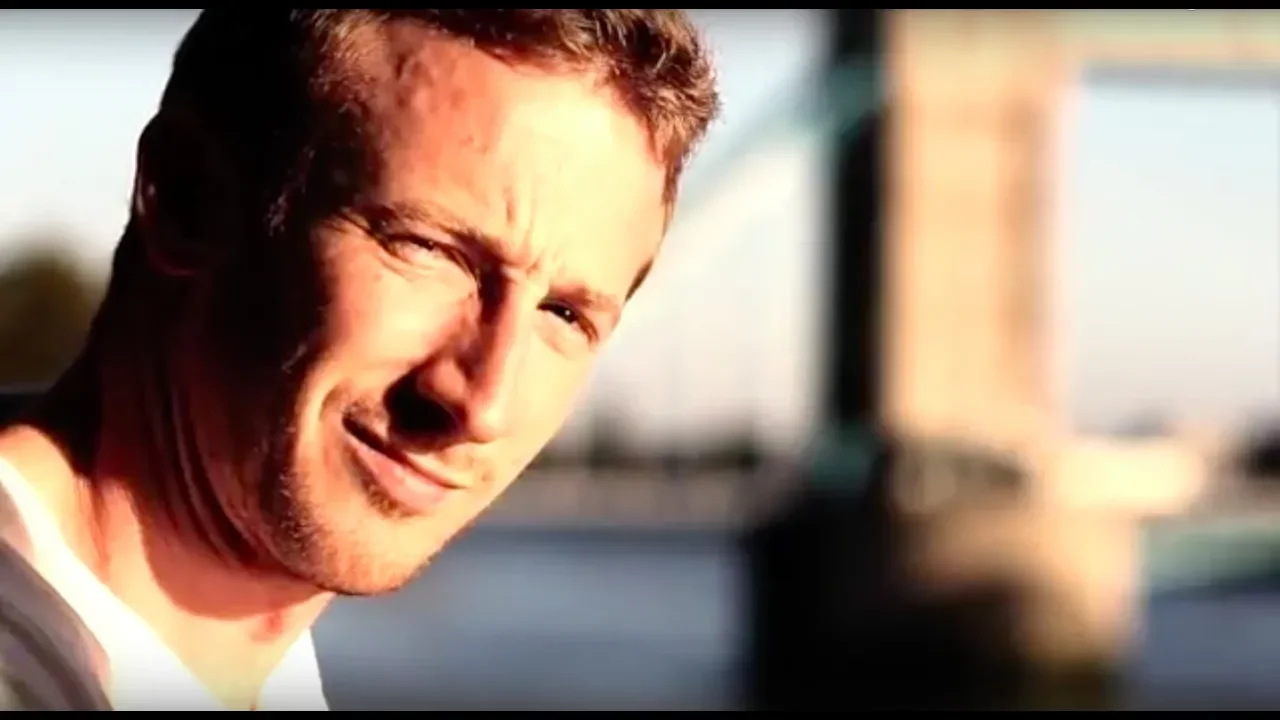
Original Pronunciation - Hamlet | To Be, or not to be... | Ben Crystal — Shakespeare on Toast

Shakespeare on Toast

Fear of the unknown after death paralyzes human resolve, turning Hamlet's soliloquy from a contemplation of suicide into a confrontation with mortal hesitation.

AI-assisted summary of Original Pronunciation - Hamlet | To Be, or not to be... | Ben Crystal — original source. Check the original for full context.

Source published:

Key ideas

  • Ben Crystal delivers Hamlet's 'To be, or not to be' soliloquy in Shakespearean Original Pronunciation (OP) on a balcony overlooking Tower Bridge in London. (0:00)
  • The performance reframes the soliloquy not as a contemplation of suicide, but as a direct confrontation with mortality and human suffering. (0:00)
  • The delivery highlights Hamlet's realization that the dread of 'the undiscovered country' after death paralyzes the human will and prevents decisive action. (1:07)

Detailed notes

## Background Published on YouTube by the channel Shakespeare on Toast on November 25, 2014, this video captures actor Ben Crystal performing an uncut second take of Hamlet's famous soliloquy in Shakespearean Original Pronunciation (OP). Filmed by Aslam Husain on a balcony overlooking London's Tower Bridge following a Kickstarter campaign for an OP Hamlet film production, the performance presents the speech as a confrontation with mortality rather than suicide.

## TL;DR Ben Crystal delivers Hamlet's 'To be, or not to be' soliloquy in Elizabethan Original Pronunciation, examining whether it is nobler to endure life's relentless misfortunes or to take arms against them. He weighs the relief of death against the fear of what dreams may come once mortal coils are shuffled off, cataloging the indignities of human existence. Ultimately, the speech illustrates how the terror of the undiscovered country after death paralyzes the will, sicklying resolution with excessive thought right before Crystal notices Ophelia and the take ends.

## Atmosphere & style The scene carries an intimate, unvarnished atmosphere, balancing informal production moments—like a hand-clap slate and background ambient sounds of London—against intense classical drama. Crystal's delivery feels grounded and spoken rather than declamatory, drawing viewers into a quiet, rhythmic contemplation of mortal dread. The emotional arc steadily intensifies as philosophical musings give way to heavy existential paralysis, ending abruptly with a hushed break in thought as Ophelia approaches.

## Bulletin - [00:00](https://www.youtube.com/watch?v=qYiYd9RcK5M&t=0s) Ben Crystal delivers Hamlet's 'To be, or not to be' soliloquy in Shakespearean Original Pronunciation (OP) on a balcony overlooking Tower Bridge in London. - [00:00](https://www.youtube.com/watch?v=qYiYd9RcK5M&t=0s) The performance reframes the soliloquy not as a contemplation of suicide, but as a direct confrontation with mortality and human suffering. - [01:07](https://www.youtube.com/watch?v=qYiYd9RcK5M&t=67s) The delivery highlights Hamlet's realization that the dread of 'the undiscovered country' after death paralyzes the human will and prevents decisive action.

## Key takeaways - [00:00](https://www.youtube.com/watch?v=qYiYd9RcK5M&t=0s) Actor Ben Crystal films Take 2 of Hamlet's soliloquy on an open London balcony overlooking Tower Bridge. - [00:00](https://www.youtube.com/watch?v=qYiYd9RcK5M&t=0s) The performance uses Shakespearean Original Pronunciation (OP) with text drawn from the First Folio. - [00:00](https://www.youtube.com/watch?v=qYiYd9RcK5M&t=0s) Crystal interprets 'To be, or not to be' as an inquiry into mortal existence rather than a despairing suicide note. - [00:00](https://www.youtube.com/watch?v=qYiYd9RcK5M&t=0s) Hamlet weighs whether it is nobler to endure fortune's trials or to actively take arms against a sea of troubles. - [00:00](https://www.youtube.com/watch?v=qYiYd9RcK5M&t=0s) Death is initially framed as a clean, devoutly wished-for sleep that ends physical heartache and natural shocks. - [00:00](https://www.youtube.com/watch?v=qYiYd9RcK5M&t=0s) The contemplation halts at the uncertainty of what dreams may come once the mortal coil is shuffled off. - [01:07](https://www.youtube.com/watch?v=qYiYd9RcK5M&t=67s) The dread of post-death uncertainty is identified as the core reason people tolerate prolonged calamity. - [01:07](https://www.youtube.com/watch?v=qYiYd9RcK5M&t=67s) Hamlet catalogues life's indignities, including the law's delay, the oppressor's wrongs, and pangs of disprized love. - [01:07](https://www.youtube.com/watch?v=qYiYd9RcK5M&t=67s) A person could easily end their struggles with a bare bodkin were it not for the terror of the afterlife. - [01:07](https://www.youtube.com/watch?v=qYiYd9RcK5M&t=67s) The unknown nature of 'the undiscovered country' causes humanity to bear familiar ills rather than fly to unknown ones. - [01:07](https://www.youtube.com/watch?v=qYiYd9RcK5M&t=67s) Conscience and overthinking are concluded to make cowards of people, turning great enterprises away from decisive action. - [01:07](https://www.youtube.com/watch?v=qYiYd9RcK5M&t=67s) The speech concludes as Hamlet breaks his reverie upon noticing the fair Ophelia.

## Detailed walkthrough ### [00:00](https://www.youtube.com/watch?v=qYiYd9RcK5M&t=0s) Setting the Scene: Taking Arms Against a Sea of Troubles

Against an ambient London backdrop filled with the faint sounds of passersby and children playing outside, the crew prepares for a take on a balcony overlooking Tower Bridge. The director sets the pace from behind the camera, encouraging the actor: “Whenever you're ready,” followed by the gentle reminder, “And just take your time Ben.” The slate is called with “Ummm Hamlet - Take 2,” punctuated by the sharp crack of a hand clap. After a quiet, centering pause, Ben Crystal launches into Hamlet's iconic soliloquy rendered in Shakespearean Original Pronunciation (OP), treating the meditation not as a despairing suicide note, but as a direct confrontation with mortal existence: “To be, or not to be, that is the Question: Whether 'tis Nobler in the minde to suffer The Slings and Arrowes of outragious Fortune, Or to take Armes against a Sea of troubles, And by opposing end them.”

The delivery builds through Hamlet’s weighing of death as an escape from worldly pain, styling it as a sleep that might cleanly sever life's inherent suffering. He considers whether one can simply say that through sleep “we end The Heart-ake, and the thousand Naturall shockes That Flesh is heyre too?” characterizing such an end as “a consummation Deuoutly to be wish'd.” The rhythm shifts sharply as the speech confronts the uncertainty lying just beyond that threshold: “To dye to sleepe, To sleepe, perchance to Dreame; I, there's the rub, For in that sleepe of death, what dreams may come, When we haue shuffel'd off this mortall coile, Must giue vs pause.”

[01:07](https://www.youtube.com/watch?v=qYiYd9RcK5M&t=67s) The Undiscovered Country and the Paralysis of Thought

Pausing over the dread of the unknown, the speech turns to the prolonged misery humans willingly endure simply because the alternative is uncharted territory. Hamlet observes that this hesitation is the very reason suffering lingers: “There's the respect That makes Calamity of so long life.” He inventories the relentless humiliations of the human condition—the whips and scorns of time, the oppressor’s wrong, contumely directed at the poor, the agony of unrequited love, the law's delay, the arrogance of officials, and the spurns endured by patient merit. A person could easily settle their own account with nothing more than a simple dagger: “When he himselfe might his Quietus make With a bare Bodkin?”

He questions who would willingly choose to bear heavy burdens and “grunt and sweat vnder a weary life,” were it not for the terror of what lies beyond. It is solely “the threat of something after death, The vndiscouered Countrey, from whose Borne No Traueller returnes,” that paralyzes the will and forces humanity to endure familiar miseries rather than escape to unknown horrors. This reflection leads directly to his sharp conclusion on human hesitation: “Thus Conscience doth make Cowards of vs all, And thus the Natiue hew of Resolution Is sicklied o're, with the pale cast of Thought, And enterprizes of great pith and moment, With this regard their Currants turne awry, And loose the name of Action.” Breaking out of the philosophical reverie as he catches sight of another presence, he lowers his voice with “Soft you now, The faire Ophelia?” before the take is called to an end with a clean “Cut.”

## Mentioned Ben Crystal, Hamlet, Tower Bridge, London, William Shakespeare, First Folio, Aslam Husain, Ophelia, Kickstarter, Shakespeare on Toast

## Video description On a balcony overlooking Tower Bridge in London, after taking part in a Kickstarter campaign to support a film of an OP Hamlet production, Ben was asked to give one of Hamlet's speeches a couple of swings...

This is Take 2 of 'To be, or not to be...' in its entirety. As Ben has discussed elsewhere, for him this is not a speech about suicide, but one of mortality...

Closed Captions & Subtitles from the First Folio

Shot by Aslam Husain, www.aslamhusainphotography.com

[Source](https://www.youtube.com/watch?v=qYiYd9RcK5M)

中文简报

本·克里斯托尔以原始发音重构《哈姆雷特》对死亡的探讨 对死后未知的恐惧麻痹了人类的决意,使哈姆雷特的独白从对自杀的沉思转变为对生命犹疑的直面。 本·克里斯托尔以伊丽莎白时期的原始发音演绎了哈姆雷特“生存还是毁灭”的独白,探讨默默忍受无情命运的折磨抑或挺身抗争究竟哪一种更为高贵。他在摆脱凡躯肉胎后可能降临的梦境之恐惧与死亡的解脱之间进行权衡,并列举了人类生存遭受的种种屈辱。这段独白最终展现了死后未知国度的恐惧如何麻痹意志、过度思虑如何使决心变得脆弱病态;随后克里斯托尔注意到了奥菲莉娅,镜头拍摄随之结束。 本·克里斯托尔在俯瞰伦敦塔桥的阳台上,用莎士比亚时期的原始发音(OP)演绎了哈姆雷特“生存还是毁灭”的独白。 (0:00) 这场表演重新诠释了这段独白,将其不再视为对自杀的思索,而是对死亡与人类苦难的直接直面。 (0:00) 该演绎突出了哈姆雷特的领悟:对死后“未名国度”的恐惧麻痹了人类意志,阻碍了果断的行动。 (1:07)

Reading summary

Actor Ben Crystal performs Hamlet's soliloquy in Shakespearean Original Pronunciation (OP), approaching the text as a direct confrontation with existence rather than a despairing contemplation of suicide. Confronting Mortal Suffering and the Uncertainty of Death (0:00) Staged on a balcony overlooking Tower Bridge, Crystal's delivery frames Hamlet's choice—enduring the slings and arrows of outrageous fortune or opposing a sea of troubles—as an active struggle with mortality. The soliloquy considers whether death might act as a simple sleep capable of severing the heartaches and natural shocks inherent to human flesh, a release Hamlet calls a devoutly wished consummation. That prospect of relief is complicated by the unknown conditions of the afterlife. Hamlet observes that the possibility of dreaming within the sleep of death, once one has cast off the mortal coil, forces an immediate pause and disrupts the impulse to escape worldly pain. The Undiscovered Country and the Paralysis of Action (1:07) The speech details the prolonged indignities that sustain human calamity, ranging from oppression, the law's delay, and unrequited love to social insolence and the insults borne by patient merit. While an individual could end these miseries with a bare bodkin, the dread of an uncharted afterlife—an undiscovered country from which no traveler returns—compels people to endure familiar griefs rather than risk unknown perils. This anxiety ultimately undermines decisive intent. Hamlet concludes that conscience makes cowards of humanity, as the native hue of resolution is sicklied over by thought, diverting significant actions away from their purpose until the reverie breaks at the sight of Ophelia. The performance closes as Hamlet interrupts his philosophical meditation upon noticing Ophelia, shifting back to the dramatic scene before the director calls the take to an end.

精炼阅读摘要

演员 Ben Crystal 在以伦敦塔桥为背景的阳台录制中,使用莎士比亚时期的原始发音(Original Pronunciation, OP)演绎了《哈姆雷特》的核心独白,将这一段沉思诠释为对凡俗生存困境与未知死亡的正面交锋,而非单纯的绝望自戕。 原始发音演绎与存在困境的正面抗衡 (0:00) 在伴随街头行人和孩童嬉闹杂音的伦敦露天实景中,摄制组在阳台上准备开拍。导演在镜头后提示演员“随时可以开始”并“慢慢来”,随后以手掌击打作为“哈姆雷特第二镜”的场记提示。在片刻专注的停顿后,Ben Crystal 采用莎士比亚时期的原始发音(OP)念出独白,将该段落处理为对肉身存在的直接质问,而非绝望的自杀宣泄。他开篇探讨忍受命运飞矢乱石的高尚性与挺身抗击苦难风暴的选择,并权衡将死亡视为睡眠的假想——设想若死亡仅如睡眠般彻底斩断肉体所承受的心灵创痛与天然打击,这无疑是一种值得热切祈求的解脱归宿。 然而,独白的节律随着对未知领域的凝视而陡然转变。台词指出,若死亡即是睡眠,那么在摆脱凡俗肉身的纠缠之后,死后之眠中可能降临的未知梦境便成了令人踌躇的核心症结(there's the rub),这一顾虑迫使人类在生死边界前止步沉思。 人间苦难清单与自我了结的悬殊反差 (1:07) 独白随后详细梳理了人类宁可忍受持久苦难也不敢贸然解脱的现实原因,指出对未知的顾虑正是导致灾祸在漫长生命中延绵不绝的根源。哈姆雷特在台词中列举了人类生存必须承受的重重羞辱与折磨:光阴的鞭笞与讥嘲、压迫者的横暴不义、穷人遭受的傲慢侮蔑、失恋的剧烈痛苦、法令延宕的折磨、官吏的专横跋扈,以及坚忍有德之人不断承受的鄙陋嘲弄。 这一长串苦难清单与实现自我了结的简易方式形成了鲜明对照。独白强调,任何人原本只需凭借一把小小的短剑(bare bodkin),就能轻易结清自己一生的账目(make his Quietus),完全不必在疲惫不堪的生活重负下呻吟流汗。然而,这种用极低成本即可换取的解脱,却始终被更深层次的精神恐惧所遏制。 未知之境的恐惧与行动意志的瓦解 (1:07) 迫使人类继续承受沉重生存负担的根本原因,是对死后世界的巨大恐怖。独白将死后的领域定义为“未被发现的国度”(The undiscovered country),一个从未有任何旅人能够生还归来的绝对未知边界。正是对这一未知的畏惧瘫痪了人的意志,驱使人类宁愿忍受已知的现世苦痛,也不敢贸然逃向未知凶险的彼岸。 这种形而上的恐惧最终导致了人类决断力的全面瘫痪。哈姆雷特得出结论:意识与思虑使所有人都变成了懦夫,决意原本具有的天然色彩被惨白的思考阴影所侵蚀消磨;那些关乎宏大格局与紧要关头的 enterprise,也因此改变了行进的方向,彻底丧失了化为实际行动的资格。随着演员察觉到奥菲利亚(Ophelia)的出现并低语发问,这一段哲学沉思随即告一段落,拍摄也随导演喊停而结束。 该节目通过实景表演展示了以原始发音呈现哈姆雷特独白的情境与文本张力,重点呈现了人类在面对生活苦难、死后未知以及思虑导致行动瘫痪时的内在矛盾;但记录中并未涉及该原始发音历史依据的语言学讨论,亦未提供该场戏后续的制作反馈或评价。

Detailed notes — zh

## Background 该视频由 YouTube 频道“Shakespeare on Toast”于 2014 年 11 月 25 日发布。视频记录了演员 Ben Crystal 在参与支持制作一部原始发音(OP)版《哈姆雷特》电影的 Kickstarter 众筹活动后,于伦敦俯瞰塔桥的阳台上完整演绎经典独白《生存还是毁灭》(To be, or not to be...)的第二遍实录(Take 2);依据其阐述,这段台词并非关乎自杀,而是一场关于凡人终有一死(mortality)的深刻沉思。 ## TL;DR 在街头环境音的衬托下,Ben Crystal 采用莎士比亚时期的原始发音与《第一对开本》文本,演绎了哈姆雷特对生死抉择的经典思索。独白首先探讨了面对暴虐命运时默默忍受与挺身反抗的抉择,并将死亡比作永眠,指出正是死后未知梦境的困扰才让人在人世苦难面前驻足。随后,他历数了时间摧残、强暴凌辱与官僚傲慢等人间重负,指出对死后“未被发现之国度”的畏惧使人宁愿忍受眼前的厄运,最终导致决断力被苍白的思虑所瓦解、行动付诸东流,直至奥菲莉亚的出现打破了沉思。 ## Atmosphere & style 整个片段流淌着质朴、专注而又极具张力的氛围。露天阳台上微风浮动与街头孩童嬉戏的嘈杂背景,与演员口中厚重、古朴且充满泥土气息的原始英语发音形成奇妙的反差与呼应,彻底褪去了传统剧场的距离感。随着情绪从开篇的低沉困惑逐渐推进至对人间苦难的痛切控诉,最终又在思辨的苍白中落入叹息,观众能清晰感受到一种未经雕琢却直击心灵的凡人宿命感。 ## Bulletin - [00:00](https://www.youtube.com/watch?v=qYiYd9RcK5M&t=0s) Ben Crystal 在伦敦俯瞰塔桥的阳台上,以莎士比亚时期的原始发音(Original Pronunciation, OP)完整演绎了《哈姆雷特》经典独白“生存还是毁灭”(第2条录制)。 - [00:00](https://www.youtube.com/watch?v=qYiYd9RcK5M&t=0s) 本次表演的文本与字幕完全依照《第一对开本》(First Folio)的古英语拼写与韵律,展示更贴近莎士比亚时代原貌的语音特征。 - [00:00](https://www.youtube.com/watch?v=qYiYd9RcK5M&t=0s) 表演者强调该独白的核心探讨并非单纯的自杀,而是人类面对必死宿命(mortality)的深层反思与精神挣扎。 - [01:07](https://www.youtube.com/watch?v=qYiYd9RcK5M&t=67s) 独白深刻揭示了过度的理智审视如何使人沦为懦夫,并最终消解决断力,令宏大的行动计划付诸东流。 ## Key takeaways - [00:00](https://www.youtube.com/watch?v=qYiYd9RcK5M&t=0s) 录制背景取自伦敦能俯瞰塔桥的阳台,现场保留了孩童嬉戏等真实的市井环境声,采用《第一对开本》的古英语拼写与韵律。 - [00:00](https://www.youtube.com/watch?v=qYiYd9RcK5M&t=0s) 演员 Ben Crystal 运用莎士比亚原始发音(OP)进行呈现,旨在还原伊丽莎白时代的听觉体验与韵律质感。 - [00:00](https://www.youtube.com/watch?v=qYiYd9RcK5M&t=0s) 根据表演者的阐释,这段独白的主题并非狭义的自杀念头,而是对人类必死性(mortality)与生存境遇的沉思。 - [00:00](https://www.youtube.com/watch?v=qYiYd9RcK5M&t=0s) 独白开篇对比了默默忍受命运的残酷打击,与挺身反抗无尽苦难之间的崇高性抉择。 - [00:00](https://www.youtube.com/watch?v=qYiYd9RcK5M&t=0s) 哈姆雷特最初将死亡视作终结肉体千般痛苦的安眠,但死后永眠中可能降临的未知梦魇令他犹豫不决。 - [01:07](https://www.youtube.com/watch?v=qYiYd9RcK5M&t=67s) 独白详尽列举了人世间漫长繁重的苦难,包括时间的摧残、压迫者的暴行、官吏的傲慢及司法的拖延。 - [01:07](https://www.youtube.com/watch?v=qYiYd9RcK5M&t=67s) 即便一把小小的匕首就能结束尘世劳苦,对死后那个无归途之“未知国度”的恐惧依然困扰着人类的意志。 - [01:07](https://www.youtube.com/watch?v=qYiYd9RcK5M&t=67s) 由于对未知的敬畏,人们宁愿默默忍受当下的现世苦痛,也不敢轻易涉足毫无所知的死后领域。 - [01:07](https://www.youtube.com/watch?v=qYiYd9RcK5M&t=67s) 深沉的顾虑与反思弱化了决心的力量,使原本具有宏大气魄的行动偏离正轨并彻底丧失活力。 - [01:07](https://www.youtube.com/watch?v=qYiYd9RcK5M&t=67s) 奥菲莉亚的现身打破了哈姆雷特的形而上学沉思,独白在轻声收束与导演的停机指令中利落结束。 ## Detailed walkthrough ### [00:00](https://www.youtube.com/watch?v=qYiYd9RcK5M&t=0s) 现场准备与独白开篇:生存还是毁灭 在背景中伴随着伦敦街头行人的喧闹与孩童嬉戏声的阳台上,摄影师提醒演员做好准备:“Whenever you're ready.” 紧接着又安抚道:“And just take your time Ben.” 随后现场给出了场记提示:“Ummm Hamlet - Take 2”,伴随一声清脆的击掌声,Ben Crystal 正式进入哈姆雷特的角色,用莎士比亚时期的原始发音(Original Pronunciation, OP)开始演绎这段经典的独白。他首先抛出了戏剧史上最著名的生死沉思:“To be, or not to be, that is the Question: Whether 'tis Nobler in the minde to suffer The Slings and Arrowes of outragious Fortune, Or to take Armes against a Sea of troubles, And by opposing end them: to dye, to sleepe No more; and by a sleepe, to say we end The Heart-ake, and the thousand Naturall shockes That Flesh is heyre too? 'Tis a consummation Deuoutly to be wish'd.” 这段开篇探讨了面对命运残酷的打击时,究竟是在心智中默默忍受更显崇高,还是挺身反抗无尽的苦难从而将其终结。死亡在最初被比作一场睡眠,如果沉睡能一举了结血肉之躯所必须承受的心痛与千般折磨,那无疑是极度令人向往的归宿。然而,思绪随即在对梦境的想象中停滞,Ben Crystal 压低声音转向内心的困惑:“To dye to sleepe, To sleepe, perchance to Dreame; I, there's the rub, For in that sleepe of death, what dreams may come, When we haue shuffel'd off this mortall coile, Must giue vs pause.” 抛开尘世的羁绊之后,死后的睡眠里究竟会降临怎样的梦魇,正是这个未知的疑虑让人驻足不前。 - 录制环境:位于伦敦俯瞰塔桥的阳台,录制过程保留了周遭自然的环境杂音。 - 文本版本:字幕及用词完全依据《第一对开本》(First Folio)的古英语拼写与韵律展现。 - 核心论题:探讨死亡与终结,将死亡比拟为可能伴随梦境的永眠,从而引出存在本身的沉重顾虑。 ### [01:07](https://www.youtube.com/watch?v=qYiYd9RcK5M&t=67s) 人世苦难、死后未知与行动的消解 Ben Crystal 随着呼吸的停顿,层层递进地剖析人世间苦难的冗长与不堪忍受,质问究竟是什么让苦难延续了如此漫长的生命:“There's the respect That makes Calamity of so long life: For who would beare the Whips and Scornes of time, The Oppressors wrong, the poore mans Contumely, The pangs of dispriz'd Loue, the Lawes delay, The insolence of Office, and the Spurnes That patient merit of the vnworthy takes, When he himselfe might his Quietus make With a bare Bodkin? Who would these Fardles beare To grunt and sweat vnder a weary life, But that the threat of something after death, The vndiscouered Countrey, from whose Borne No Traueller returnes, Puzels the will, And makes vs rather beare those illes we haue, Then flye to others that we know not of.” 他罗列了时间的鞭笞、压迫者的暴行、傲慢者的侮辱、被轻蔑的爱情之痛楚、律法的拖延、官吏的专横,以及忍辱负重之辈所遭受的轻蔑;仅仅一把小小的匕首就能了结一切,谁愿意在重负下呻吟流汗?然而,那未被发现的国度——没有任何旅者能够归来的死后世界,彻底困扰了人类的意志,迫使人们宁愿忍受眼下的苦难,也不敢贸然投奔未知的深渊。 独白在理智对行动的侵蚀中推向高潮,深刻展现了思虑如何击溃决心。Ben Crystal 坚定而沉痛地道出结论:“Thus Conscience doth make Cowards of vs all, And thus the Natiue hew of Resolution Is sicklied o're, with the pale cast of Thought, And enterprizes of great pith and moment, With this regard their Currants turne awry, And loose the name of Action.” 顾虑与省察让所有人都沦为了懦夫,决心的原本色彩被苍白无力的思辨所病化,那些极具气魄与意义的宏图伟业,也因此彻底偏离了原有的航道,最终失去了行动的资格。在独白的尾声,哈姆雷特的情绪被突如其来的人影打断,他轻声收束并低语道:“Soft you now, The faire Ophelia?” 话音落下,录制以画外导演果断的一声“Cut”利落收尾。 - 罗列的世俗苦难:包含时间摧残(Whips and Scornes of time)、强暴凌辱(Oppressors wrong)、傲慢轻蔑(poore mans Contumely)、失恋痛楚(dispriz'd Loue)、司法拖延(Lawes delay)、官僚傲慢(insolence of Office)与小人得志(Spurnes of the vnworthy)。 - 致命的阻碍:死后未知之境(The vndiscouered Countrey)引发的敬畏与迷茫。 - 最终结果:深思熟虑导致决断力涣散,宏大行动付诸东流,直至奥菲莉亚(Ophelia)的出现打破思绪。 ## Mentioned Ben Crystal, Aslam Husain, Hamlet, Ophelia, Shakespeare on Toast, First Folio, Tower Bridge ## Video description On a balcony overlooking Tower Bridge in London, after taking part in a Kickstarter campaign to support a film of an OP Hamlet production, Ben was asked to give one of Hamlet's speeches a couple of swings... This is Take 2 of 'To be, or not to be...' in its entirety. As Ben has discussed elsewhere, for him this is not a speech about suicide, but one of mortality... Closed Captions & Subtitles from the First Folio Shot by Aslam Husain, www.aslamhusainphotography.com [Source](https://www.youtube.com/watch?v=qYiYd9RcK5M)

Original transcript

[0:00] (sound of passersby and children playing throughout) [0:01] Whenever you're ready [0:05] And just take your time Ben [0:07] Ummm Hamlet - Take 2 [0:10] (sound of hand clap) [0:21] To be, or not to be, that is the Question: [0:28] Whether 'tis Nobler in the minde to suffer The Slings and Arrowes of outragious Fortune, Or to take Armes against a Sea of troubles, [0:34] And by opposing end them: to dye, to sleepe No more; and by a sleepe, to say we end [0:42] The Heart-ake, and the thousand Naturall shockes That Flesh is heyre too? 'Tis a consummation [0:48] Deuoutly to be wish'd. To dye to sleepe, To sleepe, perchance to Dreame; I, there's the rub, [0:55] For in that sleepe of death, what dreams may come, When we haue shuffel'd off this mortall coile, [0:59] Must giue vs pause. [1:07] There's the respect That makes Calamity of so long life: [1:10] For who would beare the Whips and Scornes of time, [1:14] The Oppressors wrong, the poore mans Contumely, The pangs of dispriz'd Loue, the Lawes delay, [1:21] The insolence of Office, and the Spurnes That patient merit of the vnworthy takes, [1:26] When he himselfe might his Quietus make With a bare Bodkin? Who would these Fardles beare [1:31] To grunt and sweat vnder a weary life, [1:37] But that the threat of something after death, The vndiscouered Countrey, from whose Borne [1:42] No Traueller returnes, Puzels the will, And makes vs rather beare those illes we haue, [1:47] Then flye to others that we know not of. [1:52] Thus Conscience doth make Cowards of vs all, [1:56] And thus the Natiue hew of Resolution Is sicklied o're, with the pale cast of Thought, [2:01] And enterprizes of great pith and moment, With this regard their Currants turne awry, [2:08] And loose the name of Action. [2:14] Soft you now, The faire Ophelia? [2:18] Cut.