Tom Sachs Enforces Four-Step Knolling Protocol to Organize Workspaces
Tom Sachs
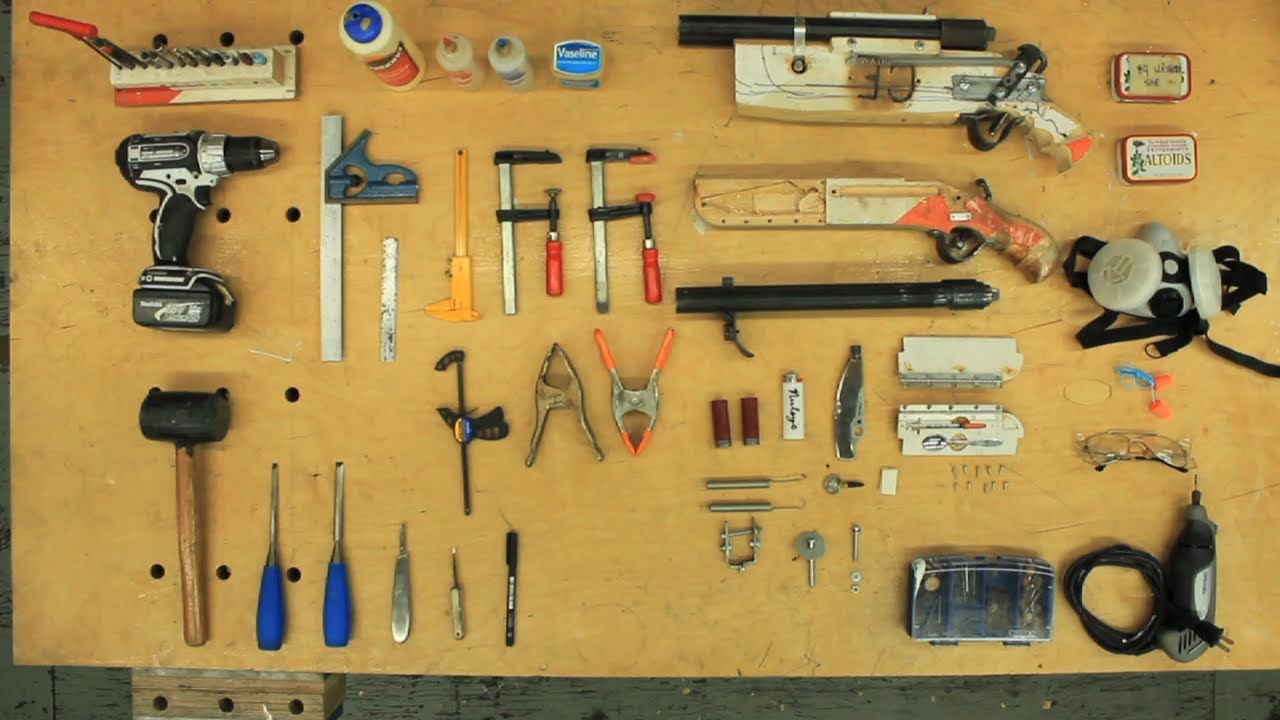
Studio discipline mandates that workers scan, stow unused gear, group like objects, and align every tool at right angles to desk edges.
AI-assisted summary of 10 Bullets, #8: "ALWAYS BE KNOLLING". By Tom Sachs — original source. Check the original for full context.
Source published:
Key ideas
- Tom Sachs establishes "Always Be Knolling" (ABK) as the eighth studio bullet, adapting a classic sales maxim into a core rule for workspace discipline. (0:12)
- The knolling protocol begins by scanning for unused tools, books, materials, and music, stowing items away while leaving out anything of uncertain status. (0:12)
- The workflow concludes by grouping all like objects together and aligning them squarely with the work surface or the studio geometry. (0:12)
Detailed notes
## Background Published on YouTube by artist Tom Sachs on June 21, 2011, this short video highlights the eighth rule from his "Ten Bullets" studio guide. The video description identifies it as an excerpt from the complete "Ten Bullets" movie and directs viewers to the full project website.
## TL;DR The video introduces the studio mantra "Always Be Knolling" (ABK) as a systematic operating philosophy for workspace organization. Knolling is defined through a four-step process: scanning the area for idle items, putting away anything not in active use, grouping like objects together, and aligning everything perpendicular or parallel to the desk or studio boundaries. The presentation concludes with a showcase of a perfectly knolled table arranged in precise geometric order.
## Atmosphere & style The presentation adopts a deadpan, authoritative instructional style reminiscent of an industrial training film or institutional handbook. It delivers each guideline with clinical, rhythmic discipline, turning ordinary shop cleanup into a solemn, almost ritualistic craft. The viewing experience feels meticulously controlled and satisfyingly orderly, highlighting an obsession with geometric alignment and functional tidiness.
## Bulletin - [00:12](https://www.youtube.com/watch?v=s-CTkbHnpNQ&t=12s) Tom Sachs establishes "Always Be Knolling" (ABK) as the eighth studio bullet, adapting a classic sales maxim into a core rule for workspace discipline. - [00:12](https://www.youtube.com/watch?v=s-CTkbHnpNQ&t=12s) The knolling protocol begins by scanning for unused tools, books, materials, and music, stowing items away while leaving out anything of uncertain status. - [00:12](https://www.youtube.com/watch?v=s-CTkbHnpNQ&t=12s) The workflow concludes by grouping all like objects together and aligning them squarely with the work surface or the studio geometry.
## Key takeaways - [00:12](https://www.youtube.com/watch?v=s-CTkbHnpNQ&t=12s) Bullet eight in the studio code establishes "Always Be Knolling" (ABK) as an essential operating philosophy. - [00:12](https://www.youtube.com/watch?v=s-CTkbHnpNQ&t=12s) The ABK mantra adapts the classic sales maxim to maintain workspace order and focus. - [00:12](https://www.youtube.com/watch?v=s-CTkbHnpNQ&t=12s) Step one requires scanning the environment for materials, tools, books, and music that are not currently in use. - [00:12](https://www.youtube.com/watch?v=s-CTkbHnpNQ&t=12s) Step two instructs workers to clear away unused items to eliminate clutter. - [00:12](https://www.youtube.com/watch?v=s-CTkbHnpNQ&t=12s) Under the cleanup rule, workers must leave an item out if they are unsure whether it is currently needed. - [00:12](https://www.youtube.com/watch?v=s-CTkbHnpNQ&t=12s) Step three mandates grouping all like objects together. - [00:12](https://www.youtube.com/watch?v=s-CTkbHnpNQ&t=12s) Step four directs that all objects be squared and aligned parallel or perpendicular to the work surface or the studio. - [00:12](https://www.youtube.com/watch?v=s-CTkbHnpNQ&t=12s) A completed knolled table positions all active tools and components strictly at right angles to maintain functional clarity.
## Detailed walkthrough ### [00:12](https://www.youtube.com/watch?v=s-CTkbHnpNQ&t=12s) Bullet Eight: Always Be Knolling (ABK)
The studio code establishes a strict mnemonic mantra adapted from the classic sales maxim: "ABK" stands for "Always be knolling." The mandate is repeated rhythmically as an operating philosophy for maintaining order and discipline within the workspace, introduced formally as the guide's eighth core rule: “Bullet eight. Always be knolling.”
```mermaid flowchart TD accTitle: The Four Steps of Knolling accDescr: A process diagram detailing how to knoll a workspace according to Tom Sachs' studio rules. subgraph KnollingProcess ["How to Knoll"] A["1. Scan environment<br>(tools, materials, books, music)"] --> B["2. Put away unused items<br>(when unsure, leave it out)"] B --> C["3. Group all like objects"] C --> D["4. Align and square objects<br>(to surface or studio)"] end ```
The narrator outlines the exact four-step formula required to execute the process correctly:
1. **Scan the environment:** “One, scan your environment for materials, tools, books, music, etc. which are not in use.” 2. **Clear the clutter:** “Two, put away everything not in use. If you aren't sure, leave it out.” 3. **Categorize:** “Three, group all like objects.” 4. **Square and align:** “Four, align or square all objects to either the surface they rest on or the studio itself.”
The demonstration concludes by showcasing the finished result of the meticulous arrangement: “A perfectly knolled table.” All components, tools, and accessories sit grouped by function and geometry, placed parallel and perpendicular at right angles to the edges of the workstation.
## Notable quotes > [00:12](https://www.youtube.com/watch?v=s-CTkbHnpNQ&t=12s) align or square all objects to either the surface they rest on or the studio itself. — The narrator
> [00:12](https://www.youtube.com/watch?v=s-CTkbHnpNQ&t=12s) put away everything not in use. If you aren't sure, leave it out. — The narrator
## Mentioned Tom Sachs, Ten Bullets
## Video description Eighth bullet of my Ten Bullets movie. Full version here: http://www.youtube.com/watch?v=49p1JVLHUos http://tenbullets.com/
[Source](https://www.youtube.com/watch?v=s-CTkbHnpNQ)