## Background
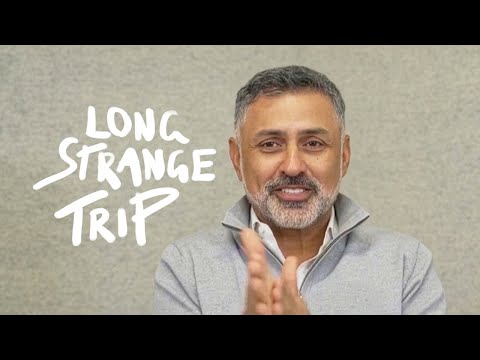
Published by Sequoia Capital on YouTube on January 8, 2026, this episode features an in-depth conversation with Palo Alto Networks CEO Nikesh Arora. The program explores how Arora led the company to become a highly successful multi-platform enterprise software giant despite initially entering the role as an industry outsider with no background in cybersecurity.
## TL;DR
The discussion delivers a masterclass on modern executive leadership, detailing how Palo Alto Networks scaled from a single-product firewall company into a multi-subscription security platform. It breaks down Arora's unconventional approach to M&A—where acquired founders run internal corporate teams rather than reporting to existing executives—alongside structured equity incentives and rigorous joint product planning. Arora shares personal leadership philosophies on navigating imposter syndrome, balancing product obsession with go-to-market execution, and absorbing insights from tech legends like Larry Page and Masayoshi Son while maintaining strict boundaries for personal well-being.
## Atmosphere & style
The dialogue feels remarkably candid, authentic, and refreshing, trading standard corporate platitudes for self-effacing humor and transparent self-reflection. Arora establishes a highly grounded, calm energy, openly embracing his initial lack of technical security experience while projecting a fearless 'swing big' executive conviction. The narrative arc moves fluidly between intense, practical business strategy and relaxed personal anecdotes, creating the vibe of a high-level mentorship session where a seasoned leader comfortably balancing a high-stakes career with a vibrant personal life shares his blueprint for success.
## Key takeaways
- [00:00](https://www.youtube.com/watch?v=yco9JP0PyLM&t=0s) Early-stage founders and CEOs should focus on building products based on an end-to-end vision rather than just building what customers ask for, accepting the risk of failing big by swinging big.
- [02:00](https://www.youtube.com/watch?v=yco9JP0PyLM&t=120s) Cybersecurity remains fragmented into four or five distinct, non-integrated "swim lanes" like endpoint, SOC, and network platforms, complicating single-stack integrations.
- [02:00](https://www.youtube.com/watch?v=yco9JP0PyLM&t=120s) Palo Alto Networks acquired Talon for roughly $600 million to gain a secure enterprise browser capability, forcing competitors to spend significantly more to catch up.
- [05:50](https://www.youtube.com/watch?v=yco9JP0PyLM&t=350s) Palo Alto Networks retains elite startup talent by putting acquired founders in charge of internal teams, providing more engineering resources, and structuring joint product roadmaps during diligence.
- [05:50](https://www.youtube.com/watch?v=yco9JP0PyLM&t=350s) Startups acquired by Palo Alto Networks undergo a three-year unvest of half their stock, which is sweeted by equity top-offs of 25% to 40%.
- [10:06](https://www.youtube.com/watch?v=yco9JP0PyLM&t=606s) Palo Alto Networks utilizes horizon planning, dedicating 60% to 70% of resources to the core platform, 10% to 20% to short-term innovation, and relying on venture capital/M&A for the five-year horizon.
- [14:06](https://www.youtube.com/watch?v=yco9JP0PyLM&t=846s) The platform strategy at Palo Alto Networks involved expanding from 4 to 11 subscriptions on its inline firewall, consolidating several billion-dollar lateral markets onto a single box.
- [15:50](https://www.youtube.com/watch?v=yco9JP0PyLM&t=950s) Palo Alto Networks grouped 24 distinct point products into three core platforms—Network Security, Cloud Security, and Cortex SecOps—to drastically reduce customer churn.
- [17:11](https://www.youtube.com/watch?v=yco9JP0PyLM&t=1031s) Cybersecurity founders often trap themselves by consulting customer advisory councils too early, leading to building single-customer features rather than scalable products.
- [20:50](https://www.youtube.com/watch?v=yco9JP0PyLM&t=1250s) Nikesh Arora stepped into the CEO role at Palo Alto Networks with zero prior cybersecurity experience, noting that public boards often default to risk-managed hiring that yields average market returns.
- [23:24](https://www.youtube.com/watch?v=yco9JP0PyLM&t=1404s) Arora lowered Palo Alto Networks' operating margin from 20%-plus to 17% to invest 500 basis points back into growth, engineering, and M&A.
- [27:50](https://www.youtube.com/watch?v=yco9JP0PyLM&t=1670s) To improve operating margins and sales efficiency, Arora shifted the sales strategy to cross-sell a broad portfolio to existing firewall customers, amortizing high sales costs.
- [30:10](https://www.youtube.com/watch?v=yco9JP0PyLM&t=1810s) Despite feeling imposter syndrome, Arora projected absolute confidence publicly, setting an ambitious target to reach $1 billion in Next-Generation Security ARR in three years.
- [32:58](https://www.youtube.com/watch?v=yco9JP0PyLM&t=1978s) Healthy companies can run on autopilot for three to six months without executive interference, but strong strategic decision-making is necessary after that grace period.
- [36:39](https://www.youtube.com/watch?v=yco9JP0PyLM&t=2199s) Arora spending 50% of his time on product was heavily influenced by Google's Larry Page, who taught him that technology companies fail due to lack of product focus, not sales.
- [41:48](https://www.youtube.com/watch?v=yco9JP0PyLM&t=2508s) The ideal technology CEO should be a deep technologist capable of selling, rather than an executive with a background strictly in finance or marketing.
- [48:53](https://www.youtube.com/watch?v=yco9JP0PyLM&t=2933s) High-performing executive compensation packages benefit from upfront multi-year equity alignment with deep skin in the game, avoiding the trap of standard public market benchmarking.
- [56:32](https://www.youtube.com/watch?v=yco9JP0PyLM&t=3392s) Arora rejects the grueling '996' work culture as an inefficient recipe for burnout driven by impatience, prioritizing rapid context switching and working smarter instead.
- [59:36](https://www.youtube.com/watch?v=yco9JP0PyLM&t=3576s) Founders should look to sell to platform companies to achieve life-changing wealth, gain instant distribution, or avoid having the platform build or buy a direct competitor.
## Detailed walkthrough
### [00:00](https://www.youtube.com/watch?v=yco9JP0PyLM&t=0s) Swing Big: The Mindset of a Great CEO
Many founders fall into the trap of trying to acquire customers as quickly as possible and simply asking them what they want. However, the best founders take a different approach: they spend time building a product based on their own vision, presenting an end-to-end point of view, and solving a real problem. For any early-stage CEO or founder, the advice is simple: "Swing big. Swing big, you fail big." If you are a new CEO, there is no reason not to swing as hard as you can. You can take three big swings, and if it doesn't work out, you can simply pack your bags and move on. But if it does work out, the results will be spectacular.
This episode serves as a masterclass on how to be a CEO, featuring Nikesh Arora, the CEO of Palo Alto Networks. The conversation goes behind the scenes of Nikesh's remarkable career, exploring the lessons he learned from tech giants like Larry Page, Eric Schmidt, and Masayoshi Son. It covers how he became a CEO, how he actually executes the job, and how he earns hundreds of millions of dollars a year doing so. The discussion dives deep into "second acts"—how great companies transition into platforms, which is often the difference between a nice outcome and a legendary one—as well as the mechanics of mergers and acquisitions (M&A) from the buyer's perspective.
---
[02:00](https://www.youtube.com/watch?v=yco9JP0PyLM&t=120s) The Strategy of M&A and Rebuilding on a Platform
When a platform company like HubSpot buys a startup, they often throw away a large portion of the acquired technology, retaining only the domain expertise and talent to rebuild the product on their own unified platform. This "all-in-one" approach is a key differentiator against competitors like Salesforce. In cybersecurity, however, the landscape is highly fragmented into four or five distinct "swim lanes"—such as endpoint, SOC (Security Operations Center), and network platforms. While you can move data between these lanes, they do not naturally talk to each other, meaning you cannot easily build a single endpoint stack out of five different acquired technologies.
The decision to buy versus build comes down to whether a technology is an essential feature where you can take an innovative lead, and whether you are willing to take a three-to-four-month integration hit. For example, Palo Alto Networks was not historically a player in SASE (Secure Access Service Edge). However, they saw the rise of AI and identified unaddressed use cases, such as securing third-party contractors accessing enterprise systems without needing to provision physical laptops. This led to the emergence of secure enterprise browsers, pioneered by companies like Island and Talon.
- **The Build vs. Buy Dilemma:** When Nikesh saw the enterprise browser trend, his engineering team proposed a plan to build a competitor internally using 60 engineers over 9 months.
- **The Counter-Argument:** Nikesh rejected the internal build plan, pointing out that the startups would not stand still for 9 months; they would continue to innovate and remain ahead.
- **The Talon Acquisition:** Palo Alto Networks acquired Talon for approximately $600 million—far less than the multi-billion dollar valuations of its competitors today.
- **Integration and Differentiation:** They refactored Talon's Chromium-based browser and connected it to Palo Alto's premium, in-house security services. By combining it with their SASE product, they created a comprehensive solution (browser, remote browser isolation, VPN client) under a single security fabric, forcing competitors to spend an estimated $8 to $10 billion to compete.
---
[05:50](https://www.youtube.com/watch?v=yco9JP0PyLM&t=350s) Retaining Elite Talent and Structuring M&A Deals
Acquiring hot technology in an expensive market makes talent retention a massive challenge, as elite engineers and founders are highly valuable elsewhere and often want to start new companies. Over more than 25 acquisitions, Palo Alto Networks has developed a set of fundamental principles that distinguish their M&A strategy from traditional corporate playbooks.
The first rule is a matter of humility and respect: "These guys kicked our ass in the market with less resources, move faster than us. So they must know things better than us." Instead of forcing acquired founders to report to an internal executive who failed to beat them in the market, Palo Alto Networks makes the incoming founders the bosses of their own internal teams. While this can be unnerving for existing employees, founders find it incredibly rewarding. Second, they ask the founders how they can help accelerate their business—which usually means providing more engineering resources—to counteract the natural drag of joining a larger corporation.
- **Joint Product Roadmaps:** Palo Alto Networks spends the diligence period designing a joint product roadmap before signing the final terms. This prevents the post-acquisition friction where founders want to build whatever they want despite being paid a premium.
- **The Three-Year Unvest:** Because tech products take four to seven years to build and most acquired startups are only two to three years in, Palo Alto Networks requires founders to "unvest" half of their stock over a three-year period.
- **Equity Top-Offs:** To sweeten the deal, they top off the founders' equity by 25% to 40% depending on the economics, using the structured deal as a rare opportunity to grant massive amounts of equity.
- **Engineering Retention:** Frontline engineers are typically locked in for three years. While tech companies often have multiple founders, usually only one is working the hardest by year four, and Palo Alto Networks focuses on identifying and retaining the key engineers alongside that primary founder.
- **Financial Upside:** Many founders have made significantly more money holding Palo Alto Networks stock—which they are restricted from selling for two years—than they did during the entire time they ran their startups.
---
[10:06](https://www.youtube.com/watch?v=yco9JP0PyLM&t=606s) Horizon Planning and the Transition to a Platform
At companies like HubSpot, resource allocation is managed through horizon planning: Horizon 1 (near-term, receiving 70% of resources), Horizon 2 (two to three years out, receiving 20%), and Horizon 3 (five years out, receiving 10%). Palo Alto Networks operates similarly across its multiple platforms. They deploy 60% to 70% of resources to the core platform to add features and adapt to customer requirements, while 10% to 20% of people work on a rolling 12-to-18-month roadmap of "cool things" to ensure they do not get left behind by competitors.
The hardest part of planning is the five-year horizon, which is where Palo Alto Networks heavily relies on M&A. The thriving venture capital community acts as a research lab, seeding hundreds of early-stage companies. Nikesh meets with hundreds of these startups a year. He welcomes them sharing their ideas, noting that if he were smart enough to steal a startup's idea and build it faster than them, they shouldn't be in business in the first place.
- **From Point Solution to Platform:** Palo Alto Networks did not start as a platform; it was a firewall company. When Nikesh arrived, the company had not launched a major innovation in four years, relying instead on organic growth from firewall sales and four basic subscriptions.
- **The 60-Feature Whiteboard Story:** Shortly after joining, Nikesh met with the head of engineering, Jesse Ralston, to discuss an upcoming annual software release. Jesse proudly announced they were working on 60 new features.
- **The Sales Reality Check:** Nikesh asked Jesse to write the 60 features on a whiteboard. The engineering team got exhausted and stopped after writing 37.
- **The Simplification:** Nikesh pointed out that if the engineers who built the features couldn't remember past 37, the sales team would never be able to learn and sell 60 new features—especially if they were being given away for free.
- **Spotting the Trend:** Among the 37 listed items, Nikesh noticed seven lines related to "DNS." Despite knowing very little about cybersecurity at the time, he identified this theme, which led to a deeper focus on DNS security and competitors like Infoblox.
### [14:06](https://www.youtube.com/watch?v=yco9JP0PyLM&t=846s) The Birth of the Platform Strategy
When Palo Alto Networks was developing its DNS security capabilities, the engineering team initially told the CEO they had solved 60% of the problem. His immediate reaction was, "I like 60% not good enough, bud." He pointed out that customers would still have to keep their existing DNS security vendors to cover the remaining 40%. To solve this, he redirected the company's engineering efforts for the next four months to make the DNS security feature robust enough to completely replace standalone vendors. This became the first major piece of innovation launched under his tenure, marking the beginning of Palo Alto's transition from a single-product company to a multi-subscription platform.
The core philosophy of this platform strategy was simple: if customers already trusted Palo Alto's firewall enough to deploy it inline, the company could consolidate other "sliver feature industries" by offering additional subscriptions. Over the next seven years, they expanded from four subscriptions to eleven, effectively consolidating eleven different billion-dollar lateral markets onto a single hardware box.
- **Consolidation:** Palo Alto expanded from 4 to 11 subscriptions sold on top of their firewall hardware.
- **Market Expansion:** The company grew from being in just 1 "Magic Quadrant" to being in over 24.
### [15:50](https://www.youtube.com/watch?v=yco9JP0PyLM&t=950s) The Shift to Platformization
About three years ago, Palo Alto took its 24 distinct point products and began stitching them together into three core platforms: Network Security, Cloud Security, and the Cortex SecOps platform. This shift, known as "platformization," completely changed the sales conversation. Instead of pitching individual point products against specialized competitors, Palo Alto could offer integrated solutions that worked better together. This strategy dramatically reduced customer churn because customers who bought into the platform were highly unlikely to rip it out to go back to managing six or seven different point products.
- **The Three Core Platforms:** Network Security, Cloud, and Cortex.
- **Customer Retention:** Platform sales resulted in very low churn and high customer satisfaction because they eliminated the need for complex, multi-vendor validation.
### [17:11](https://www.youtube.com/watch?v=yco9JP0PyLM&t=1031s) Looking Around Corners vs. Listening to Customers
When asked how much of Palo Alto's strategy relies on looking around corners versus listening to customers, the CEO admits it is a delicate balance. While customer feedback is vital, customers will rarely predict major paradigm shifts. For example, at a recent summit in Napa, the company demonstrated an enterprise browser to a group of CIOs. The CIOs were initially skeptical, citing 27 reasons why enterprise browsers had historically failed. However, once they saw a live demo and realized that "agentic browsers" would soon be taking over credentials and performing automated tasks, they immediately wanted tenants spun up to try it.
The danger of listening too closely to customers is that they often ask for backward compatibility or manual features they are accustomed to from older products. The CEO recalls a customer asking where they could "manually do traffic steering" on an SD-WAN platform. The CEO had to tell them that on a network of their scale, manual traffic switching was practically impossible and therefore not an option.
- **The Founder's Trap:** Cybersecurity founders often talk to customer advisory councils too early (3 to 6 months in). Large enterprise CISOs on these councils typically ask for "speeds and feeds" rather than a polished UI, leading founders to build features for a single large bank rather than a scalable, deployable product.
- **HubSpot's Early Days:** HubSpot faced similar skepticism from early venture capitalists who "thought we were stupid" during their Series A round, which was priced at a $5 million pre-money valuation.
### [20:50](https://www.youtube.com/watch?v=yco9JP0PyLM&t=1250s) Stepping into the CEO Role with Zero Security Experience
The CEO openly admits he had "nothing" in the way of cybersecurity or enterprise CEO experience when he was hired. "I literally thought cyber security was two different words," he jokes. He credits his hiring to risk-taking venture capitalists on the nominating committee, like Jim Goetz and Asheem Chandna. He notes that public company boards are typically risk-averse because board members are paid relatively little and face high reputational risk for bad decisions, which often leads to "risk-managed hiring" that yields average market returns.
- **The S&P 500 Analogy:** "The most risk-managed portfolio is the S&P 500. It gives you market returns. So risk management hiring, you end up with market returns."
- **Enterprise Risk Management (ERM):** A co-founder once joked that ERM represents the CEO's "three least favorite words in the English language."
### [23:24](https://www.youtube.com/watch?v=yco9JP0PyLM&t=1404s) The Thesis for Joining Palo Alto Networks
After being home for a year and a half, the CEO was looking for a unique opportunity. He explains that most outside CEO roles are either for deeply broken companies or companies where a founder wants to hand off the day-to-day operations but still run the show. Palo Alto was a rare gem: a fully public company with no controlling shareholder, a founder who wanted to remain a technologist rather than CEO, a high-integrity culture built by predecessor Mark McLaughlin, and a massive, growing market.
His core thesis was built on market share. At the time, Palo Alto had only 1.5% market share in an industry ripe for consolidation. He approached the business not by studying cybersecurity technicalities, but by analyzing enterprise software economics. He notes that for enterprise companies under a billion dollars in revenue, sales, marketing, and support make up 60% to 80% of costs, while R&D is only 20% to 30%.
- **The Margin Play:** To accelerate growth, the CEO immediately lowered Palo Alto's operating margin from 20%-plus down to 17%, reinvesting those 500 basis points directly into growth, engineering, and acquisitions.
- **Early Career Lessons:** The CEO's first job in the US was as a buy-side analyst, where he had to pitch stocks to highly opinionated portfolio managers based on limited information, a trial-by-fire experience that taught him how to make decisions and maintain a thesis amidst extreme uncertainty.
[27:50](https://www.youtube.com/watch?v=yco9JP0PyLM&t=1670s) The Duck Analogy and Overcoming Insecurity
When stepping into the CEO role at Palo Alto Networks, Nikesh Arora had to manage his own internal uncertainties without letting them become visible to the outside world. He compares this experience to entering politics, where one must keep insecurities and convictions private. "Sort of be like a duck, you know, like be serene on top but paddle furiously underneath and try and get my [__] together," he explains. To quickly build his mental framework of the cybersecurity landscape, Arora spent his first six months making hundreds of phone calls. He routinely called founder Nir Zuk in the mornings or evenings, Chief Product Officer Lee Clarage at other times, and frequently reached out to former CEO Mark McLaughlin, as well as board members Ashim and Jim.
Arora realized that Palo Alto Networks was subscale, bringing in less than $2 billion in revenue with stock-based compensation (SBC) north of 15%, making it poorly positioned as a long-term public company. Recognizing that the typical half-cycle of a cybersecurity company is 10 years—and that many "carcasses in enterprise" failed to cross the $10 billion to $15 billion market cap Rubicon—he knew they had to grow their way out of their market position. Palo Alto Networks was one of only seven companies valued between $10 billion and $20 billion, and the only path to the $30 billion or $40 billion mark was aggressive revenue growth.
To solve the operating margin dilemma, Arora focused on increasing customer conversion rates. He observed that sending an expensive salesperson to pitch a firewall to a customer who had just bought one was highly inefficient, as that customer wouldn't need another for seven years. Instead, he wanted his sales force to offer a broader portfolio: if they didn't want a firewall, they could sell them endpoint security, cloud security, or SD-WAN. This simple insight of selling more products to the same customer allowed the company to amortize its sales costs much more effectively.
- **Key Metric:** Palo Alto Networks had less than $2 billion in revenue with stock-based compensation (SBC) north of 15% when Arora joined.
- **Market Position:** The company was one of seven industry players stuck between a $10 billion and $20 billion market cap.
- **Learning Curve:** Arora met with or evaluated over 300 cybersecurity startups in his first six months to build his industry knowledge.
[30:10](https://www.youtube.com/watch?v=yco9JP0PyLM&t=1810s) Managing Imposter Syndrome and "Swinging Big"
The interviewer notes that Arora seems to have managed a degree of imposter syndrome quite well, to which Arora candidly replies, "I have it. I have it right now actually." He explains that everyone harbors a fear of the unknown and of making the wrong choices. The key is finding a balance: showing a willingness to adapt and respecting superior knowledge around certain peers, while projecting confidence to others. Arora was entirely transparent about his learning curve with Zuk, Clarage, and McLaughlin. In fact, when he was first offered the job, he asked to halt the offer so he could conduct a second round of interviews—this time interviewing them.
During those follow-up conversations, Arora made two things very clear. First, he told them, "Listen, guys, you do understand what you're signing up for. I do not understand cyber security. You get it?" They reassured him that they had 5,000 employees who did. Second, he established that Palo Alto Networks would be run as a single, cohesive company rather than separate sales and product silos, stating, "I'm not coming to fix sales. I'm trying to run the company." Zuk and Clarage committed to guiding him, which gave him the courage to lead, even when walking into rooms with distinguished engineers who wondered why a non-technical executive was being paid the "big bucks."
While Arora shared his vulnerabilities with a tight inner circle, he projected absolute confidence to the rest of the company. In September, shortly after joining in April, he set an ambitious public target to build a $1 billion Next-Generation Security ARR business in three years—despite not having the product or the sales pipeline ready at the time. They ultimately exceeded that billion-dollar mark. Arora encourages new CEOs and founders to take massive risks early on: "My view for everyone who's listening or every CEO or founder is in the early part, swing big. Swing big, you fail big... why not swing as hard as you can, right? Take three swings. Who cares? At the end of the day, if it works out, it's going to work out spectacularly. If it doesn't work out, pack your bags and move."
[32:58](https://www.youtube.com/watch?v=yco9JP0PyLM&t=1978s) The Autopilot Period and Having a Board That Has Your Back
Addressing how to onboard executive talent, Arora rejects the idea of "slow-rolling" a new leader into a company. "It's very hard to fly a plane by sitting next to the person flying the plane," he notes. "So, if you are going to fly the plane, if you're competent, you know how to fly it, you got to go sit in the pilot seat." He recalls that when he took a job at Google, he spent the first three months observing without making major strategic changes, letting the existing teams continue their work. He believes most healthy companies can run on autopilot for three to six months without executive interference. However, after that grace period, a lack of strong decision-making will begin to show negative impacts.
The conversation shifts to personal stress management. The interviewer observes that many venture-backed CEOs experience existential levels of stress, yet Arora strikes him as remarkably calm. Arora insists that his work does not stress him out, a trait that even his wife marvels at. He attributes this resilience to his upbringing as a highly disciplined, self-motivated "good kid" who did his homework and made his bed without parental prodding, knowing his parents always had his back.
This sense of security carries over to his professional life. At Palo Alto Networks, Arora benefits immensely from an exceptional board of directors. "I have an amazing board and I know my board has my back," he says. He emphasizes that this is a critical management lesson for any leader: employees must feel protected by their managers to perform at their best. He uses the analogy of hanging out of an airplane while someone else holds the safety rope; if you trust they will pull you back in when things get rough, you will feel free to flail and take bold risks.
[36:39](https://www.youtube.com/watch?v=yco9JP0PyLM&t=2199s) Balancing Product and Go-To-Market
The interviewer points out that Arora spent a significant portion of his career running massive go-to-market organizations, such as Google Europe. Arora clarifies that when he inherited Google Europe, it represented 20% of Google's total revenue, and by the time he left, it had grown to become Google's largest business unit—a rare feat for an American tech giant. However, he rejects the label of being purely a "go-to-market person." To achieve that level of scale, he had to run a highly cross-functional playbook where both marketing and sales reported directly to him.
Arora resists being grouped with legendary enterprise sales leaders like Bill McDermott of ServiceNow or Mark Hurd. "I can do go to market. I'm not a go to market person," he says, noting that he spends 50% of his time on product. Throughout his career, he has been an analyst, a Chief Marketing Officer, a product leader at T-Mobile, and even wrote code early in his career at Fidelity. Because he did "a whole bunch of things badly," he eventually transitioned into general management where he could oversee everything. At Palo Alto Networks, Arora personally drives acquisitions without a dedicated corporate development team, sitting down directly with startup CEOs to evaluate their technology.
This intense product focus was shaped by Google co-founder Larry Page, who believed that tech companies fail when they lose sight of their product. Arora recalls a backhanded compliment from Page, who once told him: "No company in tech failed because of sales. You're running sales. I don't have two hours. If I had two hours, I could make you do your job better, but I have to go focus on product because that's why companies fail." Page then told him to go away so he could focus on product. Arora took this lesson to heart. Even after seven years as CEO, he remains paranoid and obsessive about product, constantly meeting with early-stage startups to evaluate whether their technology represents a minor feature or a platform of the future. For any VP aspiring to become a scaled CEO in Silicon Valley, Arora's advice is simple: you must develop deep product savvy and a sharp ability to sell. "At the end of the day, even my head of product sells... if you're not able to sell, we don't need you."
[41:48](https://www.youtube.com/watch?v=yco9JP0PyLM&t=2508s) The Magic Formula for Tech CEOs
The ideal tech CEO must possess a rare combination of skills: the ability to sell and the ability to build product. If a candidate is from any other function—whether it is finance or marketing—they should not be made CEO of a technology company. Instead, a tech leader must be a "deep technologist" who can innovate their way out of any challenge, ensuring that customers buy the product because it represents the best innovation on the planet.
The magic formula lies in balancing that deep innovation with a strong user interface and personal charisma. A great leader is someone who is a good person and can sell just as effectively as they can build.
- **The Core Rule:** Avoid appointing finance or marketing professionals as CEOs of tech companies; prioritize deep technologists instead.
- **The Magic Formula:** High-level technical innovation balanced with excellent UI and strong sales capability.
[42:23](https://www.youtube.com/watch?v=yco9JP0PyLM&t=2543s) Lessons from Tech Giants: Larry Page and Eric Schmidt
Reflecting on working with legendary figures like Larry Page, Eric Schmidt, Sergey Brin, and Masayoshi Son, a clear common thread emerges: they all possess a "high standard deviation." They are not run-of-the-mill, middle-of-the-road individuals. Instead, they are highly obsessive, focusing intensely on specific areas while completely ignoring others, leaving those secondary details for someone else to manage.
Larry Page was famously obsessed with product and innovation. A meeting meant to discuss a sales plan would quickly pivot to Larry brainstorming about digging tunnels under Highway 101 to reduce traffic. During a flight to Spain, Larry conceptualized Google Maps on the fly, calculating how many miles of roads existed in the United States and suggesting that instead of being "held to ransom" by national mapping authorities, Google should simply put its own cars and cameras on the streets. He applied this same raw, first-principles math to figure out how many cameras and drivers were needed to photograph every book in every library in the world.
In contrast, Eric Schmidt was spectacular at providing structure for Google's young founders. He served as the ultimate interface, foil, mentor, and encourager for two brilliant minds who had never run a company. Eric was deeply true to what the founders wanted, masterfully capturing and translating their vision to the rest of the organization. He had a self-effacing ability to couch his own opinions so they felt like the founders' ideas, which was a primary reason Google successfully scaled from a small search white paper into a multi-trillion-dollar giant.
- **High Standard Deviation:** Great leaders are highly focused on their strengths and comfortable ignoring other areas.
- **Larry Page's First-Principles Thinking:** Calculated the physical logistics of Google Maps and Google Books on the fly.
- **Eric Schmidt's Translation Skill:** Acted as the perfect interface between young founders and structured corporate execution.
[45:06](https://www.youtube.com/watch?v=yco9JP0PyLM&t=2706s) Masayoshi Son's Appetite for Risk
Masayoshi Son operates on a completely different plane when it comes to risk. While most parents raise their children through constant risk management—teaching them to look both ways before crossing the street or not to jump into a pool without floaties—Masa does the exact opposite. He behaves like a "kid in a candy store," constantly looking to borrow more money, double down on assets, and bet big every single day.
Masa's risk appetite is fundamentally different from anyone else's. He is like a fighter who gets knocked down, stands right back up, and takes another punch to the face because he knows that eventually, one of his own punches will land and he will win.
- **Risk Management vs. Risk Appetite:** Standard corporate leadership manages risk; Masa actively seeks out massive bets.
- **The Fighter Mentality:** A relentless willingness to take losses in pursuit of a massive, game-changing victory.
[46:08](https://www.youtube.com/watch?v=yco9JP0PyLM&t=2768s) The Mount Rushmore of Modern Founders
When looking at the landscape of great CEOs, it is difficult to encapsulate all leadership lessons into a single person. Instead, different leaders offer distinct, incredible attributes. Elon Musk stands out for his unparalleled ability to think out of the box and tackle massive, meaty problems. While there are aspects of his style one might not want to emulate, his formula of grinding at a hard problem for five to eight years leaves everyone else nearly a decade behind, as seen with Tesla, Starlink, and Neuralink. This is a stark contrast to typical founders who pitch minor software apps that merely optimize existing sales flows.
Other leaders excel in different arenas. Bill McDermott and Mark Hurd are highlighted as the two best enterprise sales evangelists in the world, masterfully turning products into platforms and leading teams to greatness. Meanwhile, Ali Ghodsi at Databricks is praised as a hard-nosed leader grinding out a phenomenal business, and Sam Altman at OpenAI is executing gutsy, massive moves, securing hundred-billion-dollar deals in rapid succession. The ultimate lesson is that trying to copy someone else leads to a "shitty job," so a leader must remain true to themselves.
- **Elon Musk's Strategy:** Solve incredibly hard physical and technical problems over a 5-to-8-year horizon to build an insurmountable lead.
- **Enterprise Masters:** Bill McDermott and Mark Hurd represent the gold standard for enterprise go-to-market execution.
- **Authenticity in Leadership:** "If you're not yourself, the risk is you're going to do a shitty job of trying to be somebody else."
[48:53](https://www.youtube.com/watch?v=yco9JP0PyLM&t=2933s) Demystifying CEO Compensation
Addressing the topic of executive compensation, the conventional approach of capping CEO pay at a strict ratio relative to the average employee (such as 30x) is contrasted with high-performance models. Reflecting on becoming one of the best-paid CEOs in history at Palo Alto Networks, the reality was not a demand for historic wealth, but a simple, high-conviction proposal. The board was told: "Listen, you pay your CEO 20 million bucks a year. I plan to be here for seven years. Just give me seven years' worth of stock now and you can take it away if I leave sooner."
Though the board got cold feet and only granted half of the package in options, the stock subsequently climbed six times over, turning those options into an extraordinary sum. For boards and CEOs structuring compensation today, the key is ensuring there is enough skin in the game so the executive does not look to leave, balanced with an adequate reward for hitting a home run.
- **The Seven-Year Vest:** A bold, upfront equity request tied to long-term commitment rather than annual renegotiations.
- **Conviction and Math:** Great compensation packages, like Elon Musk's, require the CEO to have a deep mathematical conviction of what the business is capable of achieving.
- **The Comps Trap:** Public companies often get trapped in a cycle of benchmarking to the 75th percentile, which naturally inflates market compensation over a five-year cycle.
[52:53](https://www.youtube.com/watch?v=yco9JP0PyLM&t=3173s) Maintaining a Vibrant Life Outside the Spreadsheet
In a corporate culture increasingly obsessed with the "996" work playbook (working 9 AM to 9 PM, 6 days a week), maintaining a vibrant life outside of work is essential. Investing deeply in friendships is a core priority; celebrating milestone birthdays with close friends and actively checking in on them keeps those relationships alive. Family remains at the center, which means making a conscious effort to avoid standard business dinners.
To maintain this boundary, a strict rule was established: avoid working dinners unless spouses are invited. Even during customer events at Google, marketing teams were required to include spouses so that executives did not have to spend evenings away from their families. While a typical workweek spans about 60 hours, keeping weekends largely free of work is essential for long-term sustainability, even while serving on outside boards like Uber and Richemont to stay intellectually sharp.
- **The 40th Birthday Milestone:** Celebrating with 40 close friends, a practice of active investment in personal relationships.
- **The No-Work-Dinners Rule:** Avoiding dry business discussions after hours, preferring to bring spouses along to make events social.
- **Weekly Routine:** Waking up at 5:30 AM, heading to the gym by 6:00 AM, watching CNBC to track the world, and spending time on physical wellness (stretching and inversion) before starting the workday.
[56:32](https://www.youtube.com/watch?v=yco9JP0PyLM&t=3392s) Context Switching, Email Management, and the Fallacy of "996"
Nikesh shares a glimpse into his daily routine, explaining that he wakes up around 7:00 AM to chat with his young kids before heading into the office by 8:30 AM. His workday is typically packed, with meetings booked every half hour or hour, leaving only occasional 30-minute gaps. Despite this intense schedule, he does not get exhausted. He attributes this to his primary "superpower," which is rapid context switching and deep focus. He describes himself as "the best consumer of slides or PowerPoint than you can find," boasting that he can absorb 20 slides in under a minute and immediately pinpoint the core problem through sheer pattern recognition.
When asked how he manages the "hurricane of chaos" from millions of incoming emails, Slacks, texts, and phone calls, Nikesh reveals a simple rule: unless it is a customer email, he feels free to ignore it. He estimates that half of his inbox is junk, and another 10% to 20% consists of status updates that he quickly skims. For his personal inbox, which has far less noise, he keeps a strict "inbox zeroish" discipline of keeping it under 100 emails by archiving, deleting, or filing messages immediately after actioning them.
The conversation turns to the "996" work culture popular among some startups—where employees are required to work from 9:00 AM to 9:00 PM, six days a week. Nikesh is highly skeptical of this trend, calling the constant urgency a "fallacy" driven by impatience. He argues that working smarter and maintaining balance is far better than burning out your team. Even in the case of Elon Musk, who manages six different companies, Nikesh points out that great businesses like Starlink succeeded because their ideas were fundamentally different, not just because of raw hours. The host wraps up the interview by calling Nikesh a "Renaissance man CEO."
- **Nikesh's Daily Schedule:** Wakes up at 7:00 AM, spends time with his kids, starts work at 8:30 AM.
- **Superpower:** Rapid context switching and slide absorption (can analyze 20 slides in under a minute).
- **Email Rule:** Prioritize customer emails; ignore or quickly filter the rest. Personal inbox is kept under 100 emails.
- **996 Culture:** Nikesh views 9:00 AM to 9:00 PM, 6 days a week as a recipe for burnout and believes "working smarter might be better in balance than working hard."
---
[59:36](https://www.youtube.com/watch?v=yco9JP0PyLM&t=3576s) Founder Strategies for M&A and Platform Dynamics
Following the interview, the host reflects on the discussion, noting that HubSpot has done its share of M&A and that Nikesh's highly successful track record offers great lessons for founders. He outlines three primary reasons a founder should consider selling their company. First, if a major platform player like Palo Alto Networks or Salesforce comes knocking and you decline, they will likely either buy your competitor or build the technology themselves. The host warns of a stark reality: "either you become a platform or you get eaten by a platform." Second, selling is an obvious path to life-changing wealth, which younger founders can use to fund their next venture. Third, joining a platform provides massive, instant distribution for an invention that a small startup might otherwise struggle to scale.
The host advises founders not to overthink the "headline number" of an acquisition and instead focus on other highly negotiable terms. For instance, co-founding teams often split during an acquisition, with one founder wanting to stay and the other wanting to leave; founders should negotiate separate compensation plans and vesting schedules to accommodate this. Additionally, while acquirers like Palo Alto Networks often roll back existing shares into a three-year vesting schedule, they also layer on substantial new option grants—sometimes up to 30%—which is much easier to secure during an acquisition than during normal board cycles.
- **The Platform Threat:** Platform buyers do not need to out-innovate you on every feature; they only need your product area to be "table stakes" for their customers to choose them over a standalone startup.
- **Co-founder Terms:** Negotiate separate vesting and compensation packages if one co-founder plans to exit while the other stays.
- **Equity Top-ups:** Take advantage of the acquisition window to negotiate massive new option grants (up to 30%), which are difficult to secure during standard corporate board cycles.
- **Organizational Positioning:** Negotiate to have your startup team placed on top of the acquirer's existing team if you were previously beating them in the market.
- **Collaborative Roadmap:** Use the due diligence process to co-create a joint product roadmap, avoiding post-merger surprises and building excitement.
---
[01:03:42](https://www.youtube.com/watch?v=yco9JP0PyLM&t=3822s) Work-Life Balance and the CEO Journey
In closing, the host expresses his admiration for Nikesh's strict boundaries around work-life balance. Unlike many tech executives, Nikesh works Monday through Friday, targets a 60-hour workweek, and completely avoids business dinners. The host challenges himself and the listeners to consider whether their own companies would really "split in two and fall apart" if they adopted a similar approach. He suggests that stepping away from day-to-day tactics actually gives the brain the necessary space to think and concentrate on high-level strategy. Reflecting on his own career, the host acknowledges the role of luck and wishes fellow founders the best of luck on their own "long strange trip" of a CEO journey.
> [05:50](https://www.youtube.com/watch?v=yco9JP0PyLM&t=350s) These guys kicked our ass in the market with less resources, move faster than us. So they must know things better than us. — Nikesh Arora
> [14:06](https://www.youtube.com/watch?v=yco9JP0PyLM&t=846s) I like 60% not good enough, bud. — Nikesh Arora
> [20:50](https://www.youtube.com/watch?v=yco9JP0PyLM&t=1250s) I literally thought cyber security was two different words — Nikesh Arora
> [20:50](https://www.youtube.com/watch?v=yco9JP0PyLM&t=1250s) The most risk-managed portfolio is the S&P 500. It gives you market returns. So risk management hiring, you end up with market returns. — Nikesh Arora
> [27:50](https://www.youtube.com/watch?v=yco9JP0PyLM&t=1670s) Sort of be like a duck, you know, like be serene on top but paddle furiously underneath and try and get my [__] together — Nikesh Arora
> [30:10](https://www.youtube.com/watch?v=yco9JP0PyLM&t=1810s) Listen, guys, you do understand what you're signing up for. I do not understand cyber security. You get it? — Nikesh Arora
> [30:10](https://www.youtube.com/watch?v=yco9JP0PyLM&t=1810s) I'm not coming to fix sales. I'm trying to run the company. — Nikesh Arora
> [32:58](https://www.youtube.com/watch?v=yco9JP0PyLM&t=1978s) It's very hard to fly a plane by sitting next to the person flying the plane — Nikesh Arora
> [32:58](https://www.youtube.com/watch?v=yco9JP0PyLM&t=1978s) I have an amazing board and I know my board has my back — Nikesh Arora
> [36:40](https://www.youtube.com/watch?v=yco9JP0PyLM&t=2200s) I can do go to market. I'm not a go to market person — Nikesh Arora
> [36:40](https://www.youtube.com/watch?v=yco9JP0PyLM&t=2200s) No company in tech failed because of sales. You're running sales. I don't have two hours. If I had two hours, I could make you do your job better, but I have to go focus on product because that's why companies fail. — Larry Page
> [36:40](https://www.youtube.com/watch?v=yco9JP0PyLM&t=2200s) At the end of the day, even my head of product sells... if you're not able to sell, we don't need you. — Nikesh Arora
> [46:08](https://www.youtube.com/watch?v=yco9JP0PyLM&t=2768s) If you're not yourself, the risk is you're going to do a shitty job of trying to be somebody else. — Nikesh Arora
> [59:36](https://www.youtube.com/watch?v=yco9JP0PyLM&t=3576s) either you become a platform or you get eaten by a platform — Host
## Mentioned
Nikesh Arora, Palo Alto Networks, Sequoia Capital, HubSpot, Salesforce, Island, Talon, Jesse Ralston, Infoblox, Jim Goetz, Asheem Chandna, Mark McLaughlin, Nir Zuk, Lee Clarage, Google, Google Europe, Bill McDermott, ServiceNow, Mark Hurd, Fidelity, T-Mobile, Larry Page, Eric Schmidt, Sergey Brin, Masayoshi Son, Google Maps, Google Books, Elon Musk, Tesla, Starlink, Neuralink, Ali Ghodsi, Databricks, Sam Altman, OpenAI, Uber, Richemont, CNBC, PowerPoint
Palo Alto Networks CEO Nikesh Arora argues that enterprise technology leadership requires transforming fragmented point solutions into integrated multi-product platforms through aggressive M&A and bold strategic risk-taking, all while preserving disciplined personal boundaries against burnout.
Lateral Consolidation and the Shift to Platformization (14:06)
When Arora took charge of Palo Alto Networks, the business held roughly 1.5% market share with under $2 billion in revenue and had not launched a major innovation in four years. To escape the subscale $10 billion to $20 billion market cap plateau common to mature cybersecurity vendors, Arora lowered the company's operating margin from over 20% to 17%, reallocating 500 basis points directly into engineering and platform expansion. Observing that customers would not replace incumbent vendors unless alternative tools were fully comprehensive, the company expanded from four basic subscriptions to eleven, consolidating lateral standalone markets directly onto its firewall infrastructure.
To counter customer churn stemming from fragmented security tools across disparate categories, Palo Alto Networks unified 24 point products into three core pillars: Network Security, Cloud Security, and Cortex SecOps. Arora claims this 'platformization' approach fundamentally altered enterprise procurement by delivering an integrated security fabric that eliminates multi-vendor operational friction, expanding the company's presence from one Gartner Magic Quadrant to more than 24.
Pragmatic M&A and Founder Retention Playbooks (2:00)
Arora views corporate research and development through a build-versus-buy lens that favors speed over internal pride. When evaluating enterprise browser security, engineering proposed building a solution with 60 engineers over nine months; Arora rejected the plan because nimble startups would outpace them during that window. Palo Alto Networks instead acquired Talon for approximately $600 million, integrated its Chromium-based browser with proprietary network security services, and created a unified SASE package that Arora estimates would cost competitors $8 billion to $10 billion to replicate.
To retain elite talent across more than 25 acquisitions, Palo Alto Networks breaks traditional corporate hierarchies by installing incoming founders over existing internal teams. Retention packages are structured around long product development cycles: founders must unvest half of their equity over three years, sweetened by a 25% to 40% equity top-off. Diligence teams also draft joint product roadmaps prior to signing, preventing post-acquisition friction and ensuring acquired software integrates directly into the platform.
Outsider Governance, Risk-Taking, and Product Focus (20:50)
Arora joined Palo Alto Networks with no cybersecurity background, managing early uncertainty by likening his role to a duck: serene on the surface while paddling furiously underneath. He encourages new leaders to 'swing big' early in their tenures, pointing to his own decision to publicly set a $1 billion Next-Generation Security ARR target within three years before products or sales pipelines were fully assembled.
Arora rejects the characterization that he is strictly a go-to-market executive, noting he devotes 50% of his time to product strategy and leads acquisitions directly without a dedicated corporate development team. Influenced by Google co-founder Larry Page's conviction that technology companies fail due to neglected products rather than sales deficits, Arora contends that tech CEOs must combine deep product intuition with sales execution, prioritizing high risk appetite over the defensive risk management typical of corporate boards.
Sustainable Operational Discipline Over Burnout Culture (52:53)
Arora challenges the prevailing tech startup '996' ethos (9:00 AM to 9:00 PM, six days a week), labeling persistent urgency as an ineffective fallacy of impatience. He maintains an estimated 60-hour workweek, keeps weekends clear, and adheres to a strict ban on evening business dinners unless spouses are invited, ensuring work does not crowd out family and long-term personal health.
During work hours, Arora manages extensive corporate demands through rapid context switching and aggressive communication filtering. He skims internal status updates and ignores non-critical administrative messages, prioritizing customer communications above all else while maintaining a personal inbox of fewer than 100 active emails.
Arora's operating thesis demonstrates how lateral consolidation and upfront risk can lift an enterprise software vendor out of point-product stagnation. However, the model depends heavily on sustained board alignment, generous equity dilution to secure startup talent, and the continual execution challenge of integrating dozens of disparate codebases into a cohesive architecture without slowing delivery.
[0:00] Nikesh Arora: Swing big. Swing big, you fail big.
[5:50] Nikesh Arora: These guys kicked our ass in the market with less resources, move faster than us. So they must know things better than us.
[14:06] Nikesh Arora: I like 60% not good enough, bud.
[20:50] Nikesh Arora: I literally thought cyber security was two different words
[20:50] Nikesh Arora: The most risk-managed portfolio is the S&P 500. It gives you market returns. So risk management hiring, you end up with market returns.
[27:50] Nikesh Arora: Sort of be like a duck, you know, like be serene on top but paddle furiously underneath and try and get my [__] together
[30:10] Nikesh Arora: Listen, guys, you do understand what you're signing up for. I do not understand cyber security. You get it?
[30:10] Nikesh Arora: I'm not coming to fix sales. I'm trying to run the company.
[32:58] Nikesh Arora: It's very hard to fly a plane by sitting next to the person flying the plane
[32:58] Nikesh Arora: I have an amazing board and I know my board has my back
[36:40] Nikesh Arora: I can do go to market. I'm not a go to market person
[36:40] Larry Page: No company in tech failed because of sales. You're running sales. I don't have two hours. If I had two hours, I could make you do your job better, but I have to go focus on product because that's why companies fail.
[36:40] Nikesh Arora: At the end of the day, even my head of product sells... if you're not able to sell, we don't need you.
[46:08] Nikesh Arora: If you're not yourself, the risk is you're going to do a shitty job of trying to be somebody else.
[59:36] Host: either you become a platform or you get eaten by a platform
Original transcript
[0:00] So many founders get trapped in this
[0:01] idea that I should get customers as fast
[0:04] as I can. I should ask them what they
[0:05] want. I think it's worthwhile. The best
[0:07] founders should actually spend some time
[0:09] build the product based on their own
[0:10] vision, show an end toend point of view
[0:11] and solve a real problem. For everyone
[0:14] who's listening or every CEO or founder
[0:15] is in the early part, swing big. Swing
[0:18] big, you fail big.
[0:18] >> If you're a new new CEO,
[0:20] >> why not swing as hard as you can, right?
[0:22] Take three swings. Who cares? At the end
[0:24] of the day, if it works out, it's going
[0:25] to work out spectacularly. If it doesn't
[0:26] work out, pack your bags and move.
[0:46] If you want to hear a master class on
[0:47] how to be a CEO, listen to this pod with
[0:50] Nikesh Aurora, the CEO of PaloAlto
[0:52] Networks. We go behind the scenes on
[0:55] Nikesh the man, his remarkable career,
[0:59] the lessons he learned from Larry Page,
[1:01] Eric Schmidt, and Masasan, how he became
[1:04] a CEO, how he actually does the job, and
[1:08] how he earns hundreds of millions a year
[1:10] doing it. We go deep into one of my
[1:14] favorite topics, second acts, and how
[1:16] great companies become platforms, which
[1:19] is often the difference between a really
[1:20] nice outcome and a legendary one. and
[1:22] they're pulling the legendary side off.
[1:24] And we go very deep on M&A.
[1:27] Um, and we go deep on M&A from his side,
[1:30] the buyer's side with some really smart
[1:32] acquisition practices. I really like
[1:35] that. But this podcast is much more for
[1:39] the entrepreneur. So, when I come back
[1:41] at the end, by the way, I'm going to
[1:42] back at the end with a bunch of takes on
[1:44] this. But one interesting take I'm going
[1:46] to have is I'm going to flip it around
[1:47] and I'm going to talk about best
[1:49] practices on getting acquired from the
[1:52] entrepreneurs perspective based on what
[1:53] we learned on Nash does it. So we'll see
[1:56] you in a bit. Hope you enjoy the
[1:57] podcast. Um going to be great. Okay
[2:00] Nashesh about 27 companies.
[2:03] Um things I get questions on from
[2:06] startups and we ask ourselves at HubSpot
[2:09] like we buy a company and sometimes we
[2:11] kind of throw a lot of it away. keep the
[2:15] domain expertise and the talent and
[2:17] rebuild it on our platform because we're
[2:18] a platform company and kind of our
[2:20] differentiation relative to Salesforce
[2:22] and other companies is we are kind of
[2:24] allin one.
[2:25] >> Do you ever kind of throw out a lot of
[2:28] it and rebuild it or do you kind of keep
[2:30] it all and just keep pushing it in the
[2:31] market?
[2:33] >> Look, if you think about acquisitions,
[2:34] they take on different forms. Now, cyber
[2:37] security is so fragmented that they're
[2:39] actually four or five swim lanes. So you
[2:42] could actually build a platform in every
[2:43] swim lane. For example, you can build an
[2:45] endpoint platform. You can build a sock
[2:47] platform. You can build a network
[2:49] platform. And these don't talk to each
[2:51] other as much. You can move data from
[2:52] one to the other. But yeah, you
[2:54] shouldn't build an endpoint stack with
[2:56] five different technologies. You
[2:57] shouldn't build a network. So there it
[2:59] matters if you're rewriting on your
[3:01] stack or not. Now you know if you think
[3:04] about what inspires you to go buy
[3:07] something versus build it yourself you
[3:09] know it becomes an essential feature you
[3:12] believe you can take the innovative lead
[3:14] in doing that and the process of
[3:16] integration is 3 months or four months
[3:18] and that you're willing to take that hit
[3:20] take for example we were never a player
[3:22] in sassy which is you know a form of
[3:25] accessing your your infrastructure
[3:27] remotely we saw that AI is coming There
[3:32] are certain use cases which are not
[3:33] satisfied. People have third party
[3:34] contractors and they try and access your
[3:36] systems. You have to give them a laptop
[3:37] and you have to be secure. And we saw
[3:39] the emergence of companies building an
[3:42] agentic sorry a secure browser
[3:44] >> island or talon for that matter. Right.
[3:47] Yes.
[3:48] >> And I said to my team, hey guys, this is
[3:51] going to be important. There's a browser
[3:53] coming. There are people building it. I
[3:55] know we've had browser fakes as in head
[3:57] fakes in the market. People have thought
[3:59] about browser going to take over the
[4:00] enterprise many times. But I said this
[4:01] time it feels real.
[4:03] >> So my team is always like you'd expect
[4:04] from any engineering team would came in
[4:06] and showed me a plan saying 60 engineers
[4:09] 9 months we'll give you a great browser.
[4:11] We'll be you know we'll get to where
[4:12] these guys are.
[4:13] >> And I said what do you expect? These
[4:14] guys just hang out wait for you to catch
[4:16] up with the next nine months. They'll be
[4:17] again nine months ahead and their team's
[4:19] working. They're going to add more
[4:19] people.
[4:20] >> So we ended up acquiring talent. Now
[4:24] we spend some time
[4:27] refactoring it, aligning it with our
[4:29] platform because remember the browser
[4:30] has two parts. The one part is the
[4:32] browser itself which is the refactoring
[4:33] of chromium etc. The second part is
[4:35] attaching security services for it to be
[4:37] an enterprise browser. Now what both
[4:39] Talon and their competitors are doing is
[4:41] they're buying third party security
[4:43] service and whoever give it to them so
[4:44] they could do focus of browser part. We
[4:46] had the third party security services.
[4:48] So we have premium third party security
[4:49] services which we can connect to the
[4:51] browser. So we did that in the case of
[4:52] talent and then we combined that with
[4:54] our sassy product. So we were able to go
[4:57] off the races from the go to market
[4:58] perspective saying listen we have a
[4:59] comprehensive solution you can get
[5:01] remote browser isolation you can get the
[5:02] browser you can get a VPN client you can
[5:04] get all of them with one security fabric
[5:06] across the board that allows us to be
[5:09] differentiated from our competition for
[5:11] a long time now as you can see perhaps
[5:14] it is the right bet or the market
[5:15] believes the right bet because the
[5:16] competitor is valued so highly that for
[5:18] anybody else in our space to compete
[5:20] they have to put out 8 to10 billion to
[5:22] compete with us. So that allows us a leg
[5:24] up now and I think you know where it's a
[5:27] comprehensive solution requirement
[5:28] there's nobody but us. If somebody's
[5:30] willing to take just a browser then
[5:31] there's another option in the market.
[5:32] >> Okay. In in that particular case you buy
[5:36] a very hot company.
[5:38] >> Yes. Hot technology. What was not clear?
[5:40] We paid a lot less than what the current
[5:42] value is. We paid like $600 or so.
[5:44] >> Okay. Um in the current market anyone
[5:47] you're buying it's expensive and the
[5:49] talent's expensive.
[5:50] >> Yes. Uh, one thing we ask ourselves at
[5:53] HubSpot is we buy this company, we want
[5:56] to retain this talent and they're
[5:57] incredibly valuable outside and it's
[6:00] incredibly valuable to them to start a
[6:01] new company.
[6:03] >> Are you doing creative things
[6:04] compensation wise to to the founding
[6:07] teams, the engineering teams to try to
[6:08] lock them in so they don't jump at the
[6:10] next huge pay package?
[6:12] >> Yeah. So, you know, we've had experience
[6:14] now doing this north of 25 times and we
[6:17] have a simple rule and we've learned
[6:19] this over the years. This was not the
[6:20] first time we did it. Like the first
[6:21] time we did it, we were like, you know,
[6:22] fumbling through this. But is there some
[6:24] fundamental principles which I think
[6:26] distinguished ourselves from what people
[6:28] have traditionally done in M&A.
[6:30] >> Okay.
[6:31] >> One, I have a simple rule. These guys
[6:33] kicked our ass in the market with less
[6:35] resources, move faster than us.
[6:37] >> So they must know things better than us.
[6:38] So they have to come and run this
[6:40] instead of our people. Traditionally,
[6:41] companies say, "Oh, meet my senior VP of
[6:43] crypto." And he bought a crypto company.
[6:45] You're going to report to him. Well, the
[6:46] senior VP of crypto should have kicked
[6:47] their ass. we have given the resource
[6:49] they wanted. So the founders become the
[6:51] bosses of our people as opposed to the
[6:53] other way around which our people find a
[6:55] little unnerving to be fair
[6:56] >> I would imagine.
[6:57] >> And but the founders find that
[6:58] rewarding. That's one. Two um we say how
[7:02] can we help you accelerate your business
[7:05] because we are going to have a drag on
[7:07] them for sure. We're a larger company.
[7:09] We will slow them down in some cases
[7:10] perhaps with our processes perhaps it's
[7:12] other way. So the first question is how
[7:13] do I accelerate your business? typically
[7:15] is get me more engineers right I want to
[7:17] move faster or let me do this
[7:19] >> now the third thing we do is
[7:22] >> we spend the diligence period designing
[7:24] a joint product roadmap
[7:26] >> okay
[7:26] >> we didn't do that the first two times
[7:27] >> okay
[7:28] >> so when we bought the company the
[7:29] founder said dude thanks for the money
[7:31] and thanks for letting me come here but
[7:32] I want to build what I want to build
[7:33] like dude no I just paid you a lot of
[7:34] money you're going to build what we
[7:36] agree I'm happy to agree with them and
[7:38] if you don't agree good news is you
[7:39] don't have to sell to me
[7:40] >> okay
[7:41] >> so we design an agreed product roadmap
[7:44] before we sign the final term.
[7:45] >> Okay.
[7:47] >> And the most importantly asked the
[7:48] question on talent, right? Again, I say
[7:50] we're buying half product and most
[7:52] talent
[7:53] >> because these things are three years in
[7:54] two and a half years in. I think it
[7:55] takes four to seven years to build a
[7:57] good product in tech. So, we still have
[7:58] two three years to go. I think the shelf
[8:00] life or halfife of founders is about 3
[8:03] years in the company.
[8:04] >> And do you do a three-year vest or
[8:05] something?
[8:06] >> So, we do unvest.
[8:08] >> Okay.
[8:09] >> We tell the founder, we're buying your
[8:10] company.
[8:11] >> Yeah. You have to uninvest half your
[8:13] stock.
[8:14] >> Oh, that's brutal.
[8:15] >> Three years. But we will top it off
[8:17] between 25 to 40% depending on, you
[8:20] know, the economics that are at play.
[8:22] >> I see. Okay.
[8:22] >> So, we'll give more equity to them.
[8:24] >> I see.
[8:24] >> That's the only time I can give them
[8:25] tremendous amounts of equity because
[8:27] part of a structured deal.
[8:27] >> I see. And what about a frontline
[8:29] engineer who's just really good? Like
[8:30] you've got, you buy a company, it's got
[8:32] 30 engineers, the founders is one thing,
[8:34] but all those engineers are really smart
[8:35] and have domain expertise. Do you do
[8:37] clever things with them? Do you roll
[8:38] them back?
[8:38] >> We roll some of them back. Some of them
[8:40] are newer to the company than the
[8:41] founders. So usually they have an year
[8:43] year or two remaining. We generally try
[8:45] to lock them in for the first three
[8:46] years.
[8:46] >> Three years. Yeah.
[8:47] >> And then what percent do you think leave
[8:49] after 3 years
[8:51] >> roughly?
[8:51] >> You know if you think about founders
[8:54] some bizarre reason there's typically
[8:55] more than one in tech. There's usually
[8:57] two on average.
[8:58] >> Uh usually one of them works harder than
[9:00] the other one.
[9:01] >> Okay. uh and you'll find that look
[9:03] around you think about think about all
[9:05] the tech companies which have gone
[9:06] through the process of multiple founders
[9:08] that eventually success whether it's a
[9:10] Facebook whether it's you know yeah
[9:12] YouTube you look around you all these
[9:13] companies where there were multiple
[9:15] founders eventually there's one founder
[9:16] front and center
[9:17] >> and the other founders sort of don't
[9:19] want to do that and they go off and do
[9:20] different things so typically you'll
[9:21] find that in every stage of a company
[9:23] you'll find a four-year-old company
[9:24] where one founder is working hard rarely
[9:26] do you find a company where all two or
[9:28] three founders are working equally hard
[9:30] but anyway let's assume that there's one
[9:32] or two it doesn't matter in this for
[9:34] this for these purposes right those
[9:36] founders are the ones we will then find
[9:38] a way to work with to find the identify
[9:40] the engineers that are needed I think at
[9:42] P alto I want to say the primary
[9:46] founders have almost all lasted the
[9:48] three years we've asked them to last and
[9:50] there are a few who lasted longer
[9:52] there's some founders who made more
[9:53] money being part of Palato than in the
[9:55] seven years they ran
[9:56] >> incredibly well yes
[9:57] >> yeah but if you get a lot of stock at
[9:59] Palto we say you can't sell it for two
[10:00] years sometimes to do a lot better.
[10:02] >> Yeah.
[10:02] >> Than than they would have done if they'd
[10:04] hung on to it.
[10:05] >> Yeah.
[10:06] >> Okay. Related to this, like at HubSpot,
[10:08] we do some version of horizon planning.
[10:11] >> H1, near-term, H2, H3.
[10:13] >> How do you guys do that? And how do you
[10:16] do it when like shit's changing so fast
[10:18] right now? Like it's really sped up. How
[10:20] do you guys think about that? Where does
[10:22] M&A kind of fit into all that
[10:25] >> or do you not do it at all? I'm trying
[10:27] to interpret your version of horizon
[10:29] planning in terms
[10:30] >> well like at HubSpot we look at our our
[10:32] like what is HubSpot going to look like
[10:33] in a year we want 70% of our resources
[10:35] on this is the next year we want 20% on
[10:38] stuff that's two three years out we
[10:40] actually want 10 on stuff that's going
[10:41] to be 5 years out
[10:42] >> got it got it
[10:43] >> um yeah um we do it uh because we have
[10:47] now multiple platforms in each platform
[10:49] there's a core part of the platform
[10:50] which is where typically 60 to 70% of
[10:52] resources are deployed because you're
[10:54] constantly adding features constantly
[10:55] adapting to certain customer
[10:56] requirements. There's 10 to 20% of the
[10:58] people who have to be working on new
[10:59] features to be launched, right? I want
[11:01] to see a 12 to 18 months rolling road
[11:03] map saying what cool thing are you going
[11:04] to show me? Because if you're not
[11:06] working on some cool thing, somebody
[11:07] else is. So there's a team that works on
[11:09] the cool things. And then there's the
[11:10] the 5% is the hardest part.
[11:13] >> The fiveyear out problem is the hardest
[11:16] problem because
[11:17] >> that's where I think is where we end up
[11:20] relying on M&A.
[11:21] >> Yeah. where there are people out there
[11:23] thanks to the thriving venture
[11:25] community. You guys are doing such a
[11:26] wonderful job in seeding all these
[11:28] research labs that I still see a few
[11:30] hundred companies a year and the good
[11:32] news is they're so great they come and
[11:34] share what they're working on their
[11:35] ideas because you know I share the view
[11:37] if I was so smart that I could take
[11:39] something from a startup and go build it
[11:40] faster than them then they shouldn't be
[11:41] in that business anyway.
[11:42] >> Fine. Um, a lot of the founders I coach
[11:47] are building apps and are trying to go
[11:49] on to their second app and want to build
[11:51] a platform. And there's this saying
[11:53] kicking around either you you are a
[11:55] platform, you get eaten by a platform. I
[11:58] feel like under your watch, PaloAlto
[12:00] became a multiplatform company.
[12:03] >> Advice to founders thinking about second
[12:05] acts, thinking about going from, you
[12:08] know, a point solution to a platform.
[12:10] Look um we didn't start as a platform
[12:14] company. We started as a firewall
[12:16] company. Yeah. When I came to Palato,
[12:17] you know, the last major innovation that
[12:19] was launched to the markets was four
[12:21] years before I arrived.
[12:23] >> And they hadn't done a lot of launches
[12:24] because they're very happy with the fact
[12:26] that firewalls were selling and we had
[12:27] four subscriptions and there was amazing
[12:28] organic growth.
[12:29] >> Yeah.
[12:30] >> I said then what's the next act? What
[12:31] are you going to build?
[12:32] >> Yeah.
[12:32] >> Now that's where it becomes important to
[12:34] have some guidelines as to what's
[12:36] useful, what is not useful. So I tell
[12:39] you a funny story. I was sitting in the
[12:40] room and I knew nothing about cyber
[12:41] security and I'm sure we'll talk about
[12:42] this
[12:43] >> and
[12:44] >> I said to the head of product legal I
[12:46] said so what are people working on like
[12:47] what's going on what are people working
[12:48] on we haven't launched anything for a
[12:49] while I said well you know we have this
[12:50] big release we do every year which is a
[12:52] software release for all of our
[12:53] firewalls I'm like that's great so what
[12:55] are what are these people doing this
[12:56] must be like 5 600 engineers so Jesse
[12:59] Rston our head of engineering came in
[13:00] and he brought two of his colleagues
[13:02] he's meeting the new CEO and he's going
[13:03] to tell him what to do so I said what
[13:05] are you working on I was very excited he
[13:06] says okay
[13:07] >> I'm working on 60 new features for our
[13:09] new software for for a new software
[13:11] upgrade for the firewall. I'm like,
[13:12] that's cool. Is that going to help you
[13:14] sell more firewalls? I don't know.
[13:17] That's kind of like sounds like a lot of
[13:18] work for 600 people. And I'm like, so am
[13:20] I going make money? I know we're going
[13:21] to sell more firewalls. Okay, that's do
[13:23] me a favor. Three, if you're working on
[13:24] it six months like I said, here's the
[13:26] marker whiteboard. Just write down the
[13:29] 60 features.
[13:31] So, they got exhausted after 37.
[13:33] >> Okay.
[13:34] >> I said, you do realize we've got a
[13:36] problem. He said, what's the problem? I
[13:38] said, "I got sales people out there.
[13:41] They got to sell this stuff. You're
[13:42] building it. You're smarter. You can't
[13:44] remember past 37. How the hell am I
[13:46] sales people going to learn 60 new
[13:47] features which are going to be for
[13:48] free?"
[13:49] >> No way.
[13:50] >> This is the problem. And this is tells
[13:51] you how how marginally competent I was.
[13:54] In on that 37 things, there were seven
[13:57] lines which said DNS on them. That seems
[14:00] to be a bit thematic. Talk to me about
[14:01] DNS security. So, they told me about DNS
[14:03] security, told me about infoblocks, told
[14:05] me about all the stuff that was going
[14:06] on. I said, "So, can we replace a DNS
[14:10] security vendor if we do this?" Oh, no.
[14:12] We've solved 60% of the problem, but the
[14:14] other 40% is harder and requires a
[14:16] little more work than what we can do in
[14:18] the OS. I like 60% not good enough, bud.
[14:21] Like, what am I going to do with the
[14:22] other 40%. So, that day we redirected
[14:26] the rest of the effort for the next four
[14:27] months into making the DNS security more
[14:30] robust. That was the first piece of
[14:32] innovation we launched at Palato.
[14:33] >> That was your second act.
[14:35] >> That was my first or first act company's
[14:37] second act.
[14:38] >> Well, that was the beginning of the
[14:39] company's second act. The reason I tell
[14:41] the story is
[14:43] >> that was the beginnings of the idea of a
[14:45] platform. Which means if you have a
[14:46] firewall which is being deployed by our
[14:48] customers, they trust us to go in and
[14:50] get inline. They buy four subscriptions
[14:52] from us. What other sliver feature
[14:55] industries as part of our ecosystem can
[14:58] we eliminate by giving them a fifth,
[15:00] 6th, 7th, 8th, 9th to 10th? So actually
[15:03] >> over the course of the last seven years
[15:04] we launched six others. So we have 11
[15:06] subscriptions now that can be sold on
[15:09] the platform. I.e. you buy the hardware
[15:10] box and now I can do 11 different things
[15:12] which are all 11 billion you know
[15:15] lateral markets that get consolidated on
[15:17] the platform.
[15:18] >> So that was kind of the beginning of the
[15:19] idea of a platform.
[15:20] >> But
[15:21] >> I sat there and said how many cyber
[15:23] security products are there? There were
[15:24] a lot. There are five swim lanes. There
[15:26] are many products. And I said we're only
[15:27] in one magic quadrant. Looks like this
[15:29] is something important. I was like
[15:30] feeling my way through cyber security
[15:32] through enterprise. Like why can't we we
[15:34] be on more magic quadrant? So today
[15:35] we're north of 24 magic coordinates.
[15:38] >> That was great. So we're very good, very
[15:40] well done. Lots of point products sold
[15:41] by produced by Palo Alto. And they said,
[15:43] "By the way, the problem is each of
[15:44] these require their own validation,
[15:46] their own specialists, their own
[15:47] convincing the customer." I said, "This
[15:49] is not how we're going to do it. Let's
[15:51] make sure now that we have 24 great
[15:53] products. We stitch them that they work
[15:54] better together." Yeah.
[15:55] >> Which became sort of the next push
[15:58] behind platformization. So
[16:00] >> when was that? This was about three
[16:02] years ago when we started stitching them
[16:04] into three platforms. Our network
[16:05] security platform, our cloud platform
[16:07] and our our cortex sim platform and then
[16:09] you discovered that when we talked to
[16:12] customers about the platform, it was
[16:14] open season. There was nobody else in
[16:16] the conversation cuz we were going and
[16:17] saying listen, we don't want you to buy
[16:18] just a point solution. Look, these six
[16:20] things work together. And once we get
[16:22] people convinced on the platform, then
[16:24] they start a journey and moving to Palo
[16:26] Alto, which is great because we have
[16:28] very low churn on our platform sales and
[16:31] their customers are happy. They get
[16:33] deployed
[16:34] >> and they would never rip out a platform
[16:35] and go back and say, "Oh, let me go
[16:37] build six point products and go to
[16:38] replace Pala with those six point
[16:39] products." So, it kind of worked out,
[16:41] but you can't start there.
[16:42] >> Yeah.
[16:43] >> You have to start with an MVP with
[16:45] something that's innovative that's going
[16:46] to make you win. And then customers you
[16:48] get their trust and say by the way I
[16:49] also do this and what I do here is also
[16:52] as good as everybody else if not better.
[16:53] >> Yes. You have to get to table stakes at
[16:55] some level.
[16:55] >> That's right. And that's where if you're
[16:57] building the next app if you have one
[16:59] app the question is what is a lateral
[17:00] app where you to use the cliche 1 plus 1
[17:03] is three. If your app and this other app
[17:05] works together does it create a better
[17:06] outcome and does allow me as a customer
[17:08] to replace that? when you're you're
[17:11] planning this stuff,
[17:13] how much of PaloAlto is you or your team
[17:18] looking around a corner versus, you
[17:20] know, we just got to listen to customers
[17:22] about what customers want.
[17:24] >> That's a tough one. You know, you want
[17:27] to say we listen to customers, so we do.
[17:29] >> Yes.
[17:29] >> Uh but my customers are not going to
[17:32] tell me that browser's next.
[17:33] >> Yep.
[17:34] >> Right. I literally we had our summit
[17:36] last week in Napa and we had a bunch of
[17:38] CIOS there and literally showing them
[17:40] the browser, showing them the value of
[17:41] the browser and you know they oh my god
[17:44] this is cool can you spin up one for me
[17:46] literally spinning up tenants for our
[17:47] customers to try the browser and they
[17:49] look and say holy [ __ ] why are we not
[17:50] doing this stuff so they wouldn't be
[17:52] telling me because they would tell me
[17:53] the 27 reasons why browsers never worked
[17:55] in the enterprise for many years but now
[17:57] I tell them really you don't think in
[17:58] six to 12 months from now you'll have
[18:00] multiple agentic browsers who will want
[18:02] to take over credentials and do tasks
[18:04] for
[18:05] and you don't want to find a way to
[18:06] control them. Oh [ __ ] you're right. We
[18:08] better go get our act together and go
[18:10] figure the browser stuff up. So I think
[18:11] many cases you end up with customers who
[18:13] either will tell you incremental
[18:15] features. Like I had a customer once I
[18:16] was sitting there and saying listen
[18:18] >> would like you to take this uh network
[18:20] security platform from us and by the way
[18:22] we have telemetry, we have metering, we
[18:24] have observability in the platform and
[18:26] we have all these cool things in SDWAN.
[18:29] And he says, "Where do I manually do
[18:33] traffic steering in your platform?" I'm
[18:35] like, "You want to do what?" So, I want
[18:37] to do manual traffic steering. I'm
[18:38] saying, "You run a very large network.
[18:40] You actually believe you have the mental
[18:42] capacity in your team to do manual
[18:43] traffic switching.
[18:45] >> There's no such option." Now the problem
[18:47] is the risk is sometime this one was
[18:49] obvious but the problem is there are
[18:50] many times the customers ask you for
[18:51] stuff that is something they're used to
[18:54] doing in a different product or a
[18:55] different way and now you're suddenly
[18:56] working backwards creating backward
[18:58] compatibility. So you got to watch out
[19:00] for what the right balance is between
[19:02] sort of you know
[19:04] >> don't listen too hard. Yeah, you have to
[19:06] adapt to their requirements to some
[19:08] degree so you can make their stuff work.
[19:09] But you got to be careful about getting
[19:11] full feature knowledge about the future
[19:13] because you take the example the reason
[19:15] by the way this is this is pertinent to
[19:16] cyber security cyber security founders
[19:19] have this strange affliction they will
[19:22] start building and they want to go out
[19:25] there and talk to customers as quickly
[19:26] as they can. It's like literally three
[19:28] six months in they're talking to their
[19:30] buddy CESOS have these customer advisory
[19:32] councils. They bring all these people in
[19:33] give them some advisory shares. I ask
[19:35] them what do you think? Now typically
[19:37] people who have their free time are
[19:38] large enterprise sees or CIOS. So
[19:41] they'll hang out with you, they'll come
[19:42] to your offsite, they'll give you
[19:43] advice. Large infrastructure people
[19:46] don't want UI.
[19:48] >> They want speeds and feeds.
[19:49] >> So typically they point the founders
[19:51] towards speeds and feeds.
[19:53] >> Founders feel really happy. Oh my god, I
[19:55] built speed and feeds and look this bank
[19:56] is using me because this bank's got
[19:58] 15,000 engineers. They want speeds and
[20:00] fees because you found some threat
[20:01] vector and they'll take the speed and
[20:02] feed put in their system. The problem is
[20:04] that's not a product. That's not a
[20:05] product an enterprise can deploy or work
[20:07] with or use effectively. So many
[20:10] founders get trapped in this idea that I
[20:12] should get customers as fast as I can. I
[20:14] should ask them what they want. I think
[20:16] it's worthwhile. The best founders
[20:17] should actually spend some time build a
[20:19] product based on their own vision, show
[20:20] an end toend point of view and solve a
[20:22] real problem. That was the case with
[20:24] HubSpot. We built stuff that
[20:27] first of all investors thought we were
[20:28] stupid.
[20:30] VC.
[20:31] >> I'm sure they love you now because you
[20:32] did a great outcome for them. So
[20:34] >> we did our series A.
[20:35] >> It's easy to change their mind.
[20:36] Customers a little harder.
[20:37] >> Yes, we did our series A was five on a
[20:39] six pre.
[20:41] Give away a lot of the company series A.
[20:43] >> That sounds like a like a angel check
[20:45] right now.
[20:45] >> Yeah, totally. Um, as I listen to you
[20:50] and I think about your journey,
[20:53] there's a couple things I think are
[20:54] great and unusual about you. One is they
[20:58] hired you from the outside and you
[21:01] weren't a security guy and you had to
[21:04] figure it out.
[21:05] >> I wasn't an enterprise CEO either,
[21:07] >> right? And so
[21:09] I have a lot of questions along this
[21:11] line, but you figured it out. Like
[21:13] you're in meetings with your team with
[21:14] the team and
[21:17] I'm sure in a lot of meetings you know
[21:18] what the hell they were talking about.
[21:20] >> I still have that sometimes.
[21:21] >> I guess uh how do you walk that line?
[21:25] How did you learn? How did you keep How
[21:27] did you not lose credibility and have
[21:29] them eye roll at you?
[21:31] >> I think all of that was has happened.
[21:32] I'm pretty sure I'm pretty sure the eye
[21:34] rolling's happened. I'm pretty sure some
[21:35] left. It's still happening. Well, you
[21:37] know, a little less now
[21:39] >> because uh like you said, the stock's
[21:41] done well, the company has done well.
[21:42] So, people like to win and they figured
[21:44] that somewhere in my madness there is a
[21:46] way to win. So, they go with it and give
[21:48] me the benefit of doubt because it's
[21:49] worked out so far. But, yes, if it
[21:51] doesn't work for a while, they start
[21:52] wondering what the hell is this guy
[21:53] doing again. So,
[21:54] >> yeah. When you first came in though,
[21:55] like
[21:56] >> you didn't know a lot about it. Like
[21:58] what was it?
[21:58] >> Nothing. Let's be clear. This is you
[22:00] don't have to be polite. I didn't know
[22:01] anything. Okay. I literally thought
[22:03] cyber security was two different words.
[22:04] So I didn't know it was one word. Okay.
[22:06] Right. And I walked in and I'm talking
[22:07] about like executive security or
[22:10] whatever. Like I didn't know what cyber
[22:11] security was. And I'm sitting there and
[22:13] talking to to you know our friend Jim
[22:15] Gats or Ashim Chana who were part of the
[22:16] hiring committee. Yeah. I think I got
[22:18] hired because he had risk-taking venture
[22:20] capitalist nomination committee which is
[22:21] a good lesson by the way for companies.
[22:23] They should have some people who have a
[22:25] higher risk appetite in their non-gov
[22:27] committees to hire people because
[22:28] otherwise you fall into the trap of very
[22:30] traditional people who are checking
[22:32] boxes to hire people and they don't
[22:33] >> I violently agree with that.
[22:34] >> Yes, I think so. That's kind of an
[22:36] interesting you know and of course
[22:38] >> and generally nom and gov people are not
[22:40] risk-seeking types of people.
[22:41] >> Boards are not right. I mean public
[22:43] company board you're getting paid
[22:45] nothing right? You have zero appetite to
[22:47] take risk. You can only get into trouble
[22:49] for making a bad decision. You don't get
[22:50] rewarded for making a good good
[22:52] decision. So what do you do? You risk
[22:53] manage.
[22:54] >> So and risk management, you know, the
[22:56] the most riskmanaged portfolio is the
[22:58] S&P 500. It gives you market returns. So
[23:01] you risk management hiring, you end up
[23:02] with market returns. That's a good
[23:04] outcome.
[23:04] >> We have a section in our board meeting
[23:05] once a year. It's erm enterprise risk
[23:08] management.
[23:09] >> And my co-founder made a joke. He said,
[23:11] "Those are your three those are your
[23:12] three least favorite words in the
[23:14] English language."
[23:17] >> I think we have one of those, too.
[23:18] >> Yeah. You didn't know what you're doing.
[23:20] You joined. How did you How did you What
[23:22] the hell were you doing?
[23:24] >> First of all, why did you take the gig?
[23:26] >> You know, I uh was home for a year and a
[23:29] half and you'll be surprised. Not many
[23:31] people want
[23:33] >> CEO from the outside for a substantive
[23:36] business. Usually, they're very broken.
[23:38] >> And you sit there and say, why would
[23:39] anybody touch this job? So, you don't
[23:41] want those. uh or they have currently in
[23:44] the current tech environment usually
[23:45] there's a founder who doesn't like doing
[23:47] certain parts of their job and they want
[23:48] to hire someone to do that part of the
[23:49] job but they still want to be around and
[23:51] run the company and I've been there done
[23:53] that take the box
[23:54] >> and then you sometimes you find these
[23:56] gems where which are fully public
[23:58] there's no controlling shareholder the
[24:00] founder has never been CEO doesn't want
[24:01] to be CEO he wants to be a technologist
[24:04] and he's and it's a well-run company
[24:06] decently run company it was you know
[24:07] Mark Mclofflin my predistor was amazing
[24:09] guy he built this on a very high
[24:11] integrity culture Sure. So you had
[24:13] something great to work with from from
[24:15] sort of the the the bones of it and then
[24:18] you're in a market which is going to be
[24:19] amazing because cyber security is a
[24:20] market which is going to keep growing as
[24:22] tech keeps growing. Cyber security is
[24:23] going to keep growing and then the sort
[24:24] of the icing on the cake is like it's
[24:26] got one and a half% market share which
[24:28] means this is an industry ripe to
[24:30] consolidate in some way shape or form
[24:32] why can't there be a 10 or 20% share
[24:34] player in this space which is which is
[24:37] traditional for most tech. That was my
[24:39] thesis walking in. So I actually didn't
[24:41] study cyber security to understand Palo
[24:44] Alto. I sat there and say how does
[24:46] enterprise companies work. If you do
[24:48] enterprise math it kind of falls into
[24:49] two very simple places right. So any
[24:51] founder is thinking about scaling their
[24:53] company
[24:54] >> has to think about two different
[24:55] scenarios. One scenario is it works in
[24:58] the I call it productled growth model
[25:02] where you build a great product people
[25:03] adopt it your cost of sales are
[25:05] dimminimous whether the Atlassians the
[25:07] world or the Adobe one part of their
[25:09] business or the Dropbox is the world
[25:10] there's there
[25:11] >> and they they usually struggle to do the
[25:14] larger enterprise deals because the
[25:15] product's not designed for that as well
[25:17] the enterprise guys want way more
[25:19] features want way more adaptation so
[25:20] usually end up doing really well in the
[25:22] packaged software packaged solution
[25:24] business. and it with some sort of
[25:26] little dials but your UI is pretty
[25:28] because you want to convince customers
[25:29] you're almost like a consumer company in
[25:31] a product like that's kind of one part
[25:33] of the business that's good because if
[25:35] you look at the other side I have very
[25:38] simple maths you know so I'm like
[25:39] looking and saying look if you look at
[25:40] the enterprise business sub billion
[25:42] dollars your cost of sales marketing and
[25:46] support is 60 to 80%.
[25:48] >> Yeah it's huge
[25:49] >> that's what it is the rest of it is only
[25:51] 20 to 30%. And even at scale that goes
[25:54] down to 18 to 25%. So there's not much
[25:57] spread there. All the profit is made in
[25:59] optimizing that 80%.
[26:01] >> How do you do that without crushing
[26:02] growth?
[26:03] >> That's a good question.
[26:04] >> Thank you.
[26:05] >> You don't you don't crush growth. You
[26:08] need to be of a certain size and scale.
[26:09] So the first thing I did uh amongst many
[26:12] things is I took our operating margin
[26:15] down from 20 plus% to 17%.
[26:18] >> I actually invested 500 basis points
[26:20] more into growth. like we're too we're
[26:21] not investing enough.
[26:22] >> Right? So that like that coupled with no
[26:25] knowledge of cyber security really made
[26:27] people's eyes go like oh [ __ ] this guy
[26:28] just walked in wants to hire more
[26:30] engineers buy more companies use up the
[26:32] company's cash and reduce our operating
[26:34] margin. That sounds great.
[26:35] >> Yeah. Okay.
[26:36] >> Let's start
[26:36] >> really popular.
[26:37] >> Very popular. And then I walk in I
[26:40] literally just walk into the company
[26:41] like what am I doing here? To your point
[26:42] the first six months I didn't know.
[26:43] >> Did you feel that way?
[26:44] >> I did.
[26:45] >> Yeah.
[26:45] >> I walked in but remember I I I'll tell
[26:48] you a different story. So this was
[26:50] taught to me by a fund manager. My first
[26:53] job in the United States. Well, my first
[26:55] job which I loved was I was a buyside
[26:58] analyst and I walked in and my job was
[27:02] to analyze stocks in front of stand in
[27:03] front of very opinionated portfolio
[27:05] managers and tell them why to buy the
[27:06] stock.
[27:06] >> Yep.
[27:07] >> And it didn't really matter. I mean,
[27:09] come on. You're reading about the stock.
[27:11] There was no chat GBD to summarize stuff
[27:13] for me. There was no Google search. Then
[27:14] you had to go read a bunch of financial
[27:16] reports, put it together, do a
[27:17] spreadsheet, put a model together and
[27:19] tweak some numbers and say, "I think we
[27:20] should buy the store."
[27:21] >> Y
[27:22] >> and you have to do that based on some
[27:23] speeches of the CEO and CFO had made or
[27:25] you'd met them once for half an hour.
[27:27] That's kind of like pretty out there to
[27:29] go do that stuff. Anyway, we did that.
[27:30] The problem was two weeks later they
[27:33] would do something different than your
[27:34] thesis. Now you had a choice. You could
[27:36] change your opinion based on that and
[27:39] get buffeted by that and go to the port
[27:41] and say, "Hey, I was wrong. I changed my
[27:42] opinion." and then two weeks later do
[27:43] something else. Or you could have to
[27:46] deal with all the uncertainty inside and
[27:47] still maintain your thesis on some way,
[27:49] shape or form. So you had to decide what
[27:50] a long-term thesis was and deal with the
[27:52] uncertainty amongst yourself without
[27:54] making it visible. That's what I learned
[27:55] when I was way younger than today. I
[27:58] said kind of like walking into politics,
[28:00] I felt the same way. I said I had to
[28:01] keep my insecurities inside me. I had to
[28:04] keep my my convictions inside me. Sort
[28:07] of be like a duck, you know, like be
[28:09] serene on top but paddle furiously
[28:10] underneath and try and get my [ __ ]
[28:11] together. what I was trying to do and I
[28:14] used to call near Zuk our founder either
[28:17] in the morning or in the evening on my
[28:18] way to or from work and I used to call
[28:20] Lee Clarage the chief product officer
[28:21] the other time and I'd spend half an
[28:22] hour 45 minutes asking them all kinds of
[28:24] questions and then I'd call Mark
[28:25] Mclofflin sometimes because he was still
[28:27] available as an adviser board member I'd
[28:29] call Ashim I'd call Jim I'd be calling
[28:31] these people all the time I don't know
[28:32] how many phone calls I've made
[28:34] >> I saw 300 plus cyber security startups
[28:36] in the first six months I was there
[28:37] >> cuz I was just trying to learn absorb
[28:39] >> so that allowed me to start building a
[28:42] mental framework as to how this thing
[28:44] should work. But I knew we were subscale
[28:47] less than $2 billion in revenue with SBC
[28:49] north of 15%. We were not set up as a
[28:52] good long-term public company. And
[28:54] watching the, you know, the the half
[28:57] cycle of a cyber security company is 10
[28:59] years.
[28:59] >> In 20 years, they're gone.
[29:01] >> Yeah.
[29:01] >> So, we're already past our halfway mark.
[29:03] >> Yeah.
[29:04] >> So, I'm like, oh my god, this is a this
[29:06] is a known formula. You take a look at
[29:08] the semantics, the McAfei of the world.
[29:09] There's a whole bunch of, you know,
[29:11] carcasses in enterprise which didn't
[29:12] cross the 1015 billion Rubicon of market
[29:15] cap. So, we got to go get past that. The
[29:17] only way to get past that is to grow our
[29:19] way out of our space in the market. We
[29:22] were one of seven companies below $20
[29:23] billion, above 10.
[29:24] >> Yep.
[29:25] >> Like we got to get past this 20, 30, 40
[29:27] billion mark because we can that the
[29:28] only way to get there is through revenue
[29:30] growth. Once you get revenue growth,
[29:31] then you can start worrying about
[29:32] optimizing your sales and marketing cost
[29:34] because then you can see how to. So my
[29:36] only focus when I started buying stuff
[29:37] was I'm listen to a customer and you
[29:40] have an expensive salesperson most
[29:41] expensive resource and they walk and
[29:43] say, "Hey, would you like a firewall
[29:44] guy?" I said, "I just bought one." I was
[29:45] like, "Oh [ __ ] I can't go back for
[29:46] seven years to this guy."
[29:47] >> Totally.
[29:48] >> So your conversion rate is very low. But
[29:50] say you don't want a firewall, you want
[29:51] endpoint security. If you don't want
[29:52] that, you want some cloud security. You
[29:53] want that? You want some SDWAN? I got
[29:55] something to sell you. Yeah.
[29:57] >> But just it's higher conversion.
[29:58] advertise my sales people a lot easier.
[30:00] So, that was a very simple insight I
[30:01] walked in with saying if I can sell more
[30:03] stuff to the same customer,
[30:05] there's a higher probability I can get
[30:07] through my operating margin dilemma.
[30:09] >> Back to you.
[30:10] >> Yes.
[30:11] >> It sounded like you have a little or at
[30:13] least had imposter syndrome and you hit
[30:15] it pretty well.
[30:16] >> I have it. I have it right now actually.
[30:19] I'm nerv I'm a little bit nervous
[30:21] interviewing you.
[30:21] >> Oh, you shouldn't be nervous. like is is
[30:23] is
[30:25] we all have
[30:27] the fear of what we don't know and fear
[30:29] of making a wrong choice. Um there's a
[30:32] balance. There are some people you can
[30:34] show your willingness to adapt or
[30:37] uncertainty if it depends on how you
[30:38] want to call it or the respect for their
[30:41] superior knowledge. Um and then you have
[30:45] to hold it off from the others. So with
[30:46] Near and Lee, I was very comfortable
[30:48] talking to them or Mark, I was very
[30:49] comfortable talking to them about what I
[30:50] was learning because they needed to
[30:52] understand. They were aware of it. And
[30:53] by the way, they were they knew when I
[30:55] interviewed the first time when they
[30:57] offered me the job, I said, "Actually, I
[30:58] want another another set of interviews."
[31:00] They're like, "What?" I say, "Yes, I
[31:02] want to go back and talk to Ne and Lee
[31:04] and Mark." So actually, when the job was
[31:06] offered to me, I said, "Hold the offer.
[31:07] I'm going to go back to talk to them
[31:09] because the last time they were
[31:10] interviewing me. This time I want to
[31:11] interview them." So I went back and I
[31:12] said, "Listen, guys, you do understand
[31:13] what you're signing up for. I do not
[31:15] understand cyber security. You get it?
[31:17] They're like, "Yes, we get it. We have
[31:18] 5,000 people who do." And we're still
[31:20] trying to make sense of it. I said,
[31:21] "Okay, that's good." One, I said, "Two,
[31:23] remember this is going to be one
[31:24] company. It's not going to be one sales
[31:26] company and one product company. So, I'm
[31:28] not coming to fix sales. I'm trying to
[31:30] run the company."
[31:31] >> Mhm.
[31:31] >> So, I literally had Lee and Ne commit to
[31:35] the fact that they were signing up for
[31:36] the unknown entity known as Nikash, who
[31:39] didn't know anything about cyber
[31:40] security, and they'd guide me and work
[31:42] with me for me to get to a place where
[31:43] we can make this work. So I was very
[31:45] comfortable with sharing with them what
[31:46] I was learning, what I didn't know. And
[31:48] that kind of gave me some comfort and
[31:50] courage. But you can still walk into
[31:52] meetings where you have a distinguished
[31:53] engineer sitting there saying, "Who is
[31:55] this guy just why did he show up here?
[31:56] And why does he get the big bucks to go
[31:58] tell me?"
[31:58] >> You showed it to a small circle, but to
[32:00] the company, you didn't show that
[32:01] imposttor syndrome.
[32:03] >> No. Um,
[32:04] >> you showed a face of somewhat confident.
[32:06] >> I was learning. Look, we I joined in
[32:08] April, September. We didn't analyst put
[32:10] out a target saying do a billion dollars
[32:11] of next generation security ARR which we
[32:14] didn't have a next generation product we
[32:16] didn't have anything we have sales
[32:17] people were going to build a billion
[32:18] dollar AR business in three years we
[32:20] built a larger than billion dollar
[32:22] business in three years so sometimes you
[32:24] know you I think look in my rule is very
[32:27] simple I did this before I used to work
[32:29] at T-Mobile I took a job at Google I
[32:30] took a pay cut and I didn't know how to
[32:32] sell advertising I didn't know what ad
[32:34] how advertising was sold I ran Google
[32:37] Europe we all sold advertising I had to
[32:38] figure it out. And my view for everyone
[32:41] who's listening or every CEO or founder
[32:43] is in the early part, swing big. Swing
[32:46] big, you fail big.
[32:47] >> If you're a new new CEO,
[32:48] >> why not swing as hard as you can, right?
[32:50] Take three swings. Who cares? At the end
[32:52] of the day, if it works out, it's going
[32:53] to work out spectacularly. If it doesn't
[32:55] work out, pack your bags and move.
[32:56] >> Okay, let me ask it related I have like
[32:58] a million more questions, but related to
[33:00] that,
[33:01] >> when we would hire people at HubSpot,
[33:03] >> Yes. And we had this thesis like give
[33:04] them a lot of time, let them interview
[33:06] and slowly come up to speed. But
[33:08] actually the current CEO of HubSpot
[33:09] joined like the week before co and she
[33:13] got thrown into it and she did great.
[33:15] What is your sort of philosophy on that
[33:17] kind of thing?
[33:18] >> Like you got thrown in.
[33:19] >> Yeah.
[33:20] >> And you went after it. You're you've got
[33:22] an amazing exec team there. You bring
[33:23] someone in from the outside kind of slow
[33:25] roll them or you throw them in the fire.
[33:27] Look, it's very hard to
[33:31] fly a plane by sitting next to the
[33:33] person flying the plane.
[33:34] >> Yeah.
[33:35] >> So, if you are going to fly the plane,
[33:36] if you're competent, you know how to fly
[33:37] it, you got to go sit in the pilot seat.
[33:40] So, you can't like slow roll a CEO into
[33:42] the role. Now, look, when I took the job
[33:45] at Google for 3 months, I didn't
[33:48] >> decide anything.
[33:49] >> I just said, "You guys keep doing what
[33:50] you're doing." Look, most companies will
[33:52] run for two, three months without
[33:53] interfering, anyone interfering. Like
[33:55] the biggest decision I had to make when
[33:57] I walked in was, "Oh my god, it's
[33:58] performance season. We have this money
[34:00] left on our equity budget. We like to
[34:02] give it like in India." I said, "Sure,
[34:03] go right ahead." And then I had to go
[34:05] fight SBC out. So you I got I had to pay
[34:07] for my bad decisions. But the point is I
[34:10] didn't have to make any important
[34:11] decisions for those first three months.
[34:12] Things were working. People want to do
[34:14] their jobs and it ran in a very
[34:16] non-interfering way. So I think most
[34:18] companies
[34:20] >> should be able to run 3 to 6 months on
[34:22] autopilot within reason. M
[34:24] >> but after 3 to 6 months the lack of
[34:26] strong decision making in those periods
[34:28] starts to show up you starts having
[34:30] impact right so hopefully your
[34:31] predecessor set it up in a way that is
[34:33] still rolling on good decisions that
[34:35] were made before now you got to go jump
[34:36] in and see which decisions do I need to
[34:38] make so I think there is some time that
[34:40] people can take to figure stuff out
[34:42] >> just kind of back on you personally you
[34:44] strike me as I don't know you super well
[34:46] but you strike me as being very calm and
[34:50] you don't seem stressed out and I coach
[34:52] tons of CEOs are like all the SEOA CEOs.
[34:56] They're stressed. Um
[34:59] >> stressed for what?
[35:00] >> They're just stressed like existential
[35:02] levels of stress. Like am I correct?
[35:05] You're you don't you strike me as a
[35:06] pretty cool customer.
[35:07] >> My my work doesn't stress me.
[35:10] >> Has it ever or did it in the beginning
[35:12] and now you kind of got your legs under
[35:13] you?
[35:14] >> No, my work's not stressed me. And you
[35:18] know, even my wife wonders like where do
[35:20] you get the conviction from? Like
[35:21] >> where do you get it?
[35:23] I had no belief in myself that
[35:25] >> where did that come from?
[35:26] >> Maybe growing up,
[35:27] >> mom, dad.
[35:29] >> It's It's kind of like I was that kid. I
[35:32] was that kid who get home on time, get
[35:33] my homework done, not worry about my
[35:35] parents telling me to do it, you know,
[35:37] make my bed, be the good kid, and get
[35:40] [ __ ] done. And it's kind of like, you
[35:43] know, in a way, sometimes your parents
[35:46] actively encourage you. Sometimes they
[35:48] don't interfere and they let you do your
[35:50] thing because you believe but you know
[35:52] they have your back.
[35:53] >> So I think knowing that somebody has my
[35:55] back and I'm well protected, well
[35:58] covered is usually what's made me do
[36:00] better. And at Palo Alto, the best part
[36:02] is I have an amazing board and I know my
[36:05] board has my back.
[36:07] >> And I think that's kind of important in
[36:09] any management lesson, whether it's a
[36:10] board, whether it's a CEO or their
[36:12] colleagues or whether it's whoever
[36:14] you're a manager, your people need to
[36:16] know you have their back
[36:18] >> because if if it's kind of like, think
[36:20] about it like if you're if you're
[36:21] hanging out of a plane and you know, if
[36:22] you're like doing something and
[36:23] somebody's else is holding the rope, you
[36:24] got to believe this person's going to
[36:25] pull me back in when things get rough.
[36:28] If I trust that person's gonna pull me
[36:30] back in and protect me, I will go flail
[36:32] and do whatever I need to do. So, I've
[36:34] always felt that when somebody's had my
[36:36] back, I can do well. What's the worst
[36:38] that could happen?
[36:39] >> Got it. You kind of you a bit a lot of
[36:41] your career, you running sales
[36:42] organizations.
[36:44] >> Funny enough, you
[36:45] >> or go to market orgs.
[36:46] >> Well, let's see. I was an analyst.
[36:48] >> You ran Google Europe. That was sort of
[36:50] go to market.
[36:51] >> Yeah. But it's kind of interesting. I
[36:52] did run Google Europe. Yeah. But when I
[36:55] inherited Google Europe, we were 20% of
[36:58] the company's revenue.
[36:59] >> Yeah.
[37:00] >> When I left, we were the largest
[37:02] business of Google, which is very rare
[37:04] for an American company to have a larger
[37:05] European business than US business.
[37:07] >> So, I had to come back here and increase
[37:09] the growth rate here in the US. So,
[37:11] >> but you don't do that by being just a
[37:14] goto market person. You have to run a
[37:17] crossf functional play because it's kind
[37:20] of like if the marketing is not doing
[37:21] well, it's impacting my business. How do
[37:23] I get marketing? So as the only guy go
[37:25] to market guy at Google who marketing
[37:27] reported to ever
[37:28] >> before me marketing reported directly to
[37:30] you know my boss and after me marketing
[37:33] reported to the reports to the CEO when
[37:35] I was at Google both marketing and sales
[37:37] reported to me so you have to be able to
[37:38] run a cross functional playbook if you
[37:40] want to be successful.
[37:41] >> Okay but I guess my question to you is
[37:44] like I look across the industry
[37:48] >> there's not a lot of kind of people who
[37:50] grew up and go to market as as if I'm
[37:53] grown up yet, but uh let's let's go
[37:56] back. I started my life
[37:58] >> off
[37:59] >> as a Bill Mcderman at Service Now. I
[38:02] kind of throw youish in that bucket.
[38:04] There's very few. Why do you think that
[38:06] is?
[38:07] >> Yeah, but I see I don't see myself as a
[38:09] go to market person.
[38:10] >> I can do go to market. I'm not a go to
[38:13] market person.
[38:14] >> Okay.
[38:14] >> I am
[38:15] >> You're an athlete.
[38:16] >> I spend 50% of my time in product. M
[38:20] >> but you grew up running big go to market
[38:23] orcs. You grew you did a lot of stuff.
[38:25] >> I did all kinds of stuff. I was a
[38:26] analyst. I was chief marketing officer.
[38:28] I was a product guy at T-Mobile.
[38:31] >> I I did it. I I wrote code when I
[38:34] started Fidelity. So I kind of like
[38:37] >> did a whole bunch of things badly and
[38:38] then eventually they decided I wasn't
[38:40] good at one thing. I got to do
[38:41] everything.
[38:41] >> I'm a VP at XYZ company right now.
[38:44] >> Yes.
[38:44] >> And I want to be CEO of a scaled
[38:47] company. I don't want to found a
[38:48] company. What advice do you have for me?
[38:51] >> Uh, get lucky.
[38:54] I think I'm I'm luckier than than good
[38:57] in some of the scenarios. But like on a
[38:59] more serious note in Silicon Valley,
[39:03] most companies which do which lose sight
[39:06] of a product focus over time die.
[39:08] >> Yeah. So that's why I'm I'm fighting you
[39:11] in characterizing me as a goto market
[39:13] person because I don't see myself as a
[39:15] goto market person versus other people
[39:16] who've named a lot of respect for Bill
[39:18] and Mark. They're probably the two the
[39:20] best sort of sales leaders in the world
[39:23] for the enterprise business. But
[39:24] >> I'm not them. I'm not as good as them at
[39:26] doing what they do. But I think I
[39:28] balance product and go to market well
[39:30] enough that allows us to run as a
[39:31] cohesive company.
[39:32] >> I build product half the time. The
[39:34] acquisitions are done by me and a bunch
[39:35] of people. I don't have an acquisitions
[39:37] team. It's me. Oh,
[39:38] >> I sit down with the CEOs. I look at the
[39:39] tech. I look at all the
[39:41] >> So,
[39:42] >> but this is something I learned at
[39:44] Google. Larry Page had a very clear
[39:45] view. Companies that don't focus on
[39:47] product lose sight of product. And like,
[39:50] you know, the the best compliment is the
[39:52] worst sort of compliment Larry ever gave
[39:54] me. Says, "Oh, no company in tech failed
[39:57] because of sales. You're running sales.
[39:59] I don't have two hours. If I had two
[40:01] hours, I could make you do your job
[40:03] better, but I have to go focus on
[40:04] product because that's why companies
[40:05] fell." So, he just told me to go away. I
[40:07] think it was a compliment. I think he
[40:08] meant I'm doing my job well, but he did
[40:11] say that Bill Campbell and Eric Schmidt
[40:12] told me, "Do your job well, so go do
[40:14] what you're doing and don't waste my
[40:15] time because I'm focusing on product."
[40:16] But he kind of told me to go away. And I
[40:18] I believe what he said like if you don't
[40:21] make sure you're you're obsessive,
[40:24] paranoid about your product, you're
[40:27] going to fail in the medium term and you
[40:28] get complacent. And look, you know, I've
[40:30] been there for seven years. I'm still
[40:32] chomping at the bit. I'm still looking
[40:33] at companies. I'm still meeting. I'm at
[40:35] three today, right? just to understand
[40:36] what they're working on, what's
[40:37] interesting. I go back and process my
[40:39] head, is that going to be big? Is that
[40:40] interesting? Is that a feature? Is that
[40:42] a platform of the future? Is that going
[40:43] to be big?
[40:44] >> And it's kind of interesting. There are
[40:46] many examples out there in even in cyber
[40:48] security which people have generated,
[40:50] you know, billions of dollars of private
[40:52] valuations have gone back to nothing in
[40:54] some cases. I think there's a few out
[40:56] there, but I'm constantly evaluating
[40:57] them, trying to analyze, will they get
[40:59] there, will they not be able to get
[41:00] there? And I think I have reasonably
[41:02] good hit rate in my brain in terms of
[41:04] what works, what doesn't work. Just back
[41:05] to my question. I'm I'm an upandcomer.
[41:08] >> Oh, okay. You want to go talk with the
[41:10] VP? Yes.
[41:10] >> Uh, and I need some advice from,
[41:13] you know, I'm a founder. I'm a little
[41:15] bit of a different animal than you, but
[41:16] I I want let's say I'm a upandcomer and
[41:18] I want to be you. Like, what what do you
[41:21] do? Okay. You're 30. Yeah. Well, you
[41:24] have to have product savvy. If you don't
[41:26] understand product in your industry or
[41:28] product in where you want to be, it's
[41:31] going to be hard in Silicon Valley,
[41:32] right? You don't need to understand
[41:34] product.
[41:36] You have to be able to sell. But at the
[41:38] end of the day, even my head of product
[41:39] sells.
[41:40] >> Yeah.
[41:40] >> Right. Because you're trying to solve a
[41:42] customer's problem. You can have great
[41:43] product vision. You can do a whole bunch
[41:44] of stuff. But if you're not able to
[41:46] sell, we don't need you. Right. So
[41:48] there's a combination of being able to
[41:49] sell and being able to build product. I
[41:51] think
[41:53] if you're any other function in a tech
[41:56] company, we shouldn't make you CEO,
[41:59] right? We shouldn't make the finance guy
[42:01] the CEO. We shouldn't make the marketing
[42:03] guy the CEO or gal. We just have to make
[42:05] sure you have you're a deep technologist
[42:08] and you can go innovate your way out of
[42:11] everything and we're going to be people
[42:12] going to be buying us whether they like
[42:13] us or not because we have the best
[42:14] innovation on the planet. Yeah.
[42:16] >> Or you're able to balance that
[42:17] innovation with good UI as in you're a
[42:19] good person you can sell as well. And
[42:21] that's I think that's the magic formula.
[42:23] >> Um okay you brought up Larry. You've
[42:26] worked for some interesting people.
[42:28] >> Yes.
[42:28] >> You work for Larry. You work for Eric.
[42:30] >> Yes. You work for uh
[42:32] >> Masa Sergey Brin.
[42:34] >> Yep. Is what have you taken from them?
[42:37] Is there a common thread that we can
[42:38] share?
[42:39] >> Uh
[42:42] the common thread is
[42:45] all of them to some degree have had high
[42:48] standard deviation.
[42:50] >> Okay. What do you mean by that?
[42:52] >> What I mean by that is that they're not
[42:54] your run-of-the-mill downthe middle
[42:56] people. They always have some some
[42:58] things that they're so focused and say
[43:00] good at that they ignore the other part.
[43:02] >> They're obsessive
[43:03] >> obsessive or they have focus on one
[43:04] thing which they can ignore the other
[43:06] things not worry about and somebody else
[43:07] takes care of it. Larry was very
[43:08] obsessed about product and innovation
[43:10] and like literally you talked to him
[43:12] going in there showing him a sales plan.
[43:13] and he wants to talk about, you know,
[43:15] tunnels that we can run on 101 to reduce
[43:17] traffic or we were flying to Spain once
[43:19] and he literally came with the idea of
[43:21] Google Maps on the plane saying, "Oh,
[43:22] you know, how many miles of roads are
[43:24] there in in the United States? Maybe
[43:26] instead of trying to get ctographic maps
[43:28] and being held to ransom by e the
[43:31] mapping authorities of countries, we
[43:33] just go ride our own cars around the
[43:34] streets. We'll cover them." when he was
[43:36] doing the math, how many cars you how
[43:37] many drivers he needed or how many
[43:39] cameras do we need to buy to go take a
[43:41] photo copy of every book in every
[43:43] library in the world.
[43:44] >> How about Eric?
[43:44] >> Eric, I think uh was spectacular for
[43:48] Google. I think what he did being able
[43:50] to get the best out of founders and put
[43:54] some structure around them to Eric was
[43:56] the best interface between two young
[43:58] founders who had never run a company
[44:01] with people who were used to structure
[44:03] and used to companies and he was the
[44:04] best kind of foil interface encourager
[44:08] mentor because Eric was very true to
[44:10] what the founders wanted. he always
[44:12] found a way of exposing and capturing
[44:16] and encapsulating what they wanted and
[44:18] translating to the rest of the
[44:19] organization. So he was amazing at I
[44:21] think he's the one reason one of the
[44:22] many reasons why Google went from being
[44:24] that small sort of search white paper to
[44:28] being effectively what is now multi-
[44:30] trillion dollar company. I think his
[44:32] incubating it was amazing and his
[44:34] ability to sort of take himself out of
[44:38] the equation in a self aacing way. Even
[44:41] then he has opinions and he would find a
[44:43] way of of
[44:45] sort of couching his opinions away that
[44:48] it would feel like the founders's idea.
[44:49] >> So he did a really good job I think of
[44:51] translating their wishes and being able
[44:53] to get what they wanted at the same
[44:54] time.
[44:55] >> Have you taken a lot from him in
[44:56] PaloAlto?
[44:57] >> I think so. Look, we all absorb certain
[45:00] behaviors from different people.
[45:01] >> Sounds like you absorbed a bunch of him.
[45:03] >> Him, Larry, Masa.
[45:06] >> Tell me about Masa. What' you take from
[45:07] him? What can we all learn from Masa?
[45:09] >> Look, I told you we should hit
[45:13] hard and, you know, hit big in the first
[45:16] early.
[45:17] >> There's no earlier than hitting big
[45:18] every day, right? I keep I I say that I
[45:21] said it before. You know, we bring up
[45:23] our kids and we teach them. We risk
[45:24] manage our kids. You know, our kids grew
[45:26] up saying, "Don't cross the street. Be
[45:27] careful. look like left, look right,
[45:28] don't jump at the pool without a flirty
[45:30] or literally constantly risk managing
[45:32] our children until they grow up and say,
[45:33] "Oh, good. My kid's a good kid." He
[45:35] comes home and does homework like me,
[45:37] you know, and doesn't get into trouble.
[45:38] That's risk management. Masa does not do
[45:40] that. Masa's the opposite. Masa says,
[45:43] "Okay, we can borrow more money. Okay,
[45:45] let's go double down on this asset.
[45:47] Don't worry about this one. Let's go do
[45:48] this one." And he's like a, you know,
[45:50] kid in a candy store. He will go bet big
[45:52] every day. And that's kind of how he
[45:54] operates. So his risk appetite is
[45:56] fundamentally different than anybody
[45:57] else I've met in my life.
[45:58] >> And that's kind of like he's kind of
[46:00] like that kid who falls and stands up
[46:02] every time takes another punch in the
[46:04] face because he knows one of these
[46:05] punches going to land not land he's
[46:07] going to win. My Mount Rushmore of CEOs
[46:10] are Steve Jobs,
[46:13] my dad and Jerry Garcia. Who do you
[46:16] follow? Do you follow like my gen I
[46:18] think we're similar ages like Steve Jobs
[46:20] was kind of the guy. The younger
[46:22] generation seems to follow Elon. Is
[46:23] there someone is there a
[46:25] >> you know I think
[46:26] >> is there someone now you're learning
[46:27] from or watching?
[46:28] >> It's kind of like this this is an
[46:30] interesting question. Uh I struggle to
[46:33] encapsulate everything I want to learn
[46:35] into one person.
[46:36] >> Okay.
[46:37] >> And I think if you look at some of the
[46:39] great CEOs out there each of them has
[46:43] some amazing set of attributes we can
[46:45] try to look at and say oh my god this
[46:46] person's crazy. I mean look at Leon like
[46:48] you know he's the most innovative person
[46:49] in the world. Now,
[46:50] >> there are certain things I wouldn't want
[46:51] to
[46:53] >> sort of take from him, but his ability
[46:55] to think out of the box, his ability to
[46:57] think big, his ability to go solve a
[46:59] really hard problem. And as he's proving
[47:01] that, look, you solve a really hard
[47:02] problem, you go at it for 5, seven,
[47:04] eight years. You find the resources,
[47:05] you're everybody else 8 years behind.
[47:07] Now, the question is, can you capitalize
[47:08] on that, monetize that? Look at whether
[47:10] it's a car, whether it's Starlink,
[47:11] whether it's Neuralink, whe I don't
[47:12] know, you saw a company yesterday that
[47:14] he's launched, which is called Macro
[47:15] hard. It's be interesting. I don't know
[47:16] quite know what it does but so his
[47:18] ability to just think so far ahead and
[47:20] try and go after meaty big problems very
[47:22] fundamentally different than half the
[47:24] founders show up saying I've got an app
[47:26] which optimizes your sales flow dude how
[47:28] many more of those do I need
[47:29] >> right so I think watching him think
[47:31] about trying to be a true entrepreneur I
[47:34] think it's bar none right you just named
[47:36] Bill Mcderman and Mark Penny I think
[47:38] they're the two best enterprise sales
[47:40] evangelists in the world I mean you can
[47:41] learn from them because they know how to
[47:43] go take something turn to a platform how
[47:46] work the system, how to build go to
[47:47] market, how to lead their teams to
[47:49] greatness, right? I mean, look at the
[47:51] other side. There are some amazing
[47:52] founders. I was with Ali [ __ ] last week.
[47:54] I think he's amazing. He's doing a
[47:55] phenomenal job at data bricks. He's
[47:57] hard-nosed. He knows what he wants. He's
[47:59] grinding it out and he's building
[48:00] something that's going Sam Alman. Nobody
[48:02] in their right mind
[48:05] can imagine what he's up to, right?
[48:06] Like, two and a half years ago, he just
[48:08] launched at GPT. Today, we've got
[48:10] hundred billion dollar deals. I mean,
[48:11] these are big deals by any imagination.
[48:14] like and you do three in a row in a span
[48:16] of four weeks or 6 weeks. There's people
[48:19] out there doing big gutsy meaningful
[48:22] meaty stuff. Some of this still remains
[48:23] to be seen where it's going to land. But
[48:25] it's just is there a common thread,
[48:28] >> appetite for risk.
[48:30] >> They're all very different. Was when you
[48:32] went through them like they're all very
[48:34] different.
[48:34] >> Very different. They're all very
[48:35] different. And I think uh that's the
[48:37] beauty of
[48:38] >> yourself. Everyone else is taken.
[48:40] You know, it's kind of like you're very
[48:42] right in the way you say that if you're
[48:44] not yourself, the risk is you're going
[48:47] to do a shitty job of trying to be
[48:48] somebody else. So, you might as well
[48:50] keep doing a good job of being yourself.
[48:51] And if that works out, it's good.
[48:53] >> When I was CEO of HubSpot,
[48:56] I had this ratio of the average HubSpot
[48:59] employee was X, and I didn't want to be
[49:01] more than 30x off.
[49:03] >> Why was I wrong about that?
[49:04] >> 30x of what?
[49:06] >> The average. So, if the average Hub
[49:08] spotter was making huh,
[49:10] >> you know, 100,000 bucks, I didn't want
[49:12] to be more than 30x. You're one of the
[49:14] best paid CEOs in history. Tell me your
[49:17] philosophy on pay.
[49:18] >> Well, actually, you know, funny you
[49:20] should, and I've never talked about this
[49:22] publicly, but I didn't set out to be
[49:25] Yeah. that when I met the board of Palo
[49:29] Alto, I said, "Listen, you pay your CEO
[49:32] 20 million bucks a year. I plan to be
[49:34] here for seven years. just give me seven
[49:36] years worth of stock now and you can
[49:39] take it away if I leave sooner at any
[49:41] point in time. That's the only thing I
[49:42] said.
[49:42] >> It was a seven-year vest.
[49:44] >> Yeah, it was a seven-year vest. I see.
[49:45] >> And it's 20 million bucks here, which
[49:46] what they paid Mark.
[49:47] >> So, I didn't ask for any more than what
[49:48] they were paying Mark. I did add a
[49:50] twist. I said, "Listen, I don't need
[49:51] money. Why don't do it all in options?"
[49:54] >> They got cold feet. They gave me half in
[49:55] options. Those half options turned out
[49:57] to,
[49:58] >> you know, tremendous amount of money
[50:00] because of the fact the stock moved up
[50:01] six times. I set out to be exactly what
[50:03] they were paying somebody else relative
[50:05] to the benchmarks in the market.
[50:06] >> That's how you did it. Um, you're
[50:09] advising a CEO today.
[50:13] Uh, how should they think about comp?
[50:15] Like should they be doing it like Elon?
[50:17] Like you really pay a lot for great
[50:20] performance. You don't pay that much for
[50:22] mediocre performance. Should you be
[50:25] heavy on ISOs versus nonquals versus
[50:28] PSUs?
[50:29] uh should you have long vests, short
[50:31] vests like
[50:32] >> I think the you're advising a board, you
[50:34] know,
[50:34] >> the balanced approach is that you have
[50:38] to have enough on the table that the CEO
[50:42] or the employee for that matter doesn't
[50:44] feel like they can leave and go if
[50:46] things don't work out.
[50:47] >> Yeah.
[50:47] >> You want enough skin in the game that
[50:50] even in a reasonable scenario, I'm going
[50:53] to make a reasonable amount of money so
[50:54] I don't feel I need to go somewhere
[50:55] else. Yeah. At the same time, there
[50:57] should be adequate reward for hitting a
[51:00] home run. I think that's the balance
[51:02] boards need to strike. There's lots of
[51:03] models out there in terms of how it's
[51:05] done. There's a combination of RSUs and
[51:07] PSUs that people do. There are threeear
[51:10] vests people do. There are cumulative
[51:12] vests. There's stock price. So, there's
[51:13] many different tools in the toolkit to
[51:15] make it happen. I think that's not
[51:18] that's not kind of where
[51:20] it actually matters.
[51:22] >> Okay. I think where it matters is
[51:26] and this I've seen this many times
[51:27] because obviously my packages are public
[51:29] and I've had many CEOs call and say how
[51:31] do you structure this? The CEOs actually
[51:33] have to have a conviction of what they
[51:35] believe the business is capable of.
[51:37] >> Right? Elon just didn't go ask for a
[51:38] package. He actually said I believe I
[51:40] can do this to the business. He actually
[51:41] achieved that and then he got in trouble
[51:43] because it wasn't fully done the right
[51:44] way. But he had a conviction. Many of
[51:46] the people who have taken packages like
[51:48] Elon haven't failed as well because they
[51:50] didn't get there. So you have to have a
[51:52] very reasonable sense of
[51:55] >> scenario planning. How can my business
[51:57] get there? I can tell you high power
[51:59] altar can go from now what is $140
[52:01] billion company to half a trillion
[52:02] dollar company in 10 years if certain
[52:04] things work out right. I have a view as
[52:05] to how to get there.
[52:07] >> I know the math to get there and the
[52:08] question can I execute to the math.
[52:10] >> If you have a math you can execute to
[52:12] the math you'll get there. But I've seen
[52:14] CEOs who say oh my math is because I'm a
[52:16] you know thinly traded stock at 5%. I
[52:18] just went public. I think I can triple
[52:19] the frame. But that thing can go down as
[52:21] quickly as it goes up and it's fully
[52:22] 100% public. Go do the math. So I think
[52:25] many people don't do the math of what
[52:28] the feasible set of outcomes is and what
[52:30] the probability associated with them is.
[52:32] Once you do the math, understand the
[52:33] probabilities, then you can go take
[52:34] whatever.
[52:34] >> I think the thing that's broken out of
[52:36] it is like most public companies, they
[52:37] look at your comps. Yes.
[52:39] >> Similar market size companies. Then
[52:41] every public company says we're going to
[52:42] the comps and we're going to pay you at
[52:43] the 75th percentile. And
[52:46] >> but after five years the 70% moved up
[52:48] because everybody's now that's 50th
[52:49] percentile.
[52:50] >> Absolutely.
[52:52] >> Don't tell everybody that.
[52:53] >> Yes. Um okay, last question.
[52:57] >> Yes, sir.
[52:57] >> You've got a very in I don't know you
[52:59] well, but my sense from talking to Jim
[53:01] and others, you have a very vibrant,
[53:04] interesting life outside the
[53:06] spreadsheet.
[53:07] >> Um and I'm just going to rattle a few
[53:09] things off that I know about and I know
[53:10] there's a lot more. You purchased a
[53:12] cricket team.
[53:13] >> Yes. Uh, you won the MX ProAm golf
[53:17] tournament pretty recently.
[53:18] >> Blind squirrel Theory finds an acorn.
[53:21] >> Yep. Um,
[53:23] you married what seems like an amazing
[53:26] woman from an amazing family, had an
[53:28] amazing wedding ceremony.
[53:29] >> Yes.
[53:30] >> And it kind of goes on and on. Most of
[53:32] the CEOs I work with are pretty obsessed
[53:35] with work and don't really have much of
[53:37] a vibrant life outside. particularly now
[53:40] like it seems like people are kind of
[53:42] following the Elon playbook and the 996
[53:45] um playbook. Tell me about your life and
[53:48] how how you think about it. Give me give
[53:50] me some advice.
[53:51] >> Oh, look um when I turned 40,
[53:55] I invited 40 of my friends uh for my
[53:58] 40th birthday. I took them away and we
[54:00] had a great time.
[54:01] >> How old are you now?
[54:02] >> I'm 57. It's public, so there's no harm
[54:04] talking about it.
[54:05] >> I'm the same.
[54:06] >> Okay. So, um, and
[54:09] I had I actually spoke about every one
[54:11] of the 40 people who were there at my
[54:14] 40th birthday. And I found that amazing.
[54:16] And I said, I hope I can do that when
[54:18] I'm 50 and I can do that when I'm 60.
[54:20] >> And it's kind of like
[54:23] you can't do that if you don't invest in
[54:24] them. So, I like to invest in my
[54:27] friendships. I spend time with my
[54:28] friends. I check on them. They check on
[54:30] me. They know I'm there for them. So,
[54:32] that takes up a reasonable part of my
[54:34] life. I have three amazing kids. Uh
[54:37] >> making sure they get my attention. My
[54:38] wife
[54:39] >> I met one of your kids at the airport.
[54:40] >> Yes, you did. You did. Yes, you did. And
[54:42] I have two others. Uh you have met, but
[54:44] all three of them are amazing and I want
[54:46] to be able to spend time with them. I
[54:48] also promise myself I try I try I can't
[54:53] say I'm 100% on this. I try not to do
[54:55] dinners. I don't do work dinners. Oh,
[54:58] >> which is hard because a lot of people
[55:00] want to do work dinners. But in a
[55:02] sitting and talking business after
[55:03] having worked the whole day is not my
[55:05] cup of tea. Now once in a while I get
[55:07] >> you have to do them. I was last night I
[55:08] went and spoke to 12 CEOs who were at my
[55:10] wife's restaurant. So I had to go do
[55:11] that but I asked her to come join me
[55:12] afterwards at dinner with her. So I
[55:14] would always try and find a way and by
[55:16] the way this is not just there at Google
[55:18] I it was a rule and if you work to
[55:20] Google in marketing every event for
[55:22] customers would have to have with
[55:23] spouses so I could bring my spouse to
[55:25] dinner.
[55:26] >> Okay. So, I find a way of making sure
[55:28] I'm not without my family at dinners. I
[55:30] try to do that. I kind of have a rule
[55:33] that I try not to work weekends.
[55:34] >> Okay.
[55:35] >> Which is hard, which I still do about 2
[55:38] three hours a weekend, but I I I want to
[55:40] work my 60 hours between
[55:43] >> 7 is that is it about 60 hours you
[55:46] figure you work?
[55:46] >> I think so. I think so. Now, my wife
[55:48] will tell you that probably my brain
[55:50] works way longer than that, 60 hours.
[55:51] And you know she always sort of
[55:54] questions me why did I join two
[55:55] different boards in addition to Palo
[55:56] Alto I'm on the board of Uber and
[55:58] Rishamont but you know it keeps me
[55:59] intellectually honest I see other
[56:01] business.
[56:01] >> What's your day like? So what was tell
[56:03] me about today?
[56:05] >> What time did you get up?
[56:06] >> I woke up at 5:30.
[56:08] >> Why?
[56:09] >> I go to the gym at 6. I watch CNBC for a
[56:12] little bit.
[56:13] >> Okay.
[56:13] >> I unwind. I
[56:14] >> CNBC is doesn't unwind me.
[56:16] >> Well I watch it to see what's going on
[56:18] in the world so I can kind of keep track
[56:20] of what's going on. I usually go to the
[56:22] gym. I'll go invert myself for five or
[56:24] six minutes. I'll do a little bit of
[56:26] weights. I'll do a little bit of
[56:27] stretching. I go to the get myself
[56:29] stretched, etc. Work my way back to my
[56:32] kids at 7:00. They wake up at around
[56:34] seven. They're young and chat with them
[56:37] a little bit.
[56:37] >> Yeah.
[56:38] >> Then I came to work at 8:30.
[56:40] >> Okay.
[56:41] >> And I talk to three different customers.
[56:43] I talked to two startups. I
[56:45] >> In the day, is it you booked every half
[56:46] hour? You have big openings. You have
[56:48] time to think. Do you
[56:49] >> I usually am booked every half hour.
[56:51] Sometimes it's an hour. I usually have a
[56:54] half an hour gap here or there to just
[56:56] >> you get exhausted during the day ever or
[56:57] you just up.
[56:58] >> No, I can power through the days pretty.
[57:01] Look, my superpower is uh context
[57:03] switching and being able to focus.
[57:05] >> I think that's a key thing.
[57:06] >> Yes.
[57:07] >> Yeah.
[57:07] >> I'm the best consumer of slides or
[57:09] PowerPoint than you can find. I can
[57:10] Okay. I can absorb 20 in under a minute
[57:13] and tell you what the problem is.
[57:14] >> Oh, that's a pattern recognition.
[57:16] >> That's a superpower.
[57:16] >> It's pattern recognition. Yes. Um, lots
[57:19] of inputs coming into you like millions
[57:22] of freaking emails and Slacks and texts
[57:24] and phone calls and requests for your
[57:26] time. How do you manage the just the
[57:28] hurricane of chaos? Good news is unless
[57:30] it's a customer email,
[57:33] you can ignore it.
[57:34] >> Okay. Unless somebody really needs
[57:36] something for you, you can ignore most
[57:37] of them. Half the inbox is full of junk.
[57:40] >> Yeah.
[57:41] >> Um, probably 10 20% is people telling me
[57:44] what's going on. and I'll read through
[57:45] them and I kind of get the gist of it.
[57:47] >> If it's a customer will not respond.
[57:50] >> I did learn a trick which I do in my
[57:52] personal inbox because my personal email
[57:54] is a lot less,
[57:55] >> you know, noise in them. Every time I've
[57:58] action an email or I don't need it, I
[58:01] will either archive it or delete it or
[58:03] file it.
[58:03] >> Okay.
[58:04] >> So, my personal inbox is always less
[58:06] than 100 emails.
[58:07] >> Your inbox zeroish?
[58:10] >> 100 emails is pretty good. And usually
[58:12] I'll go review it once in a while and
[58:13] some of them will go in. and I'll action
[58:15] them because that I keep pretty
[58:17] >> well managed and the work one I do it
[58:20] right then if I don't right then there's
[58:21] a risk that it slips
[58:22] >> what advice do you have to the founders
[58:23] who are really committed to 996 and
[58:25] their teams on 96
[58:26] >> what is 996
[58:27] >> 996 is uh they but they require of
[58:30] themselves
[58:31] >> like a new Porsche or something
[58:32] >> no no it's they they require everyone to
[58:34] work 9 a.m. to 9:00 p.m. six days a week
[58:36] in the in the office.
[58:38] That's kind of in fashion with the
[58:40] startups now and it's most of them.
[58:43] >> Yeah. I I think there is tremendous
[58:46] amounts of impatience out there because
[58:48] people somehow believe that every minute
[58:51] that they're not trying to further their
[58:52] objective. They're going to not win. And
[58:56] I think that's a fallacy.
[58:58] >> I think some amazing businesses have
[58:59] been built because their idea was so
[59:01] different. I don't think people have
[59:03] outco competed Starlink even if they
[59:05] weren't working nice even though Elon
[59:07] does for the most part because he's
[59:08] trying to get somewhere. He's got six
[59:09] different companies to manage. But I
[59:11] just think working smarter might be
[59:13] better in balance
[59:15] >> than working hard. You run the risk of
[59:17] burning out. You run the risk of burning
[59:18] people out.
[59:19] >> Yeah.
[59:19] >> I I I don't see the value of 99.
[59:23] >> I appreciate you coming on the pod.
[59:24] You're kind of the Renaissance CEO. Uh I
[59:27] just came back from Florence and you're
[59:29] kind of a Renaissance man CEO. So, I
[59:31] appreciate you coming on.
[59:33] >> Thanks for having me. I appreciate it.
[59:34] >> Thank you very much.
[59:36] >> Okay, hopefully you like that episode
[59:38] with Nikesh. He's terrific. You probably
[59:40] noticed we talked a lot about M&A. It
[59:41] was a little self- serving because
[59:42] HubSpot's done a bunch of M&A and I
[59:44] wanted to learn from him. He's done a
[59:45] ton of it and it's largely worked. But
[59:47] what I wanted to do for you guys is to
[59:49] kind of turn it around and and use what
[59:52] he said as like what would I do as a
[59:55] founder thinking about selling my
[59:57] company or getting interest in selling
[59:58] my company? How might I think about
[60:00] that? And how might I negotiate with
[60:02] someone for example like Nesh? Now first
[60:05] there are several reasons you might
[60:07] consider selling. Um one is if you've
[60:11] got a big platform player like Palo Alto
[60:13] or Salesforce or whoever it would be and
[60:15] they come knocking and you pass on them,
[60:18] there's a decent chance they buy your
[60:20] competitor. And if they don't do that,
[60:23] there's a decent chance they build it
[60:24] themselves. It's going to take him a
[60:25] while, but that big platform player
[60:27] could be hard to deal with down the
[60:29] road. And you know, one of my things is
[60:31] either either you become a platform or
[60:33] you get eaten by a platform. And that
[60:35] could easily happen to you. And so don't
[60:38] underestimate that. The other thing he
[60:39] said on the call that was interesting is
[60:41] if a sales rep selling his product and
[60:43] it's a platform, there's 10 different
[60:45] products on top of that platform, that
[60:47] 11th product, yours,
[60:50] PaloAlto doesn't need to be out innovate
[60:52] you. It doesn't need to be beyond you in
[60:54] terms of features and functions. It
[60:55] needs to be a table stakes and the buyer
[60:57] will want to continue to buy from that
[60:59] platform vendor. And so don't
[61:00] underestimate if you pass on it the
[61:02] trouble that could come down the road.
[61:04] Um the second obvious reason is you make
[61:06] a ton of money, sell the company. Um and
[61:09] if you're young, you can put that money
[61:11] to work and start another company. Um
[61:13] I'm old. Uh and the third really nice
[61:18] thing about selling your company is you
[61:20] get massive distribution for your
[61:22] invention. You invented this amazing
[61:23] thing. You're working on distribution.
[61:25] You're probably not enjoying that and
[61:27] you can get huge distribution from the
[61:29] platform better. And that certainly
[61:30] happens with Palo Alto. So those are
[61:31] kind of the reasons to do it. So let's
[61:34] say you're thinking about doing it. I
[61:36] think a mistake a lot of founders make
[61:38] is they overthink the headline number
[61:40] like we got bought for five billion
[61:43] whatever the number is. And if you look
[61:46] at it from Nikesh's side, there's other
[61:49] things you can negotiate other than the
[61:50] headline price. So let's dig into if I
[61:53] were negotiating with somebody to get
[61:55] acquired, some of the things I might
[61:57] want to do. First thing he said that was
[61:59] interesting is typically when they buy a
[62:02] co-founding team, one wants to stick
[62:03] around and the other doesn't. And I
[62:06] found kind of the same thing when we
[62:07] acquire companies inside of HubSpot. So
[62:09] maybe one thing you negotiate is there's
[62:11] one comp plan for you if you want to
[62:12] stick around or one comp plan for your
[62:15] for your co-founder or one vesting
[62:16] schedule for that one that wants to get
[62:18] out. No matter where you are on that, I
[62:20] think you want different terms. Um that
[62:23] might be one you want to work on. The
[62:25] other thing he said that's kind of
[62:26] interesting is when he buys a company,
[62:28] he typically rolls back some of your
[62:30] shares and gives you a three-year vest
[62:33] on them, which is a little harsh, but
[62:34] everyone kind of does it. But what he
[62:37] said on top of that was he typically
[62:38] sticks a bunch of new options on top of
[62:40] you from PaloAlto Network up to 30%. So
[62:43] that's definitely something you can
[62:45] negotiate. He also said it's very hard
[62:47] to give massive grants to somebody
[62:49] during the normal board cycle. This is
[62:52] the time he can kind of get away with
[62:53] it. So, you might think about that if
[62:55] you're getting acquired. Um, you also
[62:58] want to think about the position. Like
[62:59] most companies when they acquire you,
[63:01] you get knocked a few levels down in
[63:04] that ORC chart. I like the way he
[63:06] thought about it. Like, hey, we were
[63:07] trying to get into the space. You guys
[63:09] were crushing us. We're going to put you
[63:11] you on top of our team. You might try to
[63:13] negotiate that. Um, I think would be a
[63:16] very nice thing to do. And the last
[63:18] thing you said that was brilliant that
[63:19] that I want to start doing at HubSpot is
[63:22] during the diligence process, you
[63:24] basically envision what the road map
[63:26] will look together so there's no big
[63:27] surprises, but during that you might
[63:29] come up with some really good ideas that
[63:30] make you more excited about it. Those
[63:32] are some of the tricks. So the headline
[63:34] number is important. It's good for your
[63:35] ego, but there's a bunch of other
[63:37] important things that you want to
[63:38] negotiate when you're going through the
[63:40] due diligence with someone. Okay. One of
[63:42] the things I really like about Manesh is
[63:43] is he's he unlike I was, he's very
[63:46] focused on work life balance. He works
[63:48] Monday through Friday. Um, he tries to
[63:52] work 60 hours a week and he doesn't do
[63:54] business dinners. I think that's a
[63:55] pretty good hack. I I do a lot of
[63:57] business dinners that I could I don't
[63:59] need to. I wonder for myself and I
[64:02] wonder for you if you took Nikesha's
[64:05] approach like would your company split
[64:07] in two and fall apart or maybe would the
[64:10] company be better off? Would you give a
[64:12] little room for your brain away from the
[64:14] company and the day-to-day tactics to
[64:16] really think and concentrate? He talked
[64:19] a little bit about luck and I feel like
[64:21] I've been very lucky and I want to wish
[64:23] you the best of luck on your CEO journey
[64:26] and I'll see you on the next edition of
[64:29] the long strange trip.