Rammstein Casts US Cultural Dominance as Prelude to Military Force
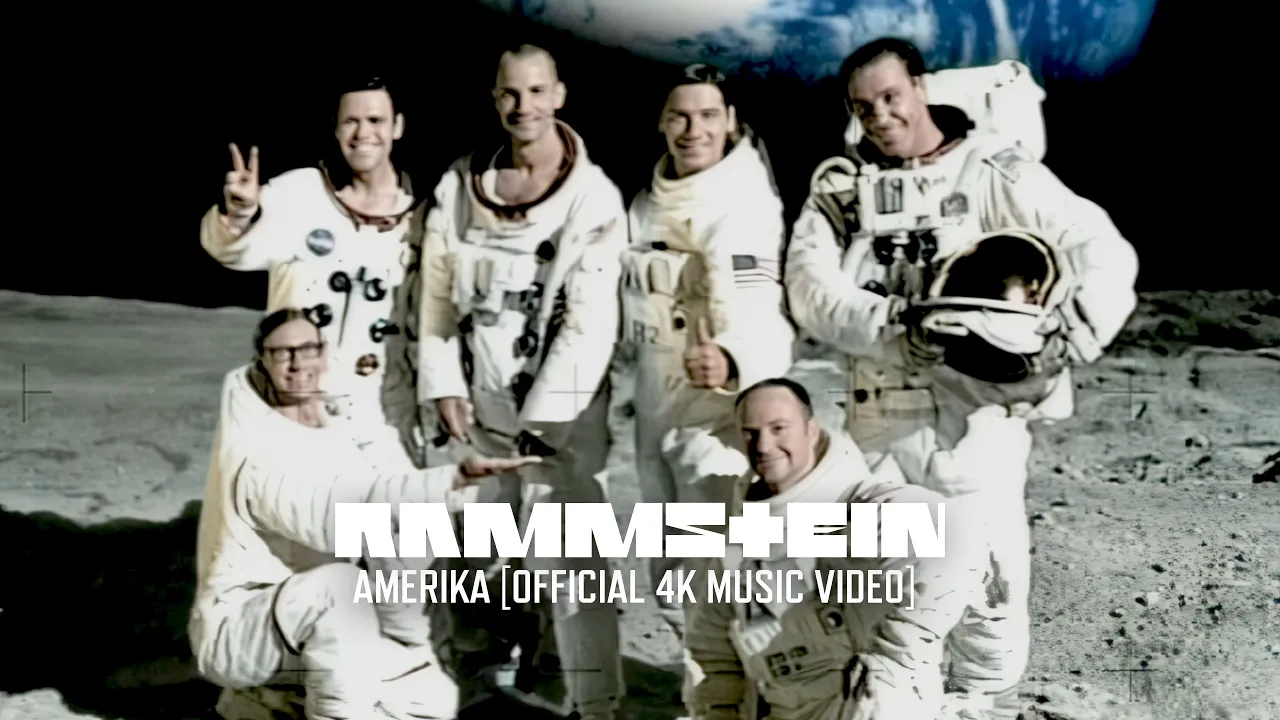
Rammstein - Amerika (Official 4K Video) — Rammstein Official

Rammstein Official

Global adoption of American consumer culture operates as a coercive choreography led by Washington that ultimately enforces compliance through military intervention.

AI-assisted summary of Rammstein - Amerika (Official 4K Video) — original source. Check the original for full context.

Source published:

Key ideas

  • Rammstein's "Amerika" critiques worldwide cultural and political hegemony by framing globalization as an involuntary, top-down dance orchestrated by the United States. (0:00)
  • The song highlights commercial consumer exports, juxtaposing ubiquitous Western brand icons like Coca-Cola, Wonderbra, Mickey Mouse, and Santa Claus with international cultural displacement. (0:00)
  • A deliberate linguistic pivot to English during the bridge ("I don't sing my mother tongue") underscores the loss of native identity under Anglo-American dominance. (0:00)
  • The track's lyrical critique escalates from light consumer satire to overt geopolitical aggression, modifying its refrain from "Coca-Cola, Wonderbra" to "Coca-Cola, sometimes war." (0:00)

Detailed notes

## Background This official 4K music video for "Amerika" was published on YouTube by the official Rammstein channel on July 31, 2015. Directed by Jörn Heitmann and filmed at the former chemical site Rüdersdorf near Berlin, the video supports the single from Rammstein's album *Reise, Reise* and features complete track lyrics in the description.

## TL;DR The track delivers a sharp critique of worldwide American cultural and geopolitical hegemony, framing global relations as an involuntary, coercive dance led strictly by the United States. Through ironic verses, the narrator explains that freedom is dictated from the White House, while corporate icons like Mickey Mouse, Santa Claus, Wonderbra, and Coca-Cola displace local cultures across Europe and Africa. In the bridge, the band breaks into English to lament the loss of their mother tongue, underscoring that the song is no affectionate tribute. The satire ultimately escalates from commercial exports to foreign military intervention, culminating in the chilling refrain of "Coca-Cola, sometimes war."

## Atmosphere & style The piece possesses a biting, sardonic atmosphere that pairs driving industrial rock with unsettling paternalistic authority. It moves from seemingly cheerful, corporate pop satire to heavy geopolitical cynicism, giving the listener the sensation of being caught in an inescapable, forced celebration. The sudden pivot to English in the bridge feels sharp and alienated, reinforcing a sense of creeping cultural claustrophobia and inevitable compliance.

## Bulletin - [00:00](https://www.youtube.com/watch?v=Rr8ljRgcJNM&t=0s) Rammstein's "Amerika" critiques worldwide cultural and political hegemony by framing globalization as an involuntary, top-down dance orchestrated by the United States. - [00:00](https://www.youtube.com/watch?v=Rr8ljRgcJNM&t=0s) The song highlights commercial consumer exports, juxtaposing ubiquitous Western brand icons like Coca-Cola, Wonderbra, Mickey Mouse, and Santa Claus with international cultural displacement. - [00:00](https://www.youtube.com/watch?v=Rr8ljRgcJNM&t=0s) A deliberate linguistic pivot to English during the bridge ("I don't sing my mother tongue") underscores the loss of native identity under Anglo-American dominance. - [00:00](https://www.youtube.com/watch?v=Rr8ljRgcJNM&t=0s) The track's lyrical critique escalates from light consumer satire to overt geopolitical aggression, modifying its refrain from "Coca-Cola, Wonderbra" to "Coca-Cola, sometimes war."

## Key takeaways - [00:00](https://www.youtube.com/watch?v=Rr8ljRgcJNM&t=0s) The song's core thesis uses the ironic refrain "We're all living in Amerika, Amerika ist wunderbar" to depict inescapable global Americanization. - [00:00](https://www.youtube.com/watch?v=Rr8ljRgcJNM&t=0s) International diplomacy and cultural export are framed as a dance where the dominant superpower insists on leading and dictating every step. - [00:00](https://www.youtube.com/watch?v=Rr8ljRgcJNM&t=0s) National self-determination is characterized as an illusion, claiming that nations are directed even when they believe they are acting autonomously. - [00:00](https://www.youtube.com/watch?v=Rr8ljRgcJNM&t=0s) Freedom is depicted not as genuine liberation, but as a centralized performance orchestrated directly from the White House. - [00:00](https://www.youtube.com/watch?v=Rr8ljRgcJNM&t=0s) European cultural heritage is portrayed as overrun by American commercial iconography, personified by Mickey Mouse stationed outside Paris. - [00:00](https://www.youtube.com/watch?v=Rr8ljRgcJNM&t=0s) The dance metaphor takes on a coercive tone, issuing an ultimatum that anyone refusing to join the choreography will ultimately be compelled to dance. - [00:00](https://www.youtube.com/watch?v=Rr8ljRgcJNM&t=0s) Westernized holiday and corporate archetypes encroach on indigenous traditions across developing continents, symbolized by Santa Claus arriving in Africa. - [00:00](https://www.youtube.com/watch?v=Rr8ljRgcJNM&t=0s) Commercial commodities such as Coca-Cola and Wonderbra are placed on equal footing with national identity and cultural dominance. - [00:00](https://www.youtube.com/watch?v=Rr8ljRgcJNM&t=0s) The bridge abandons the German language to deliver an English-language declaration rejecting sentimentality: "This is not a love song." - [00:00](https://www.youtube.com/watch?v=Rr8ljRgcJNM&t=0s) The line "I don't sing my mother tongue" highlights linguistic alienation and cultural assimilation driven by global Anglo-American media. - [00:00](https://www.youtube.com/watch?v=Rr8ljRgcJNM&t=0s) The final lyrical shift ties corporate globalism directly to military intervention by pairing Coca-Cola with "sometimes war." - The single was released from Rammstein's album 'Reise, Reise' following an August 2004 shoot directed by Jörn Heitmann at the former Rüdersdorf chemical site near Berlin.

## Detailed walkthrough ### [00:00](https://www.youtube.com/watch?v=Rr8ljRgcJNM&t=0s) Cultural Dominance, Forced Choreography, and the Critique of Global Americanization

The track opens with Rammstein's satirical embrace of worldwide cultural hegemony, driven by an ironic chorus that proclaims: “We're all living in Amerika, Amerika ist wunderbar.” The narrative voice immediately assumes an assertive, paternalistic posture toward the listener, framing international relations and cultural export as an involuntary dance where the dominant superpower demands total control. The speaker makes it explicit that self-determination is merely an illusion, stating that whenever dancing takes place, they intend to take the lead—even if others believe they are spinning alone: “Lasst euch ein wenig kontrollieren, ich zeige euch wie es richtig geht.” Freedom is portrayed not as organic liberation, but as a top-down performance conducted directly from the White House, while European and global cultural landmarks are subsumed under commercial icons like Mickey Mouse standing before Paris.

As the verses progress, the metaphor of dance shifts toward coercive guidance and inevitable compliance. The narrator claims to possess useful steps that protect participants from missteps, delivering the chilling ultimatum: “Und wer nicht tanzen will am Schluss, weiß noch nicht dass er tanzen muss.” Cultural globalization is framed as a guided line dance extending everywhere across the globe, where commercialized Western traditions displace local heritage, personified by the line: “Nach Afrika kommt Santa Claus und vor Paris steht Micky Maus.” The chorus reinforces this homogenization by juxtaposing consumer commodities alongside political identity, chanting a roll call of global brand exports including Coca-Cola and Wonderbra alongside the universal refrain of American dominance.

In the bridge, the perspective pivots sharply into an explicit rejection of sentimentality, shifting away from German into an English declaration: “This is not a love song.” The speaker underscores their linguistic alienation under global Anglo-American cultural dominance, singing: “I don't sing my mother tongue, no, this is not a love song.” When the chorus returns with crushing industrial weight, the lyrical satire darkens from commercial trivialities to geopolitical reality, updating the consumer roll call to declare that living in America means “Coca-Cola, sometimes war.” The track concludes with the repeated, inescapable mantra of universal Americanization before fading into the final studio sign-off.

- **Primary Cultural Symbols & Commodities**: Mickey Mouse stationed at Paris, Santa Claus arriving in Africa, Coca-Cola, and the Wonderbra. - **Geopolitical Metaphor**: Dance used as an allegory for global diplomacy and military-political alignment, where non-participants are compelled to join the collective choreography. - **Linguistic Shift**: A conscious transition into English during the bridge to highlight the loss of one's native language under cultural hegemony (“I don't sing my mother tongue”). - **Satirical Pivot**: The escalation from innocent consumer exports (Coca-Cola, Wonderbra) to direct foreign intervention (“Coca-Cola, sometimes war”).

## Mentioned Rammstein, MTV Select, Rüdersdorf, Berlin, Jörn Heitmann, Bernd Wondollek, Patrick Wilfert, Ingo Georgi, Alex Kiening, Katapult Filmproduktion GmbH, Reise, Reise, White House, Mickey Mouse, Paris, Santa Claus, Africa, Coca-Cola, Wonderbra

## Video description Order the album: https://ramm.st/ReiseReise

✚ Website: http://www.rammstein.com ✚ RammsteinShop: http://shop.rammstein.de ✚ Instagram: http://www.instagram.com/rammsteinofficial ✚ TikTok: http://www.tiktok.com/@rammstein ✚ Facebook: http://www.facebook.com/Rammstein ✚ X: http://x.com/RSprachrohr

Credits

Premiere: August 20th , 2004 (MTV Select) Shoot: 6th - 7th of August, 2004 Location: Ruins of the former chemical site Rüdersdorf near Berlin Director: Jörn Heitmann DoP: Bernd Wondollek Editor: Patrick Wilfert Producers: Ingo Georgi & Alex Kiening for Katapult Filmproduktion GmbH Single: Amerika From the Album: Reise, Reise

Lyrics

We're all living in Amerika Amerika ist wunderbar We're all living in Amerika Amerika, Amerika

Wenn getanzt wird will ich führen Auch wenn ihr euch alleine dreht Lasst euch ein wenig kontrollieren Ich zeige euch wie es richtig geht Wir bilden einen lieben Reigen Die Freiheit spielt auf allen Geigen Musik kommt aus dem Weißen Haus Und vor Paris steht Micky Maus

We're all living in Amerika Amerika ist wunderbar We're all living in Amerika Amerika, Amerika

Ich kenne Schritte die sehr nützen Und werde euch vor Fehltritt schützen Und wer nicht tanzen will am Schluss Weiß noch nicht dass er tanzen muss Wir bilden einen lieben Reigen Ich werde euch die Richtung zeigen Nach Afrika kommt Santa Claus Und vor Paris steht Micky Maus

We're all living in Amerika Amerika ist wunderbar We're all living in Amerika Amerika, Amerika

We're all living in Amerika Coca-Cola, Wonderbra We're all living in Amerika Amerika, Amerika

This is not a love song This is not a love song I don't sing my mother tongue No, this is not a love song

We're all living in Amerika Amerika ist wunderbar We're all living in Amerika Amerika, Amerika

We're all living in Amerika Coca-Cola, sometimes war We're all living in Amerika Amerika, Amerika

#Rammstein #RammsteinOfficial #Amerika #ReiseReise

[Source](https://www.youtube.com/watch?v=Rr8ljRgcJNM)

中文简报

战车乐队将美国文化主导视作军事力量的前奏 全球对美国消费文化的接纳犹如华盛顿主导的一场强迫性编舞,最终通过军事干预来迫使各方顺从。 这首歌曲对美国在全球的文化与地缘政治霸权进行了尖锐批评,将全球关系描绘成一场完全由美国主导的非自愿、强迫性舞蹈。叙述者通过讽刺的诗句解释道,自由由白宫定义,而米老鼠、圣诞老人、神奇胸罩和可口可乐等商业符号正在取代欧洲和非洲的本土文化。在过渡段中,乐队改用英语叹息母语的丧失,强调这首歌绝非深情的赞歌。这种讽刺最终从商业输出升级为对外军事干预,并在“可口可乐,有时是战争”这一令人不寒而栗的副歌中达到高潮。 战车乐队的《Amerika》通过将全球化描绘成一场由美国精心编排的非自愿、自上而下的舞蹈,批判了全球文化和政治霸权。 (0:00) 这首歌突出了商业消费品的输出,将可口可乐、神奇胸罩、米老鼠和圣诞老人等无处不在的西方品牌符号,与国际上的文化替代并置。 (0:00) 过渡段特意改用英语演唱(“我唱的不是我的母语”),强调了在英美主导地位下本土认同的丧失。 (0:00) 该曲目的歌词批判从轻松的消费主义讽刺升级为公然的地缘政治侵略,将其副歌从“可口可乐,神奇胸罩”修改为“可口可乐,有时是战争”。 (0:00)

Reading summary

Rammstein's "Amerika" satirizes worldwide American cultural and geopolitical hegemony, framing globalization as a top-down, coercive choreography enforced by corporate exports and military intervention. Dance as Coercive Geopolitical Hegemony (0:00) The song uses dance as an overarching metaphor for global diplomacy and political alignment under dominant superpower control. Assuming an assertive and paternalistic voice, the narrator frames international relations not as organic liberation, but as a guided performance directed straight from the White House. While participants may believe they are acting autonomously, the narrative insists on taking the lead, demanding compliance through the explicit ultimatum that anyone refusing to dance will eventually realize they have no choice. Commercial Homogenization and Cultural Displacement (0:00) The track critiques how Western consumer exports displace local heritage and cultural landmarks across the globe. Rammstein illustrates this corporate encroachment through symbolic imagery such as Santa Claus arriving in Africa and Mickey Mouse standing before Paris. The ironic chorus celebrates American dominance by placing recognizable commercial commodities—specifically Coca-Cola and the Wonderbra—alongside the universal mantra that living in America is wonderful. Linguistic Alienation and Escalation to War (0:00) During the bridge, the perspective pivots sharply into English to deliver the declaration, "This is not a love song," rejecting sentimentality and underscoring the speaker's alienation at abandoning their mother tongue under Anglo-American cultural dominance. As the industrial instrumentation intensifies, the satirical critique shifts from trivial consumer products to geopolitical reality, updating the catalog of American influence to explicitly include foreign conflict: "Coca-Cola, sometimes war." The track concludes by repeating the inescapable mantra of universal Americanization before fading out, characterizing global compliance with American cultural and economic dominance as an inevitable, pervasive condition.

精炼阅读摘要

德国工业金属乐队Rammstein在歌曲《Amerika》中对全球范围内的美国文化霸权展开了辛辣的讽刺批判,指出跨国文化全球化并非平等的文明交融,而是一场地缘政治权力与商业资本深度捆绑的自上而下强制性同化。 舞蹈隐喻与强制性的全球政治编排 (0:00) 在作品构设的情境中,叙述者以居高临下的家长式口吻介入,将国际关系与全球文化输出比拟为一场不容拒绝的集体编舞。主导国明确宣称,无论何时起舞,其都将牢牢掌控节拍与方向,即便参与者自以为在自主旋转,也必须“接受一点控制”以学习“正确的做法”。这一设定直接刺破了自主选择的幻觉,将自由还原为听命于白宫指令的排演。 随着叙述深入,舞蹈的隐喻进一步滑向强制性顺从的最后通牒。主导者声称掌握着保护众人免受失误的步法,并指出那些最终不想起舞的人,只是尚未意识到自己不得不跳。这种排他性的编舞逻辑将全球化具象为一条延伸至世界每个角落的固定舞线,揭示出在地缘政治与文化秩序中,外部成员最终都将被迫纳入既定行动框架的现实。 消费符号对本土传统与地貌的消解 (0:00) 歌曲通过高度凝练的商业符号,具象化地展现了本土文化与历史地貌如何被美式消费品侵蚀并取代。歌词特别指认了具有鲜明代表性的文化景观变迁:商业化的圣诞老人(Santa Claus)跨越大洋进入非洲,而米奇老鼠(Mickey Mouse)则赫然矗立在巴黎的文化地标前。这些意象表明,地域性的文化独特性正在被标准化的西方商业娱乐符号全面覆盖与置换。 在具有嘲讽意味的副歌反复中,政治认同与消费商品被完全并置。作品将可口可乐(Coca-Cola)与魔术文胸(Wonderbra)等跨国商业出口品牌编入点名式的口号中,伴随着“我们都生活在美洲,美洲棒极了”的合唱。这种铺陈揭示了文化同质化的物质基础,即跨国资本的全球扩张不仅是在倾销商品,更是在以消费主义重塑全球受众的日常生活与文化身份。 语言异化与从商品倾销到军事干预的质变 (0:00) 作品在过门部分实现了语言与视角的决绝转折,演唱者脱离母语德语,改用英语直白宣称“这不是一首情歌”(This is not a love song)。歌词通过强调“我没有唱我的母语”,具象化地表达了在全球盎格鲁-撒克逊文化垄断下所感受到的文化失根与语言异化,剥除了关于文化全球化温情脉脉的交流面具,展现出受主导者在母语表达受压制时的被动与疏离。 随着工业重金属风格的副歌再度爆发,批判的焦点从表层的商业消费符号骤然转向冷酷的地缘政治现实。原本轻佻的消费品清单被赋予了暴力色彩,生活在美式秩序下的真实代价被直白修正为“可口可乐,有时伴随战争”(Coca-Cola, sometimes war)。这种急转直下的讽刺,撕开了流行文化输出的伪装,指明软性文化扩张与硬性对外军事干预实质上是维持霸权的一体两面。 《Amerika》全曲在对无所不在的美式化现实的反复吟唱中落下帷幕,将当代全球秩序刻画为一个难以逃脱的文化与政治闭环。作品通过艺术反讽揭露了消费主义同质化与霸权干预机制的内在关联,但其视角严格聚焦于展现被裹挟者的被动处境与批判性审视,并未对全球同质化趋势之外的反抗路径或未来替代方案展开进一步论述。

Detailed notes — zh

## Background 该视频由德国工业金属乐队官方频道 Rammstein Official 于 2015 年 7 月 31 日发布在 YouTube 平台上。页面简介显示,这是收录于乐队 2004 年专辑《Reise, Reise》的单曲《Amerika》官方 4K 音乐录影带,由约恩·海特曼(Jörn Heitmann)执导,于柏林附近的吕德斯多夫旧化工厂废墟拍摄,并附带了完整的歌曲演职员信息与歌词。 ## TL;DR 《Amerika》以极具讽刺意味的狂欢式笔调,深刻批判了美国在全球范围内的文化霸权与意识形态渗透。歌曲通过“规训之舞”的隐喻,描绘了全球受众在不知不觉中被强制纳入由政治中枢与商业符号主导的秩序,同时罗列了米老鼠、圣诞老人、可口可乐等消费主义意象。在转入英文过渡段时,主唱蒂尔·林德曼直言“这不是一首情歌”,并揭示了流行文化繁荣背后与军事暴力、霸权干预并存的残酷现实。 ## Atmosphere & style 全曲洋溢着荒诞、戏谑却又无比凛冽的批判张力,将欢快洗脑的副歌旋律与沉重冰冷的工业金属失真吉夫强力拼贴。主唱蒂尔·林德曼的声音在威权式的低沉说教与狂放的高歌之间切换,营造出一种仿佛置身于强迫式全球狂欢舞会中的压迫感。听感上在光鲜滑稽的消费符号罗列与冷酷直白的现实控诉间剧烈碰撞,最终在带有讽刺意味的收场中留下令人不寒而栗的清醒与反思。 ## Bulletin - [00:00](https://www.youtube.com/watch?v=Rr8ljRgcJNM&t=0s) Rammstein 于 2004 年专辑《Reise, Reise》中推出单曲《Amerika》,MV 取景于柏林附近 Rüdersdorf 的旧化工厂废墟,以荒诞狂欢风格反讽全球化语境下的美国文化渗透与地缘政治霸权。 - [00:00](https://www.youtube.com/watch?v=Rr8ljRgcJNM&t=0s) 歌曲通过“跳舞与排舞”的意象构建规训隐喻,指出全球受众在不知不觉中被动接受白宫与跨国商业符号所设定的“正确方向”与规则。 - [02:00](https://www.youtube.com/watch?v=Rr8ljRgcJNM&t=120s) 主唱 Till Lindemann 在过门段落直言“这不是一首情歌”并改用全英文演唱,以主动放弃德语母语的形式自我解构,讽刺英语对全球话语体系的垄断霸权。 - [02:00](https://www.youtube.com/watch?v=Rr8ljRgcJNM&t=120s) 尾声副歌将“Coca-Cola, Wonderbra”的消费主义意象骤转为“Coca-Cola, sometimes war”,揭露了商业软实力倾销与地缘军事暴力干涉共生的本质。 ## Key takeaways - [00:00](https://www.youtube.com/watch?v=Rr8ljRgcJNM&t=0s) 《Amerika》开篇采用双语标志性副歌“Amerika ist wunderbar”,以夸张反讽的狂欢语调揭示全球化下美国意识形态与流行文化的强力输出。 - [00:00](https://www.youtube.com/watch?v=Rr8ljRgcJNM&t=0s) 歌曲以“跳舞”隐喻文化规训体系,将霸权力量描绘为强制校正他人舞步、设定“正确步伐”与方向的导师形象。 - [00:00](https://www.youtube.com/watch?v=Rr8ljRgcJNM&t=0s) 歌词揭示了文化融入的非自愿本质:“最后不想跳舞的人,还不知道自己其实不得不跳”,点明全球受众在文化同化中缺乏真正选择权。 - [00:00](https://www.youtube.com/watch?v=Rr8ljRgcJNM&t=0s) 白宫、自由的小提琴、进驻巴黎的米老鼠以及前往非洲的圣诞老人等符号并置,勾勒出跨国商品与政治中枢对古老本土文明的覆盖。 - [00:00](https://www.youtube.com/watch?v=Rr8ljRgcJNM&t=0s) 该单曲由约恩·海特曼执导并在柏林附近的旧化工厂废墟拍摄,将宏大的跨国批判注入工业金属的重型美学中。 - [02:00](https://www.youtube.com/watch?v=Rr8ljRgcJNM&t=120s) 在过渡段中,Till Lindemann 罕见采用全英语喝问,致敬后朋克乐队 Public Image Ltd. 并严肃声明作品的批判性质与非娱乐属性。 - [02:00](https://www.youtube.com/watch?v=Rr8ljRgcJNM&t=120s) 主唱强调“我唱的不是我的母语”,通过德语工业金属乐队被迫借助英语媒介发声的悖论,直刺英语作为全球文化霸权语言的异化现实。 - [02:00](https://www.youtube.com/watch?v=Rr8ljRgcJNM&t=120s) 副歌中将大众消费品“可口可乐”与地缘冲突“战争”并列,直接撕破消费神话表象,批判跨国资本与军事霸权的利益绑定与同构机制。 - [02:00](https://www.youtube.com/watch?v=Rr8ljRgcJNM&t=120s) 全曲在重型失真音墙与合成器的交织后以戏谑意味收场,为这场针对文化殖民与霸权干预的反讽狂欢画下冷峻句点。 ## Detailed walkthrough ### [00:00](https://www.youtube.com/watch?v=Rr8ljRgcJNM&t=0s) 文化霸权与规训之舞:引领全球节奏与意识形态输出 在这首极具批判色彩的作品开篇,乐队主唱蒂尔·林德曼(Till Lindemann)直接以混合着英语与德语的标志性副歌拉开序幕,宣称“We're all living in Amerika, Amerika ist wunderbar.”(我们都生活在美利坚,美利坚真是太美妙了)。整段表达以一种极度夸张、近乎狂欢式的反讽语调展开,揭示了全球化语境下美国大众文化与地缘意识形态对世界各地的全面渗透。在这场全球性的文化浸润中,受众不仅被动接受来自大洋彼岸的价值设定,还在不知不觉中将这种支配视为繁荣与快乐的象征。 随后展开的第一段与第二段主歌深刻勾勒了权力控制与文化规训的隐喻。林德曼通过“跳舞”这一具象意象,生动展现了主导者对参与者的强制性引领,并唱道:“Und wer nicht tanzen will am Schluss, weiß noch nicht dass er tanzen muss.”(最后那些不想跳舞的人,还不知道自己其实不得不跳)。歌词刻画了一个看似温和却充满威权的导师形象——无论个体原本在如何自转起舞,都必须接受适度的掌控,由主导者示范“正确”的步伐与方向。与此同时,来自白宫的音乐、拉响所有小提琴的所谓自由、伫立在巴黎门前的米老鼠(Mickey Mouse),以及走向非洲的圣诞老人(Santa Claus),共同构成了一幅荒诞而真实的文化席卷图景。 ```mermaid flowchart TD accTitle: 文化霸权输出与规训链条 accDescr: 展现从意识形态与政治中枢出发,通过文化符号对全球进行规训与重构的过程 subgraph Ideology["控制核心与发声源"] WH["白宫与政治中枢<br/>(音乐与话语发源地)"] DanceControl["规训体系<br/>(指导舞步与校正方向)"] end subgraph CulturalSymbols["全球文化与商业符号输出"] Mickey["米老鼠<br/>(进驻巴黎/欧洲文明腹地)"] Santa["圣诞老人<br/>(抵达非洲/传统生态改写)"] end subgraph GlobalPublic["全球受众被动融入"] Reigen["围绕主导者起舞的环形圈"] Unconscious["不得不跳舞的全球受众"] end WH --> DanceControl DanceControl --> Mickey DanceControl --> Santa Mickey --> Reigen Santa --> Reigen Reigen --> Unconscious ``` - **单曲制作背景**:该曲《Amerika》收录于乐队 2004 年发行的录音室专辑《Reise, Reise》,由约恩·海特曼(Jörn Heitmann)执导,取景于柏林附近的吕德斯多夫(Rüdersdorf)旧化工厂废墟。 - **文化符号拼贴**:歌词巧妙利用了米老鼠、圣诞老人等极具辨识度的美国消费主义意象,点明跨国商业符号对欧洲及非洲等古老本土文明的强力覆盖。 - **规训与服从机制**:通过“环舞”(Reigen)的编排,强调文化输出不仅仅是娱乐,更是将规则、步伐与方向内化为一种别无选择的服从。 --- ### [02:00](https://www.youtube.com/watch?v=Rr8ljRgcJNM&t=120s) 符号资本主义与现实对立:这不是一首情歌与“偶尔的战争” 歌曲在后半段陡然转入更加凛冽直白的揭露。伴随着合成器与重型吉他吉夫的交织,林德曼罕见地直接切入全英语的过渡段(Bridge),向听众发出清醒的喝问与自我声明,他在歌中斩钉截铁地宣告:“This is not a love song, I don't sing my mother tongue, no, this is not a love song.”(这不是一首情歌,我唱的不是我的母语,不,这绝不是一首情歌)。此处既是对后朋克乐队 Public Image Ltd. 经典曲目的致敬,更是以自我指涉的方式痛击英语作为全球文化霸权语言的现实——即便是一支德国本土工业金属巨擘,也不得不借助英语这一通行媒介来进行讽刺与发声。 随着副歌层层推进,歌词对美国消费主义符号的罗列愈发尖锐,从早先看似轻佻的“Coca-Cola, Wonderbra”(可口可乐与魔术文胸),直接蜕变为令人触目惊心的现实对比:“Coca-Cola, sometimes war”(可口可乐,有时则是战争)。这一转折撕开了流行文化光鲜亮丽的表象,将跨国商品资本与真实的军事强权暴力捆绑在一起,指明了商品倾销与霸权干预之间同构的共生关系。在全曲尾声处,伴随着一声带有戏谑意味的道谢收尾,整场关于文化殖民、消费神话与硬实力的狂欢反讽落下了帷幕。 - **母语与媒介异化**:主唱刻意强调放弃德语母语改唱英文,直接在形式上完成了对“美利坚化”语言垄断的反讽。 - **商业与暴力的并置**:将带来感官快感的快消品“可口可乐”与带来毁灭破坏的“战争”并列,直指地缘政治中软实力渗透与硬实力干涉相辅相成的两面性。 - **多义性尾声表达**:结尾处乐队收起宏大管弦与重型失真音墙,留下冷峻而幽默的收场,留下耐人寻味的现实回响。 ## Mentioned Rammstein, 蒂尔·林德曼 (Till Lindemann), Amerika, Reise, Reise, 约恩·海特曼 (Jörn Heitmann), Bernd Wondollek, Patrick Wilfert, Ingo Georgi, Alex Kiening, Katapult Filmproduktion GmbH, 吕德斯多夫 (Rüdersdorf), 白宫, 米老鼠 (Mickey Mouse), 圣诞老人 (Santa Claus), Public Image Ltd., 可口可乐 (Coca-Cola), Wonderbra, MTV Select ## Video description Order the album: https://ramm.st/ReiseReise ✚ Website: http://www.rammstein.com ✚ RammsteinShop: http://shop.rammstein.de ✚ Instagram: http://www.instagram.com/rammsteinofficial ✚ TikTok: http://www.tiktok.com/@rammstein ✚ Facebook: http://www.facebook.com/Rammstein ✚ X: http://x.com/RSprachrohr Credits Premiere: August 20th , 2004 (MTV Select) Shoot: 6th - 7th of August, 2004 Location: Ruins of the former chemical site Rüdersdorf near Berlin Director: Jörn Heitmann DoP: Bernd Wondollek Editor: Patrick Wilfert Producers: Ingo Georgi & Alex Kiening for Katapult Filmproduktion GmbH Single: Amerika From the Album: Reise, Reise Lyrics We're all living in Amerika Amerika ist wunderbar We're all living in Amerika Amerika, Amerika Wenn getanzt wird will ich führen Auch wenn ihr euch alleine dreht Lasst euch ein wenig kontrollieren Ich zeige euch wie es richtig geht Wir bilden einen lieben Reigen Die Freiheit spielt auf allen Geigen Musik kommt aus dem Weißen Haus Und vor Paris steht Micky Maus We're all living in Amerika Amerika ist wunderbar We're all living in Amerika Amerika, Amerika Ich kenne Schritte die sehr nützen Und werde euch vor Fehltritt schützen Und wer nicht tanzen will am Schluss Weiß noch nicht dass er tanzen muss Wir bilden einen lieben Reigen Ich werde euch die Richtung zeigen Nach Afrika kommt Santa Claus Und vor Paris steht Micky Maus We're all living in Amerika Amerika ist wunderbar We're all living in Amerika Amerika, Amerika We're all living in Amerika Coca-Cola, Wonderbra We're all living in Amerika Amerika, Amerika This is not a love song This is not a love song I don't sing my mother tongue No, this is not a love song We're all living in Amerika Amerika ist wunderbar We're all living in Amerika Amerika, Amerika We're all living in Amerika Coca-Cola, sometimes war We're all living in Amerika Amerika, Amerika #Rammstein #RammsteinOfficial #Amerika #ReiseReise [Source](https://www.youtube.com/watch?v=Rr8ljRgcJNM)

Original transcript

[0:00] We're all living in America, America, it's wunderbar. When you dance, I will lead you to the dance. Even if you're alone, let's control you. I show you how it's right. We are living in America, America, it's wonderful. We are living in America, America, America. He doesn't know that he has to dance. We build a life, I will show you the direction. After Africa comes Santa Claus and before Paris is Mickey Mouse. It's one of the bars. We're all living in America. America, America. We're all living in America. Coca-Cola, one of the bars. We're all living in America. America, America. This is not a love song. I don't see my mother's tongue. No, this is not a love song. We're all living in America, America love this wonder bar. We're all living in America, America, America. We're all living in America. Coca-Cola, sometimes war. We roll the baby back. Thank you.