AT&T 1993 Ads Map Modern Tech From Smartwatches to Streaming
Anthony Kalamut (Southside AdGuy)
AT&T's 1993 campaign accurately anticipated ubiquitous modern connectivity by turning early lab-stage research into everyday consumer realities decades before commercial adoption.
AI-assisted summary of AT&T - 1993 "You Will" Ad Campaign — original source. Check the original for full context.
Source published:
Key ideas
- AT&T's 1993 "You Will" ad campaign, directed by David Fincher and narrated by Tom Selleck, accurately forecast mainstream consumer technologies including GPS navigation, e-books, and wireless computing. (0:04)
- The campaign anticipated modern transit and retail conveniences such as non-stop electronic toll collection and multi-purpose self-service ATMs. (0:04)
- Video-on-demand streaming, remote home video monitoring, and wearable wrist communicators were envisioned long before the commercialization of smart TVs and smartwatches. (0:55)
- The spots highlighted biometric authentication through voice recognition, digital wallet medical histories, and global remote learning classrooms. (1:40)
Detailed notes
## Background Published on YouTube by Anthony Kalamut (Southside AdGuy) on May 18, 2021, this video showcases AT&T's 1993 'You Will' advertising campaign. The accompanying description highlights how the campaign presciently anticipated modern technology, explaining that its concepts—ranging from telemedicine and video conferencing to flat-screen RGB crystals—were real, revolutionary R&D projects being developed at the time.
## TL;DR Directed by David Fincher and voiced by Tom Selleck, the 1993 AT&T ad campaign presents a series of speculative questions envisioning the future of ubiquitous connectivity. The commercials predict widespread modern technologies, including GPS car navigation, wireless beachside computing, electronic toll collection, and self-service ticketing ATMs. They also showcase instant video-on-demand, remote smart-home monitoring, smartwatch calls, voice-activated biometrics, and borderless remote classrooms. Each visionary scenario resolves with the campaign's signature promise that AT&T would be the company delivering this connected future to everyday consumers.
## Atmosphere & style The presentation evokes a sleek, cinematic, and quietly mesmerizing mood, driven by David Fincher's atmospheric visual direction and Tom Selleck's calm, reassuring baritone voiceover. The repetitive rhythm of rhetorical prompts creates a smooth transition from speculative curiosity to comfortable certainty. It feels like an evocative time capsule of optimistic 1990s futurism, delivering a sense of grounded wonder rather than jarring science fiction.
## Bulletin - [00:04](https://www.youtube.com/watch?v=RvZ-667CEdo&t=4s) AT&T's 1993 "You Will" ad campaign, directed by David Fincher and narrated by Tom Selleck, accurately forecast mainstream consumer technologies including GPS navigation, e-books, and wireless computing. - [00:04](https://www.youtube.com/watch?v=RvZ-667CEdo&t=4s) The campaign anticipated modern transit and retail conveniences such as non-stop electronic toll collection and multi-purpose self-service ATMs. - [00:55](https://www.youtube.com/watch?v=RvZ-667CEdo&t=55s) Video-on-demand streaming, remote home video monitoring, and wearable wrist communicators were envisioned long before the commercialization of smart TVs and smartwatches. - [01:40](https://www.youtube.com/watch?v=RvZ-667CEdo&t=100s) The spots highlighted biometric authentication through voice recognition, digital wallet medical histories, and global remote learning classrooms.
## Key takeaways - [00:04](https://www.youtube.com/watch?v=RvZ-667CEdo&t=4s) The "You Will" campaign was directed by David Fincher and narrated by Tom Selleck in 1993. - [00:04](https://www.youtube.com/watch?v=RvZ-667CEdo&t=4s) The ads accurately predicted digital book lending and remote electronic libraries across great distances. - [00:04](https://www.youtube.com/watch?v=RvZ-667CEdo&t=4s) Cross-country travel without paper maps was envisioned through in-dash automotive navigation systems. - [00:04](https://www.youtube.com/watch?v=RvZ-667CEdo&t=4s) Wireless mobile work was depicted via sending faxes and documents remotely from a beach. - [00:04](https://www.youtube.com/watch?v=RvZ-667CEdo&t=4s) Electronic toll collection transponders were forecasted to let drivers pass highway tolls without slowing down. - [00:04](https://www.youtube.com/watch?v=RvZ-667CEdo&t=4s) The commercial foresaw automated cash machines serving as multi-purpose terminals capable of selling concert tickets. - [00:55](https://www.youtube.com/watch?v=RvZ-667CEdo&t=55s) On-demand media consumption was anticipated through selecting and watching movies instantly at home. - [00:55](https://www.youtube.com/watch?v=RvZ-667CEdo&t=55s) Interactive tele-education connected instructors with students asking questions from distant locations. - [00:55](https://www.youtube.com/watch?v=RvZ-667CEdo&t=55s) Smart home surveillance was previewed, allowing homeowners to remotely monitor their properties. - [00:55](https://www.youtube.com/watch?v=RvZ-667CEdo&t=55s) Wearable computing was presaged through wristwatches capable of receiving two-way phone calls. - [01:40](https://www.youtube.com/watch?v=RvZ-667CEdo&t=100s) Voice biometrics were envisioned as a hands-free access control mechanism to open physical doors. - [01:40](https://www.youtube.com/watch?v=RvZ-667CEdo&t=100s) Portable electronic health cards were predicted to store personal medical histories directly inside a wallet. - [01:40](https://www.youtube.com/watch?v=RvZ-667CEdo&t=100s) Global synchronized teleclassrooms linked students with peers thousands of miles away via live video screens.
## Detailed walkthrough ### [00:04](https://www.youtube.com/watch?v=RvZ-667CEdo&t=4s) Digital Navigation, Remote Messaging, and Cashless Transactions
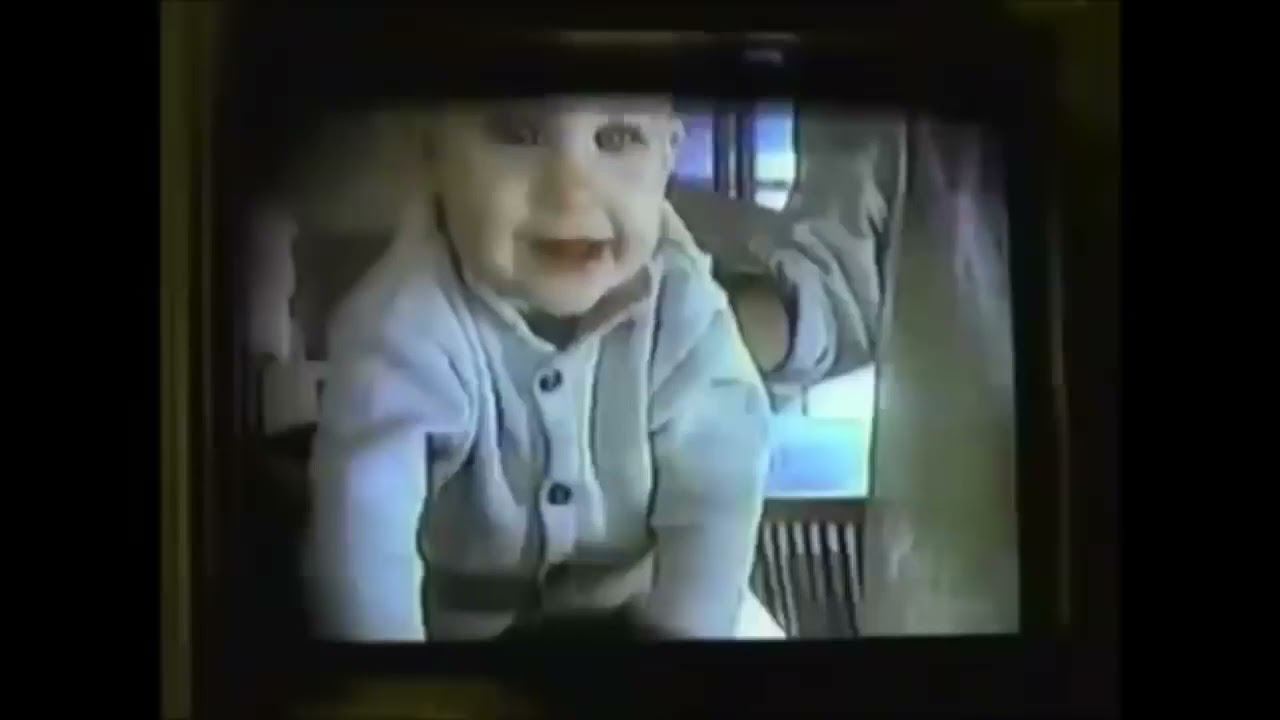
In 1993, AT&T launched its iconic "You Will" advertising campaign, directed by David Fincher and voiced by Tom Selleck. The commercials presented a series of then-futuristic rhetorical questions to the viewer, painting a cinematic vision of life transformed by ubiquitous connectivity and computing. The campaign opens by imagining an era where physical distance no longer limits access to information or everyday logistics. The narrator poses the possibilities to the audience: “Have you ever borrowed a book from thousands of miles away, crossed the country without stopping for directions, or sent someone a fax from the beach?” Each scenario portrays what seemed impossible at the time—digital lending libraries, in-car GPS navigation systems replacing paper road maps, and portable computing capable of wireless data transmission while lounging by the ocean.
The spot answers its own speculative questions with the campaign’s signature confident refrain: “You will, and the company that'll bring it to you: AT&T.” The presentation shifts immediately into high-speed automation and automated retail infrastructure. The narrator asks, “Have you ever paid a toll without slowing down, bought concert tickets from cash machines?” Long before electronic toll tags like E-ZPass or online ticketing platforms existed, the commercial anticipated cars cruising through highway toll plazas at highway speeds via wireless transponders, alongside multi-purpose automated teller machines capable of handling direct event ticketing.
- **E-books and remote libraries**: Accessing and reading digitized books across the country without stepping foot in a physical archive. - **In-dash turn-by-turn navigation**: Navigating cross-country routes without ever having to stop at a gas station to ask for paper maps or directions. - **Wireless remote work**: Transmitting business documents and faxes untethered directly from a beach towel. - **Electronic toll collection**: Passing through toll gates seamlessly without stopping or slowing down. - **Self-service multifunction ATMs**: Purchasing reserved entertainment and concert tickets directly from automated cash machines.
```mermaid flowchart LR accTitle: AT&T 1993 Vision to Reality accDescr: Mapping AT&T 1993 ad predictions to their modern technology counterparts. subgraph S1["1993 Concept"] A["Remote Fax & Book Borrowing"] B["Non-stop Tolls & ATM Ticketing"] end subgraph S2["Modern Everyday Reality"] C["Tablets, E-readers & Cloud Storage"] D["Electronic Toll Collection & Mobile Pay"] end A --> C B --> D ```
[00:55](https://www.youtube.com/watch?v=RvZ-667CEdo&t=55s) On-Demand Media, Remote Monitoring, and Wearable Tech
The campaign moves into the realm of home entertainment, distance learning, and remote communications, accurately anticipating the arrival of streaming video and video-linked classrooms. The voiceover prompts: “Have you ever watched the movie you wanted to, the minute you wanted to?” The ad visualizes a user selecting content on demand right from their television rather than visiting a rental store or waiting for a broadcast schedule. It connects this immediacy directly to education, displaying an interactive remote lecture on music history where an instructor takes questions directly from students chiming in from disparate geographical regions: “That's all taken from jazz. Now, any questions from far away places?” A student on a video screen asks, “So where did jazz come from?”
The focus turns toward the personal living space and wearable communication technology. The narrator challenges the listener with personal safety and connected living scenarios: “Have you ever kept an eye on your home when you're not at home, or gotten a phone call on your wrist?” The visuals previewed smart-home video surveillance feeds accessible from remote locations, as well as two-way communications integrated into a compact wristwatch format—a direct forefather of modern smartwatches. The segment resolves with the familiar corporate pledge: “You will, and the company that'll bring it to you: AT&T.”
- **Video-on-demand (VOD)**: Selecting and streaming movies instantly at the viewer's discretion. - **Tele-education and remote learning**: Live interactive classrooms linking students and instructors across long distances. - **Smart home video monitoring**: Checking in on home security camera feeds in real time from remote devices. - **Wearable computing**: Receiving and conducting telephone calls directly on a wristwatch.
[01:40](https://www.youtube.com/watch?v=RvZ-667CEdo&t=100s) Voice Recognition, Smart Cards, and Global Teleclassrooms
The final sequence examines the convergence of biometric interfaces, digitized personal data, and multinational collaborative classrooms. The narrator introduces voice-activated environments and digital medical records: “Have you ever opened doors with the sound of your voice, carried your medical history in your wallet?” Rather than relying on physical keys or paper files, the commercials depict voice recognition access systems alongside portable digital smart cards storing comprehensive health charts, prompting an encouraging reassurance: “Your life's gonna be just fine.”
The broadcast concludes with an emphasis on borderless collaborative work and distance learning, demonstrating an interactive class where remote students participate in synchronized lessons alongside peers halfway across the globe. The voiceover asks, “Have you ever had a classmate who's thousands of miles away?” as students interact across digital screens and remote video terminals, culminating in the overarching campaign promise: “You will, and the company that will bring it to you: AT&T.”
- **Voice biometrics**: Unlocking physical doors and authenticating access solely through voice commands. - **Smart health cards**: Storing vital electronic health records (EHR) on a portable wallet-sized card. - **Global teleclassrooms**: Linking schoolmates and teachers separated by thousands of miles for simultaneous remote education.
## Mentioned AT&T, David Fincher, Tom Selleck, E-ZPass, You Will campaign, Anthony Kalamut
## Video description What is the story behind AT&T's 1993 "You Will" ads that so accurately predicted the future of technology?
Seemed like AT&T predicted the future in 1993 within this campaign.
All the applications in these ads that seem so prescient today were technologies that were being worked on at the time, but yet in place. The project management teams at several developer companies were working on exciting new areas of product development… from telemedicine, to video conferencing, to advanced fax technology, to video compression, to human factors research. That year several PhD's were beginning to growing RGB crystals for flat screen TVs.
It was all revolutionary stuff. Today, it's not even a second thought.
NOTE: This video is posted strictly for educational purposes and is posted under Fair Use to solely assist current and future advertising students and creatives.
[Source](https://www.youtube.com/watch?v=RvZ-667CEdo)