Musk Leads Starship Engineering at Formula Level, Sandy Munro Says
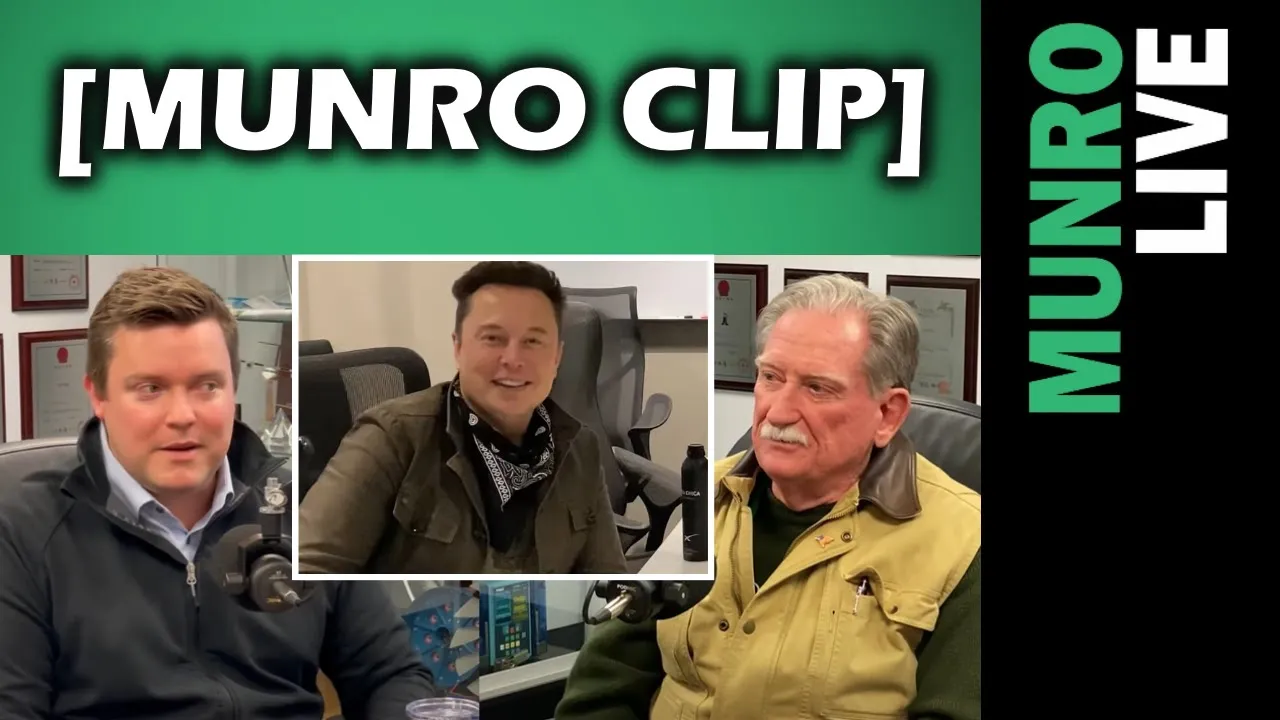
Visiting SpaceX & Meeting Elon Musk [Munro Clip] — Munro Live

Munro Live

SpaceX outpaces legacy aerospace programs by treating prototype crashes as routine data-gathering exercises while Elon Musk personally directs granular engineering reviews.

AI-assisted summary of Visiting SpaceX & Meeting Elon Musk [Munro Clip] — original source. Check the original for full context.

Source published:

Key ideas

  • A two-hour scheduling delay at Starbase led to an impromptu guided tour of SpaceX's manufacturing floor, exposing Sandy Munro to prototype hardware including SN15 and the unlaunched Super Heavy lower booster. (0:02)
  • SpaceX's Starbase facility operates more like an industrial oil rig than a traditional clean-room aerospace plant, pursuing a target cadence of producing a Starship airframe every three days compared to NASA's historical two-year build cycles. (2:07)
  • Following a minimalist interview shot on a smartphone, Sandy Munro sat in on an internal two-hour engineering design review, observing Elon Musk actively solve problems with specific formulas, materials, and manufacturing processes. (4:39)
  • Munro and his videographer concluded their Starbase visit near 11:00 PM while work was still ongoing, immediately embarking on a 36-hour non-stop EV drive back to Detroit. (7:26)

Detailed notes

## Background Published on YouTube by Munro Live on February 19, 2021, this clip is drawn from a longer-form video detailing the Munro team's travel to Boca Chica, Texas. The video shares behind-the-scenes reflections from Sandy Munro and his videographer on visiting SpaceX's Starbase facility and interviewing Elon Musk.

## TL;DR After navigating a 25-mile detour around a shipping canal, Sandy Munro and his colleague arrived at Starbase for a scheduled interview with Elon Musk, only to receive an impromptu two-hour tour of the production grounds when Musk was delayed. Sandy observed an active, gritty manufacturing environment that prioritized rapid, iterative testing and hardware failure analysis over traditional aerospace bureaucracy. Following a brief private chat, the team filmed their interview using a minimalist smartphone rig, after which Musk invited them to sit in on a two-hour internal Starship design review. Impressed by Musk's deep technical grasp and the team's late-night work culture, Sandy shared a quick automotive manufacturing insight before departing late at night for a 36-hour straight EV drive back to Detroit.

## Atmosphere & style The discussion carries a warm, conversational, and genuinely enthusiastic tone, characterized by veteran engineering appreciation and candid storytelling. Sandy’s veteran perspective contrasts the rigid, clean-room caution of legacy aerospace with the sparks-flying, oil-rig grit of Starbase, giving the narrative an authentic, unvarnished energy. There is also an amusing, grounded dynamic in showing up to interview a world-famous CEO with just an iPhone, followed by the quiet exhaustion of sitting in on technical meetings late into the night before facing an epic road trip home.

## Bulletin - [00:02](https://www.youtube.com/watch?v=S1nc_chrNQk&t=2s) A two-hour scheduling delay at Starbase led to an impromptu guided tour of SpaceX's manufacturing floor, exposing Sandy Munro to prototype hardware including SN15 and the unlaunched Super Heavy lower booster. - [02:07](https://www.youtube.com/watch?v=S1nc_chrNQk&t=127s) SpaceX's Starbase facility operates more like an industrial oil rig than a traditional clean-room aerospace plant, pursuing a target cadence of producing a Starship airframe every three days compared to NASA's historical two-year build cycles. - [04:39](https://www.youtube.com/watch?v=S1nc_chrNQk&t=279s) Following a minimalist interview shot on a smartphone, Sandy Munro sat in on an internal two-hour engineering design review, observing Elon Musk actively solve problems with specific formulas, materials, and manufacturing processes. - [07:26](https://www.youtube.com/watch?v=S1nc_chrNQk&t=446s) Munro and his videographer concluded their Starbase visit near 11:00 PM while work was still ongoing, immediately embarking on a 36-hour non-stop EV drive back to Detroit.

## Key takeaways - [00:02](https://www.youtube.com/watch?v=S1nc_chrNQk&t=2s) A geographical oversight involving a deep shipping canal required a 25-mile detour, turning what appeared to be a five-minute drive to Starbase into an hour-long trip. - [00:45](https://www.youtube.com/watch?v=S1nc_chrNQk&t=45s) Musk's two-hour delay opened an opportunity for Munro and his team to take an extensive, spontaneous behind-the-scenes walkthrough of Starbase. - [01:20](https://www.youtube.com/watch?v=S1nc_chrNQk&t=80s) Having prior experience with NASA and legacy aerospace contractors, Munro observed an extreme contrast in velocity and culture between traditional government programs and SpaceX. - [02:07](https://www.youtube.com/watch?v=S1nc_chrNQk&t=127s) Starbase lacked traditional aerospace clean rooms and velvet ropes, resembling an active oil rig with outdoor tents, sparks, and open-bay welding. - [02:25](https://www.youtube.com/watch?v=S1nc_chrNQk&t=145s) SpaceX guides openly reviewed the SN8 header tank failure and engineering fixes, allowed walk-in access to SN15, and showed unlaunched Super Heavy hardware. - [02:58](https://www.youtube.com/watch?v=S1nc_chrNQk&t=178s) SpaceX embraces an iterative failure philosophy that treats prototype crashes as expected, budgeted data collection rather than public relations disasters. - [03:25](https://www.youtube.com/watch?v=S1nc_chrNQk&t=205s) Munro compared Starship flight tests to destructive automotive barrier testing, criticizing media sensationalism around prototype explosions. - [04:00](https://www.youtube.com/watch?v=S1nc_chrNQk&t=240s) SpaceX targeted producing a Starship hull every three days, contrasting sharply with traditional aerospace manufacturing timelines of roughly two years per vehicle. - [04:39](https://www.youtube.com/watch?v=S1nc_chrNQk&t=279s) Before filming, Munro and Musk had a private, unrecorded 20-minute conversation in Musk's office. - [05:15](https://www.youtube.com/watch?v=S1nc_chrNQk&t=315s) The Munro Live interview was filmed on a minimalist consumer smartphone setup, prompting Musk to remark, 'It's just a phone.' - [06:00](https://www.youtube.com/watch?v=S1nc_chrNQk&t=360s) Musk invited Munro to sit in on a two-hour internal engineering design review directly following the interview. - [06:35](https://www.youtube.com/watch?v=S1nc_chrNQk&t=395s) Munro noted Musk possessed an exceptionally detailed command of engineering formulas, materials, and processes, unlike typical corporate CEOs who speak in high-level generalities. - [07:26](https://www.youtube.com/watch?v=S1nc_chrNQk&t=446s) Before leaving around 11:00 PM, Munro offered SpaceX engineers a high-volume automotive manufacturing recommendation to help resolve a design issue. - [08:40](https://www.youtube.com/watch?v=S1nc_chrNQk&t=520s) The team drove straight back to Detroit in an electric vehicle, completing roughly 12 to 13 Supercharger stops over a continuous 36-hour trek.

## Detailed walkthrough ### [00:02](https://www.youtube.com/watch?v=S1nc_chrNQk&t=2s) The Detour and an Unexpected Two-Hour Tour of Starbase

Heading out for an official 5:00 PM filming appointment with Elon Musk in South Texas, the Munro team planned ahead by departing early at roughly 3:45 PM. Although their starting point was geographically only two or three miles from the SpaceX launch pad as the crow flies, they had overlooked a critical piece of local geography: a deep shipping canal separated them from the site, requiring a 25-mile detour backwards to reach the nearest crossing bridge. That simple navigation oversight turned what seemed like a five-minute hop into a full one-hour drive. They arrived at the sunlit SpaceX complex, snapped some photos of the Starship prototypes towering over the landscape, and drove around until locating the sole building resembling an administrative office.

After parking along the road outside, they texted Musk’s assistant—who preferred to remain unnamed—only to learn that Musk was running two hours behind schedule. Rather than leaving them stranded in the parking lot, she offered a spontaneous alternative: a two-hour guided walkthrough of the facility. Both Sandy Munro and his colleague immediately jumped at the offer without hesitation, parking on the grounds for an intimate behind-the-scenes look at the operation.

For Sandy, the tour was particularly meaningful given his earlier career background working on launch vehicles for several aerospace contractors and NASA. Seeing Starbase up close highlighted a stark contrast in velocity and culture between traditional aerospace and SpaceX’s rapid pace. As Sandy reflected on the disparity between government programs and Musk's operation:

> “When you're talking to someone like Elon Musk you get a much different impression of how fast is fast versus someone who's a fixed-in-place scientist.”

```mermaid flowchart TD accTitle: Munro SpaceX Visit Timeline accDescr: Sequence of events during Sandy Munro's visit to SpaceX in Boca Chica, from arrival to the drive home. subgraph Arrival ["Arrival & Starbase Tour"] A["25-Mile Shipping Canal Detour"] --> B["Arrive at Starbase Office"] B --> C["Elon Delayed 2 Hours"] C --> D["2-Hour Behind-the-Scenes Tour"] end subgraph Meetings ["Musk Meetings"] D --> E["Sandy's 20-Min Private Chat"] E --> F["Main Interview Filmed on iPhone"] F --> G["2-Hour Starship Design Review"] end subgraph Departure ["Departure"] G --> H["Exit Starbase Near 11:00 PM"] H --> I["36-Hour Non-Stop EV Drive to Detroit"] end ```

[02:07](https://www.youtube.com/watch?v=S1nc_chrNQk&t=127s) Oil Rig Vibes, SN8 Failures, and the Engineering Philosophy of Testing

The Starbase manufacturing floor lacked the clean-room atmosphere and velvet ropes typical of traditional aerospace operations; Sandy and his colleague observed that the facility felt far more like an active industrial oil rig, complete with sparks flying and welders working across open bays. Their tour guide openly walked them through the mechanical hardware, including an in-depth breakdown of the header tank issue that had caused Starship SN8 to crash on landing, along with the precise engineering revisions implemented to rectify the problem. The team went inside the hull of SN15, inspected the lower booster stage of a future rocket that had never yet been flight-tested, and evaluated the deployment mechanisms, structural stress points, and load paths designed into the rocket's landing feet.

Throughout the tour, the guide and technicians repeatedly emphasized an iterative test philosophy that runs counter to risk-averse aerospace culture. SpaceX engineers expected prototypes to fail or tumble during early landing attempts, treating explosive endings not as catastrophes, but as baseline data-gathering exercises. Sandy drew a direct parallel to the automotive industry, where engineers model impact simulations on computers but cannot certify safety until a physical car crashes into a concrete barrier. Because test vehicles are destined to be scrapped regardless of whether they land cleanly, flight failures are simply factored into development budgets. Sandy criticized sensationalist news coverage that frames every test mishap around the adage “if it bleeds, it reads,” arguing that true engineering breakthroughs require aggressive risk tolerance:

> “Any engineer any scientist knows that, you know, you try a thousand times and you fail, you know, 999 times, all you got to do is hit one and then you're in, it's all done.”

- **Pace comparison**: NASA historically spent around two years manufacturing a single launch vehicle, whereas SpaceX’s target was producing a Starship airframe every three days. - **Hardware inspected**: Detailed failure analysis of the SN8 header tank, physical walk-in access to Starship SN15, and an early preview of the unlaunched Super Heavy lower booster. - **Shop-floor reality**: Heavy production occurring directly in outdoor tents and coastal open air with no traditional roped-off aerospace clean rooms.

[04:39](https://www.youtube.com/watch?v=S1nc_chrNQk&t=279s) "It's Just a Phone": Filming Elon and Sitting In on a Deep-Dive Design Review

About ten or fifteen minutes before 7:00 PM, the tour wrapped up and the Munro team reconnected with Musk’s assistant. Sandy was brought into Musk's office first for an unrecorded, one-on-one conversation that lasted about 20 minutes. Meanwhile, his videographer waited alone in the busy lobby, holding a basic mobile camera setup consisting of a standard smartphone, a tripod, a shotgun microphone, and a backup GoPro while SpaceX staff went about their evening business.

Once called into the conference room to set up, the videographer placed the rig on the table. Musk looked up at the ultra-minimalist video rig and remarked with amusement:

> “It's just a phone.”

The team candidly admitted they avoided wasting capital on expensive camera equipment when consumer tech got the job done. The conference room lighting was noticeably dim compared to a proper studio, but the setup proved adequate to record the interview that was later released publicly.

The most striking part of the evening occurred after the cameras stopped rolling. Sandy shook Musk’s hand to wrap up the interview, at which point Musk casually invited them to remain in the room for an upcoming internal design review. Sandy accepted, and the pair spent the next two hours observing Musk run technical meetings with his engineering staff. Sandy was stunned by Musk's grasp of intricate technical details, noting that high-ranking corporate executives typically communicate in vague generalities or high-level buzzwords. Sandy described his reaction to Musk's command of the engineering process:

> “I've seen dozens of CEOs, I've never seen a CEO ever or a president that knew more about the product, that knew the details of a product, that could bring an idea and discuss it not just in, you know, grandiose hand-waving kind of, but, ‘Hey, let's use this formula,’ and rattle off a formula or rattle off a material or rattle off a process that is kind of obscure unless you're like a detail engineer.”

[07:26](https://www.youtube.com/watch?v=S1nc_chrNQk&t=446s) Midnight in Texas and the 36-Hour Non-Stop Drive Home

By roughly 10:30 or 10:45 PM, the design review was still running strong. Sandy and his videographer had been sitting quietly in the back of the conference room for hours without having eaten dinner, running on virtually no sleep from the previous day’s travel. Exhausted, Sandy’s colleague mouthed across the room to ask if they could quietly take their leave. Sandy agreed, stepped forward to say his goodbyes, and took a parting opportunity to offer an engineering recommendation on a specific manufacturing issue the SpaceX team was struggling to resolve. Pointing out an established best practice from high-volume auto manufacturing, Sandy suggested:

> “Hey, that's something we've never—we do that already, how come we're not doing it on this?”

When they walked out of the building just before 11:00 PM, the Starbase parking lot was still populated with dozens of employee vehicles, and Musk was still inside leading technical discussions with his specialized product team. Musk's assistant saw them walking out toward the door and teased:

> “You had enough?”

After grabbing a late dinner, the pair prepared for their return journey on Saturday morning. Plugging Detroit, Michigan into their electric vehicle's navigation system, the computer mapped out an itinerary spanning 12 or 13 charging stops and an estimated 36 hours of total travel time. Rather than booking an overnight hotel, they chose to drive straight through in shifts, stopping only to charge the vehicle at Superchargers before pulling back into Michigan at 9:00 PM on Sunday night.

## Notable quotes > [00:02](https://www.youtube.com/watch?v=S1nc_chrNQk&t=2s) When you're talking to someone like Elon Musk you get a much different impression of how fast is fast versus someone who's a fixed-in-place scientist. — Sandy Munro

> [02:07](https://www.youtube.com/watch?v=S1nc_chrNQk&t=127s) Any engineer any scientist knows that, you know, you try a thousand times and you fail, you know, 999 times, all you got to do is hit one and then you're in, it's all done. — Sandy Munro

## Mentioned SpaceX, Elon Musk, Sandy Munro, Munro Live, Starbase, NASA, Starship, Starship SN8, Starship SN15, Super Heavy, GoPro, Tesla Supercharger

## Video description Video Clip taken from this longer form video - https://youtu.be/S2yVZA3yDhA

Outro Music: Music from YouTube Audio Library [Aka YAL] Music provided by RFM: https://youtu.be/CCPXfflu0qo

[Source](https://www.youtube.com/watch?v=S1nc_chrNQk)

中文简报

桑迪·芒罗称马斯克以公式级别深度主导星舰工程 SpaceX将原型机坠毁视为常规数据收集环节,并在埃隆·马斯克亲自指导细致工程审查的推动下,超越传统航空航天项目。 桑迪·芒罗与同事在绕行运河25英里后抵达星际基地,准备接受埃隆·马斯克的既定采访;因马斯克行程延误,他们临时参加了一场两小时的生产现场参观。芒罗观察到一种活跃且务实的制造环境,其侧重于快速迭代测试和硬件失效分析,而非传统航空航天的官僚作风。简短的私下交流后,团队使用极简的智能手机设备录制了采访,随后马斯克邀请他们旁听了一场长达两小时的星舰内部设计评审会。马斯克深厚的技术掌握能力以及团队的深夜工作文化给芒罗留下了深刻印象,芒罗在分享了一项汽车制造经验后,于深夜启程,连续开了36小时电动汽车返回底特律。 星际基地两小时的日程延误促成了一次临时的SpaceX制造车间导览,让桑迪·芒罗接触到了包括SN15和尚未发射的超重型下段助推器在内的原型硬件。 (0:02) SpaceX的星际基地工厂运作更像工业石油钻井平台,而非传统的洁净室航空航天工厂,其追求每三天生产一架星舰机身的目标节奏,相比之下NASA历史上的制造周期为两年。 (2:07) 在用智能手机完成极简采访后,桑迪·芒罗旁听了一场时长两小时的内部工程设计评审,观察到埃隆·马斯克运用具体公式、材料和制造工艺积极解决问题。 (4:39) 芒罗和他的摄像师在接近晚上11点时结束了星际基地的访问,当时现场工作仍在进行,随后他们立即启程,连续驾驶电动汽车36小时返回底特律。 (7:26)

Reading summary

During a site visit to SpaceX's Starbase facility, automotive teardown expert Sandy Munro observed that the company's velocity stems from an aggressive, iterative engineering culture led directly by Elon Musk's granular technical command. Contrasting the operation with traditional aerospace and NASA programs, Munro highlighted SpaceX's willingness to accept prototype destruction and bypass conventional corporate formalities. Iterative Prototyping and Factory-Floor Testing (2:07) Munro observed that Starbase operates more like an active industrial oil rig than a traditional clean-room aerospace facility, featuring open-air coastal fabrication tents and active welding across structural bays. Inspecting vehicles including Starship SN15 and an unlaunched Super Heavy booster, Munro evaluated SpaceX's target of manufacturing an airframe every three days—a sharp departure from NASA's historical pace of approximately two years per launch vehicle. SpaceX engineers treat flight failures, such as the Starship SN8 landing crash caused by a header tank pressure issue, as baseline data collection rather than catastrophic setbacks. Drawing a comparison to automotive crash tests, Munro argued that physical destruction is a necessary step in verifying simulated models, criticizing news media for treating planned experimental test failures as operational disasters. Technical Executive Leadership and Low Overhead (4:39) Following a 20-minute private discussion, Munro filmed an interview with Musk using a minimalist smartphone, tripod, and microphone rig—a pragmatic setup Musk noted with amusement. Munro and his team were subsequently invited to sit through a two-hour internal Starship design review with SpaceX staff. Based on his observations of dozens of corporate executives throughout his career, Munro reported that Musk differed sharply from typical corporate leaders who rely on high-level generalities. Instead, Musk demonstrated a detailed command of engineering specifications, directly citing obscure mathematical formulas, specific raw materials, and specialized manufacturing processes while troubleshooting with his team. Continuous Operational Momentum and Automotive Insights (7:26) Starbase demonstrated an around-the-clock working culture, with staff meetings continuing and the parking lot remaining heavily occupied well past 11:00 PM. Before concluding the visit to embark on a 36-hour, straight-through electric vehicle return trip to Detroit, Munro offered recommendations on an unresolved production challenge, suggesting SpaceX adopt established practices already proven in high-volume automotive assembly lines. Munro's account emphasizes the speed advantages of SpaceX's iterative prototyping and hands-on executive management over legacy aerospace practices. However, these observations reflect a single site visit and focused technical meetings, without evaluating long-term organizational sustainability, cost metrics, or external regulatory hurdles.

精炼阅读摘要

汽车与航天工程专家 Sandy Munro 探访 SpaceX 位于得克萨斯州南部的星舰基地(Starbase),指出该公司凭借粗砺的工业化现场、高容忍度的物理试错机制以及最高管理者对底层技术细节的深度掌控,彻底颠覆了传统航空航天的研发与制造节奏。 粗砺现场与迭代哲学:颠覆传统的航天制造 (2:07) 曾供职于 NASA 及传统航天承包商的 Sandy Munro 观察到,星舰基地彻底摒弃了传统航天制造所依赖的无尘室和隔离防护屏障,整体环境更接近火花四溅的工业石油钻井平台,工人直接在沿海露天环境与简易帐篷中展开高强度作业。Munro 团队现场考察了导致星舰 SN8 着陆坠毁的顶部储罐(header tank)及相关技术修正细节,实地走入 SN15 内部,并检视了尚未首飞的超重型助推器下级结构与着陆腿的受力路径。 这种看似粗砺的制造环境背后是高度容忍失败的激进迭代哲学。不同于传统航天将故障视作灾难的风险厌恶倾向,SpaceX 将早期试飞中的爆炸与失控视为常规的数据采集手段。Munro 将此比作汽车工业的实车碰撞测试,认为既然试验机终将报废,试飞损耗便属于合理的研发预算。相比于 NASA 历史上制造单枚运载火箭耗时约两年的漫长周期,SpaceX 当时立足于每三天制造一个机身的高速目标,Munro 批评媒体对试验失败的渲染,强调真正的技术突破必须建立在经历数百次失败后终获成功的坚韧耐受力之上。 极简设备与技术深潜:马斯克的工程师治企风格 (4:39) 正式采访的拍摄条件展现出极简与实用主义。Munro 团队仅使用一台普通智能手机、三角架、枪式麦克风及备用 GoPro 组成简易拍摄系统,Musk 见状风趣地调侃“这只是一部手机”,团队则直言不愿在消费级技术足以胜任的设备上浪费资金。在昏暗的会议室中完成 20 分钟私下会谈及公开发布的正式录制后,Musk 顺势邀请 Munro 团队旁听长达两小时的星舰内部设计评审会。 这场深度技术会议给 Munro 留下了极深印象。他指出,许多大型企业总裁或高管在讨论产品时往往局限于空洞的商业词汇和宏观手势,而 Musk 展现出对底层工程参数的罕见掌握。在会议中,Musk 能够直接背诵具体的数学公式、特定材料属性以及极少为非一线专业人员所知的冷门制造工艺,以细节工程师的技术深度直接主导研发方案的推演。 深夜运转与经验嫁接:全天候研发与跨界协同 (7:26) 星舰基地的高压运转节奏直至深夜依然未减。当晚的设计评审持续至近 23:00,现场停车场内依然停满员工车辆,Musk 仍在与产品专项团队进行高强度技术推演。由于此前经历了 25 英里的运河绕行与日程延误,未进晚餐且极度疲惫的 Munro 团队决定先行道别;离场前,针对现场 SpaceX 团队正陷入僵局的一项生产工艺问题,Munro 结合大批量汽车制造的成熟经验提出了跨行业工程建议,实现了传统汽车工业与新兴航天工程的经验互通。 完成考察后,团队在周六清晨驾驶纯电动车启程返回底特律。面对导航计算出的 36 小时车程与 12 至 13 次超充站补能安排,两人选择不中途入住酒店,而是以轮班换乘、人停充不停的方式连续行驶,最终于周日晚间 21:00 顺利返回,以高负荷的行动节奏呼应了整场紧凑务实的工程调研之旅。 Munro 从资深汽车工程与早期航天从业者的双重视角,证实了 SpaceX 依靠去繁从简的设备投入、高额试错预算化以及决策层深度懂技术所构筑的研发壁垒;但这种长年依赖高工时负荷与企业领袖个人极高参与度的运作体制,其在更长跨度下的组织可持续性仍是工业界持续关注的焦点。

Detailed notes — zh

## Background 本视频由 YouTube 频道 Munro Live 于 2021 年 2 月 19 日发布。该片段截取自此前发布的完整长视频,主要记录了 Sandy Munro 团队造访位于得克萨斯州南博卡奇卡的 SpaceX 发射场,并与埃隆·马斯克(Elon Musk)会面交流的幕后见闻。 ## TL;DR Munro 团队驱车前往 SpaceX 发射场时因运河绕行耽搁,却意外获得了两小时深度导览的机会,亲眼见证了颠覆传统航天研发模式的敏捷迭代试错环境、头部贮箱改进及 SN15 内部构造。专访环节中,摄影师仅用一台 iPhone 进行录制的极简作风让马斯克大感意外。专访结束后,两人受邀旁听了长达两小时的内部工程设计评审,马斯克展现出的深厚技术底蕴让 Sandy 赞叹不已,最终团队在深夜踏上穿越数十个超充站的返程之路。 ## Atmosphere & style 整个视频洋溢着工程狂热与揭秘幕后的兴奋感,叙事轻松幽默又充满工业敬畏。Sandy 与摄影师的对谈宛如老友围炉夜话,生动还原了从最初迷路绕行的慌乱、直击火箭制造现场的震撼,再到仅凭一台手机录制马斯克的荒诞喜感。后半段聚焦深夜设计评审,语气转为由衷的钦佩,将 SpaceX 基地通宵攻关的硬核科研氛围刻画得淋漓尽致。 ## Bulletin - [01:15](https://www.youtube.com/watch?v=S1nc_chrNQk&t=75s) SpaceX 打破传统航天制造模式,摒弃洁净室与严密物理隔离,采用高密度的敏捷试错与类似石油钻井平台的露天作业,目标实现每三天造一枚运载火箭,而传统机构(如 NASA)单枚制造周期长达两年。 - [01:15](https://www.youtube.com/watch?v=S1nc_chrNQk&t=75s) 面对试飞着陆爆炸,SpaceX 将失败完全纳入研发体系视为正常实验,工程师实地深入剖析 SN8 头部贮箱压力缺陷并持续在 SN15 与超重型助推器上快速迭代。 - [04:39](https://www.youtube.com/watch?v=S1nc_chrNQk&t=279s) Munro 团队仅凭一部 iPhone 及一台备用 GoPro 极简完成对马斯克的独家专访,引发习惯大制作摄制组的马斯克当场惊叹。 - [06:14](https://www.youtube.com/watch?v=S1nc_chrNQk&t=374s) 马斯克在长达两小时的内部设计评审中展现出资深一线工程师的技术掌控力,能够信手拈来数学公式、材料特性与冷僻制造工艺,并在午夜带领团队全速通宵攻关。 ## Key takeaways - [00:02](https://www.youtube.com/watch?v=S1nc_chrNQk&t=2s) 赴约途中因运河阻隔需绕行 25 英里,原本直线距离仅两三英里的行程演变为长达一小时的跋涉。 - [00:02](https://www.youtube.com/watch?v=S1nc_chrNQk&t=2s) 因马斯克临时推迟日程两小时,Munro 团队意外获得了长达两小时的深度实地导览机会。 - [01:15](https://www.youtube.com/watch?v=S1nc_chrNQk&t=75s) SpaceX 的制造节奏颠覆传统认知:传统航天机构造一枚运载火箭耗时两年,而 SpaceX 致力于达成每三天制造一枚。 - [01:15](https://www.youtube.com/watch?v=S1nc_chrNQk&t=75s) 厂区制造环境彻底打破传统航天规范,取消无尘室与拉线隔离,现场工人密集焊接如同繁忙的石油钻井平台。 - [01:15](https://www.youtube.com/watch?v=S1nc_chrNQk&t=75s) 导览人员带团队走到头部贮箱前,坦诚复盘 SN8 因压力故障导致的失败并展示后续工程修复方案。 - [01:15](https://www.youtube.com/watch?v=S1nc_chrNQk&t=75s) Munro 团队得以实地走进 SN15 内部,并近距离观察了尚未进行测试的超重型火箭(Super Heavy)下级助推器及着陆腿高应力区设计。 - [01:15](https://www.youtube.com/watch?v=S1nc_chrNQk&t=75s) SpaceX 彻底打破了航天界“不许失败”的道德枷锁,将试飞爆炸视作数据搜集与验证的正常实验环节。 - [04:39](https://www.youtube.com/watch?v=S1nc_chrNQk&t=279s) 正式访谈前 Sandy Munro 与马斯克闭门私聊 20 分钟,随后仅凭三脚架和一部 iPhone 手机架设完成录制。 - [04:39](https://www.youtube.com/watch?v=S1nc_chrNQk&t=279s) 马斯克对极简的摄录方案深感好奇与意外,脱口惊叹“就一台手机?”。 - [06:14](https://www.youtube.com/watch?v=S1nc_chrNQk&t=374s) 专访后马斯克主动邀请 Munro 旁听了两小时的内部工程设计评审会。 - [06:14](https://www.youtube.com/watch?v=S1nc_chrNQk&t=374s) 马斯克在评审中不仅聚焦宏观,更能精准探讨底层数学公式、特殊工程材料与冷僻制造工艺,展现出顶级一线工程师的专业功底。 - [06:14](https://www.youtube.com/watch?v=S1nc_chrNQk&t=374s) Munro 在临别前抛出的制造优化建议被马斯克当场采纳,并立即质问内部团队为何未在该项目中沿用该工艺。 - [06:14](https://www.youtube.com/watch?v=S1nc_chrNQk&t=374s) 深夜 11 点离开基地时,停车场依旧停满车辆,马斯克与各项目团队仍在通宵攻关。 - [06:14](https://www.youtube.com/watch?v=S1nc_chrNQk&t=374s) Munro 团队随后驾驶特斯拉,沿途规划 12 至 13 个超级充电站,耗时约 36 小时轮流驾驶横跨全美返回底特律。 ## Detailed walkthrough ### [00:02](https://www.youtube.com/watch?v=S1nc_chrNQk&t=2s) 前往 SpaceX 与意外获得的两小时基地导览 Munro 团队原本与埃隆·马斯克(Elon Musk)约好在下午 5 点进行拍摄录制。为了防患于未然,他们特意在下午 3 点 45 分早早出发。虽然当时他们距离 SpaceX 发射场直线距离只有两三英里,但两人完全没想到中间隔着一条航运运河(shipping canal),必须掉头向后绕行 25 英里才能找到最近的过河桥梁,结果整整开了一个小时的车。到达阳光灿烂的得克萨斯州南博卡奇卡发射场后,他们一边给火箭拍照,一边在现场寻找马斯克和其助理所在的建筑。在锁定了一栋看起来最像办公楼的建筑后,他们把车停在外面的路边,给助理发了短信。 对方回复说日程延后了两个小时,并客气地询问他们是否介意在这两个小时里参观一下基地。Sandy Munro 和摄影师当场兴奋地表示“算我一个”,随即把车开进厂区,开始了一场长达两小时的深度实地导览。 ```mermaid flowchart LR accTitle: 参观 SpaceX 行程与导览流程 accDescr: 展现从出发、绕路到意外获得导览并进入厂区内部参观的流程图。 subgraph S1["行程波折"] A["出发赴约<br/>(原定 17:00)"] --> B["运河阻隔需绕行 25 英里"] B --> C["驱车 1 小时抵达发射场"] end subgraph S2["临时调整"] C --> D["马斯克推迟 2 小时"] D --> E["受邀参加 2 小时内部导览"] end subgraph S3["深度参观"] E --> F["近距离考察 SN8/SN15<br/>及 Super Heavy 助推器"] end ``` ### [01:15](https://www.youtube.com/watch?v=S1nc_chrNQk&t=75s) 颠覆传统的火箭制造:跌落爆炸背后的敏捷试错 对于曾经在多家航天公司及 NASA 参与过运载火箭开发工作的 Sandy Munro 而言,眼前的景象带来了无与伦比的冲击。他指出在 NASA 制造一枚运载火箭往往需要耗时两年,而 SpaceX 的目标则是每三天制造一枚,这种对节奏的理解彻底颠覆了传统科学家的认知。团队所展现出的通过试错进行敏捷迭代学习的意愿让人惊叹。导览人员直接带他们走到了头部贮箱(header tank)前,详细剖析了此前 SN8 原型机在头部贮箱上遭遇的压力故障以及后续做出的工程改动。现场没有任何拉线隔离,也没有传统航天工业标配的无尘室(clean room),到处都是工人在焊接,气氛更像是一座繁忙的石油钻井平台。他们不仅走进了 SN15 内部,还亲眼看到了未来尚未进行测试的超重型火箭下级助推器(Super Heavy lower booster)。 导览人员还详细讲解了火箭着陆腿的工程设计思路、展开机构以及关键高应力区域的强化措施。面对外界对火箭着陆爆炸的渲染,现场工程师的心态极其从容,坦言很多问题本就在预料之中,回来如果炸了就纯当是另一次实验。正如 Sandy Munro 解释汽车碰撞测试时所说:“You really don't know until a car hits a barrier or the barrier hits the car.” 任何工程师与科学家都清楚,尝试一千次哪怕失败 999 次,只要做对一次就能成功。SpaceX 彻底打破了航天飞行研发中“不许失败”的道德枷锁,将试错完全纳入研发体系之中。 - **研制速度对比**:传统机构(如 NASA)耗时两年打造一枚运载火箭,SpaceX 瞄准每三天制造一枚。 - **制造现场环境**:取消传统航天洁净室与严密隔离,呈现类似油田钻井平台的密集焊接作业。 - **考察具体对象**:实地剖析 SN8 头部贮箱缺陷改进、进入 SN15 内部、观摩未测试的超重型下级助推器,并探讨着陆腿部署与应力分布设计。 ### [04:39](https://www.youtube.com/watch?v=S1nc_chrNQk&t=279s) 采访幕后与极简拍摄:马斯克的“就一台手机?” 在导览结束后,距离晚上 7 点还差约 10 到 15 分钟时,他们重新见到了马斯克的助理。Sandy Munro 先进入办公室与马斯克进行了长达 20 分钟的闭门私聊,摄影师则独自背着三脚架、iPhone 和麦克风站在大厅里,看着身旁来来往往的工作人员。随后摄影师被招手叫进会议室架设设备。当马斯克抬起头看清眼前的摄录装备时,忍不住脱口惊叹。正如摄影师回忆的那样,埃隆·马斯克打量着设备说道:“It's just a phone.” 团队对此幽默回应,表示自己不会把钱浪费在花哨复杂的设备上,手机完全够用,旁边的 GoPro 也仅仅是作为备份机位。尽管现场会议室的照明并不算理想,光线远比后来的录影棚昏暗,但整体效果完全达标。马斯克在见惯了全套专业摄影组的阵仗后,对这种一台 iPhone 搞定全场录制的极简作风显得颇感意外与好奇。 ### [06:14](https://www.youtube.com/watch?v=S1nc_chrNQk&t=374s) 惊艳的两小时内部设计评审与深夜狂飙返程 专访结束后,Sandy Munro 刚与马斯克握手致意,马斯克便主动邀请道:“We're going to have a design review. You want to stick around?” 两人随即在会议室里旁听了整整两个小时的工程设计评审。Sandy Munro 坦言自己一生见过几十位企业 CEO 和总裁,但从未见过任何一位高管能像马斯克这样洞悉底层技术细节。马斯克在讨论中绝非宏观空谈,而是信手拈来具体的数学公式、特殊工程材料与冷僻制造工艺,展现出资深一线工程师才具备的专业深度。 到了晚上 10 点 30 分至 10 点 45 分左右,两人在连续高压、未进晚饭且前一晚严重缺觉的状态下几乎筋疲力尽。Sandy Munro 在临走前向马斯克抛出了一个制造优化建议,马斯克对此当场反应敏锐,直接反问团队:“Hey, that's something we've never... we do that already, how come we're not doing it on this?” 走出办公楼时已接近夜间 11 点,得州南部的停车场上依旧停着几十辆车,各项目团队仍在马斯克的带领下全速通宵攻关。助理看到他们疲惫出门时还打趣道:“You had enough?” 随后周六一早,两人驾驶特斯拉返程,车机导航规划了 12 到 13 个超级充电站,显示用时约 36 小时。他们马不停蹄一路轮流开,最终于周日晚上 9 点整一口气杀回密歇根州底特律。 ## Notable quotes > [01:15](https://www.youtube.com/watch?v=S1nc_chrNQk&t=75s) You really don't know until a car hits a barrier or the barrier hits the car. — Sandy Munro ## Mentioned 埃隆·马斯克(Elon Musk), Sandy Munro, SpaceX, NASA, SN8, SN15, Super Heavy, 特斯拉(Tesla), iPhone, GoPro, 得克萨斯州南博卡奇卡(Boca Chica), 底特律 ## Video description Video Clip taken from this longer form video - https://youtu.be/S2yVZA3yDhA Outro Music: Music from YouTube Audio Library [Aka YAL] Music provided by RFM: https://youtu.be/CCPXfflu0qo [Source](https://www.youtube.com/watch?v=S1nc_chrNQk)

Source quotes

[1:15] Sandy Munro: You really don't know until a car hits a barrier or the barrier hits the car.

Source quotes

[0:02] Sandy Munro: When you're talking to someone like Elon Musk you get a much different impression of how fast is fast versus someone who's a fixed-in-place scientist. [2:07] Sandy Munro: Any engineer any scientist knows that, you know, you try a thousand times and you fail, you know, 999 times, all you got to do is hit one and then you're in, it's all done.

Original transcript

[0:02] we had an appointment [0:04] to film with elon at 5 p.m so we leave [0:07] early you know just to make sure nothing [0:09] happened at about 3 45 [0:12] even though we were two or three miles [0:14] from the launch pad we [0:16] failed to realize that you have to drive [0:18] 25 miles [0:19] backwards to get to the nearest bridge [0:21] to cross [0:22] the the canal there's a shipping canal [0:25] so it's like an hour drive we do the [0:28] hour drive [0:30] we get to the spacex launch pad it's [0:32] sunny we drive [0:34] down and take some photos of the rockets [0:37] then we try to figure out what [0:39] what's the most likely building that [0:40] elon and [0:42] elon's assistant are in and we found uh [0:44] the only building that looked like an [0:46] office building and we parked on the [0:47] road outside [0:48] texted uh the lady the lady don't want [0:52] to give her name [0:54] and she said oh running behind two hours [0:57] do you mind [0:58] if if we give give you a tour for two [1:00] you know two hours [1:02] sandy and i are like sign me up so we [1:05] pull in and park [1:06] on the premises and we get a two hour [1:08] tour of spacex [1:10] and quite frankly it's uh it's kind of [1:12] the the biggest deal ever [1:15] yeah um i was uh i was thrilled because [1:18] i've worked on [1:19] launch vehicles in the past and that [1:22] would be for [1:24] several different companies plus nasa [1:26] and [1:27] watching what they were doing versus [1:29] what everybody else [1:31] in the world has done like a launch [1:33] vehicle was [1:35] two years in the making for nasa um [1:38] they're shooting for one every three [1:40] days that that kind of uh [1:42] that kind of puts things into [1:44] perspective when you're when you're [1:46] talking to [1:47] when you're talking to someone like elon [1:49] musk you get a much [1:51] different um impression of [1:54] how fast is fast versus someone who's [1:58] yeah um a fixed in place scientist and [2:01] i was impressed with their willingness [2:02] to do it [2:04] iterative learning through trial and [2:06] error right [2:07] and and uh the person who gave us a tour [2:10] showed us the header tank and explained [2:12] the problem that they had on the header [2:14] tank on sn8 [2:16] and why that failed and the things that [2:18] they did to change it and [2:20] here we are standing and nothing's roped [2:22] off there's no clean room [2:24] it looked more like an oil rig you know [2:27] with people welding everywhere [2:29] and we went inside sn 15 [2:32] and we also got to see the lower booster [2:35] of a future rocket [2:36] that that they have not tested the lower [2:39] booster yet [2:40] yeah only the upper half is phenomenal [2:43] to her [2:44] so we saw all the manufacturing steps [2:47] they even explained the design [2:48] methodology on like the landing [2:51] feet and their deployment strategy [2:55] some of the things they're doing for [2:56] strength certain stress areas so we got [2:58] a [2:59] really a bang-up tour the thing that i [3:01] think is the most impressive is that [3:03] when we went through that and we talked [3:05] to them [3:06] um everybody said well we we didn't [3:09] expect any of these things would [3:12] would come down and settle straight we [3:14] we have some issues that we have to try [3:16] and figure out [3:17] how to get around so when it comes down [3:20] and blows up [3:22] it's no big wow it's it's just another [3:24] experiment [3:25] now if you if you equate that to the [3:27] auto industry [3:29] um we do crash tests so we know that it [3:32] should work [3:33] according to the computer but [3:36] you you really don't know until a car [3:39] hits a barrier or the barrier hits the [3:41] car [3:42] um same thing is true with the the [3:44] spacex [3:45] vehicles these are experiments they're [3:48] tests [3:49] so they tested a lot of stuff um they're [3:53] happy with some things but when it comes [3:54] back down [3:56] if it blows up so what they're going to [3:58] scrap it anyway [4:00] it doesn't really matter to them so when [4:02] you see it in the newspapers or the [4:05] or the people that uh you know love to [4:07] uh [4:08] i think the newspaper thing is if it [4:10] bleeds it reads [4:12] um but at the end of the day any [4:14] engineer any scientist knows that [4:16] you know you try a thousand times and [4:19] you fail [4:20] you know uh 999 times [4:24] all you got to do is hit one and then [4:25] you're in it's all done yeah [4:27] so they kind of removed that stigma of [4:30] um space development space space flight [4:34] development without [4:35] failure so they have to accept that [4:37] during the development process [4:39] yeah so after the tour of spacex we [4:42] met back up with elon's assistant about [4:45] 10 or 15 minutes before [4:46] seven sandy went in and talked [4:49] uh privately with elon avenue for [4:52] 20 minutes 20 minutes and i was just [4:55] standing there in the lobby [4:57] with my tripod and my iphone [5:01] and my mic just standing there by myself [5:03] people are walking by [5:05] and uh then i get waved in i come in [5:08] i set up the the camera and elon looks [5:11] up and goes [5:13] it's just he goes it's just a phone [5:16] or may not know uh when we got the uh [5:19] it's just a phone [5:21] oh it is that the phone is the camera [5:23] yeah it's not yeah we don't [5:24] we don't waste too much money on fancy [5:28] fancy stuff it does it works i guess [5:33] all right cool so the gopro is actually [5:35] a backup camera [5:36] oh okay because i'm like what's the [5:38] other thing there okay that's the backup [5:39] all right well the back up and then [5:41] your microphone is the one he goes it's [5:44] just a phone [5:45] and i had assumed at some point [5:49] he had been filmed you know with an [5:51] iphone 11 [5:52] or 12 i granted the lighting wasn't the [5:55] best in that [5:56] in that conference room like i think [5:57] it's a lot brighter in here tyler would [5:59] you say [6:00] than that conference room yeah for sure [6:03] but it was adequate [6:04] and um i thought that was kind of [6:07] interesting that he said you know it's [6:08] just a phone [6:09] and then we got rolling with the [6:10] interview and sandy most people saw that [6:13] interview so [6:14] yeah i think we can probably skip [6:16] through that but the thing that [6:18] i thought was even more amazing was [6:20] after i got done [6:22] i shook his hand and he said we're going [6:24] to have a design [6:25] review you want to stick around [6:29] we spent two hours watching a design [6:31] review [6:32] i was blown away i've seen [6:36] dozens of ceos i've never seen a ceo [6:40] ever or a president that knew more about [6:44] the product [6:45] that knew the details of a product that [6:48] could could bring an idea [6:52] and um and discuss it not just [6:55] in you know grandiose [6:58] hand waving kind of but hey let's let's [7:01] use this formula [7:02] and rattle off a formula or rattle off a [7:06] material or rattle off a process [7:09] that is kind of obscure unless you're [7:12] like a detail engineer i was i was [7:16] blown away uh by that and that kind of [7:20] stuff [7:20] like i say you don't see you don't see [7:23] uh [7:24] executives know much about yeah so sandy [7:26] and i are sitting in this [7:27] meeting we're about two hours into the [7:31] the meeting after the interview it's 10 [7:33] 30 or 10 45. [7:35] i look over at sandy and we're remaining [7:37] quiet [7:38] and we hadn't eaten dinner and we had [7:41] almost [7:42] no sleep the day before and and i kind [7:45] of [7:45] mouth to sandy do we do we just leave [7:49] and we did uh sandy i went over and said [7:52] goodbye [7:53] we said goodbye and i made a couple of [7:55] well [7:56] one suggestion for sure he said hey [7:59] that's something we've never we do that [8:00] already how come we're not doing it on [8:02] this [8:03] and then uh got up and left and um yeah [8:07] so we walk out into the parking lot of [8:09] spacex and southern texas [8:13] there's still a couple dozen cars there [8:15] people are bustling around [8:16] and elon is still inside that building [8:18] approaching 11 [8:20] with his whole team with his whole team [8:22] well moderate well the team for that [8:24] particular product still working away [8:28] and one thing i remember is elon's [8:30] assistant as i walked out she goes [8:32] you had enough kind of implying like [8:36] you know look at how look at how much [8:39] you know [8:40] elon's working how dedicated he is and [8:42] we were we were tired we ended up eating [8:44] dinner after that [8:46] yeah so now it's saturday morning um [8:49] we're headed home and sandy and i [8:52] put you know detroit michigan in and [8:55] it was 12 or 13 charge stations [8:58] it said 36 hours and we never stopped [9:02] we did a straight shot home and got back [9:05] to [9:05] michigan at 9 00 pm [9:08] yep sunday [9:24] you