Jakubowski Blueprints 50 Tools to Slash Industrial Equipment Costs
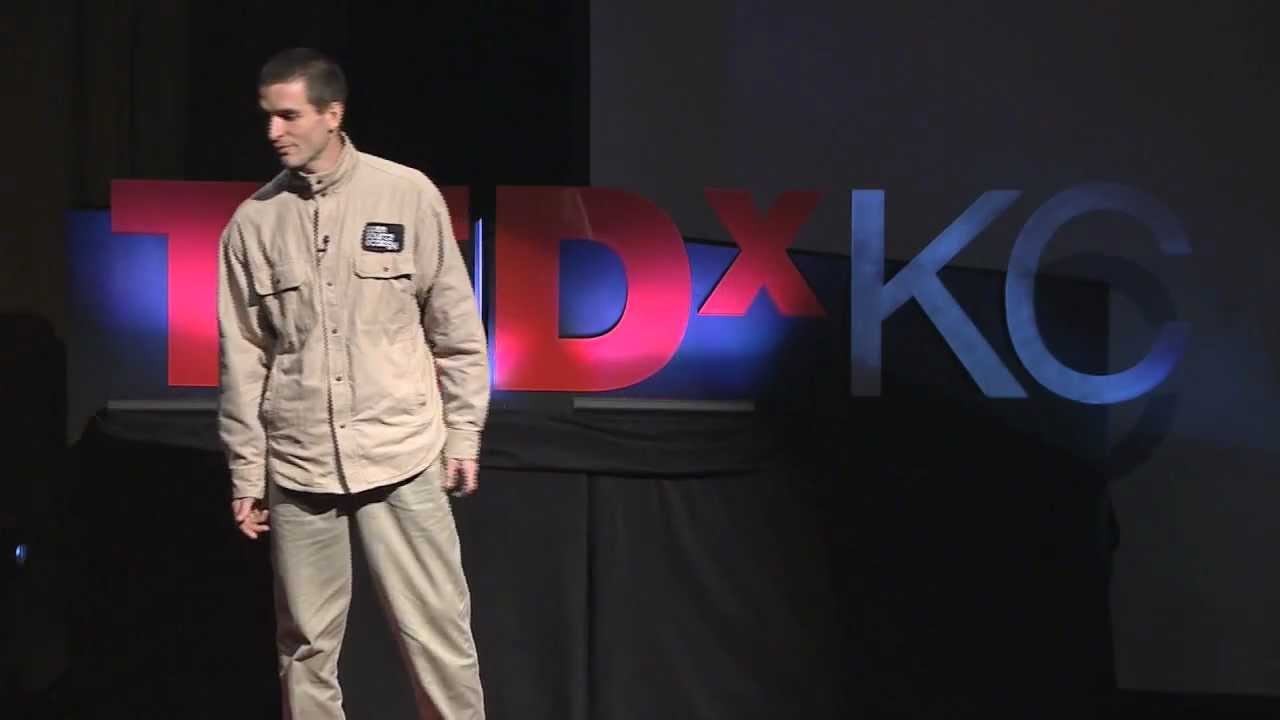
Civilization starter kit | Marcin Jakubowski | TEDxKC — TEDx Talks

TEDx Talks

Publishing open-source designs for core industrial hardware lowers production barriers and allows communities to break proprietary repair debt without lowering living standards.

AI-assisted summary of Civilization starter kit | Marcin Jakubowski | TEDxKC — original source. Check the original for full context.

Source published:

Key ideas

  • Open Source Ecology identified the 50 core machines required for modern civilization—ranging from tractors to circuit makers—to create low-cost, open-source DIY blueprints known as the Global Village Construction Set. (0:00)
  • Founder Marcin Jakubowski transitioned from fusion physics to agriculture, where repeated proprietary machinery breakdowns and high repair costs spurred him to engineer open-hardware alternatives. (0:00)
  • Through open-source wiki documentation and collaborative on-farm build sprints, the team prototyped 8 of the 50 machines, achieving benchmarks such as fabricating an operational tractor in six days and producing 5,000 earth blocks in a single day. (1:38)
  • The long-term objective is to release the entire library of blueprints, schematics, and instructional guides on a single DVD to dismantle artificial scarcity and decentralize production. (1:38)

Detailed notes

## Background Published by TEDx Talks on YouTube on September 22, 2011, this presentation features Marcin Jakubowski at TEDxKC introducing the "civilization starter kit." The description highlights Jakubowski, a fusion physics Ph.D. turned farmer and founder of Open Source Ecology, who is open-sourcing blueprints for 50 vital tools at Factor e Farm in rural Missouri to enable low-cost, self-sustaining living without sacrificing modern standards.

## TL;DR Faced with financial exhaustion from repeated tractor breakdowns on his Missouri farm, Marcin Jakubowski realized that the durable, community-scale tools needed for true self-sufficiency did not exist on the commercial market. In response, he founded Open Source Ecology to engineer the Global Village Construction Set: open-source, modular DIY designs for the 50 core machines essential to modern civilization, ranging from tractors to circuit makers. By publishing schematics, budgets, and instructional videos on an open wiki, Jakubowski attracted international contributors and proved high-output viability through feats like building an operational tractor in six days and pressing 5,000 earth blocks daily. With eight machines prototyped, he envisions packaging the full technical suite onto a single DVD to decentralize production and eliminate artificial scarcity worldwide.

## Atmosphere & style The presentation carries an earnest, understated, and pragmatic tone, anchored by Jakubowski's refreshing humility about having felt useless despite a doctorate in fusion physics. His narrative transitions briskly from personal financial vulnerability on a broken-down farm to an ambitious, quietly revolutionary vision of collaborative engineering. It feels focused, unpretentious, and urgent, inviting viewers to rethink the physical foundations of modern industry through radical transparency and hands-on self-reliance.

## Bulletin - [00:00](https://www.youtube.com/watch?v=S63Cy64p2lQ&t=0s) Open Source Ecology identified the 50 core machines required for modern civilization—ranging from tractors to circuit makers—to create low-cost, open-source DIY blueprints known as the Global Village Construction Set. - [00:00](https://www.youtube.com/watch?v=S63Cy64p2lQ&t=0s) Founder Marcin Jakubowski transitioned from fusion physics to agriculture, where repeated proprietary machinery breakdowns and high repair costs spurred him to engineer open-hardware alternatives. - [01:38](https://www.youtube.com/watch?v=S63Cy64p2lQ&t=98s) Through open-source wiki documentation and collaborative on-farm build sprints, the team prototyped 8 of the 50 machines, achieving benchmarks such as fabricating an operational tractor in six days and producing 5,000 earth blocks in a single day. - [01:38](https://www.youtube.com/watch?v=S63Cy64p2lQ&t=98s) The long-term objective is to release the entire library of blueprints, schematics, and instructional guides on a single DVD to dismantle artificial scarcity and decentralize production.

## Key takeaways - [00:00](https://www.youtube.com/watch?v=S63Cy64p2lQ&t=0s) The Global Village Construction Set identifies the 50 essential machines required to sustain modern civilization, spanning farming tools, ovens, and circuit makers. - [00:00](https://www.youtube.com/watch?v=S63Cy64p2lQ&t=0s) The project engineers open-source, DIY versions of industrial tools so anyone can build and service them at a fraction of commercial costs. - [00:00](https://www.youtube.com/watch?v=S63Cy64p2lQ&t=0s) Jakubowski founded the effort after realizing his doctoral education in fusion physics lacked practical life skills and commercial equipment repair costs left him broke on his Missouri farm. - [00:00](https://www.youtube.com/watch?v=S63Cy64p2lQ&t=0s) Commercial machinery often traps farmers in a cycle of expensive proprietary maintenance, mechanical failure, and planned obsolescence. - [01:38](https://www.youtube.com/watch?v=S63Cy64p2lQ&t=98s) Viable community-scale machinery must be modular, robust, low-cost, built to last a lifetime, and constructed using local or recycled materials. - [01:38](https://www.youtube.com/watch?v=S63Cy64p2lQ&t=98s) Industrial-level productivity does not require massive centralized factories and can be accomplished at a very small scale. - [01:38](https://www.youtube.com/watch?v=S63Cy64p2lQ&t=98s) Designs, CAD blueprints, assembly videos, and cost breakdowns are published on a public wiki, drawing international collaborators to Missouri for build sprints. - [01:38](https://www.youtube.com/watch?v=S63Cy64p2lQ&t=98s) Rapid fabrication trials demonstrated that a fully functional tractor could be built from scratch in six days. - [01:38](https://www.youtube.com/watch?v=S63Cy64p2lQ&t=98s) Operational benchmarks on the farm included pressing 5,000 compressed earth blocks from local soil and planting 100 trees in a single day. - [01:38](https://www.youtube.com/watch?v=S63Cy64p2lQ&t=98s) Eight of the planned 50 core machines had reached working prototype status at the time of the presentation. - [01:38](https://www.youtube.com/watch?v=S63Cy64p2lQ&t=98s) Applying open-source methodologies to hardware has a higher potential to reshape human reality than software by dramatically lowering the cost of physical production. - [01:38](https://www.youtube.com/watch?v=S63Cy64p2lQ&t=98s) The ultimate distribution goal is to pack the complete civilization starter kit onto a single DVD to enable decentralized, resilient communities.

## Detailed walkthrough ### [00:00](https://www.youtube.com/watch?v=S63Cy64p2lQ&t=0s) The Global Village Construction Set and the Reality of Farm Economics

Marcin Jakubowski introduces himself as a Polish-born farmer and technologist living in the United States who founded the organization Open Source Ecology to tackle a massive, ambitious endeavor. The organization began by isolating the 50 most essential machines required for modern civilization to thrive—spanning everyday staples from agricultural tractors and ovens to circuit makers. Rather than relying on proprietary manufacturers, Jakubowski and his team set out to engineer open-source, do-it-yourself editions of every single machine, allowing anyone to fabricate and service them at a sliver of the conventional commercial cost under the banner of the “Global Village Construction Set.”

Anticipating skepticism about whether he is simply reinventing the wheel, Jakubowski explains that his personal history made the project an absolute necessity. After completing a PhD in fusion energy in his twenties, he was confronted with an uncomfortable truth: “I discovered that I was useless.” Having acquired no hands-on, practical life skills, he initially drifted into what he describes as a standard consumer lifestyle before setting out to establish a farm in Missouri. There, harsh financial realities caught up with him. He purchased a commercial tractor, only to endure repeated mechanical breakdowns and exorbitant repair bills until he was entirely out of money.

```mermaid flowchart TD accTitle: The Global Village Construction Set Cycle accDescr: Diagram illustrating the workflow from broken machinery to open-source hardware prototyping. subgraph Problem["The Broken Consumer Loop"] A["Proprietary Machinery"] -->|"Breaks down"| B["Expensive Repairs"] B -->|"Depletes capital"| C["Farmer Goes Broke"] end subgraph Solution["Open Source Ecology Model"] D["Identify 50 Core Modern Machines"] --> E["Engineer Low-Cost, Modular DIY Designs"] E --> F["Publish Schematics & Budgets on Wiki"] F --> G["Worldwide Contributors Prototype on Farm"] end C -->|"Drives need for alternatives"| D ```

- Machines targeted: The 50 core technologies enabling modern society, including tractors, ovens, and circuit makers. - Location: Factor e Farm in rural Missouri. - Founder background: Holds a doctoral degree in fusion physics.

---

[01:38](https://www.youtube.com/watch?v=S63Cy64p2lQ&t=98s) Open Hardware, Rapid Fabrication, and Transcending Scarcity

Confronted with financial ruin, Jakubowski determined that the durable, low-cost equipment required to establish a truly self-sustaining settlement did not exist on the open market. He realized that viable community-scale tools had to be modular, robust, highly optimized, inexpensive, constructed from recycled and local inputs, and engineered to endure for an entire lifetime rather than succumbing to planned obsolescence. Choosing to fabricate and field-test the equipment on his own land, he established that industrial-level output was achievable on a very small scale. He documented the entire process, posting free CAD blueprints, schematics, instructional build videos, and detailed cost budgets to a public wiki.

This open documentation attracted international collaborators who traveled directly to the farm to prototype machinery during collaborative build sprints. Having completed prototypes for 8 of the 50 core machines, Jakubowski notes that while open-source principles have already revolutionized software and information management, the hardware sector holds far greater potential to reshape human reality by lowering the cost barriers to physical manufacturing, building, and agriculture. Rather than benefiting only remote or developing communities, the project serves American farmers, fabricators, and entrepreneurs launching community-supported agriculture programs, contracting operations, or decentralized energy generation. Jakubowski points to his own milestones—planting 100 trees in a single day, pressing 5,000 compressed earth blocks in a day from ground soil, and assembling an operational tractor in six days—as proof of concept. He envisions packing the entire library onto a single burned DVD that serves as a self-contained civilization starter kit, concluding with an urgent ethical challenge: “We're asking the question, 'What are the limits of open-source hardware in terms of what we all can do to make a better world?'”

- Prototyping status: 8 out of the planned 50 machines fully prototyped at the time of the presentation. - Personal build benchmarks: - 100 trees planted in a single day. - 5,000 earth building bricks compressed in one day from local dirt. - A fully functioning tractor fabricated from scratch in 6 days. - Long-term delivery goal: Compressing all blueprints, technical instructions, and documentation onto a single DVD. - Macro implications: Dismantling artificial scarcity through decentralized means of production and sustainable local supply chains.

## Mentioned Marcin Jakubowski, Open Source Ecology, Global Village Construction Set, Factor e Farm, Missouri, TEDxKC, TED Conference

## Video description Marcin Jakubowski is open-sourcing a set of blueprints for 50 farming tools that can be built cheaply from scratch. Call it a "civilization starter kit." Declaring that, "We can lead self-sustaining lives without sacrificing our standard of living," Marcin Jakubowski believes that only by opening the means of production can we achieve abundance for all.

Though he has a Ph.D. in fusion physics, Marcin became dissatisfied with its remoteness, and turned back to the earth as a farmer and social innovator. He is the founder of Open Source Ecology, which is creating the Global Village Construction Set — the blueprints for simple fabrication of everything needed to start a self-sustaining village. At Factor e Farm in rural Missouri, he's been successfully putting those ideas to the test.

This year's TEDxKC program, If Only. Only If., examines how radical collaboration, transparency and an open-source mind-set are shaping our world. More information about TEDxKC can be found at: http://www.TEDxKC.org

In the spirit of ideas worth spreading, TEDx is a program of local, self-organized events that bring people together to share a TED-like experience. At a TEDx event, TEDTalks video and live speakers combine to spark deep discussion and connection in a small group. These local, self-organized events are branded TEDx, where x = independently organized TED event. The TED Conference provides general guidance for the TEDx program, but individual TEDx events are self-organized.* (*Subject to certain rules and regulations)

[Source](https://www.youtube.com/watch?v=S63Cy64p2lQ)

中文简报

Jakubowski绘制50种工具蓝图以大幅削减工业设备成本 发布核心工业硬件的开源设计降低了生产门槛,让社区在不降低生活水平的情况下摆脱专有维修债务。 在密苏里州的农场上,因拖拉机屡次发生故障而面临经济枯竭后,Marcin Jakubowski意识到,商业市场上并不存在实现真正自给自足所需的耐用、社区级工具。为此,他创立了Open Source Ecology,着手研发“全球村建设套件”(Global Village Construction Set):涵盖从拖拉机到电路制造机等维持现代文明所必需的50种核心机器的开源、模块化DIY设计。通过在开放维基上发布原理图、预算和教学视频,Jakubowski吸引了国际贡献者,并通过六天内造成一台可用拖拉机以及日产5000块压制泥土砖等成果证明了其高产可行性。目前已有八款机器完成原型设计,他设想将整套技术打包至单张DVD中,以分散全球生产并消除人为造成的稀缺。 Open Source Ecology确定了现代文明所需的50种核心机器——从拖拉机到电路制造机不等,旨在打造名为“全球村建设套件”的低成本、开源DIY蓝图。 (0:00) 创始人Marcin Jakubowski从聚变物理学转行进入农业,专有机械的反复损坏以及高昂的维修成本促使他设计开源硬件替代品。 (0:00) 通过开源维基文档和农场现场的协作制造冲刺,该团队已完成50种机器中8种的原型设计,达成了六天制造出一台可用拖拉机以及单日生产5000块泥土砖等基准目标。 (1:38) 其长期目标是将全部蓝图、原理图和教学指南整合发布在一张DVD上,以消除人为稀缺并实现生产去中心化。 (1:38)

Reading summary

Marcin Jakubowski argues that proprietary manufacturing imposes prohibitive repair costs and planned obsolescence on essential equipment, prompting his project, Open Source Ecology, to develop open-source, modular blueprints for the 50 machines most critical to modern civilization. Proprietary Equipment and Economic Vulnerability (0:00) After completing a PhD in fusion physics, Jakubowski realized he lacked practical life skills and relocated to Missouri to establish a farm. His enterprise ran into severe financial obstacles when his commercially purchased tractor repeatedly malfunctioned, generating steep repair expenses that eventually exhausted his savings. This financial strain led him to conclude that the durable, low-cost machinery needed for self-sufficient community life was unavailable on the commercial market. The Global Village Construction Set Model (1:38) In response, Jakubowski founded Open Source Ecology to isolate the 50 machines essential to sustaining modern society, ranging from tractors and ovens to circuit makers. Rather than relying on proprietary vendors, the initiative designs modular, lifetime-durable tools made from local and recycled inputs that can be fabricated at a fraction of standard retail costs. Jakubowski published the CAD schematics, instructional build videos, and cost breakdowns to an open-access wiki, attracting international contributors to Missouri's Factor e Farm for collaborative prototyping sprints. Prototyping Benchmarks and Decentralized Production (1:38) Testing the machinery on his land demonstrated that industrial-level output can be achieved at a community scale. At the time of the presentation, Open Source Ecology had completed prototypes for 8 of the 50 targeted machines. Jakubowski cited specific operational benchmarks enabled by these tools, including planting 100 trees in a single day, compressing 5,000 earth building blocks from raw soil in a day, and assembling a functioning tractor from scratch in six days. Jakubowski envisions compressing the entire open-source library onto a single DVD as a self-contained civilization starter kit, arguing that decentralized hardware can dismantle artificial scarcity, while leaving open the question of what the ultimate limits of open-source hardware will be in reshaping global production.

精炼阅读摘要

Open Source Ecology 创始人 Marcin Jakubowski 提出,通过研发并公开现代文明赖以生存的 50 种核心机械的低成本、模块化开源设计,能够打破专有制造与计划性报废造成的资源稀缺,实现社区级的自主生产与自足发展。 专有农机困境催生开源硬件构想 (0:00) 拥有聚变物理学博士学位的 Marcin Jakubowski 在美国密苏里州建立农场时遭遇严重财务瓶颈。他购买的商用拖拉机频繁发生机械故障,高昂的维修费用最终耗尽了他的流动资金。这一经历使他意识到,市场上缺乏耐用且成本低廉的基础生产工具,促使他创立 Open Source Ecology 并启动“全球村庄建设套件”(Global Village Construction Set)项目,旨在摆脱对高成本专有制造商的单一依赖。 Jakubowski 针对现代文明运转筛选出 50 种最核心的机器,涵盖从农业拖拉机、烤箱到电路制造机等基础生产与制造工具。他主张这类社区级工具必须具备模块化、耐用、优化成本、终身使用以及优先利用废旧材料或本地资源的特性,从而彻底解决传统消费模式中农民因农机故障与高额维护成本而破产的恶性循环。 小规模工业级生产与开源知识协作 (1:38) 在密苏里州的 Factor e Farm 基地,Jakubowski 亲自制造并现场测试各类设备,验证了工业级产能在极小规模下同样可行的事实。他将整个研发过程透明化,把免费的计算机辅助设计(CAD)蓝图、电路原理图、视频教学指南和详细成本预算全数发布在公开 Wiki 上。这种开源模式吸引了来自全球的协作者直接前往农场,通过协作冲刺的方式参与机械原型的制造与改进。 截至演讲时,项目已在计划的 50 种机器中完成了 8 种的原型开发。Jakubowski 指出,尽管开源理念已重塑了软件与信息产业,但开源硬件由于能直接大幅降低实体制造、工程建筑和农业生产的资金门槛,在消除人为制造的稀缺性方面具备更为深远的变革潜力。该项目不仅适用于偏远或发展中区域,同样能为美国本土的农场主、承包商以及分布式能源创业者提供生产工具支持。 实际生产基准与文明启动工具包远景 (1:38) Jakubowski 列举了农场的实际作业基准来证明该模式的可行性,包括单日种植 100 棵树、利用现场泥土在一天内压制 5000 块压缩土块,以及仅耗时 6 天从零组装完成一台功能齐全的拖拉机。这些实测数据表明,去中心化的生产机制能够有效支撑起可持续的本地供应链。 他的长期愿景是将全部 50 种机器的设计蓝图、操作技术说明与文档压缩刻录至单张 DVD 中,打造一套便携的“文明启动工具包”。该设想旨在以去中心化的实体制造手段对抗稀缺,探索开源硬件在改造世界实体生产模式中的应用极限。 该项目虽然通过 8 种核心机械的原型展示了开源硬件在小规模工业生产中的潜力,但其余 42 种复杂设备的研发进度、长期可靠性以及全球推广的实际门槛仍有待实践检验。

Detailed notes — zh

## Background 本内容由 TEDx Talks 频道于 2011 年 9 月 22 日发布在 YouTube 平台。页面简介介绍,核聚变物理学博士出身的马辛·雅库博夫斯基(Marcin Jakubowski)转向土地成为农夫与社会创新者,他创办了“开源生态学”(Open Source Ecology),致力于开源 50 种低成本农业与制造工具的蓝图,打造一套让人们在不牺牲生活水准前提下实现自给自足的“文明启动套件”。 ## TL;DR 雅库博夫斯基在密苏里州经营农场时因农机反复损坏破产,痛感现代工业产品充斥计划性报废且缺乏适用工具,因而决定亲自动手重构生产力。他发起“开源生态学”并开发“全球村庄建设套件”(GVCS),挑选出拖拉机、电路板制作机等维持现代文明运转不可或缺的 50 种核心机器,进行模块化、低成本与终身耐用的开源设计。项目已将多款机器的图纸与教程免费发布在 Wiki 上,吸引全球协作者共同制造并验证了小规模工业级生产力,旨在通过生产资料的去中心化打破人为匮乏。 ## Atmosphere & style 演讲节奏明快、真挚且极具感染力,开篇带着一丝物理学博士面对现实农场困境时的自嘲与幽默,迅速拉近与听众的距离。随着话题从个人的破产挫折切入到亲手制造机器的硬核实践,语调转变为笃定与务实,展现出强烈的工匠精神。现场氛围在公布惊人的单日生产力实测数据与宏大愿景时达到高潮,带给观众一种由底层技术赋能激发的理想主义震撼与希望感。 ## Bulletin - [00:11](https://www.youtube.com/watch?v=S63Cy64p2lQ&t=11s) 开源生态学(Open Source Ecology)正在开发涵盖 50 种现代核心机器的“全球村庄建设套件”(GVCS),旨在让任何人都能以极低成本自行制造和维护这些工具。 - [00:50](https://www.youtube.com/watch?v=S63Cy64p2lQ&t=50s) 项目发起人马辛·雅库博夫斯基(Marcin Jakubowski)拥有核聚变能源博士学位,但在创办农场时因传统机械高频损坏且维修昂贵而破产,从而转向自主研发小规模工业级工具。 - [02:06](https://www.youtube.com/watch?v=S63Cy64p2lQ&t=126s) 截至演讲时团队已成功试制并开源了 8 种核心机器的原型,包括设计图纸、电路图与教学视频。 - [02:06](https://www.youtube.com/watch?v=S63Cy64p2lQ&t=126s) 实测数据显示,使用自制开源设备能够实现单日植树 100 棵、单日利用本地泥土压砖 5,000 块,以及仅耗时 6 天完整组装出一台拖拉机。 ## Key takeaways - [00:11](https://www.youtube.com/watch?v=S63Cy64p2lQ&t=11s) 全球村庄建设套件(GVCS)旨在筛选出维持现代文明所需的 50 种关键机械,涵盖农业、建筑及制造装备。 - [00:11](https://www.youtube.com/watch?v=S63Cy64p2lQ&t=11s) GVCS 的目标是通过开源设计打破商业垄断,使生产工具的制造成本和维护费用降至工业成品的一小部分。 - [00:50](https://www.youtube.com/watch?v=S63Cy64p2lQ&t=50s) 现代工业产品普遍存在计划性报废的问题,市场上缺乏专为终身使用、模块化和易维修而设计的工具。 - [00:50](https://www.youtube.com/watch?v=S63Cy64p2lQ&t=50s) 小规模生产通过合理设计与开源图纸,完全能够实现可媲美工业级的生产力与制造效率。 - [00:50](https://www.youtube.com/watch?v=S63Cy64p2lQ&t=50s) 理想的文明基建工具应具备模块化、高效率、低成本特点,并支持利用本地材料或循环再生材料制造。 - [02:06](https://www.youtube.com/watch?v=S63Cy64p2lQ&t=126s) 团队将所有图纸、电路图与材料清单公开于网络 Wiki,吸引了全球协作者共同参与原型机的线下快速迭代。 - [02:06](https://www.youtube.com/watch?v=S63Cy64p2lQ&t=126s) 开源模式正从软件与知识创意领域扩展至实体硬件,直接对人类的物质生活与生产方式产生切实影响。 - [02:06](https://www.youtube.com/watch?v=S63Cy64p2lQ&t=126s) 大幅降低耕作、建造和制造的技术与资金门槛,不仅能帮助发展中国家,也能为本土农民和创客开启新的商业可能。 - [02:06](https://www.youtube.com/watch?v=S63Cy64p2lQ&t=126s) 项目的终极愿景是将完整的建造与制造教程高度集成,使一张单张 DVD 光盘实质上成为一套可随处部署的“文明启动套件”。 - [02:06](https://www.youtube.com/watch?v=S63Cy64p2lQ&t=126s) 通过开源硬件将生产资料进行去中心化分配,有望打破人为造成的资源匮乏,构建环境友好的本地化供应链。 ## Detailed walkthrough ### [00:11](https://www.youtube.com/watch?v=S63Cy64p2lQ&t=11s) 全球村庄建设套件:开源重构现代文明基础机器 波兰出生、现居美国的农夫兼技术专家马辛·雅库博夫斯基(Marcin Jakubowski)登台向观众介绍了自己的身份以及由他创立的组织“开源生态学”(Open Source Ecology)。该团队设立了一个极其宏大、艰难且充满野心的目标:梳理并筛选出维持现代文明运转不可或缺的 50 种核心机器。雅库博夫斯基指出,无论是日常能意识到的拖拉机,还是厨房中的烤箱,亦或是用于微电子制造的电路板制作机,现代人类生活的方方面面都在依赖这些设备。为了打破高昂的商业垄断壁垒,他们着手研发完全开源的 DIY 版本,让世界上任何人都能够以传统成本的一小部分自行制造和维护这些设备。他将这一庞大的工具蓝图体系正式命名为“全球村庄建设套件”(Global Village Construction Set,简称 GVCS)。 ```mermaid flowchart TD accTitle: 全球村庄建设套件运作构想 accDescr: 展示从识别50种关键机器到开源图纸并实现人人低成本制造的流程 subgraph CoreGoal ["核心筛选"] A["现代生活核心机器 (50种)"] --> B["涵盖拖拉机、烤箱、制板机等"] end subgraph Solution ["开源与本地化"] B --> C["模块化与低成本开源设计"] C --> D["全球村庄建设套件 (GVCS)"] end subgraph Impact ["实际落地"] D --> E["发布Wiki图纸与教程"] E --> F["人人均可制造与终身维护"] end ``` - **开源生态学(Open Source Ecology)的核心目标**:梳理现代生活必需的 50 种关键机械,涵盖农业装备、建筑工具及生产制造机器。 - **全球村庄建设套件(GVCS)的特点**:设计开放、模块化、全流程开源,且制造成本和维护成本仅为工业成品的几分之一。 --- ### [00:50](https://www.youtube.com/watch?v=S63Cy64p2lQ&t=50s) 博士的挫折与密苏里农场的“车祸现场” 面对“你们是否在重复发明轮子”的质疑,雅库博夫斯基坦率地给出了肯定的回答,并分享了自己戏剧性的个人转折。他在二十多岁时获得了核聚变物理学博士学位,但毕业后却陷入了深深的挫败感之中,正如他自我解嘲时所说:“我发现自己毫无用处。”他当时缺乏任何实际操作的动手技能,只能全盘接受现代消费主义生活方式所提供的既定选项。为了摆脱这种状态,他在密苏里州创办了一座农场,试图从零开始学习农业经济。然而现实极为严酷:他购买了一台拖拉机,机器很快损坏;他掏出积蓄送修,不久拖拉机再次故障,最后连他自己也彻底破产陷入绝境。 这一惨痛教训促使雅库博夫斯基反思现代工业产品的弊端。他发现,建设自给自足的生活和定居点所必需的高效、低成本工具在现有市场上根本不存在。市场上充斥着计划性报废的产品,而他真正需要的是结构坚固、模块化设计、极度高效、完全针对终身使用而非报废设计、并且能使用本地与回收材料制作的工具。既然市场无法提供,他唯一的出路就是亲手打造。在自行制造和反复实测的过程中,他获得了一个突破性认知:“我发现小规模生产同样可以实现工业级的生产力。” - **个人背景转折**:拥有核聚变能源博士学位,但因缺乏动手技能而在经营密苏里农场时遭遇严重挫折。 - **现实痛点**:传统农业机械反复损坏导致维修费用高昂,引发经济破产。 - **理想工具的设计标准**:模块化、极高效率、成本低廉、使用本地或循环再生材料制造、设计寿命为终身使用。 --- ### [02:06](https://www.youtube.com/watch?v=S63Cy64p2lQ&t=126s) 从开源硬件到“文明启动套件”的愿景与潜力 在成功验证了小规模工业制造的可行性后,雅库博夫斯基将机器的设计图纸、电路图、教学视频和材料预算全部免费公开在网络 Wiki 上。这一举措吸引了来自全球各地的支持者与协作者,大家开始亲赴现场参与专项开发,共同制作新型机器的原型。截至演讲时,团队已经成功试制了 50 种机器中的 8 种,整个项目已展现出自发生长的强劲生命力。雅库博夫斯基强调,开源模式早已在软件及知识创意管理领域大获成功,如今这股浪潮正在席卷硬件领域;相比于虚拟软件,硬件能够以更加直观、切实的方式改变人类的物质生活。 雅库博夫斯基指出,一旦大幅降低耕作、建筑和生产制造的门槛,整个人类的潜力将得到彻底释放。这种潜力不仅惠及发展中国家,同样深受美国本土农民、建造者和创客的推崇,他们可以借助这套公开资料库启动自己的建筑业务、零部件制造厂、有机农场(CSA),甚至向电网反向供电。他的最终目标是构建一套极其详尽清晰的指导资料库,正如他满怀憧憬地描述:“我们的目标是建立一个详尽、清晰的教程资料库,以至于光盘刻录的一张单张 DVD,在实质上就是一套文明启动套件。” 为了印证这套系统的惊人效率,雅库博夫斯基分享了一组真实数据:他曾独自在一天内种下 100 棵树,利用脚下的泥土在一天内压制出 5,000 块建筑砖块,并且仅用 6 天时间就组装出了一台拖拉机。他坚信这仅仅是一个开端。在演讲的尾声,他深刻剖析了开源硬件对整个人类社会的颠覆性意义,指出生产资料的广泛去中心化分配、环境友好的本土供应链以及复兴的 DIY 创客文化,有望彻底超越由垄断导致的“人为匮乏”。最后,他向全场抛出了一个发人深省的问题,正如他总结时所问:“面对开源硬件,我们究竟能做到什么程度,来让这个世界变得更美好?” - **项目进展**:50 种现代核心机器中已成功完成 8 种原型机的制造与开源。 - **实测生产力数据**:单日植树 100 棵;单日利用就地土壤压砖 5,000 块;耗时 6 天完整建造出一台农用拖拉机。 - **深层社会影响**:通过开源彻底去中心化分配生产资料,构建环保供应链,打破人造的资源匮乏现象。 ## Notable quotes > [00:50](https://www.youtube.com/watch?v=S63Cy64p2lQ&t=50s) 我发现小规模生产同样可以实现工业级的生产力。 — 马辛·雅库博夫斯基 > [02:06](https://www.youtube.com/watch?v=S63Cy64p2lQ&t=126s) 我们的目标是建立一个详尽、清晰的教程资料库,以至于光盘刻录的一张单张 DVD,在实质上就是一套文明启动套件。 — 马辛·雅库博夫斯基 ## Mentioned Marcin Jakubowski, Open Source Ecology, Global Village Construction Set, Factor e Farm, TEDxKC, Wiki ## Video description Marcin Jakubowski is open-sourcing a set of blueprints for 50 farming tools that can be built cheaply from scratch. Call it a "civilization starter kit." Declaring that, "We can lead self-sustaining lives without sacrificing our standard of living," Marcin Jakubowski believes that only by opening the means of production can we achieve abundance for all. Though he has a Ph.D. in fusion physics, Marcin became dissatisfied with its remoteness, and turned back to the earth as a farmer and social innovator. He is the founder of Open Source Ecology, which is creating the Global Village Construction Set — the blueprints for simple fabrication of everything needed to start a self-sustaining village. At Factor e Farm in rural Missouri, he's been successfully putting those ideas to the test. This year's TEDxKC program, If Only. Only If., examines how radical collaboration, transparency and an open-source mind-set are shaping our world. More information about TEDxKC can be found at: http://www.TEDxKC.org In the spirit of ideas worth spreading, TEDx is a program of local, self-organized events that bring people together to share a TED-like experience. At a TEDx event, TEDTalks video and live speakers combine to spark deep discussion and connection in a small group. These local, self-organized events are branded TEDx, where x = independently organized TED event. The TED Conference provides general guidance for the TEDx program, but individual TEDx events are self-organized.* (*Subject to certain rules and regulations) [Source](https://www.youtube.com/watch?v=S63Cy64p2lQ)

Source quotes

[0:50] 马辛·雅库博夫斯基: 我发现小规模生产同样可以实现工业级的生产力。 [2:06] 马辛·雅库博夫斯基: 我们的目标是建立一个详尽、清晰的教程资料库,以至于光盘刻录的一张单张 DVD,在实质上就是一套文明启动套件。

Original transcript

[0:00] Transcriber: Capa Girl Reviewer: Ariana Bleau Lugo [0:11] My name is Marcin. [0:13] I am a farmer, technologist, [0:14] born in Poland, now in the US. [0:17] I started a group "Open Source Ecology" [0:19] and we took on a very big, hairy, audacious goal. [0:25] We've identified the 50 most important machines [0:27] that allow for modern life to exist, [0:30] the things we rely on everyday, whether we know it or not. [0:32] Everything from a tractor to an oven, to a circuit maker. [0:37] Then we created an open source, DIY version [0:40] that anyone can build and maintain at a fraction of the cost. [0:44] We call this the "Global Village Construction Set". [0:50] Are we reinventing the wheel here? [0:53] Well, yes. So let me tell you a story. [0:56] I finished in my twenties with a PhD in Fusion Energy. [0:59] And I discovered that I was useless. (Laughter) [1:04] I had no practical skills, the world presented me [1:06] with options and I took them. [1:09] I guess you can call it the consumer lifestyle. [1:12] So, I started a farm in Missouri and learned about the economics of farming. [1:17] I bought a tractor, then it broke, I paid to get it repaired, [1:22] then it broke again, and pretty soon I was broke too. [1:28] I realized that the truly effective, low-cost tools [1:32] that I needed to build a sustainable life and settlement [1:36] just didn't exist yet. [1:38] I needed tools that were robust, modular, [1:43] highly-efficient and optimized, low-cost, [1:46] made from local and recycled materials, [1:48] designed for a lifetime not obsolescence. [1:52] I found that I would have to build them myself. [1:56] So I did just that and I tested them [2:00] and I found that industrial productivity [2:03] can be achieved on a small scale. [2:06] So then I published the free designs, schematics, [2:11] instructional videos and budgets on a Wiki. [2:15] Then contributors from all over the world, [2:18] began showing up prototyping new machines [2:20] during dedicated project visits. (Laughter) [2:23] So far we've prototyped 8 of the 50 machines [2:27] and the project is beginning to grow on its own. [2:31] We know that open-source has succeeded with software, [2:35] and tools from managing knowledge and creativity. [2:38] And the same is beginning to happen with hardware too. [2:41] We're focusing on hardware [2:43] because it's hardware that can change [2:44] people's lives in such tangible, material ways. [2:49] If we can lower the barriers to farming, [2:52] building, manufacturing then we can unleash [2:54] massive amounts of human potential. [2:57] And not only in the developing world. [2:59] We've seen lots of excitement from American farmers, [3:02] builders, makers who can harness our published library [3:06] to start a construction business, parts manufacturing, organic CSA, [3:11] or just to sell power back to the grid. [3:15] Our goal is a published library of instructional material [3:18] so complete, so clear, that a single burned DVD [3:23] is effectively a civilization starter-kit. [3:28] I've planted a hundred trees in a day, [3:31] I've pressed 5000 bricks [3:33] in one day from the dirt beneath my feet, [3:35] and I built a tractor in six days. [3:39] And from what I've seen, this is only the beginning. [3:44] If this idea is truly sound then the implications [3:49] are significant. [3:51] A greater distribution of the means of production, [3:53] environmentally sound supply chains, [3:56] and the newly relevant DIY maker culture [3:59] can hope to transcend artificial scarcity. [4:03] We're asking the question, [4:05] "What are the limits of open-source hardware [4:09] in terms of what we all can do to make a better world?" [4:14] Thank you. [4:15] (Applause)