Jill Price Brain Scans Link Total Recall to Compulsive Hoarding
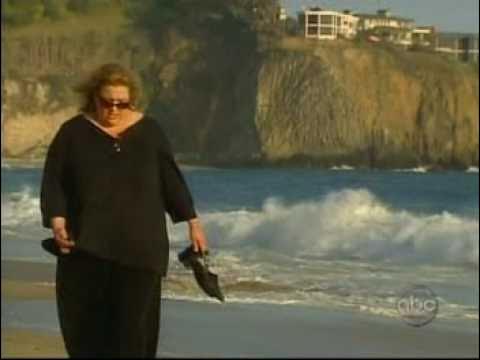
The Woman Who Could Not Forget - Jill Price — Jim Cristea

Jim Cristea

Neurobiologists find Price's inability to shed memories stems from obsessive-compulsive brain mechanisms, suggesting her total recall could guide treatments for disorders like Alzheimer's.

AI-assisted summary of The Woman Who Could Not Forget - Jill Price — original source. Check the original for full context.

Source published:

Key ideas

  • Jill Price demonstrates near-flawless autobiographical and pop culture recall, dating obscure television broadcasts and personal milestones within seconds. (0:08)
  • Neurobiologists have identified an enlarged brain structure in Price typically associated with obsessive-compulsive disorder, suggesting a neurobiological link between physical hoarding and mental memory retention. (5:04)
  • Unlike the typical human brain which dulls emotional pain over time, Price's condition forces her to relive past trauma and decades-old regrets with unchanged emotional intensity. (2:35)
  • Researchers at UC Irvine study Price's neurological mechanisms in hopes of fundamentally reshaping how memory storage is understood and aiding treatments for conditions like Alzheimer's disease. (7:07)

Detailed notes

## Background Published on YouTube by Jim Cristea on December 9, 2008, this video features a report on Jill Price, a woman diagnosed with hyperthymesia. According to the page description, Price cannot forget anything in her life, retaining vivid memories of both the good and the bad.

## TL;DR In this broadcast report, Diane Sawyer examines the extraordinary case of Jill Price, a school administrator who possesses total, encyclopedic recall of virtually every day of her life. While Sawyer demonstrates Price's astounding ability to instantly date obscure television airings and historical events, the feature reveals the heavy psychological toll of being unable to dull or forget past emotional pain. Neurobiologists connect her memory retention to enlarged brain structures associated with obsessive-compulsive hoarding, noting both physical and mental collection habits. Despite the devastating loss of her husband and the constant replay of life's heartbreaks, Price collaborates with researchers hoping her unique condition might one day help solve memory disorders like Alzheimer's.

## Atmosphere & style The broadcast strikes an intriguing balance between journalistic wonder and profound, melancholic intimacy. Diane Sawyer's lighthearted quiz challenges with obscure 1970s pop culture contrast sharply with the raw, vulnerable reflections of Jill Price and her family. Watching the segment evokes a poignant sense of exhaustion and empathy as the illusion of memory as a superpower gives way to the reality of an inescapable emotional prison, softened only by Jill's resilience and quiet humor.

## Bulletin - [00:08](https://www.youtube.com/watch?v=SoxsMMV538U&t=8s) Jill Price demonstrates near-flawless autobiographical and pop culture recall, dating obscure television broadcasts and personal milestones within seconds. - [05:04](https://www.youtube.com/watch?v=SoxsMMV538U&t=304s) Neurobiologists have identified an enlarged brain structure in Price typically associated with obsessive-compulsive disorder, suggesting a neurobiological link between physical hoarding and mental memory retention. - [02:35](https://www.youtube.com/watch?v=SoxsMMV538U&t=155s) Unlike the typical human brain which dulls emotional pain over time, Price's condition forces her to relive past trauma and decades-old regrets with unchanged emotional intensity. - [07:07](https://www.youtube.com/watch?v=SoxsMMV538U&t=427s) Researchers at UC Irvine study Price's neurological mechanisms in hopes of fundamentally reshaping how memory storage is understood and aiding treatments for conditions like Alzheimer's disease.

## Key takeaways - [00:08](https://www.youtube.com/watch?v=SoxsMMV538U&t=8s) Jill Price can vividly relive virtually every day of her life in full detail, functioning with what scientists describe as an internal library of memories. - [00:08](https://www.youtube.com/watch?v=SoxsMMV538U&t=8s) Price began experiencing a dual awareness around age twelve, living simultaneously in the present moment and the running tape of her past. - [00:08](https://www.youtube.com/watch?v=SoxsMMV538U&t=8s) On-camera testing demonstrated that Price can instantly identify exact broadcast dates for major TV milestones and obscure shows like Blansky's Beauties. - [02:35](https://www.youtube.com/watch?v=SoxsMMV538U&t=155s) Selective memory is vital to ordinary emotional survival; Price's inability to filter or dull past memories causes her to constantly re-experience decades-old regrets. - [02:35](https://www.youtube.com/watch?v=SoxsMMV538U&t=155s) Price's unyielding recall created severe misunderstandings in her family, as relatives struggled to comprehend her intense, persistent reactions to past events. - [02:35](https://www.youtube.com/watch?v=SoxsMMV538U&t=155s) Parental criticisms, such as comments on weight, compounded into severe emotional distress because Price retained the exact dates, times, and frequencies of each remark. - [05:04](https://www.youtube.com/watch?v=SoxsMMV538U&t=304s) Brain scans showed an enlarged region tied to obsessive-compulsive disorder, leading researchers Dr. Larry Cahill and Dr. James McGaugh to link her condition to hoarding behavior. - [05:04](https://www.youtube.com/watch?v=SoxsMMV538U&t=304s) Price's mental accumulation parallels physical collection habits, as she preserves childhood relics such as her crib doll and high school notebooks. - [05:04](https://www.youtube.com/watch?v=SoxsMMV538U&t=304s) Conventional pharmaceutical interventions, including antidepressants, have proved ineffective at calming Price's uncontrollable memory retrieval. - [05:04](https://www.youtube.com/watch?v=SoxsMMV538U&t=304s) Price found temporary emotional relief during her marriage to Jim Price, but his sudden fatal stroke at age 42 left an incurable trauma she relives without the healing effect of time. - [07:07](https://www.youtube.com/watch?v=SoxsMMV538U&t=427s) Neuroscientists believe understanding Price's atypical memory retention could revolutionize theories on brain synaptic storage and inform therapies for memory loss disorders. - [07:07](https://www.youtube.com/watch?v=SoxsMMV538U&t=427s) Encountering a confused woman suffering from dementia at a bank served as the catalyst for Price to go public and publish her memoir to help science.

## Detailed walkthrough ### [00:08](https://www.youtube.com/watch?v=SoxsMMV538U&t=8s) Testing Jill Price’s Encyclopedic Memory

Scientists remain mystified by how human beings retrieve memories from an estimated 500 trillion synapses in the brain. If all of those pathways could be located, it would function like having a vast library inside one's head. Diane Sawyer introduces Jill Price, whose extraordinary brain allows her to relive every single day of her life in vivid detail, including the television broadcasts she watched growing up. To test the precision of this total recall, Sawyer plays short, random television clips to see whether Jill can identify specific air dates within seconds.

Presented with a clip of *All in the Family*, Jill instantly identifies the year as 1975, adding that the character Gloria had her baby on December 22, 1975, and that the scene shown took place right before that moment. When asked about her past consulting work on a CBS retrospective concerning the famous "Who Shot J.R.?" storyline on *Dallas*, Jill rattles off the exact calendar points effortlessly. Sawyer then plays the final episode of *M*A*S*H*, which Jill dates to February 1983, adding that she knows exactly what she was doing that day. Even obscure television theme songs pose no obstacle: Jill quickly identifies *The Rockford Files*, and when Sawyer plays a rare track in an effort to stump her, Jill immediately names *Blansky's Beauties*—a show that aired for only three months in 1977, when Jill was just eleven years old.

- **"Who Shot J.R.?" dates:** Jill notes, “We shot J.R. on March 21st, 1980. But we found out on November 21st, 1980. And I can tell you what I was doing on both of those instances.” - **Current profession:** Jill works as a school administrator. - **Onset of dual awareness:** At age twelve, Jill realized she had begun living two lives simultaneously: the present and the past.

---

[02:35](https://www.youtube.com/watch?v=SoxsMMV538U&t=155s) The Emotional Burden of Unfiltered Recall

Living with an unyielding memory created profound misunderstandings within Jill’s family. Her mother notes that Jill was never easy to raise because Jill was unable to explain everything rushing through her head. Her brother Mike remembers thinking, “Why don't you just get over that? She doesn't.” Jill explains that her family simply did not know how to help her, highlighting the contrast between her brother’s stoicism and her own emotional turmoil: “My brother is opposite of me. I'm screaming and yelling and crying.”

Sawyer observes that ordinary human happiness relies on editing and forgetting painful experiences, asking Jill whether human survival depends on shaping oneself through selective memory. Jill rejects the idea that she can curate her past: “And I don't do that. I still feel bad about stuff that happened 30 years ago.” When Sawyer points out that everyone remembers one or two regrets, Jill corrects her: “Not one or two things, everything. And I really like live it and feel it. And I think, God, if I had just done this, I wouldn't have done this, I wouldn't be here. I'm always constantly doing that.”

Jill's father, Len, a Hollywood talent agent, compares normal human memory to an oyster handling an irritant: “Most of us are like that oyster that has the grain of sand. It builds a pearl around it to smooth out the sand. And that's what our memories are, really. We forget all the bad things. Or a lot of them, or they're dull. The emotions are dulled. With Jill, she's right there.” Her mother, a dancer, notes how routine parental remarks about weight compounded Jill's emotional distress over time. Jill remembers the exact dates and times of every criticism, explaining, “She'll not realize she said it 500 times. She'll think she said it one time.”

- **Uncontrollable past:** Jill describes the condition as paralyzing, confessing: “It's uncontrollable. I actually probably should be in a mental hospital because this makes me crazy. I figured out a way to live this.” - **High school recall:** Jill can summon the day-to-day events of her junior year in high school with total clarity.

---

[05:04](https://www.youtube.com/watch?v=SoxsMMV538U&t=304s) Brain Research, Hoarding, and the Loss of Jim Price

Neurobiologists Dr. Larry Cahill and Dr. James McGaugh explore the underlying biology of Jill's condition, noting that a specific brain structure is noticeably enlarged in her scans—a region typically associated with obsessive-compulsive disorder (OCD). The researchers argue that Jill's drive to preserve memories parallels an OCD hoarder's compulsion to amass physical objects. Dr. McGaugh notes, “We believe that she has strong tendencies toward obsessive-compulsive,” and adds, “We don't think it's an accident that the tendency to collect is both for objects and for memories. We think these are related, and we think the brain does it, and we want to figure out how.” Jill admits she dislikes the term "hoarding," though she still keeps the first doll ever placed in her crib, the first gift given to her at birth, and her senior-year high school notebook. When asked if medical interventions such as antidepressants helped calm her mind, Jill replies, “That doesn't work either.”

```mermaid flowchart TD accTitle: Neurological and Emotional Architecture of Jill Price's Recall accDescr: Diagram illustrating the biological links to OCD, external collection habits, and life events impacting Jill Price's memory.

subgraph Biology["Neurobiology & OCD Connection"] A["Enlarged Brain Region"] --> B["Obsessive-Compulsive Tendencies"] B --> C["Mental Hoarding: Absolute Memory Retention"] B --> D["Physical Hoarding: Childhood Artifacts"] end

subgraph Relationships["Impact of Key Relationships"] E["Marriage to Jim Price (2002)"] --> F["Temporary Relief from Past Traumas"] G["Jim's Sudden Death (Stroke at 42)"] --> H["New Incurable Trauma Relived Constantly"] end

C --> E H --> I["Inability for Time to Heal Wounds"] ```

The only relief Jill ever experienced arrived in 2002, when she began talking online with Jim Price. The two fell in love and married. Jill describes their connection warmly: “He just got me right from the very beginning. We laughed all the time, and he just was my best friend.” While married, the heavy burden of her past receded. However, just two years into their marriage, Jim—who had diabetes—suffered a fatal stroke at age 42. His sudden death left behind another devastating memory that Jill is forced to replay in vivid detail without the dulling effect of time. As her friend remarks, “And we could say time heals all wounds. Doesn't for her.”

---

[07:07](https://www.youtube.com/watch?v=SoxsMMV538U&t=427s) Moving Forward and Scientific Implications

Despite her recurring grief, Jill's friends admire her fortitude. Her best friend remarks, “I think Jill's brave, and I think she has a lot of courage. And she's my hero because of it. I don't think she knows that. She will.” Before wrapping up their conversation, Jill presents Sawyer with an archival article from nearly forty years earlier, when Sawyer was in her twenties working at the Nixon White House. Sawyer confesses she has no memory of the piece whatsoever, exclaiming, “Oh, my gosh.” In her book, *The Woman Who Can't Forget*, Jill explains that she strives to move forward with her life, inspired by the memory of her husband and learning to find humor in her exhausting gift.

Her friend Wendy jokes about the stark contrast between their brains: “What's so great about Jill is Jill will call me on any given day and say, 'Wendy, do you remember what we did 20 years ago today?' I'm like, 'You're kidding me. I don't remember what I had for lunch today.'” Meanwhile, scientists study Jill's brain in the hope that understanding her atypical recall will unlock treatments for memory disorders like Alzheimer's. One researcher observes, “I don't want to go too crazy, but it could profoundly influence how we think the brain stores memories.”

In a final challenge, Sawyer asks for the date *Shakespeare in Love* won seven Academy Awards. Jill answers without pause: “March 21st, 1999.” Sawyer laughs, “Well, I give up... I surrender.” Jill revealed to Sawyer that she ultimately chose to go public with her condition after encountering a confused woman in a bank who was wandering in a bathrobe. Seeing the woman's mind fail made Jill question why her own mind hoarded every detail while another person's memories eroded, prompting her to write her memoir in the hope of helping others.

- **Oscar challenge date:** *Shakespeare in Love* won its seven Academy Awards on March 21, 1999. - **Catalyst for public revelation:** Witnessing an elderly woman with advanced dementia in a bank inspired Jill to share her story and assist scientific research.

## Notable quotes > [05:04](https://www.youtube.com/watch?v=SoxsMMV538U&t=304s) We don't think it's an accident that the tendency to collect is both for objects and for memories. We think these are related, and we think the brain does it, and we want to figure out how. — Dr. James McGaugh

## Mentioned Jill Price, Diane Sawyer, All in the Family, Dallas, M*A*S*H, The Rockford Files, Blansky's Beauties, Mike, Len Price, Dr. Larry Cahill, Dr. James McGaugh, Jim Price, The Woman Who Can't Forget, Wendy, Shakespeare in Love, CBS, Nixon White House

## Video description Jill Price cannot forget anything in her life. She remembers everything in her life... the good and the bad. - www.IDLifeFitness.com

[Source](https://www.youtube.com/watch?v=SoxsMMV538U)

中文简报

吉尔·普莱斯脑部扫描显示超忆症与强迫性囤积症存在关联 神经生物学家发现普莱斯无法忘却记忆源于强迫症脑机制,这表明她的超忆能力或可为阿尔茨海默病等疾病的治疗提供指引。 在这篇专题报道中,黛安·索耶探讨了学校行政主管吉尔·普莱斯的非凡案例,她对人生中几乎每一天都拥有百科全书般的超强记忆。尽管索耶展示了普莱斯能瞬间说出冷门电视节目播出时间和历史事件日期的惊人能力,但该报道揭示了无法淡化或忘记过去情感痛苦所带来的沉重心理负担。神经生物学家将她的记忆留存与同强迫性囤积症相关的增大脑区联系起来,指出了她在物理和心理上的收集习惯。尽管痛失丈夫并不断重温生活中的心碎时刻,普莱斯仍与研究人员合作,希望她独特的病症有朝一日能帮助解决阿尔茨海默病等记忆障碍。 吉尔·普莱斯展现出近乎完美的自传性记忆和流行文化回忆能力,能在数秒内说出冷门电视播出时间和个人生活里程碑的日期。 (0:08) 神经生物学家在普莱斯脑部发现了一个通常与强迫症相关的增大部分,表明物理囤积与心理记忆留存之间存在神经生物学联系。 (5:04) 与随着时间推移能淡化情感痛苦的普通人类大脑不同,普莱斯的病症迫使她以丝毫不减的情感强度,重新体验过去的创伤和数十年前的遗憾。 (2:35) 加州大学欧文分校的研究人员对普莱斯的神经机制展开研究,希望从根本上重塑对记忆存储的认知,并助力阿尔茨海默病等疾病的治疗。 (7:07)

Reading summary

Jill Price lives with an extraordinary condition that allows her to vividly relive virtually every day of her life, granting researchers rare insight into memory storage while burdening her with an indelible catalog of past grief and regret. Flawless Recall and Lifelong Temporal Precision (0:08) Jill Price's memory functions like an exhaustive mental archive. In tests conducted by Diane Sawyer, Jill demonstrated an ability to instantly identify exact broadcast dates and storylines from random television clips and themes. She accurately dated an episode of All in the Family to 1975, recalled the specific calendar points for the 1980 'Who Shot J.R.?' storyline on Dallas—noting that the episode where J.R. was shot aired on March 21, 1980, and the resolution aired on November 21, 1980—and identified the obscure 1977 show Blansky's Beauties from its theme music, which had aired for only three months when she was eleven. She also recalled that Shakespeare in Love won seven Academy Awards on March 21, 1999. Jill, who works as a school administrator, traces the onset of this dual awareness to age twelve, when she realized she was experiencing the present and past simultaneously. She is able to effortlessly summon daily occurrences from her junior year of high school or recount what she was doing during specific cultural events, such as the February 1983 series finale of M*A*S*H. The Psychological Toll of Indelible Memory (2:35) Unlike standard human memory, which tends to soften negative experiences over time, Jill's recall does not filter out painful moments. Her father, Len Price, compares ordinary human cognition to an oyster coating a grain of sand to form a pearl, whereas Jill re-experiences every emotional wound in real time. Jill explains that normal people may dwell on a few past regrets, but she continually relives every mistake, feeling as if events from thirty years ago are happening in the present. This unfiltered recall placed substantial emotional strain on her relationships. Her mother noted that Jill was difficult to raise because she could not explain the constant flood of thoughts in her head, while her brother Mike struggled to understand why she could not simply move past old conflicts. Because Jill remembers the precise dates and times of every criticism, routine parental comments about topics like weight accumulated into enduring trauma, with Jill remarking that her mother might think she made a remark once, unaware that Jill remembers it being uttered hundreds of times. Neurobiology, Memory Hoarding, and Personal Grief (5:04) Brain scans analyzed by neurobiologists Dr. Larry Cahill and Dr. James McGaugh revealed that Jill has an enlarged brain region typically associated with obsessive-compulsive disorder (OCD). The researchers theorize that her inability to let go of memories mirrors compulsive hoarding, pointing to her retention of physical artifacts—including the first doll placed in her crib, her first gift at birth, and her senior-year high school notebook. Dr. McGaugh emphasized that this drive to collect both objects and memories appears biologically linked, and Jill confirmed that medications like antidepressants have offered no relief. Her memories only receded in emotional intensity during her relationship with Jim Price, whom she met online in 2002. Jill described their marriage as the sole period where the weight of her past lifted. However, after only two years of marriage, Jim, who had diabetes, died suddenly from a stroke at age 42. His death created a fresh, devastating trauma that Jill remains forced to replay continuously without the natural, healing buffer of time. Scientific Implications and the Drive to Help (7:07) Jill chose to bring her atypical recall to public attention after encountering a disoriented woman in a bathrobe at a bank. Seeing another person's memory fail led Jill to question why her own brain held onto everything while others suffered from cognitive loss, motivating her to author the memoir The Woman Who Can't Forget and open her brain to scientific study. Neurobiologists hope that investigating Jill's unique neurological architecture could reshape scientific understanding of human memory retention and potentially inspire treatments for memory disorders such as Alzheimer's disease. Despite describing her condition as exhausting and uncontrollable, Jill strives to maintain humor and move forward, sustained by the memory of her late husband. While Jill Price's encyclopedic recall illustrates the neurological burdens of an inability to forget, scientists continue to investigate whether the mechanisms driving her hyperthymesia can provide actionable therapeutic insights into degenerative memory diseases like Alzheimer's.

精炼阅读摘要

学校行政人员吉尔·普莱斯拥有极其罕见的完全自传性记忆,能够精准重现过去数十年的每日经历与细节;然而研究与亲历表明,这种缺乏过滤与钝化机制的超常记忆不仅带来了沉重的情绪负担,也为神经科学探索人类记忆存储与强迫机制提供了独特切入点。 超常记忆的精确重现与双重意识体验 (0:08) 在多项即时测试中,吉尔展现了对历史时间点与大众电视节目的高精度提取能力。当主持人黛安·索耶随机播放剧集片段时,吉尔立刻指出《一家子》的相关情节发生在1975年角色格洛丽亚于12月22日生产之前;她迅速将《风流医生俏护士》的大结局定位在1983年2月,并确切说明自己当天在做什么。即便是极其冷门的主题曲,例如1977年仅播出三个月的《布兰斯基的美女》,当时年仅11岁的吉尔也能瞬时指认。在谈及《达拉斯》著名的“谁击中了J.R.?”悬念时,她脱口指出该剧于1980年3月21日播出枪击场景,并在同年11月21日揭晓谜底,且能详细还原两次播出时自己的个人经历。 吉尔透露,自己从12岁起便意识到大脑中存在一种同时体验当下与过去的“双重生活”。对她而言,在大脑预估拥有的500万亿个突触中检索记忆,宛如在头脑内部的完整图书馆中穿行。无论是高中三年级每天的生活细节、索耶近40年前在尼克松白宫任职期间的归档文章,还是《莎翁情史》于1999年3月21日斩获七项奥斯卡奖的确切日期,她都能毫不犹豫地调取,展现出罕见的即时记忆提取网络。 缺乏过滤机制带来的情绪重负与人际摩擦 (2:35) 普通人依赖记忆的淡化与编辑机制维系心理健康,而吉尔则完全无法摆脱过去的负面经历。她的父亲莱恩·普莱斯是一位好莱坞人才经纪人,他将正常人的记忆机制比作“包裹沙粒生成珍珠的牡蛎”——普通大脑能够抚平沙粒引起的刺激,遗忘或弱化负面情绪,但吉尔则始终停留在事发时的原始痛苦中。吉尔反驳了每个人仅有一两件悔事的看法,指出自己对过去30年里的所有遗憾均保持着鲜活的感受,并反复陷入“如果当初做了不同选择就不会落到今天”的自责循环。 这种无法关闭的回忆机制在家庭中造成了深刻的误解。吉尔的母亲坦言抚养吉尔并不容易,因为吉尔无法完全解释脑海中奔涌的记忆洪流;哥哥迈克曾对其无法“事过境迁”感到困惑。母亲无意中关于体重的唠叨,在母亲看来或许只是随口提了一次,但吉尔却能分毫不差地记清母亲在不同日期和时间总共重复指责了500次。吉尔坦承这种不可控的状态甚至令她觉得自己应该住进精神病院,她不得不艰难寻找与这种大脑特质共存的方式。 强迫倾向与记忆储藏的生物学假说 (5:04) 加州大学尔湾分校的神经生物学家拉里·卡希尔博士与詹姆斯·麦高博士对吉尔进行了大脑扫描,发现其大脑中通常与强迫症密切相关的特定结构区域出现显著增大。研究人员据此推测,吉尔保留记忆的强烈冲动在神经机理上可能等同于强迫症患者对物理物品的囤积倾向。麦高博士指出,个体同时表现出收集实物与收集记忆的倾向不大可能是巧合,两者可能受同一大脑机制驱动,科学界正试图解开其运行原理。 尽管吉尔本人十分反感被冠以“储藏癖”的称谓,但她确实完整保留着幼年婴儿床里的第一个洋娃娃、出生时收到的首份礼物以及高三年级的全部笔记本。在治疗探索方面,常规的精神类干预并未取得成效,吉尔明确表示服用抗抑郁药物对平息其大脑内的记忆涌动没有任何作用。 创伤定格、个人救赎与认知科学启示 (7:07) 在吉尔的生活中,唯有2002年与吉姆·普莱斯相恋并结婚的短暂经历曾让其回忆的枷锁得以减轻。然而婚后仅两年,患有糖尿病的吉姆在42岁时突发中风离世。这起突发悲剧瞬间凝固为吉尔脑海中另一道无法消退的创伤,她被迫毫无缓冲地反复重温失去至亲的细节,印证了友人所言的“时间无法治愈她的一切创伤”。 尽管承受着持续的情感重负,吉尔依然在友人和医学界眼中展现了非凡的坚韧。她在回忆录《无法遗忘的女人》中记录了自己在疲惫天赋中寻觅生活希望的历程。促使吉尔走向公众视野的转折点,是她在银行偶遇一名身着浴袍、神志恍惚的老年女性;看到他人记忆严重衰退的景象后,吉尔深感命运反差,决心公开自身特质以协助认知科学探索。研究人员认为,阐明吉尔大脑存储与调取记忆的方式,未来可能对阿尔茨海默病等记忆障碍疾病的机制解析与治疗探索产生深远影响。 吉尔·普莱斯的案例打破了传统记忆淡化规律的既有认知,证实了遗忘作为心理保护屏障的基础意义;虽然神经生物学已初步确认其与强迫症脑区的物理关联,但大脑如何在几十年的时间跨度内毫无损耗地固化并提取超海量自传体细节,仍是认知科学有待解开的核心课题。

Detailed notes — zh

## Background 该视频由 YouTube 频道 Jim Cristea 于 2008 年 12 月 9 日发布,内容为关于吉尔·普莱斯(Jill Price)的专题采访。简介指出,吉尔在人生中无法遗忘任何事情,她完整地铭记着生命中的每一段经历,无论好坏。 ## TL;DR 节目深入记录了拥有超常记忆能力的吉尔·普莱斯,她能够分秒不差地唤起数十年前电视剧播出的精确日期以及个人生活的细微碎片。然而,缺乏大脑遗忘与情感缓冲机制让她长期深陷于过去的悔恨与痛苦之中,加州大学尔湾分校的研究更发现其大脑异常区域与强迫症囤积倾向高度关联。在经历了短暂幸福的婚姻以及丈夫猝逝的永恒创伤后,吉尔选择直面这一天赋并写书立说,期望通过科学探索为阿尔茨海默病等记忆障碍人群带来突破与帮助。 ## Atmosphere & style 全片在惊叹于超常记忆的不可思议与直面深重心理创痛之间交织展开,基调兼具科学探索的严谨与人文关怀的悲悯。戴安·索耶温和而犀利的访谈与吉尔毫无保留的脆弱自白形成鲜明互动,当吉尔讲述自己无法摆脱过去的无助以及丧夫之痛时,氛围尤为沉郁凝重。整部片子让观众深切感受到,看似令人羡慕的“过目不忘”实则是一场无法挣脱的情感囚禁,充满对遗忘这一自我保护机制的深刻反思。 ## Bulletin - [00:08](https://www.youtube.com/watch?v=SoxsMMV538U&t=8s) 吉尔·普莱斯(Jill Price)拥有罕见的超常自传体记忆机制,能按日期精确还原数十年前的生活细节与电视节目播出时间。 - [02:16](https://www.youtube.com/watch?v=SoxsMMV538U&t=136s) 缺乏遗忘机制导致吉尔深陷过去的情感负荷,无法通过时间钝化痛苦,甚至常年承受懊悔与严重的心理压力。 - [05:04](https://www.youtube.com/watch?v=SoxsMMV538U&t=304s) 脑部扫描显示吉尔脑内与强迫症(OCD)相关的区域异常增大,其记忆储存机制与强迫症患者的囤积物品行为高度相似。 - [07:19](https://www.youtube.com/watch?v=SoxsMMV538U&t=439s) 科学家希望通过对吉尔大脑的研究,突破传统记忆存储认知,并为阿尔茨海默病等记忆障碍疾病的机理探索提供线索。 ## Key takeaways - [00:08](https://www.youtube.com/watch?v=SoxsMMV538U&t=8s) 人类大脑拥有约500万亿个突触,科学界仍在探索记忆检索机制,吉尔的大脑如同一座可以按日翻阅的人生图书馆。 - [00:08](https://www.youtube.com/watch?v=SoxsMMV538U&t=8s) 在现场测试中,吉尔能分秒不差地精确报出几十年前多部美剧的播出日期、停播时间及当时的个人生活细节。 - [02:16](https://www.youtube.com/watch?v=SoxsMMV538U&t=136s) 从12岁起吉尔便同时活在当下与过去两重时空中,停不下来的回忆让她常陷入情绪崩溃,给家庭带来巨大沟通压力。 - [02:16](https://www.youtube.com/watch?v=SoxsMMV538U&t=136s) 遗忘是人类幸福与自我修复的保护机制;吉尔因缺乏心理缓冲,每一件陈年旧事的负面情绪都会原汁原味地反复折磨她。 - [02:16](https://www.youtube.com/watch?v=SoxsMMV538U&t=136s) 吉尔能精确记住母亲数落自己的具体日期与频次,显示其大脑对日常负面交流同样具备无差别的完全留存能力。 - [05:04](https://www.youtube.com/watch?v=SoxsMMV538U&t=304s) 加州大学尔湾分校的研究团队发现吉尔大脑内与强迫症相关的神秘区域异常增大,抗抑郁类药物对其症状毫无作用。 - [05:04](https://www.youtube.com/watch?v=SoxsMMV538U&t=304s) 研究人员指出吉尔储存记忆的模式与强迫症患者囤积实物极其相似,她至今仍保留着婴儿期玩具与高中笔记本。 - [05:04](https://www.youtube.com/watch?v=SoxsMMV538U&t=304s) 2002年吉尔与吉姆·普莱斯结婚并获得短暂的情感依靠,但两年后丈夫因突发中风去世,成为其脑中永久无法抚平的创伤。 - [07:19](https://www.youtube.com/watch?v=SoxsMMV538U&t=439s) 吉尔出版自传《无法遗忘的女人》(The Woman Who Can't Forget),开始学着带着伤痛前行并正视自身的特殊天赋。 - [07:19](https://www.youtube.com/watch?v=SoxsMMV538U&t=439s) 一次在银行偶遇迷茫老妇人的经历触动了吉尔,促使她公开自身病情,希望通过自身案例助力阿尔茨海默病等记忆科学研究。 ## Detailed walkthrough ### [00:08](https://www.youtube.com/watch?v=SoxsMMV538U&t=8s) 电视片段测试与惊人的记忆检索 人类大脑拥有大约 500 万亿个突触,科学界至今仍在探索大脑是如何检索记忆的;如果能够精确定位所有突触,每个人的大脑都将如同一座庞大的图书馆。记者戴安·索耶(Diane Sawyer)对吉尔·普莱斯(Jill Price)进行了现场测试。吉尔拥有一种独特的大脑机制,能够像翻阅日历一样逐日重温自己的人生,甚至能分秒不差地唤起她看过的电视剧细节。 在现场测试中,索耶随机播放经典美剧的片段与主题曲: - 播放《一家子》(*All in the Family*)的片段时,吉尔立刻指出:“1975. She had her baby on the 22nd of December, 1975. And this was right before.”(1975年。剧中角色是在1975年12月22日生的孩子,这个片段正好是在那之前。) - 吉尔曾参与哥伦比亚广播公司(CBS)的回顾节目制作,当被问及著名悬念剧集“谁射杀了J.R.?”(*Who Shot J.R.?*)的播出时间时,她毫不迟疑地回答:案发集播出是在1980年3月21日,而揭晓凶手的剧集是在1980年11月21日,她甚至清楚记得这两天自己分别在做什么。 - 提到经典军旅剧《陆军野战医院》(*M*A*S*H*)的大结局,她随口报出是1983年2月,并表示同样记得当天自己的生活细节。 - 随后听音频辨识主题曲,吉尔秒答《洛克福德档案》(*The Rockford Files*)。为了难倒她,节目组播放了一首极其冷门的配乐,吉尔依然瞬间认出是《布兰斯基的美人儿》(*Blansky's Beauties*)——该剧在1977年仅播出了三个月,当时吉尔只有11岁。 --- ### [02:16](https://www.youtube.com/watch?v=SoxsMMV538U&t=136s) 无法遗忘的痛苦与家庭情感的重负 如今作为一名行政主管的吉尔,回忆能力却严重打乱了她的正常生活。大约从12岁起,她意识到自己开始同时活在两重时空里——既处于当下,又深陷过去。这种心理状态让她的家庭关系承受了巨大的压力。她的母亲南希(Nance)坦言吉尔小时候很难相处,因为吉尔无法向家人解释脑海中汹涌而至的一切。她的弟弟迈克(Mike)回忆道:“There were things I would think to myself, why don't you just get over that? She doesn't.”(有时候我心里会想,你为什么就不能让它过去呢?但她过不去。)吉尔则解释,弟弟的性格与自己截然相反,面对脑海中停不下来的回忆,她常常只能尖叫、痛哭,而家人完全不知该如何帮助她。 ```mermaid flowchart TD accTitle: 记忆机制与心理状态对比 accDescr: 对比普通人的记忆过滤机制与吉尔普莱斯的超常记忆状态 subgraph Normal["普通人记忆机制"] N1["生活经历"] --> N2["遗忘与修剪机制<br/>(钝化痛苦情感)"] N2 --> N3["情感修复<br/>形成保护性“珍珠”"] end subgraph Jill["吉尔·普莱斯的记忆机制"] J1["生活经历"] --> J2["完整留存每一天细节<br/>(包括所有负面情绪)"] J2 --> J3["持续重温30年前细节<br/>陷入懊悔与心理瘫痪"] end ``` 这种无法编辑的记忆成了情感的牢笼。人类的幸福往往依赖于我们对记忆的筛选与遗忘,但吉尔没有这种自我保护机制。她难过地表示:“Not one or two things, everything. And I really like live it and feel it. And I think, God, if I had just done this, I wouldn't have done this, I wouldn't be here. I'm always constantly doing that.”(不是一两件事,而是所有事。我真切地重新经历并感受着它们。我总在想:天哪,如果我当初做了这个、没做那个,我现在就不会落到这步田地。我总是在不停地这样想。) 吉尔的父亲伦(Len)是一名好莱坞经纪人,他做了一个生动的比喻:普通人就像蚌壳,当体内落入一粒沙子时,会分泌物质把它包成一颗圆润的珍珠以抚平磨痛,这就是记忆的遗忘机制,时间会冲淡痛苦的情感;但吉尔的大脑里没有这层缓冲,她永远直面粗粝的沙砾。母亲南希曾对吉尔的体重发表过寻常的唠叨,普通人可能早忘了,但吉尔能精确指出每一次被念叨的日期:“She'll not realize she said it 500 times. She'll think she said it one time.”(她根本没意识到自己说了500次,她还以为自己只说过一次。)这种情感负荷让吉尔痛苦不堪,她甚至直言:“It's uncontrollable. I actually probably should be in a mental hospital because this makes me crazy. I figured out a way to live this.”(这根本无法控制。我其实大概应该住进精神病院,因为这快让我发疯了。我只是想办法勉强活了下来。) --- ### [05:04](https://www.youtube.com/watch?v=SoxsMMV538U&t=304s) 强迫症关联、短暂幸福与沉重哀伤 加州大学尔湾分校的研究专家拉里·卡希尔博士(Dr. Larry Cahill)与詹姆斯·麦高博士(Dr. James McGaugh)在检查中发现,吉尔大脑中有一个异常增大的神秘区域,而该区域与强迫症(OCD)高度相关。专家指出,吉尔有着极强的强迫倾向,她大脑储存记忆的方式,很可能就像某些强迫症患者囤积物品一样,收集记忆与囤积实物在大脑机制上存在内在联系。吉尔承认自己保留着婴儿时期放在摇篮里的第一个洋娃娃、出生时收到的第一份礼物,甚至高三时期的笔记本。抗抑郁药等药物尝试对她的症状毫无帮助。 直到2002年,吉尔的生活迎来转机。她在网上结识了一位名叫吉姆·普莱斯(Jim Price)的男子。两人迅速相爱并走入婚姻。吉尔甜蜜地回忆:“He just got me right from the very beginning. We laughed all the time, and he just was my best friend.”(他从一开始就完全懂我。我们总是一起大笑,他就是我最好的朋友。)吉姆的出现让她暂时放下了所有沉重的记忆包袱。 然而,幸福仅维持了短短两年。患有糖尿病的吉姆突发中风去世,年仅42岁。这桩惨剧变成了吉尔脑海中另一个无法磨灭的烙印。俗话说“时间能抚平一切创伤”,但对吉尔而言并非如此,每一个细节都会在日后以同等剧烈的痛苦反复重现。好友称赞吉尔无比勇敢,是自己心目中的英雄。 --- ### [07:19](https://www.youtube.com/watch?v=SoxsMMV538U&t=439s) 走向未来:科学探索与书籍出版 采访即将结束时,吉尔拿出一份近40年前的报纸旧简报递给戴安·索耶。那是一篇关于索耶二十几岁在白宫工作时的报道,连索耶本人都早已彻底遗忘,不由得惊叹连连。 在自传《无法遗忘的女人》(*The Woman Who Can't Forget*)中,吉尔提到自己正努力带着亡夫给予的力量向前生活,并学会对这份沉重的特殊天赋报以微笑。她常会在某天打电话给好友温迪(Wendy),问对方“你还记得20年前的今天我们在干什么吗”,让连当天午餐吃了什么都记不清的闺蜜哭笑不得。 科学家们则希望透过吉尔独特的大脑机制,解开人类记忆存储、超常智力乃至阿尔茨海默病(Alzheimer's)的秘密。研究人员指出:“I don't want to go too crazy, but it could profoundly influence how we think the brain stored memories.”(我不想把话说得太满,但这可能会深刻改变我们对大脑如何储存记忆的认知。) 戴安·索耶最后与吉尔开了个玩笑,问她电影《莎翁情史》(*Shakespeare in Love*)斩获七项奥斯卡大奖的具体日期。吉尔脱口而出:“March 21st, 1999.”(1999年3月21日。)索耶笑着举手认输。 吉尔向索耶透露,自己之所以下定决心公开真实病症,是因为一次在银行里看到一位身穿浴袍、神情迷茫的老妇人。那一刻吉尔内心受到极大触动:为什么自己的记忆满溢成灾,而这位老人的记忆却在无情地被剥蚀消逝?她希望自己的故事与新书能够为记忆科学和面临记忆障碍的人们带来实质帮助。 ## Notable quotes > [07:19](https://www.youtube.com/watch?v=SoxsMMV538U&t=439s) it could profoundly influence how we think the brain stored memories. — 研究人员 ## Mentioned 吉尔·普莱斯, 戴安·索耶, 南希, 迈克, 伦, 拉里·卡希尔博士, 詹姆斯·麦高博士, 吉姆·普莱斯, 温迪, 加州大学尔湾分校, 哥伦比亚广播公司, 《一家子》, 《谁射杀了J.R.?》, 《陆军野战医院》, 《洛克福德档案》, 《布兰斯基的美人儿》, 《无法遗忘的女人》, 《莎翁情史》 ## Video description Jill Price cannot forget anything in her life. She remembers everything in her life... the good and the bad. - www.IDLifeFitness.com [Source](https://www.youtube.com/watch?v=SoxsMMV538U)

Source quotes

[7:19] 研究人员: it could profoundly influence how we think the brain stored memories.

Source quotes

[5:04] Dr. James McGaugh: We don't think it's an accident that the tendency to collect is both for objects and for memories. We think these are related, and we think the brain does it, and we want to figure out how.

Original transcript

[0:08] >>> SCIENTISTS ARE STILL [0:11] MYSTIFIED BY HOW WE RETRIEVE OUR [0:13] MEMORIES. [0:13] EACH ONE OF US HAS ABOUT 500 [0:18] TRILLION SYNAPSIS IN OUR BRAIN. [0:21] IF WE COULD LOCATE ALL OF THEM, [0:24] IT WOULD BE LIKE HAVING A [0:26] LIBRARY IN OUR HEADS. [0:28] ONCE AGAIN, DIANE SAWYER. [0:31] >> Reporter: AS WE NOW KNOW, [0:33] JILL PRICE HAS A UNIQUE BRAIN [0:35] THAT CAN IN EFFECT RELIVE HER [0:38] LIFE DAY BY DAY, INCLUDING [0:40] WATCHING THE TV SHOWS SHE LOVED. [0:43] I TESTED HER MEMORY WITH RANDOM [0:46] CLIPS. [0:46] THIS IS "ALL IN THE FAMILY." [0:49] CAN SHE GUESS WHICH EPISODE FROM [0:51] A FEW SECONDS? [0:56] >> 1975. [0:59] SHE HAD HER BABY ON THE 22nd OF [1:03] DECEMBER, 1975. [1:05] AND THIS WAS RIGHT BEFORE. [1:08] >> Reporter: SEAS RIGHT. [1:09] BY THE WAY, SHE ONCE HELPED WORK [1:11] ON A RETROSPECTIVE FOR CBS. [1:15] >> WHO SHOT JR, AND I WOULD [1:18] EXPLAIN WHAT WENT ON AND WHAT [1:22] HAPPENED. [1:23] >> Reporter: WHAT WAS THE DATE [1:24] OF THAT EPISODE? [1:25] >> WE SHOT JR ON MARCH 21st, [1:30] 1980. [1:30] BUT WE FOUND OUT ON NOVEMBER [1:32] 21st, 1980. [1:34] AND I CAN TELL YOU WHAT I WAS [1:35] DOING ON BOTH OF THOSE [1:36] INSTANCES. [1:40] >> Reporter: FINAL EPISODE OF [1:43] "MASH." [1:44] >> FEBRUARY 1983. [1:46] I COULD TELL YOU WHAT I WAS [1:48] DOING THAT DAY. [1:49] >> Reporter: AND WHAT ABOUT [1:50] THEME SONGS? [1:52] >> ROCKFORD FILES. [1:56] >> Reporter: WE BROUGHT ONE TO [1:57] TRY TO STUMP HER. [2:04] >> BLANSKY'S BEAUTIES. [2:06] >> HAVE YOU EVER EVEN HEARD OF [2:09] THE SHOW? [2:11] IT AIRED ONLY THREE MONTHS IN [2:14] 1977, AND SHE WAS JUST 11. [2:16] TODAY, SHE WORKS AS AN [2:22] ADMINISTRATOR. [2:23] HER JOB HAS UNSETTLED HER LIFE. [2:26] SHE SAID SHE WAS 12 WHEN SHE [2:28] REALIZED SHE HAD BEGUN TO LIVE [2:30] TWO LIVES AT ONCE, THE PRESENT [2:33] AND THE POOST. [2:35] HER MOTHER -- [2:35] >> SHE WAS NOT EASY. [2:38] AND THAT'S BECAUSE EVERYTHING [2:40] THAT WAS GOING THROUGH HER HEAD, [2:43] SHE COULDN'T EXPLAIN. [2:45] >> Reporter: HER BROTHER MIKE -- [2:47] >> THERE WERE THINGS I WOULD [2:48] THINK TO MYSELF, WHY DON'T YOU [2:49] JUST GET OVER THAT? [2:50] SHE DOESN'T. [2:52] >> IT WAS HARD FOR THEM BECAUSE [2:55] THEY DIDN'T REALLY KNOW WHAT TO [2:56] DO FOR ME. [2:57] MY BROTHER IS OPPOSITE OF ME. [3:00] I'M SCREAMING AND YELLING AND [3:03] CRYING. [3:04] >> Reporter: YOU CAN SEE THE [3:04] TOLL IT SEEMS TO HAVE TAKEN ON [3:07] HER YEAR BY YEAR. [3:09] THIS PROFOUND LESSON SHE TEACHES [3:10] ABOUT OUR MEMORIES, OUR LIVES. [3:12] IS IT POSSIBLE OUR HAPPINESS AND [3:14] SURVIVAL COMES FROM WHAT WE [3:17] CHOOSE TO EDIT, TO FORGET. [3:20] YOU SAID YOU HAVE NO IDEA HOW [3:22] MUCH IS CREATE BIDE EDITING OUR [3:24] MEMORIES, TO SHAPE OURSELVES. [3:25] >> AND I DON'T DO THAT. [3:27] I STILL FEEL BAD ABOUT STUFF [3:29] THAT HAPPENED 30 YEARS AGO. [3:31] >> WE ALL DO. [3:32] WE CAN ALL REMEMBER ONE OR TWO [3:34] THINGS. [3:34] >> NOT ONE OR TWO THINGS, [3:36] EVERYTHING. [3:36] AND I REALLY LIKE LIVE IT AND [3:38] FEEL IT. [3:38] AND I THINK, GOD, IF I HAD JUST [3:41] DONE THIS, I WOULDN'T HAVE DONE [3:42] THIS, I WOULDN'T BE HERE. [3:44] I'M ALWAYS CONSTANTLY DOING [3:46] THAT. [3:46] >> Reporter: HER FATHER, LEN, A [3:48] HOLLYWOOD AGENT, LOOKS BACK. [3:50] >> MOST OF US ARE LIKE THAT [3:54] VOICE THAT HAS THE GRAIN OF [3:58] SAND. [3:58] IT BUILDS A PEARL AROUND IT TO [4:00] SMOOTH OUT THE SAND. [4:01] AND THAT'S WHAT OUR MEMORIES [4:03] ARE, REALLY. [4:04] WE FORGET ALL THE BAD THINGS. [4:06] OR LOT OF THEM, OR THEY'RE DULL. [4:10] THE EMOTIONS ARE DULLED. [4:12] WITH JILL, SHE'S RIGHT THERE. [4:16] >> Reporter: FOR NANCE, HER [4:17] MOTHER, A DANCER, REMEMBERS [4:19] SAYING THE USUAL ONE OR TWO [4:21] THINGS ABOUT HER DAUGHTER'S [4:22] WEIGHT GAIN. [4:23] JILL HAS THE DAYS AND DATES. [4:25] >> SHE'LL NOT REALIZE SHE SAID [4:27] IT 500 TIMES. [4:29] SHE'LL THINK SHE SAID IT ONE [4:30] TIME. [4:31] >> AND IT HAS CAUSED A WEIGHT [4:33] PROBLEM FOR HER. [4:36] BUT THERE'S NOTHING I COULD DO [4:37] ABOUT IT ANYMORE. [4:41] >> Reporter: JILL WANTS US TO [4:41] KNOW THAT TOO MUCH MEMORY LIVING [4:43] IN THE PAST IS PARALYZING. [4:46] >> IT'S UNCONTROLLABLE. [4:49] I ACTUALLY PROBABLY SHOULD BE IN [4:50] A MENTAL HOSPITAL BECAUSE THIS [4:52] MAKES ME CRAZY. [4:53] I FIGURED OUT A WAY TO LIVE [4:55] THIS. [4:55] >> THINK ABOUT YOUR JUNIOR YEAR [4:57] IN HIGH SCHOOL. [5:00] NOW, WHAT CAN YOU REMEMBER? [5:04] >> Reporter: DR. CAHILL AND [5:06] DR. McGAUGH SAY THERE'S [5:08] SOMETHING ELSE THEY HAVE LEARNED [5:09] ABOUT THAT MYSTERIOUS PART OF [5:12] JILL'S BRAIN WHICH IS LARGER [5:13] THAN USUAL. [5:14] IT'S AN AREA ASSOCIATED WITH [5:16] OCD. [5:17] >> WE BELIEVE THAT SHE HAS [5:19] STRONG TENDENCIES TOWARD UP [5:24] SESSIVE COMPESIVE. [5:25] >> COULD HER BRAIN BE STORING [5:28] MEMORIES JUST AS SOME OCD [5:31] PATIENTS HOARD THINGS? [5:33] >> WE DON'T THINK IT'S AN [5:34] ACCIDENT THAT THE TENDENCY TO [5:36] COLLECT IS BOTH FOR OBJECTS AND [5:38] FOR MEMORIES. [5:39] WE THINK THESE ARE RELATED, AND [5:41] WE THINK THE BRAIN DOES IT, AND [5:42] WE WANT TO FIGURE OUT HOW. [5:45] >> Reporter: SAVE THINGS, HORDE [5:47] THINGS? [5:47] >> I DON'T LIKE THE WORD HORDE, [5:49] BUT I HAD THE FIRST DOWEL THAT [5:51] WAS PUT IN MY CRIB. [5:54] I HAVE THE FIRST GIFT GIVEN TO [5:57] ME WHEN I WAS BORN. [5:58] THIS IS MY NOTEBOOK FROM SENIOR [6:00] YEAR IN HIGH SCHOOL. [6:03] >> Reporter: HAVE YOU TRIED [6:05] DRUGS? [6:06] >> WHAT KIND OF DRUGS? [6:07] >> ANTIDEPRESSANTS? [6:09] >> THAT DOESN'T WORK EITHER. [6:11] >> THERE WAS ONLY ONE THING THAT [6:13] MADE A DIFFERENCE. [6:14] 2002, SHE STARTS CONVERSING ON [6:16] LINE WITH A MAN NAMED JIM PRICE. [6:18] THEY MEET, FALL IN LOVE, AND [6:20] MARRY. [6:20] >> HE JUST GOT ME RIGHT FROM THE [6:22] VERY BEGINNING. [6:23] WE LAUGHED ALL THE TIME, AND HE [6:26] JUST WAS MY BEST FRIEND. [6:29] >> WHEN SHE AND JIM WERE [6:31] TOGETHER, IT SEEMED LIKE THAT [6:33] WAS GONE. [6:33] IT DIDN'T MATTER. [6:35] ALL THE BAGGAGE OF THE MEMORIES [6:37] THAT SHE HAD WERE KIND OF PUT [6:41] AWAY. [6:42] >> Reporter: FOR A FEW YEARS, [6:43] SHE HAD DOCTORS TO HELP HER, A [6:45] HUSBAND WHO ADORED HER, THEN TWO [6:47] YEARS AFTER THE MARRIAGE, [6:49] TRAGEDY. [6:50] JIM, A DIABETIC, DIED OF A [6:53] STROKE AT THE AGE OF 42. [6:54] ANOTHER DAY TO RELIVE IN FULL [6:56] PAIN OVER AND OVER AGAIN. [6:59] >> AND WE COULD SAY TIME HEALS [7:01] ALL WOUNDS. [7:03] DOESN'T FOR HER. [7:07] >> Reporter: HER BEST FRONT -- [7:08] >> I THINK JILL'S BRAVE, AND I [7:11] THINK SHE HAS A LOT OF COURAGE. [7:13] >> AND SHE'S MY HERO BECAUSE OF [7:15] IT. [7:15] I DON'T THINK SHE KNOWS THAT. [7:16] SHE WILL. [7:19] >> Reporter: BEFORE WE GO, SHE [7:21] BRINGS SOMETHING FOR ME, AN [7:23] ARTICLE FROM ALMOST 40 YEARS [7:25] AGO. [7:25] I WAS IN MY 20s. [7:27] I HAVE NO MEMORY AT ALL OF THIS. [7:29] OH, MY GOSH. [7:32] >> YOU WERE WORKING FOR THE [7:33] WHITE HOUSE. [7:34] >> I WAS WORKING AT THE WHITE [7:35] HOUSE. [7:36] IN HER BOOK "THE WOMAN WHO CAN'T [7:38] FORGET" SHE SAYS SHE'S TRYING TO [7:41] LIVE FORWARD, INSPIRED BY HER [7:43] HUSBAND. [7:43] LEARNING TO LAUGH AT HER [7:44] DIFFICULT GIFT. [7:48] >> WHAT'S SO GREAT ABOUT JILL IS [7:50] JILL WILL CALL ME ON ANY GIVEN [7:52] DAY AND SAY, WENDY, DO YOU [7:53] REMEMBER WHAT WE DID 20 YEARS [7:57] AGO TODAY? [7:58] I'M LIKE, YOU'RE KIDDING ME. [8:00] I DON'T REMEMBER WHAT I HAD FOR [8:02] LUNCH TODAY. [8:03] >> AT THE SAME TIME, DOCTORS [8:05] HOPE SHE'LL UNLOCK THE SECRETS [8:09] TO ALZHEIMER'S, GENIUS. [8:12] >> I DON'T WANT TO GO TOO CRAZY, [8:14] BUT IT COULD PROFOUNDLY [8:18] INFLUENCE HOW WE THINK THE BRAIN [8:20] STORED MEMORIES. [8:20] >> I'M GOING TO DO ONE MORE [8:22] HERE. [8:23] ONE MORE. [8:25] SHAKESPEARE IN LOVE WINS SEVEN [8:28] OSCARS. [8:28] >> MARCH 21st, 1999. [8:30] >> WELL, I GIVE UP. [8:33] >> I TOLD YOU. [8:34] >> I SURRENDER. [8:39] >> JILL PRICE TOLD DIANE SAWYER [8:41] SHE DECIDED TO SHARE HER STORY [8:42] BECAUSE OF THE MEMORY OF SEEING [8:44] A CONFUSED WOMAN IN A BANK, [8:47] DRESSED IN A BATHROBE. [8:50] JILL THOUGHT, HOW CAN I HAVE SO [8:52] MANY MEMORIES WHILE HERS ERODE? [8:55] SHE HOPES HER NEW BOOK WILL HELP [8:57] OTHERS. [8:57] AND YOU CAN READ AN E