The Who Rejects Regime Change in Keith Moon's Final Performance
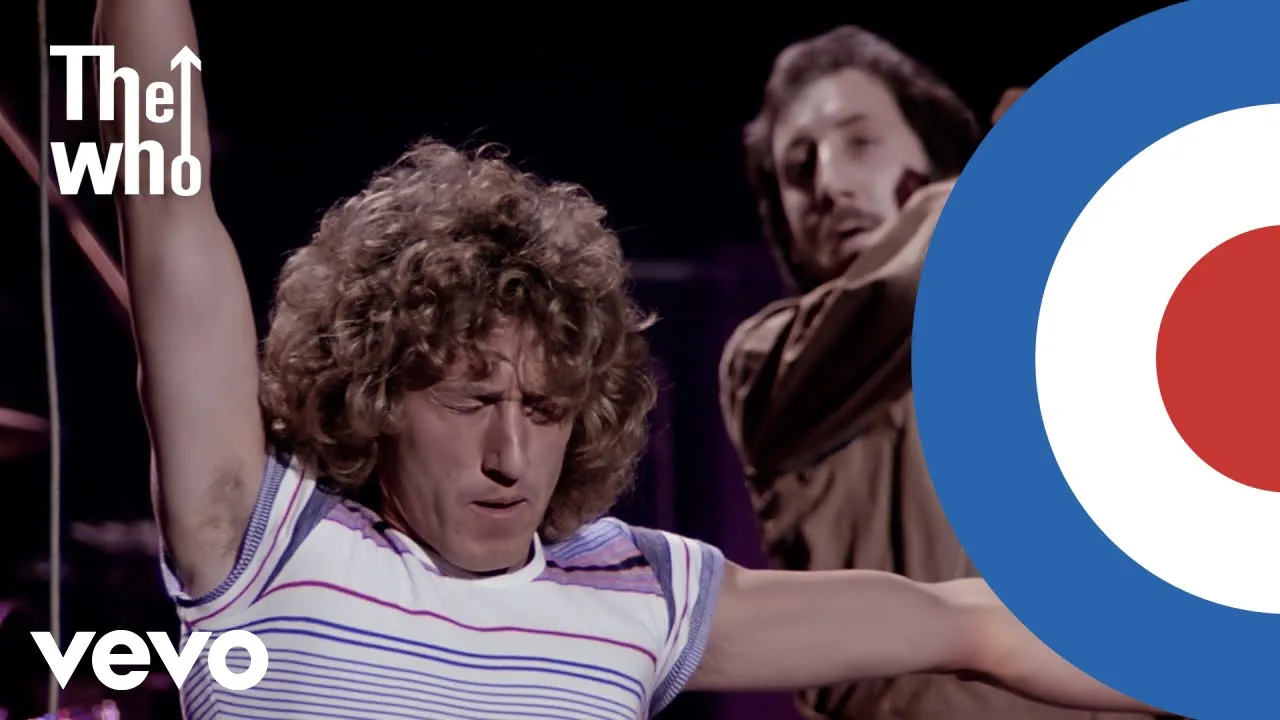
The Who - Won't Get Fooled Again (Shepperton Studios / 1978) — TheWho

TheWho

Regime changes alter only cosmetic slogans rather than fundamental power dynamics, ensuring the incoming leadership mirrors the authority it replaced.

AI-assisted summary of The Who - Won't Get Fooled Again (Shepperton Studios / 1978) — original source. Check the original for full context.

Source published:

Key ideas

  • Captured on May 25, 1978, at Shepperton Studios for Jeff Stein's documentary 'The Kids Are Alright', this performance of 'Won't Get Fooled Again' stands as Keith Moon's final live appearance with The Who.
  • The track systematically dismantles the romanticism of armed political upheaval, arguing that revolutions inevitably exchange one set of dogmatic rulers for another. (0:04)
  • The extended synth interlude strips back the arrangement to a hypnotic Lowrey organ pulse, ratcheting up tension for several minutes before erupting into Roger Daltrey's climactic vocal release at 07:50. (4:40)
  • The performance concludes on the song's definitive political thesis—'Meet the new boss, same as the old boss'—underscoring the cyclical perpetuity of institutional power. (7:50)

Detailed notes

## Background Published on YouTube by the official TheWho channel on October 11, 2019, this video features The Who performing their 1971 rock anthem 'Won't Get Fooled Again' live on B-Stage at Shepperton Studios on May 25, 1978. Filmed by Jeff Stein for the closing sequence of the documentary The Kids Are Alright, the session marks the final live performance ever given by drummer Keith Moon.

## TL;DR The performance opens with the pulsing electronic organ sequence and explosive band entry, establishing a gritty musical backdrop for Roger Daltrey's lyrics deflating the romantic idealism of political revolution. As the verses unfold, the song examines how regime changes offer only cosmetic alterations to power, leading the narrator to choose personal self-preservation over political theater. The tension reaches a peak during an extended, hypnotic synthesizer solo accompanied by Keith Moon's thunderous percussion accents and John Entwistle's bass swell. Finally, the arrangement detonates into Daltrey's iconic, feral scream and a wall of crashing chords, concluding with the biting realization that the new boss is identical to the old boss.

## Atmosphere & style The atmosphere is electrifying, raw, and charged with chaotic rock-and-roll defiance, contrasting weary political cynicism against ferocious musical execution. Townshend's kinetic power chords and Moon's unrestrained drumming establish a frantic, high-voltage drive beneath Daltrey’s gritty vocal delivery. The extended synthesizer interlude creates an agonizingly suspenseful, hypnotic calm before detonating into rock history's most cathartic scream, leaving the listener stunned by the sheer physical power and bittersweet historical weight of the performance.

## Bulletin - Captured on May 25, 1978, at Shepperton Studios for Jeff Stein's documentary 'The Kids Are Alright', this performance of 'Won't Get Fooled Again' stands as Keith Moon's final live appearance with The Who. - [00:04](https://www.youtube.com/watch?v=UDfAdHBtK_Q&t=4s) The track systematically dismantles the romanticism of armed political upheaval, arguing that revolutions inevitably exchange one set of dogmatic rulers for another. - [04:40](https://www.youtube.com/watch?v=UDfAdHBtK_Q&t=280s) The extended synth interlude strips back the arrangement to a hypnotic Lowrey organ pulse, ratcheting up tension for several minutes before erupting into Roger Daltrey's climactic vocal release at 07:50. - [07:50](https://www.youtube.com/watch?v=UDfAdHBtK_Q&t=470s) The performance concludes on the song's definitive political thesis—'Meet the new boss, same as the old boss'—underscoring the cyclical perpetuity of institutional power.

## Key takeaways - Filmed on B-Stage at Shepperton Studios, the 1978 performance served as the grand finale for 'The Kids Are Alright' and was Keith Moon's last live set. - [00:04](https://www.youtube.com/watch?v=UDfAdHBtK_Q&t=4s) The performance opens with a rapid electronic pulse from the Lowrey organ synthesizer, establishing the song's distinctive tempo alongside Keith Moon's drum rolls and Pete Townshend's rhythm guitar. - [00:04](https://www.youtube.com/watch?v=UDfAdHBtK_Q&t=4s) Lyrically, the opening verse deflates revolutionary idealism by confronting the violent reality and moral ambiguity of armed civil revolt. - [00:04](https://www.youtube.com/watch?v=UDfAdHBtK_Q&t=4s) The chorus establishes a posture of cynical survivalism, meeting political promises with prayerful detachment rather than genuine optimism. - [01:58](https://www.youtube.com/watch?v=UDfAdHBtK_Q&t=118s) The second verse illustrates the disillusionment following conflict, recognizing that systemic liberation fails to materialize once the battle concludes. - [01:58](https://www.youtube.com/watch?v=UDfAdHBtK_Q&t=118s) In the bridge, the protagonist explicitly chooses ideological withdrawal and personal retreat over continued participation in political theater to safeguard family life. - [04:40](https://www.youtube.com/watch?v=UDfAdHBtK_Q&t=280s) The third verse exposes political transition as superficial and cosmetic, noting how slogans and hairstyles shift without improving material daily struggles. - [04:40](https://www.youtube.com/watch?v=UDfAdHBtK_Q&t=280s) An extended instrumental synth solo drops the rest of the band out, letting the organ ostinato generate prolonged suspense punctuated by sporadic percussion fills from Moon. - [07:50](https://www.youtube.com/watch?v=UDfAdHBtK_Q&t=470s) Roger Daltrey's primal roar at 07:50 acts as the ultimate musical catharsis, immediately followed by Townshend's leaping power chords and a ferocious full-band re-entry. - [07:50](https://www.youtube.com/watch?v=UDfAdHBtK_Q&t=470s) The climactic refrain 'Meet the new boss, same as the old boss' delivers the band's cynical conclusion that authority remains fundamentally unchanged despite revolution.

## Detailed walkthrough ### [00:04](https://www.youtube.com/watch?v=UDfAdHBtK_Q&t=4s) Opening Build and the Cynicism of Revolution

The performance opens with the pulsing electronic pulse of the Lowrey organ synthesizer sequence, immediately accompanied by enthusiastic cheers and applause from the audience gathered at Shepperton Studios. As the rhythmic synth loop establishes the song's unmistakable tempo, Pete Townshend’s jagged rhythm guitar and Keith Moon’s explosive drum rolls lock together, driving the arrangement into a full-throttle rock tempo before settling into the first verse. Roger Daltrey delivers the opening lines with raw grit, chronicling an armed civil revolt and its disillusioning moral aftermath:

> “And they decide and the shotgun sings the song.”

The narrative wastes no time in deflating the romantic idealism of political upheaval. The song moves directly into its world-weary chorus, where revolutionary rhetoric is met with passive survivalism and cynical detachment rather than true celebration. Daltrey belts out the refrain, declaring that while the regime changes on paper, everyday life and personal defense mechanisms remain unaltered:

> “Then I'll get on my knees and pray we don't get fooled again.”

[01:58](https://www.youtube.com/watch?v=UDfAdHBtK_Q&t=118s) The Illusion of Change and Stepping Aside

The second verse takes a contemplative yet bitter look at the realization that despite institutional upheaval, fundamental human power dynamics remain entirely intact. Daltrey sings that while people recognized that political upheaval was inevitable, the promise of true liberation quickly evaporates when the dust settles over the battlefield:

> “'Cause the banners, they are flown in the last war.”

This recognition triggers another repetition of the anthemic chorus, where tipping one's hat to the new constitution and taking a bow for the new revolution simply masks an underlying skepticism. The band transitions seamlessly into the bridge, where the protagonist actively resolves to withdraw from political theater altogether to safeguard his loved ones. Daltrey belts out the pragmatic strategy of personal retreat in the face of ideological madness:

> “Move myself and my family aside if we happen to be left half alive.”

[04:40](https://www.youtube.com/watch?v=UDfAdHBtK_Q&t=280s) Partings, Beards, and the Extended Synth Interlude

Returning to the street level, the third verse observes that physical reality and daily struggles have not changed in the slightest. Slogans have been swapped for new ones, yet the transformation is purely cosmetic—an exchange of one set of dogmatic rulers for another. Daltrey sings of the superficial shifts among the newly empowered class:

> “And the parting on the left is now a parting on the right, and the beards have all grown longer overnight.”

Following the third repetition of the chorus and its desperate plea not to be deceived once more, the full band drops out, clearing the sonic space for an extended, hypnotic synthesizer solo. The repetitive, swirling organ ostinato builds palpable tension across multiple minutes. Moon punctuates the electronic rhythm with sporadic, thunderous cymbal taps and snare accents, gradually layering on frenetic tom-tom fills as John Entwistle’s bass and Townshend’s guitar swell underneath, ratcheting the musical tension toward its peak.

[07:50](https://www.youtube.com/watch?v=UDfAdHBtK_Q&t=470s) The Climactic Scream and Meeting the New Boss

The long instrumental suspense erupts into rock history’s most famous vocal release as Roger Daltrey unleashes a feral, full-throated roar:

> “Yeah!”

Directly out of the scream, the full band crashes back in with monumental force. Keith Moon attacks the drum kit with uncontrolled fury, while Pete Townshend launches into slashing power chords and dramatic stage leaps. As the tempestuous wall of sound suddenly pulls back, Daltrey delivers the song’s definitive verdict on the cyclical nature of political authority and institutional power:

> “Meet the new boss, whoa, same as the old boss.”

The song concludes with a final flurry of crashing cymbals, distorted guitar feedback, and pounding chords before ringing out into sustained, thunderous cheers and applause from the Shepperton soundstage.

## Mentioned The Who, Won't Get Fooled Again, Who's Next, Shepperton Studios, Jeff Stein, The Kids Are Alright, Keith Moon, All This Music Must Fade, WHO, Pete Townshend, Roger Daltrey, John Entwistle, Lowrey organ

## Video description The Who’s iconic anthem from 1971’s Who’s Next album performed here on B-Stage at Shepperton Studios on 25 May 1978 Filmed by Jeff Stein for the closing sequence of The Kids Are Alright. Sadly this was to be the very last performance ever by Keith Moon.

'All This Music Must Fade' from The Who's new studio album WHO, released on 6 December 2019. PRE-ORDER THE ALBUM NOW http://thewho.lnk.to/NewAlbumWE

Follow us: https://www.tiktok.com/@officialthewho https://www.instagram.com/officialthewho/ https://www.facebook.com/thewho/ https://twitter.com/TheWho

#TheWho #WontGetFooledAgain #Live

[Source](https://www.youtube.com/watch?v=UDfAdHBtK_Q)

中文简报

谁人乐队在凯斯·穆恩的最后绝唱中对政权更迭说“不” 政权更迭改变的仅是表面口号而非根本权力动态,新掌权者最终不过是对被取代威权的重现。 演出在电子风琴脉动的律动与乐队极具爆发力的介入中拉开序幕,为罗杰·达尔特瑞戳破政治革命浪漫理想主义的歌词奠定了坚实粗粝的音乐基底。随着段落展开,歌曲剖析了政权更迭如何仅仅为权力换上表面装饰,进而促使叙述者选择独善其身而非投身政治闹剧。在一段冗长催眠的合成器独奏中,伴随着凯斯·穆恩雷鸣般的打击乐强调与约翰·恩特维斯托渐强的贝斯声,张力被推向顶峰。最终,编曲在达尔特瑞标志性的狂野尖叫与排山倒海的和弦撞击中彻底爆发,并以新老板与旧老板如出一辙的辛辣认知收尾。 该场演出于1978年5月25日在谢珀顿制片厂录制,用于杰夫·斯坦的纪录片《孩子们都很好》,这场《不再被愚弄》(Won't Get Fooled Again)的表演成为凯斯·穆恩随谁人乐队进行的最后一次现场亮相。 这首歌曲系统性地瓦解了武装政治剧变的浪漫主义,指出革命不可避免地只是用一批教条统治者取代另一批而已。 (0:04) 加长的合成器间奏将编曲剥离至仅剩催眠般的劳里风琴脉冲,将紧张气氛层层推高数分钟,随后在07:50彻底爆发为罗杰·达尔特瑞的高潮人声宣泄。 (4:40) 演出以该曲最具决定性的政治论点——“迎来新老板,还是老做派”——作为终结,凸显了建制权力循环往复的恒常本质。 (7:50)

Reading summary

The Who's 1978 Shepperton Studios performance of "Won't Get Fooled Again" presents political revolution as a cyclical illusion that replaces old rulers with new ones while leaving fundamental authority unchanged. Through sharp lyrical disillusionment and an escalating instrumental arrangement, the piece argues for pragmatic detachment and personal survival over ideological enthusiasm. The Illusion of Political Transformation (1:58) The song's narrative deconstructs the romantic appeal of political upheaval, framing armed rebellion and civil revolt through a lens of moral exhaustion. The opening verses assert that violence decides outcomes rather than moral rightness, noting that "the shotgun sings the song" while the resulting conflicts simply retrace historical battles where "the banners, they are flown in the last war." Rather than delivering genuine liberation, regime changes are characterized as purely cosmetic exercises that leave daily struggles untouched. Daltrey illustrates this superficial turnover by observing that "the parting on the left is now a parting on the right, and the beards have all grown longer overnight." This recurring historical pattern concludes with the performance's central realization: "Meet the new boss, whoa, same as the old boss." Detachment and Pragmatic Retreat as Survival (0:04) In response to the futility of political upheaval, the text advocates for self-preservation and skeptical withdrawal over active civic participation. While revolutionary rhetoric expects celebration for new constitutions, the protagonist responds with defensive posturing and private wariness, declaring through the chorus, "Then I'll get on my knees and pray we don't get fooled again." This cynicism culminates in an explicit decision to abandon ideological conflicts altogether. In the bridge, the protagonist resolves to step aside from political theater entirely to safeguard his household, committing to "move myself and my family aside if we happen to be left half alive." Musical Tension and Cathartic Release (4:40) The performance mirrors its thematic tension through the dynamic interplay between the band's traditional rock instrumentation and an underlying electronic pulse. Anchored by a repetitive Lowrey organ synthesizer loop, the arrangement alternates between Pete Townshend's rhythm guitar, Keith Moon's explosive drum rolls, and John Entwistle's bass, culminating in a prolonged synthesizer break where the full band drops out to build suspense. This sustained instrumental ostinato accumulates momentum through Moon's sporadic cymbal accents and rolling tom-tom fills before exploding into Roger Daltrey's climactic, full-throated scream. The resulting instrumental crash of slashing power chords, stage leaps, and feedback provides a visceral release that underscores the final lyrical indictment of institutional authority. The performance concludes that political revolutions inevitably replicate the power structures they seek to overthrow, positioning personal skepticism and withdrawal as the only realistic responses to institutional authority.

精炼阅读摘要

在1978年谢珀顿片场(Shepperton Studios)的现场演出中,The Who乐队通过《Won't Get Fooled Again》对激进政治变革的浪漫理想主义展开了彻底解构,揭示出权力更迭并未动摇剥削本质的历史周期律,并主张个体以冷峻怀疑与务实退隐来对抗意识形态欺骗。 革命神话的破灭与权力周期律 (7:50) 该作品通过层层递进的叙事打破了政治动乱能够带来真正解放的幻想。第一节歌词即描摹了武装暴动及其幻灭的道德后果,指出暴力冲突过后并未迎来真正的自由;第二节与第三节进一步点明,战场上挥舞的不过是昔日战争残留的旧旗帜,而掌权阶层的更新换代仅停留在表面形式,诸如“发缝由左分变为右分”或“胡须一夜之间变长”等微观细节,折射出制度表象变换之下底层权力支配关系的绝对停滞。最终,罗杰·达尔特里(Roger Daltrey)在乐曲高潮处吼出对政权更替本质的盖棺定论:“拜见新老板,和旧老板一个样”,宣告了政治革命陷入同质循环的荒谬现实。 狂热意识形态下的退隐与生存策略 (1:58) 面对难以打破的权力循环,作品没有号召狂热的政治献身,而是转向冷眼旁观的生存主义。副歌反复吟唱在向新宪法致敬、为新革命鞠躬的同时,“跪下祈祷我们不再受骗”,揭示出表面顺从与内在绝望之间的巨大张力。在过渡段中,叙述者明确提出脱离政治剧场的防御性策略,决意在意识形态狂热导致生灵涂炭之际“带着家人抽身躲避”,将个体生命与家庭保全置于狂热宏大叙事之上。这种以退为进的姿态,反映了普通大众在政治幻灭后选择的自卫性心理防线。 合成器声效推进与标志性情感宣泄 (4:40) 演出的音乐结构与思想主题形成了高度统一的张力推进。全曲以劳里管风琴(Lowrey organ)合成器的脉冲节奏建立冷峻的机械循环基调,随后基思·穆恩(Keith Moon)的爆发性鼓点与皮特·汤申德(Pete Townshend)的锯齿状节奏吉他切入,形成激越的全速摇滚推进。在乐曲中后段,全乐队伴奏完全隐退,留出数分钟由单一合成器音型主导的极简空间;穆恩通过零星的镲片、军鼓重音与渐次加密的通通鼓点蓄积张力,配合约翰·恩特维斯托(John Entwistle)的贝斯与汤申德的吉他声浪层层攀升,最终引爆达尔特里标志性的撕裂式咆哮“Yeah!”,以毁灭性的乐器声浪完成了整场演出的情绪释放。 本场演出完整呈现了The Who对体制性权力异化与历史宿命论的深刻洞察,但记录材料仅反映了该曲在特定舞台环境下的艺术表达,并未提供创作者针对特定政党或具象历史事件的具体指涉。

Detailed notes — zh

## Background 该视频由传奇摇滚乐队 The Who 官方频道于 2019 年 10 月 11 日发布于 YouTube。视频记录了 1978 年 5 月 25 日乐队在谢珀顿制片厂 B 舞台为纪录片《孩子们都很好》压轴拍摄的《Won't Get Fooled Again》现场,这不仅是这首 1971 年经典名作的殿堂级现场演出版,更是鼓手基思·穆恩生前最后一次公开登台演奏。 ## TL;DR 演出在标志性的合成器脉冲与全员强力切入的律动中展开,主唱罗杰·达尔特里以沙哑坚毅的嗓音唱出面对街头动乱、意识形态更迭时的警惕与超脱,宣告不再盲目受骗。随后歌曲通过讽刺口号与外表的虚假变迁,表达了对政治盲从的深刻幻灭,以及转而守护至亲与个人清醒的决绝。在经历一段长达两分多钟、极度屏息凝神的迷幻合成器蓄势后,伴随着基思·穆恩狂暴的鼓点重击,达尔特里仰天发出摇滚史上最经典的野兽般长啸,并以“新老板跟旧老板一模一样”的冷酷终局引爆全场狂澜。 ## Atmosphere & style 整场演出洋溢着原始而狂暴的纯正摇滚能量,舞台张力自始至终紧绷饱满,四名成员在极具侵略性的器乐对撞中展现出近乎超凡的默契。极简而冰冷的合成器音序与穆恩飓风般的鼓击形成鲜明张力,使观众在压抑蓄力与极致释放之间经历强烈的情感过山车。当达尔特里的标志性尖啸撕裂空气、汤森以滑跪狂扫失真和弦时,现场交织着愤怒、讽刺与终极宿命感,带给人一种既悲壮又酣畅淋漓的巨大震撼。 ## Bulletin - [00:04](https://www.youtube.com/watch?v=UDfAdHBtK_Q&t=4s) 1978年5月25日,The Who 乐队在英国谢珀顿制片厂录制《Won't Get Fooled Again》,作为纪录片《孩子们都很好》的收尾画面,这也成为传奇鼓手基思·穆恩生前最后一次公开舞台现场演出。 - [00:04](https://www.youtube.com/watch?v=UDfAdHBtK_Q&t=4s) 该作品原版收录于乐队1971年经典专辑《Who's Next》,由皮特·汤森创作,通过对政治运动与盲目暴力的审视,表达了对掌权者更迭与意识形态狂热的清醒戒备。 - [04:40](https://www.youtube.com/watch?v=UDfAdHBtK_Q&t=280s) 演出的器乐过渡段包含长达两分多钟的标志性低频琶音合成器音序独奏,为终盘达尔特里的标志性高音嘶吼积蓄了极强的戏剧张力。 - [07:50](https://www.youtube.com/watch?v=UDfAdHBtK_Q&t=470s) 歌曲在高潮处道出摇滚史上最具批判性的经典名句“迎接新老板吧,跟旧老板一模一样”,深刻揭示了体制循环与权力更迭换汤不换药的宿命本质。 ## Key takeaways - [00:04](https://www.youtube.com/watch?v=UDfAdHBtK_Q&t=4s) 演出于1978年5月25日在英国谢珀顿制片厂B舞台进行,由导演杰夫·斯坦拍摄并收录进纪录片《孩子们都很好》作为压轴。 - [00:04](https://www.youtube.com/watch?v=UDfAdHBtK_Q&t=4s) 本次表演具有极高的摇滚史意义,是传奇鼓手基思·穆恩去世前在公开舞台上的最后一次现场绝唱。 - [00:04](https://www.youtube.com/watch?v=UDfAdHBtK_Q&t=4s) 皮特·汤森设计的合成器音序与约翰·恩特威斯尔坚实的贝斯、基思·穆恩极富爆发力的鼓点层层交织,拉开演出序幕。 - [00:04](https://www.youtube.com/watch?v=UDfAdHBtK_Q&t=4s) 第一段主歌借街头暴力与道德崩塌的意象,直指煽动狂潮与争夺权力的盲目虚妄。 - [00:04](https://www.youtube.com/watch?v=UDfAdHBtK_Q&t=4s) 副歌宣誓对新宪法与新革命报以超脱的微笑,选择拿起吉他并祈祷大众不会再次被政治谎言所欺骗。 - [01:58](https://www.youtube.com/watch?v=UDfAdHBtK_Q&t=118s) 第二段主歌点明历史循环往复的本质,指出社会运动虽然带来表面解放,但底层世界与战争旗帜并未发生实质改变。 - [01:58](https://www.youtube.com/watch?v=UDfAdHBtK_Q&t=118s) 桥段(Bridge)将叙事视角从宏大叙事退守至个人与家庭避风港,强调在面对群体盲信与催眠狂热时保持个人清醒的重要性。 - [04:40](https://www.youtube.com/watch?v=UDfAdHBtK_Q&t=280s) 第三段主歌以犀利的讽刺笔触描绘了政客的做作姿态——口号随意轮换,发型从左分变右分,现实却毫无改善。 - [04:40](https://www.youtube.com/watch?v=UDfAdHBtK_Q&t=280s) 全场乐器在第三遍副歌后骤停,转入长达两分多钟的纯器乐迷幻合成器音序,将全场紧张情绪推向极致。 - [07:50](https://www.youtube.com/watch?v=UDfAdHBtK_Q&t=470s) 基思·穆恩以狂暴的鼓击滚奏打破沉寂,皮特·汤森跟进失真强力下拨,罗杰·达尔特里仰天发出摇滚史上传奇的长啸嘶吼“Yeah!”。 - [07:50](https://www.youtube.com/watch?v=UDfAdHBtK_Q&t=470s) 终曲道出全曲核心警句“Meet the new boss, same as the old boss”,讽刺权力换汤不换药的宿命终局。 - [07:50](https://www.youtube.com/watch?v=UDfAdHBtK_Q&t=470s) 整场演出的尾声在皮特·汤森标志性的滑跪跃起与吉他强反馈回授风暴中收尾,成为反思政治狂热的划时代经典。 ## Detailed walkthrough ### [00:04](https://www.youtube.com/watch?v=UDfAdHBtK_Q&t=4s) 激昂的风琴音序与街头革命序曲 演出在标志性的合成器脉冲与现场观众的热烈欢呼声中拉开帷幕。1978年5月25日,The Who 乐队在谢珀顿制片厂(Shepperton Studios)的 B 舞台集结,由导演杰夫·斯坦(Jeff Stein)为纪录片《孩子们都很好》(The Kids Are Alright)拍摄收尾压轴画面。伴随着皮特·汤森(Pete Townshend)用罗杰·鲍威尔(Roger Powell)设计的合成器音序切入,约翰·恩特威斯尔(John Entwistle)坚实沉稳的贝斯线与基思·穆恩(Keith Moon)极富爆发力的鼓点层层推进,主唱罗杰·达尔特里(Roger Daltrey)以饱满沙哑的力量感切入第一段主歌。 达尔特里唱响了对社会动荡与盲目暴力的冷峻观察:“We'll be fighting in the streets with our children at our feet, and the morals that they worship will be gone.”(我们将在街头奋战,孩子们倒在脚下,他们崇拜的道德将荡然无存)。歌词直指狂热斗争背后被权力裹挟的虚妄,当煽动狂潮的人坐上审判席,最终裁决的唯有枪炮的轰鸣。随后乐曲直接爆发进入标志性的副歌部分,面对掌权者的更迭,叙述者展现出一种玩世不恭的超脱与戒备,达尔特里唱道:“I'll tip my hat to the new constitution, take a bow for the new revolution, smile and grin at the change all around, pick up my guitar and play just like yesterday, then I'll get on my knees and pray we don't get fooled again.”(我会向新宪法脱帽致意,向新革命鞠躬行礼,对周围的一切改变报以微笑;然后拿起我的吉他,像昨天一样弹奏,接着跪下祈祷——祈祷我们不会再次受骗)。 - 录制时间与地点:1978年5月25日于英国谢珀顿制片厂(Shepperton Studios)B 舞台。 - 历史意义:这是传奇鼓手基思·穆恩(Keith Moon)生前最后一次公开舞台现场演出。 - 录音收录:该曲原版收录于乐队1971年经典专辑《Who's Next》,由皮特·汤森创作。 ### [01:58](https://www.youtube.com/watch?v=UDfAdHBtK_Q&t=118s) 历史的循环与家庭避风港 进入第二段主歌,节奏在基思·穆恩翻滚的鼓击与汤森标志性的大风车吉他扫弦中持续推进。歌词直面社会运动带来的幻灭感,指出表面上的推陈出新并不能真正改变人类历史的固有轨迹。达尔特里激昂地唱道:“Change it had to come, we knew it all along, and we're liberated from the fold, that's all, but the world looks just the same, and history ain't changed, 'cause the banners, they are flown in the last war.”(变革势在必行,我们心知肚明,我们只是从羊群中获得了解放,仅此而已;但这世界看起来毫无二致,历史也并未改变,因为迎风招展的仍是上一场战争的旗帜)。 在再度宣泄“Don't get fooled again”的副歌之后,乐曲切入叙事视角发生转变的桥段(Bridge)。面对意识形态的狂热与盲从,主人公不再寄望于宏大叙事,而是选择守护身边的至亲之人与个人清醒,达尔特里唱道:“Move myself and my family aside, if we happen to be left half alive, get all my papers and smile at the sky, though I know that the hypnotized never lie.”(带着我和我的家人退避一旁,如果我们还能侥幸捡回半条命;带齐所有证件,对着苍穹微笑,即便我深知那些被催眠的人从不说谎)。这一段落的演绎在收放自如的低语与爆发间游走,透露出对政治狂热和群体盲信的深刻警惕。 ### [04:40](https://www.youtube.com/watch?v=UDfAdHBtK_Q&t=280s) 换汤不换药的体制与风琴迷幻独奏 乐曲推进到第三段主歌,歌词以极其敏锐且讽刺的笔触揭示了政治更迭的本质——不过是符号与外观的置换。达尔特里唱出整首歌中最具讽刺意味的观察:“There's nothing in the street looks any different to me, and the slogans are replaced, by the bye, and the parting on the left is now a parting on the right, and the beards have all grown longer overnight.”(在我看来,街头没有任何变化,那些口号随随便便就被替换;过去的左偏分发型如今变成了右偏分,而人们的胡须一夜之间全都变长了)。无论口号如何更新换代、执政姿态如何左右摇摆,底层大众所面对的现实依然停滞不前。 在最后一遍副歌唱毕之后,全场乐器戛然而止,留下经典的低频琶音合成器音序在空旷的舞台上回荡。在这段长达两分多钟的纯器乐迷幻长音中,皮特·汤森在舞台上穿梭蓄力,基思·穆恩在鼓架后蓄势待发,紧张的情绪在极简而规律的风琴律动中层层攀升,将整场演出的戏剧张力拉扯至极限。 ### [07:50](https://www.youtube.com/watch?v=UDfAdHBtK_Q&t=470s) 标志性嘶吼与“新老板与旧老板”的宿命终局 紧接着一段由基思·穆恩狂暴切入的军鼓与通通鼓滚奏,皮特·汤森以强力下拨切入失真和弦,罗杰·达尔特里仰天发出了摇滚史上最具标志性的野兽般长啸:“Yeah!”这一声极具穿透力的高音嘶吼彻底点燃了全场能量,将压抑已久的愤怒与不屈彻底释放。随后,达尔特里以宿命般冰冷的语调道出了整首作品最核心的一句批判:“Meet the new boss, whoa, same as the old boss.”(迎接新老板吧,哈,跟旧老板一模一样)。 乐队在终曲部分掀起了狂暴的音浪风暴,皮特·汤森做出标志性的滑跪与跃起动作,吉他反馈回授与穆恩不知疲倦的狂轰滥炸交织在一起。整首长达九分多钟的史诗级演奏最终在重击与吉他长鸣中收尾,台下观众爆发出经久不息的掌声与欢呼声。这场由杰夫·斯坦完整记录的影像,不仅成为摇滚乐反思政治狂热的传世绝唱,也为基思·穆恩绚烂而炽烈的舞台生涯画下了最后的句号。 ## Mentioned The Who, 《Won't Get Fooled Again》, 谢珀顿制片厂(Shepperton Studios), 杰夫·斯坦(Jeff Stein), 《孩子们都很好》(The Kids Are Alright), 基思·穆恩(Keith Moon), 皮特·汤森(Pete Townshend), 罗杰·鲍威尔(Roger Powell), 约翰·恩特威斯尔(John Entwistle), 罗杰·达尔特里(Roger Daltrey), 《Who's Next》, 《WHO》, 《All This Music Must Fade》 ## Video description The Who’s iconic anthem from 1971’s Who’s Next album performed here on B-Stage at Shepperton Studios on 25 May 1978 Filmed by Jeff Stein for the closing sequence of The Kids Are Alright. Sadly this was to be the very last performance ever by Keith Moon. 'All This Music Must Fade' from The Who's new studio album WHO, released on 6 December 2019. PRE-ORDER THE ALBUM NOW http://thewho.lnk.to/NewAlbumWE Follow us: https://www.tiktok.com/@officialthewho https://www.instagram.com/officialthewho/ https://www.facebook.com/thewho/ https://twitter.com/TheWho #TheWho #WontGetFooledAgain #Live [Source](https://www.youtube.com/watch?v=UDfAdHBtK_Q)

Original transcript

[0:04] (upbeat rock music) [0:06] (audience applauds) (audience cheering) [0:48] ♪ We'll be fighting in the streets ♪ [0:52] ♪ With our children at our feet ♪ [0:55] ♪ And the morals that they worship will be gone ♪ [1:02] ♪ And the men who spurred us on ♪ [1:06] ♪ Sit in judgment of all wrong ♪ [1:10] ♪ They decide and the shotgun sings the song ♪ [1:17] ♪ I'll tip my hat to the new constitution ♪ [1:21] ♪ Take a bow for the new revolution ♪ [1:24] ♪ Smile and grin at the change all around ♪ [1:28] ♪ Pick up my guitar and play ♪ [1:31] ♪ Just like yesterday ♪ [1:35] ♪ Then I'll get on my knees and pray ♪ [1:42] ♪ We don't get fooled again ♪ [1:46] ♪ Don't fool again ♪ [1:58] ♪ Change it had to come ♪ [2:02] ♪ We knew it all along ♪ [2:05] ♪ And we're liberated from the fold, that's all ♪ [2:12] ♪ But the world looks just the same ♪ [2:16] ♪ And history ain't changed ♪ [2:19] ♪ 'Cause the banners, they are flown in the last war ♪ [2:27] ♪ I'll tip my hat to the new constitution ♪ [2:30] ♪ Take a bow for the new revolution ♪ [2:34] ♪ Smile and grin at the change all around ♪ [2:37] ♪ Pick up my guitar and play ♪ [2:41] ♪ Just like yesterday ♪ [2:44] ♪ And I'll get on my knees and pray ♪ [2:52] ♪ We don't get fooled again ♪ [2:56] ♪ Don't get fooled again ♪ [2:59] ♪ No, no, no, no ♪ [3:29] ♪ Move myself and my family aside ♪ [3:33] ♪ If we happen to be left half alive ♪ [3:36] ♪ Get all my papers and smile at the sky ♪ [3:39] ♪ Though I know that the hypnotized never lie ♪ [3:44] ♪ Do ya? ♪ [3:45] ♪ Oh no ♪ [4:40] ♪ There's nothing in the street ♪ [4:43] ♪ Looks any different to me ♪ [4:47] ♪ And the slogans are replaced, by the bye ♪ [4:54] ♪ And the parting on the left ♪ [4:58] ♪ Is now a parting on the right ♪ [5:01] ♪ And the beards have all grown longer overnight ♪ [5:09] ♪ I'll tip my hat to the new constitution ♪ [5:12] ♪ Take a bow for the new revolution ♪ [5:16] ♪ Smile and grin at the change all around ♪ [5:19] ♪ Pick up my guitar and play ♪ [5:23] ♪ Just like yesterday ♪ [5:26] ♪ Then I'll get on my knees and pray ♪ [5:34] ♪ We don't get fooled again ♪ [5:37] ♪ Don't want to get fooled again ♪ [5:41] ♪ No, no, no, no no ♪ [5:45] ♪ Don't want to get fooled again ♪ [7:50] ♪ Yeah ♪ [7:57] ♪ Meet the new boss ♪ [8:00] ♪ Whoa, same as the old boss ♪ [9:07] (audience cheering) (audience applauds)