UK Joins Common Market to Sabotage European Unity, Sir Humphrey Says
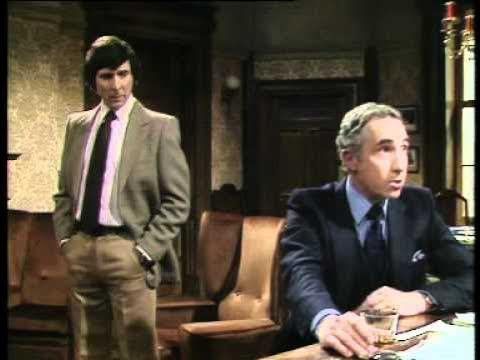
Why the UK is in the EU — André Cunha

André Cunha

Britain entered the European Community and champions membership enlargement to paralyze the institution from within and maintain a five-century strategy of keeping continental Europe divided.

AI-assisted summary of Why the UK is in the EU — original source. Check the original for full context.

Source published:

Key ideas

  • Brussels plans to mandate a compulsory European Identity Card (Europass) for all EEC citizens, which the British Foreign Office is willing to accept as a bargaining chip for agricultural and trade negotiations. (0:01)
  • Jim Hacker is assigned to sponsor the unpopular identity card legislation after a bureaucratic game of 'pass the parcel' between the Foreign Office, Home Office, and his Department of Administrative Affairs. (0:45)
  • Sir Humphrey Appleby discloses that British support for the Common Market stems from a 500-year-old foreign policy doctrine aimed at keeping Europe disunited through a strategy of divide and rule. (1:44)
  • Britain's advocacy for expanding EEC membership is modeled on the United Nations, intentionally designed to cause institutional paralysis, conflict, and impotence. (2:58)

Detailed notes

## Background This video was published on YouTube by André Cunha on February 9, 2012. According to the page description, it is a short clip from the 1980 British political satire series Yes Minister.

## TL;DR In the clip, Jim Hacker discovers he has been assigned to introduce legislation for a compulsory EEC European Identity Card, a toxic policy passed down from the Foreign Office and Home Office in an interdepartmental game of pass the parcel. Horrified by the prospect of political suicide and public accusations of creating a police state, Hacker questions why the pro-European Foreign Office would endorse such a damaging measure. Sir Humphrey Appleby explains that the British Civil Service has always opposed the Common Market, revealing that Britain joined solely to sabotage European integration from within. Grounded in a 500-year foreign policy of 'divide and rule,' Sir Humphrey clarifies that Britain actively pushes to enlarge the EEC to ensure institutional paralysis and impotence, serenely labeling this calculated cynicism as diplomacy.

## Atmosphere & style The scene crackles with sharp, satirical wit and deadpan bureaucratic irony, set in the austere, panelled surroundings of a Whitehall office. Jim Hacker moves through escalating panic and moral outrage, visibly sweating over his political survival, while Sir Humphrey Appleby counters with smooth, unflappable cynicism and professorial detachment. Watching it feels like observing an elegant fencing match where an earnest politician is systematically disarmed by the ruthless, cold realpolitik of the British Civil Service.

## Bulletin - [00:01](https://www.youtube.com/watch?v=ZVYqB0uTKlE&t=1s) Brussels plans to mandate a compulsory European Identity Card (Europass) for all EEC citizens, which the British Foreign Office is willing to accept as a bargaining chip for agricultural and trade negotiations. - [00:45](https://www.youtube.com/watch?v=ZVYqB0uTKlE&t=45s) Jim Hacker is assigned to sponsor the unpopular identity card legislation after a bureaucratic game of 'pass the parcel' between the Foreign Office, Home Office, and his Department of Administrative Affairs. - [01:44](https://www.youtube.com/watch?v=ZVYqB0uTKlE&t=104s) Sir Humphrey Appleby discloses that British support for the Common Market stems from a 500-year-old foreign policy doctrine aimed at keeping Europe disunited through a strategy of divide and rule. - [02:58](https://www.youtube.com/watch?v=ZVYqB0uTKlE&t=178s) Britain's advocacy for expanding EEC membership is modeled on the United Nations, intentionally designed to cause institutional paralysis, conflict, and impotence.

## Key takeaways - [00:01](https://www.youtube.com/watch?v=ZVYqB0uTKlE&t=1s) Brussels prepares a directive mandating compulsory European Identity Cards for all EEC citizens. - [00:25](https://www.youtube.com/watch?v=ZVYqB0uTKlE&t=25s) The Foreign Office views the identity card mandate as an acceptable trade-off to settle agricultural surpluses and disputes, such as the butter mountain and fish quotas. - [00:35](https://www.youtube.com/watch?v=ZVYqB0uTKlE&t=35s) The Prime Minister selects Jim Hacker to introduce the bill due to his known pro-European reputation. - [00:45](https://www.youtube.com/watch?v=ZVYqB0uTKlE&t=45s) Hacker fiercely resists the policy, viewing compulsory identity cards as political suicide that will spark accusations of creating a police state. - [01:15](https://www.youtube.com/watch?v=ZVYqB0uTKlE&t=75s) Responsibility for the politically toxic bill was systematically passed from the Foreign Office to the Home Office, and finally onto the Department of Administrative Affairs. - [01:44](https://www.youtube.com/watch?v=ZVYqB0uTKlE&t=104s) Sir Humphrey explains that the Foreign Office is outwardly pro-Europe precisely because it is fundamentally anti-Europe. - [01:55](https://www.youtube.com/watch?v=ZVYqB0uTKlE&t=115s) The British Civil Service was united in seeking the failure of the Common Market, driving Britain's decision to join from within. - [02:05](https://www.youtube.com/watch?v=ZVYqB0uTKlE&t=125s) For five centuries, Britain's consistent foreign policy objective has been to maintain a fragmented and disunited Europe through shifting strategic alliances. - [02:38](https://www.youtube.com/watch?v=ZVYqB0uTKlE&t=158s) Having failed to block European unity from the outside, British strategy shifted to entering the institution to disrupt and divide member states against one another. - [02:58](https://www.youtube.com/watch?v=ZVYqB0uTKlE&t=178s) Britain champions EEC enlargement specifically to dilute institutional effectiveness, provoke internal disputes, and render the bloc impotent. - [03:20](https://www.youtube.com/watch?v=ZVYqB0uTKlE&t=200s) Sir Humphrey justifies this cynical approach to European integration as the standard practice of British diplomacy.

## Detailed walkthrough ### [00:01](https://www.youtube.com/watch?v=ZVYqB0uTKlE&t=1s) The Europass and Bureaucratic "Pass the Parcel"

The discussion opens with Sir Humphrey Appleby and Bernard Woolley discussing how the government will need to find a way to make the public look favorably upon the administration in light of the impending "Europass." When Jim Hacker reacts with confusion and asks what a Europass is, Bernard clarifies that it is a European Identity Card. Sir Humphrey asks Bernard whether he had informed the Minister, prompting Bernard to ask Hacker whether he had done his ministerial red boxes the previous night. Hacker defensively admits he had not, explaining that he was busy "redrafting the redraft of the draft." Sir Humphrey then outlines the situation: Brussels is preparing to decree that a compulsory European Identity Card must be carried by all citizens of the European Economic Community (EEC).

The Foreign Office is fully prepared to concede to this mandate as a bargaining chip—a quid pro quo to negotiate deals concerning Europe's notorious agricultural surpluses and trade disputes, including the butter mountain, the wine lake, the milk ocean, the lamb war, and fish quotas. Worse still for Hacker, the Prime Minister wants him personally to introduce the legislation. Sir Humphrey explains that Hacker was chosen because his pro-European reputation is well known, and adds that identity cards would significantly streamline administrative procedures in the long run. Hacker is horrified by the prospect, rejecting the idea that it is a good administrative reform and declaring: “Political suicide!” He points out the outrage of compelling British citizens to carry identity cards, exclaiming that the public will accuse him of introducing a police state and demanding to know if this is what Britain fought two World Wars for. When Sir Humphrey mildly suggests the card is merely akin to a driving license, Hacker retorts that it is the last nail in his political coffin. Bernard unhelpfully suggests that they might get away with it by branding the document "EuroClub Express," which earns him an immediate order from Hacker to leave the room.

Hacker questions why his department must introduce the measure instead of the Foreign Office. Sir Humphrey explains the bureaucratic buck-passing that took place: while the Prime Minister originally suggested the Foreign Office handle it, the Foreign Secretary argued that identity cards were a Home Office responsibility; the Home Office subsequently deemed it strictly an administrative matter suitable for Hacker's Department of Administrative Affairs, and the Prime Minister agreed. Hacker bitterly compares the interdepartmental maneuvering to a game of pass the parcel, to which Sir Humphrey replies: “Can you blame them when you can hear it ticking...”

```mermaid flowchart TD accTitle: Bureaucratic Pass the Parcel accDescr: Flowchart showing how responsibility for the European Identity Card was passed between departments to Jim Hacker. subgraph Delegation ["Buck-Passing the Identity Card Bill"] PM["Prime Minister's Office"] -->|"Original suggestion"| FO["Foreign Office"] FO -->|"Argues it is a police/domestic issue"| HO["Home Office"] HO -->|"Argues it is an administrative issue"| DAA["Department of Administrative Affairs (Jim Hacker)"] end ```

[01:44](https://www.youtube.com/watch?v=ZVYqB0uTKlE&t=104s) Divide and Rule: Britain's 500-Year Strategy in Europe

Pondering the political fallout, Hacker observes that the identity card will serve as magnificent ammunition for anti-Europeans and questions whether the Foreign Office appreciates the severe damage this policy will inflict on the European ideal. Sir Humphrey smoothly replies that the Foreign Office understands completely, and that is precisely why they back the measure. When a bewildered Hacker asks if the Foreign Office is not supposed to be pro-Europe, Sir Humphrey responds with typical civil service ambivalence: “The Foreign Office is pro-Europe because it is really anti-Europe.” He reveals that the entire British Civil Service was completely united in wanting to guarantee that the Common Market failed, which was the actual motivation for joining it in the first place.

Sir Humphrey proceeds to deliver an unvarnished masterclass in British geopolitical doctrine. He explains that Britain has pursued the exact same foreign policy objective for at least five centuries: to create and maintain a disunited Europe. To accomplish this, Britain has historically shifted alliances whenever necessary—fighting alongside the Dutch against the Spanish, allying with the Germans against the French, joining the French and Italians against the Germans, and siding with the French against both the Germans and Italians. Sir Humphrey defends the strategy by declaring: “Divide and rule, you see! Why should we change now when it has worked so well!”

When Hacker dismisses this history lesson as irrelevant ancient history, Sir Humphrey corrects him, stating it remains active policy. Having failed to derail European integration from outside, Britain concluded it had to enter the institution to undermine it effectively: “Now that we're inside we can make a complete pig's breakfast of the whole thing! Set the Germans against the French, the French against the Italians, the Italians against the Dutch!” Hacker objects, asking why Britain would aggressively push to enlarge EEC membership if it does not believe in the European ideal. Sir Humphrey points to the United Nations as the prime model, explaining that broadening membership guarantees paralysis: “The more members it has, the more arguments it can stir up. The more futile and impotent it becomes.” Hacker recoils at what he describes as appalling cynicism, but Sir Humphrey serenely concludes: “Yes... We call it diplomacy, Minister.”

- **Surpluses and disputes traded off by the Foreign Office:** The butter mountain, the wine lake, the milk ocean, the lamb war, and fisheries issues. - **Britain's 500-year European balance of power alliances cited by Sir Humphrey:** - With the Dutch against the Spanish - With the Germans against the French - With the French and Italians against the Germans - With the French against the Germans and Italians - **Primary rationale for EEC enlargement:** Diluting institutional cohesion, provoking internal conflict, and rendering the bloc futile and impotent.

## Notable quotes > [01:44](https://www.youtube.com/watch?v=ZVYqB0uTKlE&t=104s) The Foreign Office is pro-Europe because it is really anti-Europe. — Sir Humphrey

## Mentioned Yes Minister, Jim Hacker, Sir Humphrey Appleby, Bernard Woolley, European Economic Community (EEC), Foreign Office, Home Office, Department of Administrative Affairs, United Nations

## Video description Short clip from "Yes Minister" series of 1980

[Source](https://www.youtube.com/watch?v=ZVYqB0uTKlE)

中文简报

汉弗莱爵士称,英国加入共同市场旨在破坏欧洲团结 英国加入欧洲共同体并主张扩员,意在从内部瘫痪该机构,以延续其五个世纪以来分裂欧洲大陆的战略。 在该片段中,吉姆·哈克发现自己被指派推动强制推行欧洲经济共同体(EEC)欧洲身份证的立法,这是外交部与内政部在部门间“击鼓传花”后甩来的烫手山芋。哈克因面临政治自杀以及被公众指责建立警察国家的风险而惊恐不已,质问亲欧的外交部为何会支持此种极具破坏性的措施。汉弗莱·阿普比爵士解释道,英国文官系统历来反对共同市场,并透露英国加入纯粹是为了从内部破坏欧洲一体化。立足于长达500年的“分而治之”外交政策,汉弗莱爵士阐明,英国积极推动欧共体扩员是为了确保该机构陷入瘫痪与无能,并泰然将这种精密的犬儒主义称为外交。 布鲁塞尔计划强制所有欧洲经济共同体(EEC)公民办理欧洲身份证(Europass),英国外交部愿将其作为农业和贸易谈判的筹码。 (0:01) 在外交部、内政部与行政事务部之间经历一场官僚式的“击鼓传花”后,吉姆·哈克被指派负责推动这项不受欢迎的身份证立法。 (0:45) 汉弗莱·阿普比爵士透露,英国对共同市场的支持源于一项有500年历史的外交政策学说,旨在通过“分而治之”的策略维持欧洲的分裂。 (1:44) 英国极力主张扩大欧共体成员规模是仿照联合国的模式,蓄意以此引发机制性瘫痪、冲突与无能。 (2:58)

Reading summary

In this satirical bureaucratic exchange, Sir Humphrey Appleby explains to Minister Jim Hacker that Britain's true motive for joining and expanding the European Economic Community is to systematically undermine European integration from within, continuing a centuries-old geopolitical strategy of "divide and rule." Bureaucratic Buck-Passing and the Identity Card (0:01) The Department of Administrative Affairs is tasked with introducing a compulsory European Identity Card, or "Europass," mandated by Brussels. While Sir Humphrey Appleby views the card as a useful administrative reform and the Foreign Office intends to use it as a bargaining chip to resolve agricultural and trade disputes—such as the butter mountain, wine lake, and fish quotas—Minister Jim Hacker fears the domestic political fallout. Hacker labels the mandate "political suicide," predicting the British public will accuse him of establishing a police state. The responsibility for the unpopular bill is ultimately passed to Hacker's department through a chain of bureaucratic buck-passing involving the Prime Minister, the Foreign Office, and the Home Office. The Geopolitical Strategy of Divide and Rule (1:44) Sir Humphrey reveals that the British Civil Service's support for the Common Market is driven by a desire to ensure its failure. He outlines a 500-year-old British foreign policy objective: maintaining a disunited Europe by constantly shifting alliances. Historically, Britain has allied with the Dutch against the Spanish, the Germans against the French, and the French against the Germans and Italians. Sir Humphrey argues that having failed to block European integration from the outside, Britain entered the institution to actively disrupt it from within by playing member states against one another. Institutional Enlargement as a Path to Paralysis (1:44) When questioned by Hacker on why Britain champions the expansion of the European Economic Community if it opposes the European ideal, Sir Humphrey explains that broadening membership is a deliberate tactic to induce institutional paralysis. Drawing a parallel to the United Nations, he asserts that a larger membership base naturally stirs up more internal arguments, ultimately rendering the organization futile and impotent. Sir Humphrey characterizes this cynical approach to international relations as standard British diplomacy. The dialogue highlights a deeply cynical view of British foreign policy, where international cooperation is treated as a zero-sum game and domestic departments prioritize avoiding political blame over genuine administrative reform.

精炼阅读摘要

本剧集通过内阁秘书 Sir Humphrey Appleby 与行政事务部大臣 Jim Hacker 之间的幽默对话,揭示了英国官僚体系对欧洲一体化政策的真实态度。Sir Humphrey 指出,英国加入欧洲经济共同体(EEC)并非为了推动欧洲联合,而是为了延续其数百年来的“分而治之”战略,通过从内部制造分裂和推动成员国扩大化来确保该组织的瘫痪与失效。 欧洲身份证与官僚体系的责任推诿 (0:01) 故事围绕布鲁塞尔计划强制推行“欧洲身份证”(Europass)的法令展开。外交部准备将这一法令作为谈判筹码,以解决欧洲棘手的农业过剩与贸易争端(如黄油山、葡萄酒湖、牛奶洋、羔羊战争及捕鱼配额)。然而,对于负责引入该立法的行政事务部大臣 Jim Hacker 而言,强制英国公民携带身份证无异于“政治自杀”,极易引发公众对建立“警察国家”的愤怒。 英国外交的“分而治之”五百年传统 (1:44) 当 Hacker 担忧身份证法案会破坏“欧洲理想”时,Sir Humphrey 透露了一个惊人的官僚共识:外交部之所以表现得“亲欧”,恰恰是因为其本质上是“反欧”的。他解释称,英国文官系统曾一致希望欧洲共同市场失败,而这正是英国选择加入的真正动机。Sir Humphrey 阐述了英国至少五个世纪以来一以贯之的外交核心目标:创造并维持一个分裂的欧洲。为了实现这一目标,英国在历史上不断调整盟友关系,曾联合荷兰人对抗西班牙人,联合德意志人对抗法国人,联合法国人和意大利人对抗德意志人,以及联合法国人对抗德意志人和意大利人。他坚称,这种“分而治之”的策略在历史上行之有效,没有理由做出改变。 扩大成员国规模以实现机构瘫痪 (1:44) 根据 Sir Humphrey 的说法,在无法从外部阻止欧洲一体化后,英国决定采取“打入内部”的策略,以便更有效地进行破坏,挑动德国、法国、意大利和荷兰等国相互争斗。当 Hacker 质疑英国为何积极推动欧洲经济共同体扩大成员国规模时,Sir Humphrey 坦言,这正是为了稀释其凝聚力。他将联合国(UN)视为这一策略的成功典范,指出组织成员越多,能够挑起的争端就越多,从而使该机构变得越发无能和瘫痪。尽管 Hacker 对这种极度犬儒主义的政治逻辑感到震惊和排斥,但 Sir Humphrey 却泰然自若地将其归结为英国的“外交艺术”。 本剧通过讽刺的笔调展现了英国文官集团对欧洲政策的实用主义与冷战思维。Sir Humphrey 的论点表明,英国对欧政策的本质在于通过行政手段和外交博弈维护自身利益,而非真正认同欧洲一体化的价值。这种对国际合作的犬儒主义解读,反映了当时英国政界与官僚系统在面对欧洲一体化浪潮时的深层焦虑与策略性应对。

Detailed notes — zh

## Background 该视频由 YouTube 频道 André Cunha 于 2012 年 2 月 9 日发布,标题为《英国为何加入欧盟》(Why the UK is in the EU)。根据页面简介,这段视频截取自 1980 年开播的经典英国政治讽刺情景喜剧《是,大臣》(Yes Minister)。 ## TL;DR 行政事务部大臣吉姆·哈克被迫接手一项政治烫手山芋——布鲁塞尔要求推行的强制性“欧洲身份证”法案,该提案历经外交部与内政部层层推诿最终落入他的部门,令他深陷被指责搞“警察国家”的恐慌之中。当哈克质疑此举违背欧洲理想时,常务次官汉弗莱·阿普比爵士向他揭示了英国对欧政策的冷酷底牌:英国五百年来的外交核心目标始终是维持欧洲大陆的分裂。汉弗莱直言,既然从外部无法拆散欧洲共同体,英国便选择打入内部挑拨成员国纷争;而极力推动共同体扩员,更是为了通过激化内部矛盾使其彻底陷入瘫痪与无能。 ## Atmosphere & style 全剧洋溢着英式政治讽刺剧标志性的机锋与冷面幽默,展现了文官官僚对国家机器运作的熟稔操控。哈克大臣从疲于应对文书到因政治炸弹而焦躁震惊的情绪起伏,与汉弗莱次官始终优雅笃定、近乎冷血的犬儒姿态构成了绝妙的戏剧反差。当汉弗莱以风轻云淡的语调拆解英国五百年的离岸平衡术时,对话在令人捧腹的官僚甩锅荒诞感中,又透露出一股冷彻心扉的现实主义政治洞察。 ## Bulletin - [00:01](https://www.youtube.com/watch?v=ZVYqB0uTKlE&t=1s) 布鲁塞尔要求在欧洲经济共同体强制推行欧洲身份证(Europass),英国外交部将其作为化解农产品过剩与渔牧争端的妥协筹码。 - [00:01](https://www.youtube.com/watch?v=ZVYqB0uTKlE&t=1s) 面对推行身份证引发的“警察国家”民意反弹与政治自杀风险,英国内阁各部门层层甩锅,法案最终被踢给行政事务部大臣哈克接盘。 - [01:44](https://www.youtube.com/watch?v=ZVYqB0uTKlE&t=104s) 汉弗莱道破英国对欧外交的核心真相:英国入欧绝非为了建设欧洲理想,而是践行维持欧洲大陆分裂已达五百年的“分而治之”既定国策。 - [01:44](https://www.youtube.com/watch?v=ZVYqB0uTKlE&t=104s) 英国极力推动欧洲共同市场扩员的真实意图,在于借吸纳更多成员激化内耗,使其仿效联合国彻底陷入软弱瘫痪与无能。 ## Key takeaways - [00:01](https://www.youtube.com/watch?v=ZVYqB0uTKlE&t=1s) 布鲁塞尔下达法令要求欧洲经济共同体(EEC)所有公民强制携带欧洲身份证,引发英国政坛内部震动。 - [00:01](https://www.youtube.com/watch?v=ZVYqB0uTKlE&t=1s) 英国外交部将推行欧洲身份证作为妥协筹码,以换取在黄油山、葡萄酒湖、牛奶海及羊肉和鳕鱼条争端中的利益平衡。 - [00:01](https://www.youtube.com/watch?v=ZVYqB0uTKlE&t=1s) 哈克大臣认定逼迫自由的英国公民携带身份证是政治自杀,必然招致民众关于政府企图复辟“警察国家”的严厉指责。 - [00:01](https://www.youtube.com/watch?v=ZVYqB0uTKlE&t=1s) 汉弗莱轻描淡写地将欧洲身份证比作驾照,伯纳德则提议包装成俱乐部卡,均遭到焦虑愤怒的哈克严厉驳斥。 - [00:01](https://www.youtube.com/watch?v=ZVYqB0uTKlE&t=1s) 有争议的立法草案在英国政府各部门间经历典型推诿:外交部推给内政部,内政部推脱为行政事务,最终落入行政事务部手中。 - [00:01](https://www.youtube.com/watch?v=ZVYqB0uTKlE&t=1s) 首相指名要求哈克提交该法案,正是看中其“亲欧派”形象能够掩饰政策争议并转嫁政治代价。 - [01:44](https://www.youtube.com/watch?v=ZVYqB0uTKlE&t=104s) 汉弗莱指出英国外交部看似亲欧实则极端反欧,公务员系统打入共同市场的核心目的恰是让该机构彻底瘫痪。 - [01:44](https://www.youtube.com/watch?v=ZVYqB0uTKlE&t=104s) 英国五百年来的核心外交目标始终未变,即奉行“分而治之”原则,竭力制造并维持一个分裂的欧洲大陆。 - [01:44](https://www.youtube.com/watch?v=ZVYqB0uTKlE&t=104s) 汉弗莱回顾了英国大陆均势历史中的交替结盟轨迹:先后联荷抗西、联德抗法、联法意抗德以及联法反抗德意同盟。 - [01:44](https://www.youtube.com/watch?v=ZVYqB0uTKlE&t=104s) 既然英国无法从外部击垮欧洲共同体,便通过加入其内部,借挑唆德法、法意、意荷之间的矛盾来搞垮联盟。 - [01:44](https://www.youtube.com/watch?v=ZVYqB0uTKlE&t=104s) 英国极力主张欧洲共同体扩员的真实逻辑在于增加内耗:成员国越多纷争越多,整个组织便会像联合国一样软弱无力。 - [01:44](https://www.youtube.com/watch?v=ZVYqB0uTKlE&t=104s) 当哈克惊叹这种瓦解盟友的冷酷手段是“令人震惊的犬儒主义”时,汉弗莱淡定表示这就是外交的本质。 ## Detailed walkthrough ### [00:01](https://www.youtube.com/watch?v=ZVYqB0uTKlE&t=1s) 欧洲身份证与各部门的“击鼓传炸弹” 行政事务部大臣吉姆·哈克(Jim Hacker)还在抱怨自己的文书工作堆积如山,常务次官汉弗莱·阿普比爵士(Sir Humphrey Appleby)与私人秘书伯纳德·伍利(Bernard Woolley)便向他抛出了一记政治重磅炸弹。布鲁塞尔方面即将正式下达法令,要求欧洲经济共同体(EEC)境内的所有公民强制携带全新的“欧洲身份证”(Europass)。为了在涉及“黄油山、葡萄酒湖、牛奶海、羊肉争端以及鳕鱼条”等一连串棘手的农业与渔业利益交换中达成妥协,英国外交部早已做好了全面让步的准备。更令哈克震惊的是,首相指名道姓要求由哈克亲自向下议院提交这项立法草案,理由是哈克素来以“亲欧派”形象示人,而且身份证制度从长远来看能极大简化行政管理。 这一提议立刻引爆了哈克的愤怒与恐慌。在他看来,逼迫习惯了自由的英国公民携带强制性身份证明无异于自寻死路,民众必将指责政府企图复辟“警察国家”。面对汉弗莱轻描淡写地将身份证比作“无非是一种驾照”,哈克近乎绝望地反驳道:“难道我们打两场世界大战就是为了这个吗,汉弗莱?”此时伯纳德还在一旁开玩笑建议不如将其包装成“欧洲俱乐部尊享卡”(EuroClub Express),被恼羞成怒的大臣当场喝止。哈克敏锐地察觉到这是一场政治甩锅:首相最初想让外交部出面,外交大臣却借口这是内政事务推给内政部;内政部随即认定这是行政技术事务,最终首相拍板将这颗“定时炸弹”稳稳踢给了行政事务部。 ```mermaid flowchart TD accTitle: 欧洲身份证法案的推诿链条 accDescr: 展示法案从首相与布鲁塞尔发起后,在英国各内阁部门之间相互推诿最终落入哈克手中的全过程。 subgraph Origin["提案起源"] A["布鲁塞尔 (EEC)"] -->|"法令要求强制推行欧洲身份证"| B["英国首相"] end subgraph BuckPassing["内阁各部门踢皮球"] B -->|"初始提议"| C["外交部 (Foreign Office)"] C -->|"声称属于内政范畴"| D["内政部 (Home Office)"] D -->|"声称属于行政执行事务"| E["行政事务部 (DAA - 哈克)"] end E -->|"政治后果"| F["面临推行警察国家的舆论指责与政治自杀"] ``` - 布鲁塞尔法令规定:欧洲经济共同体(EEC)所有公民均须强制携带欧洲身份证。 - 利益交换背景:英国外交部以此法案作为换取过剩农产品(黄油山、葡萄酒湖、牛奶海)以及渔业/畜牧争端(羊肉战、鳕鱼条)谈判筹码的交换条件。 - 部门推诿链条:首相原本建议由外交部负责,外交大臣推脱为内政部事务,内政部坚称为纯行政事务,最终交由哈克的行政事务部接盘。 ### [01:44](https://www.youtube.com/watch?v=ZVYqB0uTKlE&t=104s) 英国五百年的外交底色:分而治之与瓦解欧洲 当哈克质疑这种招致民怨的做法会彻底毁掉“欧洲理想”,并困惑于以外交部的亲欧立场为何会支持这项法案时,汉弗莱微笑着揭开了英国对欧外交政策最冷酷、最核心的底牌。汉弗莱指出,英国外交部表面上亲欧,本质上却极端反欧,整个英国公务员体系进入共同市场的唯一目的,恰恰是确保共同市场彻底瘫痪。他平静地告诉大臣,这根本不是什么一时兴起的权宜之计,而是英国践行了整整五个世纪的既定国策:“大臣,至少在过去的五百年里,英国一直秉持着同一个外交政策目标:创造一个分裂的欧洲。” 面对瞠目结舌的哈克,汉弗莱如数家珍地回顾了英国的大陆平衡政策历史:为了分而治之,英国曾联手荷兰对抗西班牙、联手德国对抗法国、联手法意对抗德国,随后又联手法兰西反抗德意同盟。汉弗莱解释道,既然英国从外部无法拆散欧洲共同体,那就必须打入其内部;如今置身内部,英国便能轻而易举地挑唆德法对立、挑动法国反抗意大利、唆使意大利反对荷兰,将整个联盟搞得一塌糊涂。哈克追问既然如此英国为何还要极力推动欧洲共同体扩大成员国规模,汉弗莱直言这与联合国的逻辑如出一辙——成员国越多,引发的纷争与内耗就越多,整个组织就会变得越发软弱瘫痪与无能为力。 - 英国核心外交政策原则:“分而治之”(Divide and rule),维持欧洲大陆的分裂状态,历时五百年从未动摇。 - 历史上交替结盟的轨迹:联荷抗西、联德抗法、联法意抗德、联法抗德意。 - 英国加入欧洲共同市场的战略转变:从外部瓦解失败,转为打入内部将其搅得一团糟。 - 推动扩员的真实意图:吸纳更多成员以激化内部矛盾,使其像联合国一样彻底陷入低效与无能。 > “在过去的五百年里,英国一直秉持着同一个外交政策目标:创造一个分裂的欧洲。” —— 汉弗莱·阿普比爵士 > > “成员越多,它能挑起的争吵就越多,它本身就会变得越发徒劳与软弱无能。” —— 汉弗莱·阿普比爵士 > > “令人震惊的犬儒主义……” —— 吉姆·哈克 > > “是的……大臣,我们管这叫外交。” —— 汉弗莱·阿普比爵士 ## Notable quotes > [01:44](https://www.youtube.com/watch?v=ZVYqB0uTKlE&t=104s) 在过去的五百年里,英国一直秉持着同一个外交政策目标:创造一个分裂的欧洲。 — 汉弗莱·阿普比爵士 ## Mentioned 吉姆·哈克, 汉弗莱·阿普比爵士, 伯纳德·伍利, 行政事务部, 外交部, 内政部, 欧洲经济共同体, Yes Minister, 欧洲身份证, 联合国 ## Video description Short clip from "Yes Minister" series of 1980 [Source](https://www.youtube.com/watch?v=ZVYqB0uTKlE)

Source quotes

[1:44] 汉弗莱·阿普比爵士: 在过去的五百年里,英国一直秉持着同一个外交政策目标:创造一个分裂的欧洲。

Source quotes

[1:44] Sir Humphrey: The Foreign Office is pro-Europe because it is really anti-Europe.

Original transcript

[0:01] The writings on the wall. If anything we will have to think of something [0:04] to make the public think kindly towards administration because of the Europass. [0:08] Quite... Europass?? [0:09] Europass?? European Identity Card. Well, Bernard, surely [0:13] you've informed the minister of... Minister, didn't you do your boxes last night. [0:16] No, I was redrafting the redraft of the draft. Briefly, Minister, Brussels is about to decree [0:21] that there should be a new European Identity Card to be carried by all the citizens of [0:26] the EEC. Good Lord... [0:27] The Foreign Office is quite really to go along with it as a quid pro quo for a deal over [0:32] the butter mountain, the wine lake and milk ocean... The lamb war and the cod stick... [0:41] And quite obviously the Prime Minister wants you to introduce the legislation. [0:45] Me? Yes, it's well known that you're pro-Europe, [0:47] you see... And it would simplify our administration enormously in the long run, so it's a good [0:51] idea. Good idea!? [0:53] Good Idea!!?? GOOD IDEA!!!??? [0:55] Not a good idea? Political suicide! [0:57] Trying to make British citizens carry compulsory identification papers! [1:01] They'll say I'm introducing a Police State again! [1:04] That's why we fought two World Wars for, Humphrey? Well, Minister, it's really little more than [1:08] a sort of a driving license. It's the last nail in my coffin, that's what [1:11] it is! You might get away with it by calling it EuroClub [1:14] Express... Bernard, get out! [1:18] Why do we have to introduce it? Can't the Foreign Office do it? [1:21] While in fact, that's the Prime Minister original suggestion but the Foreign Secretary thought [1:26] this was a Home Office matter and the Home Office took the view that it was essentially [1:30] an administrative matter and the prime minister agreed. [1:32] They are all playing pass the parcel! Can you blame them when you can hear it ticking... [1:36] Well, I'm afraid that the identity card bill is planned to be the last action of this department... [1:44] Wonderful ammunition for the anti-Europeans... Does the Foreign Office realize what damage [1:48] this will do to the European ideal? I'm sure they do, that's why they support [1:52] it. But.. Surely the Foreign Office is pro-Europe, [1:55] isn't it? Yes and no, if you forgive the expression. [2:00] The Foreign Office is pro-Europe because it is really anti-Europe. [2:04] The Civil Service was united in it's desire to make sure the Common Market didn't work. [2:11] That's why we went into it. What are you talking about?! [2:14] Minister, Britain has had the same Foreign Policy objective for at least the last 500 [2:20] years. To create a disunited Europe! [2:24] In that cause we have fought the with the Dutch against the Spanish, with the Germans [2:27] against the French, With the French and Italians against the Germans and with the French against [2:31] the Germans and Italians. Divide and rule, you see! [2:35] Why should we change now when it has worked so well! [2:38] Ancient history, surely! Yes, and current policy! [2:43] We had to break the whole thing up so we had to get inside. [2:47] We tried to break it out from the outside but that wouldn't work. [2:50] No that we're inside we can make a complete pig's breakfast of the whole thing! [2:56] Set the Germans against the French, the French against the Italians, the Italians against [3:00] the Dutch! The Foreign Office is terribly pleased! [3:03] It's just like the old times! Surely we are all committed to the European [3:08] ideal! Really, Minister... [3:11] If not, why are we pressing for an increase in the membership? [3:14] Well, for the same reason. It's just like the United Nations in fact. [3:18] The more members it has, the more arguments it can stir up. [3:22] The more futile and impotent it becomes. Appalling cynicism... [3:26] Yes... We call it diplomacy, minister.