Feynman Rejects Artist Claim That Science Dulls Natural Beauty
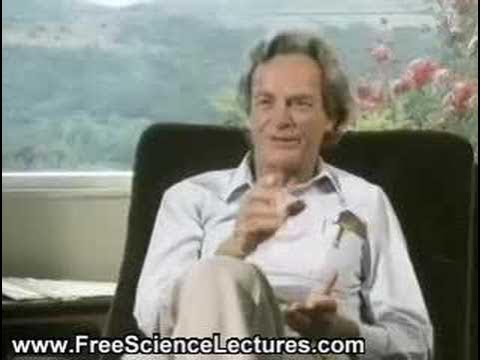
Richard Feynman: The Beauty of the Flower — FreeScienceLectures

FreeScienceLectures

Scientific analysis of cellular structures and evolutionary biology multiplies rather than subtracts from aesthetic awe.

AI-assisted summary of Richard Feynman: The Beauty of the Flower — original source. Check the original for full context.

Source published:

Key ideas

  • Richard Feynman challenges the artist's claim that scientific analysis reduces nature to something dull, arguing that scientists can appreciate superficial beauty just as readily as artists. (0:01)
  • Scientific understanding expands appreciation across scales, revealing complex cellular architecture and functional biological processes well beneath the visible one-centimeter dimension. (0:30)
  • Flower coloration evolved to attract insect pollinators, demonstrating that insects possess color vision and raising provocative questions about aesthetic perception in lower life forms. (0:54)
  • Feynman concludes that scientific knowledge serves purely as an additive force, enhancing the awe, mystery, and excitement of the natural world rather than subtracting from it. (1:20)

Detailed notes

## Background This video was published on YouTube by the channel FreeScienceLectures on May 3, 2007. The description notes that the clip originates from a 1981 interview with Richard Feynman, which also served as the subject of his book "The Pleasure of Finding Things Out," where he discusses a disagreement with an artist friend over whether science diminishes or enriches the beauty of a flower.

## TL;DR Physicist Richard Feynman recounts a recurring disagreement with an artist friend who claims that scientific analysis reduces a flower to a dull object. Feynman rejects this notion, explaining that he appreciates the surface aesthetic of a flower just like anyone else, but science allows him to see even deeper layers of beauty. By considering microscopic cell structures, internal biological processes, and the evolutionary purpose of flower colors to attract insect pollinators, he argues that scientific inquiry only adds to the wonder, excitement, and awe of nature rather than subtracting from it.

## Atmosphere & style The presentation is candid, warm, and conversational, marked by Feynman's characteristic charm, gentle humor, and animated curiosity. His delivery shifts effortlessly from playful banter about his friend being 'nutty' to genuine, wide-eyed reverence for the natural world. Watching the clip feels intimate and infectious, pulling the viewer into a passionate defense of curiosity that transforms a simple everyday flower into a portal of scientific wonder.

## Bulletin - [00:01](https://www.youtube.com/watch?v=ZbFM3rn4ldo&t=1s) Richard Feynman challenges the artist's claim that scientific analysis reduces nature to something dull, arguing that scientists can appreciate superficial beauty just as readily as artists. - [00:30](https://www.youtube.com/watch?v=ZbFM3rn4ldo&t=30s) Scientific understanding expands appreciation across scales, revealing complex cellular architecture and functional biological processes well beneath the visible one-centimeter dimension. - [00:54](https://www.youtube.com/watch?v=ZbFM3rn4ldo&t=54s) Flower coloration evolved to attract insect pollinators, demonstrating that insects possess color vision and raising provocative questions about aesthetic perception in lower life forms. - [01:20](https://www.youtube.com/watch?v=ZbFM3rn4ldo&t=80s) Feynman concludes that scientific knowledge serves purely as an additive force, enhancing the awe, mystery, and excitement of the natural world rather than subtracting from it.

## Key takeaways - [00:01](https://www.youtube.com/watch?v=ZbFM3rn4ldo&t=1s) An artist friend asserted that scientists diminish a flower's beauty by taking it apart and making it a dull object. - [00:15](https://www.youtube.com/watch?v=ZbFM3rn4ldo&t=15s) Feynman dismisses the artist's notion as mistaken, asserting that standard visual beauty is universally accessible to scientists and non-artists alike. - [00:35](https://www.youtube.com/watch?v=ZbFM3rn4ldo&t=35s) Aesthetic appreciation is not limited to the macroscopic scale of roughly one centimeter. - [00:40](https://www.youtube.com/watch?v=ZbFM3rn4ldo&t=40s) Science allows one to visualize and appreciate beauty within microscopic cells and intricate internal actions. - [00:48](https://www.youtube.com/watch?v=ZbFM3rn4ldo&t=48s) The internal biological processes and structures of living organisms possess their own intrinsic beauty. - [00:54](https://www.youtube.com/watch?v=ZbFM3rn4ldo&t=54s) Flower colors evolved specifically for pollination, which proves that insects are capable of seeing color. - [01:07](https://www.youtube.com/watch?v=ZbFM3rn4ldo&t=67s) The evolutionary purpose of color raises profound questions regarding whether lower forms of life possess an aesthetic sense. - [01:12](https://www.youtube.com/watch?v=ZbFM3rn4ldo&t=72s) Investigating biological purpose leads to deeper curiosity about why particular color patterns are perceived as aesthetic across species. - [01:18](https://www.youtube.com/watch?v=ZbFM3rn4ldo&t=78s) Scientific knowledge enriches human experience by multiplying questions rather than providing sterile, disenchanting answers. - [01:25](https://www.youtube.com/watch?v=ZbFM3rn4ldo&t=85s) Feynman maintains that science only adds to the excitement, mystery, and awe of nature, making it impossible to see how it subtracts.

## Detailed walkthrough ### [00:01](https://www.youtube.com/watch?v=ZbFM3rn4ldo&t=1s) The Artist’s Misconception and the Scientist’s Eye

Richard Feynman introduces a friendly disagreement he often has with an artist friend regarding how science and art interpret the natural world. The friend holds up a flower to admire its beauty, an observation Feynman readily agrees with, but the artist then claims an exclusive sensitivity: he argues that while an artist can appreciate aesthetic beauty, a scientist takes the flower apart and turns it into a dull, lifeless object. Feynman flatly rejects this view, noting with amusement, “And I think that he's kind of nutty.”

Feynman explains that the ordinary visual beauty appreciated by the artist is not a private preserve; it is universally accessible to other people and to Feynman himself, even if he might not consider himself quite as aesthetically refined. Rather than stripping away that initial layer of beauty, Feynman's scientific perspective allows him to see far more within the flower. He visualizes the cellular machinery and the intricate, complicated actions taking place within its tissues, recognizing that beauty exists across multiple scales rather than ending at the surface level. As Feynman observes: “I mean it's not just Beauty at this dimension of 1 cm there's also Beauty at the smaller Dimensions the inner structure also the processes.”

[00:54](https://www.youtube.com/watch?v=ZbFM3rn4ldo&t=54s) Evolutionary Mystery and How Science Adds to Wonder

Feynman moves beyond static structure to the dynamic processes and evolutionary history behind the flower's appearance. He reflects on the fact that the vibrant colors of flowers did not develop arbitrarily; they evolved specifically to attract insects for pollination. This biological fact immediately leads to a deeper realization: insects must possess the sensory apparatus to perceive color.

This insight generates a cascade of fascinating questions about perception, biology, and nature. It invites one to wonder whether an aesthetic sense exists in so-called lower forms of life, and why such forms find certain colors or arrangements compelling in the first place. For Feynman, this inquiry does not diminish nature; it magnifies its wonder. Reflecting on how deep inquiry enriches human experience, Feynman concludes: “all kinds of interesting questions which the science knowledge only adds to the excitement the mystery and the awee of a flower it only adds I don't understand how it subtracts.”

- **The Macro vs. Micro Dimension**: Aesthetic beauty is not confined to the macroscopic scale of roughly one centimeter; it extends into cellular architecture, internal chemistry, and biological function. - **Interspecies Perception**: The evolution of flower coloration to attract pollinators reveals that insects can see color, bridging botany and animal sensory biology. - **Science as an Additive Force**: Understanding natural mechanisms does not disenchant the world; it deepens the mystery, excitement, and awe inspired by everyday phenomena.

## Notable quotes > [00:01](https://www.youtube.com/watch?v=ZbFM3rn4ldo&t=1s) it's not just Beauty at this dimension of 1 cm there's also Beauty at the smaller Dimensions the inner structure also the processes. — Richard Feynman

## Mentioned Richard Feynman, The Pleasure of Finding Things Out, FreeScienceLectures

## Video description http://www.FreeScienceLectures.com

This video is from 1981. The interview is also the subject of Feynman's book The Pleasure of Finding Things Out.

I have a friend who's an artist and he's some times taken a view which I don't agree with very well. He'll hold up a flower and say, "look how beautiful it is," and I'll agree, I think. And he says, "you see, I as an artist can see how beautiful this is, but you as a scientist, oh, take this all apart and it becomes a dull thing." And I think he's kind of nutty.

First of all, the beauty that he sees is available to other people and to me, too, I believe, although I might not be quite as refined aesthetically as he is. But I can appreciate the beauty of a flower.

At the same time, I see much more about the flower that he sees. I could imagine the cells in there, the complicated actions inside which also have a beauty. I mean, it's not just beauty at this dimension of one centimeter: there is also beauty at a smaller dimension, the inner structure... also the processes.

The fact that the colors in the flower are evolved in order to attract insects to pollinate it is interesting - it means that insects can see the color.

It adds a question - does this aesthetic sense also exist in the lower forms that are... why is it aesthetic, all kinds of interesting questions which a science knowledge only adds to the excitement and mystery and the awe of a flower.

It only adds. I don't understand how it subtracts.

--- It's Never too Late to Study: http://www.FreeScienceLectures.com --- Notice: This video is copyright by its respectful owners. The website address on the video does not mean anything. ---

[Source](https://www.youtube.com/watch?v=ZbFM3rn4ldo)

中文简报

费曼驳斥艺术家的观点:科学并不会削弱自然之美 对细胞结构和进化生物学的科学解析不但没有减损审美上的惊叹,反而使其倍增。 物理学家理查德·费曼回忆了他与一位艺术家朋友之间反复出现的争论。该朋友认为,科学分析会将一朵花贬低为索然无味的事物。费曼驳斥了这种观念,解释说自己和其他人一样能够欣赏花朵的表层美感,而科学更让他看到了更深层次的美。通过思考微观的细胞结构、内部的生物学过程,以及花朵演化出色彩以吸引昆虫授粉的目的,他认为科学探索只会增添对自然的惊叹、兴奋与敬畏,绝不会削弱自然之美。 理查德·费曼对艺术家关于“科学分析让自然索然无味”的论断提出质疑,认为科学家同样能像艺术家那样轻松欣赏表层的美。 (0:01) 科学认知将审美体验扩展至不同尺度,揭示出远在可见的一厘米尺度之下的复杂细胞构造与功能性生物学过程。 (0:30) 花朵色彩的演化是为了吸引昆虫授粉,这证明了昆虫具备色觉,并引发了关于低等生命形式是否拥有审美感知的引人深思的问题。 (0:54) 费曼总结道,科学知识纯粹是一种倍增的力量,只会增强自然界的敬畏感、神秘感与兴奋感,而非减损其魅力。 (1:20)

Reading summary

Physicist Richard Feynman challenges the claim that science diminishes natural beauty, arguing that scientific knowledge deepens aesthetic appreciation by revealing structure, process, and evolutionary history. Beauty Across Microscopic and Macroscopic Scales (0:01) Feynman disputes an artist friend's assertion that scientists strip the beauty from a flower by dissecting it into a dull, lifeless object. He maintains that ordinary visual beauty—accessible at the macroscopic scale of roughly one centimeter—is readily appreciated by scientists as well as artists. Scientific training does not blind an observer to surface-level aesthetics. Rather than subtracting from this experience, Feynman argues that scientific comprehension adds an extra dimension of wonder. By understanding cellular machinery and the complicated internal processes operating within a flower's tissues, an observer can perceive beauty at microscopic scales that remain invisible to purely surface-level contemplation. Evolutionary Function and Biological Perception (0:54) Feynman also points to the evolutionary forces that shaped the flower's appearance. The vibrant colors of petals did not arise by accident; they evolved specifically to attract pollinating insects. This biological reality demonstrates that insects possess the sensory mechanisms required to see color, bridging the study of plants with animal sensory biology. This connection introduces questions about perception and aesthetics across species, such as whether simpler organisms experience a form of aesthetic sense and why specific colors attract them. For Feynman, tracing these functional mechanisms magnifies the mystery and excitement of the natural world, demonstrating that scientific inquiry functions as an additive rather than reductive force. Feynman concludes that scientific insight only multiplies the mystery, excitement, and awe inspired by nature, leaving unresolved questions about how aesthetic perception operates across different forms of life.

精炼阅读摘要

理查德·费曼(Richard Feynman)反驳了艺术界常有的刻板偏见,强调科学认知非但不会削弱对自然的审美体验,反而通过揭示微观细胞机制与演化历程,为花朵增添了更为深层的敬畏与探索价值。 突破单一尺度:微观构造与生命动态的丰富之美 (0:01) 费曼通过一位艺术家朋友的观点切入讨论:该艺术家认为艺术家能敏锐捕捉花朵之美,而科学家将其拆解分析后只会使其沦为平淡乏味的死物。费曼明确反对这一看法,指出对花朵表面直观形象的鉴赏能力是普遍相通的,科学家同样能够体会,并不存在艺术界独占的敏感性。科学分析非但没有剥离表层的视觉吸引力,反而赋予人洞察微观维度的能力。 费曼阐述道,美感绝不仅限于约一厘米的宏观外部尺寸,更延伸至组织内部复杂的细胞结构和动态生化过程。科学视角的加入,使得观察者能够同时在肉眼可见的宏观层次与精密的微观组织中感受多维度的自然秩序,让单薄的表面视觉经验演化为层次更加立体的全景认知。 演化机制的揭示:跨物种感知与审美起源之问 (0:54) 除静态的解剖结构外,费曼进一步指出科学还揭示了花朵外观背后的演化动力学。花朵绚丽的色彩并非随机产生,而是在漫长的演化过程中专门为了吸引昆虫完成授粉而形成的。这一生物学机制直接引出了关键推论:昆虫必然具备感知色彩的生理感官基础,从而在植物与动物的感知系统之间建立了直接关联。 这种演化视角的洞见随即引发了一连串深刻的追问,例如低等生物是否同样拥有某种形式的审美意识,以及它们为何会被特定的颜色或排列形式所吸引。费曼坚信,理解这些运作机理并未消除自然的神秘感,科学知识对自然现象的解构本质上是一种增量体验,它持续拓宽了人类对生命的惊叹与好奇,而非降低其魅力。 费曼由此得出结论,科学知识只会为一朵花带来更多的兴奋、神秘与敬畏,他无法理解这种探索何以被视作减损之举;关于非人类生物感知与审美动机的未解之问,也印证了科学探索能够赋予日常世界更广阔的意趣。

Detailed notes — zh

## Background 该视频由 YouTube 频道 FreeScienceLectures 于 2007 年 5 月 3 日发布。视频内容选自 1981 年对著名物理学家理查德·费曼(Richard Feynman)的专访,这段访谈亦收录于其著作《发现的乐趣》(The Pleasure of Finding Things Out)之中,围绕科学认知与审美体验之间的关系展开探讨。 ## TL;DR 理查德·费曼在视频中反驳了一位艺术家朋友的偏见——即科学家只会将花朵解构并让其变得乏味。费曼指出,科学家不仅同样能领略一厘米尺度下花朵的外在形态之美,更能借助知识洞察微观细胞结构与复杂的生命活动。不仅如此,花朵为吸引昆虫演化出色觉反馈等生物学事实,进一步引发出低等生命是否存在审美等深刻思考。费曼以此总结强调,科学认知不仅不会削弱美感,反而只会为自然增添无尽的兴奋感、神秘感与敬畏感。 ## Atmosphere & style 整段访谈真诚、风趣且充满哲思,费曼以他标志性的敏锐洞察力和充满童趣的热情,将一段日常争执转化为对自然终极奥秘的颂歌。言谈间没有学究式的晦涩说教,而是用直白有力的反问和层层递进的视角拓展,展现出对生命与宇宙的由衷赞叹。观众能真切感受到一位科学大家眼中那个既宏大又精妙的多维世界,情绪随着他的讲述从轻松反驳逐渐升华至对万物演化的深深敬畏。 ## Bulletin - [00:01](https://www.youtube.com/watch?v=ZbFM3rn4ldo&t=1s) 理查德·费曼反驳了艺术家认为“科学拆解会破坏美感”的观点,指出科学家同样能欣赏花朵的外在美,更能够领略微观层面的精妙机制。 - [00:01](https://www.youtube.com/watch?v=ZbFM3rn4ldo&t=1s) 费曼提出美不仅存在于约一厘米的宏观视觉尺度,细胞层面的微观结构与内部复杂的动态过程同样具有深刻的美感。 - [00:54](https://www.youtube.com/watch?v=ZbFM3rn4ldo&t=54s) 从演化视角来看,花朵色彩吸引昆虫授粉的事实揭示了昆虫具备色觉,并引申出低等生物是否拥有审美感等前沿疑问。 - [00:54](https://www.youtube.com/watch?v=ZbFM3rn4ldo&t=54s) 科学认知不会削弱自然之美,反而为人们面对自然时增添了兴奋感、神秘感与敬畏感。 ## Key takeaways - [00:01](https://www.youtube.com/watch?v=ZbFM3rn4ldo&t=1s) 费曼的朋友认为艺术家能欣赏花之美,而科学家只会将其拆解为乏味之物(dull thing),费曼直言这种看法非常荒谬。 - [00:01](https://www.youtube.com/watch?v=ZbFM3rn4ldo&t=1s) 艺术家的视觉审美并非其独占特权,普通人与科学家即使审美敏感度不同,也完全能够感受花朵的外在形态之美。 - [00:01](https://www.youtube.com/watch?v=ZbFM3rn4ldo&t=1s) 科学视角打破了约一厘米宏观尺度的限制,将观察维度拓展至细胞等更小的微观结构。 - [00:01](https://www.youtube.com/watch?v=ZbFM3rn4ldo&t=1s) 花朵内部复杂的生物学与生物化学运转机制,本身就构成了一种动态的科学之美。 - [00:54](https://www.youtube.com/watch?v=ZbFM3rn4ldo&t=54s) 花朵色彩演化以吸引昆虫授粉,表明昆虫具备色彩感知能力,展现了自然界物种间的协同演化关系。 - [00:54](https://www.youtube.com/watch?v=ZbFM3rn4ldo&t=54s) 关于昆虫视觉的发现引申出了更深层的问题:更低等的生命形式中是否存在某种审美感知。 - [00:54](https://www.youtube.com/watch?v=ZbFM3rn4ldo&t=54s) 科学知识并没有消解自然的神秘感,反而带来了更多引人入胜的谜题与求知兴奋。 - [00:54](https://www.youtube.com/watch?v=ZbFM3rn4ldo&t=54s) 费曼坚定主张,科学对美的认知永远是“只增不减”(It only adds. I don't understand how it subtracts),深化了人类对自然的敬畏(awe)。 ## Detailed walkthrough ### [00:01](https://www.youtube.com/watch?v=ZbFM3rn4ldo&t=1s) 艺术家的偏见与科学视角的微观之美 理查德·费曼(Richard Feynman)讲述了他与一位艺术家朋友之间的分歧。这位朋友常常持有一种费曼并不赞同的观点:朋友会拿出一朵花,感叹道“看它多美”,费曼自然也会表示赞同;然而朋友接着便会宣称,自己作为艺术家能够领会花朵的美,而费曼作为科学家,却只会把花朵彻底拆解开来,使其变成一件枯燥无味的事物。对此,费曼直截了当地评价道:“And I think that he's kind of nutty.” 费曼指出,艺术家所看到的美,其他人同样能够感受得到,自己即便在审美精致程度上比不上搞艺术的朋友,也完全能够欣赏花朵的外在美。 ```mermaid flowchart TD accTitle: 科学视角对花朵之美的层级拓展 accDescr: 展示从艺术家的厘米尺度外在美到科学家深入细胞结构与演化过程的多维度美感认知 subgraph 宏观视觉 ["宏观尺度(~1 cm)"] A["花朵外在形态与色彩<br/>(艺术家与大众可见)"] end subgraph 微观尺度与过程 ["微观与时间尺度"] B["细胞层级的微观结构"] C["内部复杂生命活动机制"] D["协同演化:昆虫传粉与色彩视觉"] end subgraph 认知升华 ["审美与认知深化"] E["产生全新思考:<br/>低等生物是否具有审美感?"] F["增进对自然的敬畏、神秘感与兴奋感"] end A --> B B --> C A --> D D --> E C --> F E --> F ``` 在具备基础审美体验的同时,费曼认为科学家眼中的花朵其实远比艺术家看到的更丰富。科学并不局限于大约一厘米宏观尺度上的外在形态,而是能够深入到微观世界。人可以通过科学知识去想象花朵内部的细胞,以及细胞之间复杂精妙的活动,这些内在结构与生命运转过程本身同样蕴含着绝妙的美。 - 艺术家认为科学分析会破坏事物的美感,将其拆解为乏味之物(dull thing)。 - 费曼反驳这种观点,强调普通人与科学家不仅同样拥有感知外在视觉美的能力,科学更能揭示更小尺度下的内在结构美。 ### [00:54](https://www.youtube.com/watch?v=ZbFM3rn4ldo&t=54s) 演化之谜:科学只会增加美而绝非减少 费曼进一步将视角引向生命演化的层面。他谈到,花朵演化出鲜艳的颜色是为了吸引昆虫前去授粉,这一生物学事实本身就极其有趣,因为它同时揭示了昆虫是具备辨识颜色能力的。这种认知顺理成章地引申出一系列迷人的科学与哲学疑问:这种对颜色的感知或“审美感受”是否存在于低等生物之中?它们为什么会觉得这是美的? 这些由科学探索所催生的深刻疑问,不仅没有削弱花朵原有的魅力,反而进一步放大了人们面对自然时的震撼与惊奇。正如费曼坚定地总结道:“all kinds of interesting questions which the science knowledge only adds to the excitement the mystery and the awee of a flower it only adds I don't understand how it subtracts” 科学所带来的认知积累,只会给自然界增添无穷的神秘与敬畏,绝不会从中减损分毫。 - 花朵的色彩演化出吸引昆虫授粉的功能,说明昆虫具备感知色彩的视觉系统。 - 这一科学事实引申出更深刻的思考:审美意识是否在较低等的生命形式中就已经存在。 - 科学知识为观察自然带来了三层增益:兴奋感(excitement)、神秘感(mystery)与敬畏感(awe)。 ## Notable quotes > [00:54](https://www.youtube.com/watch?v=ZbFM3rn4ldo&t=54s) all kinds of interesting questions which the science knowledge only adds to the excitement the mystery and the awee of a flower it only adds I don't understand how it subtracts — 理查德·费曼 ## Mentioned 理查德·费曼, The Pleasure of Finding Things Out ## Video description http://www.FreeScienceLectures.com This video is from 1981. The interview is also the subject of Feynman's book The Pleasure of Finding Things Out. I have a friend who's an artist and he's some times taken a view which I don't agree with very well. He'll hold up a flower and say, "look how beautiful it is," and I'll agree, I think. And he says, "you see, I as an artist can see how beautiful this is, but you as a scientist, oh, take this all apart and it becomes a dull thing." And I think he's kind of nutty. First of all, the beauty that he sees is available to other people and to me, too, I believe, although I might not be quite as refined aesthetically as he is. But I can appreciate the beauty of a flower. At the same time, I see much more about the flower that he sees. I could imagine the cells in there, the complicated actions inside which also have a beauty. I mean, it's not just beauty at this dimension of one centimeter: there is also beauty at a smaller dimension, the inner structure... also the processes. The fact that the colors in the flower are evolved in order to attract insects to pollinate it is interesting - it means that insects can see the color. It adds a question - does this aesthetic sense also exist in the lower forms that are... why is it aesthetic, all kinds of interesting questions which a science knowledge only adds to the excitement and mystery and the awe of a flower. It only adds. I don't understand how it subtracts. --- It's Never too Late to Study: http://www.FreeScienceLectures.com --- Notice: This video is copyright by its respectful owners. The website address on the video does not mean anything. --- [Source](https://www.youtube.com/watch?v=ZbFM3rn4ldo)

Source quotes

[0:54] 理查德·费曼: all kinds of interesting questions which the science knowledge only adds to the excitement the mystery and the awee of a flower it only adds I don't understand how it subtracts

Source quotes

[0:01] Richard Feynman: it's not just Beauty at this dimension of 1 cm there's also Beauty at the smaller Dimensions the inner structure also the processes.

Original transcript

[0:01] I have a friend who's an artist and he [0:04] sometimes taken a view which I don't [0:06] agree with very well he'll hold up a [0:08] flower and say look how beautiful it is [0:11] and I'll agree I and he says you see as [0:13] I as an artist can see how beautiful [0:15] this is but you as a scientist oh take [0:17] this all apart and it becomes dull thing [0:20] and I think that he's kind of nutty [0:23] first of all the beauty that he sees is [0:26] available to other people and to me too [0:28] I believe although I may not be quite as [0:30] refined as aesthetically as he is but I [0:33] can't appreciate the beauty of a [0:35] flower at the same time I see much more [0:38] about the flower than he sees I could [0:40] imagine the cells in there the [0:41] complicated actions inside which also [0:43] have a beauty I mean it's not just [0:46] Beauty at this dimension of 1 cm there's [0:48] also Beauty at the smaller Dimensions [0:50] the inner structure also the processes [0:54] the fact [0:55] that the colors and the flower evolved [0:59] in order to attract insects to pollinate [1:01] it is interesting it means that insects [1:04] can see the color it adds a question is [1:07] this athetic sense also exist in the [1:09] lower forms that does it why is it [1:12] aesthetic all kinds of interesting [1:15] questions which the science knowledge [1:18] only adds to the excitement the mystery [1:21] and the awee of a flower it only adds I [1:24] don't understand how it [1:28] subtracts for