Waymo Puts Driverless Cars on Public Roads Without Human Operators
Waymo
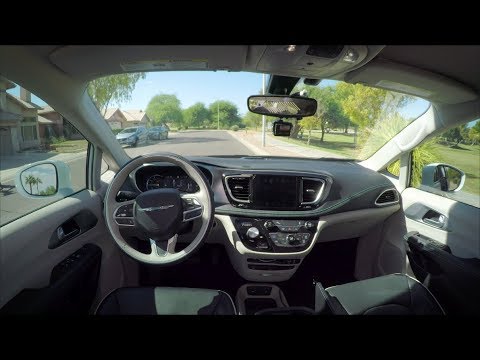
Waymo is shifting to fully autonomous testing without human operators in the driver's seat as it prepares to open driverless rides to the public.
AI-assisted summary of Waymo's fully autonomous driving technology is here — original source. Check the original for full context.
Source published:
Key ideas
- Waymo has begun test-driving fully autonomous vehicles on public roads without anyone in the driver's seat. (0:00)
- The public road deployment follows more than eight years of research and testing originating with Google's 2009 self-driving car project.
- Waymo announced plans to open these fully autonomous vehicles to members of the public for everyday transportation.
- The company positions its autonomous driving technology as a solution to enhance mobility while potentially saving thousands of lives.
Detailed notes
## Background Published on YouTube by Waymo on November 7, 2017, this video highlights a pivotal milestone for the company, which began as the Google self-driving car project in 2009. According to the description, after more than eight years of development, Waymo's fully autonomous vehicles have begun driving on public roads without anyone in the driver's seat, preparing for everyday use by members of the public.
## TL;DR The segment centers on a live presentation acknowledging the public deployment of Waymo's fully autonomous driving technology. Addressing the crowd, the presenter repeatedly expresses gratitude, reinforcing the significant reception surrounding vehicles operating without a human behind the wheel. The brief excerpt highlights a major turning point in bringing fully self-driving cars into real-world public operation.
## Atmosphere & style The presentation evokes a celebratory and grateful atmosphere, characterized by simple, repetitive acknowledgments of thanks directed at an engaged audience. Watching the moment feels milestone-driven and reverent, capturing the quiet relief and pride of unveiling long-developed autonomous technology on public roads. The delivery conveys humility alongside the weight of a historic technological transition.
## Bulletin - [00:00](https://www.youtube.com/watch?v=aaOB-ErYq6Y&t=0s) Waymo has begun test-driving fully autonomous vehicles on public roads without anyone in the driver's seat. - The public road deployment follows more than eight years of research and testing originating with Google's 2009 self-driving car project. - Waymo announced plans to open these fully autonomous vehicles to members of the public for everyday transportation. - The company positions its autonomous driving technology as a solution to enhance mobility while potentially saving thousands of lives.
## Key takeaways - Waymo originated as Google's self-driving car project in 2009. - Over eight years of intensive testing and development led to the milestone of driverless operation. - [00:00](https://www.youtube.com/watch?v=aaOB-ErYq6Y&t=0s) Waymo vehicles are now operating on public roads with completely empty driver's seats. - Members of the general public will soon be able to use Waymo's fully autonomous vehicles for daily travel. - Waymo characterizes its system as the most advanced autonomous driving technology operating on public roads today. - The core mission driving Waymo's technology is making transportation safer and easier for people and goods. - Deploying the Waymo Driver aims to significantly improve global mobility and save thousands of lives from traffic accidents. - [00:00](https://www.youtube.com/watch?v=aaOB-ErYq6Y&t=0s) Waymo showcased its fully autonomous capability through a public demonstration and presentation to an engaged audience.
## Detailed walkthrough ### [00:00](https://www.youtube.com/watch?v=aaOB-ErYq6Y&t=0s) Waymo Public Demonstration and Acknowledgments
The presentation segment opens with an appreciative address to the audience as the speaker repeatedly expresses gratitude, stating simply and directly, “Thank you. Thank you. Thank you. Thank you. Thank you. Thank you.” The repeated acknowledgments underscore the reception and audience engagement surrounding Waymo’s demonstration of fully autonomous driving technology operating on public roads without anyone in the driver's seat.
## Mentioned Waymo, Google, Waymo Driver
## Video description Waymo, which started as the Google self-driving car project in 2009, is ready for the next phase. Starting now, Waymo’s fully autonomous driving technology — the most advanced autonomous driving technology on the road today — are test-driving on public roads, without anyone in the driver’s seat. And soon, members of the public will get to use these vehicles in their daily lives.
After more than eight years of testing and development, we're ready to unlock the potential of fully autonomous driving technology, so we can make it easier and safer for everyone to get around.
Learn more: https://medium.com/@waymo/with-waymo-in-the-drivers-seat-fully-self-driving-vehicles-can-transform-the-way-we-get-around-75e9622e829a
About Waymo: Waymo is an autonomous driving technology company with a mission to make it safe and easy for people and things to move around. With the Waymo Driver, we can improve the world’s mobility while saving thousands of lives.
Connect with Waymo: We're hiring: https://waymo.com/joinus/ Follow Waymo on Twitter: https://twitter.com/waymo Follow Waymo on Instagram: https://www.instagram.com/waymo Follow Waymo on LinkedIn: https://www.linkedin.com/company/waymo Like Waymo on Facebook: https://www.facebook.com/Waymo/
[Source](https://www.youtube.com/watch?v=aaOB-ErYq6Y)