ICANN Generates First DNS Root Key to Secure Global Web Addressing
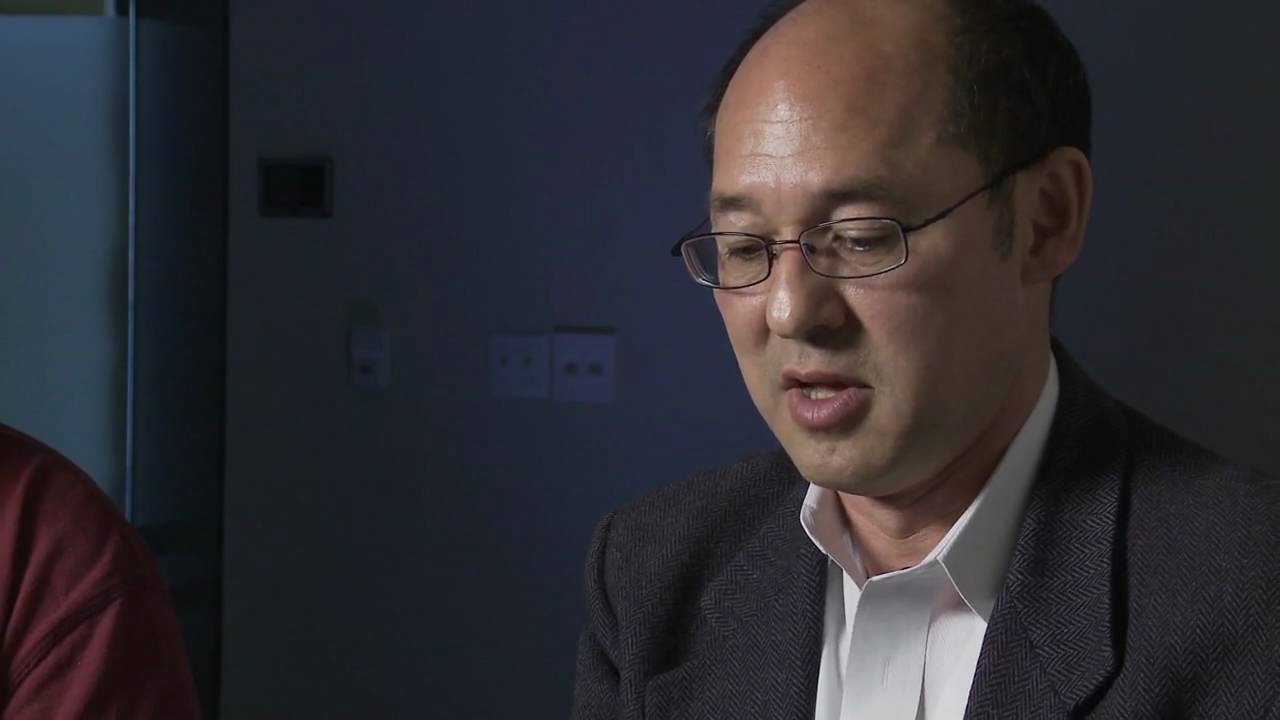
ICANN
The formal generation of the 2048-bit root key establishes a distributed cryptographic trust architecture designed to prevent domain spoofing and anchor authentication across the entire internet.
AI-assisted summary of KSK Key Signing Ceremony (16 Jun 10) — original source. Check the original for full context.
Source published:
Key ideas
- ICANN, Verisign, and the U.S. Department of Commerce collaborated to execute the first Key Signing Ceremony, introducing cryptographic trust to the DNS root zone. (0:00)
- The root Key Signing Key (KSK)—a 2048-bit RSA key pair—was generated inside a dedicated cryptographic hardware module stored in GSA Class 5 safes equipped with seismic and interlock alarms. (1:48)
- Control of root cryptographic material is distributed among at least 21 Trusted Community Representatives (TCRs), split into Crypto Officers and Recovery Key Shareholders. (3:20)
- Organizers noted that beyond preventing DNS spoofing, the newly established hierarchical trust infrastructure can be purposed across the wider internet for multiple authentication needs. (5:40)
Detailed notes
## Background Published on YouTube by ICANN on June 18, 2010, this video provides highlights and an overview of the historic June 16, 2010 Key Signing Ceremony. The video documents the collaborative effort between ICANN, Verisign, and the U.S. Department of Commerce to establish cryptographic security for the DNS root.
## TL;DR To fix foundational security flaws in the Domain Name System where user requests could be maliciously misdirected, a joint initiative was established to deploy a cryptographically signed DNS root zone. The video outlines the inaugural Key Signing Ceremony, where roughly 30 to 35 observers witnessed the generation of a 2048-bit RSA Key Signing Key inside tamper-resistant hardware. Procedural control is divided among Trusted Community Representatives acting as Crypto Officers and Recovery Key Shareholders, ensuring the system can survive catastrophic disasters without concentrating unilateral power in ICANN. The ceremony concludes with the successful generation and verification of the root key, establishing a foundational trust hierarchy for the wider internet.
## Atmosphere & style The presentation blends the solemn precision of high-stakes institutional cryptography with an accessible, documentary-style explanation of complex technical procedures. An undercurrent of dry levity emerges as organizers clarify that the 'ceremony' is a strict procedural audit rather than a mystical ritual, all while operating under intense physical security involving GSA Class 5 vaults and seismic sensors. Watching the process unfold inside the secure room evokes a quiet, tense reverence for internet infrastructure, culminating in a shared sense of historic relief and applause as the key is verified.
## Bulletin - [00:00](https://www.youtube.com/watch?v=b9j-sfP9GUU&t=0s) ICANN, Verisign, and the U.S. Department of Commerce collaborated to execute the first Key Signing Ceremony, introducing cryptographic trust to the DNS root zone. - [01:48](https://www.youtube.com/watch?v=b9j-sfP9GUU&t=108s) The root Key Signing Key (KSK)—a 2048-bit RSA key pair—was generated inside a dedicated cryptographic hardware module stored in GSA Class 5 safes equipped with seismic and interlock alarms. - [03:20](https://www.youtube.com/watch?v=b9j-sfP9GUU&t=200s) Control of root cryptographic material is distributed among at least 21 Trusted Community Representatives (TCRs), split into Crypto Officers and Recovery Key Shareholders. - [05:40](https://www.youtube.com/watch?v=b9j-sfP9GUU&t=340s) Organizers noted that beyond preventing DNS spoofing, the newly established hierarchical trust infrastructure can be purposed across the wider internet for multiple authentication needs.
## Key takeaways - [00:00](https://www.youtube.com/watch?v=b9j-sfP9GUU&t=0s) The internet lacks an inherent architectural security mechanism to verify that received information originates from the legitimate source. - [00:00](https://www.youtube.com/watch?v=b9j-sfP9GUU&t=0s) Signing the DNS root was framed as a fundamental milestone comparable to the introduction of the World Wide Web in the early 1990s. - [00:00](https://www.youtube.com/watch?v=b9j-sfP9GUU&t=0s) The security design was established through a joint team representing ICANN, Verisign, and the U.S. Department of Commerce. - [00:00](https://www.youtube.com/watch?v=b9j-sfP9GUU&t=0s) Extensive international technical consultations preceded the signing, yielding strong global consensus among operators and protocol engineers. - [01:48](https://www.youtube.com/watch?v=b9j-sfP9GUU&t=108s) The Key Signing Ceremony operates as a strictly scripted, transparent, and continuously filmed event to eliminate suspicions of impropriety. - [01:48](https://www.youtube.com/watch?v=b9j-sfP9GUU&t=108s) Hardware is protected by federal GSA Class 5 safes featuring seismic sensors and door interlocks that prevent room exit until the safe is locked. - [01:48](https://www.youtube.com/watch?v=b9j-sfP9GUU&t=108s) The root Key Signing Key is generated as a 2048-bit RSA key pair inside a tamper-resistant hardware security module. - [01:48](https://www.youtube.com/watch?v=b9j-sfP9GUU&t=108s) Witnesses verify the integrity of the key generation in real time using printed cryptographic hashes displayed against public monitors. - [03:20](https://www.youtube.com/watch?v=b9j-sfP9GUU&t=200s) Authority is divided across at least 21 Trusted Community Representatives to prevent ICANN from unilaterally accessing or activating the cryptographic system. - [03:20](https://www.youtube.com/watch?v=b9j-sfP9GUU&t=200s) Recovery Key Shareholders retain encrypted key fragments in tamper-evident bags, requiring a minimum of five shareholders to assemble to reconstruct the master key. - [03:20](https://www.youtube.com/watch?v=b9j-sfP9GUU&t=200s) Crypto Officers hold physical keys to safe deposit boxes housing operational smart cards rather than taking the cards off-site, preserving emergency survivability. - [03:20](https://www.youtube.com/watch?v=b9j-sfP9GUU&t=200s) In extreme travel-disrupting disasters, ICANN retains audited and monitored drilling protocols to access safe deposit boxes to keep the system operational. - [03:20](https://www.youtube.com/watch?v=b9j-sfP9GUU&t=200s) Between ceremonies, integrity is preserved through uninterrupted video surveillance and comprehensive audit trails. - [05:40](https://www.youtube.com/watch?v=b9j-sfP9GUU&t=340s) The hierarchical trust infrastructure established by the root key is intended to serve broader authentication functions across the internet beyond DNS lookups.
## Detailed walkthrough ### [00:00](https://www.youtube.com/watch?v=b9j-sfP9GUU&t=0s) Motivation, Collaboration, and DNS Root Signing
The initiative to secure the Domain Name System (DNS) root is framed as a monumental technological leap. A speaker reflects on the magnitude of the effort, noting: “I would compare this to the arrival of the World Wide Web in the early 1990s in terms of its enabling capability, of course we'll see whether that prediction holds up, but it's a very powerful step.” At its fundamental architectural layer, the internet has no inherent security mechanism, meaning users cannot natively verify whether information received across the network truly originated from the intended source. This vulnerability introduces severe risks, such as users attempting to navigate to their banking portal and being maliciously misdirected elsewhere. Because authenticating data is an intricate technical challenge beyond ordinary end users, an underlying framework is needed to provide cryptographic assurance.
To resolve this issue, a dedicated design team was established involving three core entities responsible for managing the root zone of the DNS: Verisign, the United States Department of Commerce, and ICANN. Their objective was to introduce robust cryptographic security while preserving the established organizational hierarchy. Over the preceding year, ICANN carried out extensive global technical consultations with network operators, protocol engineers, and DNS service providers to evaluate the architecture and identify any potential operational friction. The international consensus was exceptionally supportive, with broad enthusiasm across the technical community to see the root zone signed.
```mermaid flowchart TD accTitle: DNS Root Security Architecture accDescr: Collaboration between Verisign, Department of Commerce, and ICANN to sign the DNS root.
subgraph Governance["Governance & Design"] ICANN["ICANN"] DOC["U.S. Dept of Commerce"] VR["Verisign"] end
subgraph Implementation["Root Security"] DT["Design Team Architecture"] CONSULT["Global Technical Consultation"] ROOT["Signed DNS Root Zone"] end
ICANN --> DT DOC --> DT VR --> DT DT --> CONSULT CONSULT --> ROOT ```
[01:48](https://www.youtube.com/watch?v=b9j-sfP9GUU&t=108s) The Ceremony, Physical Security, and Key Generation
The Key Signing Ceremony is structured as an intensely scripted, highly transparent event designed to remove any suspicion of impropriety. In a room populated by roughly 30 to 35 participants and observers, every single movement is filmed continuously. As an organizer humorously clarifies: “It's not anything where people hum or have some sort of strange, you know, ritual or anything like that, I think sometimes it gets misunderstood, it's just a very formal process.” Physical security is paramount; the hardware is housed inside GSA Class 5 safes of the type used by the federal government. These safes are equipped with seismic detectors and specialized door interlocks wired into the facility's extensive alarm network, ensuring that participants cannot exit unless the vault door is fully closed and locked.
Once the hardware is extracted, the root Key Signing Key (KSK)—a 2048-bit RSA key pair—is generated inside a dedicated cryptographic hardware module (Hardware Security Module). To confirm the validity of the process without exposing the secret key itself, printed cryptographic hashes (shorthand representations of the key) are distributed to the witnesses in the room. This enables everyone present to verify directly via public monitors that the key was generated properly and without sleight of hand.
- Total ceremony observers and participants: approximately 30 to 35 people. - Storage: Federal GSA Class 5 rated safes featuring active seismic and door sensors. - Key specification: 2048-bit RSA key pair generated inside a tamper-resistant cryptographic box. - Verification mechanism: Printed cryptographic hashes handed out to witnesses to verify the generation process visually and mathematically.
[03:20](https://www.youtube.com/watch?v=b9j-sfP9GUU&t=200s) Trusted Community Representatives: Crypto Officers and Recovery Shareholders
To ensure that ICANN cannot unilaterally activate or access the cryptographic system, control is distributed across Trusted Community Representatives (TCRs). A pool of at least 21 TCRs is maintained, with 14 in attendance for this specific ceremony. These representatives are divided into two distinct roles: Crypto Officers and Recovery Key Shareholders. The Recovery Key Shareholders hold smart cards containing encrypted fragments of the backup key stored in tamper-evident bank bags. In the catastrophic event that both ICANN's primary East Coast and West Coast duplicate facilities are lost, a minimum of five of these shareholders must physically assemble to reconstruct the master recovery encryption key.
Crypto Officers hold physical safe deposit keys corresponding to safety deposit boxes built directly inside the safes, which house the operational smart cards. When addressing why the officers hold keys to the safe deposit boxes rather than holding the smart cards directly off-site, an official explains the absolute necessity of disaster survivability: “This system has to operate, it cannot fail. So if we have a 9/11 situation or something where these people cannot travel here, we have to be able to get at these keys.” In an extreme emergency where officers cannot physically travel, ICANN retains the capability to drill the deposit boxes under full audit and surveillance conditions. Between official ceremonies, continuous video surveillance and rigorous audit trails prove that the keys remain untouched.
```mermaid flowchart TD accTitle: Trusted Community Representative Structure accDescr: Separation of roles between Recovery Key Shareholders and Crypto Officers.
subgraph TCR["Trusted Community Representatives (21 Total)"] RKS["Recovery Key Shareholders"] CO["Crypto Officers"] end
subgraph Storage["Access Control & Safeguards"] BAGS["Tamper-Evident Bags<br/>(Encrypted Key Shares)"] BOXES["Safe Deposit Boxes<br/>(Inside GSA Class 5 Safe)"] HSM["Cryptographic Device Activation"] end
RKS -->|"Minimum 5 of 7 required"| BAGS CO -->|"Physical safe deposit keys"| BOXES BOXES --> HSM ```
[05:40](https://www.youtube.com/watch?v=b9j-sfP9GUU&t=340s) Broader Implications and Official Key Generation
The ceremony concludes with a forward-looking perspective on the broader architectural impact of the newly established trust root. While the primary mission of the KSK ceremony is to guarantee that DNS queries return genuine IP addresses rather than spoofed records, the hierarchical trust infrastructure being put into place has far-reaching potential beyond standard domain lookups.
A speaker highlights the historical significance of the moment: “More has happened here today than meets the eye, an infrastructure has been created for a hierarchical security system which can be purposed and repurposed in a number of different ways.” He predicts that this hierarchical structure of trust will eventually underpin a wide array of systems requiring strong cryptographic authentication across the entire internet. The event culminates with the formal announcement that the 2048-bit RSA key pair has been successfully generated, met by enthusiastic applause from the room.
## Mentioned ICANN, Verisign, United States Department of Commerce, Domain Name System (DNS), World Wide Web, Key Signing Key (KSK), Hardware Security Module (HSM), Trusted Community Representatives (TCR), Crypto Officers, Recovery Key Shareholders, RSA
## Video description Highlights and a description of the June 16, 2010 Key Signing Ceremony.
[Source](https://www.youtube.com/watch?v=b9j-sfP9GUU)