MasterCard Rejects Crypto as Anonymous Cash That Risks Enabling Crime
CNA Insider
Cryptocurrencies mimic the worst structural flaws of physical cash by concealing identities, rendering anonymous transactions inherently suspicious to regulators who require auditable compliance.
AI-assisted summary of Matthew Driver “Trust Is A Critical Component” | Perspectives | Channel NewsAsia — original source. Check the original for full context.
Source published:
Key ideas
- Trust, security, and a stable store of value are non-negotiable requirements for any payment technology seeking widespread market adoption. (0:07)
- Cryptocurrencies mimic the anonymity of physical cash rather than solving its structural inefficiencies, while offering no consumer recourse and suffering from unstable value. (0:07)
- Physical cash still accounts for roughly 85% of global retail transactions, underscoring the massive scale of the ongoing transition toward electronic payments. (1:54)
- Financial regulators require verified counterparty identities and auditable transaction logs to ensure prudential control, making anonymous crypto transactions fundamentally suspect. (1:54)
Detailed notes
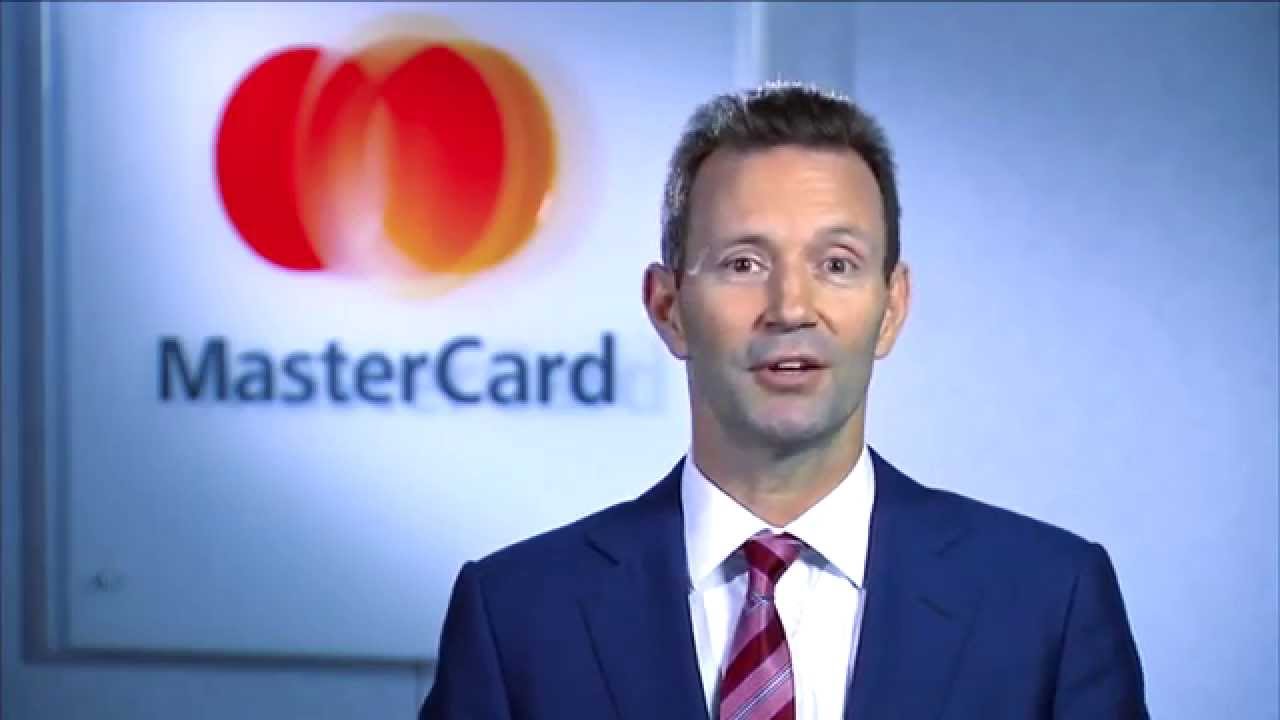
## Background Published on YouTube by CNA Insider on December 4, 2014, this clip comes from Channel NewsAsia's public affairs program “Perspectives.” The feature highlights Matthew Driver, President of South East Asia at MasterCard, sharing his views on virtual currencies and questioning the validity of digital assets generated anonymously.
## TL;DR Matthew Driver examines the evolving payment landscape, weighing the potential of digital convergence against the inherent risks of cryptocurrencies like Bitcoin. He argues that payment systems fundamentally require stability, trust, and consumer protections—qualities that volatile and anonymous cryptocurrencies fail to provide. Because physical cash still accounts for 85% of retail transactions globally, MasterCard prioritizes transparent electronic rails that combat tax evasion and illicit finance. Driver emphasizes that regulatory compliance and economic stability require verified identities, making untraceable digital transactions a point of significant institutional concern.
## Atmosphere & style The presentation carries the poised, authoritative tone of a high-level corporate briefing within a polished broadcast studio setting. Driver delivers his points with calm, measured skepticism toward decentralized finance, articulating an establishment perspective that feels analytical rather than confrontational. The discussion maintains a pragmatic, business-first cadence, focused firmly on risk management, institutional accountability, and consumer trust.
## Bulletin - [00:07](https://www.youtube.com/watch?v=bO4jHXjCXw8&t=7s) Trust, security, and a stable store of value are non-negotiable requirements for any payment technology seeking widespread market adoption. - [00:07](https://www.youtube.com/watch?v=bO4jHXjCXw8&t=7s) Cryptocurrencies mimic the anonymity of physical cash rather than solving its structural inefficiencies, while offering no consumer recourse and suffering from unstable value. - [01:54](https://www.youtube.com/watch?v=bO4jHXjCXw8&t=114s) Physical cash still accounts for roughly 85% of global retail transactions, underscoring the massive scale of the ongoing transition toward electronic payments. - [01:54](https://www.youtube.com/watch?v=bO4jHXjCXw8&t=114s) Financial regulators require verified counterparty identities and auditable transaction logs to ensure prudential control, making anonymous crypto transactions fundamentally suspect.
## Key takeaways - [00:07](https://www.youtube.com/watch?v=bO4jHXjCXw8&t=7s) Technological convergence across Asia demands payment solutions that deliver genuine utility and foster confidence across merchants, consumers, and governments. - [00:07](https://www.youtube.com/watch?v=bO4jHXjCXw8&t=7s) Reliability, security, and value stability are foundational prerequisites for consumer and institutional trust in payment systems. - [00:07](https://www.youtube.com/watch?v=bO4jHXjCXw8&t=7s) Bitcoin and other cryptocurrencies lack intrinsic price stability, rendering them ineffective as stable transaction mediums. - [00:07](https://www.youtube.com/watch?v=bO4jHXjCXw8&t=7s) Unlike regulated electronic payment networks, cryptocurrencies fail to provide consumers with dispute mechanisms or transaction recourse. - [00:07](https://www.youtube.com/watch?v=bO4jHXjCXw8&t=7s) Bitcoin's emphasis on anonymity replicates the primary drawbacks of physical cash rather than advancing modern electronic payment infrastructure. - [00:07](https://www.youtube.com/watch?v=bO4jHXjCXw8&t=7s) MasterCard's strategic vision focuses on advancing a 'world beyond cash' to foster transparent, inclusive economic systems. - [01:54](https://www.youtube.com/watch?v=bO4jHXjCXw8&t=114s) Physical cash continues to represent approximately 85% of retail transactions worldwide, highlighting the magnitude of the legacy payment landscape. - [01:54](https://www.youtube.com/watch?v=bO4jHXjCXw8&t=114s) Heavy reliance on physical cash inflicts economic damage by enabling tax evasion, illicit transactions, and black market activity. - [01:54](https://www.youtube.com/watch?v=bO4jHXjCXw8&t=114s) The decentralized generation of cryptocurrencies on anonymous computers in untraceable locations undermines systemic trust. - [01:54](https://www.youtube.com/watch?v=bO4jHXjCXw8&t=114s) Prudential economic oversight relies on verified identities of both senders and recipients alongside complete transaction audit trails. - [01:54](https://www.youtube.com/watch?v=bO4jHXjCXw8&t=114s) Anonymous payment mechanisms inherently raise regulatory suspicion by removing the accountability essential to a safe financial ecosystem.
## Detailed walkthrough ### [00:07](https://www.youtube.com/watch?v=bO4jHXjCXw8&t=7s) Trust, Stability, and the Pitfalls of Cryptocurrencies
Payment technology is undergoing a massive transformation driven by digital convergence and the emergence of cryptocurrencies, creating substantial opportunities across Asia. However, assessing these technologies requires looking closely at the real benefits they contribute to the broader ecosystem. Whether serving a consumer, a merchant, a government, or a financial institution, any successful market solution must address a genuine customer need while fostering confidence. Matthew Driver emphasizes that reliability and dependability are foundational requirements: “Trust and security, a stable form of value are incredibly critical if you're going to be able to get acceptance for the services that you're looking to provide.”
Cryptocurrencies such as Bitcoin present severe structural drawbacks when measured against these criteria. Driver points out that their intrinsic value remains deeply unstable, and they fail to offer the recourse and protections consumers instinctively expect when handling everyday transactions. Furthermore, the core purpose of cryptocurrencies remains ambiguous. While Bitcoin is designed to guarantee anonymity—functioning essentially as an electronic equivalent of physical cash—it runs counter to the objectives of modern electronic payment networks. Driver explains: “What MasterCard is critically looking at is how can we move to this world beyond cash, how do we actually use electronic payment to combat the inefficiencies of cash and really create a much more transparent and inclusive financial system?” From that standpoint, the appeal of a currency that merely digitizes the anonymity and drawbacks of physical cash is difficult to justify.
[01:54](https://www.youtube.com/watch?v=bO4jHXjCXw8&t=114s) Moving Beyond Cash and Regulatory Concerns Over Anonymity
Healthy competition and relentless innovation are vital to driving superior customer experiences across the payments landscape. MasterCard concentrates its efforts on developing safe, simple, and smart solutions, especially given the sheer scale of the legacy payment landscape. Driver notes that approximately 85% of global retail transactions are still conducted in physical cash. This massive cash dependency creates an urgent imperative to construct compelling, secure, and convenient digital payment alternatives that incentivize consumers, merchants, and governments to migrate toward modern electronic rails.
While mobile convergence and surging internet traffic have fueled intense curiosity surrounding cryptocurrencies, MasterCard remains wary of them because they contradict the fundamental ethos of moving to a transparent and secure financial world. Physical cash presents major problems for economies by enabling tax evasion, illicit transactions, and unchecked anonymity that hinder economic efficiency. Driver questions the legitimacy of decentralized currency generation: “Trust is a critical component of any payment system, so if you think about the idea that all of a sudden you're having cryptocurrencies being manufactured, if you like, on an anonymous computer in an anonymous location, it's completely legitimate to have some concerns about how that might be working.”
From a regulatory standpoint, authorities require clear oversight, verifiable identities for both the sender and the recipient, and auditable transaction records to maintain prudential control over the economy. Obscuring identities removes necessary safeguards and raises red flags. As Driver puts it: “If it's an anonymous transaction, that sounds like a suspicious transaction, why does somebody need to be anonymous?” Ultimately, financial instruments and technologies must remain accountable and transparent rather than operating out of sight and beyond user control.
```mermaid flowchart TD accTitle: Comparison Between Anonymous Currencies and Transparent Electronic Payments accDescr: Diagram contrasting physical cash and cryptocurrencies against electronic payment networks on transparency, compliance, and consumer protection.
subgraph AnonymousPaths["Anonymous Paradigm: Cash & Cryptocurrencies"] A["Anonymous Origin / Cash Infrastructure"] --> B["Obscured Sender & Recipient"] B --> C["Risks: Tax Evasion, Crime, Lack of Recourse"] end
subgraph TransparentPaths["MasterCard Paradigm: World Beyond Cash"] D["Regulated Electronic Rails"] --> E["Verified Parties & Full Audit Trail"] E --> F["Outcomes: Prudential Control, Consumer Recourse, Financial Inclusion"] end ```
- **Dominance of physical cash**: Cash continues to represent roughly 85% of retail transactions globally, driving the need for better electronic alternatives. - **Flaws of cash and crypto**: Both physical cash and anonymous digital currencies facilitate tax avoidance, obscure illegal activity, and lack consumer dispute recourse. - **Regulatory requirements**: Financial authorities depend on end-to-end transaction compliance, verified identity of all counterparties, and comprehensive records to exercise prudential control.
## Notable quotes > [01:54](https://www.youtube.com/watch?v=bO4jHXjCXw8&t=114s) If it's an anonymous transaction, that sounds like a suspicious transaction, why does somebody need to be anonymous? — Matthew Driver
> [00:07](https://www.youtube.com/watch?v=bO4jHXjCXw8&t=7s) Trust and security, a stable form of value are incredibly critical if you're going to be able to get acceptance for the services that you're looking to provide. — Matthew Driver
## Mentioned Matthew Driver, MasterCard, Bitcoin, Channel NewsAsia
## Video description Matthew Driver, President (South East Asia) of MasterCard, on virtual currencies: “All of a sudden you’re having crypto-currencies being manufactured on an anonymous computer in an anonymous location.”
About the series:
http://www.channelnewsasia.com/perspectives
Channel NewsAsia’s “Perspectives” brings together a panel of leading thinkers & eloquent speakers to take you to the heart of key global issues.
Friday, 8pm, Channel NewsAsia.
[Source](https://www.youtube.com/watch?v=bO4jHXjCXw8)