Google Puts Legally Blind Driver in Autonomous Car for Errand Run
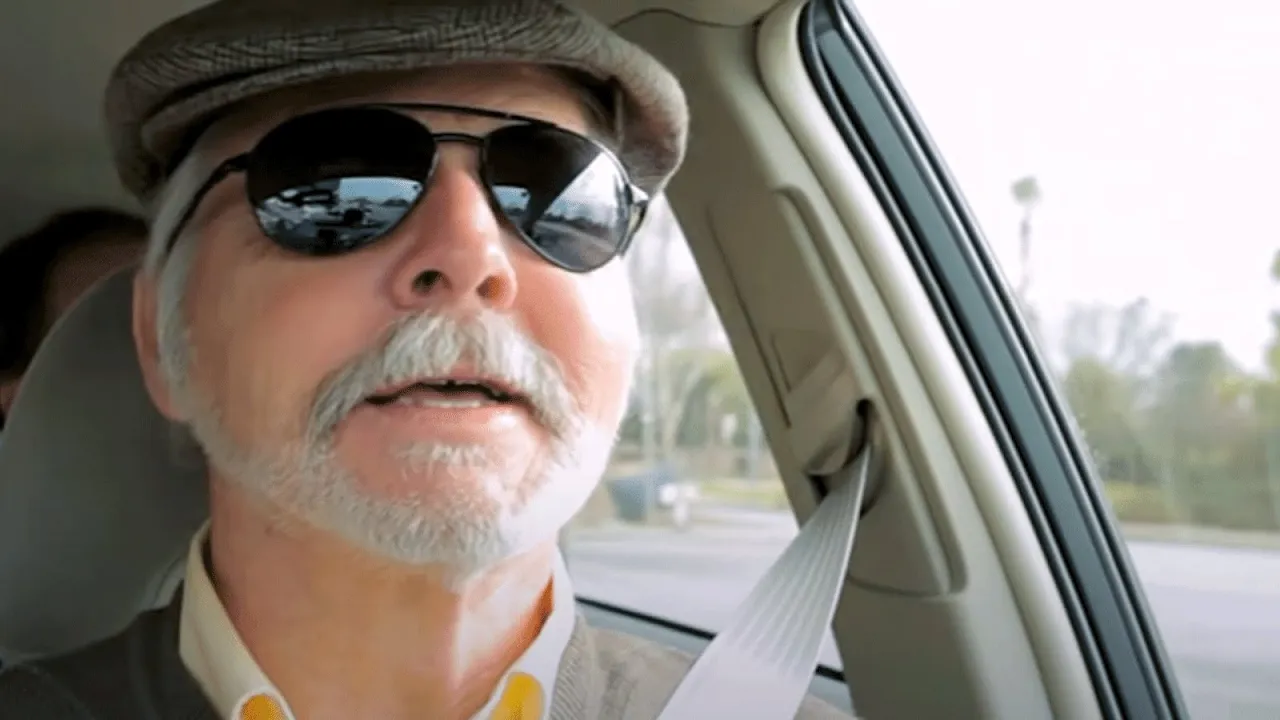
Self-Driving Car Test: Steve Mahan — Google

Google

Autonomous vehicle technology restores personal independence and mobility to people with severe vision loss by removing everyday transit barriers.

AI-assisted summary of Self-Driving Car Test: Steve Mahan — original source. Check the original for full context.

Source published:

Key ideas

  • Google conducted a technical demonstration of its self-driving car featuring Steve Mahan, an individual who has lost 95% of his vision. (0:01)
  • The vehicle navigated public streets and intersections hands-free using onboard radars and laser sensors to detect cross-traffic. (0:01)
  • The test included a real-world errand through a Taco Bell drive-thru lane to demonstrate practical autonomous utility. (1:09)
  • For visually impaired individuals, autonomous technology promises to restore personal independence and flexibility to travel without assistance. (1:09)

Detailed notes

## Background Published on YouTube by Google on March 28, 2012, this video highlights a milestone from Google's self-driving car project after logging over 200,000 computer-driven miles. According to the description, the technical experiment features Steve Mahan experiencing a carefully programmed autonomous route to demonstrate the potential safety, mobility, and life-changing benefits of self-driving technology.

## TL;DR Steve Mahan, who has lost 95% of his vision, sits behind the wheel of Google's self-driving test vehicle alongside team member Nathaniel. Operating completely autonomously using onboard radar and lasers, the vehicle navigates local streets and stop signs without manual intervention, eventually pulling into a Taco Bell drive-thru where Steve orders lunch. Throughout the journey, Steve reflects on the severe daily limitations caused by blindness and emphasizes how autonomous vehicles can restore vital personal independence, mobility, and flexibility.

## Atmosphere & style The video carries an uplifting, intimate, and quietly wondrous tone, seamlessly blending casual camaraderie with profound emotional weight. What begins as a lighthearted novelty trip punctuated by jokes about running errands and driving hands-free deepens as Steve speaks candidly about living with severe vision impairment. Watching him comfortably experience the drive conveys a genuine sense of hope, dignity, and reclaimed personal freedom.

## Bulletin - [00:01](https://www.youtube.com/watch?v=cdgQpa1pUUE&t=1s) Google conducted a technical demonstration of its self-driving car featuring Steve Mahan, an individual who has lost 95% of his vision. - [00:01](https://www.youtube.com/watch?v=cdgQpa1pUUE&t=1s) The vehicle navigated public streets and intersections hands-free using onboard radars and laser sensors to detect cross-traffic. - [01:09](https://www.youtube.com/watch?v=cdgQpa1pUUE&t=69s) The test included a real-world errand through a Taco Bell drive-thru lane to demonstrate practical autonomous utility. - [01:09](https://www.youtube.com/watch?v=cdgQpa1pUUE&t=69s) For visually impaired individuals, autonomous technology promises to restore personal independence and flexibility to travel without assistance.

## Key takeaways - [00:01](https://www.youtube.com/watch?v=cdgQpa1pUUE&t=1s) Google's self-driving car test with Steve Mahan demonstrated autonomous driving on a carefully programmed route following over 200,000 miles of computer-led testing. - [00:01](https://www.youtube.com/watch?v=cdgQpa1pUUE&t=1s) The test vehicle confirms the engagement of autonomous mode with an audio cue and an automated voice prompt announcing 'Auto driving.' - [00:01](https://www.youtube.com/watch?v=cdgQpa1pUUE&t=1s) The system manages all steering, acceleration, and braking without requiring any hand or foot inputs from the driver's seat occupant. - [00:01](https://www.youtube.com/watch?v=cdgQpa1pUUE&t=1s) Onboard lasers and radars continuously scan surroundings to evaluate cross-traffic and ensure safe clearance at intersections. - [00:01](https://www.youtube.com/watch?v=cdgQpa1pUUE&t=1s) Steve noted that passenger instincts to check both ways at stop signs persist even when the vehicle handles the intersection autonomously. - [01:09](https://www.youtube.com/watch?v=cdgQpa1pUUE&t=69s) The vehicle successfully maneuvered through a commercial parking lot and into a narrow drive-thru lane. - [01:09](https://www.youtube.com/watch?v=cdgQpa1pUUE&t=69s) Steve conducted a routine drive-thru transaction from the driver's seat, calling the trip some of the best driving he had ever done. - [01:09](https://www.youtube.com/watch?v=cdgQpa1pUUE&t=69s) Steve Mahan is well past legally blind, having lost roughly 95% of his vision. - [01:09](https://www.youtube.com/watch?v=cdgQpa1pUUE&t=69s) Vision impairment significantly restricts personal freedom and lengthens the time required to complete everyday tasks. - [01:09](https://www.youtube.com/watch?v=cdgQpa1pUUE&t=69s) Autonomous vehicles offer a transformative mobility solution that can restore independent travel and schedule flexibility to people with disabilities.

## Detailed walkthrough ### [00:01](https://www.youtube.com/watch?v=cdgQpa1pUUE&t=1s) Taking the Wheel with No Hands

Nathaniel greets Steve as they settle into Google's self-driving test vehicle. Once Steve gets the green light to initiate the drive, a series of electronic beeps sounds, followed by an automated voice announcing, "Auto driving." As the car sets off on its journey, Steve marvels at the experience, laughing as he raises his hands and remarks, “Look, Ma, no hands.” Nathaniel echoes the humor, noting that there are no hands or feet being used at all.

When the car pauses at an intersection, Steve notices the vehicle handling the stop completely autonomously. Nathaniel explains that the onboard system is actively scanning the environment, stating, “Car's using the radars and laser to check and make sure there's nothing coming either way.” Steve admits that despite being a passenger in the driver's seat, he cannot help looking both ways out of instinct, to which Nathaniel quips that old habits die hard. Steve jokingly shoots back that those instincts never truly die, before steering the conversation toward running an errand and asking if anyone is in the mood for food. Steve decides on Taco Bell, and Nathaniel agrees that they should navigate the drive-thru.

- The vehicle signals autonomous mode activation with an automated vocal prompt saying "Auto driving." - The car utilizes onboard radar sensors and lasers (lidar) to survey cross-traffic at stop signs.

[01:09](https://www.youtube.com/watch?v=cdgQpa1pUUE&t=69s) The Drive-Thru Run and the Impact of Autonomous Mobility

The car carefully turns into the commercial parking lot and creeps forward into the drive-thru lane. As they approach the ordering window, Nathaniel offers to pay, but Steve insists he has money ready. Guided to roll down his window, Steve places his order for a burrito and exchanges pleasantries with the drive-thru attendant. Amused by the sheer novelty and seamless performance of the autonomous trip, Steve laughs and delivers his verdict on the journey: “This is some of the best driving I've ever done.”

Reflecting more deeply on the technology's broader implications, Steve shares the personal reality of living with severe visual impairment, explaining, “95% of my vision is gone. I'm well past legally blind.” He explains how vision loss disrupts life's natural rhythm and restricts personal freedom, making everyday activities take significantly longer and putting many destinations entirely out of reach. For him, autonomous vehicles represent far more than a technical experiment; they offer a profound restoration of personal autonomy. Emphasizing the stakes, Steve explains: “Where this would change my life is to give me the independence and the flexibility to go the places I both want to go and need to go when I need to do those things.” As the trip concludes, he playfully tells his companions to get out of the car so he can head off on his own errands, smiling as he bids them goodbye.

```mermaid flowchart TD accTitle: Self-Driving Errand Workflow accDescr: Flowchart illustrating the steps of Steve's autonomous drive-thru test run. subgraph DrivingStage["Autonomous Navigation"] A["Engage 'Auto driving' mode"] --> B["Sensor scan at stop sign<br>(Radars & Lasers)"] B --> C["Enter parking lot & drive-thru lane"] end subgraph ErrandStage["Drive-Thru Errand"] C --> D["Roll down window & order food"] D --> E["Complete transaction"] end subgraph ImpactStage["Life Impact"] E --> F["Independence & flexibility<br>for visually impaired drivers"] end ```

## Mentioned Google, Steve Mahan, Nathaniel, Taco Bell, The Album Leaf

## Video description We announced our self-driving car project in 2010 to make driving safer, more enjoyable, and more efficient. Having safely completed over 200,000 miles of computer-led driving, we wanted to share one of our favorite moments. Here's Steve, who joined us for a special drive on a carefully programmed route to experience being behind the wheel in a whole new way. We organized this test as a technical experiment, but we think it's also a promising look at what autonomous technology may one day deliver if rigorous technology and safety standards can be met.

A version of this video with audio captions is available here: http://youtu.be/peDy2st2XpQ

Music: The Album Leaf - "We Need Help"

[Source](https://www.youtube.com/watch?v=cdgQpa1pUUE)

中文简报

谷歌安排法定盲人乘坐自动驾驶汽车外出办事 自动驾驶汽车技术通过消除日常出行障碍,为严重视力丧失者恢复个人独立与出行能力。 视力已丧失95%的史蒂夫·马汉(Steve Mahan)与谷歌团队成员纳撒尼尔(Nathaniel)一同坐在谷歌自动驾驶测试车的驾驶座上。该车依托车载雷达与激光技术实现完全自主运行,在无需人工干预的情况下穿行于当地街道并应对停车标志,最终驶入一家塔可贝尔(Taco Bell)的汽车穿梭餐厅,史蒂夫在那里点了午餐。在整个行程中,史蒂夫反思了失明给日常生活带来的严重限制,并强调了自动驾驶汽车如何能够恢复至关重要的个人独立性、行动力与灵活性。 谷歌对其自动驾驶汽车进行了一次技术演示,视力丧失达95%的史蒂夫·马汉参与了此次体验。 (0:01) 该车利用车载雷达和激光传感器探测横向交通,完全脱手在公共街道和交叉路口行驶。 (0:01) 测试包括一项穿过塔可贝尔汽车穿梭车道的真实日常办事场景,以展示自动驾驶的实际实用价值。 (1:09) 对视障人士而言,自动驾驶技术有望恢复其个人独立性以及无需协助即可出行的灵活性。 (1:09)

Reading summary

In a test of Google's self-driving vehicle, participant Steve Mahan—who has lost 95% of his vision—demonstrates how autonomous driving technology navigates real-world driving tasks and could restore mobility to individuals unable to drive. Autonomous Navigation in Everyday Driving Scenarios (0:01) The test vehicle demonstrated fully autonomous operation without driver intervention using hands or feet, initiating transit following an automated vocal prompt announcing "Auto driving." To handle stops and cross-traffic at intersections, the onboard system actively monitored the surrounding environment using radar sensors and lasers. In addition to street navigation, the car negotiated commercial parking lot traffic and pulled into a drive-thru lane, allowing Mahan to complete a routine food order. Restoring Independence for the Visually Impaired (1:09) Mahan, who is well past legally blind with 95% of his vision gone, emphasized that severe visual impairment disrupts daily routines and makes many everyday destinations inaccessible. He explained that autonomous vehicle technology extends beyond technical novelty by providing the independence and flexibility required to travel to essential and desired destinations on demand, bypassing the logistical barriers caused by vision loss. The test highlighted the life-altering potential of self-driving vehicles for individuals with severe visual impairments, though the demonstration focused on an isolated errand and did not address broader regulatory approval or commercial readiness.

精炼阅读摘要

在Google进行的自动驾驶测试中,视力丧失达95%的法定盲人Steve Mahan在系统全自主接管的情况下完成了包含路口识别与免下车点餐的行程,展示了自动驾驶技术为行动受限群体恢复独立出行能力的实际潜力。 车载传感器感知与无干预自主巡航 (0:01) 测试车辆通过电子蜂鸣声与“Auto driving”语音播报进入全自动驾驶模式。在行驶过程中,车辆系统完全接管方向盘与踏板控制,驾驶座人员无需使用双手或双脚进行机械介入。当遇到设置停车标志的交叉路口时,车辆能够完全自主完成停顿。 根据同行人员Nathaniel的说明,车辆实时调用车载雷达(radars)与激光传感器(lasers)主动扫描周围环境,精准监测双向来车情况以确保路口通行安全。尽管身处驾驶位的前驾驶员往往会出于固有习惯下意识观察路况,但实际的环境探测与安全决策已完全由系统传感器闭环执行。 商业通道穿行与日常琐事场景验证 (1:09) 自动驾驶测试路线拓展至低速非标准道路,车辆能够准确转入商业区停车场并平稳驶入Taco Bell的免下车点餐车道(drive-thru)。在车身低速缓行至窗口后,处于驾驶席的Steve自行降下车窗,自主完成玉米煎饼的点餐、现金支付与人员交互。 该场景展示了自动驾驶系统处理日常 errand 任务的实用性。在完成狭窄车道穿行与窗口对接后,Steve对整个行驶的平稳性与流畅度表示高度认可,称这是其体验过的最佳驾驶表现之一。 技术对重度视障者生活自主权的重构 (1:09) Steve结合自身生活状况说明了该技术的深层意义:其视力丧失程度已达95%,属于重度法定盲人。视力损伤打破了生活原有的自主节奏并严重剥夺了行动自由,不仅使普通日常活动变得漫长繁琐,更导致许多地点因缺乏交通手段而完全无法触及。 在Steve看来,全自动驾驶汽车远超越普通工程实验的范畴,其核心价值在于重塑个体的独立性与灵活性。这项技术能够让无法取得驾驶资格的群体不再受制于外部协助,有能力在自己需要的时间节点自由前往任何想去或必须去的地点。 该记录展示了全自动驾驶技术在理想与特定低速商业场景下赋能严重视力障碍群体的潜力;然而,作为单次特定演示,内容未涉及该技术在复杂交通流、恶劣天气等极限工况下的表现,亦未提及针对残障人士规模化普及所需的法律与监管框架。

Detailed notes — zh

## Background 该视频由 Google 于 2012 年 3 月 28 日发布在 YouTube 平台上。视频简介指出,Google 自 2010 年启动自动驾驶汽车项目,在安全完成超过 20 万英里的计算机主导行驶后,特意邀请测试者 Steve Mahan 在精心编排的线路上体验全自动驾驶,以技术实验的形式向公众展示自动驾驶技术在满足严格技术与安全标准后所能带来的深远出行价值。 ## TL;DR 视频记录了视力丧失 95% 的重度视障人士 Steve Mahan 坐在 Google 自动驾驶汽车的驾驶座上进行实地道路体验的过程。在测试员的陪同下,车辆依靠激光和雷达传感器平稳应对十字路口停车标识,并顺畅完成了驶入停车场、在 Taco Bell 得来速(Drive-thru)车道跟车排队以及窗口取餐的全套日常操作。Steve 坦诚分享了失明对自己生活节奏和行动自由的巨大限制,并热切期盼这项全自动驾驶技术能重新赋予视障群体宝贵的独立性与生活灵活性。 ## Atmosphere & style 全片洋溢着温馨、轻松且充满人文关怀的乐观基调。伴随着轻柔抒情的背景音乐,Steve 坐在方向盘前那句如同孩童般的“不用手、不用脚”打趣与得来速点餐时的幽默互动,为冰冷的前沿技术注入了鲜活的生活气息。当他真挚吐露视障困境并憧憬重新掌控生活时,整部短片的氛围从新奇的技术验证自然升华为直击心灵的情感共鸣,带给观众充满希望与尊严的感动。 ## Bulletin - Google 自动驾驶项目在完成超过 200,000 英里的电脑自主驾驶后,邀请重度视障者 Steve Mahan 体验技术实验,验证全自主驾驶在日常真实场景中的可行性。 - [00:01](https://www.youtube.com/watch?v=cdgQpa1pUUE&t=1s) 测试车辆依靠车载雷达与激光雷达(laser)对周边环境进行全方位扫描,在交叉路口停车标识(Stop Sign)处实现自主停让与安全监测。 - [00:01](https://www.youtube.com/watch?v=cdgQpa1pUUE&t=1s) 车辆成功完成了自主转向进入停车场、在 Taco Bell 得来速(Drive-thru)通道排队蠕行以及配合窗口取餐等复杂生活化操作。 - [01:51](https://www.youtube.com/watch?v=cdgQpa1pUUE&t=111s) 视力丧失 95% 的测试者指出,全自动驾驶技术能从根本上恢复特殊群体的出行独立性与灵活性,重构视障人士的生活节奏。 ## Key takeaways - Google 自动驾驶项目始于 2010 年,旨在提升驾驶的安全性、趣味性与出行效率。 - [00:01](https://www.youtube.com/watch?v=cdgQpa1pUUE&t=1s) 系统通过清晰的电子提示音与语音播报“Auto driving”确认接管,实现全程无需手脚介入的完全自动化驾驶。 - [00:01](https://www.youtube.com/watch?v=cdgQpa1pUUE&t=1s) 车辆在路口 Stop Sign 处平稳停靠,系统利用激光雷达和毫米波雷达实时扫描双向车流以确保通行安全。 - [00:01](https://www.youtube.com/watch?v=cdgQpa1pUUE&t=1s) 虽然车辆由电脑全权接管,拥有丰富经验的人类驾驶员在初期仍会本能地转头观察路况与旧习惯对抗。 - [00:01](https://www.youtube.com/watch?v=cdgQpa1pUUE&t=1s) 自动驾驶系统具备应对动态慢速车流的能力,顺利完成了得来速通道内的跟车蠕行与精准对齐窗口取餐。 - [01:51](https://www.youtube.com/watch?v=cdgQpa1pUUE&t=111s) 受试者 Steve Mahan 视力已丧失 95%,属于远超法定盲人(legally blind)标准的重度视障人士。 - [01:51](https://www.youtube.com/watch?v=cdgQpa1pUUE&t=111s) 视力丧失对日常生活最大的负面影响在于剥夺自主生活节奏,导致任何日常事务耗时倍增甚至彻底无法出行。 - [01:51](https://www.youtube.com/watch?v=cdgQpa1pUUE&t=111s) 自动驾驶技术最具颠覆性的人文价值,在于赋予残障群体按照自我意愿随时随地出行的独立性与灵活性。 - 该测试虽为特定编程路线下的技术验证,但展现了满足严格安全与技术标准后全无人驾驶改变人类日常生活的广阔前景。 ## Detailed walkthrough ### [00:01](https://www.youtube.com/watch?v=cdgQpa1pUUE&t=1s) 自动驾驶启程与得来速点餐体验 在柔和的音乐与风铃声中,Google 自动驾驶项目团队成员 Nathaniel 热情地向坐在驾驶座上的测试者 Steve Mahan 打招呼。随着电子提示音响起,系统播报出“Auto driving”(自动驾驶已启动),车辆随即平稳起步上路。第一次坐在无需自主操控的驾驶座上,Steve 显得格外兴奋和轻松,忍不住像个孩子一样打趣道:“Look, Ma, no hands.” Nathaniel 笑着随声附和没有任何手在方向盘上,Steve 紧接着又补充道:“No hands, no feet.” Nathaniel 更是调侃现在是“完全不用手,不用脚,什么都不用碰”,Steve 赞不绝口地表示自己太喜欢这种体验了。 当车辆行驶至十字路口的一个停车标识(Stop Sign)处平稳停下时,Nathaniel 向 Steve 解释了车辆此时的工作状态:车载系统正通过雷达(radar)和激光雷达(laser)对周边环境进行全方位扫描检测,确保双向道路均无来车以保证安全通行。即便明知系统在接管,Steve 还是下意识地转头四处张望路况,并笑着承认自己依然习惯性地去观察道路。Nathaniel 感慨旧习惯确实难以改变,Steve 则打趣道这些习惯根本不会消失。 随后两人的话题转向了日常出行,Steve 提议去吃塔可(Taco),并表示自己非常想去 Taco Bell。车辆随后顺畅地自主转向驶入停车场,并排队开进得来速(Drive-thru)通道。在缓慢前行排队的过程中,两人还轻松地探讨起谁来付账。到达取餐窗口后,Steve 摇下车窗,从容地与店员打招呼并完成了点餐交互。体验完这一连串极为生活化的自动驾驶操作后,Steve 忍不住由衷赞叹并开玩笑说:“This is some of the best driving I've ever done.” - 车辆启动前有清晰的电子提示音与语音播报确认进入“Auto driving”状态。 - 车辆在 Stop Sign 处自主停车,依赖车载激光与雷达传感器实时监测两侧来车。 - 自动驾驶车辆成功完成了转入停车场、在得来速车道低速跟随蠕行以及窗口取餐的全流程。 ### [01:51](https://www.youtube.com/watch?v=cdgQpa1pUUE&t=111s) 视力丧失的困境与重获自主出行的希望 在温馨的背景音乐中,Steve 敞开心扉,分享了自己作为重度视障人士的真实生活处境。他坦言自己已经丧失了 95% 的视力,情况早已远超法定盲人(legally blind)的标准。对于视障者而言,失明带来的不仅仅是黑暗,更是对生活节奏的剥夺。Steve 深刻地感慨道:“You lose your timing in life. Everything takes you much longer. There are some places that you cannot go. There are some things that you really cannot do.” 谈及这项全自动驾驶技术的未来,Steve 表达了强烈的渴望与期许。他认为这种技术将从根本上改变他的生存状态,把曾经失去的行动自主权重新交还给自己。他坚定地表示:“Where this would change my life is to give me the independence and the flexibility to go the places I both want to go and need to go when I need to do those things.” 在行程的尾声,当车辆安全抵达后,重新体会到“驾驶”乐趣的 Steve 幽默地催促车内的技术人员下车,笑着喊道车上的其他人现在可以离开了,因为自己还有好多地方赶着要去呢,引得现场一片欢笑。最后,他真诚地与大家道别,感叹这次出行体验是多么美好。 - Steve Mahan 的视力已丧失 95%,属于严重超过法定盲人标准的重度视障者。 - 自动驾驶技术的核心人文价值在于赋予行动不便或视障群体极大的生活独立性(independence)与灵活性(flexibility),使他们能够自由决定出行的时间与目的地。 ## Mentioned Steve Mahan, Nathaniel, Google, Taco Bell, The Album Leaf ## Video description We announced our self-driving car project in 2010 to make driving safer, more enjoyable, and more efficient. Having safely completed over 200,000 miles of computer-led driving, we wanted to share one of our favorite moments. Here's Steve, who joined us for a special drive on a carefully programmed route to experience being behind the wheel in a whole new way. We organized this test as a technical experiment, but we think it's also a promising look at what autonomous technology may one day deliver if rigorous technology and safety standards can be met. A version of this video with audio captions is available here: http://youtu.be/peDy2st2XpQ Music: The Album Leaf - "We Need Help" [Source](https://www.youtube.com/watch?v=cdgQpa1pUUE)

Original transcript

[0:01] [wind chimes clinking] [0:05] [mellow music] [0:15] Nathaniel: Good morning, Steve [0:16] Steve: Hey, Nathaniel. How are you? [0:17] Nathaniel: Doing just great. [0:19] Go ahead, Steve. [0:20] [electronic beeping] [0:22] [electronic voice] Auto driving. [0:24] Nathaniel: Here we go. Steve: Away we go. [0:27] [chuckles] [0:33] Steve: Look, Ma, no hands. [0:35] Nathaniel: [laughs] No hands anywhere. [0:36] Steve: No hands, no feet. [0:38] Nathaniel: No hands, no feet, no nothing. [0:40] Steve: I love it. [0:44] So we're here at the stop sign. [0:45] Nathaniel: Yep. [0:46] Car's using the radars and laser to check and make sure [0:50] there's nothing coming either way. [0:52] Steve: I find myself looking.[laughs] [0:54] Nathaniel: Old habits die hard, man. [0:55] Steve: Hey, they don't die. [0:57] Hey, anybody up for a taco? [0:58] Nathaniel: Yeah, yeah. [0:59] What do you want to do today, Steve? [1:01] Steve: I'm all for Taco Bell, myself. [1:03] Nathaniel: All right, well, let's go get a taco at the drive-thru. [1:09] Steve: And we're turning into the parking lot. [1:11] Nathaniel: Yeah. [1:12] Steve: How neat. [1:14] Nathaniel: There we go. Now we kind of creep along here. [1:17] Nathaniel: Does anybody have any money? Steve: I've got money. [1:19] Nathaniel: No, I've got my wallet right here. [1:20] If you roll down your window and order a burrito. [1:22] Yeah, push that. How are you doing today? [1:24] Steve: I'm doing very well. How are you today? [1:26] Good. Thank you. [1:31] Steve: This is some of the best driving I've ever done. [1:33] [laughs] [1:36] [mellow music] [1:51] 95% of my vision is gone. [1:54] I'm well past legally blind. [2:01] You lose your timing in life. [2:02] Everything takes you much longer. [2:04] There are some places that you cannot go. [2:07] There are some things that you really cannot do. [2:14] Where this would change my life [2:16] is to give me the independence and the flexibility [2:20] to go the placesI both want to go and need to go [2:25] when I need to do those things. [2:44] You guys get out. [2:45] I've got places I have to go. [2:46] [laughs] Bye, now. [2:49] Hey, it's been nice, you know. [2:50] It's been nice.