Malinowski Animates Bach Fugue on Digital Organ for Pearson Project
smalin
The counterpoint in Bach's BWV 578 requires pedalboard footwork across dual synthesizer modules because human hands alone cannot execute every melodic line.
AI-assisted summary of Bach, "Little" Fugue in G minor, Organ — original source. Check the original for full context.
Source published:
Key ideas
- Stephen Malinowski performs J.S. Bach's 'Little' Fugue in G minor (BWV 578) alongside a signature animated graphical score.
- The performance utilizes two Ahlborn-Galanti organ modules—one Baroque and one non-Baroque—with foot pedals carrying one of the melodic contrapuntal voices.
- The video was produced in 2013 after educational publisher Pearson commissioned Malinowski for their 'Listen to This' music appreciation package.
- The accompanying spoken audio features a repetitive sequence of seven expressions of gratitude before concluding on a solemn 'Amen.' (0:00)
Detailed notes
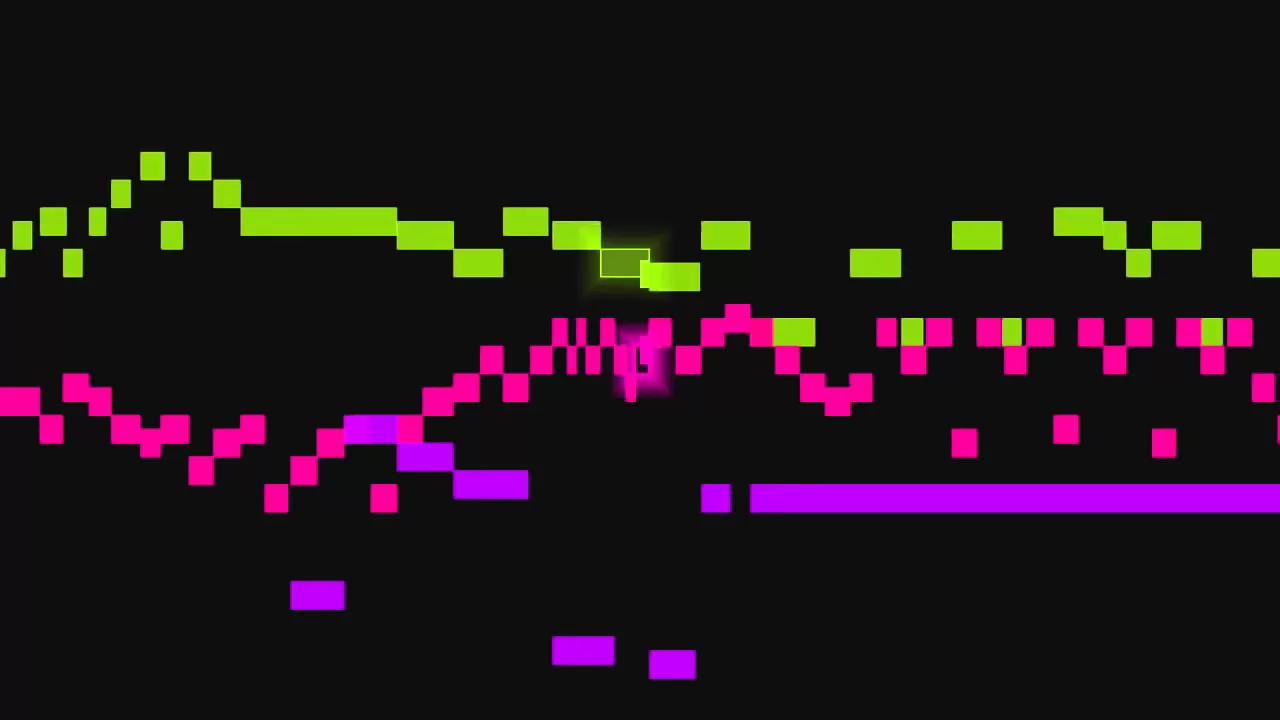
## Background Published on YouTube by Stephen Malinowski (channel smalin) on July 12, 2013, this video presents J.S. Bach's "Little" Fugue in G minor, BWV 578, performed on organ modules alongside an animated graphical score. The accompanying description provides contextual notes and an FAQ explaining organ pedalboard technique, sheet music sources, and the project's background for an educational music appreciation package.
## TL;DR The vocal audio consists of a steady sequence of spoken acknowledgments followed by a closing blessing. A voice repeatedly articulates gratitude, reciting the phrase "Thank you" seven consecutive times. This continuous rhythm of thanks concludes with the single vocalization "Amen," bringing the brief recording to a definitive finish.
## Atmosphere & style The presentation carries a calm, deliberate, and reverent atmosphere driven by rhythmic repetition. The steady recitation of thanks gives the brief delivery an almost meditative, chant-like cadence. Finishing with a solemn "Amen," the recording evokes a sense of quiet closure and devotional finality.
## Bulletin - Stephen Malinowski performs J.S. Bach's 'Little' Fugue in G minor (BWV 578) alongside a signature animated graphical score. - The performance utilizes two Ahlborn-Galanti organ modules—one Baroque and one non-Baroque—with foot pedals carrying one of the melodic contrapuntal voices. - The video was produced in 2013 after educational publisher Pearson commissioned Malinowski for their 'Listen to This' music appreciation package. - [00:00](https://www.youtube.com/watch?v=ddbxFi3-UO4&t=0s) The accompanying spoken audio features a repetitive sequence of seven expressions of gratitude before concluding on a solemn 'Amen.'
## Key takeaways - The featured composition is J.S. Bach's 'Little' Fugue in G minor, cataloged as BWV 578. - Stephen Malinowski renders the complex contrapuntal texture visually through an animated graphical score. - The piece cannot be performed using only two hands on a standard keyboard because one voice is assigned to the organ pedalboard played with the feet. - The audio output is generated using two distinct Ahlborn-Galanti organ sound modules, one of which is voiced for Baroque tuning. - Although Malinowski typically avoids remakes, he produced this version in 2013 specifically for Pearson's 'Listen to This' curriculum. - The creator references historical piano transcriptions of BWV 578, specifically citing an arrangement by Olga Samaroff as well as his own. - Sheet music for BWV 578 is linked via archives including IMSLP and the Werner Icking Music Archive. - [00:00](https://www.youtube.com/watch?v=ddbxFi3-UO4&t=0s) The spoken audio opens with seven distinct, rhythmic repetitions of the phrase 'Thank you.' - [00:00](https://www.youtube.com/watch?v=ddbxFi3-UO4&t=0s) The spoken vocal sequence concludes with a reverent, single-word sign-off: 'Amen.'
## Detailed walkthrough ### [00:00](https://www.youtube.com/watch?v=ddbxFi3-UO4&t=0s) Spoken Audio and Concluding Expressions
The audio track features a sequence of repeated expressions of gratitude followed by a closing benediction. The voice reiterates thanks in steady succession, stating, “Thank you.” This phrase is voiced seven times in total, creating a continuous rhythm of appreciation that carries across the recorded segment.
Following the repeated thanks, the vocalization concludes with the single word, “Amen.” This solemn sign-off brings the brief vocal track to a definitive and reverent close.
- Spoken acknowledgments consisting of seven repeated iterations of “Thank you.” - Final vocal closing marked by “Amen.”
## Mentioned Johann Sebastian Bach, Stephen Malinowski, "Little" Fugue in G minor, BWV 578, Olga Samaroff, Pearson, Listen to This, Ahlborn-Galanti, Patreon, IMSLP, Icking Music Archive
## Video description Bach, "Little" Fugue in G minor, BWV 578, performed on organ by Stephen Malinowski, with an animated graphical score. FAQ
Q: How can this be played with just two hands? A: It can't. It's played on the organ, and one of the melodic lines is played by the feet, on a pedalboard. Here's a video showing what that's like: https://www.youtube.com/watch?v=QgERoLLcZzk&t=60s
Q: I appreciate the animated graphical scores you make; how can I support your work? A: Thank you! The easiest way to support my work is by contributing via Patreon: http://www.patreon.com/musanim If you'd like to help in more specific way, consider this: http://www.musanim.com/underwriting
Q: Where can I get free sheet music for this piece? A: Here are a few places: http://imslp.info/files/imglnks/usimg/d/dd/IMSLP04395-Bach_-_BGA_-_BWV_578.pdf http://icking-music-archive.org/scores/bach/bwv578/Bach_Fugue_Gminor.pdf http://icking-music-archive.org/scores/bach/bwv578/fuga-bwv578.pdf
Q: Is there a version for piano? A: Here's an arrangement I made: http://www.musanim.com/pdf/bwv578_LittleFugue_PianoArr.pdf and here is one of Olga Samaroff's arrangements http://www.musanim.com/pdf/samaroff_bach_fugue.pdf (much better than mine)
Q: I thought you said you never did remakes! A: In 2013 Pearson hired me to make some videos for their "Listen to This" music appreciation package, and I decided that for this piece, it would be better for them to have an organ version, so I made one.
Q: What instrument is that? A: It is two Ahlborn-Galanti modules (one Baroque, one not).
Q: Could you please do a video of _________? A: Please see: http://www.musanim.com/requests/
[Source](https://www.youtube.com/watch?v=ddbxFi3-UO4)