George Carlin Calls US Constitutional Rights Revocable Privileges
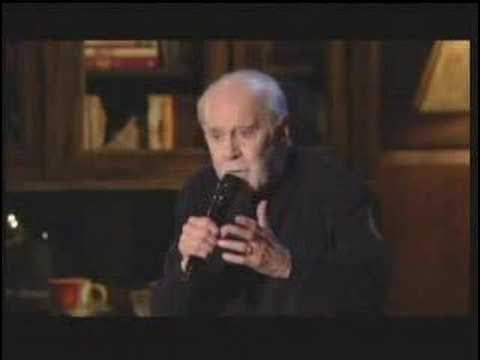
YOU HAVE NO RIGHTS - George Carlin — HomeReality

HomeReality

Because the federal government can suspend legal protections at will, as shown by the 1942 Japanese American internment, human rights do not exist and function only as conditional permissions.

AI-assisted summary of YOU HAVE NO RIGHTS - George Carlin — original source. Check the original for full context.

Source published:

Key ideas

  • George Carlin attacks the premise of God-given rights, arguing that human rights are imaginary social constructs rather than divine guarantees. (4:20)
  • Carlin cites the 1942 internment of 110,000 Japanese American citizens as proof that constitutional protections are merely conditional privileges that the state revokes at will. (6:49)
  • The American Bill of Rights is described as a 'bill of temporary privileges' that continues to shrink every year while the government focuses solely on expanding its own power. (7:35)
  • Carlin proposes that logically only two models of rights make sense: either every individual possesses unlimited rights, or nobody has any rights at all. (8:33)

Detailed notes

## Background Published on YouTube by the channel HomeReality on March 13, 2008, this video features a classic stand-up routine by legendary comedian George Carlin. The channel description characterizes the segment as Carlin "speaking the truth and poking some fun at it," accompanying the clip with a long list of political, satirical, and counter-establishment keywords.

## TL;DR In this performance, George Carlin dissects legal oaths and the foundational American concept of constitutional rights, exposing both as manufactured illusions. Beginning with the absurd theatricality of swearing on the Bible in court, he argues that oaths fail to deter lying and merely serve as mechanisms of institutional control. Carlin then tackles the notion of "god-given rights," pointing to historical contradictions, international discrepancies, and the 1942 internment of over 110,000 Japanese Americans to prove that genuine rights do not exist. He concludes that Americans possess only a shrinking list of temporary privileges granted and revoked by the state, proposing an anarchic alternative where society either recognizes unlimited rights or none at all.

## Atmosphere & style The performance is blistering, cynical, and intellectually incisive, propelled by Carlin's signature blend of precise wordplay, aggressive skepticism, and irreverent stage presence. Beginning with playful, relatable riffs on childhood playground promises, his cadence steadily escalates into a fierce, uncompromising indictment of state power and civic complacency. The atmosphere feels both electrifying and sobering, using sharp, dark comedy to strip away institutional sanctimony and force the audience to confront uncomfortable historical and legal realities.

## Bulletin - [04:20](https://www.youtube.com/watch?v=hWiBt-pqp0E&t=260s) George Carlin attacks the premise of God-given rights, arguing that human rights are imaginary social constructs rather than divine guarantees. - [06:49](https://www.youtube.com/watch?v=hWiBt-pqp0E&t=409s) Carlin cites the 1942 internment of 110,000 Japanese American citizens as proof that constitutional protections are merely conditional privileges that the state revokes at will. - [07:35](https://www.youtube.com/watch?v=hWiBt-pqp0E&t=455s) The American Bill of Rights is described as a 'bill of temporary privileges' that continues to shrink every year while the government focuses solely on expanding its own power. - [08:33](https://www.youtube.com/watch?v=hWiBt-pqp0E&t=513s) Carlin proposes that logically only two models of rights make sense: either every individual possesses unlimited rights, or nobody has any rights at all.

## Key takeaways - [00:00](https://www.youtube.com/watch?v=hWiBt-pqp0E&t=0s) Courtroom rituals such as swearing on the Bible with a raised hand are arbitrary make-believe choreography rather than meaningful legal ceremonies. - [01:00](https://www.youtube.com/watch?v=hWiBt-pqp0E&t=60s) The Bible functions in American legal proceedings merely as a theatrical prop detached from actual truth-telling. - [01:54](https://www.youtube.com/watch?v=hWiBt-pqp0E&t=114s) Oaths to God fail to enforce honesty because individuals readily lie when advantageous, including law enforcement officials committing perjury to serve the state. - [04:20](https://www.youtube.com/watch?v=hWiBt-pqp0E&t=260s) The concept of rights is purely an imaginary human invention on par with childhood fairy tales. - [04:45](https://www.youtube.com/watch?v=hWiBt-pqp0E&t=285s) Invoking God as the source of rights is the ultimate cop-out for individuals lacking coherent logical arguments. - [05:35](https://www.youtube.com/watch?v=hWiBt-pqp0E&t=335s) Discrepancies in the number of recognized rights across different nations demonstrate that rights are arbitrary human constructs rather than universal divine edicts. - [05:20](https://www.youtube.com/watch?v=hWiBt-pqp0E&t=320s) The necessity of 17 subsequent constitutional amendments, including addressing slavery, proves rights were not divinely pre-ordained. - [06:49](https://www.youtube.com/watch?v=hWiBt-pqp0E&t=409s) In 1942, 110,000 Japanese American citizens had their constitutional guarantees—such as due process, legal counsel, and jury trials—completely stripped without cause. - [07:35](https://www.youtube.com/watch?v=hWiBt-pqp0E&t=455s) If a government can revoke a right at will, it is by definition not a right, but a temporary privilege. - [08:05](https://www.youtube.com/watch?v=hWiBt-pqp0E&t=485s) The state's primary motivation is preserving and enlarging its own power rather than safeguarding the safety or welfare of its citizens. - [08:33](https://www.youtube.com/watch?v=hWiBt-pqp0E&t=513s) From a philosophical standpoint, humanity logically exists in one of two states: unlimited rights or zero rights. - [08:45](https://www.youtube.com/watch?v=hWiBt-pqp0E&t=525s) A reciprocal model of unlimited rights balances absolute personal freedom of action with the equal right of others to retaliate with lethal force.

## Detailed walkthrough ### [00:00](https://www.youtube.com/watch?v=hWiBt-pqp0E&t=0s) Swearing on the Bible and Courtroom Rituals

George Carlin takes aim at the legal tradition of swearing an oath on the Bible, dissecting the absurdity of the courtroom choreography. He questions why an individual is required to raise their right hand while placing the left hand on the Bible, asking whether God truly cares about such minutiae. If a person reversed the hands, would God reject it and demand a retake? Carlin compares the raised-hand gesture to a “primitive voodoo mojo stick” and suggests that letting the arm hang naturally or stuffing it into a pocket makes far more sense. He recalls childhood memories of mothers warning children never to put their hands in their pockets, joking about what dark secrets mothers might have known.

Carlin then examines the Bible itself, labeling it “America's favorite national theatrical prop.” He pushes the absurdity further by running through a series of hypothetical scenarios: what happens if the Bible handed to you is upside down, backward, or both? What if half the pages are missing, or if an American court only possesses a Chinese Bible, or a Braille edition given to a person who is not blind? Layering all of these absurdities together, he asks at what point the entire ceremony breaks down into pure nonsense. Addressing the audience, Carlin states flatly: “They fucking made it up, folks. It's make-believe. It's make-believe.”

[01:54](https://www.youtube.com/watch?v=hWiBt-pqp0E&t=114s) Why Swearing to God Means Nothing

Setting the Bible aside as “science fiction reading,” Carlin examines the premise of swearing to God as a guarantee of truthfulness. He points out that taking an oath changes nothing about a person's behavior; if placed on the stand, he would personally tell about as much truth as the people who wrote the Bible. Oaths are treated as mere playground behavior, reminiscent of how children demand credibility. Carlin remembers being asked “You swear to God?” as an eight-year-old and replying that he did, even while deliberately lying, because nothing bad ever happens when you lie unless you are caught.

He recounts childhood escalations like “You swear on your mother's grave?”, noting that his mother was alive and had no grave, and even if she were dead, she was hardly going to rise from the grave to haunt him over a lie told to an eight-year-old. He would sometimes offer to swear on his mother’s breasts instead, noting that kids were easily impressed by profanity. Ultimately, Carlin emphasizes that oaths fail because people lie whenever it suits their interests, particularly within the justice system itself. He targets law enforcement directly, asserting that perjury is treated as standard practice: “It's part of their job: to protect, to serve, and to commit perjury whenever it supports the state's case.” The entire ritual, he concludes, exists solely as a mechanism of control holding humanity back as a species.

[04:20](https://www.youtube.com/watch?v=hWiBt-pqp0E&t=260s) The Myth of God-Given Rights

Moving to the final topic of his civics lesson, Carlin turns to the concept of rights, mocking how Americans constantly argue over who has what right. He tells the audience bluntly that rights do not exist in reality; they are purely imaginary inventions on par with the Boogeyman, the Three Little Pigs, Pinocchio, and Mother Goose. When confronted with the traditional defense that rights are “god-given,” Carlin calls it the universal cop-out: “The God excuse: the last refuge of a man with no answers and no argument.” He reasons that if God had actually bestowed human rights, God would have guaranteed daily food and shelter rather than obsessing over someone’s ability to own a gun to get drunk and murder people on a Sunday night.

Carlin dissects the mathematical and geographical inconsistencies of divine rights. If rights came from God, he wonders why the American Bill of Rights started with only ten stipulations, requiring seventeen subsequent amendments because God apparently overlooked major oversights like slavery. Furthermore, different nations have completely different totals: the British have thirteen, the Germans twenty-nine, the Belgians twenty-five, the Swedish six, and some populations have none at all. Questioning whether God suffers from poor math skills or sheer boredom, Carlin concludes that the discrepancy proves rights are human constructs designed for control.

```mermaid flowchart TD accTitle: George Carlin's Breakdown of Rights vs Reality accDescr: Diagram illustrating Carlin's argument that claimed god-given rights are arbitrary human controls that government can revoke at will.

subgraph Claims["The Illusion"] A["God-Given Rights"] --> B["U.S. Bill of Rights (10 Original)"] B --> C["17 Amendments Needed (e.g., Slavery)"] end

subgraph Disparities["International Inconsistency"] D["Britain: 13"] E["Germany: 29"] F["Belgium: 25"] G["Sweden: 6"] H["Oppressive Regimes: 0"] end

subgraph Reality["The Truth"] I["Human Planning & Social Control"] J["Japanese American Internment (1942)"] K["Temporary Privileges (Shrinking List)"] end

Claims -->|"Inconsistent totals prove"| Disparities Disparities -->|"Demonstrates"| I I --> J J --> K ```

[06:49](https://www.youtube.com/watch?v=hWiBt-pqp0E&t=409s) Japanese Internment and Temporary Privileges

To demolish the belief that constitutional rights are absolute, Carlin challenges the audience to go home, open Wikipedia, and search for “Japanese Americans 1942.” He details how 110,000 law-abiding Japanese American citizens in good standing were rounded up and thrown into internment camps solely because their parents were born in the wrong country. In that moment, their supposed constitutional protections vanished completely: they were denied access to legal counsel, a fair trial, a jury of their peers, and basic due process. Carlin quips that the only right they were actually given was “Right this way, into the internment camps.”

The historical precedent leads Carlin to his central thesis on the nature of American liberty. He argues that by definition, genuine rights cannot be revoked by another party; if they can be rescinded at will, they were never rights to begin with. As he explains: “And rights aren't rights if someone can take them away; they're privileges. That's all we've ever had in this country is a bill of temporary privileges.” Carlin warns that anyone following the news can see this list of privileges shrinking every year, while the population fails to realize that the government does not care about their welfare, children, or safety, but focuses exclusively on preserving and expanding its own power.

- In 1942, 110,000 Japanese American citizens were interned without charges. - Interned citizens were stripped of basic constitutional guarantees: legal counsel, trial by jury, and due process. - Rights are structurally distinct from privileges; anything the government can legally suspend is merely a conditional permission.

[08:33](https://www.youtube.com/watch?v=hWiBt-pqp0E&t=513s) Unlimited Rights vs. No Rights

Carlin wraps up his argument by outlining his personal philosophy on liberty, proposing that there are only two logical positions: either people have unlimited rights, or they have no rights at all. Admitting that he leans toward unlimited rights, Carlin presents an anarchic, equal-opportunity model of existence where anyone has the right to do whatever they please, balanced by the equal right of others to kill them if they cross a line. He frames this extreme balance as the fairest imaginable social contract.

He concludes the routine by applying this logic to interpersonal debates over free speech. He advises that when someone pompously asserts their right to their opinion, the appropriate response is to say that you have a right to your opinion too—and your opinion is that they have no right to theirs. He ends the performance with the darkly comic advice to “shoot the fucker and walk away.”

- Proposed view: Society must logically recognize either absolute, unlimited rights or zero rights whatsoever. - The reciprocal rule of Carlin's model: Complete personal freedom balanced by the total freedom of others to retaliate.

## Notable quotes > [06:49](https://www.youtube.com/watch?v=hWiBt-pqp0E&t=409s) Rights aren't rights if someone can take them away; they're privileges. That's all we've ever had in this country is a bill of temporary privileges. — George Carlin

## Mentioned George Carlin, Bible, God, Bill of Rights, Japanese Americans, Wikipedia, Pinocchio, Mother Goose, Three Little Pigs

## Video description George Carlin speaking the truth and poking some fun at it.

comedy bill hicks totalitarian goverment congress cheney hillary clinton barack obama john mccain army school kids alex jones truth movement truther cfr council foreign relations bohemian bilderberg skull bones slavery rights bill ron paul

[Source](https://www.youtube.com/watch?v=hWiBt-pqp0E)

中文简报

乔治·卡林称美国宪法权利不过是可被剥夺的特权 正如1942年日裔美国人被拘禁所表明的那样,由于联邦政府可以随意中止法律保护,人权并不存在,充其量只是附带条件的准许。 在这场演出中,乔治·卡林剖析了法律誓言以及美国立国根本的宪法权利概念,揭露两者皆为虚构的幻象。他从法庭上按圣经宣誓的荒谬戏剧性切入,认为誓言既不能阻止谎言,也仅仅是机构控制的机制。随后,卡林抨击了“天赋人权”的观念,指出历史矛盾、国际差异以及1942年超过11万名日裔美国人遭拘禁的事实,以此证明真正的权利并不存在。他的结论是,美国人拥有的只是一张不断缩减的临时特权清单,由国家赋予并随意剥夺;他进而提出了一种无政府主义式的替代方案,即社会要么承认无限的权利,要么承认根本没有任何权利。 乔治·卡林抨击了天赋人权的前提,认为人权是虚构的社会建构,而非神圣的保障。 (4:20) 卡林援引1942年11万名日裔美国公民被拘禁的历史,以此证明宪法保护仅仅是国家可随意剥夺的附带条件特权。 (6:49) 美国《权利法案》被描述为一份“临时特权清单”,随着政府一味专注于扩张自身权力,这份清单每年都在不断缩水。 (7:35) 卡林提出,从逻辑上讲只有两种权利模式说得通:要么每个人都拥有无限权利,要么根本没有任何人拥有任何权利。 (8:33)

Reading summary

Comedian George Carlin argues that constitutional rights and legal oaths are socially manufactured illusions rather than divine or permanent guarantees, asserting that American citizens possess only conditional privileges that the state revokes whenever it chooses. Courtroom Rituals and the Fallacy of Oaths (0:00) Carlin challenges legal traditions such as swearing on the Bible, describing the courtroom procedure as an arbitrary theatrical exercise. He questions the specific mechanics—such as raising the right hand while resting the left on a book—pointing out the absurdity of whether divine authority would invalidate an oath if physical hand positions were reversed, or if the text used were backward, translated into an unread language, or missing pages. In Carlin's view, the ceremony is an entirely human invention designed to mimic solemnity without practical effect. He further contends that swearing to God fails to deter dishonesty, functioning much like childhood playground bargaining where declarations mean nothing because lies go unpunished unless detected. Carlin targets the legal system directly, claiming that taking an oath does not change human behavior and alleging that law enforcement routinely commits perjury when doing so supports the prosecution's case. He concludes that oaths serve primarily as an instrument of social control rather than a mechanism for discovering truth. Inconsistencies in the Concept of Divine Rights (4:20) Turning to the premise that human rights are endowed by a deity, Carlin characterizes the claim as an evasive argument used when substantive reasoning fails. He reasons that if rights were truly granted by God, fundamental material necessities like daily sustenance and shelter would be guaranteed rather than contentious legal authorizations such as firearm ownership. Carlin points to quantitative and geographic contradictions to argue that rights are arbitrary human constructs. He notes that the United States Bill of Rights initially outlined ten items and subsequently required seventeen additional amendments to address omissions like slavery. Furthermore, he highlights the stark variations in formal rights across different nations—such as Britain's thirteen, Germany's twenty-nine, Belgium's twenty-five, Sweden's six, and the total absence of rights in repressive regimes—arguing that such disparities reflect human political maneuvering rather than universal divine design. Internment Precedent and Rights as Temporary Privileges (6:49) To demonstrate that constitutional guarantees are conditional, Carlin cites the 1942 internment of Japanese Americans. During this period, the United States government relocated 110,000 law-abiding citizens into camps solely due to their ancestral origin, summarily suspending their access to legal representation, trial by jury, and basic due process. From this historical precedent, Carlin establishes his core political thesis: a right that can be legally revoked by another entity is not a genuine right, but merely a privilege. He maintains that the American public possesses only a shrinking collection of temporary privileges, cautioning that government institutions prioritize the preservation and expansion of their own authority over the welfare and safety of their citizens. The Dichotomy of Unlimited Rights versus Zero Rights (8:33) Carlin outlines his philosophical stance on personal freedom, proposing that logic permits only two coherent positions: society must recognize either unlimited individual rights or no rights whatsoever. He personally favors the model of unlimited rights, describing an anarchic framework where every individual is free to act entirely as they wish, counterbalanced solely by the reciprocal freedom of others to retaliate with lethal force if boundaries are breached. He satirically applies this reasoning to public arguments regarding free expression. Carlin suggests that when an individual insists upon their right to state an opinion, an opponent has an equal right to hold the opinion that the speaker has no right to speak at all, culminating in his darkly humorous recommendation to terminate the dispute through extreme confrontation. Carlin concludes that rights are an enduring myth maintained by state power, leaving citizens with conditional permissions rather than inalienable liberties, though his anarchic alternative of total, reciprocal freedom serves more as a satirical critique of authority than an actionable governing framework.

精炼阅读摘要

喜剧演员兼社会评论家 George Carlin 认为,法律誓言与所谓“神赋人权”纯属统治阶层编造的控制工具;由于任何能够被政府单方面撤销的保障在本质上都不算权利,美国公民实际拥有的只是一张随时可能被缩减的“暂行特权清单”。 法庭宣誓仪式与宗教道具的虚构本质 (0:00) Carlin 尖锐剖析了法庭中手按《圣经》宣誓的传统仪式,直斥其动作编排荒谬绝伦。他质疑司法体系为何硬性规定必须举起右手、左手按在《圣经》上,并讽刺这一姿态宛如原始的“巫毒法杖”;如果有人调换双手,难道上帝就会拒不承认并要求重来。Carlin 指出,让手臂自然下垂或插进口袋反而更合常理,这同时调侃了童年时期母亲对孩子插兜举动的莫名警告。 Carlin 将《圣经》定性为“美国最受欢迎的国家级戏剧道具”。他列举了一系列荒诞情境:若宣誓者拿到的是倒装、反装、残缺不全的《圣经》,或是在美国法庭上拿到中文版《圣经》,抑或是让视力正常的人拿着盲文版宣誓,整套仪式的庄严性便会彻底沦为笑柄。基于这些逻辑漏洞,Carlin 向观众直言,整个宣誓过程完全是人为虚构的游戏,毫无神圣性可言。 誓言威慑失效与司法体制的伪证惯例 (1:54) 在将《圣经》归类为“科幻读物”后,Carlin 进一步批驳了“向上帝发誓能确保诚实”的预设。他指出,宣誓根本无法改变个人行为,如果自己坐上证人席,所讲的真话充其量和《圣经》作者讲的一样多。这种成人司法机制与儿童游乐场的吵架手段别无二致,比如孩童互相质问“敢不敢向上帝发誓”或“拿母亲的坟墓发誓”,而说谎者只要没被当场抓住就不会遭受实质惩罚。 Carlin 强调,当符合自身利益时,人们随时会打破誓言,这一现象在司法系统内部尤为普遍。他直接抨击执法部门将伪证视为日常操作的一部分,认为警察的真实职责被扭曲为“保护、服务,并在符合国家诉讼利益时随时作伪证”。因此,宣誓仪式的存在并非为了寻求司法正义,而是作为一种落后的社会控制机制,持续阻碍人类文明的进化。 “神赋权利”的逻辑漏洞与跨国数量差异 (4:20) 针对美国公众关于人权的无休止争论,Carlin 断言现实中根本不存在所谓客观权利,其纯度与“夜魔”、三只小猪、匹诺曹或鹅妈妈童谣无异。他将“神赋予人权”的说辞斥为缺乏论据者的终极借口与托词。Carlin 推论道,若上帝真想赋予人类权利,理应保障每个人的每日温饱与居所,而不是优先关心公民是否拥有持枪权,以至于有人在周日夜晚酗酒并开枪杀人。 Carlin 还指出了神权叙事在数学与地缘分布上的严重矛盾。如果权利源自神明,美国的《权利法案》最初为何仅列出十项,甚至因上帝疏忽了奴隶制等关键议题,导致后人必须追加十七项宪法修正案。此外,各国法典中的权利数量截然不同:英国有十三条、德国二十九条、比利时二十五条、瑞典六条,而有些压迫性政权甚至为零。Carlin 讽刺神明要么算术极差要么极度无聊,这种数量上的混乱恰恰证明所谓的权利纯粹是人为设计的社会规训产物。 日裔拘留事件与“暂行特权”的核心真相 (6:49) 为了瓦解公众对宪法权利绝对性的迷信,Carlin 援引了历史先例,要求受众查阅1942年日裔美国人的遭遇。当时,美国政府仅因父母的出生国籍,便将11万名奉公守法、记录良好的日裔美国公民强行围捕并关入拘留营。在这一过程中,宪法赋予的法律顾问权、公正审判权、陪审团审理权及基本正当法律程序荡然无存。Carlin 讽刺道,这些公民当时真正获得的唯一“权利”,只是“往这边走,直接进拘留营”。 这一事件构成了 Carlin 批判体系的核心论点:从定义上讲,真正的权利绝不可被任何第三方单方面剥夺;一旦某项权益能被随意撤销,它便不再是权利,而是特权。Carlin 总结称,美国从来只存在一份“暂行特权清单”,并且只要留意新闻就会发现该清单每年都在缩水。他警示民众,政府根本不在乎公民个人的福祉、安全或子女未来,其运作的核心目的始终是维系并扩张自身的控制权力。 无限权利与虚无权利的极端二元哲学 (8:33) 在演说的收尾部分,Carlin 提出了他关于自由的二元哲学设想,认为从严密逻辑出发,社会机制最终只有两种可能:要么全人类拥有无限的权利,要么所有人完全没有任何权利。Carlin 坦言自己倾向于无限权利的立场,并勾勒出一种近乎无政府主义的对等模型:每个人都拥有为所欲为的绝对权利,但与此同时,他人也拥有在被冒犯时将其击毙的对等权利,他将这种极端的互相制衡视作最公平的社会契约。 Carlin 将此逻辑延展至针对言论自由的人际交锋中。他建议,当有人傲慢地宣称自己“有权持有个人观点”时,最对称的回应应当是告知对方自己同样拥有表达观点的权利——而自己的观点恰恰是对方根本无权持有其观点。Carlin 以极具挑衅性的黑色幽默给出了“开枪射杀对方后径直走开”的荒诞收尾,以此消解传统公权制度赋予的虚伪道德优越感。 Carlin 通过对法庭宣誓、神权话语和日裔拘留历史的解构,传达了国家权力可以随时凌驾于法权之上的怀疑主义立场。该观点以激进的修辞揭露了制度化权利的脆弱性,但其给出的“无限权利对抗”哲学主要属于喜剧舞台上的极端思想实验,并未探讨在现代社会架构中如何通过法律监督与公民抗争有效制约公权扩张。

Detailed notes — zh

## Background 该视频由 YouTube 频道 HomeReality 于 2008 年 3 月 13 日发布。页面描述将其概括为传奇脱口秀演员乔治·卡林(George Carlin)在舞台上道出社会真相并以此进行讽刺与调侃的经典片段。 ## TL;DR 卡林在演说中首先解构了法庭手按圣经宣誓的虚伪仪式,痛斥对神发誓与所谓神圣道具有多么荒唐,并揭露警察为迎合检方而频繁作伪证的现实。随后,他将矛头指向“天赋人权”的神话,通过各国法案条款的巨大差异讽刺“上帝在数学上很弱鸡”,直言权利纯属人类编造的控制工具。接着,他以 1942 年逾 11 万日裔美国公民被强行送入拘禁营的历史为铁证,犀利指出只要政府能随时将其剥夺,权利就根本不是权利,而只是一纸随时缩水的“临时特权”。最终,卡林无情揭露了政府只在乎自身权力的本质,并提出“要么享有无限权利、要么毫无权利”的虚无荒诞处世哲学。 ## Atmosphere & style 整段演说充满卡林标志性的辛辣讽刺、黑色幽默与不加掩饰的愤怒。他以连珠炮般的语速和荒诞至极的情境推演开场,瞬间引爆全场哄堂大笑;然而随着话题切入日裔拘禁营和国家机器的冷酷真相,演出情绪陡然转为振聋发聩的社会控诉,气氛冷峻而沉重。听众在被其荒诞逻辑逗得捧腹大笑的同时,又会被其无情撕碎现实幻想的清醒与透彻所震撼,在笑声与错愕交织中感受到一种痛快淋漓的智力冲击。 ## Bulletin - [00:00](https://www.youtube.com/watch?v=hWiBt-pqp0E&t=0s) 乔治·卡林猛烈抨击法庭“按圣经宣誓”的仪式,将其斥为美国最受欢迎的国家舞台道具,本质上只是统治阶级用于规训民众的虚构手段。 - [04:20](https://www.youtube.com/watch?v=hWiBt-pqp0E&t=260s) 卡林反驳“天赋人权”概念,指出各国权利条款数量天差地别且存在漏洞,说明权利完全是人类虚构的产物而非神圣规划。 - [06:49](https://www.youtube.com/watch?v=hWiBt-pqp0E&t=409s) 以1942年11万日裔美国公民被关入集中营为例,卡林论证公民并不拥有真正的权利,只要政府能够随时剥夺,权利就仅仅是随时可缩减的“临时特权”。 - [08:13](https://www.youtube.com/watch?v=hWiBt-pqp0E&t=493s) 卡林直指政府根本不在乎民众的福祉、孩子与安全,国家机器唯一关心的只有自身权力的维持与扩张。 ## Key takeaways - [00:00](https://www.youtube.com/watch?v=hWiBt-pqp0E&t=0s) 法庭中手按圣经宣誓的身体姿态荒诞不经,其权威性经不起任何逻辑推敲。 - [01:14](https://www.youtube.com/watch?v=hWiBt-pqp0E&t=74s) 圣经不过是国家的舞台道具与科幻读物,无法真正约束人们在法庭上讲真话。 - [01:54](https://www.youtube.com/watch?v=hWiBt-pqp0E&t=114s) 对上帝发誓是小孩子的把戏,人们在利益驱动下仍会肆无忌惮地撒谎。 - [03:30](https://www.youtube.com/watch?v=hWiBt-pqp0E&t=210s) 执法机构将作伪证视为工作的一部分,只要符合检方立场就会选择性说谎。 - [04:20](https://www.youtube.com/watch?v=hWiBt-pqp0E&t=260s) 世上根本不存在真正的“权利”,它们如同童话故事一样是人为编造出来的概念。 - [04:45](https://www.youtube.com/watch?v=hWiBt-pqp0E&t=285s) “天赋人权”是人们在毫无论点时的最后避难所,上帝若真赋予权利应先保障基本生存而非枪支。 - [05:15](https://www.youtube.com/watch?v=hWiBt-pqp0E&t=315s) 各国宪法权利条款数量极不一致,且美国原初法案甚至遗漏了奴隶制,证明权利纯属人类设计的控制工具。 - [06:49](https://www.youtube.com/watch?v=hWiBt-pqp0E&t=409s) 1942年11万名日裔美国公民在无正当程序下被强行关入集中营,宪法承诺的各项权利瞬间失效。 - [07:40](https://www.youtube.com/watch?v=hWiBt-pqp0E&t=460s) 权利如果可以被他人剥夺,其实质就只是特权,民众拥有的仅是一份不断缩水的“临时特权法案”。 - [08:13](https://www.youtube.com/watch?v=hWiBt-pqp0E&t=493s) 政府的本质是冷酷的权力实体,完全不在乎民众的生命、福利或安全,仅专注于权力的维持与扩张。 - [08:35](https://www.youtube.com/watch?v=hWiBt-pqp0E&t=515s) 在权利的二元哲学中,卡林推崇“无限权利”——人人有权做任何事,但也必须承担他人反制的对等代价。 ## Detailed walkthrough ### [00:00](https://www.youtube.com/watch?v=hWiBt-pqp0E&t=0s) 法庭宣誓的滑稽仪式与国家舞台道具 乔治·卡林(George Carlin)首先将批判的矛头对准了美国法庭中“手按圣经宣誓”的习俗。他质问法庭要求人们举起右手、左手按在圣经上的动作到底有何深意:“这破事真的很重要吗?上帝真的会在乎这种细节吗?”他讽刺地设想,如果有人搞反了动作——右手按圣经、举起左手,上帝难道会突然跳出来说“不好意思,用错手了,重来一遍”?在卡林眼中,这种特定的身体姿态毫无神圣性可言,倒更像是一种原始的“巫毒手杖”(Voodoo Mojo stick)。他揶揄道,为什么不能把左手放在圣经上,右手自然下垂或者插进口袋里?随后他顺势调侃起童年时母亲常说的“别把手插口袋里”,打趣母亲当年是不是洞悉了什么关于手部动作的不可告人秘密。 紧接着,卡林直斥圣经不过是“美国最受欢迎的国家舞台道具”(America's favorite National theatrical prop)。他用连珠炮式的荒诞情境推演来解构这一仪式的权威性:如果递给宣誓者的圣经拿倒了、拿反了,或者既倒又反,在这样的圣经上发誓还算不算数?要是那本圣经年代久远、缺了半截内页呢?又或者在一家美国法庭上,唯一的圣经是中文版,或者是给盲人读的盲文版(而宣誓者根本不瞎)呢?更绝的是,万一递上来的是一本“拿倒了、反着拿、缺了一半页数的中文盲文圣经”,这宣誓又该如何算?卡林犀利地指出,整套把戏在逻辑上根本经不起推敲:“到了哪一步,这些玩意儿才会彻底崩溃,变成某人编造出的一堆愚蠢狗屁?他们就是编出来的,各位,全是过家家!” ### [01:54](https://www.youtube.com/watch?v=hWiBt-pqp0E&t=114s) 对神发誓的骗局与警察伪证 将圣经调侃为“科幻读物”之后,卡林进一步剖析了“对上帝发誓”背后的荒谬心理。他不解为什么人们会相信对上帝发誓就等于会讲真话。如果法庭质问他是否发誓讲出全部真相,他会直接回敬道:“行啊,我告诉你们的真相,跟当年写这本破圣经的人写的一样多,你们觉得怎么样?”在卡林看来,对上帝发誓不过是小孩子的把戏。他回忆童年时,如果有小伙伴不信自己的话而质问“你对上帝发誓吗?”,他每次都会满口答应“我对上帝发誓”,哪怕自己正在明目张胆地撒谎。因为现实就是如此冷酷而简单:撒谎根本不会招致任何神罚,除非你当场被抓现行。 卡林继续讲述童年斗智的经历:当别的小孩自以为聪明地追问“你敢拿你母亲的坟墓发誓吗?”,他依然会一口答应。他的理由令人捧腹又无法反驳:第一,他母亲当时还活得好好的,根本没有坟墓;第二,就算母亲死了,“她难道会从坟墓里爬出来纠缠我吗?就为了我对一个八岁小孩撒了谎?”有时他甚至会发誓说“我拿我妈的胸部发誓”,因为小孩子最容易被这种话唬住,而他自己才不在乎母亲的胸部会不会掉下来。卡林由此总结道,无论有没有上帝或圣经,只要符合自身利益,人们在法庭上该撒谎还是会撒谎。他特别点名了执法机构:“警察一直在撒谎,每一次都在撒谎!是的,他们就是这么干的,这是他们工作的一部分:保护、服务,以及只要符合检方立场就随时作伪证。”因此,对着圣经宣誓不过是控制民众、规训顺从的手段,更是阻碍人类物种进步的思想枷锁。 ### [04:20](https://www.youtube.com/watch?v=hWiBt-pqp0E&t=260s) 虚构的“天赋人权”与数学拙劣的上帝 转向公民学话题时,卡林讽刺了美国人张口闭口“我有权利、你没权利、我们有权利、他们没权利”的狂热做派。他毫不客气地泼了一盆冷水:“各位,我不想扫你们的兴,但世上根本没有‘权利’这回事,好吗?它们是虚构的,是我们编造出来的,就像怪物、三只小猪、匹诺曹和鹅妈妈一样。”当人们拿“天赋人权”(god-given rights)来当挡箭牌时,卡林痛批道:“这是毫无答案、毫无论点的人最后的避难所!”他反驳称,如果权利真是上帝赋予的,上帝首先应该保证每个人每天有饭吃、头顶有遮风避雨的屋顶,而不是忙着确保人人手里有把枪,好在周日晚上喝得烂醉去开枪打死女朋友的父母。 退一步说,就算权利真的来自上帝,各国的法条差异也让这一假设显得无比荒唐。卡林列举了各国的权利法案条款数量,以极具喜剧张力的方式展现其中的荒谬: ```mermaid flowchart TD accTitle: 各国权利法案条款数量对比 accDescr: 展现卡林列举的美国、英国、德国、比利时、瑞典等国在权利条款数量上的巨大差异 subgraph GodMath["所谓‘上帝赋予’的各国权利条款数量"] US["美国宪法权利法案<br/>最初10条(后追加17条修正案)"] UK["英国权利法案<br/>13条"] DE["德国<br/>29条"] BE["比利时<br/>25条"] SE["瑞典<br/>仅6条"] NONE["世界上部分国家地区<br/>0条(毫无权利)"] end US --- UK --- DE --- BE --- SE --- NONE ``` 卡林讥讽道,上帝在制定美国权利法案的那周显然工作很马虎,因为美国后来不得不追加了17条宪法修正案,“看来上帝当时忘了点事儿,比如奴隶制,就他妈这么被他给忘了!”而面对英国的13条、德国的29条、比利时的25条、瑞典的6条,乃至世界上有些地方的人民根本没有任何权利,卡林质问这算哪门子神圣安排:“难道在过了这么久之后,我们终于发现上帝在数学方面很弱鸡吗?”卡林一针见血地指出:“这听起来可不像神圣规划,这听起来更像是人类的规划;更像是某一个群体试图去控制另一个群体——换句话说,这就是美国的家常便饭。” ### [06:49](https://www.youtube.com/watch?v=hWiBt-pqp0E&t=409s) 1942年日裔拘禁营:权利即特权 为了彻底粉碎观众对“权利”的幻想,卡林给在场所有人布置了一个课后作业:打开电脑,在维基百科上搜索“1942年日裔美国人”(Japanese Americans 1942),看看那些珍贵的权利究竟价值几何。卡林指出,在1942年,有11万名守法且信誉良好的日裔美国公民被强行扔进了集中营,唯一的罪名仅仅是因为他们的父母出生在“错误的国家”。 在这场针对本国公民的剥夺中,宪法承诺的各项权利荡然无存: - 他们没有见律师的权利; - 没有接受公正审判的权利; - 没有由同阶层陪审团审理的权利; - 没有任何形式的正当法律程序权利; - 唯一的“权利”(right),就是“往这边走”(right this way),直接被押送进集中营。 卡林发出振聋发聩的控诉,道出了整段演说的核心金句:“正当这些美国公民最需要权利的时候,他们的政府夺走了这些权利。如果有人能把它夺走,那权利就根本不是权利,它们只是特权——在这个国家里,我们所拥有的从来都只是一纸‘临时特权法案’。”他警告大家,只要平时稍微看一眼新闻,就会发现这份特权清单每年都在变得越来越短。 ### [08:13](https://www.youtube.com/watch?v=hWiBt-pqp0E&t=493s) 政府的本质与终极处世哲学 演说的尾声,卡林将批判推向高潮,直接揭露国家机器的冷酷本质。他预言美国人迟早会醒悟过来:“这个政府根本不在乎他们。政府不在乎你,不在乎你的孩子,不在乎你的权利,不在乎你的福利,也不在乎你的安全。它完完全全不在乎你,它只关心自己的权力——如何维持权力,以及在一切可能的地方扩张权力。” 对于“权利”的概念,卡林给出了自己极端的二元哲学:人类要么享有无限的权利,要么就毫无权利可言。而他本人更倾向于“无限权利”。卡林用冷峻而荒诞的幽默解释道,在无限权利的法则下,他自认有权做任何自己想做的事;但与此同时,“如果我做了你不喜欢的事,我认为你也有权杀了我。你上哪儿去找比这更公平的买卖?”最后,卡林给全场观众传授了一条应对日常纷争的绝妙建议:“下次再有混蛋对你说‘我有权保留我的观点’,你就回他:‘哦是吗,那老子也有权保留老子的观点,而老子的观点就是你没权拥有你的观点。’然后拔枪崩了这个混蛋,转身走人。”演说在全场爆发的掌声与欢呼声中戛然而止。 ## Notable quotes > [06:49](https://www.youtube.com/watch?v=hWiBt-pqp0E&t=409s) 如果有人能把它夺走,那权利就根本不是权利,它们只是特权——在这个国家里,我们所拥有的从来都只是一纸‘临时特权法案’。 — 乔治·卡林 > [08:13](https://www.youtube.com/watch?v=hWiBt-pqp0E&t=493s) 政府不在乎你,不在乎你的孩子,不在乎你的权利,不在乎你的福利,也不在乎你的安全。它完完全全不在乎你,它只关心自己的权力——如何维持权力,以及在一切可能的地方扩张权力。 — 乔治·卡林 > [04:20](https://www.youtube.com/watch?v=hWiBt-pqp0E&t=260s) 世上根本没有‘权利’这回事,好吗?它们是虚构的,是我们编造出来的,就像怪物、三只小猪、匹诺曹和鹅妈妈一样。 — 乔治·卡林 ## Mentioned 乔治·卡林, 圣经, 美国权利法案, 英国权利法案, 维基百科, 日裔美国人拘禁营, 三只小猪, 匹诺曹, 鹅妈妈 ## Video description George Carlin speaking the truth and poking some fun at it. comedy bill hicks totalitarian goverment congress cheney hillary clinton barack obama john mccain army school kids alex jones truth movement truther cfr council foreign relations bohemian bilderberg skull bones slavery rights bill ron paul [Source](https://www.youtube.com/watch?v=hWiBt-pqp0E)

Source quotes

[6:49] 乔治·卡林: 如果有人能把它夺走,那权利就根本不是权利,它们只是特权——在这个国家里,我们所拥有的从来都只是一纸‘临时特权法案’。 [8:13] 乔治·卡林: 政府不在乎你,不在乎你的孩子,不在乎你的权利,不在乎你的福利,也不在乎你的安全。它完完全全不在乎你,它只关心自己的权力——如何维持权力,以及在一切可能的地方扩张权力。 [4:20] 乔治·卡林: 世上根本没有‘权利’这回事,好吗?它们是虚构的,是我们编造出来的,就像怪物、三只小猪、匹诺曹和鹅妈妈一样。

Source quotes

[6:49] George Carlin: Rights aren't rights if someone can take them away; they're privileges. That's all we've ever had in this country is a bill of temporary privileges.

Original transcript

[0:00] Customs swearing on the Bible you [0:03] understand that [ __ ] they tell you to [0:05] raise your right hand place your left [0:07] hand on the Bible does this stuff really [0:09] matter which hand does God really give a [0:11] [ __ ] about details like this suppose you [0:14] put your right hand in the Bible you [0:15] raise your left hand would that count or [0:19] would God say sorry wrong hand try [0:22] again and what why does one hand have to [0:26] be raised what is the Magic in this [0:29] gesture [0:31] this seems like some sort of a primitive [0:32] Voodoo Mojo [0:35] stick why not put your left hand on the [0:37] bible let your right hand hang down by [0:38] your side it's more natural or put it in [0:41] your pocket remember what your mother [0:42] used to say don't put your hands in your [0:44] pockets do she know something we don't [0:46] know is this hand [ __ ] really [0:49] important but let's get back to the [0:51] Bible America's favorite National [0:53] theatrical [0:55] prop suppose the Bible they hand you to [0:58] swear on is upside down [1:00] or backward or both and you swear to [1:03] tell the truth on an upside down [1:05] backward [1:06] Bible would that [1:08] count suppose the Bible they hand you is [1:11] an old Bible and half the pages are [1:14] missing suppose all they have is a [1:16] Chinese Bible in an American court or a [1:20] braille Bible and you're not [1:22] blind suppose they hand you an upside [1:25] down backward Chinese Braille Bible with [1:27] half the pages missing [1:36] at what point does all of this stuff [1:38] just break down and become just a lot of [1:40] stupid [ __ ] that somebody made up they [1:43] [ __ ] made it up folks it's make [1:45] believe it's make believe now all right [1:54] okay let's leave the Bible aside we'll [1:56] get back to the science fiction reading [1:58] later the more important question [2:02] is what is the big deal about swearing [2:05] to God in the first place why do [2:07] swearing to God mean you're going to [2:09] tell the truth wouldn't affect me if [2:13] they said to me you swear to tell the [2:14] truth the whole truth or nothing but the [2:15] truth to help you God I'd say [2:19] yeah I'll tell you about as much truth [2:21] as the people who wrote that [ __ ] [2:22] Bible how do you like that [2:32] swearing on the Bible doesn't mean [2:34] anything it's it's kid swearing to God [2:36] is kids stuff did you you remember when [2:38] you were a kid if you if you told [2:39] another kid something he didn't quite [2:41] believe he'd say you swear to God I [2:43] would always say yeah I swear to God [2:45] even if I was [2:47] lying why not what's going to happen if [2:49] I lie [2:51] nothing nothing happens if you lie [2:54] unless you get caught and that's a whole [2:55] different [2:57] story sometimes a kid would think he was [3:00] being slick with me and he'd say you [3:02] swear on your mother's grave I'd say [3:05] yeah why not first of all my mother was [3:07] alive she didn't even have a [3:09] grave second of all even if she was dead [3:12] what's she going to do rise from the [3:13] grave and come and haunt me come and [3:16] haunt me all because I told a lie to an [3:18] 8-year-old get [ __ ] real will [3:28] you sometimes I would say I swear on my [3:31] mother's [3:33] tits kids are impressed with things like [3:35] that I mean I don't care about my [3:38] mother's tits either I didn't care if [3:39] they fell off [ __ ] not my problem [3:42] they're your tits Ma you keep an eye on [3:44] them swearing to God doesn't mean [3:47] anything swearing on the Bible doesn't [3:48] mean anything you know why because Bible [3:50] or no Bible God or no God if it suits [3:53] their purposes people are going to lie [3:56] in court the police do it all the time [4:00] all the [4:01] time yes they do it's part of their job [4:05] to protect to serve and to commit [4:08] perjury whenever it supports the state's [4:10] case s on the Bible is just one more way [4:13] of controlling people and keeping them [4:15] in line and it's one more thing that [4:17] holds us back as a species here's one [4:20] more item for you the last in our Civics [4:21] book rights boy everyone in this country [4:24] is always running around yammering about [4:25] their [ __ ] rights I have a right you [4:27] have no right we have a right they don't [4:28] have a right folks I I hate to spoil [4:30] your fun but there's no such thing as [4:32] rights okay they're imaginary we made [4:34] them up like the [4:36] boogeyman The Three Little Pigs [4:38] Pinocchio Mother Goose [ __ ] like that [4:40] rights are an idea they're just [4:42] imaginary they're a cute idea cute but [4:44] that's all cute and fictional but if you [4:47] think you do have rights let me ask you [4:49] this where do they come from people say [4:51] well they come from God they're [4:52] god-given rights oh [ __ ] here we go [4:54] again here we go [4:56] again the god excuse the last Refuge of [5:00] a man with no answers and no argument it [5:03] came from God anything we can't describe [5:05] must have come from God personally folks [5:07] I believe that if your rights came from [5:09] God he would have given you the right to [5:11] some food every day and he would have [5:12] given you the right to a roof over your [5:14] head God would have been looking out for [5:16] you God would have been looking out for [5:18] you you know [5:22] that he wouldn't have been worried about [5:24] making sure you have a gun so you can [5:26] get drunk on Sunday night and kill your [5:28] girlfriend's parents but let's say it's [5:30] true let's say God gave us these rights [5:33] why would he give us a certain number of [5:35] Rights the Bill of Rights in this [5:37] country has 10 stipulations okay 10 [5:40] rights and apparently God was doing [5:42] sloppy work that week because we've had [5:44] to amend the Bill of Rights an [5:46] additional 17 times so God forgot a [5:49] couple of things like [5:52] slavery just [ __ ] slipped his [5:56] mind but let's say let's say God gave [5:59] the original 10 he gave the British 13 [6:02] the British Bill of Rights has 13 [6:04] stipulations the Germans have 29 the [6:08] belgians have 25 the Swedish have only [6:10] six and some people in the world have no [6:13] rights at all what kind of a [ __ ] [6:15] goddamn god-given deal is that no rights [6:19] at all why would God give different [6:21] people in different countries different [6:23] numbers of different rights [6:26] boredom amusement bth Matic do we find [6:31] out at long last after all this time [6:33] that God is weak in math [6:35] skills doesn't sound like Divine [6:38] planning to me sounds more like human [6:41] planning sounds more like one group [6:43] trying to control another group another [6:45] words business as usual in America now [6:49] if you think you do have rights one last [6:51] assignment for you next time you're at [6:52] the computer get on the internet go to [6:55] Wikipedia when you get to Wikipedia in [6:57] the search field for Wikipedia I want [6:59] you to to type in Japanese Americans [7:02] 1942 and you'll find out all about your [7:04] precious [ __ ] rights okay all right [7:08] you know about it you know about [7:12] it yeah in 1942 there were [7:17] 110,000 Japanese American citizens and [7:21] good standing law-abiding people who [7:23] were thrown into internment camps simply [7:26] because their parents were born in the [7:28] wrong country that's all they did wrong [7:30] they had no right to a lawyer no right [7:32] to a fair trial no right to a jury of [7:34] their peers no right to doe process of [7:37] any kind the only right they had right [7:39] this [7:40] way into the interment camps just when [7:44] these American citizens needed their [7:46] rights the most their government took [7:49] them away and rights aren't rights if [7:52] someone can take them away they're [7:54] privileges that's all we've ever had in [7:56] this country is a bill of temporary [7:59] privilege and if you read the news even [8:01] badly you know that every year the list [8:04] get shorter and shorter and shorter you [8:11] [Music] [8:13] know yeah sooner or later the people in [8:16] this country are going to realize the [8:18] government does not give a [ __ ] about [8:19] them government doesn't care about you [8:21] or your children or your rights or your [8:23] welfare or your safety it simply doesn't [8:26] give a [ __ ] about you it's interested in [8:28] its own power that's the only thing [8:30] keeping it and expanding it wherever [8:32] possible personally when it comes to [8:33] rights I think one of two things is true [8:36] I think either we have unlimited rights [8:39] or we have no rights at all personally I [8:42] lean toward unlimited rights I feel for [8:45] instance I have the right to do anything [8:46] I please but if I do something you don't [8:50] like I think you have the right to kill [8:53] me so where you going to find a fairer [8:55] [ __ ] deal than that so the next time [8:58] some [ __ ] says to you I have a right [9:00] to my opinion you say oh yeah well I [9:02] have a right to my opinion and my [9:04] opinion is you have no right to your [9:05] opinion then shoot the [ __ ] and walk [9:09] away thank you