Energy Vault Gravity Battery Faces Carbon Cost, Mechanical Flaws
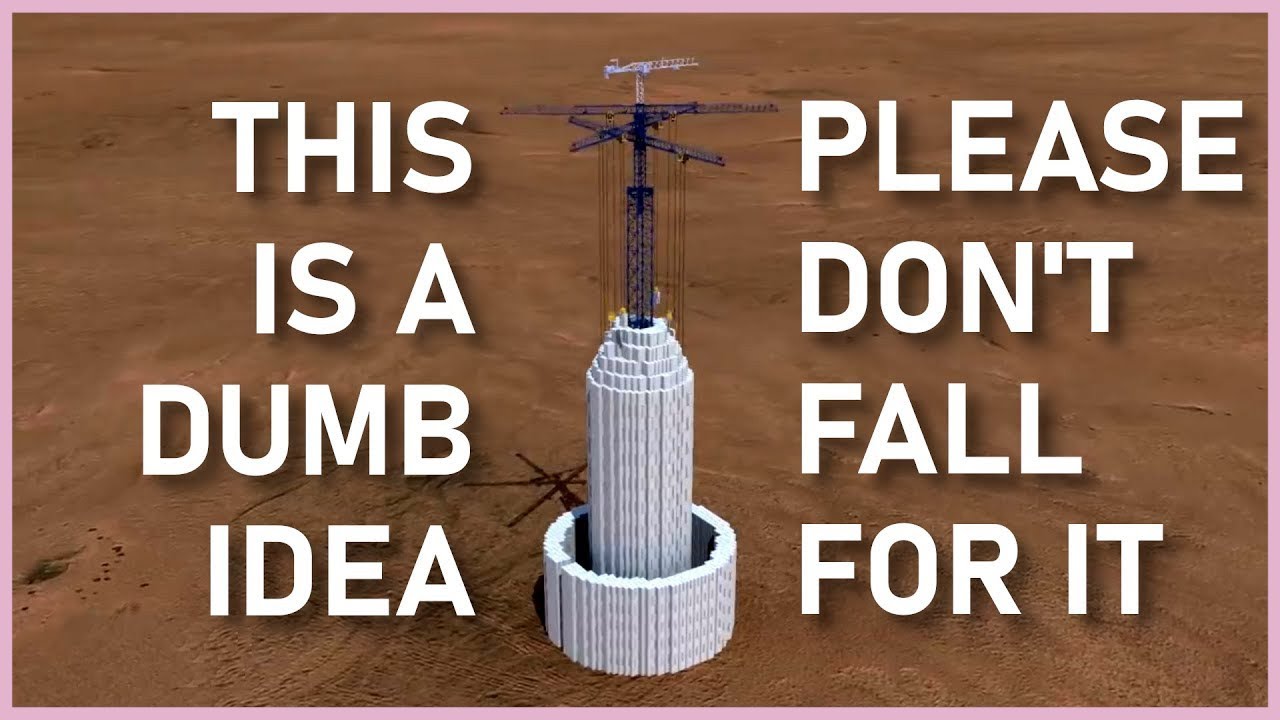
The Energy Vault is a Dumb Idea, Here's Why — Adam Something

Adam Something

The startup's concrete-stacking system creates 82,000 tons of carbon emissions and mechanical wind hazards to deliver trivial storage capacity, effectively reinventing pumped-storage hydro in an inferior format.

AI-assisted summary of The Energy Vault is a Dumb Idea, Here's Why — original source. Check the original for full context.

Source published:

Key ideas

  • Energy Vault pitches a mechanical gravity battery utilizing multi-armed cranes to stack concrete blocks during surplus power periods and drop them to generate electricity during deficits. (0:00)
  • Constructing an Energy Vault requires an estimated 200,000 cubic meters of concrete across roughly 10,000 blocks, producing around 82,000 tons of initial CO₂ emissions. (1:03)
  • The advertised 35 MWh storage capacity is disproportionately small, storing less than a single day's output from just two standard 3 MW commercial wind turbines. (2:00)
  • Iteratively addressing the design's physical flaws—such as wind instability and material wear—logically converts the entire apparatus into conventional pumped-storage hydroelectricity. (2:20)

Detailed notes

## Background Published on YouTube by Adam Something on December 20, 2021, this video tackles startup Energy Vault's gravity battery concept. The video description frames the project as the energy sector's version of a 'Gadgetbahn,' promising to thoroughly debunk the overhyped scheme in under four minutes while referencing a related critique by Thunderf00t.

## TL;DR Adam Something breaks down why Energy Vault's multi-armed crane gravity battery is fundamentally flawed as a grid-scale energy storage solution. The video highlights massive upfront carbon emissions from casting hundreds of thousands of cubic meters of concrete, severe mechanical instability caused by high winds near wind farms, and an underwhelming 35 MWh capacity that barely absorbs the daily output of two wind turbines. Finally, by walking through logical engineering fixes to solve the crane's instability, wind vulnerability, and concrete erosion, the breakdown demonstrates that correcting the design simply reinvents conventional pumped-storage hydroelectricity.

## Atmosphere & style The video carries a brisk, bitingly sarcastic, and deadpan tone that cuts through glossy tech-startup marketing and CGI promotional reels. Adam Something delivers concise, exasperated commentary contrasting corporate optimism with basic physics and back-of-the-envelope math. Watching it feels like a rapid-fire reality check, escalating from pointed skepticism to comedic absurdity as the over-engineered crane design is logically disassembled into a century-old technology.

## Bulletin - [00:00](https://www.youtube.com/watch?v=iGGOjD_OtAM&t=0s) Energy Vault pitches a mechanical gravity battery utilizing multi-armed cranes to stack concrete blocks during surplus power periods and drop them to generate electricity during deficits. - [01:03](https://www.youtube.com/watch?v=iGGOjD_OtAM&t=63s) Constructing an Energy Vault requires an estimated 200,000 cubic meters of concrete across roughly 10,000 blocks, producing around 82,000 tons of initial CO₂ emissions. - [02:00](https://www.youtube.com/watch?v=iGGOjD_OtAM&t=120s) The advertised 35 MWh storage capacity is disproportionately small, storing less than a single day's output from just two standard 3 MW commercial wind turbines. - [02:20](https://www.youtube.com/watch?v=iGGOjD_OtAM&t=140s) Iteratively addressing the design's physical flaws—such as wind instability and material wear—logically converts the entire apparatus into conventional pumped-storage hydroelectricity.

## Key takeaways - [00:00](https://www.youtube.com/watch?v=iGGOjD_OtAM&t=0s) Grid balancing requires effective energy storage solutions to handle renewable generation surpluses and deficits without solely relying on chemical batteries. - [00:40](https://www.youtube.com/watch?v=iGGOjD_OtAM&t=40s) Energy Vault markets its concrete-block crane tower as a historic, sustainable breakthrough against climate change. - [01:03](https://www.youtube.com/watch?v=iGGOjD_OtAM&t=63s) The massive volume of concrete required to build the structure emits roughly 82,000 tons of carbon dioxide before operation even begins. - [01:20](https://www.youtube.com/watch?v=iGGOjD_OtAM&t=80s) Marketing claims that alternative eco-friendly materials can replace concrete blocks are unviable at global scale and vulnerable to rapid physical degradation. - [01:30](https://www.youtube.com/watch?v=iGGOjD_OtAM&t=90s) Placing tall crane systems near wind-rich environments creates severe operational hazards due to suspended cables swinging in high gusts. - [01:45](https://www.youtube.com/watch?v=iGGOjD_OtAM&t=105s) Proponents rely on vague promises of advanced software algorithms to hand-wave away fundamental physical and mechanical constraints. - [01:55](https://www.youtube.com/watch?v=iGGOjD_OtAM&t=115s) Continuous physical impact between heavy concrete blocks over decades contradicts the company's promised 30-to-40-year lifespan. - [02:00](https://www.youtube.com/watch?v=iGGOjD_OtAM&t=120s) At 35 megawatt-hours, the entire installation's storage capacity is trivial compared to the footprint and resource investment it demands. - [02:20](https://www.youtube.com/watch?v=iGGOjD_OtAM&t=140s) Replacing swaying cables with a rigid gantry crane and moving the system into an excavated pit would immediately improve physical stability and storage density. - [02:35](https://www.youtube.com/watch?v=iGGOjD_OtAM&t=155s) Energy Vault's circular crane design appears chosen primarily for futuristic aesthetics in CGI promotional reels rather than sound engineering. - [02:45](https://www.youtube.com/watch?v=iGGOjD_OtAM&t=165s) Substituting degrading solid concrete with water provides a fluid medium that eliminates mechanical wear and block collisions. - [03:10](https://www.youtube.com/watch?v=iGGOjD_OtAM&t=190s) Removing cranes and elevated tanks entirely by utilizing natural terrain reservoirs reduces the concept to standard pumped-storage hydroelectricity.

## Detailed walkthrough ### [00:00](https://www.youtube.com/watch?v=iGGOjD_OtAM&t=0s) The Concept of Energy Vault and the Gravity Battery

The gravity battery has resurfaced in the news, prompting a breakdown to prevent the concept from gaining unwarranted credibility. In renewable energy generation, power output fluctuates between periods of surplus and deficit. To balance the grid, excess electricity generated during surplus periods must be stored for later use during deficits. While building massive chemical batteries is one option, companies have pitched mechanical alternatives, most notably the startup Energy Vault.

```mermaid flowchart LR accTitle: Energy Vault Operating Concept accDescr: Diagram showing surplus renewable power used to stack concrete blocks and deficit periods lowering blocks to generate power. subgraph Surplus ["Surplus Energy Mode"] direction TB S1["Excess Power Grid"] --> S2["Cranes Lift Blocks"] S2 --> S3["Stacked Concrete Tower"] end subgraph Deficit ["Deficit Energy Mode"] direction TB D1["Lowering Concrete Blocks"] --> D2["Spin Generator Turbines"] D2 --> D3["Power Dispatched to Grid"] end ```

The fundamental pitch sounds straightforward: a large multi-armed crane is surrounded by heavy concrete blocks. When there is surplus power, the cranes use that energy to stack the blocks into a tower; when electricity is needed, the blocks are lowered back down, spinning a generator to produce power. In their marketing material, Energy Vault CEO Robert Piconi frames this as a historic breakthrough against global warming while corporate stock music plays. As Robert Piconi states:

> “How to solve one of the largest global problems facing our planet today: how to store renewable energy in both an economical and sustainable way.”

---

[01:03](https://www.youtube.com/watch?v=iGGOjD_OtAM&t=63s) Physical Flaws: Emissions, Wind, and Trivial Capacity

A closer look at the engineering claims reveals massive oversights. Renderings show an installation utilizing around 10,000 blocks. Assuming an individual volume of roughly 20 cubic meters per block based on promo reels, the structure requires 200,000 cubic meters of concrete. Concrete production carries a carbon cost of roughly 0.41 tons of CO₂ per cubic meter, meaning building a single Energy Vault releases approximately 82,000 tons of carbon dioxide directly into the atmosphere before operating. Although the company claims blocks can be made from recycled or alternative eco-friendly materials, such alternatives are not globally viable and appear prone to rapid degradation.

Environmental and structural conditions create further mechanical headaches. Promo CGI shows these cranes standing near wind power installations, which are intentionally placed in areas with strong, sustained wind gusts. Operating a massive six-armed crane with extremely long, suspended cables to align and stack blocks with high precision in high winds creates an obvious mechanical hazard. When critics point out this physical vulnerability, advocates deflect by asserting that sophisticated algorithms will solve the physics. Adam Something rejects this blind optimism:

> “'Software will handle it' is the tech bro equivalent of 'I have faith in Jesus.'”

Furthermore, mechanical wear and tear undermines the promised 30-to-40-year lifespan, given that heavy blocks would be knocking against each other continuously for decades. The advertised capacity of 35 megawatt-hours is also underwhelming in practical scale: a standard 3-megawatt wind turbine operating at an average 25% capacity factor produces roughly 18 megawatt-hours in a single day. Consequently, an entire massive concrete tower can barely store a single day's output from just two commercial wind turbines.

- Concrete required: ~10,000 blocks at 20 m³ each = 200,000 m³ of concrete. - Carbon impact: 0.41 tons of CO₂ per cubic meter = ~82,000 tons of CO₂ emitted. - Advertised energy storage capacity: 35 MWh. - Turbine context: A single 3 MW turbine at 25% capacity factor produces 18 MWh per day, meaning the entire tower stores less than the daily generation of two turbines.

---

[02:20](https://www.youtube.com/watch?v=iGGOjD_OtAM&t=140s) Reinventing Pumped Storage Hydroelectricity

Attempting to fix the flaws in the Energy Vault design through logical engineering adjustments highlights the absurdity of the original concept. To eliminate the instability of a regular six-armed crane swaying in high winds, the structure would first need to be switched to a rigid Gantry crane. To protect the hanging cables and loads from the wind entirely, the whole installation could be relocated below surface level into a large dug pit. This underground pit also naturally solves the capacity problem, allowing blocks to be stacked higher. The only reason the company chose a circular formation over a rectangular gantry is aesthetic: a circular crane simply looks more futuristic in computer-generated promotional mockups.

```mermaid flowchart TD accTitle: Iterative Redesign into Pumped Storage accDescr: Step-by-step redesign showing how fixing crane instability, wind, and concrete erosion leads to pumped hydro. A["Energy Vault Design: 6-armed crane + concrete blocks"] -->|"Fix stability & layout"| B["Gantry Crane + Square Formation"] B -->|"Fix wind exposure & stack depth"| C["Excavated Deep Pit"] C -->|"Replace eroding concrete"| D["Non-degrading Medium: Water"] D -->|"Eliminate cranes and tanks entirely"| E["Pumped Storage Hydroelectricity"] ```

The final challenge is material wear, as concrete blocks inevitably erode and shatter when stacked continuously. Rather than inventing exotic compounds to solve wear and tear, water serves as a self-healing material that does not break down. Instead of lowering solid masses, water could simply be pumped into elevated tanks on the gantry when power is cheap, and then allowed to flow through a turbine when power is needed. Carrying this logic to its natural conclusion removes the gantry and tanks altogether by simply digging an upper reservoir on higher terrain. Through basic problem-solving, the complicated crane system is reduced to pumped-storage hydroelectricity—a proven, widely deployed technology that has existed for decades. As Adam Something concludes:

> “Let’s call this new invention pumped storage hydroelectricity—there we go, we revolutionized energy storage, I guess.”

## Notable quotes > [01:03](https://www.youtube.com/watch?v=iGGOjD_OtAM&t=63s) Software will handle it’ is the tech bro equivalent of ‘I have faith in Jesus. — Adam Something

## Mentioned Adam Something, Energy Vault, Robert Piconi, Thunderf00t

## Video description The energetics version of Gadgetbahn, debunked within 4 minutes, or your money back!

Thunderf00t's video: https://www.youtube.com/watch?v=NIhCuzxNvv0&ab_channel=Thunderf00t

Check out my Patreon: https://www.patreon.com/adamsomething

[Source](https://www.youtube.com/watch?v=iGGOjD_OtAM)

中文简报

Energy Vault重力储能电池面临碳成本与机械缺陷 这家初创企业的混凝土堆叠系统会产生8.2万吨碳排放并带来大风引发的机械安全隐患,却仅能提供微不足道的储能容量,实际上是以一种更劣质的形式重造了抽水蓄能。 Adam Something剖析了为何Energy Vault的多臂起重机重力储能电池作为电网级储能解决方案存在根本性缺陷。该视频强调,浇筑数十万立方米混凝土会带来巨大的初期碳排放,风电场附近的强风会导致严重的机械不稳定性,而35兆瓦时这一微不足道的容量甚至勉强只能吸纳两台风力发电机的日发电量。最后,通过梳理解决起重机不稳定性、抗风脆弱性以及混凝土磨损等问题的合乎逻辑的工程修正方案,这一分析表明,修正该设计最终只不过是重造了传统的抽水蓄能电站。 Energy Vault推广一种机械重力储能电池,利用多臂起重机在电力过剩期间堆叠混凝土块,并在电力不足时下放以进行发电。 (0:00) 建造一座Energy Vault预计需要约10,000个混凝土块,总计约200,000立方米混凝土,产生约82,000吨的初始二氧化碳排放。 (1:03) 宣称的35兆瓦时储能容量低得不成比例,其储存的电量甚至不及两台标准3兆瓦商业风力发电机一天的发电量。 (2:00) 逐步解决该设计在物理上的缺陷(例如大风引起的不稳定性和材料磨损),在逻辑上会将整个装置转变为传统的抽水蓄能电站。 (2:20)

Reading summary

Adam Something critiques Energy Vault's crane-based gravity battery, arguing that the startup's proposed mechanical energy storage system suffers from severe structural flaws, heavy upfront carbon emissions, and negligible capacity compared to existing storage alternatives. The Mechanical Gravity Battery Pitch (0:00) To address the intermittency of renewable energy, startup Energy Vault proposed a mechanical storage solution relying on a multi-armed crane system surrounded by concrete blocks. During periods of surplus renewable generation, the crane expends excess power to stack the heavy blocks into a tower; during demand deficits, the blocks are lowered back down to spin generator turbines and dispatch electricity to the grid. Energy Vault CEO Robert Piconi frames the design as a sustainable and economical breakthrough for long-term grid balancing. Emissions, Wind Instability, and Storage Limits (1:03) The system faces severe physical and environmental drawbacks. Renderings show an installation using approximately 10,000 blocks totaling roughly 200,000 cubic meters of concrete, which entails an upfront carbon debt of about 82,000 tons of CO₂ based on an average rate of 0.41 tons of CO₂ per cubic meter. While the company claims recycled materials could substitute for standard concrete, these alternatives are unproven at scale and vulnerable to degradation. Furthermore, marketing shows installations adjacent to wind farms where strong wind gusts threaten to destabilize suspended cables attempting precision placement, despite assertions from advocates that software algorithms will mitigate mechanical instability. Material longevity and overall capacity also present significant hurdles. Decades of heavy blocks repeatedly colliding undermine the company's promised 30-to-40-year lifespan. Meanwhile, the facility's advertised 35 megawatt-hour capacity is dwarfed by typical grid generation: a standard 3-megawatt wind turbine operating at an average 25% capacity factor generates roughly 18 megawatt-hours per day, meaning the entire concrete tower holds less than a single day's output from just two commercial turbines. Engineering Fixes Reinventing Pumped Hydro (2:20) Applying standard engineering fixes to the design's structural flaws reveals the conceptual redundancy of the system. Stabilizing the crane against wind gusts would require replacing the circular six-armed crane with a rigid gantry crane and moving the operations into a subterranean pit. To eliminate the friction, erosion, and breakage inherent to colliding solid blocks, water serves as a superior, non-degrading medium that can be pumped into elevated tanks rather than hoisted by cables. Carrying these iterative improvements to their logical conclusion by dispensing with the gantry cranes and utilizing elevated terrain naturally reconstitutes pumped-storage hydroelectricity. The analysis concludes that Energy Vault's complex mechanical apparatus merely reconstructs a proven, decades-old energy storage technology while adding unnecessary mechanical failure points and choosing circular layouts primarily for futuristic computer-generated marketing aesthetics. The analysis concludes that attempting to solve the crane and block system's physical vulnerabilities ultimately reduces the concept to standard pumped-storage hydroelectricity, leaving the original Energy Vault design an impractical and inefficient approach to grid-scale energy storage.

精炼阅读摘要

Adam Something 认为,初创公司 Energy Vault 提出的起重机混凝土重力储能方案在物理、环境与工程实用性上均存在严重缺陷;该设计不仅面临巨额前期碳排放、强风力学隐患及极低的储能容量,而且如果按实际工程逻辑修正其所有缺陷,最终只会退化为早已成熟的抽水蓄能技术。 重力储能概念及其微弱的实际容量 (0:00) Energy Vault 提出的重力储能系统旨在平衡可再生能源发电的电网波动:在电力过剩期间,利用大型多臂起重机将沉重的混凝土块堆叠成塔;在电力短缺期间,降下混凝土块带动发电机旋转发电。公司首席执行官 Robert Piconi 在宣传中将该技术描述为应对全球变暖、以经济且可持续方式存储可再生能源的历史性突破。 然而,该系统宣称的 35 兆瓦时(MWh)储能容量在实际应用场景中显得微不足道。作为对比,一台额定功率为 3 兆瓦、容量系数平均为 25% 的常规风力涡轮机,单日发电量约为 18 兆瓦时。这意味着,整座庞大的混凝土塔楼甚至无法存下两台商用风电机组一天的发电量,其规模效益极具争议。 预付碳排放与高风速下的机械损耗 (1:03) 在物理与环境可行性上,该方案存在重大漏洞。根据宣传渲染图推算,一座设施大约需要 10,000 个混凝土块,每个单块体积约 20 立方米,总计需消耗 200,000 立方米混凝土。按照每立方米混凝土释放约 0.41 吨二氧化碳计算,单座装置在投入运营前就会直接产生约 82,000 吨二氧化碳排放;虽然公司宣称可采用回收或环保替代材料,但此类材料目前不仅缺乏全球可行性,且易发生快速降解。 此外,宣传动画将起重机放置在风力资源丰富的风电场附近,而在强风或阵风环境下,依靠长悬挂缆绳以极高精度对准并堆叠巨型石块存在显著力学危险。支持者寄希望于复杂算法解决物理难题的做法被 Adam Something 批评为盲目技术乐观;同时,在宣称长达 30 至 40 年的使用寿命中,巨型重物每日频繁碰撞所造成的机械磨损也会严重削弱其耐久性。 工程修正逻辑对抽水蓄能的变相复刻 (2:20) Adam Something 指出,若试图在工程学层面逐一解决该系统的缺陷,将证明其初始设计的荒谬性。为了消除六臂起重机在强风中的晃动,系统必须改用刚性龙门起重机,且为了彻底避风并增加堆叠深度,整个设施应当转移至地下深坑。该公司之所以采用圆形多臂布局而非矩形龙门架,完全是为了在宣传渲染图中呈现所谓未来感。 在解决材料损耗方面,混凝土块在长期反复碰撞中必然发生侵蚀碎裂,而水具有自我修复且不磨损的天然特性;若用抽水至高架水箱代替吊装重物,再进一步省去金属架和储罐,直接在地势高处开挖蓄水池,整套复杂系统最终便完全演变为了传统抽水蓄能电站。这一逻辑推导表明,该方案本质上是用极其复杂的机械系统重新包装了一项已成熟运行数十年的既有技术。 Adam Something 总结指出,Energy Vault 所谓的革命性重力储能突破,只是在为已被抽水蓄能解决的问题构想冗余而脆弱的机械替代品;其在制造阶段带来的高额碳足迹、严苛环境下的物理不稳定性以及极不成比例的低容量,使其商业可行性与环保初衷难以自圆其说。

Detailed notes — zh

## Background 该视频由知名科普博主 Adam Something 于 2021 年 12 月 20 日发布在 YouTube 平台。视频简介将其戏称为能源领域的“伪高科技产物”(Gadgetbahn),并声称要在 4 分钟内彻底揭穿这种打着环保旗号的科技骗局。 ## TL;DR 视频深入剖析了初创公司 Energy Vault 提出的起重机堆叠混凝土重力储能方案,揭露其背后致命的工程缺陷。该设施建造需耗费约 20 万立方米混凝土并产生逾 8 万吨碳排放,且在强风环境下长缆悬吊极易晃动失稳,极低的储能容量甚至仅能储存一两台普通风机一天的发电量。作者随后运用扎实的基础工程逻辑层层推导优化,最终证明该方案剥离噱头后,不过是以极其昂贵且低效的方式拙劣地重新发明了早已成熟的“抽水蓄能”技术。 ## Atmosphere & style 全片节奏明快紧凑、言辞辛辣刻薄,洋溢着博主标志性的讽刺幽默与严谨工程逻辑。面对初创企业花哨的 3D 渲染图与空洞叙事,作者以犀利的吐槽无情戳破“科技兄弟”的狂妄幻想,让观众在捧腹大笑之余直呼过瘾。整段推演如同剥洋葱般层层递进,当最终结论落脚到人类早已使用数十年的抽水蓄能时,讽刺意味拉满,带来一种极具爽感的降维打击。 ## Bulletin - [01:03](https://www.youtube.com/watch?v=iGGOjD_OtAM&t=63s) 初创公司 Energy Vault 提出的起重机堆叠混凝土重力储能方案,其建造成本与碳足迹极其高昂,单座设施制造混凝土就将排放约 82,000 吨二氧化碳。 - [01:03](https://www.youtube.com/watch?v=iGGOjD_OtAM&t=63s) 该设备在工程可行性上存在致命缺陷:它通常选址于大风的风电场旁,但露天六臂起重机拖拽长缆极易受风阻干扰而无法精确对齐作业。 - [01:03](https://www.youtube.com/watch?v=iGGOjD_OtAM&t=63s) 整套由约 10,000 个巨型混凝土块组成的装置标称储能仅 35 MWh,容量甚至仅能储存一两台普通风力发电机一天的发电量。 - [02:20](https://www.youtube.com/watch?v=iGGOjD_OtAM&t=140s) 若依照工程逻辑一步步优化其抗风、磨损和结构问题,最终必然推导为早已成熟应用的抽水蓄能电站(Pumped Hydro),暴露出该项目重新发明轮子的荒谬本质。 ## Key takeaways - [00:00](https://www.youtube.com/watch?v=iGGOjD_OtAM&t=0s) 针对风能、太阳能等可再生能源的间歇性痛点,Energy Vault 试图以起重机提升混凝土块储存重力势能来替代化学电池。 - [00:00](https://www.youtube.com/watch?v=iGGOjD_OtAM&t=0s) 该项目表面宣传逻辑看似合理,但实际上充斥着华而不实的科技忽悠与宏大叙事。 - [01:03](https://www.youtube.com/watch?v=iGGOjD_OtAM&t=63s) 单座塔需要消耗约 200,000 立方米混凝土,仅原材料制造就会释放高达 82,000 吨二氧化碳,与其环保初衷背道而驰。 - [01:03](https://www.youtube.com/watch?v=iGGOjD_OtAM&t=63s) 风电场选址常年狂风呼啸,露天六臂吊车在强风中用长钢缆精确拼插混凝土块在工程上几乎不可行,“靠软件解决”只是科技推销话术。 - [01:03](https://www.youtube.com/watch?v=iGGOjD_OtAM&t=63s) 宣传称拥有 30 至 40 年质保,但让起重机在露天环境下数十年持续吊装、碰撞重块,其实际机械磨损严重超标。 - [01:03](https://www.youtube.com/watch?v=iGGOjD_OtAM&t=63s) 整套设施占地巨大且结构庞杂,但标称容量仅 35 MWh,投入产出比极度失衡,储能效率极低。 - [02:20](https://www.youtube.com/watch?v=iGGOjD_OtAM&t=140s) 若要解决露天强风摇摆与结构晃动问题,工程逻辑上必须放弃六臂吊车而改用龙门起重机,并向下深挖地坑。 - [02:20](https://www.youtube.com/watch?v=iGGOjD_OtAM&t=140s) 原始渲染图中圆形的堆砌布局毫无实际工程必要性,纯粹是为了迎合资本、营造科幻感的视觉噱头。 - [02:20](https://www.youtube.com/watch?v=iGGOjD_OtAM&t=140s) 要彻底消除固体块体磕碰破碎的损耗,最佳的“抗磨损材料”实际上就是液态水。 - [02:20](https://www.youtube.com/watch?v=iGGOjD_OtAM&t=140s) 一旦将混凝土块替换为水,冗余的起重机和水箱便失去意义,只需利用高低水池与水轮发电机即可工作。 - [02:20](https://www.youtube.com/watch?v=iGGOjD_OtAM&t=140s) Energy Vault 耗费巨资打造的颠覆性设计,本质上只是用昂贵、脆弱且低效的方式拙劣地重新发明了抽水蓄能技术。 ## Detailed walkthrough ### [00:00](https://www.youtube.com/watch?v=iGGOjD_OtAM&t=0s) 重力电池死灰复燃与 Energy Vault 的构想 重力电池的概念近来再次被媒体推向风口浪尖,各种夸大其词的新闻报道层出不穷。为了防止这种科技忽悠彻底失控,Adam Something 决定用简短明了的方式直戳其痛处。在能源生产领域,特别是以风能、太阳能为主的可再生能源体系中,最大的痛点就是“能源过剩”与“能源亏缺”交替出现。电网必须在发电过剩时把电力妥善储存,才能在发电不足时顶上缺口。然而,储存这些海量电能是否只能靠建造超大型化学电池? 一家名为 Energy Vault 的初创公司给出了不同的答案:重力储能。该方案的表面逻辑看起来似乎颇为通顺——在场地中央竖起几台起重机,周围摆满重型混凝土块;当电网电力过剩时,起重机消耗多余电力将混凝土块吊起并层层堆叠,转化为重力势能;而当电力短缺时,起重机下放混凝土块,在下降过程中驱动发电机输出电力。在官方的宣传片中,伴随着昂扬的商业背景音乐,其首席执行官 Robert Piconi 意气风发地向公众画饼,宣称要以兼具经济效益与可持续性的方式解决全球面临的最严峻储能挑战。 针对这种看似美好但实则经不起推敲的宏大叙事,Adam Something 辛辣地指出: > “The concept itself sounds reasonable: you have a bunch of cranes in the middle with concrete blocks lying around.” --- ### [01:03](https://www.youtube.com/watch?v=iGGOjD_OtAM&t=63s) 惊人的碳排放、风力悖论与极低的储能效率 深入分析这套方案的工程细节后,其荒谬之处便展露无遗。首先是惊人的物料与环境成本:仅宣传图里展示的混凝土塔就包含了约 10,000 个混凝土块,参照视频中块体的大小推算,单个方块体积约为 20 立方米,整个装置需要消耗约 200,000 立方米的混凝土。生产每立方米混凝土平均会产生 0.41 吨二氧化碳,这意味着仅仅为了建造这套“环保储能”设备,就必须先向大气排放高达 82,000 吨二氧化碳。即便官方宣称可以使用环保材料制砖,但这种工艺不仅无法在所有地区推广,砖块的结构耐久度更令人怀疑。 第二个硬伤是致命的环境风阻。在 Energy Vault 的渲染图里,这套设施通常直接坐落在风力发电厂旁边,而风电场选址无一例外处于常年大风区域。让一座巨大的六臂起重机拖着极长的钢缆,在狂风呼啸的露天环境中去严丝合缝地堆叠积木,在工程学上无异于痴人说梦。每当有人提出这一现实障碍,该项目的狂热支持者总会搬出万能挡箭牌: > “‘Software will handle it’ is the tech bro equivalent of ‘I have faith in Jesus.’” 此外,该设备在机械耐用性与实际容量上的表现同样极其滑稽: - **机械磨损与寿命**:官方声称拥有 30 至 40 年质保,但让起重机在露天环境下持续三四十年不断碰撞、磕碰重型混凝土块,其磨损速度远超想象。 - **储能容量极其低下**:整座巨型设施的标称储能容量仅有 35 MWh。作为对比,单台 3 MW 的风力发电机在仅以 25% 额定容量运行的低利用率下,一整天的发电量就达到 18 MWh。 - **投入产出严重失衡**:整整 10,000 块混凝土垒起的摩天巨塔,拼尽全力也只能勉强存下一两台普通风机单日产生的电量。 --- ### [02:20](https://www.youtube.com/watch?v=iGGOjD_OtAM&t=140s) 逻辑推演的终局:兜兜转转重新发明抽水蓄能 面对这一充斥着工程缺陷的设计,Adam Something 尝试运用基础工程逻辑对其进行一步步合理化改进: ```mermaid flowchart TD accTitle: Energy Vault 改良推导流程 accDescr: 展示从 Energy Vault 六臂起重机方案一步步优化,最终推导为抽水蓄能电站的逻辑路径。 subgraph Step1["阶段一:抗风与布局改进"] A["Energy Vault 原始方案<br>(露天六臂起重机 + 圆形堆砌)"] -->|"解决晃动问题"| B["改用龙门起重机<br>(Gantry Crane)"] B -->|"消除长缆风阻并增加堆叠高度"| C["向下挖掘深坑<br>(地下方形布局)"] end subgraph Step2["阶段二:材料与流体替代"] C -->|"消除磨损与破碎问题"| D["用'水'替代混凝土块<br>(深坑注水 + 龙门吊搭载水箱)"] end subgraph Step3["阶段三:终极形态"] D -->|"剔除所有冗余起重机与水箱"| E["高处蓄水池 + 水轮机发电<br>(抽水蓄能电站 Pumped Hydro)"] end ``` 针对风中摇摆的问题,首先应当彻底抛弃六臂吊车的设计,改用结构稳定性好得多的巨型龙门起重机(Gantry Crane)。然而,悬挂的线缆依然会受风力干扰,最彻底的解决办法是在地下直接挖一个大坑,把起重机沉入坑底;这不仅避开了狂风,还通过垂直空间的增加大幅提升了积木堆放高度和储能容量。此时,原始设计那花哨的圆形布局也露出了破绽——它根本毫无工程必要性,纯粹是为了在 3D 渲染图里迎合资本、营造所谓的“未来科技感”。 最后一个核心难题是混凝土块的磕碰破损与风化侵蚀。要根治磨损,就必须采用一种永不破碎、无惧侵蚀的材料。埃隆·马斯克(Elon Musk)之流或许会吹嘘其为某种“合成自愈超光速钻石”,但现实中最完美的答案其实是水。既然如此,直接将深坑注满水,在龙门吊上加装水箱,电多时抽水储能、电缺时排水驱动水轮发电机即可。 再进一步思考,既然要在高处蓄水放水,何必多此一举去造笨重的龙门架与机械水箱?只需要直接在地势较高的地方挖一个水池,让水顺流而下驱动涡轮机即可。行文至此,这一经过严密工程推导演变出的终极形态,正是人类早已发明并使用了数十年的成熟技术: > “Let's call this new invention: pumped storage hydroelectricity.” Energy Vault 与一众科技初创团队自以为颠覆了能源行业,结果耗费巨资打造的所谓前沿创新,在剥离掉繁复华丽的噱头之后,不过是以极其低效、昂贵且脆弱的方式,重新发明了一个性能远逊于抽水蓄能的拙劣玩具。 ## Notable quotes > [01:03](https://www.youtube.com/watch?v=iGGOjD_OtAM&t=63s) Software will handle it’ is the tech bro equivalent of ‘I have faith in Jesus. — Adam Something ## Mentioned Adam Something, Energy Vault, Robert Piconi, Elon Musk, Thunderf00t ## Video description The energetics version of Gadgetbahn, debunked within 4 minutes, or your money back! Thunderf00t's video: https://www.youtube.com/watch?v=NIhCuzxNvv0&ab_channel=Thunderf00t Check out my Patreon: https://www.patreon.com/adamsomething [Source](https://www.youtube.com/watch?v=iGGOjD_OtAM)

Source quotes

[1:03] Adam Something: Software will handle it’ is the tech bro equivalent of ‘I have faith in Jesus.

Source quotes

[1:03] Adam Something: Software will handle it’ is the tech bro equivalent of ‘I have faith in Jesus.

Original transcript

[0:00] so apparently the gravity battery is [0:01] back in the spotlight I've seen news [0:03] articles about it pop up recently and [0:05] now it's time to stop the scrip before [0:06] things get out of hand this will be [0:08] short and sweet but if you want a more [0:09] detailed take you can check out [0:10] thunderers video link in the description [0:13] H so what is the problem with this thing [0:15] in energy production especially with [0:16] Renewables we have periods of energy [0:18] Surplus and energy deficit you need to [0:20] put Surplus power somewhere so you can [0:21] use it during a deficit but how do you [0:23] store all that power do you build a [0:25] giant battery yes and no this is where [0:27] the gravity battery comes in in this [0:29] case called Energy vol the concept [0:30] itself sounds reasonable you have a [0:32] bunch of cranes in the Middle with [0:33] concrete blocks lying around when you [0:35] have Surplus energy you use it to stack [0:36] the blocks when you have an energy [0:38] deficit you lower them down and spin a [0:39] generator in the process here's their [0:41] promotional video where the CEO talks [0:43] about saving the world while stock music [0:44] plays in the back how to solve one of [0:46] the largest global problems facing our [0:48] planet today how to store renewable [0:51] energy in both an economical and [0:53] sustainable way some a solution [0:56] eliminated in the transportation sector [0:58] so we could end the world's reliance on [1:00] Robert pone the CEO of energy Vault all [1:03] right so why is this incredibly stupid [1:05] first off the blocks there are about [1:07] 10,000 of them on this picture let's [1:09] assume each one is about 20 cubic M [1:11] based on how big the ones were in their [1:12] promotional video that's 200,000 cubic M [1:15] of concrete producing 1 cubic meter of [1:17] concrete takes 0.41 tons of CO2 to make [1:20] this entire thing you're looking at [1:21] 82,000 tons of CO2 emitted into the [1:24] atmosphere neat there are ways to [1:26] produce bricks in an environmentally [1:27] friendly way though as they show us in [1:29] their video but this would not be an [1:30] option everywhere plus they look like [1:31] they would fall apart much sooner also [1:33] have you heard about this thing called [1:34] wind on most of their promotional CGI [1:37] the thing is next to wind power plants [1:38] places where winds are strong in that [1:40] place you have a giant six-sided crane [1:42] with some very long wires and you'll be [1:44] trying to stack blocks with high [1:46] Precision I see now this is where the [1:48] proponents of this project would say [1:50] software software will handle it is the [1:52] tech bro equivalent of I have faith in [1:54] Jesus the energy Vault also comes with a [1:56] 30 to 40e warranty I would assume even [1:58] shorter since that would 30 to 4 years [2:00] of banging blocks together according to [2:02] the website the thing has a capacity for [2:04] 35 megawatt hours so a single 3 megawatt [2:07] wind turbine operating at say 25% on [2:09] average for a whole day Nets 18 megga [2:11] hours now I'm no engineer but if I [2:13] understand it correctly one giant Tower [2:15] of conrete can almost store the daily [2:17] output of two wind turbines nice so this [2:20] design clearly has a lot of issues that [2:22] need resolving so let's do it first off [2:24] the wind problem how do we stop the wind [2:26] from blowing us around forget that [2:27] stupid six armed crane design and use a [2:29] giant Gantry crane instead it's far more [2:31] stable than a regular crane all right so [2:33] we now have a stable crane but we [2:34] haven't solved the wind problem [2:35] completely the wires are still affected [2:37] so instead of having this thing on the [2:39] surface let's dig a hole for it there we [2:41] go with this we solve the wind problem [2:43] this also solved the second problem [2:44] capacity digging a huge bit below the [2:46] Gantry lets you stack blocks much higher [2:48] and thus store more power how come your [2:50] people never thought of this seriously [2:52] why even have a regular crane arranging [2:54] things in a circular formation why not a [2:56] Gantry with a square formation it's not [2:58] because the circular Des design looks [3:00] vely futuristic on the CGI right it's [3:02] it's not that right the third problem is [3:04] the blocks they are subject to damage [3:05] and erosion and need to be replaced [3:07] eventually we could solve this if we had [3:09] a material which doesn't break or erode [3:11] this is the point where Elon Musk would [3:12] say synthetic self fixing hyper diamonds [3:15] and I say water so why don't we just [3:17] fill our big hole with water put some [3:19] water tanks on the Gentry and pump the [3:21] water up when we have an energy Surplus [3:23] and let it down through a turbine when [3:24] we have a deficit come to think of it [3:26] what if we just dug a hole somewhere [3:27] higher and let the water down from there [3:29] that way we don't need gantries or water [3:31] tanks let's call this new invention [3:33] pumped storage [3:34] hydroelectricity there we go we [3:36] revolutionized energy storage I guess [3:38] congratulations thank you for watching [3:40] please don't forget to like And [3:41] subscribe and I also have a patreon if [3:43] you think this content is worth your [3:44] money and I'll be seeing you next time