Novice Lands Cessna 172 on First Try to Win Las Vegas Prop Bet
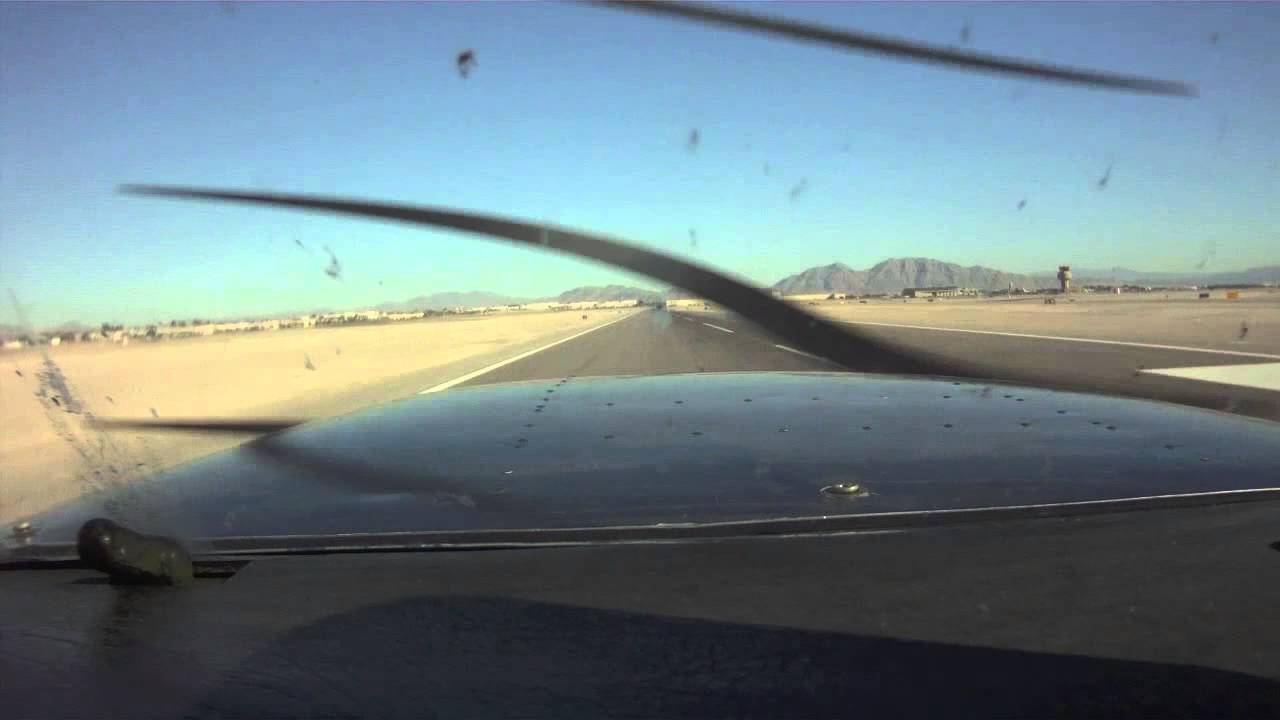
T. Sparks
Desktop flight simulator training alone proves sufficient to execute a real-world takeoff, pattern circuit, and touchdown without physical instructor intervention.
AI-assisted summary of Cessna 172 pilot with no training, no hours, only flight simulator experience. Takeoff and landing — original source. Check the original for full context.
Source published:
Key ideas
- A novice pilot with zero flight hours and exclusively desktop flight simulator experience attempted a solo takeoff, traffic pattern, and landing in a Cessna 172 as part of an online forum prop bet. (0:00)
- The safety pilot in the right seat was an active Boeing 757/767 airline captain and CFI with over 18,000 flight hours, bound by bet rules not to assist unless safety was compromised. (0:00)
- The flight was conducted at North Las Vegas Airport, targeting a standard visual pattern at around 3,000 feet, 60–70 knots on approach, and guidance via VASI lights. (2:05)
- The pilot successfully flew the traffic pattern, corrected his glide slope based on the VASI, and landed the aircraft without physical intervention until the post-touchdown roll. (10:01)
Detailed notes
## Background Published on YouTube by T. Sparks on November 28, 2012, this video documents an aviation prop bet originated on the Two Plus Two poker forums. According to the page description, a pilot with zero hours of real flight instruction and no prior time in a private plane attempts to take off and land a Cessna 172 using only desktop flight simulator experience, accompanied by an 18,000-hour commercial airline instructor who is forbidden from offering any verbal or mechanical assistance.
## TL;DR Driving toward North Las Vegas Airport, the pilot details his flight strategy, target airspeeds, and anxieties about crosswinds and flaring before attempting a solo-style circuit in a Cessna 172. After meeting his instructor and completing pre-flight checks, he initiates the takeoff roll, navigates the traffic pattern, and sets his flaps on the base leg. Interpreting the Visual Approach Slope Indicator (VASI) lights on short final, he maintains aircraft alignment and achieves a smooth touchdown on the main landing gear without airborne intervention. Once safely rolling down the runway, the instructor compliments the flight and assumes control to complete the taxi.
## Atmosphere & style The video opens with a quiet, contemplative highway monologue that captures the pilot's genuine nervousness and intellectual focus as theoretical simulator mechanics are weighed against real-world risks. Inside the cockpit, the tone becomes intense and procedural, dominated by engine hum, radio chatter, and the silent, watchful scrutiny of the veteran co-pilot. The mounting apprehension of the final approach gives way to palpable relief and understated professional triumph the moment the Cessna touches down cleanly on the runway.
## Bulletin - [00:00](https://www.youtube.com/watch?v=jJT_CACIZqs&t=0s) A novice pilot with zero flight hours and exclusively desktop flight simulator experience attempted a solo takeoff, traffic pattern, and landing in a Cessna 172 as part of an online forum prop bet. - [00:00](https://www.youtube.com/watch?v=jJT_CACIZqs&t=0s) The safety pilot in the right seat was an active Boeing 757/767 airline captain and CFI with over 18,000 flight hours, bound by bet rules not to assist unless safety was compromised. - [02:05](https://www.youtube.com/watch?v=jJT_CACIZqs&t=125s) The flight was conducted at North Las Vegas Airport, targeting a standard visual pattern at around 3,000 feet, 60–70 knots on approach, and guidance via VASI lights. - [10:01](https://www.youtube.com/watch?v=jJT_CACIZqs&t=601s) The pilot successfully flew the traffic pattern, corrected his glide slope based on the VASI, and landed the aircraft without physical intervention until the post-touchdown roll.
## Key takeaways - [00:00](https://www.youtube.com/watch?v=jJT_CACIZqs&t=0s) The challenge originated as a prop bet on the Two Plus Two poker forums to test whether home PC flight simulation translates to real-world piloting. - [00:00](https://www.youtube.com/watch?v=jJT_CACIZqs&t=0s) The pilot had never flown in a private light aircraft before and possessed zero hours of certified flight instruction. - [00:00](https://www.youtube.com/watch?v=jJT_CACIZqs&t=0s) Bet conditions strictly barred the certified flight instructor from providing hands-on manipulation, verbal direction, or mechanical help during the flight. - [00:00](https://www.youtube.com/watch?v=jJT_CACIZqs&t=0s) The instructor brought over 18,000 hours of commercial experience on Boeing 757s and 767s, maintaining dual-control safety override capability at all times. - [02:05](https://www.youtube.com/watch?v=jJT_CACIZqs&t=125s) Flight planning relied on simulated procedures: flying a 3,000-foot pattern, deploying 20 degrees of flaps on base, and tracking an approach speed between 60 and 70 knots. - [02:05](https://www.youtube.com/watch?v=jJT_CACIZqs&t=125s) Crosswinds and turbulence were identified beforehand as major risk factors that could drastically multiply flight difficulty. - [02:05](https://www.youtube.com/watch?v=jJT_CACIZqs&t=125s) The pilot targeted a flare approximately 15 feet above the runway to avoid pitching the nose down and stuffing the front wheel into the tarmac. - [02:05](https://www.youtube.com/watch?v=jJT_CACIZqs&t=125s) The expected total flight duration estimated from desktop rehearsal was roughly six minutes from takeoff roll to landing. - [05:45](https://www.youtube.com/watch?v=jJT_CACIZqs&t=345s) Pre-flight checks, headset setup, and taxi orientation were finalized at North Las Vegas Airport before lining up on the active runway. - [10:01](https://www.youtube.com/watch?v=jJT_CACIZqs&t=601s) On final approach, the pilot independently referenced the VASI lights and corrected for coming in slightly high. - [10:01](https://www.youtube.com/watch?v=jJT_CACIZqs&t=601s) The flight instructor praised the approach and landing, expressing genuine surprise and noting he was impressed with the pilot's control. - [10:01](https://www.youtube.com/watch?v=jJT_CACIZqs&t=601s) The instructor took control of the dual pedals only during the post-landing ground rollout to maintain runway alignment.
## Detailed walkthrough ### [00:00](https://www.youtube.com/watch?v=jJT_CACIZqs&t=0s) The Las Vegas Prop Bet: Desktop Sim to Real Cessna 172
While driving on the highway with about 90 miles left on a one-day, 24-hour trip to Las Vegas, the driver explains the high-stakes test waiting for him at the destination. The objective is to meet up with an airline pilot at North Las Vegas Airport, get into a single-engine Cessna 172, and attempt a complete flight circuit—takeoff, traffic pattern, and landing—without a single shred of hands-on or verbal assistance from the instructor in the right seat. The entire endeavor originated as a prop bet on the Two Plus Two poker forums to see whether purely virtual desktop simulation skills can translate directly to the real world.
The challenge is defined by an absolute lack of prior flight experience. As the narrator explains: “Thing is, so I got, makes it interesting because I have zero hours of flight instruction and I've actually never even been in a private plane so should be challenging.” The instructor seated alongside him possesses over 18,000 flight hours as a commercial airline pilot on Boeing 757s and 767s as well as a certified flight instructor (CFI), but for the bet to stand, he must sit entirely hands-off: “Instructor will be sitting next to me but no assistance from him and no advice, instructions, he'll just sit there hopefully quietly and see if I can do this.”
```mermaid flowchart TD accTitle: Challenge Structure Flowchart accDescr: Sequence diagram illustrating the transition from flight sim preparation to execution in a Cessna 172 under prop bet conditions. subgraph Prep["Preparation & Constraints"] A["Desktop Flight Sim Experience Only"] --> B["0 Hours Real Flight Training"] B --> C["Instructor Intervenes ONLY to Prevent a Crash"] end subgraph Mission["Flight Profile (North Las Vegas)"] D["Takeoff from Active Runway"] --> E["Climb & Enter Traffic Pattern (~3,000 ft)"] E --> F["Base Leg: Flaps 20° & Speed ~70 Knots"] F --> G["Final: Track VASI Glide Slope"] G --> H["Flare ~15 ft Above Ground & Touchdown on Mains"] end Prep --> Mission ```
[02:05](https://www.youtube.com/watch?v=jJT_CACIZqs&t=125s) Flight Mechanics, Approach Strategy, and Safety Margins
Driving toward Vegas, the pilot mentally reviews the sequence of maneuvers he practiced in the simulator. He intends to maintain an altitude around 3,000 feet before beginning his descent along the pattern, keeping visual contact with the runway off his left wing. Once reaching the base leg, the plan calls for extending 20 degrees of flaps to generate lift and drag, permitting slower flight down the glide path. Speed management is critical; he targets an approach speed between 60 and 70 knots while lining up on runway center. His primary dread is weather turbulence, warning: “Hopefully there is no wind going on, especially at Crosswind or something. That would be a whole bunch of trouble. It'll multiply by 50, the difficulty, if not worse.”
To verify his vertical trajectory on final approach, he relies on the airport’s Visual Approach Slope Indicator (VASI) lights beside the runway threshold. He notes that while he understands the red-and-white visual cues from the PC screen, he has yet to see them from an actual cockpit. Nearing the tarmac, the landing technique requires landing on the Cessna’s tricycle main gear rather than forcing all three wheels down at once. The pilot admits feeling anxious about pitching the nose down incorrectly:
- Flare initiated approximately 15 feet above the runway surface to raise the nose and touch down gently on the rear main gear. - High anxiety about "stuffing the nose of the plane into the runway" on touchdown. - Backup dual controls (yokes and rudder pedals) allow the instructor to seize command with a callout of "I got it" if safety is compromised. - Reassurance from the instructor that the Cessna 172 is inherently stable and forgiving rather than snappy or prone to quick stalls. - Instructor confidence that: “Even within feet of the ground, he can easily take over and keep us safe.” - Expected total flight duration according to desktop simulations: roughly six minutes from roll to touchdown.
[05:45](https://www.youtube.com/watch?v=jJT_CACIZqs&t=345s) Cockpit Briefing and Runway Taxi at North Las Vegas
Roughly 20 hours after the highway drive, the pilot and instructor meet at North Las Vegas Airport. After completing the instructor-student paperwork and safety inspections, the two settle into the tight cabin of the Cessna 172. Ambient ramp and engine noise fills the cockpit intercom as they run through orientation checks, adjusting headsets, verifying radio microphones, and surveying the airfield layout.
The instructor briefs the runway alignment and ground routing, clarifying Runway 7, Runway 8, and Runway 12 layout to ensure there is no confusion while taxiing and taking position. With the pre-takeoff checks completed and taxi instructions clear, the instructor confirms readiness: “Ready to go?” The pilot responds, “Yeah, ready to go,” as they align with the runway, throttle up the engine, and initiate the takeoff roll to begin the pattern.
[10:01](https://www.youtube.com/watch?v=jJT_CACIZqs&t=601s) Flying the Pattern, VASI Approach, and Touchdown
After climbing away from North Las Vegas and navigating the pattern, the aircraft turns onto its base leg and lines up with the runway. In the cockpit, the pilot concentrates on airspeed, rudder coordination, and lining up with the centerline while the instructor monitors the approach visually without touching the dual flight controls.
Looking at the runway lights on short final, the instructor prompts the pilot on his visual approach awareness: “Are you familiar with the VASI?” The student glances at the indicator and responds, “Yeah, a little high.” As the aircraft continues descending smoothly down the approach path and holds its alignment, the instructor observes the handling and says: “Pretty good. I'm impressed.” Reminding the pilot to maintain directional control with the pedals during ground roll-out, the instructor notes the rudder inputs before taking control once the aircraft is firmly back on the ground, announcing clearly: “I got the airplane.”
- Pilot spots and interprets the VASI glideslope independently on short final. - Aircraft stays aligned through final approach down to the runway flare and touchdown without physical instructor intervention in the air. - Instructor verbally takes back control during the post-landing roll on the runway.
## Mentioned Cessna 172, North Las Vegas Airport, Two Plus Two, Boeing 757, Boeing 767, Visual Approach Slope Indicator (VASI), T. Sparks, Las Vegas
## Video description Pilot has zero hours flight instruction, and has never been in a private plane. His only training is on a desktop flight simulator. Instructor has 18,000 hours of flight time and is a CFI and commercial airline pilot, presently flying 757's and 767's. This flight challenge occurs with no in-flight assistance, verbal or mechanical, nor any other aid from the flight instructor.
For the full backstory check out: http://forumserver.twoplustwo.com/34/other-other-topics/prop-bet-can-i-land-plane-first-try-1200028/#post32862445
[Source](https://www.youtube.com/watch?v=jJT_CACIZqs)