Westworld Host Dismisses Reality Query When AI Replicates Humans
Helix Nebula
The distinction between artificial reality and genuine human existence loses all practical significance once an artificial creation becomes completely indistinguishable to the observer.
AI-assisted summary of Westworld — If you can't tell, does it matter? — original source. Check the original for full context.
Source published:
Key ideas
- A hesitant guest in Westworld is prompted by a host to confront his unspoken curiosity directly. (0:02)
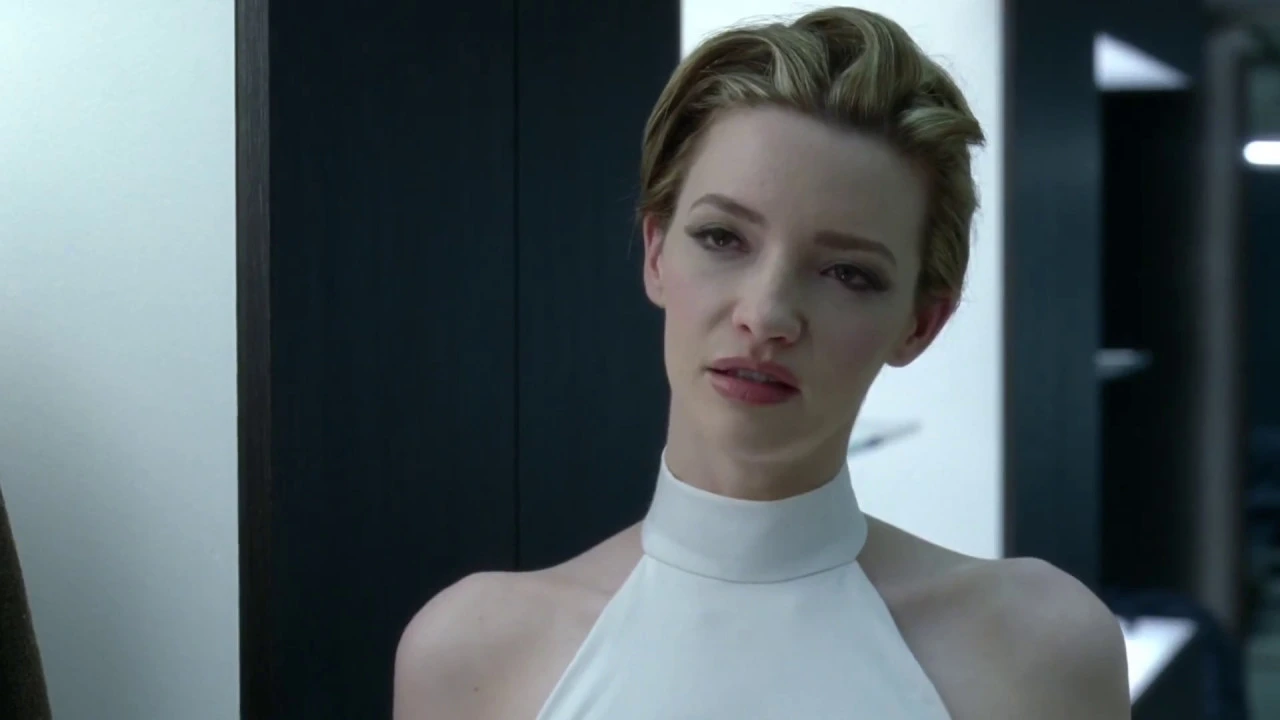
- When asked if she is real, the host counters with the iconic philosophical reply: "Well, if you can't tell, does it matter?" (0:02)
- The scene illustrates the indistinguishable boundary between human consciousness and artificial fabrication when an experience is entirely convincing. (0:02)
Detailed notes
## Background Published on YouTube by Helix Nebula on February 26, 2020, this brief video captures an iconic scene from the television series Westworld. The upload includes no show notes or descriptive text.
## TL;DR In this short clip, a hesitant guest closely observes a host, leading her to invite him to voice what is on his mind. He poses the direct question of whether she is real, prompting her philosophical counter: 'Well, if you can't tell, does it matter?' The exchange addresses the blurred line between human reality and host fabrication, asking whether the distinction holds any significance if an artificial experience is completely convincing.
## Atmosphere & style The exchange carries a quiet, contemplative tension rooted in unspoken curiosity and calm assurance. The contrast between the guest's subtle hesitation and the host's poised directness creates an intimate, thought-provoking atmosphere. In just a few seconds, the calm delivery leaves a lingering, existential impression regarding perception and authenticity.
## Bulletin - [00:02](https://www.youtube.com/watch?v=kaahx4hMxmw&t=2s) A hesitant guest in Westworld is prompted by a host to confront his unspoken curiosity directly. - [00:02](https://www.youtube.com/watch?v=kaahx4hMxmw&t=2s) When asked if she is real, the host counters with the iconic philosophical reply: "Well, if you can't tell, does it matter?" - [00:02](https://www.youtube.com/watch?v=kaahx4hMxmw&t=2s) The scene illustrates the indistinguishable boundary between human consciousness and artificial fabrication when an experience is entirely convincing.
## Key takeaways - [00:02](https://www.youtube.com/watch?v=kaahx4hMxmw&t=2s) A guest hesitates while closely observing a host, creating unspoken tension in the room. - [00:02](https://www.youtube.com/watch?v=kaahx4hMxmw&t=2s) The host perceives the guest's hesitation and urges him to speak openly: "You want to ask, so ask." - [00:02](https://www.youtube.com/watch?v=kaahx4hMxmw&t=2s) The guest directly poses the central question of authenticity and artificiality by asking, "Are you real?" - [00:02](https://www.youtube.com/watch?v=kaahx4hMxmw&t=2s) The host answers with the definitive philosophical counter: "Well, if you can't tell, does it matter?" - [00:02](https://www.youtube.com/watch?v=kaahx4hMxmw&t=2s) The dialogue highlights the blurred, indistinguishable line separating human consciousness from host fabrication. - [00:02](https://www.youtube.com/watch?v=kaahx4hMxmw&t=2s) The exchange questions whether the difference between artificial reality and genuine human existence has any practical significance. - [00:02](https://www.youtube.com/watch?v=kaahx4hMxmw&t=2s) The scene suggests that an entirely convincing artificial simulation challenges conventional notions of reality. - [00:02](https://www.youtube.com/watch?v=kaahx4hMxmw&t=2s) Perceptual indistinguishability shifts the focus from objective origin to the validity of subjective experience.
## Detailed walkthrough ### [00:02](https://www.youtube.com/watch?v=kaahx4hMxmw&t=2s) "If You Can't Tell, Does It Matter?"
In this iconic exchange from *Westworld*, a guest is hesitant while observing a host, prompting her to address the unspoken tension in the room. Sensing his hesitation and curiosity, she encourages him to voice what is on his mind directly: “You want to ask, so ask.” When the guest follows through and directly poses the central question of authenticity and artificiality, asking, “Are you real?”, she delivers the definitive philosophical reply: “Well, if you can't tell, does it matter?” The interaction highlights the indistinguishable line between human consciousness and host fabrication, challenging the guest to consider whether the distinction between artificial reality and genuine human existence holds any practical significance if the experience itself is completely convincing.
## Mentioned Westworld
[Source](https://www.youtube.com/watch?v=kaahx4hMxmw)