Coca-Cola, Philip Morris Shift Waste Blame to Public to Block Bans
truTV
Packaging corporations established Keep America Beautiful to dismantle returnable container systems and manufacture a green culture that blames individual consumers for corporate pollution.
AI-assisted summary of Adam Ruins Everything - The Corporate Conspiracy to Blame You for Their Trash — original source. Check the original for full context.
Source published:
Key ideas
- Keep America Beautiful was created not as a grassroots group, but as an industry-backed coalition of over twenty corporations—including Coca-Cola, Philip Morris, and Dixie Cup—designed to deflect corporate liability for packaging waste. (0:00)
- Industry public relations popularized the term 'litterbug' and launched the 1971 'crying Indian' PSA to shift public focus from manufacturer accountability to individual behavior. (0:00)
- The successful PR campaign helped defeat legislative bans on disposable bottles, resulting in more than 100 billion beverage containers being wasted annually in the United States. (1:00)
- Adam warns that consumer-driven 'green' purchasing, such as replacing a functioning hybrid car with a new Tesla, can cause more environmental harm due to the manufacturing footprint. (1:00)
Detailed notes
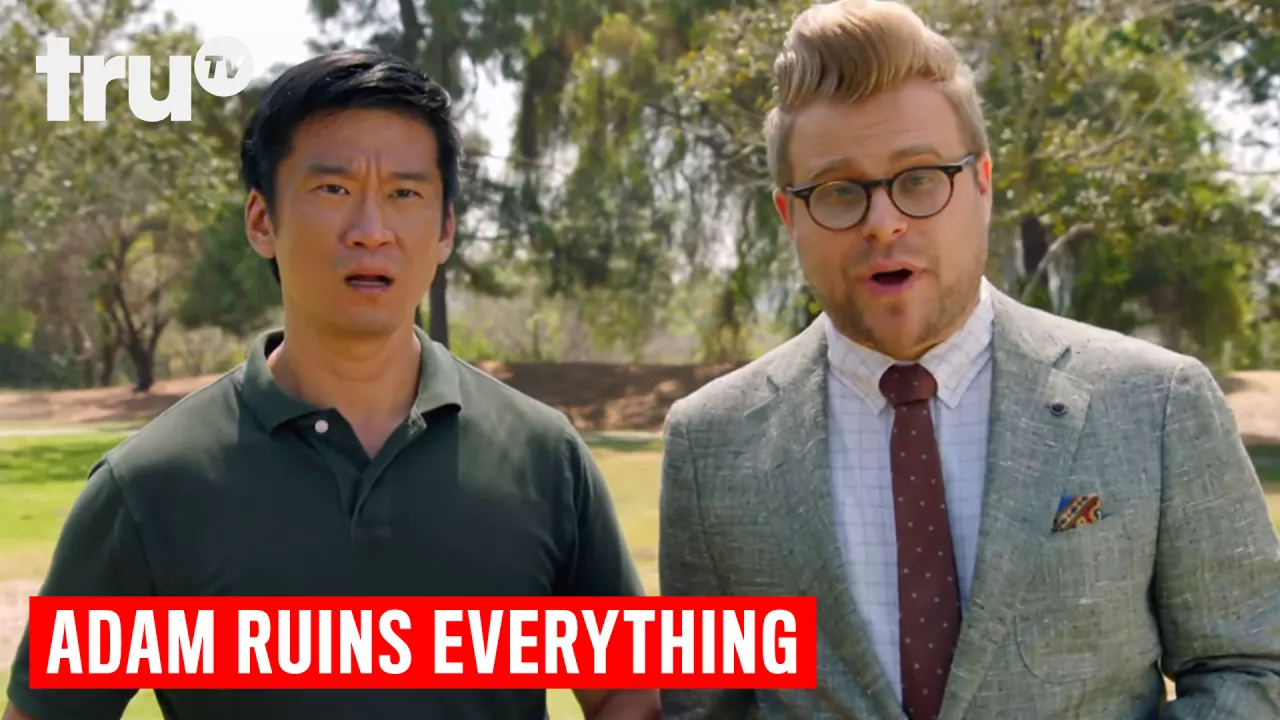
## Background Published on YouTube by truTV on December 21, 2016, this clip from Adam Ruins Everything examines why consumers have been forced to shoulder all the blame for corporate waste habits. The program utilizes a blend of comedy, history, and science as host Adam Conover dispels widespread misconceptions about society and consumer culture.
## TL;DR Adam Conover reveals that the anti-litter organization Keep America Beautiful and the label 'litterbug' were actually engineered by packaging giants like Coca-Cola and Dixie Cup to deflect accountability for disposable waste onto everyday consumers. Through corporate public relations campaigns, including the famous 1971 'crying Indian' PSA, industry leaders successfully thwarted container deposit legislation and encouraged the public to internalize guilt for pollution. Adam explains that this PR push dismantled functional returnable systems and spawned a culture of green consumerism, which can backfire when individuals discard functioning goods to buy new eco-friendly products like electric cars.
## Atmosphere & style The segment maintains a brisk, satirical, and irreverent tone, punctuating Adam's factual explanations with exaggerated sketches of scheming corporate executives and overly melodramatic citizens. Adam plays his signature role as the relentlessly cheerful, intrusive buzzkill who delights in bursting his companion's idealistic bubble with blunt reality checks. The viewing experience feels entertaining yet cynical, delivering a sharp critique of manufactured guilt through fast-paced, high-energy comedy.
## Bulletin - [00:00](https://www.youtube.com/watch?v=koqNm_TgOZk&t=0s) Keep America Beautiful was created not as a grassroots group, but as an industry-backed coalition of over twenty corporations—including Coca-Cola, Philip Morris, and Dixie Cup—designed to deflect corporate liability for packaging waste. - [00:00](https://www.youtube.com/watch?v=koqNm_TgOZk&t=0s) Industry public relations popularized the term 'litterbug' and launched the 1971 'crying Indian' PSA to shift public focus from manufacturer accountability to individual behavior. - [01:00](https://www.youtube.com/watch?v=koqNm_TgOZk&t=60s) The successful PR campaign helped defeat legislative bans on disposable bottles, resulting in more than 100 billion beverage containers being wasted annually in the United States. - [01:00](https://www.youtube.com/watch?v=koqNm_TgOZk&t=60s) Adam warns that consumer-driven 'green' purchasing, such as replacing a functioning hybrid car with a new Tesla, can cause more environmental harm due to the manufacturing footprint.
## Key takeaways - [00:00](https://www.youtube.com/watch?v=koqNm_TgOZk&t=0s) Corporations including Coca-Cola, Philip Morris, and Dixie Cup sought to deflect public anger regarding the trash created by their disposable products. - [00:00](https://www.youtube.com/watch?v=koqNm_TgOZk&t=0s) Packaging manufacturers coined and popularized the derogatory term 'litterbug' to assign blame to consumers rather than producers. - [00:00](https://www.youtube.com/watch?v=koqNm_TgOZk&t=0s) Keep America Beautiful was established by a coalition of over twenty major corporations to shield industry practices under the guise of an anti-litter campaign. - [00:00](https://www.youtube.com/watch?v=koqNm_TgOZk&t=0s) The famous 1971 'crying Indian' public service announcement was an effective piece of corporate public relations rather than an independent environmental initiative. - [01:00](https://www.youtube.com/watch?v=koqNm_TgOZk&t=60s) Corporate messaging successfully convinced the public to internalize moral guilt for litter and pollution. - [01:00](https://www.youtube.com/watch?v=koqNm_TgOZk&t=60s) The shift in public perception enabled the defeat of proposed bans on disposable containers and undermined traditional bottle deposit and reuse systems. - [01:00](https://www.youtube.com/watch?v=koqNm_TgOZk&t=60s) Over 100 billion beverage containers end up wasted each year in the United States, getting incinerated, landfilled, or littered. - [01:00](https://www.youtube.com/watch?v=koqNm_TgOZk&t=60s) The prevailing 'green culture' largely blames individual habits rather than addressing systemic corporate waste generation. - [01:00](https://www.youtube.com/watch?v=koqNm_TgOZk&t=60s) Buying new eco-friendly products like electric vehicles to replace functional existing vehicles often increases net environmental harm due to production impacts.
## Detailed walkthrough ### [00:00](https://www.youtube.com/watch?v=koqNm_TgOZk&t=0s) The Invention of the “Litterbug” and Keep America Beautiful
In a dramatized corporate boardroom meeting, corporate executives lament that the public holds their industries responsible for the mounting trash crisis. A representative proclaims, “Coca-Cola is tired of making a bunch of garbage and then getting yelled at for making all that garbage.” Representatives from Philip Morris and Dixie Cup quickly join the consensus, agreeing that the fault lies not with the manufacturers who design disposable products, but with the consumers who discard them. To reshape public perception, the executives coin a catchy derogatory label for these consumers: "litterbugs." With the backing of over twenty major corporations, they launch the original anti-litter organization, Keep America Beautiful.
Adam Conover reveals to his stunned companion that Keep America Beautiful was not a grassroots environmental initiative, but an industry-backed coalition established specifically to dodge corporate accountability. By popularizing the term "litterbug," these packaging and consumer goods giants successfully deflected public outrage away from corporate production practices and pinned it directly onto individual behavior. This sustained public relations effort culminated in one of the most celebrated television campaigns in history: the iconic 1971 "crying Indian" public service announcement. When his companion expresses disbelief that such a revered commercial could have an ulterior motive, Adam bluntly confirms the reality: “The most famous PSA in history was actually a piece of corporate propaganda.”
```mermaid flowchart TD accTitle: Corporate Shift of Blame for Trash accDescr: Diagram illustrating how packaging corporations formed Keep America Beautiful to redirect public blame to consumers.
subgraph Corporations ["Manufacturing Giants"] C1["Coca-Cola"] C2["Philip Morris"] C3["Dixie Cup"] end
subgraph Strategy ["PR Strategy"] KAB["Keep America Beautiful (Coalition of 20+ Companies)"] Term["Popularized the term 'Litterbug'"] Ad["'Crying Indian' PSA Campaign"] end
subgraph Outcome ["Public Impact"] Shift["Blame shifted from manufacturers to consumers"] Bans["Bottle deposit & container bans struck down"] end
Corporations --> KAB KAB --> Term KAB --> Ad Term --> Shift Ad --> Shift Shift --> Bans ```
[01:00](https://www.youtube.com/watch?v=koqNm_TgOZk&t=60s) The Cost of Individual Guilt and the Illusion of "Green" Consumerism
The public relations offensive proved wildly effective across the United States. Proposed legislative bans on disposable bottles were struck down, and everyday citizens fully internalized the burden of environmental degradation. A satirical vignette highlights this manufactured guilt as a distraught man weeps over a dead cow, crying out, “Eating that can didn't kill Bessie... I killed Bessie! I'm a litterbug!” As a consequence of dismantling traditional reuse and deposit systems in favor of single-use convenience, modern society remains trapped in disposable packaging models. Adam emphasizes that although dropping trash makes someone a jerk, the foundational problem was engineered by industry leaders who abandoned functional returnable systems and fabricated an entire green ethos that holds consumers responsible for corporate pollution.
Hearing this revelation, Adam's companion decides to take personal action by strictly purchasing eco-friendly products, boasting that she plans to replace her current hybrid vehicle with a brand-new electric Tesla. Adam immediately interrupts her enthusiasm to point out the flawed logic behind hyper-consumerist environmentalism. Replacing a functioning hybrid with an entirely new electric vehicle incurs significant manufacturing and resource costs, meaning that impulse can paradoxically harm the planet more than continuing to drive her existing car.
- Over 100 billion beverage containers are wasted each year in the United States alone. - Discarded containers regularly end up incinerated, dumped into municipal landfills, or scattered as street and roadside litter. - Adam articulates the systemic impact of the industry's PR pivot: “These companies threw out an effective recycling system and instead asked us to pick up their trash, and their marketing campaign helped create an entire green culture that blames individuals for pollution rather than the companies making it.”
## Notable quotes > [00:00](https://www.youtube.com/watch?v=koqNm_TgOZk&t=0s) The most famous PSA in history was actually a piece of corporate propaganda. — Adam Conover
## Mentioned Adam Conover, Adam Ruins Everything, Keep America Beautiful, The Coca-Cola Company, Philip Morris, Dixie Cup, Tesla, truTV
## Video description Yes, littering is terrible. But why should consumers shoulder all the blame for bad corporate habits?
Subscribe: http://bit.ly/truTVSubscribe Watch Full Episodes for FREE: http://bit.ly/1Rw2yzp Check Adam’s Sources: http://bit.ly/1Q7MHpK
In Adam Ruins Everything, host Adam Conover employs a combination of comedy, history and science to dispel widespread misconceptions about everything we take for granted. A blend of entertainment and enlightenment, Adam Ruins Everything is like that friend who knows a little bit too much about everything and is going to tell you about it... whether you like it or not.
truTV Official Site: http://www.trutv.com/ Like truTV on Facebook: https://www.facebook.com/truTV Follow truTV on Twitter: https://twitter.com/truTV Follow truTV on Tumblr: http://trutv.tumblr.com/ Get the truTV app on Google Play: http://bit.ly/1eYxjPP Get the truTV app on iTunes: http://apple.co/1JiGkjh
Way more truTV! Watch clips, sneak peeks and exclusives from original shows like Comedy Knockout, Those Who Can't and more – plus fresh video from hit shows like Impractical Jokers and The Carbonaro Effect.
Adam Ruins Everything - The Corporate Conspiracy to Blame You for Their Trash
[Source](https://www.youtube.com/watch?v=koqNm_TgOZk)