Thames Valley Police Uses Tea Analogy to Clarify Sexual Consent
Thames Valley Police
Effort does not create sexual entitlement, past permission never carries forward, and consent is immediately void once a partner changes their mind or loses consciousness.
AI-assisted summary of Tea and Consent — original source. Check the original for full context.
Source published:
Key ideas
- The campaign uses a cup of tea as an intuitive mental model to demystify sexual consent, illustrating that initiation requires genuine, enthusiastic agreement. (0:01)
- Preparation and effort create zero entitlement, meaning an individual retains the right to change their mind at any point without obligation to participate. (0:01)
- Unconscious individuals cannot provide consent under any circumstances, requiring anyone present to stop immediately and ensure the person's physical safety. (1:20)
- Past consent never implies future permission, meaning agreement on a prior occasion creates no ongoing or automatic entitlement. (1:20)
Detailed notes
## Background Published on YouTube by Thames Valley Police on November 16, 2015, this animated public service video features animation courtesy of Emmeline May and Blue Seat Studios. Its description explains that for anyone struggling to understand sexual consent, they should simply imagine making someone a cup of tea instead of initiating sex.
## TL;DR The video demystifies sexual consent by substituting the initiation of sex with the simple act of offering someone a cup of tea. It outlines how to navigate various responses, clarifying that while an enthusiastic 'yes' signals clear permission, hesitation or outright refusal must be respected without pressure or resentment. The guide emphasizes that people can change their minds at any stage, that effort spent does not create entitlement, and that unconscious individuals can never consent to tea. By showcasing how absurd it is to force tea on someone who is unwilling or asleep, it drives home the rule that consent is everything.
## Atmosphere & style The presentation is dryly humorous, deadpan, and remarkably straightforward, cutting through social awkwardness with brisk, common-sense logic. The narrator speaks with matter-of-fact clarity, using the sheer absurdity of forcing hot beverages on people to highlight how obvious personal boundaries should be. Watching it feels simultaneously lighthearted and deeply grounded, transforming an often sensitive subject into an intuitive, unmistakable set of everyday principles.
## Bulletin - [00:01](https://www.youtube.com/watch?v=pZwvrxVavnQ&t=1s) The campaign uses a cup of tea as an intuitive mental model to demystify sexual consent, illustrating that initiation requires genuine, enthusiastic agreement. - [00:01](https://www.youtube.com/watch?v=pZwvrxVavnQ&t=1s) Preparation and effort create zero entitlement, meaning an individual retains the right to change their mind at any point without obligation to participate. - [01:20](https://www.youtube.com/watch?v=pZwvrxVavnQ&t=80s) Unconscious individuals cannot provide consent under any circumstances, requiring anyone present to stop immediately and ensure the person's physical safety. - [01:20](https://www.youtube.com/watch?v=pZwvrxVavnQ&t=80s) Past consent never implies future permission, meaning agreement on a prior occasion creates no ongoing or automatic entitlement.
## Key takeaways - [00:01](https://www.youtube.com/watch?v=pZwvrxVavnQ&t=1s) Framing sexual initiation as offering a cup of tea highlights the intuitive absurdity of boundary violations in everyday social contexts. - [00:01](https://www.youtube.com/watch?v=pZwvrxVavnQ&t=1s) Enthusiastic verbal agreement confirms that an offer is genuinely welcome and desired. - [00:01](https://www.youtube.com/watch?v=pZwvrxVavnQ&t=1s) Ambivalent or hesitant responses mean the other person may not want to proceed, and their reluctance must be respected. - [00:01](https://www.youtube.com/watch?v=pZwvrxVavnQ&t=1s) A clear decline must be met with immediate acceptance, without pressure, annoyance, or resentment. - [00:01](https://www.youtube.com/watch?v=pZwvrxVavnQ&t=1s) Investing time and effort into preparation does not entitle anyone to demand participation or compliance. - [00:01](https://www.youtube.com/watch?v=pZwvrxVavnQ&t=1s) Consent can be withdrawn at any point during an interaction, even if someone originally agreed with enthusiasm. - [01:20](https://www.youtube.com/watch?v=pZwvrxVavnQ&t=80s) Unconscious people cannot answer questions or grant consent, making initiation entirely impossible. - [01:20](https://www.youtube.com/watch?v=pZwvrxVavnQ&t=80s) If a person falls unconscious after agreeing to an offer, the interaction must halt immediately to prioritize their safety. - [01:20](https://www.youtube.com/watch?v=pZwvrxVavnQ&t=80s) Losing consciousness during an ongoing interaction requires immediate cessation and a check on their wellbeing. - [01:20](https://www.youtube.com/watch?v=pZwvrxVavnQ&t=80s) Prior consent from last week or last night does not carry over to future encounters or grant ongoing access. - [01:20](https://www.youtube.com/watch?v=pZwvrxVavnQ&t=80s) Forcing unwanted physical acts on an unwilling, sleeping, or unconscious person is as ludicrous and harmful as forcing tea down someone's throat. - [01:20](https://www.youtube.com/watch?v=pZwvrxVavnQ&t=80s) Whether dealing with a cup of tea or sex, clear and mutual consent is the essential, non-negotiable requirement.
## Detailed walkthrough ### [00:01](https://www.youtube.com/watch?v=pZwvrxVavnQ&t=1s) The Tea Metaphor: Offers, Ambivalence, and Changing Minds
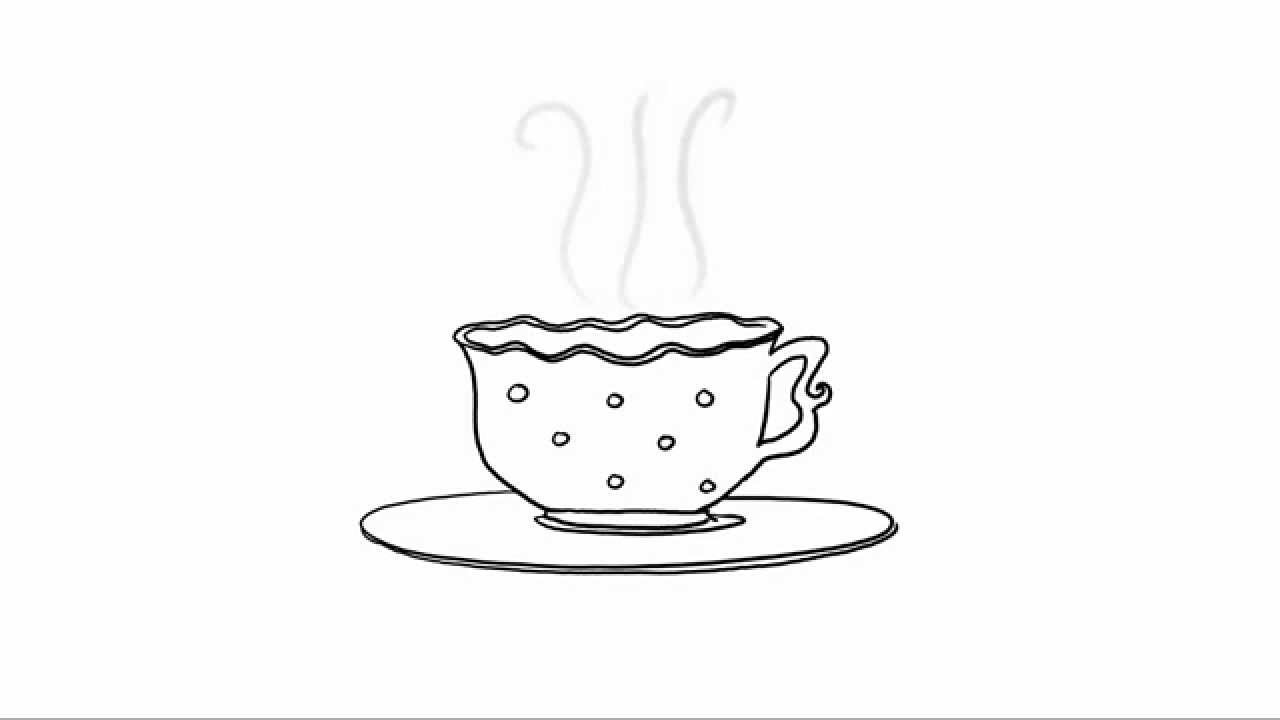
To demystify the concept of sexual consent, the narrator proposes a simple mental substitution: whenever you think about initiating sex, imagine offering someone a cup of tea instead. The clearest scenario is enthusiastic agreement. If you ask someone if they would like a cup of tea and they reply enthusiastically, *"Oh my god, I would love a cup of tea. Thank you,"* you can be confident they genuinely want it. However, responses are not always so definitive. If you ask and they respond with hesitation or uncertainty—saying something like, *"Uh, you know, I'm not really sure"*—you are free to make the tea or choose not to, but you must recognize that they might not actually drink it.
The narrator emphasizes that effort does not create entitlement. If you make the tea and they leave it untouched, you must never force them to consume it, because as the narrator points out: “Just because you made it doesn't mean you're entitled to watch them drink it.” Similarly, if someone outright declines with a polite *"No, thank you,"* the appropriate response is simple: do not make them tea, do not try to make them drink it, and do not hold a grudge or become annoyed. They simply do not want any tea.
A person’s right to change their mind is equally fundamental. Someone might initially accept an offer warmly with *"Yes, please. That's kind of you,"* only to realize by the time the cup arrives that they no longer want it. While having put in the effort of boiling the kettle, brewing the tea, and adding milk only to have it rejected can feel mildly irritating, the narrator stresses that the recipient remains under zero obligation to drink it. People can change their minds at any stage of the process, and no amount of preparation entitles the maker to demand participation.
```mermaid flowchart TD accTitle: Tea and Consent Decision Flow accDescr: A decision flowchart showing how consent works using the cup of tea analogy. A["Offer a cup of tea"] --> B{"Response"} B -->|"Enthusiastic Yes"| C["Make the tea"] B -->|"Unsure / Hesitant"| D["May make tea, but don't force them to drink"] B -->|"No, thank you"| E["Do not make tea & do not get annoyed"] C --> F{"Tea is ready"} F -->|"Drinks tea"| G["Enjoyed mutually"] F -->|"Changed mind / Doesn't want it"| H["Respect decision; under no obligation to drink"] ```
- When an offer is met with genuine enthusiasm, consent is clearly established. - Hesitation requires caution; you may prepare the tea, but you must accept that they may choose not to drink it. - A direct refusal requires immediately dropping the offer without irritation or pressure. - Consent can be withdrawn at any time during preparation: “Some people change their mind in the time it takes to boil the kettle, brew the tea, and add the milk.”
---
[01:20](https://www.youtube.com/watch?v=pZwvrxVavnQ&t=80s) Unconsciousness, Past Consent, and Why Consent Is Everything
The discussion turns to unconsciousness, where consent is entirely impossible. If someone is unconscious, you should never make them tea, because as the narrator bluntly states: “Unconscious people don't want tea and they can't answer the question, 'Do you want tea?' Because they're unconscious.” This rule holds true even if the person originally consented while fully awake. If someone asked for tea while conscious, but passed out during the minutes required to boil the water and brew the cup, the maker must simply set the mug down and ensure the person is safe. Under no circumstances should anyone attempt to force an unconscious person to drink tea simply because they agreed earlier.
The same principle applies if someone begins drinking a cup of tea and subsequently passes out before finishing it. The only proper course of action is to take the tea away and check on their wellbeing, rather than continuing to pour hot liquid down their throat. Furthermore, past consent never carries over into the future. Agreeing to have tea at someone’s house on a Saturday does not give that person an open invitation to make tea forever, show up unannounced at their home demanding they drink it, or stand over them while they sleep pouring tea down their throat under the excuse, *"But you wanted tea last week"* or *"last night."*
The narrator concludes by underscoring the absurdity of violating these boundaries in everyday life. Forcing tea on someone who is unwilling, hesitant, sleeping, or unconscious is immediately recognized as bizarre and completely ludicrous behavior. Because the underlying rules are so intuitively simple with tea, applying them to sexual interactions should be just as straightforward. The narrator summarizes the takeaway with absolute clarity: “Whether it's tea or sex, consent is everything.” Having settled the matter, the narrator signs off to go brew a cup for themselves.
- Unconscious individuals cannot consent to tea, nor can they safely consume it. - If someone loses consciousness after consenting or mid-cup, the only duty is to set the beverage aside and ensure their safety. - Consent granted in the past—whether last week or last night—never implies ongoing or future permission. - The absurdity of forcing unwanted tea highlights how obvious the boundaries of consent ought to be when applied to sex.
## Notable quotes > [01:20](https://www.youtube.com/watch?v=pZwvrxVavnQ&t=80s) Whether it's tea or sex, consent is everything. — Narrator
## Mentioned Tea and Consent, Thames Valley Police, Emmeline May, Blue Seat Studios, rockstardinosaurpirateprincess.com
## Video description If you’re still struggling with consent just imagine instead of initiating sex you’re making them a cup of tea. Animation courtesy of Emmeline May at rockstardinosaurpirateprincess.com and Blue Seat Studios. Copyright © 2015 RockStarDinosaurPiratePrincess and Blue Seat Studios. Images are Copyright ©2015 Blue Seat Studios. - See more at: http://www.consentiseverything.com/#sthash.hXOMYizl.dpuf
[Source](https://www.youtube.com/watch?v=pZwvrxVavnQ)