The Truth About Homelessness in San Francisco
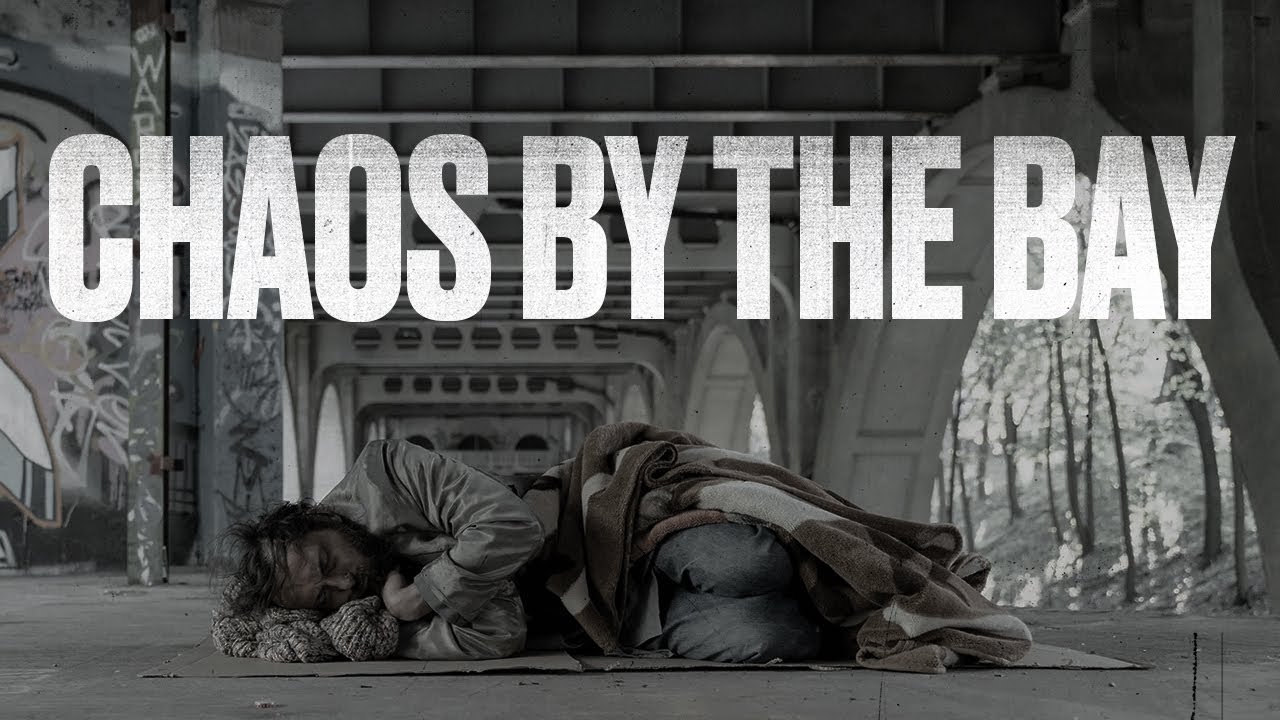
The Truth About Homelessness in San Francisco — Christopher F. Rufo

Christopher F. Rufo

AI-assisted summary of The Truth About Homelessness in San Francisco — original source. Check the original for full context.

Source published:

Key ideas

  • Despite spending over $1 billion annually on homelessness, San Francisco has seen its crisis worsen, with more than 18,000 homeless individuals and an estimated 4,000 suffering simultaneously from severe addiction and mental illness. (0:00)
  • The decriminalization of drug possession and decarceration policies, such as releasing nearly half the county jail population under District Attorney Chesa Boudin, triggered a 300% increase in Tenderloin tent encampments and a surge in violent crime. (6:31)
  • Roughly 50% of the city's homeless population arrived from outside San Francisco, with about 450 chronically homeless individuals relocating each year due to permissive enforcement. (4:01)
  • Christopher F. Rufo concludes that San Francisco's street crisis stems not from a lack of funding, but from ideological paralysis and governance policies enforced by the local political establishment. (10:26)

Detailed notes

## Background Published on YouTube by Christopher F. Rufo on August 3, 2020, this short documentary investigates the crisis of homelessness, drug addiction, and property crime in San Francisco. The video explores how one of the world's wealthiest cities transitioned into a haven of public disorder despite spending over $1 billion annually to address these issues.

## TL;DR This documentary examines how well-intentioned but disastrous progressive policies, such as drug decriminalization and decarceration under District Attorney Chesa Boudin, have fueled a severe humanitarian crisis in San Francisco. By removing legal deterrents and failing to mandate psychiatric treatment, the city has allowed open-air drug markets and tent encampments to expand from the Tenderloin into residential neighborhoods. Former addict Tom Wolf and local residents describe a dangerous street economy driven by addiction, while city supervisors defend non-carceral housing programs despite rising violence and fatal overdoses. Ultimately, the film argues that the crisis is an ideological and political failure that will only persist until voters elect new leadership willing to enforce public safety.

## Atmosphere & style The documentary carries a grim, urgent, and deeply sobering tone, contrasting the immense wealth of San Francisco with shocking scenes of public decay and human suffering. Watching the film feels tense and distressing, as raw street-level footage of open drug use and a fatal overdose is juxtaposed with the defensive, highly ideological rhetoric of local politicians. The narrative arc moves from tragic observation to systemic frustration, leaving the viewer with a heavy sense of alarm and a stark warning about the consequences of unchecked policy failures.

## Bulletin - [00:00](https://www.youtube.com/watch?v=uw8MACDZ3RI&t=0s) Despite spending over $1 billion annually on homelessness, San Francisco has seen its crisis worsen, with more than 18,000 homeless individuals and an estimated 4,000 suffering simultaneously from severe addiction and mental illness. - [06:31](https://www.youtube.com/watch?v=uw8MACDZ3RI&t=391s) The decriminalization of drug possession and decarceration policies, such as releasing nearly half the county jail population under District Attorney Chesa Boudin, triggered a 300% increase in Tenderloin tent encampments and a surge in violent crime. - [04:01](https://www.youtube.com/watch?v=uw8MACDZ3RI&t=241s) Roughly 50% of the city's homeless population arrived from outside San Francisco, with about 450 chronically homeless individuals relocating each year due to permissive enforcement. - [10:26](https://www.youtube.com/watch?v=uw8MACDZ3RI&t=626s) Christopher F. Rufo concludes that San Francisco's street crisis stems not from a lack of funding, but from ideological paralysis and governance policies enforced by the local political establishment.

## Key takeaways - [00:00](https://www.youtube.com/watch?v=uw8MACDZ3RI&t=0s) San Francisco presents an alarming paradox by maintaining extreme street disorder despite massive municipal wealth and over $1 billion in annual homelessness spending. - [00:00](https://www.youtube.com/watch?v=uw8MACDZ3RI&t=0s) The Tenderloin district serves as the West Coast's largest open-air drug market, with organized syndicates operating openly and encampments spanning 50 city blocks. - [00:00](https://www.youtube.com/watch?v=uw8MACDZ3RI&t=0s) The proliferation of fentanyl has transformed an already severe crisis of substance abuse and psychiatric illness into a lethal street reality. - [01:40](https://www.youtube.com/watch?v=uw8MACDZ3RI&t=100s) Statewide decriminalization of narcotics eliminated legal deterrents and inadvertently caused open-air drug consumption to surge. - [01:40](https://www.youtube.com/watch?v=uw8MACDZ3RI&t=100s) Severe shortages of psychiatric beds paired with legal and civil rights gridlock prevent the city from mandating institutional care for individuals suffering acute psychological breakdowns. - [02:16](https://www.youtube.com/watch?v=uw8MACDZ3RI&t=136s) Following the COVID-19 pandemic, encampments broke containment from the Tenderloin and expanded directly into residential neighborhoods. - [04:01](https://www.youtube.com/watch?v=uw8MACDZ3RI&t=241s) San Francisco acts as a regional magnet, drawing an influx of roughly 450 chronically homeless individuals each year due to its tolerant legal climate. - [04:01](https://www.youtube.com/watch?v=uw8MACDZ3RI&t=241s) Lived experience indicates approximately 85% of unsheltered individuals suffer from severe addiction, driving persistent cycles of property crime to finance daily drug habits. - [04:01](https://www.youtube.com/watch?v=uw8MACDZ3RI&t=241s) Criminal justice intervention and the threat of jail time served as an essential catalyst for recovery and rehabilitation for former addicts. - [06:31](https://www.youtube.com/watch?v=uw8MACDZ3RI&t=391s) District Attorney Chesa Boudin's deprioritization of low-level quality-of-life offenses and jail decarceration coincided with an immediate rise in tent encampments and street violence. - [07:41](https://www.youtube.com/watch?v=uw8MACDZ3RI&t=461s) Pandemic hotel leasing programs provided accommodations without requiring sobriety or behavioral preconditions, in some instances supplying substances directly to occupants. - [07:41](https://www.youtube.com/watch?v=uw8MACDZ3RI&t=461s) Despite progressive rhetoric decrying inequality, San Francisco exhibits a higher Gini coefficient of income disparity than nations like Nigeria and Nicaragua. - [07:41](https://www.youtube.com/watch?v=uw8MACDZ3RI&t=461s) A policy of non-intervention and tolerance of public encampments leads to extreme real-world cruelty, including fatal overdoses in plain public view. - [10:26](https://www.youtube.com/watch?v=uw8MACDZ3RI&t=626s) The failure to clean up public streets is driven by entrenched ideology and leadership choices rather than municipal budget constraints.

## Detailed walkthrough ### [00:00](https://www.youtube.com/watch?v=uw8MACDZ3RI&t=0s) The Open-Air Drug Market of the Tenderloin

San Francisco presents an alarming paradox: despite being one of the wealthiest cities in the world and spending over $1 billion annually on homelessness, its streets are visibly collapsing into disorder. Tents, litter, discarded drug paraphernalia, and fatal overdoses have overtaken public spaces. More than 18,000 homeless individuals live in the city, with an estimated 4,000 people simultaneously enduring homelessness, severe chemical addiction, and mental illness. Seeking to understand how this crisis developed, Christopher F. Rufo visits the corner of Golden Gate Avenue and Hyde Street in the Tenderloin district, recognized as the largest open-air drug market on the West Coast. There, organized street gangs operate in broad daylight, trafficking heroin, fentanyl, and methamphetamine while homeless encampments sprawl across 50 contiguous city blocks and continue to expand.

Phil Matier, a longtime veteran reporter for the *San Francisco Chronicle*, has closely observed the neighborhood’s deterioration. He explains the grim reality behind what local residents ironically dub "the tender life," noting that it offers anything but tenderness. Describing the compounding crisis of hard drug abuse and untreated psychiatric disorders, Phil Matier observes: “And you put it all together and you add in something in the last couple of years called fentanyl and you've taken what was a sad mix and made it absolutely toxic and dangerous.”

- Over 18,000 individuals make up the city’s homeless population. - Approximately 4,000 homeless residents suffer concurrently from mental illness and addiction. - San Francisco allocates more than $1 billion each year toward addressing homelessness. - The Tenderloin drug encampments cover roughly 50 city blocks.

[01:40](https://www.youtube.com/watch?v=uw8MACDZ3RI&t=100s) Unintended Consequences and Decriminalization

When asked how brazen gang distribution and public drug consumption can persist unchecked in a major American municipality, Matier explains that the current state of affairs is the product of well-intentioned but disastrous policies. California decriminalized narcotics possession, downgrading what were once felony charges in the hope of diverting people into treatment rather than incarceration. Instead of easing people off the streets, however, removing legal penalties eliminated deterrents and effectively triggered an explosion of public consumption.

Compounding the drug crisis is a systemic failure to treat the severely mentally ill. Matier points out that the city lacks adequate institutional capacity to house and treat these individuals. Moreover, even when beds or facilities might be identified, fierce ideological and legal arguments regarding patient civil rights prevent mandatory institutionalization. Outlining this breakdown, Phil Matier argues: “It wasn't intended. It wasn't sold to the voters this way, but that's what happened.”

```mermaid flowchart TD accTitle: Unintended Consequences of Drug Policy and Mental Health Shifts accDescr: Flowchart showing how decriminalization and lack of institutional care led to the open-air drug crisis in San Francisco. subgraph Policies["Policy Intentions"] A["Drug Decriminalization"] B["Deinstitutionalization & Civil Rights Focus"] end subgraph Realities["Street Realities"] C["Removal of Felony Penalties"] D["Lack of Treatment Beds & Civil Rights Gridlock"] E["Unrestricted Open-Air Drug Consumption"] F["Mentally Ill Left on Sidewalks"] end A --> C B --> D C --> E D --> F E --> G["Tenderloin Street Encampments"] F --> G ```

[02:16](https://www.youtube.com/watch?v=uw8MACDZ3RI&t=136s) Encampments Spread and Residents Reach a Breaking Point

The containment zone that once largely confined San Francisco’s disorder to the Tenderloin began unraveling rapidly following the coronavirus pandemic, pushing tent encampments into residential and family neighborhoods. Local writer Erica Sandberg, a 32-year resident of San Francisco, describes an unprecedented level of street decay marked by rampant drug dealing, sidewalks blocked by tents, open daylight sexual activity that often appeared non-consensual, and individuals suffering profound psychological collapse without any intervention. Recalling a deeply disturbing incident where an acutely psychotic man consumed his own vomit on the sidewalk, Erica Sandberg asks: “How is this possible that we would just allow somebody in such a state to live on the street because it's his freedom?”

The unchecked degradation has forced long-term residents into difficult, agonizing dilemmas. Neighbors find themselves divided between those determined to stay and fight to save the city and those who are simply giving up. Sandberg notes that many families and residents feel they lack the emotional bandwidth, financial resources, or energy to endure an environment that is increasingly unsafe and depressing.

- Tents and illicit markets migrated past the Tenderloin into quiet residential areas during the pandemic. - Residents increasingly report open sexual encounters and severe psychiatric episodes on pedestrian sidewalks. - Neighborhood sentiment has fractured between active resistance and exhausted departure from the city.

[04:01](https://www.youtube.com/watch?v=uw8MACDZ3RI&t=241s) Migration and the Street Hustle: Tom Wolf’s Experience

While many longtime housed residents contemplate leaving San Francisco, the city actively draws people experiencing homelessness from across the country. Public records indicate that roughly 50% of the city’s homeless population moved there from outside San Francisco, with the *San Francisco Chronicle* reporting an influx of approximately 450 chronically homeless individuals each year, drawn by the city’s leniency toward unpermitted camping, open substance abuse, and low-level property crime. A resident originally from Minnesota openly acknowledges moving to the city while maintaining regular communication with their family.

To examine what fuels this street economy, Rufo speaks with Tom Wolf, a formerly homeless addict who spent six months living on the sidewalk, was arrested six times for drug and property offenses, and is now two years sober and working for the Salvation Army. Based on his lived experience, Wolf estimates that around 85% of unsheltered homeless people in San Francisco suffer from severe drug addiction. He describes the daily routine as an exhausting, full-time hustle designed exclusively to feed a chemical dependency. Street-level users steal, shoplift, transport drugs for distribution syndicates, and break into parked vehicles to raise cash—often paying around $10 for a single dime bag of heroin.

Visiting the exact piece of cardboard where he once smoked fentanyl, Wolf credits the criminal justice system with saving his life, explaining that the threat of significant prison time finally compelled him to enter rehabilitation. While maintaining that addiction and poverty should not themselves be crimes, Tom Wolf emphasizes the necessity of consequences: “But you do have to own and be responsible for the things that you do in your addiction that are illegal, just like I had to own up to it eventually.”

- Roughly 50% of San Francisco's homeless population migrated from outside the municipality. - About 450 chronically homeless individuals relocate to the city every year. - Former addict Tom Wolf estimates that 85% of the unsheltered street population is severely addicted. - A standard street hit ("dime") of heroin costs approximately $10, driving continuous cycles of petty crime.

[06:31](https://www.youtube.com/watch?v=uw8MACDZ3RI&t=391s) Chesa Boudin’s Decarceration and the Spike in Violence

Despite warnings from former addicts about the need for judicial accountability, San Francisco city leadership moved aggressively in the opposite direction by dismantling law enforcement interventions. Under District Attorney Chesa Boudin, the city released nearly half of the inmates held in the county jail while formally deprioritizing and decriminalizing violations related to public camping, drug usage, prostitution, and public defecation. Boudin defended this approach publicly, insisting that public resources should not rely on correctional facilities to handle psychiatric and chemical dependencies. Speaking at a rally, Chesa Boudin declared: “The movement that we built must continue to grow. It must demand that San Francisco make it easier to get help than it is to get high on our streets.”

Rather than facilitating widespread recovery, these decarceration measures triggered immediate street disorder. Hundreds of released inmates moved straight from the county jail onto the sidewalks without supervision or mandatory treatment. In the Tenderloin, the number of homeless tent encampments surged by 300%, accompanied by an immediate rise in violent crime. Within a single 72-hour period during filming, eight people were shot within a few blocks of the neighborhood's epicenter.

- Nearly half of San Francisco County Jail inmates were released under District Attorney Chesa Boudin. - Enforcement against public encampments, open drug use, street prostitution, and public defecation was halted. - Tenderloin encampment counts jumped by 300% following the policy changes. - Eight individuals were shot across a three-day span within a compact radius in the Tenderloin.

[07:41](https://www.youtube.com/watch?v=uw8MACDZ3RI&t=461s) Progressive Ideology, the Hotel Program, and Fatal Cruelty

Progressive leadership on the San Francisco Board of Supervisors, including Hillary Ronen and Aaron Peskin, backed Boudin's non-carceral framework and sought broader social initiatives. In response to the COVID-19 pandemic, the supervisors initiated a program leasing thousands of private hotel rooms to house homeless individuals with zero behavioral preconditions, even supplying alcohol and drugs to residents in an effort to keep them isolated indoors. Ronen blames the crisis entirely on federal policy, systemic racism, and municipal tax incentives that brought tech corporations into the city without sufficient housing construction. Critiquing conservative social philosophies, Hillary Ronen asserts: “Like it or not, we are not these independent non-social beings that our sort of psychology and constitutional rights have sort of morphed into in certain parts of this country, especially in this Republican ideology, which is really all set up to keep people from having each other's back and keep a certain portion of the society ultra rich and equality dividing, so that's number one.”

Rufo challenges Ronen’s ideological diagnosis, pointing out that San Francisco itself maintains the highest Gini coefficient of income inequality in the United States, outpacing developing countries like Nicaragua and Nigeria. Ronen concedes that the city carries responsibility, though she maintains they are actively working to reform those systems. Rufo argues that while the city’s progressive leadership vocally decries global inequality, their refusal to enforce laws or mandate care has produced a system of acute cruelty. Thousands of individuals remain abandoned in psychotic states and severe addiction on public sidewalks, forcing impoverished working-class families to navigate open-air drug markets. The fatal consequences of this approach become clear when the film crew records a man dying from a fentanyl overdose inside a city-sanctioned encampment. Reflecting on the core flaw of the city's governance model, Tom Wolf concludes: “I think, in order for progressive politics to work, you need to have public safety.”

- San Francisco supervisors leased thousands of hotel rooms for homeless residents, offering them free of preconditions. - San Francisco's Gini coefficient reflects higher economic disparity than developing nations like Nigeria and Nicaragua. - The film crew witnessed an active, fatal fentanyl overdose directly inside a city-sanctioned tent site.

[10:26](https://www.youtube.com/watch?v=uw8MACDZ3RI&t=626s) Policy, Ideology, and the Ongoing Nightmare

A speaker reflects on the underlying mechanisms driving the crisis, arguing that the persistent failure to resolve street homelessness cannot simply be blamed on a lack of financial resources. In their view, the obstacle is ideological and structural rather than monetary, stating: “Our problems would've been solved a long time ago, so it's not financing, it's not the funding.” The speaker insists that the core barrier is policy, framing housing and support as something that must be guaranteed, noting, “It's policy. And until it is a right—” before being cut off.

Christopher F. Rufo intervenes to present his counter-conclusion, identifying that exact mindset as the root of the city's paralysis. For Rufo, the issue is not that the city fails to recognize housing as an entitlement, but that the reigning political establishment remains deeply entrenched in ineffective policies and unwilling to alter course. As Rufo starkly warns: “And that's the problem. San Francisco's political class refuses to change. So, until San Francisco's voters elect new leaders, the city's nightmare will continue.”

- **Funding vs. Policy:** The crisis is framed not as a deficit of municipal resources or financing, but as a direct consequence of the policy decisions upheld by local leadership. - **Electoral Stakes:** Rufo concludes that meaningful reform is impossible under the current regime, leaving any hope for resolution in the hands of voters choosing new political leadership.

## Notable quotes > [07:41](https://www.youtube.com/watch?v=uw8MACDZ3RI&t=461s) I think, in order for progressive politics to work, you need to have public safety. — Tom Wolf

> [04:01](https://www.youtube.com/watch?v=uw8MACDZ3RI&t=241s) But you do have to own and be responsible for the things that you do in your addiction that are illegal, just like I had to own up to it eventually. — Tom Wolf

> [10:26](https://www.youtube.com/watch?v=uw8MACDZ3RI&t=626s) San Francisco's political class refuses to change. So, until San Francisco's voters elect new leaders, the city's nightmare will continue. — Christopher F. Rufo

## Mentioned Christopher F. Rufo, Phil Matier, Erica Sandberg, Tom Wolf, Chesa Boudin, Hillary Ronen, Aaron Peskin, San Francisco Chronicle, The Salvation Army, San Francisco Board of Supervisors, Tenderloin, San Francisco County Jail

## Video description San Francisco has become plagued by homelessness, addiction, and property crime. In this short documentary, I investigate what went wrong—how one of the world's most prosperous cities has become a haven of public disorder.

[Source](https://www.youtube.com/watch?v=uw8MACDZ3RI)

中文简报

旧金山无家可归问题的真相 这部纪录片探讨了诸如毒品去罪化以及在地区检察官切萨·布丁(Chesa Boudin)主导下的减少监禁等出于好意却带来灾难性后果的进步主义政策,是如何在旧金山助长了一场严重的人道主义危机。通过取消法律威慑手段且未能强制实施精神治疗,该市使得露天毒品市场和帐篷营地从田德隆区蔓延至居民区。前成瘾者汤姆·沃尔夫(Tom Wolf)与当地居民描述了一个由毒瘾驱使的危险街头经济,而尽管暴力事件和过量吸毒致死人数不断上升,市议员们仍在为非羁押性的安置项目进行辩护。影片最终指出,这场危机是一场意识形态和政治上的失败,在选民选出愿意执行公共安全的新领导层之前,这种状况将持续存在。 尽管每年在无家可归问题上花费超过10亿美元,旧金山的危机仍在恶化,无家可归者超过18,000人,估计有4,000人同时遭受严重毒瘾和精神疾病的折磨。 (0:00) 毒品持有去罪化与去监禁化政策(例如在地区检察官切萨·布丁任内释放了该县近一半的监狱人口),引发了田德隆区帐篷营地300%的增长以及暴力犯罪的激增。 (6:31) 该市大约50%的无家可归人口来自旧金山以外,由于执法宽松,每年约有450名长期无家可归者迁徙至此。 (4:01) 克里斯托弗·F·鲁福(Christopher F. Rufo)总结认为,旧金山的街头危机并非源于资金不足,而是源于当地政治当权派推行的意识形态瘫痪与治理政策。 (10:26)

Reading summary

Despite allocating over $1 billion annually to address homelessness, San Francisco faces worsening street disorder, open drug markets, and violent crime. Filmmaker Christopher F. Rufo and local observers argue that this crisis is driven not by insufficient funding, but by municipal policies emphasizing drug decriminalization, decarceration, and unconditional housing. Decriminalization and the Loss of Legal Deterrents (1:40) San Francisco counts over 18,000 homeless individuals, with an estimated 4,000 simultaneously experiencing homelessness, severe chemical dependency, and untreated psychiatric disorders. Veteran journalist Phil Matier attributes the worsening street conditions to policy shifts intended to divert individuals into treatment. When California downgraded narcotics possession from felonies to misdemeanors, it effectively eliminated legal deterrents, triggering an expansion of public drug consumption that was further exacerbated by the arrival of illicit fentanyl. At the same time, the municipal safety net suffers from a critical deficit in psychiatric treatment capacity. Matier notes that even when clinical beds can be secured, stringent legal and ideological protections surrounding patient civil rights impede city officials from mandating involuntary institutionalization, leaving severely psychotic individuals to deteriorate on public sidewalks. The Street Economy and Inbound Migration (4:01) Rather than functioning primarily as a local housing shortage, the city's homelessness crisis is heavily linked to severe chemical dependency and migration. Public data indicates that roughly 50% of the city’s homeless population arrived from outside San Francisco, with approximately 450 chronically homeless individuals relocating there annually, drawn by municipal tolerance toward encampments and petty offenses. Former addict Tom Wolf, now with the Salvation Army, estimates that 85% of unsheltered individuals on the street struggle with serious substance addictions. According to Wolf, life on the street functions as a full-time illicit hustle where users commit retail theft, vehicle break-ins, or drug couriering to fund their habits, with heroin hits selling for around $10. Based on his personal recovery, Wolf contends that the criminal justice system provides an indispensable tool for rehabilitation, asserting that meaningful accountability and the risk of jail time were what ultimately forced him to achieve sobriety. Decarceration Policies and Rising Street Violence (6:31) Under former District Attorney Chesa Boudin, municipal authorities deprioritized the prosecution of public camping, drug usage, open prostitution, and public defecation, while releasing nearly half of the inmates in the county jail. Boudin defended this decarceration strategy as a moral imperative to prevent psychiatric and substance problems from being treated inside correctional institutions. However, Rufo reports that these policy changes produced severe unintended consequences. Hundreds of released inmates entered the streets without compulsory treatment or oversight, leading to a 300% surge in Tenderloin tent encampments. Violent crime escalated concurrently, highlighted by eight shootings within a small radius of the Tenderloin in a single 72-hour period during filming. Long-term resident Erica Sandberg observes that encampments have spread past commercial containment zones into residential neighborhoods, leaving long-term residents traumatized by public psychosis and street decay. Progressive Ideology and Unconditional Housing Programs (7:41) Elected leaders like City Supervisor Hillary Ronen have maintained that homelessness is the product of federal neglect, systemic racism, and state-level economic inequalities. In response, the city introduced emergency pandemic initiatives leasing thousands of private hotel rooms to house homeless individuals with zero behavioral expectations, in some cases even supplying substances to keep residents indoors. When Rufo notes that San Francisco exhibits the highest Gini coefficient of income inequality in the country, Ronen acknowledges municipal responsibility while maintaining that progressive policy aims to repair broken social compacts. Rufo argues that these unconditional interventions amount to state-sponsored abandonment, citing the on-camera death of a man from a fentanyl overdose inside a city-sanctioned tent site. As Tom Wolf observes, progressive initiatives cannot succeed when divorced from basic standards of civic public safety. While progressive municipal leaders argue that street homelessness can only be permanently solved by treating housing as a guaranteed right and addressing federal economic inequality, Rufo concludes that the crisis stems from the reigning political establishment's ideological refusal to mandate treatment or enforce laws, predicting the crisis will continue until voters install new leadership.

精炼阅读摘要

克里斯托弗·F·鲁福(Christopher F. Rufo)指出,旧金山尽管年均投入逾10亿美元应对无家可归问题,但由于政策去刑罚化、司法问责缺位以及进步派意识形态的主导,该市街头陷入严重的毒品泛滥与社会秩序崩塌。 富裕都市中的毒品危机与营地蔓延 (0:00) 旧金山呈现出一种显著的悖论:作为全美乃至全球最富裕的城市之一,该市每年为无家可归问题拨款超过10亿美元,但公共空间却被帐篷营地、毒品用具和致命的药物过量事件所占据。全市共有超过18,000名无家可归者,其中约4,000人同时承受无家可归、严重药物成瘾和精神疾病的困扰。在田德隆区(Tenderloin)的金门大道与海德街路口,形成了美西规模最大的露天毒品市场,有组织的街头帮派在光天化日之下贩运海洛因、芬太尼和甲基苯丙胺,露天营地已蔓延至连续50个街区。 《旧金山纪事报》资深记者菲尔·马蒂尔(Phil Matier)指出,当地居民口中的“温柔生活”实际上充满了毒性与危险。特别是芬太尼在近几年的泛滥,使原本就存在的严重精神疾病与药物滥用复合危机急剧恶化,街道秩序持续衰退。 去罪化政策与非自愿收治的法制僵局 (1:40) 马蒂尔将露天毒品泛滥归因于初衷良好却适得其反的政策后果。加利福尼亚州将持有毒品从重罪降级,原本旨在推动治疗而非监禁,但由于缺乏刑罚威慑,反而导致了街头公开吸毒现象的爆发。与毒品危机交织的是对重度精神病患者收治系统的失败,市内缺乏足够的机构床位,而关于患者公民权利的法律和意识形态争论,更阻碍了强制性的机构收治,使得精神异常者被完全遗弃在人行道上。 新冠疫情暴发后,原本被局限在田德隆区的混乱外溢至宁静的居民区。在当地居住了32年的作家埃里卡·桑德伯格(Erica Sandberg)目睹了严重的街头衰败,包括人行道被帐篷阻断、公开的疑似非自愿性行为,以及一名严重精神病患者在街头吞食自己呕吐物却无人干预的极端案例。桑德伯格质疑,以个人自由为名放任这类人群流落街头是不可理喻的;面对不断恶化的安全环境,长期居住的家庭在奋力抗争与身心俱疲搬离之间承受着巨大的撕裂感。 外来人口涌入与街头犯罪经济链 (4:01) 旧金山对露天扎营、吸毒和轻微财产犯罪的宽容态度,使其成为全美无家可归者的聚集地。官方记录显示,旧金山约50%的无家可归者来自外地,《旧金山纪事报》报道每年约有450名长期无家可归者迁入。救世军工作人员汤姆·沃尔夫(Tom Wolf)曾流落街头六个月并因毒品和财产犯罪被捕六次,他估计旧金山街头露宿者中约85%存在严重毒品成瘾。 沃尔夫揭示了街头的生存模式:吸毒者通过盗窃、入室盗窃、砸车以及为分销团伙运送毒品等方式全职筹措资金,以每份约10美元的价格购买海洛因。沃尔夫特别指出,正是刑事司法系统的重刑威胁最终促使他接受戒毒康复,从而拯救了他的生命。他强调,尽管贫困和成瘾本身不应被定罪,但必须对成瘾期间实施的违法行为承担法律责任并面临后果。 去监禁化改革与暴力犯罪的恶化 (6:31) 地方政策并未采纳司法问责的机制,在前地区检察官切萨·鲍丁(Chesa Boudin)的领导下,旧金山释放了县监狱近半数的在押人员,并不再重点起诉露天扎营、吸毒、卖淫及随地排便等行为。鲍丁公开主张不应依赖惩教设施来解决心理健康和成瘾问题。然而,数百名获释人员在缺乏监管和强制治疗的情况下直接流落街头,导致田德隆区的帐篷营地激增300%,暴力犯罪随即攀升。在拍摄期间的短短72小时内,该区域几街区内就有8人遭到枪击。 旧金山市监事会领导层推行了在疫情期间租赁数千间酒店房间安置无家可归者的计划,且不设任何行为前置条件,甚至提供烟酒以促使他们留在室内。市监事希拉里·罗南(Hillary Ronen)将危机归咎于联邦政策、系统性种族主义以及科技企业税收激励推高房价,并批评保守派的个人权利理念。但鲁福指出,旧金山自身的基尼系数已位居全美首位,贫富差距甚至超过部分发展中国家;摄制组更在官方批准的露天营地内直接目击了一起因芬太尼过量导致的死亡事件。沃尔夫对此总结道,进步主义政治若要行之有效,必须首先确保公共安全。 尽管有观点认为无家可归危机需要通过将住房确立为基本权利等政策手段来化解,但鲁福总结认为,资金短缺并不是问题的根源,体制性的意识形态僵化和对执法与强制治疗的拒绝才是城市陷入恶性循环的核心原因。鲁福警示,若旧金山选民不能通过选举选出新的领导集体,街头的衰退乱象将持续存在。

Detailed notes — zh

## Background 该视频由克里斯托弗·F·鲁弗(Christopher F. Rufo)于2020年8月3日发布在YouTube平台上。根据简介说明,本片是一部调查短纪录片,旨在探究旧金山为何饱受无家可归、药物成瘾和财产犯罪的困扰,深入剖析这座全球最富裕的城市之一如何沦为公共秩序失控的混乱避难所。 ## TL;DR 本片揭示了旧金山在每年投入逾10亿美元财政预算的背景下,街头无家可归与毒品危机反而愈演愈烈的严峻现实。纪录片通过田德隆区露天毒品交易的现场纪实,结合资深记者、社区居民及戒毒康复者的切身经历,阐明了毒品去罪化、精神收容机制缺失与司法放任如何催生出依赖轻微犯罪运转的街头成瘾经济。同时,影片尖锐审视了地方检察官切萨·鲍丁及市参事希拉里·罗宁等政客推行的激进进步派政策,指出这些举措不仅未能解决问题,反倒加剧了社区崩溃与死亡。全片最终总结指出,危机的根源不在于财政资金匮乏,而在于政治阶层固守失效的意识形态教条,唯有通过选票更换领导层才可能打破恶性循环。 ## Atmosphere & style 整部纪录片呈现出冷峻、沉重且极具冲击力的调查纪实基调,镜头直面街头遍布的帐篷营地、公然吸食注射毒品以及濒临崩溃的普通市民,氛围压抑而令人心惊。叙事节奏紧凑凌厉,将街头边缘群体的残酷求生、亲历者的沉痛反思与执政官员回避现实的说辞进行犀利对质,形成强烈的讽刺张力。观看过程中能够直观感受到文明繁华背后的社会机能停摆,带给观众一种既荒谬又窒息的体制性无力感。 ## Bulletin - [00:00](https://www.youtube.com/watch?v=uw8MACDZ3RI&t=0s) 旧金山现有超过18,000名无家可归者,其中约4,000人同时遭受露宿、严重毒瘾与精神疾病困扰;尽管市政府每年在此类问题上的支出超过10亿美元,公共秩序依然全面失控。 - [02:16](https://www.youtube.com/watch?v=uw8MACDZ3RI&t=136s) 田德隆区的露天毒品市场已蔓延至50个街区,随着疫情爆发更冲破原有边界入侵普通住宅区,街头充斥着公然吸毒、性侵与严重精神错乱等失去尊严的行为。 - [04:01](https://www.youtube.com/watch?v=uw8MACDZ3RI&t=241s) 旧金山约50%的无家可归者来自外地,因宽松政策环境每年吸引约450名长期露宿者迁入;戒毒倡导者指出街头流浪者中约85%深陷毒瘾,并依靠轻微犯罪维系毒瘾经济。 - [06:31](https://www.youtube.com/watch?v=uw8MACDZ3RI&t=391s) 在激进进步派政策主导下,当地对露宿与吸毒实施事实上的去罪化并释放囚犯,导致营地暴增300%且枪击案激增;纪录片总结危机的根源在于政策与政治阶层的意识形态固执,而非财政资金匮乏。 ## Key takeaways - [00:00](https://www.youtube.com/watch?v=uw8MACDZ3RI&t=0s) 旧金山拥有超18,000名无家可归者,其中约4,000人面临露宿、毒瘾与精神疾病的三重打击。 - [00:00](https://www.youtube.com/watch?v=uw8MACDZ3RI&t=0s) 每年超10亿美元的财政支出未能扭转街头乱象,田德隆区已沦为西海岸最大的露天毒品交易市场。 - [00:00](https://www.youtube.com/watch?v=uw8MACDZ3RI&t=0s) 毒品持有去罪化与精神收容场所的缺失共同打开了公然吸毒的闸门,引发始料未及的政策恶果。 - [02:16](https://www.youtube.com/watch?v=uw8MACDZ3RI&t=136s) 新冠疫情加剧了无家可归者营地外溢,失序乱象突破田德隆区边界蔓延至普通住宅区人行道。 - [02:16](https://www.youtube.com/watch?v=uw8MACDZ3RI&t=136s) 极端恶劣的街头环境使普通市民精神逼近极限,引发了社区内部的分裂与迁出潮。 - [04:01](https://www.youtube.com/watch?v=uw8MACDZ3RI&t=241s) 旧金山约半数无家可归者从外地迁入,宽松的执法环境使其沦为全国长期露宿者的“避难所”。 - [04:01](https://www.youtube.com/watch?v=uw8MACDZ3RI&t=241s) 街头流浪者中约85%存在药物成瘾,他们通过商店行窃、运毒和砸车盗窃等犯罪维系低成本吸毒。 - [04:01](https://www.youtube.com/watch?v=uw8MACDZ3RI&t=241s) 前成瘾者汤姆·沃尔夫指出,正是警方的执法介入与强制问责拯救了他的生命,而非放任自流。 - [06:31](https://www.youtube.com/watch?v=uw8MACDZ3RI&t=391s) 检方削减执法并释放县监狱近半数囚犯后,田德隆区帐篷营地暴增300%,72小时内发生8起枪击事件。 - [06:31](https://www.youtube.com/watch?v=uw8MACDZ3RI&t=391s) 进步派官员将危机全盘归咎于外部结构性因素,却无视旧金山已成为基尼系数高于部分发展中国家的全美贫富差距最大城市。 - [06:31](https://www.youtube.com/watch?v=uw8MACDZ3RI&t=391s) 政府许可的营地内发生芬太尼吸食过量死亡事件,暴露出缺乏公共安全前提的进步政策造成的人道灾难。 - [10:26](https://www.youtube.com/watch?v=uw8MACDZ3RI&t=626s) 危机久拖不决的核心症结在于政策而非资金,唯有选民通过选票更换领导层才能终结恶性循环。 ## Detailed walkthrough ### [00:00](https://www.youtube.com/watch?v=uw8MACDZ3RI&t=0s) 繁荣表象下的崩溃与田德隆区的露天毒品市场 旧金山正陷入前所未有的危机之中。整座城市随处可见搭起的帐篷、散落的毒品与垃圾,以及吸毒过量倒地的身影。这里有超过 18,000 名无家可归者,其中多达 4,000 人同时饱受露宿街头、药物成瘾和精神疾病的三重折磨。尽管旧金山市政府每年在此类问题上的支出超过 10 亿美元,但街头乱象反而愈演愈烈。作为全球最富裕的城市之一,这里的公共秩序却在全面崩解。 位于旧金山田德隆区(Tenderloin)的金门大道(Golden Gate Avenue)与海德街(Hyde Street)路口,已成为美国西海岸最大的露天毒品交易市场。街头帮派在大庭广众之下兜售海洛因、芬太尼和冰毒,毫无顾忌;无家可归者的帐篷营地横跨整整 50 个街区,并且仍在持续蔓延。《旧金山纪事报》(San Francisco Chronicle)资深记者菲尔·马蒂尔(Phil Matier)见证了该街区逐步滑入混乱深渊的全过程。他指出当地居民口中的“田德生活”(tender life)根本谈不上温和,而是充斥着街头露宿、硬性毒品滥用以及严重的精神疾病,“把这一切混在一起,再加上这几年出现的芬太尼,就将原本凄凉的局面变成了一剂彻头彻尾有毒且致命的毒药。” 面对为何在大型美国都市中会有帮派盘踞街角、公然注射毒品的质疑,马蒂尔解释道,这是诸多政策引发的意料之外的恶果。首先,毒品被去罪化,持有毒品不再被列为重罪,政策初衷原以为这能让人们更容易离开街头,结果却适得其反,“相反,它彻底打开了公然吸毒的闸门。”此外,针对精神疾病患者缺乏收容安置场所,即便有地方安置,政策层面也一直存在将其关入精神病院是否侵犯其公民权利的政治辩论。这些未曾预见、也从未在选票上向选民如实说明的政策叠加在一起,最终催生了如今的现实。 - 旧金山拥有超过 18,000 名无家可归者,其中约 4,000 人同时深受无家可归、成瘾与精神疾病困扰。 - 市政府每年在应对流浪问题上的财政支出超过 10 亿美元。 - 田德隆区的露天毒品交易区占地跨越 50 个街区,帮派公然贩卖海洛因、芬太尼和冰毒。 --- ### [02:16](https://www.youtube.com/watch?v=uw8MACDZ3RI&t=136s) 营地外溢与居民的心理崩溃边缘 随着新冠疫情暴发,无家可归者帐篷营地冲破了原先被限制在田德隆区的范围,开始大规模涌入普通的居民区。在旧金山居住了 32 年的作家艾丽卡·桑德伯格(Erica Sandberg)直言自己从未见过如此糟糕的情形,街头毒品交易与吸食完全处于失控状态,帐篷全面霸占了人行道。 街头的失序行为已经突破了人类尊严的底线。桑德伯格描述了极为骇人的景象:有人公然在街头发生毫无自愿迹象的性行为;她甚至目睹过一名因精神完全失常而吞食自己呕吐物的男子。面对这样的惨状,她震惊地反思:“我们怎么能够允许一个人沦落到这种境地,仅仅以‘这是他的自由’为由就任由他流落街头?这是一场彻底的崩溃,彻底的崩溃。” 这种环境让留守在旧金山的普通居民承受着巨大的心理压力。邻里间的交谈中普遍充斥着绝望,许多人已经被逼到了承受极限。一部分人苦笑着表示自己绝不离开,准备硬撑到底或奋起抗争;而另一部分人则彻底放弃,认为留在这里不仅耗费金钱和精力,而且过于危险、令人极度抑郁。由于乱象蔓延的速度实在太快,许多人开始觉得旧金山已经陷入了无法自拔的死局。 ```mermaid flowchart TD accTitle: 旧金山街头危机恶化链条 accDescr: 展示政策失误、毒品去罪化以及疫情如何共同导致危机蔓延至全市住宅区 subgraph Causes["核心诱因"] A["毒品持有去罪化"] B["精神疾病收容缺失与人权争议"] C["新冠疫情暴发"] end subgraph StreetLevel["街头失控"] D["公然吸毒与帮派贩毒蔓延"] E["帐篷营地突破田德隆区边界"] end subgraph SocialImpact["社区崩溃"] F["霸占居民区人行道与公共卫生危机"] G["市民精神过载与迁出潮"] end A --> D B --> D C --> E D --> E E --> F F --> G ``` --- ### [04:01](https://www.youtube.com/watch?v=uw8MACDZ3RI&t=241s) 流浪人口流入与街头犯罪经济 在许多家庭纷纷选择搬离旧金山的同时,另一个群体却源源不断地涌入——那就是无家可归者。官方公开记录显示,旧金山约有 50% 的无家可归者是从外地迁徙而来的;一名来自明尼苏达州的露宿者表示,其家人甚至理解并支持他在旧金山街头生活。据《旧金山纪事报》报道,由于旧金山实质上已成为公共露宿、吸毒及财产犯罪的“避难所”,每年吸引约 450 名长期露宿者慕名迁入。 曾在街头度过 6 个月流浪生涯、因毒品和财产犯罪被捕 6 次的汤姆·沃尔夫(Tom Wolf),对街头的底层逻辑了如指掌。他如今戒毒已有两年,不仅有了固定住所,还在救世军(Salvation Army)任职。沃尔夫结合切身经历指出,旧金山没有住所的流浪群体中,约有 85% 面临严重的药物成瘾问题。街头的生活极其令人疲惫,因为吸毒者无时无刻不在四处奔波张罗,唯一的目的就是维系自身的毒瘾。 这种街头经济通过各类轻微犯罪来运转,以补贴流浪者已经领取的各项社会服务。流浪者通过商店行窃、为毒贩运送毒品、砸车盗窃等违法手段获取资金;当时一小包(a dime)海洛因售价仅需 10 美元,便足以满足一时的毒瘾需求。沃尔夫重访了自己当年睡在硬纸板上吸食芬太尼的角落,回想起在经历多次被捕并面临漫长刑期的威胁后,自己才最终接受了送去戒毒的方案。他直言正是警方的强制介入拯救了他的生命:“成瘾和流浪不该被定罪,流浪不是罪,成瘾也不是罪。但是你必须为你成瘾期间所做的违法行为承担责任,正如我最终必须承担责任一样。” - 旧金山约 50% 的无家可归者来自城市外部。 - 据《旧金山纪事报》统计,每年约有 450 名长期无家可归者因宽松的政策环境迁入旧金山。 - 沃尔夫根据街头经验估计,旧金山露宿街头者中约有 85% 患有严重毒瘾。 --- ### [06:31](https://www.youtube.com/watch?v=uw8MACDZ3RI&t=391s) 激进政策的恶果与意识形态的讽刺 尽管街头经验证明了司法责任约束的重要性,但旧金山的政策制定者却背道而驰。在地方检察官切萨·鲍丁(Chesa Boudin)的领导下,检方大幅削减了执法力度,释放了县监狱近半数的囚犯,同时对搭建帐篷、吸毒、卖淫和随地便溺等行为实施事实上的去罪化。鲍丁高呼应当停止将监狱作为精神疾病治疗的首要场所,声称要建立一个“在街头获取帮助比吸毒更容易”的城市。 然而,口号背后带来的是全面的治安恶化。大批刑满或免予起诉的人员直接从监狱流向街头,田德隆区的帐篷营地数量暴增了 300%,暴力冲突也随之飙升,仅在短短 72 小时内,该区域附近几个街区就连续发生了 8 起枪击事件。 旧金山市参事希拉里·罗宁(Hillary Ronen)是支持去罪化政策的进步派代表之一。在新冠疫情期间,她与其他参事共同推出了为无家可归者租用酒店房间的项目,由政府出资租赁数千个房间,无门槛地提供给街头流浪者居住,甚至在安置期间提供免费的酒精与毒品。罗宁将流浪危机全盘归咎于外部结构性因素,声称是旧金山为科技产业提供免税优惠引来行业入驻,同时未解决房屋短缺,再加上联邦住房政策以及保守派共和党意识形态破坏了社会互助体系,才导致严重贫富分化。 当被当面指出旧金山自身的基尼系数(GINI coefficient)甚至高于尼加拉瓜、刚果乃至尼日利亚,已成为全美贫富差距最大的城市时,罗宁辩称自己并未推卸责任。这构成了旧金山最悲惨的讽刺:城市领导者们满嘴谴责全球范围内的不平等,却在本地亲手构筑了一个充满残酷不公的系统。贫困家庭不得不穿行于毒品与精神错乱的险恶环境中,而激进的放任政策更在直接剥夺生命——在纪录片拍摄的最后一天,制作团队甚至亲眼目睹了一名男子在市政府许可设立的营地中因吸食芬太尼过量死亡。正如受访者所言:“人们总有一种假设,认为实行进步政策大家就会自觉去做正确的事,但残酷的现实是并非所有人都会去做正确的事。进步政治要想奏效,必须以公共安全为前提。” ### [10:26](https://www.youtube.com/watch?v=uw8MACDZ3RI&t=626s) 政策症结与旧金山的领导层困局 纪录片的结尾直指旧金山危机最深层的体制原因。受访者在反思中指出,如果单靠金钱就能摆脱危机,那么旧金山面临的无家可归与社会失序问题早在很久以前就已经得到解决了。事实证明,阻碍问题解决的根源从来不是缺少资金,也不是财政拨款不足,而在于治理政策本身;然而,当地既有的理念却依然执着于将某些诉求推向权利化。 克里斯托弗·F·鲁弗(Christopher F. Rufo)随即指出了整场危机的核心症结所在:当地执政阶层深陷教条,始终拒绝正视失败并做出实质改变。只要旧金山的政治精英继续沿用无效的意识形态主导政策,街头的恶性循环就无法打破。鲁弗严正警告道:“And that's the problem. San Francisco's political class refuses to change. So, until San Francisco's voters elect new leaders, the city's nightmare will continue.”(这就是问题所在。旧金山的政治阶层拒绝改变。因此,除非旧金山的选民选出新的领导人,否则这座城市的噩梦仍将继续。) - 资金并非根本障碍:受访者明确表示如果仅凭财政投入就能奏效,“our problems would've been solved a long time ago, so it's not financing, it's not the funding. It's policy.”(我们的问题很久以前就已经解决了,所以这不是财政问题,不是资金问题,而是政策问题。) - 政治问责的唯一出路:纪录片最后总结,由于现有政治阶层拒绝变革,唯有旧金山选民通过选票更换领导层,城市混乱的恶梦才可能真正终结。 ## Notable quotes > [04:01](https://www.youtube.com/watch?v=uw8MACDZ3RI&t=241s) 成瘾和流浪不该被定罪,流浪不是罪,成瘾也不是罪。但是你必须为你成瘾期间所做的违法行为承担责任,正如我最终必须承担责任一样。 — 汤姆·沃尔夫 > [06:31](https://www.youtube.com/watch?v=uw8MACDZ3RI&t=391s) 人们总有一种假设,认为实行进步政策大家就会自觉去做正确的事,但残酷的现实是并非所有人都会去做正确的事。进步政治要想奏效,必须以公共安全为前提。 > [02:16](https://www.youtube.com/watch?v=uw8MACDZ3RI&t=136s) 我们怎么能够允许一个人沦落到这种境地,仅仅以‘这是他的自由’为由就任由他流落街头?这是一场彻底的崩溃,彻底的崩溃。 — 艾丽卡·桑德伯格 ## Mentioned Christopher F. Rufo, 旧金山, 田德隆区, 金门大道, 海德街, 旧金山纪事报, 菲尔·马蒂尔, 艾丽卡·桑德伯格, 汤姆·沃尔夫, 救世军, 切萨·鲍丁, 希拉里·罗宁 ## Video description San Francisco has become plagued by homelessness, addiction, and property crime. In this short documentary, I investigate what went wrong—how one of the world's most prosperous cities has become a haven of public disorder. [Source](https://www.youtube.com/watch?v=uw8MACDZ3RI)

Source quotes

[4:01] 汤姆·沃尔夫: 成瘾和流浪不该被定罪,流浪不是罪,成瘾也不是罪。但是你必须为你成瘾期间所做的违法行为承担责任,正如我最终必须承担责任一样。 [6:31] 人们总有一种假设,认为实行进步政策大家就会自觉去做正确的事,但残酷的现实是并非所有人都会去做正确的事。进步政治要想奏效,必须以公共安全为前提。 [2:16] 艾丽卡·桑德伯格: 我们怎么能够允许一个人沦落到这种境地,仅仅以‘这是他的自由’为由就任由他流落街头?这是一场彻底的崩溃,彻底的崩溃。

Source quotes

[7:41] Tom Wolf: I think, in order for progressive politics to work, you need to have public safety. [4:01] Tom Wolf: But you do have to own and be responsible for the things that you do in your addiction that are illegal, just like I had to own up to it eventually. [10:26] Christopher F. Rufo: San Francisco's political class refuses to change. So, until San Francisco's voters elect new leaders, the city's nightmare will continue.

Original transcript

[0:00] - [Christopher] San Francisco is falling apart. [0:03] Tents, drugs, trash, and overdoses are everywhere. [0:07] The city is home to more than 18,000 homeless, [0:10] including 4,000 who suffer from homelessness, [0:13] addiction, and mental illness simultaneously. [0:16] The city government spends more than $1 billion a year [0:19] on homelessness, but it's worse than ever. [0:22] I'm here to find out what happened. [0:24] I want to know how one of the world's richest cities [0:27] turned out like this. [0:33] (soft piano music) [0:36] This is Golden Gate and Hyde [0:37] in San Francisco's Tenderloin district. [0:40] It's the West Coast's largest open-air drug market, [0:43] with street gangs dealing heroin, [0:45] fentanyl, and meth in plain sight. [0:49] The homeless encampments stretch across 50 city blocks [0:52] and continue to spread. [0:57] Phil Matier is a veteran reporter [0:58] for the San Francisco Chronicle. [1:00] He's watched the neighborhood descend into chaos. [1:05] - This is the Tenderloin and what they live here [1:07] is what residents called the tender life, [1:10] only it's not very tender. [1:11] It's anything but tender. [1:13] It's sleeping on the streets. [1:14] It's hard drug use. [1:15] It's mental illness. [1:17] And you put it all together and you add in something [1:20] in the last couple of years called fentanyl [1:22] and you've taken what was a sad mix [1:25] and made it absolutely toxic and dangerous. [1:27] - How does it work? [1:28] I think, for a lot of people, it's shocking. [1:30] You have open drug dealing. [1:31] You have clearly kind of street gangs [1:34] positioned at every corner. [1:35] You have people shooting up in the middle of the street. [1:38] How can this happen in a major American city? [1:40] - It's an unintended consequence of a lot of things. [1:44] First of all, we decriminalized the drugs. [1:46] We made it so that possession of 'em is no longer a felony. [1:50] So, we thought that that was going to take people [1:52] easier off the streets. [1:54] Instead, it opened up the flood gates for open use. [1:57] Mental illness; [1:58] we don't have places to put the mentally ill. [2:00] And even if we did, there's a political debate [2:02] about whether you're going to be violating [2:04] their civil rights if you do put them in an institution. [2:07] You put all that together and this is what gets built. [2:10] It wasn't intended. [2:11] It wasn't sold to the voters this way, [2:13] but that's what happened. [2:16] - I spoke with dozens of people [2:18] who fear that homelessness is slowly taking over the city. [2:22] Since the coronavirus outbreak, the tent encampments [2:24] have moved beyond the containment zone of the Tenderloin [2:27] and have established themselves [2:28] in residential neighborhoods. [2:31] Erica Sandberg is a writer. [2:32] who's lived in San Francisco for the past 32 years. [2:36] She's never seen it so bad. [2:39] - It has absolutely exploded. [2:42] And there are more drugs on the street. [2:45] There's more drug activity in terms of sales. [2:48] The tents have completely taken over sidewalks. [2:51] I've seen a lotta people having sex in public. [2:53] It didn't necessarily look consensual. [2:56] I saw a man eat his own vomit [2:59] out of just complete mental illness. [3:02] This was something that I saw and I'm thinking, [3:03] "How is this possible that we would just allow somebody [3:06] "in such a state to live on the street [3:10] "because it's his freedom?" [3:12] It's a complete breakdown, a complete breakdown. [3:16] It's horrific. [3:17] - Are the conversations that you're having [3:19] with your neighbors, are people... [3:22] Are people talking about leaving? [3:24] Are people saying, "I'm at my breaking point?" [3:26] Are people saying, "Enough is enough, I just give up"? [3:30] - Yes, definitely. [3:31] I mean, it is breaking people apart, for sure. [3:34] I mean, you've got the people who are saying, [3:36] "I'm not leaving. (laughing) [3:38] "I'm gonna stay here and I'm either gonna suffer through it [3:40] "or I'm gonna fight it." [3:42] And then you've got the other people who say, [3:43] "It's just not worth it. [3:45] "I don't have the bandwidth for this. [3:46] "I don't have the energy, I don't have the money. [3:48] "This is too dangerous. [3:50] "It's too depressing." [3:52] You almost feel like there's no way out of this [3:54] because it's spreading at such a rapid rate [3:57] that it's overwhelming. [4:01] - My friend, say hi. - Hey. [4:04] While some families are moving out of San Francisco, [4:06] there's one demographic that continues to move in: [4:09] the homeless. [4:11] According to public records, [4:13] approximately 50% of the homeless [4:15] have migrated to San Francisco from outside the city. [4:19] - I'm originally from Minnesota [4:21] and my family is understanding of me being out here. [4:26] - According to the San Francisco Chronicle, [4:28] 450 chronically homeless individuals [4:31] migrate to San Francisco every year [4:33] because the city's become a sanctuary for public camping, [4:36] drug use, and property crime. [4:41] Tom Wolf knows this world better than almost anyone. [4:44] He spent six months on the street as a homeless addict [4:47] and was arrested six times for drugs and property crime. [4:51] He's now two years sober, housed, [4:53] and working for the Salvation Army, [4:55] but he hasn't forgotten the world of the streets. [4:59] In your experience, living on the streets, [5:01] being on the streets, working with people on the streets, [5:04] the folks who are unsheltered homeless in San Francisco, [5:06] what percentage do you think have a serious drug addiction? [5:11] - This is, again, just empirical evidence [5:13] based on me being homeless, 85%. [5:15] - 85%. [5:16] What does that lifestyle look like? [5:18] I mean, you have people that have an addiction. [5:20] They're feeding that addiction [5:22] with kinda petty crime or a hustle, [5:25] and describe how that economy works. [5:27] - It's an exhausting lifestyle [5:29] and it's exhausting because you're hustling all the time [5:31] and you're always, whatever you do, your primary goal [5:35] is to maintain your drug addiction, right? [5:37] So, (clearing throat) you have people that go out [5:39] and boost and steal, shoplift. [5:41] You have people that haul drugs for the dealers. [5:43] You have people that break into cars. [5:46] You have a lotta criminal activity that goes around [5:48] to help supplement whatever services [5:50] they're already receiving. [5:51] So, a dime of heroin's 10 bucks. [5:53] That's enough to-- - At the end of our interview, [5:54] Tom showed me the spot [5:56] he would sleep on a piece of cardboard and smoke fentanyl. [5:58] - This was my spot. [6:00] - [Christopher] After a half-dozen arrests [6:01] and the threat of a long prison term, [6:03] Tom finally accepted an offer to go into rehab. [6:07] He says the police saved his life. [6:09] If they hadn't created some accountability, [6:11] he would be dead or in prison. [6:13] And I just wanna say that being a drug addict [6:17] and being homeless is not something [6:18] that should be criminalized, okay? [6:20] It's not a crime to be homeless. [6:21] It's not a crime to be a drug addict. [6:23] But you do have to own and be responsible [6:25] for the things that you do in your addiction [6:27] that are illegal, [6:28] just like I had to own up to it eventually. [6:31] - [Christopher] But policymakers in San Francisco [6:33] haven't learned this lesson. [6:35] Over the past few years, [6:36] they've allowed homeless encampments throughout the city [6:38] and significantly reduced enforcement. [6:45] - The movement that we built must continue to grow. [6:50] It must demand that San Francisco make it easier to get help [6:54] than it is to get high on our streets. [6:56] - Under the leadership of District Attorney Chesa Boudin, [6:59] the city has released nearly half of all its prisoners [7:01] from the county jail and decriminalized tent camping, [7:04] drug use, prostitution and public defecation. [7:08] - It must demand that we stop using the jail [7:11] as the primary place to treat people [7:13] suffering from mental illness. (audience cheering) [7:15] - Boudin's rhetoric sounds good, but in reality, [7:18] his policies have caused widespread chaos. [7:21] Hundreds of inmates went directly from the jails [7:24] to the streets and the number of homeless encampments [7:26] in the Tenderloin has increased by 300%. [7:30] And violence has exploded. (siren wailing) [7:32] In the past 72 hours, eight people have been shot [7:36] within a few blocks of here. [7:41] - Homelessness has always been a major issue-- [7:46] - [Christopher] Hillary Ronen is one of the most progressive [7:48] members of San Francisco's Board of Supervisors. [7:51] She supported Boudin's agenda of decriminalization, [7:53] as well as expansion of services and mental health. [7:58] - Five of us supervisors, Supervisor Aaron Peskin, myself-- [8:02] - [Christopher] In the past few months, [8:03] in response to the COVID epidemic, [8:04] Ronen and other supervisors have pitched [8:06] a new hotels-for-the-homeless plan. [8:09] The city is leasing thousands of rooms [8:11] and offering them to the homeless with no preconditions, [8:14] even offering free drugs and alcohol. [8:17] - This happened in San Francisco [8:18] when we lured the tech industry here [8:21] and we invited them by saying, "Don't pay taxes," [8:27] and we had a housing shortage and didn't take care of that. [8:32] - [Christopher] For Ronen, the homeless are the victims [8:34] of inequality, racism, and federal housing policy. [8:38] - Like it or not, [8:39] we are not these independent non-social beings [8:43] that our sort of psychology and constitutional rights [8:49] have sort of morphed into in certain parts of this country, [8:53] especially in this Republican ideology, [8:55] which is really all set up to keep people [8:58] from having each other's back [9:01] and keep a certain portion of the society ultra rich [9:04] and equality dividing, so that's number one. [9:07] - I wanna stop you there [9:08] because there's the irony, though, [9:09] because San Francisco is the most unequal city [9:12] in the United States. [9:13] You have, the GINI coefficient in San Francisco [9:15] is higher than Nicaragua, higher than the Congo-- [9:18] - Nigeria. - Higher than Nigeria. [9:20] - Yeah, no, no. [9:21] I'm not absolving myself or San Francisco of responsibility, [9:27] by any means, and we're working on those changes-- [9:29] - And this is the tragic irony of San Francisco. [9:32] The city's leaders denounce inequality around the world, [9:35] but have created a system of incredible inequality [9:38] and incredible cruelty. [9:40] All over San Francisco, there are thousands of men like this [9:44] trapped in addiction and psychosis with nowhere to go. [9:48] The city's poorest families are forced to live in a gauntlet [9:51] of drug abuse and mental illness. [9:53] And ultimately, the city's policies are killing people. [9:57] As we wrapped up our final day of shooting, [9:58] we watched this man die of a fentanyl overdose [10:01] in a city-sanctioned encampment. [10:06] This isn't compassion. [10:08] This isn't justice. [10:11] - People make the assumption that with progressive policy [10:15] that everybody's gonna do the right thing, [10:16] and the bottom line [10:17] is not everybody's gonna do the right thing. [10:19] I think, in order for progressive politics to work, [10:22] you need to have public safety. [10:23] - If our problems could be solved with money, [10:26] our problems would've been solved a long time ago, [10:29] so it's not financing, it's not the funding. [10:31] It's policy. [10:33] And until it is a right-- [10:34] - [Christopher] And that's the problem. [10:35] San Francisco's political class refuses to change. [10:39] So, until San Francisco's voters elect new leaders, [10:42] the city's nightmare will continue.