Ballpoint Pens Bypass TSA Luggage Locks Without Trace
ITS Tactical / Imminent Threat Solutions
Standard TSA locks fail to prevent theft because intruders can split zipper tracks with a ballpoint pen and reseal the luggage without evidence, leaving anchored lock boxes and latching cases as the primary deterrents.
AI-assisted summary of Breaking into a Suitcase with a Ballpoint Pen and What You Can Do About It — original source. Check the original for full context.
Source published:
Key ideas
- Standard zippered luggage secured with a TSA-approved padlock can be easily breached using nothing more than a common ballpoint pen. (0:12)
- Intruders can reseal a breached zipper by sliding the locked pulls back around the track, leaving zero visible signs of tampering. (0:12)
- For firearms and high-value items, securing valuables inside a hard-sided lock box tethered to the suitcase's internal frame stanchions creates critical delay against theft. (1:59)
- Switching to hard-sided, latch-based luggage eliminates the inherent vulnerability posed by zipper tracks entirely. (1:59)
Detailed notes
## Background Published by ITS Tactical / Imminent Threat Solutions on YouTube on June 5, 2012, this instructional video examines how susceptible standard suitcases are to theft with nothing more than a simple ballpoint pen. The accompanying description highlights how easily luggage can be compromised and directs viewers to a detailed write-up on preventative security measures.
## TL;DR The video demonstrates how easily locked, zippered luggage can be compromised by jabbing a standard ballpoint pen directly into the zipper teeth to force the track open. After gaining entry, an intruder can slide the locked zipper pulls back across the track to seamlessly reseal the bag, hiding any visible signs of tampering. To counter this exploit, travelers are advised to store valuables in hard-sided lock boxes anchored to the internal structural stanchions of their luggage or to switch entirely to zipperless, hard-sided luggage equipped with mechanical latches.
## Atmosphere & style The presentation carries a calm, pragmatic, and instructional tone that contrasts sharply with the unsettling nature of the exploit being revealed. Watching a locked piece of luggage get breached and seamlessly resealed within seconds creates an eye-opening and sobering experience for the viewer. Instead of resorting to sensationalism, the host delivers a steady, security-minded walkthrough that feels like a quiet, indispensable briefing on real-world travel vulnerabilities.
## Bulletin - [00:12](https://www.youtube.com/watch?v=wpIJVWXsBBI&t=12s) Standard zippered luggage secured with a TSA-approved padlock can be easily breached using nothing more than a common ballpoint pen. - [00:12](https://www.youtube.com/watch?v=wpIJVWXsBBI&t=12s) Intruders can reseal a breached zipper by sliding the locked pulls back around the track, leaving zero visible signs of tampering. - [01:59](https://www.youtube.com/watch?v=wpIJVWXsBBI&t=119s) For firearms and high-value items, securing valuables inside a hard-sided lock box tethered to the suitcase's internal frame stanchions creates critical delay against theft. - [01:59](https://www.youtube.com/watch?v=wpIJVWXsBBI&t=119s) Switching to hard-sided, latch-based luggage eliminates the inherent vulnerability posed by zipper tracks entirely.
## Key takeaways - [00:12](https://www.youtube.com/watch?v=wpIJVWXsBBI&t=12s) Standard zippered luggage provides minimal physical protection against theft, despite traveler assumptions. - [00:12](https://www.youtube.com/watch?v=wpIJVWXsBBI&t=12s) TSA-approved padlocks only secure the pull tabs together, leaving the zipper teeth completely vulnerable to bypass. - [00:12](https://www.youtube.com/watch?v=wpIJVWXsBBI&t=12s) Jabbing a common ballpoint pen into the zipper track separates the teeth with minimal pressure and effort. - [00:12](https://www.youtube.com/watch?v=wpIJVWXsBBI&t=12s) Unauthorized access allows quick removal of high-value items such as firearms, jewelry, and electronics. - [00:12](https://www.youtube.com/watch?v=wpIJVWXsBBI&t=12s) Breached luggage can be resealed invisibly by pulling the locked zipper pulls around the track, concealing evidence of entry. - [01:59](https://www.youtube.com/watch?v=wpIJVWXsBBI&t=119s) Physical security measures are fundamentally designed to buy time and create friction rather than provide absolute invulnerability. - [01:59](https://www.youtube.com/watch?v=wpIJVWXsBBI&t=119s) TSA and commercial airline regulations require the use of hard-sided lock boxes when transporting firearms. - [01:59](https://www.youtube.com/watch?v=wpIJVWXsBBI&t=119s) Looping a lock box's steel cable around the suitcase's internal structural stanchions prevents quick snatch-and-grab theft. - [01:59](https://www.youtube.com/watch?v=wpIJVWXsBBI&t=119s) Defeating an internally anchored lock box forces a thief to spend excessive time on target or carry specialized cable cutters. - [01:59](https://www.youtube.com/watch?v=wpIJVWXsBBI&t=119s) Opting for hard-sided luggage with mechanical latches rather than exposed zippers removes the ballpoint pen vulnerability entirely.
## Detailed walkthrough ### [00:12](https://www.youtube.com/watch?v=wpIJVWXsBBI&t=12s) Breaching and Resealing a Locked Zippered Suitcase
ITS Tactical introduces a critical security travel tip demonstrating how vulnerable standard zippered luggage is to theft. While videos illustrating this exploit have circulated online for several years, the presenter emphasizes that many travelers remain completely unaware of how little protection a zippered bag provides. Luggage secured with a standard TSA lock might give travelers peace of mind, but bypass methods render the lock itself irrelevant: “And I really want to present this information because a lot of people don't know about this, and I think that uh it's important to know how easy it is, even if you have a lock suitcase, how someone can get into it with nothing more than a ballpoint pen.”
```mermaid flowchart LR accTitle: Pen Bypass of Zippered Luggage accDescr: Diagram illustrating the steps to penetrate and reseal a locked zippered suitcase using a ballpoint pen. subgraph Breach["Breach Stage"] A["Locked Zippered Luggage"] --> B["Jab Pen into Zipper Teeth"] B --> C["Separate Zipper Track"] C --> D["Access Stored Contents"] end subgraph Conceal["Concealment Stage"] D --> E["Slide Locked Pulls to Opposite End"] E --> F["Slide Pulls Back Around Track"] F --> G["Zipper Re-engages Seamlessly"] end ```
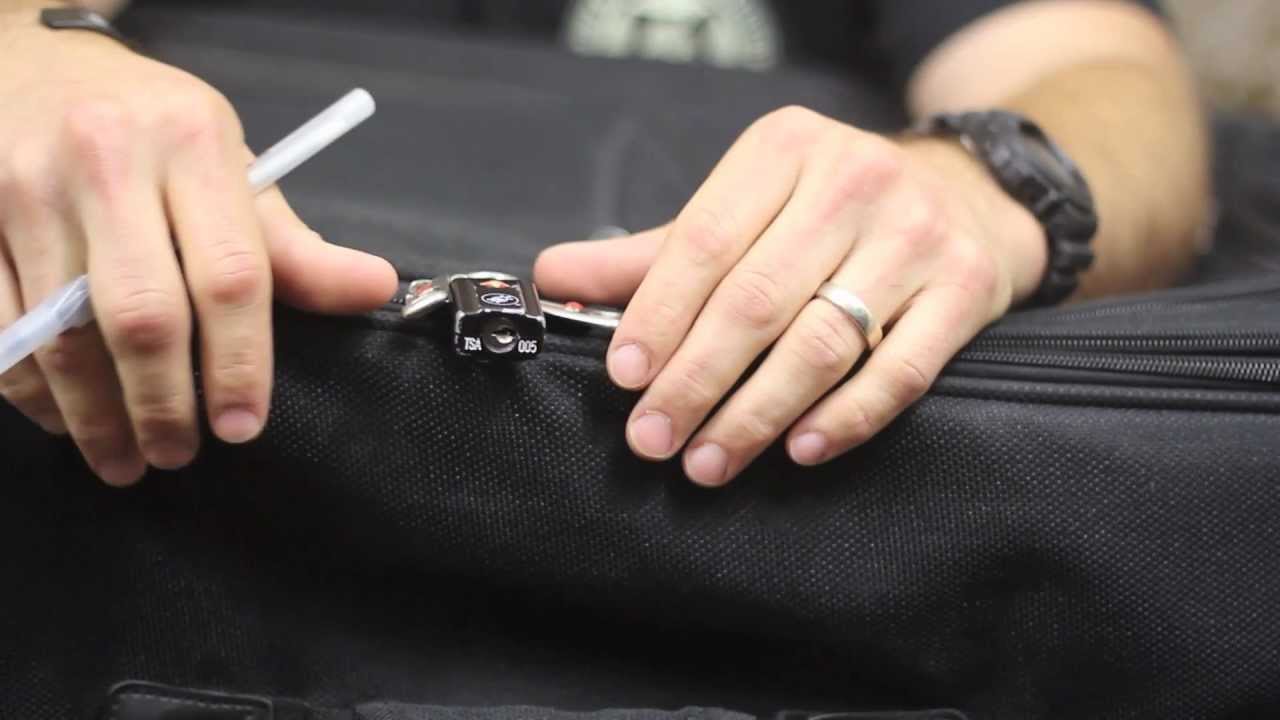
The presenter demonstrates this vulnerability on a locked suitcase fitted with a TSA-approved padlock. Rather than attempting to pick or force the lock, an intruder only needs to take a standard ballpoint pen and jab the tip directly into the zipper track. The pressure instantly pops the teeth apart, allowing the bag to be pulled open along the track with minimal effort. The presenter opens the luggage to reveal how an unauthorized person can instantly grab firearms, jewelry, or other valuables. Even more alarming is the cover-up: by taking the locked zipper pulls, sliding them all the way to the far end of the track, and pulling them back around, the mechanism re-aligns and meshes the zipper teeth back together. The bag closes completely with zero perforation or visible signs of tampering.
- TSA padlocks lock the pull tabs together, but the zipper teeth remain vulnerable to separation. - Piercing the zipper track requires nothing more than a common ballpoint pen. - Running the locked zipper pulls back across the track fully reseals the teeth, hiding evidence of entry.
---
[01:59](https://www.youtube.com/watch?v=wpIJVWXsBBI&t=119s) Mitigation Strategies and Delaying Theft
To safeguard high-value items such as firearms or jewelry, the presenter outlines concrete mitigation measures. Whenever transporting a firearm, both the TSA and commercial airlines mandate the use of a hard-sided lock box. While a determined thief can ultimately cut locking cables or break containers, security measures are fundamentally designed to create friction and delay: “While they could always cut the cable and things like that, obviously you all you're doing with security as a whole anyway is buying time.” This principle mirrors residential or vehicle alarm systems, which exist to deter intruders or force them into spending too much time on target.
Travelers are strongly advised to anchor a lock box directly inside their luggage. Most suitcases contain an internal frame beneath the fabric liner, featuring rigid metal stanchions along the bottom. By looping the lock box's steel security cable around these structural supports, an opportunistic thief cannot quickly remove the container without either carrying specialized cable cutters or destroying the entire suitcase. As an additional preventative measure, travelers can purchase zipperless, hard-sided luggage that utilizes latching systems instead of tracks. Summarizing the demonstration, the presenter remarks on the unsettling ease of the exploit: “But, you know, essentially being able to just stab the zipper with a with a ballpoint pen is uh is pretty scary stuff.”
- **Layered Security**: Security measures function by buying time and dissuading opportunistic theft rather than offering absolute invulnerability. - **Internal Anchoring**: Route the lock box's tether cable around the internal metal frame or stanchions beneath the suitcase liner. - **Alternative Luggage**: Opt for hard-sided luggage models built with mechanical latches rather than exposed zippers.
## Notable quotes > [01:59](https://www.youtube.com/watch?v=wpIJVWXsBBI&t=119s) all you're doing with security as a whole anyway is buying time. — ITS Tactical
## Mentioned ITS Tactical, TSA
## Video description Join ITS Tactical as we look at how susceptible suitcases are to theft with no more than a simple ballpoint pen and what you can do about it.
While we offer suggestions in this video demonstration, please read our detailed write-up where we go over these methods in detail: http://bit.ly/KaiCsx
[Source](https://www.youtube.com/watch?v=wpIJVWXsBBI)