The Disappearing American Dialect of North Carolina
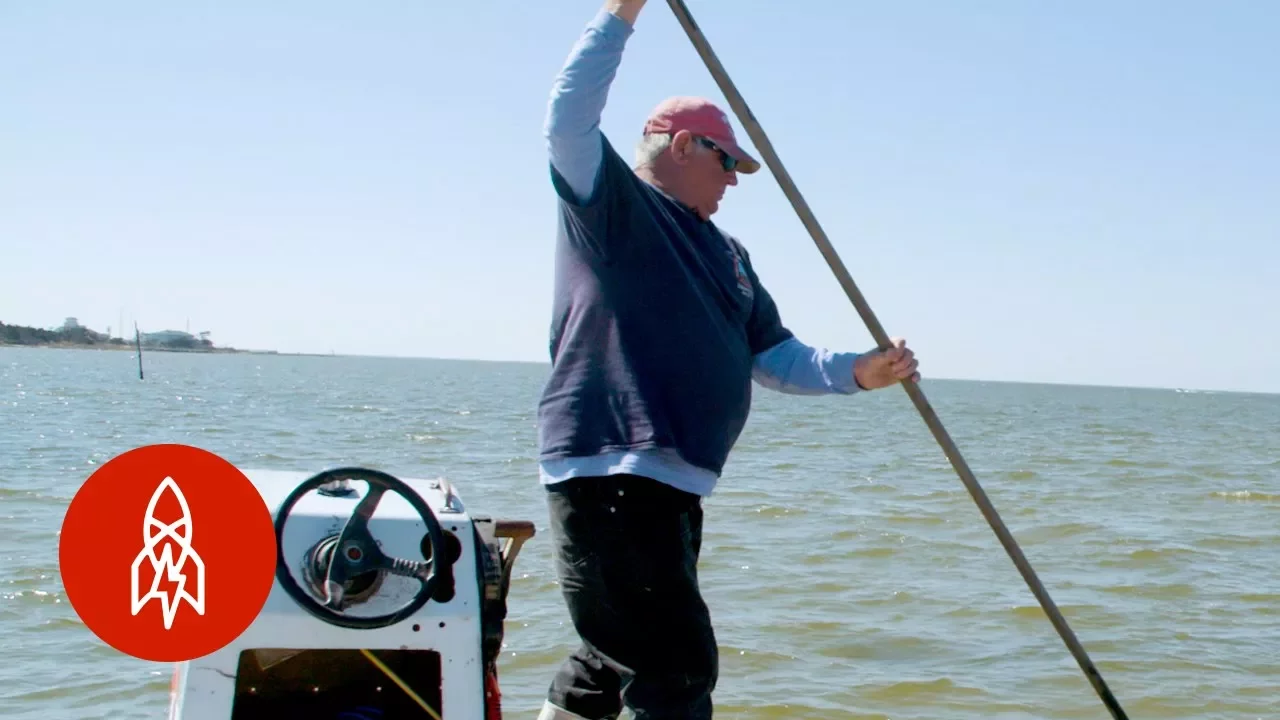
The Disappearing American Dialect of North Carolina — Great Big Story

Great Big Story

AI-assisted summary of The Disappearing American Dialect of North Carolina — original source. Check the original for full context.

Source published:

Key ideas

  • The Ocracoke brogue, also known as 'Hoi Toider,' is spoken by only about 150 people on a remote North Carolina barrier island and is projected to disappear within the next 50 years. (0:01)
  • First established by 17th-century settlers from England, Ireland, and Scotland, the dialect evolved in near-total isolation, causing modern visitors to frequently mistake it for Australian or Irish speech. (0:01)
  • The brogue faces rapid extinction as demographic shifts have caused non-native mainlanders ('dingbatters') to outnumber native islanders. (1:25)

Detailed notes

## Background Published by Great Big Story on YouTube on March 21, 2016, this short documentary highlights the "Hoi Toider," or Ocracoke Brogue, an isolated American English dialect spoken in North Carolina's Outer Banks. According to the page description, while visitors frequently mistake its centuries-old accent and unique vocabulary for a foreign language, the brogue dates back to the 1600s and is deeply rooted in American history.

## TL;DR The video examines the Ocracoke brogue, a historic dialect spoken on a remote barrier island in North Carolina that originated from 17th-century English, Irish, and Scottish settlers. Due to centuries of geographic isolation, the community developed distinctive pronunciations—such as "hoi toid" for high tide—and specialized maritime vocabulary like "scud," "mommucked," and "dingbatter." With only about 150 speakers remaining and mainland newcomers increasingly outnumbering multi-generational locals, scholars predict the dialect may vanish within the next 50 years.

## Atmosphere & style The piece carries an intimate, contemplative, and slightly wistful tone as it chronicles a fading cultural treasure through the voices of multi-generational islanders. The rhythm of the storytelling mirrors the relaxed cadence of coastal island life, pairing proud, lighthearted reflections from native residents with an underlying current of quiet loss. It feels like an affectionate, front-porch conversation steeped in maritime heritage, contrasting fierce local pride with the inevitable tide of modern change.

## Bulletin - [00:01](https://www.youtube.com/watch?v=x7MvtQp2-UA&t=1s) The Ocracoke brogue, also known as 'Hoi Toider,' is spoken by only about 150 people on a remote North Carolina barrier island and is projected to disappear within the next 50 years. - [00:01](https://www.youtube.com/watch?v=x7MvtQp2-UA&t=1s) First established by 17th-century settlers from England, Ireland, and Scotland, the dialect evolved in near-total isolation, causing modern visitors to frequently mistake it for Australian or Irish speech. - [01:25](https://www.youtube.com/watch?v=x7MvtQp2-UA&t=85s) The brogue faces rapid extinction as demographic shifts have caused non-native mainlanders ('dingbatters') to outnumber native islanders.

## Key takeaways - [00:01](https://www.youtube.com/watch?v=x7MvtQp2-UA&t=1s) The Ocracoke brogue is a unique American dialect spoken on a coastal barrier island in North Carolina's Outer Banks. - [00:01](https://www.youtube.com/watch?v=x7MvtQp2-UA&t=1s) Only about 150 speakers of the dialect remain today, concentrated primarily on one end of the island. - [00:01](https://www.youtube.com/watch?v=x7MvtQp2-UA&t=1s) Linguistic projections indicate that the brogue will completely vanish within the next 50 years. - [00:01](https://www.youtube.com/watch?v=x7MvtQp2-UA&t=1s) The dialect is commonly called 'Hoi Toider,' derived from the local pronunciation of 'high tide.' - [00:01](https://www.youtube.com/watch?v=x7MvtQp2-UA&t=1s) Because of its unique cadence and vowel shifts, visitors frequently fail to recognize it as American, mistaking it for Australian or Irish. - [00:01](https://www.youtube.com/watch?v=x7MvtQp2-UA&t=1s) The community's ancestry dates back to the mid-1600s with settlers arriving from England, Ireland, and Scotland. - [00:01](https://www.youtube.com/watch?v=x7MvtQp2-UA&t=1s) Centuries of geographic isolation cut off from the mainland allowed the dialect's distinctive linguistic patterns to survive intact. - [01:25](https://www.youtube.com/watch?v=x7MvtQp2-UA&t=85s) A maritime-centered lifestyle produced specialized local vocabulary, including 'scud' for a short ride and 'mommucked' for being worn down by rough waters. - [01:25](https://www.youtube.com/watch?v=x7MvtQp2-UA&t=85s) Locals refer to outsiders and non-natives as 'dingbatters,' a designation that persists even after decades of residency. - [01:25](https://www.youtube.com/watch?v=x7MvtQp2-UA&t=85s) The influx of mainlanders has shifted the population balance so that non-natives now outnumber native islanders, accelerating the erosion of the dialect.

## Detailed walkthrough ### [00:01](https://www.youtube.com/watch?v=x7MvtQp2-UA&t=1s) Origins and Isolation of the Ocracoke Brogue

The Ocracoke brogue is a distinct American dialect spoken on a coastal barrier island in North Carolina—described locally as essentially an enlarged sandbar. Today, the accent is severely endangered, spoken by only about 150 people who are concentrated on one end of the island. Due to shifting demographics and modern connectivity, scholars project that within the next 50 years, the brogue will completely disappear. The dialect is frequently referred to as "Hoi Toider," reflecting the residents' pronunciation of the phrase "high tide." As one islander translates the local rhythm of speech: “Hoi toid on the sound sides high tide on the sound side.”

Because of its unusual vowel shifts and cadences, the dialect sounds strikingly foreign to travelers who visit the Outer Banks. One local notes that listeners often assume he is from overseas, sharing: “I do, I have a lot of people that think I'm from Australia or Ireland, yeah.” Another native islander traces his roots directly back to the mid-1600s as a tenth-generation resident, explaining that the early settlers arrived from England, Ireland, and Scotland and remained completely isolated for centuries. Cut off from mainland contact, this insular community preserved and developed linguistic patterns that survived largely intact across hundreds of years.

- Approximately 150 fluent speakers of the Ocracoke brogue remain today. - Predictions indicate the dialect will vanish within the next 50 years. - Island ancestry traces back to mid-17th-century settlers from England, Ireland, and Scotland. - It is considered perhaps the only dialect in the United States that listeners commonly fail to recognize as American.

[01:25](https://www.youtube.com/watch?v=x7MvtQp2-UA&t=85s) Maritime Vocabulary and the Influx of "Dingbatters"

Life on Ocracoke has always centered around the water, shaping a specialized lexicon tied to maritime labor, coastal weather, and navigation. Locals use distinctive regional expressions for everyday occurrences: taking a quick drive or boat ride around the island is called taking a "scud," while an intense wind might be described as "blowin' harder than a pop car." Encountering rough seas and taking a physical beating out on the water leaves someone "mommucked."

The dialect also retains sharp terms for people who are not originally from the island. Non-natives are affectionately dubbed "dingbatters." One lifelong resident jokes about the strict standard for belonging, noting that even though his wife moved from Maryland and they have been married for 43 years, she is still considered a dingbatter. However, the steady influx of mainlanders and off-islanders has radically shifted the community balance, with non-natives now outnumbering native islanders. While locals take immense pride in their heritage and shrug off outsiders who think their speech sounds strange, they acknowledge that the influx of newcomers means the brogue is steadily fading away. As one islander reflects on outside perceptions: “Some people think we talk funny. I think that's the way we talk.”

- **Scud**: A short trip or ride around the island. - **Mommuck** (or *mommucked*): Harassed, beaten up, or worn down by rough weather and harsh conditions. - **Dingbatter**: An outsider or non-native islander. - Current demographics have tipped so that off-islanders outnumber native "on-landers," leading to the rapid erosion of the traditional dialect.

## Notable quotes > [01:25](https://www.youtube.com/watch?v=x7MvtQp2-UA&t=85s) Some people think we talk funny. I think that's the way we talk.

## Mentioned Ocracoke, North Carolina, Outer Banks, England, Ireland, Scotland, Maryland, Great Big Story, YouTube

## Video description "Hoi Toider," aka Ocracoke Brogue, is a dialect of American English spoken only on remote islands in North Carolina's Outer Banks. The unique accent and vocabulary developed over hundreds of years as a result of the area's isolation. Visitors often mistake the accent as foreign, but with origins dating back to the 1600s, Ocracoke Brogue is about American as it gets.

SUBSCRIBE: https://goo.gl/vR6Acb

Follow us behind the scenes on Instagram: http://goo.gl/2KABeX Make our acquaintance on Facebook: http://goo.gl/Vn0XIZ Give us a shout on Twitter: http://goo.gl/sY1GLY Come hang with us on Vimeo: http://goo.gl/T0OzjV Visit our world directly: http://www.greatbigstory.com

Great Big Story is a video network dedicated to the untold, overlooked & flat-out amazing. Humans are capable of incredible things & we're here to tell their stories. When a rocket lands in your backyard, you get in.

[Source](https://www.youtube.com/watch?v=x7MvtQp2-UA)

中文简报

北卡罗来纳州濒临消亡的美国方言 该视频探讨了奥克拉科克方言(Ocracoke brogue),这是北卡罗来纳州一座偏远障壁岛上使用的历史悠久的方言,起源于17世纪的英格兰、爱尔兰和苏格兰定居者。由于数个世纪以来的地理隔绝,该社区形成了独特的发音(例如将“high tide”读作“hoi toid”)以及专门的海洋词汇,如“scud”、“mommucked”和“dingbatter”。目前该方言的使用者仅剩约150人,且来自大陆的新移民数量日益超过世居当地人,学者预测该方言可能会在未来50年内消亡。 奥克拉科克方言也被称为“Hoi Toider”,在北卡罗来纳州的一座偏远障壁岛上仅有约150人使用,预计将在未来50年内消失。 (0:01) 该方言最早由17世纪来自英格兰、爱尔兰和苏格兰的定居者建立,在近乎完全隔绝的环境中演变,导致现代游客经常将其误认为是澳大利亚或爱尔兰口音。 (0:01) 随着人口结构的变化,非本地的大陆人(“dingbatters”)数量已超过岛上原住民,这种方言正面临迅速灭绝的境地。 (1:25)

Reading summary

The Ocracoke brogue, an isolated North Carolina barrier island dialect rooted in mid-17th-century British and Irish settlement, faces extinction within the next 50 years as its fluent speakers decline to roughly 150 individuals. Historical Isolation and Unrecognized American Phonetics (0:01) Spoken on Ocracoke Island—a coastal barrier island characterized locally as an enlarged sandbar—the dialect descends from settlers who arrived from England, Ireland, and Scotland in the mid-1600s. Cut off from mainland contact, the insular community maintained and developed linguistic cadences across centuries. The speech pattern is colloquially termed 'Hoi Toider,' derived from the local pronunciation of 'high tide' as 'hoi toid.' Because of its distinct vowel shifts and rhythms, the brogue is rarely identified by visitors as an American accent. Native speakers report that mainland travelers regularly mistake them for being from Australia or Ireland, making it perhaps the only dialect in the United States commonly perceived by listeners as entirely foreign. Maritime Lexicon and Cultural Shorthand (1:25) Daily life on the island has historically revolved around the water, producing a specialized lexicon for weather, navigation, and maritime labor. Islanders describe a brief boat or car excursion as taking a 'scud,' while severe gales are described as 'blowin' harder than a pop car.' Physical exhaustion or battering from rough seas is referred to as being 'mommucked.' Linguistic distinctions also delineate community boundaries. Native residents refer to non-native outsiders as 'dingbatters,' maintaining strict generational criteria where even spouses from the mainland married to locals for over four decades retain outsider status. Demographic Influx and Projected Extinction (1:25) The brogue's continued survival is critically threatened by changing island demographics. Due to modern connectivity and migration, off-islanders now outnumber native islanders, confining the remaining 150 fluent speakers primarily to one end of Ocracoke. While native speakers maintain strong pride in their speech and dismiss external critiques, scholars project that demographic dilution will cause the dialect to disappear completely within 50 years. Although local speakers actively embrace their heritage against outside scrutiny, demographic shifts and mainland integration appear poised to eradicate the Ocracoke brogue within the coming half-century.

精炼阅读摘要

美国北卡罗来纳州奥克拉科克岛独特的“Ocracoke brogue”方言因数百年与世隔绝而得以保存,但受外来人口涌入及人口结构变迁影响,目前仅剩约150名流利使用者,学者预测该方言将在未来50年内彻底消失。 数百年地理隔绝塑造的独特语调 (0:01) 奥克拉科克方言(Ocracoke brogue)扎根于北卡罗来纳州外滩群岛的障壁岛上,当地在本质上是一座大型沙洲。岛上原住民的家谱可直接追溯至17世纪中叶来自英格兰、爱尔兰与苏格兰的移民,许多现存使用者已是第十代定居者。在与大陆完全隔绝的数百年中,这一封闭社区原汁原味地保留并发展出独特的元音位移与韵律,当地人将“high tide”(高潮)念作“hoi toid”,该方言因此常被称为“Hoi Toider”。这种语调常常使外来访客感到极为陌生,受访岛民表示,常有游客将其误认为是澳大利亚或爱尔兰口音,该方言也因此被视为美国境内极少数无法被听众直接识别为美式英语的本土方言。 海洋专用词汇与外来移民带来的人口倾斜 (1:25) 奥克拉科克的生活始终围绕海洋展开,孕育出高度专业化的航海与沿海气象词汇。岛民日常表达具有鲜明地方特色,例如将乘车或驾船绕岛兜风称为“scud”,将遭遇狂风形容为“blowin' harder than a pop car”,而若在汹涌海况中受尽颠簸折腾,则会被描述为“mommucked”。方言中还保留了对非岛上原住民的特定称谓“dingbatter”;有终身岛民打趣道,即便妻子从马里兰州搬来且两人已结婚43年,她依然被归类为“dingbatter”。 然而,外来人口的持续涌入已彻底打破社区原有人口平衡,目前非本土居民人数已超过原住民。学者据此预测,该方言将在未来50年内彻底绝迹。尽管当地岛民对其语言遗产深感自豪,并坚持用自己的方式说话,但传统使用者高度集中且仅剩约150人的现实,表明这一方言正在不可逆转地走向消逝。 奥克拉科克方言的消亡揭示了地理屏障瓦解与人口流动对孤立地域语言的不可逆冲击。在非本土居民已占据主导地位的背景下,保留原汁原味的岛屿方言生态面临极大挑战,学者预测的50年消亡期反映出该文化遗产抢救与记录工作的紧迫性。

Detailed notes — zh

## Background 该视频由 YouTube 频道 Great Big Story 于 2016 年 3 月 21 日发布。视频简介指出,“Hoi Toider”(又称奥克拉科克方言,Ocracoke Brogue)是一种仅在北卡罗来纳州外滩群岛偏远岛屿上流通的美式英语方言,因数百年的地理隔绝而形成独特发音与词汇,虽常被游客误认为外国口音,但其渊源可追溯至 1600 年代,是极其纯正的美国本土历史遗存。 ## TL;DR 视频聚焦于北卡罗来纳州奥克拉科克岛(Ocracoke Island)濒临灭绝的独特本土方言。这种被称为“Hoi Toider”的方言源于 17 世纪来自英格兰、爱尔兰和苏格兰的早期定居者,因长期的沙洲地理隔离而得以原汁原味地保留数百年,如今常被外人误认作澳洲或爱尔兰腔调。岛民日常依海而生,演变出了如“scud”(闲逛兜风)、“mommuck”(折腾受累)以及专指外来者的“dingbatters”等极富海岛色彩的词汇。然而,随着现代交通改善与大量外来人口涌入定居,目前纯正讲者仅剩约 150 人,受访者预计该方言将在未来 50 年内彻底消逝,但坚守的岛民仍对这一祖辈遗产深怀自豪。 ## Atmosphere & style 全片流露出一种怀旧、宁静而又带有淡淡哀伤的纪实氛围。伴随着外滩群岛的海风与沙滩空镜,世代居于岛上的居民以亲切幽默的口吻闲话家常,讲述着自家的家族渊源与方言趣事。在温情与风趣的叙述背后,潜藏着对独特文化遗产不可逆转走向消亡的怅惘与眷恋,整体观感朴素真挚,既充满对海岛坚韧精神的致敬,又令人对语言化石的凋零感怀不已。 ## Bulletin - [00:01](https://www.youtube.com/watch?v=x7MvtQp2-UA&t=1s) 北卡罗来纳州外滩群岛的奥克拉科克方言(Ocracoke brogue)正面临灭绝危机,全岛纯正讲者仅剩约 150 人,预计将在未来 50 年内彻底消失。 - [00:01](https://www.youtube.com/watch?v=x7MvtQp2-UA&t=1s) 该方言源于 17 世纪中叶英格兰、爱尔兰与苏格兰移民的长期地理隔离,其将“high tide”念作“hoi toid”的特征使讲者常被外人误认为来自澳大利亚或爱尔兰。 - [01:25](https://www.youtube.com/watch?v=x7MvtQp2-UA&t=85s) 随着现代交通发展,被称为“dingbatters”的外来定居者数量已全面超过本土原生岛民,人口结构反转导致这一独特的语言化石加速走向同化消亡。 ## Key takeaways - [00:01](https://www.youtube.com/watch?v=x7MvtQp2-UA&t=1s) 奥克拉科克岛是一座如同巨型沙洲的屏障岛,独有的奥克拉科克方言(Ocracoke brogue)因长期闭塞的环境得以完好保留数百年。 - [00:01](https://www.youtube.com/watch?v=x7MvtQp2-UA&t=1s) 全岛目前仅剩下约 150 名纯正方言使用者,且全部集中居住在岛屿的一端,语言传承陷入极度濒危状态。 - [00:01](https://www.youtube.com/watch?v=x7MvtQp2-UA&t=1s) 方言中最具代表性的发音特征是将“high tide”念为“hoi toid”,因此当地居民及口音常被外界称为“Hoi Toiders”。 - [00:01](https://www.youtube.com/watch?v=x7MvtQp2-UA&t=1s) 奥克拉科克方言在美国极少被普通听众识别为美国本土口音,游客经常误以为讲者来自澳大利亚或爱尔兰。 - [00:01](https://www.youtube.com/watch?v=x7MvtQp2-UA&t=1s) 最早定居者可追溯至 1650 年代(17 世纪中叶)来自英格兰、爱尔兰和苏格兰的移民,部分现存家族已在岛上传承至第十代。 - [00:01](https://www.youtube.com/watch?v=x7MvtQp2-UA&t=1s) 由于现代交通打破了地理隔离与外来人口涌入,岛民预测这种古老的英式英语衍生物将在未来 50 年内彻底消失。 - [01:25](https://www.youtube.com/watch?v=x7MvtQp2-UA&t=85s) 岛民祖辈依海而生,方言中孕育了大量围绕海洋、风浪与气候的生动生活词汇。 - [01:25](https://www.youtube.com/watch?v=x7MvtQp2-UA&t=85s) 特色俚语“taking a little scud”指在岛上短暂兜风散心,而“mommuck”则形象描述在恶劣风浪中被折腾得筋疲力尽。 - [01:25](https://www.youtube.com/watch?v=x7MvtQp2-UA&t=85s) 岛民使用“dingbatters”一词泛指所有岛外迁入者或游客,即便与外来配偶结婚数十年,对方在文化概念中依然属于“dingbatter”。 - [01:25](https://www.youtube.com/watch?v=x7MvtQp2-UA&t=85s) 岛上外来定居者的人口数量现已大幅超越本土原生岛民,成为方言被稀释与同化的核心社会因素。 - [01:25](https://www.youtube.com/watch?v=x7MvtQp2-UA&t=85s) 尽管外界常觉得该口音奇特滑稽,坚守母语的岛民依然对方言承载的家族血脉与文化遗产抱有强烈的自豪感。 ## Detailed walkthrough ### [00:01](https://www.youtube.com/watch?v=x7MvtQp2-UA&t=1s) 濒临消失的独特乡音:北卡罗来纳的外滩群岛方言 在美国北卡罗来纳州海岸的外滩群岛(Outer Banks)上,坐落着一座本质上如同巨大沙洲般的屏障岛——奥克拉科克岛(Ocracoke Island)。如今,这里独有的“奥克拉科克方言”(Ocracoke brogue)正面临灭绝的危机,全岛仅剩下约 150 名使用者,且全部集中居住在岛屿的一端。这种方言的显著发音特征是将“high tide”(高潮/涨潮)念作“hoi toid”,因此当地人以及这种独特的口音常被外界称为“Hoi Toiders”。研究者指出,该方言在全美范围内极为罕见,甚至常常被外人完全误认:在美国境内,奥克拉科克方言大概是唯一一种不会被普通听众识别为“源自美国本土”的方言,许多造访的游客在听到岛民说话时,往往误以为他们来自澳大利亚或者爱尔兰。正如一位当地居民所经历的那样:“I do, I have a lot of people that think I'm from Australia or Ireland, yeah.” 这种独特的语言化石之所以能够保留数百年,根源在于极端严闭的地理隔离。最早迁徙至奥克拉科克岛的定居者来自英格兰、爱尔兰和苏格兰,他们在岛上扎根后便长期与世隔绝,几乎不与内陆大陆产生频繁往来。岛上有一位居民骄傲地表示,自己是家族中在奥克拉科克岛繁衍的第十代传人,其家族谱系可以一直追溯至 17 世纪中叶(1650 年代前后)。正是因为长达几个世纪缺少与外界大陆的交流,来自不列颠群岛古老英语特征的词汇与发音习惯才得以在这个沙洲岛屿上完整沉淀下来。然而,这种隔离状态被现代交通与人口流动彻底打破,一位讲述者做出了令人忧虑的预测:“Within the next 50 years, the brogue will disappear.” ```mermaid flowchart TD accTitle: 奥克拉科克方言的历史形成与消失危机 accDescr: 展示17世纪英爱苏移民定居奥克拉科克岛形成孤立环境,进而保留方言,但现代外来人口涌入导致方言濒危的过程。 subgraph Origin["起源与形成"] A["17世纪中叶移民(英格兰/爱尔兰/苏格兰)"] --> B["外滩群岛沙洲极度地理隔离"] B --> C["奥克拉科克方言(Hoi Toider)保留数百年"] end subgraph Modern["现状与未来"] C --> D["常被误认为澳大利亚或爱尔兰口音"] D --> E["外来者(Dingbatters)大量涌入定居"] E --> F["仅存约150位使用者,预计50年内彻底消失"] end ``` - **现存讲者规模**:目前全岛仅剩约 150 人仍能说纯正的奥克拉科克方言,且全部聚集在岛屿的一端。 - **历史渊源**:岛上定居历史可追溯至 1600 年代中期(17 世纪中叶),部分世代居住的家庭已延续至第十代。 - **外部误解**:因元音发音特殊,它是美国境内极少被误认为外国口音(如澳洲腔、爱尔兰腔)的本土方言。 --- ### [01:25](https://www.youtube.com/watch?v=x7MvtQp2-UA&t=85s) 海岛生活的独特色彩:词汇、外来者与消逝的遗产 奥克拉科克岛的居民祖祖辈辈依海而生,岛屿的历史始终与水紧密相连。因此,方言中大量独具特色的词汇完全是围绕着海水、沙滩、风浪和多变的气候塑造而成的。在描述岛上的日常生活和自然状况时,岛民拥有一整套独特的惯用表达:例如,如果狂风大作,当地人会形象地描述为风刮得比什么都猛烈;如果在岛上闲逛或驾车兜风,他们称之为“taking a little scud”;而如果在恶劣天气里出海遭遇狂风巨浪、被折腾得狼狈不堪,他们就会用“we be a mommuck”(被折磨得筋疲力尽)来形容。这些本土词语精准生动地勾勒出海岛渔猎生活的艰辛与坚韧。 除了海洋词汇,奥克拉科克方言中还演化出了许多专指外来者的称谓,其中最著名的便是“dingbatters”(指岛外迁入者或游客)。岛民谈起这个词时充满了幽默与生活情趣,一位当地男子笑着分享自己的家庭趣事:他的妻子来自马里兰州,两人虽然已经结婚整整 43 年,但她在岛上“依然是一个 dingbatter”。他特意打趣澄清这绝非蔑称,但这个词折射出的本地与外来界限却见证了岛屿人口结构的翻天覆地。正是一波又一波涌入的“dingbatters”改变了岛上的语言生态;时至今日,生活在岛上的外来人口数量已经远远超过了本土原生岛民。随着老一辈凋零和外来文化同化,这种传承数百年的乡音正不可逆转地走向消亡。尽管外界或许觉得这种口音听起来滑稽奇特,但岛民内心深处对这份独特传统抱有深厚的自豪感,一位居民平静而笃定地表示:“Some people think we talk funny. I think that's the way we talk.” - **特色方言词汇**: - **Scud**:指在岛上闲逛、短暂兜风或驾车散心(“taking a little scud”)。 - **Mommuck**(或 mommock):指在狂风暴雨或恶劣海况中遭受严酷折磨、被折腾得疲惫不堪。 - **Dingbatter**:指所有来自岛外的大陆居民、外来游客或非本地定居者。 - **人口结构逆转**:岛上的“外来定居者”(off-islanders)数量现已全面超越“本土岛民”(on-landers),成为方言逐渐被同化稀释的主因。 - **文化自豪感**:面对不可避免的消亡命运,坚守母语的岛民依然深感自豪,另一位居民深情地总结道:“It's a part of heritage that I'm proud of.” ## Notable quotes > [01:25](https://www.youtube.com/watch?v=x7MvtQp2-UA&t=85s) Some people think we talk funny. I think that's the way we talk. ## Mentioned North Carolina, Outer Banks, Ocracoke Island, Hoi Toider, England, Ireland, Scotland, Maryland ## Video description "Hoi Toider," aka Ocracoke Brogue, is a dialect of American English spoken only on remote islands in North Carolina's Outer Banks. The unique accent and vocabulary developed over hundreds of years as a result of the area's isolation. Visitors often mistake the accent as foreign, but with origins dating back to the 1600s, Ocracoke Brogue is about American as it gets. SUBSCRIBE: https://goo.gl/vR6Acb Follow us behind the scenes on Instagram: http://goo.gl/2KABeX Make our acquaintance on Facebook: http://goo.gl/Vn0XIZ Give us a shout on Twitter: http://goo.gl/sY1GLY Come hang with us on Vimeo: http://goo.gl/T0OzjV Visit our world directly: http://www.greatbigstory.com Great Big Story is a video network dedicated to the untold, overlooked & flat-out amazing. Humans are capable of incredible things & we're here to tell their stories. When a rocket lands in your backyard, you get in. [Source](https://www.youtube.com/watch?v=x7MvtQp2-UA)

Source quotes

[1:25] Some people think we talk funny. I think that's the way we talk.

Source quotes

[1:25] Some people think we talk funny. I think that's the way we talk.

Original transcript

[0:01] - There are only about 150 speakers [0:03] of the Ocracoke brogue now, [0:05] and they all live on one end of this barrier island [0:10] on the coast of North Carolina, [0:12] which is basically an enlarged sand bar. [0:16] Within the next 50 years, the brogue will disappear. [0:20] - Hoi toi to the sound side so laugh like water [0:22] far night moonshine no fish. [0:23] (boat engine bubbling) [0:28] - [Man] The dialect on this island is sometimes referred to [0:31] as hoi toiters which is their pronunciation of high tide. [0:34] - Hoi toid on the sound sides high tide on the sound side. [0:38] - In the United States the Ocracoke brogue is probably [0:41] the only dialect that is not identified [0:44] as being from America. [0:46] - I do, I have a lot of people that think I'm from Australia [0:48] or Ireland, yeah. [0:51] - [Man] You can look in this boat and see crabs. [0:53] - You know, the first people that came here [0:55] from England and Ireland and Scotland just stayed isolated. [0:58] I'm from Ocracoke, I am the 10th generation [1:03] in my family from Ocracoke. [1:05] That goes back to the mid-1600s. [1:10] - The reason this dialect was perpetuated [1:12] for a couple of centuries was because the people were [1:15] very isolated. [1:17] They didn't have much contact with people from the mainland. [1:25] Ocracoke is an island that has always [1:27] lived around the water. [1:29] - Got it! [1:30] - Many of the unique items, [1:32] particularly the vocabulary items, [1:34] are built around the water [1:37] and the sand and the weather. [1:40] - The wind's blowin' really hard, he says, [1:41] it's blowin harder then a pop car right there. [1:43] You know. [1:44] - So you're takin' a ride around the island. [1:48] You're just taking a little scud. [1:50] - When we come out here and the wind's blowin' really hard [1:54] and we take a bad beatin'. [1:57] Then you could say we be a mommuck. [1:59] - You also find here lots of terms for outsiders. [2:03] - Ya'll are dingbatters. [2:04] (laughing) [2:06] - My wife is from Maryland. [2:09] We've been married 43 years. [2:12] She's still a dingbatter. [2:14] (laughing) [2:15] - That's not a bad thing, OK? [2:17] (laughing) [2:20] - It was basically the dingbatters who changed the dialect [2:23] because so many people came in. [2:25] Even today there are more off-islanders who live here [2:29] than on-landers. [2:31] - Now it's changing, within time we're all gonna lose it, [2:34] ya' know? [2:35] - Because of so many people coming in. [2:38] It's a part of heritage that I'm proud of. [2:43] - Some people think we talk funny. [2:44] I think that's the way we talk. [2:45] (laughs) [2:46] It ain't funny to us, but it doesn't matter, [2:48] I mean, that's fine, you know? [2:50] (plucked string music)