Carlin Blames US Voters for Corrupt Leaders, Rejects Ballot Box
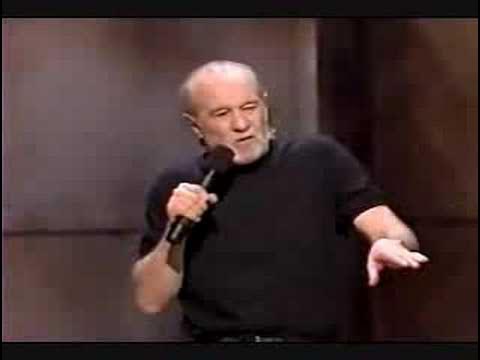
George Carlin Doesn't vote — BankOFganja

BankOFganja

Because politicians merely mirror an ignorant electorate, voters bear direct responsibility for government failures while non-voters retain the exclusive right to complain.

AI-assisted summary of George Carlin Doesn't vote — original source. Check the original for full context.

Source published:

Key ideas

  • George Carlin rejects standard grievances against politicians, asserting that corrupt or inept leaders are merely the natural reflection of a selfish, ignorant electorate. (0:00)
  • Carlin dismisses term limits as ineffective, arguing that cycling through representatives simply replaces one corrupt batch of American citizens with another. (0:00)
  • Electoral politics is characterized as meaningless theater because the country was bought, sold, and paid for long ago by corporate and financial interests. (1:37)
  • Carlin inverts conventional civic wisdom on voting, arguing that voters bear direct moral culpability for political disasters, whereas non-voters maintain the sole legitimate right to complain. (1:37)

Detailed notes

## Background Published on YouTube by the channel BankOFganja on August 29, 2008, this video captures a classic George Carlin stand-up routine dissecting the electoral system. The uploader's description frames Carlin's commentary as speaking the truth about how voting functions as a distraction that keeps citizens trapped in a closed bubble.

## TL;DR George Carlin challenges the widespread habit of blaming politicians for the country's woes, arguing instead that corrupt and incompetent leaders are merely an accurate reflection of a selfish, ignorant, and consumer-obsessed public. He rejects term limits as a futile exercise that merely swaps out one batch of flawed citizens for another, asserting that the country has already been bought and paid for. In response, Carlin reveals his choice to abstain from voting entirely on election day. Ultimately, he flips conventional civic wisdom on its head by arguing that voters are directly culpable for the disasters their candidates create, leaving non-voters as the only people with a legitimate right to complain.

## Atmosphere & style The routine carries an aggressive, razor-sharp, and unapologetically cynical energy fueled by Carlin's biting comedic cadence. Carlin commands the stage with confrontational fervor, shifting smoothly between vivid caricatures of mall-going consumers and relentless logical deconstructions of sacred civic duties. Watching the performance feels both cathartic and disquieting, as he systematically demolishes political pieties with blistering, uncompromising irreverence.

## Bulletin - [00:00](https://www.youtube.com/watch?v=xIraCchPDhk&t=0s) George Carlin rejects standard grievances against politicians, asserting that corrupt or inept leaders are merely the natural reflection of a selfish, ignorant electorate. - [00:00](https://www.youtube.com/watch?v=xIraCchPDhk&t=0s) Carlin dismisses term limits as ineffective, arguing that cycling through representatives simply replaces one corrupt batch of American citizens with another. - [01:37](https://www.youtube.com/watch?v=xIraCchPDhk&t=97s) Electoral politics is characterized as meaningless theater because the country was bought, sold, and paid for long ago by corporate and financial interests. - [01:37](https://www.youtube.com/watch?v=xIraCchPDhk&t=97s) Carlin inverts conventional civic wisdom on voting, arguing that voters bear direct moral culpability for political disasters, whereas non-voters maintain the sole legitimate right to complain.

## Key takeaways - [00:00](https://www.youtube.com/watch?v=xIraCchPDhk&t=0s) Politicians do not appear from another dimension; they are raised in American homes and educated in American schools, churches, and businesses. - [00:00](https://www.youtube.com/watch?v=xIraCchPDhk&t=0s) The computer adage 'garbage in, garbage out' explains why a flawed public inevitably produces flawed political leadership. - [00:00](https://www.youtube.com/watch?v=xIraCchPDhk&t=0s) Term limits provide no real solution to political corruption because they merely substitute one group of selfish, ignorant officials for an identical crop. - [00:00](https://www.youtube.com/watch?v=xIraCchPDhk&t=0s) Selfish and ignorant citizens inevitably elect selfish and ignorant leaders. - [00:00](https://www.youtube.com/watch?v=xIraCchPDhk&t=0s) Principled and conscientious leaders do not exist in contemporary society, where the public is consumed by commercial trivia and mall shopping. - [01:37](https://www.youtube.com/watch?v=xIraCchPDhk&t=97s) Carlin deliberately abstains from voting, choosing to stay home on election day. - [01:37](https://www.youtube.com/watch?v=xIraCchPDhk&t=97s) Quadrennial presidential elections are an exercise in futility because the nation was purchased and paid for long ago. - [01:37](https://www.youtube.com/watch?v=xIraCchPDhk&t=97s) The popular civic adage that non-voters have no right to complain is fundamentally backward. - [01:37](https://www.youtube.com/watch?v=xIraCchPDhk&t=97s) Voters who elect incompetent or dishonest politicians are directly responsible for the damage those officials inflict on the country. - [01:37](https://www.youtube.com/watch?v=xIraCchPDhk&t=97s) Citizens who abstain from voting have zero complicity in creating political disasters and retain the full right to criticize the outcome. - [01:37](https://www.youtube.com/watch?v=xIraCchPDhk&t=97s) Carlin mocks the false optimism of voters, contrasting trip to the ballot box with personal self-gratification that yields tangible results.

## Detailed walkthrough ### [00:00](https://www.youtube.com/watch?v=xIraCchPDhk&t=0s) The Public Sucks: Why Politicians Aren't the Real Problem

George Carlin opens by pointing out an unusual stance he takes compared to the rest of the country: he refuses to complain about politicians. While nearly everyone gripes that elected officials are terrible, Carlin challenges the audience to consider where these figures actually originate. Politicians do not drop out of the sky or pass through a membrane from an alternate dimension; they are raised in American homes, educated in American schools, shaped by American churches, businesses, and universities, and ultimately elected into office by American citizens. For Carlin, politicians represent the exact reflection of the culture that bred them, summarizing the dilemma with the classic computing adage: “Garbage in, garbage out.”

Carlin argues that enacting term limits is useless because swapping out one politician simply brings in another batch of the same kind of people. If the electorate consists of selfish, ignorant citizens, the resulting leadership will inevitably be selfish and ignorant as well. This leads him to a conclusion that runs counter to popular political rhetoric: the blame rests squarely on the American public itself. When skeptics ask why conscientious, intelligent people do not step up to save the nation, Carlin retorts that such people do not exist in contemporary America. Instead, ordinary citizens spend their time wandering the shopping mall, scratching themselves, picking their noses, pulling credit cards from fanny packs, and buying sneakers with lights in them.

As Carlin bluntly summarizes the core issue with the electorate: > “If you have selfish, ignorant citizens, you're going to get selfish, ignorant leaders.”

- **Origin of politicians:** American families, homes, schools, churches, businesses, and universities. - **The flaw with term limits:** Replacing corrupt or inept officials merely substitutes them with a brand-new crop of selfish, ignorant Americans. - **The state of the public:** Rather than producing principled leaders of conscience, society is preoccupied with consumerism and trivial mall novelties.

---

[01:37](https://www.youtube.com/watch?v=xIraCchPDhk&t=97s) Why I Don't Vote and the Right to Complain

To resolve this systemic absurdity, Carlin explains his personal political strategy: staying home on election day and refusing to vote. He lays out two core justifications for this choice. First, he considers the entire electoral process entirely meaningless, asserting that the country was bought, sold, and paid for long ago, rendering the quadrennial shuffling of political figures utterly inconsequential. Second, he directly attacks the conventional civic wisdom regarding political participation and accountability.

While popular conventional wisdom insists that those who do not vote have no right to complain, Carlin argues that the exact opposite is true. If a citizen casts a ballot for dishonest, incompetent politicians who subsequently enter office and ruin everything, that voter directly contributed to the outcome and bears responsibility for the damage. Conversely, an individual who stayed home and refused to participate had nothing to do with creating the disaster. Therefore, the non-voter retains every right to complain loudly about the mess created by the voting public. Carlin closes by mocking the enthusiasm surrounding upcoming presidential elections, noting that while voters head to the polls thinking things will magically improve, he will stay home engaged in self-gratification—with the sole distinction that when he finishes, he will actually have something tangible to show for his efforts.

Reflecting on the inversion of political responsibility, Carlin delivers his sharpest critique: > “I, on the other hand, who did not vote, who did not vote, who in fact did not even leave the house on election day, am in no way responsible for what these people have done, and have every right to complain as loud as I want about the mess you created that I had nothing to do with.”

```mermaid flowchart TD accTitle: Carlin's Logic on Voting and Accountability accDescr: Flowchart contrasting the voter's culpability with the non-voter's right to complain.

subgraph VoterPath["The Voter's Path"] A["Participate in Election"] --> B["Elect Dishonest / Incompetent Officials"] B --> C["Officials Screw Everything Up"] C --> D["Voter Caused the Problem"] D --> E["No Right to Complain"] end

subgraph NonVoterPath["Carlin's Non-Voter Path"] F["Stay Home on Election Day"] --> G["Zero Endorsement of Corrupt System"] G --> H["No Responsibility for Political Disasters"] H --> I["Full Right to Complain Loudly"] end ```

- **Reason 1 against voting:** Corporate and financial capture—the country has already been bought and paid for, making the four-year political shuffle meaningless theater. - **Reason 2 against voting:** Moral and causal liability—casting a ballot makes the voter an accomplice to whatever failures the elected official commits while in power.

## Notable quotes > [00:00](https://www.youtube.com/watch?v=xIraCchPDhk&t=0s) If you have selfish, ignorant citizens, you're going to get selfish, ignorant leaders. — George Carlin

## Mentioned George Carlin

## Video description George carlin speaks the truth, Voting Is another way to keep you in a closed distracted bubble... no Offensive words please

[Source](https://www.youtube.com/watch?v=xIraCchPDhk)

中文简报

卡林斥美选民造就腐败政客,拒绝投票选举 政客不过是无知选民的真实写照,选民应对政府的失败承担直接责任,而不投票者才拥有抱怨的唯一权利。 乔治·卡林挑战了将国家问题一味归咎于政客的普遍习惯,他认为腐败无能的领导人仅仅是自私、无知且沉迷消费的大众的真实反映。他认为任期限制毫无用处,只是用一批有缺陷的公民换掉另一批而已,并断言这个国家早已被金钱买断。对此,卡林表示自己在选举日会选择彻底放弃投票。最终,他颠覆了传统的公民认知,认为选民应当对他们支持的候选人所造成的灾难承担直接责任,而不投票的人才是唯一有正当理由进行抱怨的群体。 乔治·卡林驳斥了对政客的常规指责,断言腐败或无能的领导人只是自私无知的选民群体的自然反映。 (0:00) 卡林认为任期限制毫无效果,指出轮换代表不过是用另一批腐败的美国公民来替代前一批。 (0:00) 选举政治被形容为毫无意义的作秀,因为这个国家早已被企业和金融利益集团买卖和收买。 (1:37) 卡林颠覆了关于投票的传统公民常识,认为选民对政治灾难负有直接的道德责任,而不投票者才保有抱怨的唯一正当权利。 (1:37)

Reading summary

Comedian George Carlin argues that flawed politicians are merely the direct byproduct of an ignorant, consumerist electorate, asserting that citizens who refuse to vote are the only ones with a legitimate right to complain about political failure. The Public as the Source of Political Failure (0:00) Carlin contends that blaming politicians misidentifies the root problem, pointing out that elected officials do not arrive from outside society but are produced by American homes, schools, churches, businesses, and universities. Applying the computing adage 'garbage in, garbage out,' he argues that a selfish and ignorant citizenry will inevitably produce selfish and ignorant leadership. Under this view, political mechanisms such as term limits are fundamentally ineffective because removing corrupt or incompetent officials merely introduces a new batch of people shaped by the same culture. Carlin dismisses the expectation that conscientious, intelligent leaders will emerge, arguing that the public is instead preoccupied with shopping mall consumerism and trivial novelties. Corporate Capture and the Futility of Voting (1:37) Carlin explains his personal decision to abstain on election day by arguing that the electoral process has been rendered meaningless. In his assessment, the country was bought, sold, and paid for long ago, making the quadrennial rotation of political figures an inconsequential spectacle that fails to alter fundamental power dynamics. Inverting Conventional Logic on the Right to Complain (1:37) Carlin rejects the widespread civic belief that individuals who do not vote lose their right to complain. Instead, he maintains that the exact reverse is true: voters who cast ballots for dishonest or incompetent candidates are directly responsible for putting those officials into power and therefore bear moral culpability for the resulting damage. By contrast, Carlin asserts that non-voters who refuse to leave the house on election day played no role in validating the system or electing destructive officials. Because they did not participate in causing the outcome, he argues that non-voters retain full standing to criticize the failures brought about by the voting public. Carlin's critique frames electoral abstention as the only logically consistent response to systemic corruption and collective voter culpability, though it leaves unaddressed how public accountability or systemic reform could ever occur without civic participation.

精炼阅读摘要

乔治·卡林(George Carlin)在其观点陈述中主张,政客的无能与腐败实质上是美国公众自私、愚昧及消费主义文化的忠实折射;同时他认为整个政治体制已被金钱买断,因此公民应当拒绝投票,而唯有未参与投票的人才拥有抱怨社会乱象的正当权利。 领导阶层是公众文化的镜像与轮换局限 (0:00) 卡林公开表示自己从不抱怨政客,其核心论据在于政客并非凭空降临或来自异次元,而是完全由本土的家庭、学校、教会、商业机构与大学培育,并由普通公民亲手选出。卡林援引计算机领域的名言“垃圾进,垃圾出”(Garbage in, garbage out)来说明,民选官员完全是其所处文化土壤的直接投射。如果选民群体本身充斥着自私与无知,选出的领导阶层必然同样自私且无知。基于这种因果关联,卡林认为推行公职任期限制(term limits)根本无法解决问题,因为撤换一批官员只会让另一批同样自私无知的美国人取而代之。 面对为何没有有良知、有智慧的人站出来拯救国家的质疑,卡林断言当代社会根本不存在这类群体。在他看来,广大公众并未追求高尚的公民责任,而是沉溺于浅薄的日常消费主义,整日在购物中心闲晃、抓痒抠鼻,并热衷于从腰包掏出信用卡购买带闪灯的运动鞋等琐碎商品。卡林据此坚持认为,社会乱象的根本责任应当完全由美国公众自身承担,而非仅仅归咎于政客。 拒绝投票的主张与抱怨权利的反转逻辑 (1:37) 为了应对这一荒谬的体系,卡林阐述了自己在选举日留在家中拒绝投票的个人策略,并提出了两点核心依据。首先,他认为整个选举过程毫无意义,指责整个国家早在很久以前就已经被买断并支付了代价,致使每四年一度的政客洗牌沦为无关痛痒的过场戏码。 其次,卡林直接颠覆了“不投票就无权抱怨”的传统公民常识。按照卡林的因果与道德责任推论,那些前往投票站支持不诚实、无能政客的选民,在官员当选并搞砸一切之后,实际上构成了促成这一恶果的直接责任人,因此投票者才是始作俑者,根本没有资格抱怨;相反,完全未曾参与投票、甚至在投票日足不出户的弃权者,并未对腐败体制给予任何认可,也与灾难性后果毫无牵连,因此反而享有充分的权利,对投票群体所制造的混乱局面进行大声抗议与抱怨。 卡林通过将政治腐败的责任从统治阶级反转至选民群体,解构了大众民主参与的传统道德逻辑,并将不投票重构为免除道德合谋的防御手段;然而该论述全盘否定了既有制度改良与选民自我修正的可能性,未对弃权之后如何化解既定政治危机提供建设性方案。

Detailed notes — zh

## Background 该视频由 YouTube 频道 BankOFganja 于 2008 年 8 月 29 日发布。视频简介指出,乔治·卡林(George Carlin)在此道出了真相,痛陈投票不过是把人困在一个转移视线的封闭泡沫中的另一种手段,并呼吁观众评论时不要使用攻击性字眼。 ## TL;DR 在这段经典的单口喜剧演出中,乔治·卡林开门见山地反驳了大众普遍归咎于政客的观点,直言恶劣的掌权者正是由自私愚昧的普通公民亲手选出来的,体制的根本问题在于公众自身。他指出整个政治体系早已被金钱买断,因此每隔四年的选举换届毫无实际意义,而他本人在选举日选择闭门不出。卡林还彻底颠覆了“不投票就没资格抱怨”的传统论调,认为正是投票者亲手将无能政客送上台搞砸一切,因而丧失了抱怨权,只有未曾参与赋权的不投票者才有资格理直气壮地发牢骚。 ## Atmosphere & style 卡林的表演风格极具穿透力与挑衅意味,台风犀利泼辣、不留情面,以冷峻的哲学式解构彻底撕碎主流社会的道德高尚感。现场充斥着辛辣的讽刺、粗俗却精准的日常意象以及层层递进的逻辑反讽,既引人发笑又令人感到无从反驳的刺痛。整个演出的情绪弧线从对大众劣根性的无情嘲弄,一路推向结尾荒诞又戏谑的低俗比喻,让观众在爆笑之余感受到一种被现实猛烈掌掴的幻灭感与清醒感。 ## Bulletin - [00:00](https://www.youtube.com/watch?v=xIraCchPDhk&t=0s) 乔治·卡林认为政客并非凭空产生,而是美国普通家庭、学校和体制孕育的产物;如果公众自身愚昧自私,整个系统自然遵循“垃圾进,垃圾出”的规律输出同样差劲的领导人。 - [00:00](https://www.youtube.com/watch?v=xIraCchPDhk&t=0s) 公众往往推卸责任,卡林指出社会上根本不存在拯救国家的明智群体,现实中大众大多沉迷于商场抢购发光运动鞋等低俗消费之中。 - [01:37](https://www.youtube.com/watch?v=xIraCchPDhk&t=97s) 卡林拒绝参与投票,一方面因政治体系早已被金钱全面收买,另一方面他彻底颠覆了“不投票就没资格抱怨”的传统论调,指出正是选民选出了无能政客,才应为灾局承担全责并丧失抱怨权。 ## Key takeaways - [00:00](https://www.youtube.com/watch?v=xIraCchPDhk&t=0s) 政客不是从天而降或来自异次元,他们源自美国的本土家庭、社区、学校、教堂、企业与大学。 - [00:00](https://www.youtube.com/watch?v=xIraCchPDhk&t=0s) 民主制度遵循计算机领域的“垃圾进,垃圾出”(Garbage in, garbage out)定律,体制输出必然与选民本身的素质相匹配。 - [00:00](https://www.youtube.com/watch?v=xIraCchPDhk&t=0s) 推行官员任期限制无法根治政治腐败,因为自私愚蠢的公民只会源源不断地选出下一批同样自私愚蠢的面孔。 - [00:00](https://www.youtube.com/watch?v=xIraCchPDhk&t=0s) 真正糟糕透顶的不是政客而是大众本身,“公众糟糕透顶”(The public sucks)才是一针见血的真实口号。 - [00:00](https://www.youtube.com/watch?v=xIraCchPDhk&t=0s) 社会上并不存在所谓的良知智士群体,绝大多数普通人此时正沉溺在大型商场中进行低级无脑的消费活动。 - [01:37](https://www.youtube.com/watch?v=xIraCchPDhk&t=97s) 国家政治早已被金钱全面买断与交易,每隔四年一次的总统大选和人员轮换没有任何实质意义。 - [01:37](https://www.youtube.com/watch?v=xIraCchPDhk&t=97s) 卡林反驳“不投票就没有权利抱怨”的主流教条,认为在逻辑上投票选出灾难政客的人才是罪魁祸首。 - [01:37](https://www.youtube.com/watch?v=xIraCchPDhk&t=97s) 投票者亲自赋权给不诚实且无能的政客,搞砸一切后自作自受,因而彻底丧失了抱怨的道德与逻辑资格。 - [01:37](https://www.youtube.com/watch?v=xIraCchPDhk&t=97s) 选举日闭门不出的不投票者未给任何糟糕结果背书,免于体制责任,因此拥有绝对正当的资格抱怨社会乱局。 - [01:37](https://www.youtube.com/watch?v=xIraCchPDhk&t=97s) 大选狂欢给选民带来的改变不过是一厢情愿的虚无幻觉,其参与价值甚至不如私下自慰来得实在。 ## Detailed walkthrough ### [00:00](https://www.youtube.com/watch?v=xIraCchPDhk&t=0s) 政客并非从天而降:问题的根源在于公众自身 乔治·卡林(George Carlin)开门见山地指出,大家可能会注意到他从不抱怨政客。现实中所有人都在痛骂政客,宣称这帮人差劲透顶,但他抛出了一个根本性的反问:人们以为这些政客到底是从哪儿来的?他们既不是从天上掉下来的,也不是穿过异次元薄膜来到这个世界的;他们来自美国的普通父母、美国家庭、美国社区、学校、教堂、企业以及大学,并且是由美国公民一票一票亲自选拔出来的。卡林直言,眼前这批领导人正是整个系统所能孕育出的产物,用计算机术语来说就是“垃圾进,垃圾出”(Garbage in, garbage out)。 卡林进一步剖析了民主选举体制下选民与当选者之间的因果关系。他指出,如果一个国家的公民普遍自私且愚昧,那么必然会选出同样自私且愚昧的掌权者。社会上鼓吹的“任期限制”根本无济于事,因为换届只不过是换上一批崭新但同样自私愚蠢的面孔。因此,真正糟糕透顶的并不是政客,而是大众群体本身。卡林讽刺道,“公众糟糕透顶”(The public sucks)完全可以作为一句绝妙的竞选口号,彻底戳破虚伪的希望泡沫。 面对那些把一切罪责都推给政客的论调,卡林反唇相讥:如果体制的崩溃纯粹是这些官僚的责任,那么这个国家那些满怀良知、聪明正直的有识之士究竟身在何处?现实中根本没有这样一批随时准备挺身而出拯救国家的智慧之士。卡林毫不留情地勾勒出平民大众的真实生活剪影:绝大多数普通人此时此刻正挤在大型购物中心里,一边抓着屁股、抠着鼻孔,一边从腰包里掏出信用卡,忙着去抢购一双鞋底带发光灯的运动鞋。 George Carlin 在论述公民素质与国家领导人之间的因果闭环时犀利地总结道:“如果你拥有自私、愚昧的公民,你就会得到自私、愚昧的领导人。” - 产生政客的本土土壤:美国家庭、学校、教堂、商界以及大学。 - 制度输出定律:输入的是自私愚民,产出的必然是自私政客,仅靠官员任期限制无法解决选民本身的缺陷。 - 大众日常现实:人们沉溺于购物中心与无脑消费(如购买发光运动鞋),缺乏对国家未来有实质担当的聪明正直群体。 --- ### [01:37](https://www.youtube.com/watch?v=xIraCchPDhk&t=97s) 拒绝投票的逻辑:抱怨权归不投票者所有 为了彻底摆脱这种政治困局,卡林选择了一种极其干脆的解决方式:在选举日当天闭门不出,拒绝参与任何投票。他给出了支撑这一决定的两大核心理由。第一,投票毫无意义,这个国家早已经被金钱买断、做成交易,每隔四年政坛推杯换盏的折腾和人员更迭根本没有任何实质意义;第二,他坚信只有不投票的人才有资格发牢骚,而投票选出政客的人则完全丧失了抱怨的权利。 社会主流往往流传着一种陈词滥调,认为“不投票就没有权利抱怨”,卡林对此进行了辛辣的反驳与逻辑解构。他指出这种说法在逻辑上根本站不住脚:如果你走进投票站,投票选出了一群不诚实、无能的政客,而他们上台后把所有事情搞得一团糟,那么造成这摊烂摊子的直接责任人正是投票的选民自己;是选民一手铸成了大错,因而没有任何资格抱怨。反观那些在选举日压根没出门、没投任何选票的人,既没有为灾难推波助澜,也对这些政客的所作所为不承担丝毫责任,因此完全有资格理直气壮、肆无忌惮地大声抱怨选民们制造的可悲乱局。 演讲的尾声充满戏谑与讽刺。卡林预言观众很快又会迎来一场举国狂欢的盛大总统大选,大家会乐在其中,并一厢情愿地深信选完后国家就会立竿见影地变好。而他自己在选举日会待在家里,做着与所有投票选民本质上毫无二致的事情(打手枪自慰);唯一的区别在于,当他完事之后,手里至少还能留下一点实实在在的东西,而选民们狂热参与后却什么也得不到。 George Carlin 在阐明投票与责任的关系时给出了严密的因果论断:“如果你去投票,选出了不诚实、无能的人,而他们走马上任并把所有事情都搞砸了,那么你就要为他们的所作所为负责。” ```mermaid flowchart TD accTitle: 卡林的反向投票责任论 accDescr: 展示主流观点与卡林观点在投票与抱怨权利上的因果对比逻辑图 subgraph Mainstream["主流叙事逻辑"] M1["参与投票"] --> M2["履行公民责任"] M2 --> M3["拥有抱怨与批评权"] M4["放弃投票"] --> M5["放弃政治表达"] M5 --> M6["失去抱怨资格"] end subgraph Carlin["卡林的批判逻辑"] C1["选民投票入柜"] --> C2["赋权给无能败类"] C2 --> C3["制造国家烂摊子"] C3 --> C4["自作自受:丧失抱怨权"] C5["选举日闭门不出"] --> C6["对当选结果零背书"] C6 --> C7["免于烂摊子责任"] C7 --> C8["拥有绝对正当的抱怨权"] end ``` - 不投票理由之一:政治制度早就被彻底收买,四年一度的政治洗牌毫无实质意义。 - 不投票理由之二:因果责任倒置,投票者亲手选出无能官僚必须对灾难负责,从而失去抱怨资格;不投票者对烂摊子毫无责任,因此享有最纯粹的抱怨权。 - 终局讽刺:投票与自慰同样是宣泄形式,但自我宣泄至少能看到真实的生理产物,而政治选举许诺的繁荣不过是虚无的幻觉。 ## Notable quotes > [00:00](https://www.youtube.com/watch?v=xIraCchPDhk&t=0s) 如果你拥有自私、愚昧的公民,你就会得到自私、愚昧的领导人。 — George Carlin > [01:37](https://www.youtube.com/watch?v=xIraCchPDhk&t=97s) 如果你去投票,选出了不诚实、无能的人,而他们走马上任并把所有事情都搞砸了,那么你就要为他们的所作所为负责。 — George Carlin ## Mentioned George Carlin ## Video description George carlin speaks the truth, Voting Is another way to keep you in a closed distracted bubble... no Offensive words please [Source](https://www.youtube.com/watch?v=xIraCchPDhk)

Source quotes

[0:00] George Carlin: 如果你拥有自私、愚昧的公民,你就会得到自私、愚昧的领导人。 [1:37] George Carlin: 如果你去投票,选出了不诚实、无能的人,而他们走马上任并把所有事情都搞砸了,那么你就要为他们的所作所为负责。

Source quotes

[0:00] George Carlin: If you have selfish, ignorant citizens, you're going to get selfish, ignorant leaders.

Original transcript

[0:00] Now, there's one thing you might have [0:01] noticed. I don't complain about [0:04] politicians. [0:06] Everybody complains about politicians. [0:09] Everybody says they suck. [0:11] Well, where do people think these [0:12] politicians come from? They don't fall [0:14] out of the sky. They don't pass through [0:16] a membrane from another reality. [0:19] They come from American parents and [0:20] American families, American homes, [0:22] American schools, American churches, [0:23] American businesses, and American [0:25] universities. And they're elected by [0:26] American citizens. This is the best we [0:29] can do, folks. This is what we have to [0:32] offer. It's what our system produces. [0:35] Garbage in, garbage out. If you have [0:39] selfish, ignorant citizens, if you have [0:42] selfish, ignorant citizens, you're going [0:44] to get selfish, ignorant leaders. And [0:46] term limits ain't going to do any good. [0:47] You're just going to wind up with a [0:48] brand new bunch of selfish, ignorant [0:50] Americans. So maybe, maybe maybe it's [0:53] not the politicians who suck. Maybe [0:56] something else sucks around here. Like [0:59] the public. Yeah, the public sucks. [1:02] There's a nice campaign slogan for [1:04] somebody. The public sucks. [ __ ] hope. [1:09] [ __ ] hope. [1:11] Because if it's really just the fault of [1:13] these politicians, then where are all [1:15] the other bright people of conscience? [1:17] Where are all the bright, honest, [1:18] intelligent Americans ready to step in [1:20] and save the nation and lead the way? We [1:23] don't have people like that in this [1:24] country. Everybody's at the mall [1:27] scratching his ass, picking his nose, [1:29] taking his credit card out of his fanny [1:31] pack, and buying a pair of sneakers with [1:33] lights in them. [1:37] So, I have solved this little political [1:38] dilemma for myself in a very simple way. [1:41] On election day, I stay home. I don't [1:44] vote. [ __ ] them. [ __ ] them. I don't [1:47] vote. Two reasons. Two reasons I don't [1:50] vote. First of all, it's meaningless. [1:52] This country was bought and sold and [1:54] paid for a long time ago. The [ __ ] they [1:56] shuffle around every four years. [1:58] [Music] [2:00] Doesn't mean a [ __ ] thing. [2:03] And secondly, I don't vote cuz I believe [2:05] if you vote, you have no right to [2:07] complain. [2:09] People like to twist that around. I know [2:11] they say they say, "Well, if you don't [2:13] vote, you have no right to complain." [2:14] But where's the logic in that? If you [2:16] vote and you elect dishonest, [2:19] incompetent people and they get into [2:20] office and screw everything up, well, [2:22] you are responsible for what they have [2:23] done. You caused the problem. You voted [2:25] them in. You have no right to complain. [2:27] I, [2:29] on the other hand, [2:32] who did not vote, who did not vote, who [2:36] in fact did not even leave the house on [2:39] election day, [2:41] am in no way responsible for what these [2:43] people have done, and have every right [2:44] to complain as loud as I want about the [2:45] mess you created that I had nothing to [2:47] do with. [2:49] So, I know that a little later on this [2:50] year, you're going to have another one [2:51] of those really swelled presidential [2:53] elections that you like so much. You'll [2:55] enjoy yourselves. It'll be a lot of fun. [2:57] I'm sure as soon as the election is [2:58] over, your country will improve [2:59] immediately. As for me, I'll be home on [3:02] that day doing essentially the same [3:03] thing as you. The only difference is [3:06] when I get finished masturbating, I'm [3:08] going to have a little something to show [3:09] for it, folks. Thank you very much. [3:17] [Applause] [3:24] [Applause] [3:35] Heat up here. [3:36] [Applause] [4:00] Heat up [4:02] here.