James Nestor Says Mouth Breathing Triggers ADHD and Chronic Illness
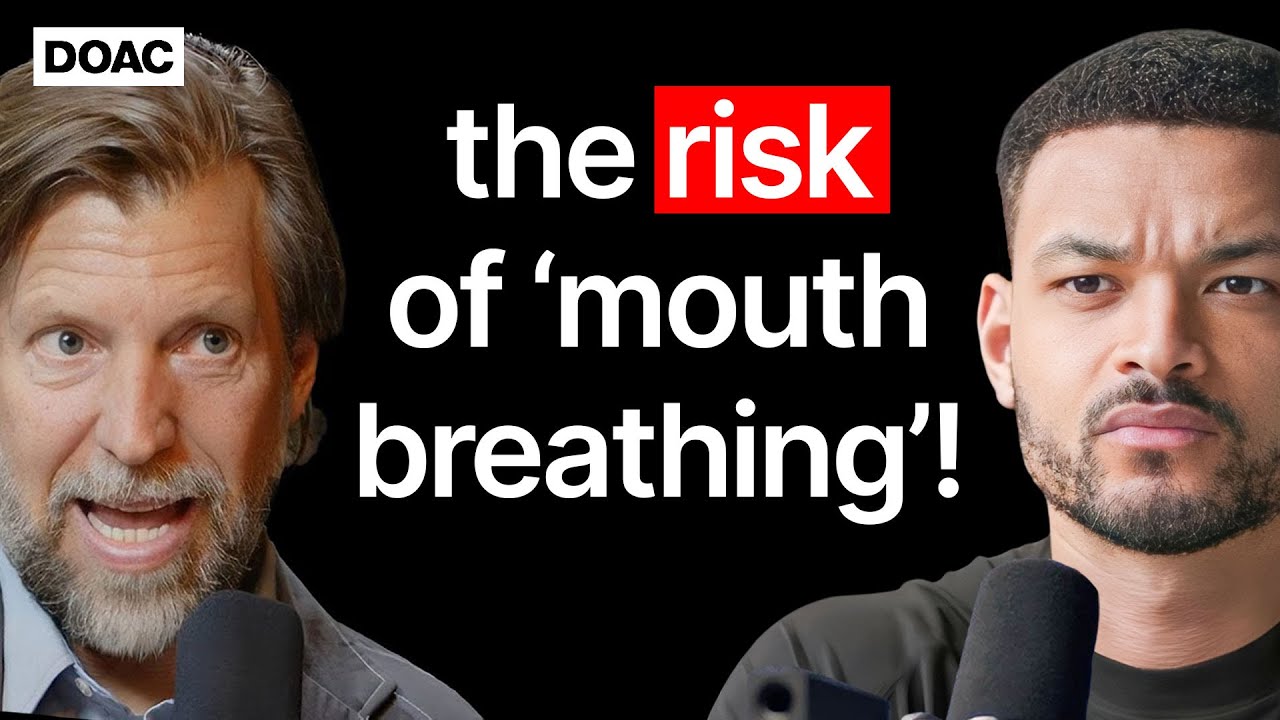
The Diary Of A CEO
Chronic mouth breathing alters facial structure and reduces oxygen delivery, causing sleep apnea, elevated blood pressure, and behavioral disorders in children.
AI-assisted summary of The Breathing Expert: Mouth Breathing Linked To ADHD, Diabetes & Child Sickness! — original source. Check the original for full context.
Source published:
Detailed notes
## Background This video was published on YouTube by The Diary Of A CEO on September 7, 2023. According to the show notes, host Steven Bartlett sits down with award-winning author and science journalist James Nestor to discuss how improper breathing impacts health, addressing topics such as mouth breathing, ADHD, diabetes, indoor CO2 levels, and practical breathwork techniques.
## TL;DR Science journalist James Nestor explains how modern lifestyles, soft diets, and indoor environments have led to widespread dysfunctional breathing, with mouth breathing negatively impacting sleep, immunity, and cognitive performance. He highlights how simple shifts toward nasal and diaphragmatic breathing can significantly improve conditions like sleep apnea, anxiety, high blood pressure, and child behavioral issues. The conversation covers key concepts such as the role of nitric oxide, CO2 tolerance, and lung capacity as a primary indicator of longevity. Practical strategies are provided, including mouth taping during sleep, extended exhales, and checking indoor air quality to restore optimal respiratory function.
## Atmosphere & style The dialogue carries an engaging, intellectually curious, and grounded tone as Steven Bartlett and James Nestor explore deep health science in an accessible way. Nestor speaks with the compelling authority of an investigative journalist who has personally undergone extreme breathing experiments, blending rigorous research with personal anecdotes. The dynamic feels like an intimate, eye-opening masterclass that builds from alarming revelations about modern physical decline to empowering, practical solutions for daily life.
## Key takeaways - [00:00](https://www.youtube.com/watch?v=FyLwVyJ9uXw&t=0s) An estimated 95% to 99% of people breathe suboptimally, which can lead to chronic health issues like anxiety, asthma, diabetes, and sleep disruptions. - [11:48](https://www.youtube.com/watch?v=FyLwVyJ9uXw&t=708s) Modern processed diets require far less chewing force, leading to smaller jaws, crowded teeth, and constricted airways across generations. - [14:46](https://www.youtube.com/watch?v=FyLwVyJ9uXw&t=886s) Exclusive mouth breathing rapidly impairs health, causing severe sleep apnea, fatigue, and elevated blood pressure within days. - [23:40](https://www.youtube.com/watch?v=FyLwVyJ9uXw&t=1420s) Slumped posture compresses the diaphragm, forcing shallow chest breathing that fails to reach the blood-rich lower lobes of the lungs. - [31:05](https://www.youtube.com/watch?v=FyLwVyJ9uXw&t=1865s) The nose performs over 30 essential functions, capturing 40% more moisture and releasing six times more nitric oxide than mouth breathing. - [36:36](https://www.youtube.com/watch?v=FyLwVyJ9uXw&t=2196s) Chronic sleep-disordered breathing in children due to narrowed airways is frequently misdiagnosed as ADHD. - [51:46](https://www.youtube.com/watch?v=FyLwVyJ9uXw&t=3106s) Functional lung capacity and size were identified by the Framingham Heart Study as the single greatest predictor of human lifespan. - [01:02:40](https://www.youtube.com/watch?v=FyLwVyJ9uXw&t=3760s) Workplace anxiety causes continuous breath-holding and shallow breathing (email apnea), driving hypertension and chronic inflammation. - [01:05:45](https://www.youtube.com/watch?v=FyLwVyJ9uXw&t=3945s) Techniques like the physiological sigh and extended exhales rapidly activate the parasympathetic nervous system to lower heart rate and stress. - [01:16:49](https://www.youtube.com/watch?v=FyLwVyJ9uXw&t=4609s) High indoor carbon dioxide levels above 1,000 PPM impair cognitive performance, cause fatigue, and trigger chronic inflammatory responses. - [01:27:51](https://www.youtube.com/watch?v=FyLwVyJ9uXw&t=5271s) The Body Oxygen Level Test (BOLT score) serves as an effective diagnostic tool for evaluating individual CO2 tolerance and baseline breathing health. - [01:38:07](https://www.youtube.com/watch?v=FyLwVyJ9uXw&t=5887s) Using mouth tape during sleep encourages nighttime nasal breathing, stabilizing heart rate patterns and significantly improving restorative deep sleep.
## Detailed walkthrough ### [00:00](https://www.youtube.com/watch?v=FyLwVyJ9uXw&t=0s) Intro & The Core Thesis on Breathing
Modern lifestyles mean many people unknowingly breathe in ways that harm their health. While diet, exercise, and sleep are widely recognized as fundamental pillars of wellness, dysfunctional breathing can quietly undermine every other effort to stay healthy.
* **The Scope of the Problem:** Around 99% of people breathe suboptimally without realizing the downstream impacts on their brains and bodies. * **Modern Lifestyle Factors:** Sitting for extended periods, modern eating habits, and indoor living environments contribute directly to poor breathing mechanics. * **Associated Health Conditions:** Improper breathing habits, especially during sleep, are linked to asthma, diabetes, anxiety, autoimmune issues, metabolic disorders, and ADHD in children. * **Red Flags for Parents:** Audible or mouth breathing in sleeping children indicates airway issues that require attention.
---
[02:08](https://www.youtube.com/watch?v=FyLwVyJ9uXw&t=128s) James Nestor's Journey to Breath Research
James Nestor did not initially set out to become an expert or author on human respiration. His deep dive into the subject arose from recurring personal health struggles that standard medical interventions failed to resolve long-term.
``` Chronic Respiratory Issues ➔ Breathwork Introduction ➔ Dramatic Breakthrough ➔ Investigation of Freedivers ```
* **Personal Background:** Living in San Francisco and regularly surfing, Nestor suffered from repeated bouts of bronchitis and mild pneumonia. Doctors repeatedly prescribed standard medication, which treated the symptoms without addressing the underlying root cause. * **The Turning Point:** A physician friend pointed out his poor breathing patterns and suggested he try a breathwork class. * **The First Breathwork Experience:** Despite initial skepticism toward the "New Age" environment, a single session induced a intense physiological response, leaving him drenched in sweat in a cold room. * **Lasting Relief:** Adopting proper breathing techniques completely eliminated his recurring respiratory issues, prompting a decade-long scientific investigation into human breathing mechanics.
---
[04:15](https://www.youtube.com/watch?v=FyLwVyJ9uXw&t=255s) Recognizing Early Symptoms of Dysfunctional Breathing
Prior to correcting his habits, Nestor exhibited several widespread warning signs of breathing dysfunction that are routinely mistaken for normal signs of aging.
* **Constant Mouth Breathing:** Inhaling through the mouth during everyday physical activities, such as running, martial arts, and surfing. * **Nocturnal Dehydration:** Waking up repeatedly with a dry mouth, requiring a glass of water at the bedside every night. * **Exercise Wheezing:** Audible wheezing during high-intensity workouts. * **Societal Misconceptions:** People often dismiss these symptoms as an inevitable consequence of getting older rather than addressing the structural breathing defect.
---
[07:44](https://www.youtube.com/watch?v=FyLwVyJ9uXw&t=464s) Lessons from Freedivers and the Outer Limits of Human Physiology
A key milestone in Nestor's research occurred in 2011 while covering the Freediving World Championship in Greece. Observing elite freedivers forced him to rethink the accepted scientific limits of human endurance and respiration.
> "You have these people who are at the surface of the water take a single breath of air... and dive down 120 meters on a single breath of air and come back up five minutes later..."
* **Deep-Sea Performance:** Athletes descended over 120 meters into clear ocean water on a single breath, remaining submerged for up to five minutes. * **Innate Capacity:** Their ability to safely dive to extreme depths highlighted how underutilized human breath capacity is in standard modern life.
---
[09:18](https://www.youtube.com/watch?v=FyLwVyJ9uXw&t=558s) Why Breathing is the Essential Pillar of Health
While standard medical advice focuses heavily on nutrition, physical fitness, and sleep hygiene, improper breathing can negate the benefits of an otherwise healthy lifestyle.
| Health Pillar | Typical Focus | Impact of Poor Breathing | |:--- |:--- |:--- | | **Diet** | Balanced nutrition & calorie intake | Poor breathing induces chronic stress, affecting digestion and metabolism. | | **Sleep** | 7–8 hours per night | Mouth breathing causes sleep apnea, micro-arousals, and lack of deep sleep. | | **Exercise** | Cardiovascular & strength training | Inefficient oxygen exchange increases stress markers and limits endurance. | | **Breathing** | Unconscious automatic process | **Distorted breathing mechanics continuously strain the nervous system.** |
---
[11:48](https://www.youtube.com/watch?v=FyLwVyJ9uXw&t=708s) Diseases of Civilization and Our Changing Anatomy
The human body evolved over millions of years to function optimally, yet modern environmental shifts have disrupted natural physiological processes. Comparative studies of ancient skeletal remains show that industrialization rapidly altered human facial structure.
``` Processed Foods & Reduced Chewing ➔ Narrowing Jaws & Smaller Airways ➔ Increased Chronic Mouth Breathing ```
* **The Anthropological Shift:** Ancestral skulls consistently feature broad palates, perfectly straight teeth, and wide nasal passages. * **Modern Airway Collapse:** Soft, processed diets reduced the chewing force required in childhood, leading to smaller, recessed jaws and crowded oral cavities that constrict the upper airway. * **Systemic Impact:** Nighttime breathing obstructions repeatedly disrupt deep sleep, triggering chronic inflammation, persistent sympathetic (fight-or-flight) nervous system tone, and an elevated risk for metabolic disorders such as type 2 diabetes.
---
[14:46](https://www.youtube.com/watch?v=FyLwVyJ9uXw&t=886s) The Stanford Nose-Plugging Experiment
To systematically quantify the physical damage caused by mouth breathing, Nestor collaborated with Dr. Jayakar Nayak, Chief of Rhinology Research at Stanford University, to conduct an intensive self-experiment.
* **Experimental Design:** Over a 20-day period, subjects spent 10 consecutive days with their nostrils completely plugged (forcing 100% mouth breathing), followed by 10 days of exclusive nasal breathing. * **Strict Controls:** Diet, activity levels, step counts, and sleep schedules were kept identical across both phases. * **Data Collection:** Biomarkers—including blood pressure, heart rate variability (HRV), inflammation markers, and sleep quality—were logged three times daily. * **Initial Results:** Switching strictly to mouth breathing produced immediate negative health impacts, causing sleep apnea, snoring, elevated blood pressure, and severe physical fatigue within days.
[17:30](https://www.youtube.com/watch?v=FyLwVyJ9uXw&t=1050s) The Trauma of Mouth-Breathing: A Brutal 10-Day Experiment
Reflecting on his extreme experiment of completely blocking his nasal passages with silicone plugs, James Nestor becomes visibly shaken, describing the ordeal as purely awful. Host Steven Bartlett notices the raw emotion on Nestor's face, pointing out that he seems to be experiencing a touch of PTSD just reliving the memory. Nestor agrees, emphasizing how terrifying it was to suffer through it alongside Swedish breathing researcher Anders Olsson. Olsson, who had spent a decade advocating for nasal breathing, flew to California on his own dime to participate in the experiment. What began as a lighthearted comparison of their rapidly deteriorating health—laughing over how quickly they went from zero snoring to severe sleep apnea—quickly morphed into a nightly nightmare.
By the seventh to tenth day, the laughter had vanished, replaced by extreme exhaustion and dread. Despite sleeping nine to ten hours a night, Nestor woke up feeling utterly drained, his mouth bone-dry and his physiological data showing catastrophic drops in sleep quality and health metrics. This intense struggle gave Nestor a deep sense of empathy for the millions of people who live with chronically stuffed noses—especially during peak allergy seasons—unaware that mouth-breathing is the root cause of their migraines, poor sleep, and chronic fatigue.
- **Participant:** Anders Olsson, a leading breathing researcher and therapist from Sweden. - **Immediate Outcome:** Shifted from zero snoring to full-on snoring and obstructive sleep apnea within just two days. - **Symptoms:** Severe dry mouth, debilitating daytime fatigue despite 9–10 hours in bed, and marked drops in physiological performance.
---
[19:33](https://www.youtube.com/watch?v=FyLwVyJ9uXw&t=1173s) The Epidemic of Dysfunctional Breathing
When asked how many people are breathing incorrectly, Nestor offers a startling assessment based on discussions with experts ranging from clinical respiratory therapists to elite Olympic trainers: an estimated 95% to 99% of the population suffers from some degree of dysfunctional breathing. While the severity exists on a broad spectrum—from an asthmatic experiencing frequent panic attacks at one extreme to a world-class athlete who wins competitions despite inefficient breathing at the other—almost no one in modern society breathes perfectly.
Nestor compares breathing to nutrition, noting that just as it is nearly impossible to find someone who eats a biologically perfect diet for every single meal, finding a "perfect breather" in the modern world is exceptionally rare. However, the steps to fix these breathing habits are entirely free and accessible to anyone willing to learn them.
- **Dysfunction Rate:** Estimated at 95%–99% across the general population by top specialists. - **Spectrum of Dysfunction:** Ranges from severe (asthmatics with panic disorders) to subtle (high-performing athletes pushing through mechanical inefficiency).
---
[21:06](https://www.youtube.com/watch?v=FyLwVyJ9uXw&t=1266s) The Lost Art: Why Modern Humans Forgot How to Breathe
Nestor explores why ancient populations and indigenous tribes never needed formal "breathwork classes." Drawing heavy inspiration from the work of evolutionary biologist Dr. Daniel Lieberman, Nestor explains how modern "misalignment diseases" stem from a disconnect between our evolutionary biology and our current environment. While chronic respiratory issues like asthma are often labeled as purely genetic, real-world data completely refutes this assumption.
To illustrate this point, Nestor highlights traditional, technology-free communities like the Mennonites and Amish in the United States. While approximately 10% of the broader U.S. population suffers from asthma, the rate among the Mennonites drops to a staggering 0.5%. This dramatic contrast proves that our modern built environment, sedentary habits, and chronic stress levels are the primary drivers destroying our natural respiratory health.
- **Asthma Rate Comparison:** 10% in the general U.S. population versus just 0.5% in traditional Mennonite communities. - **Root Cause:** Modern environmental factors—such as constant sitting, high stress, bad posture, and indoor pollution—rather than genetic doom.
---
[23:40](https://www.youtube.com/watch?v=FyLwVyJ9uXw&t=1420s) How Sitting Slumped Strangles Your Diaphragm
Nestor breaks down the physical mechanics of breathing to demonstrate how office life ruins our respiratory capacity. Sitting slumped at a desk for eight hours a day physically compresses the abdomen, preventing the diaphragm from functioning properly. He dispels the common misconception that the lungs pump air on their own; in reality, the lungs are merely passive "fleshy bags." Breathing is entirely driven by the diaphragm—an umbrella-shaped muscle sitting directly beneath the lungs.
When we inhale, the diaphragm contracts and descends, creating a internal vacuum that pulls air into the lungs; when we exhale, it relaxes and ascends, pushing the air back out. When you hunch over a laptop, the diaphragm cannot descend, forcing you into shallow chest breathing. Because chest breathing fails to deliver air to the lower, blood-rich lobes of the lungs where optimal gas exchange occurs, you are forced to take significantly more breaths per minute just to obtain basic oxygen levels. Nestor compares living on shallow chest breathing to surviving on three slices of pizza a day: "We can live this way, doesn't mean we're healthy."
> "The lungs are just like two balloons... they don't inflate themselves. They need the diaphragm to come down, create a vacuum, and air comes into the lungs."
- **Diaphragmatic Motion:** Descends on inhalation to create a vacuum; ascends on exhalation to expel air. - **Shallow Chest Breathing:** Fails to engage in proper gas exchange, forcing higher breathing frequencies and increasing systemic strain. - **Cultural/Historical Posture:** Indigenous peoples and ancient classical statues exhibit a posture that is naturally tall, straight, yet relaxed—maximizing diaphragmatic clearance.
---
[27:08](https://www.youtube.com/watch?v=FyLwVyJ9uXw&t=1628s) The "Second Heart": Diaphragmatic Movement, Lymph, and Posture
Highlighting its critical role in cardiovascular health, Nestor explains why the diaphragm is frequently referred to as the body's "second heart." While the heart functions autonomously, we can consciously control the diaphragm, which acts as a powerful mechanical pump for circulation. In average modern adults, diaphragmatic movement has dwindled to a fraction of its full range—often just 5% to 10% of its potential motion.
When the diaphragm moves fully, its deep vertical piston action physically assists the heart in pumping blood and helps drive lymph fluid throughout the body to clear metabolic waste. By taking slower, deeper breaths that fully utilize the diaphragm, an individual can instantly lower their resting heart rate and blood pressure while improving lymphatic drainage. Nestor points out that true, healthy breathing—as seen in sleeping dogs, healthy infants, or meditating monks—is virtually silent and invisible.
Nestor also emphasizes the bidirectional relationship between posture and breathing: bad posture ruins breathing, but focusing on deep breathing naturally forces the body into better alignment. As an ancient Taoist text noted over 1,200 years ago, "form dictates your breathing; your breathing dictates your form." For desk workers, Nestor strongly advocates using convertible standing desks to open up the intercostal muscles and taking short, 10-minute walking breaks every couple of hours.
- **Diaphragmatic Utilization:** The average person utilizes only 5%–10% of their total diaphragmatic range. - **Cardiovascular & Lymphatic Impact:** Deep movement manually pumps blood toward the heart and moves lymph fluid to eliminate waste. - **The Visual Test of True Breathing:** Ideal breathing is subtle, soft, and nearly imperceptible to an outside observer.
---
[31:05](https://www.youtube.com/watch?v=FyLwVyJ9uXw&t=1865s) Why Do We Have Mouths If Mouth-Breathing Is So Bad?
Addressing a fundamental question—if mouth-breathing causes so many health issues, why are humans able to breathe through their mouths at all?—Nestor points out that mouth-breathing exists purely as an emergency backup system to keep us alive if the nasal passages become blocked. He notes that while you *can* technically ingest liquid through your nose into your stomach, no one argues it is the correct way to drink.
Looking across the animal kingdom reinforces this truth: a cheetah sprinting at 100 km/h (62 mph) breathes strictly through its nose, and a horse will only resort to mouth-breathing if it is gravely ill. The human nose performs over 30 distinct functions essential for respiratory and immune health, including filtering particles, warming cold air, and retaining up to 40% more moisture compared to mouth-breathing (which is why mouth-breathers get so thirsty while running).
Furthermore, nasal breathing releases **nitric oxide**, a vital molecule produced in the nasal sinuses that dilates blood vessels, enhances circulation, and acts as a potent antiviral and antibacterial defense.
> "There are 30 different functions that the nose does for breathing... Not only does it help filter air out and heat air, but it helps capture moisture—about 40 percent more moisture."
- **Biological Backup:** The mouth is an emergency release valve, not the primary breathing intake. - **Nitric Oxide Yield:** Nasal breathing delivers **six times more** nitric oxide into the bloodstream than mouth-breathing. - **Immune Defense:** Nitric oxide produced in the nasal cavity actively destroys viruses and bacteria before they enter the lungs.
---
[33:45](https://www.youtube.com/watch?v=FyLwVyJ9uXw&t=2025s) The Superpower of Humming: Boosting Nitric Oxide 15-Fold
Expanding on the therapeutic power of nasal nitric oxide, Nestor shares a remarkable mechanism: simply **humming** while exhaling increases nasal nitric oxide production by an extraordinary **15-fold**. The mechanical vibration generated by humming shakes the gas free from the endothelial linings of the nasal sinuses. He highlights a documented case study where a patient completely cured chronic rhinitis simply by humming for 10 minutes, four times a day.
Beyond its chemical benefits, humming stimulates the vagus nerve, which runs through the throat, increasing vagal tone and shifting the autonomic nervous system out of "fight-or-flight" and into a deeply relaxed state. Nestor chuckles over the fact that a company even sent him an automated vibrating nose device designed to hum for people who don't want to do it themselves—though he notes it's far easier and cheaper to just pick a favorite song and hum along.
- **Nitric Oxide Boost from Humming:** Increases local nitric oxide concentration by 1500% (15-fold). - **Vagal Tone:** Vibrations stimulate the nearby vagus nerve, inducing an immediate calming parasympathetic response. - **Clinical Case:** A study demonstrated the resolution of severe chronic rhinitis through a daily routine of 10-minute humming sessions.
[35:10](https://www.youtube.com/watch?v=FyLwVyJ9uXw&t=2110s) The Science of Humming, Nasal Defense, and COVID-19 Timing
The conversation picks up on the biochemistry of nasal breathing and humming, emphasizing that while large-scale pharmaceutical trials on simple breathing techniques will likely never be funded, the physiological evidence is overwhelming. James Nestor points out that the nose acts as an intricate filtration and defense system, making individuals significantly less susceptible to pathogens, viruses, and bacteria when breathing nasally rather than through the mouth.
Steven Bartlett brings up the uncanny timing of Nestor's book, *Breath: The New Science of a Lost Art*, which hit shelves right as the COVID-19 pandemic took over the globe. Nestor reflects on the surreal experience of publishing during such a turbulent period. While some critics initially accused him of capitalizing on the crisis, the book was actually printed and resting in warehouses six months before the word "COVID" was ever spoken. Despite the vast amount of solid research demonstrating how nasal breathing and breathing retraining can aid in the rehabilitation of both acute COVID-19 and Long COVID cases, Nestor expresses frustration that these fundamental health interventions remain largely ignored by mainstream medical commentary.
* "By breathing in and out of your nose... you will be susceptible less to certain viruses, certain bacteria." * "The book was printed and in warehouses six months before anyone had ever heard the word COVID." * The U.S. went into lockdown in March 2020, and the book was released shortly after in June 2020.
---
[36:36](https://www.youtube.com/watch?v=FyLwVyJ9uXw&t=2196s) Chronic Mouth Breathing and Child Health: The ADHD Connection
The dialogue shifts to how Western medicine consistently overlooks breathing during routine checkups. While physicians routinely monitor heart rate, blood pressure, and cholesterol, almost none evaluate how a patient actually breathes. Nestor receives hundreds of thousands of letters from desperate parents whose children are struggling with severe conditions—like ADHD, failing grades, and behavioral issues—while being loaded up on medications that fail to treat the underlying cause.
``` Industrialized Soft Foods ──> Decreased Chewing Stress ──> Retronathic Facial Growth │ ▼ ADHD Symptoms / Autoimmune Issues <── Sleep-Disordered Breathing <── Airway Obstruction ```
Steven expresses disbelief that young children could form such destructive breathing habits early in life. Nestor explains that the problem isn't merely a acquired "bad habit," but a fundamental structural issue: modern children develop retrognathic faces, where the jaw and facial bones grow backward rather than forward, constricting the airway and forcing mouth breathing.
* **Underlying Mechanisms:** When kids lie down to sleep, their narrow airways obstruct, causing snoring, gasping, and sleep-disordered breathing. * **Secondary Drivers:** On top of compromised facial architecture, factors such as environmental air pollution, poor posture, and sedentary habits further exacerbate childhood breathing dysfunction. * **Downstream Health Consequences:** Chronic mouth breathing and nocturnal airway obstruction lead to an elevated risk of diabetes, autoimmune disorders, severe asthma, and ADHD-like symptoms.
Nestor references sleep researchers—such as Dr. Christian Guilleminault, who spent four decades at Stanford University's Sleep Sciences Division—who argued that a vast majority of pediatric ADHD diagnoses are not purely neurological disorders, but rather direct manifestations of chronic sleep-disordered breathing. When children cannot breathe correctly at night, their sleep is constantly fragmented. To stay awake and functioning during the day, they exhibit hyperactivity, leading doctors to prescribe stimulants like Ritalin; to fall asleep, they are given sedatives that relax airway muscles, worsening the airway obstruction in a vicious cycle.
* Steven cites a landmark 6-year study tracking over 11,000 children from 6 months of age, which revealed that children with sleep-disordered breathing were 50% to 90% more likely to develop behavioral issues, emotional distress, depression, anxiety, and ADHD-like symptoms compared to normal breathers. * When clinicians fix a child's underlying breathing dysfunction and expand their airway, their ADHD symptoms frequently vanish completely.
---
[39:10](https://www.youtube.com/watch?v=FyLwVyJ9uXw&t=2350s) Industrialized Food, Facial Devolution, and the Importance of Chewing
Addressing why human faces have shifted so drastically, Nestor dismantles the common misconception that biological evolution represents continuous physical improvement. Evolution simply means change over time—which can be for better or for worse. Over the last few centuries, human facial structure has undergone rapid *devolution* due to environmental shifts rather than genetic mutation.
This dramatic physical change directly aligns with the introduction of industrialized, processed foods into modern diets. This transition occurred sequentially across regions—starting in England and France, spreading through Germany and Scandinavia, and eventually going global. Within a single generation of transitioning to soft, processed, canned, and sugar-laden foods, 50% of a population would develop crooked teeth. Crooked teeth serve as a primary physical marker indicating that the mouth has grown too small for the face, leaving no room for teeth or a proper airway.
``` Ancestral Diet vs. Modern Industrialized Diet ┌───────────────────────────────┬───────────────────────────────┐ │ Ancestral Diet │ Modern Industrialized Diet │ ├───────────────────────────────┼───────────────────────────────┤ │ • 3 to 4 hours daily chewing │ • Minimal chewing required │ │ • Breastfed minimum 2 years │ • Early bottle feeding │ │ • Weaned onto tough adult food│ • Weaned onto soft purées │ │ • Wide palate, straight teeth │ • Narrow palate, crooked teeth│ │ • Broad, open airway │ • Retrognathic, narrow airway │ └───────────────────────────────┴───────────────────────────────┘ ```
The underlying mechanical driver is a lack of chewing stress during critical growth windows:
* **Ancestral Chewing Loads:** Our ancestors chewed tough, fibrous foods, raw meats, and roots for 3 to 4 hours every single day, stimulating the bones and muscles of the face to expand outward and forward (pronathic growth). * **Modern Soft Diets:** Today's diets consist of ultra-processed, soft foods requiring minimal bites, leaving the facial skeleton under-stimulated and resulting in narrow, underdeveloped jaws. * **Breastfeeding vs. Bottle Feeding:** Breastfeeding requires immense muscular exertion and physical force, pulling the infant's face forward and promoting optimal oral posture. Bottle feeding requires significantly less physical effort. * **Early Childhood Diet:** Ancestral children were breastfed for at least two years and immediately transitioned to tough adult foods, whereas modern infants are weaned onto processed purées and baby food, bypassing the necessary physical stress required to build a robust facial architecture.
---
[51:46](https://www.youtube.com/watch?v=FyLwVyJ9uXw&t=3106s) Lung Capacity as the Single Greatest Indicator of Lifespan
The discussion transitions to physical fitness, VO2 max, and the structural relationship between lung size and overall human longevity. Steven mentions conversations with experts like Dr. Peter Attia regarding VO2 max—the body's ability to extract and utilize oxygen during exercise. Nestor explains that while VO2 max is an essential benchmark of athletic performance and respiratory efficiency, overall lung volume and lung health stand out as even more foundational markers for overall life expectancy.
Nestor highlights historical population research, notably referencing the landmark **Framingham Heart Study**, which tracked over 5,200 participants over a 70-year duration. The data consistently demonstrated that functional lung capacity and overall lung size were the single greatest predictors of human lifespan—outranking many traditional health metrics.
* "The healthier and larger your lungs are, the longer you will live. That is the greatest indicator of lifespan." * Further studies examined lung transplant recipients, discovering that patients who surgically received larger lungs lived significantly longer than those who received average or smaller-sized lungs.
<ElicitationsGroup message="Explore more insights on breathing, facial growth, and health:"> <Elicitation label="Review the practical morning routines for breathing" query="What are the practical morning routines and exercises recommended by James Nestor to check and improve breathing health?"/> <Elicitation label="Examine how mouth taping improves sleep quality" query="How does mouth taping work during sleep, and what are the safety considerations and benefits according to James Nestor?"/> </ElicitationsGroup>
[53:36](https://www.youtube.com/watch?v=FyLwVyJ9uXw&t=3216s) The Greatest Indicator of Longevity: Lung Capacity and Aging
Steven Bartlett and science journalist James Nestor explore the critical, often overlooked link between lung capacity and long-term health. Nestor explains that while we don't need a lung transplant to improve our health, we must actively practice healthy breathing, stretching, and physical exercise to preserve our lung volume. Starting around age 30, human lung function enters a steep decline—a reality that hits women particularly hard around ages 50 and 60 as their lung size rapidly shrinks. This physical degradation occurs precisely when the body needs oxygen the most, triggering a breakdown in general health.
``` ┌─────────────────────────────────────────────────────────┐ │ THE DESTRUCTIVE AGING SPIRAL │ │ │ │ Decreased Lung Capacity ──> Reduced Movement/Exercise │ │ ▲ │ │ │ │ ▼ │ │ └──────── Less Daily Oxygen ◄────┘ │ └─────────────────────────────────────────────────────────┘ ```
Steven observes that this process becomes a self-fulfilling downward spiral: as lung capacity deteriorates, a person's ability to exercise decreases, which further degrades their lung capacity and leads to even less movement. Nestor strongly agrees, emphasizing that preserving lung function—how much air you can pack into your lungs and how long you can hold your breath—is the single most vital metric to focus on as you age. He points out a glaring blind spot in the modern longevity movement: while experts obsess over diet, exercise, and micronutrients, they routinely ignore breathing. Yet, humans process roughly 30 pounds of air through their lungs every single day, deriving far more immediate energy from breath than from food or drink.
* **Cardiovascular exercise** naturally boosts or preserves lung capacity by 15% to 20%. * **Yoga** was specifically designed thousands of years ago to open up the chest, expand the ribcage, and force deep breathing into every part of the lungs. * **Daily breath-holds** serve as a fast, reliable self-assessment tool to gauge physical and mental baseline health.
---
[57:04](https://www.youtube.com/watch?v=FyLwVyJ9uXw&t=3424s) Practical Steps: Mastering Biomechanical Breathing
To move from theory to action, Nestor leads Steven through a hands-on workshop to master the physical mechanics of a proper deep breath. The first critical element is awareness. Place your hands above your sit bones around your lower waist, and inhale deeply. The target is lateral expansion—your hands should push outward to the sides as your diaphragm descends and compresses your internal organs. Nestor clarifies that true diaphragmatic breathing is not a "belly breath," because anyone can artificially push their stomach out without taking in air.
``` BIOMECHANICAL BREATHING CHECKLIST
┌───────────────────┬──────────────────────────────────────────┐ │ Target Area │ Correct Physical Movement │ ├───────────────────┼──────────────────────────────────────────┤ │ 1. Lower Waist │ Hands move OUTWARD laterally (not belly) │ │ 2. Collarbones │ Middle fingers SEPARATE on the chest │ │ 3. Neck & Shoulders│ Soft, supple, ZERO tension or lifting │ └───────────────────┴──────────────────────────────────────────┘ ```
The second step evaluates chest expansion. Place four fingers on your collarbone with only your middle fingers touching in the center. Taking a deep breath in from the low abdomen up into the chest, your middle fingers should naturally separate as the ribcage expands outward. Crucially, the shoulders must remain completely down and still—never shrugging upward. The third check involves placing your hands around your neck during inhalation; the neck muscles should remain completely soft, supple, and relaxed with zero tension.
> "If those hands are moving out laterally, if those hands are separating on your chest, you're taking a proper biomechanical breath... You'll start to feel those organs getting compressed—that's good, you want that."
* **The Tape Measure Test:** Wrapping a cloth measuring tape around your lower ribcage should reveal an expansion of 1 to 1.5 inches during a full inhale, a metric that can be expanded with practice. * **The Gas Exchange Rule:** Most gas exchange in the lungs occurs at the very bottom, making diaphragm descent essential for optimal oxygenation. * **The Free Diver Benchmark:** Elite free divers master their lung mechanics to utilize up to 80% or 90% of their total capacity, developing visibly massive chests regardless of their overall height or body type.
---
[01:02:40](https://www.youtube.com/watch?v=FyLwVyJ9uXw&t=3760s) How Psychology, Stress, and "Email Apnea" Wreck Our Breathing
The conversation pivots to the psychological feedback loop connecting stress and shallow breathing. Modern daily life keeps people in a chronic, low-grade fight-or-flight state fueled by social media, screens, and constant digital interruptions. While the average person utilizes barely 10% of their diaphragm range, everyday anxieties cause them to hold their breath, take rapid shallow chest breaths, and over-sensitize their nervous systems.
``` CHRONIC STRESS & BREATHING LOOP
┌───────────────────────────────────────────────────────────┐ │ Digital Threat (Email/Alert) ──> Clench & Hold Breath │ │ ▲ │ │ │ │ ▼ │ │ Anxiety & High Blood Pressure ◄── Off-Gas CO2 (Shallow) │ └───────────────────────────────────────────────────────────┘ ```
Nestor explains that our brains process a demanding work email or a rude message using the same ancient survival mechanisms built for wild predators: holding our breath to stay silent, followed by rapid over-breathing to prepare for confrontation. Researchers refer to this modern office phenomenon as "partial attention syndrome," or more popularly, **email apnea**. Studies supported by the National Institutes of Health (NIH) demonstrate that spending your workday in this breathless, defensive loop inflicts long-term physical damage, contributing directly to hypertension, metabolic dysfunction, and chronic inflammation.
> "How you breathe affects how your brain works, affects your anxiety... But your anxiety also affects how you're breathing. So again, it's another one of those circles."
---
[01:05:45](https://www.youtube.com/watch?v=FyLwVyJ9uXw&t=3945s) Tactical Breathwork: Hacking the Autonomic Nervous System
To break the cycle of acute stress faster than any pharmaceutical drug can, Nestor demonstrates targeted breathwork techniques designed to instantly manipulate the autonomic nervous system. The fastest way to reset an erratic respiratory pattern is the double-inhale physiological sigh: two quick, consecutive sharp inhales through the nose followed by a long, slow exhale through the mouth. Performing two to three rounds immediately resets the respiratory center in the brain, making it ideal for high-tension moments like getting cut off in traffic or standing in a frustrating line.
``` THE PHYSIOLOGICAL SIGH
Inhale #1 Inhale #2 Exhale ┌─────────────┐ ┌───────────┐ ┌────────────────────┐ │ Deep nose │ + │ Quick top-│ ──> Long, unhurried │ │ fill │ │ off │ │ mouth release │ └─────────────┘ └───────────┘ └────────────────────┘ ```
Following a reset, transition into slow, rhythmic breathing patterns. Nestor recommends a simple 5-second inhale and 5-second exhale pace, or a relaxing 4-second inhale with a 6-second exhale. Extending the exhale directly triggers the body's parasympathetic "rest and digest" network, which can be observed immediately on health trackers through a drop in heart rate and a sharp increase in heart rate variability (HRV).
Nestor cautions Steven during the exercise to remain soft and relaxed, pointing out that visibly straining or puffing out the chest defeats the calming purpose of the drill.
> "By taking control of our breathing, we can hack into our nervous system... Your breathing is the quickest way of taking control of acute stress. Pills work, other modalities work, but in that moment is when you need the most help."
* **Sympathetic vs. Parasympathetic:** The sympathetic state prepares the body for physical action and fight-or-flight, whereas the parasympathetic state lowers stress markers and repairs tissue. * **CO2 Off-Gassing and Anxiety:** Chronically anxious individuals over-breathe, blowing off vital carbon dioxide. Low CO2 levels lower their threshold for panic, making even short breath-holds feel terrifying. * **Animal Analogy:** Wild animals like gazelles can pivot from life-or-death sympathetic arousal back into a completely relaxed parasympathetic state within minutes, whereas humans remain trapped in perpetual stress.
[01:11:18](https://www.youtube.com/watch?v=FyLwVyJ9uXw&t=4278s) Extended Exhales, Heart Rate Variability, and Nervous System Regulation
James Nestor explains that breath-holding serves a dual purpose: it acts as a diagnostic tool and a therapeutic technique. By holding your breath, you train your body to tolerate higher levels of carbon dioxide ($\text{CO}_2$), which naturally calms the nervous system. Steven Bartlett asks why extending the exhale—such as inhaling for four seconds and exhaling for six—alleviates stress and anxiety. Nestor explains that the heart speeds up during an inhalation and slows down during an exhalation. This fluctuation forms the basis of Heart Rate Variability (HRV) and is medically known as respiratory sinus arrhythmia.
When you lengthen your exhale, you prolong the period during which your heart rate slows down. This signals safety to the brain, shifting the autonomic nervous system into a parasympathetic (rest-and-digest) state. For skeptical listeners, Nestor notes that this physiological shift can be observed in real time using fitness wearables like a Whoop strap or by taking blood pressure readings, where proper breathing techniques can drop blood pressure by 10 to 15 points within minutes.
- **Respiratory Sinus Arrhythmia:** The natural variation in heart rate during a breathing cycle—speeding up on the inhale, slowing down on the exhale. - **Heart Rate Variability (HRV):** Calculated from the difference in time intervals between heartbeats during inhalation versus exhalation. - **Blood Pressure Impact:** Switching to slow, extended-exhale breathing can reduce blood pressure by 10–15 points in just a couple of minutes.
---
[01:13:17](https://www.youtube.com/watch?v=FyLwVyJ9uXw&t=4397s) Ad Break: Sponsor Message
Steven Bartlett presents a sponsor message for Huel, introducing their "Best Seller Bundle." He highlights that the bundle allows new customers to try a curated selection of meals and bars, along with an iconic Huel shaker, a pot, and a free t-shirt. Bartlett praises the fit of the t-shirt and mentions testing Huel products across corporate boardrooms, development laboratories, and his personal life.
---
[01:14:13](https://www.youtube.com/watch?v=FyLwVyJ9uXw&t=4453s) The Controversies and Realities of Face Masks During the Pandemic
Addressing pandemic-era debates, Steven brings up the controversy surrounding face masks, specifically claims that masks trap $\text{CO}_2$, cause sickness in children, or act as a primary defense against viral transmission. Nestor acknowledges that surgeons and dentists have worn high-quality masks properly for over a century without adverse effects. He notes that proper, universal mask-wearing can stem viral transmission in specific contexts, but argues that public health guidance during COVID-19 often provided a false sense of security.
Nestor points out major issues with everyday mask usage: many commercially available masks were made of poor-quality materials off-gassing synthetic chemicals, and most people wore them improperly or reused contaminated masks. More critically, masks cannot protect against infection if the surrounding air is saturated with recycled breath in poorly ventilated spaces.
- **Surgical Usage:** Medical professionals have safely worn quality masks for over 100 years. - **Off-Gassing:** Many cheap, mass-produced commercial masks contain synthetic chemicals that people inhale directly into their lungs. - **Public Perception:** Wearing a mask provided a false sense of protection in high-risk indoor environments where air was not being replenished.
---
[01:16:49](https://www.youtube.com/watch?v=FyLwVyJ9uXw&t=4609s) The Invisible Threat of Indoor Carbon Dioxide ($\text{CO}_2$)
Nestor shares findings from his post-book research into indoor air quality, revealing that high carbon dioxide levels in enclosed spaces represent a neglected health crisis. Using a handheld $\text{CO}_2$ meter during the interview, Nestor tracks the air quality inside Steven's studio in real time. Outside, global atmospheric $\text{CO}_2$ averages around 418 to 419 parts per million (PPM), which is healthy for human respiration. However, inside sealed structures, $\text{CO}_2$ rapidly accumulates as occupants exhale.
When indoor $\text{CO}_2$ hits 800 PPM, studies show a 20% drop in test scores among students. At 1,000 PPM, individuals experience physical symptoms like eye irritation, sore throats, and headaches, breathing in roughly 1 out of every 30 breaths as direct "backwash" (recycled exhale) from other people in the room. At 2,500 PPM, 1 in every 17 breaths is recycled air. Public health guidance often falsely suggests that levels up to 5,000 PPM are safe, ignoring over 18 studies linking levels between 800 and 1,000 PPM to bone demineralization, kidney calcification, and chronic inflammation.
``` Outdoor Fresh Air: 418 - 419 PPM (Baseline) Cognitive Decline: 800 PPM (20% drop in test results) Physical Symptoms: 1,000 PPM (Eye irritation, sore throat; 1 in 30 breaths recycled) Severe Air Quality: 2,500 PPM (1 in 17 breaths recycled) Extreme Indoors: 4,000 - 5,000 PPM (Recorded in bars, subways, and crowded rooms) ```
- **In-Studio Real-Time Tracking:** At the start of the interview, the studio recorded 700 PPM; within an hour, it climbed to 1,100 PPM. - **Academic Impacts:** Research shows school classrooms frequently reach 1,500 to 2,000 PPM, resulting in up to a 50% decrease in student test scores. - **Corporate Study:** In a study of 24 office workers exposed to 1,400 PPM versus 550 PPM, cognitive function scores were 50% lower on high-$\text{CO}_2$ days. - **Commercial Flights:** Airplane cabins regularly reach 2,500 to 2,700 PPM while sitting on the tarmac, causing the heavy lethargy and fatigue passengers experience before takeoff.
---
[01:23:01](https://www.youtube.com/watch?v=FyLwVyJ9uXw&t=4981s) Architecture, Sealed Buildings, and Misalignment with Nature
Steven realizes that his podcast studio—a sound-proofed replica of his former kitchen built without windows in the basement—is a "sealed chamber" trapping $\text{CO}_2$. He reflects on feeling profound fatigue after spending nine-hour days recording multiple podcast episodes inside the space. Nestor points out that modern architectural trends over the last 50 years have prioritized energy efficiency—sealing windows shut to make heating and cooling easier—at the direct expense of human cognitive function and respiratory health.
Nestor advises that simple changes, like cracking a window slightly, dramatically bring down indoor $\text{CO}_2$ levels. Steven contrasts his studio setup with his habit of traveling to a jungle or sitting by a lake when writing books, realizing that his instinct to write in nature naturally provided high-oxygen, low-$\text{CO}_2$ environments with natural sunlight. Nestor predicts that in the coming years, corporate executives and employees will demand strict fresh-air ventilation standards in modern offices to maintain performance and well-being.
> "We're not meant to be in four white walls trapped inside, are we? This is that misalignment problem... even 50 years ago, almost every building had windows you could open. But now, the standard protocol... is creating this bubble. You can control the environment much more easily, but what is it doing to people's health?"
[01:27:51](https://www.youtube.com/watch?v=FyLwVyJ9uXw&t=5271s) Assessing CO2 Tolerance: The BOLT Score Diagnostic
The conversation opens with Steven Bartlett remarking on how profound it is that simply finding a way to get proper ventilation and fresh oxygen into a room can noticeably increase cognitive performance. James Nestor then transitions into explaining a key diagnostic tool that listeners can perform on themselves in the morning or upon arriving at a hotel room: measuring their carbon dioxide ($CO_2$) tolerance. While this measurement goes by various names—such as the **BOLT score** (Body Oxygen Level Test) popularized by Patrick McKeown, or a "control pause"—it serves as a direct indicator of respiratory health.
To demonstrate, Nestor guides Bartlett through the protocol live on air. The test requires taking a calm, unforced breath in through the nose, letting the air naturally flow out to a neutral exhalation point without forcing it out, and then holding the breath while starting a timer. The test ends not when the person hits their absolute maximum breath-hold, but at the very first moment of palpable discomfort or physical resistance. This subtle threshold might manifest as an involuntary swallow, a gentle convulsion of the diaphragm, or a buildup of pressure at the back of the throat. Cheating past this point renders the test useless, as the goal is to assess baseline physiology rather than test willpower.
``` ┌──────────────────────────────┐ │ Calm, Normal Inhalation │ └──────────────┬───────────────┘ │ ▼ ┌──────────────────────────────┐ │ Unforced Exhalation to │ │ Natural Neutral Point │ └──────────────┬───────────────┘ │ ▼ ┌──────────────────────────────┐ │ START TIMER: Hold Breath │ └──────────────┬───────────────┘ │ ▼ ┌──────────────────────────────┐ │ STOP TIMER: First Sign of │ │ Physical Discomfort/Sensation│ └──────────────────────────────┘ ```
A healthy target score for an individual is **40 seconds or more** of effortless holding before returning to smooth, calm breathing. If a person breaks the hold and immediately gasps for air, they have pushed past their true threshold. Nestor notes that even elite athletes frequently score around only 20 seconds when first tested; while they have trained their minds to push through physical pain to win competitions, their baseline respiratory system is often surprisingly out of balance.
- **Baseline targets:** The target score for healthy breathing function is **40 seconds or more**. - **Average population:** Most average adults achieve around **15 seconds**. - **Dysfunctional breathing:** Individuals with severe asthma, panic disorders, or chronic respiratory issues often score only **3 to 5 seconds**. - **Measurement protocol:** Because a single reading fluctuates based on sleep, meals, and stress, it should be taken **three times a day** (e.g., morning, noon, night) over the course of a week and averaged.
---
[01:32:45](https://www.youtube.com/watch?v=FyLwVyJ9uXw&t=5565s) Challenging Conventional Asthma Treatment & Reversing Symptoms
As Bartlett observes the room's $CO_2$ meter ticking upward, the conversation shifts to asthma. Bartlett admits his understanding had always been that asthma is simply an unchangeable genetic condition requiring lifelong medication. Nestor directly challenges this notion, arguing that while some individuals may have a natural genetic predisposition, labeling chronic non-communicable conditions as unchangeable "diseases of civilization" ignores root causes.
Nestor shares the story of a friend's three-year-old child who was diagnosed with severe asthma. Doctors immediately prescribed albuterol, oral steroids, and bronchodilators, while recommending surgery to remove both the child's tonsils and adenoids. When Nestor asked his friend how the child breathed, the father revealed that the boy snored with his mouth wide open all night and mouth-breathed continuously throughout the day—a crucial detail no doctor had evaluated. Nestor emphasizes that removing tissue without addressing underlying dysfunctional breathing patterns guarantees that symptoms like sleep apnea, snoring, and airway inflammation will eventually return.
While Nestor makes clear he isn't advising people to ignore their surgeons, he points to companies like Virta Health—which reverses Type 2 diabetes through dietary interventions—as proof that chronic conditions thought to be lifelong can often be controlled or reversed. By connecting his friend with a specialized breathing therapist to address the child's breathing mechanics, they aimed to tackle the root cause of the airway inflammation. Nestor notes that he has interviewed dozens of people who suffered from debilitating asthma for decades, unable to play outside as children, who completely eliminated their symptoms by learning to master their breath.
- **Medical over-reliance:** Children are frequently placed on lifelong oral steroids and bronchodilators without any evaluation of their daytime or nighttime breathing mechanics. - **Inflammation root cause:** Surgical removal of tonsils and adenoids often fails long-term if chronic mouth breathing and airway inflammation remain unaddressed. - **Anatomical evolutionary mismatch:** Nestor questions why structures that took millions of years to evolve would suddenly become "useless" or inherently problematic across modern populations over the last 40 years, pointing instead to environmental and behavioral factors.
---
[01:38:07](https://www.youtube.com/watch?v=FyLwVyJ9uXw&t=5887s) Mouth Taping, Heart Rate Stabilization, and Sleep Quality
Bartlett brings up his partner's experience with a deviated septum, which causes loud, audible nasal breathing, especially during sleep. She recently began using **Myotape**—a specialized tape that surrounds the lips with a small central opening, encouraging the mouth to stay closed without completely sealing it off.
When reviewing her biometric data on her Whoop strap after using the tape, the results were striking. Typically, her nighttime heart rate chart showed frequent spikes reaching 60 or 70 beats per minute. With the tape keeping her mouth closed, her heart rate curve flattened out dramatically, her nighttime wake events dropped, and her overall sleep efficiency surged.
``` UNTAPED (Mouth Breathing) TAPED (Nasal Breathing via Myotape)
BPM BPM 80 │ 80 │ 70 │ /\ /\ 70 │ 60 │ / \ / \ /\ 60 │ ─────────────────────────── (Flat) 50 │_/ \/ \__/ \ 50 │ └─────────────────── └─────────────────────────── Spikes, disruptions, high HRV Stable heart rate, deeper sleep ```
Nestor affirms that he receives messages and sleep-tracking data showing this exact outcome every day. When a person mouth-breathing at night suffers from airway resistance, the body interprets the breathing distress as a threat, triggering a stress response that halts deep restoration and repair mechanisms. Nasal breathing provides the brain with a consistent, fluid signal that allows the autonomic nervous system to rest.
> "What the brain wants is a consistent fluid signal it gets that signal from your breathing... the Master Clock of sleep and of the brain at night is that cyclical deep easy breathing pattern. This is what the body doesn't want to have to fight and defend itself when it's sleeping."
- **Biometric impacts:** Nasal breathing during sleep lowers nighttime heart rate spikes, reduces micro-arousals (wake events), increases deep sleep, and stabilizes heart rate variability (HRV). - **Myotape mechanics:** Unlike solid mouth tape, Myotape wraps around the perimeter of the lips, applying light elastic tension that reminds the mouth to stay shut while still allowing verbal communication or emergency mouth breathing if necessary. - **Safety for children:** Myotape is particularly recommended for children over standard mouth taping because it provides a gentle behavioral cue without fully sealing the oral cavity.
---
[01:41:16](https://www.youtube.com/watch?v=FyLwVyJ9uXw&t=6076s) The Perfect Breathing Rhythm & Breathwork Experiences
The discussion turns to what constitutes the ideal, biologically optimal rhythm of human breathing. Nestor explains that in his book *Breath: The New Science of a Lost Art*, he originally highlighted a cadence of **5.5 seconds in and 5.5 seconds out**—yielding roughly 5.5 breaths per minute. However, after receiving anxious letters from readers obsessing over hitting that exact half-second mark, he now advises a more relaxed, flexible target of **5 to 6 seconds in and 5 to 6 seconds out**.
Nestor highlights how physiological traits dictate the optimal rate:
``` ┌───────────────────────────┬───────────────────────────────┬────────────────────────────┐ │ POPULATION TYPE │ INHALATION / EXHALATION │ BREATHS / MIN │ ├───────────────────────────┼───────────────────────────────┼────────────────────────────┤ │ General Adult Baseline │ 5–6 sec in / 5–6 sec out │ ~5–6 breaths/min │ │ Taller Individuals (6'1"+)│ 8 sec in / 8 sec out │ ~3.75–4.5 breaths/min │ │ Panic / Low CO2 Tolerance │ 2–4 sec in / 2–4 sec out │ ~7.5–15 breaths/min │ │ Children │ 3 sec in / 3 sec out │ ~10 breaths/min │ └───────────────────────────┴───────────────────────────────┴────────────────────────────┘ ```
For individuals with severe anxiety, panic disorders, or extremely low $CO_2$ tolerance, attempting a 5-second breath right away can induce panic. They should start at an accessible pace—such as 2 seconds in, 2 seconds out—and slowly scale up as their nervous system adapts.
Bartlett shares a personal, transformative experience he had during a intensive breathwork session (similar to Holotropic or Wim Hof style practices) led by his partner. He describes it as an almost psychedelic experience where his ego dissolved, leaving him feeling deeply emotional and insightful rather than sad. It gave him absolute mental clarity, prompting him to immediately reach out and apologize to several people with whom he had recently argued over petty matters. Nestor nods in agreement, confirming that high-ventilation, intense breathwork protocols drastically shift brain chemistry and emotional processing, enabling powerful psychological breakthroughs.
[01:44:30](https://www.youtube.com/watch?v=FyLwVyJ9uXw&t=6270s) The Biology and Stress Response of Vigorous Breathwork
Steven reflects on his own experience with high-intensity breathwork, recalling how his ego felt as though it completely "dissolved" during a session, and asks James to explain the biological and psychological mechanics behind using breath as a treatment for mental health and trauma. James advises that people master their foundational breathing—proper nasal breathing, slow pacing, and correct biomechanics—before attempting advanced, vigorous techniques. While intense breathwork routines like Holotropic, Kundalini, or pranayama often require fast mouth breathing, this intentional hyperventilation is designed to trigger an acute, controlled stress response inside the body, much like an ice bath or a heavy workout at the gym.
Biologically, rapid overbreathing does not increase oxygen flow to the brain as many breathwork instructors claim; it actually causes cerebral vasoconstriction, reducing blood flow to the brain by up to 40%. This drastic shift in carbon dioxide levels causes blood pH to rise, leading ionized calcium to bind to albumin. The resulting physiological effect includes lightheadedness, tingling, and involuntary physical spasms known as tetany, where the hands curl up tight "like a crab." By intentionally subjecting the nervous system to this temporary "blown fuse" state, practitioners compact their stress into a single session so they are far less reactive and oversensitized to everyday life stressors, such as an irritating email from a friend.
* Heavy breathwork techniques (Kundalini, Holotropic, pranayama) rely on voluntary hyperventilation to trigger a controlled fight-or-flight response. * Rapid overbreathing restricts cerebral blood flow by up to 40%, causing lightheadedness and tingling. * Low CO2 levels cause ionized calcium to bind to albumin, causing temporary tetany where fingers curl uncontrollably. * Exposing the body to high-intensity internal stress recalibrates the nervous system, leaving practitioners more resilient and chilled for the remainder of the day.
---
[01:49:10](https://www.youtube.com/watch?v=FyLwVyJ9uXw&t=6550s) The Psychological Benefits and Science of Intense Breathing
While the spiritual and psychic elements of high-intensity breathwork are deeply personal and harder to quantify, James notes that he has seen people completely transformed after shedding heavy emotional and psychological baggage in just one or two sessions. Unlike pharmaceuticals or external substances, breathwork is a completely endogenous modality, allowing individuals to command their own nervous system naturally.
James recounts his attempt to study this phenomenon in one of San Francisco's oldest hypoxia labs. During testing, his extreme overbreathing caused his carbon dioxide levels to plummet and his hands to lock up into tetany, terrifying the researchers. Believing he was in medical distress, the scientists wanted to send him straight to the emergency room, failing to realize that this sudden drop in CO2 was a controlled, intentional physiological state rather than an acute illness. James emphasizes that while formal clinical research is still sparse, emerging studies demonstrate clear therapeutic benefits for depression, anxiety, and autoimmune disorders.
* Intense breathwork acts as an endogenous tool, giving people control over their own nervous system without external drugs. * Researchers in a San Francisco hypoxia lab nearly admitted James to the ER when his blood CO2 levels crashed and his hands entered tetany during testing. * Clinical studies indicate strong therapeutic promise for treating anxiety, depression, and autoimmune conditions through targeted breathing protocols.
---
[01:51:00](https://www.youtube.com/watch?v=FyLwVyJ9uXw&t=6660s) Master Class, Simple Practices, and Final Message
When Steven asks what crucial subject matter they might have missed in their discussion, James emphasizes that the ultimate takeaway is simplicity and accessibility. People do not need to spend money or read endless scientific journals to benefit from breathwork because "breath is a healing and very nourishing modality" available to everyone 24/7. While he encourages people to eventually experience powerful group breathwork sessions once they are ready, adopting simple daily habits—such as slowing down breath and sticking to nasal breathing—remains the most impactful starting point.
James reveals he is currently writing a BBC Maestro series to provide an actionable, practical toolbox detailing what breathing protocols to use for specific conditions. This project allows him to include crucial historical, mystical, and scientific research that was previously cut from his book to prevent it from becoming a 600-page manuscript. He concludes with a final plea to take breathing dysfunction seriously, noting that improper breathing habits are an urgent health issue affecting both adults and children.
* Basic breathwork is entirely free and accessible to anyone without specialized courses or expensive equipment. * James is authoring a BBC Maestro series as a practical toolbox for breath practices, incorporating unused research cut from his book *Breath*. * Approximately 90% of James's original research material was edited out of his book to keep it concise and digestible.
---
[01:53:33](https://www.youtube.com/watch?v=FyLwVyJ9uXw&t=6813s) Closing Tradition and Final Reflection
Answering the show’s traditional closing question left by the previous guest—"What is it that drives you to be the best version of you?"—James replies without hesitation that it is "curiosity." He considers it an absolute privilege to wake up excited every day to ask questions, explore subjects, and hold meaningful conversations for a living, having previously worked many jobs that never permitted such intellectual freedom.
Steven expresses deep gratitude for James's book *Breath: The New Science of a Lost Art*, calling it a permanent fixture on his bedside table that acts like a "light bulb being switched on" every few pages. He praises James's impartial, evidence-led approach and shares how the book's word-of-mouth success inspired his own team members as well as his girlfriend, who launched a London studio named Bali Breathwork after reading it. Steven highlights how James's work is profoundly changing millions of lives around the world, closing the episode with a quick sponsor highlight for Whoop.
* James credits pure "curiosity" as his primary daily motivation and drive. * Steven's girlfriend was directly inspired by James's book to establish a breathwork studio called Bali Breathwork in London. * The book *Breath* spread extensively through organic word-of-mouth among Steven's team members, including Jemima, Merlin, and Sophie.
## Notable quotes > [07:44](https://www.youtube.com/watch?v=FyLwVyJ9uXw&t=464s) You have these people who are at the surface of the water take a single breath of air... and dive down 120 meters on a single breath of air and come back up five minutes later... — James Nestor
> [23:40](https://www.youtube.com/watch?v=FyLwVyJ9uXw&t=1420s) The lungs are just like two balloons... they don't inflate themselves. They need the diaphragm to come down, create a vacuum, and air comes into the lungs. — James Nestor
> [31:05](https://www.youtube.com/watch?v=FyLwVyJ9uXw&t=1865s) There are 30 different functions that the nose does for breathing... Not only does it help filter air out and heat air, but it helps capture moisture—about 40 percent more moisture. — James Nestor
> [35:10](https://www.youtube.com/watch?v=FyLwVyJ9uXw&t=2110s) By breathing in and out of your nose... you will be susceptible less to certain viruses, certain bacteria. — James Nestor
> [35:10](https://www.youtube.com/watch?v=FyLwVyJ9uXw&t=2110s) The book was printed and in warehouses six months before anyone had ever heard the word COVID. — James Nestor
> [51:46](https://www.youtube.com/watch?v=FyLwVyJ9uXw&t=3106s) The healthier and larger your lungs are, the longer you will live. That is the greatest indicator of lifespan. — James Nestor
> [01:02:40](https://www.youtube.com/watch?v=FyLwVyJ9uXw&t=3760s) How you breathe affects how your brain works, affects your anxiety... But your anxiety also affects how you're breathing. So again, it's another one of those circles. — James Nestor
> [01:05:45](https://www.youtube.com/watch?v=FyLwVyJ9uXw&t=3945s) By taking control of our breathing, we can hack into our nervous system... Your breathing is the quickest way of taking control of acute stress. Pills work, other modalities work, but in that moment is when you need the most help. — James Nestor
> [01:23:01](https://www.youtube.com/watch?v=FyLwVyJ9uXw&t=4981s) We're not meant to be in four white walls trapped inside, are we? This is that misalignment problem... even 50 years ago, almost every building had windows you could open. But now, the standard protocol... is creating this bubble. You can control the environment much more easily, but what is it doing to people's health? — James Nestor
> [01:38:07](https://www.youtube.com/watch?v=FyLwVyJ9uXw&t=5887s) What the brain wants is a consistent fluid signal it gets that signal from your breathing... the Master Clock of sleep and of the brain at night is that cyclical deep easy breathing pattern. This is what the body doesn't want to have to fight and defend itself when it's sleeping. — James Nestor
## Mentioned James Nestor, Steven Bartlett, Dr. Jayakar Nayak, Anders Olsson, Dr. Daniel Lieberman, Dr. Christian Guilleminault, Dr. Peter Attia, Stanford University, Framingham Heart Study, Breath: The New Science of a Lost Art, National Institutes of Health (NIH), Huel, Whoop, Virta Health, Myotape, Patrick McKeown, BBC Maestro, Bali Breathwork
[Source](https://www.youtube.com/watch?v=FyLwVyJ9uXw)