Ashley Walters Battles Top Boy Producers to Protect Final Season
The Diary Of A CEO
Ashley Walters reveals that childhood fatherlessness and trauma fueled both his rise to fame and the creative friction required to preserve authenticity in Top Boy.
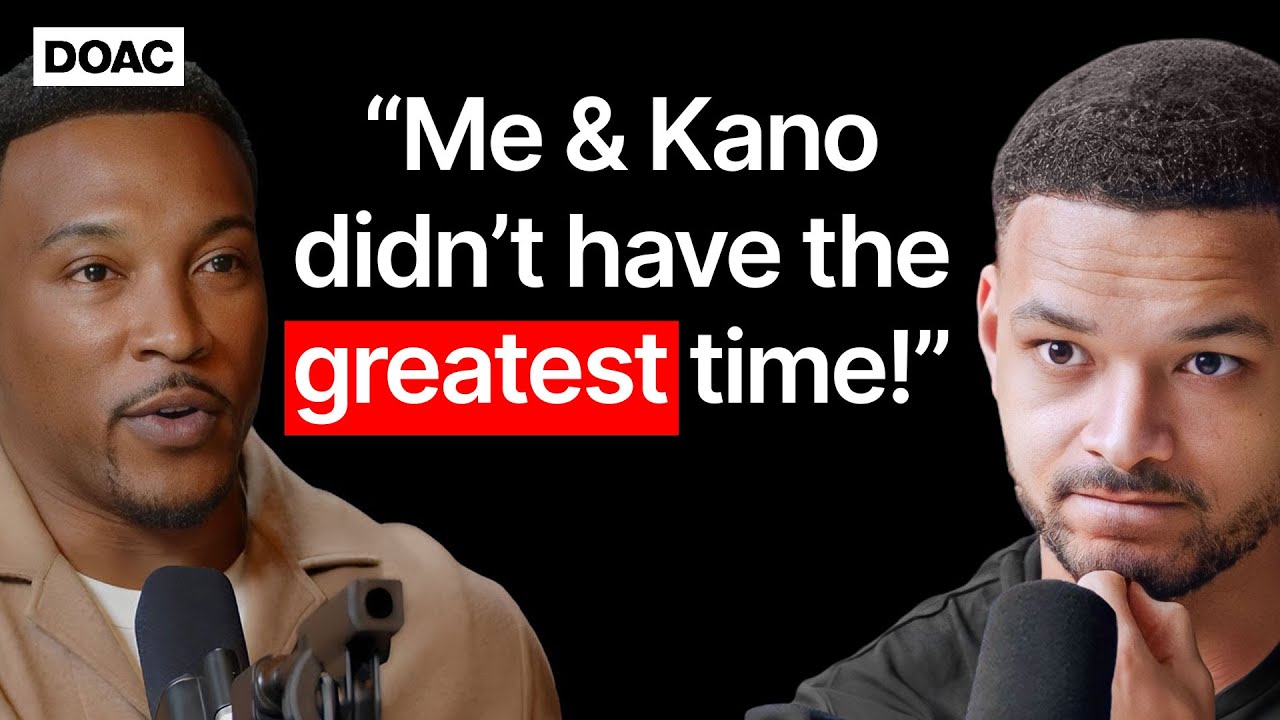
AI-assisted summary of Ashley Walters: The Unheard TRUTH About Top Boy! "Me & Kano Didn't Have The Greatest Time" — original source. Check the original for full context.
Source published:
Detailed notes
## Background This episode was published on YouTube by The Diary Of A CEO on September 14, 2023. According to the page description, Steven Bartlett sits down with actor and rapper Ashley Walters to discuss his journey from Asher D to Top Boy, touching on his prison time, fame, family trauma, and refusal to be constrained by others' expectations.
## TL;DR Ashley Walters reflects on how an absent father and childhood trauma shaped his early struggles with anger, street life, and imposter syndrome. He recounts his transition into acting and music with So Solid Crew, the transformative two weeks he spent with his dying father, and his rise to international prominence as Dushane in Top Boy. Throughout the conversation, Walters opens up about personal mistakes, fatherhood regrets, and the creative battles he and Kano fought behind the scenes to preserve the authenticity of Top Boy's final season.
## Atmosphere & style The conversation is remarkably intimate, raw, and vulnerable, balancing deep emotional reflection with moments of quiet humor and warmth. Host Steven Bartlett creates a calm, empathetic space that allows Walters to speak candidly about his deepest insecurities, unresolved grief, and personal flaws without defensiveness. Watching the episode feels like an authentic inner reckoning, tracing a powerful arc from childhood trauma and anger to self-awareness, maturity, and a desire to break generational cycles.
## Key takeaways - [01:46](https://www.youtube.com/watch?v=4C7aWQ0aSU8&t=106s) Growing up with an absent father left Ashley with severe trauma, anger, and self-doubt, leading him to seek male guidance from local gang figures. - [04:46](https://www.youtube.com/watch?v=4C7aWQ0aSU8&t=286s) Ashley pursued therapy to unpack his deep-seated issues and overcome the imposter syndrome that made him constantly feel like a fraud. - [07:23](https://www.youtube.com/watch?v=4C7aWQ0aSU8&t=443s) Joining So Solid Crew was less about music for Ashley and more about finding a sense of belonging and community. - [12:30](https://www.youtube.com/watch?v=4C7aWQ0aSU8&t=750s) Reconnecting with his dying father in 2005 taught Ashley that paternal love is unconditional and that external status symbols are fleeting. - [24:07](https://www.youtube.com/watch?v=4C7aWQ0aSU8&t=1447s) The loss of his father triggered a period of destructive behavior and ego-driven decisions, resulting in broken relationships and lost personal archives. - [44:41](https://www.youtube.com/watch?v=4C7aWQ0aSU8&t=2681s) Ashley credits his career longevity to soft skills, interpersonal charm, and maintaining genuine relationships in the entertainment industry. - [48:08](https://www.youtube.com/watch?v=4C7aWQ0aSU8&t=2888s) Facing constant industry rejection, Ashley channels 'no' into directional fuel, which ultimately pushed him to establish himself as a director. - [58:47](https://www.youtube.com/watch?v=4C7aWQ0aSU8&t=3527s) The COVID-19 pandemic forced Ashley to confront his personal vices, rely less on the work-based validation of his ego, and seek outside guidance. - [01:05:04](https://www.youtube.com/watch?v=4C7aWQ0aSU8&t=3904s) To bridge emotional differences and communication gaps with his wife Danielle, the couple actively attends weekly counseling. - [01:14:47](https://www.youtube.com/watch?v=4C7aWQ0aSU8&t=4487s) Ashley carries deep regret over being physically and emotionally absent during the formative years of his older children's lives. - [01:18:09](https://www.youtube.com/watch?v=4C7aWQ0aSU8&t=4689s) Ashley was ready to quit acting to avoid repetitive 'bad boy' typecasting until the nuanced script for Top Boy changed his career path. - [01:23:11](https://www.youtube.com/watch?v=4C7aWQ0aSU8&t=4991s) Top Boy broke ground by tackling complex social issues with cinematic quality, utilizing a cast composed largely of first-time actors. - [01:27:54](https://www.youtube.com/watch?v=4C7aWQ0aSU8&t=5274s) Filming the final season of Top Boy involved intense creative friction with producers as Ashley and Kano fought to keep the story authentic. - [01:35:32](https://www.youtube.com/watch?v=4C7aWQ0aSU8&t=5732s) Top Boy shifted global perceptions of Black British culture, opening doors for diverse UK talent and future stories across new genres. - [01:37:45](https://www.youtube.com/watch?v=4C7aWQ0aSU8&t=5865s) If given one final phone call to his children, Ashley would tell them he loves them—a phrase he never got to exchange with his own father.
## Detailed walkthrough ### [00:00](https://www.youtube.com/watch?v=4C7aWQ0aSU8&t=0s) Intro and the Weight of Trauma
The interview opens with an intense, raw montage of Ashley Walters speaking on his childhood trauma, lingering anger, and the heavy emotional weight he has carried throughout his life. Reflecting on his rise to fame with So Solid Crew and his standout lead role as Dushane in *Top Boy*, Ashley admits that growing up with a father in and out of prison made him bitter and hostile toward the world. He gravitated toward local gang figures as father figures and followed in their footsteps, confessing: "I was obsessed with the fact that I was gonna die young. I wanted to hurt people the way I was hurt."
Even as his acting career skyrocketed and *Top Boy* became widely celebrated as one of the greatest television series to come out of the UK, Ashley discloses that behind the scenes, creative friction was constant. Filming the final season was particularly challenging, as he and co-star Kano (Kane Robinson) pushed back fiercely against production resistance to ensure their characters and community were represented authentically. He breaks down in tears while recalling the emotional aftermath of rekindling his relationship with his father in 2005 shortly before his death, revealing that the grief and unresolved issues still haunt him deeply.
---
[01:36](https://www.youtube.com/watch?v=4C7aWQ0aSU8&t=96s) Early Context, Therapy, and the Father Deficit
Host Steven Bartlett begins by observing that Ashley speaks with the introspection and self-awareness of someone who has undergone therapy to process the subconscious forces shaping his life. Ashley readily confirms this, explaining that after being "cancelled" and facing severe personal and public set-backs, he actively sought therapy to unpack his deep-seated trauma. The primary origin of his emotional struggles stems from the absence of a father figure, which left him feeling lost about what it truly meant to be a man and filled him with constant self-doubt.
``` [ Absent Father & Unresolved Trauma ] │ ▼ [ Anger, Self-Doubt, and Search for Identity ] │ ┌────────────────┴────────────────┐ ▼ ▼ [ Street Life / Gangs ] [ Inner Drive to Prove Worth ] (So Solid Crew, Bad Boys) (Acting, Music, Directing) ```
Although Ashley acknowledges that many people experience fatherlessness without turning to destructive behavior, he reacted with reckless anger. During his early years with So Solid Crew and his initial acting roles, his hostility led him to lash out at those around him, both loved ones and strangers, bringing him into frequent conflict with the police. Despite having an incredibly supportive mother and a loving family, he struggled with a persistent, nagging feeling that he didn't belong in rooms with other men.
* **Code Word "France":** Whenever Ashley's father went to prison during his childhood, his family told him and his younger brothers that their dad was in "France." * **Superhero Perception:** Despite his father's sporadic presence, young Ashley viewed him as a superhero and constantly begged to see him because "everyone else had a dad." * **Chased by Police:** Ashley recalls a vivid memory at age 10 or 11 when his father got drunk at a family christening party, got into a fight, and was kicked out. Ashley had to carry his father down the street while police cars pursued them, with his father pushing Ashley's head down in the backseat telling him to stay low.
---
[07:23](https://www.youtube.com/watch?v=4C7aWQ0aSU8&t=443s) Street Role Models, So Solid Crew, and the Illusion of Manhood
When Ashley grew older and realized his father was not providing the guidance he needed, his longing transformed into anger. He turned to his local community for male role models, adopting the swagger and aggressive attitudes of local drug dealers and gang members. He clarifies that joining So Solid Crew was never purely about music for him; it was fundamentally about finding a sense of belonging and community.
> "Joining So Solid was never about music for me in the beginning. It was about belonging. It was the first time I was part of a gang, and there were a lot of older men in that group that looked after me... and seemingly at the time loved me."
Despite experiencing early professional success in music, television, and film, Ashley admits he lacked a true template for manhood. He mistook aggression, toughness, and emotional stonewalling for masculinity—believing a man must never cry, never take "no" for an answer, and constantly fight back. However, underneath that hard exterior, he remained emotionally incapable of maintaining healthy relationships or understanding his own intrinsic worth.
---
[09:03](https://www.youtube.com/watch?v=4C7aWQ0aSU8&t=543s) Unmet Expectations, Imposter Syndrome, and Seeking Approval
Steven references child psychologists like Gabor Maté, noting that children inherently interpret parental flaws or abandonment through a narcissistic lens—believing they themselves are to blame. Ashley agrees, admitting that deep down he interpreted his father's neglect as a signal that he wasn't good enough. This core belief manifested as severe imposter syndrome throughout his career, making him constantly feel like a fraud who was about to be caught out.
* **Constant Self-Doubt:** Ashley constantly worries about what others think when he walks into a room, often suspecting that people talking in a corner are talking about him. * **Driven by Rejection:** His drive to succeed was initially fueled by a desire to prove doubters wrong and to spite his father, operating on a mindset of "look what I achieved without you." * **Mother's Disconnect:** Ashley's mother struggled to understand why he remained so deeply attached to a father who was rarely there for him, asking him even after his father died why he was so broken over someone he barely knew.
---
[12:30](https://www.youtube.com/watch?v=4C7aWQ0aSU8&t=750s) Reconnecting in Canada and Overcoming Prejudices
Ashley details the profound turning point in his relationship with his father, which occurred in 2005 shortly before his father passed away from lung cancer. At the time, Ashley was in Canada filming *Get Rich or Die Tryin'*. His father, knowing he had only weeks left to live, insisted on visiting Ashley to make peace. Prior to this, Ashley harbored intense resentment toward his father, recalling how discovering his father's illiteracy through letters sent while Ashley was in prison in 2001 only fueled his anger and contempt.
``` +-----------------------------------------------------------------------+ | Key Lessons from His Father in Canada | +-----------------------------------------------------------------------+ | 1. Fame and success are temporary and can be taken away at any time. | | 2. Paternal love is unconditional—not tied to achievements. | | 3. Chasing absolute perfection is a destructive, impossible trap. | +-----------------------------------------------------------------------+ ```
During their two weeks together in Canada, Ashley—who had been convinced since age six or seven that he was destined to die young at age 33—had a friend film their daily lives. Sitting up for hours smoking and talking, Ashley filmed his father and asked him deep questions about his past. To Ashley's surprise, he discovered his father possessed immense street-smart wisdom and life experience. His father gave him invaluable advice about life and women, reminding Ashley that external success and fame are fleeting, and that he would love him purely as his son regardless of his achievements.
* **Childhood Pre-monition:** From a young age, Ashley held a bizarre, persistent belief that he would die at age 33, leading him to hire a camera operator to document his daily life. * **Father's Toughness:** Even while dying of lung cancer and barely able to breathe, his father insisted Ashley go out and get him weed and alcohol while they talked for hours. * **Generational Trauma:** During these talks, Ashley realized his father was himself a product of severe neglect, having grown up in care as the "bad kid" of his family without proper guidance.
<FollowUp label="Want to hear about Ashley's time in prison and his transition back to acting?" query="Tell me about Ashley Walters' time in prison, his experience with So Solid Crew during that period, and how he rebuilt his acting career afterward."/>
[18:54](https://www.youtube.com/watch?v=4C7aWQ0aSU8&t=1134s) A Father's Passing and Tragedy on Set
As Ashley Walters spent time getting to know his father, he gained a deeper understanding of the circumstances that had forced his father out of his life. Hearing his father's side allowed Ashley to reconcile his feelings and appreciate him as a person. They became close friends, attending clubs and raving together despite his father being visibly emaciated—"wafer-thin" and on "death's doorstep." At night, Ashley lay awake staring at the ceiling in constant dread as his father coughed violently through the hours, praying he wouldn't pass away right there in the room.
His father eventually boarded a plane to return home, but his health collapsed mid-transit. Rushed directly to the hospital from the airport, he died while Ashley was away working. Ashley learned of the death while on location, filming an intensely emotional scene alongside 50 Cent. Between takes, an unsettling silence fell over the set; the producers stood staring at Ashley until they gently instructed him to pause filming and call home. Retiring to his trailer, Ashley called his partner, who delivered the news that his father was gone.
Crushed by the loss, Ashley broke down crying in his trailer, where co-star Joy Bryant comforted him with a hug. 50 Cent also entered to offer a quick, somewhat detached condolence—"Sorry to hear about your dad, man"—before immediately pivoting back to discussing the scene's logistics. Ashley recognized that 50 Cent had likely lived through intense trauma that hardened his reactions, whereas for Ashley, this was his very first close encounter with losing someone who meant the world to him. Suppressing his grief, Ashley chose to keep working, flying back home for a single day to attend the funeral before immediately returning to set.
* **Year of Loss:** 2005 (18 years prior to the interview). * **Scene Partner:** Filming a scene with American rapper 50 Cent on location when notified. * **Support on Set:** Actress Joy Bryant came into his trailer to comfort him as he broke down. * **Unresolved Grief:** Ashley reflects that even 18 years later, talking about his father's death brings him to the edge of tears because he plowed through work rather than allowing himself to grieve.
---
[24:07](https://www.youtube.com/watch?v=4C7aWQ0aSU8&t=1447s) Spiral, Ego, and the Lost Tapes
The death of his father shattered Ashley's belief system, triggering a dark period of rebellion and reckless behavior. Prior to the loss, Ashley was a firm believer in the law of attraction and universal manifestation—pointing out how as a young boy, he had looked into a mirror and declared he would join the rap group So Solid Crew long before they knew who he was, watching the universe bring the right connections into his path. Losing his father destroyed that spiritual connection. He began drinking heavily, stopped caring about his future, and let his ego take control.
During this era of self-destruction, Ashley gave in to the temptations around him and abused his celebrity status. His promiscuity destroyed his relationship with his primary partner and led to him fathering two children outside of that relationship. Though he cherishes all his children deeply, he acknowledges that his mind set at the time—a reckless "you only live once" attitude—severely hurt those closest to him, leaving consequences he continues to pay for.
Adding to the emotional weight is the loss of the physical footage he filmed during his father's final days. Ashley had established a production company with a close friend, but as Ashley battled his internal demons and his partner faced personal family struggles, the company collapsed. The co-founder walked away with the entire footage archive, including all the video Ashley had taken of his father. For over a decade, Ashley has tried reaching out through mutual acquaintances to recover the tapes, refusing to launch a legal battle. Because he possesses no family portraits or photographs of his father, those lost tapes represent his only tangible connection to him—a priceless asset akin to the movie *Things to Do in Denver When You're Dead*.
* **Belief in Manifestation:** Manifested his membership in So Solid Crew as a child before the group was aware of his existence. * **Consequences of Infidelity:** Fathered two children outside of his main relationship during his self-described promiscuous phase following his father's death. * **Lost Archive:** A 10-year attempt to recover the only video footage of his father from a former business partner.
---
[31:55](https://www.youtube.com/watch?v=4C7aWQ0aSU8&t=1915s) Lessons Learned in the Final Two Weeks
Reflecting on the last two weeks he shared with his dying father, Ashley describes gaining an invaluable sense of identity. A core necessity of fatherhood, he notes, is providing children with a clear reference point of who they are and where they come from. Sitting with his father gave Ashley an explanation for his own personal quirks—such as a specific twitch in his eye when lying—and helped him understand the root of his emotional tendencies.
Despite having no material wealth, his father exuded an undeniable aura of confidence, charm, and quiet humility. Seeing this power stripped away Ashley's reliance on external signs of success, like luxury cars, high-end watches, and expensive apartments. His father cared nothing for these status symbols, yet demonstrated that he had secretly paid close attention to Ashley's life and career from afar.
Ashley walked away from those final days fully assured that his father loved him and was proud of him. His only lingering regret is whether his father departed feeling forgiven; Ashley had initially met his father's cancer diagnosis with anger and skepticism, accusing him of fabricating the illness for attention. While Ashley softened his posture toward the end, he maintained a tough exterior to protect himself. He hopes his father was able to read between the lines and realize he was forgiven.
> "I was hiding myself in success... 'I've got this watch, I've got this car, I'm staying in this apartment'—and he didn't give a fuck about any of that."
---
[37:45](https://www.youtube.com/watch?v=4C7aWQ0aSU8&t=2265s) Imposter Syndrome and the Fuel for Ambition
When host Steven Bartlett questions Ashley's early assertion that his career success was simply down to raw talent, Ashley reevaluates what truly drove his trajectory in acting and music. Steven suggests that Ashley's upbringing and trauma left him with a persistent feeling that his work was never quite good enough—a form of imposter syndrome that forced him to become a perfectionist, driving him to work extra hours in the studio and push further than others.
Ashley notes the sharp contrast between his own upbringing and that of some peers in the industry whose fathers actively reviewed their contracts and guided their careers. That absence fueled Ashley's determination to be present for his own children's professional and personal lives. However, he acknowledges that the insecurity and need to prove himself served as the engine behind his ability to cross over into multiple entertainment fields at a remarkably young age.
[39:41](https://www.youtube.com/watch?v=4C7aWQ0aSU8&t=2381s) Balance, Charm, and the "Engine Room" of Acting
Between performing with So Solid Crew and acting on BBC television as a teenager, Ashley Walters was executing two high-level careers simultaneously—an achievement few reach in a lifetime, let alone at 15 to 17 years old. When asked what internal traits allowed him to navigate that intense dual path, Walters admits he struggles to answer because self-praise makes him uncomfortable. However, he reflects on inheriting a natural charm from his late father—an innate ability to read a room, engage people, and make others like him.
That personal essence directly fuels his on-screen work. While characters serve as masks, Walters notes that "the engine room is Ashley," drawing heavily on his own raw life experiences and past trauma to bring authenticity to his roles. Off-camera, he consciously maintains humility and a desire to give back. Being one of the early Black British actors to break into mainstream television during a time when representation was scarce, he built a deep, lasting connection with audiences who grew up watching him on screen.
- **So Solid Crew & Early Acting**: Walters balanced chart-topping musical success with major BBC acting roles during his late teens. - **Relatability & Accessibility**: Unlike international superstars who require stores to shut down, Walters moves freely in public, taking public transit and walking the streets because fans view him with familiar warmth ("Oh, it's Ash"). - **Core Philosophy**: Prioritizes treating people well, staying grounded outside of acting, and using his position to support others in the community.
---
[44:41](https://www.youtube.com/watch?v=4C7aWQ0aSU8&t=2681s) Invisible PR and Navigating Mistakes
Long-term success in the entertainment industry relies heavily on soft skills and interpersonal relationships—what host Steven Bartlett frames as "invisible PR." Walters acknowledges that his career longevity is directly tied to how he treats people behind the scenes. Having made his share of non-public mistakes over the decades, he credits his standing in the industry to the goodwill he cultivated; when times got tough, those who worked with him chose to support him rather than abandon him.
In an era characterized by quick judgments and cancel culture, Walters takes pride in having remained as genuine as possible. That authenticity has built a resilient foundation of industry colleagues and loyal fans who continue to show up for his projects.
- **Mistakes & Support**: Credits his survival through personal missteps to the strong, respectful relationships he maintained with colleagues. - **Industry Dynamics**: Emphasizes that consistently treating people well creates an enduring reputation that opens doors when you aren't in the room.
---
[45:38](https://www.youtube.com/watch?v=4C7aWQ0aSU8&t=2738s) The Reality of the Acting Hustle
When asked how he would react if one of his own children wanted to pursue acting, Walters reveals a protective instinct born from experience. While he wouldn't forbid them, he admits it worries him deeply because of how volatile and unforgiving the industry is. As an educator at Kingdom Drama School, students frequently ask him for the secret to breaking through, but Walters insists there is no fixed blueprint—success is an anomaly born of preparation meeting an unpredictable moment.
Despite his visible profile, Walters reveals that financial security is a relatively recent development for him, having only achieved stability in the last decade. For years prior, despite working constantly, he faced the terrifying reality of not knowing how he would feed his family from one job to the next.
> "Eighty percent of it is people just telling you no, this ain't gonna happen... What people get to see is that little ten percent that works."
- **Kingdom Drama School**: Mentors aspiring actors, focusing on mental and professional preparation rather than promising linear success. - **Financial Instability**: Spent the vast majority of his lifelong career living with financial uncertainty before reaching stability in his thirties. - **The Rejection Rate**: Notes that standard acting careers are defined by constant rejection, where the public only sees a fraction of the efforts that actually succeed.
---
[48:08](https://www.youtube.com/watch?v=4C7aWQ0aSU8&t=2888s) Turning "No" into Directional Fuel
Walters is uniquely motivated by doubt and rejection. Rather than letting a "no" crush his ambition, he uses it as quiet determination to prove critics wrong. He prefers to be given the freedom to try and fail on his own terms rather than being blocked from taking a shot altogether—a mindset that directly propelled his transition into directing.
When working on a show he created, production executives initially shut down his request to direct, citing a lack of experience. Refusing to accept that answer after having been on sets since age seven, Walters partnered with his business team to secure funding from Sky and direct a short film to prove his capability. In doing so, he discovered a genuine passion for the craft of directing that transformed his career trajectory.
- **Motivation Through Resistance**: Describes his reaction to being told he can't do something: "When I'm silent, that's when people should worry about me... that's when I'm thinking how to get around you." - **Directing Breakthrough**: Overcame executive skepticism by independently producing and directing a short film funded by Sky, which sparked a new professional path.
---
[51:51](https://www.youtube.com/watch?v=4C7aWQ0aSU8&t=3111s) Unrepeatable Paths and Finding Joy in the Climb
Mentoring students at Kingdom Drama School, Walters cautions young actors against trying to replicate his exact life path. He reminds them that his specific presence and artist identity were forged through distinct hardships—including losing his father and serving time in prison—events he would not wish on anyone. When asked hypothetically if he would erase those painful moments if given a reset button, Walters firmly declines, using a *Back to the Future* analogy to explain that altering past tragedies could erase his present blessings, including his children.
Looking back at his career, Walters reflects on a paradoxical truth about success: the most fulfilling part of the journey is the hustle itself rather than reaching the destination. Seeing peers who have "completed the game" and hit the pinnacle of wealth, he notes that reaching a point where there are no hurdles left often leads to boredom. He thrives on having a target to chase and finds quiet stability in continuous creative ambition.
> "It's not about the journey, it's about how you use your journey and, more importantly, enjoying the journey... The best parts of what I've achieved have been along the way."
- **The Reset Dilemma**: Refuses to erase his past imprisonment or trauma, recognizing that every event was required to shape his current family and identity. - **Constant Drive**: Admits to being creatively restless; even while wrapping up a project for Disney, his focus immediately shifts toward the next challenge.
---
[54:47](https://www.youtube.com/watch?v=4C7aWQ0aSU8&t=3287s) Confronting the Mirror During the Pandemic
When the global pandemic brought the entertainment industry to a sudden halt, Walters struggled deeply with enforced stillness. As someone who relied on continuous work and travel as an emotional release valve, being forced to sit at home for weeks without a clear end date was unsettling. The experience exposed cracks in his routine, revealing that he was unprepared for 24-hour confinement with his family without his usual external outlets.
The lockdown forced Walters and his wife to confront friction points in their marriage that had previously been buried under busy schedules. Dealing with severe low moods and anxiety over the state of the world and his livelihood, the period became a grueling test of self-awareness, highlighting how deeply his sense of identity and mental stability were tied to the hustle of his work.
- **Holiday Differences**: Contrasts his need for constant activity with his wife's preference for relaxing on vacation with a book. - **Lockdown Friction**: Acknowledges that the forced proximity during the pandemic led to intense arguments with his wife, exposing underlying relationship challenges. - **Identity & Work**: Realized his work served as a crucial coping mechanism, forcing him to face severe emotional lows when that outlet was removed.
<ElicitationsGroup message="Where would you like to go next with this transcript?"> <Elicitation label="Summarize Ashley's journey with Top Boy" query="Summarize Ashley Walters' journey with Top Boy based on the transcript outline."/> <Elicitation label="Explore his reflections on fatherhood" query="Detail Ashley Walters' thoughts on fatherhood and his relationship with his children from the video notes."/> </ElicitationsGroup>
[58:47](https://www.youtube.com/watch?v=4C7aWQ0aSU8&t=3527s) Stripped Down to a "Civilian": Navigating Lockdown and Internal Flaws
The COVID-19 pandemic imposed a sudden freeze on normal life, forcing Ashley Walters to halt the high-velocity world of film sets. Host Steven Bartlett notes that for actors whose sense of self-worth is tightly tethered to being on set, work provides validation that they are "enough." Walters agrees completely, explaining that when sets shut down, the unique identifier that set him apart from everyone else was stripped away, reducing him to a "civilian." Forced to sit quietly without the usual career distractions, he had to confront his internal thoughts and long-standing vices.
``` ┌─────────────────────────────────────────┐ │ Pandemic Lockdown Freeze │ │ (Sets shut down / Stripped of work) │ └────────────────────┬────────────────────┘ │ ▼ ┌─────────────────────────────────────────┐ │ Loss of Identity as an Actor/Artist │ │ ("Reduced to a civilian") │ └────────────────────┬────────────────────┘ │ ▼ ┌─────────────────────────────────────────┐ │ Forced Self-Confrontation & Vices │ │ • Heavy drinking • Nail-biting │ │ • Excessive smoking • Inner thoughts │ └─────────────────────────────────────────┘ ```
During this forced pause, habits he had never fully conquered became blatantly obvious. He found himself drinking too much, smoking heavily, and compulsively biting his nails. Sitting with himself exposed an uncomfortable internal landscape, leading him to realize that the inner voice in his head is, in his words, "a mug" that shouldn't be trusted blindly.
- **The Bias of the Inner Voice:** Walters argues that the voice inside one's head acts as an overly biased extension of the ego, justifying bad behavior and telling people what they want to hear rather than reality. - **Unwise Decisions:** Looking back, Walters attributes some of his worst historical choices to blindly following that internal monologue under the belief that it was "the right thing to do." - **Seeking External Guidance:** To counteract impulsivity driven by fear, anger, or jealousy, Walters now actively seeks outside perspectives—whether from his mother or his wife, Danielle—before acting on heightened emotions.
[01:03:00](https://www.youtube.com/watch?v=4C7aWQ0aSU8&t=3780s) Vengeful Thoughts, Forgiveness, and the Jailer Within
Walters opens up about a darker, vengeful aspect of his personality that occasionally surfaces when he feels hurt. Acknowledging that "hurt people hurt people," he admits that the urge to inflict pain back can feel like the easiest path, though he works hard to lead with love and self-control.
``` ┌─────────────────────────────────────────────────────────────────────────┐ │ THE CYCLE OF HURT │ │ │ │ Past Hurt / Trauma ──► Vengeful Urges ──► Resentment / Grudges Held │ │ │ │ │ ▼ │ │ Self-Inflicted Suffering │ │ ("You are the prisoner") │ └─────────────────────────────────────────────────────────────────────────┘ ```
The discussion shifts to the mental burden of holding grudges. Bartlett highlights an insightful quote: *"Forgiving someone is like letting a prisoner go and realizing in doing so that you were the prisoner the whole time."* Walters resonates strongly with this metaphor, admitting that while he hasn't managed to forgive everyone from his past, keeping resentment alive only harms the person holding it.
> "Forgiving someone is like letting a prisoner go and realizing... that you were the prisoner the whole time."
- **Carrying Baggage:** Walters acknowledges carrying unresolved emotional baggage while actively working on making amends with people he has wronged, even those who may never forgive him. - **The Asymmetry of Grudges:** He reflects on how the targets of his lingering resentment have likely forgotten about him entirely, leaving him as the only person suffering from the past.
[01:05:04](https://www.youtube.com/watch?v=4C7aWQ0aSU8&t=3904s) Contrast in Upbringings: Embracing a Different Kind of Love
When discussing his relationship with his wife, Danielle, Walters details the stark culture clash between their respective family backgrounds. Coming from an upbringing where physical affection and emotional displays were rare, encountering Danielle’s highly tactile, loving family was initially shocking.
``` ┌─────────────────────────────────┐ ┌─────────────────────────────────┐ │ Ashley's Upbringing │ │ Danielle's Upbringing │ ├─────────────────────────────────┤ ├─────────────────────────────────┤ │ • Independent & reserved │ │ • Highly tactile & affectionate │ │ • Rare physical contact │ vs. │ • Family lounge on sofa together│ │ • Weeks without phone calls │ │ • Open, continuous emotional │ │ • "Clean," practical dynamic │ │ dialogue & warmth │ └─────────────────────────────────┘ └─────────────────────────────────┘ ```
When he first observed Danielle's family lying together on the sofa, hugging and sharing physical warmth, his immediate internal reaction was discomfort and aversion—a reaction he now recognizes as disguised jealousy. Over time, however, he learned to embrace that dynamic, realizing he craved that level of affection even if it didn't come naturally to him.
- **Communication Styles:** Walters describes his survival-oriented mindset ("strap your boots up, solve the problem") versus Danielle’s processing style, which prioritizes talking through feelings in depth. - **Counterbalancing Dynamics:** Bartlett and Walters agree that having a partner with a completely opposite emotional style serves as a necessary counterbalance, pulling out suppressed, healthy aspects of their personalities. - **Weekly Counseling:** Walters shares that he and Danielle actively attend couple's counseling every weekend to bridge communication gaps and build an honest space for conflict resolution.
[01:11:03](https://www.youtube.com/watch?v=4C7aWQ0aSU8&t=4263s) The "Fixer" Mentality vs. Pure Emotional Listening
Walters reflects on his difficulty with passive listening during emotional conversations. When a partner or friend shares a problem, his immediate instinct is to step in as a "fixer" rather than simply validating their feelings.
This behavioral pattern stems directly from his mother’s pragmatic parenting style. Growing up, complaints or emotional venting were met with swift demands for practical solutions: *"Shut up, how are you going to fix it? Write me a business plan."* Consequently, Walters viewed communication purely as a prelude to action rather than a medium for emotional connection.
- **The Bedtime Vent Example:** A friend shared that his wife would come home from work at 3:00 AM wanting to talk about her stressful day. The friend felt overwhelmed with rage toward her boss, illustrating how men often struggle to just listen without wanting to intervene physically or practically. - **Pragmatic Upbringing:** Communication in Walters' childhood house was structured around next steps, execution, and self-reliance rather than venting or bonding.
[01:14:35](https://www.youtube.com/watch?v=4C7aWQ0aSU8&t=4475s) Breaking Generational Cycles and Fatherhood Regrets
The dialogue turns to fatherhood and the ongoing challenge of generational distance. Having become a father at age 17 and entering prison at 19, Walters spent crucial formative years away from his oldest children. Even after his release, the demands of touring, music, and acting took precedence over parental duties.
``` ┌─────────────────────────────────────────────────────────────────────────┐ │ GENERATIONAL DISTANCE PATTERN │ │ │ │ Absent/Distant Father ──► Early Absence & Career Focus (17-19 yrs) │ │ │ │ │ ▼ │ │ Communication Gap & Distance │ │ │ │ │ ▼ │ │ Cycle Repeated in Next Gen │ └─────────────────────────────────────────────────────────────────────────┘ ```
Walters candidly admits that during those early years, he lacked the maturity to embrace adult responsibilities and was unwilling to sacrifice his career aspirations. Today, he feels he is paying the emotional price for that absence, experiencing an underlying distance and lack of deep trust with his adult children.
- **Lack of Spontaneous Contact:** While family gatherings are joyful, Walters notes with sadness that his older children rarely call him on their own initiative, mirroring his own distant dynamic with his father. - **Generational Anxiety:** Both Walters and Bartlett express deep-seated fears about inadvertently passing down emotional coldness and detachment to the next generation. - **Regret over Missed Bonds:** Walters struggles with the realization that his kids often do not come to him with their life issues, seeing it as a direct consequence of his early absence and inherited emotional distance.
[01:17:09](https://www.youtube.com/watch?v=4C7aWQ0aSU8&t=4629s) Shopify Sponsorship & Mid-Roll Break
Steven Bartlett takes a brief moment to introduce a new sponsor for the podcast, Shopify. He shares his genuine enthusiasm for the commerce platform, explaining that it is a tool he uses almost daily across his various business ventures. He highlights how his team utilized Shopify from start to finish to launch their own product, the "Conversation Cards," which featured questions submitted by podcast guests.
Bartlett praises how smooth the platform made the entire process, emphasizing that his team actually loved using it—a rarity when it comes to adopting new workplace technologies. He encourages listeners who are starting a side hustle or building a global business to visit `[shopify.com/bartlett](https://shopify.com/bartlett)` to elevate their operations.
---
* **Product Launch:** Bartlett's team created and sold the "Conversation Cards" using Shopify's infrastructure. * **Platform Reach:** Promoted as an all-in-one commerce engine for side hustles, friend collaborations, and global brands.
---
[01:18:21](https://www.youtube.com/watch?v=4C7aWQ0aSU8&t=4701s) The Early Days of *Top Boy* and Breaking Typecasting
Ashley Walters reflects on the wild, surreal journey of making *Top Boy*, recalling the sheer shock he and co-star Kano (Kane Robinson) felt while filming the very first season for Channel 4. During the infamous scene on the Summerhouse estate where their characters chop off Kamale's associate's finger, Kano turned to Ashley in disbelief, asking, *"Are they gonna put this on TV?"* At the time, British television had never broadcast anything so raw or uncompromising, making its eventual evolution into one of Netflix's largest global exports feel mind-blowing.
``` +-----------------------------------------------------------------------------------+ | TOP BOY: FROM CULTRY UK DRAMA TO GLOBAL EXPORT | +-----------------------------------------------------------------------------------+ | 2011 (Channel 4): Groundbreaking, gritty UK street culture drama. | | Cancellation: Axed after Season 2 despite massive cult following. | | 2019 (Netflix): Resurrected globally; dynamic, multi-layered character arcs. | +-----------------------------------------------------------------------------------+ ```
Walters reveals that just months before reading the *Top Boy* script, he had told his agent he was done playing generic "bad boy" or gang member roles. After starring in *Bullet Boy*, he found himself pigeonholed, receiving endless scripts featuring variations of the same superficial tropes. He was prepared to walk away from acting entirely—even if it meant financial hardship—rather than continue taking repetitive roles. However, when Ronan Bennett's script for *Top Boy* arrived, everything changed. For the first time, he saw black organized crime depicted with structure, hierarchy, and human depth, reminiscent of iconic films like *Goodfellas* and *Scarface*.
* **Iconic Early Scene:** Filming the scene where Kamale's associate (Sway) has his finger cut off in the market made the cast question if Channel 4 would air the series. * **Breaking Free of Typecasting:** Ashley explicitly instructed his agent that he would rather not work at all than keep taking repetitive "bad boy" roles after *Bullet Boy*. * **Character Depth:** Ashley was drawn to Dushane because he wasn't a mindless thug; he had entrepreneurial ambition, strategic vision, and complex human motivations.
---
[01:23:11](https://www.youtube.com/watch?v=4C7aWQ0aSU8&t=4991s) Cancellation, Cultural Impact, and Cinematic Magic
When asked why Channel 4 cancelled *Top Boy* after just two seasons, Ashley admits that he and the fans were baffled. Over the years, he developed a theory that a executive "change of guard" at the network led to the cancellation—new leadership often axes established hits to avoid living in the shadow of previous executives' successes. Despite the heartbreak at the time, Ashley views the hiatus as a blessing in disguise because it allowed public anticipation to build into a passionate cult demand.
The show's ability to cross over globally where other British urban dramas failed comes down to its three-dimensional storytelling and cinematic execution. *Top Boy* went beyond surface-level crime by weaving in heavy social issues like mental health, parental neglect, and community decay. Crucially, director Yann Demange brought a feature-film sensibility to the set. With over 90% of the first-season cast having no prior acting experience, Demange's directorial skill was vital in extracting natural, powerful performances while capturing London with striking visual beauty.
* **Executive Dynamics:** Ashley suspects a change in leadership at Channel 4 caused the initial cancellation, as new executives rarely want to give credit to prior hits. * **First-Time Actors:** Roughly 90% of the original season 1 cast had zero prior acting experience before being directed by Yann Demange. * **Broad Social Themes:** Season 1 tackled deeper societal issues, including mental health struggles and youth neglect (such as the storyline following Gem).
---
[01:27:54](https://www.youtube.com/watch?v=4C7aWQ0aSU8&t=5274s) Ashley's Acting Methodology and The Final Season on Netflix
When preparing for roles, Ashley explains that he doesn't adhere to a single set of rigid rules; instead, he does whatever extreme measures the character requires. To play a homeless, crack-addicted alcoholic in a past project, he moved out of his home, slept on a thin mattress in a bare one-bedroom apartment, and stopped eating food to lose drastic weight. He believes that "less is more" and prefers not to be over-prepared so he can remain vulnerable and responsive in the moment.
``` +-----------------------------------------------------------------------------------+ | ASHLEY WALTERS' METHOD ACTING RANGE | +-----------------------------------------------------------------------------------+ | Extreme Prep: Fasting, leaving home, sleeping on a floor mattress for intense roles | | Instinctive Prep: Deep backstory knowledge combined with "less is more" vulnerability| +-----------------------------------------------------------------------------------+ ```
Addressing the final season on Netflix, Ashley describes his emotions as deeply bittersweet. The "bitter" element stems from the reality that finishing the show means drifting apart from cast members who felt like family. He acknowledges that because of his nature, once the shared work ends, those regular daily connections fade. Furthermore, Ashley reveals that he and Kano faced significant resistance behind the scenes during the final season. With seven or eight executive producers involved, they had to "go hard" and fight fiercely to protect the integrity of the scripts, characters, and storylines.
``` "Me and Kano didn't have the greatest time, you know, fighting for what we believed in and making it the best show that we could make it be... We faced a lot of resistance this time around. We weren't given the creative input all the time that we desired." ```
* **Method Dedication:** For a role playing an addict, Ashley isolated himself, lived in minimal conditions, and starved himself to feel genuine physical desperation. * **Behind-the-Scenes Tension:** Making the final season involved intense debates with 7 to 8 executive producers to ensure the characters and narrative remained authentic. * **Bonding Through Conflict:** Pushing back against creative resistance brought Ashley and Kano closer together than ever before, solidifying their partnership as both actors and businessmen. * **The Sweet Side of Ending:** Ending the series grants Ashley his personal freedom back, releasing him from restrictive long-term multi-year contracts so he can direct and explore new creative avenues.
---
<ElicitationsGroup message="Where would you like to go next with this transcript analysis?"> <Elicitation label="Summarize Part 6 of the transcript" query="Please provide the detailed, faithful walkthrough for Part 6 of this Ashley Walters transcript."/> <Elicitation label="Analyze Ashley's career transition from musician to actor" query="Can you summarize Ashley Walters' transition from So Solid Crew to becoming a mainstream actor based on the full interview context?"/> </ElicitationsGroup>
[01:35:32](https://www.youtube.com/watch?v=4C7aWQ0aSU8&t=5732s) *Top Boy*'s Cultural Legacy and Breaking Global Boundaries
Ashley reflects on the profound global impact of *Top Boy*, illustrating its reach through recent encounters. Earlier in the day, he met with a Nigerian executive who runs a major record label and production company, who thanked him directly because the show made his work infinitely easier across international borders. Ashley shares that rapper Giggs expressed a similar sentiment when traveling to the States and around the world, explaining that he no longer has to constantly introduce or explain where he comes from. The show established an immediate cultural connection and context for global audiences, shifting the world's perception of British culture away from standard period dramas, cups of tea, biscuits, or films like *Notting Hill*.
Looking forward, Ashley views *Top Boy* as an essential foundation that opened doors for British culture and Black talent in the international market. However, he emphasizes that the industry must now push further by expanding the types of stories told. He envisions a future filled with Black detectives, Black superheroes, and diverse narratives that do not solely revolve around the gritty, street-level world depicted in *Top Boy*. By establishing global trust in UK exports, the show expanded horizons for unlimited creative possibilities.
* Ashley met with a prominent Nigerian record label and production company owner who expressed gratitude for the show's cultural footprint. * Giggs noted that *Top Boy* eliminated the need to explain his background when traveling to the United States and internationally. * Ashley advocates for broadening Black storytelling into new genres, including superhero and detective narratives.
---
[01:37:45](https://www.youtube.com/watch?v=4C7aWQ0aSU8&t=5865s) The Last Diary Question: A Final Message to His Children
Following the podcast’s tradition where the previous guest leaves an anonymous question in Steven’s diary, Steven reads the prompt assigned to Ashley: *"You've got one phone call left to your children, what do you say to them?"* Ashley initially lightens the tense, emotional atmosphere with his trademark humor, cracking a joke about his usual household parting phrase: *"Don't eat my chicken wings!"*
Shifting to a sincere and tender tone, Ashley shares that he would simply tell them, *"I love you."* He reveals the deep personal motivation behind those words, reflecting on how he never got to say that to his own father before he passed away, nor did his father voice those exact words to him. Assuming that a final phone call would mark the last time he would ever speak to his children, he stresses that ensuring they know he loves them is the only thing that truly matters.
---
[01:39:15](https://www.youtube.com/watch?v=4C7aWQ0aSU8&t=5955s) Steven's Tribute to Ashley's Journey and Integrity
Steven closes the conversation with a heartfelt tribute to Ashley’s resilience, character, and artistic legacy. He praises Ashley for fighting to maintain the integrity and authenticity of *Top Boy* over the years, noting how his lived experiences gave the show its deep resonance. Expressing genuine excitement for Ashley's evolving directing career, Steven highlights that his achievements stem far beyond raw talent—they are the product of decades of hard work, perfectionism, kindness, people skills, and rebounding from intense hardship and rejection.
Ashley graciously accepts the praise, thanking Steven for the warm hospitality and thoughtful interview environment before the episode officially wraps up.
* Steven commends Ashley’s relentless commitment to preserving the artistic integrity of his work across his two-and-a-half-decade career. * Ashley expresses his sincere gratitude for being on the show as the main interview segment comes to an end.
## Notable quotes > [00:00](https://www.youtube.com/watch?v=4C7aWQ0aSU8&t=0s) I was obsessed with the fact that I was gonna die young. I wanted to hurt people the way I was hurt. — Ashley Walters
> [07:23](https://www.youtube.com/watch?v=4C7aWQ0aSU8&t=443s) Joining So Solid was never about music for me in the beginning. It was about belonging. It was the first time I was part of a gang, and there were a lot of older men in that group that looked after me... and seemingly at the time loved me. — Ashley Walters
> [31:55](https://www.youtube.com/watch?v=4C7aWQ0aSU8&t=1915s) I was hiding myself in success... 'I've got this watch, I've got this car, I'm staying in this apartment'—and he didn't give a fuck about any of that. — Ashley Walters
> [45:45](https://www.youtube.com/watch?v=4C7aWQ0aSU8&t=2745s) Eighty percent of it is people just telling you no, this ain't gonna happen... What people get to see is that little ten percent that works. — Ashley Walters
> [48:08](https://www.youtube.com/watch?v=4C7aWQ0aSU8&t=2888s) When I'm silent, that's when people should worry about me... that's when I'm thinking how to get around you. — Ashley Walters
> [51:51](https://www.youtube.com/watch?v=4C7aWQ0aSU8&t=3111s) It's not about the journey, it's about how you use your journey and, more importantly, enjoying the journey... The best parts of what I've achieved have been along the way. — Ashley Walters
> [01:03:00](https://www.youtube.com/watch?v=4C7aWQ0aSU8&t=3780s) Forgiving someone is like letting a prisoner go and realizing... that you were the prisoner the whole time. — Ashley Walters
> [01:11:03](https://www.youtube.com/watch?v=4C7aWQ0aSU8&t=4263s) Shut up, how are you going to fix it? Write me a business plan. — Ashley's Mother
> [01:18:21](https://www.youtube.com/watch?v=4C7aWQ0aSU8&t=4701s) Are they gonna put this on TV? — Kano (Kane Robinson)
> [01:27:54](https://www.youtube.com/watch?v=4C7aWQ0aSU8&t=5274s) Me and Kano didn't have the greatest time, you know, fighting for what we believed in and making it the best show that we could make it be... We faced a lot of resistance this time around. We weren't given the creative input all the time that we desired. — Ashley Walters
> [01:37:45](https://www.youtube.com/watch?v=4C7aWQ0aSU8&t=5865s) Don't eat my chicken wings! — Ashley Walters
## Mentioned Ashley Walters, Steven Bartlett, Kano, Kane Robinson, Top Boy, So Solid Crew, BBC, Sky, Channel 4, Netflix, Shopify, Kingdom Drama School, Gabor Maté, 50 Cent, Joy Bryant, Danielle Walters, Yann Demange, Ronan Bennett, Giggs, Get Rich or Die Tryin', Bullet Boy, Goodfellas, Scarface, Things to Do in Denver When You're Dead, Back to the Future, Notting Hill
[Source](https://www.youtube.com/watch?v=4C7aWQ0aSU8)