Allica Bank Cuts SME Loan Decisions to Minutes via Agentic AI
OpenAI
Allica Bank boosted daily active AI adoption to 77% by restructuring engineering teams into squadlets and automating broker email workflows rather than deploying customer-facing chatbots.
## Background
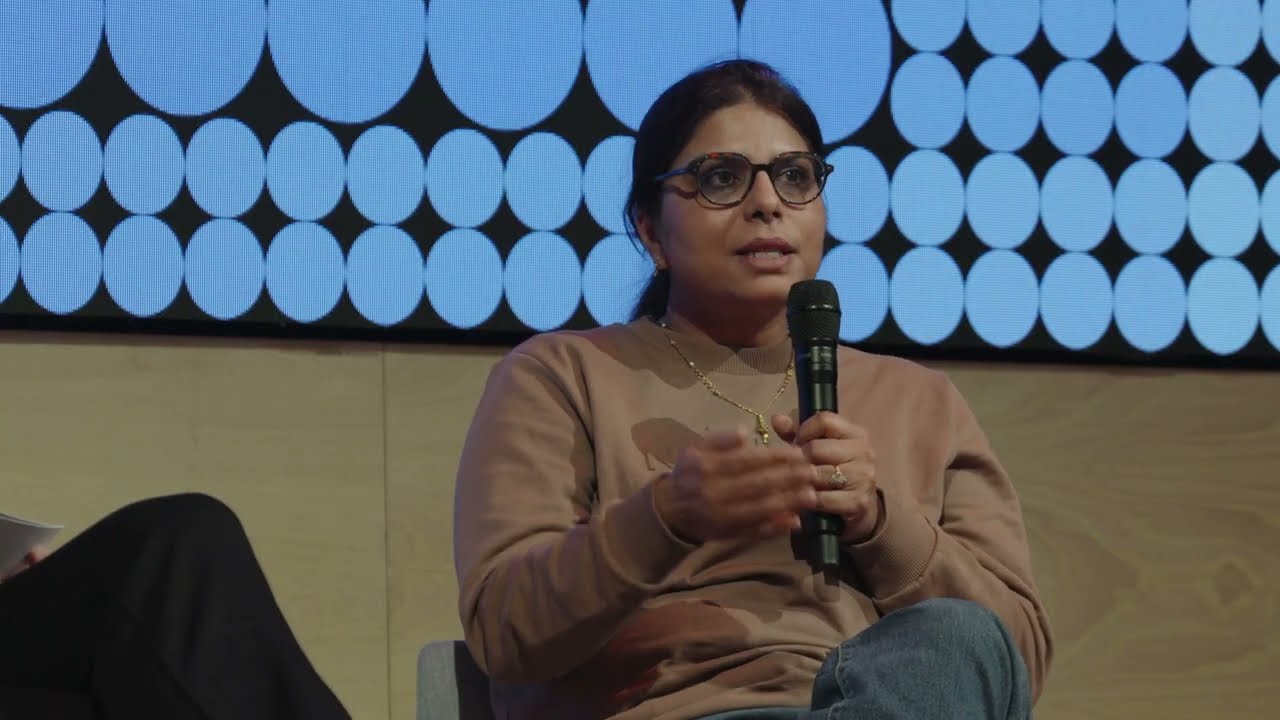
Published by OpenAI on YouTube on June 8, 2026, this video features a Customer Ignite Talk presented by Ravneet Shah, CTO of Allica Bank. No channel show notes or description were provided for the video page.
## TL;DR
Ravneet Shah details how Allica Bank, a UK challenger bank for small and medium enterprises, scaled AI adoption across its business and evolved its engineering operations. He explains how the bank reorganized traditional engineering squads into compressed 'squadlets' to accelerate deployment and empower non-engineers to ship code. Furthermore, Shah outlines how agentic AI streamlines SME lending decisions to under 7 to 12 minutes and how internal AI tools empower relationship managers rather than replacing them with client-facing chatbots.
## Atmosphere & style
The presentation carries a professional, forward-thinking, and pragmatic tone characteristic of an executive technology talk. Clem from OpenAI provides an inviting introduction before Ravneet delivers a candid, clear breakdown of Allica Bank's operational shifts. The narrative feels grounded and instructional, balancing strategic corporate vision with real-world engineering metrics.
## Key takeaways
- [00:00](https://www.youtube.com/watch?v=pcAtJDBO3hw&t=0s) Allica Bank is a UK challenger bank established in 2019 focusing on SMEs by combining technology with personalized relationship banking.
- [00:00](https://www.youtube.com/watch?v=pcAtJDBO3hw&t=0s) Scaling AI effectively required employees across all departments to unlearn old habits and adapt daily workflows rather than just running small trials.
- [00:00](https://www.youtube.com/watch?v=pcAtJDBO3hw&t=0s) Daily active AI usage at Allica Bank increased dramatically from 25% the previous year to a median workday metric of 77%.
- [04:41](https://www.youtube.com/watch?v=pcAtJDBO3hw&t=281s) To remove governance delays and hand-off bottlenecks, Allica Bank evolved its engineering squads into smaller units called 'squadlets'.
- [04:41](https://www.youtube.com/watch?v=pcAtJDBO3hw&t=281s) The bank consolidates roles into T-shaped 'product engineers' who manage both product strategy and direct code deployment.
- [04:41](https://www.youtube.com/watch?v=pcAtJDBO3hw&t=281s) Allica Bank executed over 3,700 code deployments in the previous year and aims for non-engineers to directly ship code to production.
- [08:45](https://www.youtube.com/watch?v=pcAtJDBO3hw&t=525s) Instead of forcing brokers to use portals, Allica Bank deployed agentic AI to process incoming email application data directly.
- [08:45](https://www.youtube.com/watch?v=pcAtJDBO3hw&t=525s) By combining deterministic and non-deterministic logic, application time-to-decision was reduced to under 7 to 12 minutes.
- [11:42](https://www.youtube.com/watch?v=pcAtJDBO3hw&t=702s) Allica Bank deliberately avoided replacing relationship managers with customer-facing AI chatbots, choosing to preserve human relationships.
- [11:42](https://www.youtube.com/watch?v=pcAtJDBO3hw&t=702s) AI is used internally to equip relationship managers with contextual client insights and streamline manual research.
- [11:42](https://www.youtube.com/watch?v=pcAtJDBO3hw&t=702s) The long-term goal for the next 12 to 24 months is to double product delivery velocity while maintaining strict risk, compliance, and security standards.
## Detailed walkthrough
### [00:00](https://www.youtube.com/watch?v=pcAtJDBO3hw&t=0s) Scaling AI and Organizational Adoption at Allica Bank
Clem from OpenAI's go-to-market team introduces Ravneet, the Chief Technology Officer at Allica Bank, an established UK challenger bank for small and medium enterprises (SMEs) operating since 2019. Allica Bank focuses on lending, business current accounts, and deposit products by combining technology with personalized relationship banking. Reflecting on their journey since 2023, Ravneet shares that early stages involved trial and error to identify valuable use cases. Over time, the organization shifted toward widespread adoption, realizing that scaling AI requires employees across operations, distribution, product, and finance to unlearn old habits and adapt their daily workflows.
- **Founding and License:** Allica Bank secured its UK banking license in 2019.
- **Daily Active AI Usage:** Daily active AI adoption jumped from 25% in the previous year to a median workday metric of 77%.
[04:41](https://www.youtube.com/watch?v=pcAtJDBO3hw&t=281s) Evolving Engineering Squads into "Squadlets"
To maintain rapid development without incurring governance delays, Allica Bank revamped its traditional Spotify-style cross-functional team model. Recognizing that standard engineering hand-offs between back-end, front-end, and testing roles slowed execution, the company compressed its 100 engineers and ~200 product staff into smaller units called "squadlets." Under this model, roles are consolidated around T-shaped skills, merging product owners and analysts or creating unified "product engineers" who handle both product strategy and direct code deployment.
- **Deployment Rate:** Over 3,700 code deployments were executed in the previous year.
- **Goal for Non-Engineers:** Aiming for product managers and designers to directly ship code to production by the end of the year.
[08:45](https://www.youtube.com/watch?v=pcAtJDBO3hw&t=525s) Streamlining SME Lending with Agentic AI
Lending processes for SMEs often involve complex, manual interactions with brokers and introducers who prefer communicating via email rather than using portals. Rather than forcing clients to adopt new portals, Allica Bank implemented AI agents that process incoming application emails, detect missing information, and request necessary details directly from brokers before feeding structured data into internal systems. Combining deterministic and non-deterministic logic allows the bank to dramatically accelerate time-to-decision metrics while preserving existing client relationships.
- **Decision Time:** Time-to-decision on applications reduced to under 7 to 12 minutes.
[11:42](https://www.youtube.com/watch?v=pcAtJDBO3hw&t=702s) Augmenting Relationship Banking and Looking Ahead
Addressing the role of AI in relationship banking, Ravneet explains that Allica Bank actively avoided replacing human relationship managers with customer-facing conversational chatbots. Because personal relationships are a core differentiator for the bank, AI is deployed internally to equip relationship managers with contextual client insights, saving manual research time. Looking toward the next 12 to 24 months, Allica Bank aims to double its delivery speed by increasing high-quality product increments across customer features, risk management, compliance, and security.
- "Rather than replacing relationship managers by AI bots, what we wanted to do was actually support them with the insights and the information that they need to have about their customers."
- The long-term goal focuses on doubling continuous delivery velocity without sacrificing service quality or security compliance.
## Notable quotes
> [11:42](https://www.youtube.com/watch?v=pcAtJDBO3hw&t=702s) Rather than replacing relationship managers by AI bots, what we wanted to do was actually support them with the insights and the information that they need to have about their customers. — Ravneet Shah
## Mentioned
Allica Bank, Clem, OpenAI, Ravneet Shah, Spotify, UK
Allica Bank借助智能体AI将中小企业贷款决策缩短至数分钟
Allica Bank并未部署面向客户的聊天机器人,而是通过将工程团队重组为小型小组(squadlets)并自动化中介邮件工作流,将日常AI活跃使用率提升至77%。
Ravneet Shah详细阐述了英国面向中小企业的挑战者银行Allica Bank如何在全行范围内规模化推广AI应用并革新其工程运作。他解释了该行如何将传统的工程团队重组为精简的小型小组(squadlets),以加速部署进程并赋能非工程师人员发布代码。此外,Shah还介绍了智能体AI(Agentic AI)如何将中小企业贷款决策时间压缩至7到12分钟以内,以及内部AI工具如何赋能客户经理而非用面向客户的聊天机器人取代他们。
英国中小企业挑战者银行 Allica Bank 推动全员适应日常 AI 工作流,工作日员工日常活跃 AI 使用率从上一年的 25% 大幅跃升至中位数 77%。 (0:00)
为消除治理与交接瓶颈,Allica Bank 将团队压缩重组为更敏捷的“squadlets”,推广兼具策略与部署能力的“产品工程师”,上一年度共执行超过 3,700 次代码部署。 (4:41)
针对经纪人习惯使用邮件沟通的特点,该行引入 Agentic AI 自动解析申请邮件并跟进缺失信息,将中小企业贷款的决策审批时间压缩至 7 到 12 分钟以内。 (8:45)
Allica Bank 避免用面向客户的聊天机器人替代人工客户经理,而是依托 AI 在内部提供客户洞察支持,目标在未来 12 至 24 个月内实现交付速度翻倍。 (11:42)
Reading summary
Ravneet Shah, Chief Technology Officer at UK challenger bank Allica Bank, details how the institution accelerated its operations by combining internal AI adoption, compressed engineering structures, and back-office agentic workflows while maintaining human-centered relationship banking.
Widespread Internal AI Adoption and Habit Changes (0:00)
Since securing its UK banking license in 2019 and initiating its AI focus in 2023, Allica Bank shifted from initial trial-and-error experimentation toward broad organizational integration. Shah reported that daily active AI adoption among employees rose from 25% in the previous year to a median workday rate of 77%. Achieving this scale required staff across product, distribution, finance, and operations to alter daily habits and adapt existing workflows to incorporate AI tools.
Restructuring Engineering and Product into Squadlets (4:41)
To eliminate the governance bottlenecks and hand-offs typical of traditional Spotify-style engineering squads, Allica Bank restructured its approximately 100 engineers and 200 product staff into condensed units termed "squadlets." These units rely on T-shaped skill sets, merging product owners and analysts or developing "product engineers" who manage both strategy and code deployment.
This structural evolution supported more than 3,700 production deployments in the previous year. Shah stated that the bank aims to enable product managers and designers to deploy code directly to production by the end of the year.
Agentic AI in SME Lending Workflows (8:45)
In small and medium enterprise (SME) lending, external brokers and introducers frequently rely on email rather than dedicated web portals. Instead of enforcing portal adoption, Allica Bank introduced agentic AI capable of reading incoming broker emails, identifying missing application data, and communicating directly with brokers to request required details.
By integrating deterministic checks with non-deterministic model capabilities to structure data for back-end systems, the bank reduced loan application time-to-decision metrics down to between 7 and 12 minutes.
Internal Insights Over Customer-Facing Bots (11:42)
Allica Bank deliberately avoided deploying external, customer-facing conversational bots, choosing instead to preserve personal relationship managers as a competitive differentiator. AI tools are used internally to surface contextual client insights and minimize manual research for relationship managers.
Looking toward the next 12 to 24 months, Shah outlined a goal to double continuous product delivery velocity across compliance, security, risk management, and customer features without compromising service standards.
Allica Bank's deployment demonstrates how operational gains can be achieved by integrating AI into existing customer habits and internal processes, though Shah's target to double delivery velocity will depend on maintaining governance, compliance, and security standards as non-engineers begin shipping code directly.
精炼阅读摘要
Allica Bank 首席技术官 Ravneet Shah 表示,该行并未试图用对话机器人取代传统人际关系或强迫客户改变操作习惯,而是通过重塑研发组织架构、推动跨部门日常工作流变革,并借助智能体自动化处理中小企业贷款流程,在维持个性化关系银行服务的同时提升整体交付与决策速度。
重塑工作习惯推动全员日常采纳 (0:00)
Allica Bank 于 2019 年获得英国银行牌照,主要面向中小企业(SME)提供借贷、商业账户及存款服务。Ravneet Shah 回顾指出,该行自 2023 年开始探索人工智能落地,早期经历了一系列通过试错寻找有效用例的过程。随着实践推进,管理层认识到规模化推广 AI 的关键不在于单一技术引入,而在于促使运营、分销、产品和财务等各职能部门员工打破原有的工作惯性,将其深度融入日常业务流程。经过持续推动,该行员工在工作日的 AI 日活跃采纳率中位数从上一年度的 25% 攀升至 77%。
Squadlet 模式压缩职能交接流程 (4:41)
为了在保障治理标准的同时维持快速迭代,Allica Bank 改造了源自 Spotify 的传统跨职能团队模式。该行发现,过去后端、前端与测试角色之间按部就班的交接拖慢了推进速度,因此将约 100 名工程师和 200 名产品相关人员重组为规模更小的“Squadlet”单元。新模式强调复合型技能建设,不仅整合了产品负责人与分析师职责,还培养兼具业务策略与直接上线能力的“产品工程师”。据统计,该行上一年度累计完成了超过 3,700 次代码部署,并设定了在年底前让产品经理与设计师能够直接将代码发布至生产环境的目标。
智能体优化中介邮件与授信审批 (8:45)
中小企业贷款通常涉及繁琐的人工沟通,许多贷款中介和推荐人更倾向于通过电子邮件而非专门的线上门户进行往来。Allica Bank 并未强推门户替代方案,而是部署 AI 智能体来解析进入收件箱的申请邮件,自动检测材料缺失情况,并直接向中介追索必要信息,随后将整理好的结构化数据注入内部核心系统。通过结合确定性与非确定性逻辑,该行在保留中介现有沟通习惯的同时,将申请的决策周期缩短至 7 到 12 分钟以内。
赋能客户经理并规划双倍交付速度 (11:42)
在核心关系业务上,Ravneet Shah 强调该行明确避免使用面向客户的聊天机器人取代人工客户经理,因为个性化人际信任是该行的核心竞争壁垒。AI 的应用场景被严格限定在内部,主要负责向客户经理提供上下文客户洞察,以压缩繁重的案头调研时间。面向未来 12 至 24 个月,Allica Bank 计划在不牺牲服务品质、安全合规与风险管理的前提下,将产品功能的持续交付速度提升一倍。
Allica Bank 的策略验证了挑战者银行将 AI 深度嵌合进特定客群习惯与内部工作流的路径,但其让非技术人员直接部署生产代码的目标以及交付速度翻倍的长期规划,仍需在受严密监管的金融安全与合规要求下接受实际检验。
Detailed notes — zh
## Background
该视频由 OpenAI 于 2026 年 7 月 3 日发布在其官方 YouTube 频道上。视频页面未提供详细的文字简介,其内容记录了 OpenAI 市场拓展团队代表 Clem 与英国持牌挑战者银行 Allica Bank 首席技术官 Ravneet Shah 展开的一场深度客户点燃演讲(Customer Ignite Talk)。
## TL;DR
本次对谈深入探讨了 Allica Bank 如何将生成式 AI 深度植入受严格监管的商业银行业务中。全行不仅实现了 77% 的工作日工具采用率,还彻底重塑了传统产研架构,打破经典的 Spotify 模式,转向由全栈复合型“梳子型”人才构成的微型班组(Squadlet)和产品工程师形态,达成全年超 3,700 次生产部署。在核心信贷业务上,银行通过确定性逻辑与大模型智能体协同处理非结构化中介邮件,将资产借贷决策压缩至 7 到 12 分钟内。同时,银行坚持“以 AI 赋能而非替代”客户经理,专注在风控合规与产品价值层面实现真正实质性的业务增量。
## Atmosphere & style
对话整体呈现出务实、沉稳且极富前瞻性的专业科技访谈氛围。主持人循序渐进地引导,CTO Ravneet Shah 则毫无保留地复盘了传统银行转型的阵痛,坦率分享了团队从初期盲目试水到经历痛苦的“知识摒弃”(Unlearn)过程。整场交流既没有脱离现实的 AI 泡沫吹捧,也没有枯燥的金融合规说教,而是充满了一线工程重构与业务破局的技术干货,让观众清晰感受到一家金融科技机构在面对激进创新时的理性与魄力。
## Bulletin
- [01:48](https://www.youtube.com/watch?v=pcAtJDBO3hw&t=108s) Allica Bank 全行工作日 AI 工具采用率从上一年的约 25% 飙升至 77%,确立了全员日常渗透、产研架构重组与智能体产品创新三大支柱。
- [04:41](https://www.youtube.com/watch?v=pcAtJDBO3hw&t=281s) 团队颠覆了传统的 Spotify Squad 模式,转向更轻量的微型班组(Squadlet),消除了交接环节,不足 200 人的产研团队一年内完成超 3,700 次生产部署。
- [08:45](https://www.youtube.com/watch?v=pcAtJDBO3hw&t=525s) 通过引入解析非结构化邮件的智能体与确定性风控规则,银行将资产融资借贷申请的决策时间大幅压缩至 7 到 12 分钟内。
- [10:50](https://www.youtube.com/watch?v=pcAtJDBO3hw&t=650s) 针对核心的关系型银行业务,Allica Bank 坚持利用 AI 在后台提供全方位洞察赋能专属客户经理,而非以聊天机器人直接取代人工。
## Key takeaways
- [00:00](https://www.youtube.com/watch?v=pcAtJDBO3hw&t=0s) Allica Bank 于 2019 年取得银行牌照,专注于服务长期被传统大型银行忽视的英国中小企业群体。
- [00:00](https://www.youtube.com/watch?v=pcAtJDBO3hw&t=0s) 银行的核心独特竞争优势(USP)在于将先进的技术能力与深度的“关系银行”专属服务相结合。
- [01:48](https://www.youtube.com/watch?v=pcAtJDBO3hw&t=108s) 技术落地的首要前提是组织心智的重塑,即便是技术人员也需要先完成痛苦的“知识摒弃”(Unlearn),才能真正拥抱新技术。
- [01:48](https://www.youtube.com/watch?v=pcAtJDBO3hw&t=108s) Allica Bank 的全行工作日 AI 工具中位数渗透率已达到 77%,实现了跨职能团队的普遍工作模式转变。
- [01:48](https://www.youtube.com/watch?v=pcAtJDBO3hw&t=108s) 银行推行三大推进维度:全员日常渗透、工程产研组织运作重塑,以及转向智能体驱动的应用构建。
- [04:41](https://www.youtube.com/watch?v=pcAtJDBO3hw&t=281s) 在不足 200 人的紧凑产研团队规模下,银行去年通过高敏捷交付达成了超过 3,700 次系统发布。
- [04:41](https://www.youtube.com/watch?v=pcAtJDBO3hw&t=281s) 拆解传统的跨职能 Spotify Squad,演进为更精简的微型班组(Squadlet),以消除内部需求与测试交接损耗。
- [04:41](https://www.youtube.com/watch?v=pcAtJDBO3hw&t=281s) 工程端推行兼具多项交叉技能的“梳子型”全栈人才,同时合并 PO 与 PA,试验由单一“产品工程师”兼顾需求与代码实现。
- [04:41](https://www.youtube.com/watch?v=pcAtJDBO3hw&t=281s) 全行的前沿目标是在年底前让产品经理和设计师也能安全地将功能代码直接交付并部署到生产环境中。
- [08:45](https://www.youtube.com/watch?v=pcAtJDBO3hw&t=525s) 改变强迫经纪人使用门户的固化思路,采用智能体主动解析非结构化邮件与附件,自动识别缺漏并跟进补件。
- [08:45](https://www.youtube.com/watch?v=pcAtJDBO3hw&t=525s) 结合确定性逻辑与非确定性智能体,并配备安全防护机制,将部分借贷决策时间压缩至 7 到 12 分钟。
- [10:50](https://www.youtube.com/watch?v=pcAtJDBO3hw&t=650s) 在关系型银行业务中,AI 应当扮演幕后实时洞察引擎以“赋能客户经理”,而非用冷冰冰的对话机器人取代表达温度的人工对接。
- [13:07](https://www.youtube.com/watch?v=pcAtJDBO3hw&t=787s) 未来 12 到 24 个月的考核核心在于提升实质性“产品增量”与交付质量,而非单纯追求部署次数翻倍的表面数字游戏。
- [13:07](https://www.youtube.com/watch?v=pcAtJDBO3hw&t=787s) 业务迭代不仅涵盖面向客户的前台功能,也必须同等覆盖风控、合规与底层安全基建的稳步强化。
## Detailed walkthrough
### [00:00](https://www.youtube.com/watch?v=pcAtJDBO3hw&t=0s) 专为英国中小企业打造的技术驱动型银行
OpenAI 的 Go-to-Market(市场拓展)团队成员 Clem 开场向现场观众致意,并热烈欢迎了本次对谈的嘉宾——Allica Bank 的首席技术官(CTO)Ravneet Shah。Ravneet 介绍了 Allica Bank 的业务版图与核心使命:这是一家专注于英国中小企业(SME)的持牌商业银行,自 2019 年获得银行牌照以来便深耕这一赛道。Allica Bank 针对中小企业量身打造了包括资产借贷、商业活期账户(Business Current Account)及存款在内的定制金融产品。在 Ravneet 看来,银行最核心的独特竞争优势(USP)正是将前沿技术与深度的“关系银行”(Relationship Banking)服务模式紧密融合。
Clem 对此高度认可,指出 Allica Bank 已成长为英国发展最迅速的新兴挑战者银行(Challenger Bank)之一。不仅如此,Allica Bank 在组织技术运用层面展现出极高前瞻性,他们不仅在产品研发和关系管理中全面引入 AI,更将其深深嵌入到了极为复杂的贷款审批与运营流程之中。作为一家受到严格金融监管的现代银行,如何在拥抱 AI 的同时跑得更快、做得更好,并为客户创造卓越体验,成为了本次对话的核心议题。
- **银行牌照与定位**:Allica Bank 于 2019 年正式取得英国银行牌照,专注于服务长期被传统大型银行忽视的英国中小企业群体。
- **核心业务形态**:涵盖中小企业定制化借贷、商业活期账户及高息存款产品。
- **核心定位主张**:坚持“科技赋能”与“关系型银行服务”双轨并进。
---
### [01:48](https://www.youtube.com/watch?v=pcAtJDBO3hw&t=108s) 从 2023 年试水到 77% 的工作日全员渗透率
谈及 Allica Bank 敏捷数字化转型的历程,Ravneet 回顾了团队自 2023 年开启的 AI 探索之路。他坦率地承认,初期团队走过不少弯路、踩过很多坑,当时甚至根本不清楚落地场景到底在哪里,只能在摸索中寻找 AI 与业务的最佳契合点。但随着持续尝试与迭代,团队逐渐摸索出清晰的规模化路线图。Ravneet 强调,技术引入的第一步是组织心智的重塑——即便是技术背景出身的从业者,也必须先经历痛苦的“知识摒弃”(Unlearn),忘掉传统思维定式,随后才能真正拥抱新技术(Learn)。为了实现规模化,Allica Bank 掀起了一场全员性的落地浪潮,不论是运营、分销、研发、产品还是财务团队,都全面转变了日常作业模式。
这种全员转型的成果极为显著。Ravneet 透露,上一年度全行内部的 AI 工具采用率大约只有 25%,而如今在每个工作日,中位数采用率已经攀升到了惊人的 77%。在此基础上,Allica Bank 确立了推进 AI 的三大战略维度:第一是全组织的全面日常渗透;第二是彻底革新产品工程团队的组织与运作模式,因为适合通用团队的方法并不能完全套用在核心产研团队上;第三则是从底层颠覆产品形态本身。Ravneet 指出,传统的软件开发和机器学习模型有其不可逾越的边界,而如今他们可以通过智能体应用(Agentic Applications)来构建前所未见的产品能力。这不仅成为全行反复践行的行动法则,更驱动着整个业务从根本上重新构想应用的构建逻辑。
- **AI 普及跃升**:全行工具日常采用率中位数从前一年的约 25% 飙升至当前的 77%。
- **三大战略支柱**:全员组织习惯转变与心智摒弃、产研工程运作架构改造、全面转向智能体驱动的创新产品开发。
---
### [04:41](https://www.youtube.com/watch?v=pcAtJDBO3hw&t=281s) 颠覆 Spotify 架构:从百人工程团队到轻量级“微型班组”
对于一个技术团队规模不算庞大——工程人员约 100 人、包含产品和数据等相关岗位在内的整体产研团队不足 200 人——的组织而言,Allica Bank 去年完成了超过 3,700 次系统发布与部署。针对 Clem 对其组织敏捷度和创新机制的追问,Ravneet 详细拆解了背后的组织演化:过去银行沿用业界经典的 Spotify 矩阵模式,由跨职能的 Squad(小队)协同运作,囊括产品经理、数据分析师、前后端工程师、测试开发工程师(SDET)与设计师。尽管该模式过去成效斐然,但随着生成式 AI 的爆发,团队敏锐地意识到固有的交付链条已成为新的阻碍,原有的组织蓝图必须大刀阔斧地改革。
Allica Bank 显著压缩了编制规模,将传统的 Squad 拆解并轻量化为更加精简的“微型班组”(Squadlet),并根据不同产品的业务复杂度灵活调整阵容。最核心的变化在于彻底消除传统角色之间的“交接环节”(Hand-offs)。银行大力推行 T 型人才模式,并向具备多向交叉技能的“梳子型”(Comb-shaped)人才演进。在工程端,前端开发、后端开发与自动化测试的角色被整合为统一的全栈工程职责;在产品端,原本分别设立的产品所有者(PO)与产品分析师(PA)也被合并。甚至在部分 Squadlet 中,团队已开始试验由单一人员同时兼揽产品定义与代码实现的“产品工程师”(Product Engineer)。Ravneet 展望道,尽管这套模式仍在逐步演进,但全行的明确目标是在年底前让产品经理和设计师也能直接将功能代码安全地部署到生产环境,而全员对这种摆脱冗长治理拖累、自主端到端闭环的敏捷蜕变感到异常兴奋。
```mermaid
flowchart TD
accTitle: 产研组织模式演进架构图
accDescr: 展示了从传统 Spotify Squad 模式向 AI 赋能的 Squadlet 极简敏捷闭环模式的转变流程。
subgraph OLD["传统交付模式 (Spotify Squad)"]
direction LR
O_PO["产品经理 / 分析师"] -->|需求交接| O_FE["前端 / 后端开发"]
O_FE -->|提测交接| O_QA["独立测试人员 (SDET)"]
O_QA -->|审批运维| O_DEP["生产环境发布"]
end
subgraph NEW["现代交付模式 (AI-Augmented Squadlet)"]
direction LR
N_COMB["复合型微型班组 (Squadlet)<br/>• 产品工程师 (Product Engineer)<br/>• 梳子型全栈研发与设计"]
N_COMB -->|端到端自主闭环 / 极简合规| N_DEP["持续发布至生产环境<br/>(年部署量超 3,700 次)"]
end
```
- **精简团队规模**:核心工程师约 100 人,产研总编制在 200 人以内。
- **发布频率**:全年在高敏捷交付下达成超过 3,700 次生产环境部署。
- **角色深层聚合**:合并前端、后端与测试为全能工程角色;合并 PO 与 PA,孵化集产品直觉与技术能力于一身的“产品工程师”。
- **全员交付愿景**:推动产品与设计人员在年末具备端到端将功能代码交付至生产环境的实操能力。
---
### [08:45](https://www.youtube.com/watch?v=pcAtJDBO3hw&t=525s) 重塑中小企业借贷:混合智能体驱动的极速信审
当话题切入银行最核心的命脉——资产借贷与信贷审核时,Ravneet 指出了中小企业贷款场景天然具备的非标准化与复杂性。这一流程很难靠传统刚性系统完全实现自动化,因为银行日常需对接大量的项目推荐人(Introducers)和专业中介经纪人(Brokers)。尽管银行自研了功能完善的线上门户系统,但经纪人们在快节奏的资产融资业务中,往往更倾向于直接发送包含杂乱附件的电子邮件;即便有人使用门户提交,也经常出现资料残缺不全、填写“半生不熟”的状况。面对这一顽疾,Allica Bank 选择不再强行逼迫客户转变行为习惯,而是反向利用 AI 智能体改变自身的受理机制。
银行部署了专门的智能体流程:当经纪人或客户发送申请邮件时,智能体能够主动解析邮件正文及附件中的非结构化数据,敏锐识别出缺失的关键申请要素,并在材料同步进入核心信贷门户之前,自动向中介起草邮件索取补充信息。更关键的是,Allica Bank 在底层构筑了“确定性逻辑与非确定性智能体”(Deterministic and Non-deterministic Agents)协同运作的严密体系,并配备了坚实的防护机制(Harnesses)。这套智能化闭环使得部分资产融资借贷申请的决策时间(Time to Decision)直接骤降至 7 到 12 分钟以内。Ravneet 总结道,技术的真正价值在于消除传统软件无法攻克的流程断点,让复杂的线下手工审批彻底焕然一新。
- **业务交互痛点**:资产融资中介习惯通过非结构化电子邮件提交申请,传统线上门户存在数据缺失、信息不全问题。
- **交互策略转变**:从“强迫外部客户适应银行系统”转向“依托智能体主动适应中介习惯”。
- **信审提速突破**:通过组合运用确定性规则与大模型智能体,将原本冗长的借贷申请决策时间压缩至 7 至 12 分钟之内。
### [10:50](https://www.youtube.com/watch?v=pcAtJDBO3hw&t=650s) 顺应客户习惯与利用 AI 赋能关系型银行
主持人呼应了登台前关于语音在银行业应用的讨论,指出不同客户对变革的接受度各异——有的客户热衷于尝试新事物,有的则倾向于维持现状。因此,银行必须做到“在客户所在的地方与他们相遇”,既要利用现有技术优化整体体验,也要主动构建过去无法触及的新技术。诸如 OpenAI Codex 等前沿工具的普及,让以往极难实现的技术开发变得触手可及且高效便捷。随后,主持人将话题引向 Allica Bank 的核心商业模式——“关系型银行”(Relationship Banking),并询问 Ravneet Shah 在该领域看到了哪些 AI 落地的机遇与影响。
```mermaid
flowchart LR
accTitle: 关系型银行业务中 AI 赋能架构
accDescr: 展示 AI 如何通过客户画像与上下文洞察赋能客户经理,而非用聊天机器人取代人工。
subgraph AI["AI 洞察层"]
A["多维数据整合"] --> B["实时上下文与画像"]
end
subgraph Human["人工服务层"]
B --> C["客户经理 (RM)"]
C --> D["高价值客户深度沟通"]
end
```
针对如何将技术引入关系型银行业务,Allica Bank 内部展开过多次深入辩论。虽然最直接的做法是上线对话式聊天机器人,但团队很快意识到,专属的客户经理服务正是 Allica Bank 的核心卖点(USP),绝不能用冷冰冰的 AI 替代。基础的即时通讯功能虽不可或缺,但银行最终确立的技术方向不是“取代客户经理”,而是“赋能客户经理”。通过 AI 在后台实时提供详尽的客户洞察与全方位上下文,客户经理无需耗费海量时间搜集与整理信息,便能直接掌握沟通所需的关键背景,从而把精力集中在真正重要的高价值对话与信任建立上。
- **赋能而非替代**:保留有温度的人工对接,AI 仅作为幕后分析与洞察引擎。
- **释放业务精力**:减少案头信息调研时间,显著提升与客户沟通的互动质量。
---
### [13:07](https://www.youtube.com/watch?v=pcAtJDBO3hw&t=787s) 未来 12 至 24 个月的 AI 演进与部署目标
在圆桌结语阶段,主持人提出展望:面对 AI 技术近乎疯狂的演进速度,Allica Bank 在未来 12 到 24 个月内将走向何方?银行业与信贷业务又将受到怎样的塑造?Ravneet Shah 回应道,如果在六个月前被问及此问题,团队可能还处于摸索和实验阶段;但时至今日,从产品与工程团队的角度来看,前行的方向已经高度清晰。
去年 Allica Bank 完成了 3,700 次系统部署,虽然团队设定了将部署量翻倍的目标,但 Ravneet 强调,单纯追求数字指标可能沦为“刷数据”的数字游戏。他们真正的考核核心在于提高每一次交付给客户的“实质性产品增量”(Product Increments)——这不仅涵盖直接面向客户的前台功能,也包括风险管理、合规审查以及安全防护等关键的内部平台增量。团队的终极诉求是在加快服务交付节奏的同时,确保银行服务的质量能够稳步提升。
主持人总结表示,这种在追求更高效率、更快迭代的同时深度服务好客户的理念,与 OpenAI 的产品哲学不谋而合——通过打造性能更强、成本效益更高的模型来赋能客户。对话在对 Allica Bank 积极落地 OpenAI 技术并提供宝贵一线产品反馈的感谢声与观众的掌声中圆满收官。
- **交付指标超越数字**:不单纯追求部署频率的机械翻倍,核心聚焦在提高产品增量与业务价值。
- **全方位增量覆盖**:兼顾客户前台功能体验与后台的风控、合规及安全基建。
- **双向紧密合作**:通过高频反馈驱动模型与银行技术底座的协同进化。
## Notable quotes
> [00:00](https://www.youtube.com/watch?v=pcAtJDBO3hw&t=0s) 银行最核心的独特竞争优势正是将前沿技术与深度的“关系银行”服务模式紧密融合。 — Ravneet Shah
> [01:48](https://www.youtube.com/watch?v=pcAtJDBO3hw&t=108s) 即便是技术背景出身的从业者,也必须先经历痛苦的“知识摒弃”,忘掉传统思维定式,随后才能真正拥抱新技术。 — Ravneet Shah
> [01:48](https://www.youtube.com/watch?v=pcAtJDBO3hw&t=108s) 传统的软件开发和机器学习模型有其不可逾越的边界,而如今他们可以通过智能体应用来构建前所未见的产品能力。 — Ravneet Shah
> [04:41](https://www.youtube.com/watch?v=pcAtJDBO3hw&t=281s) 最核心的变化在于彻底消除传统角色之间的“交接环节”。 — Ravneet Shah
> [04:41](https://www.youtube.com/watch?v=pcAtJDBO3hw&t=281s) 全行的明确目标是在年底前让产品经理和设计师也能直接将功能代码安全地部署到生产环境。 — Ravneet Shah
> [08:45](https://www.youtube.com/watch?v=pcAtJDBO3hw&t=525s) 技术的真正价值在于消除传统软件无法攻克的流程断点,让复杂的线下手工审批彻底焕然一新。 — Ravneet Shah
> [10:50](https://www.youtube.com/watch?v=pcAtJDBO3hw&t=650s) 银行必须做到“在客户所在的地方与他们相遇”,既要利用现有技术优化整体体验,也要主动构建过去无法触及的新技术。 — Clem
> [10:50](https://www.youtube.com/watch?v=pcAtJDBO3hw&t=650s) 专属的客户经理服务正是 Allica Bank 的核心卖点,绝不能用冷冰冰的 AI 替代。 — Ravneet Shah
> [10:50](https://www.youtube.com/watch?v=pcAtJDBO3hw&t=650s) 银行最终确立的技术方向不是“取代客户经理”,而是“赋能客户经理”。 — Ravneet Shah
> [13:07](https://www.youtube.com/watch?v=pcAtJDBO3hw&t=787s) 单纯追求数字指标可能沦为“刷数据”的数字游戏。他们真正的考核核心在于提高每一次交付给客户的实质性产品增量。 — Ravneet Shah
## Mentioned
Ravneet Shah, Clem, Allica Bank, OpenAI, OpenAI Codex, Spotify, 英国中小企业 (SME)
[Source](https://www.youtube.com/watch?v=pcAtJDBO3hw)
[11:42] Ravneet Shah: Rather than replacing relationship managers by AI bots, what we wanted to do was actually support them with the insights and the information that they need to have about their customers.
Original transcript
[0:00] [music]
[0:03] >> Hi everyone. Very nice to meet you. Um,
[0:05] my name is Clem. I'm part of the
[0:07] go-to-market
[0:08] um, team here at Open AI. And I work
[0:11] with um, amazing customers like Allica
[0:13] Bank here. And thank you Ravneet for
[0:16] joining us. So, if you want to introduce
[0:18] yourself.
[0:19] >> Thanks. Thanks uh, for inviting me here.
[0:23] I'm Ravneet, CTO at Allica Bank. Um,
[0:26] Allica Bank, if you don't know, so we
[0:28] are an established SME bank. Uh, so uh,
[0:31] we uh, have been uh, operating in UK
[0:35] since 2019 when we got a banking
[0:38] license. And uh, we are building
[0:41] specific lending and business current
[0:43] account and deposit products for SMEs in
[0:46] UK. And our unique selling uh,
[0:49] point is like we do it through
[0:51] technology and relationship banking.
[0:54] >> All right, that's great to hear. And
[0:55] it's been one of the fastest challenger
[0:58] bank uh, growing in the in the UK. And I
[1:01] think like the organization you lead is
[1:03] very special because you're applying AI
[1:06] across every steps of your business from
[1:10] uh, product development to relationship
[1:12] management like you were saying. And
[1:14] also um,
[1:16] lending operations, right? So, um,
[1:19] today's conversation I think is mainly
[1:21] to
[1:22] try to showcase how
[1:24] modern regulated banks operate with AI
[1:28] and how they augment um, their team to
[1:31] simply go faster, better, and uh, better
[1:34] serve their customers. So, let me ask
[1:36] you that first question.
[1:38] Allica scaled quite quickly
[1:41] as a digital bank. Um, how are you
[1:43] thinking about AI in this current phase
[1:46] of growth, but also in what's coming
[1:47] next?
[1:48] >> So, uh, we've been on this journey like
[1:51] I think we started back in 2023. So, uh,
[1:54] made a lot of mistakes, tried few
[1:56] things. I think that was the time when
[1:58] we didn't know what to do, what are the
[2:01] use cases, trying to establish where we
[2:03] can fit it. But over the years and I
[2:05] think building from where we started, so
[2:08] I think we have a clear idea of how we
[2:10] can scale and we want to scale it as
[2:12] well.
[2:13] I think the first thing what we learned
[2:15] is like adoption across the
[2:18] organization. A lot of and
[2:21] myself, even though I come from tech
[2:23] background, there's a lot that we can we
[2:26] need to unlearn before we start learning
[2:28] the new technology. I think the first
[2:30] motto that we had was like to scale this
[2:32] technology, we need to make sure that
[2:34] everybody within the organization is
[2:35] adopting, they're changing the way they
[2:38] operate, be it in operations,
[2:39] distribution, technology, product,
[2:43] finance, everybody. I think that was
[2:45] the drive that we went through. So we
[2:49] increased the adoption across the
[2:51] organization. So last year I think it
[2:53] was like 25% so we the today we have
[2:58] a median workday of 77%. So that's what
[3:01] what we are approaching. The second
[3:03] thing that was quite key and I think
[3:06] it's quite key for any technology
[3:08] organization is how we are actually
[3:10] building our product.
[3:12] So that is more about our product
[3:15] engineering
[3:16] organization, our operating model there.
[3:19] So we've been working through what what
[3:21] needs to change to be actually
[3:24] ensure that we are leveraging AI in the
[3:26] best way. So obviously what works for
[3:28] the rest of the organization
[3:30] doesn't work for the product engineering
[3:33] squad. So we had a very specific
[3:35] operating model there, so which we
[3:37] looked into. And the third part was like
[3:39] our products itself.
[3:41] So I think the way we have been using
[3:43] product historically, traditionally
[3:46] through software engineering
[3:47] applications,
[3:49] is significantly changing. So what we
[3:51] could actually do can not could not do
[3:54] with the traditional machine learning or
[3:56] even software applications. I think we
[3:58] can do it with AI. I think that added
[4:01] another layer and I think it's just like
[4:04] a motor within the
[4:05] the business. We keep on repeating
[4:07] within the organization. Um
[4:10] as in we need to think differently how
[4:12] we are building our applications using
[4:14] agentic application. That's the third
[4:16] third way that we used.
[4:18] >> And that that's actually very
[4:19] interesting. I think one of the things
[4:20] you mentioned there is a specific
[4:22] operating model, especially the one that
[4:24] has allowed you to I think um do more
[4:27] than like 3,700 deployment last year,
[4:29] which is quite impressive given the size
[4:31] of the team and how you've been working.
[4:33] Um
[4:34] can you just tell us a little bit more
[4:35] about like how you've organized the team
[4:37] and build the team to foster that
[4:38] innovation, but also allow them to build
[4:40] fast?
[4:41] >> Sure. So, uh we are not a huge team. So,
[4:44] we have like 100 engineers uh or less
[4:46] than around 200 uh colleagues within the
[4:50] product engineering team including
[4:51] product, data, everybody.
[4:53] Um so, we historically operated in
[4:57] using Spotify model
[4:59] uh where we had cross-functional squads
[5:02] um
[5:03] product, data, uh software engineers,
[5:06] back end and front end and as that's and
[5:09] designers working together. So, um and
[5:13] that that model worked perfectly well
[5:15] for us uh previously and we've been
[5:18] shipping uh uh our products using that
[5:21] model. With AI, we s-
[5:24] saw that that needs to change and we've
[5:27] been observing over the last year as
[5:29] well. So, what we changed is like we had
[5:32] like a blueprint of our squads
[5:34] previously, which we have changed
[5:35] significantly. We've reduced the size of
[5:37] the squads. We call them squadlets now.
[5:40] And then the squad structure differs
[5:42] from one team to another based on on
[5:45] complexity and the nature of the product
[5:47] that they're building.
[5:48] So, we also uh
[5:50] found out that the hand-offs that were
[5:53] required previously is no longer needed.
[5:56] So, we believed in the concept of
[5:58] T-shaped model. So, having a deep
[6:02] specialization specialization skill, but
[6:05] then you're building your adjacent
[6:07] skills. Obviously, it's com
[6:10] skill that's coming the new term that's
[6:12] coming.
[6:13] And I think that is something that we
[6:15] encourage within the organization. So,
[6:17] rather than having back end, front end,
[6:20] and separate tested, so we combined the
[6:22] role into one.
[6:23] And then we had the product role as like
[6:28] we used some in some of the squads we
[6:30] used to have like product owners and
[6:31] product analyst. We combined the two
[6:33] role
[6:34] the two roles into one again. And even
[6:37] we evolved that role
[6:39] where we have in some squads we have
[6:41] product representative could be a
[6:42] product owner or a product
[6:44] analyst, but then we had some squadlets
[6:47] where we just have product engineer.
[6:49] So, someone who can do product as well
[6:51] as engineer at the same time. So, I
[6:53] think that's that's how we are evolving.
[6:56] I would still say we are in a journey.
[6:57] We've experimented that in some of like
[6:59] very few squadlets, but that is the kind
[7:01] of methodology. But
[7:03] towards the end of the year we are going
[7:06] with
[7:07] an objective that probably our product,
[7:10] our design, our engineers all engineers
[7:13] can ship the code today. But our product
[7:15] and designers will be able to ship the
[7:16] code to production by the end of this
[7:18] year where it it is happening in some of
[7:21] the squad not at the same not to the
[7:23] extent that we would like to, but I
[7:25] think we'll see an improvement and
[7:28] over the year. And what works well is
[7:31] like everybody is excited about that
[7:34] change.
[7:36] >> And thank you thank you for that. And I
[7:37] think when we're catching up before um,
[7:41] to talk a little bit about like
[7:42] this content and what we're going to
[7:44] talk about like, what one thing that I
[7:45] have loved and I love to hear is, um, I
[7:48] think Arica's a specific approach that
[7:50] allows them to scale fast be and avoid
[7:54] the governance drug that usually happen
[7:57] with AI because of that, um, pod system
[8:01] that you have when you have those groups
[8:02] where everyone that needs needed for the
[8:04] decision or pushing the product is in
[8:07] the squad. So, the product can go from
[8:09] creation
[8:11] to publishing
[8:12] without needing to leave the squad
[8:15] unless absolutely necessary. And so, it
[8:16] allows you to go faster and to iterate
[8:19] faster. And I think that's something we
[8:20] need to remember as well.
[8:21] We need to unlearn, but we also need to
[8:24] unstructure the way some of the teams
[8:26] have been structured to be able to
[8:27] rebuild them to move faster with that
[8:30] new technology.
[8:31] Um,
[8:33] when you think
[8:34] about another area of use talked about
[8:37] about the lending and underwriting
[8:38] aspect of the business, um,
[8:40] I'm curious how is AI changing that
[8:43] within your organization right now?
[8:45] >> So, that's quite an interesting one. So,
[8:47] um,
[8:48] lending is our core business,
[8:50] um,
[8:51] and
[8:52] the customers that we deal with and the
[8:55] whole lending process is quite complex.
[8:57] It's not automated. So, we deal with
[8:59] introducers, brokers,
[9:01] um, and within asset finance segment, we
[9:04] receive a lot of applications through
[9:06] emails. We have portals, but our
[9:09] customers or brokers or introducers,
[9:12] they don't like to use that. And even
[9:14] with the broke with the portal itself,
[9:16] you sometime get like half-baked
[9:19] information or there's missing
[9:20] information. And I think that's probably
[9:23] where, uh, rather than just forcing our
[9:27] end customers to, uh,
[9:29] change their approach, we changed our
[9:31] approach slightly.
[9:33] Uh, so, we've introduced a kind of agent
[9:36] where, um
[9:38] customers can send us emails, the
[9:40] brokers can send us emails, but then the
[9:42] agent actually look into the information
[9:44] that comes through
[9:45] the email, and they can
[9:48] um
[9:49] find the missing information, so they
[9:51] can ask more information from the
[9:53] brokers before the information gets fed
[9:55] into our portal. So, I think that
[9:57] journey is kind of automated, and by
[10:01] using the combination of deterministic
[10:03] and non-deterministic agents, so we've
[10:07] got to a position where some of those
[10:10] applications, we've reduced the time to
[10:12] decision to like less than 7 minutes or
[10:15] 12 minutes. So, that's what we are
[10:17] heading towards. I think we use the
[10:19] technology to actually improve the
[10:20] process rather than just changing the
[10:22] experience of the customers. There are
[10:24] more use cases that we've been using. I
[10:26] think the the the idea that where we are
[10:30] going is like we introduced we've been
[10:32] introducing technology over the last few
[10:34] years already, but now where the
[10:37] processes were manual
[10:40] could not be solved through software
[10:41] applications, we are just rethinking
[10:43] them and see like, "Okay, where can
[10:45] agents help?" Obviously, there has been
[10:47] harnesses in in place, but I think
[10:50] there's there's a drive, and we see a
[10:53] huge opportunity there.
[10:55] >> And I think it links as well to what was
[10:58] said right before we joined the stage
[10:59] around like the the example of voice and
[11:01] banking, and
[11:03] the idea of like some customers are
[11:04] willing to change, some are not, and so
[11:06] it's important to meet the customers
[11:08] where they are, and to make sure that we
[11:10] improve the overall experience using the
[11:12] technology that is accessible to us,
[11:14] and that we build the technology that is
[11:15] not accessible to us. I think that's one
[11:17] of the thing that has been talked about
[11:18] by everyone is using tools like Codex
[11:21] allow you to build technology that was
[11:23] not available before and easily as well.
[11:27] That leads me to just another question
[11:29] that's because you've mentioned
[11:30] relationship banking,
[11:32] and I know that it it adds to core of
[11:34] Ali K as business model.
[11:36] Um
[11:38] where did you see AI having an impact in
[11:40] that area as well?
[11:42] >> So, we had number of debates internally
[11:47] on this as in like how can we use the
[11:50] technology there? Obviously, there's a
[11:52] lot of conversational
[11:54] chatbots that we could have introduced,
[11:57] but considering relationship banking was
[12:00] a a unique selling point, we didn't want
[12:02] to change it. Uh we didn't want to
[12:04] replace relationship banking by a
[12:06] chatbot. Uh
[12:08] I mean, we have messaging, but that's a
[12:11] kind of core functionality that we need
[12:13] to uh that we wanted to bring. So, we
[12:16] came up with the idea, and we're still
[12:18] iterating and developing on that. So,
[12:20] rather than replacing relationship bank
[12:23] relation relationship managers by AI
[12:26] bots, what we wanted to do was like
[12:28] actually
[12:30] support them with the insights and the
[12:32] information that they need to have about
[12:34] their customers. I think that's what how
[12:36] we are thinking about it.
[12:38] >> Yeah, and I I think it's augmenting the
[12:40] employees so they can do more and focus
[12:43] on the work that matters. And I think
[12:44] it's spending more times
[12:47] not necessarily more time, but better
[12:48] more quality time with their customers
[12:51] and where they're trying to build
[12:52] relationships.
[12:52] >> And I think it's also about like better
[12:54] context as in so they so that they don't
[12:57] spend a lot of time understanding and
[12:59] building information about their
[13:00] customers, but rather we provide them
[13:02] context using AI enough so that they can
[13:05] drive that conversation.
[13:07] >> All right. Um
[13:09] one last question um before we wrap up
[13:12] this session, and I think it's something
[13:14] that is um maybe a bit idealistic, but
[13:17] if you're looking ahead next 12 months
[13:19] next 24 months, like we all know at the
[13:22] crazy pace at which the technology is
[13:24] evolving.
[13:25] Um
[13:26] where do you see Ali G Bank taking their
[13:29] AI journey and where do you see
[13:32] AI taking
[13:34] the banking or the lending journey that
[13:36] you're part of?
[13:37] >> So, we are evolving. We are on a
[13:39] journey, I guess, but I think now, if
[13:42] you had asked me that question 6 months
[13:44] ago, I think we were still
[13:45] experimenting, but I think we have a
[13:47] clear direction like from product
[13:49] engineering world what way we want to
[13:52] get to. So, you mentioned like we had
[13:54] 3,700 deployments last year
[13:57] and we are we want to double it, but
[14:00] then doubling it just could be playing
[14:03] with the numbers or gaming the system,
[14:05] but what we actually want to get to is
[14:07] like increase the product increments for
[14:10] our customers
[14:12] both just customer-facing
[14:15] product increments and internal-facing
[14:19] increments as well. So, that could be
[14:21] related to risk and compliance and
[14:23] security. So, I think that's what we are
[14:25] targeting at the moment. So, obviously,
[14:27] we want to keep the speed of our
[14:30] service. We want to make sure that the
[14:32] quality of our service
[14:34] stays and improves while we're doing it.
[14:38] >> That's great. So,
[14:39] better serve the customer and go faster
[14:41] and being more efficient while doing so.
[14:43] Like it reminds me a little bit of what
[14:44] we were saying about Open AI at the
[14:45] beginning. It's like better models, more
[14:48] cost-efficient, and just building for
[14:50] you. So, first, thank you very much for
[14:52] coming here today, but also thank you
[14:53] very much for building on our
[14:54] technology. Thank you for the feedback
[14:55] because I think we've talked twice and
[14:57] you've already gave me like two three
[14:58] piece of feedback of things that we need
[15:00] to get better at or we can help you
[15:02] with. So, thank you for that. I
[15:04] appreciate it.
[15:05] >> [applause]