Texas Space Commission Grants Target $300 Million as Startups Rush In
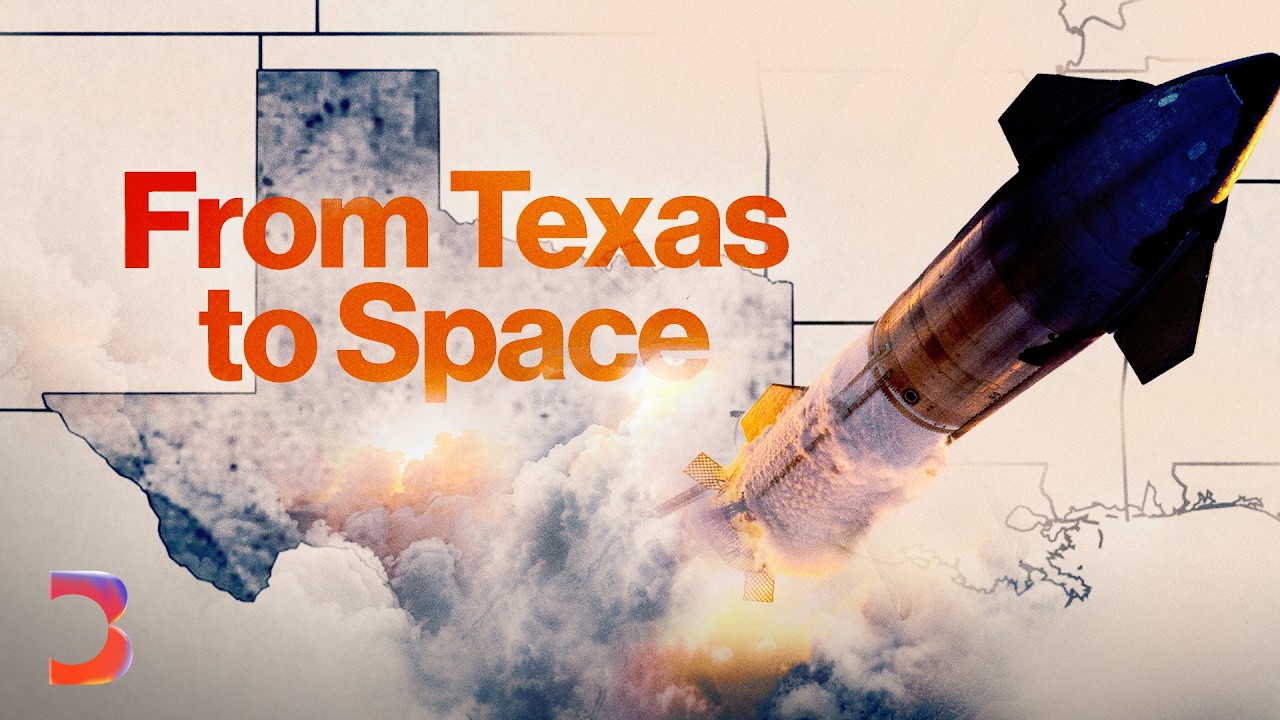
Why Space Companies Are Betting Big on Texas — Bloomberg Originals

Bloomberg Originals

Texas is cementing its role as the center of the commercial space industry by pairing aggressive state grants with NASA contracts to replicate SpaceX's growth model.

AI-assisted summary of Why Space Companies Are Betting Big on Texas — original source. Check the original for full context.

Source published:

Detailed notes

## Background Published on YouTube by Bloomberg Originals on July 15, 2026, this video examines how Texas is fast becoming the center of the commercial space industry. The channel notes that with state-backed grants and companies like SpaceX, Blue Origin, Firefly Aerospace, and Intuitive Machines operating in the area, Texas serves as a crucial proving ground for the future of aerospace.

## TL;DR Driven by a deep aerospace legacy and strong industrial synergies with the oil and gas sector, Texas has transformed into a primary hub for private space enterprises. Companies like Firefly Aerospace and SpaceX benefit from the state's central geographic advantages, light regulatory environment, and lucrative state-funded initiatives like the Texas Space Commission. Meanwhile, NASA's shift from total mission overseer to commercial customer allows agile startups to secure foundational contracts while expanding into commercial markets. However, this explosive corporate expansion also brings localized friction, particularly regarding environmental impacts and community pushback near launch facilities like Starbase.

## Atmosphere & style The video carries an analytical yet visually immersive documentary feel, balancing high-stakes aerospace ambition with grounded economic reporting. It captures the tension between cutting-edge technological progress and its real-world fallout, pairing sleek footage of rocket testing and lunar milestones with subtle environmental concerns. The narrative style feels pragmatic, sleek, and authoritative, offering a sharp look at the intersection of public money, private capital, and state politics.

## Key takeaways - [00:01](https://www.youtube.com/watch?v=MQTVB_TKACw&t=1s) The space sector has shifted from a government-dominated domain into a $650+ billion commercial economy driven by startups and private enterprises. - [01:08](https://www.youtube.com/watch?v=MQTVB_TKACw&t=68s) Texas is positioning itself at the center of the commercial space revolution, offering deep aerospace heritage connected to NASA's Johnson Space Center. - [01:13](https://www.youtube.com/watch?v=MQTVB_TKACw&t=73s) Firefly Aerospace achieved a major historic milestone in March 2025 by becoming the first commercial entity to land upright on the Moon. - [02:24](https://www.youtube.com/watch?v=MQTVB_TKACw&t=144s) Texas offers key industrial synergies with its oil and gas sector, which shares core engineering capabilities like heavy machinery, metal fabrication, and telemetry. - [02:24](https://www.youtube.com/watch?v=MQTVB_TKACw&t=144s) Geographic advantages such as southern launch sites closer to the equator give rockets additional rotational velocity for orbital launches. - [04:48](https://www.youtube.com/watch?v=MQTVB_TKACw&t=288s) SpaceX officially relocated its corporate headquarters to Texas in 2024, expanding into chip manufacturing, solar infrastructure, and local economic development. - [04:48](https://www.youtube.com/watch?v=MQTVB_TKACw&t=288s) SpaceX's Starbase operations in Boca Chica face significant environmental opposition due to habitat disruption and explosion debris affecting local wildlife. - [06:10](https://www.youtube.com/watch?v=MQTVB_TKACw&t=370s) The Texas Legislature established the Texas Space Commission in 2023, distributing $150 million in its first year with plans to scale state grants to $300 million. - [07:08](https://www.youtube.com/watch?v=MQTVB_TKACw&t=428s) Annual private space investment (~$55 billion) now significantly exceeds NASA's annual budget (~$24 billion), redefining NASA's role from overseer to commercial customer. - [07:08](https://www.youtube.com/watch?v=MQTVB_TKACw&t=428s) NASA's Artemis program relies on commercial partners to design and operate lunar hardware, with Houston's Johnson Space Center acting as mission integration manager. - [09:45](https://www.youtube.com/watch?v=MQTVB_TKACw&t=585s) SpaceX's early reliance on NASA contracts to build Falcon 9 established the blueprint for modern commercial space startups seeking to scale into defense and commercial markets.

## Detailed walkthrough ### [00:01](https://www.youtube.com/watch?v=MQTVB_TKACw&t=1s) The Shift to a Democratized Space Sector

For the vast majority of spaceflight history, space was a frontier strictly dominated by NASA, government entities, and nation-states. It was long believed to be a domain where only governments had the resources to build and innovate. However, that reality has fundamentally shifted toward a democratized sector populated by smaller startups and massive commercial enterprises alike. With the global space economy now valued at over $650 billion, Texas in particular is betting big on this explosive growth.

Texas serves as a clear snapshot of where the broader industry is heading. From NASA's perspective, the fierce competition among commercial companies lowers overall costs, which ultimately allows space programs to achieve far more. As Texas Governor Greg Abbott emphasizes, the state is actively positioning itself at the absolute center of this transformation.

---

[01:13](https://www.youtube.com/watch?v=MQTVB_TKACw&t=73s) Firefly Aerospace Leads Texas's Lunar Ambitions

Firefly Aerospace stands out as a prime example of the commercial space firms taking root in Texas. Operating out of a massive 200-acre facility just outside Austin—housing factory floors, hand machine shops, and engine test stands—Firefly conducts the vast majority of its rocket, engine, and component testing on-site. Valued in the billions of dollars after a series of extraordinary technical milestones, the company made history in March 2025 by becoming the first commercial space entity to land upright on the Moon.

That milestone mission involved a 45-day transit from Earth to the lunar surface carrying 10 NASA scientific payloads. Landing upright and executing those experiments elevated Firefly to the next level of the industry. By keeping its manufacturing in-house and based entirely in Texas, Firefly maintains the agility and scalability required to stay dominant.

* **Key Achievements:** Secured multiple NASA contracts collectively worth hundreds of millions of dollars. * **Facilities:** Expanded rocket testing and manufacturing operations in central Texas to preserve vertical integration.

---

[02:24](https://www.youtube.com/watch?v=MQTVB_TKACw&t=144s) The Regional Advantages and Industrial Synergies of Texas

Texas's rise as a space hotbed is rooted in its deep aerospace heritage. The state is iconic for NASA's Johnson Space Center in Houston—home to Mission Control and the historic "Houston, the Eagle has landed" and "Houston, we've had a problem" callouts. Over the decades, engineers trained at Johnson Space Center frequently departed to found their own ventures, naturally setting up shop nearby. Today, major clusters span the state: SpaceX operates its massive Starbase facility in southern Texas, Blue Origin launches out of West Texas near Van Horn, Houston hosts alumni startups like Axiom Space and Intuitive Machines, and Firefly thrives in Central Texas.

Beyond its proximity to NASA talent, Texas offers unique geographical, industrial, and economic perks. Southern launch sites like Starbase sit closer to the equator, giving rockets an essential orbital boost. Furthermore, Texas boasts a surprising industrial synergy with its traditional oil and gas sector. While energy and space seem world apart, offshore drilling in harsh environments requires the exact same core capabilities: heavy machinery, specialized metal fabrication, telemetry, and advanced energy tech.

> "It's interesting that the oil and gas industry on the surface is very different from space, but if you start to look at a lot of the capabilities... a lot of those same capabilities are used for offshore exploration and drilling in harsh environments."

* **Geographic Advantage:** Proximity to the equator provides extra rotational velocity for orbital launches. * **Central Texas Appeal:** Abundant open land essential for high-decibel rocket engine testing. * **Business Environment:** Light regulatory oversight and a historically business-friendly climate.

---

[04:48](https://www.youtube.com/watch?v=MQTVB_TKACw&t=288s) SpaceX's Rapid Expansion and Local Friction

Seeking a light regulatory footprint and open land, SpaceX officially relocated its corporate headquarters to Texas in 2024. The company quickly expanded its footprint, formulating plans for massive solar installations and chip-making factories. The move signaled a seismic realignment in aerospace; while the company originated in California and routinely launches from Florida, Elon Musk hosted the largest IPO in history right from the new NASDAQ exchange in Texas.

However, SpaceX's massive expansion has drawn intense scrutiny and local pushback. In Boca Chica, where SpaceX built its Starbase facility to launch the giant Starship rocket, rapid construction and high-profile rocket explosions have severely altered the local ecosystem. Environmentalists and locals express growing concern over the impact on endangered species inhabiting the surrounding beaches and tidal mudflats, noting the area has become entirely unrecognizable compared to its natural state.

* **Corporate Shift:** Moved headquarters to Texas in 2024, expanding into chip manufacturing and solar power. * **Environmental Impact:** Starbase operations in Boca Chica face controversy over habitat disruption and explosion debris affecting local wildlife.

---

[06:10](https://www.youtube.com/watch?v=MQTVB_TKACw&t=370s) How Texas Is Funding the Commercial Space Race

Despite localized opposition, state leadership is doubling down on taxpayer-funded support for commercial space ventures. In 2023, the Texas Legislature officially created the Texas Space Commission with a clear mission: ensure established space companies remain in Texas while helping them aggressively expand their footprints.

To back up this initiative, the Texas Space Commission distributed $150 million in grants to space businesses in its inaugural year, with plans to double that funding figure by the end of the following year. This aggressive state-level recruitment marks a historical turning point in how American space exploration is financed and incentivized.

* **Texas Space Commission:** Created in 2023 to incentivize aerospace retention and growth. * **Grant Funding:** Awarded $150 million in space grants in year one, targeted to reach $300 million by year two.

---

[07:08](https://www.youtube.com/watch?v=MQTVB_TKACw&t=428s) NASA's Evolution from Overseer to Customer

The state's aggressive funding push coincides with a dramatic shift in how NASA operates. Private investment in space reached approximately $55 billion in a single year—more than double NASA's annual budget, which has remained around $24 billion for decades. Historically, NASA acted as an overseer: it would commission contractors, fund all development costs, dictate every design detail, and retain total ownership of the final vehicle. Today, NASA acts primarily as a commercial customer buying services.

Despite this operational shift, NASA remains a central anchor for the industry. At Johnson Space Center in Houston, 11,000 employees oversee the agency's flagship Artemis program. Unlike the Apollo or Space Shuttle eras where government ran the entire show, Artemis relies on commercial partners to design, build, and operate key hardware like lunar landers, while NASA manages overall mission integration and the construction of a permanent lunar base.

* **Financial Comparison:** $55 billion in private space investment versus NASA's ~$24 billion annual budget. * **Workforce Anchor:** Johnson Space Center employs 11,000 workers dedicated to mission control and system integration. * **CLPS Program:** Managed out of Houston since 2018, the Commercial Lunar Payload Services program awards contracts that give startups critical early capital and guaranteed flight orders.

---

[09:45](https://www.youtube.com/watch?v=MQTVB_TKACw&t=585s) The Blueprint for Space Commercialization

The modern commercial space playbook was pioneered by SpaceX. Back in 2008, a crucial $1.6 billion NASA contract rescued SpaceX from near-bankruptcy, providing the upfront capital required to finish development on the Falcon 9. SpaceX leveraged that government-backed foundation to become the world's most prolific launch provider, ultimately building Starlink as its primary revenue driver today.

This trajectory serves as a direct blueprint for the new wave of Texas aerospace firms. Companies like Firefly are leveraging early NASA lunar contracts to establish credibility, before rapidly diversifying their revenue streams across commercial launches, defense contracts, satellite servicing, and scientific partnerships.

> "If you get a NASA contract, sometimes that can be much more valuable than something that you can raise from private investment alone... In many ways, SpaceX built the model."

## Notable quotes > [02:24](https://www.youtube.com/watch?v=MQTVB_TKACw&t=144s) It's interesting that the oil and gas industry on the surface is very different from space, but if you start to look at a lot of the capabilities... a lot of those same capabilities are used for offshore exploration and drilling in harsh environments.

> [09:45](https://www.youtube.com/watch?v=MQTVB_TKACw&t=585s) If you get a NASA contract, sometimes that can be much more valuable than something that you can raise from private investment alone... In many ways, SpaceX built the model.

## Mentioned Axiom Space, Blue Origin, Boca Chica, Falcon 9, Firefly Aerospace, Greg Abbott, Intuitive Machines, Johnson Space Center, Moon, NASA, NASDAQ, Starbase, Starlink, Starship, SpaceX, Texas, Texas Space Commission

[Source](https://www.youtube.com/watch?v=MQTVB_TKACw)

中文简报

初创企业纷纷涌入 德州航天委员会资助目标达3亿美元 德克萨斯州正通过将积极的州级资助与NASA合同相结合来复制SpaceX的增长模式,从而巩固其商业航天产业中心的地位。 在深厚的航天底蕴以及与石油和天然气行业强大的产业协同效应推动下,德克萨斯州已转型为私营航天企业的核心枢纽。Firefly Aerospace和SpaceX等公司受益于该州的核心地理优势、宽松的监管环境,以及德克萨斯州航天委员会等回报丰厚的州政府资助倡议。与此同时,NASA从全面的任务监督者转变为商业客户,使敏捷的初创企业能够在开拓商业市场的同时获得关键的基础合同。然而,这种爆发式的企业扩张也带来了局部摩擦,尤其是在Starbase等发射设施周边引发的环境影响和社区抵触。 全球太空经济规模已突破 6500 亿美元,正从政府主导转变为由初创企业与商业公司驱动的民主化新产业,得克萨斯州正积极将自身定位为这一转型的核心。 (0:01) 总部位于得州的 Firefly Aerospace 于 2025 年 3 月实现历史性突破,成为首个在月球表面直立着陆的商业太空实体,并搭载了 10 项 NASA 科学载荷。 (1:13) 得州凭借休斯敦约翰逊航天中心的人才积累、靠近赤道的地理发射优势,以及石油和天然气行业在重型机械与遥测等领域的工业协同效应,吸引了 SpaceX、Blue Origin 等众多太空企业聚集。 (2:24) SpaceX 于 2024 年将总部迁往得克萨斯州并持续扩张,但其博卡奇卡 Starbase 的火箭发射与爆炸残骸也引发了当地对生态环境破坏的担忧与反对。 (4:48) 得州于 2023 年成立得克萨斯太空委员会,首年发放 1.5 亿美元补助金并计划翻倍至 3 亿美元;与此同时,NASA 的角色也从过去的直接监管与设计者转变为采购商业服务的客户。 (6:10)

Reading summary

As the global space economy exceeds $650 billion, Texas has positioned itself as a primary commercial aerospace hub by pairing historic NASA infrastructure and industrial synergies from its energy sector with aggressive state subsidies, even as rapid site development sparks local environmental friction. NASA's Evolving Role and Commercial Models (7:08) The dynamic between government agencies and aerospace enterprise has fundamentally transformed as annual private investment in space reached approximately $55 billion—more than double NASA’s decades-long annual budget of roughly $24 billion. Rather than functioning as an overseer that dictates vehicle blueprints and retains hardware ownership as it did during the Apollo and Space Shuttle eras, NASA now acts primarily as a customer procuring commercial services. At Houston's Johnson Space Center, an 11,000-person workforce directs the Artemis program and administers the Commercial Lunar Payload Services (CLPS) program, providing startups with initial capital and guaranteed launch demand. This operational model relies on the commercial playbook established by SpaceX, which secured a critical $1.6 billion NASA contract in 2008 to finalize its Falcon 9 rocket before expanding into private commercial launches and Starlink satellite internet services. Texas-based startups like Firefly Aerospace follow the same path, using lunar landing contracts to demonstrate operational capability before branching out into defense programs, satellite servicing, and commercial payloads. Geographic Advantages and Industrial Synergies (2:24) Texas possesses physical and operational advantages that make it attractive to rocket builders. Launch facilities in the southern part of the state sit closer to the equator, giving orbital rockets an extra boost from Earth's rotation, while open land across Central and West Texas accommodates high-decibel engine testing. In addition, the aerospace heritage surrounding Johnson Space Center provides an engineering talent base that routinely spins off local ventures like Axiom Space and Intuitive Machines. Crucially, space companies draw unexpected technical synergies from the Texas oil and gas sector. Deep-water offshore drilling requires the exact same engineering competencies used in spaceflight, including heavy machinery operation, specialized metallurgy, telemetry, and power hardware capable of surviving extreme environments. This industrial overlap enables aerospace operators to tap existing regional supply chains and fabrication talent rather than developing specialized manufacturing systems from scratch. State Subsidies and Corporate Expansion (6:10) State officials have moved aggressively to entrench Texas as the center of commercial spaceflight through targeted public funding. In 2023, the Texas Legislature formed the Texas Space Commission to incentivize space enterprises to stay in the state and grow their operations. The agency distributed $150 million in business grants during its inaugural year, with state plans aiming to increase funding to $300 million by the end of its second year. Driven by light regulation, available acreage, and financial incentives, major firms have established significant operational footprints across the state. SpaceX moved its corporate headquarters to Texas in 2024 while unveiling plans for solar projects and semiconductor fabrication. Meanwhile, Firefly Aerospace centralized manufacturing and engine testing on a 200-acre site outside Austin, using its vertically integrated infrastructure to secure hundreds of millions in contracts and complete the first upright commercial Moon landing in March 2025. Ecological Disruption and Local Community Tensions (4:48) The rapid acceleration of aerospace manufacturing and launches has created noticeable friction in surrounding communities. At SpaceX's Starbase facility in Boca Chica, local residents and environmental groups have raised alarm over how fast-paced industrial development has altered the previously rural landscape. Opponents point out that intensive site construction and recurring rocket test explosions have cast debris across nearby beaches and coastal mudflats. These disruptions have prompted growing concern from conservationists regarding long-term harm to endangered wildlife populations whose habitats border active launch infrastructure. While government contracts, oil-sector industrial capabilities, and state grant funding continue to attract aerospace investments to Texas, the industry's continued expansion faces unresolved friction with local communities and environmental monitors over the ecological toll of high-intensity rocket testing.

精炼阅读摘要

随着全球太空经济规模突破6500亿美元,得克萨斯州正依托其深厚的航天遗产、地理优势、油气工业协同以及积极的州级财政激励,迅速成为美国商业航天繁荣的核心阵地。NASA职能向商业采购客户的转变与私营资本的迅速涌入,共同加速了这一产业集聚,但高密度的火箭研发与发射也引发了显著的生态与地方争议。 商业航天采购范式与盈利模式演进 (7:08) 太空产业已从历史上由NASA等国家政府主导的绝对垄断状态,彻底转变为小微初创企业与大型商业公司竞逐的多元格局。数据显示,单年私营航天领域的全球投资总额已达到约550亿美元,是NASA长期维持在约240亿美元年度预算的两倍有余。这种资本体量的颠覆促使NASA的定位发生根本性变革:机构不再全额拨款包揽设计细节并持有航天器资产,而是演进为按需采购航天商业服务的客户。在休斯敦的Johnson Space Center,1.1万名员工主导推进Artemis登月计划,通过2018年设立的商业月球载荷服务(CLPS)合同向私营企业采购关键着陆硬件,NASA自身则专注于任务顶层集成和永久月球基地的建设。 这种“早期政府订单支撑私营创新”的商业路径最早由SpaceX验证。2008年,一项价值16亿美元的NASA合同在关键时刻挽救了濒临破产的SpaceX,直接支撑了Falcon 9的研发落地,并最终为其发展出Starlink等造血支柱奠定了基础。如今,得克萨斯州的新兴太空企业正广泛借鉴该模式。例如Firefly Aerospace首先通过竞标数额达数亿美元的NASA月球科研载荷合同建立早期信誉并获取稳定资金流,随后迅速将业务多元化拓展至商业发射、国防项目、卫星服务及科研合作等更广阔的盈利领域。 地理区位、人才梯队与传统能源工业协同 (2:24) 得克萨斯州能够迅速形成航天产业高地,首先植根于其悠久的航天文化基因与专业人才储备。休斯敦Johnson Space Center作为阿波罗任务以来的任务控制中枢,持续向社会输送高技术工程人才,大批离职专家直接在周边设立公司,孕育出包括Axiom Space和Intuitive Machines在内的产业集群。如今,得州已形成覆盖全境的商业航天网络:SpaceX在南部建立Starbase基地,Blue Origin在西得州范霍恩(Van Horn)展开常态化发射,Firefly扎根得州中部,而休斯敦本土则聚焦前沿载荷研发。 除人才优势外,得州还拥有得天独厚的区位与传统工业配套能力。南部发射场因纬度更低、更靠近赤道,能够为入轨火箭提供关键的地球自转初速度加成;得州中部广袤开阔的土地储备,则为高分贝的发动机点火试验提供了理想的物理缓冲空间。更为关键的是航天产业与得州传统石油与天然气行业的跨界协同。尽管表面迥异,但极端环境下的海上油气钻探与航天工程在技术底座上高度重叠,重型机械制造、特种金属精密加工、远程遥测监控以及先进能源系统等成熟产业链,为航天企业的本土化快速迭代提供了坚实的制造支撑。 州级财政补贴与企业垂直整合落地 (6:10) 在得克萨斯州州长Greg Abbott等政要的积极推动下,该州通过灵活的监管政策与公共财政补贴,全力吸引航天企业驻留与扩张。2023年,得克萨斯州立法机构正式成立“得克萨斯太空委员会”(Texas Space Commission),其首要使命是通过专项资助确立得州在该产业的绝对重心地位。该委员会在成立第一年即向相关航天企业发放了1.5亿美元的专项赠款,并规划在次年将资助总额翻倍提升至3亿美元,这一激进举措标志着地方政府主导航天产业扶植与融资模式的历史性突破。 在政策与资金扶持下,航天巨头与高估值独角兽纷纷在得州深化全流程的垂直整合布局。2024年,SpaceX正式将公司总部迁往得州,并进一步在当地规划了大规模太阳能设施与芯片制造工厂;马斯克甚至选择在得州新设立的纳斯达克交易平台主持了史上最大规模的IPO活动。与此同时,估值达数十亿美元的Firefly在奥斯汀郊外建设了占地200英亩的制造园区,将机加工车间、火箭产线与测试台全面整合在同一厂区内。得益于这种敏捷制造体系,Firefly在2025年3月成功完成了耗时45天的地月转移任务,携带10项NASA科学载荷在月球表面直立着陆,成为历史上首个完成月球直立着陆的商业太空实体。 快速工业扩张引发的生态环境与地方摩擦 (4:48) 尽管宽松的营商环境与土地资源吸引了密集的航天资本,但高强度的工业化扩张与试飞活动也在当地引发了日益激烈的摩擦。特别是在得州南部的博卡奇卡(Boca Chica),SpaceX围绕巨型Starship运载火箭展开的基地建设与密集测试,使原本相对隔绝的海滨区域面临前所未有的工程扰动。频繁且高规格的轨道试飞爆炸事件,伴随建筑设施的极速铺设,给周边天然生态环境施加了巨大压力。 当地环保人士和社区群体对生态退化表达了深切担忧,指出试验产生的大量爆炸残骸、持续噪音以及人类活动,严重破坏了附近海滩和潮汐泥滩中多种濒危物种的栖息环境。当地居民普遍反映,该区域的自然面貌与生态功能已变得面目全非。随着得州商业航天设施建设的进一步加速,如何在追求经济增长与国家太空竞争力的同时,有效评估并缓和重工业化对地方社区生态构成的长期冲击,构成了该州发展进程中持续存在的关键矛盾。 得克萨斯州商业航天阵地的确立,印证了政府角色向商业采购演进、民间资本规模化涌入以及地方产业协同所激发的巨大发展动能。然而,大规模火箭试验对沿海脆弱生态系统造成的现实环境破坏,以及重资产商业公司对早期政府订单的深度依赖,仍是得州在维系其全球航天中心地位过程中有待平衡的长期挑战。

Detailed notes — zh

## Background 本视频由彭博社旗下的深度商业视频频道 Bloomberg Originals 于 2026 年 7 月 21 日发布在 YouTube 平台上。视频简介指出,得克萨斯州如今汇聚了 SpaceX、蓝色起源(Blue Origin)、萤火虫航天(Firefly Aerospace)及直觉机器(Intuitive Machines)等领跑者,正迅速崛起为商业太空宇宙的核心枢纽;得州通过新设立的官方机构大举拨款资助相关技术研发,本片探讨了这一现象背后的动因、得州成为初创试炼场的原因,以及航天扩张对当地社区与生态带来的深远冲击。 ## TL;DR 影片深入剖析了得克萨斯州从历史上的国家航天指挥中枢,蜕变为主导超 6500 亿美元全球太空经济的商业航天热土的全过程。得益于得天独厚的发射纬度、广袤的发动机试验腹地、与传统油气工业工程底蕴的跨界协同,以及极为优厚的轻监管税收环境,SpaceX 全球总部与 Firefly 等巨头和新星纷纷扎根并实现技术突破。面对博卡奇卡等地的生态争议,得州政府不仅未退缩,反而成立得克萨斯航天委员会注资数亿美元筑巢引凤。这股浪潮与 NASA 从“工程监护人”全面转型为“商业采购客户”的模式变革相得益彰,推动新一代航天企业争相复刻并升级 SpaceX 跑通的商业闭环。 ## Atmosphere & style 全片延续了彭博社纪录片标志性的洗练、严谨与宏大产业视野,以扎实的数据逻辑与现场纪实展开叙事。画面频繁穿梭于得州开阔荒原上轰鸣震天的火箭试车台、高精度的航天制造车间以及充满张力的海滩生态抗议现场,节奏张弛有度。观影体验既令人对“孤星之州”重新定义人类地月交通的拓荒雄心与资本热浪感到热血沸腾,又在冷静敏锐的调查视角下,让人直面商业巨浪与脆弱本土生态博弈时所显露的现实复杂感。 ## Bulletin - [00:01](https://www.youtube.com/watch?v=MQTVB_TKACw&t=1s) 全球太空经济规模已突破 6500 亿美元,商业力量的崛起推动航天产业从举国体制主导转向平民化与多层级商业生态。 - [06:10](https://www.youtube.com/watch?v=MQTVB_TKACw&t=370s) 得克萨斯州通过设立航天委员会已发放 1.5 亿美元补贴,并计划年底翻倍至 3 亿美元,全力支持本土航天集群扩张。 - [07:12](https://www.youtube.com/watch?v=MQTVB_TKACw&t=432s) 商业航天年度投资已达约 550 亿美元,远超 NASA 约 240 亿美元的年度公共预算,倒逼 NASA 从工程监管者转型为市场采购客户。 - [01:13](https://www.youtube.com/watch?v=MQTVB_TKACw&t=73s) Firefly Aerospace 于 2025 年 3 月达成民营商业航天历史首次月球直立着陆,验证了得州本土全自研闭环的商业制造能力。 ## Key takeaways - [00:01](https://www.youtube.com/watch?v=MQTVB_TKACw&t=1s) 太空产业格局正在发生颠覆性变化,激烈的商业竞争大幅拉低了发射与深空探索的整体门槛与成本。 - [01:13](https://www.youtube.com/watch?v=MQTVB_TKACw&t=73s) 得克萨斯州初创企业 Firefly Aerospace 坚持火箭全流程在得州本土制造与测试,估值已攀升至数十亿美元。 - [02:24](https://www.youtube.com/watch?v=MQTVB_TKACw&t=144s) 休斯敦约翰逊航天中心长久沉淀的技术人才库,直接孵化并催生了直觉机器(Intuitive Machines)等新一代航天领跑企业。 - [02:24](https://www.youtube.com/watch?v=MQTVB_TKACw&t=144s) 得州拥有得天独厚的南端低纬度发射优势、广阔的试验试车腹地,以及极其宽松的轻监管商业政策。 - [02:24](https://www.youtube.com/watch?v=MQTVB_TKACw&t=144s) 得州传统的石油天然气工业沉淀了重型机械、特种冶炼与精密加工能力,与航天工业底层工程技术高度协同互通。 - [04:48](https://www.youtube.com/watch?v=MQTVB_TKACw&t=288s) SpaceX 于 2024 年将总部从加利福尼亚迁往得克萨斯,并在博卡奇卡大规模扩张,但测试爆炸和建设也引发了严重的海岸生态争议。 - [06:10](https://www.youtube.com/watch?v=MQTVB_TKACw&t=370s) 得州政府通过 2023 年设立的得克萨斯航天委员会,主动动用公共财政补贴支持商业航天巨头,构建区域竞争壁垒。 - [07:12](https://www.youtube.com/watch?v=MQTVB_TKACw&t=432s) NASA 在阿尔忒弥斯时代全面改变运作逻辑,从过去掌控图纸产权的监护人,转变为自负盈亏航天器发射服务的核心商业客户。 - [09:00](https://www.youtube.com/watch?v=MQTVB_TKACw&t=540s) CLPS(商业月球载荷服务)机制通过启动资金与政府兜底采购,为初创公司提供了远超普通风投的公信力与融资杠杆。 - [09:45](https://www.youtube.com/watch?v=MQTVB_TKACw&t=585s) SpaceX 当年凭借 NASA 货运合同绝处逢生的范式,已成为得州新一代航天企业拓展商业发射、防务及在轨服务的通用蓝本。 ## Detailed walkthrough ### [00:01](https://www.youtube.com/watch?v=MQTVB_TKACw&t=1s) 航天产业结构剧变与得克萨斯的千亿下注 在人类航天史的大部分时间里,主导太空探索的始终是国家航空航天局(NASA)、各国政府与主权国家。彼时,太空被公认为是一片唯有举国体制才能涉足与创新的前沿领域。然而,这一格局近年来发生了颠覆性的重塑:一个平民化、大众化的太空商业新时代正在成形,大批初创企业与大型商业巨头纷纷涌入。面对全球估值已突破 6500 亿美元并持续爆发式增长的太空经济,美国得克萨斯州(Texas)正全力押注这一全新赛道。 得州州长格雷格·阿博特(Greg Abbott)向外界高调宣示得州的雄心。得克萨斯不仅是商业航天转型的一个鲜明缩影,更孕育出了深度扎根本土的庞大航天产业集群。对 NASA 而言,商业力量的竞逐带来了关键红利——激烈的行业竞争直接大幅拉低了发射与研发的总体成本,让航天机构能够在有限的公共预算下完成更多过去无法企及的深空任务。 - **全球太空经济体量**:估值已超过 6500 亿美元,且仍在快速扩张。 - **产业核心转变**:从国家主导转变为多层级商业航天生态,商业竞争显著降低了进入太空的经济门槛。 ### [01:13](https://www.youtube.com/watch?v=MQTVB_TKACw&t=73s) Firefly Aerospace:月球着陆与本土制造布局 位于奥斯汀郊外的萤火虫航天(Firefly Aerospace)是得州商业航天崛起的典型代表。该公司的研发测试园区占地超过 200 英亩,集成了火箭组装车间、发动机测试台架、精密机加车间以及关键零部件级测试平台。得益于近年来一系列引人瞩目的技术突破,这家初创公司的估值已迈入数十亿美元门槛。最耀眼的战绩发生在 2025 年 3 月——Firefly 成功实现探测器在月球表面直立着陆,创造了民营商业航天公司历史上的首例。 这次月球任务经历队长达 45 天的地月转移轨道飞行,探测器搭载了 10 项来自 NASA 的科学载荷,进行了多维度的深空科学实验。这次成功不仅让 Firefly 稳固斩获了价值数亿美元的 NASA 后续合同,也促使其加速扩建位于奥斯汀周边的火箭研发制造中心。Firefly 的战略核心在于“高度自主可控”:坚持将火箭的所有生产制造与测试留在得克萨斯本土并自主完成,以此构建强大的规模化量产能力并奠定行业主导地位。 ```mermaid flowchart TD accTitle: Firefly 航天业务闭环流程 accDescr: 展示 Firefly 从自主制造、测试到执行 NASA 月球任务与商业拓展的业务闭环 subgraph Production["得州本土研发与制造"] A["奥斯汀 200 英亩基地<br/>全自研制造与机加工"] --> B["发动机及部件台架测试"] end subgraph Execution["重大任务里程碑"] B --> C["45 天地月转移飞行"] C --> D["2025年3月达成:<br/>首家民营航天器直立登月中枢"] end subgraph Expansion["商业转化与规模化"] D --> E["搭载 10 项 NASA 科学载荷"] E --> F["数亿美元政府采购合同"] F --> G["业务拓展:防务、商业发射、轨道服务"] end ``` ### [02:24](https://www.youtube.com/watch?v=MQTVB_TKACw&t=144s) 历史底蕴、地理优势与传统工业的跨界协同 得克萨斯州成为商业航天温床绝非偶然,它与人类太空探索有着极深的渊源。从阿波罗登月时响彻世界的“休斯敦,鹰号已着陆”,到阿波罗13号危局中的“休斯敦,我们遇到了麻烦”,坐落于休斯敦的 NASA 约翰逊航天中心(Johnson Space Center)作为载人航天任务控制中心,奠定了得州的航天基因。数十年来,大量从约翰逊航天中心走出的资深工程师和科学家选择就近创业,直接催生了直觉机器(Intuitive Machines)与公理航天(Axiom Space)等新一代航天领跑者。 除深厚的航天技术人才储备外,得州拥有得天独厚的地理与政策优势: - **发射纬度优势**:SpaceX 将“星舰基地”(Starbase)建在得克萨斯州最南端的博卡奇卡(Boca Chica),火箭发射时能最大化利用地球自转线速度带来的轨道加速增益。 - **广阔试验腹地**:蓝色起源(Blue Origin)在西得克萨斯的范霍恩(Van Horn)外围建设了大型发射试验场;Firefly 选址得州中部,看重的同样是广袤开阔的土地,能够安全承载巨响与震动频繁的火箭发动机试车。 - **与传统能源工业的硬核协同**:表面上看,传统的石油与天然气工业与太空探索风马牛不相及,但两者在底层工程能力上高度重叠。离岸深海钻探与极端恶劣环境作业所沉淀的重型机械、特种金属冶炼与精密焊接加工、遥测数据传输等尖端工程工艺,被无缝移植到航天制造中;同时,石油巨头对新能源、低碳技术和光伏太阳能的投资,也与卫星空间电源技术深度互通。 - **监管环境**:得州一贯标榜轻监管、亲商业的税收与政策环境,极大减少了航天初创企业的合规成本与建设周期阻力。 ### [04:48](https://www.youtube.com/watch?v=MQTVB_TKACw&t=288s) SpaceX 战略东迁与博卡奇卡的生态争议 得州极其友好的商业政策,促使埃隆·马斯克(Elon Musk)在 2024 年将 SpaceX 全球总部正式从加利福尼亚州迁往得克萨斯这一“孤星之州”(Lone Star State)。此后,SpaceX 在得州的产业版图呈指数级扩张,后续规划中还涵盖了巨型太阳能电厂与专属芯片制造工厂。尽管加利福尼亚拥有雄厚的科研人才底蕴,佛罗里达拥有成熟的卡纳维拉尔角发射场,但当马斯克敲响人类历史上规模空前的新股上市钟声时,钟声却是在位于得克萨斯的新纳斯达克交易大厅鸣响。 然而,SpaceX 的疾速扩张并非没有代价,甚至直接引发了得州本土社区与环保组织的激烈对抗。在博卡奇卡发射场,多次巨型星舰测试爆炸后的碎片散落引发了严重的生态关切。星舰基地所在的滩涂、海滩和泥滩是多种濒危野生动植物的天然栖息地。随着工业建筑与巨型发射台的密集拔地而起,原本原生态的自然海岸线彻底面目全非,当地居民与环保团体针对“牺牲本地生态以满足商业航天野心”的抗议持续不断。 ### [06:10](https://www.youtube.com/watch?v=MQTVB_TKACw&t=370s) 得克萨斯航天委员会设立与政企资金加码 面对生态争议与社区反弹,得克萨斯州政府并未放缓脚步,反而坚决站在了产业支持的一边,不惜动用纳税人资金为 SpaceX 等企业注入强心剂。得州政界秉持着一种自信的口号:“敢于摘星揽月之人,皆从孤星之州启程。” 2023 年,得州立法机构正式投票通过法案,设立了专门的政府机构——得克萨斯航天委员会(Texas Space Commission)。该委员会设立的战略目的极其明确:既要向已经落户得州的企业传递坚定信心,确保它们绝不外迁,同时通过全方位扶持政策协助现有企业成倍扩大厂区与发射设施。在过去一年中,该委员会直接向本州航天企业发放了总计 1.5 亿美元的扶持补贴与研发资助,并计划在今年底前将拨款额度翻倍至 3 亿美元。这种官方主动筑巢引凤的姿态,标志着全美航天产业的博弈模式发生了质的转变。 ### [07:12](https://www.youtube.com/watch?v=MQTVB_TKACw&t=432s) NASA 的角色重塑:从工程监管者转向商业客户 得州航天热潮的背后,是 NASA 全球战略定位的深刻变革。最新行业数据显示,上一年度商业航天领域的总投资规模已达到约 550 亿美元;相比之下,NASA 过去数十年来每年的公共财政预算始终徘徊在 240 亿美元左右。商业资本的体量已远超官方预算,迫使航天局彻底改写其运作规则。 在阿波罗与航天飞机时代,NASA 的运作模式是“全包与强监管”:官方提出飞行器指标,找传统军工承包商签约,NASA 承担全部研发成本,全程深度介入工程设计图纸,并最终全权拥有航天器的产权。如今,NASA 彻底转变身份——从居高临下的“全程监护人”转变为市场化采购的“普通客户”,由私营企业自筹资金、自主设计并保留产权,NASA 仅购买发射服务或运载工位。 尽管身份后退为客户,拥有 1.1 万名雇员的约翰逊航天中心依然是指引产业前行的战略罗盘。随着阿尔忒弥斯(Artemis)登月计划的推进,NASA 统领着人类重返月球并建立永久月球基地的系统集成,而将月球着陆器、货运补给等关键载具全面开放给商业公司投标打造,为民营航天打开了空前的商业市场。 | 评估维度 | 传统模式(阿波罗 / 航天飞机时代) | 现代商业模式(阿尔忒弥斯时代) | |:--- |:--- |:--- | | **NASA 核心定位** | 总体设计师、唯一出资人与严格监护人 | 锚定需求的发包方与核心商业客户 | | **航天器资产产权** | 归 NASA 及联邦政府所有 | 归商业航天公司所有 | | **研发与超支风险** | 成本加成合同,政府兜底超支风险 | 固定总价采购,企业自主承担研发盈亏 | | **资本运作结构** | 完全依赖国会年度财政预算划拨 | 财政启动资金 + 商业风投 + 资本市场融资 | ### [09:00](https://www.youtube.com/watch?v=MQTVB_TKACw&t=540s) CLPS 机制与 SpaceX 范式的传承复刻 NASA 角色转型的关键落子,是 2018 年由休斯敦约翰逊航天中心主导设立的“商业月球载荷服务”计划(CLPS)。该机制的核心逻辑是通过商业外包降低深空探测的高昂成本,同时培育商业初创生态。入选 CLPS 的初创公司可以获得双重保障:一笔可观的 NASA 前期启动资金,以及一份“国家作为确定付款方”的发射订单兜底承诺。在极度重资产、动辄耗时数年研发的航天工业中,一份 NASA 商业合同的背书,其市场公信力与融资杠杆效应远超单纯的风投资金。 这一商业路径的开创者正是 SpaceX。回溯至 2008 年,濒临破产绝境的 SpaceX 正是凭借 NASA 一笔关键的 16 亿美元国际空间站货运补给合同绝处逢生。NASA 的前期注入不仅托举出了如今全球运力首屈一指的猎鹰9号(Falcon 9)火箭,也为随后衍生出的“星链”(Starlink)全球卫星宽带业务奠定了工程与财务基石。 以 Firefly 为代表的得州新一代航天企业正全盘复刻并进化这一路线图。它们的未来盈利模式已不再局限于单一的政府资助,而是在 NASA 前期护航下构建高度多元化的业务组合:横跨商业卫星发射、国防军工订单、深空科研实验、地月货运以及在轨空间维护服务。从濒临破产到全球巨擘的 SpaceX 路径,已成为得克萨斯航天群雄逐鹿星空的通用蓝本。 ## Notable quotes > [00:01](https://www.youtube.com/watch?v=MQTVB_TKACw&t=1s) 主导太空探索的始终是国家航空航天局(NASA)、各国政府与主权国家。彼时,太空被公认为是一片唯有举国体制才能涉足与创新的前沿领域。 > [00:01](https://www.youtube.com/watch?v=MQTVB_TKACw&t=1s) 激烈的行业竞争直接大幅拉低了发射与研发的总体成本,让航天机构能够在有限的公共预算下完成更多过去无法企及的深空任务。 > [01:13](https://www.youtube.com/watch?v=MQTVB_TKACw&t=73s) 坚持将火箭的所有生产制造与测试留在得克萨斯本土并自主完成,以此构建强大的规模化量产能力并奠定行业主导地位。 > [02:24](https://www.youtube.com/watch?v=MQTVB_TKACw&t=144s) 休斯敦,鹰号已着陆 > [02:24](https://www.youtube.com/watch?v=MQTVB_TKACw&t=144s) 休斯敦,我们遇到了麻烦 > [02:24](https://www.youtube.com/watch?v=MQTVB_TKACw&t=144s) 表面上看,传统的石油与天然气工业与太空探索风马牛不相及,但两者在底层工程能力上高度重叠。 > [04:48](https://www.youtube.com/watch?v=MQTVB_TKACw&t=288s) 牺牲本地生态以满足商业航天野心 > [06:10](https://www.youtube.com/watch?v=MQTVB_TKACw&t=370s) 敢于摘星揽月之人,皆从孤星之州启程。 — 得克萨斯政界 > [07:12](https://www.youtube.com/watch?v=MQTVB_TKACw&t=432s) 从居高临下的“全程监护人”转变为市场化采购的“普通客户”,由私营企业自筹资金、自主设计并保留产权,NASA 仅购买发射服务或运载工位。 > [09:00](https://www.youtube.com/watch?v=MQTVB_TKACw&t=540s) 在极度重资产、动辄耗时数年研发的航天工业中,一份 NASA 商业合同的背书,其市场公信力与融资杠杆效应远超单纯的风投资金。 > [09:00](https://www.youtube.com/watch?v=MQTVB_TKACw&t=540s) 从濒临破产到全球巨擘的 SpaceX 路径,已成为得克萨斯航天群雄逐鹿星空的通用蓝本。 ## Mentioned NASA(美国国家航空航天局), 得克萨斯州(Texas / 孤星之州), 格雷格·阿博特(Greg Abbott), Firefly Aerospace(萤火虫航天), 奥斯汀(Austin), 休斯敦(Houston), 约翰逊航天中心(Johnson Space Center), Intuitive Machines(直觉机器), Axiom Space(公理航天), SpaceX, 埃隆·马斯克(Elon Musk), 星舰基地(Starbase), 博卡奇卡(Boca Chica), Blue Origin(蓝色起源), 范霍恩(Van Horn), 布朗斯维尔(Brownsville), 加利福尼亚州(California), 纳斯达克(Nasdaq), 得克萨斯航天委员会(Texas Space Commission), 阿尔忒弥斯计划(Artemis), 商业月球载荷服务计划(CLPS), 猎鹰9号(Falcon 9), 星链(Starlink), 国际空间站(ISS) ## Video description Already home to SpaceX, Blue Origin and recent moon-landers Firefly Aerospace and Intuitive Machines, Texas is quickly becoming the center of the commercial space universe. Through a newly-formed agency, Texas officials have been doling out grants for space-related research, projects and emerging technology. So what does this mean for the "Lone Star State?" And why has it become such a proving ground for the startups of the future? (Corrects map of Texas throughout video.) SpaceX’s IPO to Mint Millionaires in Poor Texas Border Town: https://bloom.bg/4bsvut7 The company’s spaceport put Brownsville on the map, but locals fear being priced out by newly rich neighbors. 00:00 How the space sector is changing 01:08 Firefly Aerospace sees success in Texas 02:24 Why Texas appeals to the space industry 04:48 SpaceX history in Texas 06:10 How the state of Texas is now wooing space business 07:08 The changing relationship between industry and NASA 09:45 The SpaceX business model that paved the way Watch more short documentaries: https://bloom.bg/4wWlMsa Visually compelling features born out of the Bloomberg newsroom, extended to documentary video. #Space #Startups #Texas Like this video? Subscribe: http://www.youtube.com/Bloomberg?sub_confirmation=1 Get unlimited access to Bloomberg.com for just $1.99 your first month: https://www.bloomberg.com/subscriptions?in_source=YoutubeOriginals Bloomberg Originals offers bold takes for curious minds on today’s biggest topics. Hosted by experts covering stories you haven’t seen and viewpoints you haven’t heard, you’ll discover cinematic, data-led shows that investigate the intersection of business and culture. Exploring every angle of climate change, technology, finance, sports and beyond, Bloomberg Originals is business as you’ve never seen it. Subscribe for business news, but not as you've known it: exclusive interviews, fascinating profiles, data-driven analysis, and the latest in tech innovation from around the world. Visit our partner channel Bloomberg News for global news and insight in an instant. [Source](https://www.youtube.com/watch?v=MQTVB_TKACw)

Source quotes

[0:01] 主导太空探索的始终是国家航空航天局(NASA)、各国政府与主权国家。彼时,太空被公认为是一片唯有举国体制才能涉足与创新的前沿领域。 [0:01] 激烈的行业竞争直接大幅拉低了发射与研发的总体成本,让航天机构能够在有限的公共预算下完成更多过去无法企及的深空任务。 [1:13] 坚持将火箭的所有生产制造与测试留在得克萨斯本土并自主完成,以此构建强大的规模化量产能力并奠定行业主导地位。 [2:24] 休斯敦,鹰号已着陆 [2:24] 休斯敦,我们遇到了麻烦 [2:24] 表面上看,传统的石油与天然气工业与太空探索风马牛不相及,但两者在底层工程能力上高度重叠。 [4:48] 牺牲本地生态以满足商业航天野心 [6:10] 得克萨斯政界: 敢于摘星揽月之人,皆从孤星之州启程。 [7:12] 从居高临下的“全程监护人”转变为市场化采购的“普通客户”,由私营企业自筹资金、自主设计并保留产权,NASA 仅购买发射服务或运载工位。 [9:00] 在极度重资产、动辄耗时数年研发的航天工业中,一份 NASA 商业合同的背书,其市场公信力与融资杠杆效应远超单纯的风投资金。 [9:00] 从濒临破产到全球巨擘的 SpaceX 路径,已成为得克萨斯航天群雄逐鹿星空的通用蓝本。

Source quotes

[2:24] It's interesting that the oil and gas industry on the surface is very different from space, but if you start to look at a lot of the capabilities... a lot of those same capabilities are used for offshore exploration and drilling in harsh environments. [9:45] If you get a NASA contract, sometimes that can be much more valuable than something that you can raise from private investment alone... In many ways, SpaceX built the model.

Original transcript

[0:01] - For most of space flight history [0:03] NASA and government, [0:05] or nation states, [0:07] were really the biggest players in charge. [0:11] That has recently shifted. [0:13] - This was a frontier we really believed, [0:15] for a long time, [0:16] it was only a place for governments [0:17] to build and innovate. [0:19] - What we're seeing is a democratized space sector [0:22] with a lot of smaller players [0:24] and a lot of larger commercial players as well. [0:26] - With the global space economy currently valued [0:29] at over $650 billion, [0:32] one American state in particular [0:34] is betting big on this [0:35] rapidly growing sector. [0:37] - Governor Abbott coming [0:38] to you from the great state of Texas. [0:41] Texas is a really good snapshot of the new direction [0:44] that the space industry is taking. [0:47] - There's a huge space community that's just [0:49] embedded in Texas. [0:51] - From a NASA standpoint, [0:52] because of that competition, [0:54] they're lowering the overall costs. [0:56] That allows us to be able to do more. [0:59] - 3, 2, 1, and lift off. [1:13] - This is where we do the majority of all [1:15] of our rocket testing, engine testing, [1:17] component level testing, 200 acres of a factory floor [1:21] and engine test, hand machine shop. [1:23] - Firefly Aerospace is one of many [1:25] commercial space companies that has set up in Texas. [1:29] It's valued in the billions of dollars, thanks to a string [1:32] of extraordinary technical achievements in recent years. [1:36] In March 2025, it became the first commercial space company [1:40] to land upright on the Moon. [1:44] - It was a 45 day transit from Earth to the Moon, [1:48] and we had 10 NASA payloads on board doing all kinds [1:51] of scientific experiments [1:53] that I think really took us to the next level. [1:56] - Firefly has secured multiple contracts [1:58] with NASA worth hundreds of millions of dollars [2:01] and has recently expanded its manufacturing [2:03] and rocket testing facilities just outside of Austin. [2:08] Making sure that we keep all [2:09] of this manufacturing in-house [2:10] and in Texas is one of the key areas that allows us [2:14] to be really scalable and kind of dominant in this industry. [2:20] - So why has Texas become a hotbed [2:21] for companies like Firefly? [2:24] - Texas has a very long history with space flight. [2:27] Everyone knows, you know, Houston, the Eagle has landed, [2:30] and the Johnson Space Center, which is home [2:32] to mission control. [2:34] - This is Houston, say again, please. [2:36] - Houston we've had a problem. [2:38] - Houston was such a central location for space flight [2:42] and so a lot of engineers that worked out [2:45] of Johnson Space Center would go on [2:47] to create their own companies, [2:49] and a natural place for them to go would be right next door. [2:53] The biggest tenant in Texas is SpaceX, [2:57] so they have set up shop [2:58] with their Starbase facility on the southern tip of Texas. [3:02] One of the reasons is that when it comes [3:04] to launching rockets, you want to be as close to the equator [3:07] as possible in order to get an extra boost [3:10] to get into orbit. [3:12] Another big tenant is Blue Origin. [3:15] That company set up its launch facility in west Texas [3:18] outside of Van Horn [3:20] and then you also have a big cluster [3:23] of companies in Houston, the home [3:25] of NASA's Johnson Space Center [3:26] and so various alums [3:29] of NASA have set up shop just nearby, [3:32] so you have Axiom Space, you have Intuitive Machines [3:35] and then in central Texas [3:36] Firefly Aerospace has its rocket facility [3:40] and development center. [3:41] Aside from being in close orbit to NASA [3:44] Texas offers some other critical advantages. [3:48] We have a cluster of businesses [3:51] that have a certain synergy. [3:54] It's interesting that the oil [3:56] and gas industry on the surface is very different [4:01] from space, but if you start to look at a lot [4:03] of the capabilities, whether it's heavy machinery, [4:07] metal fabrication, telemetry, a lot [4:11] of those same capabilities are used for offshore exploration [4:14] and drilling in harsh environments. [4:17] They also focus on renewable energy [4:19] and low carbon technologies [4:21] and these are also very important for the space industry, [4:24] you know, we certainly depend upon solar panels [4:27] to power our satellites, for instance. [4:30] - One of the reasons that Firefly Aerospace originally came [4:34] to central Texas was for land, needing a lot of open space [4:38] to test its rocket engines. [4:41] Also Texas loves [4:42] to pride itself on being light on regulation [4:45] and very business friendly. [4:47] - It's one of the reasons SpaceX relocated its headquarters [4:51] to the "Lone Star State" in 2024. [4:54] Since then, it's rapidly expanded its footprint [4:57] with giant solar [4:58] and chip-making factories in its plans for the future too. [5:03] Originating in California [5:04] and often launching from Florida, [5:06] both competing states in the world of space, [5:09] it was significant that when Elon Musk announced the biggest [5:12] IPO the world has ever seen, [5:15] the bell rang from the new NASDAQ in Texas. [5:19] Even as its hyped share price starts [5:21] to come back down to earth. [5:22] SpaceX's impact on Texas is undeniable [5:26] based on the sheer number of companies that stand [5:28] to benefit from its success. [5:30] But the company's presence in Texas isn't necessarily in the [5:34] interest of Texans or the environment. [5:36] - This morning environmental concerns [5:39] in the aftermath of the SpaceX explosion. [5:42] - SpaceX has gotten a lot of attention [5:44] for its presence in Boca Chica, [5:47] which is where the company set up shop [5:49] to launch its Starship rocket. [5:51] There are endangered species who live in the area of [5:55] that beach and the mudflats that surround it. [5:58] SpaceX has essentially started building up around that area [6:02] and now it looks completely unrecognizable to [6:04] what it looked like before. [6:06] - Despite pushback from some Texans [6:09] the state is doubling down on its commitment [6:11] to support the industry, including companies like SpaceX, [6:15] with taxpayer dollars. [6:16] - Those who reach for the stars do [6:18] so from the "Lone Star State." [6:21] - In 2023, the Texas legislature passed a bill [6:24] to create the Texas Space Commission. [6:28] What we wanted to do is make it well known [6:31] that those companies who had already decided [6:33] to be set up here in Texas, that they didn't leave [6:37] and that they are also helped [6:38] to expand their existing footprint. [6:41] - Last year, the Texas Space Commission gave out [6:43] $150 million in grants [6:46] to support space business in the state. [6:49] It's due to double that by the end of this year. [6:54] While it's not the only state catering to the space economy, [6:58] the creation of entities like the Texas Space Commission [7:01] with its eagerness to woo industry, [7:03] marks a crucial shift in the way space exploration [7:06] in the US is being conducted [7:09] and that has a lot to do with the changing role of NASA. [7:12] - A recent report showed [7:14] that last year there was about $55 billion [7:17] of investment in the space industry, [7:20] and you compare that to say, NASA's annual budget, [7:23] which has hovered around roughly $24 billion annually [7:28] for the last few decades now. [7:32] The way NASA used to do business throughout most [7:34] of its history is that if it needed a rocket, [7:36] or a spacecraft, it would go to its contractors [7:39] and say, "Hey, you know, we need this vehicle. [7:42] We'll cover all the costs, [7:44] but we are gonna oversee the design [7:46] and the development with you, [7:47] and then we're gonna own that vehicle when it's complete." [7:51] Now the agency is transitioning to a new way of business [7:55] where it's less of an overseer and more of a customer. [8:00] That being said, though, [8:01] NASA is still a major player when it comes [8:04] to leading the direction of [8:07] where the space industry is headed. [8:10] - That's especially true in Texas [8:12] where the Johnson Space Center, [8:14] and its 11,000 employees, are integral [8:17] to arguably the most significant space program yet. [8:20] We're moving into an era that we're calling "Artemis." [8:24] - And lift off! [8:26] The crew of Artemis II now bound for the moon. [8:29] Humanity's next great voyage begins. [8:33] - We're in an era where its access is open. [8:36] It went from being all government with Apollo, [8:40] with the Shuttle [8:42] and so commercial industry is a part now of Artemis [8:47] because they have responsibility for building the landers. [8:51] And so as we're building out Artemis, [8:53] as we're building out this moon base, [8:55] we will have responsibility for the overall integration [8:58] of all of those things. [9:00] - Back in 2018 NASA started the [9:03] "Commercial Lunar Payload Services" program, [9:06] CLPS, which is managed out of Houston. [9:09] By outsourcing to companies, NASA aims to reduce the cost [9:12] of lunar exploration and encourage innovation and growth. [9:17] - The companies got a number of things. [9:18] They got a big chunk of NASA investment upfront [9:22] and then the promise that they would actually have someone [9:25] who would pay for that flight. [9:27] If you get a NASA contract, [9:29] sometimes that can be much more valuable than something [9:31] that you can raise from private investment alone. [9:34] When it comes to space development, [9:36] you're looking at really expensive vehicles that take a lot [9:39] of upfront capital and require years [9:42] and years of development. [9:44] In many ways, SpaceX built the model. [9:47] After its first $1.6 billion NASA contract back in 2008, [9:52] which saved it from bankruptcy, [9:55] the company evolved and diversified, [9:57] forever changing the relationship between NASA [10:00] and its commercial partners. [10:02] NASA did help to provide a lot of that upfront funding [10:06] for the Falcon 9 that SpaceX has then used [10:08] to become the most prolific launch provider in the world. [10:12] Now, a primary source of the revenue [10:14] that they generate comes from Starlink [10:17] but they were able to get to that level [10:20] because of the initial funding from NASA that they received. [10:24] A lesson that's very much being learned by the new wave [10:27] of Texan companies, like Firefly. [10:30] A lot of the economic success [10:32] that we may see from Firefly over the next few years is [10:35] going be pretty diversified between commercial or defense [10:40] and then scientific exploration [10:43] and partnerships, whether that's going be in launch [10:45] or in lunar and on-orbit servicing.