Hormuz War Fails to Spark Oil Spike as Pipeline Detours, Supply Cushion Market
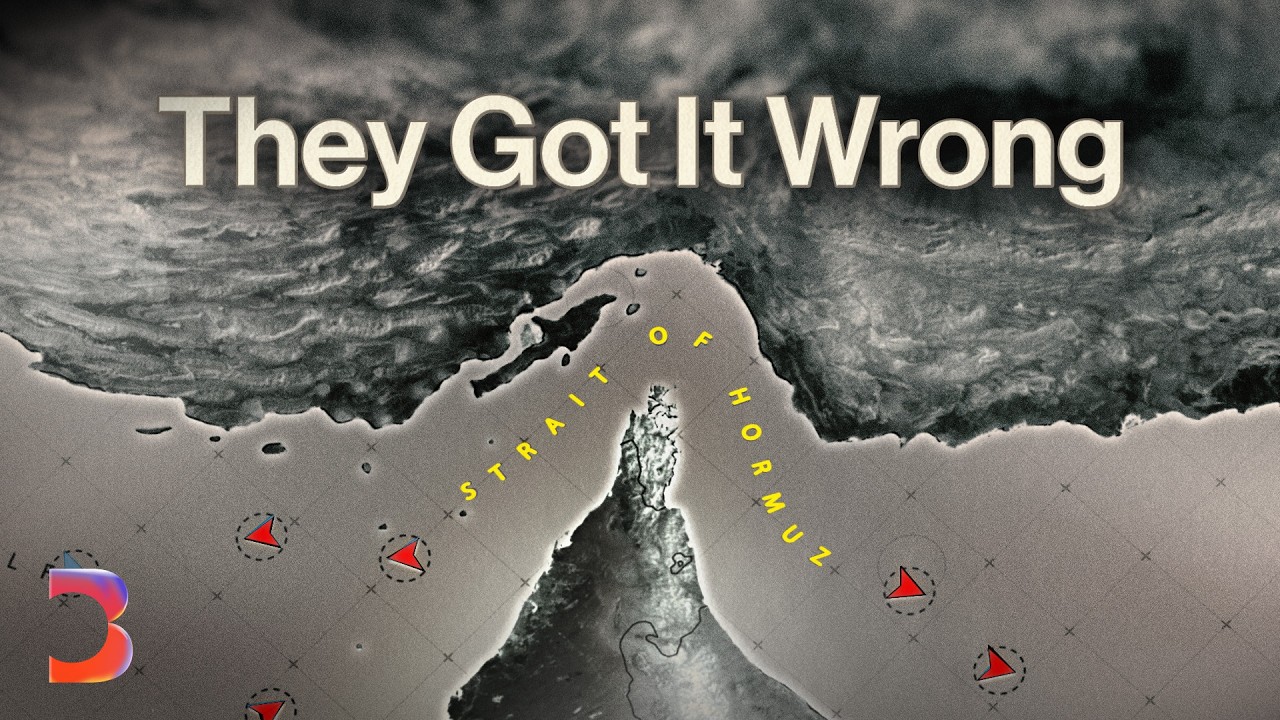
How the Iran War Is Rewiring the Oil Market — Bloomberg Originals

Bloomberg Originals

Global oil markets absorbed the Strait of Hormuz closure without an expected price surge due to strategic reserve releases, pipeline bypasses, and an unprecedented drop in Chinese import demand.

AI-assisted summary of How the Iran War Is Rewiring the Oil Market — original source. Check the original for full context.

Source published:

Detailed notes

## Background This video was published by Bloomberg Originals on YouTube on July 17, 2026. According to the page description, it examines how the Iran war's closure of the Strait of Hormuz failed to trigger the expected historic spike in oil prices, exploring the unexpected market resilience and whether the world must build alternative energy routes and supply systems to hedge against future risks.

## TL;DR Despite initial predictions that the closure of the Strait of Hormuz would push oil prices to $200 a barrel, crude capped at $126 before market resilience absorbed the shock. The potential crisis was mitigated by a combination of global supply cushions—including IEA strategic reserve releases led by the US—and overland pipeline workarounds through Saudi Arabia and the UAE that bypassed the waterway. Furthermore, an unprecedented drop in Chinese crude imports, bolstered by years of structural EV adoption, substantially eased global demand pressure. While the disruption highlighted vulnerabilities in LNG and shipping security, it is ultimately accelerating investments in energy redundancy, alternative trade pipelines, and supply buffers.

## Atmosphere & style The video maintains an analytical, objective, and data-driven tone characteristic of high-end financial journalism. It conveys a calm, investigative mood that balances the initial urgency of geopolitical shock with rigorous economic breakdown. Watching it feels like a cinematic deep-dive, combining expert market commentary with clear structural maps and visual data to unpack complex global logistics into an engaging macro-economic narrative.

## Key takeaways - [00:01](https://www.youtube.com/watch?v=GDVeMkTLWGs&t=1s) The closure of the Strait of Hormuz sparked fears of an unprecedented oil supply crisis and $200 per barrel oil, but crude prices peaked at $126 before stabilizing. - [01:59](https://www.youtube.com/watch?v=GDVeMkTLWGs&t=119s) As a physical chokepoint handling 20 million barrels per day, Hormuz lacks simple sea detour options like the Suez Canal, making traffic recovery slow and high-risk. - [03:48](https://www.youtube.com/watch?v=GDVeMkTLWGs&t=228s) A massive buffer of 9 million barrels per day from market surpluses, national strategic stockpiles, and IEA releases helped cushion the global market against collapse. - [03:48](https://www.youtube.com/watch?v=GDVeMkTLWGs&t=228s) The United States tapped its Strategic Petroleum Reserve to push exports to record highs, helping cushion Western nations while developing Asian economies faced the physical deficit. - [05:15](https://www.youtube.com/watch?v=GDVeMkTLWGs&t=315s) Middle Eastern pipelines bypassed the strait to reroute 6 million barrels per day, turning coastal terminals like Yanbu in Saudi Arabia and Fujairah in the UAE into key energy hubs. - [06:18](https://www.youtube.com/watch?v=GDVeMkTLWGs&t=378s) China's unexpected reduction of crude oil imports by 4 to 5 million barrels per day—a volume larger than Japan's total daily consumption—acted as a major market balancer. - [06:18](https://www.youtube.com/watch?v=GDVeMkTLWGs&t=378s) Years of structural aggressive investment in electric vehicles in China provided a permanent buffer against oil market volatility by curbing baseline gasoline demand. - [07:58](https://www.youtube.com/watch?v=GDVeMkTLWGs&t=478s) A surge in Chinese solar exports accelerated renewable adoption, though analysts note solar primarily affects power grids rather than replacing crude oil directly. - [07:58](https://www.youtube.com/watch?v=GDVeMkTLWGs&t=478s) The crisis exposed vulnerabilities in the LNG market, where 70% of global supply is concentrated across four nations: the US, Qatar, Australia, and Russia. - [07:58](https://www.youtube.com/watch?v=GDVeMkTLWGs&t=478s) Moving into a 'peak Hormuz' era means global energy markets will permanently price in geopolitical risk by investing heavily in pipeline redundancies and supply diversification.

## Detailed walkthrough Here is a detailed, step-by-step walkthrough of the transcript.

[00:01](https://www.youtube.com/watch?v=GDVeMkTLWGs&t=1s) Panic on the Waterway and $200 Oil Predictions

When the Strait of Hormuz first closed, it sparked widespread panic, with energy experts labeling it the biggest oil supply crisis seen in a generation. The immediate aftermath left thousands of commercial vessels stranded while attacks on shipping continued, directly challenging declarations that control over the waterway had been secured. As the world's premier oil-producing region, the Strait of Hormuz is responsible for $20\%$ to $25\%$ of global seaborne trade in oil and gas, translating to roughly 20 million barrels per day. The blockages extended far beyond crude, stranding essential shipments of food, fertilizers, and other crucial commodities. While the strategic vulnerability of Hormuz had been recognized since the 1979 Iranian Revolution, it had long remained a back-burner issue until the sudden shutdown triggered fears of prolonged, endless supply shortages.

In the opening days of the conflict, major investment banks issued dire forecasts, predicting crude prices could soar to $\$150$ or even $\$200$ a barrel. Yet, the worst-case scenario failed to materialize. Although prices briefly spiked to top out at $\$126$ a barrel, the market demonstrated extraordinary resilience, barely blinking at subsequent high-risk headlines from the Middle East. Analysts noted with surprise how smoothly energy markets absorbed the shock, raising the core question of the crisis: how was the largest energy disruption in a generation so easily swallowed, and does this signal that the world has finally reached "peak Hormuz"?

- **Key Data Points & Facts:** - The Strait of Hormuz handles $20\%$–$25\%$ of all seaborne oil and gas trade, amounting to $\approx 20\text{ million}$ barrels per day. - Initial bank projections warned of $\$150$ to $\$200$ per barrel oil; actual peak prices topped out at $\$126$ a barrel.

---

[01:59](https://www.youtube.com/watch?v=GDVeMkTLWGs&t=119s) Navigating the Chokepoint and the Threat of Mines

Geographically, the Strait of Hormuz is an exceptionally tight physical bottleneck—its name deriving from the Latin *strictus*, meaning "drawn tight" or "constricted." At its narrowest point, the waterway spans just 21 miles wide, equivalent to barely two Manhattan lengths. Prior to the war, the strait saw 120 to 130 commercial vessel transits daily, with energy tankers comprising roughly $50\%$ of all traffic. Commentators contrast Hormuz with previous global supply chain disruptions, such as the *Ever Given* container ship grounding in the Suez Canal; while ships facing a Suez blockage can reroute around the Cape of Good Hope at the southern tip of Africa, Hormuz offers no such simple detour—it is a true physical chokepoint.

Navigating the strait during 2026 has been plagued by "mixed messages" and the stop-and-start nature of the conflict. Even following an interim peace agreement, vessel operators faced elevated logistical risks—most notably from maritime mines. Tanker owners faced immense peril when deciding whether to send high-value assets carrying hundreds of millions of dollars of crude back into active conflict zones. While shipowners rushed to get crews and vessels out of harm's way, returning traffic to the waterway proved a far slower and more hesitant process, directly impacting global economic recovery.

---

[03:48](https://www.youtube.com/watch?v=GDVeMkTLWGs&t=228s) The Cushioning Effect: Surplus, Strategic Reserves, and Russian Oil

The primary factor mitigating a full-scale global collapse was that the oil market was already flush with supply prior to the shutdown. Of the roughly 20 million barrels per day blocked at the strait, an incredible 9 million barrels per day were immediately offset through existing market surpluses, commercial inventories, and coordinated strategic national reserve releases. Overseen by the International Energy Agency (IEA), emergency stockpiles provided a crucial safety valve, releasing roughly 400 million barrels of crude onto the global market at short notice. The United States led this effort by tapping its Strategic Petroleum Reserve (SPR), pumping millions of barrels per day overseas and pushing US crude exports to record highs to cushion Western economies against severe price shocks.

This safety net highlighted a stark divergence between Western and Asian economies. Wealthier Western nations possessed the disposable income and safety buffers needed to bid up marginal crude barrels. Conversely, developing Asian economies—which lack massive domestic oil fields and rely heavily on Middle Eastern crude flows through Hormuz—bore the brunt of the physical deficit. Furthermore, the supply shock underscored a critical geopolitical reality: the global economy could not absorb a total supply failure in the Middle East while simultaneously trying to restrict Russian crude flows, forcing a market reliance on Russian oil to maintain basic global stability.

- **Key Data Points & Facts:** - **9 million barrels/day** of the 20 million bpd deficit were cushioned by existing inventory, surpluses, and reserve releases. - **400 million barrels** were released in an emergency inventory dump coordinated by the IEA. - US crude exports hit all-time record levels during the emergency mitigation phase.

---

[05:15](https://www.youtube.com/watch?v=GDVeMkTLWGs&t=315s) Pipeline Workarounds and Alternative Trade Routes

A second vital cushion preventing catastrophe was that Middle Eastern energy flows never completely ceased; terrestrial pipelines bypassed the strait to handle roughly 6 million barrels per day. Saudi Arabia successfully utilized its east-west transcontinental pipeline network to pump oil direct to Red Sea terminals—a massive logistical alternative that had never been tested at full scale during an active crisis. Similarly, the United Arab Emirates (UAE) bypassed Hormuz by piping crude directly to the port of Fujairah. The UAE currently maintains a pipeline bypass capacity of 1.5 million barrels per day, with active infrastructure investments slated to boost that figure to 3 million barrels per day by the end of 2027.

These pipeline workarounds elevated two coastal ports into vital global energy hubs: Fujairah in the UAE, and the Saudi port of Yanbu on the Red Sea. In the aggregate, if these pipeline workarounds operate at maximum throughput, they permanently reduce the number of tankers required to transit through the Strait of Hormuz. Over a longer time horizon, the successful operation of these routes is driving energy companies and regional governments to construct additional land-based pipelines to bypass the volatile waterway altogether.

- **Key Data Points & Facts:** - Bypassing pipelines accounted for **6 million barrels/day** of rerouted crude. - UAE pipeline bypass capacity: **1.5 million bpd currently**, expanding to **3.0 million bpd by end of 2027**. - Key bypass logistics terminals: **Yanbu** (Saudi Arabia, Red Sea) and **Fujairah** (UAE, Gulf of Oman).

---

[06:18](https://www.youtube.com/watch?v=GDVeMkTLWGs&t=378s) China’s Unprecedented Demand Drop and EV Adoption

Perhaps the single most unexpected factor stabilizing the global oil market was the sudden shift in demand from China. As the world's largest crude importer, China slashed its oil imports by an unprecedented 4 to 5 million barrels per day, bringing its import volumes down to their lowest level in roughly eight years. This massive pullback—driven in part by a pause in Chinese strategic reserve stockpiling—acted as a massive balance wheel for the market. To put the scale of this drop into context, China's demand reduction alone exceeded the total daily crude oil consumption of entire industrialized nations like Japan. Observers noted that, in a sense, China "did the world a favor," as active Chinese competition for spot market barrels would have sent global crude prices soaring.

Beyond short-term demand destruction—which accounted for roughly 3 million barrels per day of broader market reductions—China's resilience was bolstered by its aggressive, long-term electrification efforts. China's rapid structural adoption of electric vehicles (EVs) over previous years provided a permanent buffer against oil market volatility. While consumers could not simply swap to EVs overnight during the war, years of heavy investment in transportation electrification paid massive dividends by curbing the nation's structural baseline for gasoline consumption.

- **Key Data Points & Facts:** - China cut crude imports by **4 to 5 million barrels per day**, reaching an 8-year low. - The drop in Chinese import demand was larger than the total daily oil consumption of Japan. - Broader global demand destruction measures accounted for roughly **3 million barrels per day**.

---

[07:58](https://www.youtube.com/watch?v=GDVeMkTLWGs&t=478s) Solar Exports, LNG Shifts, and the Future of Hormuz

In the months immediately following the outbreak of the conflict, Chinese exports of solar equipment surged dramatically to regions like Europe, Africa, and neighboring Asian nations. Given that China manufactures roughly $90\%$ of the world's solar infrastructure, some observers speculated that the energy crisis would accelerate a global transition to renewables. However, energy analysts caution against overestimating direct substitution: solar power and crude oil rarely compete head-to-head, as very little oil is burned for utility electricity generation. Global power grids remain overwhelmingly reliant on coal and natural gas to keep the lights on.

``` Global LNG Market Concentration ┌──────────────────────────────────────────────┐ │ US, Qatar, Australia, Russia (70% Total) │ └──────────────────────────────────────────────┘ ```

The disruption heavily impacted Liquefied Natural Gas (LNG), a market where $70\%$ of global supply is concentrated among four nations: the US, Qatar, Australia, and Russia. While the US recently claimed the title of world's largest LNG exporter, Qatar remains neck-and-neck—even after some Qatari production facilities suffered damage during the conflict. Qatar has since announced major infrastructure expansion plans to regain its top exporter title.

Looking forward, the future of the Strait of Hormuz will depend heavily on security, transit fees, and regional politics. During the height of the crisis, some transit vessels were charged exorbitant fees of up to $\$2\text{ million}$ just to secure passage through the strait. While Iran's absolute physical leverage over the waterway may be altered post-war, its demonstrated capability to shut down Hormuz at a moment's notice will permanently reshape global risk models. If a final peace agreement allows Iran to ramp up its own low-cost production and exports, it will remain a critical player for global refiners. Ultimately, entering a "peak Hormuz" era does not mean abandoning the waterway, but rather investing heavily in redundancy, alternative pipelines, and diversified inventories to hedge against the next shock.

- **Key Data Points & Facts:** - China manufactures approximately **90%** of all global solar equipment. - **70%** of global LNG supply is controlled by four nations: United States, Qatar, Australia, and Russia. - Risk premiums and tolling arrangements saw transit fees reach up to **$2 million per vessel** during the crisis.

## Notable quotes > [00:01](https://www.youtube.com/watch?v=GDVeMkTLWGs&t=1s) biggest oil supply crisis seen in a generation

> [00:01](https://www.youtube.com/watch?v=GDVeMkTLWGs&t=1s) peak Hormuz

> [01:59](https://www.youtube.com/watch?v=GDVeMkTLWGs&t=119s) drawn tight

> [01:59](https://www.youtube.com/watch?v=GDVeMkTLWGs&t=119s) constricted

> [01:59](https://www.youtube.com/watch?v=GDVeMkTLWGs&t=119s) mixed messages

> [06:18](https://www.youtube.com/watch?v=GDVeMkTLWGs&t=378s) did the world a favor

## Mentioned Strait of Hormuz, Bloomberg Originals, Suez Canal, Cape of Good Hope, Ever Given, International Energy Agency, IEA, Strategic Petroleum Reserve, SPR, Yanbu, Fujairah, China, Japan, United States, Qatar, Australia, Russia, Saudi Arabia, United Arab Emirates, UAE, Iran

[Source](https://www.youtube.com/watch?v=GDVeMkTLWGs)

中文简报

管线绕道与供应缓冲稳住市场,霍尔木兹冲突未引爆油价飙升 得益于战略储备释放、管道绕道运输以及中国进口需求空前下滑,全球石油市场承受住了霍尔木兹海峡关闭的冲击,未出现预期的价格暴涨。 尽管最初有预测认为霍尔木兹海峡的关闭将导致油价推高至每桶200美元,但原油价格在触及126美元的高点后,市场的韧性化解了这一冲击。潜在的危机通过多重全球供应缓冲措施得以缓解,包括由美国主导的国际能源署(IEA)战略储备释放,以及途经沙特阿拉伯和阿联酋绕过该航道的陆上管道应急调配。此外,多年来电动汽车结构性普及推动中国原油进口量出现前所未有的下降,显著缓解了全球需求压力。尽管此次供应中断凸显了液化天然气(LNG)和航运安全的脆弱性,但它最终正加速对能源冗余、替代贸易管线和供应缓冲领域的投资。 霍尔木兹海峡关闭一度引发原油价格恐慌性飙升至每桶200美元的预期,但实际油价在触及126美元峰值后逐步企稳,市场展现出意想不到的抗风险韧性。 (0:01) 在海峡受阻的每日约2000万桶原油中,有900万桶被前期市场过剩库存与国际能源署(IEA)协调释放的4亿桶战略储备迅速对冲,美国亦动用战略石油储备(SPR)推动原油出口创下历史新高。 (3:48) 中东陆上管网每日分流约600万桶原油绕过海峡,推动沙特红海沿岸的延布港(Yanbu)与阿联酋富查伊拉港(Fujairah)迅速成为关键的替代能源枢纽。 (5:15) 中国意外将原油进口量大幅削减每日400万至500万桶(降幅超过日本全国日常石油消费总量),叠加多年来电动汽车(EV)的快速普及对基线汽油需求的结构性抑制,客观上起到了平衡全球市场的重要作用。 (6:18) 危机期间单船通行费一度高达200万美元,推动全球能源格局迈入“霍尔木兹峰值”思考,促使各国加大对冗余陆上管道、多元化储备及供应链去中心化的长远投资。 (7:58)

Reading summary

Although the closure of the Strait of Hormuz halted roughly 20 million barrels of daily seaborne crude and prompted bank forecasts of $200 oil, the market absorbed the shock without systemic collapse. Coordinated emergency reserve releases, terrestrial pipeline bypasses, and an unprecedented import contraction by China cushioned the physical deficit and signaled a structural shift toward supply redundancy. Market Absorption of the Hormuz Chokepoint Shock (0:01) When the Strait of Hormuz closed, energy analysts warned of the most severe supply crisis in a generation. The 21-mile-wide waterway handles 20% to 25% of global seaborne oil and gas trade—roughly 20 million barrels per day—alongside vital shipments of food and fertilizer. In the initial phase of the disruption, major investment banks projected crude prices could escalate to $150 or $200 per barrel. The market, however, proved unexpectedly resilient, with crude prices peaking at $126 per barrel before steadying. Navigating the passage remained hazardous even after an interim peace agreement, as maritime mines, operator hesitation, and transit fees climbing to $2 million per vessel constrained tanker traffic. Nonetheless, commercial markets avoided catastrophic shortfalls, prompting observers to question whether global reliance on the chokepoint has reached a structural turning point. Mitigation Through Emergency Stockpiles and Russian Crude (3:48) The primary cushion against the 20 million barrel-per-day outage was an immediate combination of pre-existing surplus inventories and state stockpiles. These mechanisms offset roughly 9 million barrels per day. The International Energy Agency coordinated emergency releases totaling 400 million barrels, with the United States tapping its Strategic Petroleum Reserve and driving domestic crude exports to record highs to protect Western economies from price spikes. This buffer exposed an economic divide: well-capitalized Western nations utilized strategic reserves and purchasing power to secure marginal barrels, whereas developing Asian economies lacking massive domestic reserves bore the brunt of the shortfall. The shock also underscored an inescapable geopolitical reality: global markets could not withstand the loss of Persian Gulf crude while simultaneously embargoing Russian energy, compelling continued reliance on Russian supplies to preserve overall market stability. Pipeline Bypasses Establish Redundant Export Corridors (5:15) A complete shutdown of Middle Eastern exports was averted because overland infrastructure successfully rerouted approximately 6 million barrels per day around the waterway. Saudi Arabia utilized its East-West transcontinental pipeline network to transport crude directly to the Red Sea port of Yanbu, marking the route's first full-scale operational deployment during an active military conflict. Concurrently, the United Arab Emirates pumped crude directly to the Gulf of Oman terminal at Fujairah. The UAE currently operates 1.5 million barrels per day of bypass capacity, with projects underway to double throughput to 3 million barrels per day by the end of 2027. Operating these bypasses at scale elevated Yanbu and Fujairah into permanent strategic hubs, proving that land-based pipelines can structurally decrease the volume of tanker traffic required to navigate the strait. Chinese Demand Contraction and Structural Fleet Electrification (6:18) The single largest unexpected stabilizing factor was an abrupt retrenchment by China, the world's top crude importer. China curtailed its oil imports by 4 to 5 million barrels per day to an eight-year low, driven partly by a suspension of strategic stockpiling. This single reduction surpassed the entire daily oil consumption of Japan, effectively preventing aggressive spot-market competition that would have driven prices substantially higher. Alongside broad global demand destruction of roughly 3 million barrels per day, China's exposure was insulated by long-term domestic electrification. Although consumers could not transition vehicle fleets overnight, years of prior investment in electric vehicles permanently dampened the nation's baseline gasoline demand, creating a structural demand shock absorber that insulated the domestic economy from international crude volatility. While Chinese solar exports surged following the outbreak, energy analysts caution that renewables cannot directly replace crude, as utility power generation depends primarily on coal and natural gas; meanwhile, liquefied natural gas remains heavily concentrated among the US, Qatar, Australia, and Russia. Entering a 'peak Hormuz' era does not signify abandoning the Persian Gulf, but rather that global energy security will increasingly rely on alternative pipeline infrastructure, expanded inventory buffers, and diversified supply chains to mitigate future geopolitical chokepoint shocks.

精炼阅读摘要

彭博原创(Bloomberg Originals)指出,尽管霍尔木兹海峡(Strait of Hormuz)封锁引发了数十年来最严重的供应危机并导致投行预警油价可能冲上200美元,但全球市场依托战略储备释放、陆上替代管线以及中国需求骤降等缓冲机制,成功平抑了绝大部分冲击,未出现最坏情景。 价格预期落空与瓶颈风险的现实冲击 (0:01) 霍尔木兹海峡最窄处仅21英里,战前承担着全球20%至25%的海运石油与天然气贸易,相当于每日约2000万桶的运力,并有约半数船舶为能源油轮。冲突爆发初期,大型投资银行预测原油价格可能飙升至每桶150美元甚至200美元。然而,实际现货最高仅触及每桶126美元便逐步回稳,市场对后续中东地缘政治风险反应平淡。 尽管总体价格表现出抗跌韧性,但航道本身的物理瓶颈极难绕行。与苏伊士运河受阻时可绕行好望角不同,霍尔木兹海峡缺乏类似海运替代路线。冲突期间水雷隐患丛生,部分商船甚至面临高达200万美元的单次通行费。即便在临时和平协议达成后,船东因高额资产风险对重返航道仍心存忌惮,物流恢复节奏显著滞后。 战略储备投放与俄罗斯原油的缓冲作用 (3:48) 霍尔木兹海峡中断的2000万桶日运力中,约有900万桶被既有市场盈余、商业库存以及国际能源署(IEA)协调的战略储备释放迅速抵消。IEA短时间内向市场投放了约4亿桶紧急储备,其中美国动用战略石油储备(SPR),推动本国原油出口创下历史新高,有效保护了西方经济体免受极端供应短缺的冲击。 这一应急机制同时揭示了全球市场的深层结构分化与地缘现实。富裕的西方国家拥有充足的资金与缓冲手段在现货市场加价采购,而缺乏本土油田的亚洲发展中经济体则承受了断供的主要压力。此外,能源断层表明,全球经济根本无法在抵制俄罗斯原油的同时承受中东供应彻底停摆,迫使市场继续依赖俄油以维系基础供需平衡。 陆地管线分流重塑区域能源枢纽 (5:15) 陆上管道分流为霍尔木兹海峡提供了每日约600万桶的常态化绕行能力。沙特阿拉伯首次在实际危机中全力启用其东西横跨大陆的管线系统,直接将原油输送至红海沿岸的延布港(Yanbu);阿联酋则通过陆地管线直通阿曼湾的富查伊拉港(Fujairah)。阿联酋目前具备每日150万桶的绕道能力,并计划在2027年底前扩建至300万桶。 延布与富查伊拉由此跃升为全球核心能源枢纽。管线绕运不仅在危机中保持了中东原油的出口韧性,更在机制上长期削减了必须通过霍尔木兹海峡的油轮数量。区域政府与跨国能源企业正以此为契机,加速投资铺设更多地面管道,以期从根本上规避单一咽喉要道的安全威胁。 中国进口回落与结构性电气化托底 (6:18) 全球石油市场避免失控的最关键意外变量来自中国进口需求的急剧收缩。作为全球最大原油进口国,由于暂停战略储备囤积等原因,中国原油日进口量大幅削减400万至500万桶,创下约八年来的新低。这一削减规模甚至超过了日本全国的每日石油消费总量,连同全球其他区域约300万桶/日的广泛需求收缩,实质上充当了防止现货踩踏争夺的减震器。 在短期需求收缩背后,中国长期推动的交通运输电气化构成了永久性的结构缓冲。虽然战时消费者无法瞬间改开电动汽车,但多年来大规模的电动汽车普及压低了中国汽油消费的刚性基线,大幅提升了国家抵御外部石油供应动荡的结构性能力。 替代能源局限与液化天然气集中度考量 (7:58) 战事爆发后,制造全球约90%光伏设备的中国向欧洲、非洲及亚洲周边国家出口的太阳能组件显著激增,但分析师指出,极少有石油用于公用事业发电,可再生能源与原油几乎不存在直接替代关系,全球电网仍高度依赖煤炭和天然气。与此同时,全球液化天然气(LNG)市场70%的供应高度集中在美国、卡塔尔、澳大利亚和俄罗斯四国,卡塔尔虽有设施受损但正通过大规模扩建试图夺回出口桂冠。 面对未来,即便伊朗展现了随时切断海峡的能力并重塑了全球风险定价模型,各方也无法彻底弃用该水道。所谓“霍尔木兹海峡峰值”并不代表航道重要性归零,而是倒逼全球资本建立冗余管线、分散化储备和多元运力,以对冲未来的断裂冲击。 该分析表明,尽管地缘冲突暴露了全球能源咽喉的脆弱性,但原油市场并未因海峡封锁而瘫痪。随着战后伊朗若获准重返低成本出口市场,其产能仍将牵动全球炼油格局;但如何平衡巨额通行溢价、高风险水雷排查以及巨额冗余基建投资,仍是未来全球能源安全无法彻底规避的核心问题。

Detailed notes — zh

## Background 该视频由彭博旗下的商业分析频道 Bloomberg Originals 于 2026 年 7 月 21 日发布在 YouTube 平台。其官方简介指出,全球曾普遍担忧伊朗战争对霍尔木兹海峡的封锁会催生历史性油价危机,但最坏情况并未发生;节目探讨了能源市场展现出惊人韧性的深层原因,并提出世界是该坐等航道正常化、还是应主动构建替代管网与储备体系以重构全球能源版图的核心议题。 ## TL;DR 面对霍尔木兹海峡受阻导致的每日约 2000 万桶原油供应缺口,国际油价并未如外界恐慌预期般冲上 150 至 200 美元天价,而是在短暂触及 126 美元后逐步企稳。危机的化解主要得益于三大缓冲防线:IEA 协同美国释放 4 亿桶战略储备对冲了约 900 万桶/日的缺口,沙特延布港与阿联酋富查伊拉港的陆上绕行管道分流弥补了约 600 万桶/日,而中国依托电动车渗透与暂停补库大幅削减原油进口更意外起到了关键平抑作用。尽管清洁能源短期内无法替代原油,且 LNG 出口竞争加剧,但这场危机已彻底促使全球能源体系从依赖单一狭窄咽喉转向追求供应冗余与战略替代方案。 ## Atmosphere & style 全片充盈着 Bloomberg Originals 标志性的冷静审视与严谨数据驱动风格,呈现出一种兼具地缘压迫感与宏观理性剖析的叙事张力。开篇以海峡水雷封锁与油价暴涨的末日式窒息感切入,随后叙事迅速转变为抽丝剥茧的智库推演,将看似失控的战争冲击还原为精密的供需数学模型。整部片子节奏干脆利落、论证环环相扣,带给观众一种置身于全球大宗商品交易中枢与能源战情室的深邃洞察感。 ## Bulletin - [00:01](https://www.youtube.com/watch?v=GDVeMkTLWGs&t=1s) 霍尔木兹海峡关闭造成每日约 2000 万桶石油供应缺口,投行曾预测油价将冲上 150 至 200 美元,但实际峰值仅触及 126 美元后即逐步平稳,显示出全球能源市场超预期的适应韧性。 - [01:59](https://www.youtube.com/watch?v=GDVeMkTLWGs&t=119s) 全球通过战略储备释放、陆上绕行管道及需求调节三大缓冲机制,成功填补并对冲了海峡中断带来的全部供应缺口。 - [05:15](https://www.youtube.com/watch?v=GDVeMkTLWGs&t=315s) 沙特与阿联酋的陆上绕行管道目前提供了约 600 万桶/日的旁路运输能力,有效降低了对海峡单一通道的绝对依赖。 - [06:18](https://www.youtube.com/watch?v=GDVeMkTLWGs&t=378s) 中国暂停战略补库并借助高电动车渗透率,将每日原油进口量大幅削减 400 万至 500 万桶,成为平抑全球油价涨势的最关键需求端变量。 - [08:40](https://www.youtube.com/watch?v=GDVeMkTLWGs&t=520s) 海峡危机暴露出可再生能源无法直接替代原油的现实,推动全球向以美卡澳俄主导的 LNG 市场及系统冗余、韧性投资为核心的新能源秩序转变。 ## Key takeaways - [00:01](https://www.youtube.com/watch?v=GDVeMkTLWGs&t=1s) 霍尔木兹海峡承载全球 20% 至 25% 的海运石油和天然气贸易,每日运输量约 2000 万桶,是全球不可替代的能源咽喉。 - [00:01](https://www.youtube.com/watch?v=GDVeMkTLWGs&t=1s) 面对历史级的供应冲击,国际油价虽短暂触及 126 美元/桶,但并未出现投行预估的 150 至 200 美元极端崩盘情景。 - [01:59](https://www.youtube.com/watch?v=GDVeMkTLWGs&t=119s) 霍尔木兹海峡最窄处仅 21 英里且属于死胡同式地理结构,战事与水雷风险导致船东避险情绪浓厚,复航面临巨大安全壁垒。 - [03:48](https://www.youtube.com/watch?v=GDVeMkTLWGs&t=228s) 全球既有盈余、商业库存与 IEA 协调释放的约 4 亿桶战略石油储备(SPR),共同填补了每日约 900 万桶的原油缺口。 - [03:48](https://www.youtube.com/watch?v=GDVeMkTLWGs&t=228s) 美国通过大规模抛售战略储备并创下原油出口历史新高,有效平抑了西方发达市场的价格波动。 - [03:48](https://www.youtube.com/watch?v=GDVeMkTLWGs&t=228s) 亚洲发展中国家因本土缺乏大型油田且深度依赖中东与俄罗斯原油,在海峡危机中承受了远超欧美富裕国家的溢价压力。 - [05:15](https://www.youtube.com/watch?v=GDVeMkTLWGs&t=315s) 沙特通过贯穿东西国土的管道直抵红海延布港,实现历史性全负荷运行,经受住了原油分流的极端压力测试。 - [05:15](https://www.youtube.com/watch?v=GDVeMkTLWGs&t=315s) 阿联酋依托直通阿曼湾富查伊拉港的管道实现约 150 万桶/日分流,并计划于 2027 年底前扩充至 300 万桶/日以稀释海峡风险。 - [06:18](https://www.youtube.com/watch?v=GDVeMkTLWGs&t=378s) 中国原油日进口量大幅下降 400 万至 500 万桶至近八年低点,暂停战略补库客观上为全球现货市场让渡了关键流动性。 - [06:18](https://www.youtube.com/watch?v=GDVeMkTLWGs&t=378s) 中国深厚的新能源汽车(EV)渗透率与电气化布局,为其在短期内灵活削减化石燃料依赖提供了底层产业支撑。 - [08:40](https://www.youtube.com/watch?v=GDVeMkTLWGs&t=520s) 光伏与风电等清洁电力无法直接替代运输领域的石油需求,使全球电网运行更加仰赖天然气与煤炭的稳定基荷。 - [08:40](https://www.youtube.com/watch?v=GDVeMkTLWGs&t=520s) 全球 70% 的 LNG 供应高度集中于美国、卡塔尔、澳大利亚与俄罗斯四国,美卡两国围绕头号出口国地位展开激烈角逐。 - [08:40](https://www.youtube.com/watch?v=GDVeMkTLWGs&t=520s) 即便面临单船高达 200 万美元的过境与安全附加费,中东极低的开采成本仍使霍尔木兹海峡保持着强大的经济吸引力。 - [08:40](https://www.youtube.com/watch?v=GDVeMkTLWGs&t=520s) 后海峡时代的全球能源战略彻底转向“Plan B”,未来的能源供应链将由基础设施冗余性、韧性与多元化替代投资所重新定义。 ## Detailed walkthrough ### [00:01](https://www.youtube.com/watch?v=GDVeMkTLWGs&t=1s) 霍尔木兹危机爆发与能源市场的意外韧性 当霍尔木兹海峡(Strait of Hormuz)首次关闭时,恐慌迅速席卷全球。对于当代大多数人而言,这是他们经历过的最严重的能源危机——成千上万艘船只受阻滞留,针对商船的袭击不断发生,国际能源署(IEA)甚至直言这是“有史以来最大的石油供应危机”。作为全球最大的产油区咽喉,霍尔木兹海峡承载着全球 20% 至 25% 的海运石油和天然气贸易,每日通过量约为 2000 万桶;海峡受阻不仅截断了能源命脉,还导致粮食和化肥等关键大宗商品流通陷入停滞。自 20 世纪 70 年代伊朗伊斯兰革命以来,霍尔木兹海峡的地缘重要性人尽皆知,却长期被视作低概率的次要风险。危机爆发之初,市场普遍预测油价将失控飞涨,多家主流投行甚至喊出了每桶 150 美元乃至 200 美元的极端天价。 然而,预想中的末日景象并未成真。尽管国际油价一度短暂冲上每桶 126 美元,但市场对来自中东的严峻新闻表现出惊人的适应力与韧性。整个能源体系以一种出人意料的方式化解了冲击,最糟糕的恐慌并未蔓延成长期灾难。这一历史性拐点引发了全球深思:这场原本可能颠覆一代人经济秩序的重大能源危机,究竟是如何被全球市场消化的?而这种应对能力,是否意味着世界已经迎来了“霍尔木兹峰值”(Peak Hormuz)? - **海峡关键地位**:承载全球 20%–25% 的海运原油与天然气贸易,日运输量约 2000 万桶。 - **市场价格走势**:投行曾预测油价将飙升至 150–200 美元/桶,但实际峰值仅触及 126 美元/桶后便逐步平稳。 --- ### [01:59](https://www.youtube.com/watch?v=GDVeMkTLWGs&t=119s) 地理咽喉的运输困境与航运安全焦虑 从航运地理学来看,霍尔木兹海峡极其狭窄,“Strait”(海峡)一词源自拉丁语 *strictus*,意为“紧绷”或“受限收缩”,这在此处体现得淋漓尽致。海峡最窄处仅有 21 英里宽,相当于只有两个曼哈顿岛的宽度。在战前正常时期,该海峡每天处理大约 120 至 130 艘商船航行,其中约 50% 为石油和液化天然气(LNG)船只。与几年前长赐号(Ever Given)堵塞苏伊士运河时船只尚可绕行非洲好望角不同,霍尔木兹海峡是名副其实的唯一死胡同式咽喉要道。 ```mermaid flowchart TD accTitle: 霍尔木兹海峡供应缺口化解机制 accDescr: 图表展示了海峡受阻造成的2000万桶每日原油缺口是如何通过库存释放、绕行管道和需求削减共同化解的。 subgraph ChokePoint["海峡中断:约2000万桶/日"] A["霍尔木兹海峡封锁停运"] end subgraph Offsets["三大缓冲对冲体系"] B["全球库存与战略储备释放<br/>(IEA协调、美国SPR,弥补约900万桶/日)"] C["陆上绕行管道输送<br/>(沙特延布、阿联酋富查伊拉,弥补约600万桶/日)"] D["需求削减与战略调整<br/>(中国进口减少、电动化替代,削减约300万-500万桶/日)"] end subgraph Outcome["市场结果"] E["避免恶性供应短缺<br/>国际油价自126美元高位回落企稳"] end A --> B A --> C A --> D B --> E C --> E D --> E ``` 战事的反复和停战协议的不确定性让 2026 年充满复杂讯息,甚至一度出现总统宣称海峡畅通而一线局势仍极度动荡的脱节局面。即便在达成临时和平协议后,水雷的存在仍让大型油轮船东望而却步。一艘超大型油轮及其搭载的货物价值动辄数亿美元,船东和货主极不愿让船员与资产冒毁灭性风险。船东们普遍抱着“将船驶出海峡容易,再驶入海峡必须三思”的避险心态。航运流量何时、以何种规模重返海峡,将直接重塑全球能源供应链与宏观经济的走向。 --- ### [03:48](https://www.youtube.com/watch?v=GDVeMkTLWGs&t=228s) 缓冲对冲一:战略储备释放与西方市场的资金护城河 化解危机的首要因素在于全球原油市场在危机前已有一定缓冲。海峡受阻导致每天约 2000 万桶原油无法正常出海,而现有的市场盈余、国家战略石油储备(SPR)以及商业库存合计填补了其中约 900 万桶的缺口。国际能源署(IEA)迅速协调了全球历史上规模罕见的储备释放行动,短期内从世界各地的储罐中调集了约 4 亿桶原油注入市场,起到了至关重要的“泄压阀”作用。 在这场储备释放潮中,美国扮演了主力角色,通过大量抛售战略储备,使每日数百万桶原油喷涌至国际市场,有效平抑了西方世界的价格震荡,美国原油出口量在此期间更是创下历史新高。欧美富裕国家凭借更充裕的可支配收入,有能力为高溢价的边际桶(marginal barrels)买单,因而相对免受剧烈冲击。相比之下,极度依赖霍尔木兹海峡航线的亚洲贫困国家承受了更大压力。亚洲本土缺乏大型油田,高度依赖中东和俄罗斯的原油供应,这也再次印证了一个事实:在全球能源供应链中,既不能承受中东供应中断,也无法彻底脱离俄罗斯石油的补充。 - **全球库存释放**:IEA 协调释放约 4 亿桶应急原油储备。 - **综合对冲规模**:全球既有盈余、商业库存与战略储备共同对冲了每日 900 万桶的供应缺口。 - **美国出口表现**:战略储备大规模释放推动美国原油出口创下历史新高。 --- ### [05:15](https://www.youtube.com/watch?v=GDVeMkTLWGs&t=315s) 缓冲对冲二:东西贯通的陆上绕行管道与替代港口 第二个关键缓冲在于中东原油并未彻底断流,陆上绕道管道网络成功分流并弥补了约 600 万桶/日的原油输送。沙特阿拉伯启用了一条横跨东西国土的巨型输油管道,将原油直接运往红海沿岸的延布港(Yanbu);这种前所未有的大规模全负荷运作经受住了实战考验,成为阻止原油市场滑向最坏情况的定海神针。 阿联酋同样依托陆路管道绕过海峡,将其原油直接送达位于阿曼湾的富查伊拉港(Fujairah)。阿联酋目前的管道分流能力约为每日 150 万桶,并计划在 2027 年底前将其扩建至每日 300 万桶。随着沙特延布港与阿联酋富查伊拉港的战略地位大幅提升,这表明一旦所有绕行管道达到最大负荷,全球对霍尔木兹海峡的长期船运依赖度将被显著稀释;从更长远的时间维度来看,更多绕开海峡的陆上管道基础设施必将加速落地。 | 绕行基础设施 | 主要走向 / 依托港口 | 当前分流能力 | 规划与战略作用 | |:--- |:--- |:--- |:--- | | **沙特东西管道系统** | 横跨沙特国土,直抵红海**延布港 (Yanbu)** | 全负荷跨国输送 | 首次经受极限压力测试,为中东原油提供红海出海口 | | **阿联酋阿布扎比原油管道** | 绕过霍尔木兹海峡,直通阿曼湾**富查伊拉港 (Fujairah)** | 约 150 万桶/日 | 计划 2027 年底前提升至 **300 万桶/日**,大幅降低海运依赖 | --- ### [06:18](https://www.youtube.com/watch?v=GDVeMkTLWGs&t=378s) 缓冲对冲三:中国需求调节与电气化转型的平抑效应 在所有平抑危机的力量中,最令人意想不到的关键变量来自中国。中国以开战前外界普遍认为不可能的幅度大幅削减了原油进口量,每日原油进口量减少了 400 万至 500 万桶,降至约八年来的最低点。这一举措主要归因于中国暂停了战略原油补库操作。 从数量级来看,这一单日削减量甚至超过了日本等能源消耗大国的全天进口总量,为全球紧缩的油市注入了巨大的缓冲空间。如果中国当时在现货市场上与其他国家争夺原油配额,油价必将经历更为剧烈的暴涨,因此在某种意义上“中国给全球市场帮了大忙”。全球通过需求削减与替代措施共同削减了约 300 万桶/日的需求,而中国能展现出这种调节弹性,离不开其在经济中深耕多年的电气化战略与新能源汽车(EV)的高渗透率。 - **中国进口收缩**:原油日进口量削减 400 万–500 万桶,降至近 8 年低位。 - **需求削减总量**:全球范围内通过需求调控与替代技术,实现了约 300 万桶/日的需求破坏与削减。 - **电动车支撑**:深厚的 EV 市场普及为中国提供了减少短期燃料依赖的灵活性。 --- ### [08:40](https://www.youtube.com/watch?v=GDVeMkTLWGs&t=520s) 清洁能源局限、LNG 争夺与后海峡时代的地缘秩序 尽管在冲突爆发后的数月内,占全球光伏设备产量约 90% 的中国光伏出口对欧洲、亚洲及非洲出现爆发式增长,但若指望海峡危机直接开启纯可再生能源时代仍不切实际。光伏发电与石油并不构成直接竞争,因为全球电力生产极少依赖石油,电网运转依然主要依赖煤炭与天然气。这也使得液化天然气(LNG)的战略地位急剧上升。当前全球 LNG 供应高度集中,美国、卡塔尔、澳大利亚与俄罗斯四国合计占据全球供应的 70%。 ```mermaid flowchart LR accTitle: 全球LNG市场四大主导国与基础设施竞争 accDescr: 图表展示占全球70%供给的四大LNG出口国以及美卡两国在海峡危机后的竞争态势。 subgraph BigFour["全球 70% LNG 供应国"] US["美国 (已成最大出口国)"] QA["卡塔尔 (扩建产能争夺第一)"] AU["澳大利亚"] RU["俄罗斯"] end subgraph StraitImpact["海峡与基础设施动态"] Damage["卡塔尔部分设施在战火中受损"] Expansion["卡塔尔推进天然气扩建计划"] Tolls["霍尔木兹通航安全与高达200万美元过路费"] end QA --> Damage Damage --> Expansion Expansion --> QA ``` 美国近期跃居全球第一大 LNG 出口国,而与其并驾齐驱的卡塔尔在冲突中部分设施受损,但卡塔尔已宣布大规模扩张天然气基础设施以夺回榜首。这意味着哪怕部分油轮面临高达 200 万美元的高昂过境费,霍尔木兹海峡依然是无法替代的关键通道。 海峡的未来管理规则正面临深刻重构:虽然伊朗对海峡的绝对控制力可能发生变化,但其随时封锁海峡的潜在威慑力已被全球铭记;未来若达成和平协议,伊朗若获准提高产量与出口,可能会在石油市场扮演更核心的角色。中东产油国凭借极低的开采成本,依然是全球炼油厂最具吸引力的供应源。因此,“霍尔木兹峰值”的答案异常复杂——危机促使全球不得不建立起包含替代路线、战略储备与冗余机制在内的“Plan B”,未来的能源世界将由“冗余性(Redundancy)、韧性(Resiliency)以及对替代方案的持续投资”所彻底定义。 - **LNG 供应集中度**:美国、卡塔尔、澳大利亚、俄罗斯四国供应占全球总量的 70%。 - **航行安全成本**:危机期间部分船只通过海峡需承担高达 200 万美元的附加费用/过境成本。 - **未来三大基石**:后霍尔木兹时代的核心战略转向——系统冗余、供应链韧性与替代能源投资。 ## Notable quotes > [00:01](https://www.youtube.com/watch?v=GDVeMkTLWGs&t=1s) 有史以来最大的石油供应危机 — 国际能源署(IEA) > [01:59](https://www.youtube.com/watch?v=GDVeMkTLWGs&t=119s) Strait > [01:59](https://www.youtube.com/watch?v=GDVeMkTLWGs&t=119s) strictus > [01:59](https://www.youtube.com/watch?v=GDVeMkTLWGs&t=119s) 紧绷 > [01:59](https://www.youtube.com/watch?v=GDVeMkTLWGs&t=119s) 受限收缩 > [01:59](https://www.youtube.com/watch?v=GDVeMkTLWGs&t=119s) 将船驶出海峡容易,再驶入海峡必须三思 > [03:48](https://www.youtube.com/watch?v=GDVeMkTLWGs&t=228s) 泄压阀 > [06:18](https://www.youtube.com/watch?v=GDVeMkTLWGs&t=378s) 中国给全球市场帮了大忙 > [08:40](https://www.youtube.com/watch?v=GDVeMkTLWGs&t=520s) 霍尔木兹峰值 > [08:40](https://www.youtube.com/watch?v=GDVeMkTLWGs&t=520s) Plan B > [08:40](https://www.youtube.com/watch?v=GDVeMkTLWGs&t=520s) 冗余性(Redundancy)、韧性(Resiliency)以及对替代方案的持续投资 ## Mentioned 霍尔木兹海峡 (Strait of Hormuz), 国际能源署 (IEA), 长赐号 (Ever Given), 苏伊士运河 (Suez Canal), 好望角 (Cape of Good Hope), 延布港 (Yanbu), 富查伊拉港 (Fujairah), 战略石油储备 (SPR), 沙特阿拉伯, 阿联酋, 美国, 中国, 卡塔尔, 俄罗斯, 澳大利亚, 伊朗 ## Video description The world feared the Iran war’s disruption of the Strait of Hormuz would trigger historically high oil prices. Yet the worst hasn’t happened, and the reasons for that may hint at a rewiring of global energy flows. That unexpected resilience of markets has many explanations, but it’s forcing a bigger question: does the world simply wait for the critical waterway to normalize, or start building alternative routes, inventories and supply systems to hedge against future risks? Subscribe to Bloomberg’s Energy Daily newsletter, your guide to the energy and commodities markets that power the global economy, from journalists stationed around the world. https://www.bloomberg.com/account/newsletters/elements #Iran #Oil #Economy -------- Like this video? Subscribe: http://www.youtube.com/Bloomberg?sub_confirmation=1 Get unlimited access to Bloomberg.com for just $1.99 your first month: https://www.bloomberg.com/subscriptions?in_source=YoutubeOriginals Bloomberg Originals offers bold takes for curious minds on today’s biggest topics. Hosted by experts covering stories you haven’t seen and viewpoints you haven’t heard, you’ll discover cinematic, data-led shows that investigate the intersection of business and culture. Exploring every angle of climate change, technology, finance, sports and beyond, Bloomberg Originals is business as you’ve never seen it. Subscribe for business news, but not as you've known it: exclusive interviews, fascinating profiles, data-driven analysis, and the latest in tech innovation from around the world. Visit our partner channel Bloomberg News for global news and insight in an instant. [Source](https://www.youtube.com/watch?v=GDVeMkTLWGs)

Source quotes

[0:01] 国际能源署(IEA): 有史以来最大的石油供应危机 [1:59] Strait [1:59] strictus [1:59] 紧绷 [1:59] 受限收缩 [1:59] 将船驶出海峡容易,再驶入海峡必须三思 [3:48] 泄压阀 [6:18] 中国给全球市场帮了大忙 [8:40] 霍尔木兹峰值 [8:40] Plan B [8:40] 冗余性(Redundancy)、韧性(Resiliency)以及对替代方案的持续投资

Source quotes

[0:01] biggest oil supply crisis seen in a generation [0:01] peak Hormuz [1:59] drawn tight [1:59] constricted [1:59] mixed messages [6:18] did the world a favor

Original transcript

[0:01] Sometimes it's best to expect the unexpected. [0:04] When the Straits of Hormuz first closed, [0:07] everyone was in a panic and it was the biggest crisis that many of us have [0:12] seen in this generation. [0:14] There are thousands of vessels that are stuck. Ships are still getting attacked. [0:17] They said they control the strait. They do not. [0:20] We heard from the International Energy Agency that this is the biggest oil [0:23] supply crisis ever seen. [0:25] It is in the world's largest oil producing region. The. [0:30] Strait of Hormuz is responsible for 20 to 25% of the world's [0:35] oil as well as gas seaborne tree. [0:38] So we're talking about 20 million barrels per day. [0:40] It also meant that a lot of food supplies, fertilizers, [0:44] and other essential commodities were stuck. [0:47] Ever since the Iranian revolution, the 70s, [0:51] the idea that hormeus has been important has been known, [0:55] but it's always been a back burner issue. [0:58] Oil prices and shortages were expected to soar. [1:02] There is worry in the market that there is no end in sight. [1:05] That knock-on effect really is being felt. [1:08] People were really wondering how the world would cope with such a [1:12] disruption. [1:13] Many of the banks were talking $150 a barrel, $200 a barrel. [1:17] But then it didn't happen. [1:20] Markets barely blinked at some of the challenging headlines coming from the [1:24] Middle East. The market has. [1:25] Been pretty. [1:25] Resilient. [1:26] Although we did see prices top $126 a barrel, [1:29] many of those worst fears were never materialized. [1:32] We saw the market adjust to the crisis in somewhat surprising ways. [1:36] Price response actually shows how resilient markets can be. [1:41] So how was the biggest energy crisis in a generation so easily swallowed? [1:46] And does this ability to cope mean the world has reached peak Hormuz? [1:59] As a shipping route, the Strait of Hormuz is a tight fit. [2:03] The word strait comes from the Latin strictest, as in drawn tight, [2:07] almost constricted, which feels especially suitable here. [2:11] At its narrowest point, it's just 21 miles wide, [2:14] which is barely two Manhattan's worth of width. [2:16] Prior to the war, [2:17] we were looking at around 120 to 130 commercial ship [2:22] movements daily. 50% or so would be oil and gas vessels. [2:27] You'll. [2:28] Remember a few years ago we had the ever given blockage through the Suez Canal, [2:31] which also hit pretty much every commodity market. [2:34] But the difference there is you can sail the long way around Africa. [2:37] Hormuz is a true choke point. [2:39] The president's saying the strait is completely open. [2:41] Is it in fact on this Saturday morning? [2:43] The information is quite fluid at present. [2:45] Mixed messages. This is the theme of 2026. [2:48] The stop-and-start nature of the war makes navigating the strait even more [2:52] complicated. Logistical dangers and risks remain elevated. [2:58] One of the first reasons ship owners were cautious about sailing through Hormuz, [3:01] even after the interim peace deal, was the presence of mines. [3:05] We are talking about really big oil tankers carrying hundreds of millions of [3:10] dollars worth of oil. [3:11] So ship owners and owners of these cargoes were very [3:16] reluctant to expose their vessels to such risk. [3:21] It's one story getting ships out of Hormuz. [3:23] It's another one getting them back in. [3:25] Many owners will be keen to get their vessels and their crews out of harm's way, [3:28] but they might think twice about making this decision to send ships back here. [3:33] How much traffic returns to the strait will affect the future of energy and [3:38] therefore the global economy. [3:40] And by taking a look at some of the key factors that prevented the full-blown [3:43] crisis, we can find clues as to how this could play out. [3:48] The first factor and perhaps the most subtly obvious is that the world was [3:52] already flush with oil. [3:54] Roughly 20 million barrels a day were prevented from reaching the market. [3:58] Existing surplus, strategic national reserves, [4:01] and commercial inventory offset nine million of that. [4:05] There was a huge release of global stockpiles. [4:08] It was coordinated by the IEA and this added a lot of immediate [4:13] supplies of oil, [4:14] something like 400 million barrels of oil that came into the market at short [4:19] notice from storage tanks all over the world. [4:22] It was this one-time release that really helped us kind of like a blow off [4:26] valve. [4:26] The US released pretty significant volumes from its strategic reserves. [4:31] Millions of barrels a day of extra oil gushing out of the US to global markets [4:35] in order to dampen the price impact, particularly in the West. [4:38] US exports during this time reached a record. [4:40] In Europe and in the US, [4:42] we had the extra disposable income to pay up for marginal barrels where that [4:46] needed to happen. And that meant that in relative terms, [4:48] the West has been cushioned from the spike compared to some of the poorer [4:51] nations, [4:52] particularly Asian nations that were heavily reliant on Hormuz for their crude [4:55] flows in the first place. [4:57] Asia in particular doesn't have big oil fields. [5:02] Asia has been more and more reliant on the Middle East and also on places like [5:06] Russia. [5:07] The crisis highlighted that you can't have a major supply shock in the [5:11] Middle East and also not have Russian oil. [5:15] Another cushion was that oil coming from the Middle East never fully stopped [5:19] flowing. Bypass pipelines made up for another six million barrels. [5:24] Just have oil pipelines, gas pipelines going west. [5:29] Saudi Arabia was able to basically pipe oil all the way across the country. [5:34] This had not been tested. [5:36] It worked and really was a key factor to helping [5:40] avoid the worst-case scenario in terms of the oil market. Same thing with UAE. [5:45] It can currently do about one and a half million barrels per day. [5:48] By the end of 2027, [5:49] they're going to have that up to three million barrels per day. [5:53] The piped oil lent two ports greater importance. Fujairah [5:58] used by the Emirates and the Saudi port of Yanbu on the Red Sea. [6:03] The upshot is in aggregate. [6:05] If all the pipeline workarounds work at their maximum, [6:07] you won't necessarily need as many ships to go through Hormuz in the long term. [6:11] And in the even longer term, [6:13] you're potentially seeing more pipelines being built to avoid Hormuz in general. [6:18] Perhaps the most unexpected force mitigating the crisis has been the actions of [6:22] one country, China. [6:26] The biggest reason oil prices haven't spiked in the way people though is really [6:29] China. [6:29] China has cut its oil imports in a way that many people though wasn't possible [6:33] or certainly wouldn't have predicted at the outset of the war. [6:35] We're talking four or five million barrels a day of reduced crude imports to the [6:39] lowest level in about eight years. [6:41] That is a massive leveler for the global oil market. [6:43] This pullback can be attributed to a pause in strategic [6:48] stockpiling. [6:48] This reduction in demand is really significant as a number because it [6:53] is more than the consumption of what Japan, for example, [6:58] would import on a given day. [7:01] Some sense China did the world a favor. [7:03] If they had been competing for barrels on the marketplace, [7:07] quite potentially it could have seen more price impact during the closure. [7:12] The measures China and other countries took to achieve roughly three million [7:15] barrels in demand destruction are varied. Added up, [7:19] these were the major factors preventing the crisis. [7:22] But China's agility also comes from strategic investments towards [7:26] electrification. [7:28] China is a leading market for electric vehicles. [7:33] It's not like they had a whole bunch of electric vehicles sitting in parking [7:37] lots and suddenly this crisis came on and everyone switched to EVs. [7:42] They've been rapidly adopting EVs in their economy. [7:46] More on this in a moment. [7:50] I feel like a pawn and a big game of chess. [7:53] Uncover more at bloomberg.com/videos. [7:58] There's more under China's economic hood. [8:01] Something like 90% of the world's solar equipment comes from China. [8:06] In the first few months following the conflict, [8:10] we've seen solar exports from China ramp up quite [8:15] quickly. [8:17] You can see that surge here with other Asian countries, [8:20] Europe and Africa leading the way. [8:23] Although exports to other regions seem small, when viewing the world average, [8:27] the wartime spike is significant. However, [8:32] for those optimistic problems with the strait could usher in the age of [8:35] renewables, realities on the ground indicate otherwise. [8:40] Solar and oil don't really compete with each other because [8:45] very little oil is used in the power sector. [8:48] This combination of energy sources is what keeps the lights on, [8:52] both literally and figuratively, and it's dominated by coal and natural gas. [8:57] The innovation of liquified natural gas is lending this resource increased [9:01] importance. The LNG market is highly concentrated with the US, [9:06] Qatar, Australia, and Russia making up 70% of the global supply. [9:11] The US recently became the world's largest LNG [9:16] exporter. Right there neck-and-neck with it is Qatar. [9:21] Some of their facilities were actually damaged in the conflict. [9:27] Qatar has announced plans to expand natural gas infrastructure which could lead [9:31] to them regaining the title of biggest LNG supplier. [9:35] All of that will take time, [9:37] but it's another indication that the straight of Hormuz will remain a critical [9:41] pathway even if fees become part of the equation. [9:46] Some vessels have been charged up to $2 million just to make it [9:51] through.The Strait of Hormuz has to be open. [9:53] Their freedom of navigation has to be respected. [9:56] The key question in sort of the medium to long term is what the policing of [9:59] Hormuz looks like. Will we have tolling arrangement? [10:02] There's an argument to be made that Iran's control over Hormuz might not be the [10:06] same as it was, [10:07] but its ability to shut Hormuz at a moment's notice will now never be forgotten. [10:12] I think Iran potentially plays a more meaningful role [10:17] in the oil market, [10:19] assuming there is a peace agreement that allows them to boost their [10:24] own production and exports. [10:25] Many of these Middle Eastern producers are among the lowest cost producers in [10:30] the world, [10:31] which gives them a natural advantage and which makes them still [10:36] very attractive and important suppliers to global refiners. [10:42] So the answer to whether the world has reached peak Hormuz is an incredibly [10:46] complicated one. Markets adapted quickly, [10:50] absorbing shock and fending off price extremes. [10:54] But it's safe to say that most nations will be making a plan B. [10:58] Even though the waterway will continue to be vital, [11:01] people have learned some lessons from this crisis. [11:04] The critical things of a peak Hormeus world are [11:09] redundancy and resiliency and investment in alternatives.