Paul Brunson Links Divorce to Partner Selection and Dark Tetrad Traits
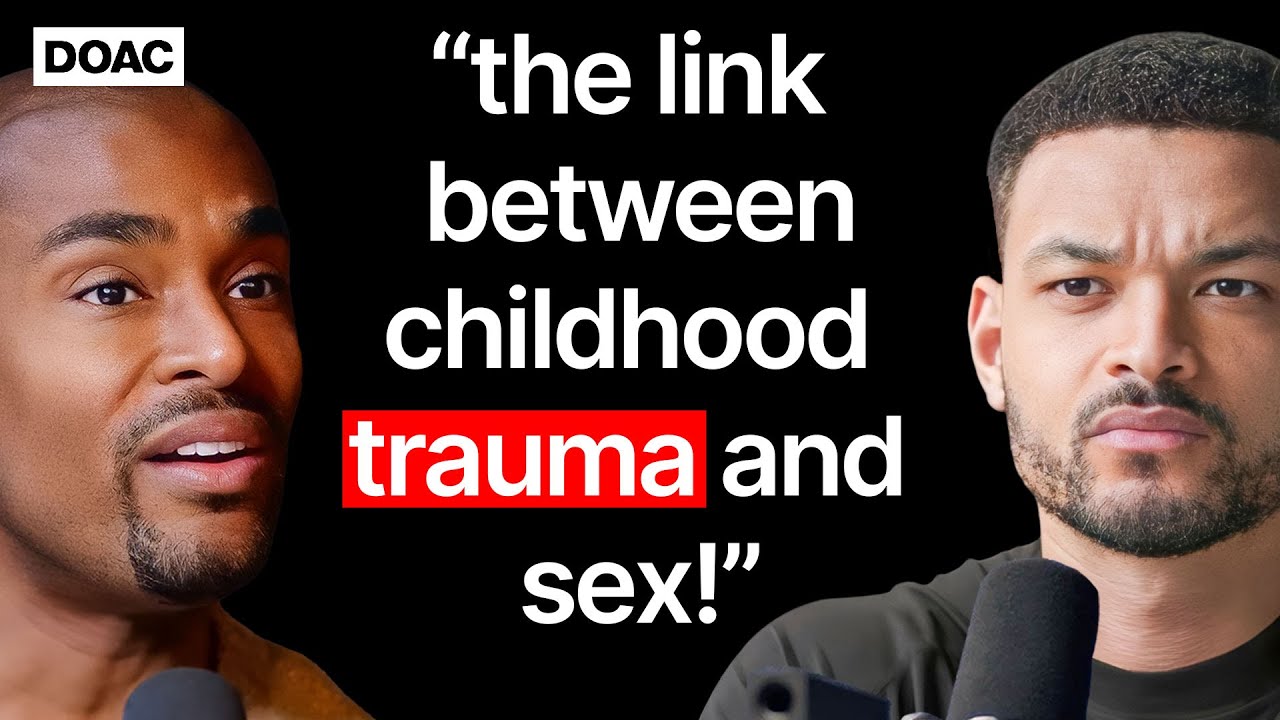
Paul Brunson: "The 70/30 Body Shape Is Scientifically The Most Sexy" & THIS Predicts Divorce! — The Diary Of A CEO

The Diary Of A CEO

Long-term relationship success depends primarily on selecting emotionally fit partners and resolving conflict rather than relying on initial physical attraction.

AI-assisted summary of Paul Brunson: "The 70/30 Body Shape Is Scientifically The Most Sexy" & THIS Predicts Divorce! — original source. Check the original for full context.

Source published:

Detailed notes

## Background This episode of The Diary Of A CEO was published on YouTube by Steven Bartlett on February 1, 2024. The page description presents a deep-dive interview with relationship expert and matchmaker Paul Carrick Brunson, who returns for a second conversation to discuss the science of attraction, divorce predictors, and how to build long-term relationship success.

## TL;DR Paul Carrick Brunson discusses the evolutionary and psychological dynamics behind modern dating, partner selection, and long-term relationship success. He details key physical attraction metrics like the golden mean ratio, the impact of sex ratios and modern app culture on mate value, and how low self-esteem drives people to seek external status symbols. The conversation covers attachment styles, the traits of the Dark Tetrad, and Dr. John Gottman's Four Horsemen, concluding that choosing the right partner and mastering conflict resolution are the most critical decisions for overall life satisfaction.

## Atmosphere & style The conversation carries an intimate, highly analytical, yet warmly empathetic tone, characteristic of an honest masterclass between friends. Brunson speaks with grounded authority and vulnerability, pairing rigorous psychological and demographic data with deeply personal reflections on self-esteem and identity. The atmosphere feels intellectual, eye-opening, and practical, navigating through hard truths about modern dating while offering realistic, actionable hope for genuine human connection.

## Key takeaways - [37:36](https://www.youtube.com/watch?v=i2sHBL8BjWI&t=2256s) Physical attractiveness ratios, such as a 0.70 waist-to-hip ratio in women and a waist-to-shoulder ratio of 0.70 or less in men, function as evolutionary markers for fertility and physical protection capacity. - [41:55](https://www.youtube.com/watch?v=i2sHBL8BjWI&t=2515s) Mate value comprises physical appearance, social status, behavior, and confidence, with short-term mating prioritizing physical attraction while long-term mating evaluates overall life suitability. - [46:17](https://www.youtube.com/watch?v=i2sHBL8BjWI&t=2777s) The 'premium effect' occurs when an individual's perceived mate value increases due to being a scarce commodity in a specific social environment. - [51:03](https://www.youtube.com/watch?v=i2sHBL8BjWI&t=3063s) High self-esteem reduces the need for external validation, whereas using a partner primarily as an aesthetic status symbol reflects underlying personal insecurity. - [57:03](https://www.youtube.com/watch?v=i2sHBL8BjWI&t=3423s) Building self-esteem relies on keeping daily micro-commitments to oneself, as breaking small personal promises codes a negative subconscious self-narrative. - [59:27](https://www.youtube.com/watch?v=i2sHBL8BjWI&t=3567s) Attempts to mask core flaws fail without self-acceptance, and personal trauma is best addressed individually prior to entering a relationship rather than using a partner as a canvas. - [01:05:56](https://www.youtube.com/watch?v=i2sHBL8BjWI&t=3956s) Self-directed growth requires metacognition—the practice of observing one's own thinking objectively during conflict to practice active communication. - [01:09:25](https://www.youtube.com/watch?v=i2sHBL8BjWI&t=4165s) Population sex ratios alter romantic negotiation power; imbalances in specific environments, such as degree programs, give the underrepresented group higher romantic leverage. - [01:15:02](https://www.youtube.com/watch?v=i2sHBL8BjWI&t=4502s) Gen Z is expected to record the lowest overall marriage rates, but those who marry are predicted to form higher-quality, more stable partnerships. - [01:31:09](https://www.youtube.com/watch?v=i2sHBL8BjWI&t=5469s) Attachment styles influence sexual behavior; secure and anxious individuals report lower orgasm rates in casual sex due to needing emotional safety, whereas avoidant types achieve higher orgasm rates in casual encounters than in longer-term FWB arrangements. - [01:39:37](https://www.youtube.com/watch?v=i2sHBL8BjWI&t=5977s) Filtering prospective partners through overly narrow criteria (such as height, income, and age limits) mathematically reduces match probability to near zero. - [01:40:50](https://www.youtube.com/watch?v=i2sHBL8BjWI&t=6050s) Essential qualities for long-term relationship success include Emotional Fitness (low neuroticism), Courageous Vision, Resilient Resourcefulness, and Open-Minded Understanding. - [01:48:35](https://www.youtube.com/watch?v=i2sHBL8BjWI&t=6515s) Narcissists and psychopaths excel at initial dating due to projected confidence, but staying in a long-term relationship with a Dark Tetrad individual causes sustained health damage. - [02:01:09](https://www.youtube.com/watch?v=i2sHBL8BjWI&t=7269s) John Gottman's Four Horsemen identify Contempt as the single most destructive communication behavior, predicting relationship breakdown with 99% accuracy. - [02:03:11](https://www.youtube.com/watch?v=i2sHBL8BjWI&t=7391s) Relationship breakdown usually stems from poor initial partner selection combined with the compounding weight of hundreds of minor unaddressed conflicts.

## Detailed walkthrough ### [00:00](https://www.youtube.com/watch?v=i2sHBL8BjWI&t=0s) Introduction and the State of Modern Relationships

The conversation opens with a striking statistic: the number one reason for breakups is neither finances nor infidelity, but rather a specific destructive behavior that carries a 99% likelihood of ending a relationship. Paul Carrick Brunson—introduced as the world's most influential matchmaker—emphasizes that choosing a weak or incompatible partner negatively impacts longevity, happiness, and overall physical health.

* Choosing the wrong partner directly affects life expectancy, health, and personal fulfillment. * The "golden mean" ratio in relationship science predicts physical attractiveness based on specific body proportions, such as a woman's waist-to-hip ratio. * Research shows that attachment styles directly influence sexual behavior, including the frequency of orgasms experienced by individuals with avoidant attachment styles. * Data reveals that 14% of the general population exhibits traits associated with the "dark triad" or harmful personality profiles, including narcissism, sadism, and psychopathy. * Host Steven Bartlett highlights channel metrics showing that 69.9% of frequent viewers are not yet subscribed, encouraging the audience to subscribe to support guest selection and production quality.

---

[02:14](https://www.youtube.com/watch?v=i2sHBL8BjWI&t=134s) Paul Brunson's Background and Relationship Expertise

Steven Bartlett welcomes Paul Carrick Brunson back to *The Diary Of A CEO*, noting that Brunson’s previous appearance broke channel records for audience retention. Steven asks Paul to summarize the background, career transitions, and firsthand experiences that shaped his deep expertise in relationship science. Paul reflects on his early career in finance as an investment banking researcher before pursuing an MBA and ultimately pivoting into relationship science.

``` Finance & Investment Banking ➔ Matchmaking & Media ➔ Head of Global Insights (Tinder) ```

During his career transition, Paul had the unique privilege of working closely with two billionaires: Turkish educational tycoon Enver Yücel and media icon Oprah Winfrey. Despite their vast background differences, observing their shared behavioral patterns inspired Paul to write about human connection, eventually leading to a journalism role at *USA Today*. Alongside his wife, Paul co-founded what became the largest matchmaking firm in the United States, which they successfully sold in 2017 before relocating to the UK. In 2023, Paul was appointed Head of Global Insights at Tinder, where he co-authored *The Future of Dating 2023* report. Based on global user data, Paul boldly predicts that Generation Z will ultimately form the strongest marriages in history.

---

[05:52](https://www.youtube.com/watch?v=i2sHBL8BjWI&t=352s) What History Tells Us About Relationship Needs

To understand current relationship dynamics, Paul outlines the historical evolution of human mating across three distinct eras, drawing on the framework developed by Northwestern University researcher Eli Finkel in his book *The All-or-Nothing Marriage*:

* **The Pragmatic Phase (Prehistory to 1800s):** Human pairing was governed by "assortative mating"—selecting partners with similar physical and behavioral characteristics primarily for procreation, physical protection, and basic survival. * **The Romantic Phase (1800s to 1960s):** Driven by the Industrial Revolution, people moved away from extended family clans into nuclear setups. As workplace isolation grew, spouses were expected to double as personal companions and friends to relieve loneliness. * **The Age of Self-Expression (1960s to Present):** Spurred by technological and social milestones like the widespread availability of the birth control pill and labor-saving appliances, women gained unprecedented autonomy. Dating shifted toward achieving the peak of Maslow's hierarchy of needs: self-actualization and personal flourishing (Aristotelian *eudaimonia*).

> "If we want to flourish, then we need a partner who can help us flourish... We now want self-expression, and if we want self-expression, we have different demands on our partner. That means dating is now more complicated than it has ever been."

---

[10:07](https://www.youtube.com/watch?v=i2sHBL8BjWI&t=607s) Why Arranged Marriages Last Longer

Steven and Paul delve into the counterintuitive psychological dynamics of choice and satisfaction. Paul addresses a controversial finding detailed in his book, *Find Love*: on average, arranged marriages last longer and report higher overall relationship satisfaction than non-arranged modern marriages.

``` Modern Romantic Marriages Arranged Marriages ┌───────────────────────────┐ ┌───────────────────────────┐ │ Driven by Limerence/Sex │ │ Vetted by Community/Family│ │ High Personal Bias │ vs. │ Objective Alignment │ │ Unrealistic Expectations │ │ Gradual Love Building │ └───────────────────────────┘ └───────────────────────────┘ ```

Paul explains that Western romantic choices are frequently driven by "limerence"—an intense state of infatuation centered around physical attraction without genuine knowledge of a partner's character. In contrast, healthy arranged marriages utilize a community network (parents, siblings, trusted friends) who evaluate a prospective partner objectively.

Paul illustrates this using his former matchmaking methodology: before matching clients, he conducted thorough background interviews with their friends, family, colleagues, and ex-partners to navigate cognitive dissonance. People frequently misjudge their own values; for example, a client claiming to prioritize health or faith might spend their actual free time and discretionary income on eating out and entertainment. How an individual allocates their finite time and money reveals their true operational values.

* **80%** of modern marriages experience higher levels of dissatisfaction due to over-relying on a single partner to fulfill every emotional, intellectual, and practical need. * **20%** of modern couples report unprecedented levels of marriage satisfaction by leveraging modern relationship insights and actively working together.

---

<ElicitationsGroup message="What would you like to do next?"> <Elicitation label="Explore the key drivers of avoidant attachment styles" query="Explore the key drivers of avoidant attachment styles" query_intent="CLICKABLE_SUGGESTION" /> <Elicitation label="Learn how to identify personal core values" query="Learn how to identify personal core values" query_intent="CLICKABLE_SUGGESTION" /> <Elicitation label="Examine the psychological mechanics behind limerence" query="Examine the psychological mechanics behind limerence" query_intent="CLICKABLE_SUGGESTION" /> </ElicitationsGroup>

[17:34](https://www.youtube.com/watch?v=i2sHBL8BjWI&t=1054s) Relocating for Love and the Burden of Being Someone's Everything

Steven Bartlett shares a personal story about his own relationship, recalling the period when his partner lived in Bali for two years while he was based in London. During lockdowns, they went up to 60 days without seeing each other in person. Eventually, they hit a crossroads where one of them had to move for the relationship to survive. Bartlett knew he could never demand that she uproot her life to move to London because he had seen how forcing that choice breeds deep-seated resentment and contempt. When a partner moves solely at your request, you effectively take on total responsibility for their life, happiness, and well-being in a foreign environment.

Bartlett describes his initial fear: as a self-described "busy person," if his partner arrived in the UK without her own friendship network, purpose, or job, he would be forced to serve as her sole source for all three—a prospect he found terrifying. During the early transition phase after her move, he did feel the heavy weight of that expectation. However, once she launched her own business in London, she cultivated her own tribe, community, and passion. Bartlett recalls coming home from work and looking over at her in the kitchen, completely absorbed in her laptop, feeling an overwhelming sense of relief and admiration. Paul Brunson notes that this dynamic reflects "Phase 2" of relationship history, where partners look beyond mere survival and seek mutual growth.

- Long-distance strain included periods of up to 60 days apart during pandemic lockdowns before a co-location decision had to be made. - Forcing a partner to relocate creates an unnatural dynamic where the host partner becomes responsible for the newcomer's entire social ecosystem and purpose. - Establishing independent purpose, business, and community prevents relational burnout and resentment.

---

[19:14](https://www.youtube.com/watch?v=i2sHBL8BjWI&t=1154s) Maslow’s Hierarchy in Modern Relationships and the "Friends Know Best" Test

Brunson explains that modern relationships are exceptionally complicated because people enter them seeking fundamentally different outcomes. While Bartlett and his partner are focused on self-actualization and flourishing, others operating lower down Maslow’s hierarchy of needs may seek a partner primarily for safety, belonging, or self-esteem. Because human needs are so varied, Brunson advises that individuals must first identify what they want out of life and then "unapologetically go after it," surrounding themselves with a tribe that shares those exact romantic, professional, and social goals.

The conversation shifts to the profound accuracy of external perspectives when evaluating potential partners. Bartlett asks how much weight one should give to friends who warn that a new partner "isn't the one," recounting a recent experience where a friend completely ignored unanimous warnings from their inner circle. Brunson responds emphatically, drawing from his extensive experience as a professional matchmaker: if all your friends and family—the people who love you most—agree that a partner is wrong for you, it will fail "100% of the time." He highlights that one of the most groundbreaking methodologies in matchmaking is listening to the collective consensus of a person's loved ones, as their shared observation represents the objective truth.

> "If all of your friends are saying this ain't the guy, this ain't the guy. No matter what, it will not work out. 100% of the times." — **Paul Brunson**

---

[21:19](https://www.youtube.com/watch?v=i2sHBL8BjWI&t=1279s) Pre-Relationship Satisfaction and Carol Ryff’s Six Dimensions of Psychological Well-Being

Addressing whether entering a relationship can "fix" a person's life, Brunson debunks common pop-culture myths that shared values or great chemistry are the single greatest predictors of success. Citing empirical relationship research, he reveals that an individual's pre-existing baseline of personal satisfaction is actually the primary driver of their satisfaction *within* a relationship. Entering a partnership while already flourishing independently provides the strongest foundation for long-term relational success.

``` +-------------------------------------------------------------------------------+ | CAROL RYFF'S 6 DIMENSIONS OF PSYCHOLOGICAL WELL-BEING | +-------------------------------------------------------------------------------+ | 1. Personal Development | Active pursuit of self-growth and learning | | 2. Inspiration / Goals | Clear targets and purpose to march towards | | 3. Autonomy | Sense of control over one's time and choices | | 4. Environmental Mastery | Living in a setting conducive to your lifestyle | | 5. Strong Relationships | Deep platonic, romantic, or social connections | | 6. Self-Acceptance | Embracing internal flaws and "demons" alongside | | | your strengths | +-------------------------------------------------------------------------------+ ```

Brunson champions the work of researcher Carol Ryff, who developed the **Six Dimensions of Psychological Well-Being** in the 1980s by synthesizing theories on human flourishing. He argues that this framework is one of the most critical yet under-discussed concepts in relationship science. These six dimensions—personal growth, inspiration, autonomy, environmental mastery, positive relations with others, and self-acceptance—must be actively cultivated whether one is single or coupled. Achieving high well-being across these dimensions allows an individual to self-actualize, making them a far stronger and more resilient partner.

- Baseline individual satisfaction before a relationship directly dictates satisfaction within the relationship. - **Environmental Mastery** refers to ensuring your physical town, city, and immediate environment support your personal goals. - **Self-Acceptance** involves acknowledging your internal flaws and "demons" while remaining fundamentally at peace with who you are.

---

[24:35](https://www.youtube.com/watch?v=i2sHBL8BjWI&t=1475s) The Michelangelo Effect and Choosing Partners as a Life-or-Death Decision

Brunson addresses the widespread misconception that finding a partner is the finish line of personal development, calling it a false narrative heavily promoted by the "Disneification" of love in movies and television. In reality, finding a partner is merely where the real work begins. Defying conventional wisdom, Brunson asserts that the primary cause of relationship failure is not financial stress or infidelity, but rather **poor partner selection**—or failing to make an active choice at all. He notes that heterosexual women in particular are often socialized to allow themselves to be chosen rather than proactively choosing their mate.

Reframing how partners should support one another, Brunson references the **Michelangelo effect** (coined in relationship science by Eli Finkel). Just as Michelangelo believed his job as a sculptor was not to create a shape from scratch, but rather to chip away the raw marble to unveil the pre-existing masterpiece within, ideal romantic partners help uncover each other's best selves. Citing long-term data from researchers like Dr. Robert Waldinger (director of the Harvard Study of Adult Development), Brunson emphasizes that choosing a strong partner leads to longer life, greater happiness, higher income, and better physical health. Conversely, selecting a weak or toxic partner leads to severe psychological distress, increased risk of domestic violence, and degraded health—making mate selection literally a life-or-death decision.

- The root cause of most breakups is improper partner selection, rather than downstream symptoms like money or infidelity. - **The Michelangelo Effect:** A supportive relationship actively sculpts and reveals an individual's ideal potential self. - Harvard development studies show strong partnerships directly correlate with increased longevity, financial prosperity, and overall physical health.

---

[27:34](https://www.youtube.com/watch?v=i2sHBL8BjWI&t=1654s) Unrealistic Movie Endings and Why Great Love Looks "Boring"

Bartlett reflects on the cultural brainwashing caused by Hollywood romantic comedies. Movies construct elaborate narratives around conflict, turmoil, and dramatic twists, only to cut to black the moment the couple gets together under the premise of "happily ever after." In reality, extending those movies by another 30 years would reveal decades of hard work, mundane maintenance, and conflict. Brunson suggests reframing relationship "work" not as a grueling chore, but as transferable skill-building—much like how hosting a podcast sharpens active listening skills that benefit every aspect of life.

Brunson drops a striking truth about real-world relationship dynamics: **secure, healthy love looks boring from the outside.** He illustrates this using his experience as an expert on UK television programs. On *Married at First Sight UK*, his first series operated strictly as a true docuseries matching highly compatible couples. Three out of the four couples matched remained happily together long-term, but viewers found the show unremarkable because there was no volatile drama. Subsequent seasons introduced relational tension, which spiked entertainment value. Brunson concludes that while toxic or chaotic relationships make compelling television, true, enduring love looks quiet and unexciting to outsiders while feeling extraordinary to the couple inside it.

> "Good love, great love looks boring, but it feels great." — **Paul Brunson**

---

[31:38](https://www.youtube.com/watch?v=i2sHBL8BjWI&t=1898s) The Modern Struggle of Men: Isolation, Rejection, and Sedation

The conversation transitions to the systemic crisis facing men in the contemporary dating landscape and digital era. Bartlett notes that dating algorithms appear increasingly hostile toward the bottom 50% of male users. Brunson welcomes the fact that society is finally acknowledging male struggles—including disproportionately high rates of suicide, acute loneliness, and mental health crises—without immediately dismissing the conversation under the banner of patriarchy.

Drawing on insights from scholar Richard Reeves (author of *Of Boys and Men*), Brunson points to structural declines in male educational attainment, rising unemployment, and high rates of what Reeves terms "sedation." A massive demographic of men is actively sedating themselves out of emotional pain and loneliness through excessive pornography consumption and substance use. Furthermore, Brunson cites internal data from Tinder featured in his book *Find Love*, revealing that the **number one reason men give for not being in a relationship is the crippling fear of rejection**. This pervasive fear, existing both online and in person, points directly to an underlying crisis of self-esteem, self-worth, and self-love among modern men.

- Richard Reeves identifies "sedation"—primarily substance abuse and heavy pornography use—as a widespread coping mechanism for male loneliness. - Tinder research confirms that the primary barrier preventing men from entering relationships is fear of rejection. - Addressing the male mental health crisis requires creating safe, supportive communities that foster genuine camaraderie over digital isolation.

Here is a detailed, faithful walkthrough of this section of the conversation:

[35:39](https://www.youtube.com/watch?v=i2sHBL8BjWI&t=2139s) Evolutionary Roots of Partner Selection

Paul Brunson and Steven Bartlett examine the evolutionary psychology behind mate choice, explaining that throughout human history, survival depended on distinct roles. For women, who faced periods of extreme vulnerability during pregnancy—when they could not hunt or forage—securing protection was vital. This protection came either through a partner's physical strength or high social status and resources. While millions of average men who lacked elite status or Calvin Klein looks were historically sent off as cannon fodder in massive conflicts—like the Battle of Waterloo—modern warfare relies on drones and missiles rather than mass infantry. As a result, millions of men who previously would have died in combat are left in contemporary society wondering where they fit in.

Conversely, men historically selected women for youth and indicators of fertility, a preference deeply hardwired into human psychology across centuries.

- Women traditionally evaluated partners based on physical defense capabilities or resource acquisition status. - Historically, men without high status or exceptional physical attractiveness were disproportionately sent to fight and die in wars. - Modern society lacks these demographic military culls, leaving a large population of men feeling displaced in the modern dating landscape.

[37:36](https://www.youtube.com/watch?v=i2sHBL8BjWI&t=2256s) The Golden Mean: Physical Ratios of Attractiveness

The conversation shifts to the concept of the "golden mean"—a universal ratio of physical proportions that signals evolutionary fitness. For women, the ideal golden mean centers on the waist-to-hip ratio, where a waist measuring approximately 70% of the hips signifies optimal biological fertility. Paul notes that this ratio holds true across cultures—from Eastern collectivist societies to Western individualist ones—and across eras. For instance, 1970s icon Twiggy, despite her slender build, maintained a 70% ratio, whereas modern figures like Kim Kardashian display a lower, more exaggerated ratio around 50%.

For men, the golden mean is calculated by comparing waist size to shoulder width, where a waist that is 70% or less of shoulder width signals physical strength and protective capacity. Steven jokes that his girlfriend prefers his broad shoulders over a six-pack, a preference Paul affirms as deeply rooted in evolutionary protection.

- **Women’s Ideal Ratio:** A waist-to-hip ratio of roughly 0.70 (70%) serves as a cross-cultural evolutionary marker of fertility. - **Men’s Ideal Ratio:** A waist-to-shoulder ratio of 0.70 or less signals physical strength and the ability to protect a family. - **Matchmaking Strategy:** Matchmakers frequently use clothing tricks—such as structured blazers with wide shoulder pads—to visually align male clients with the golden mean for dates.

[41:55](https://www.youtube.com/watch?v=i2sHBL8BjWI&t=2515s) Understanding Mate Value

Paul introduces "mate value," an evolutionary psychology term describing the total package of attributes an individual brings to the mating market. A critical distinction exists between short-term and long-term mating: short-term mating prioritizes immediate physical attraction without concern for trust, whereas long-term mating involves a complex calculation of overall life suitability. Mate value is not determined solely by physical looks or career status; it encompasses kindness, behavior, and social confidence.

Furthermore, context heavily influences perceived mate value. Attributes that lower perceived value in one environment or relationship structure—such as having children when dating someone younger who desires their own biological children—may increase perceived value in another context, such as with an older partner or someone who already has a family.

- **Short-Term Mating:** Focuses heavily on immediate physical appearance and sexual interest while ignoring long-term traits like trust. - **Long-Term Mating:** Evaluates a combination of physical attributes, social status, kindness, behavior, and confidence. - **Contextual Fluctuations:** Mate value is relative; key life factors like having children fluctuate in value depending on the potential partner's background and desires.

[46:17](https://www.youtube.com/watch?v=i2sHBL8BjWI&t=2777s) The Premium Effect and Dating App Dynamics

Paul explains the "premium effect"—a dynamic where an individual's perceived mate value increases by standing out as a scarce commodity in a specific environment. Demonstrating this, he recalls how Steven walking into a restaurant in Richmond, Virginia, would instantly draw intrigue simply due to his distinct British accent.

Paul illustrates this concept through his work running a matchmaking agency specifically for Black women. He observed that Black women faced disproportionative friction on mainstream dating apps due to user demographics and age-group habits. While older generations (Millennials, Gen X, Baby Boomers) historically prioritized ethnicity when filtering prospective dates, Gen Z has broken this trend—80% of Gen Z Tinder users report being open to or actively dating outside their ethnicity.

To overcome the restrictive filtering of mainstream platforms, Paul placed non-Jewish Black Christian clients on Jdate (a Jewish dating platform). By placing them in an environment where they were rare, the move generated high interest and interaction, illustrating the power of positional scarcity.

- **Ethnicity Filtering:** Older generations historically filtered romantic prospects by ethnicity first, whereas Gen Z is the first majority "inter-everything" generation (inter-ethnic, international, inter-religious). - **The Jdate Strategy:** Placing Black Christian women on Jdate transformed them into a unique, scarce commodity, resulting in high engagement and demonstrating the premium effect.

[51:03](https://www.youtube.com/watch?v=i2sHBL8BjWI&t=3063s) Real-Life Application and the Role of Self-Esteem

The principle of scarcity applies off line as well as on apps. Paul describes advising a mid-30s white female friend from Hertfordshire to attend an exhibition at the Black Cultural Archives in Brixton. By intentionally stepping outside her typical social environment, she stood out and ended up making meaningful, lasting connections.

However, Paul highlights that taking such steps requires strong underlying self-esteem. Individuals with high self-esteem rely less on external validation and societal conformity, allowing them to step into unfamiliar settings comfortably. Studies show that people with higher self-esteem are also less fixated on finding a partner who fits conventional or status-symbol standards of beauty.

Steven reinforces this by recalling a friend who hesitated about his relationship because he worried about how his partner looked on his arm at restaurants. Steven points out that caring primarily about public validation reflects lower self-esteem and insecurities, which ultimately leaves those individuals single.

- "The higher self-esteem you have, the less external validation you need." - High self-esteem enables individuals to look past rigid social expectations and appreciate genuine internal and physical traits in a partner. - Valuing a partner primarily as an aesthetic status symbol for public display is a key indicator of personal insecurity and low self-esteem.

[54:18](https://www.youtube.com/watch?v=i2sHBL8BjWI&t=3258s) Improving Low Self-Esteem and the Search for Validation

The conversation centers on the crucial role that self-esteem plays in relationship outcomes. When an individual suffers from low self-esteem, they often prioritize a partner's physical appearance, operating under the flawed belief that being seen with an attractive person will somehow elevate their own social standing. It is less about genuine connection and more about a desperate bid for societal acceptance and a fear of public shaming. Conversely, an individual possessing high self-esteem remains completely indifferent to external opinions. They can walk down the street with anyone, fully secure in their choice and their personal happiness.

Reflecting on his past career as a professional matchmaker, it is noted that clients struggling with low self-esteem were never immediately placed into the dating pool. Instead, the agency required them to undergo months of intensive coaching first. Building self-esteem requires practical, actionable habits anchored in self-compassion, such as consistent journaling, regular meditation, and physical exercise. Additionally, setting achievable milestones and working toward the mastery of a new skill provides a tangible confidence boost. Sharing a personal anecdote from the lockdown period, learning to play the piano—specifically mastering a rendition of Wu-Tang Clan's "C.R.E.A.M. (Cash Rules Everything Around Me)"—served as a powerful internal victory that reinforced personal capability. Surrounding oneself with high-esteem individuals further accelerates this psychological growth.

- Low self-esteem causes people to look for external validation from society through their partner's looks. - High self-esteem enables a person to be happy with their partner regardless of outside judgment. - Practical steps to build self-esteem include journaling, meditating, exercising, and pursuing the mastery of small skills. - The agency withheld matchmaking services for months until clients completed self-esteem coaching.

[57:03](https://www.youtube.com/watch?v=i2sHBL8BjWI&t=3423s) The Power of Keeping Small Commitments to Yourself

The discussion shifts to the concept of micro-commitments and how daily choices shape an individual's core identity. Drawing from a dialogue with Chris Williamson, the idea is introduced that the promises kept when no one else is watching form the bedrock of self-image. It is easy to mistakenly believe that self-esteem is dictated solely by grand life achievements or glaring failures. In reality, it is built on granular decisions, such as resisting the urge to hit the snooze button at 9:00 AM. Failing to honor a minor promise to oneself acts like a negative line of code written directly into a person's life manual, reinforcing the subconscious narrative: *"I'm the type of person that frequently isn't able to do what I want to do."* This internal instruction manual then dictates how a person shows up at work and anchors their larger ambitions.

Because small habits are incredibly easy to perform, they are also dangerously easy to neglect, leading people to overlook their profound cumulative impact. Society frequently looks at ultra-marathon runners or wildly successful entrepreneurs on Instagram and assumes their heights resulted from a singular, massive decision. The reality is that success is built entirely on baby steps. Consistency in small tasks establishes a solid foundation, allowing the tasks to naturally scale larger over time. Self-esteem is not an abstract feeling; it must be actively exercised through physical execution and repeated daily actions.

- Self-image is heavily governed by the small, private commitments kept or broken throughout the day. - Breaking a commitment (like hitting the snooze button) writes a negative "line of code" into a person's psychological programming. - Social media creates the illusion that success comes from one giant choice rather than compounding baby steps. - Consistently executing small tasks builds robust habits that prepare individuals for larger challenges.

[59:27](https://www.youtube.com/watch?v=i2sHBL8BjWI&t=3567s) Older Generations and Authenticity in the Digital Dating Era

A distinct demographic challenge exists for a generation trapped between the traditional, real-life dating methods of the past—such as meeting matches at a local village church—and the modern digital surge where the vast majority of couples meet online. While individuals aged 35 and up navigate this shift, it is specifically those aged 45 to 50 who are getting hit the hardest. Statistically, the number one age group for new daters downloading apps is 18. Strikingly, the number two age group is 45. This phenomenon is driven primarily by "empty nest syndrome," where couples realize they have grown entirely apart after their children leave for university, leading to divorces and a sudden re-entry into a completely transformed dating market.

Despite initial confusion and lack of digital savvy, these older daters end up performing extraordinarily well on apps. Because they are unfamiliar with social media curation, they do not present a highly filtered, manufactured "representative" of themselves as 80% to 90% of younger users do. Instead, they write imperfect profiles, openly share their vulnerabilities, and post unfiltered photos simply because they do not know how to apply filters. This raw transparency proves highly effective because data consistently shows that authenticity wins. Embracing one's unique quirks and life experiences is the ultimate competitive advantage, given that no other person out of the 8 billion people on Earth possesses the exact same worldview, skills, or appearance.

- The number two age range for new daters on apps is 45, largely due to empty nest syndrome breaking up long-term marriages. - Older daters find unexpected success online because they bypass the curated "representatives" typical of social media. - Data confirms that authenticity, unfiltered photos, and raw vulnerability outpace highly polished dating profiles. - True uniqueness stems from the reality that no one else among the earth's 8 billion inhabitants shares the exact same life experiences.

[01:03:27](https://www.youtube.com/watch?v=i2sHBL8BjWI&t=3807s) Embracing Negative Traits and the Work of Self-Acceptance

When challenged with the question of what happens if a person's authentic self is simply an unlikable "asshole," the conversation pivots to the boundaries of self-acceptance. If someone genuinely dislikes their core traits, attempting to mask them through digital filters or "FaceTune" is a temporary fix that fails to solve the root issue. Referencing Carol Ryff’s six dimensions of psychological well-being, true self-acceptance requires acknowledging one's flaws directly, even if that means admitting, *"These three things I do, yeah, I fucked up those three things."* While a person should not explicitly broadcast every toxic flaw on a dating profile, complete transparency is vital during interactions because deep-seated behavioral traits will inevitably reveal themselves over time.

To illustrate this, a hypothetical scenario is explored where an individual possesses an anxious attachment style, becoming ultra-needy, highly insecure, and easily triggered by jealousy due to childhood trauma. If a prospective partner acknowledges these patterns and explicitly states they are actively working on them, it remains a relationship worth pursuing. However, if they present these toxic traits as a fixed state while doing nothing to change, it becomes an immediate dealbreaker. The absolute best time to resolve personal trauma is before entering a relationship, rather than attempting to use a partner as a therapeutic canvas.

- Carol Ryff’s six dimensions of psychological well-being highlight self-acceptance as a critical pillar of mental health. - Toxic traits and attachment anxieties will always surface in behavioral patterns, making early transparency crucial. - An anxious attachment style is manageable if the person is proactively working through their underlying trauma. - Entering a relationship with the expectation of fixing long-standing psychological issues during the partnership is a major red flag.

[01:05:56](https://www.youtube.com/watch?v=i2sHBL8BjWI&t=3956s) The Limits of Modern Therapy and the Value of Metacognition

While traditional therapy is valuable, it suffers from low self-reported satisfaction rates globally, alongside severe accessibility issues and high costs that bar the average person from receiving top-tier care. Consequently, individuals must take personal responsibility for their psychological growth. High-quality podcasts serve as an exceptional entry point for cultivating awareness, featuring experts like Dr. Robert Waldinger and Dr. Gabor Maté. However, consumers must move beyond casual listening by purchasing the corresponding books and executing the prescribed journaling and meditation exercises. Many people resist this deep internal investigation because they demand quick, easy fixes, yet true personal flourishing requires stepping above cultural mediocrity through deliberate effort.

A foundational skill that drastically alters relationship dynamics is transitioning from impulsive reacting to active listening. This is closely tied to "metacognition"—the practice of thinking about your own thinking. Implementing this skill during an argument allows an individual to step outside themselves and objectively observe the situation, consciously telling themselves, *"Make sure you're listening intently, make sure she feels heard,"* rather than aggressively focusing on proving the other person wrong. The return on investment for mastering these emotional skills is infinite, paying massive dividends across business, social circles, and personal health. As demonstrated by Dr. Waldinger’s longevity research, these small behavioral adjustments drastically reduce stress, extend lifespan, and increase earning potential.

- Traditional therapy suffers from low satisfaction rates and high barriers to entry, making self-directed work essential. - Educational media and books by experts provide the tools for self-investigation, but they require active execution to work. - Metacognition allows individuals to observe their own thoughts objectively during conflicts, paving the way for active listening. - Practicing active communication directly correlates with lower stress, increased happiness, longer life, and higher financial success.

[01:09:25](https://www.youtube.com/watch?v=i2sHBL8BjWI&t=4165s) The Impact of the Sex Ratio on Dating Dynamics

The final topic addresses the structural environment of dating, specifically responding to single women over 35 who complain that "there's just no people left" and feel frustrated when their married friends refuse to accompany them to male-dominated venues. The geometric reality of dating markets is deeply influenced by the "sex ratio"—defined as the literal number of available women to men in a given population.

The most extreme real-world manifestation of this dynamic can be observed in rural, farming regions of China. Due to the historical legacy of the one-child policy, these areas feature a massive demographic imbalance with far more men than women. This disparity has completely flipped traditional negotiation power. While women in these regions forty years ago were forced into arranged marriages by their late teens without any personal agency, today the tables have turned. Single women in their thirties are now entering these regions with total autonomy, confidently selecting exactly who they want because the mathematical scarcity of women grants them supreme leverage in the dating market.

- The sex ratio tracks the demographic balance of available women to men within a specific geographical market. - China's historical one-child policy created a massive surplus of men, particularly across rural farming communities. - Demographic scarcity directly dictates romantic leverage; fewer women in a region drastically increases their negotiating power. - Modern women in male-heavy environments possess the leverage to select partners entirely on their own terms.

Here is a detailed, faithful walkthrough of the provided transcript section.

---

[01:10:59](https://www.youtube.com/watch?v=i2sHBL8BjWI&t=4259s) Sex Ratios, Degree Programs, and Choosing Partners Early

When gender imbalances shift on higher education campuses, the dynamics of dating and sexual behavior alter dramatically. Across many university campuses today, women outnumber men, which inadvertently hands the smaller pool of male students significant "negotiation power." Knowing they have access to a large cohort of women, men in these environments tend to "act a fool," resulting in off-the-charts sexual activity and changing how relationships form at a macroeconomic level. Conversely, male-dominated environments reverse this leverage. If a 20-year-old heterosexual woman is eager to find a partner, enrolling in a heavily male-dominated course, such as engineering, places the leverage firmly on her side.

While using career or educational environments to gain romantic leverage might sound controversial to some, Paul Brunson strongly endorses it. Western society often pushes a narrative that young people—especially women—should focus entirely on completing their education and establishing a career before turning their attention to finding a long-term partner. However, Brunson shares a deeply personal reflection from sitting at the deathbed of two different people who both passed away within 24 hours of his visit. Neither individual mentioned their professional accomplishments, school performance, or career milestones; instead, both recounted their intimate relationships with loved ones and expressed how fast life goes by. This reinforced his belief that personal relationships are the most vital aspect of life, leading him to teach his own young sons (aged 10 and 13) to think intentionally about their future partners early on, as it will be the most important decision of their lives.

- Steve Bartlett and Paul Brunson highlight that choosing a workplace or degree subject with a favorable gender balance is a practical strategy for heterosexual individuals seeking a partner. - Brunson notes the cultural contrast between traditional career timelines and prioritizing relationships early in life.

---

[01:15:02](https://www.youtube.com/watch?v=i2sHBL8BjWI&t=4502s) Hypergamy and Predictions for Gen Z Marriages

The conversation shifts to the concept of **hypergamy**, which is defined in online dating and sociological contexts as seeking a partner of equal or greater social status or resources. Although the term receives significant pushback, the data consistently shows that heterosexual women with college degrees on dating apps predominantly swipe right on men who hold an equivalent or higher degree, such as a master's degree. While critics mistakenly label women in these scenarios as "opportunists," Brunson points out that for hundreds of thousands of years, choosing a partner with equal or greater resources was an essential survival mechanism for women. Furthermore, modern relationships based on choice and self-expression only emerged around 1960 in WEIRD (Western, Educated, Industrialized, Rich, Democratic) societies, meaning these ingrained evolutionary behaviors still heavily influence dating today.

Looking ahead, Brunson predicts that Generation Z will ultimately record the lowest marriage rates of any generation, but those who do marry will have the strongest, highest-quality marriages in history. Rather than marrying out of societal pressure or financial necessity, Gen Z individuals entering a union will do so intentionally, using tools for mutual self-evolution.

- **Hypergamy definition:** Heterosexual women seeking a partner of equal or higher educational, financial, or social resources. - Modern dating preferences for self-expression and individual choice only began taking shape around 1960. - Gen Z is forecasted to have fewer marriages and fewer children overall, but higher marital stability and satisfaction among those who marry.

---

[01:18:52](https://www.youtube.com/watch?v=i2sHBL8BjWI&t=4732s) Declining Birth Rates and the Politics of Neo-Natalism

The decline in global birth rates poses significant long-term macroeconomic challenges. Most developed nations, including the United States, the UK, and Japan, are failing to meet the standard replacement rate of roughly 2.1 births per woman, with couples averaging around 1.8 children or fewer. This shift creates an aging population without a sufficient young tax base to fund social services, retirement benefits, or healthcare workers for nursing homes.

However, the discussion around underpopulation becomes politically charged when viewed through the lens of **neo-natalism**. While population growth is slowing down in Western countries, regions across West Africa—such as Nigeria—are experiencing explosive population growth, with large families remaining common. Steve Bartlett references Steve McQueen's *Year 3* photography exhibition at the Tate Britain in London, which showcased photos of thousands of Year 3 primary school classes, illustrating a future UK demographic that is predominantly Black and Muslim. Demographic projections indicate that by roughly 2050, over half of the UK population could be Black or Brown. While many embrace this shift, it also fuels anxiety among certain groups, giving rise to controversial neo-natalist movements and political candidates advocating for higher birth rates within specific ethnic or national groups.

- **Global Replacement Rate:** Typically set at **2.1 births per woman** to keep population levels stable. - **UK Demographic Forecast:** Projections suggest that by around **2050**, roughly half or more of the UK population will be from Black or Brown backgrounds. - **Exhibition Highlight:** Steve McQueen’s *Year 3* exhibit at the Tate Britain captured the shifting multi-ethnic demographic profile of London's youth.

---

[01:25:40](https://www.youtube.com/watch?v=i2sHBL8BjWI&t=5140s) Understanding Attachment Theory and Its Western Bias

Transitioning into relationship dynamics, Bartlett highlights attachment theory as one of the most requested topics from their previous conversation. The foundations of attachment theory stem from the work of Canadian-American psychologist Mary Ainsworth alongside John Bowlby. In her famous "Strange Situation" studies conducted in Baltimore, Ainsworth observed how young children reacted when their primary caregiver briefly left them in a room and then returned:

1. **Secure Attachment:** The child feels distressed when the caregiver leaves, but is quickly comforted and soothed upon their return. 2. **Anxious Attachment:** The child experiences high distress when the caregiver leaves, and remains anxious, clingy, or fearful upon their return, worried the caregiver will leave again. 3. **Avoidant Attachment:** The child shows apparent detachment or indifference when the caregiver leaves or returns.

While researchers like Sue Johnson and Dr. Amir Levine (author of *Attached*) later adapted these concepts to adult romantic relationships, Brunson emphasizes a crucial caveat that is often overlooked: attachment theory is a distinctly Western psychological concept. Its universal applicability across different non-Western cultural structures remains a subject of ongoing study.

- **Key Pioneers:** Mary Ainsworth (Baltimore studies) and John Bowlby. - **Primary Styles Discussed:** Secure, Anxious, and Avoidant. - **Nuance:** Brunson cautions against treating Western-centric psychological frameworks as universal truths without considering cultural context.

Here is a detailed, faithful walkthrough of this section of the conversation:

[01:28:19](https://www.youtube.com/watch?v=i2sHBL8BjWI&t=5299s) Cross-Cultural Attachment and the Problem of Western Lenses

Paul Brunson illustrates the cultural nuance of psychological theories using research from Japan regarding infant attachment styles. When a caregiver leaves a child and returns in a Japanese study, the child freaks out, experiencing extreme distress both during the separation and after the reunion. Under standard U.S. psychological frameworks, this reaction would be classified as an anxious or insecure attachment style. However, in Japan, it is considered a secure attachment. This difference arises because, in collectivist or Eastern societies, caregivers—typically mothers—rarely if ever leave the child's side. Consequently, the child views the mother's constant presence as normal, making her departure an unprecedented, shocking event.

Brunson argues that relationship concepts like attachment styles or love languages are frequently viewed through a narrow Western lens, even though society is globalized and deeply multicultural. While these frameworks are useful diagnostic tools, they are not universally applicable. Steven Bartlett humorously quips, "Let's not burst the illusion, Paul," observing how people are naturally drawn to simple frameworks where picking one of three categories offers easy answers over complex realities. Bartlett then jokes about his own tendencies, initially mislabeling himself as "anxious-preoccupied" before Brunson corrects him, confirming Bartlett is actually an "avoidant" type.

* In Japanese cultural contexts, intense distress upon separation is classified as secure attachment due to constant maternal proximity. * Brunson cautions against applying Western-centric psychological frameworks universally across diverse global lineages.

---

[01:31:09](https://www.youtube.com/watch?v=i2sHBL8BjWI&t=5469s) Attachment Styles and Sexual Behavior

Brunson shares striking research examining how attachment styles influence sexual satisfaction and orgasm frequency across different relationship contexts. In one-night stands or casual encounters, individuals with secure or anxious attachment styles report significantly fewer orgasms because they require psychological safety and emotional connection to feel fully engaged. Conversely, avoidant individuals achieve off-the-charts orgasm rates in casual encounters because they actively prefer sexual experiences devoid of emotional intimacy.

``` Attachment Style vs. Sexual Context Performance +------------------+-----------------------+-------------------------+ | Attachment Style | One-Night Stands | Friends with Benefits | +------------------+-----------------------+-------------------------+ | Secure | Substantially Low | Moderately Higher | | Anxious | Substantially Low | Requires Emotional Safety| | Avoidant | Extremely High | Significantly Lower | +------------------+-----------------------+-------------------------+ ```

The dynamic flips in a "Friends with Benefits" (FWB) setup. An avoidant individual experiences significantly fewer orgasms in an FWB relationship because it inevitably requires a degree of ongoing emotional intimacy. Secure individuals fare slightly better in FWB scenarios than in one-night stands. Brunson cites Marcus Garvey—"The person who becomes a master of self becomes a master of their environment"—to emphasize that understanding one's attachment style, traumas, triggers, and communication patterns is the key to personal growth and shifting negative behaviors.

* Secure and anxious individuals require psychological safety and emotional intimacy for sexual fulfillment. * Avoidants thrive in transactional, casual sex but struggle in FWB setups due to encroaching intimacy.

---

[01:33:50](https://www.youtube.com/watch?v=i2sHBL8BjWI&t=5630s) Bedroom Dynamics, Childhood Traumas, and Intergenerational History

Bartlett probes further into how attachment styles dictate bedroom preferences, postulating that avoidants prefer sex that is less intimate and more transactional—avoiding prolonged talking, eye contact, or kissing. Brunson agrees, noting that anxious types might need "two days of foreplay" to feel secure, while avoidants favor efficiency and emotional distance. Bartlett draws a parallel to his previous discussion about "sex languages" (metaphorically speaking Spanish vs. French in the bedroom), suggesting that mismatch in sexual communication often stems from contrasting attachment styles rather than simple incompatibility.

``` Attachment Style Bedroom Preferences: * Anxious: Requires high emotional intimacy, extended foreplay, and deep connection. * Secure: Desires balanced emotional intimacy, mutual trust, and affectionate play. * Avoidant: Prefers low emotional intimacy, transactional dynamics, minimal talking/kissing. ```

The discussion turns to how adult sexual preferences and fetishes originate from childhood experiences, trauma, and intergenerational history. Bartlett recalls an experience from when he was 18, meeting a man who openly admitted that his sexual fantasies involved dominance and control language in the bedroom because he had felt completely powerless when bullied as a young boy. While Bartlett initially thought it sounded "sadistic," he now recognizes how playground powerlessness translates directly into adult arousal patterns. Brunson expands on this, explaining that human behavior is shaped not just by personal history or first lovers, but by intergenerational trauma inherited from ancestors who survived wars, the Holocaust, or the transatlantic slave trade.

* Avoidant individuals often avoid kissing or conversational intimacy during sex to shield themselves from emotional vulnerability. * Childhood trauma, power struggles, and ancestral histories directly shape adult sexual preferences, fantasies, and relational triggers.

---

[01:39:37](https://www.youtube.com/watch?v=i2sHBL8BjWI&t=5977s) Re-evaluating Mate Selection Criteria

Transitioning to Chapter 7 of his book, *Find Love*, Brunson addresses what people should actually look for in a partner versus the superficial criteria they usually prioritize. Bartlett shares a real-time example from right before the recording: he asked a female friend upstairs to list her top criteria for a partner. Her list was: * Unmarried * White * 6'2" or taller * Not obese * Earning £150,000+ ($190,000+ USD equivalent) * Aged 31 to 45

Using data from the U.S. Census Bureau's Current Population Survey (Annual Social and Economic Supplement), Bartlett plugged these exact filters into a statistical dating calculator. The result showed she had a **0.046% chance** of finding a match. Brunson highlights how such rigid, superficial filters drastically narrow the pool and set people up for failure.

``` Upstairs Friend's Dating Criteria vs. Reality: * Height: 6'2"+ * Income: £150k+ ($190k+) * Marital Status: Single * Age: 31–45 * Body Type: Non-obese --> Statistical Probability of Finding Match: 0.046% ```

Brunson presents his evidence-based framework outlining the core traits necessary for long-term relationship success:

1. **Emotional Fitness (Low Neuroticism):** Emotional stability and intelligence. A partner with low neuroticism remains consistent and grounded regardless of whether life brings extreme highs or devastating lows. Brunson shares a personal story of realizing his wife was "the one" when his grandfather passed away; she dropped everything to drive eight hours to support him, maintaining her kindness and stability even when she later lost her own job. 2. **Courageous Vision:** Rooted in Carol Ryff's Six Dimensions of Psychological Well-being, this trait reflects a person who actively pursues a purposeful direction in life rather than remaining stuck in passivity or mediocrity. 3. **Resilient Resourcefulness:** The capacity to bounce back after being knocked down, taking broken life circumstances and crafting a "beautiful mosaic" from the pieces. 4. **Open-Minded Understanding:** A foundational curiosity and empathy toward others.

* Superficial preference filters (height, high salary, narrow age ranges) statistically shrink the dating pool to fractions of a percent. * Low neuroticism ensures a partner stays emotionally steady during life crises, such as bereavement or job loss.

Here is a detailed, faithful walkthrough of this portion of the conversation between Steven Bartlett and Paul Carrick Brunson.

---

[01:45:54](https://www.youtube.com/watch?v=i2sHBL8BjWI&t=6354s) Core Virtues of a Strong Partner and How Technology Fits In

Paul highlights **curiosity** as one of the sexiest traits in the world because a curious partner genuinely wants to know everything about you; they listen intentively, care about what they hear, and foster deep emotional intimacy. The final critical trait is **compassionate support**—having someone who promises to stand by you when life knocks you down. A person does not need to score high in all of these fundamental categories right away, but they must be on the pathway to realizing them, as embodying these traits enables effective conflict resolution.

Steven points out the disconnect with modern dating apps, noting that no platform highlights traits like emotional fitness, a courageous vision, resilient resourcefulness, open-mindedness, compassion, kindness, or empathy. Instead, users are forced to make split-second decisions within 0.1 seconds based purely on physical appearance—joking about whether someone's face looks like Paul's or if they have impressive shoulders.

While they banter about launching their own dating app (and acknowledge no one would download an app purely focused on these core traits), Paul emphasizes that physical attraction, shared relationship goals, and conflict resolution remain vital dynamics. However, he remains confident that as societal needs evolve, dating technology will adapt. He points to Gen Z as an example: while physical attraction matters to them, their desire for authenticity is even greater, prompting platforms like Tinder to offer expanded profile options for deeper self-disclosure.

- The five fundamental partner traits culminate in curiosity and compassionate support. - Modern dating app algorithms optimize for 0.1-second visual decisions rather than character. - Gen Z is shifting dating norms by prioritizing personal authenticity alongside physical attraction.

---

[01:48:35](https://www.youtube.com/watch?v=i2sHBL8BjWI&t=6515s) Why Narcissists Win at Speed Dating

Steven brings up Chapter 8 of Paul's book, which explores the "dark tetrad," and asks why narcissists often seem so attractive early on. Paul explains that research into speed dating shows two specific personality types consistently outperform everyone else: **narcissists** and **psychopaths**.

Their initial success stems from appearing self-assured and confident, but more maliciously, they are willing to lie and tell potential partners whatever they want to hear. A narcissist or psychopath views people purely as utility—like a disposable cup of water that is discarded as soon as its contents are consumed.

- Speed dating research shows narcissists and psychopaths are the most successful at making initial romantic connections. - They leverage superficial confidence and strategic deception to achieve their immediate objectives.

---

[01:49:48](https://www.youtube.com/watch?v=i2sHBL8BjWI&t=6588s) The Dark Tetrad and the Reality of Clinical Narcissism

When Steven asks who is most susceptible to falling for these personality types, Paul explains that individuals with low self-esteem and insecure attachment are particularly vulnerable. They constantly seek validation and affirmation, which the narcissist exploits by distancing themselves to make the victim chase approval even harder.

Paul cautions that "narcissist" has become one of the most overused labels in modern dating, where people throw the term around when a partner is simply selfish, arrogant, or an asshole. However, a clinically diagnosed narcissist is an extraordinarily dangerous individual.

The **dark tetrad** comprises four distinct traits: 1. **Narcissism** 2. **Psychopathy** 3. **Machiavellianism** 4. **Sadism**

Paul estimates that less than 15% of the population falls into these dark tetrad categories. When dealing with a true, clinically diagnosed narcissist, Paul's advice is blunt: once a narcissist, always a narcissist. While therapy may help them manage specific behaviors, they will fundamentally always view their partner as an object to be used. Unless a person is prepared to live in a relationship under constant manipulation, the only safe option is to leave.

To spot a narcissist early—beyond obvious tactics like "love bombing"—one must observe their behavior consistently over a long period. Research demonstrates that couples who date for two years before marrying experience a significantly lower divorce rate of around 20% to 22%, because two years provides sufficient time to see how a partner handles highs, lows, and neuroticism. Unfortunately, many people recognize narcissistic behavior early on but stay anyway because the partner checks superficial status boxes (e.g., earning over $100,000 or standing over six feet tall). Staying in such a relationship leads to living under severe duress, elevated cortisol levels, systemic inflammation, increased disease susceptibility, and premature death.

> "If you want to remain in a relationship with someone that is going to continually use you and may learn to manage their behavior, but will always see you as an object to use, then stay in the relationship. But otherwise, you have to leave."

- Less than 15% of the population falls within the dark tetrad. - Clinical narcissists cannot be cured; therapy only teaches them how to manage outward behaviors. - Dating for at least two years prior to marriage reduces the divorce rate to approximately 20–22%. - Superficial status criteria often trap people in harmful relationships, resulting in severe physical and psychological health consequences.

---

[01:55:05](https://www.youtube.com/watch?v=i2sHBL8BjWI&t=6905s) Red Flags, Criminal Histories, and the Refusal to Put in Effort

Steven asks whether a partner's history of past infidelity is a definitive red flag. Paul explains that he avoids absolute "hard and fast" rules because people are capable of genuine growth and behavioral change.

Surprisingly, Paul asserts that almost nothing qualifies as an absolute red flag outside of two specific conditions: falling into the dark tetrad, or displaying **a complete lack of effort**. Even a past criminal history isn't an automatic dealbreaker for Paul, who shares that he has family members with prison records who are among the finest, most morally sound people he knows.

Instead, a true red flag is a partner who actively refuses to engage in relational growth—someone who dismisses therapy, refuses to watch a simple educational video on active listening, or declines to participate in a basic trust exercise.

- Past infidelity or a criminal record are not automatic dealbreakers if the person demonstrates capacity for change. - A absolute refusal to put effort into the relationship or work on personal growth is a major red flag.

---

[01:56:39](https://www.youtube.com/watch?v=i2sHBL8BjWI&t=6999s) Radical Transparency vs. Relational History

Steven poses a practical scenario: if your spouse asks you to attend an event you have zero desire to go to—such as a ballet or a football match—should you tell the blunt truth or go along to fulfill their needs?

Paul explains that the correct response depends entirely on the couple's history of conflict resolution. If past disagreements remain unresolved and carry lingering pain, a partner will feel unsafe telling the truth, reinforcing toxic patterns where honesty leads to explosive fights.

Conversely, a healthy relationship is built like paper-thin layers stacked over time. Every time a couple resolves a conflict or affirms one another, a new layer is added to the foundation. With enough layers, partners earn the freedom to be bluntly, authentically transparent—such as Paul's wife freely teasing him about wearing "ridiculous" leather trousers. Without a solid foundation, immediate blunt transparency can be destructive.

Steven and Paul reflect on how relationships never remain static; without continual effort, nourishment, and maintenance, a partnership naturally dies rather than staying suspended in place.

> "A great relationship is just like adding a layer on top of a layer on top of a layer... Every time you affirm your partner, she affirms you, you resolve conflict... it affords you the opportunity to be more bluntly transparent."

- Honest communication requires a deep, established foundation of safe conflict resolution. - Relationships exist in a dynamic state: they are either actively growing through mutual effort or slowly dying.

---

[02:01:09](https://www.youtube.com/watch?v=i2sHBL8BjWI&t=7269s) John Gottman’s Four Horsemen and the Ultimate Relationship Killer

Steven brings up Chapter 9 of Paul's book, asking about Dr. John Gottman's famous "Four Horsemen" that predict relationship breakdown.

Paul praises Gottman as one of the world's premier marital researchers, noting how Gottman analyzed hundreds of couples in six-second increments to observe their subtle micro-interactions. From these observations, Gottman identified four destructive communication patterns that signal severe trouble:

1. **Criticism** 2. **Defensiveness** 3. **Stonewalling** 4. **Contempt**

Among these, Paul identifies **contempt** as the single most dangerous attribute. Gottman's research showed that the presence of contempt predicts couple breakdown with **99% accuracy**. Contempt signals a total lack of respect, communicating to the other person that they are beneath you. It often manifests in subtle, micro-second behaviors—an eye roll, looking away dismissively, or a sneer during an argument—which instantly tell the partner that they are not even on the same level.

- Dr. John Gottman analyzed couples in 6-second video increments to predict relationship outcomes. - The Four Horsemen are criticism, defensiveness, stonewalling, and contempt. - Expressing contempt predicts relationship failure with 99% accuracy.

[02:03:11](https://www.youtube.com/watch?v=i2sHBL8BjWI&t=7391s) The Anatomy of Relationship Breakdown and Small Incidents

Paul Brunson emphasizes how dangerous contempt and disrespect are within a relationship. When a partner displays contempt, it sends a clear signal that they neither respect nor value you. Brunson notes that Gottman's concept of the "Four Horsemen of the Apocalypse" provides a critical framework for self-reflection: we must actively watch whether these behaviors are showing up in our partner or within ourselves. Addressing where that contempt takes root is crucial, as it often starts from foundational mismatches rather than isolated explosions.

Brunson believes that relationship failure fundamentally stems from poor initial partner selection—choosing someone with whom there is little real hope of reaching the "finish line." When couples lack shared values, hold conflicting relationship goals, or lack basic kindness and conflict resolution skills, every minor friction creates a "hairline fracture." Most relationships do not end over one giant catastrophic event; instead, they deteriorate under the weight of hundreds of tiny, unaddressed incidents compounding over time until one or both partners can no longer tolerate it.

[02:04:39](https://www.youtube.com/watch?v=i2sHBL8BjWI&t=7479s) Conflict Resolution and Personal Satisfaction as Core Foundations

While researchers and popular opinion frequently cite money or infidelity as the top causes of divorce, Brunson argues that the root cause is actually the inability to resolve conflict around those issues. Mastering conflict resolution is one of the most critical drivers of long-term relationship satisfaction. However, healthy conflict resolution begins long before a disagreement arises—it requires deep personal self-reflection to ensure your own "light is on."

Brunson explains that personal satisfaction acts as a magnet. If you wake up happy, content with your life trajectory, and genuinely fulfilled, your "light is on," attracting others who are similarly satisfied and aligned. Conversely, if you are unhappy and simply "checking boxes" to fulfill societal timelines, you will likely attract someone else who is also just checking boxes, dooming the relationship from the start. Highlighting the supreme importance of partner choice, Brunson references Sheryl Sandberg's 2014 book *Lean In* and a documentary featuring Warren Buffett—both of whom concluded that choosing a life partner is the single most important decision a person can make, impacting career, finance, and overall well-being far more than networks or formal education.

- Sheryl Sandberg stated in *Lean In* (2014) that choosing a partner is the most important career decision you can make. - Warren Buffett similarly identified partner selection as the single most critical decision in a person's life. - Personal alignment and happiness ("light on") prevent relationships from starting on a foundation doomed to fail.

[02:07:01](https://www.youtube.com/watch?v=i2sHBL8BjWI&t=7621s) The Final Question: Overcoming Underdog Mindset and Overthinking

Following the podcast's tradition where the previous guest leaves a question for the next, Steven Bartlett asks Paul: "What things are you doing that are contributing to keeping you stuck or stopping you from progressing in the way that you would like?" Brunson candidly reveals his persistent internal struggle with feeling like the underdog, admitting that he often overanalyzes situations and overthinks interactions.

He shares a personal example, reflecting on how he sometimes second-guesses interactions by asking himself if someone is reacting to him a certain way because he is a Black man, an American, or someone seen on television. While this underdog mindset provides him with intense drive and assertiveness to excel, it simultaneously creates artificial roadblocks and barriers. He realizes he often overthinks benign questions that stem purely from genuine curiosity. Expressing a desire to stop treating life like a complex game of chess, Brunson admits that constant strategic thinking is exhausting and that he wants to move toward a more effortless flow.

- Paul admits to constantly wrestling with an "underdog mindset" and feeling like he might not be "worthy" or "enough." - He acknowledges second-guessing interactions based on race, nationality, or public visibility. - He contrasts the exhausting nature of treating life like "chess" with the desire to live more freely, noting "Checkers is so much easier."

[02:09:17](https://www.youtube.com/watch?v=i2sHBL8BjWI&t=7757s) Closing Thoughts and Actionable Takeaways from 'Find Love'

Steven Bartlett closes the interview by praising Paul Brunson's book *Find Love*, highlighting its seamless blend of qualitative and quantitative research, historical context, and deep wisdom gathered from top experts. Bartlett commends the book's practical structure, particularly noting the inclusion of key takeaways at the end of each chapter and the actionable Long-Term Relationship Satisfaction Scale included at the conclusion.

Bartlett reiterates that the quality of our lives is ultimately determined by the quality of our relationships, making Paul's book an essential guide for anyone seeking meaningful change. The two exchange heartfelt gratitude, with Bartlett expressing a desire to have Paul back on the show for another deep conversation, concluding an insightful discussion on human connection, self-awareness, and modern dating.

## Notable quotes > [51:03](https://www.youtube.com/watch?v=i2sHBL8BjWI&t=3063s) The higher self-esteem you have, the less external validation you need. — Paul Brunson

> [57:03](https://www.youtube.com/watch?v=i2sHBL8BjWI&t=3423s) I'm the type of person that frequently isn't able to do what I want to do. — Paul Brunson

> [59:27](https://www.youtube.com/watch?v=i2sHBL8BjWI&t=3567s) These three things I do, yeah, I fucked up those three things. — Paul Brunson

> [01:05:56](https://www.youtube.com/watch?v=i2sHBL8BjWI&t=3956s) Make sure you're listening intently, make sure she feels heard — Paul Brunson

> [01:09:25](https://www.youtube.com/watch?v=i2sHBL8BjWI&t=4165s) there's just no people left — Paul Brunson

> [01:10:59](https://www.youtube.com/watch?v=i2sHBL8BjWI&t=4259s) act a fool — Paul Brunson

> [01:28:19](https://www.youtube.com/watch?v=i2sHBL8BjWI&t=5299s) Let's not burst the illusion, Paul — Steven Bartlett

> [01:31:09](https://www.youtube.com/watch?v=i2sHBL8BjWI&t=5469s) The person who becomes a master of self becomes a master of their environment — Paul Brunson

> [01:49:48](https://www.youtube.com/watch?v=i2sHBL8BjWI&t=6588s) If you want to remain in a relationship with someone that is going to continually use you and may learn to manage their behavior, but will always see you as an object to use, then stay in the relationship. But otherwise, you have to leave. — Paul Brunson

> [01:56:39](https://www.youtube.com/watch?v=i2sHBL8BjWI&t=6999s) A great relationship is just like adding a layer on top of a layer on top of a layer... Every time you affirm your partner, she affirms you, you resolve conflict... it affords you the opportunity to be more bluntly transparent. — Paul Brunson

## Mentioned Paul Carrick Brunson, Steven Bartlett, Twiggy, Kim Kardashian, Chris Williamson, Tinder, Jdate, Black Cultural Archives, Wu-Tang Clan, The Diary Of A CEO, Carol Ryff, Dr. Robert Waldinger, Dr. Gabor Maté, Steve McQueen, Tate Britain, Mary Ainsworth, John Bowlby, Sue Johnson, Dr. Amir Levine, Attached, Marcus Garvey, Find Love, U.S. Census Bureau, Gen Z, Dr. John Gottman, Sheryl Sandberg, Warren Buffett, Lean In

[Source](https://www.youtube.com/watch?v=i2sHBL8BjWI)

中文简报

Paul Brunson:离婚与择偶及“黑暗四性格”特质密切相关 长期亲密关系的成功主要取决于选择情绪契合的伴侣并化解冲突,而非依赖最初的外貌吸引力。 Paul Carrick Brunson 探讨了现代约会、择偶以及长期亲密关系成功背后的演化与心理机制。他详细分析了黄金比例等关键外貌吸引力指标、性别比例与现代应用软件文化对配偶价值的影响,以及低自尊如何驱使人们追求外在身份象征。对话还涵盖了依恋类型、“黑暗四性格”(Dark Tetrad)特质以及 John Gottman 博士提出的“末日四骑士”(Four Horsemen),并总结指出,选对伴侣和掌握化解冲突的能力是决定人生整体满意度最关键的抉择。 演化心理学表明身体比例是吸引力的关键指标:女性约0.70的腰臀比象征生育健康,而男性0.70及以下的腰肩比则展现出身体力量与保护能力。 (37:36) 择偶价值由外貌、社会地位、行为与自信综合构成;短期择偶侧重即时外表吸引力,而长期择偶则全面考量伴侣的人生匹配度。 (41:55) “溢价效应”指出,当个体在特定社交环境中成为稀缺资源时,其被感知的择偶价值会显著提升。 (46:17) 高自尊能够降低对外部认可的依赖,将伴侣仅当作展示外貌地位的象征往往反映出深层的个人不安全感;建立自尊需要从兑现对自己的微小承诺开始积累。 (53:20) 两性比例失衡会改变恋爱谈判筹码,在特定环境(如特定专业课程)中占比更少的群体通常拥有更高的择偶主动权。

Reading summary

Paul Carrick Brunson argues that long-term relationship success depends primarily on an individual's pre-existing psychological health and deliberate partner selection, rather than chemistry or superficial criteria. Modern partnerships increasingly struggle under the unprecedented demands of personal self-actualization, unvetted emotional baggage, and destructive communication behaviors like contempt. Shifting Relationship Eras and the Limerence Trap (5:52) Drawing on Eli Finkel's framework, Brunson outlines three historical mating eras: the Pragmatic phase (prehistory to 1800s) centered on survival and assortative mating; the Romantic phase (1800s to 1960s) focused on companionship within nuclear households; and the contemporary Age of Self-Expression, which tasks spouses with facilitating personal flourishing (eudaimonia). Modern Western dating often struggles because it relies on "limerence"—an acute infatuation focused on physical attraction without genuine knowledge of a partner's character. In contrast, arranged marriages historically demonstrate greater longevity and reported satisfaction by leveraging objective community vetting over personal bias. While Western societal messaging often encourages delaying romantic partnership solely to pursue career milestones, Brunson forecasts that Generation Z will record the lowest marriage rates in history but form the strongest unions, driven by intentional mutual evolution rather than economic or social necessity. Evolutionary Fitness Ratios and Market Leverage Dynamics (37:36) Brunson grounds physical attraction in evolutionary psychology, noting the "golden mean" ratio. For women, cross-cultural data identifies a waist-to-hip ratio of approximately 0.70 as a universal biological signal of fertility. For men, a waist-to-shoulder ratio of 0.70 or less signals physical strength and protective capacity. While short-term mating fixates on aesthetic markers, long-term mate value integrates behavior, kindness, and contextual suitability. Perceived mate value is also heavily influenced by demographic scarcity, termed the "premium effect." In environments with skewed sex ratios—such as rural China due to the legacy of the one-child policy, or male-dominated university disciplines like engineering—the mathematical scarcity of women shifts romantic bargaining power heavily in their favor, altering relationship negotiation and partner selection. Pre-Relationship Well-Being and Partner Selection (21:19) Brunson emphasizes that an individual's pre-existing baseline of psychological health is the primary predictor of relational satisfaction. Citing Carol Ryff's Six Dimensions of Psychological Well-Being, he notes that autonomy, personal development, and self-acceptance must precede partnership. When individuals suffer from low self-esteem, they frequently treat attractive partners as aesthetic status symbols to gain external validation. This insecurity leaves daters vulnerable to "dark tetrad" personalities (narcissism, sadism, psychopathy, and Machiavellianism), who make up roughly 14% of the population and excel in initial encounters through superficial confidence and deceit. Brunson advocates for the "Michelangelo effect"—where partners sculpt each other's latent potential—and stresses that if a person's close friends and family unanimously reject a partner, the relationship fails almost without exception. Attachment Frameworks and Bedroom Dynamics (85:40) Adult attachment styles (secure, anxious, avoidant) deeply affect relationship and sexual satisfaction, though Brunson stresses that attachment theory carries a Western cultural bias. For example, an infant's intense distress upon maternal separation is classified as anxious in Western models, but reflects secure attachment in Japan due to cultural norms of continuous maternal presence. Attachment styles directly shape sexual outcomes across contexts. Avoidant individuals achieve exceptionally high orgasm rates in casual one-night stands because they actively prefer sex disconnected from emotional intimacy. However, their orgasm frequency drops sharply in "Friends with Benefits" setups where ongoing emotional proximity creeps in. Conversely, secure and anxious individuals require psychological safety and connection to experience comparable satisfaction. Contempt, Effort, and Divorce Predictors (121:09) Brunson asserts that relationships rarely dissolve due to singular catastrophes like infidelity or finances; rather, they fail because couples cannot resolve conflict around those issues. Referencing John Gottman’s "Four Horsemen," Brunson identifies contempt as the single most destructive behavior, predicting relationship breakdown with 99% accuracy. Subtle micro-interactions—such as dismissive eye rolls or sneers—communicate superiority and erode mutual respect. Marriages typically collapse under hundreds of unaddressed "hairline fractures" compounding over time. While past infidelity or a criminal record are not automatic dealbreakers if a partner shows capacity for growth, Brunson views a complete refusal to invest effort into relational skills—such as active listening and metacognition—as the ultimate relationship red flag. Brunson concludes that enduring partnerships require cumulative daily maintenance and conflict resolution, which gradually create the safety needed for radical transparency. A persistent limitation in modern dating is the reliance on digital apps that prioritize split-second physical evaluations over character virtues like emotional fitness and curiosity. On a personal level, Brunson reflects on his own struggle with an "underdog mindset," noting that overanalyzing interactions can create artificial barriers to authentic connection.

精炼阅读摘要

婚恋专家兼 Tinder 全球洞察主管保罗·布伦森(Paul Carrick Brunson)指出,亲密关系破裂的核心症结并非财务危机或不忠,而是低质量的初始择偶以及缺乏冲突解决能力;其中,微表情层面流露的“蔑视”对关系解体的预测准确率高达 99%。他主张,长久伴侣关系的根基建立在个人入局前独立的心理健康基准与自尊,而非追逐外在标签或屈从于短暂的非理性迷恋。 亲密关系的历史演变与择偶盲区 (5:52) 布伦森援引西北大学研究员埃利·芬克尔(Eli Finkel)的理论阐述了人类伴侣关系的三个演进阶段:从史前至19世纪以繁衍和生存保护为主的“实用阶段”,到19世纪至20世纪60年代因工业化而兴起、要求配偶承担情感陪伴职能的“浪漫阶段”,再到20世纪60年代避孕药普及与女性自主权确立后的“自我表达阶段”。当代理想伴侣被寄予了协助实现马斯洛顶层需求(自我实现与繁荣)的厚望,使择偶需求变得空前复杂。 这种高度复杂的现代择偶常受制于短期迷恋(limerence)带来的认知偏差。布伦森对比现代自由恋爱与包办婚姻指出,健康的包办婚姻在平均持久度与满意度上反而更具优势,原因在于其通过家庭和社区网络提供了去个人偏见的客观审视。基于长期的专业配对数据,布伦森强调,若核心亲友一致判定某位伴侣不合适,该段关系走向失败的概率趋近于 100%。 进化吸引力法则与心理健康基线 (37:36) 进化心理学中的“黄金比例”在不同文化中稳定映射出生理吸引力机制:女性约 0.70(70%)的腰臀比是生物学繁育能力的进化标记,而男性 0.70 或更低的腰肩比则体现了体能与保护潜能。然而,布伦森指出,将伴侣仅作为社会地位象征往往是个人低自尊的投射;伴侣的真实价值(mate value)取决于情绪稳定性、善良与自信等深层特质,且受制于环境中的性别比例与稀缺效应。 进入关系前的独立满意度是决定亲密关系质量的根本变量。援引卡罗尔·赖夫(Carol Ryff)的心理健康六维模型(个人成长、生活目标、自主性、环境掌控、良好关系与自我接纳),个体唯有自身处于心理充盈状态,才能在关系中触发“米开朗基罗效应”,即互相雕琢呈现出彼此的最佳状态。布伦森认为,高自尊源自对自我微小承诺的长期践行,而非依赖外部肯定。 依恋理论的文化偏差与性心理映射 (85:40) 针对玛丽·安斯沃思(Mary Ainsworth)与约翰·鲍尔比(John Bowlby)建立的依恋理论(安全型、焦虑型、回避型),布伦森提示该框架存在明显的西方中心主义视角。例如在日本的母婴分离实验中,婴儿面对看护者离开表现出的极端哭闹常被西方标准判定为焦虑或不安全依恋,但在日本集体主义的常态化全天候母婴陪伴环境下,这种剧烈反应恰恰代表了正常的安全型依恋。 在成人性行为与亲密表现方面,依恋风格直接制约着性满足度与高潮频率。数据显示,安全型与焦虑型个体在一夜情等随意性行为中高潮率较低,因为他们需要情感联结与心理安全感;回避型个体则因排斥情感卷入,在随意性行为中高潮频率极高,但一旦进入需要适度互动的“固定炮友”(FWB)关系,其高潮率便显著下滑。成人卧室内的沟通模式与控制欲望,往往直接映射了童年时期的创伤经历与人际权力动态。 戈特曼毁损指标与核心择偶标准 (121:09) 绝大多数亲密关系的死亡并非始于单次毁灭性打击,而是数以百计微小摩擦形成的“发丝裂缝”持续累积的结果。布伦森引用约翰·戈特曼(John Gottman)的“末日四骑士”(批评、防卫、筑墙、蔑视)模型,强调“蔑视”(contempt)是破坏力最强的毒瘤。戈特曼研究表明,在微表情层面表现出的蔑视(如翻白眼、轻蔑冷笑)对关系解体的预测准确率高达 99%,其本质是否定对方的平等尊严。 布伦森告诫受众应剔除过于严苛的外在筛选条件——过度限定身高、特定收入和年龄往往会导致统计学匹配率跌至 0.046% 的极端低位。除临床诊断占比低于 15% 的“黑暗四分体”(自恋、精神病态、马基雅维利主义、施虐狂)人格外,择偶中最关键的真实危险信号是“拒绝在关系成长中付出任何努力”。长久关系真正依赖的核心支柱在于情绪稳定性(低神经质)、对伴侣的真诚好奇心以及共情支持能力。 布伦森预测,尽管Z世代可能创下历史最低结婚率,但其摆脱传统功利性羁绊、追求自我实现的择偶取向,将使真正成婚者的婚姻质量达到历史最高水平。然而,讨论在指出算法环境与人口性别比对两性带来的系统性挤压之余,并未完全解决当代人在面对昂贵的心理干预门槛时,如何低成本且可靠地实现自我创伤修复与元认知提升这一深层矛盾。

Detailed notes — zh

## Background 本期节目由 YouTube 知名播客频道《The Diary Of A CEO》(主持人 Steven Bartlett)于 2024 年 2 月 1 日发布。视频围绕全球知名红娘与关系科学专家保罗·布朗森(Paul Carrick Brunson)的新书《Find Love》展开深度访谈,重点探讨了决定身体性吸引力的“70/30 黄金分割比”、能够以 99% 概率预测离婚的“末日四骑士”行为,以及现代人在约会市场与长期关系中的诸多误区。 ## TL;DR 保罗·布朗森结合演化心理学、大数据分析与实证心理学研究,深入剖析了现代人择偶焦虑与两性困境的深层机制。对话探讨了腰臀比等吸引力黄金比例的进化根源、现代婚姻因承载过高“自我实现”期待而导致的满意度两极分化,并揭示了低自尊如何催生对伴侣外在条件的病态执念。保罗重点拆解了回避型依恋在亲密关系中的性偏好、自恋者在约会初期的伪装机制,以及约翰·戈特曼提出的“蔑视”对婚姻关系的毁灭性打击,最终指出健康长久关系的根基在于双方在进入关系前的自我圆满与冲突化解能力。 ## Atmosphere & style 整场对话在严谨的硬核学术拆解与极具松弛感的兄弟夜话之间自如切换,兼具智识锋芒与生活幽默。史蒂芬坦率地以自身回避型依恋与现实生活案例展开自嘲和追问,保罗则以条理清晰、毫无说教感的专业洞察沉稳作答,在聊到性偏好和恋爱盲区时更是频频引发心领神会的爆笑与尴尬打趣。随着话题从约会技巧逐渐推进到临终反思与跨代创伤,对话展现出深沉的情感共鸣与哲学厚度,带给听众一种既被硬核真相彻底击碎幻想、又获得清晰前行路径的透彻感。 ## Bulletin - [37:15](https://www.youtube.com/watch?v=i2sHBL8BjWI&t=2235s) 演化心理学表明,性吸引力存在跨文明的“黄金分割比”:女性腰臀比(WHR)约为0.7时最能唤起生育力联想,而男性腰肩比(WSR)达到0.7(倒三角身材)则直接关联强健保护力。 - [15:05](https://www.youtube.com/watch?v=i2sHBL8BjWI&t=905s) 现代婚姻呈现极端两极分化,80%的当代婚姻比历史上任何时期都更令人不满,根源在于现代人对伴侣寄予了成为精神导师、灵魂知己与生活全能合伙人的复合型过高期待。 - [02:01:09](https://www.youtube.com/watch?v=i2sHBL8BjWI&t=7269s) 戈特曼研究所揭示的“末日四骑士”中,“蔑视”(Contempt,常表现为翻白眼与居高临下的嘲讽)是亲密关系中最致命的杀手,能以99%的准确率预测伴侣走向终结。 - [42:55](https://www.youtube.com/watch?v=i2sHBL8BjWI&t=2575s) 约会市场中的“配偶价值”深受语境调控,主动将自身置于异域文化或差异化圈层等“稀缺环境”中,能产生显著的溢价效应(Premium Effect)。 - [01:55:05](https://www.youtube.com/watch?v=i2sHBL8BjWI&t=6905s) 亲密关系中真正的“绝对红旗”只有两项:一是属于黑暗四重人格(自恋狂、精神病态、马基雅维利主义、施虐狂),二是完全拒绝为关系做出任何努力与改变。 ## Key takeaways - [05:52](https://www.youtube.com/watch?v=i2sHBL8BjWI&t=352s) 人类婚姻演化经历实用期、浪漫期与自我表达期三大阶段;现代人在温饱满足后将关系诉求推向马斯洛顶层的“自我实现”,导致亲密关系空前复杂脆弱。 - [10:25](https://www.youtube.com/watch?v=i2sHBL8BjWI&t=625s) 包办婚姻平均而言比自由恋爱更持久且满意度更高,关键在于它借助亲友智囊团的客观视角,过滤掉了多巴胺与痴恋(Limerence)导致的认知失调与偏误。 - [12:14](https://www.youtube.com/watch?v=i2sHBL8BjWI&t=734s) 检验个体真实价值观的客观试金石只有两项:自由时间的去向与可支配资金的流向,日历比口头自述更能反映一个人的真实面貌。 - [21:19](https://www.youtube.com/watch?v=i2sHBL8BjWI&t=1279s) 决定伴侣关系幸福程度的最大预测指标,是个体在进入关系前自身的心理福祉水平;唯有先具备高度的自我接纳与独立蓬勃发展能力,才能筑牢优质关系。 - [27:34](https://www.youtube.com/watch?v=i2sHBL8BjWI&t=1654s) 健康的爱在镜头前往往是枯燥乏味的,而沉迷于戏剧性冲突与情绪过山车,通常是对真正安全型亲密关系的误读。 - [34:09](https://www.youtube.com/watch?v=i2sHBL8BjWI&t=2049s) 现代男性无法建立亲密关系的首要阻碍是对被拒绝的深度恐惧,背后反映出受教育程度与就业危机等宏观结构性坍塌所引发的核心自我价值感崩溃。 - [51:01](https://www.youtube.com/watch?v=i2sHBL8BjWI&t=3061s) 低自尊者往往病态地执着于伴侣的外貌门面以博取外界认可,而高自尊者能够不被从众压力绑架,更敏锐地鉴赏伴侣的内在灵魂与独特品质。 - [57:03](https://www.youtube.com/watch?v=i2sHBL8BjWI&t=3423s) 自尊并非源于显赫成就,而是由日常无人在旁监督时对微小承诺的兑现所塑造;持续践行微小承诺是向大脑底层写入胜任感代码的关键。 - [01:04:22](https://www.youtube.com/watch?v=i2sHBL8BjWI&t=3862s) 面对自身的负面特质与心理创伤,最佳修复时机是在正式步入亲密关系之前,而非寄希望于让伴侣在关系中陪自己疗愈。 - [01:09:25](https://www.youtube.com/watch?v=i2sHBL8BjWI&t=4165s) 性别比(男女比例)对择偶议价权具有决定性影响,无论是在男多女少的宏观地区还是女多男少的大学校园,稀缺的一方享有压倒性的选择主动权。 - [01:15:35](https://www.youtube.com/watch?v=i2sHBL8BjWI&t=4535s) Z世代虽然缔结婚姻的比例预计将创下历史新低,但由于具备更强的清醒觉察与情感工具,其婚姻质量与稳定性可能远高于前代。 - [01:30:46](https://www.youtube.com/watch?v=i2sHBL8BjWI&t=5446s) 依恋风格在性行为中表现差异显著:回避型在缺乏情感负荷的一夜情中性高潮频率极高,但在需要情感让渡的炮友或深度亲密关系中反而受到抑制。 - [01:39:37](https://www.youtube.com/watch?v=i2sHBL8BjWI&t=5977s) 苛刻的外在择偶清单(如高薪、高个、特定身材)在统计学上往往使匹配概率暴跌至极低水平(如0.046%),将单身者亲手推进择偶死局。 - [01:42:36](https://www.youtube.com/watch?v=i2sHBL8BjWI&t=6156s) 真正决定长期婚姻幸福的五大核心特质为:情绪健康(低神经质)、勇敢的远见、兼具韧性的变通力、开放好奇的心态以及充满同理心的支持。 - [01:48:35](https://www.youtube.com/watch?v=i2sHBL8BjWI&t=6515s) 自恋者与精神病态者因毫无道德包袱且善于伪装自信,在速配中极易俘获低自尊个体的青睐,但其本质是将伴侣视为一次性工具的功利掠夺。 - [01:56:22](https://www.youtube.com/watch?v=i2sHBL8BjWI&t=6982s) 两性在冲突中能够坦诚拒绝与表达真实想法的前提,取决于双方过往健康化解冲突的历史厚度;缺乏安全地基会导致伴侣本能开启防御与隐瞒。 ## Detailed walkthrough ### [00:00](https://www.youtube.com/watch?v=i2sHBL8BjWI&t=0s) 开场预告:择偶的生死影响与两性关系的终极密码 对话以一系列充满张力与颠覆性的观点拉开序幕。保罗·布朗森(Paul Carrick Brunson)作为全球最具影响力的红娘与关系专家,直截了当地指出,导致感情破裂的第一大杀手既非财务危机,也非肉体出轨;一旦踩中某种致命雷区,双方分手的概率高达 99%。他极其严肃地警告,选错伴侣绝不仅仅意味着不快乐、折寿或健康恶化,在最极端的情况下甚至可能带来生理上的死亡,因此“选择谁作为伴侣,是人生中做出的最重要决定”。 随着主持人史蒂芬·巴特利特(Steven Bartlett)抛出一连串尖锐提问,保罗对当今约会市场的严峻现状展开了拆解。从现代约会文化的泥潭、识别自恋狂的核心技巧,到保罗在新书中提出的吸引力黄金法则——即从演化心理学角度定义女性身材性感的“腰臀比”。在谈及未来约会走向时,保罗更提出了一个逆主流直觉的洞察:虽然许多人对此难以接受,但数据明确显示,包办婚姻(Arranged Marriages)的满意度往往比自由恋爱更高。随后,史蒂芬自曝可能属于“回避型依恋”(Avoidant Attachment Style),保罗随即引述了一项关于依恋风格与高潮频率关系的硬核研究,逗得史蒂芬连忙尴尬打断直呼“无可奉告,赶紧聊下一题”,引发现场的一阵欢笑与强烈好奇。 - 破裂预测:某项特定互动行为能以 99% 的极高概率准确预测关系走向终结。 - 致命后果:糟糕的伴侣选择不仅缩短预期寿命、损害心理身心健康,还可能直接威胁生命安全。 - 吸引力黄金比例:基于演化心理学对两性身材吸引力的精确测量指标(女性 waist-to-hip ratio)。 - 择偶五要素:历经长达 10 年的关系科学系统研究所提炼出的 5 大核心伴侣特质。 --- ### [01:30](https://www.youtube.com/watch?v=i2sHBL8BjWI&t=90s) 频道订阅呼吁与观众留存承诺 在正式切入深度对话前,主持人史蒂芬向观众分享了一组令他非常着迷的后台数据:在长期且频繁收看《CEO日记》(The Diary Of A CEO)的受众中,竟然有高达 69.9% 的观众尚未点击订阅按钮。史蒂芬诚恳地请求观众施以援手,坦言订阅不仅能直接帮助节目扩大制作规模、邀请到更大牌且多元的重磅嘉宾,更是维系节目品质的生命线。作为对点击订阅的回馈,他向观众许下承诺:“我们将不断升级内容水准,确保这里的每一期节目都越来越好。” --- ### [02:14](https://www.youtube.com/watch?v=i2sHBL8BjWI&t=134s) 从投行精英到婚恋教父:保罗·布朗森的跨界背景与 Tinder 大数据洞察 史蒂芬盛赞保罗在上一期节目中创下的惊人收听留存率记录,称赞保罗总能以极其引人入胜且接地气的方式,解构所有人生命中普遍面临的“爱之困境”。应史蒂芬之邀,保罗系统梳理了自己跨界关系科学的奇特职业生涯。他的职业生涯起点在金融领域,曾在投资银行担任研究员并取得商学学位。在职业转型期间,他有幸为两位性格迥异的亿万富翁工作:一位是土耳其教育巨头、全球最大营利性教育机构的掌门人恩维尔·于杰尔(Enver Yücel),另一位则是传媒帝国领袖奥普拉·温弗瑞(Oprah Winfrey)。 尽管这两位富豪的成长背景、家庭形态截然不同,但保罗敏锐地观察到他们在决策与处世上具备高度一致的底层行为模式。基于这些敏锐观察,保罗开始提笔写作,随后成为《今日美国》(USA Today)的专栏作家。不久后,保罗与妻子共同创立了全美规模最大的婚介匹配机构,并在 2017 年成功出售该业务后举家迁往英国。保罗自嘲是“全世界在关系科学领域最大的书呆子(Nerd)”,每天清晨醒来第一件事就是研读前沿学术论文,夜晚入睡时耳边还放着学术讲座。 保罗还兼任约会社交软件巨头 Tinder 的全球洞察负责人(Head of Global Insights),这让他能够接触到全球最为庞大详实的第一手交友与约会行为数据。基于数亿用户的行为足迹,保罗联合撰写了《2023年约会的未来》(The Future of Dating 2023)权威报告,并在其中抛出了一个让全网震惊的大胆预测:Z 世代(Gen Z)未来将拥有人类历史上最为稳固牢靠的婚姻,这一结论彻底颠覆了外界对年轻一代“浮躁滥交”的刻板印象。 --- ### [05:52](https://www.youtube.com/watch?v=i2sHBL8BjWI&t=352s) 婚姻的三大历史演进阶段与马斯洛需求层次的攀升 在探讨现代人为何觉得谈恋爱与约会越来越痛苦时,保罗指出必须从人类 30 万年的繁衍与婚姻演化史中寻找根源。他援引了纽约大学知名心理学学者伊莱·芬克尔(Eli Finkel)在其经典著作《全有或全无的婚姻》(*The All-or-Nothing Marriage*)中的理论框架,将人类配对的历史划分为三个阶段:实用期、浪漫期以及自我表达期。 ```mermaid flowchart TD accTitle: 婚姻关系历史演进与需求层次对应图 accDescr: 展示从30万年前至现代,人类择偶模式从实用期到浪漫期再到自我表达期的转变,并对应马斯洛需求层次。 subgraph Phase1["实用期(约30万年前 - 1800年代)"] A["选型交配 / 狩猎采集时代"] --> B["目标:生存延续、共同防御与生育"] B --> C["需求层次:马斯洛底层(生理与安全需求)"] end subgraph Phase2["浪漫期(1800年代 - 1960年代)"] D["工业革命与核心家庭形成"] --> E["远离血缘家族部落,孤独感滋生"] E --> F["伴侣晋升为核心密友与生活伴侣"] end subgraph Phase3["自我表达期(1960年代 - 至今)"] G["避孕药普及与家务工具解放"] --> H["女性自主权大幅跃升"] H --> I["目标:追求自我实现与人生蓬勃发展"] I --> J["需求层次:马斯洛顶层(自我表达与个人成长)"] end Phase1 --> Phase2 Phase2 --> Phase3 ``` 在 30 万年前的狩猎采集时代直到 19 世纪初,人类处于长达数十万年的“实用期”(The Pragmatic Phase)。当时根本不存在现代意义上的约会,只有“选型交配”(Assortative Mating)——人们根据外貌、体能或生活习性的相似度直接搭伙,核心动机极其简单粗暴:“确保下周自己还活着,并且能够把基因繁衍下去”。 进入 19 世纪至 1960 年代,工业革命打破了传统的宗族聚居方式,微型的“核心家庭”逐渐成为主流。人们被迫离开庞大的堂表亲族网络,孤身进入工厂打工,孤独感空前膨胀。在这一“浪漫期”(The Romantic Period),伴侣的职能从单纯的生育工具升级为“陪伴者与朋友”。不过在当时,人们依然在社区中寻找智力刺激,在工厂同事中获取娱乐和社交快乐,并没有指望伴侣满足自己精神上的全部需求。 然而,1960 年代西方社会迎来了避孕药的问世与全自动洗衣机等家电的普及,这些划时代的发明将女性从繁重的家庭劳作中解放出来,赋予了女性历史上前所未有的伴侣选择权。自此,人类社会大步迈入芬克尔所称的“自我表达期”(The Age of Self-Expression)。保罗对照马斯洛需求层次理论分析道,当代人大多生活在不必为温饱避难发愁的优渥环境中,因此我们对关系的渴求直接攀升至金字塔尖——正如亚里士多德所说的“人类的蓬勃发展”(Flourishing)与“自我实现”。 现代人不再满足于伴侣提供肉体或遮风避雨的屋檐,而是严苛地要求伴侣成为自己的灵魂知己、事业导师、情绪容器以及协助自我实现的催化剂。这种前所未有的复合型严苛要求,使当下的恋爱与婚姻变得空前复杂。史蒂芬对此深表赞同并补充道,现代人普遍盲目追求拥有更多的自由选择权,但在选择心理学中,过度的选择往往会导致更严重的决策瘫痪,甚至让人难以珍视最终所选定的伴侣。 - 实用期(至 1800 年代):以生存保障与繁衍为唯一导向,对应马斯洛底层的食物与庇护所需求。 - 浪漫期(1800 - 1960 年代):工业化拆解宗族生活,伴侣开始承担陪伴(Companionship)与友谊功能。 - 自我表达期(1960 年代至今):避孕药与女性赋权开启现代婚恋新纪元,伴侣被寄予促进个人“自我实现”的最高期待。 ### [10:25](https://www.youtube.com/watch?v=i2sHBL8BjWI&t=625s) 包办婚姻的启示:为何它们往往更持久且满意度更高 Paul Brunson 在其新书中探讨了一个极具争议的话题:从包办婚姻(arranged marriages)中我们能学到什么。尽管许多人对此持有本能的反感情绪,但实证研究数据呈现出截然不同的图景——包办婚姻平均而言维持时间更长,且双方的满意度反而更高。Paul 坦言,虽然不少人是在别无选择的情况下进入包办婚姻,甚至某些包办婚姻在道德层面存在严重缺陷,但从科学研究的角度来看,探究这种现象背后的机理至关重要。 自由恋爱常常让人陷入所谓的“痴恋状态”(limerence)或狂热的盲目迷恋。处于这种荷尔蒙冲脑的阶段时,人们其实根本不了解对方,也缺乏成熟的理性决策能力,双方甚至并未建立深层的信任,仅仅因为“性生活和谐”就草率地许下共度余生的承诺。相反,包办婚姻依靠的是一个庞大的支持系统——由父母、兄弟姐妹和密友构成的智囊团。这群全心全意为当事人着想的局外人会冷静、客观地评估候选对象,洞察到恋爱当事人完全无法看到的行为特征与潜在隐患。 ```mermaid flowchart TD accTitle: 自由恋爱与包办婚姻决策模式对比 accDescr: 对比个人主导的自由恋爱与家庭群体决策的包办婚姻在机制和结果上的差异 subgraph FreeLove["自由恋爱模式"] A["迷恋状态与盲目激情"] --> B["缺乏全面了解与理性评估"] B --> C["高期望与认知失调导致关系脆弱"] end subgraph Arranged["包办模式与智囊团评估"] D["家庭与社群全面评估"] --> E["过滤认知偏误与深层价值观匹配"] E --> F["更稳固的长期承诺与现实期望"] end ``` ### [12:14](https://www.youtube.com/watch?v=i2sHBL8BjWI&t=734s) 认知失调与真实价值观的试金石 Paul 回顾了自己创办相亲机构(matchmaking agency)时的做法:当一位新客户前来咨询,他做的第一件事并不是听信客户对自我的陈述,而是去走访调查该客户的朋友、家人、上下级同事乃至前任女友,并在这些人的反馈中寻找共识,以此拼凑出这个人真实的模样。之所以必须绕过客户本人的自述,是因为人类普遍存在“认知失调”(cognitive dissonance)——我们总以为自己的所作所为符合自己的自我设想,但实际行为往往南辕北辙。 客户在列举价值观时往往信誓旦旦,例如声称自己是虔诚的基督徒、高度重视健康生活方式;然而仅仅两天后,当被问及上周六休息时做了什么,对方却坦白自己整天暴饮暴食、四处玩乐看演唱会,圣经学习和教堂礼拜早已被抛到九霄云外。Paul 强调,检验一个人真正价值观的试金石只有两个:**自由时间的去向**与**可自由支配资金的流向**。Steven Bartlett 极为赞同这一观点,指出一个人的日历和日程表才是其价值观最真实的写照。面对“太忙没时间去健身房”的借口,最诚实、最成熟的表述应当是“我选择了其他优先事项”,而不是推卸责任地说“我做不到”。 ### [15:05](https://www.youtube.com/watch?v=i2sHBL8BjWI&t=905s) “全能伴侣”的幻灭与婚姻满意度的两极分化 根据研究员 Eli Finkel 的权威数据,现代非包办的传统婚姻呈现出剧烈的两极分化现象:**80% 的当代婚姻比历史上任何时期都更令人不满,而仅有 20% 的婚姻比以往任何时期都更加幸福**。这种现象的核心根源在于现代人对伴侣的需求发生了剧烈膨胀——人们不再仅仅满足于搭伙过日子,而是期望伴侣同时扮演挚友、热恋情人、人生合伙人(Co-CEO)、晨跑搭子、心理治疗师、精神导师以及一起刷 Netflix 追剧的玩伴。当大多数人清醒过来,发现伴侣充其量只能满足自己 50% 到 60% 的渴望时,巨大的落差便引发了广泛的挫败感。而那 20% 能够获得极致幸福的夫妻,则是充分利用了现代关系科学的工具,双方共同投入心力维系和经营,实现了前所未有的满足感。 针对这 80% 陷入不满的伴侣,Steven Bartlett 分享了自身的切身经历:在与伴侣经历两年的巴厘岛与伦敦异地恋后,面临必须有人搬迁的抉择。Steven 坚持搬迁的决定必须由女方独立做出,因为强求对方搬到自己的城市往往会滋生怨恨与轻蔑,甚至背负上“必须成为对方生活全部支柱”的巨大窒息感。刚同居时,Steven 确实一度被这种包揽对方社交、事业与人生意义的压力所压垮;直到女友在伦敦创立了自己的事业、结识了自己的朋友圈并找到了个人使命,家庭的张力才彻底化解。伴侣无法承包一个人所有的精神与现实需求,唯有鼓励对方在外部世界建立多元的支持系统与社交圈,婚姻才不至于被过度索求所压垮。 ### [19:14](https://www.youtube.com/watch?v=i2sHBL8BjWI&t=1154s) 马斯洛需求层级与局外人视角的价值 现代人之所以在亲密关系中感到迷茫,是因为每个人的核心诉求截然不同。按照马斯洛需求层次理论(Maslow's hierarchy of needs),部分人追求的是关系的终极形态——自我实现(self-actualization)与共同繁荣;而对另一些人而言,仅仅是满足归属感、获得安全感或确认身边有人陪伴即可。因此,在追寻亲密关系时,最关键的一步是清晰界定自己真正想要什么,并毫不妥协地去寻找与之匹配的生活圈子。 在谈及为何亲友的意见如此重要时,Steven 提出一个普遍困境:当身边的挚友们一致看清“这个人根本不适合你”时,当事人往往当局者迷,甚至对所有的警示充耳不闻。这也印证了局外人独特的客观价值——未被情欲和迷恋蒙蔽双眼的亲友团,往往比深陷狂热盲目之中的当事人更能准确洞悉一段关系的未来走向。 ### [20:38](https://www.youtube.com/watch?v=i2sHBL8BjWI&t=1238s) 当所有朋友都劝阻时:局外人的直觉与精准预判 在红娘与婚恋咨询行业多年,保罗·布朗森(Paul Brunson)见过无数次同样的剧本:如果身边所有的朋友都在劝你“这个人绝对不合适”、“千万别选他”,那么这段感情百分之百不会有好结果。保罗指出,他在运营婚恋匹配机构时做过一些真正具有突破性的尝试,其中最核心的一条规则就是倾听身边圈子的声音。当爱你的朋友、家人以及所有真正关心你的人达成共识并给出相同的警告时,这往往就是客观事实,因为当局者迷,而旁观者的共识几乎从未出错。 --- ### [21:19](https://www.youtube.com/watch?v=i2sHBL8BjWI&t=1279s) 个人幸福感决定亲密关系质量:卡罗尔·瑞夫的六维心理福祉模型 史蒂文·巴特利特(Steven Bartlett)提出了许多人在步入亲密关系前的经典困惑:究竟是先进入一段关系让对方和环境来治愈自己,还是先把自己收拾好再去寻找伴侣?保罗在书中明确打破了大众流行文化的迷思——人们总以为“共同的价值观”或“高质量的性生活”才是决定婚姻长久的关键,但实证研究表明,决定你在一段关系中幸福感高低的最大预测指标,恰恰是你**在进入这段关系之前自身的满足程度**。换言之,唯有先学会独自蓬勃发展(Flourish),进入关系后才能收获最高水准的契合与满足。 为此,保罗极力推崇在关系科学界被严重低估的学者卡罗尔·瑞夫(Carol Ryff)。瑞夫在 20 世纪 80 年代系统梳理了历史上所有关于生命繁盛与幸福感(Well-being)的理论,提炼出人类不论单身还是恋爱都应具备的“心理福祉六个维度”(Six Dimensions of Psychological Well-being): ```mermaid flowchart TD accTitle: 卡罗尔·瑞夫心理福祉六维度模型 accDescr: 展示提升个人幸福感的六大核心维度结构 subgraph RyffModel ["卡罗尔·瑞夫:心理福祉六维度 (Six Dimensions of Psychological Well-being)"] D1["个人成长 (Personal Development)<br>保持成长心智与发展自我的动力"] D2["人生目标 (Inspiration / Purpose in Life)<br>拥有不断前行的长远方向与追求"] D3["自主性 (Autonomy)<br>掌控自己的时间、边界与独立决策权"] D4["环境掌控 (Environmental Mastery)<br>所处的生活与物理环境契合个人诉求"] D5["良好人际 (Positive Relations with Others)<br>拥有稳固、深厚的友情或亲密链接"] D6["自我接纳 (Self-Acceptance)<br>看清内心的阴暗面与不足,并全然包容"] end RyffModel --> Result["达成自我实现 (Self-Actualization)<br>为建立强韧的亲密关系奠定基石"] ``` - **个人成长(Personal Development)**:持续处于提升自我、学习新事物的轨道上。 - **生活目标与灵感(Inspiration / Purpose)**:心中有明确的目标指引自己向前迈进。 - **自主性(Autonomy)**:感到自己对时间和生活拥有自主控制权。 - **环境掌控力(Environmental Mastery)**:所居住的城市、城镇及物理环境,能够支撑并促进你想做的事情。 - **良好的人际关系(Positive Relations with Others)**:不论是浪漫关系还是柏拉图式的深厚友谊,拥有牢固的社交连接。 - **自我接纳(Self-Acceptance)**:保罗特别强调这点——认清并接纳自己内心的阴暗面与软肋。“我知道我很棒,但我身上也有糟糕的一面,而我完全接纳这些不足。” --- ### [24:35](https://www.youtube.com/watch?v=i2sHBL8BjWI&t=1475s) 选错伴侣的代价:米开朗基罗效应与生死攸关的抉择 人们往往误以为确立恋爱关系就是童话故事的终点(“任务达成,打卡下班”),保罗直言事实恰恰相反,确立关系只是真正劳作的起点。这种错觉很大程度上归咎于媒体与影视作品对爱情的“迪士尼化”(Disneyfication)。保罗直言,导致关系破裂的核心原因根本不是表面上的财务纠纷或婚外情,而是最源头的**选错了伴侣**,甚至许多人(尤其是异性恋女性中常见)根本没有主动做出选择,仅仅是“被动地允许自己被挑选”。 健康的伴侣关系应当具备埃利·芬克尔(Eli Finkel)所阐述的“米开朗基罗效应”(Michelangelo Effect):米开朗基罗在雕刻时从不会认为自己凭空雕造了一尊雕像,而是认为大理石内部本就沉睡着杰作,自己的职责只是凿去多余的石料将其显露出来。伴侣之间也应如此,寻找能够帮助彼此展现“最好自我”的人。哈佛成人发展研究的罗伯特·瓦丁格(Dr. Robert Waldinger)博士已证明,优质的关系能让人更长寿、更快乐、赚更多钱;反之,选错伴侣不仅会吞噬健康、引发严重的心理创伤,伴随着家庭暴力的风险,选择伴侣在实质上是一场**生死攸关的抉择**。 --- ### [27:34](https://www.youtube.com/watch?v=i2sHBL8BjWI&t=1654s) 浪漫神话的破灭:真正美好的爱在镜头前往往是“枯燥”的 史蒂文提到好莱坞爱情电影的叙事模式总是充满坎坷波折,但只要男女主角历经磨难在片尾走到一起,荧幕就会定格在“从此幸福地生活在一起”。如果镜头继续往后拍三十年,观众看到的可能全是一地鸡毛的真实生活琐碎。保罗解释道,早期务实婚姻阶段(Pragmatic Stage)只要搭伙过日子即可,现代人却承载了过高的浪漫投射。 保罗建议将关系中的“经营与磨合”重新框架(Reframe)为一种积极的自我进阶过程。正如主持播客能让人大幅锤炼“积极倾听”(Active Listening)等迁移技能一样,健康的亲密关系同样会倒逼你习得可迁移至商业与生活各领域的沟通与共情技巧,水涨则船高。 最后,保罗以自己参与录制的英国真人秀节目《一见钟情英国版》(Married at First Sight UK)为例: - 在第一季中,节目组以严谨的纪录片形式精准匹配,结果牵手的四对伴侣彼此深爱、相处融洽,其中三对至今仍在一起。 - 但对电视收视率而言,这一季被称为“无聊透顶”,大众几乎毫无印象;后续节目引入了更多性格充满张力与冲突的配对,戏剧效果拉满才引爆了收视狂潮。 - 保罗总结出一条深刻的亲密关系铁律:**“好的爱情看起来枯燥乏味,但身处其中体验极佳(Great love looks boring, but feels great)”**。沉迷于戏剧性冲突与情绪过山车,往往是对真正安全型关系的误读。 ### [31:45](https://www.youtube.com/watch?v=i2sHBL8BjWI&t=1905s) 当代男性的困境与数字约会时代的危机 Steven Bartlett 开启了一个经常在社交媒体和评论区被热烈探讨的痛点话题:在如今高度数字化的约会社交环境下,当代男性的处境究竟如何?尤其是主流约会软件(Dating Apps)的匹配机制,似乎对排名后 50% 的普通男性极其不友好,甚至可以说是充满惩罚性的设计。Paul Brunson 完全认同这一观察,并欣慰地表示,现在的社会舆论终于开始坦然承认“男性正在被狠狠踩在脚下”(men are getting crapped on)。就在一年前,只要有人公开提一句男性不易,立刻就会遭到口诛笔伐,被斥责为“明明还生活在父权制社会中,少在那里无病呻吟”。 但冷酷的现实数据无法掩盖:男性的自杀率高企、孤独感指数飙升,心理健康问题更是前所未有的严峻。Paul 强调,承认问题的存在是破局的第一步。幸运的是,如今通过播客社群等渠道,男性开始拥有可以坦诚交流、被真正看见的安全空间(safe spaces)。这种跨越个体的共鸣带来了同袍情谊(camaraderie),正在帮助越来越多男性走出孤岛。 此外,Paul 援引了学者理查德·里夫斯(Richard Reeves)在其代表作《关于男孩与男人》(*Of Boys and Men*)中的深度洞察,指出男性面临的是一系列宏观结构性坍塌: - **受教育程度与就业危机**:男性的学业完成率与就业率全面下滑,在现代知识与服务型经济中逐渐边缘化。 - **群体性自我麻醉(Sedation)**:大量深陷痛苦与孤独的男性选择通过滥用药物、沉迷网络色情等方式实施自我麻醉,用虚幻的多巴胺逃避现实中的挫败感。 ```mermaid flowchart TD accTitle: 现代男性困境恶化链路图 accDescr: 展示了从结构性失落到约会市场被拒,进而导致心理恶化的闭环 subgraph Macro["社会结构性困境"] A["教育/就业边缘化"] --> B["孤独感与心理健康恶化"] B --> C["自我麻醉 (药物/色情片)"] end subgraph Dating["约会市场现状"] D["约会软件机制惩罚底层50%男性"] --> E["高频遭遇拒绝"] end subgraph Psych["心理结果"] E --> F["对拒绝产生极度恐惧"] F --> G["自尊心与自我价值感崩溃"] G --> B end ``` --- ### [34:09](https://www.youtube.com/watch?v=i2sHBL8BjWI&t=2049s) 拒绝恐惧症与远古进化的生存烙印 Steven 翻阅 Paul 的新书《寻找真爱》(*Find Love*)第 72 页指出,来自 Tinder 的调研数据显示:绝大多数男性无法建立恋爱关系的首要元凶,居然是**对被拒绝的恐惧(Fear of Rejection)**。许多人初听这个结论甚至会嗤之以鼻,认为街头巷尾到处都是主动搭讪的男人,怎么可能怕被拒绝?然而数据表明,无论在线下还是线上,绝大多数男性认定自己找不到另一半的核心障碍,正是内心挥之不去的拒绝恐慌。Paul 指出,这本质上暴露的是自尊心(self-esteem)、自我关爱(self-love)以及核心自我价值感(self-worth)的全面崩塌。 为了探究这一心理机制的根源,两人将视角拉回到了漫长的人类进化史: - **女性的生存刚需**:在远古生存竞争中,女性在孕期(例如怀孕八九个月时)丧失了狩猎和采集能力,极度脆弱,因此生存本能驱使她们必须寻找能提供“保护”的伴侣。 - **保护力的两种形态**:这种保护力要么来源于**强悍的体魄与战斗力**,要么来源于**崇高的社会地位及其带来的丰富资源**。 - **历史上的残酷淘汰机制**:在漫长的历史中,那些既没有 Calvin Klein 男模般健美身材、又缺乏财富地位的数以百万计的普通男性,究竟去哪儿了?他们大多成了战争的炮灰。从古至今的战役(如拿破仑的滑铁卢战役)中,成千上万战死沙场的几乎全都是底层普通男性,而非权贵精英。 - **现代和平社会的身份迷茫**:如今战争形态彻底改变,无人机与导弹取代了人肉盾牌,千万级别的普通男性不再需要为部族冲锋陷阵。他们坐在原地茫然自问:“那么现在的我又算什么?我该何去何从?” --- ### [37:15](https://www.youtube.com/watch?v=i2sHBL8BjWI&t=2235s) 黄金分割比:跨越文明的吸引力密码(70/30 定律) 与女性看重保护力相对应,男性在进化中主要筛选的是女性的“年轻”与“生育力”(youth and fertility)。Paul 在书中提出了颠覆很多人认知的“黄金分割比”(Golden Mean),这一法则从体型比例上揭示了性吸引力的科学底层逻辑。 Steven 听到这里兴奋地分享了自己的亲身经历:他曾问女友最喜欢自己身体的哪一部位,本来以为会听到“六块腹肌”这种标准答案,没想到女友抓着他的双肩说最爱他的肩膀,即使他发胖了也完全不在意。读到 Paul 书里的黄金分割比理论后,Steven 恍然大悟。 Paul 详细拆解了男女两性在吸引力比例上的数学奥秘: | 评估对象 | 黄金分割比计算方式 | 进化层面的无意识联想 | 典型数值与文化表现 | |:--- |:--- |:--- |:--- | | **女性体型** | **腰围 ÷ 臀围(WHR)** | **最适生育力**(Optimal Fertility) | **平均理想比约为 70%(即 0.7)**。<br>从 1970 年代极度纤瘦的英国名模 Twiggy 到极致丰满的卡戴珊(腰臀比甚至低至 50% 左右),70% 的腰臀比跨越了西方个人主义与东方集体主义文化,历经时代检验。 | | **男性体型** | **腰围 ÷ 肩宽(WSR)** | **最强保护力**(Protector / Physicality) | **腰围达到或小于肩宽的 70%**(即倒三角身形)。<br>宽肩窄腰在视觉上直接宣告了强健的力量与生存庇护能力。 | Paul 笑称,很多男人常争论自己到底是“胸控”还是“腿控”,听起来就像在感恩节挑火鸡部位一样;但从演化生物学看,真正能瞬间激活人类本能渴望的正是这套“黄金比例”。甚至在 Paul 从事专业红娘匹配顾问(Matchmaker)期间,遇到体型比例不够标准的男性客户,他的实操秘诀就是让对方穿上带有宽厚垫肩的西装外套(wide shoulder pad blazer)去约会,通过物理拉宽肩膀比例来瞬间拉升吸引力。Steven 调侃道:“听完这期播客,今晚全世界大概有无数男人要冲进健身房疯狂狂练推肩(shoulder press)了!” --- ### [41:45](https://www.youtube.com/watch?v=i2sHBL8BjWI&t=2505s) 伴侣价值(Mate Value)与约会市场的交换逻辑 随后,Steven 将话题引向 Paul 新书第四章探讨的核心概念——**伴侣价值(Mate Value)**。Paul 坦言,这又是一个在现代社会极具争议性、极容易引来反弹(push back)的概念。 从演化心理学(evolutionary psychology)的角度界定,“伴侣价值”本质上是指**个体在择偶市场(mating marketplace)中在客观与技术层面所能贡献的筹码与综合价值**。尽管现代人在情感上倾向于将爱情浪漫化、去功利化,但不可否认的是,人类的择偶本能自古至今都深受这种底层市场交换逻辑的驱动与塑造。 ### [42:55](https://www.youtube.com/watch?v=i2sHBL8BjWI&t=2575s) 短期择偶与长期择偶:“配偶价值”的语境转换 在进化心理学视角下,人类的择偶行为主要分为两条路径:短期择偶(Short-term mating)与长期择偶(Long-term mating)。短期择偶的目标往往非常直白——纯粹是寻求当下的性吸引力与即时满足,因此人们在评估对象时,根本不会在乎对方是否值得信任,唯一的硬指标几乎就是外貌特征;而长期择偶则是寻找能够共度一生的伴侣,此时大脑会不自觉地展开一套极其复杂的精密计算,即评估对方的“配偶价值”(Mate Value)。大众口中常说的“这个人打 9 分还是打 10 分”,本质上就是对配偶价值的通俗表达。但在 Paul Brunson 看来,配偶价值绝不仅限于颜值或工作地位,它涵盖了一个人带入关系的所有综合特质,包括待人接物的友善度、言行举止的教养,以及走进一个房间时举手投足散发的自信心。 至关重要的是,**配偶价值并不是一个绝对不变的恒定数值,而是会随着所处的“语境”(Context)发生剧烈波动**。Paul 拿主持人 Stephen Bartlett 打趣举例:如果把英国长大的 Stephen 带到 Paul 妻子位于美国弗吉尼亚州里士满(Richmond)的老家,当 Stephen 走进当地的一家餐厅并开口说话的一瞬间,整个餐厅的人都会被他迷住,大家甚至从未听过如此地道迷人的英伦口音,纷纷围过来想要探究关于他的一切。这种环境差异所赋予的超额吸引力,正是所谓的“溢价效应”(Premium Effect)。 讨论中,Stephen 敏锐地指出 Paul 刚才似乎刻意跳过了“是否有小孩”这一现实指标。Paul 随即澄清,带娃对配偶价值的影响完全取决于对方在寻找什么: - **减分语境**:如果一位单亲母亲正在与一位尚未生育且极度渴望拥有自己亲生骨肉的年轻男性约会,在传统择偶视角下,这往往会拉低她在对方眼中的感知价值。 - **加分语境**:但如果男方自己也已经有了孩子,或者年龄稍长、人生阶段更成熟,他反而可能将女方成熟的育儿经验视作巨大的加分项与情绪共鸣点。 ```mermaid flowchart TD accTitle: 配偶价值构成与环境影响机制 accDescr: 展示基础配偶价值如何通过外部环境语境产生溢价或折价效应 subgraph MV["基础配偶价值 (Mate Value)"] F1["外在吸引力与体态"] F2["社会地位与经济能力"] F3["性格特质: 善良、自信、教养"] end subgraph Context["环境语境 (Context) 调控"] C1["文化与地域差异 (如异域口音)"] C2["人群构成与稀缺度 (如特定族裔比例)"] C3["生命阶段契合度 (如是否已有子女)"] end subgraph Outcome["最终感知吸引力"] P1["溢价效应 (Premium Effect)"] P2["折价评估 (Perceived Penalty)"] end MV --> Context Context --> P1 Context --> P2 ``` --- ### [46:17](https://www.youtube.com/watch?v=i2sHBL8BjWI&t=2777s) 溢价效应的底层逻辑:在约会市场中制造“稀缺性” 当 Stephen 追问如何主动利用“溢价效应”来提升脱单概率,以及这一概念是否等同于经济学中的“稀缺商品”(Scarce Commodity)时,Paul 给予了极其坚定的肯定答复。Paul 回忆起自己当年创办婚恋匹配机构(Matchmaking Agency)的初衷:当时该机构专门且排他地服务于黑人女性,因为行业数据显示黑人女性在传统婚介与线上约会领域遭受着最严重的系统性冷落与歧视。为了寻找破局点,Paul 甚至曾亲自替客户打理约会软件账号,结果发现她们在主流软件上的匹配率和右滑率确实低得令人心痛。 Paul 深入剖析了背后的代际与社会心理根源。在千禧一代(Millennials)、X 世代(Gen X)乃至婴儿潮一代(Baby Boomers)的择偶偏好中,族裔背景长期被排在所有筛选条件的第一位,人们习惯于以族裔为第一道门槛把潜在对象直接纳入或排除出候选池。而在主流平台上适龄黑人男性的基数原本就较小,双重因素导致黑人女性在通用大盘上的匹配数据极低。令人愤慨的是,媒体往往拿这种局限的小样本数据做文章,大肆渲染“黑人女性缺乏吸引力”的荒谬叙事。 为了打破这种局面,Paul 大胆做了一次颠覆性的逆向实验:他将手下几位信仰虔诚基督教的黑人女性客户资料,注册挂到了知名犹太专属婚恋网站 JDate 上。实验结果带来了压倒性的成功: - **多元反馈分布**:尽管免不了有少数粗鲁无礼的人质问“你为什么在这里”,或者部分抱有异域性幻想(Fetishization)的骚扰言论,但绝大多数犹太男性用户表现出了极其真诚、浓厚且健康的好奇心:“太有趣了,你怎么会来这里?我很想认识你,聊聊吧!” - **稀缺带来的溢价**:在一个几乎清一色是犹太女性的环境中,黑人女性的出现瞬间打破了同质化竞争,化身为绝对的“稀缺资源”,从而获得了超额的关注度与价值赋予。 值得欣慰的是,年轻一代正在彻底颠覆这种狭隘的择偶壁垒。根据 Tinder 的统计数据,高达 80% 的 Z 世代(Gen Z)不仅对跨族裔约会持完全开放态度,并且在现实中已经有过跨族裔恋爱的经历。Z 世代正在引领一个全新的“跨越一切”(Inter-everything)的时代——跨族裔、跨国界、跨宗教的联结正在成为新的主流。 --- ### [51:01](https://www.youtube.com/watch?v=i2sHBL8BjWI&t=3061s) 现实生活中的稀缺试验与自尊(Self-Esteem)的深度绑定 将自身置于“稀缺环境”的策略不仅适用于线上软件,在现实生活(IRL, In Real Life)中同样能产生巨大的威力。Paul 分享了一个现实案例:他有一位住在赫特福德郡(Hertfordshire)、30 多岁中期的白人女性朋友,一直苦于单身且社交圈见底。Paul 给她支了一招,建议她特意跑到伦敦南部布里克森(Brixton)的黑人文化档案馆(Black Cultural Archives)去参加一场展览。起初朋友觉得不可思议,但照做后却兴奋异常地给 Paul 发反馈,表示在那里度过了一段难以置信的精彩时光,尽管现场没有立刻促成一段罗曼蒂克的情缘,但她借此结识了两位维持了一年多深厚友谊的挚友。只要主动跳出同质化圈子,将自己放在能突显独特性的差异化场景中,就能彻底激活个体的溢价效应。 然而,Paul 话锋一转,指出了敢于执行这一策略的决定性底层驱动力——**个体的自尊水平(Self-Esteem)**。 - **高自尊者的心理优势**:一个人的自尊水平越高,他对外界认同与环境从众(Conformity)的需求就越低。大量的心理学研究证实,拥有高自尊的人在择偶时,往往不会死板地执着于寻找那种“符合传统大众审美标准的高颜值伴侣”。他们拥有敏锐洞察一个人内在灵魂、优良行为与独特外貌魅力的能力,根本不需要靠牵着一个公认的俊男靓女走在街上,来向路人证明自己的价值。 这一观点引发了 Stephen 强烈的共鸣。Stephen 分享了他一位男性好友的真实荒唐故事:该好友曾从健身房给 Stephen 打电话,纠结是否该与现任女友分手。当 Stephen 追问原因时,对方竟然坦白说:“我只是在想,当我挽着她的手臂走进一家高档餐厅时,旁人会怎么看?我不确定这在别人眼里看起来够不够体面。” Stephen 当时便毫不留情地当头棒喝:“哥们儿,如果你判断一个伴侣的标准仅仅取决于她挽着你手臂时能为你挣来多少虚荣面子,那你这辈子彻底完蛋了。” Stephen 总结道,现实生活中那些自尊水平极低的人,往往对伴侣的外貌和门面要求苛刻到了病态的地步,因为他们极度匮乏自我价值感,只能借由伴侣充当行走的“面子挂件”来向外界索取认可;而与此相呼应的残酷规律是,这类过度沉迷于外界眼光的人,往往在现实中陷入最漫长、最绝望的孤独与长期单身之中。 ### [54:18](https://www.youtube.com/watch?v=i2sHBL8BjWI&t=3258s) 低自尊与外貌执念:从微小掌控中重塑自我价值 那些至今依然单身、在择偶中极度执着于对方外貌的朋友,往往也是自尊心最低的一群人,他们因为盯错了方向而不断与优秀的伴侣擦肩而过。保罗·布伦森(Paul Brunson)指出,一个人必须先让自己处于丰盈饱满的状态(flourishing),再去涉足感情。当一个人陷入低自尊时,会本能地寄希望于通过伴侣出众的外貌来拯救自己的价值感——仿佛只要站在一个光鲜亮丽的人身边,就能获得社会的认可,从而免受评判与羞辱。相反,拥有高自尊的人从不需要外界赋予的虚荣背书,他们能够坦荡地宣称:“这是我的伴侣,我不在乎别人怎么看,只要我们彼此幸福就足够了。”这种心态让他们可以毫不畏缩地与任何人携手并肩。 在保罗过去的专业婚配机构中,如果遇到自尊心薄弱的客户,团队绝不会立刻安排约会,而是会先让他们接受数月甚至更长时间的心理与成长辅导。重建自尊并不需要惊天动地的壮举,而是始于极其微小而坚实的日常实践: - **践行自我关怀(Self-compassion)**:通过写日记、冥想或规律运动,学会温柔接纳自己,停止内心无休止的自我批判。 - **设定并实现微小目标(Achievable Goals)**:建立正向反馈机制,每一次达成都能为自信心添砖加瓦。 - **掌握一项微小技能(Mastery)**:保罗分享了自己在疫情封锁期间学习弹钢琴的经历。当他攻克了初级阶段、能够完整弹奏出武当帮(Wu-Tang Clan)的经典嘻哈曲目《C.R.E.A.M.》(Cash Rules Everything Around Me)时,内心油然而生一种“我能做到”的胜任感。 - **净化社交圈层**:远离消耗型关系,主动与那些内在自尊水平高、心态积极的人同行。 --- ### [57:03](https://www.youtube.com/watch?v=i2sHBL8BjWI&t=3423s) 对自己坚守微小承诺:编写属于你的人生代码 史蒂文·巴特利特(Steven Bartlett)顺着这个话题,提到了他与播客主持人克里斯·威廉姆森(Chris Williamson)曾深入探讨过的一个核心认知:自尊并非源于你一生中那些宏大显赫的成就,而是由“无人在旁监督时,你对自己许下的微小承诺是否兑现”所决定的。绝大多数人认为自尊是外在的奖杯,但如果将镜头推到极近的日常生活细节——比如前一天晚上你告诉自己明早九点必须起床,然而早晨闹钟响起时,你却随手按下了贪睡键。这看似只是一个微不足道的懒惰瞬间,但在那一刻,你实际上为自己的人生行为说明书敲进了一行极其致命的底层代码:“我是一个经常做不到自己想做之事的人。” ```mermaid flowchart TD accTitle: 承诺履行与自尊塑造循环图 accDescr: 展示坚守微小承诺如何通过行为重塑个人身份认同并驱动长期目标 subgraph Failure ["违背微小承诺(负向反馈)"] A1["设定微小承诺<br/>(如:准时起床、规律锻炼)"] --> B1["随手放弃 / 按下贪睡键"] B1 --> C1["写入负面心理代码:<br/>'我无法掌控自己'"] C1 --> D1["自我效能感下降<br/>难以承接宏大人生挑战"] end subgraph Success ["坚守微小承诺(正向循环)"] A2["设定微小承诺<br/>(如:准时起床、规律锻炼)"] --> B2["付诸实际行动坚决执行"] B2 --> C2["写入正面心理代码:<br/>'我是说到做到的人'"] C2 --> D2["自尊与习惯基石巩固<br/>从容驾驭更宏大的目标"] end ``` 这种潜意识里的自我否定代码,会如影随形地渗透进你的职场表现、社交生活乃至最宏大的人生抱负中。史蒂文直言,人们在社交媒体上看着那些跑超级马拉松、成功创业并颠覆行业的大神,总以为他们必定是做出了某个惊天动地的大决策,但真相全在于微小习惯的日积月累。保罗极为赞同地强调,自尊的核心在于“行动的践行(Exercised)”:仅仅空想目标毫无意义,关键在于你真正按时爬出了被窝,真正去执行了那些琐碎却不易坚持的约定。唯有通过在微小事务上持续保持言行一致,才能构筑起坚不可摧的底层基石,从而在未来毫不费力地承担起越来越沉重的人生责任。 --- ### [59:27](https://www.youtube.com/watch?v=i2sHBL8BjWI&t=3567s) 45岁空巢族重返约会市场:未加滤镜的“真实性”何以胜出 现代交友环境发生了一场断崖式的代际变迁。在过去,人们大多在现实生活(IRL)中结识伴侣——通过村落、社区、教会或熟人引荐;而如今,数据图表几乎呈现出一条陡峭的垂直上升曲线,绝大多数人迅速迁徙到了线上交友软件。史蒂文指出,有一代人恰好被卡在这两种时代范式的夹缝之中:他们大约35岁到50岁,传统面对面结识的方式已然式微,而他们又缺乏数字化社交技能,甚至连在社交平台上上传一张像样的照片都感到吃力。 保罗随即揭示了一组惊人却真实的行业数据:全球约会软件上新增用户占比最高的第一大群体是18岁的年轻人,而**紧随其后的第二大主力客群,竟然是45岁左右的中年人**。造成这一现象的根本原因是**“空巢综合征(Empty Nest Syndrome)”**: - 夫妻二人共同抚养孩子长大成人,当两个孩子都离家前往大学报到后,两人独自坐在空荡荡的屋子里相视无言,猛然意识到:“我根本已经不再了解眼前这个人了。” - 维系婚姻的纽带断裂,和平分手与离婚随之而来,迫使他们在时隔二十年后重新杀回相亲市场。 这些45岁左右的中年男女在初次接触探探、Tinder或Hinge等现代约会软件时,通常感到手足无措且恐慌万分。然而令人震惊的是,**他们在实际约会中的成功率却极高,甚至常常完胜年轻人**。保罗道破了其中的玄机:年轻人习惯了在社交网络上打造精致虚假的“自我形象代理人(Representative)”——80%到90%的个人主页都是精心编织的人设与厚重的修图滤镜;而这些中年人因为根本不懂得如何使用美颜滤镜,只能笨拙地写下并不完美的资料,坦白交代自己的恐惧、脆弱与真实经历。这种未加修饰的“真实性(Authenticity)”反而形成了无与伦比的吸引力。保罗动情地提醒道:在这颗星球上,过去千百年来行走过的数百亿人中,没有任何一个人的经历与你完全相同;当今世界80亿人口中,也没有任何一个人看世界的眼光、面貌或技能与你分毫不差;未来也绝不会有第二个你。敢于拥抱自己的古怪与独特,本身就是最强大的终极武器。 --- ### [01:03:29](https://www.youtube.com/watch?v=i2sHBL8BjWI&t=3809s) “如果我是个混蛋呢?”:自我接纳与约会中的坦诚 史蒂文听后忍不住笑着抛出了一个犀利的现实反讽:“如果我本质上就是个浑蛋呢?如果我是一个自恋狂、精神病态的混蛋,难道也要直接摆出来吗?”他打趣道,许多人之所以抗拒展现真实自我,是因为他们深深讨厌自己性格中的某些肮脏角落,因此才会拼命借助修图软件(FaceTune)去剪辑、修饰、膨胀甚至伪装自己的形象。 保罗对此给出了兼具心理学深度与实操性的解答。他引用了著名心理学家卡罗尔·瑞夫(Carol Ryff)关于“心理幸福感六维度理论(Six Dimensions of Psychological Well-being)”中的核心概念——**自我接纳(Self-acceptance)**: - **直面阴暗面**:自我接纳不是盲目自大,而是敢于在内心平静地承认:“是的,我确实有这三样招人嫌的毛病或坏习惯。” - **个人主页的功能界定**:在约会软件的个人简介中,你无需像自虐般把所有劣根性巨细靡遗地罗列成避雷清单;约会资料展示的是你的价值观、你所渴望的生活状态以及你对未来伴侣的期许。 - **互动中的绝对透明**:一旦进入实际的约会与相处环节,就必须保持彻底的诚实与透明。与其用虚伪的假面维持脆弱的吸引力,不如尽早坦承自己的局限与特质,让彼此在最真实的基础上完成筛选与磨合。 ### [01:04:22](https://www.youtube.com/watch?v=i2sHBL8BjWI&t=3862s) 面对自身负面特质:在进入关系前做好“功课” 史蒂芬·巴特利特(Steven Bartlett)与保罗·布伦森(Paul Brunson)探讨了如何在亲密关系中坦白自身的负面特质。保罗指出,性格特质必然会体现在个人行为中,因此应该提前告知对方自己正在努力改进,以展现真实的自我,但具体处理方式取决于特质的性质。史蒂芬举了一个假设的角色扮演案例:“如果我有一种病态特质,表现为极度黏人、非常嫉妒,而且极易疑神疑鬼,总觉得对方在出轨,或者因年少时的某些经历而充满不安全感,这该怎么办?”保罗立即指出,这种表现是典型的“焦虑型依恋风格(anxious attachment style)”。 保罗强调,关键在于你是否在主动修正它。如果一个人能够正视自己的创伤并主动去疗愈,那与这样的人建立关系会是一段极佳的体验;然而,如果某人两手一摊表示“我就是这样,我也没打算改”,那就是巨大的隐患。史蒂芬追问,如果有人说“我想进入这段感情,这样我就能和你一起解决这个问题呢?”保罗非常果断地给出了拒绝的答复:去解决和改善这种心理问题的最佳时机,是在你正式进入一段感情**之前**,否则就只能“慢走不送(goodbye)”。 ```mermaid flowchart TD accTitle: 面对负面特质与心理创伤的处理路径 accDescr: 展示主动自我疗愈与被动推卸责任在亲密关系中的不同走向与结果。 subgraph Trigger["识别自身负面特质"] A["表现出焦虑、过度黏人、猜忌或不安全感"] end subgraph Action["应对方式的分野"] B["坦诚承认并在进入关系前主动疗愈"] C["期望在关系中让对方陪自己修复 / 拒绝改变"] end subgraph Outcome["关系走向"] D["成为具备自我觉察的优质伴侣 / 获得高回报"] E["给伴侣带来负担与隐患 / 遭到理性劝退"] end A --> B A --> C B --> D C --> E ``` ### [01:05:46](https://www.youtube.com/watch?v=i2sHBL8BjWI&t=3946s) 自我疗愈与认知提升:低门槛下的降维打击 当史蒂芬询问所谓“努力改善”是否意味着必须去接受心理治疗时,保罗分享了对当前心理咨询行业的现实观察。虽然保罗认识许多世界顶级的心理治疗师,但统计数据显示,大多数人对心理治疗的满意度其实非常低,而且顶尖治疗师的资源极其匮乏、难以预约。因此,大部分的自我修复功课必须依靠个人独立完成。 保罗认为,优质的播客节目在唤醒自我觉察方面功不可没。他特别称赞史蒂芬的播客邀请了如罗伯特·瓦丁格博士(Dr. Robert Waldinger)和加博尔·马泰博士(Dr. Gabor Maté)等领域巨擘,为公众提供了认知的切入点。然而,真正的改变发生在听完播客后——买书并亲自动手实践书中的建议,例如马泰博士常倡导的冥想和写日记。遗憾的是,很多人只想走捷径,渴望快速、轻松地解决问题,但平庸只会带来平庸的结果。在如今这个标准极低的社会中,哪怕只要跨出平庸一步、投入一点点努力去提升自己,你就能脱颖而出,无论是在对待自己还是对待伴侣上都会展现出超凡的优势。 - 倾听与反应的核心差异在于:学会以“积极倾听(active listening)”给予回应,而不是凭本能进行情绪化的冲动对抗(reacting)。 - 史蒂芬分享了自身的“元认知(metacognition,对思考的思考)”体验:过去与伴侣争吵时,第一反应往往是“该死,我一定要证明她是错的”;如今在争执中,他能在脑海中抽离出来审视局势,提醒自己专注倾听,确保对方感受到被理解与被倾听。 - 掌握这些沟通与自我觉察技巧的投资回报率是无限的,它不仅能无缝迁移到商业谈判与社交场合中,正如瓦丁格博士的研究所示,还能让人减轻压力、延长寿命并获得更高的幸福感与经济回报。 ### [01:09:25](https://www.youtube.com/watch?v=i2sHBL8BjWI&t=4165s) 性别比与择偶博弈:环境杠杆的现实逻辑 随后,史蒂芬将话题转入保罗著作《Find Love》的第四章——性别比(Sex Ratio,男女比例)对婚恋市场的影响。史蒂芬提到一位单身女性朋友的抱怨:她觉得周围已经没有合适的人选,因此急于寻找男性扎堆的场合,甚至因为已婚成对的朋友不愿陪她去这些场所而大为恼火。保罗肯定地表示,性别比对择偶生态有着决定性的影响,最典型的宏观案例就是中国农村地区。受过去独生子女政策等因素影响,当地男性人口远多于女性;在男多女少的失衡结构下,女性的议价权(negotiation power)大幅提升。在几十年前,当地女性可能十六七岁就被迫包办婚姻且毫无话语权,而如今三十岁以上的女性走进这些地区,可以拥有绝对的选择主动权。 反之,在女多男少的环境中格局则完全倒转。例如在当今很多女性占多数的大学校园里,由于适龄优质男性的池子极小,男性掌握了极高的议价筹码,女性面临激烈竞争,导致校园内的随意性行为泛滥,部分男性因为“选择过多”而变得肆无忌惮。史蒂芬据此推论,如果一个二十岁的年轻女性极度渴望找到伴侣,选择就读男性主导的工科专业(engineering degree courses),就等于在统计学和环境上为自己建立了巨大的杠杆。 ### [01:12:41](https://www.youtube.com/watch?v=i2sHBL8BjWI&t=4361s) 临终床前的顿悟:职业成就与亲密关系的失衡反思 对于史蒂芬提出的“择业时顺带考虑择偶环境”的建议,保罗表示虽然在现代语境下可能会引起争议,但他完全赞同。现代西方社会普遍灌输一种叙事:年轻人应当先全神贯注搞定学业与事业,等一切功成名就后,再去考虑人生其他事情。然而,这种将亲密关系置于次要地位的逻辑是极其危险的。 保罗分享了一段刻骨铭心的私人经历:他曾守候在两位临终者的病榻旁,两名逝者都在他探视后的24小时内相继离世。令人震撼的是,这两位不同的人在人生的最后关头,都不约而同地感叹同一件事——“人生过得实在太快了”。在生命的终点,他们全都在深情回忆与挚爱之人共度过的温情岁月,反思自己是否本可以更快乐、是否留有未竟的心愿。在那样的时刻,没有任何人谈论自己的工作晋升,没有任何人提及自己在职场上取得的显赫业绩,人们心中唯有那些真正深爱过的人。 ### [01:14:25](https://www.youtube.com/watch?v=i2sHBL8BjWI&t=4465s) 亲密关系是人生的头等大事:谈及年轻一代与择偶 保罗·布伦森(Paul Brunson)与主持人史蒂文·巴特利特(Steven Bartlett)探讨了教育与人生核心价值之间的脱节。如果说人们在成年后回顾人生,发现人际关系远比在学校学到的具体学科知识重要得多,那么为何社会不在早期就教导人们如何建立健康的关系?保罗非常赞同这一点,他透露自己的两个儿子目前分别只有 10 岁和 13 岁,但他已经开始主动和他们探讨未来伴侣的选择与交往方式:“这最终将是你们在人生中所做的最重要决定。” 随后,话题转向择偶机制中的一个核心词汇——高嫁/攀高婚配(Hypergamy)。史蒂文提到保罗在书中探讨了这一现象,并指出在网络约会中,人们倾向于寻找更高社会地位的伴侣。保罗此前曾大胆预测:在所有世代中,Z 世代(Gen Z)未来的婚姻将是最成功的,但同时他们的结婚率也将是最低的。 ### [01:15:35](https://www.youtube.com/watch?v=i2sHBL8BjWI&t=4535s) 揭秘“高嫁”(Hypergamy):进化生存机制与现代职场现实 保罗直言,“高嫁(Hypergamy)”是一个常常引发强烈争议的话题,但海量的数据证实了它的普遍存在。从定义上看,它主要表现为异性恋女性倾向于寻找资源与自身相当、或者高于自身的异性恋男性伴侣。 在网络约会平台的实际数据中,这一点体现得尤为明显: - 研究者分析拥有大学学位的女性在各类交友软件上的右滑(喜欢)和匹配行为时发现,她们平均偏好并选择的,几乎都是至少拥有同等大学学位或更高学历(如硕士学位)的男性。 - 许多人对此批评道,这证明女性全都是“投机主义者”,只盯着资源看。 - 对此,保罗予以驳斥并强调背后的历史成因:在人类数十万年的演变史中,这是唯一的生存法则。过去女性如果不找一个资源同等或更优越的伴侣,可能连下周或明年都无法活下去。 保罗进一步解释,这一模式之所以在现代依然留存,是因为父权制结构尚未彻底被打破,且以“自我表达”和“自我实现”为核心的现代关系形态其实直到 1960 年代才真正萌芽。即便是当今被称为 WEIRD(西方、受过良好教育、工业化、富裕、民主)的国家,女性也只是刚刚开始拥有真正的选择权。 与此同时,保罗对 Z 世代的婚姻前景作出了深刻的研判: - **婚姻总数骤降**:整体婚姻率下滑是不可逆转的客观现实,Z 世代缔结婚姻的比例将是历史最低的。 - **婚姻质量极高**:那些极少数选择步入婚姻的人,往往是经过深思熟虑后做出的清醒选择(consciously chosen)。他们不仅掌握了情感工具,而且彼此扶持以实现自我提升与共同进化。 - **生育率同步走低**:选择结婚的这一代人生育的孩子也会更少。 ### [01:18:55](https://www.youtube.com/watch?v=i2sHBL8BjWI&t=4735s) 人口替代率危机与新生育主义的政治恐惧 谈及全球生育率下降,保罗对此保持高度关注。维持人口结构稳定的标准更替率(Replacement Rate)通常为每位女性生育 2.1 个孩子。但在美国、英国以及日本等全球绝大多数地区,目前的生育率远低于这一数字(仅约 1.8 甚至 1.0 左右)。 人口长期低于替代水平会带来一系列不可承受的现实危机: - **老龄化加剧与税基萎缩**:年轻劳动力锐减,谁来提供税收以支持庞大的老年群体? - **护理人力匮乏**:在养老院或家庭内部,缺乏足够的物理人手去照料失能、失智的高龄老人。 ```mermaid flowchart TD accTitle: 人口替代率下降带来的连锁社会危机 accDescr: 展示生育率低于2.1替代线后如何引发老龄化与极端人口政治思潮。 subgraph Crisis["人口结构失衡"] A["生育率低于 2.1 替代率"] --> B["老年人口占比迅速飙升"] B --> C["税基萎缩与养老资金枯竭"] B --> D["看护与照料人力严重不足"] end subgraph Ideology["极端社会思潮反弹"] A --> E["全球人口增长区域极度不均衡"] E --> F["欧美发达国家老龄化 vs 尼日利亚/西非高出生率"] F --> G["新生育主义 (Neo-natalism) 兴起"] G --> H["基于种族与族裔的政治恐惧与对立"] end ``` 然而,人口不足议题在当下已经演变成一个高度敏感的政治议题。保罗引入了“新生育主义(Neo-natalism)”这一概念: - 当仔细观察人口地图时会发现,全球并非所有地区都在萎缩。例如在尼日利亚乃至整个西非,黑人及有色人种的出生率依旧十分惊人,保罗身边的尼日利亚朋友几乎都有八到十个兄弟姐妹。 - 史蒂夫·麦奎因(Steve McQueen)曾受邀在伦敦泰特美术馆举办过名为《三年级》(Year 3)的大型摄影展,拍摄了伦敦所有小学三年级班级的合影。保罗当时带着上三年级的儿子参观,发现未来的伦敦新生代面孔绝大多数是黑人或穆斯林。 - 保罗警示,预测显示到大约 2050 年,整个英国(不仅是伦敦或英格兰)黑人与有色人种的比例预计将达到或超过一半。 - 面对这一人口结构重塑,部分人感到乐观与包容,但另一部分群体则陷入极度恐慌。这种焦虑促使某些政客(包括美国总统候选人)开始鼓吹特定种族或特定国籍的多生优育,保罗直言这是一种极其危险的意识形态,未来将成为全球辩论与冲突的核心焦点。 ### [01:23:55](https://www.youtube.com/watch?v=i2sHBL8BjWI&t=5035s) 商业中插:对话卡牌与 Huel 营养粉赞助 史蒂文插播了节目的衍生产品与商业赞助: - **DOAC 对话卡牌(Version 2)**:将以往每期节目中嘉宾在《CEO 日记》留下的压轴问题制作成了实体卡牌。卡牌背面附有二维码,扫描后即可观看对应受访嘉宾作答的独家视频,现已在 `theconversationcards.com` 上线。 - **Huel Daily Greens 冲剂**:史蒂文作为健康品牌 Huel 的投资人与董事会成员,向受众介绍了其在英国正式开售的 Daily Greens 绿色营养粉。该产品包含 91 种维生素与矿物质、适应原(Adaptogens)以及益生菌,用于提升日常能量水平、专注度与免疫力。 ### [01:25:40](https://www.youtube.com/watch?v=i2sHBL8BjWI&t=5140s) 依恋理论的起源与经典“陌生情境”实验 在正式探讨择偶标准(即“寻找伴侣时该看重什么、不该看重什么”)之前,史蒂文·巴特利特(Steven Bartlett)提议先回顾并总结依恋理论(Attachment Theory)。在上一次访谈中,关于依恋风格的讨论是观众重播与切片传播次数最多的片段之一,也是理解后续恋爱动力学的基础。保罗·布朗森(Paul Brunson)随即对该理论的诞生背景与核心实验进行了梳理。 依恋理论由英国精神分析学家约翰·鲍尔比(John Bowlby)奠定基石,随后由美加心理学家玛丽·安斯沃思(Mary Ainsworth)通过扎实的实证研究推向顶峰。安斯沃思在美国巴尔的摩开展了著名的“陌生情境测试”(Strange Situation Test):将幼儿与主要照顾者带入一个房间,随后让照顾者离开片刻后再返回,借此观察孩子在分离与重聚时的情绪反应与行为模式。 ```mermaid flowchart TD accTitle: Ainsworth Strange Situation Test accDescr: Flowchart showing child behavior upon caregiver return in the Strange Situation experiment. A["照顾者暂时离开房间<br>(幼儿经历分离压力)"] --> B["照顾者返回房间<br>(观察幼儿重聚反应)"] subgraph Styles["三种最初分类"] B --> C["立即得到安抚并恢复平静<br>【安全型 Secure】"] B --> D["持续焦虑、纠缠、担心再次离开<br>【焦虑型 Anxious】"] B --> E["表现冷漠、不在乎、回避接触<br>【回避型 Avoidant】"] end ``` - **安全型依恋(Secure Attachment)**:主要照顾者离开时,孩子虽有哭泣或喊叫等难过表现,但当照顾者重新返回房间时,孩子能立刻获得安抚与安全感,迅速平复下来。 - **焦虑型依恋(Anxious Attachment)**:照顾者离开时极为痛苦,等照顾者回来后依旧心神不宁、反复拉扯,既想靠近又充满疑虑,不停担心“你是不是还会再离开”,情绪难以彻底平复。 - **回避型依恋(Avoidant Attachment)**:照顾者离开又回来时,孩子表现得满不在乎("whatever"),刻意忽视或回避照顾者的存在,抑制自身的情感需求。 - **从儿童到成人的拓展**:这一基础模型后来被苏·约翰逊(Sue Johnson)以及《依恋:成人恋爱风格》(*Attached*)的作者阿米尔·莱文博士(Dr. Amir Levine)等人引入成人恋爱关系的研究中,成为剖析成年人情感互动与亲密模式的经典工具。 --- ### [01:27:52](https://www.youtube.com/watch?v=i2sHBL8BjWI&t=5272s) 依恋理论的文化局限性:西方中心主义与集体主义文化差异 保罗强调了一个鲜少有人谈及的重要盲点:依恋理论虽然在解释人际关系上极其优秀,但本质上具有非常浓厚的**西方中心主义(Western lens)**色彩。如果在全球化背景下不加批判地生搬硬套,往往会得出失真的结论。他以日本和乌干达的跨文化对照实验为例:当日本的主要照顾者(通常是母亲)离开房间再返回时,婴儿不仅在离开时极度崩溃,即便母亲回到房间也依然处于强烈的痛苦与应激状态之中。 在西方测试标准下,这种反应会被判定为典型的“焦虑型”甚至不健康依恋,但在日本的文化语境中,这恰恰被归类为**安全型依恋**。其根源在于教养方式的文化差异:在许多东方或集体主义社会中,母亲几乎一刻也不会离开婴儿,建立了形影不离的共生依恋。对日本婴儿而言,母亲的“突然离去”是前所未有的极端异常事件,因此即使母亲返回,婴儿也需要极长时间才能平息应激。 - **过度简化的诱惑**:人们之所以热衷于依恋理论或“爱的五种语言”等概念,是因为人性倾向于将复杂的现实简化为三四个标签,以为只要对号入座就能迎刃而解;然而真实的文化与心理背景远比标签复杂。 - **全球化视角的必要性**:面对具有多元移民背景与不同文化血统的家庭,理解依恋风格不能机械地套用单一西式量表,而应结合文化语境来客观看待。 --- ### [01:30:46](https://www.youtube.com/watch?v=i2sHBL8BjWI&t=5446s) 依恋风格与性行为:高潮频率与亲密度耐受度 史蒂文打趣道自己以前可能搞错了定义,误把回避型当成了焦虑型;确认自己实为典型的回避型依恋(Avoidant)。保罗随即抛出一个极具颠覆性的研究发现,甚至在开讲前开玩笑喊话工作人员“先把摄像机掐掉”:研究人员曾深入调查不同依恋风格的人在不同性接触场景下的**性高潮频率**,结果揭示了生理反应与心理机制之间的惊人联动。 在**一夜情(One-night stand)或随意性行为(Casual sex)**场景中: - **安全型与焦虑型**的高潮发生率极其低下,甚至十分排斥这类体验。原因在于他们需要足够的心理安全感与情感连接,在毫无温度的情境下无法放松身心。 - **回避型**在此类场景中的高潮频率却“爆表”(off the charts)。因为随意性行为排除了任何情感纠葛与深度连结的负担,完美契合了回避型人群对“无情感负荷的纯肉体接触”的心理偏好。 相反,在**炮友关系(Friends with Benefits)**中,回避型的高潮率反而会明显下降。因为“朋友”身份不可避免地会渗入部分情感亲密与人际互动,这会迫使回避型让渡情感边界,从而触发防御机制;而安全型在此类场景中的表现则比在一夜情中略有提升。 | 依恋风格 | 一夜情 / 随意性行为中的高潮表现 | 炮友关系(FWB)中的高潮表现 | 核心心理动因 | |:--- |:--- |:--- |:--- | | **回避型 (Avoidant)** | **极高(显著爆发)** | **明显下降** | 渴望彻底剥离情感连结;一旦涉及人际亲密度便感到不适 | | **安全型 (Secure)** | **极低** | **略有提升** | 需要心理安全感与基础信任作为享受性爱的基石 | | **焦虑型 (Anxious)** | **极低** | **普遍偏低** | 极度渴求确定的情感依附,随意性关系会加剧内心的不安与匮乏 | 保罗引用牙买加领袖马库斯·加维(Marcus Garvey)的名言指出,掌握依恋风格、创伤诱因及沟通习惯的本质,是为了“成为自我的主人,进而掌控自己的环境”。 --- ### [01:33:50](https://www.youtube.com/watch?v=i2sHBL8BjWI&t=5630s) 卧室里的“性语言”隔阂与前戏需求差异 这一发现引发了史蒂文的进一步追问:这是否意味着回避型在卧室里对性爱形式有着完全不同的边界偏好?保罗表示虽然需要开展更系统的针对性学术研究,但从依恋机制的核心诉求推导,答案几乎是肯定的。回避型的核心驱动力是**阻隔情感亲密(Emotional intimacy)**,因此在性爱过程中,任何加深亲密感的互动(例如深入的语言沟通、深情的凝视、甚至是接吻)都可能引发他们的退缩,他们更容易倾向于将性爱当成一种不掺杂复杂情感的纯粹交易或生理宣泄。 与此形成鲜明对比的是: - **安全型伴侣**:自然地需要并渴望将亲密动作(如接吻、拥抱、交流)与性行为融为一体。 - **焦虑型伴侣**:对情感确认与安全感的需求极度饥渴,甚至夸张到“需要持续两天的情感前戏”来确立被爱与被接纳的确定性,方能彻底敞开身心。 史蒂文由此联想到两人上次对谈中提到的“性语言”(Sex languages)隐喻:在亲密关系里,伴侣之间的性偏好往往像是一个人在讲法语、另一个人在讲西班牙语。只有洞察彼此底层依恋风格驱动的真实需求,双方才能在卧室里学会各退一步,找到彼此都能听懂并享受的共同语言。 ### [01:35:39](https://www.youtube.com/watch?v=i2sHBL8BjWI&t=5739s) 卧室背后的创伤投射与跨代记忆 卧室往往是伴侣关系中最容易暴露分歧的隐秘镜子:一方渴望通过身体建立深度的情感连接,另一方却只偏好特定模式的生理刺激。保罗·布朗森(Paul Brunson)指出,许多人在亲密关系中遇到隔阂时(例如伴侣抗拒接吻或情感交流),往往会立刻将对方定性为冷漠自私的“混蛋”。但如果换一个视角,通过依恋理论去观察,就会发现对方可能只是具有严重的回避型依恋特质,其行为模式源于童年时期从父母那里习得的防御机制。布朗森强调,这世界上极少有真正的“坏人”(除去属于“黑暗四联征” Dark Tetrad 的病态人格),绝大多数人本质是善良的,只是带着未被疗愈的不良行为模式,而这些行为是完全可以通过后期努力去改变和重塑的。 斯蒂芬·巴特利特(Steven Bartlett)坦承自己就是一个典型的回避型依恋者,他的性幻想和兴奋点从来不包含任何深层次的情感交谈或情绪联结。他分享了一段深有感触的过往回忆:在他18岁时,曾遇到过一个男生向他吐露隐秘的性幻想——由于该男生幼年在学校饱受欺凌、毫无掌控力,到了成年(甚至35岁时),他在卧室中极度渴望使用具有统治感和赋权感的侮辱性字眼来重获掌控,并以此获得生理兴奋。斯蒂芬回忆说,自己当时第一反应是觉得对方“简直是个变态”,甚至带有施虐倾向;但多年后回想起来才惊觉,操场上的霸凌创伤竟然能跨越数十年,原封不动地移植为成年后的性唤起开关。 布朗森对此深表赞同,并进一步将创伤溯源延伸至更广阔的维度。他提出,决定一个人今天如何在亲密关系中表现的,不仅包括家庭养育环境、校园经历和初恋体验,甚至还涵盖了曾祖辈所经历的战争、大屠杀或跨大西洋黑奴贸易等“跨代创伤”(Intergenerational Trauma)。对于伴侣特殊的癖好,其分界线在于“是否对他人造成实质伤害”:如果不伤害任何人,它便只是一种源于创伤的不同心理机制;如果伴有伤害倾向,则落入了施虐狂(Sadist)范畴,必须予以警惕和干预。唯有理解这些深层渊源,伴侣之间才能放下道德审判,开启真正的对话。 --- ### [01:39:37](https://www.youtube.com/watch?v=i2sHBL8BjWI&t=5977s) 择偶计算器与 0.046% 的残酷现实 围绕其著作《寻找真爱》(*Find Love*)第七章“在关系中该寻找什么”,保罗与斯蒂芬深入探讨了现代人在择偶标准上的巨大误区。许多单身人士常年在择偶清单上堆砌肤浅且严苛的外在条件,却对真正决定婚姻幸福的核心特质视而不见。为了验证这一现象,斯蒂芬透露了自己在录制前在楼上与一位女性好友进行的现场测试。他们使用了一款基于美国人口普查局“当前人口调查”(CPS)2020年社会与经济年度补充数据(ASEC)的在线择偶几率计算器,并输入了这位好友对理想男性的六项硬性指标: 1. **婚姻状况**:未婚; 2. **种族**:白人(斯蒂芬还开玩笑调侃她“竟敢挑剔种族,给我出去”); 3. **身高**:原本想要 6 英尺 2 英寸或 6 英尺 3 英寸,最终妥协输入 6 英尺 2 英寸(约 188 cm); 4. **体型**:非肥胖; 5. **年收入**:15 万英镑(约折合超过 19 万美元); 6. **年龄区间**:31 岁至 45 岁。 当这些常规标准全部输入后,计算系统给出的匹配概率仅为残酷的 **0.046%**。好友看到结果时发出了绝望而沮丧的叹息。斯蒂芬和保罗指出,这种“高收入、高个子、特定身材、未婚且在适婚年龄”的筛选条件,在统计学上近乎天方夜谭,无异于亲手将自己推进择偶死局。 ```mermaid flowchart TD accTitle: 择偶筛选漏斗与现实概率 accDescr: 展示了从严苛的外在条件筛选,导致最终匹配概率跌至0.046%的漏斗过程 subgraph Filters ["严苛外在筛选标准"] A["未婚 & 年龄 31-45 岁"] --> B["种族限定 & 身高 6尺2寸以上"] B --> C["体型非肥胖 & 年薪 15万英镑+"] end Filters --> D["数据模型测算:仅剩 0.046% 几率"] D --> E["现实困境:极度狭窄的人才池与预期破灭"] ``` --- ### [01:42:36](https://www.youtube.com/watch?v=i2sHBL8BjWI&t=6156s) 真正重要的五大择偶特质:从情绪稳定到韧性远见 面对大众在择偶上的迷思,保罗结合自己长达十年的关系研究,提炼出真正能够支撑长期幸福婚姻的五大核心特质。他直言,这些内在品质的价值远远胜过银行账户里的六位数存款: * **情绪健康(Emotional Fitness / Low Neuroticism)**:排在首位的是情绪稳定与低神经质。生活中充满了不可预测的起伏,低神经质的伴侣无论处于人生的高光还是低谷,对待另一半的举止和态度都能保持一贯的温和与体贴。保罗深情地回忆起自己决定迎娶妻子的决定性瞬间:当年他深爱的祖父离世,陷入巨大悲痛中的他几近崩溃,妻子立刻放下手头的一切事务,驱车陪他长途跋涉八个小时,在全程中无微不至地守护他,情绪没有丝毫起伏和烦躁;后来在两人恋爱期间妻子意外失业,虽然内心备受打击,但她从未将负面情绪宣泄在保罗身上,始终保持着一如既往的善良与耐受。保罗强调,这种“遇事不崩、始终如一”的情绪健适力,是抵御生活风暴的最强护盾。 * **勇敢的远见(Courageous Vision)**:该特质源于心理学家卡罗尔·瑞夫(Carol Ryff)的心理幸福感六维度理论(Six Dimensions of Psychological Well-being)。一个优秀的伴侣必须清楚自己正走在一条通往目标的道路上。缺乏愿景的人容易陷入平庸与停滞,失去清晨醒来的动力与面对生活的主动魄力;而拥有坚定人生蓝图的人,才能为关系注入持续前行的生命力。 * **兼具韧性的变通力(Resiliently Resourceful)**:生活充满打击,每个人都会被击倒无数次。具备这一特质的人不会陷在受害者心态中,而是拥有强大的复原力——他们能够迅速站起来,将破碎的生活碎片重新拼贴成一幅美丽的马赛克画卷。 * **开放包容的心态与好奇心(Open-mindedness and Curiosity)**:这是维系长期沟通的基石,懂得保持探索欲与理解力,愿意站在伴侣的角度去审视未知的世界。 ### [01:45:54](https://www.youtube.com/watch?v=i2sHBL8BjWI&t=6354s) 好奇心与同理心:理想伴侣的核心品质与约会软件的困境 保罗·布朗森指出,在人类所有特质中,“好奇心是世界上最性感的特质之一”。如果一个伴侣对你抱有好奇心,他们会渴望了解你的一切,专注倾听你的倾诉,并在意他们所听到的内容,从而建立起牢固的情感亲密度。此外,另一项不可或缺的特质是“充满同理心的支持”(compassionate support)——即在你遭受挫折、跌入低谷时,对方能够坚定地守在你身边,告诉你“我一直都在”。布朗森强调,一个人并不需要在所有这些维度上都拿到满分,只要他们正走在追求这些品质的轨道上,就足以成为解决冲突、携手一生的极佳伴侣。 史蒂芬·巴特利特随即指出了现代约会软件的荒谬现实:市面上没有任何一款约会软件会将“情绪健康、勇敢的愿景、坚韧的应变力、开放包容的心态以及同理心”置于核心位置。在滑动屏幕的约会软件上,用户必须在 0.1 秒内仅凭外貌做出判断——“他的长相是不是像保罗·布朗森?他的肩膀够不够宽?”两人打趣道,每次碰面都像在构思一款新的约会软件,但史蒂芬坦言:“真相是,根本不会有人去下载这样严肃的软件。” 保罗解释了他撰写新书《Find Love》的初衷。他并不否认外在吸引力的重要性,人与人之间必须存在肉体吸引、一致的关系目标以及共同化解冲突的能力,但那五大内在基本特质依然具有决定性作用。保罗坚信,随着人们需求的变化,技术终将随之调整。以 Z 世代(Gen Z)为例,年轻一代虽然在意皮囊,但将“展现真实自我”视为更高的诉求。即使是 Tinder 这样的主流平台,如今也开始推出更多机制,鼓励用户展示自我更深层、更真实的细节。 --- ### [01:48:35](https://www.youtube.com/watch?v=i2sHBL8BjWI&t=6515s) 黑暗四重人格:为何自恋者与病态人格者在速配中无往不利 两人随后将话题转向保罗书中的第八章——令人警惕的“黑暗四重人格”(Dark Tetrad)。史蒂芬提到,自恋者在关系刚开始时往往展现出极强的吸引力,表面上看去自信满满、笃定自如。保罗对此表示完全认同,并引用了一项极具启发性的速配(speed dating)科学研究:在所有参与速配的人群中,最受青睐、胜率最高的是两类人——自恋者(Narcissists)和病态人格者(Psychopaths)。 ```mermaid flowchart TD accTitle: 黑暗人格速配吸引力机制 accDescr: 展示自恋者与病态人格者如何利用伪装自信和谎言操控低自尊个体 subgraph Manipulation ["速配伪装与操控"] A["表面特征:极度自信、笃定、魅力十足"] --> B["行事手段:为达目的不择手段地撒谎"] B --> C["本质动机:将伴侣视作一次性工具(如喝完即弃的水杯)"] end subgraph Vulnerability ["受害者心理漏洞"] D["受害者特征:缺乏安全感、低自尊"] --> E["行为模式:极度渴望外界确认与肯定"] E --> F["情感陷阱:对方越冷漠疏离,自身越沉迷追求认可"] end C -.->|"精准锁定并吞噬"| D ``` 这两类人之所以在极短时间内极具杀伤力,一方面在于他们展现出令人难以抗拒的自信风度;更阴险的是,他们毫无道德包袱,“为了得到想要的东西,愿意撒任何谎,说出所有你想听的话”。保罗拿手边的一杯水做比喻:“他们的目的就是利用你,就像我面前这杯水一样,等我喝完了,杯子就毫无价值、随手扔掉。”自恋者和病态人格者对待伴侣亦是如此。 当史蒂芬问及什么样的群体更容易落入自恋者的魔爪时,保罗直言,那些缺乏内在安全感、自尊感较低的人最易沦为猎物。低自尊者极度渴求外界的认可与肯定,而自恋者擅长精准识别这一软肋,像激光一样直射对方的弱点。更可怕的是,自恋者越是故意拉开距离、展现冷漠,受害者反而越发不可自拔地乞求他们的首肯与认可,最终生活被彻底摧毁。 - **速配研究的核心发现**:在短时间内,自恋者与精神病态者的表面魅力与虚假迎合,使其在速配中的吸引力得分显著高于常人。 - **工具化人际关系**:黑暗人格者的关系本质是纯粹的功利掠夺,一旦对方价值被榨干,便会被无情遗弃。 --- ### [01:50:39](https://www.youtube.com/watch?v=i2sHBL8BjWI&t=6639s) 真正自恋者的不可逆性与长达两年的“试金石” 保罗澄清了当下社交网络上对“自恋”一词的滥用。如今人们动辄把自私、傲慢或有点混蛋行为的人统统打上“自恋狂”的标签,但真正的临床确诊自恋者完全是另一回事,他们极具毁灭性。黑暗四重人格由自恋(Narcissism)、病态人格(Psychopathy)、马基雅维利主义(Machiavellianism)以及虐待狂倾向(Sadism)组成,全人口中符合这四项特质的人比例不足 15%。 保罗指出一条残酷的铁律:“一日自恋,终身自恋(Once a narcissist, always a narcissist)。”当咨询者询问伴侣被确诊为自恋者该怎么办时,保罗给出的建议只有一条:除非你甘愿一辈子被当成没有灵魂的工具使用、忍受无休止的剥削,否则必须立刻离开。保罗的一位全球顶尖自恋症专家好友同样证实,真正的临床自恋者根本无法被“治愈”,专业干预最多只能教会他们如何掩饰与管理行为,他们骨子里永远把伴侣看作任由支配的物品。 想要识别潜藏的自恋者与黑暗人格者,唯一的良方就是拉长时间跨度去审视长期的真实行为。数据表明,在步入婚姻前拥有至少两年稳定承诺关系的伴侣,婚后离婚率会大幅降低至 20%~22% 左右。两年的漫长相处能让人见证对方在顺境与逆境、高潮与低谷中的真实表现,看清其情绪稳定性,识别出对方是否在暗中利用你。 悲剧的是,许多人在现实中即便察觉到了对方的不良行为,依然选择自欺欺人地留下。保罗痛斥了那种盲目遵从世俗清单的择偶心态: > “他年收入超过十万,身高超过六英尺,满足了所有世俗指标……但这些对外在虚荣有意义的条件,对你的真实幸福一文不值。” 保罗警告,为了虚荣留在有毒伴侣身边的人,终将付出沉重代价:你将长期生活在巨大的精神高压、孤独与隔绝之中,体内皮质醇飙升,引发慢性炎症,加速衰老,疾病缠身,最终抱憾终生。 --- ### [01:55:05](https://www.youtube.com/watch?v=i2sHBL8BjWI&t=6905s) 真正的“红旗”指标:黑暗四重人格与“毫无努力意愿” 基于对伴侣过往历史的考察,史蒂芬提出了一个极具争议性的问题:“如果你发现伴侣在之前的恋爱经历中曾有过出轨和不忠行为,这算不算是绝对的‘红旗’(危险信号)?” 保罗给出了出人意料的包容回答。他不赞成将过往的出轨行为死死钉在不可饶恕的教条上,因为人类的行为是具备可塑性与改变空间的。史蒂芬顺势追问:“除了黑暗四重人格之外,到底还有什么能被称为真正的红旗?犯罪记录算吗?” 保罗明确否定了将犯罪记录一刀切视为红旗的做法。他坦诚地分享了自己的家庭背景: > “我有许多家人都曾入狱服刑,但他们中有些人是我所见过最善良、道德上最无可挑剔的人。我甚至愿意放心把自己的孩子托付给他们。” 史蒂芬也表示认同,称自己在生活中遇到过不少服刑人员,其人品道德远比许多普通人更加可靠。 在保罗看来,亲密关系中真正致命的、不可逾越的“绝对红旗”只有两样: 1. **属于黑暗四重人格(临床级别的自恋、病态人格、冷酷操纵或施虐倾慕)**; 2. **完全拒绝做出任何努力(No effort)**。 当一个伴侣面对关系中的裂痕与危机,傲慢而冷漠地表示“别跟我提什么心理咨询,我绝不去”、“看什么感情成长视频,我才不看”时,这种彻底关上成长大门、拒绝为关系付出任何实质性努力的心态,才是宣告一段感情走向死亡的真正红旗。 ### [01:56:22](https://www.youtube.com/watch?v=i2sHBL8BjWI&t=6982s) 坦诚表达与建立深厚信任基础 Steven 抛出一个他在亲密关系中经常思考的生活场景:如果伴侣邀请你去做一件事(例如妻子提议去看芭蕾舞,或是自己想邀请伴侣去看曼联的足球赛),而你内心毫无兴趣,究竟应该委屈自己陪同去满足对方的需求,还是该直截了当地拒绝?Paul 幽默地反问他是“替朋友问的”还是自己的切身体会,随后指出,能否直白说出“我不去”,本质上取决于双方过往解决冲突的历史记录。如果每次产生分歧后都未能健康解决,积攒了满腹委屈与伤痛,伴侣就会本能地建立起自我保护机制,选择隐瞒真实想法以避免爆发争吵;长此以往,这种有毒的行为模式会不断固化,导致双方再也无法坦诚相待。 Paul 将一段健康的关系比作一层层堆叠起来的极薄纸张。每一次肯定对方、妥善化解矛盾,都是在为关系增添一层薄纸。随着地基不断筑厚,双方才拥有了彻底坦率的基础。以他自己的婚姻为例,他和妻子已经达到了可以极度直白的程度——比如他穿着皮裤走出来时,妻子会毫不留情地吐槽“你穿那条皮裤看起来太荒谬了”。然而,这种高度透明并不是凭空而来的,必须建立在漫长时间积攒的深厚历史与健康解决冲突的能力之上。关系永远处于动态平衡中,需要持续确认彼此的感受与渴望;正如 Paul 所强调的,“在亲密关系中绝不存在停滞不前,你要么在共同成长,要么就在逐渐走向消亡,绝无中间状态可言。” ```mermaid flowchart TD accTitle: 冲突解决与坦诚度的正向循环 accDescr: 展示积极解决冲突如何堆叠信任地基,进而促成真实透明的亲密关系。 subgraph Growth["良性成长循环"] A["日常良性互动 / 互相肯定"] --> B["健康妥善化解冲突"] B --> C["为关系筑牢一层安全地基"] C --> D["具备极高透明度与坦诚沟通能力"] D --> A end subgraph Toxic["恶性循环"] E["未能解决的分歧与潜在伤害"] --> F["为自我保护选择隐瞒真实想法"] F --> G["有毒模式强化,沟通一触即爆"] end ``` - 关系的稳定取决于共同化解冲突的历史厚度,越是能以健康方式解决分歧,双方越敢于表达真实的自我。 - 亲密关系就像植物,缺乏持续的养分、阳光和水分就无法存活,任何“不投入精力也能维持原样”的念头都是违背自然规律的。 --- ### [02:01:09](https://www.youtube.com/watch?v=i2sHBL8BjWI&t=7269s) 婚姻教皇的“末日四骑士”与致命的蔑视 讨论转向 Paul 的著作《Find Love》第九章中引用的著名婚姻教皇约翰·戈特曼(John Gottman)的研究。戈特曼博士通过录像分析了数百对夫妻的互动模式,甚至将其拆解到每 6 秒一个微小切片。研究发现,互动中的某些消极信号能极高概率地预警关系走向破裂。戈特曼总结了婚姻中的“末日四骑士”(Four Horsemen): 1. **批评(Criticism)**:针对人格而非具体行为进行攻击。 2. **防卫(Defensiveness)**:推卸责任、找借口或反咬一口。 3. **筑墙(Stonewalling)**:情感抽离、沉默不语、拒绝沟通。 4. **蔑视(Contempt)**:最为致命的毒药。戈特曼的研究表明,只要在互动中观察到蔑视,预测夫妻分手的准确率高达 99%。 Paul 深入剖析了蔑视的破坏力:蔑视传递的核心信号是“你跟我完全不在同一个层次上”,是对伴侣彻底的不尊重。在日常争吵的微小瞬间,蔑视往往通过翻白眼、扭头避开、冷笑等微表情展现出来,潜台词就是“你根本不配出现在我的面前”。一旦这种极端不尊重渗透到相处中,意味着一方已经彻底不再珍视对方。Paul 指出,蔑视往往始于最初糟糕的择偶选择——选择了在核心价值观与人生目标上完全不同频、无法善意相待或无法解决冲突的人。大多数关系的终结并不是因为某一件惊天动地的大事,而是成百上千次微小摩擦与隐裂纹(hairline fractures)长期积累、无法修复,最终彻底崩塌。 - 戈特曼博士以 6 秒为单位微观分析伴侣互动的面部表情与身体语言。 - 翻白眼和冷嘲热讽是蔑视最典型的外在表现,代表了居高临下的情感践踏。 - 破裂的本质不是单点事件,而是无数细微创伤长期滚雪球导致的不可逆疲惫。 --- ### [02:04:42](https://www.youtube.com/watch?v=i2sHBL8BjWI&t=7482s) 冲突解决能力与人生最重要的抉择 尽管大多数研究或公众常将离婚归咎于金钱纠纷或婚外情,但 Paul 认为这些只是表象,真正的根本原因在于**双方解决冲突能力的缺失**。然而,要在关系中具备这种能力,起点甚至要追溯到进入关系之前——即个体的自我反思与心理成熟度。一个人需要向内审视:自己早晨醒来是否面带微笑?入睡时内心是否感到充实与安定?是否确信自己正走在向往的人生轨迹上? Paul 形象地用“点亮内心的光芒”(light is on)来比喻:只有当你的光被点亮、处于饱满的个人满足感中时,你才会吸引并遇到那些同样光芒闪烁、追求相同目标的人。相反,如果自身毫无生机,仅仅为了在社会时钟上“打勾完成任务”而去物色对象,极大概率会匹配到另一个同样麻木应付的人,这段关系从起点便注定了失败。最后,Paul 援引了两位跨界巨头的经典论断:谢丽尔·桑德伯格(Sheryl Sandberg)在 2014 年出版的《向前一步》(*Lean In*)中写道,**选择谁作为人生伴侣,是你这辈子做出的最重要的职业决定**;数年后,沃伦·巴菲特(Warren Buffett)在纪录片中更是将这一认知提升到整个人生的高度,直言**伴侣的选择是你一生中所能做出的最重要决定**。这一深刻洞见表明,健康的冲突解决能力和明智的择偶观,将彻底决定一个人一生的幸福与成就。 ### [02:06:37](https://www.youtube.com/watch?v=i2sHBL8BjWI&t=7597s) 上一位嘉宾的提问:内在的“弱者心态”与过度分析 在金融行业工作时,保罗(Paul Brunson)曾一度以为生活全关乎人脉、学历以及“你认识谁”。但随着对周围人的观察,他意识到生活中最满足、幸福感最高的人,永远是那些拥有最牢固亲密关系的人。紧接着,史蒂文·巴特利特(Steven Bartlett)引出了《The Diary Of A CEO》节目的传统环节——由上一位飞行嘉宾为下一位嘉宾留下一个未拆封的问题。这次留给保罗的问题是:“你正在做的哪些事情,导致你陷入停滞,或阻碍了你按照自己想要的方式向前迈进?” 保罗听到问题后感叹了一声,随即坦诚剖析了自己的内心弱点:他始终在与一种“自己永远是弱者(Underdog)”的心态作斗争。由于潜意识里觉得自己不够配、不够好,他在人际交往中经常陷入严重的过度解读与过度分析(overanalyzing)。例如,当有人对他做出某种反应时,他脑海中会不断闪现各种猜测:对方这样回应我,是因为我是黑人吗?是因为我是美国人吗?还是因为在电视上见过我?这种不断第二度猜测(second-guessing)他人动机的习惯,让他时刻处于防备状态。 保罗进一步剖析了这种弱者心态的双刃剑效应及其对自我的限制: ```mermaid flowchart TD accTitle: 弱者心态的双面影响分析图 accDescr: 展现保罗剖析弱者心态带来的正面驱动力与负面过度防备之间的拉锯 subgraph Core["核心心态根源"] A["深层心智信念<br/>认为自己是'弱者' / 不配得感"] end subgraph Outcomes["双向心理与行为反馈"] B["正面推力 (Drive)<br/>赋予额外冲劲、决断力与拼搏欲望<br/>'我一定要去彻底战胜困难'"] C["负面阻碍 (Roadblocks)<br/>过度分析日常社交动机<br/>人为树立防线与沟通壁垒"] end subgraph IdealState["期望转变"] D["从'复杂下棋'转向'顺应心流'<br/>把生活当成下跳棋而非处处提防的国际象棋"] end A --> B A --> C C --> D ``` - **正向动力**:弱者心态激发了他极强的求胜欲望、拼劲与果断执行力,促使他下定决心“要去彻底搞定并征服目标”。 - **负面代价**:在人际互动中人为制造了无数无形的障碍与壁垒。很多时候对方仅仅是出于单纯的好奇或真诚的兴趣,但他却赋予其过于复杂的背景色彩。 - **生活哲学的反思**:保罗感慨自己总把生活当成一场步步为营的“国际象棋(Chess)”,而下象棋极其令人精疲力竭。他希望未来能够更顺应生活的自然心流(free flow with life),将生活过得更像轻松纯粹的“跳棋(Checkers)”。 --- ### [02:09:17](https://www.youtube.com/watch?v=i2sHBL8BjWI&t=7757s) 结语与新书赞誉:决定人生质量的核心是关系 史蒂文高度赞扬了保罗撰写的新书《Find Love》,称赞该书不仅兼具无门槛的通俗易懂性与跨越时间的持久智慧,而且将大量定性访谈与定量学术研究完美熔于一炉,书中引用的权威学者与先驱甚至涵盖了许多史蒂文梦寐以求希望邀请到播客的嘉宾。史蒂文特别强调了该书最突出的优势——极强的可落地执行性(actionable elements)。 书中不仅在章节末尾提炼了实用的核心要点,在全书结尾还专门附带了极具实操价值的“长期关系满意度量表”(Long-Term Relationship Satisfaction Scale),让读者能将播客与书中汲取的人类进化史、科技演变及现代婚恋(如 Match.com)相关洞察,切实转化为生活中的改变路径。正如史蒂文总结所言:“我们人生的质量,往往取决于我们关系的质量(the quality of our lives can be determined by the quality of our relationships)。”两人在愉快真诚的氛围中结束了这场长达两个多小时的深度对话,并相约未来再度交流。 ## Notable quotes > [00:00](https://www.youtube.com/watch?v=i2sHBL8BjWI&t=0s) 选择谁作为伴侣,是人生中做出的最重要决定 — Paul Carrick Brunson > [12:14](https://www.youtube.com/watch?v=i2sHBL8BjWI&t=734s) 检验一个人真正价值观的试金石只有两个:自由时间的去向与可自由支配资金的流向 — Paul Carrick Brunson > [27:34](https://www.youtube.com/watch?v=i2sHBL8BjWI&t=1654s) 好的爱情看起来枯燥乏味,但身处其中体验极佳(Great love looks boring, but feels great) — Paul Carrick Brunson > [57:03](https://www.youtube.com/watch?v=i2sHBL8BjWI&t=3423s) 自尊并非源于你一生中那些宏大显赫的成就,而是由‘无人在旁监督时,你对自己许下的微小承诺是否兑现’所决定的 — Steven Bartlett > [01:45:54](https://www.youtube.com/watch?v=i2sHBL8BjWI&t=6354s) 好奇心是世界上最性感的特质之一 — Paul Carrick Brunson > [01:50:39](https://www.youtube.com/watch?v=i2sHBL8BjWI&t=6639s) 一日自恋,终身自恋(Once a narcissist, always a narcissist) — Paul Carrick Brunson > [01:56:22](https://www.youtube.com/watch?v=i2sHBL8BjWI&t=6982s) 在亲密关系中绝不存在停滞不前,你要么在共同成长,要么就在逐渐走向消亡,绝无中间状态可言 — Paul Carrick Brunson > [02:04:42](https://www.youtube.com/watch?v=i2sHBL8BjWI&t=7482s) 选择谁作为人生伴侣,是你这辈子做出的最重要的职业决定 — Sheryl Sandberg > [02:09:17](https://www.youtube.com/watch?v=i2sHBL8BjWI&t=7757s) 我们人生的质量,往往取决于我们关系的质量 — Steven Bartlett ## Mentioned Paul Carrick Brunson, Steven Bartlett, The Diary Of A CEO, Find Love, Enver Yücel, Oprah Winfrey, USA Today, Tinder, Eli Finkel, The All-or-Nothing Marriage, Carol Ryff, Dr. Robert Waldinger, Married at First Sight UK, Richard Reeves, Of Boys and Men, JDate, Black Cultural Archives, Wu-Tang Clan, Chris Williamson, Dr. Gabor Maté, Steve McQueen, Huel, John Bowlby, Mary Ainsworth, Sue Johnson, Dr. Amir Levine, Attached, Marcus Garvey, John Gottman, Sheryl Sandberg, Lean In, Warren Buffett ## Video description If you enjoyed this episode, I recommend you check out my first conversation with Paul Brunson, which you can find here: https://www.youtube.com/watch?v=H4EYLof2_HU 00:00 Intro 02:14 What Do You Do? 05:52 What History Tells Us About Our Current Relationship Needs 10:07 Why Arranged Marriages Last Longer 15:05 Why 80% of Marriages Are Unsatisfied 20:14 Your Friends Know If Your Partner Is the One 21:19 Find Personal Satisfaction; It Determines Your Relationship's Outcome 24:35 Stop Expecting That Love Will Fix Your Life 27:34 Love Is Not Like The Movies 31:38 Why Men Are Struggling 37:36 The Golden Mean: The Ratio of Attractiveness 41:55 Find the Value You Bring to the Dating Market 46:17 The Premium Effect 53:20 Improving Low Self-Esteem 59:27 Older Generations in the Dating World 01:05:31 How to Go About Our Negative Traits 01:09:25 Does the Sex Ratio Matter? 01:15:02 How to Teach Your Children to Be in Successful Relationships 01:18:52 Concerns Around Child Rate Decline 01:25:40 Gen Z Knows What We Need to Sustain a Healthy Relationship 01:30:29 What Are the Different Attachment Styles in a Relationship 01:33:50 Our Attachment Style and Sex Patterns 01:39:37 What to Look for in a Relationship 01:48:35 Why Narcissists Are Attractive 01:49:48 Watch Out: 14% of the Population Are Psychopaths, Sadists & Narcissists 01:55:05 Red Flags in a Partner 02:01:09 The Four Horsemen 02:03:36 The Importance of Conflict Resolution 02:07:01 The Last Guest Question You can purchase Paul’s book, ‘Find Love’, here: https://amzn.to/49gGOFd Follow Paul: Twitter - https://bit.ly/49cXbmg Instagram - https://bit.ly/3u5JTcx Get tickets to The Business & Life Speaking Tour: https://stevenbartlett.com/tour/ Follow me: https://beacons.ai/diaryofaceo Sponsors: Huel: https://g2ul0.app.link/G4RjcdKNKsb [Source](https://www.youtube.com/watch?v=i2sHBL8BjWI)

Source quotes

[0:00] Paul Carrick Brunson: 选择谁作为伴侣,是人生中做出的最重要决定 [12:14] Paul Carrick Brunson: 检验一个人真正价值观的试金石只有两个:自由时间的去向与可自由支配资金的流向 [27:34] Paul Carrick Brunson: 好的爱情看起来枯燥乏味,但身处其中体验极佳(Great love looks boring, but feels great) [57:03] Steven Bartlett: 自尊并非源于你一生中那些宏大显赫的成就,而是由‘无人在旁监督时,你对自己许下的微小承诺是否兑现’所决定的 [105:54] Paul Carrick Brunson: 好奇心是世界上最性感的特质之一 [110:39] Paul Carrick Brunson: 一日自恋,终身自恋(Once a narcissist, always a narcissist) [116:22] Paul Carrick Brunson: 在亲密关系中绝不存在停滞不前,你要么在共同成长,要么就在逐渐走向消亡,绝无中间状态可言 [124:42] Sheryl Sandberg: 选择谁作为人生伴侣,是你这辈子做出的最重要的职业决定 [129:17] Steven Bartlett: 我们人生的质量,往往取决于我们关系的质量

Source quotes

[51:03] Paul Brunson: The higher self-esteem you have, the less external validation you need. [57:03] Paul Brunson: I'm the type of person that frequently isn't able to do what I want to do. [59:27] Paul Brunson: These three things I do, yeah, I fucked up those three things. [65:56] Paul Brunson: Make sure you're listening intently, make sure she feels heard [69:25] Paul Brunson: there's just no people left [70:59] Paul Brunson: act a fool [88:19] Steven Bartlett: Let's not burst the illusion, Paul [91:09] Paul Brunson: The person who becomes a master of self becomes a master of their environment [109:48] Paul Brunson: If you want to remain in a relationship with someone that is going to continually use you and may learn to manage their behavior, but will always see you as an object to use, then stay in the relationship. But otherwise, you have to leave. [116:39] Paul Brunson: A great relationship is just like adding a layer on top of a layer on top of a layer... Every time you affirm your partner, she affirms you, you resolve conflict... it affords you the opportunity to be more bluntly transparent.

Original transcript

[0:00] the number one reason for breakups is [0:02] not Finance infidelity it's if you do [0:07] that there's a 99% likelihood who break [0:09] up that's pretty crazy when you think [0:11] about it Paul Carrick Brunson the [0:13] world's most influential Matchmaker you [0:16] choose a weak partner not only do you [0:18] not live as long not as happy more [0:20] unhealthy but you could literally suffer [0:23] death so who you choose as the most [0:25] important decision you could make so I [0:28] have questions you ready for this [0:30] what is the state of dating it's a hell [0:32] of a problem how do you spot a [0:33] narcissist so the key is to this golden [0:36] mean thing in your book what is that [0:38] it's the optimal measure of what we [0:40] consider to be sexy poor women is the [0:43] percentage of your waist to your hips so [0:46] what is the future of dating I know a [0:48] lot of people would be mad at me for [0:49] this but you go there if you want to [0:51] it's like arrange marriages data shows [0:53] us people in the range marriage have [0:55] higher satisfaction because and this is [0:58] often where many people go wrong what [0:59] should I be looking for in a partner it [1:01] has come at 10 years of research on this [1:03] there's five key characteristics that we [1:05] need [1:07] one Paul I wanted to go over this thing [1:10] called attachment Theory because I think [1:12] I'm in avoidant attachment style I love [1:14] this topic there's some phenomenal [1:16] research looking at the number of [1:18] orgasms that people have based on their [1:21] attachment style and if they were [1:22] avoidant the data showed that no comment [1:26] Moving on but I have to say why though [1:28] this is important [1:30] quick one this is really really [1:31] fascinating to me on the back end of our [1:33] YouTube channel it says that [1:36] 69.9% of you that watch this channel [1:38] frequently over the lifetime of this [1:40] channel haven't yet hit the Subscribe [1:41] button I just wanted to ask you a favor [1:44] it helps this channel so much if you [1:45] choose to subscribe helps us scale the [1:48] guest helps us scale the production and [1:49] it makes the show bigger so if I could [1:51] ask you for one favor if you've watched [1:53] the show before and you've enjoyed it [1:54] and you like this episode that you're [1:55] currently watching could you please hit [1:57] the Subscribe button thank you so much [1:59] and I will pay that gesture by making [2:01] sure that everything we do here gets [2:03] better and better and better and better [2:04] that is a promise I'm willing to make [2:06] you do we have a [2:07] [Music] [2:13] deal [2:14] PA last time I had you on my show you [2:17] were a Smash Hit And I look at the [2:19] episodes and I can see the retention of [2:22] every conversation I have the retention [2:24] is essentially how many minutes of the [2:27] conversation someone listened to you and [2:29] you're a really [2:30] record breaker on our show in terms of [2:32] retention because the message that you [2:35] communicate is communicated in such a [2:36] compelling relatable way but you're [2:38] speaking to a problem that all of us [2:41] have in our lives which is this problem [2:42] of love yes and just I I know your story [2:45] but there's there's a chance that some [2:46] people that that have just clicked this [2:48] don't know your [2:50] story the wisdom you have what is the [2:54] experience that you've been on and how [2:55] long is that experience and what's the [2:57] sort of flavor and diversity of that [2:58] experience that has culminated in this [3:00] wisdom you have about relationship [3:02] science what have you been exposed to [3:03] and how long for I spent my first part [3:06] of my career in finance so I was a [3:09] researcher in Investment Banking I went [3:11] off got my business degree you know so I [3:13] I was on that track and then I switched [3:16] the track to focus on relationship [3:18] science and then in the process of [3:21] switching I had an opportunity to work [3:23] for two incredible people two [3:25] billionaires so in the Rel on the [3:28] finance side it was a gentleman by the [3:30] name of Enver Yugo who's a billionaire [3:32] out of turkey and owns the largest [3:35] for-profit education company in the [3:37] world and then when I switched into [3:40] relationship science I had an [3:41] opportunity of working for Oprah Winfrey [3:43] right and so these were two billionaires [3:46] and I say billionaires I underscore that [3:48] because they were two entirely different [3:50] people different characteristics [3:53] different uh setups at home but yet they [3:56] had the same behaviors and I started to [3:58] write about those behavor behaviors and [4:00] by writing about those behaviors I ended [4:02] up becoming a journalist for USA Today [4:05] my wife and I launched what was [4:06] considered to be the largest matchmaking [4:09] business in the United States and then [4:11] we sold that in 2017 and that's what [4:14] ended up allowing us to come to the UK [4:16] but the heart of what I do is I I'm the [4:18] world's biggest nerd when it comes to [4:21] relationship science I I wake up every [4:23] morning I'm reading some bit of research [4:26] I'm going to sleep every night falling [4:27] asleep uh on some lecture around around [4:29] relationship science I I think it's it's [4:32] one of the most [4:33] undervalued areas and the decisions that [4:37] we make around relationships are have [4:40] dramatic dramatic impact on how we show [4:44] up what happens in our lives what [4:46] happens to the lives of those around us [4:49] and what happens to the Lives who come [4:50] after us our children so these are very [4:52] important decisions and I think that's [4:54] the reason why it occupies so much of my [4:56] thought have you been exposed to any [4:58] first party data I know that you I think [5:00] maybe was it Tinder have shown you some [5:02] data yeah absolutely last year I became [5:05] the head of global insights for Tinder [5:08] and what that has allowed me to do is [5:09] see quite honestly more data on dating [5:13] that gives me more insight than I think [5:16] I'd say a lot of people in the world uh [5:19] i h i co-wrote a a report this year [5:22] called the future of dating 2023 uh that [5:25] looks at behavior on the app and also [5:28] Behavior around the world and I made [5:31] some projections in there j z is going [5:33] to have the [5:35] strongest strong the strongest marriages [5:38] ever which which a lot of look see face [5:41] everyone's like what yeah so so I made [5:43] some bold predictions in there um but uh [5:46] but but but but absolutely T Tinder that [5:49] partnership has allowed me some great [5:51] insights what is the state of dating [5:53] what is the future of dating in your [5:55] view I want to know like where we are as [5:57] a as a people and also I guess [6:00] understanding where we are we have to [6:01] understand where we've come from and [6:02] then from there we can understand where [6:04] we're going I guess yes yeah let's look [6:06] back okay so we you know humans 300,000 [6:11] years ago right started there was no [6:13] dating it was more so what was called [6:15] assortative mating which was the [6:18] selection of other people based on [6:21] similar characteristics so we would look [6:23] at someone and say okay you behave [6:25] similar to how I behave you look kind of [6:27] like how I look therefore we will mate [6:29] and the whole objective was procreation [6:33] that was it in hunter gatherer days and [6:35] you could take that all the way up into [6:38] almost the [6:39] 1800s so Eli finle is a great researcher [6:43] out of New York and he wrote one of my [6:44] favorite books the all Oro marriage and [6:47] he calls that entire phase the pragmatic [6:49] phase you were making a a a selection [6:53] based on the fact that you wanted to [6:55] live next week right that that was that [6:57] was why you chose a partner or or the [7:00] procreation of it but then between the [7:02] 1800s and the 1960s is what Eli fle [7:05] calls the Romantic Period this is the [7:08] period where we began to say okay hold [7:10] on for a second the Industrial [7:11] Revolution is happening we're moving [7:13] into more nuclear fam so we're moving [7:16] away from our Clans if you will and [7:19] therefore I'm lonely I don't have my [7:21] cousins around me anymore I'm working in [7:23] this job all day this Factory all day so [7:27] this partner of mine who formerly was [7:30] all about pretty much just my sex [7:32] partner now is going to become my friend [7:35] so this romantic age is where you see [7:38] companionship rise but still in that [7:41] phase you're still not receiving all of [7:44] your value all of all of what you love [7:48] about a partner is not coming from just [7:50] the partner or should I say all of what [7:52] you need in life is not coming from your [7:54] partner your intellectual stimulation is [7:57] coming from someone down the street [7:58] right you have friends at work that you [8:01] use For Your Entertainment and joy but [8:04] your partner is beginning to become your [8:06] companion and that's the second phase [8:09] right that that's the second phase is [8:10] the Romantic phase and then in 1960 what [8:14] you see happening and this is in Western [8:16] Society is you see what the pill is [8:19] created you see the uh the the the the [8:23] the washing machine is created and these [8:26] inst these these tools if you will begin [8:28] to free women right we're still living [8:31] in a patriarchy hands down but in the [8:34] 1960s you began to see women For the [8:37] First Time begin to have a little bit of [8:40] decision a little bit of choice in who [8:42] they chose as a partner and from the [8:45] 1960s on you have what Eli fle calls the [8:48] age of [8:49] self-expression now the reason why this [8:52] is so important for us today is because [8:56] what ends up happening is now you move [8:58] forward to today what do we want well we [9:02] want the highest level of well-being as [9:06] maslo would say you think about maso's [9:08] hierarchy of needs at the bottom is you [9:12] just want food you just want shelter you [9:14] just want to be safe but as you get [9:16] those things you go higher and higher to [9:17] the pyramid and the top of the pyramid [9:19] is [9:21] self-actualization and this is what most [9:23] of us want because most of us are living [9:26] in a state of privilege we have water we [9:28] have food we have shelter so we want to [9:30] be our best selves we want to flourish [9:33] as Aristotle said we want to flourish so [9:35] if we want to flourish now then we need [9:38] a partner who can help us flourish it's [9:41] no longer about the 1800s or the 1,000 [9:45] where you just needed a partner to to [9:48] you know basically have sex with and [9:50] make sure they could you know protect [9:51] you like we we're gone from that we now [9:54] we want [9:55] self-expression and if we want [9:57] self-expression we have different Di BS [10:00] on our partner and that means dating is [10:03] now more complicated than it has ever [10:06] been everybody thinks they want Choice [10:08] men and women we all think we want [10:10] choice but I I'm quite fascinated by the [10:12] psychology of choice and how it can [10:14] result in indecision but also valuing [10:18] what you've chosen less or more and [10:21] that's sort of context dependent I think [10:23] here about arranged marriages and you [10:25] talk about that in the book and what we [10:26] can learn from arranged marriages [10:28] because you know that's a situation [10:31] where you're given very little Choice [10:33] yes yeah so what happens there yeah this [10:36] is a controversial one in in the book [10:38] and I I know a lot of people are going [10:39] be mad at me for this but here's what [10:41] the data tells us that arranged [10:44] marriages on average last longer and [10:49] both and both people in the arranged [10:51] marriage have higher [10:54] satisfaction now I will also say a lot [10:58] of people are entering arranged [11:00] marriages with no decision a lot of [11:02] arranged marriages um are happening [11:05] where I would say are amoral right [11:09] however let's look at why it could be [11:12] because I think that's the beauty of [11:13] empirical evidence of research is it [11:16] allows you to think about the [11:18] possibility of why and what what can we [11:20] learn from this one of the reasons why [11:23] is because when we think we're in love [11:27] most of us are not most most of us are [11:30] in this blind state of limerance where [11:32] we are infatuated with the person in [11:34] front of us and we really know nothing [11:36] about them and we know nothing about [11:38] decision-making and we don't fully trust [11:40] them the sex is good right and we say [11:44] Okay I want to spend the rest of my life [11:45] with this person right what's happening [11:48] in most arranged marriages is you have a [11:51] village you have multiple people in your [11:55] sphere could be parents brothers sisters [11:58] friends who have your best interest and [12:01] they sit and they cohesively decide is [12:06] this the right partner for you and [12:08] they're looking at behaviors that you [12:11] may not be able to see you know I saw [12:14] this with my matchmaking agency in the [12:17] matchmaking agency the first thing that [12:19] we would do when a client would come in [12:21] is I would [12:23] interview friends and family co-workers [12:27] colleagues people you report to to [12:29] people who report to you previous [12:31] girlfriends you know love interests and [12:34] with that I would look for the consensus [12:36] and and I would I would use all of that [12:38] to say okay this is who step is he comes [12:41] in and he tells me this is who he is but [12:44] I talk to all of these people in his [12:46] sphere and I understand this is who he [12:48] is and the reason why we have a hard [12:50] time understanding who we are is because [12:53] of cognitive dissonance right we believe [12:56] as human beings we think that we behave [13:00] as we think we behave but we actually [13:03] don't like we we don't what we say we [13:06] value chances are we don't really value [13:09] that you know in matchmaking again I [13:12] would ask what are your values and then [13:15] they would give me this long list oh you [13:17] know I'm I'm a Christian uh and I uh [13:21] Value Health and right so this is what [13:23] you do and then two days later I'd say [13:26] okay last Saturday when you were off [13:29] work what did you do with your time oh I [13:32] went out and I pigged out I ate all day [13:35] and then I went to this concert and I [13:36] did this and I said well where was [13:38] church in that where was Bible study [13:40] where was this and what I've noticed is [13:42] that where we spend that free time where [13:46] we spend our discretionary [13:48] money that's what we value so true I've [13:51] thought a lot about this recently about [13:53] how what I say should be reflected in [13:56] how my calendar looks yes and that is [13:58] the true sort of evidence of me living [14:00] my values and really what I do value and [14:03] I think people struggle with this [14:04] sometimes because what they'll say and [14:05] rebuttal to that is well I'm just so [14:07] busy Paul I'm so so busy I've got kids [14:09] I've got you know mortgage to pay Etc I [14:12] have to say they are entirely right that [14:14] we have a finite amount of time but in [14:16] that they're showing what they value [14:17] they are showing that they value their [14:18] kids and their life their ability to [14:21] live and eat that is a value that is a [14:23] priority and this is also why I think [14:25] our values should be viewed in [14:28] especially as it relates to like how we [14:29] allocate our time as a as a list of [14:31] priorities I this is most important then [14:34] this then this then this then this [14:36] because we can value 20 things it [14:37] doesn't mean we're going to do them [14:39] because we you know time is finite but [14:42] values aren't necessarily they're [14:43] they're not I completely agree it it it [14:45] should be a level of prioritization [14:48] right and we should own we should [14:50] comfortably own what that is yes so if [14:52] it is time with your children then you [14:54] value that you know that's what you [14:56] value stand by that because the more [14:59] that you can stand by that and erect [15:00] boundaries around that the happier [15:03] you'll be the more fulfilled you'll be [15:05] and you you can spot it in the language [15:06] because if if I embodied what you just [15:08] said when someone asks Steve why haven't [15:09] you gone to the gym my response would [15:12] would [15:13] be I had other [15:16] priorities it wouldn't be I can't right [15:19] you know I couldn't or it wouldn't be [15:21] blame it wouldn't be excuses it would [15:22] literally be the the recognition that [15:25] there was other priorities that won and [15:27] that is okay that's okay that is okay [15:30] but it's so interesting so arranged [15:31] marriages people in arranged marriages [15:34] report high levels of satisfaction and [15:35] stay together longer yeah on on on [15:38] average and and and and even to to break [15:40] that down a bit right is you have the [15:43] the family making the decision right so [15:46] the family is able to see things that [15:49] you may not be able to see so that's [15:51] that's that's one big driver of it the [15:54] second driver of it is let's look at [15:56] traditional marriage now outside of a [15:58] ranged marriages right now and this is [16:00] Eli finle research 80% of current [16:05] marriages are more dissatisfied than [16:08] they ever have been ever and 20% are [16:13] more satisfied than they than they ever [16:15] have been now now why is that it's [16:18] because of what we were talking about [16:19] previously and that is is that we now [16:21] want so much more from our partner we we [16:25] want our partner to be our best friend [16:27] our lover our Co CEO our running buddy [16:31] our therapist our therapist right [16:34] spiritual leader spiritual leader our [16:35] Netflix and chill buddy like we we want [16:38] all of this now out of our partner and [16:41] so what many people are recognizing is [16:43] they're waking up they're saying you [16:44] know I can only get like 50% from from [16:46] my partner of what I want or 60% and [16:49] many people are not satisfied as a [16:51] result of that but the 20% are looking [16:55] at their partner they're using all of [16:56] these available tools we have we so much [17:00] incredible data around how to have a [17:02] successful relationship that if you are [17:04] putting in the work and your partner is [17:06] putting in the work you can be more [17:08] satisfied than ever right and so that's [17:10] the reason why a small percentage are [17:12] more satisfied so part of the reason why [17:15] that group is more satisfied than the [17:16] average is because the average is not [17:18] satisfied so if you're in that that sort [17:20] of 80% of unsatisfied people in their [17:24] relationships is one solution to that to [17:27] encourage or facil itate your partner in [17:30] meeting their needs in other places and [17:32] I say this because my partner lived in [17:34] barley for two years and then I was [17:36] living here so there was this [17:37] long-distance relationship where there [17:38] was we wouldn't see each other sometimes [17:39] for 60 days for two months especially [17:42] with the lockdowns and all that stuff it [17:43] was crazy and then we got to that point [17:45] in our relationship where we realized [17:46] that one of us has to move if this [17:48] relationship is going to going to work [17:49] so does she move to to London from b or [17:52] do I move my life to Bary okay which is [17:56] super difficult I was say pretty [17:59] yeah yeah yeah I quit dragging down I [18:00] saw the podcast it's like my business is [18:03] forget All for Love yeah but I I knew [18:05] that I could never ask her to to move [18:07] here I could never do that she had to [18:09] make that decision for herself because [18:12] I've seen scenarios where there's [18:13] resentment and all of these things and [18:15] contempt when you move you you it's [18:18] almost like you take on the [18:19] responsibility of that person if you if [18:20] you tell them to come to your to your [18:23] neck of the woods yeah and one of the [18:25] first things I thought about [18:27] was I'm a bus person and if she doesn't [18:30] have a friendship group here a purpose [18:33] here work here then I'm going to be have [18:37] to be the source of all of those things [18:39] yes and that's terrifying yes and I tell [18:42] you for the first part of our [18:45] relationship when she' moved here [18:48] I felt like I did have to be those [18:51] things once she' started her business [18:53] here and her with her business came a [18:55] community and it came her own little [18:57] tribe and her own sense of purpose and I [18:59] look over in the kitchen when I come [19:00] back from work and she's on the laptop [19:02] in the corner obsessed with her work and [19:04] I thought God yeah yeah yeah but that's [19:08] what it must have would have been like [19:09] back in the day when you were talking [19:10] about phase two of the history of [19:12] relationships oh oh yeah I mean that [19:14] that's that's the reason why it's it's [19:16] interesting why I mean to to to that [19:17] original question of yours is that we [19:20] are in such a complicated state right [19:22] now because we all have different goals [19:26] you know maybe in your relationship you [19:27] know it all it it it already sounds that [19:30] you and your girlfriend are interested [19:32] in self-actualization right you you want [19:34] to flourish yeah you know of course you [19:36] want to flourish but some people may not [19:40] want to flourish if you go down maso's [19:42] hierarchy of needs for some folks it's [19:44] just about belonging or it could be just [19:47] about self-esteem or it could be just [19:49] the safety I just know I have someone [19:51] with me just the safety so we so we have [19:53] these different needs and I think that's [19:55] why one of the most important things we [19:57] can do for ourselves is to identify what [19:59] is it that we want out of this world and [20:01] then [20:02] unapologetically go after it surround [20:05] yourself with people who are going after [20:07] it romantically professionally socially [20:10] you know find your tribe uh and that's [20:12] where you'll thrive on that point as [20:14] well you said about friends knowing you [20:17] better than you know yourself and kind [20:19] of by way of that knowing maybe what you [20:21] should be going for how important do you [20:23] think it is to listen to your friends [20:25] when they tell you that this ain't the [20:26] one he ain't the guy oh man I had a [20:28] conversation recently with a friend who [20:29] I Shan name who you know we're all [20:32] saying to this person listen this ain't [20:33] the guy and you can see this the Absolut [20:36] the point is absolutely not Landing you [20:38] must have seen this a million times all [20:39] the time all the time all the time if [20:42] all of your friends are saying this [20:45] ain't the guy this ain't the [20:49] guy no matter what it will not work out [20:53] 100% of the times it it it it won't the [20:57] the the friend the I think there's [21:00] certain things that we did with this [21:01] matchmaking agency that I really think [21:03] were groundbreaking that was one if you [21:07] can look at what your friends and family [21:10] and all of the people who love you are [21:13] saying and they all say the same thing [21:16] that's the [21:19] truth and how important is it to get [21:21] your [ __ ] together before you go into a [21:22] relationship I've always wondered this [21:24] I've wondered do you go into a [21:25] relationship and the situation fixes you [21:28] or do you fix yourself then go into the [21:29] relationship you talk about this in the [21:31] book the idea that our satisfaction [21:33] levels in a relationship will vary based [21:35] on our satisfaction levels before the [21:36] relationship yes so this was one of the [21:39] most enlightening I think pieces of what [21:42] we're not hearing what we hear in pop [21:45] culture all the time is if you have [21:47] shared values that's what makes the [21:50] strongest marriage or that's what makes [21:52] the strongest relationship some people [21:54] say if you have great sex that's what [21:55] makes the strongest relationship but [21:57] actually what we found in the research [21:59] here is if you walk into a relationship [22:02] and you have a high level of [22:04] satisfaction that is what gives you the [22:07] highest level of satisfaction in the [22:09] relationship so the key is you want to [22:12] figure out how you could flourish you [22:15] know on your own on your own Carol riff [22:18] is one of the people who I don't think [22:21] she gets enough attention out here in [22:23] the relationship science space or even [22:25] in the world right she's a brilliant [22:27] researcher and in the 1980s she sat down [22:30] and she looked at every theorist who's [22:33] written about flourishing and then she [22:36] figures out the consensus what are all [22:39] of these great theorists saying about [22:41] flourishing and well-being and she [22:43] created what's called The Six Dimensions [22:46] of psychological well-being and I never [22:48] hear anyone talk about this it's like [22:50] the mo one of the most important [22:52] Concepts ever for us and what she's [22:55] outlined is that there's six areas we [22:58] should be focused on if we want to [23:01] flourish with or without a partner one [23:04] of them is personal development are you [23:06] on the path to personal growth are you [23:08] doing things to develop yourself right [23:10] number two do you have inspiration do [23:13] you have a goal that you are Marching [23:15] towards in life number three is autonomy [23:19] feeling like you have control over your [23:22] time next one number four is what's [23:25] called environmental mastery this is do [23:29] you feel like the area that you're in [23:31] physically the area that you're in the [23:32] city that you may live in the town that [23:34] you may live in is it conducive to you [23:37] doing all the things that you want to do [23:39] right in life next is having a strong [23:43] relationship with other people whether [23:46] it be romantically it could it could be [23:48] platonically but do you feel like you [23:51] have connections do do you have friends [23:53] right and last but not least is a [23:56] concept that she calls self-acceptance [23:59] this is very important self-acceptance [24:01] is knowing the demons that you have [24:04] inside and being okay with them it's [24:07] it's it's knowing and acknowledging that [24:09] you know I'm good but I do have some bad [24:12] and I accept my bad if you are working [24:16] towards all of those things all of those [24:18] six dimensions you will have the highest [24:20] level of well-being you'll reach [24:23] self-actualization and to your question [24:27] this is something that we should be [24:28] doing with or without a partner and if [24:30] you could do it without a partner when [24:32] you enter your partnership it will be [24:34] that much stronger people that you've [24:36] spoken to that are struggling in their [24:37] relationships do you think they have [24:39] this opinion that the relationship is [24:41] going to fix their problems yes yeah I I [24:44] I think we walk into relationships and [24:48] we think it's the end we think that's [24:51] check [24:53] done it's not it's it's it's where the [24:56] work begins and we have to change this [25:00] and a lot of this has to do with and you [25:01] know and I put some of the blame on me [25:03] you know I think some of this is [25:04] television you know some of this is is [25:07] is is the you know a lot of people call [25:09] it the disne ification you know of of [25:12] relationships uh [25:15] we misunderstand and misinterpret our [25:19] role in [25:21] relationships how I I fundamentally [25:24] believe that the number one reason for [25:28] breakups is not we we hear reports all [25:31] the time that it's Finance it's [25:33] infidelity it's no it's none of those [25:35] things you know what it is it's we pick [25:37] bad Partners we select the wrong [25:40] Partners or we don't make the selection [25:43] at all many of us and unfortunately I [25:46] see this a I see this a lot with [25:48] heterosexual women is they allow [25:52] themselves to be selected opposed to [25:55] making the choice themselves so so the [25:58] first part is is are we choosing the [26:01] strongest partners for us that's one and [26:04] then once we have chosen the partner [26:06] then are we working together to help our [26:09] partner unveil their best self you know [26:13] the Michelangelo effect and Eli finle [26:16] writes about this where you know [26:18] Michelangelo would never look at a stone [26:19] and say I'm going to carve this [26:21] beautiful statue instead he'd look at [26:23] the stone and say I'm going to unveil [26:27] this beautiful piece of art this [26:28] beautiful statue that's in the stone [26:31] that's how we should look at our partner [26:33] is that we all have this beautiful [26:36] statue within us and when you find the [26:38] strongest partner that allows you to see [26:41] that you know I know you've had Dr W [26:43] Dinger on Phenom like he says it in in [26:46] his research you live longer you're [26:49] happier you make more money you know you [26:52] get all of the benefits When you choose [26:55] a strong partner but if you choose a [26:58] weak partner not only do you not live as [27:01] long not only are you not as happy not [27:03] only are you more unhealthy but but you [27:06] can literally suffer not just emotional [27:09] and psychological distress there is a [27:12] rise of domestic violence that is [27:15] happening in our in these relationships [27:18] around the world so you could literally [27:20] suffer death death by choosing the wrong [27:25] partner and so it goes to show how [27:27] important the decision is this this is [27:30] this is a life or death decision I want [27:34] to go into all of those things you said [27:35] about selecting selecting poorly and the [27:37] life and death death the life and death [27:40] decision that comes with Psychopaths and [27:42] narcissists and all that stuff um you [27:45] know what's interesting is when you say [27:46] to me that the work starts at the [27:48] relationship there's part of me that [27:51] goes [27:53] oh do you know what I mean because in [27:55] the movies I was thinking of all these [27:57] movies I'd seen in New York where [27:58] there's a Twist there's a turn and then [27:59] there's a happily ever after and the [28:01] movie ends and and you think when the [28:03] movie ends in all of these movies that [28:05] we've watched for 10 20 30 years you [28:08] think that is the end you think they [28:09] live happily ever after I watched the [28:12] turmoil I watched the battle and then [28:14] they live happily ever after if that [28:16] movie was to be extended any movie we've [28:18] seen romantic movie what you'd then see [28:21] is another 30 years of like [ __ ] but [28:24] we don't see that so I was just thinking [28:26] like where did we get this idea from [28:28] that the work stops when we find the [28:30] person yeah it's it's it's it's coming [28:34] so it's coming from a couple places one [28:36] is that's where it did stop at one point [28:40] you think about the pragmatic stage the [28:42] Romantic stage that was all you needed [28:44] you just needed the partner it didn't [28:45] matter you didn't have to do any work [28:46] with the partner so so we we have gotten [28:49] this honestly as a as a society but also [28:52] it's what pop culture it's what media [28:54] it's it's it's what it feeds us but I [28:57] would say [28:58] don't look at it as hard distasteful [29:01] work yeah instead here's a better way [29:04] let's reframe it reframe the negative [29:06] right is this podcast right [29:10] Incredible One skill you're probably [29:12] learning incredible skills doing this [29:14] one of which I'm sure is your active [29:16] listening is off the charts now compared [29:20] to what it maybe was day one now if you [29:23] thought active listening I'm going to [29:25] learn active listening during this [29:26] podcast did you think then it would be [29:28] grueling I don't think so I think that [29:30] you probably saw that as a great life [29:32] skill I can come in here I'm going to [29:35] not only meet all I'm going to do all [29:36] this incredible things but I'm also [29:38] going to develop skills and these skills [29:40] are transferable to everything I do [29:43] that's how we should look at our [29:45] relationship look at it that way you are [29:47] going to learn incredible skills that [29:50] are transferable across your life and as [29:53] you develop those skills the whole Tide [29:55] Rises you're going to uh develop new [29:59] skills and and and better Master new [30:00] skills and then apply those to your [30:03] business apply those to to your platonic [30:05] relationship so it it's it's it's a [30:08] wonderful thing [30:10] and when you are in a secure [30:14] relationship it's boring as [30:16] hell it's boring which is why you know [30:21] uh not to get myself into trouble but [30:24] you know when you're watching television [30:25] and you're watching these shows around [30:27] Rel relationships uh actually I I'll [30:30] give an examp I will give an example um [30:33] when I got here to the UK uh I started [30:36] on a on a show called slubs go dating [30:37] and then I very quickly went to a show [30:39] called Married at First Sight UK and [30:42] when I was on Married at First Site UK [30:44] my first series it was a full docu [30:47] series and we matched couples and it was [30:51] boring you know why it was boring [30:53] because they all loved each other they [30:56] all really liked each other and out of [30:58] that group of four couples three of them [31:00] are together today wow right but you ask [31:03] anyone in the UK did you see that series [31:05] they'll say no we didn't see that [31:08] because it's boring and then you change [31:11] things and you get couples who can still [31:14] work but there's tension right for a [31:17] variety of reasons there's tension and [31:20] then it gets exciting and so one thing [31:23] that I always say is great love looks [31:27] boring boring but it feels great you [31:30] know good love it it feels it it good [31:34] love looks boring but it feels great [31:38] men men are struggling it seems I think [31:42] you know the more and more I talk on [31:43] this show about dating apps and what [31:45] it's like to be a man in this dating [31:47] climate especially one that's become [31:48] more digitalized than ever before the [31:51] conversation always emerges in the in [31:53] the in the com sort of like the comment [31:55] sections and stuff about men's struggles [31:58] here because you know these dating apps [32:00] they seem to [32:01] be not welld designed for the like [32:04] bottom 50% of men what is what what are [32:07] your thoughts on this yeah I'm I'm I'm [32:09] with you you know what I like about the [32:11] conversation today is we're finally [32:14] acknowled it's it's it's okay to [32:18] acknowledge that you know men are [32:19] getting crapped on you know I I feel [32:21] like just a year ago if you said that oh [32:24] no what are you talking about you know [32:25] we're still in the patriarchy you can't [32:27] no men are struggling High suicide rates [32:32] highest levels of loneliness highest [32:33] issues around mental health men are [32:36] struggling and the fact that we can just [32:39] ex talk about that and all acknowledge [32:42] okay let's figure out how to deal with [32:44] this is a good place to begin right but [32:47] but but now we now we have to begin you [32:49] know it begins with the awareness and [32:52] talking about it it extends into [32:55] creating safe spaces for men to be able [32:58] to talk I love that what you see now is [33:02] you see these podcast [33:04] communities um creating these spaces [33:07] where men feel like they can be [33:09] acknowledged and seen and that allows [33:11] for there to be connection with other [33:13] men going through those same challenges [33:16] which creates camaraderie and helps you [33:18] to uh to to break out of that loneliness [33:21] so so so we're we're we're on the path [33:24] uh but we have to acknowledge some of [33:25] those larger trends that we see I know [33:28] Richard Reeves uh talks about this quite [33:30] a bit phenomenal book of boys and men [33:33] where you can see uh just the levels of [33:37] unemployment the lower levels of [33:40] educational attainment uh for for men [33:43] the high levels of uh of drug usage the [33:46] high levels of what uh Richard Reeves [33:49] calls sedation essentially is uh drug [33:52] usage uh pornography watching where uh [33:55] you have a large number of men just [33:57] sedating themselves out of pain right [34:01] out of loneliness and so I I think we're [34:04] in a great place to begin working on the [34:07] problem but it's a hell of a problem in [34:09] your book on uh page 72 it says that in [34:14] the Tinder research you found that one [34:15] of the main reasons men aren't in [34:17] relationships is because of rejection [34:19] yes fear of rejection yes number one and [34:22] and many people would laugh at that they [34:25] would laugh at that stat what men walk [34:27] to me all the time so how is it that men [34:30] are fearful of rejection but the fact of [34:33] the matter is that the majority of men [34:35] report the number one reason why they [34:37] believe they can't find a significant [34:40] other is the fear of being rejected [34:44] think about that and that's not just in [34:46] person that's online feeling as if you [34:50] were going to deny me you're going to [34:52] reject me and to me that speaks to [34:56] self-esteem to me that speaks to [34:58] self-love to me that speaks to selfworth [35:01] and so therefore we have to really [35:03] evaluate the the the why the the why why [35:07] is that you know but I think this is [35:09] such an important point and this is why [35:12] we have to look back let's look at [35:14] history why is it the case that the [35:17] Calvin Klein model or why is it the case [35:20] that the higher status person gets more [35:23] interaction if you think back to [35:26] pragmatic right if you were a [35:29] woman what did you need to [35:32] survive uh I needed a mate that would [35:36] protect me exactly now the protection [35:39] would come in one of two things and I [35:41] say that because at some point I'm going [35:42] to be eight and a half months pregnant [35:45] and I I ain't going to be able to hunt [35:46] no you know or forage or I don't know [35:50] exactly and so so you need to have the [35:52] protection and the protection came in in [35:54] one of two ways one physicality right [35:57] soone just strong and fight but the [35:59] other was high social status resources [36:02] which would bring resources which would [36:03] bring resources and therefore you know [36:04] you'd have the protection because of [36:06] that so how long did that [36:09] continue yeah most of human history most [36:11] of human history so we have through [36:14] Evolution this has been indoctrinated [36:17] into our into our system and what is [36:20] rarely talked about is so you know there [36:22] were millions of men throughout history [36:24] who were not the Calvin Klein not the [36:26] biggest didn't have the social status so [36:29] what happened to them in history do you [36:31] know what happened to them most of them [36:33] they were the ones sent to [36:35] war these were the men fighting for [36:39] whatever country the the these were the [36:41] men when you when you watch Napoleon and [36:43] you see oh my God the Battle of waterl [36:46] you had tens of thousands of people [36:48] who's dying it's those men it's not the [36:51] high stat status men it's not it's not [36:53] the Calvin kin looking right it's those [36:56] men were dying and we've reached a point [36:58] in society where we're no longer [37:00] fighting Wars like that we're fighting [37:02] with drones and missiles you have [37:05] millions upon Millions upon millions of [37:07] men sitting there saying okay now what [37:08] about me what about me and this is the [37:11] problem this is where we are what about [37:14] men what were they selecting [37:15] for they were selecting for youth [37:18] fertility fertility yeah they they [37:21] wanted youth which which spoke to [37:24] fertility uh and that ran through time [37:28] and that's the reason why you see a [37:31] woman who you know I talk about this in [37:33] the book there's this golden mean golden [37:37] mean I read this and it was the first [37:38] time I'd ever heard of this idea of the [37:39] golden mean but it was super interesting [37:41] the golden mean explained why my [37:43] girlfriend seems to like my shoulders [37:45] she doesn't care if I get fat I swear to [37:47] you I asked her one day I was like what [37:48] do you prefer cuz she asked me she said [37:50] what features do you prefer on me and [37:51] obviously I knew that was a trap so I [37:52] said [37:54] everything I'm not stupid but then when [37:57] she asked the question she I asked her [37:59] the question back I was like what what [38:00] features do you prefer on me she was [38:02] like your shoulders yeah and I was like [38:04] really I was like I thought they said [38:06] you wanted like I thought women wanted a [38:07] six-pack she was like she was holding my [38:10] shoulders she was like your shoulders [38:11] yes and then I read this golden mean [38:13] thing in your book and I was like ah [38:14] yeah yeah that's that's how I I I could [38:16] you know what's interesting I spot [38:18] everyone and I almost am calculating [38:20] golden mean because I'm always thinking [38:22] as a Matchmaker like I can match that so [38:24] the the golden mean has stood throughout [38:27] history and there's a different [38:29] calculation for for men and women for [38:31] women the calculation is the difference [38:34] between waste and hips right so it's the [38:37] percentage of your waist to your hips so [38:41] if on average your waist is 70% of what [38:47] your hips are that is considered to be [38:51] fertile right you're considered to be at [38:54] optimal you know you're optimal for [38:56] fertilization in in essence and you [39:00] could see that ratio tested throughout [39:03] time and you could see that ratio tested [39:05] throughout culture which is rare to go [39:08] to an Eastern collectivist society and [39:11] see something similar to what's [39:13] happening in a western uh [39:15] individualistic society and so the [39:17] golden mean stands through time and the [39:20] reason why it's so interesting is [39:21] because you look at like Twiggy in the [39:24] 1970s I think uh in the UK and you say [39:26] gosh Twiggy so thin but she still had a [39:29] 70% golden mean you you look at the you [39:33] know people talk about the the Kim [39:35] Kardashians of the world she has less [39:38] than 70% she's probably like 50% right [39:40] golden mean and so the golden mean is [39:43] the optimal measure of what we just [39:46] consider to be fertile therefore sexy on [39:51] average and so that hasn't been [39:52] influenced by you know magazines and [39:55] media and stuff like that that's just [39:57] with scientists think that's an eight [39:59] hum yes they think that that's an eight [40:02] but it is it is impacted by culture so [40:07] you go into different subcultures and [40:10] there might be more of an exaggeration [40:12] of the golden mean right so maybe it's [40:14] more than 70% or should I say less than [40:17] 70% could be what's considered more [40:19] attractive so it is influenced but on [40:22] average that is it and the reason why I [40:25] say that is it is because uh many men [40:28] would argue oh no you'll say what what [40:29] are you are you you're you're a breast [40:30] man you're a leg man like what what what [40:32] is it like it's a Thanksgiving dinner [40:34] you know what I mean and uh those could [40:37] be characteristics and features that you [40:40] find sexy and attractive but on average [40:44] this is what will um what will light up [40:49] most most men and then for me for for [40:52] women when they're looking at a a man [40:54] the golden mean is the difference [40:56] between shoulders and waist and so if [41:00] you have if your waist is 70% or less [41:03] than your shoulders then that is [41:05] considered to be what someone who could [41:09] protect me that's where that comes from [41:12] you know and therefore throughout [41:14] hundreds of thousands of years of of of [41:17] of of History we get to the point where [41:19] okay it's sexy why is it sexy I don't [41:21] know he just look sexy no the reason why [41:24] I look sexy is because ultimately back [41:26] in the day he could have been a [41:28] protector so that's where that comes [41:30] from and in the matchmaking Community [41:33] what I used to do all the time is if I [41:35] had a client who was you know say a male [41:37] client and he didn't really represent [41:39] the the golden mean I'd say put on this [41:42] this this uh this this Blazer here you [41:45] know wide shoulder pad Blazer go out [41:48] there on that date um you know so the [41:51] golden mean is something that has stood [41:53] the test of time so many people are [41:55] going to be doing like shoulder [41:57] pressing tonight that's crazy that's all [42:00] you need to do yeah a little bit of [42:01] shoulder press that's it that's so crazy [42:04] um but it but it makes evolutionary [42:06] sense that there [42:09] is is it proportions the right word that [42:11] we would associate with fertility or you [42:15] know [42:16] protection what's this concept in [42:18] chapter 4 you talk about the concept of [42:20] mate value uh yeah this is this is I [42:25] feel like the whole book now is [42:26] controvers [42:27] this this give a quick [42:31] disclaim this is a another topic that a [42:34] lot of people want to push back on right [42:37] mate value is a [42:41] evolutionary [42:43] psychology term that is around [42:47] technically what value do we bring to [42:50] the mating Marketplace because when you [42:52] think about uh you know our evolution is [42:55] that we go on one or two paths in mating [42:59] we call it dating evolutionary they're [43:01] calling it mating long-term mating or [43:04] short-term mating right now short-term [43:08] mating is a separate Beast short-term [43:10] mating is literally I want to have sex [43:13] tonight therefore you're going to look [43:16] at different characteristics you're not [43:18] going to care if you can trust the [43:19] person you're not going to care like [43:20] you're going to look at what they look [43:21] like and that really might not mean [43:23] anything to you that's short-term ating [43:26] long-term mating is much different [43:28] long-term mating is just okay I'm [43:29] looking for a partner for life and part [43:32] of the calculation that we're doing [43:34] innately the calculation that we're [43:35] doing is what do we value the person [43:39] it's no different than someone saying oh [43:41] yeah he's a he's a nine or or or she [43:44] she's a 10 you know 10 out of 10 she's a [43:46] 10 in essence that's what mate value is [43:50] but I look at mate value as all of the [43:54] ingredients that we bring to the table [43:56] so yes it is about physically how we [43:58] look it is about status in our job yeah [44:01] that's important but it's also about how [44:03] kind we are it's also about our Behavior [44:07] it's also about how confident we are [44:09] when when we walk into a room all of [44:11] these pieces add up to mate value but [44:15] the reason why I say it's it's so [44:16] important to know is because mate value [44:19] will also change based on the [44:22] context for example if I take so I keep [44:27] you're going to be my reference here if [44:29] if if I take you Stephen and I bring you [44:31] to Richmond Virginia where my wife is [44:35] from and we go to a restaurant you walk [44:38] in everyone is mesmerized by you the [44:41] moment you open your mouth yeah amazing [44:43] everyone is where is it [44:45] [Laughter] [44:48] rich what a [44:50] postcode [44:52] Richmond a note [44:54] here everyone is the moment the moment [44:57] that you speak wow I've never heard an [45:00] accent like that tell me more about you [45:02] right they're intrigued it's what I call [45:04] the premium effect that lands on top of [45:06] the mate value right but we have to [45:09] understand that there is a value that we [45:11] assign people when we are mating or [45:15] dating you conveniently skipped over the [45:17] one about having kids oh yeah yeah yeah [45:21] no no but so having kids it goes up or [45:25] it it brings your value up or it brings [45:27] your value down now it depends on what [45:30] your partner is seeking so if you if if [45:33] you if CH so chances are let's say that [45:35] you are a woman uh you have children and [45:39] you are uh you're you're dating a a man [45:44] who does not yet have children and wants [45:46] to have children chances are that is [45:49] going to lower in his eyes on average [45:52] that's going to lower the that's going [45:55] to lower your perceived mate value [45:58] however however if he has children or [46:01] maybe he's a little bit older or what [46:03] for for whatever the reason he could [46:05] look at that as as as as an upside the [46:09] point there though is that it's the [46:11] context that changes your mate value and [46:15] that's very important the context is [46:16] what changes it so this premium effect [46:18] you talked about then when you're [46:19] talking about um Richmond Virginia how [46:22] can one use that to increase my chance [46:27] of finding someone to fall in love with [46:30] and just just give a bit of color on [46:32] what you mean by the premium effect is [46:33] it being a scarce commodity in a certain [46:38] environment yeah that's exactly or a [46:40] desirable commodity in a certain [46:41] environment it it's being scarce scarce [46:44] okay yeah so when we started the [46:45] matchmaking agency it was focused [46:47] exclusively for black women and the [46:50] reason why is because I felt as if black [46:52] women were being highly discriminated [46:54] against in the matchmaking [46:57] space and so I was trying everything and [47:00] so I thought you know what I'm going to [47:02] do I'm going to start putting my clients [47:03] on dating apps and I will act as them [47:06] and I saw that they were not getting [47:08] traction is that statistically [47:11] proven I'd love to know yeah you know I [47:14] will say from all of my experience in [47:17] matchmaking it was that black women got [47:21] less matches on dating apps less swipes [47:24] it it in in my time when I was running [47:26] that dating agency absolutely absolutely [47:29] hands like hands down there there there [47:31] was no question why well you know [47:34] there's lots of reasons one reason is [47:37] that when it comes to outside of gen Z [47:41] so if you look at Millennials you look [47:43] at Gen X you look at baby boomers and at [47:45] that time gen Z wasn't yet on dating [47:47] apps we're talking about Millennials and [47:48] higher we typically choose ethnicity [47:54] over every other category so ethnicity [47:57] ended up being one of the first [48:00] selections of a partner and we would [48:03] either bring you you know we would [48:05] either include you or exclude you based [48:08] on ethnicity jenz has changed this and [48:11] I'm and I'm so happy to see this genz is [48:16] the first generation to at majority have [48:19] interest in everyone so on Tinder for [48:22] example we see that 80% of our gen Z [48:26] they are not just open but they have [48:28] dated someone outside of their ethnicity [48:30] and I believe that we're entering this [48:32] new phase of what I call we are we are [48:34] inter everything we are inter ethnic [48:37] International [48:39] interreligious that to me is is is is [48:42] beautiful but that didn't happen for [48:44] Millennials it definitely didn't happen [48:45] for Gen X and definitely not for baby [48:47] boomer so ethnicity was number one so [48:50] because of that and because of the pools [48:53] of uh black men on dating apps of that [48:57] age range were so much smaller that you [49:00] saw a very small selection rate for [49:03] black women so that's what was driving [49:07] the low low low perceived interest but [49:11] what I didn't like what was happening is [49:14] you would see this data come out uh you [49:16] know black women are not selected or not [49:19] swiped on or whatever it may be and it [49:22] would be projected as black women are [49:25] not desirable which is app like the most [49:28] ridiculous thing in the world I was like [49:30] what are you talking about but the [49:32] reason why is because they were taking [49:33] these small data sets and essentially [49:37] claiming this larger narrative based on [49:41] this small data set and so when I was [49:44] experimenting with those uh W with with [49:47] my clients I then said okay what would [49:50] happen if I put my black female clients [49:54] onto J date right Jewish date you know [49:58] and they were not Jewish like they were [50:00] Ultra Christian right what would happen [50:03] so I started putting them on J date [50:06] phenomenal success [50:08] like phenomenal success phenomenal [50:11] success there was a percentage of people [50:14] who responded who were crude why are you [50:18] here there was a percentage of people [50:20] who responded who were obviously [50:23] fetishizing oh I want to do this to you [50:26] right but then there was a percentage of [50:28] people who were just curious let's see [50:31] why did you that's interesting I you're [50:33] why are you here like let's let's have [50:34] this conversation and the [50:37] interactions were [50:39] plentiful and what I realized there is [50:42] there was a premium effect being [50:45] assigned there was a extra value that [50:47] they got by being the scarce commodity [50:50] in in this space and so my objective [50:54] with a lot of my clients was to take [50:55] them and put them in places where they [50:58] are few that's so interesting and and we [51:01] can do that IRL as well we can put [51:03] ourselves in situations where we're [51:05] scarce in real life is it going to like [51:09] a different type of sports club or you [51:10] know what what what is that yeah so I um [51:13] I I try this out here I have a friend [51:16] who lives in hartfordshire she is a [51:19] white woman friend 30 [51:22] mid-30s uh completely open to meeting [51:26] everyone right she's like Paul I'm [51:27] single I don't know what to do I said [51:29] all right here here's what you do come [51:30] on down to South London I want you to go [51:33] to this exhibit that's happening at the [51:36] black cultural archives in [51:38] Brixton and I want you to go down there [51:41] and you just tell me what happened she [51:42] went down she was like oh my God it was [51:45] crazy I met blah blah blah blah blah and [51:47] and and and the point was that she put [51:49] herself in a place where she was a quote [51:52] unquote scarce commodity if you if you [51:54] want to look at it in economic terms [51:56] which I like you know that's exactly [51:58] what she did and she met incredible [52:01] people now did she have romantic uh [52:03] connection there no but she walked out [52:05] of there with two friends that she's [52:06] kept in touch with you know for a year [52:08] plus so think about where your interest [52:12] lie but where you can step out and be [52:16] different where you could be unique you [52:18] can do that in every aspect of your life [52:22] but you know what the underlying driver [52:24] is to being able to do that [52:27] is [52:28] self-esteem because the higher [52:30] self-esteem you have the less external [52:35] validation you need unless you need to [52:37] conform to the environment exactly even [52:40] there's some great studies that show [52:41] that the higher self-esteem you have the [52:45] less you need to have someone who's [52:47] traditionally [52:48] attractive interesting yeah because you [52:52] start to see all of the value all all [52:55] the beautiful nature and behaviors of [52:58] and physicality of someone and you don't [53:01] need to walk down the street and have [53:03] everyone say he looks like he he's so [53:06] beautiful or she's so beautiful you know [53:08] you have value in that person so [53:10] therefore you know and and so high [53:12] self-esteem is indicative of so many [53:15] aspects of our life and you could show [53:16] up get that premium effect if you have [53:19] high self-esteem I've never heard anyone [53:21] talk about this before and that is so [53:23] interesting cuz I I was every time I [53:25] hear an idea I think all at home [53:27] everyone listening to this will kind of [53:29] sense check the concept on like friends [53:31] they know and people they know and I and [53:33] I would say that of all of my of [53:35] everybody I know the people that are [53:37] typically lower self-esteem are those [53:39] that are most focused on appearances and [53:41] looks in fact there's one of my friends [53:43] who when he he called me one day in the [53:45] gym and said I'm not sure about his [53:48] current partner um and I like why what's [53:51] up he goes you know like when I walk [53:52] into a restaurant with her on my arm I [53:54] just don't know how it looks literally [53:56] that's what what he said to me and I [53:57] remember having the conversation with [53:58] him like bro you are screwed if that's [54:00] what you're judging this individual [54:02] based on how they look on your arm yes [54:04] but it's a but it's a consequence of his [54:06] own need for validation from the person [54:10] he's with and and then it's no surprise [54:13] that the other correlation you see is [54:16] those people are proba still single [54:18] those are my still friends that are [54:19] still single the ones that care the most [54:21] about that that can currently have the [54:23] most the lowest self-esteem are also the [54:25] ones that are still missing probably [54:27] great people for looking at the wrong [54:29] things there you go that's why we need [54:31] to be in a state of flourishing [54:33] ourselves before we go out there because [54:35] because think if if he was able to just [54:37] take a breather work on his self-esteem [54:41] there's so many things you could do [54:42] boost your self-esteem think of how [54:44] incredible his next relationship would [54:46] be facts yeah yeah self-esteem is is [54:50] really where it's at like it's it's [54:52] underrated that's so interesting this [54:54] idea that when we have low self-esteem [54:56] will care more about how the person [54:59] looks because they [55:01] are we believe that they can boost our [55:03] self-esteem by just being next to them [55:05] that's crazy yeah and well more so we [55:08] believe that Society accepts them and we [55:13] won't be shamed by society as a result [55:16] of being with them right because we want [55:18] the validation from society when we have [55:21] low self-esteem but if you have high [55:23] self-esteem you say you know what this [55:25] is my partner and I don't care what you [55:27] think it doesn't matter what you think [55:29] I'm happy then you can walk down the [55:32] street with [55:33] anyone and if you encountered in your [55:36] work as a Matchmaker back in the day [55:39] someone who was low self-esteem what [55:42] would you suggest them to do would it [55:43] would it be therapy would was there [55:45] something small they could do in their [55:47] life a first step they could take yeah I [55:49] mean so so what we would do with the [55:50] agency is we would not even start [55:52] matchmaking them until we went through [55:55] months and months and months coaching [55:57] right now what are some things that you [55:59] could do practical things you could do [56:01] it's about practicing self-compassion is [56:04] a great way to boost self-esteem so that [56:07] could be journaling that could be [56:09] meditating that could be exercising it [56:12] also is about setting goals achievable [56:15] goals and accomplishing those goals that [56:18] helps to boost your self-esteem on the [56:21] pathway to mastering something boosts [56:24] self-esteem for example [56:26] during lockdown I started learning the [56:29] the piano right just started learning it [56:32] and once I got to phase two of my little [56:35] piano you know at home tutorial I got a [56:38] little boost okay I can do a little [56:40] thing and then I played uh Wang Clan [56:43] casuales everything around me I did [56:44] cream on my piano and just doing [56:49] that boost self-esteem right so the [56:52] Mastery of something [56:53] small self-compassion surrounding [56:56] yourself with other people who have [56:58] self-esteem High self-esteem these are [57:00] some basic ways to help to boost it I I [57:03] was thinking a lot about this and I said [57:04] um I said to one of my friends the other [57:06] day about this idea of keeping [57:07] commitments to yourself and I think I [57:09] was talking about it with Chris [57:09] Williamson as well about the commitments [57:12] we keep to ourselves when no one is [57:14] watching feed into our self-image like I [57:18] think some of us think that self-esteem [57:20] is what we've like accomplished in Life [57:22] or what we haven't accomplished in life [57:24] but if we narrow it right down and zoom [57:26] right into like this morning I told [57:28] myself I was going to get out of bed at [57:29] 9: but I hit the snooze button now it [57:32] seems trivial but in that one decision [57:36] to not keep a commitment to yourself you [57:39] wrote a little line into this the Paul [57:41] Brunson story which is actually an [57:43] instruction manual that governs your [57:44] life and this the line you wrote into [57:46] that story is I'm the type of person [57:49] that frequently isn't able to do what I [57:52] want to do and that's an instruction [57:55] that you then when you go to work that [57:57] when you show up when you know you think [57:59] about your big Ambitions in life it's an [58:01] instruction it's a line of code written [58:03] into who you are so I've got really [58:04] obsessed with this idea of these small [58:06] commitments and the great thing about [58:09] small things is they're easy to do and [58:10] also easy not to do but they're also [58:11] easy to do but we because they're easy [58:14] not to do and because they seem small [58:15] and trivial we tend to overlook them so [58:18] this idea that like start by keeping [58:19] these small commitments to yourself that [58:21] you make could be the the pathway to the [58:24] big results that we're seeking [58:26] you know because we look up at these [58:27] these figures on Instagram and on social [58:29] media that are like saying earlier like [58:31] running ultramarathons and they're [58:33] starting these businesses and killing [58:35] the game and we go how the [ __ ] did they [58:36] get up there it must have been one big [58:39] decision they made it's baby steps you [58:43] know baby steps and and you said [58:45] something that I think is very important [58:47] within self-esteem and that is is that [58:49] you've exercised it there's an action [58:52] it's not just about I'm going to set my [58:54] goal as going to wake up at a certain [58:57] time or going to no it's that you have [59:00] you woke up at a certain time you you [59:02] you've exercised it this is the key [59:04] piece and it is it's it's it's about all [59:06] of those small steps it's about the [59:09] consistency of the small steps and I [59:10] think you you've seen this in you must [59:12] have seen this in your life is that what [59:14] that does is it builds habits that you [59:17] then build upon and then what you'll [59:19] notice is is that the the tasks become [59:21] bigger and bigger and bigger but you're [59:24] able to do it because you have the [59:25] foundation of the smaller task I've [59:27] often wondered if there's a generation [59:29] that are kind of trapped between how [59:32] things used to be which is you know [59:34] meeting people in your village down at [59:36] church in real life and then there was [59:39] this sort of digital surge where most [59:42] people now meet online I wonder if [59:44] there's like this generation that are [59:45] trapped in between the two where they [59:48] were of a certain age where their [59:51] everyone around them was kind of meeting [59:53] um in real life they didn't manage to [59:55] meet meet someone then the digital age [59:58] exploded and it's literally like this [60:01] vertical line up when you look at the [60:02] graphs just suddenly everyone's meeting [60:04] online and they don't have the digital [60:06] skills they don't have the social media [60:08] they don't know how to like upload a [60:09] photo yeah but their way of dating this [60:13] IRL way of dating is now gone out of [60:15] fashion and no one's doing it yeah and [60:17] they would roughly be if I had to Hazard [60:20] a guess at their age they're [60:22] probably [60:24] 35 yeah plus now 35 Plus but it's it's [60:29] the 50 the 50 year olds or should I say [60:33] the [60:34] 45 are are getting hit and the reason [60:37] why is is exactly what you're saying but [60:39] then what's happened is so the number [60:43] one age of new daters in the world is [60:47] age 18 right we see this on the dating [60:49] apps 18 people download the dating apps [60:52] they're out on the dating scene but you [60:53] know what the number two age range is [60:56] well I know because you said it for 5 [60:58] yeah right and why it's because of [61:00] emptiness syndrome ah you and your [61:03] partner you've had two children they go [61:05] off to University you look and you say I [61:07] don't even know you anymore I don't know [61:10] you so peace I'm gone and then you break [61:13] up and then you reenter the dating [61:16] market and you're like oh my God we we [61:18] didn't have dating apps when I was doing [61:20] this and you're completely confused as [61:23] to what to do but I'm going to tell you [61:25] something Wild and that is is they end [61:27] up doing quite [61:28] well you know why because they show up [61:31] as their authentic self what we've what [61:34] we've been learning I think on social [61:36] media for so long is you know create [61:40] your [61:41] representative yeah you go to 80% maybe [61:45] even 90% of folks Instagram it's just [61:47] their representative it's it's it's not [61:50] them right and so on these dating apps [61:53] Etc it's the representative but a lot [61:55] lot of these people who have never used [61:58] an app before they go online they're [62:00] they they they write down the imperfect [62:04] profile they they they write they talk [62:06] about their what they're scared of what [62:08] what their fears are their [62:09] vulnerabilities they post the photos [62:11] without filters right because they don't [62:13] even know how to use a filter and you [62:15] think they're going to not do well and [62:18] they end up doing extraordinarily well [62:20] because they show up as their authentic [62:22] self what the data is showing us more [62:24] than ever is that [62:26] authenticity is what wins leaning into [62:29] your quirks leaning into the things that [62:32] make you [62:33] extraordinary you know I I I I say this [62:36] all the time to to to people who I've [62:38] coached and that is is that think about [62:40] you right there have been billions of [62:43] people who have walked this planet [62:45] before you but no one ever walked this [62:49] Earth with the same experiences as you [62:51] or the same skills and guess what right [62:54] now 8 billion people in the world no one [62:57] sees the world exactly like you see it [63:00] no one has your skills no one looks [63:02] precisely like you and guess what it [63:04] gets even better because no one who will [63:07] ever live on this planet will ever look [63:10] precisely like you talk precisely like [63:12] you see the world precisely like you so [63:15] therefore guess what you are [63:18] extraordinary you are truly special you [63:20] are truly unique there's no one ever [63:23] like you so if you only that you win [63:27] what if I'm an [ __ ] you [63:30] you well well you know what see are you [63:32] a narcissistic psychopath [ __ ] like [63:35] you know what I mean like if you if you [63:37] if you don't like who you are you don't [63:38] want to put that out there you want to [63:40] you know filter it you know F face tune [63:42] it yeah trim it cut it expand it I'm [63:45] with you I'm with you so yes many of us [63:48] don't like you know various parts of who [63:50] we are the key is to embrace the good [63:53] but going back to Carol riffs six [63:55] dimensions of psychological well-being [63:57] self-acceptance is to say you know what [64:00] these three things I do yeah [ __ ] do [64:03] those three things but do I lay that out [64:05] no well here's what you in a dating app [64:08] no in a dating app you lay out what it [64:11] is that you desire what it is that you [64:13] are seeking but are you transparent [64:16] about those things when you're [64:17] interacting with them absolutely you're [64:19] transparent because if those [ __ ] [64:22] traits are part of you it's going to [64:25] show up in your Behavior so you alert [64:27] the person ahead of time I'm working on [64:29] these things I don't want to scare them [64:31] off no you don't but you want to be your [64:33] true self but it depends on on what kind [64:36] of trait we're talking about though so I [64:38] mean you'd have to give me example okay [64:39] I'll give you an example I um this is [64:43] I'm playing a role here okay so people [64:45] don't clip this and put it on the [64:46] internet but say that I had a toxic [64:49] trait where I get Ultra needy and I'm [64:53] like very jealous and I'm very easily [64:55] tricked by anything that makes me feel [64:57] like you're cheating on me or you're you [64:59] know I'm like insecure from like maybe [65:01] you know something that happened when I [65:02] was younger or whatever okay this is [65:04] good A lot of people have this so you'd [65:05] be very anxious the sounds very uh [65:08] typical of of of an anxious uh [65:10] attachment style so the question is is [65:13] are you working on it because if you're [65:15] if you're working on that and you [65:17] acknowledge that that's someone that [65:20] that's a great relationship to be in cuz [65:22] someone is proactively working on their [65:25] truma [65:26] but if you tell me this is how I am and [65:28] I'm doing nothing about it well that's a [65:30] problem I want this relationship so I [65:32] can work on it with you no well the best [65:35] time to work on this relationship is [65:37] before you're in it [65:38] goodbye that's pretty much what it is [65:41] and and but but you know what those are [65:42] the type of conversations that we should [65:45] be having how can I work on it before [65:46] the relationship so say in that case of [65:48] insecure jealous anxious type does that [65:51] mean like going to therapy and you when [65:54] you say working on it yeah okay great [65:56] question so let's first say this about [65:59] therapy I have tons of friends who are [66:02] some of the top therapists in the world [66:03] love it but when you look at the [66:06] satisfaction rate that most people [66:08] report going to therapists very low very [66:11] low if you look at the access to [66:14] therapists or top therapists very hard [66:16] to get access so most people cannot go [66:20] so I'm I'm consciously always saying [66:22] okay it's important to be able to go if [66:25] you can but most of this work you have [66:27] to do on your on your own first part is [66:30] and this is not me to be self- serving [66:32] here but I think podcasts are incredible [66:35] in creating awareness but I will say on [66:38] this particular podcast quite honestly [66:41] you've had all of the greats within this [66:44] space all of the greats from we talked [66:47] about Dr waldinger to uh Gabor mate like [66:50] you've had all of the greats who will [66:52] give you a taste of what you need to [66:55] create that awareness and then you dig [66:57] deeper you purchase the book yeah you [66:59] purchase the book and then you do the [67:01] work in the book Gabor mate all the time [67:03] he talks about you know what you you [67:05] should do let's meditate let's Journal [67:07] like he prescribes he sets it out but a [67:10] lot of us don't want to do that level of [67:13] Investigation no way we want quick easy [67:15] and now and now yeah but guess what [67:18] you're not going to get to that level of [67:21] flourishing if that's all you desire [67:24] like [67:26] yeah I [67:28] mean [67:30] mediocrity is common like being mediocre [67:33] should I say is common the moment that [67:36] you can step one level above being [67:40] mediocre in society today you typically [67:43] are seen that's how low the bar is it's [67:47] the same way in relationships but it's [67:49] also the same way in the relationship [67:50] that you have with yourself if you do [67:53] any bit of work you become a [67:55] exceptionally better for you for your [67:57] partner just just a little bit of work [67:59] learn to act actively listen learn to [68:03] learn to just simply [68:06] respond which is active listening versus [68:08] reacting that's a game changer it's this [68:11] it's this there's this idea of like [68:13] metacognition which is thinking about [68:15] your thinking and when me and my partner [68:17] have a disagreement now I it's almost [68:19] like I now have this metacognition it's [68:23] like I'm I'm watching the situation [68:26] anding the situation and makes such a [68:29] big deal my girlfriend was saying [68:30] something to me the other day and in my [68:32] head I'm going think about how you're [68:34] listening make sure you're listening [68:35] intently make sure she feels Hur that's [68:37] what my brain is saying now yeah that's [68:39] it but before it was all like [68:40] [ __ ] I need to let her know how she's [68:43] wrong yeah but see this is the work yeah [68:47] this is the work that we were talking [68:48] about that you were doing that is work [68:51] yeah but it's paying dividends it's like [68:54] the return on investment on learning the [68:58] skills is infinite it's because I'm sure [69:01] you take that into your business you [69:03] take that into uh social situations [69:05] active listening stepping outside of [69:07] yourself the the the these skills change [69:10] your life and to go back to Dr [69:12] waldinger's work is when you're able to [69:15] make these small adjustments in your [69:17] life you're happier less stress you live [69:21] longer you make more money the the [69:23] rewards are infinite this old the [69:26] generation that we said we think might [69:27] be trapped a little bit in a [69:30] technological transition one of the [69:32] things my friends that are part of that [69:33] generation say to me is that there's [69:37] just no people left anymore and one of [69:39] my friends has actually said to me a few [69:41] times that she needs to put herself in a [69:42] situation where she's going to meet lots [69:44] of men where there's lots of men and she [69:45] gets particularly annoyed when her [69:48] friendship group don't want to go to the [69:51] places cuz they're all paired off okay [69:53] where where they don't want to go to to [69:54] an envir where there's lots of men does [69:56] it matter you talk about this in chapter [69:58] 4 the importance of the sex ratio yes [70:01] yeah does it matter so sex ratio is huge [70:03] the best example of sex ratio is look at [70:06] what's happening in the Farmland so [70:09] country areas of [70:11] China where you had the basically the [70:15] one child policy where you see a heavy [70:18] number of men so the sex ratio is the [70:21] number of uh women to men right and so [70:24] you look look at the number of men [70:27] there's many more men than there are [70:29] women in in in China especially in the [70:31] farm area of China so what what does [70:33] that mean what that means is that women [70:36] now have more negotiation power with the [70:40] men if you go back 40 years you'd have [70:43] to be buried off by 18 17 16 in some of [70:46] those areas you would have no say as to [70:48] who you could now I literally just read [70:51] an article where you have 30 plus year [70:53] old women going into those areas saying [70:55] we choose whoever we want out here you [70:57] know we can do whatever we want you have [70:59] more negotiation power but that also [71:03] impacts the relationships that then do [71:06] form for example look at most University [71:10] campuses that now have majority women at [71:14] the University campuses what's happening [71:16] in terms of sex at the [71:20] campuses off the charts why because you [71:23] have a small pool of men who say you [71:25] know what we now have negotiation power [71:28] there there there's few of us there's [71:30] all these women out here and and and [71:32] what's what's happening is the women are [71:33] looking at the small pool of men and [71:35] saying okay we only have access to these [71:37] guys the guys know okay we have access [71:38] to all of these women so therefore we're [71:40] going to act a fool you know and what [71:42] ends up happening is you end you end up [71:45] seeing how [71:47] relationships change the formation [71:49] changes based on sex ratio so looking at [71:53] some of these macroecon omic you can see [71:56] how it does impact how a relationship is [71:59] formed and then what happens in the [72:02] relationship there's some environments [72:04] that are and there's some professions [72:06] that are typically dominated by one [72:08] gender typically for whatever reason in [72:10] the book you talk about like engineering [72:12] degree courses yes so if I was a woman [72:16] and I would say I was just you know I [72:17] was 20 years old and I was desperate to [72:19] find a man going into a engineering [72:22] degree course would put Leverage on my [72:25] side yes it's just something to think [72:28] about you know people choosing jobs and [72:29] environments to work in if they are [72:31] really trying to expose themselves to a [72:33] gender balance that's in their favor [72:35] we're talking about heterosexual [72:36] heterosexual couples here then that is [72:39] something to consider it it is but even [72:41] that point is controversial right [72:45] because that point that you just [72:46] mentioned which I endorse by the way [72:47] then I'll cut it [72:49] out it's all controversial no but but [72:52] the reason why I say that point is [72:53] controversial but I love it is because [72:55] what you're saying is you're saying hey [72:58] young lady you're going off you're [73:00] thinking about your career also start [73:03] thinking about your long-term partner at [73:06] the same time I I feel as if a large [73:09] narrative that's placed on us in Western [73:12] Society is knock out the education and [73:16] the career get all of that taken care of [73:18] then once you have all of that wrapped [73:20] up nicely now you could focus on these [73:23] other things in life I have sat at the [73:27] deathbed of two people in my life I will [73:29] never forget these moments ever what [73:32] they did is they both said the same [73:34] things these were you know two different [73:36] people different times they both died [73:39] within 24 hours of me seeing them they [73:42] said this thing life it goes by fast [73:46] goes by fast the second thing is they [73:49] begin recounting the the intimate [73:52] relationships that they had with all of [73:54] their with with their loved ones you [73:56] know they're they're they're [73:58] recollecting this now there's other [74:00] things that they'll talk about certain [74:01] regrets wanting to be happier wanting to [74:04] have done certain things but ultimately [74:07] it's about I remember the good times [74:09] with the people I love the most so [74:13] what's interesting to me about that is [74:15] there's no talk about their career [74:19] there's no talk about what they [74:21] accomplished professionally there's no [74:24] talk about [74:25] what they learned in school so does that [74:29] then mean that the most important facets [74:33] of our life are the relationships that [74:35] we form I I would say yes and then if [74:38] that's the case why don't we focus on [74:39] those things earlier let's focus on that [74:42] that's the reason why I love that [74:43] statement because yes you know I my my [74:47] sons are 10 and 13 already I'm like look [74:51] let's talk about your partners let's [74:53] talk about how you're going to go about [74:54] doing this because ultimately that will [74:57] be the most important decision that you [75:01] make in life so let's talk about kids [75:03] and dating them we talked about Boomers [75:04] a little bit there's this word in your [75:07] book pronounced [75:09] hyper gamey yeah hypergamy that's [75:13] exactly what I [75:14] said hyam [75:17] hypergamy seeking partners of higher [75:19] Social Status is notable in online [75:21] dating what is what is hyper game me [75:24] yeah yeah yeah and and I want to talk [75:26] about genz because you said a statement [75:28] at the start of this conversation about [75:29] them being the most successful in [75:32] marriages in your full costing yes yes [75:35] okay so all right hypergamy is a topic [75:39] that gets a lot of push back but it is [75:42] what it is we [75:44] can't we we cannot um disagree with all [75:48] of the data and what the and what that [75:50] suggests is essentially someone who is [75:53] Seeking a partner of equal or greater [75:56] resources men and women well it's it's [76:00] it's it's it's always categorized as [76:03] heterosexual women okay [76:05] seeking a heterosexual man of equal or [76:10] greater resources and the data that [76:13] typically people point to is when they [76:15] look at um degrees college degrees and [76:19] they look at women in in in online [76:21] dating so they say okay let's look at um [76:23] women in online dating across different [76:25] dating apps and we'll look at all of [76:28] those with a college degree who is it [76:30] that they typically swipe right on or [76:32] who is it that they typically select and [76:34] on average it's men who have at least a [76:39] college degree or greater master's [76:41] degree right and the [76:43] whole push back that I think ends up [76:46] happening is you see people say well [76:48] there it is right there these women are [76:50] all opportunists that's what they're [76:52] looking for they're looking for [76:53] opportunity and I say oh hold on for a [76:55] second do you realize first that for [76:58] hundreds of thousands of years this was [77:02] the structure this was the only [77:04] structure you needed we've talked about [77:06] it you must have chosen if you a woman [77:08] you must have chosen a partner that had [77:11] equal or greater resources if you wanted [77:13] to [77:14] survive to next week so why is it still [77:17] here or next year well you know why [77:19] because the patriarchy has not been [77:21] destroyed it it is it has not been [77:23] destabilized it's because modern [77:27] relationships these relationships around [77:30] self-expression just started in [77:32] 1960 I mean I I think it's it is [77:35] fascinating to think that women just [77:38] began to have choice and remember we're [77:41] talking about these weird Western IND [77:45] educated industrialized right Rich [77:48] democratic nations have just begun to [77:51] have a bit of choice you know what I [77:53] mean a bit of choice just now so [77:56] therefore we're living in a day and age [77:59] where you you can't you you can't argue [78:01] against this you know you you when I say [78:04] you can't argue against it is is you [78:07] have to understand why that is but the [78:10] reason why I say I believe that gen Z [78:13] will have the strongest marriages is I [78:14] also think they'll have the fewest [78:15] marriages of any [78:17] generation [78:19] marriage is without question on the [78:23] decline without question you can't argue [78:25] cannot argue it's on the decline but [78:28] what we're going to see is we're going [78:30] to see a small percentage of people who [78:34] decide to join in Union in what we're [78:36] today calling marriage and they will [78:39] have exceptionally strong marriages [78:42] because they'll have consciously chosen [78:44] to go into this Union they'll have the [78:48] tools and they'll help each other to you [78:50] know to to self-evolve so and less kids [78:53] they'll have less kids yeah are you [78:55] concerned about that the sort of decline [78:57] of people having kids I'm I'm quite [79:00] aware of of of some of this data right [79:03] and this replacement rate this rate of [79:06] us not having enough children to meet [79:09] the replacement rate which I think on [79:11] average is typically like 2.1 right so [79:14] you think that in the United States or [79:17] in the UK in Japan where I know this is [79:19] this is hitting heavy uh really all [79:22] throughout most of the world but I want [79:24] to get to where it's not happening but [79:26] through most of the world what you have [79:28] is you have people not having enough [79:32] children to meet the replacement rate [79:34] what's the replacement rate so that is [79:36] the number of new births that need to [79:39] happen in order to replace the Aging [79:42] dying population ah okay so typically [79:44] it's it's like it's 2.1 right uh but [79:47] we're not couples are getting together [79:49] they're having 1.8 you know or one or [79:52] one or whatever it may be [79:55] now what that means is it means [79:58] precisely what you said and that is is [80:01] that we will have an older population [80:04] and as a result of having an older [80:06] population we won't be able to do all [80:09] the things that we need for that older [80:11] population think about the tax base [80:13] who's going to support the older [80:15] population in terms of monetary [80:17] resources physically who's going to be [80:20] in the nursing homes to support an older [80:22] population or who's going to be at home [80:24] or and so the [80:28] underpopulation is I believe it is a [80:30] real issue however it gets very [80:33] political and the reason why I think it [80:35] gets political and I've seen uh have you [80:38] heard of uh Neo natalism no in natalism [80:41] right was that uh so it is when you [80:45] begin to look at [80:48] underpopulation based on nationality or [80:53] ethnicity and when you you begin to look [80:56] deeper you say hold on for a second the [81:00] world is beginning to slowly become [81:02] underpopulated but if you look at [81:04] Nigeria yeah it's going off it's going [81:07] off I have no Nigerian friend that [81:09] doesn't have like eight 10 brothers and [81:11] sisters you know and like to this day [81:14] and if you look at it's not just Nigeria [81:16] like you look at West Africa you look at [81:18] different pockets of mostly what's [81:21] considered to be black populations Brown [81:23] populations [81:25] you see that the [81:28] population is growing you know when I um [81:32] David McQueen did an exhibit here in [81:34] London that blew me away was it was at [81:36] the tape Gallery it was called the year [81:38] three he took photos of every year three [81:43] class in London and he puts hundreds and [81:47] hundreds of photos up in the tape [81:49] gallery and you walk in right and at [81:50] that time my son was year three so I [81:53] walk in and you look at this thing and [81:54] you say oh my gosh this is what London [81:57] is going to look like in the [81:59] future and you know what it is it's [82:02] mostly black mostly Muslim and I think [82:06] that what you're seeing in the natalism [82:09] neo- natalism movement is you're seeing [82:12] a lot of people who are scared by that [82:15] and they say to themselves okay what we [82:17] need to do is we need to figure out how [82:21] we can produce more offspring of a [82:25] particular ethnicity or of a particular [82:29] nationality you've begun to see [82:31] presidential candidates in the United [82:33] States talk about this uh it is I think [82:37] an [82:39] extremely [82:41] dangerous category and area to to to to [82:46] to to to uh to to or or or or an idea [82:49] it's a dangerous idea to to to put [82:52] forward in the future it's going to be [82:54] one of the top issues that that we're [82:56] debating because if you play that [82:57] forward not long you wouldn't have to [82:59] play it forward very long to realize [83:01] that there's certain races that will be [83:03] that will once the majority that would [83:05] then become a minority race oh yeah in [83:08] the UK it's already been predicted that [83:11] by I think it's roughly 2050 that you're [83:14] going to have roughly half or greater [83:16] than half of the population in the UK be [83:20] black or brown I'm not talking about uh [83:23] London I'm not talking about England I'm [83:25] talking about in the UK that to me is [83:29] absolutely it's mind-blowing it's [83:31] mind-blowing to think about that and [83:34] when some people think about that [83:37] they're excited by by by by that future [83:40] they're saying okay this is wonderful [83:42] but there are other people who hear that [83:44] and they become very scared and that [83:47] fear I think is facilitating a lot of [83:50] these more extreme ideas that are very [83:53] very dangerous [83:55] isn't this cool every single [83:57] conversation I have here on the DI ofo [83:59] at the very end of it you'll know I [84:01] asked the guest to leave a question in [84:04] the Diary of a CEO and what we've done [84:07] is we've turned every single question [84:09] written in the Diary of a CEO into these [84:11] conversation cards that you can play at [84:14] home so you've got every guest we've [84:16] ever had their question and on the back [84:19] of it if you scan that QR code you get [84:23] to watch the person who answered that [84:26] question we're finally revealing all of [84:28] the questions and the people that [84:31] answered the question the brand new [84:34] version 2 updated conversation cards are [84:36] out right now at Theon conversation [84:39] cards.com as you'll know if you've [84:41] listened to this podcast before I'm an [84:43] investor in a company called hu I'm on [84:44] their board and they sponsor this [84:46] podcast Daily Greens which is this [84:47] powder I have in front of me for those [84:49] of you that can see that gives you some [84:51] incredible health benefits your energy [84:52] your concentration your immunity is now [84:55] available in the UK for the 91 vitamins [84:57] and minerals you get from it the [84:59] adaptogens the daily green probiotics [85:01] that are within this blend and for the [85:04] last year or so all of you on this [85:06] podcast that have dm'd me about this [85:07] product have asked when it will be [85:08] coming to the UK it's now here if you're [85:10] someone that wants to get more greens [85:11] into your diet then I highly recommend [85:13] giving it a go not only is it good for [85:15] you but it tastes good win-win the [85:17] product was so popular in the US that [85:20] it's sold out over and over again and I [85:22] think that's what's going to happen here [85:23] in the UK so get your hands on it now [85:26] just give it a try take a picture tag me [85:28] DM me let me know what you think of it [85:30] and because I think it's going to become [85:31] one of your staple products if you're [85:33] someone that's looking for a green [85:34] product in your life then I really [85:36] believe that this will probably become [85:37] your staple as it has become mine before [85:40] we get into this some of these key [85:42] questions which are really things we [85:44] talked about earlier but like what [85:45] should I be looking for in a partner and [85:47] what should I not be looking for in a [85:49] partner I wanted to quickly go over this [85:51] thing called attachment Theory because [85:52] in our last conversation it's one of the [85:53] most replayed moments from our previous [85:55] conversation just to summarize [85:57] attachment Theory because I think this [85:59] is quite key to talk about what what [86:00] we're going to talk about next what are [86:02] the four categories of attachments in [86:04] adults yeah all right so uh Mary [86:06] answorth is really the person that led [86:10] us to attachment Theory she worked with [86:12] John Balby but Mary answorth really [86:14] American Canadian psychologist and let's [86:17] just talk about the the test that she [86:19] gave because I think it adds uh context [86:22] so she essentially would take a a a [86:24] child and a caregiver and she would take [86:27] this child she did this did this in [86:28] Baltimore of all places she would take [86:30] this child in in a primary caregiver and [86:33] would walk into a room with the child [86:35] and the caregiver or she would allow the [86:37] child and the caregiver to walk into a [86:38] room and the caregiver would leave and [86:41] then momentarily come back now if the [86:43] child saw the caregiver leave there [86:46] would be distress oh my gosh I can't [86:48] believe this maybe there's some crying [86:49] maybe there there's some yelling then [86:51] when the caregiver comes back if the [86:53] child immediately soothed okay my [86:57] caregiver is back I'm okay that was [86:59] considered to be secure secure [87:01] attachment now if the caregiver left and [87:04] came back and the child was distressed [87:07] when the caregiver left came back and [87:09] still a little distressed but okay but [87:11] I'm not sure are you going to leave [87:12] again don't leave please right the back [87:14] and forth that was considered anxious [87:17] anxious attachment then the third cuz at [87:20] that time there was three primary the [87:22] third was the caregiver would come back [87:25] and the child would say whatever you [87:28] know that was avoidant so these were the [87:31] three [87:33] fundamental uh attachment [87:35] Styles and what her work then LED is to [87:39] other researchers Sue Johnson Etc to [87:42] then apply that to how we show up as [87:45] adults and Dr LaVine in his book [87:48] attached then starts to write about [87:50] attachment but I want to say something [87:52] very important that I've not heard [87:54] heard I've actually not heard anyone [87:57] talk about with attachment and that is [88:00] is that we have to understand that [88:01] attachment is phenomenal in [88:04] understanding how we show up as adults [88:06] and how we relate but we have to [88:08] understand this is a very Western [88:12] concept and the reason why I say that is [88:14] because there's been some small tests [88:16] done in Uganda some small tests done in [88:19] Japan around attachment and do you know [88:21] what happened when the care Giver in [88:25] Japan left the the child and comes back [88:30] that the child would freak out would be [88:33] under complete distress that the [88:36] caregiver left and when the child came [88:38] when the caregiver came back the child [88:40] would continue to be under duress and [88:44] stress but that was considered a secure [88:47] attachment so you think hold on for a [88:51] second that same child that that would [88:53] have been an [88:54] in the US but but that's secure in Japan [88:57] why is that well the reason why is [88:59] because when you [89:00] investigate how the child was reared you [89:03] realize that in certain areas of the [89:05] world mostly collectivist or Eastern [89:10] societies that child the that uh [89:13] caregiver typically the mother would [89:16] never leave the child so therefore a [89:19] secure attachment was always or the [89:21] child recognized the caregiver as always [89:24] being there always being there and so [89:27] that's the reason why the child felt so [89:29] much distress when the even when when [89:31] they when the caregiver came back but [89:34] the reason why I say this is because I [89:37] think what ends up happening with [89:39] attachment style and I've I I've seen [89:42] this in [89:43] different different concepts that get [89:46] introduced which are very important but [89:49] what we see is we always see it through [89:51] this Western lens yeah we have to [89:53] realize we're living in a global world [89:56] right where many of us have lineage or [89:59] parents who are from different parts of [90:01] the world and so therefore we have to [90:03] respect all parts and therefore um it [90:07] it's just it's it's just important to [90:08] know that attachment style or you're [90:11] talking about love language or whatever [90:13] it may be these are good [90:17] Concepts but we have to understand that [90:22] these are not globally [90:26] applicable they're very narrow um in [90:29] that regard and you know we for some [90:33] reason we're all drawn to these when we [90:35] can just when there's just three and we [90:37] just pick the one we are and then it [90:38] gives us all the answers that's makes [90:40] life much easier than the complexity of [90:41] the truth yes so let's let's not burst [90:45] the illusion [90:46] Paul we [90:48] like but it's I think yeah I I relate [90:51] most to this idea of being the an ious [90:54] preoccupied one who probably wouldn't [90:57] care when they came back in the room [90:58] sorry no I got that wrong yeah you're [91:00] avoidant yes I'm avoidant yes yeah and [91:04] but but you know what's interest okay [91:06] you know what um well since we're on [91:07] attachment sty I've got to go here is [91:10] there's some phenomenal research that's [91:12] been done around attachment style and [91:14] sex right you ready for this the cameras [91:18] a second cut the cameras down are they [91:20] off they're off okay go ahead yeah this [91:22] this is some phenomen research that that [91:25] that that blows my mind so um these [91:28] researchers looked at the number of [91:32] orgasms that people have based on their [91:35] attachment style and the type of sexual [91:37] interaction it is so a one night stand [91:40] you could probably guess this a one [91:42] night stand or um uh a one night or [91:47] let's say a one night stand or casual [91:49] sex if you are secure or you are anxious [91:54] you despise that the the data showed [91:57] that the percentage of people who had [91:59] orgasms in one night stands or casual [92:01] sex was substantially low if they were [92:05] uh if they were secure or anxious but if [92:09] they were [92:11] avoidant off the charts why is because [92:16] the avoidance were like oh man I don't [92:18] like I don't want the the the emotional [92:21] connection to it right and I and I think [92:23] it's important to see okay well [92:25] attachment Styles it does play into how [92:28] we interact and why but when you [92:30] understand who you are you could begin [92:32] to to shift those [92:34] patterns I'm sure a lot of people can [92:36] relate in various ways so you're saying [92:38] that you're much less likely to have an [92:40] orgasm on a one night stand if you are a [92:43] needy or a secure because you just won't [92:45] it won't be connecting with you you [92:47] won't be as able to be psychologically [92:50] safe in that context absolutely just as [92:54] an [92:55] avoidant has less number of orgasms in a [92:59] Friends with Benefits [93:03] scenario why because you have to give up [93:06] some emotional intimacy as an avoidant [93:09] in a friends with benefit situation [93:11] right and whereas secure would have a [93:15] slightly higher than they would with [93:17] with a one night stand so all of this is [93:19] really about all of this at the end of [93:21] the day it's about really [93:24] knowing who you are and why you are [93:27] knowing attachment style knowing about [93:29] your traumas in life knowing about your [93:31] triggers knowing about how you [93:33] communicate when you know all of these [93:35] things you become a master of your [93:37] environment Marcus Garvey from Jamaica [93:40] right would always say become the the [93:43] person who becomes a master of self [93:46] becomes a master of their environment it [93:48] always begins with self I've got to dig [93:50] deeper on this point of sex because it [93:53] made me ask the question question that [93:54] does that suggest avoidance in the [93:57] bedroom will like a different type of [94:01] sex to a anxious like an avoidant might [94:05] prefer a sex that is a little bit [94:10] less intimate right if you know what I [94:13] mean so uh I'm going to be assuming here [94:17] yeah but I think this is a topic I I [94:19] need to study now I'm gonna do I think [94:21] I'm GNA do a research study on this [94:22] seriously is I'm willing to bet that an [94:26] avoidant definitely has different sexual [94:30] boundaries and different sexual [94:32] interests than secure or anxious because [94:36] ultimately what you know what what is [94:39] driving the avoidant is saying I don't [94:43] want the emotional intimacy that comes [94:46] with this event so anything that's [94:48] driving the emotional intimacy I prefer [94:51] not to have it right so [94:54] I would I would willing to better voice [94:55] like let's not really talk we don't need [94:57] to talk is it do we need to talk no we [94:59] don't need to talk about no that's [95:01] kissing no that's n let's not kiss [95:03] whereas I I I would willing to bet a [95:06] secure wants and needs [95:09] that it's a good study and an anxious oh [95:12] oh I mean even more so an anxious [95:14] probably needs two days of foreplay you [95:17] know before and avoidant just wants a [95:20] transaction just wants a transaction [95:22] right let's make it official [95:24] maybe that's part of the reason you know [95:25] last time we spoke I was speaking about [95:28] different sex languages the the way I [95:30] described it was figuring out that my [95:32] girlfriend was speaking Spanish and I [95:33] was speaking like French in the bedroom [95:34] and we just needed to find a mutual [95:37] language or I speak a little bit of [95:38] French he speaks a little bit of Spanish [95:39] whatever this is a metaphor for [95:41] different types of sort of sexual [95:42] preference or fantasy or things that [95:44] turn you on but maybe that goes to [95:46] explain why so many couples are [95:48] struggling in the bedroom because one of [95:52] them wants a certain type of Sex and the [95:55] other one's much more emotional sex yes [95:58] this is such an important [96:02] topic because I think when you can see [96:06] your partner through that lens it's no [96:08] longer oh my God can you believe it he [96:10] didn't even want to kiss me like he's a [96:12] he you know he he's he's this he's he's [96:14] an [ __ ] but what it could be is that [96:18] he is severely avoidant this is what he [96:22] learned from his parents and these are [96:25] behaviors that can change so let's work [96:27] on the behaviors like I I I rarely do we [96:31] have bad people rarely yes we there's a [96:34] whole cohort of of of the dark tetrad [96:36] there there are bad people but most [96:38] people are good but simply have bad [96:41] behaviors we can work on the behaviors [96:44] or just different behaviors or different [96:45] Behavior yeah that's true that's true [96:47] that's true different behaviors I'm [96:50] really just pondering this idea of these [96:52] avoidant [96:55] cuz I'm an avoidant and none of my [96:57] fantasies none of the things that really [96:59] turned me on involve like talking [97:04] and and like you know that like the the [97:08] things that you think of which is all [97:10] about like emotional connection and all [97:12] that St those aren't the things that I I [97:14] hold as like fantasies right those [97:15] aren't the things and I was thinking [97:17] about how our fantasies are derived from [97:20] our much of our like trauma and our our [97:23] our our upbringing and our disconnection [97:27] and our you know if you were if you were [97:30] bullied in school I I see this a lot [97:32] actually I remember it just took flat my [97:34] head flash back to when I was 18 and I [97:35] met a guy and one of his fantasies that [97:38] he was very vocal about was because he [97:42] he was powerless when he was younger he [97:45] was powerless in school and so he liked [97:47] using terminology in the bedroom I [97:50] remember him saying this to me that made [97:51] him feel empowered and I remember [97:53] thinking what a [ __ ] weirdo like at [97:55] the time yeah because it seemed a little [97:57] bit sadistic what he was saying but to [98:02] think that something that happens on the [98:03] playground can translate right to the [98:06] bedroom when you're 35 years old and the [98:08] thing that gives you an erection is [98:10] pretty pretty interesting it's worth [98:12] some further inspection it it is I mean [98:14] how we our [98:17] experiences at home as we grew up our [98:21] experiences on the playground our [98:24] experiences with our first lovers but [98:28] even beyond that the experiences that [98:31] our great grandparents [98:34] had the wars that they were in the [98:36] Holocaust that they were in the [98:37] transatlantic slave trade that they were [98:39] a part of all of these [98:41] intergenerational bits of trauma right [98:44] all of these things shape how we show up [98:48] it shapes who you are today it shapes [98:50] who who I am today and that's why we [98:53] have to go back and understand this and [98:56] when you can understand that you can [98:58] more fully appreciate your partner you [99:00] know just like you're saying with your [99:02] friend I think it it's it's it's so [99:04] great because you're saying okay when I [99:05] heard this that was it sounded crazy [99:07] talk but now I understand so we could [99:10] begin to dialogue about this you know [99:13] and it's it's an interesting question [99:15] whether his fetish is wrong and it's [99:18] needs fixing and it's like yuck or if [99:21] it's just different [99:23] mhm and I guess that comes down to [99:25] whether it hurts anybody yeah guess [99:27] that's the key exactly filter exactly if [99:30] if it hurts it's he he's he's in the [99:32] sadist category uh and and that's [99:34] something that should be [99:36] addressed chapter seven of your book is [99:38] what to look for in a relationship yes [99:40] now I think this is a really really [99:41] important subject [99:43] because this is often where many people [99:45] go wrong and I went many you I went [99:47] wrong for many many years by having this [99:49] kind of list of superficial things we [99:51] talked earlier about how [99:53] women are typically on average looking [99:56] for someone that has the same sort of [99:58] academic level of qualification as them [100:01] in various studies and there's multiple [100:05] websites now where you can go on and [100:07] input what you're looking for and these [100:09] websites tell you what chance you have [100:11] of finding that and I think much of the [100:14] purpose of these websites is just to [100:15] illuminate the fact that like it doesn't [100:19] exist upstairs before I came downstairs [100:21] the reason I was a couple of minutes [100:22] late is I was sat upstairs with my [100:24] friend who's upstairs watching now big [100:25] fan of yours and I asked them the [100:27] questions I said can you just tell me [100:29] what you're looking for in a man okay [100:32] and there's only five questions that one [100:35] of these websites asks it says these are [100:38] the five questions okay do you want [100:39] someone is married or not married person [100:41] upstairs said not married okay okay good [100:44] check check what race do you want them [100:46] to be ideally and I told them to be [100:47] honest with me they said white I said [100:49] okay I said get out [100:53] how dare you um so they said not married [100:56] in white and I said how high and she [100:58] muled and she muled and she [101:00] M she was like that and then she said [101:02] ideally I mean 62 or 63 but you know I [101:05] guess I should say and then she said 6 [101:06] foot so I put in 6'2 okay and then I [101:09] said and then the fourth question is [101:11] obese or not obese she said not obese [101:13] and I said what amount of money do you [101:15] want them to earn she came out with 150k [101:18] yeah right sounds in pounds in pounds so [101:22] I converted that to dollars for this [101:23] website the last question that I asked [101:25] was about the age range oh man right so [101:28] what age range do you want the person to [101:29] be and I believe she said yeah she said [101:30] 31 to 45 wow okay okay so that narrows [101:34] it down further and then using data from [101:36] the 2020 annual social and economic [101:39] supplement the E the [101:42] ASC of the current population survey in [101:45] the united St in the United States done [101:46] by the Census Bureau of the United [101:50] States this gives her a [101:55] 0.046% chance of finding the person [101:58] there you go how' she how'd she [102:02] respond it was like that same sound [102:05] of [ __ ] yeah but I but I think that's [102:08] important because it go it leads into [102:10] what we're about to talk about which [102:13] is what should we be caring about what [102:15] should we be looking for because listen [102:16] if we're looking for someone that's You [102:18] Know Rich tall a certain race you know a [102:21] certain waistline has a certain amount [102:23] of money in the bank account and is not [102:25] married right when we're thinking about [102:27] 30 plus we're really setting ourselves [102:30] up for failure in many respects it's [102:32] really limiting us to a very small pool [102:34] of individuals we we we are so what is [102:36] it that you need from all of my research [102:39] it has come down 10 years of research on [102:41] this is I think there's five key [102:43] characteristics that we need one is you [102:46] need a partner who's emotionally fit [102:49] that's nowh on those questions I [102:51] guarantee you she's right now I saying [102:53] yes Paul I need emotionally fit I think [102:56] she's going I need a [103:00] $250,000 no no I'm going to convince her [103:02] on this emotional Fitness is far greater [103:06] than any amount of money and here's the [103:08] reason why emotional fit means that you [103:11] are emotionally stable you are [103:14] emotionally intelligent but but let me [103:16] talk about emotional stability this is [103:18] this is so important is that in [103:21] relationships what I often hear people [103:23] not mention at all is something called [103:27] Low [103:28] neuroticism that's being emotionally [103:30] stable now what is that that means that [103:33] when your partner goes through a high or [103:36] a low or you go through a high or a low [103:39] you still show up as the same person now [103:43] why is this important because life is [103:45] filled with ups and downs constantly I [103:48] would say that the moment I knew my wife [103:51] was the one that I wanted to marry her [103:54] was when my grandfather passed away it [103:56] was a crushing blow I loved him dearly [103:59] he passes away she dropped everything to [104:03] drive me eight hours she went she she [104:06] she did she went over and Beyond to [104:10] support me and she never [104:13] changed her behaviors never changed she [104:17] was always the same loving person when [104:19] she lost her job she lost her job when [104:21] we were dating never Chang changed it [104:24] was it was demoralizing but she was [104:26] still kind to me right and and and and [104:30] so to have someone who's emotionally [104:32] stable who can go through the lows still [104:34] remain themselves is incredibly [104:36] important so you need someone who's [104:38] emotionally fit that's one second is you [104:41] need someone who has courageous Vision [104:45] right and and this speaks to Carol ri's [104:47] six dimensions of psychological [104:49] well-being you want someone who feels [104:50] like they're on the path to something [104:53] because if you don't feel like you're on [104:54] the path to something you are stuck in [104:56] mediocrity you are you you you don't [104:58] have any drive to get up in the morning [105:02] right or you you you you there's no [105:03] assertiveness to to to to how you show [105:05] up in life so you need someone that has [105:07] a vision for themselves in in life so so [105:10] that's very important you know next you [105:12] need someone who is I call it [105:15] resiliently resourceful very important [105:18] when times are hard someone who's [105:20] resiliently resourceful they can bounce [105:23] back like yeah I'm going to be knocked [105:24] down cuz you will be knocked down see [105:27] you must have been knocked down all the [105:28] time countless right but what do you do [105:31] you get back up and you figure out a way [105:34] how do I take all of these pieces that [105:35] have been cracked and how do I create a [105:37] beautiful Mosaic out of those pieces [105:40] that's resilient resourcefulness [105:42] incredibly important then you need [105:44] someone who's open-minded right open [105:47] mind and understanding ultimately what [105:49] does that mean that means curiosity and [105:51] I say this curi osity is one of the [105:54] sexiest traits in the world curiosity [105:58] because if you have a partner who's [105:59] curious what will they do they want to [106:01] know everything about you they listen [106:03] they listen to you and they care about [106:06] what they're hearing and that allows you [106:08] to have strong emotional intimacy so [106:11] that's very important and then last is [106:13] you need someone who's going to give you [106:15] compassionate support someone who's [106:17] going to be there for you you know when [106:18] you get knocked down I'm right here for [106:21] you if you have these these traits you [106:24] have the makings of the strongest [106:29] partner for you and that person doesn't [106:31] have to test highly in all those [106:33] categories they just simply need to be [106:35] on the pathway to realizing those [106:39] because if you have someone who embodies [106:42] those characteristics you have someone [106:44] who could resolve conflict with you but [106:47] then what does they say [106:48] about online dating and dating apps [106:51] because there's no dating app that helps [106:54] to illuminate emotional Fitness the [106:56] courageous Vision the resilient [106:57] resourcefulness the open-mindedness The [106:59] Compassion compassionate supportive [107:01] focus and kindness and empathy that you [107:03] talk about there's no dating apps that [107:04] put that front and center I have to make [107:07] a decision on these dating apps within [107:09] 0.1 seconds just based on you know does [107:12] their face look like Paul [107:14] brunson's do they have shoulders like [107:16] shet yeah but I mean so it feels like [107:20] every time I come now I'm pitching you a [107:21] dating app we should we should do [107:24] no one would download this dating app [107:25] though that's the truth yeah see this is [107:28] why I've written this book right what [107:31] I'm saying here is that is attraction [107:34] important yeah it's still important I I [107:36] I say that there's five fundamentals but [107:39] then there's also some Dynamics we need [107:41] we need to make sure that we're [107:42] physically attracted to the person we [107:43] need to have the same relationship goals [107:45] that's important we need to make sure [107:47] that um you know we can resolve conflict [107:49] together all of these pieces are [107:51] important but what I'm telling telling [107:53] you is without question these five [107:55] fundamentals are the most important now [107:58] I believe that as our needs change the [108:04] technology will adapt to how our needs [108:07] change think about gen Z for example [108:09] jenz is saying physical attraction is [108:11] important but my willingness and desire [108:14] to be authentic is even more important [108:17] so already we're changing even on Tinder [108:20] we're changing we're allowing more [108:22] options [108:23] for people to disclose more and more [108:25] about themselves so I think that the [108:28] technology will change as we depict our [108:32] needs to change as our needs change in [108:35] your book chapter eight you talk about [108:36] this and you said the word earlier the [108:38] dark tetrad yes dark [108:41] tetrad [108:44] narcissists they exhibit attractive [108:48] qualities at the beginning of a [108:50] relationship right because that's [108:52] characterized by being sort of self [108:53] assured like on the surface it seems [108:55] like confidence yes you know yes there's [108:59] some great research around speed dating [109:02] and it looked at who are the most [109:04] successful when it comes to speed dating [109:07] and you know who the most successful are [109:08] two types of people narcissists and [109:12] Psychopaths they're the most successful [109:16] at speed dating now why is it the truth [109:19] what you were just saying they show up [109:20] as self- assured as confident but you [109:23] know what else they do they're willing [109:24] to lie they're willing to tell you [109:27] anything you want to hear to get what [109:29] they want because that's their objective [109:32] their objective is to use you like this [109:35] cup of of of water right here when I'm [109:37] done drinking this water the cup is gone [109:40] I don't need it anymore that's how a [109:42] narcissist or a psychopath shows up and [109:45] so that's the reason why they're they're [109:46] they're Ultra successful is there a [109:48] certain type of person that's more prone [109:50] to be attracted to narcissists yes I [109:52] mean Psychopaths yeah they're definitely [109:55] there there's there's there's different [109:57] personality types that enable themselves [110:00] to a to anyone in the dark tetrad but in [110:04] essence what it is is in essence it's [110:06] going to be someone who is not secure [110:09] and it's going to be someone who has low [110:12] self-esteem because when you have low [110:14] self-esteem you're seeking that [110:16] validation you're seeking their [110:20] confirmation their affirmation of you [110:23] and the more that they distance [110:25] themselves they they distance themselves [110:26] from you the more you want their [110:29] affirmation they probably see you as an [110:30] easy Tona as well they beam right into [110:33] you and they destroy your life they [110:37] destroy your life I I I think that the [110:39] term narcissism or narcissist is one of [110:42] the most overused words probably like in [110:46] modern-day dating everyone is a [110:49] narcissist but everyone is not a [110:51] narcissist they're just a bit selfish [110:53] yep just a bit selfish just a bit of an [110:54] [ __ ] you yeah just a little arrogant [110:57] people have narcissistic traits but when [111:00] you're talking about a clinically [111:02] diagnosed narcissist that is an [111:04] extremely dangerous person how many [111:06] people are within this dark tetrad that [111:10] you talk about and the dark tetrad is [111:11] narcissism psychopathy machiavellism and [111:14] sadism right and sadism absolutely so [111:17] those those four make up the dark tetrad [111:20] and on average the estimate is less than [111:22] 15 15% so less than 15% of the [111:26] population fall within one of those [111:29] categories now it's important to say [111:32] that that category extremely dangerous [111:36] to the point where a narcissist once a [111:38] narcissist always a [111:41] narcissist and so the question always to [111:43] me is well Paul I found out that my my [111:45] partner is is a [111:46] narcissist what do I do well I [111:49] say if you want to remain in a Rel [111:52] relationship with someone that is going [111:56] to continually use you and may learn to [112:00] manage their behavior but will always [112:03] see you as an object to [112:05] use than stay in the relationship but [112:08] otherwise you have to leave what one of [112:09] my friends is one of the top experts on [112:12] narcissism in the world and when I sit [112:15] down I always say are you sure you can't [112:18] change if you're a narcissist like I [112:20] just met he's a great guy like she she [112:23] she she without question you cannot and [112:27] she works with with with with [112:28] narcissists and tells me how she's able [112:31] to teach them how to just manage what it [112:34] is that they do but if you are someone [112:37] and and and your partner is and I'm not [112:39] talking about they have narcissistic [112:42] traits you know arrogant Etc I'm talking [112:44] about they have they've been clinically [112:46] diagnosed as a narcissist you are in for [112:48] an extremely extremely hard life with [112:51] them how' you spot an Nar nist oh my God [112:53] I me you know so people talk about love [112:55] bombing all the time but but but [112:57] ultimately a narcissist objective is to [113:02] use you for whatever it is like to use [113:06] you use you use you for for their [113:08] pleasure they could have some [113:10] machiavellianism mixed in because a lot [113:12] of the dark tetrad the characteristics [113:15] overlap where machiavellianism is about [113:21] strategy specific specifically for their [113:23] pleasure so the key is to look at their [113:27] behavior and to look at their behavior [113:30] over a long period of time and this is [113:32] where it gets fatiguing but important so [113:37] the studies show that when you are in a [113:40] committed [113:41] relationship committed for two years on [113:44] average and then you get married the [113:47] divorce rate is substantially lower [113:49] right we found that the divorce rate is [113:50] 20 22% now now why is that it's because [113:54] you've had the opportunity to see your [113:57] partner in the ups and downs in the [113:59] highs and lows right to see if they have [114:01] low neuroticism can they bounce back to [114:03] see are they using you for whatever [114:07] their purposes are the challenge is a [114:09] lot of us see the behavior and decide to [114:14] stay you know why we decide to stay [114:17] because that list that [114:18] you he makes over 100,000 he's over over [114:22] 6 feet he's this he's that he checks [114:26] these boxes that mean nothing to my [114:30] happiness truly means nothing to your [114:32] happiness it means something to the [114:34] validation that you're getting from the [114:36] public but to your actual well-being [114:39] it's insignificant it's [114:41] nothing but they check those boxes so [114:44] therefore I'm going to stay and you're [114:46] going to stay and this is what you're [114:48] going to get when you stay you're going [114:50] to live under duress you're going to [114:52] feel lonely you're going to feel [114:54] isolated your cortisol levels are going [114:57] to go up you're going to get [114:58] inflammation you're more susceptible to [114:59] disease you're going to die early you [115:01] are going to be miserable why it's [115:05] interesting when you're talking about [115:07] understanding their relationship history [115:08] because a narcissist wouldn't tell you [115:10] but then it got me thinking about this [115:11] idea of like cheating and infidelity and [115:14] betrayal in previous relationships and I [115:17] wanted to ask you this random question [115:18] which is if you find out your partner [115:20] has previously cheated another [115:22] relationships is that a red flag I mean [115:26] I don't necessarily necessarily uh [115:29] ascribe to Red hard fast like because I [115:32] believe that behavior can be can can can [115:34] can can change so is anything a red flag [115:36] other than this dark [115:38] tetrad no nothing's a red flag there's [115:41] no such thing I think the dark tetrad is [115:43] is the red flag and no effort is the red [115:46] flag if criminal history at all I I you [115:50] know this is this interesting I have [115:54] plenty of family members who have been [115:56] incarcerated and who are some of the [115:58] best people in the world I've met a lot [116:00] of them actually a lot of incarcerated [116:01] people that are morally better more [116:04] sound than anybody I know than anybody I [116:06] know I would trust them with my to to to [116:08] with my child you know um I think no [116:12] effort is a red flag when you have a [116:15] partner who says n that therap I'm not [116:18] going to do that what watch a a video on [116:22] active listening I'm not going to do [116:24] that uh what you're talking about we [116:27] need to do a trust exercise no no I'm [116:30] not that is a red flag the dark tetrad [116:34] those are red flags I can't think of any [116:37] others I had a really random question I [116:39] wanted to ask you as well which is um if [116:42] you don't want to do something in a [116:43] relationship it kind of leads to what [116:44] you were just saying there if you don't [116:46] want to do [116:48] something should you tell your partner [116:51] so your wife goes to you hey Paul I want [116:53] to go watch this ballet thing um do you [116:56] want to come mhm in that moment you have [116:59] no desire to go and watch the ballet yes [117:02] right how how does one respond are you [117:05] asking for for a friend for a friend [117:07] yeah for a friend oh my God all right no [117:11] because like something I've been [117:12] thinking about a lot lately which is [117:13] like me and my partner have talked about [117:14] it a lot which [117:15] is if I ask her if she wants to do [117:17] something [117:18] yes should [117:20] she tell me the truth and go no I don't [117:23] want to go watch Manchester United play [117:26] or should she should just come along and [117:28] do it CU she should be helping me meet [117:30] my needs yeah all right to answer that [117:33] question it's really about your history [117:36] in resolving conflict and have you been [117:39] able to resolve conflict as a [117:41] partnership in a healthy way because [117:43] what we what ends up happening in [117:45] relationships is let's say before she [117:47] asked you about Manchester United right [117:50] you've had a disagreement but the [117:52] disagreement was not resolved and [117:56] there's pain on her side pain on your [117:57] side well she's going to learn and it [118:00] will be reinforced to not be truthful [118:04] with you because she knows that you as a [118:07] couple have an inability to resolve [118:08] conflict and therefore she wants to [118:10] protect herself and often times what [118:12] ends up happening in relationships is [118:14] that [118:16] patterns toxic behaviors patterns are [118:19] reinforced time and time and time again [118:22] so you get to a point where of course [118:23] you can't tell each other the truth [118:25] because the moment that you do it's it's [118:26] a it's a it's there's an explosion [118:28] that's why it's important you have to [118:31] build a great relationship is just like [118:33] you're just adding a layer on top of a [118:35] layer on top of a layer on top of a [118:36] layer very thin a piece of paper and [118:39] every time that you're able to do [118:41] something good as a partnership every [118:43] time you affirm your partner she affirms [118:45] you you resolve conflict whatever it may [118:47] be it's another layer that's added to to [118:50] to that partnership and as you're [118:52] growing and you're growing it affords [118:54] you the opportunity to be more bluntly [118:57] transparent to the point where I walk [118:59] out my wife's like why you have those [119:01] leather trousers on like those are [119:03] ridiculous like we're at the point where [119:05] we can in a most blunt way you know be [119:11] ridiculously authentic with each other [119:13] and it's because we have Stacks and [119:14] stacks and Stacks and stacks of previous [119:18] Foundation of History so I can't [119:21] immediately say [119:22] walk out and be ultra transparent [119:24] because I don't know what the history is [119:27] but if you have a strong history and [119:30] you're able to resolve conflict in a [119:32] healthy way then you are able to be even [119:36] more transparent it's you know [119:38] relationships are this constant balance [119:42] of checking in understanding your [119:45] partner's feelings affirming what those [119:47] feelings are understanding your desires [119:49] what your feelings are ensuring that [119:51] there are affirmed it's constant it's [119:53] constantly moving which is why I always [119:55] say it's like the the the marriage [119:57] there's never stagnation in a or in a [120:00] partnership you're never just this [120:03] you're either growing or the [120:06] relationship is dying like there there's [120:08] no in between [ __ ] there's no in between [120:11] but it sounds like it's growing sounds [120:12] like yours is growing I know it is [120:13] growing it is growing because do you [120:15] know why it's growing because of the [120:16] thing you said earlier which is because [120:18] of effort and because both parties care [120:20] to put in the effort so there must be so [120:23] many people I would Hazard a guess that [120:25] the majority of people are the 80% that [120:28] you described earlier you said there's [120:29] 20% that are happier than ever and 80% [120:32] that are less satisfied than ever I [120:34] would Hazard a guess that there's an 80% [120:36] of listeners out there now that are in a [120:38] relationship where they realize that the [120:39] effort is gone and it went they don't [120:42] know when it went maybe it was when they [120:44] had kids and work became really really [120:47] busy but at some point along the way [120:50] effort became de prior ized yeah and [120:53] there was a belief [120:55] that things would stay the same even [120:59] without nutrients and water and sunlight [121:02] yes you know what I mean but there's no [121:04] nothing in nature can grow without [121:06] continual nourishment of some form so [121:10] chapter nine my last question [121:13] okay in chapter nine of your book you [121:15] talk about John godman's Four Horsemen [121:18] yes what are the four horsemen Okay so [121:21] John gotman phenomenal I'd say one of [121:24] the top researchers on what it takes for [121:28] a marriage to sustain itself and he [121:33] analyzed hundreds and hundreds and [121:35] hundreds of of of couples and he [121:37] actually would break them down into six [121:39] second increments because he would he [121:41] would he would videotape them and he [121:43] would look at how they interact with [121:45] with each other and he determined that [121:48] based on how they interact with each [121:50] other is in indicative of if they will [121:53] stay together in a relationship and he [121:56] identified these [121:57] four uh attributes if you will these [122:00] four types of interaction that suggest [122:02] you know what things are a little shaky [122:04] and one of the four he if he sees with [122:08] 99% accuracy he believes they will break [122:11] up so what are they one is [122:14] criticism one is [122:16] defensiveness a third is stonewalling [122:19] but here's the biggest and I see this a [122:23] lot [122:24] contempt if you have a partner who shows [122:28] you contempt as Dr gotman would say [122:32] there's a 99% likelihood you you'll [122:34] break up as a couple now why is that the [122:37] reason why is because real contempt [122:41] suggests that you are on a whole another [122:44] level than your partner it's a level of [122:46] disrespect you're saying to your partner [122:48] you're no longer on my level and you can [122:51] seek contempt show up in these small [122:54] six-second increments you you're [122:56] watching a couple you know I see it all [122:57] the time I see couples um arguing and [123:00] you see the eye roll the Look Away the [123:03] look back in just those moments One [123:07] partner is saying you're not even on my [123:09] level like you shouldn't even be my [123:11] presence right when you see that level [123:14] of disrespect coming from your partner [123:17] you know they don't they don't respect [123:18] you they don't value you and so the the [123:23] the Four Horsemen of of the Apocalypse [123:25] is is is real and it's something that we [123:27] need to be aware of because when we're [123:29] aware of these things we we we can [123:31] witness are they showing up with our [123:34] partner or are they showing up with us [123:36] where does that contempt start what is [123:38] the seed that grows into contempt it it [123:42] it could it could start from a myriad of [123:44] places you know I fundamentally believe [123:47] it begins with us selecting bad Partners [123:49] you know it begins with us choosing a [123:52] partner that we have very little hope of [123:58] completing the Finish Line with you know [123:59] what I mean and so we are not on the [124:02] same page in terms of our relationship [124:04] goals maybe we don't share the same [124:05] values um you know our partners not kind [124:08] to us we can't resolve conflict and then [124:10] every small [124:13] interaction there's another hairline [124:15] fracture another hairline fracture [124:17] another hairline fracture and it grows [124:20] most relationships [124:22] don't break up because of one incident [124:25] they break up because of hundreds of [124:28] small little incidents that happen over [124:31] the course of time and you get to a [124:33] point where you cannot take it anymore [124:35] that's how most relationships break up [124:37] so how do we stop those small incidents [124:39] then compounding into a divorce is it is [124:42] it about conflict resolution oh yeah the [124:46] the top reason why most researchers will [124:49] say that we break up or we divorce is [124:52] they'll point to finance or they'll say [124:54] infidelity or they but really what it is [124:56] to me what I believe it is is it's our [124:59] inability to resolve the conflict about [125:02] those topics so so so conflict [125:04] resolution becomes one of the [125:07] key drivers towards a highly satisfied [125:11] relationship but it begins before that [125:14] it begins with us reflecting on us doing [125:18] the woow woo work and saying am I happy [125:21] like when I wake up do I wake up with a [125:23] smile on my face when I go to sleep like [125:25] am I content am I happy with where I am [125:27] at life do I do I feel like you know I'm [125:29] not where I want to be but but do I feel [125:31] like I'm on the pathway if you're [125:33] answering yes to those things you are in [125:36] a place of satisfaction which means that [125:38] your light is on which means that I [125:40] guarantee you the people in your life [125:41] their light is on you're meeting more [125:43] people you're interacting with greater [125:45] people you have a greater ability to [125:46] meet new people meet people who share [125:49] those same desires and their light is on [125:51] as well [125:52] if your light is not on and you're [125:54] checking boxes then you're most likely [125:57] going to meet someone and their light [125:58] won't be on but they're checking boxes [126:01] so you're already starting in a place [126:05] where your relationship is doomed to [126:07] fail Cheryl Samberg 2014 her book uh [126:11] leanin when she wrote that book it blew [126:14] me away because she she said who you [126:17] choose as a partner is the most [126:19] important career decision you could make [126:22] then a couple years later Warren Buffett [126:25] comes out in his uh documentary and he [126:27] says who you choose as a partner is the [126:30] most important decision you could make [126:33] and when I heard that I thought to [126:35] myself W this this is interesting [126:37] because I was seated in finance and I [126:40] thought it was about my network and [126:43] education and who you know but really as [126:47] I began to look at the people who were [126:52] the most satisfied in my life it was [126:55] always the people who had the strongest [126:58] Intimate [126:59] Relationships Paul we have a closing [127:01] tradition on this podcast where the last [127:02] guest leaves a question for the next [127:04] guest the question left for you [127:07] is what things are you doing that are [127:09] contributing to keeping you stuck or [127:12] stopping you from progressing in the way [127:15] that you would like oh [127:17] wow I I still fight with feeling that I [127:23] I feel like I'm the [127:25] underdog all the [127:27] time and I think there's so many things [127:33] that I [127:35] overanalyze that I shouldn't be but I [127:40] I'll I'll give you an example and this [127:41] is this is uh this is real and and I [127:43] know people can empathize with this is [127:46] you know sometimes I'll I'll talk to [127:49] someone and I'll say you know are are [127:52] you responding to me that way because [127:55] I'm a black man is that why are you [127:58] responding to me that way because I'm [128:00] American are you responding to me that [128:02] way because I'm whatever you see me on [128:05] tele like I'm [128:07] always second guessing what I'm hearing [128:11] and I think it's because I view myself [128:13] as this Underdog maybe not worthy not [128:16] enough that I am overanalyzing [128:22] the positive is that it gives me extra [128:25] drive and extra assert and extra I'm [128:29] going to go kill it because because of [128:31] that but the downside is that I think [128:34] I'm creating [128:35] barriers and [128:37] roadblocks and maybe they're just asking [128:39] me the question because they're curious [128:41] you know maybe they're genuinely [128:44] interested and that's the reason why the [128:45] question is being asked like maybe I am [128:49] I'm I'm it's it's I'm I'm adding adding [128:51] too much to to what it is I'm I'm I'm [128:53] overthinking it but I think all of this [128:56] is holding me back I would like to be [128:58] able to just more so free flow with life [129:02] and not think of it as chess I think of [129:05] it as chess you know and I want to think [129:08] of it less as chess chess is is uh is is [129:13] exhausting exhausting yeah Checkers is [129:16] so much [129:17] easier Paul thank you you've um you've [129:19] written a unbelievably great book and [129:22] the accessibility of this book the [129:24] Timeless of this book and the um the [129:28] wisdom that is PED into all of these [129:30] Pages both qualitative and quantitative [129:32] research over you know the the amount of [129:34] incredible people that I know of that I [129:36] dream of having on this podcast one day [129:37] that you've cited in your work in this [129:39] book is phenomenal and at the very end [129:42] of the book you have some actionable [129:44] elements with this um yes wonderful [129:47] long-term relationship satisfaction [129:49] scale yes which means that you can turn [129:51] all the wisdom that you've heard on this [129:52] podcast today but also all the book all [129:54] the wisdom in these pages into something [129:56] actionable and this book is really [129:57] actionable that's one of the amazing [129:59] things about it you learn and you and [130:02] you know you go right back through the [130:03] research and the history of humans and [130:06] technology and Match.com and all of [130:08] those amazing things but you're left [130:09] with actionable advice on how to make [130:12] changes in your life um and key [130:14] takeaways as we see at the end of the [130:16] chapters what a wonderful timely book [130:18] what an important one because as often [130:20] is said the quality of Our Lives can be [130:22] determined by the quality of our [130:23] relationships and this is exactly what [130:25] this book Endeavors to do and does so [130:26] well yes so thank you Paul for gracing [130:28] our our show Once once again it's always [130:30] an honor I could speak to you for [130:31] [ __ ] hours so we're gonna have to do [130:34] this again sometime but I I I deep I [130:36] deeply appreciate it is an honor to to [130:39] be here and uh love the conversation [130:42] thank [130:43] you do you need a podcast to listen to [130:45] next we've discovered that people who [130:47] liked this episode also tend to [130:50] absolutely love another recent episode [130:52] we've done so I've linked that episode [130:54] in the description below I know you'll [130:56] enjoy it [131:02] [Music]