Dr. Robert Lustig Links Fructose to Cellular Damage and Obesity
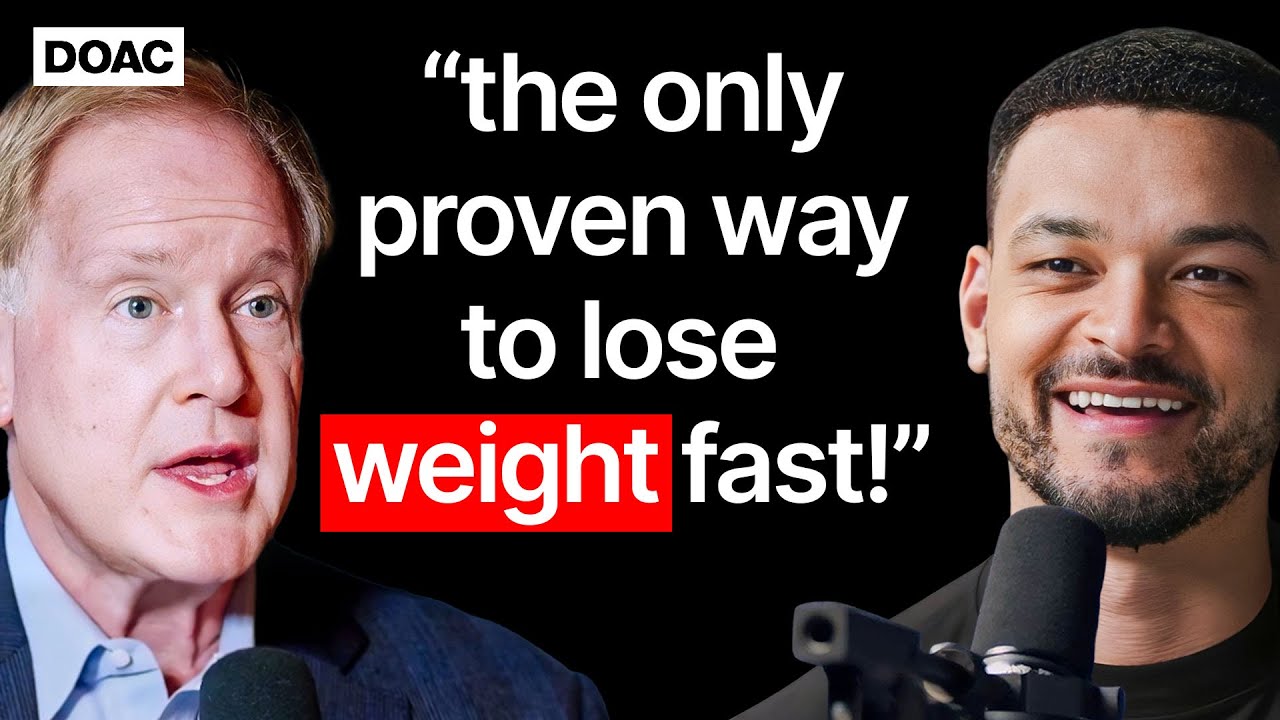
The Diary Of A CEO
Added dietary sugar functions as a metabolic toxin that impairs mitochondrial energy generation and drives insulin resistance regardless of total calorie intake.
AI-assisted summary of The Glucose Expert: The Only Proven Way To Lose Weight Fast! Calorie Counting Is A Load of BS! — original source. Check the original for full context.
Source published:
Detailed notes
## Background This content was published on YouTube by the channel The Diary Of A CEO on May 16, 2024. According to the page description, host Steven Bartlett interviews Dr. Robert Lustig, a Professor of Paediatric Endocrinology and public health expert, about the impact of sugar on health, the failure of calorie counting, and concepts from his books such as 'Metabolical' and 'The Hacking of the American Mind'.
## TL;DR Dr. Robert Lustig argues that modern metabolic health problems and obesity stem from processed foods and added sugar—particularly fructose—rather than simple calorie imbalances. He explains how fructose acts as a liver toxin that drives insulin resistance, damages mitochondrial function, and alters brain chemistry to foster addiction and stress. To counteract these effects, Lustig emphasizes the necessity of eating real, fiber-rich whole foods, reducing endocrine disruptors, and addressing societal systemic issues rather than relying solely on individual willpower.
## Atmosphere & style The dialogue carries an urgent, eye-opening, and deeply persuasive tone as Dr. Lustig challenges established nutritional dogma with passionate scientific authority. Steven Bartlett acts as an engaged and curious dynamic proxy for the audience, grounding complex biochemical concepts into accessible, high-stakes conversations. Watching the discussion feels like unearthing a systemic cover-up, moving from alarming revelations about the food industry to a empowering framework for personal and societal health.
## Key takeaways - [00:00](https://www.youtube.com/watch?v=4DWKf5RqU-s&t=0s) The public health crisis around obesity and metabolic disease is driven by the food environment, not a simple failure of willpower or calorie intake. - [03:34](https://www.youtube.com/watch?v=4DWKf5RqU-s&t=214s) Pleasure and happiness are neurobiologically distinct: pleasure is driven by dopamine and can lead to addiction, whereas happiness is mediated by serotonin. - [10:28](https://www.youtube.com/watch?v=4DWKf5RqU-s&t=628s) Fructose is processed in the liver along metabolic pathways virtually identical to alcohol, acting as a chronic liver toxin when consumed in excess. - [11:08](https://www.youtube.com/watch?v=4DWKf5RqU-s&t=668s) Glucose is essential for biological life, whereas humans have zero dietary requirement for fructose. - [14:53](https://www.youtube.com/watch?v=4DWKf5RqU-s&t=893s) Sugar consumption in children severely exceeds safe thresholds, contributing to early metabolic dysfunction, behavioral changes, and attention issues. - [22:20](https://www.youtube.com/watch?v=4DWKf5RqU-s&t=1340s) Historiographical and econometric evidence demonstrates that the sugar industry systematically influenced nutritional policy and research to divert blame toward saturated fat. - [27:12](https://www.youtube.com/watch?v=4DWKf5RqU-s&t=1632s) Artificial sweeteners in diet sodas trigger pre-emptive insulin responses and disrupt the gut microbiome, failing as a health-neutral substitute for sugary drinks. - [35:17](https://www.youtube.com/watch?v=4DWKf5RqU-s&t=2117s) Fructose actively impairs mitochondrial function and ATP production, rendering standard calorie-counting models metabolically flawed. - [40:47](https://www.youtube.com/watch?v=4DWKf5RqU-s&t=2447s) Lowering insulin levels is the primary physiological driver needed to unlock leptin signaling and reverse conditions like type 2 diabetes and fatty liver disease. - [01:00:28](https://www.youtube.com/watch?v=4DWKf5RqU-s&t=3628s) The vast majority of obesity cases are caused by environmental variables and ultra-processed food environments rather than rare single-gene genetic mutations. - [01:03:34](https://www.youtube.com/watch?v=4DWKf5RqU-s&t=3814s) Visceral and intrahepatic (liver) fat carry far higher metabolic risks than subcutaneous fat, causing severe insulin resistance even at low accumulation levels. - [01:09:34](https://www.youtube.com/watch?v=4DWKf5RqU-s&t=4174s) Juicing whole fruits strips out the protective dietary fiber matrix, turning natural sugars into rapidly absorbed liver toxins. - [01:11:45](https://www.youtube.com/watch?v=4DWKf5RqU-s&t=4305s) Environmental chemicals known as obesogens and endocrine disruptors promote fat cell growth and metabolic dysfunction independent of energy balance. - [01:17:11](https://www.youtube.com/watch?v=4DWKf5RqU-s&t=4631s) Ultra-processed foods fail to nourish the gut microbiome or support healthy cellular growth, functioning biologically as anti-nutritional substrates. - [01:22:20](https://www.youtube.com/watch?v=4DWKf5RqU-s&t=4940s) Dietary fiber feeds essential gut bacteria, which produce short-chain fatty acids critical for maintaining the intestinal lining and preventing systemic inflammation. - [01:26:02](https://www.youtube.com/watch?v=4DWKf5RqU-s&t=5162s) Food processors intentionally remove fiber from commercial products to create shelf-stable commodities at the expense of metabolic health. - [01:33:50](https://www.youtube.com/watch?v=4DWKf5RqU-s&t=5630s) Structural public health interventions, such as mandatory industry reformulation, are far more effective at improving population outcomes than relying on individual choice. - [01:42:09](https://www.youtube.com/watch?v=4DWKf5RqU-s&t=6129s) True mental contentment can be supported through four distinct practices—Connect, Contribute, Cope, and Cook—which lower dopamine/cortisol and support serotonin synthesis.
## Detailed walkthrough ### [00:00](https://www.youtube.com/watch?v=4DWKf5RqU-s&t=0s) Intro
The interview opens on a sharp, uncompromising note from Dr. Robert Lustig: "calories are not the issue" when it comes to weight loss and health. Introduced as a leading endocrinologist whose firsthand research links sugar to the world's most destructive health conditions, Dr. Lustig lays out a sobering overview of our modern dietary landscape. He highlights that consuming just a single sugary beverage per day increases a person's risk for diabetes by 29%, while high sugar intake triggers cognitive decline, mental health issues, premature death, and stands as a primary driver of ADD.
Despite these severe dangers, sugar remains notoriously addictive, with the food industry deliberately spiking 73% of grocery store items with added sugar to boost sales. Dr. Lustig warns that public health messages are often inverted, cautioning that when a food label claims a product is healthy, "it's usually the opposite." Having joined numerous lawsuits against food manufacturers who actively paid off scientists to suppress the dangers of sugar, Dr. Lustig emphasizes that everyday consumers have been systematically "hacked."
* **Diabetes Risk:** Consuming one sugary drink per day raises diabetes risk by 29%. * **Grocery Store Saturation:** 73% of all items in American and British grocery stores contain added sugar.
---
[01:58](https://www.youtube.com/watch?v=4DWKf5RqU-s&t=118s) Our Minds Have Been Hacked!
Dr. Lustig expands on the title of his book, *The Hacking of the American Mind*, asserting that everyone’s mind has been covertly manipulated by institutions and commercial entities pushing external belief systems. This systematic hacking, he explains, has robbed us of our fundamental birthright to be happy. Instead of thriving, society is experiencing an unprecedented epidemic of clinical depression and deep-seated unhappiness.
To demonstrate the scale of the issue, Dr. Lustig cites global and national mental health statistics. The World Health Organization currently estimates that 5% of the global population suffers from clinical depression. In the United States, that number escalates dramatically to 22%. Dr. Lustig attributes this psychological crisis to a fundamental confusion: society has systematically substituted short-term *pleasure* for true *happiness*.
* **Global Depression Rate:** 5% of the world population is clinically depressed (per WHO). * **US Depression Rate:** 22% of the population in America is clinically depressed.
---
[03:34](https://www.youtube.com/watch?v=4DWKf5RqU-s&t=214s) The 7 Differences Between Pleasure and Happiness
To dismantle the confusion between pleasure and happiness, Dr. Lustig outlines seven distinct contrasts between the two states, culminating in their underlying neurological mechanisms:
1. **Duration:** Pleasure is short-lived; happiness is long-lived. 2. **Sensation:** Pleasure is visceral (felt in the body); happiness is ethereal (experienced "above the neck"). 3. **Direction:** Pleasure is about *taking* (e.g., winning at a casino); happiness is about *giving* (e.g., volunteering for Habitat for Humanity). 4. **Social Context:** Pleasure is experienced alone; happiness is typically experienced in social groups. 5. **Substance Dependence:** Pleasure can be achieved through external substances; happiness cannot. 6. **Addictive Potential:** Extreme pleasure—whether driven by substances (cocaine, amphetamines, nicotine, alcohol, sugar) or behaviors (shopping, gambling, social media, gaming, pornography)—leads to addiction (hence terms like *shopaholic* or *alcoholic*). There is no such thing as being "addicted to too much happiness." 7. **Neurochemistry:** Pleasure is driven by **dopamine**, whereas happiness is driven by **serotonin**.
---
[05:03](https://www.youtube.com/watch?v=4DWKf5RqU-s&t=303s) What Dopamine Does to Your Brain
Dr. Lustig explains that dopamine and serotonin operate via completely different pathways, receptors, and brain regions. Dopamine is an *excitatory* neurotransmitter that targets the brain's reward center—the nucleus accumbens. While baseline reward is essential for human survival (driving basic behaviors and motivation like getting out of bed or sexual reproduction), chronic overstimulation of neurons is dangerous.
Because dopamine excites neurons, excessive stimulation can cause them to fire uncontrollably and eventually die. Neurons prefer to be "tickled, not bludgeoned." To protect itself from neuronal death, the postsynaptic neuron downregulates its dopamine receptors. Consequently, it requires increasingly higher doses of the stimulus to achieve the same feeling of reward—a state known as *tolerance*. When the neurons ultimately begin to die, full-blown *addiction* takes hold. Serotonin, by contrast, is an *inhibitory* neurotransmitter that calms the brain, meaning you cannot get addicted to happiness. However, high levels of dopamine actively downregulate serotonin, proving that "the more pleasure you seek, the more unhappy you get."
---
[07:53](https://www.youtube.com/watch?v=4DWKf5RqU-s&t=473s) Sugar Is A Big Problem In Today’s Society
Shifting from neurobiology to dietary health, Dr. Lustig discusses his bestselling book *Fat Chance* and addresses how food—specifically added sugar—acts as a primary driver of dopamine hijacking. He argues that while many dietary hazards exist, sugar is the single largest systemic health problem facing modern society today.
To contextualize the danger, Dr. Lustig brings up trans fats, which he labels "the devil incarnate" and a pure "consumable poison." Trans fats are unsaturated oils whose double bonds have been flipped, often through high-heat processing, to stabilize packaged foods and extend shelf life. Although scientist Fred Kummerow discovered their lethality as early as 1957, it took until 1988 for the broader scientific community to acknowledge the danger, and only in 2013 did the FDA officially ban trans fats. Dr. Lustig draws a direct parallel between the decades-long delay in regulating trans fats and our current negligence regarding excessive sugar consumption.
* **Trans Fats Discovery & Ban Timeline:** Discovered toxic in 1957 by Fred Kummerow, widely acknowledged in 1988, and finally banned by the FDA in 2013.
---
[10:28](https://www.youtube.com/watch?v=4DWKf5RqU-s&t=628s) Why Sugar Is Poison To Our Bodies
When asked if sugar is an outright poison, Dr. Lustig invokes the classic toxicological principle from Paracelsus (1537): "the dose determines the poison." In this respect, dietary sugar behaves remarkably like alcohol. Human physiology possesses an innate, limited capacity to metabolize small amounts of both substances without incurring damage, but exceeding that threshold leads to severe metabolic derangement.
Dr. Lustig explains that the liver processes fructose (the sweet component of sugar) and alcohol using virtually identical metabolic pathways. Just as a small, controlled intake of alcohol causes little harm, a low intake of fructose is manageable. However, chronic consumption beyond the body's metabolic capacity converts sugar from a harmless ingredient into a slow-acting metabolic toxin.
> "The dose determines the poison." — Paracelsus (1537)
---
[11:08](https://www.youtube.com/watch?v=4DWKf5RqU-s&t=668s) The Difference Between Sugar and Fructose
Dr. Lustig dismantles the food industry's narrative that "a sugar is a sugar" and "a calorie is a calorie." Table sugar (sucrose) is a disaccharide composed of two distinct molecules bound together: **glucose** and **fructose**. Although both yield 4 calories per gram, their biological impacts on the human body are radically different.
Glucose is the fundamental energy molecule of life, required by every cell on the planet. It is so crucial that if a person eats zero carbohydrates, the liver will synthesize glucose from fats and amino acids via gluconeogenesis. The Inuit, for example, historically lived on whale blubber and ice with no dietary carbohydrates, yet maintained normal blood glucose levels. Glucose is also necessary for critical processes like the glycosylation of luteinizing hormone (LH) and follicle-stimulating hormone (FSH); without it, reproductive organs fail, causing infertility.
Fructose, on the other hand, is the "evil twin" molecule. Humans have absolutely no biological requirement for dietary fructose. While the liver can safely process roughly 6 to 9 teaspoons (about 12 grams) of fructose per day for an adult, modern consumption far exceeds this threshold.
* **Adult Safe Fructose Threshold:** ~12 grams (6–9 teaspoons of added sugar) per day. * **Average Fructose Intake:** ~50 grams of fructose (100 grams of total sugar) per day—four times the safe limit. * **Child Safe Fructose Threshold:** 4 to 6 grams of fructose per day.
---
[14:53](https://www.youtube.com/watch?v=4DWKf5RqU-s&t=893s) This Is How Sugar Is Damaging Your Body
Illustrating the daily sugar overload, Dr. Lustig compares sugar intake to alcohol tolerance. Consuming six teaspoons of added sugar per day is metabolically equivalent to having one alcoholic drink—a level the liver can easily handle. However, average daily sugar consumption has climbed to four times that limit, the metabolic equivalent of consuming four to five alcoholic drinks daily.
This hidden overload is compounded because added sugar is concealed across 73% of processed grocery items. Even individuals who never add table sugar to their coffee unknowingly consume massive doses. Dr. Lustig points out the staggering impact on children: 29% of American school children eat through the National School Breakfast Program, where a standard meal of Froot Loops and a glass of orange juice delivers **41 grams of sugar** in a single sitting. For a child whose safe daily metabolic threshold is only 4 to 6 grams of fructose, a single breakfast represents a massive toxicity overdose.
* **School Breakfast Sugar Content:** A bowl of Froot Loops and orange juice contains 41 grams of sugar. * **Child Daily Sugar Limit:** Max recommended metabolic capacity for children is 12 grams of total sugar (~4–6g fructose).
---
[18:29](https://www.youtube.com/watch?v=4DWKf5RqU-s&t=1109s) Damaging Effects on the Brain from Sugar Consumption
Dr. Lustig highlights the direct link between excessive sugar consumption and severe neurological and behavioral issues in children, noting that sugar is a primary driver of ADD, ADHD, and depression. Functional MRI scans and cognitive performance evaluations demonstrate that removing added sugar leads to dramatic improvements in attention, behavior, and academic performance.
To prove this point empirically, Dr. Lustig details a clinical trial conducted by his team at UCSF. The study evaluated 43 obese children with metabolic syndrome—all high-sugar consumers from low socioeconomic backgrounds (Latino and African-American). For nine days, the researchers catered all of the children's meals, removing added sugars while keeping total calories, protein, fat, and weight completely stable by replacing sugary items with starch (e.g., replacing pastries with bagels, and sweetened yogurt with baked potato chips).
* **UCSF Study Cohort:** 43 children with obesity and metabolic syndrome evaluated over a 9-day intervention. * **Sugar Reduction in Study:** Reduced daily added sugar intake from 28 teaspoons down to 10 teaspoons, replacing missing calories with complex starches to maintain stable body weight.
[20:08](https://www.youtube.com/watch?v=4DWKf5RqU-s&t=1208s) The 10-Day Sugar Elimination Experiment and Behavioral Shifts
Dr. Robert Lustig explains an intervention study conducted on children where sugar was systematically removed from their diets without changing total caloric intake or overall food quality. Instead of offering an idealized health-food diet packed with fresh vegetables, researchers substituted typical ultra-processed, consumer-packaged goods (CPG) items—such as replacing chicken teriyaki with turkey hot dogs bought at Safeway—selecting only products with no added sugar. To ensure that weight loss was not a confounding variable, the children were weighed daily, and their food portion sizes were adjusted upward if they lost any weight.
Despite keeping body weight perfectly constant over the 10-day period, every single marker of the children's metabolic health drastically improved. Blood pressure dropped, blood glucose and insulin levels decreased, and pancreatic function normalized. Furthermore, high levels of serum lactate—an indicator of cellular mitochondrial dysfunction—cleared completely.
Beyond the physiological markers, the emotional and behavioral changes observed during the trial were stark: * **Days 1–5 (The Withdrawal Phase):** The children were extremely irritable, disruptive, and difficult to manage. Parents reported severe behavioral issues caused by acute sugar and fructose withdrawal. * **Days 6–10 (The Turning Point):** Behavior transformed dramatically. Parents and teachers noticed improved focus, reduced irritability, and better classroom performance. The children themselves expressed clarity, noting that for the first time, their heads no longer felt "in the clouds."
---
[22:20](https://www.youtube.com/watch?v=4DWKf5RqU-s&t=1340s) Corporate Interference and the Cover-Up of Sugar Toxicity
Addressing why approximately 30% of children consume three to four times their recommended daily allowance of sugar—largely through school meal programs—Dr. Lustig attributes the inaction to decades of powerful food industry lobbying and deliberate misinformation campaigns.
He highlights evidence uncovered from the UCSF Food Industry Documents Archive, which documents corporate interference in public health research dating back to the 1960s: * **The 1965 Harvard Scandal:** The sugar industry paid two prominent Harvard School of Public Health scientists—Dr. Fredrick Stare (head of the Department of Nutrition) and Dr. Mark Hegsted (who later became head of the USDA)—$50,000 in today's money. In exchange, they published two papers in the *New England Journal of Medicine* that exonerated sugar and shifted the blame for cardiovascular disease entirely onto saturated fat. * **Sabotaging Dental Health Research:** Industry representatives infiltrated the study sections and executive committees of the National Institute of Dental Research (NIDR), diverting funds away from nutritional research on sugar-induced cavities toward an unfeasible "dental caries vaccine."
Dr. Lustig notes that establishing causal links between sugar and chronic diseases does not always require randomized controlled trials (RCTs), which would be unethical in cases like long-term toxicity. Instead, researchers use **econometric analysis**—the same statistical methodology used to establish the link between smoking and lung cancer, repetitive head impacts and chronic traumatic encephalopathy (CTE), or human activity and climate change. Using these models, researchers proved that sugar availability is a direct proximate cause of type 2 diabetes, heart disease, and non-alcoholic fatty liver disease, with a distinct three-year delay between changes in national sugar consumption and shifts in diabetes prevalence.
---
[27:12](https://www.youtube.com/watch?v=4DWKf5RqU-s&t=1632s) The Danger of Sugary Beverages vs. Diet Sodas
Liquid sugar accounts for 33% of overall sugar consumption, with the highest intake seen among low-income and underserved populations. Dr. Lustig stresses that sugar-sweetened beverages present an immediate risk to metabolic health: drinking just one sugary soda per day increases an individual's risk of developing type 2 diabetes by 29%, while two per day increases it by 58%.
When comparing sugar-sweetened drinks to zero-calorie, zero-sugar diet alternatives, Dr. Lustig clarifies that while diet sodas contain no fructose or calories, they are far from harmless:
> "The toxicity of one sugared soda equals the toxicity of two diet sodas. Half as bad does not mean good. Half as bad means half as bad."
Diet sodas harm the body through two distinct primary pathways: 1. **The Cephalic Phase Insulin Response:** The sweet taste on the tongue signals the brain that sugar is arriving, triggering the pancreas to release insulin pre-emptively. This effect is heightened when artificial sweeteners are consumed alongside other foods. 2. **Microbiome Disruption and Intestinal Permeability:** Non-nutritive artificial sweeteners alter gut bacteria. starves microbes of necessary fiber, causing them to digest the protective mucin layer lining the intestinal epithelium. This leads to a compromised gut barrier ("leaky gut"), allowing bacterial lipopolysaccharides (LPS) and endotoxins to spill into the bloodstream, triggering systemic inflammation, cognitive decline, and metabolic disease.
| Disease Pathway | Primary Driver | Specific Health Impacts | |:--- |:--- |:--- | | **Microvascular Disease** | High Blood Glucose | Endothelial cell dysfunction, nitric oxide inhibition, small vessel constriction, leading to retinopathy, nephropathy, and neuropathy. | | **Macrovascular Disease** | High Insulin Levels | Growth factor activation driving vascular smooth muscle growth, leading to coronary artery disease, heart attacks, cancer cell proliferation, and dementia. |
---
[35:17](https://www.youtube.com/watch?v=4DWKf5RqU-s&t=2117s) "Kill the Calorie": How Fructose Destroys Mitochondrial Energy
Dr. Lustig argues against using the calorie as a unit of measurement in human nutrition, calling to "#KillTheCalorie." While a bomb calorimeter measures heat released by burning food in a laboratory setting, the human body relies on **mitochondria** to capture chemical energy and convert it into adenosine triphosphate (ATP) to power cellular functions.
Glucose and fructose are handled completely differently at the cellular level despite both yielding 4 calories per gram in a lab:
* **Glucose (Mitochondrial Helper):** Stimulates key enzymes such as **AMPK** (AMP-activated protein kinase), which acts as the cell's energy sensor and triggers the creation of new mitochondria, and **HAD** (hydroxyacyl-CoA dehydrogenase), which helps burn fatty acids. * **Fructose (Mitochondrial Toxin):** Inhibits three critical mitochondrial enzymes: 1. **AMPK**, suppressing mitochondrial biogenesis. 2. **ACADL** (long-chain acyl-CoA dehydrogenase), impairing fatty acid oxidation. 3. **CPT1** (carnitine palmitoyltransferase 1), blocking the shuttle required to transport fatty acids into the mitochondria for energy production.
Because fructose actively impairs the cell's ability to generate chemical energy (ATP), treating it as standard "nutritional energy" is fundamentally flawed. Dr. Lustig notes that standard caloric restriction fails 90% of dieters long-term, leading to weight-loss plateaus and eventual weight regain, because it ignores the biochemical impact that specific foods have on cellular metabolism.
[40:47](https://www.youtube.com/watch?v=4DWKf5RqU-s&t=2447s) Getting Insulin Down: The True Key to Weight Loss
When people lose weight and subsequently regain it, the underlying issue is often insulin resistance and where that weight is stored. Gaining fat in the liver elevates systemic insulin levels, which in turn blocks leptin—the hormone responsible for telling the brain that the body has sufficient energy reserves. Higher insulin levels blind the brain to leptin, disrupting weight regulation and triggering further weight gain. This rebound does not occur from eating fish and vegetables, but from slipping back into diets heavy in bread, rice, pasta, potatoes, and added sugars.
To successfully shed weight, the primary target must be lowering insulin, as no weight gain occurs without it. Dr. Lustig recalls his research from 20 years ago on children with hypothalamic tumors who secreted massive amounts of insulin; administering a drug to suppress their insulin caused them to drop weight and spontaneously begin exercising. Insulin is the primary biological driver of obesity, type 2 diabetes, and metabolic syndrome. The most effective way to lower insulin is to avoid spiking it in the first place by cutting out refined carbohydrates and dietary sugars—the very items stacked on tables in grocery stores, from apple juice to flavored water and peanut butter cups.
- Insulin acts as the body's primary energy storage hormone. - Lowering insulin levels directly restores energy expenditure and spontaneous physical activity. - The single most effective strategy to reverse weight gain is eliminating refined carbohydrates and added sugar.
---
[43:47](https://www.youtube.com/watch?v=4DWKf5RqU-s&t=2627s) Stress, Cravings, and the Addictive Nature of Sugar
Understanding that sugar is harmful does not make avoiding it easy, largely because fructose triggers the brain's nucleus accumbens, driving addictive behavior. Daily stress compounds this problem by increasing the metabolic demand on the amygdala (the emotional and fear center of the brain) and the hippocampus. To manage acute stress or fatigue, the brain craves rapid energy replenishment in the form of ATP, leading people to instinctively reach for sugary foods despite fructose ultimately inhibiting long-term cellular energy generation.
This physiological craving is particularly intense late in the day when mental energy is depleted. Dr. Lustig shares his own experience during his tenure as a faculty member at UCSF, where he gained significant weight because he routinely ran out of steam at 4:00 p.m. and bought a massive chocolate chip cookie. It was only after analyzing his research on pediatric patients that he recognized this pattern in himself and cut out the late-afternoon sugar, resulting in sustained, stable energy throughout the day.
- Fructose stimulates the reward pathways in the nucleus accumbens. - Stress burdens the amygdala, signaling a need for quick energy that drives sugar cravings. - Energy crashes in the late afternoon are often driven by biological signals rather than a lack of willpower.
---
[46:03](https://www.youtube.com/watch?v=4DWKf5RqU-s&t=2763s) Navigation of the Modern Food "Minefield" and Misleading Labels
For everyday people balancing busy schedules and families, avoiding processed food is difficult because modern grocery stores have become a "minefield." With roughly 33% of Americans no longer knowing how to cook, reliance on convenience foods has surged. However, adding sugar turns convenient food into a metabolically harmful product. Dr. Lustig dismisses the food industry's defense that processed foods are fortified with vitamins, stating that "toxin A plus antidote B still equals death" if mitochondrial dysfunction remains unaddressed.
Front-of-package marketing claims are frequently misleading. Industry incentives mean that products labeled "healthy" or "no added sugar" often rely on loopholes, utilizing ingredients like apple puree, raspberry puree, or evaporated cane juice—just a few of the 262 alternative names for sugar. Class-action lawsuits have targeted major manufacturers like Kellogg's over products like Raisin Bran, where white, sugar-coated raisins add extra hidden grams of sugar per serving beyond what naturally exists in the fruit.
- Approximately 70% of items in American grocery stores are misbranded or mislabeled. - There are at least 262 different names used for sugar on commercial ingredient lists. - Fortifying ultra-processed foods with vitamins does not counteract the metabolic damage caused by added sugar.
---
[50:16](https://www.youtube.com/watch?v=4DWKf5RqU-s&t=3016s) Neonatal Obesity and the Medical Background of Dr. Lustig
Dr. Lustig emphasizes that his drive to fight the food industry comes from his obligation as a pediatrician to protect vulnerable populations. Over the past 25 years, studies across four countries—Israel, South Africa, Russia, and the United States—have revealed that average newborn birth weights have increased by 200 grams (roughly half a pound). DEXA scans confirm this weight increase is entirely fat mass, proving that infants are now being born with neonatal obesity before they have ever consumed solid food or engaged in physical activity.
Reflecting on his medical career, Dr. Lustig notes that he spent his first 20 years practicing traditional medicine under the assumption that "a calorie is a calorie." His perspective shifted while treating pediatric brain tumor patients at St. Jude Children's Research Hospital. Damage to their hypothalamus left them unable to perceive leptin signals, resulting in severe obesity. By pharmacologically suppressing their insulin, these patients lost weight and increased their metabolic rate, proving that behaviors like overeating and sluggishness are secondary effects of underlying biochemical disruption rather than root causes.
- Average newborn birth weight has risen by 200 grams over the last quarter-century due to increased body fat. - Obesity-associated behaviors (gluttony and sloth) are driven by insulin blocking leptin signaling in the brain. - Suppressing insulin in clinical trials caused patients' energy expenditure to rise rather than fall during weight loss.
---
[54:20](https://www.youtube.com/watch?v=4DWKf5RqU-s&t=3260s) Liver Fat, Insulin Resistance, and Reversing Diabetes
Insulin operates via two main mechanics: acute secretion spikes following a meal and baseline hyperinsulinemia caused by insulin resistance. Today, 45% of American adults and 25% of children have non-alcoholic fatty liver disease, a condition virtually nonexistent in non-drinking populations before 1980. When excessive dietary sugar is converted into liver fat, the liver becomes resistant to insulin. The pancreas is then forced to overproduce insulin to force the liver to do its job, raising baseline insulin throughout the entire body and driving energy directly into fat storage.
Contrary to what is traditionally taught in medical school—that Type 2 diabetes is a chronic, progressive, and irreversible condition—it can be fully reversed. Clinical research, including studies from Virta Health, demonstrates that removing metabolic stress from the liver restores its insulin sensitivity. Strategies such as ketogenic diets, paleo diets, and intermittent fasting allow the liver time to clear accumulated fat reserves, effectively treating the root cause of the condition.
- 45% of American adults and 25% of children currently have fat accumulation in their liver. - Type 2 diabetes occurs when the pancreas can no longer produce enough insulin to compensate for liver insulin resistance. - Intermittent fasting and low-carbohydrate diets allow the liver to burn off stored fat and restore insulin responsiveness.
---
[58:34](https://www.youtube.com/watch?v=4DWKf5RqU-s&t=3514s) The Mechanism of Leptin and Why Injections Fail
Leptin is secreted by fat cells to signal energy sufficiency to the hypothalamus, indicating that the body has enough fuel to expend on high-energy processes like puberty or pregnancy. It operates like a thermostat with a floor but no upper ceiling: when leptin drops below a specific threshold, the brain perceives the state as starvation, triggering intense hunger and slowing down physical activity to conserve energy.
Despite its role in regulating hunger, administering leptin injections to individuals with obesity does not result in weight loss. Because their baseline leptin levels are already abnormally high, the brain's leptin receptors have become desensitized or physically blocked by elevated insulin levels. Consequently, giving more leptin is ineffective—the underlying hyperinsulinemia must first be resolved for the brain to recognize the signal again.
- Leptin acts as an internal energy gauge; low perceived levels signal starvation to the brain. - Leptin resistance is exacerbated by high circulating insulin levels blocking brain receptors. - Exogenous leptin administration fails because the core issue is receptor blockade, not a hormone deficiency.
[01:00:28](https://www.youtube.com/watch?v=4DWKf5RqU-s&t=3628s) Genetic vs. Environmental Causes of Obesity
Dr. Robert Lustig clarifies that while genetic leptin deficiency does exist, it is an exceedingly rare cause of obesity. Outlining the clinical reality, he points to research led by Sadaf Farooqi and Steve O'Rahilly at Addenbrooke's Hospital in Cambridge, UK. Out of the global population, only about 14 patients have been identified with true genetic leptin deficiency. These individuals experience extreme hyperphagia and rapid weight gain from birth—gaining immense mass by six months of age—because their bodies lack the functional gene to signal satiety. When administered synthetic leptin injections, their hyperphagia resolves and they slim down remarkably fast.
Lustig emphasizes that while small single-gene mutations (such as leptin deficiency, leptin receptor deficiency, PC1 deficiency, MC4R deficiency, or SIM1 deficiency) prove obesity *can* be genetic in isolated cases, these mutations are practically non-existent in the general population. For the vast majority of people struggling with weight, "garden-variety obesity" is not a genetic defect but an environmental problem.
* **Key UK Research Center:** Addenbrooke's Hospital in Cambridge (led by Sadaf Farooqi and Steve O'Rahilly). * **Identified Cases:** Only 14 globally identified patients with congenital leptin deficiency. * **Single-Gene Causes Mentioned:** Leptin, Leptin Receptor, PC1, Melanocortin-4 Receptor (MC4R), SIM1.
---
[01:02:20](https://www.youtube.com/watch?v=4DWKf5RqU-s&t=3740s) Environmental Obesogens and the Myth of Fat Cell Expansion
Introducing the concept of "environmental obesogens," Dr. Lustig explains that these are man-made chemicals present in daily life that directly promote weight gain by stimulating the growth or differentiation of fat cells, entirely independent of calorie intake. Host Stephen Bartlett pauses to clarify a common misconception about fat accumulation: when adults gain weight, they are not adding new fat cells, but rather enlarging existing ones. Lustig agrees, adding that there is a critical developmental window—specifically before two years of age—when humans can increase their actual number of fat cells. Once a fat cell is formed, it permanently resists being eliminated and naturally seeks to stay filled.
- **Critical Fat Expansion Window:** Up to age 2, during which new fat cells (*adipocytes*) can multiply in number. - **Adult Fat Dynamics:** Caloric surplus enlarges existing fat cell volume rather than creating new cells.
---
[01:03:31](https://www.youtube.com/watch?v=4DWKf5RqU-s&t=3811s) The Three Fat Depots: Subcutaneous, Visceral, and Liver Fat
Dr. Lustig breaks down the body's three distinct fat depots, emphasizing that they perform radically different metabolic functions despite contributing equally to the total weight on a bathroom scale.
``` +------------------+-----------------------+---------------------+-----------------------+ | Fat Depot | Primary Location | Primary Cause | Threshold to Cause | | | | | Illness | +------------------+-----------------------+---------------------+-----------------------+ | 1. Subcutaneous | Buttocks, thighs, outer| Caloric surplus | ~10 kg (22 lbs) | | | skin layer | | | | 2. Visceral | Around abdominal organs| High cortisol / | ~2 kg (4.4 lbs) | | | (belly fat) | chronic stress | | | 3. Liver Fat | Intrahepatic | Fructose & Alcohol | ~0.25 kg (0.5 lbs) | +------------------+-----------------------+---------------------+-----------------------+ ```
1. **Subcutaneous Fat ("Big Butt Fat"):** This is the fat under the skin. Dr. Lustig notes that subcutaneous fat is actually *protective*—it serves as a safe storage reservoir for excess energy. An individual must gain roughly 10 kilograms (22 lbs) of subcutaneous fat before the fat vacuoles overfill, rupture, release inflammatory cytokines, and cause systemic metabolic disease. 2. **Visceral Fat (Belly Fat):** Driven by cortisol and stress rather than pure caloric intake, visceral fat serves as a rapidly accessible energy source needed during chronic fight-or-flight states. As an example, patients with severe endogenous clinical depression who suffer from anhedonia may starve themselves and lose subcutaneous fat, yet simultaneously gain visceral fat due to massive cortisol spikes. Gaining just 2 kilograms (4.4 lbs) of visceral fat is enough to induce metabolic illness. 3. **Liver Fat (Intrahepatic Fat):** The most dangerous fat depot. Gaining as little as 0.25 kilograms (half a pound) of liver fat induces full metabolic dysfunction, insulin resistance, and systemic disease. Because this minute weight gain does not show up on a standard scale, it explains the phenomenon of "skinny fat" or TOFI (*Thin Outside, Fat Inside*), a term originally coined by neuroimager Dr. Jimmy Bell at University College London.
- **Primary Causes of Liver Fat:** Sugar (specifically fructose) and alcohol, as both follow identical metabolic pathways in the liver. - **Pediatric Fatty Liver:** Non-alcoholic fatty liver disease (NAFLD) is rising sharply in children due to high consumption of sugary beverages like fruit juices.
---
[01:09:34](https://www.youtube.com/watch?v=4DWKf5RqU-s&t=4174s) The Whole Fruit vs. Juice Trap and Environmental Toxins
Examining a bottle of commercially available apple juice brought by the host—labeled as having "40% less sugar than 100% apple juice" with added vitamins—Dr. Lustig points out that regulatory standards (such as FDA rules) require it to be labeled a "juice beverage" because its natural matrix has been altered. Juicing removes the essential dietary fiber that makes whole fruit healthy. Additionally, non-organic produce carries pesticides that function as environmental obesogens.
Lustig cites historical examples, such as DDT. Although banned in 1972 following Rachel Carson's book *Silent Spring*, its breakdown product DDE can still be detected today in the urine of pregnant women. Higher maternal levels of DDE directly correlate with an increased risk of obesity in offspring 11 years later.
- **Juice vs. Fruit:** Juicing strips the protective fiber matrix, turning natural fruit sugars into a high-speed liver toxin similar to alcohol. - **DDT / DDE Persistence:** Banned in 1972, DDE metabolites still act as transgenerational obesogens today.
---
[01:11:45](https://www.youtube.com/watch?v=4DWKf5RqU-s&t=4305s) Everyday Obesogens and Endocrine Disruptors
Dr. Lustig highlights how everyday synthetic chemicals alter fat cell differentiation by acting as endocrine disruptors. Endocrine disruptors mimic natural biological signals, binding to human cell receptors like wrong keys jammed into keyholes, causing cellular dysfunction and abnormal fat expansion.
- **PFAS (Per- and Polyfluoroalkyl Substances):** "Forever chemicals" found in non-stick coatings like Teflon (specifically PFOA), which drive fat cell differentiation. - **Tributyltin (TBT):** An antifouling chemical applied to boat hulls, now widespread in global food and water supplies, which promotes fat cell expansion prenatally. - **Bisphenol A (BPA):** Found in thermal paper receipts and the interior white linings of food cans. BPA acts as a synthetic estrogen; because estrogen drives fat deposition, BPA promotes weight gain even in trace amounts. - **Phthalates:** Plasticizers found in soft plastics, including pacifiers ("binkies"), linked to childhood obesity. - **Other Common Obesogens:** Parabens in cosmetics, vinyl flooring, and flame retardants in children's sleepwear and mattresses.
---
[01:17:11](https://www.youtube.com/watch?v=4DWKf5RqU-s&t=4631s) Defining Real Food vs. Ultra-Processed "Poison"
Addressing how to protect oneself from pervasive environmental toxins, Dr. Lustig stresses focusing on what can be controlled—primarily dietary choices. He poses a fundamental question: *What is the scientific definition of food?* Food is defined as any substrate that contributes to either the **growth** or the **energy burning** of an organism.
Citing research by Dr. Efrat Monsonego-Ornan at the Hebrew University of Jerusalem, Dr. Lustig demonstrates that ultra-processed foods fail both criteria:
1. **Inhibition of Growth:** Populations with high consumption of ultra-processed food display reduced final adult height compared to populations eating real food. 2. **Inhibition of Burning:** Fructose (present in over 73% of items in American grocery stores) directly inhibits mitochondrial function and blocks key metabolic enzymes, preventing efficient energy burning.
Because ultra-processed food neither supports healthy growth nor promotes energy burning, Dr. Lustig concludes that it does not meet the biological definition of food at all: "If it's not a food, what is it? Poison."
- **73% Rule:** Fructose is added to roughly 73% of packaged foods in standard US supermarkets. - **Biological Test of Food:** Must support cellular growth and mitochondrial burning. Ultra-processed food inhibits both.
[01:19:29](https://www.youtube.com/watch?v=4DWKf5RqU-s&t=4769s) Navigating the Grocery Store and App-Based Solutions
Navigating a modern grocery store feels like walking through a minefield designed to confuse consumers. While shelves are packed with items that look identical, some contribute to energy burning and healthy growth, whereas others severely inhibit metabolic health. To solve this, a digital platform called "Perfect" has been created for computers and smartphones. The tool is designed to filter out metabolically unhealthy items based on individual needs rather than blanket rules.
Whether a user needs to filter out gluten, reduce refined carbohydrates for metabolic syndrome, or cut out ultra-processed foods entirely, the app hides non-compliant items. Implementing these filters routinely eliminates roughly 80% of standard grocery store inventory.
``` [Sponsor Segment: Zoe] At, host Steven Bartlett shares a personal anecdote about turning 30 and realizing the need to prioritize long-term health, metabolism, and energy levels. He highlights his experience using Zoe, a personalized nutrition coaching app that helps users make smarter food choices—such as adding side vegetables or choosing high-fiber options—based on individualized testing. ```
---
[01:22:20](https://www.youtube.com/watch?v=4DWKf5RqU-s&t=4940s) Why Fiber Is Essential for Your Gut Microbiome
The fundamental difference between eating a whole apple and drinking apple juice is the removal of fiber. People often treat fiber as waste to discard after juicing, believing that only the juice holds essential vitamins and minerals like vitamin C or lycopene. However, while those micronutrients matter, fiber is critical—not directly for human tissue, but as nourishment for the gut microbiome.
While humans say pregnant women are "eating for two," human beings are actually always eating for 100 trillion gut bacteria. Feeding this internal ecosystem maintains bacterial diversity and protects key intestinal barriers:
* **Mucin Layer:** The protective gel barrier lining the gut wall. * **Tight Junctions:** Structural seals preventing leaks between intestinal cells. * **th17 Cells:** Immunologic barrier cells keeping pathogens at bay.
When properly fed, these systems stop toxic substances from entering the bloodstream and causing systemic inflammation. However, humans lack the specific enzymes required to break down fiber, leaving that task entirely to gut microbes.
| Fiber Intake Metric | Grams Per Day | |:--- |:--- | | **Ancestral Intake** | 50 – 100 g | | **USDA Recommendation** | 25 g | | **Actual Current Average (US & UK)** | ~12 g |
When gut bacteria digest soluble fiber, they produce short-chain fatty acids (SCFAs) like acetate, propionate, butyrate, and valerate. Butyrate acts as a critical immune suppressant that prevents the immune system from overreacting. The widespread lack of dietary fiber and short-chain fatty acids explains why COVID-19 disproportionately impacted individuals with obesity and metabolic syndrome; their unmitigated immune systems struggled to fight off foreign invaders effectively.
---
[01:26:02](https://www.youtube.com/watch?v=4DWKf5RqU-s&t=5162s) How the Food Industry Eliminates Fiber
The commercial food industry deliberately removes fiber from raw ingredients to overcome transport and storage limits. Whole fruit contains water bound inside cellular structures. If a whole apple is frozen overnight and thawed on a counter, the forming ice crystals macerate the cell walls. Once thawed, water rushes in, reducing the apple to unappealing mush.
To avoid this, industrial food processors "squeeze it and freeze it." Removing the fiber yields shelf-stable concentrates—such as apple juice or frozen orange juice concentrate—that do not spoil easily. This process transforms perishable, real food into a storable commodity that can be traded on the commodities exchange, sacrificing human health for supply-chain longevity.
> "You have taken a fruit, which is food, and you have turned it into a commodity... because it won't go bad."
---
[01:27:02](https://www.youtube.com/watch?v=4DWKf5RqU-s&t=5222s) The Myth of Free Will and Personal Responsibility
Consumers often fall into the trap of feeling like victims of multi-billion-dollar food corporations that manipulate products and hack human brain chemistry. Ultra-processed products should be classified as "processed nutrients" rather than "food," because they do not fulfill food's core functions of supporting growth or metabolic burning.
This raises the question of whether "personal responsibility" can solve the public health crisis. Exercising personal responsibility requires free will, but human choices around food are constrained by underlying biology. Drawing on the philosopher Arthur Schopenhauer, Dr. Lustig notes:
> "You are allowed to do what you want, but you are not allowed to want what you want."
While a person can choose between a candy bar or ice cream, they cannot control a raging nucleus accumbens demanding sugar. The biochemical drive operates outside conscious free will. Because behaviors like gluttony and sloth are downstream secondary symptoms of altered biochemistry rather than primary moral failures, diet and exercise advice alone consistently fails to curb the obesity pandemic.
Systemic health crises are rarely fixed by blaming individuals: * Blaming victims failed during the **HIV epidemic**. * Blaming victims failed to stop **tobacco consumption**. * Relying purely on personal responsibility turns individual struggles into wide-scale public health emergencies.
When people without weight struggles ask why others cannot simply abstain, it is often because their own nucleus accumbens is not overstimulated. Society does not yet fully understand why biochemistry varies so widely across individuals—much like how 40% of Americans abstain from alcohol entirely, 40% drink socially, 10% binge drink, and 10% experience chronic alcoholism.
---
[01:33:50](https://www.youtube.com/watch?v=4DWKf5RqU-s&t=5630s) Why Government Regulation Is Necessary
Substances that are both toxic and addictive consistently require societal and governmental intervention:
* **Toxic but not addictive (e.g., water, oxygen):** No regulation needed. * **Addictive but not toxic (e.g., caffeine):** Minimal regulation needed (unless combined with alcohol, like Four Loko). * **Both toxic and addictive (e.g., alcohol, cocaine, nicotine, heroin):** Requires rehab for individuals and legal regulations for society.
Sugar and ultra-processed foods fall directly into the toxic and addictive category, yet they remain almost entirely unregulated. However, targeted government interventions have proven successful in the past.
In 2003, the UK Blair government held secret meetings with major food manufacturers and retailers (including Waitrose, Tesco, and M&S). Facing rising rates of hypertension and stroke that threatened the NHS budget, the government required all companies to reduce sodium levels in ultra-processed foods by 10% per year over three years without advertising the change to the public. By 2011, a study published in the *British Medical Journal* demonstrated a **40% reduction in hypertension and stroke** directly resulting from this stealth public health initiative.
---
[01:37:02](https://www.youtube.com/watch?v=4DWKf5RqU-s&t=5822s) The Metabolic Matrix: Re-Engineering Processed Food
Re-engineering food production to protect public health is achievable. Dr. Lustig consults pro bono with the Kuwaiti Danish Dairy company (KDD)—a major Middle Eastern food manufacturer producing ice cream, flavored milks, biscuits, and sauces. Confronted with Kuwait's 18% diabetes rate and 80% obesity rate, KDD sought to reformulate its product line to be metabolically healthy.
Together, they developed **The Metabolic Matrix**, built on three core criteria for evaluating food healthiness:
1. **Protect the liver** 2. **Feed the gut** 3. **Support the brain**
Any food item that fulfills all three principles is metabolically healthy—even if processed. Conversely, any item that accomplishes none of the three acts as a poison to the body. Medical literature indicates that protecting and supporting these three core organs automatically resolves downstream organ dysfunction.
Here is a detailed, faithful walkthrough covering Part 6 of the interview.
---
[01:38:34](https://www.youtube.com/watch?v=4DWKf5RqU-s&t=5914s) Fixing the Core Organs and the Fallacy of Medical Dogma
Dr. Robert Lustig reiterates the fundamental principle of metabolic health: "protect the liver, feed the gut, support the brain." If you fix other organs, those three primary organs do not automatically get fixed; however, all clinical data demonstrates that fixing these three improves both morbidity and mortality. This rubric can be applied directly to individual grocery purchases as well as national food policies—just as the UK previously implemented food interventions. The core issue is that society carries a false belief system dictated by the food industry, which claims that ultra-processed food is actual food.
Stephen Bartlett pushes back, expressing concern that in 20 years, another scientist sitting in his studio might claim Dr. Lustig was entirely wrong, insisting that "fructose is key" or that "vegetables cause autism." Dr. Lustig responds by citing Woody Allen’s 1973 film *Sleeper*, where a man wakes up 200 years in the future to find that deep fat and hot fudge are considered health foods. He acknowledges the concept of "pessimistic meta-induction"—the idea that because everything we knew 10 years ago is wrong, everything we know today will also be wrong. However, falling into that trap leads straight to the Dark Ages and rigid dogma.
``` "There's only one dogma, Stephen, and the dogma is that there is no dogma, because everything has to be refined." ```
Dr. Lustig defines dogma as taking something purely on faith. Science exists specifically to debunk the previous generation's dogma—otherwise, medicine would still be using leeches or treating epileptic seizures as demonic possession. While scientific progress is a "zigzag" rather than a straight line, it still moves forward. If his current theories are refined or discredited decades from now, he takes pride in knowing he was a cog in the wheel that drove human understanding forward.
- **Primary Goal:** Protect the liver, feed the gut, support the brain. - **Pessimistic Meta-Induction:** The philosophical trap of assuming current knowledge will be proven wrong, leading to scientific paralysis. - **Historical Analogies:** Medical progression from leeches and demonic possession theories to evidence-based science.
---
[01:42:09](https://www.youtube.com/watch?v=4DWKf5RqU-s&t=6129s) The Four C's for Contentment
Addressing the societal shift from information to widespread disinformation, Dr. Lustig outlines his framework for achieving genuine mental contentment from his book *The Hacking of the American Mind*. To combat modern psychological distress, individuals must lower dopamine, reduce cortisol, and raise serotonin. He presents "The Four C's"—four accessible, zero-cost habits that build long-term contentment:
1. **Connect:** Real human interaction, which must occur face-to-face and eye-to-eye. Digital platforms like Facebook or Zoom fail to produce the same result because they flatten expressions. In-person contact activates specialized **mirror neurons** in the occipital cortex that read micro-expressions and transduce emotional states, generating a true serotonin signal. 2. **Contribute:** Giving to others or serving a purpose greater than oneself (e.g., volunteering for Habitat for Humanity). Philanthropic acts increase serotonin, whereas selfish pursuits or sudden wealth (like winning the lottery) do not generate lasting happiness. 3. **Cope:** Lowering stress hormone levels through three essential practices: **sleep**, **mindfulness**, and **exercise**. Sleep deprivation, constant multitasking, and sedentary lifestyles cause cortisol levels to skyrocket. 4. **Cook:** Preparing real food directly impacts brain chemistry. Serotonin synthesis requires **tryptophan** (the rarest amino acid, found in eggs, chicken, and fish) and **omega-3 fatty acids** (found in marine life and eggs). Conversely, **fructose** suppresses serotonin levels. Ultra-processed foods lack tryptophan and omega-3s while dumping massive amounts of fructose into the body.
``` "High tryptophan, low fructose, high omega-3s... sounds like real food to me." ```
- **Neurochemical Formula:** Lower dopamine + lower cortisol + raise serotonin = Contentment. - **Mirror Neurons:** Neural circuits in the occipital cortex that require physical presence to decode emotional cues and trigger serotonin release. - **Dietary Precursors:** Tryptophan and omega-3s support serotonin synthesis; excess fructose depletes it.
---
[01:47:19](https://www.youtube.com/watch?v=4DWKf5RqU-s&t=6439s) The Amygdala and the Root Cause of Global Crises
When asked to identify the single most critical, unaddressed topic, Dr. Lustig steps back to examine the interconnected global landscape. Society is currently battling a **systemic health crisis** (type 2 diabetes, metabolic syndrome, dementia, cancer), a **mental health crisis** (depression, suicide, schizophrenia, ADHD, autism), and a **planetary/social crisis** (climate change, social inequality, cyberbullying, war). Treating these issues as separate, isolated events prevents us from addressing their underlying driver.
Dr. Lustig argues that all these crises stem from a single neurological root cause: an overstimulated, dysfunctional **amygdala**—the fear and emotional center of the brain. The four natural physiological "brakes" on the amygdala are completely broken in modern society due to chronic stress, ultra-processed diets, sleep deprivation, environmental toxin exposures, and air pollution. This structural brain dysfunction impairs our ability to process information and make rational, empathetic decisions. He emphasizes that humanity can "back out the same way we drove into the ditch," but only after correctly diagnosing the root cause.
- **Systemic Physical Diseases:** Diabetes, metabolic syndrome, dementia, cancer. - **Mental Health Conditions:** Depression, suicide, schizophrenia, autism, ADHD. - **Neurological Driver:** Chronic hyper-activation and lack of braking control over the brain's amygdala.
---
[01:49:46](https://www.youtube.com/watch?v=4DWKf5RqU-s&t=6586s) Advice to his 20-Year-Old Self and Final Acknowledgments
To close the episode, Dr. Lustig answers the traditional final question left by the previous guest: *"What would you tell your 20-year-old self that you wish you knew, which would have positively impacted your life and avoided pain?"*
Reflecting emotionally on his career, Dr. Lustig shares that he spent decades afraid of being disliked, which ironically created unnecessary friction and pain. Referencing the book *The Courage to Be Disliked*, he explains that true peace comes from letting go of the need to please everyone.
``` "I wish I had known that I didn't have to please everyone... I was afraid of being disliked, and because I was afraid of being disliked, I was disliked." ```
Stephen Bartlett thanks Dr. Lustig for his life's work and commends his ability to communicate complex science in an engaging, accessible manner. He highlights three of Dr. Lustig's major books present on the table: *The Hacking of the American Mind*, *Fat Chance*, and *Metabolical: The Truth About Processed Food, Nutrition, and Modern Medicine*, recommending them as essential reading for understanding human metabolic health.
- **Recommended Book Mentioned:** *The Courage to Be Disliked* by Ichiro Kishimi and Fumitake Koga. - **Featured Books by Dr. Lustig:** - *The Hacking of the American Mind* - *Fat Chance: Beating the Odds Against Sugar, Processed Food, Obesity, and Disease* - *Metabolical: The LIES of Processed Food, Nutrition, and Modern Medicine*
## Notable quotes > [00:00](https://www.youtube.com/watch?v=4DWKf5RqU-s&t=0s) calories are not the issue — Robert Lustig
> [00:00](https://www.youtube.com/watch?v=4DWKf5RqU-s&t=0s) it's usually the opposite. — Robert Lustig
> [10:28](https://www.youtube.com/watch?v=4DWKf5RqU-s&t=628s) The dose determines the poison. — Paracelsus
> [27:12](https://www.youtube.com/watch?v=4DWKf5RqU-s&t=1632s) The toxicity of one sugared soda equals the toxicity of two diet sodas. Half as bad does not mean good. Half as bad means half as bad. — Robert Lustig
> [01:26:02](https://www.youtube.com/watch?v=4DWKf5RqU-s&t=5162s) You have taken a fruit, which is food, and you have turned it into a commodity... because it won't go bad. — Robert Lustig
> [01:27:02](https://www.youtube.com/watch?v=4DWKf5RqU-s&t=5222s) You are allowed to do what you want, but you are not allowed to want what you want. — Arthur Schopenhauer
> [01:38:34](https://www.youtube.com/watch?v=4DWKf5RqU-s&t=5914s) There's only one dogma, Stephen, and the dogma is that there is no dogma, because everything has to be refined. — Robert Lustig
> [01:42:09](https://www.youtube.com/watch?v=4DWKf5RqU-s&t=6129s) High tryptophan, low fructose, high omega-3s... sounds like real food to me. — Robert Lustig
> [01:49:46](https://www.youtube.com/watch?v=4DWKf5RqU-s&t=6586s) I wish I had known that I didn't have to please everyone... I was afraid of being disliked, and because I was afraid of being disliked, I was disliked. — Robert Lustig
## Mentioned Robert Lustig, Stephen Bartlett, The Hacking of the American Mind, Fat Chance, Metabolical, World Health Organization, Fred Kummerow, FDA, UCSF, Harvard School of Public Health, Fredrick Stare, Mark Hegsted, USDA, New England Journal of Medicine, National Institute of Dental Research, Virta Health, Addenbrooke's Hospital, Sadaf Farooqi, Steve O'Rahilly, St. Jude Children's Research Hospital, Kellogg's, Safeway, Jimmy Bell, Efrat Monsonego-Ornan, Arthur Schopenhauer, Woody Allen, Rachel Carson, University College London, Hebrew University of Jerusalem, NHS, KDD (Kuwaiti Danish Dairy company), Zoe, Perfect, Sleeper, The Courage to Be Disliked
[Source](https://www.youtube.com/watch?v=4DWKf5RqU-s)