Dr. Nathan Bryan Links Nitric Oxide Loss to Chronic Disease
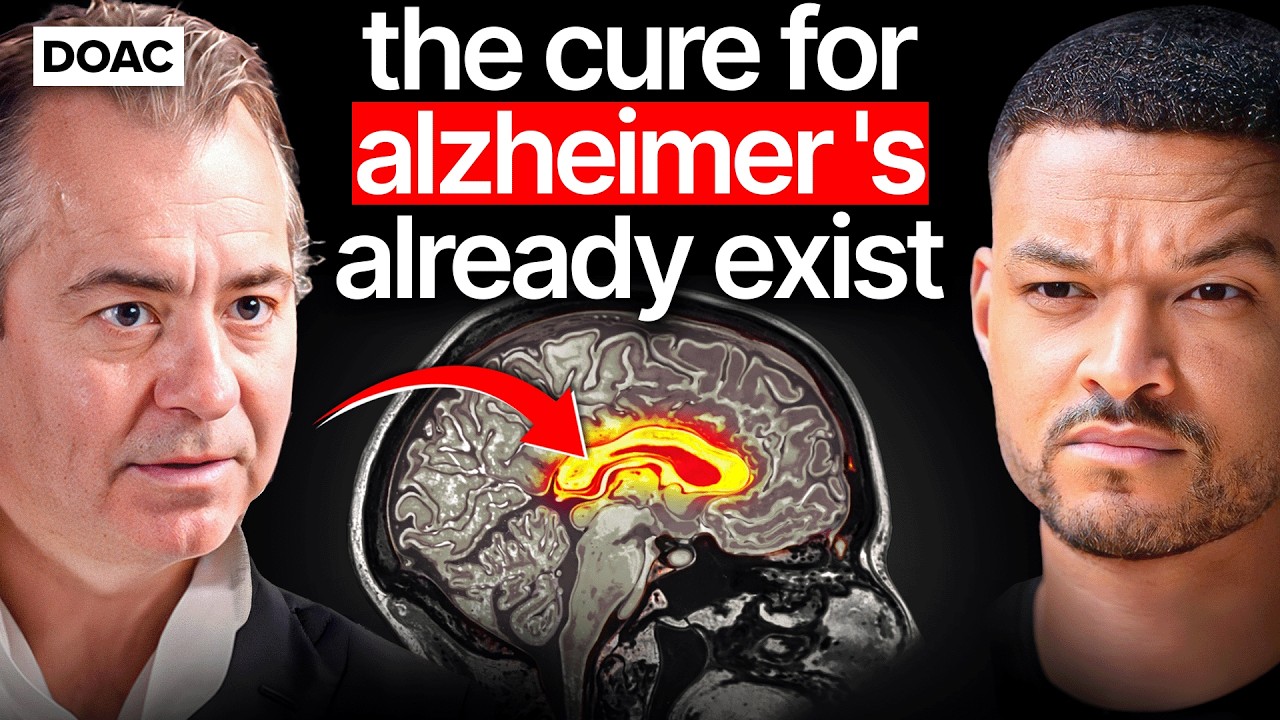
The Diary Of A CEO
Common daily habits like mouthwash use and antacids block nitric oxide production, driving hypertension, erectile dysfunction, and accelerated vascular aging.
AI-assisted summary of No.1 Nitric Oxide Expert: Why You’re Always Tired and It’s Not Your Fault — original source. Check the original for full context.
Source published:
Detailed notes
## Background This episode was published on YouTube by The Diary Of A CEO on April 14, 2025. According to the page description, it features Dr. Nathan Bryan, a renowned nitric oxide biochemist, entrepreneur, and author with 18 years of research in the field, discussing his discoveries and insights on nitric oxide.
## TL;DR Dr. Nathan Bryan explains the crucial role of nitric oxide (NO) in human longevity, vascular health, and disease prevention, noting that age-related decline in NO production contributes to conditions like hypertension, erectile dysfunction, and Alzheimer's disease. He highlights how common daily habits—such as using fluoride toothpaste, antibacterial mouthwash, and proton pump inhibitors—disrupt the oral microbiome and acid pathways required for endogenous NO synthesis. Additionally, Dr. Bryan presents actionable methods to optimize nitric oxide levels through nasal breathing, red light exposure, diet, and proper oral hygiene.
## Atmosphere & style The conversation is intellectually energetic, highly authoritative, and deeply persuasive, blending academic biochemistry with accessible lifestyle advice. Host Steven Bartlett brings curious, surrogate-for-the-audience energy, frequently reacting with surprise as Dr. Bryan dismantles conventional medical norms and widespread daily habits like mouthwash use. The dialogue strikes a balance between alarming revelations about systemic healthcare failures and empowering, scientifically grounded solutions for human health.
## Key takeaways - [00:00](https://www.youtube.com/watch?v=zECoaEZRRFU&t=0s) Nitric oxide (NO) is a crucial signaling molecule that relaxes blood vessels, improves circulation, supports energy production, and mobilizes stem cells for tissue repair. - [04:22](https://www.youtube.com/watch?v=zECoaEZRRFU&t=262s) Nitric oxide production declines significantly with age, dropping by 10% to 12% per decade starting around age 30, which acts as a primary trigger for chronic age-related diseases. - [05:24](https://www.youtube.com/watch?v=zECoaEZRRFU&t=324s) Erectile dysfunction serves as an early clinical warning sign—a 'canary in the coal mine'—for underlying endothelial dysfunction and cardiovascular disease. - [06:39](https://www.youtube.com/watch?v=zECoaEZRRFU&t=399s) Approximately 50% of patients treated with traditional prescription blood pressure medications fail to achieve normal blood pressure because conventional therapies do not restore nitric oxide production. - [17:36](https://www.youtube.com/watch?v=zECoaEZRRFU&t=1056s) Nitric oxide deficiency plays a central role in driving Alzheimer's disease, diabetes, metabolic dysfunction, and cardiovascular conditions. - [21:39](https://www.youtube.com/watch?v=zECoaEZRRFU&t=1299s) The incentives of the modern healthcare system focus on chronic disease management and long-term pharmaceutical use rather than underlying root-cause cures. - [29:03](https://www.youtube.com/watch?v=zECoaEZRRFU&t=1743s) Nitric oxide promotes longevity by aiding stem cell mobilization, activating telomerase to maintain telomere length, and driving mitochondrial biogenesis. - [38:18](https://www.youtube.com/watch?v=zECoaEZRRFU&t=2298s) Antiseptic mouthwash and fluoride-containing toothpastes destroy the beneficial oral nitrate-reducing bacteria required to produce nitric oxide, elevating blood pressure and eliminating the cardiovascular benefits of exercise. - [01:11:25](https://www.youtube.com/watch?v=zECoaEZRRFU&t=4285s) Commonly prescribed antacids, proton pump inhibitors (PPIs), and H2 blockers severely disrupt stomach acid production, which hinders nutrient absorption and blocks the nitric oxide production pathway. - [01:14:30](https://www.youtube.com/watch?v=zECoaEZRRFU&t=4470s) Deep nasal breathing, humming, red light therapy, infrared heat, and targeted dietary habits serve as effective natural mechanisms to stimulate endogenous nitric oxide synthesis.
## Detailed walkthrough ### [00:00](https://www.youtube.com/watch?v=zECoaEZRRFU&t=0s) Introduction: A Breakthrough Discovery for Human Longevity
Dr. Nathan Bryan opens the conversation with an extraordinary claim: based on the data, he is convinced that properly leveraging nitric oxide can eradicate and cure Alzheimer's disease. As a self-described "data guy," Dr. Bryan believes the future of global medicine and healthcare hinges entirely on this single molecule. Nitric oxide (chemical formula $\text{NO}$) is a naturally produced gas and vital signaling molecule inside the human body. It regulates critical physiological processes, including blood flow, oxygen delivery, cellular energy production, and stem cell mobilization for tissue repair.
The progressive loss of nitric oxide production is the earliest known event in the onset and progression of age-related chronic diseases. Conditions like erectile dysfunction, diabetes, Alzheimer's disease, and hypertension—the leading driver of cardiovascular disease, which remains the primary cause of death worldwide—are directly linked to nitric oxide deficiency. Alarmingly, 50% of patients prescribed traditional blood pressure medications fail to respond with lower blood pressure because conventional drugs do not target nitric oxide restoration. Furthermore, modern daily habits such as using antibacterial toothpaste and mouthwash actively destroy the oral microbiome responsible for producing this life-saving molecule.
- **Primary Driver of Global Mortality:** Cardiovascular disease, driven largely by high blood pressure (hypertension). - **Failure of Standard Therapeutics:** Approximately 50% of patients treated with traditional prescription blood pressure drugs fail to reach healthy targets due to unaddressed nitric oxide deficiency.
---
[02:17](https://www.youtube.com/watch?v=zECoaEZRRFU&t=137s) Dr. Nathan Bryan’s Mission and Clarifying Nitrous vs. Nitric Oxide
Host Steven Bartlett admits that despite his extensive research, he knew almost nothing about nitric oxide prior to preparing for the episode. Dr. Bryan emphasizes that this dynamic highlights the core problem: even highly informed individuals remain unaware of this fundamental biological mechanism. To clear up a very common misconception, Dr. Bryan immediately distinguishes *nitric oxide* from *nitrous oxide*.
``` Nitrous Oxide (N2O) [Laughing gas / Dental anesthetic / Speed boost in racing games] ≠ Nitric Oxide (NO) [Endogenous signaling molecule / Regulates vascular tone & oxygen] ```
Nitrous oxide ($\text{N}_2\text{O}$) is an anesthetic gas known colloquially as "laughing gas," famously used in dentistry or as a performance boost in racing video games. In contrast, nitric oxide ($\text{NO}$) consists of one nitrogen atom and one oxygen atom. Endogenously produced, it signals smooth muscles to relax, opens up blood vessels, delivers oxygen to organs during exercise or cognitive focus, and enables sexual function by facilitating tissue engorgement in both men and women. Dr. Bryan’s personal mission is to educate the global public on how nitric oxide is synthesized, what happens when its production fails, and how to prevent its age-related decline.
---
[04:22](https://www.youtube.com/watch?v=zECoaEZRRFU&t=262s) The Decline of Nitric Oxide with Age
A visual graph presented during the interview illustrates a steep decline in nitric oxide production over a human lifespan, beginning around age 30. Population-based studies reveal that people experience an average decline of 10% to 12% in endothelial function per decade.
The endothelium is a delicate single-cell layer lining every blood vessel throughout the human body. Its function is to regulate vascular tone and control the transport of nutrients across the vessel walls. When these endothelial cells lose their ability to synthesize nitric oxide gas, the vessels lose their capacity to dilate. Consequently, blood vessels remain constricted, triggering systemic inflammation, arterial stiffness, and plaque buildup—the precise cascade that initiates atherosclerosis and cardiovascular disease.
- **Rate of Decline:** Endothelial function drops by roughly 10% to 12% per decade starting around age 30. - **Endothelial Loss Impact:** Constricted vessels, systemic inflammation, loss of arterial flexibility, and accelerated plaque deposition.
---
[05:24](https://www.youtube.com/watch?v=zECoaEZRRFU&t=324s) Early Symptoms: Erectile Dysfunction as the "Canary in the Coal Mine"
When asked about the earliest clinical symptoms of deficient nitric oxide levels, Dr. Bryan reveals a distinct physiological hierarchy. The very first indicator is usually erectile dysfunction (ED), affecting both men and women.
> "Erection in both men and women is dependent upon dilation of the blood vessels to get engorgment... and without nitric oxide there's no increase in blood flow."
Historically written off as a purely psychological or lifestyle disorder, erectile dysfunction is now recognized in vascular medicine as a early warning system—the "canary in the coal mine"—signaling an accelerated form of underlying cardiovascular disease. Whether in the penis, clitoris, or labia, blood flow engorgement requires endothelial nitric oxide. If smooth muscle cells cannot produce this gas, dilation fails.
---
[06:39](https://www.youtube.com/watch?v=zECoaEZRRFU&t=399s) Resistant Hypertension and the Failure of Modern Drugs
If an individual fails to correct early nitric oxide deficiency, the condition progresses to hypertension (high blood pressure). Mechanistically, the human body maintains a finite volume of blood circulating through its vascular network. When blood vessels dilate, that volume pumps through wide, compliant pipes under low pressure. When nitric oxide production collapses, those same pipes shrink and stiffen, causing blood pressure to spike based on basic principles of physics.
In the United States, two out of three adults suffer from unsafe elevations in blood pressure. Standard medical protocols prescribe classes of medications like ACE inhibitors, Angiotensin Receptor Blockers (ARBs), or Calcium Channel Blockers. However, half of all patients on these medications suffer from "resistant hypertension" because these traditional drugs do not restore the body's natural nitric oxide production pathways.
- **Hypertension Prevalence:** 2 out of 3 American adults have elevated, unsafe blood pressure. - **Resistant Hypertension:** 50% of medicated patients do not achieve safe blood pressure because major drug classes fail to restore endothelial nitric oxide.
---
[08:05](https://www.youtube.com/watch?v=zECoaEZRRFU&t=485s) The Eureka Moments: Nobel Prize Science and a Father's Wounds
Dr. Bryan shares the foundational experiences that inspired him to dedicate his life to nitric oxide research. While studying at LSU School of Medicine in the late 1990s, he attended a lecture by Dr. Louis Ignaro, who had just won the 1998 Nobel Prize in Physiology or Medicine alongside two other American scientists for discovering nitric oxide's role as a signaling molecule.
During a dinner conversation that evening, Dr. Ignaro made a profound statement that resonated deeply with Dr. Bryan: > "If the scientific community can figure out how to restore the production of nitric oxide, it'll change the world and it'll change the landscape of medicine."
This scientific spark merged with a deeply personal tragedy. In 1984, Dr. Bryan's father was involved in a devastating car accident that left him paralyzed from the mid-back down at age 76. Throughout Dr. Bryan's youth, his father suffered from non-healing decubitus ulcers (pressure sores) aggravated by diabetes, paraplegia, poor peripheral circulation, and hypertension. Modern medical technology and top wound care specialists repeatedly failed to heal these severe sores.
Driven to find a solution, Dr. Bryan developed a topical nitric oxide therapy. By applying nitric oxide directly to his father's wounds to restore localized blood flow and clear the underlying infection, he fully healed a four-year-old chronic wound within just six months.
---
[10:19](https://www.youtube.com/watch?v=zECoaEZRRFU&t=619s) Personal Drive and Career Background
Witnessing the complete failure of standard medical protocols to manage his father's basic wounds ignited Dr. Bryan's drive to challenge mainstream medicine. He questions how the world's most advanced medical system can fail so consistently at managing chronic wounds, diabetes, and high blood pressure. Reflecting on his father's resilience keeps him grounded; whenever he faces a bad day, he reminds himself of his own health and approaches his work with a grateful heart.
---
[11:52](https://www.youtube.com/watch?v=zECoaEZRRFU&t=712s) Academic Credentials and Leaving Academia
Dr. Bryan earned his Ph.D. in Molecular and Cellular Physiology. He was subsequently recruited by Dr. Ferid Murad—another co-recipient of the 1998 Nobel Prize—to join the faculty at the University of Texas Health Science Center in Houston, the largest medical center in the world.
During his academic career, Dr. Bryan: - Served as a Professor of Molecular Medicine. - Authored over 100 peer-reviewed scientific publications. - Edited multiple medical textbooks on nitric oxide biochemistry. - Taught medical students for years.
Dr. Bryan eventually resigned from his tenured academic position during the COVID-19 pandemic to transition from pure academic research to commercializing safe, effective product technologies and therapies aimed at eradicating chronic disease.
---
[12:58](https://www.youtube.com/watch?v=zECoaEZRRFU&t=778s) The Mechanism: Smooth Muscle Relaxation vs. Cellular Aging
Summarizing the mechanism, Steven checks his understanding: nitric oxide acts on smooth muscle tissue surrounding the blood vessels, causing them to relax and expand so blood can flow freely. If nitric oxide levels drop, vessels fail to dilate, causing blood pressure to rise and triggering downstream diseases.
Dr. Bryan explains that aging is fundamentally the body's declining ability to repair and replace dysfunctional cells. While nitric oxide decline typically accompanies aging, it is not inevitable. By making specific intervention choices, people can shift their biological trajectory. Today, 18- to 20-year-olds present with conditions typically associated with old age—such as hypertension, diabetes, erectile dysfunction, and cognitive impairment—due to early nitric oxide depletion. Conversely, 50-, 60-, or 70-year-olds who actively maintain their nitric oxide pathways can achieve the vascular health of a 30-year-old. At 51 years old, Dr. Bryan maintains the vascular age of a 36-year-old.
---
[15:52](https://www.youtube.com/watch?v=zECoaEZRRFU&t=952s) Measuring Vascular and Biological Age
Dr. Bryan outlines the objective diagnostic tools used to measure vascular health and biological age:
1. **Carotid Intima-Media Thickness (CIMT):** An ultrasound scan of the carotid arteries that measures the thickness of the inner arterial layers and detects smooth muscle hyperplasia, comparing the results against age-matched population databases. 2. **Flow-Mediated Dilation (FMD):** An assessment of endothelial function measuring how effectively arteries dilate in response to increased blood flow. 3. **Epigenetic and Glycan Markers:** Epigenetic clocks assessing DNA methylation profiles, histone modifications, or technology like GlycanAge, which evaluates systemic inflammation and biological age.
By age 40, the average person has lost approximately 50% of their capacity to produce endothelial nitric oxide. By age 70 to 80, vascular nitric oxide production can drop by 75% compared to healthy 20-year-olds, as demonstrated in Japanese population studies.
- **Age 40:** ~50% drop in endothelial nitric oxide production capacity. - **Age 70-80:** Up to 75% reduction in nitric oxide levels compared to young adults.
<FollowUp label="Want to dive into the next part of the transcript?" query="Please provide the next detailed walkthrough for Part 2 of this transcript series."/>
[17:36](https://www.youtube.com/watch?v=zECoaEZRRFU&t=1056s) Chronic Diseases Associated with Nitric Oxide Deficiency
When asked for a "menu" of conditions linked to dropping nitric oxide (NO) levels, Dr. Bryan outlines a wide range of chronic diseases:
* **Erectile Dysfunction:** In the United States, 50% of men over 40 self-report erectile dysfunction. Dr. Bryan notes the true figure is likely much higher due to underreporting: "most 40-year-olds that I know are never going to admit that they have erectile dysfunction." * **High Blood Pressure:** Half of all patients treated for hypertension with prescription medications do not achieve controlled blood pressure. This represents a critical failure in treatment, especially since high blood pressure is the leading driver of cardiovascular disease—the number one killer of men and women globally. * **Metabolic Disease and Diabetes:** Research published by Dr. Bryan's team in 2011 demonstrated that nitric oxide is required for proper insulin signaling. Without NO, cells develop insulin resistance, contributing to a global diabetes pandemic where nine out of ten Americans are metabolically unfit. * **Exercise Intolerance:** An inability to climb a flight of stairs or engage in moderate exercise for 15–30 minutes directly signals a nitric oxide deficiency. * **Alzheimer's Disease:** Dr. Bryan characterizes Alzheimer's as primarily a vascular disease caused by focal ischemia (reduced cerebral blood flow) alongside insulin resistance—often referred to as "Type 3 diabetes"—which starves brain cells of glucose. This metabolic waste and oxidative stress trigger immune dysfunction, resulting in misfolded proteins that form amyloid plaques and neurofibrillary tangles.
Dr. Bryan asserts that restoring nitric oxide addresses every physiological root cause of Alzheimer's by increasing blood flow, restoring glucose uptake, reducing inflammation, inhibiting oxidative stress, and maintaining immune function to prevent plaque accumulation. "This simple molecule, nitric oxide gas... will eradicate and cure Alzheimer's" if administered early enough in the disease progression.
In clinical trials for conditions like Alzheimer's, heart disease, or kidney disease, timing is everything. Once a disease reaches an advanced, irreversible stage, no medical therapy can reverse the damage. Consequently, clinical trial design must target early-stage patients—such as those with mild cognitive impairment or vascular dementia—to achieve two clinical goals:
* **Stop progression:** Halting the advancement of the disease at its current state. * **Demonstrate regression:** Reversing existing damage to move patient markers backward.
---
[21:39](https://www.youtube.com/watch?v=zECoaEZRRFU&t=1299s) The Broken Incentive Structure of Western Medicine
Dr. Bryan offers a candid critique of the modern healthcare system, explaining that his transition from academic research and medical school teaching altered his perspective. Although researchers frequently cure diseases in laboratory animal models, these results rarely translate to human care. In animal models, variables like diet, environment, and lifestyle are strictly controlled, whereas human populations present vastly complex variables in diet, hygiene, and existing drug regimens.
Beyond experimental limitations, Dr. Bryan highlights a structural flaw in medical specialization. Western medicine operates in isolated silos—cardiologists, neurologists, gastroenterologists, and nephrologists rarely coordinate care, despite many diseases originating from shared subcellular causes like mitochondrial dysfunction and impaired cellular energy production. When Dr. Bryan advocated for integrated "centers of excellence" to address root causes across disciplines, he realized the broader institutional resistance:
> "No one is interested in curing cancer. No one is interested in curing human disease because... medicine is a business. It's a for-profit business—in fact, it's the largest business and economic model in the world."
Dr. Bryan argues that major pharmaceutical companies exert heavy influence over prestigious medical journals (such as *JAMA* and *The New England Journal of Medicine*), clinical guidelines, and regulatory bodies like the FDA. The commercial business model prioritizes maximizing the lifetime value of a customer over curing them:
> "The number one rule of business... is acquire a customer and keep that customer as long as you can... They acquire you as a customer, they put you on a drug, that drug has side effects, they have to put you on another drug to mitigate the side effects of that drug... and now you look up and people who are 50 to 60 years old and older are on 10, 12, 18 different medications."
This economic dynamic creates a system where weaning patients off drugs directly threatens the market share of pharmaceutical companies. Dr. Bryan points out a revolving-door culture between regulators and industry, noting that former FDA officials frequently transition into lucrative executive roles within pharmaceutical companies.
* **Health Outcomes vs. Spending:** Despite spending nearly 20% of its GDP on healthcare, the United States ranks last overall in health outcomes among high-income nations, maintaining the highest infant mortality rate and the lowest life expectancy. * **Healthspan Gap:** Americans live an average of 13 to 15 years of their lives burdened by chronic disease, reflecting a severe disparity between overall lifespan and healthy healthspan.
---
[27:25](https://www.youtube.com/watch?v=zECoaEZRRFU&t=1645s) Doctors Trapped in the Factory Model
Dr. Bryan clarifies that individual physicians are not to blame for these systemic issues. Having served on medical school admissions committees at UT Southwestern, he emphasizes that prospective medical students enter the field driven by genuine altruism, curiosity, and a desire to help others. However, once in practice, doctors are constrained by the economic realities of healthcare.
Under current reimbursement structures, physicians rely on ICD-10 diagnostic codes to bill insurance. To cover overhead and maintain a practice, many doctors are forced to see 60 to 80 patients a day, reducing standard consultations to rapid, assembly-line interactions. This setup leaves no time to explore underlying causes or counsel patients on lifestyle changes, trapping doctors in a cycle of diagnosing symptoms and writing prescriptions.
---
[29:03](https://www.youtube.com/watch?v=zECoaEZRRFU&t=1743s) Nitric Oxide as the "Molecule of Longevity"
True longevity requires maximizing healthspan so individuals do not spend their final decades incapacitated or chronically ill. Dr. Bryan identifies nitric oxide as the foundational longevity molecule because it directly regulates the three core biological markers of aging:
* **Stem Cell Mobilization:** Regenerative medicine relies on pluripotent stem cells—derived from bone marrow or adipose tissue (fat)—to repair and replace damaged tissue throughout the body. While bone marrow stem cell reserves decline with age, fat-derived stem cell reserves expand. However, without adequate nitric oxide acting as a chemical signal, the body cannot mobilize these stem cells, leaving behind dysfunctional "zombie" or senescent cells that drive aging. * **Telomere Length Maintenance:** Telomeres act as protective caps on the ends of chromosomes, similar to the plastic tips on shoelaces that keep them from fraying. Shorter telomeres correlate directly with shorter lifespans. Nitric oxide activates the enzyme **telomerase**, which preserves telomere length and prevents premature cellular aging. * **Mitochondrial Function:** Age-related chronic diseases are marked by a drop in mitochondrial density and efficiency caused by uncoupling of the electron transport chain inside the inner mitochondrial membrane. Nitric oxide serves as the cellular signal that stimulates mitochondrial biogenesis (creating new mitochondria) and improves their operational efficiency, allowing cells to produce ATP (energy) using less oxygen.
---
[32:45](https://www.youtube.com/watch?v=zECoaEZRRFU&t=1965s) Biohacking, Bryan Johnson, and Overdosing Nitric Oxide
When asked about high-profile biohackers like Bryan Johnson, Dr. Bryan expresses skepticism toward non-experts offering medical advice. While acknowledging that Johnson has highlighted nitric oxide's cardiovascular benefits, Dr. Bryan advises consumers to evaluate the credentials of online influencers carefully. Many prominent figures lack formal scientific, medical, or biochemical training, leading to public misunderstandings—such as the incorrect claim that nitric oxide is a toxin that destroys mitochondrial respiration.
Addressing whether nitric oxide can be overdone, Dr. Bryan notes that "dose dictates poison." Just as excessive water intake causes fatal hyponatremia (hypotonic lysis), improperly formulated or overused nitric oxide products carry clear biological risks.
There are two primary signs of nitric oxide toxicity:
* **Systemic Vasodilation and Hypotension:** Excess NO causes blood vessels to dilate excessively. Pumping the same volume of blood through significantly wider vessels drops blood pressure dramatically. This loss of perfusion pressure makes it difficult to pump blood upward to the brain against gravity, causing lightheadedness, fainting, and—if prolonged—ischemic end-organ failure. * **Methemoglobinemia:** Overexposure to certain forms of NO or nitrate compounds can oxidize hemoglobin into methemoglobin, impairing the blood's ability to carry oxygen to tissues.
[35:44](https://www.youtube.com/watch?v=zECoaEZRRFU&t=2144s) Nitric Oxide Overdose Risks and Telomere Length
While nitric oxide (NO) is vital for life, high doses can lead to serious medical complications. Extremely high levels can cause severe hypotension (a dangerous drop in blood pressure), which can prove fatal. Another potential toxicity is **methemoglobinemia**, a condition where nitric oxide oxidizes the iron in hemoglobin, preventing it from binding oxygen effectively. This causes cyanosis, leaving the patient with blue lips and pale extremities from poor perfusion. Clinically, however, acute methemoglobinemia is rarely seen because blood pressure drops to dangerous levels long before oxidized hemoglobin accumulates to that point.
The conversation pivots to longevity and **telomere length**. Shorter telomeres correlate directly with increased mortality rates; studies indicate individuals with shorter telomeres have a death rate nearly double those with longer ones. Nitric oxide plays a central, nuclear-level role in regulating telomere length: * NO co-localizes with estrogen receptors at the DNA level to trigger the transcription and translation of the **telomerase** enzyme. * It directly regulates the functional activity of the telomerase enzyme once made. * Without sufficient NO, cells produce less telomerase, and the enzyme present remains non-functional, leaving the ends of chromosomes unprotected during cellular division.
Different tissues replicate at vastly different rates to restore and repair themselves over a lifetime. For instance, the gut epithelium is constantly replacing itself due to direct exposure to the external environment, whereas neurons replicate far less frequently. Regardless of the tissue type, the scientific data is consistent: shorter telomeres lead to a shorter lifespan.
---
[38:18](https://www.youtube.com/watch?v=zECoaEZRRFU&t=2298s) The Oral Microbiome and Antibacterial Products
The host highlights the crucial link between nitric oxide and the **oral microbiome**, building on human microbiome research completed roughly two decades ago. Complex bacterial ecosystems reside on the skin, in the colon, and in the vagina, functioning in a symbiotic relationship with the human host. The human body contains 10 times more bacterial cells than human cells. Applying antiseptics or broad-spectrum antibiotics destroys these essential microbes, causing systemic conditions such as vascular disease, Alzheimer's, leaky gut syndrome, autoimmune disorders, hypertension, and candida overgrowth.
Modern hyper-hygienic practices—especially the widespread use of antibacterial soaps, hand sanitizers, and alcohol-based mouthwashes—may actively harm long-term health: * Epidemiological data and the "hygiene hypothesis" show that children raised in rural environments who play in dirt develop healthier, more diverse microbiomes. * Later in life, these children display lower rates of cardiovascular disease, diabetes, immune dysfunction, and autoimmune disorders. * Fluoride—found in dental rinses, toothpaste, and roughly 72% of municipal water supplies in the US—acts as a known antiseptic, chemical toxicant, thyroid toxin, and neurotoxin.
> "There's no physician in the world that would recommend you or I take an antibiotic every day for the rest of our lives... Because the antibiotics are killing the good bacteria... and when you disrupt the microbiome, you get systemic disease."
---
[42:11](https://www.youtube.com/watch?v=zECoaEZRRFU&t=2531s) The Origin of Dental Antiseptics and the Blood Pressure Connection
Over 100 years ago, researchers discovered oral bacteria inside the arterial plaque and thrombi of patients who suffered sudden cardiac death. This revealed an oral-systemic connection: bacteria enter the bloodstream through bleeding gums (translocation), triggering inflammation and plaque rupture. Dentists at the time logically began prescribing antiseptics to destroy oral bacteria and prevent translocating pathogens. However, continuing this practice today ignores modern microbiome science.
Starting in the late 2000s, studies began establishing a clear association between the oral microbiome and systemic blood pressure: * **Observational Findings:** Individuals with the most diverse oral bacteria—specifically nitric oxide–producing strains—maintain healthy blood pressure, while those lacking these strains exhibit high blood pressure. * **2019 Interventional Study:** Healthy, normotensive young adults used antiseptic mouthwash twice daily for 7 days. Bacterial eradication led to measurable spikes in blood pressure. Four days after stopping mouthwash, their bacterial populations and blood pressure began to recover. * **Individual Case:** In one 21-year-old participant, using mouthwash for 7 days raised blood pressure by **26 mmHg**, pushing him into clinical hypertension. Every 1 mmHg increase in blood pressure raises cardiovascular disease risk by 1%.
---
[45:53](https://www.youtube.com/watch?v=zECoaEZRRFU&t=2753s) The Mechanism: How Oral Bacteria Generate Nitric Oxide
The biological pathway connecting dietary green leafy vegetables to systemic blood pressure relies on an essential bacterial step: 1. Green leafy vegetables absorb nitrogen from the soil in the form of **nitrate**. 2. When humans consume these plants, nitrate is absorbed in the gut and concentrated in the salivary glands. 3. Commensal **nitrate-reducing bacteria** on the tongue convert nitrate into **nitrite** and nitric oxide. 4. Nitrite swallowed into the acidic environment of the stomach enters systemic circulation to dilate resistance arteries and normalize blood pressure.
Humans completely lack the enzyme necessary to reduce nitrate to nitrite. Without these specific oral bacteria, nitrate cannot be converted; it simply passes through the kidneys, stool, and sweat unchanged. Consequently, an individual using daily antiseptic mouthwash gets **zero nitric oxide benefits** from a healthy, plant-based diet. While they still absorb vitamins and fiber, the blood-pressure-lowering effects of dietary nitrate are entirely lost.
---
[48:10](https://www.youtube.com/watch?v=zECoaEZRRFU&t=2890s) Oral Health, Root Canals, and Chronic Disease
A strong connection exists between chronic oral infections—such as root canals, cavitations, and hidden jaw infections—and systemic illnesses like cancer. When terminal, metastatic cancer patients reach out for guidance, referring them to a biological dentist to check for asymptomatic oral infections frequently reveals underlying issues.
In clinical observation, **100% of patients with solid primary tumors** (such as breast, colon, prostate, lung, or liver cancers) present with active dental infections. While formal cause-and-effect mechanisms are still being researched, eastern medical systems like Traditional Chinese Medicine and Ayurveda have long mapped tooth-organ meridians: * Teeth act like circuit breakers along acupuncture meridians. An infected tooth "trips the breaker," dropping local voltage and disrupting electrical flow to corresponding organs. * **The Root Canal Problem:** A root canal removes the nerve and blood supply from an infected tooth, leaving dead tissue inside the body. * Oral antibiotics cannot reach a root-canal-treated tooth because it has no blood supply. * Anaerobic bacteria thrive in this low-oxygen environment, releasing metabolic wastes that cause **osteonecrosis** (bone death) and **osteomyelitis** in the jawbone. * Standard dental X-rays often miss these necrotic jaw issues, requiring high-resolution **CBCT (Cone Beam Computed Tomography)** scans to detect them.
A notable 15-year study conducted by New York University (and reported by the *New York Post*) analyzed saliva samples from over 160,000 participants. The researchers identified over a dozen bacterial species directly linked to a high risk of head and neck cancers, with specific species raising cancer risk by up to **50%**.
[053:48] Podcast Intermission & Sponsor Messages
Steven opens with a lighthearted moment, admitting that after learning about the oral microbiome, he immediately started texting his assistant to book an oral hygienist and switch out his mouthwash. The conversation then transitions into brief partner messages.
Steven highlights **Perfect Ted**, a ceremonial-grade matcha brand sourced directly from Japan, noting his own seven-figure investment in the company. He contrasts its naturally sweet, smooth profile with the bitter, grassy flavor often associated with lower-grade matcha, pointing out its widespread adoption in major global chains like Blank Street Coffee and Joe & The Juice. Next, Steven discusses **Vivo Barefoot** shoes, reflecting on how switching to minimalist footwear helped resolve his plantar fasciitis and rebuild foot mobility. Citing insights from Harvard evolutionary biologist Dr. Daniel Lieberman and research from the University of Liverpool, he emphasizes that transitioning to minimalist footwear can increase foot strength by up to 60% over six months.
* **Perfect Ted Offer:** Use code `STEVEN40` for 40% off at [perfectted.com](https://www.perfectted.com). * **Vivo Barefoot Offer:** Use code `DOAC20` for 20% off at [vivobarefoot.com/doac](https://www.vivobarefoot.com/doac).
---
[056:04] Eliminating Fluoride and Rethinking Toothpaste Dosage
Returning to the interview, Steven asks Dr. Nathan Bryan what steps people should actively take to protect and improve their oral microbiome. Dr. Bryan flips the premise on its head: the most critical first step isn't what you *should* add, but what you must immediately stop doing. At the top of his elimination list is **fluoride**.
Dr. Bryan references a recent dental conference in Salt Lake City where representatives from the U.S. National Toxicology Program presented toxicological evaluations of environmental contaminants. According to Dr. Bryan, their findings indicate that fluoride offers no systemic benefit and carries substantial risks—including potential thyroid suppression, neurotoxicity, and studies showing up to a seven-point drop in children's IQ.
``` Standard toothpaste tube warning (US): "If more than used for brushing is accidentally swallowed, get medical help or contact a Poison Control Center right away." ```
He directs attention to the stark warning labels printed on standard fluoride toothpaste tubes in the United States: *"If you swallow this, call poison control."*
* **The Overdosing Problem:** Toothpaste packaging instructs users to apply a small "pea-sized" amount (about 0.5 mg of fluoride). However, most people coat the entire bristle head, unknowingly applying 10 to 20 times the recommended dose (5–10 mg of fluoride per brush). * **Direct Absorption:** Because fluoride is a tiny molecule (molecular weight of ~19), it does not need to be swallowed to enter the bloodstream; it absorbs directly across the buccal mucosa in the mouth. * **The Solution:** Switch entirely to a non-fluoridated toothpaste.
---
[057:58] The Science of Tongue Scraping and "Tilling the Soil"
Steven brings up tongue scrapers, confessing with a laugh that his girlfriend has been "banging on" to him about tongue scraping for two years, but he always resisted, thinking it seemed strange or counterproductive to scrape away oral bacteria. Dr. Bryan validates Steven's girlfriend, confirming that tongue scraping is a time-tested, ancient practice backed by modern data.
Dr. Bryan uses a agricultural analogy: *"If you're going to plant a garden, do you plant a garden on untilled soil?"* Tongue scraping acts like tilling the soil. Drawing a copper tongue scraper gently from the back of the dorsal tongue forward breaks up the dense, stagnant biofilm and aerates the crypts of the tongue, which actually encourages a more diverse, healthy microbial ecosystem.
However, Dr. Bryan delivers a critical warning regarding combining habits:
> "If you tongue scrape and use antiseptic mouthwash, that's the absolute worst scenario. You're opening up the pores, and now the mouthwash can easily penetrate deep into the crypts of the tongue and more effectively kill the bacteria."
* **The Ideal Routine:** Tongue scrape (ideally with a copper scraper), brush with non-fluoridated toothpaste, and completely avoid antiseptic mouthwashes. * **Dental Visits:** Visiting a dental hygienist quarterly for routine plaque removal, gum assessment, and enamel checkups is proactive and beneficial—provided you explicitly decline any topical fluoride rinses.
---
[01:00:31](https://www.youtube.com/watch?v=zECoaEZRRFU&t=3631s) How Mouthwash Erases the Cardio Benefits of Exercise
Dr. Bryan shares a startling piece of clinical data: using antiseptic mouthwash completely abolishes the cardioprotective benefits of physical exercise.
While exercise and diet are universally prescribed as the bedrock of cardiovascular health, their vascular benefits depend heavily on endothelial and microbial nitric oxide (NO) production. When you exercise, physical movement and increased blood flow signal your system to produce NO, dilating blood vessels and lowering baseline blood pressure. If antiseptic mouthwash eradicates the oral nitrate-reducing bacteria required to sustain this pathway, blood vessels remain constricted.
* **The Mechanism:** Mouthwash eliminates the essential oral bacteria that convert dietary nitrate into nitrite and nitric oxide. * **The Epidemiological Correlation:** Roughly two-thirds of Americans use mouthwash daily, and coincidentally, roughly two-thirds of American adults suffer from elevated or unsafe blood pressure.
---
[01:00:52](https://www.youtube.com/watch?v=zECoaEZRRFU&t=3652s) The Interplay Between Hormones, NO, and Exercise
The discussion shifts to the physiological cross-talk between sex hormones, exercise, and nitric oxide production. Dr. Bryan explains that sex hormones directly regulate the endothelial nitric oxide synthase (eNOS) enzyme inside blood vessel walls:
* **In Men:** Testosterone activates and stimulates eNOS to produce nitric oxide. * **In Women:** Estrogen performs the exact same activating function on eNOS.
This biological link explains why hormone replacement therapy (HRT) offers profound cardiovascular protection—provided the eNOS enzyme itself is structurally coupled and functional. Without sufficient NO, blood vessels cannot dilate, leading directly to compromised oxygen transport during workouts, elevated systemic vascular resistance, and downstream conditions like erectile dysfunction (ED).
---
[01:03:40](https://www.youtube.com/watch?v=zECoaEZRRFU&t=3820s) Dietary Traps: Why Sugar Destroys Nitric Oxide
When Steven asks what foods to eat to optimize nitric oxide, Dr. Bryan reiterates that dietary success is defined by what you **eliminate**—specifically, sugar and high-glycemic carbohydrates.
Dr. Bryan describes sugar as a cellular poison. When glucose levels spike, the excess sugar binds indiscriminately to proteins, enzymes, and red blood cells throughout the body through a process called glycation:
``` Excess Blood Glucose + eNOS / Hemoglobin ➔ Structural Glycation ➔ Enzyme Deactivation (Loss of NO) ```
1. **Hemoglobin A1C:** Sugar binds to hemoglobin in red blood cells. A glycated hemoglobin (A1C) level above 5.7% signals prediabetes/diabetes. 2. **Enzyme Locking:** Enzymes must undergo flexible conformational shifts to transfer electrons. When glucose binds to the eNOS enzyme, it physically locks the enzyme in place, permanently halting its ability to generate nitric oxide. 3. **Diabetic Complications:** This single biochemical mechanism explains why diabetic patients suffer a 10-fold higher incidence of heart attacks, strokes, peripheral neuropathy, non-healing diabetic ulcers, macular degeneration, and retinopathy—all stemming from localized vascular starvation due to NO loss.
---
[01:05:58](https://www.youtube.com/watch?v=zECoaEZRRFU&t=3958s) Wound Healing and Dr. Bryan’s Topical NO Serum
Prompted by Dr. Bryan's mention of diabetic non-healing ulcers, Steven points to a visible scar on his own head—the result of a collision during a recent football match that left the other player unconscious and Steven needing surgical glue. Steven asks whether topical nitric oxide can actively remodel scars and heal surface wounds.
Dr. Bryan explains that topical NO operates as a dual-action therapeutic agent:
* **Microbial Clearance:** It acts as a potent antimicrobial, killing infectious surface bacteria on contact. * **Tissue Remodeling:** It diffuses directly into damaged dermal tissue, triggering localized vasodilation, recruiting endogenous stem cells, and accelerating cellular turnover to heal the wound and minimize scarring.
Demonstrating his dual-chamber topical serum on set, Dr. Bryan instructs Steven to mix one pump from each side together. As the two distinct phases combine, they immediately release active nitric oxide gas directly onto the skin.
---
[01:07:14](https://www.youtube.com/watch?v=zECoaEZRRFU&t=4034s) The Truth About Beetroot: *Beet the Odds* and "Dead Beats"
Steven turns to Dr. Bryan’s book on beetroots (*Beet the Odds*), quoting a passage that describes the humble beet as perhaps the most underappreciated food in human history.
Dr. Bryan shares the historical context: ancient Egyptian cave hieroglyphics depict warriors consuming rich red plant concoctions before entering battle. While early historians assumed they were drinking wine, they were actually consuming concentrated beetroot juice to boost stamina, circulation, and physical performance.
However, Dr. Bryan warns that modern commercial beet products rarely deliver on these promises:
* **The 2012 Olympic Craze:** Following the 2012 London Olympics, high-potency beetroot juice gained mainstream popularity among elite athletes. However, drinking liters of raw juice caused severe GI distress, diarrhea, and pink-to-red discoloration of urine and stool (often mistaken for internal bleeding). * **The "Dead Beat" Phenomenon:** When Dr. Bryan’s lab tested commercial desiccated beet powders off retail shelves, they discovered that most contained **zero detectable nitrate or nitrite**. They provided no nitric oxide boost whatsoever. In fact, Dr. Bryan’s clinical trials routinely used these commercial beet powders as placebo controls because they were completely inert. * **Soil Depletion & Modern Farming:** Modern agricultural soils in the U.S. are heavily depleted of essential minerals and organic nitrogen due to synthetic fertilizers and pesticides, rendering modern store-bought beets drastically lower in nitrate compared to historical crops. * **The Verdict:** Eating commercial beets or mixing commercial beet powders into tap water will not reliably increase your nitric oxide levels—especially if you continue to use fluoridated water or antiseptic mouthwash.
[01:11:25](https://www.youtube.com/watch?v=zECoaEZRRFU&t=4285s) The Dangers of Antacids and Acid Blockers
The discussion turns to the alarming global trend in acid-suppression medication, with Steven pointing out a quadrupling in antacid usage worldwide. Dr. Nathan Bryan explains that as a biochemist and physiologist, he considers the inhibition of stomach acid production to be immensely damaging to human health. Stomach acid is essential for breaking down both animal and plant proteins into amino acids, as well as absorbing vital micronutrients in the lumen of the stomach, such as B vitamins, selenium, chromium, iodine, magnesium, and iron. When stomach acid is suppressed, these nutrients cannot be absorbed, contributing directly to widespread deficiencies, such as the estimated 75% of Americans deficient in magnesium and 95% deficient in iodine.
Dr. Bryan breaks down the critical distinction between simple acid-buffering agents and stomach acid-suppressing drugs. Over-the-counter buffers like Tums or baking soda (sodium bicarbonate and calcium carbonate) merely neutralize acute bouts of excess stomach acid without stopping its production. In contrast, drugs like Gaviscon contain strong bases such as aluminum hydroxide and magnesium carbonate to neutralize acid, though Dr. Bryan cautions that aluminum should be completely avoided. The far more damaging class of medications includes proton pump inhibitors (PPIs) and H2 blockers—such as Prilosec, Prevacid, Nexium, omeprazole, and pantoprazole—which actively disable acid production in the parietal cells of the stomach.
* **75% of Americans** are deficient in magnesium. * **95% of Americans** are deficient in iodine. * **Common PPIs & Acid Blockers:** Prilosec, Prevacid, Nexium, Omeprazole, Pantoprazole. * **Over-the-Counter Buffers:** Tums (calcium carbonate), baking soda (sodium bicarb), Gaviscon (aluminum hydroxide and magnesium carbonate).
---
[01:14:30](https://www.youtube.com/watch?v=zECoaEZRRFU&t=4470s) Mouth Breathing vs. Nasal Breathing
Steven brings up mouth breathing, noting that his girlfriend runs a breathwork business (Barley Breathwork) and that interest in the subject has spiked dramatically on Google over the past 20 years. He references Patrick McKeown, creator of *The Oxygen Advantage*, who famously pitched his breathwork insights on *Dragons' Den*. Dr. Bryan explains the physiological mechanism connecting breathwork to nitric oxide (NO) production: the same nitric oxide synthase enzyme found in blood vessel linings is also present in the epithelial cells of our upper airways and sinuses.
Deep nasal breathing mechanically activates this enzyme in the sinus epithelial cells, producing nitric oxide gas that is inhaled directly into the lungs. This NO dilates both the bronchioles and pulmonary arteries, dramatically improving oxygen uptake and lowering systemic blood pressure. Conversely, chronic mouth breathers bypass this entire upper airway pathway. Furthermore, forcing high oxygen levels and altering the pH of saliva through mouth breathing alters the oral microbiome, shutting down the oral nitrate-to-nitrite-to-NO pathway.
* **Nasal Breathing Mechanism:** Activates nitric oxide synthase in sinus epithelial cells, delivering NO gas to the lungs to dilate bronchioles and pulmonary arteries. * **Mouth Breathing Consequences:** Bypasses upper airway NO synthesis, changes mouth pH and oxygenation, alters the oral microbiome, and shuts down bacterial NO production. * **Pre-Taping Caution:** Dr. Bryan warns that individuals should get dental imaging before mouth-taping at night to ensure they do not have anatomical airway obstructions or sleep apnea that could lead to suffocation.
---
[01:17:16](https://www.youtube.com/watch?v=zECoaEZRRFU&t=4636s) Humming, Sunlight, and Red Light Therapy
Beyond nasal breathing, Dr. Bryan reveals other surprising ways to stimulate nitric oxide production, such as humming at specific acoustic frequencies. Humming creates sound vibrations in the nasal cavity that mechanically stimulate the nitric oxide synthase enzyme, releasing measurable NO gas in exhaled breath—a phenomenon similar to the acoustic resonance created during "Ohm" chants in meditation. However, Dr. Bryan notes that because sinus volume varies from person to person, there is no single universal frequency. Crucially, in older patients whose endothelial enzyme is already broken, humming or nasal breathing will yield no NO production because the underlying enzyme function is missing.
Dr. Bryan highlights lifestyle factors that help or hinder NO levels. To protect NO, individuals should eliminate mouthwash, fluoride, antacids, and high-sugar diets. To active NO, individuals should maintain a balanced diet, engage in moderate physical exercise, and get 20 to 30 minutes of sunlight per day. Light stimulates NO release across two ends of the light spectrum: ultraviolet (UV) light provides enough energy to knock NO free from cysteine and metals in proteins, while full-spectrum red and infrared light stimulates NO release and mitochondrial biogenesis. Dr. Bryan mentions that he personally uses a red light bed and an infrared sauna every single day for NO production and mitochondrial health, criticizing the cultural push to stay indoors or cover up in heavy chemical sunscreens.
* **Acoustic Stimulation:** Humming creates resonance frequencies that activate the nitric oxide synthase enzyme in the sinuses. * **Light Activation:** UV light breaks chemical bonds to release NO from cysteine and protein-bound metals; red/infrared light stimulates mitochondrial biogenesis and NO release. * **Dr. Bryan's Routine:** Uses an infrared sauna and red light therapy bed daily. * **Key NO Disrupters to Eliminate:** Fluoride, antibacterial mouthwash, PPI antacids, high sugar, and physical inactivity.
---
[01:19:54](https://www.youtube.com/watch?v=zECoaEZRRFU&t=4794s) The Future of Medicine and Personal Reflection
Looking ahead, Dr. Bryan states with complete conviction that the future of global medicine relies on nitric oxide technology. While changing human lifestyle habits (diet, sugar intake, daily exercise) remains notoriously difficult due to poor patient compliance, targeted NO restoration technology can correct the underlying physiological deficits caused by bad habits. Steven expresses gratitude for Dr. Bryan's groundbreaking work, admitting that before the conversation, he had zero awareness of nitric oxide, often confusing it with nitrous oxide ("NOS" gas).
Closing out the show, Steven asks the traditional question left behind by the previous guest, Kim: *"Are you happily or unhappily mated, and why?"* Dr. Bryan reflects candidly on the constant struggle to balance his work, personal life, and health:
> "I'm happily mated, but there's deficiencies, right? Because again, my challenge is always maintaining balance... work, home life, kind of maintaining, you know, my spiritual, mental, and physical health. I'm trying to do better at that now, but... there's always sacrifice, right? And we just have to pick our sacrifices."
Dr. Bryan directs listeners to his latest book, *The Secret of Nitric Oxide: Bringing The Science To Life* (available at `nathansbook.com` and major booksellers), his YouTube channel (`Dr Nathan S Bryan Nitric Oxide`), his Instagram (`@drnathansbryan`), and his product line website (`n1o1.com`). Steven wraps up the episode by thanking Dr. Bryan for an eye-opening conversation and making a direct appeal to the 53% of regular viewers who have not yet subscribed to hit the subscribe button to support the podcast.
* **Book Title:** *The Secret of Nitric Oxide: Bringing The Science To Life* (`nathansbook.com`) * **Product Website:** `n1o1.com` * **Social Media Handles:** `@drnathansbryan` (Instagram), `Dr Nathan S Bryan Nitric Oxide` (YouTube)
## Notable quotes > [08:05](https://www.youtube.com/watch?v=zECoaEZRRFU&t=485s) If the scientific community can figure out how to restore the production of nitric oxide, it'll change the world and it'll change the landscape of medicine. — Dr. Louis Ignaro
> [05:24](https://www.youtube.com/watch?v=zECoaEZRRFU&t=324s) Erection in both men and women is dependent upon dilation of the blood vessels to get engorgment... and without nitric oxide there's no increase in blood flow. — Dr. Nathan Bryan
> [21:39](https://www.youtube.com/watch?v=zECoaEZRRFU&t=1299s) No one is interested in curing cancer. No one is interested in curing human disease because... medicine is a business. It's a for-profit business—in fact, it's the largest business and economic model in the world. — Dr. Nathan Bryan
> [21:39](https://www.youtube.com/watch?v=zECoaEZRRFU&t=1299s) The number one rule of business... is acquire a customer and keep that customer as long as you can... They acquire you as a customer, they put you on a drug, that drug has side effects, they have to put you on another drug to mitigate the side effects of that drug... and now you look up and people who are 50 to 60 years old and older are on 10, 12, 18 different medications. — Dr. Nathan Bryan
> [17:36](https://www.youtube.com/watch?v=zECoaEZRRFU&t=1056s) This simple molecule, nitric oxide gas... will eradicate and cure Alzheimer's — Dr. Nathan Bryan
> [40:39](https://www.youtube.com/watch?v=zECoaEZRRFU&t=2439s) There's no physician in the world that would recommend you or I take an antibiotic every day for the rest of our lives... Because the antibiotics are killing the good bacteria... and when you disrupt the microbiome, you get systemic disease. — Dr. Nathan Bryan
> [56:04](https://www.youtube.com/watch?v=zECoaEZRRFU&t=3364s) If you swallowed this, call poison control. — Dr. Nathan Bryan
> [57:58](https://www.youtube.com/watch?v=zECoaEZRRFU&t=3478s) If you're going to plant a garden, do you plant a garden on untilled soil? — Dr. Nathan Bryan
> [57:58](https://www.youtube.com/watch?v=zECoaEZRRFU&t=3478s) If you tongue scrape and use antiseptic mouthwash, that's the absolute worst scenario. You're opening up the pores, and now the mouthwash can easily penetrate deep into the crypts of the tongue and more effectively kill the bacteria. — Dr. Nathan Bryan
> [01:19:54](https://www.youtube.com/watch?v=zECoaEZRRFU&t=4794s) I'm happily mated, but there's deficiencies, right? Because again, my challenge is always maintaining balance... work, home life, kind of maintaining, you know, my spiritual, mental, and physical health. I'm trying to do better at that now, but... there's always sacrifice, right? And we just have to pick our sacrifices. — Dr. Nathan Bryan
## Mentioned Dr. Nathan Bryan, Steven Bartlett, The Diary Of A CEO, Dr. Louis Ignaro, Dr. Ferid Murad, LSU School of Medicine, University of Texas Health Science Center, UT Southwestern, Bryan Johnson, Patrick McKeown, Kim, Dr. Daniel Lieberman, The Secret of Nitric Oxide-Bringing The Science To Life, Beet the Odds, The 33 Laws Of Business & Life, The Oxygen Advantage, Perfect Ted, Vivo Barefoot, Blank Street Coffee, Joe & The Juice, GlycanAge, FDA, JAMA, The New England Journal of Medicine, U.S. National Toxicology Program, Prilosec, Prevacid, Nexium, Tums, Gaviscon
[Source](https://www.youtube.com/watch?v=zECoaEZRRFU)