Iran Strike on Qatar Plant Cripples Global LNG Supply
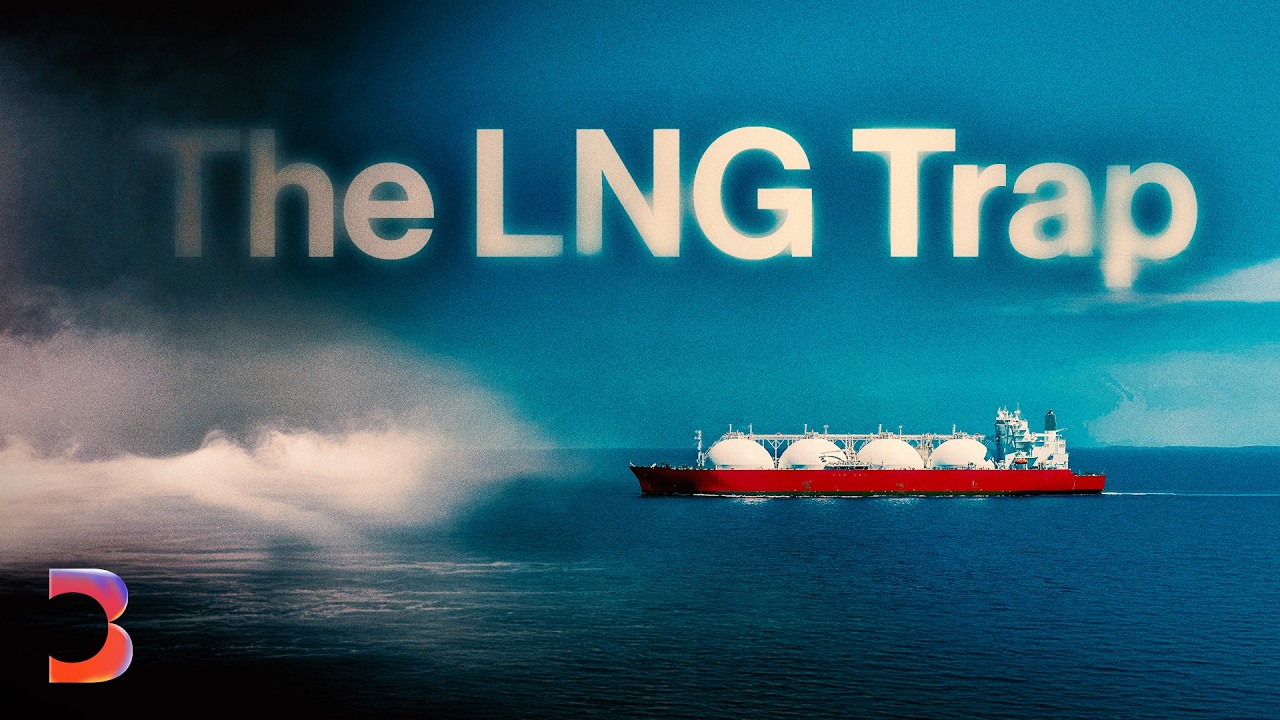
How the Iran War Revealed a Truth About Gas — Bloomberg Originals

Bloomberg Originals

The missile attack on Qatar's Ras Laffan facility wiped out 20% of global LNG exports, triggering severe price spikes and forcing import-dependent nations to revert to coal while accelerating long-term pivots toward domestic renewables.

AI-assisted summary of How the Iran War Revealed a Truth About Gas — original source. Check the original for full context.

Source published:

Detailed notes

## Background Published by Bloomberg Originals on YouTube on April 17, 2026, this video examines how global energy supply disruptions and infrastructure damage from the US-Israel war with Iran are forcing nations to seek alternatives to natural gas. The page description highlights how these events are reshaping the future of energy as key import markets shift away from Qatar.

## TL;DR A missile strike on Qatar's Ras Laffan complex damaged key infrastructure, disrupting roughly 20% of global LNG exports and exposing the fragility of a heavily centralized supply chain tied to the Strait of Hormuz. In response to skyrocketing spot market prices, importing nations in Asia and Europe have turned to coal-fired power as an immediate stopgap while suffering severe energy rationing. The crisis has undermined the long-standing narrative of LNG as a reliable 'bridge' or 'destination' fuel, accelerating a long-term shift toward domestic renewables and creating market opportunities for alternative exporters like the United States.

## Atmosphere & style The video carries an analytical, urgent, and sober tone typical of high-end financial journalism. It creates an atmosphere of high-stakes geopolitical tension by contrasting the technical elegance of super-cooled gas infrastructure with the chaotic economic fallout of wartime disruption. Through a data-led and cinematic narrative arc, it moves from the historical narrative of energy security to a stark realization of systemic fragility, leaving viewers with a profound sense of an impending global energy pivot.

## Key takeaways - [00:00](https://www.youtube.com/watch?v=7RDDsuq0xK0&t=0s) Liquefied natural gas (LNG) functions as the structural backbone of global energy systems, powering electricity, industry, and transport across Asia and Europe. - [00:00](https://www.youtube.com/watch?v=7RDDsuq0xK0&t=0s) A missile strike on Qatar's Ras Laffan complex amid the US-Israel war with Iran shattered assumptions about the absolute reliability of Middle Eastern energy supplies. - [01:32](https://www.youtube.com/watch?v=7RDDsuq0xK0&t=92s) Super-chilling natural gas to -163°C shrinks its volume 600-fold, allowing specialized tankers to transport an otherwise non-pipeline fuel across global markets. - [01:32](https://www.youtube.com/watch?v=7RDDsuq0xK0&t=92s) The US shale boom and floating import terminals transformed LNG from an expensive fuel for rich nations into an accessible ~$250 billion global commodity. - [01:32](https://www.youtube.com/watch?v=7RDDsuq0xK0&t=92s) The energy industry shifted its marketing pitch over time, evolving LNG's narrative from a temporary 'bridge fuel' to renewables into a permanent 'destination fuel.' - [04:23](https://www.youtube.com/watch?v=7RDDsuq0xK0&t=263s) Qatar's centralized supply model contains a key vulnerability: roughly 20% of global LNG exports must pass through the narrow Strait of Hormuz bottleneck. - [05:23](https://www.youtube.com/watch?v=7RDDsuq0xK0&t=323s) Disabling two of Ras Laffan's 14 liquefaction trains erased roughly 20% of total global LNG exports almost overnight and faces a 3-to-5-year repair timeline. - [06:32](https://www.youtube.com/watch?v=7RDDsuq0xK0&t=392s) The sudden loss of Qatari supply triggered a fierce bidding war, causing spot LNG cargo prices to skyrocket from ~$30 million to nearly $70 million. - [06:32](https://www.youtube.com/watch?v=7RDDsuq0xK0&t=392s) Developing nations in Southeast Asia faced severe energy deficits from the price surge, forcing power rationing and load shedding in places like Bangladesh and Thailand. - [07:20](https://www.youtube.com/watch?v=7RDDsuq0xK0&t=440s) To handle short-term energy shortfalls, countries reverted to coal and fuel oil, with Japan restarting a mothballed coal plant and South Korea lifting generation limits. - [07:20](https://www.youtube.com/watch?v=7RDDsuq0xK0&t=440s) The crisis exposed the geopolitical risks of imported fuel, accelerating a long-term shift toward domestic renewables that cannot be blocked in transit choke points. - [07:20](https://www.youtube.com/watch?v=7RDDsuq0xK0&t=440s) China stands to benefit significantly from the pivot to renewables, as its manufacturers produce the vast majority of global clean energy equipment. - [09:04](https://www.youtube.com/watch?v=7RDDsuq0xK0&t=544s) Although the US expanded its export capacity ninefold since 2017 to become the world's top LNG exporter, American supply cannot bridge the immediate Qatari deficit.

## Detailed walkthrough ### [00:00](https://www.youtube.com/watch?v=7RDDsuq0xK0&t=0s) Introduction: LNG as Energy's "Nerdier Cousin"

While natural gas is abundant across the globe, a reliable supply is not. Liquefied natural gas (LNG) was developed specifically to close that geographic gap. Framed as oil's "nerdier cousin," LNG is smaller in scale than crude oil but is rapidly growing to become the structural backbone of global energy systems. It powers broad economic activity—spanning electricity generation, heavy industry, and transportation—across major importing regions including India, Japan, broader Asia, and Europe. To build an economy around LNG imports, countries required rock-solid reliability, which Qatar historically provided.

That long-standing trust vanished when the US-Israel war with Iran escalated into energy infrastructure. Qatar's Ras Laffan Industrial City—housing the world's largest LNG export plant—suffered extensive damage from an Iranian missile strike. The facility had operated for 30 years without ever missing a single delivery. Prior to this event, the industry never imagined such a plant could suffer damage severe enough that parts of it would require years to restart. The conflict has transformed into a high-stakes stress test for a global energy addiction, forcing dependent nations to scramble for alternatives from a suddenly fragile Middle East.

[01:32](https://www.youtube.com/watch?v=7RDDsuq0xK0&t=92s) The Engineering and Economics of LNG

Natural gas is a versatile fuel used for residential heating, cooking, power generation, and synthesizing fertilizers essential for global food production. While cheap and abundant at the source, transporting natural gas without pipelines was historically impossible. LNG solves this logistical barrier through advanced engineering, super-chilling gas down to -163°C (-261°F). In liquid form, gas becomes 600 times more dense, packing enormous energy into every specialized cargo shipment. The supply chain requires specialized infrastructure: liquefaction plants freeze the gas at export sites, insulated tankers transport the liquid, and specialized import terminals heat it back into gas upon arrival.

LNG has become the fastest-growing fossil fuel globally, accounting for roughly $250 billion in annual trade. Often called the "champagne of fuel" due to its historically prohibitive infrastructure costs, it became accessible to emerging nations through key developments—most notably the US shale boom driven by hydraulic fracturing and horizontal drilling. The simultaneous proliferation of floating import terminals lowered capital barriers, transforming LNG from a premium fuel reserved for wealthy nations into an accessible global energy source.

Big oil and gas marketers initially pitched LNG as a clean "bridge fuel" to renewables, pointing out that natural gas emits roughly half the $CO_2$ of coal upon combustion while providing steady baseload power to back up intermittent wind and solar. Over time, as global demand surged, the industry altered its pitch, marketing LNG not merely as a temporary transition fuel, but as a permanent "destination fuel."

- **Global LNG Trade Value:** ~$250 billion annually - **Physical Densification:** Gas shrinks by 600x when chilled to -163°C - **Emissions Profile:** Emits ~50% less $CO_2$ than coal during combustion

[04:23](https://www.youtube.com/watch?v=7RDDsuq0xK0&t=263s) Qatar's Dominance and the Hormuz Bottleneck

Qatar established itself as the world's premier LNG exporter by leveraging its massive natural gas reserves and geographical positioning to supply major Asian markets, including China and India. However, this centralized supply model possesses a critical vulnerability: all Qatari LNG exports must transit through the Strait of Hormuz.

As a primary geographic choke point in the Persian Gulf, the Strait sees roughly 20% of the world's daily LNG production pass through its narrow waters. While relying on Qatar made commercial sense due to its lower production costs and scale, global markets inadvertently traded regional energy security for supply concentration.

[05:23](https://www.youtube.com/watch?v=7RDDsuq0xK0&t=323s) War's Impact on Global LNG Supply

The attack on Qatar's Ras Laffan complex damaged two out of the facility's 14 production trains, shattering assumptions of supply stability. Qatari officials estimate that repairing the damaged trains will take three to five years, costing the nation up to $20 billion annually in lost revenue. Compounded by the closure of the Strait of Hormuz, global LNG exports dropped by roughly 20% almost overnight.

With Qatari exports cut off, global buyers rushed into spot markets to secure replacement cargoes, triggering a fierce bidding war. This sudden shock demonstrated that the global LNG market is significantly more fragile than previously understood. When supply from a cornerstone producer vanishes, importing nations have virtually no immediate alternative other than forced demand reduction.

- **Ras Laffan Infrastructure Damage:** 2 out of 14 liquefaction trains disabled - **Estimated Repair Timeline:** 3 to 5 years - **Qatar Revenue Loss:** Up to $20 billion per year - **Global LNG Supply Reduction:** ~20% drop in total global exports

[06:32](https://www.youtube.com/watch?v=7RDDsuq0xK0&t=392s) Economic Disruption and Energy Rationing

The supply shock has severely impacted import-dependent developing economies, particularly in Southeast Asia. Nations such as Bangladesh and Thailand faced immediate supply deficits, forcing authorities to implement power rationing and load shedding.

The resulting global bidding war escalated costs dramatically. Spot LNG prices surged from roughly $30 million per cargo before the conflict to nearly $70 million per cargo in a matter of weeks. This price spike destroyed the argument that LNG could serve as an affordable, secure fuel for developing nations entering the energy transition, causing a broader loss of faith in imported fossil fuels.

- **Spot Cargo Price Escalation:** Rose from ~$30 million to almost $70 million per cargo

[07:20](https://www.youtube.com/watch?v=7RDDsuq0xK0&t=440s) The Energy Response: Coal Rebound vs. Renewable Acceleration

Faced with severe energy shortfalls, importing countries are pursuing immediate stopgap measures that bypass clean energy goals. In the short term, nations are reverting to coal: Japan restarted a mothballed coal-fired power plant, while South Korea raised statutory limits on coal-fired generation. However, because prices for coal and fuel oil have also spiked, energy-importing nations face elevated costs across all traditional options.

``` ┌──────────────────────────────────────────────────────────┐ │ QATAR LNG SUPPLY SHOCK │ └────────────────────────────┬─────────────────────────────┘ │ ┌────────────────────────┴────────────────────────┐ ▼ ▼ ┌──────────────────────┐ ┌──────────────────────┐ │ SHORT-TERM RESPONSE │ │ LONG-TERM RESPONSE │ ├──────────────────────┤ ├──────────────────────┤ │ • Coal plant restarts│ │ • Renewable push │ │ • Higher fuel limits │ │ • Energy security │ │ • Power rationing │ │ • Supply line shifts │ └──────────────────────┘ └──────────────────────┘ ```

Over a longer horizon, high oil and gas prices are driving an accelerated push toward domestic renewables out of pure necessity. While wind and solar have historically faced criticism over intermittency, advocates point out a structural geopolitical advantage: "the sun cannot be trapped in a canal; the winds cannot be held back." Domestic renewable generation eliminates the shipping and choke-point risks inherent to imported LNG. Asian nations are already pivoting to diversify their energy mix with renewables, a shift that predominantly benefits Chinese manufacturers who produce the majority of global renewable energy equipment. However, near-term capital reallocation to address the immediate crisis threatens to delay planned green infrastructure investments in the interim.

[09:04](https://www.youtube.com/watch?v=7RDDsuq0xK0&t=544s) US Position and Market Shift

The severe market deficit created a commercial opportunity for the United States. US LNG export capacity has expanded ninefold since 2017, elevating the country to the world's largest LNG exporter—a trend boosted by record domestic production levels ("drill, baby, drill"). As global buyers seek to diversify away from Middle Eastern risk, American exporters stand to gain significant market share.

However, US capacity alone cannot bridge the massive supply deficit left by Qatar in the near term. While upcoming supply projects in Mozambique, Canada, and Argentina are slated to come online eventually, they cannot deploy fast enough to mitigate the current shortfall. Energy companies are being forced into a broader paradigm shift, rewriting long-term investment, trading, and supply strategies as the role of natural gas in the global energy transition undergoes fundamental reassessment.

- **US Export Growth:** Export capacity expanded 9x between 2017 and 2026 - **Alternative Future Supply Sources:** Mozambique, Canada, and Argentina

## Notable quotes > [00:00](https://www.youtube.com/watch?v=7RDDsuq0xK0&t=0s) nerdier cousin

> [01:32](https://www.youtube.com/watch?v=7RDDsuq0xK0&t=92s) champagne of fuel

> [01:32](https://www.youtube.com/watch?v=7RDDsuq0xK0&t=92s) bridge fuel

> [01:32](https://www.youtube.com/watch?v=7RDDsuq0xK0&t=92s) destination fuel

> [07:20](https://www.youtube.com/watch?v=7RDDsuq0xK0&t=440s) the sun cannot be trapped in a canal; the winds cannot be held back

> [09:04](https://www.youtube.com/watch?v=7RDDsuq0xK0&t=544s) drill, baby, drill

## Mentioned Bloomberg Originals, Qatar, Ras Laffan Industrial City, United States, Israel, Iran, India, Japan, China, Bangladesh, Thailand, South Korea, Mozambique, Canada, Argentina, Strait of Hormuz

[Source](https://www.youtube.com/watch?v=7RDDsuq0xK0)

中文简报

伊朗袭击卡塔尔设施 重创全球LNG供应 针对卡塔尔拉斯拉凡(Ras Laffan)设施的导弹袭击导致全球20%的LNG出口中断,引发价格剧烈飙升,迫使依赖进口的国家重新转向煤炭,同时加速了向本土可再生能源的长期转型。 针对卡塔尔拉斯拉凡(Ras Laffan)综合设施的导弹袭击损坏了关键基础设施,导致全球约20%的LNG出口中断,并暴露了与霍尔木兹海峡紧密绑定的高度集中供应链的脆弱性。面对现货市场暴涨的价格,亚洲和欧洲的进口国已转向燃煤发电作为直接应急手段,同时承受着严峻的能源配给。这场危机动摇了长期以来将LNG视为可靠“过桥”或“终极”燃料的论调,加速了向本土可再生能源的长期转变,并为美国等替代出口国创造了市场机遇。 液化天然气(LNG)构成了全球能源系统的结构性支柱,为亚洲和欧洲的电力、工业与交通提供动力。 (0:00) 在美以与伊朗冲突期间,卡塔尔拉斯拉凡综合设施遭遇的导弹袭击打破了关于中东能源供应绝对可靠的假设。 (0:00) 将天然气超低温冷却至-163°C可使其体积缩小600倍,使专用运输船能够在全球市场间运输这种原本无法通过管道输送的燃料。 (1:32) 美国页岩气繁荣与浮式进口终端将LNG从专供富裕国家的昂贵燃料,转变为价值约2500亿美元的普及型全球大宗商品。 (1:32) 随着时间推移,能源行业改变了其营销定位,将LNG的说辞从通向可再生能源的临时“过桥燃料”演变为永久性的“终极燃料”。 (1:32)

Reading summary

The escalation of the US-Israel war with Iran into critical energy infrastructure exposed the physical fragility of the global liquefied natural gas (LNG) market, where heavy reliance on centralized Middle Eastern production and maritime choke points previously masked severe supply vulnerabilities. Vulnerability at the Ras Laffan Choke Point (4:23) Liquefied natural gas was developed to bridge geographic gaps, super-chilling gas to -163°C to shrink its volume by 600 times and enable transoceanic transport, expanding into an annual trade worth roughly $250 billion. However, global energy systems concentrated immense supply risk in Qatar, where all shipments transit the narrow Strait of Hormuz—a Persian Gulf bottleneck responsible for roughly 20% of global daily LNG production. That reliance shattered when an Iranian missile strike disabled two of the 14 production trains at Qatar's Ras Laffan Industrial City, ending 30 years of uninterrupted deliveries. Combined with the closure of the Strait of Hormuz, global LNG exports dropped by approximately 20% almost overnight. Qatari officials estimated that repairing the damaged infrastructure would require three to five years and cost up to $20 billion annually in lost revenue, demonstrating that the market lacked immediate alternatives when a cornerstone supplier went offline. Price Spikes and Emerging Market Disruption (6:32) The sudden loss of Qatari volume triggered an immediate bidding war on global spot markets, causing cargo prices to surge from roughly $30 million before the conflict to nearly $70 million within a matter of weeks. The supply deficit hit import-dependent developing economies particularly hard, forcing nations such as Bangladesh and Thailand to initiate power rationing and load shedding. This economic fallout challenged energy industry marketing that had framed natural gas not merely as a transition bridge emitting roughly 50% less carbon dioxide than coal, but as an affordable, permanent destination fuel. Facing exorbitant import costs, developing economies experienced a broad loss of faith in imported fossil fuels as dependable baseload energy. Short-Term Coal Resurgence Versus Renewable Acceleration (7:20) To counter acute electricity shortages, importing nations enacted emergency measures that bypassed decarbonization objectives. Japan restarted a mothballed coal-fired power plant, and South Korea raised statutory limits on coal generation, even as accompanying price spikes across coal and fuel oil drove up overall procurement costs. Over a longer horizon, geopolitical exposure is driving an accelerated push toward domestic renewable energy, which eliminates vulnerability to maritime blockades and shipping bottlenecks. While capital diversion toward immediate fuel shortfalls threatens to delay near-term green projects, the strategic pivot toward wind and solar predominantly benefits Chinese manufacturers, who supply the majority of global renewable energy equipment. US Export Constraints and Global Realignments (9:04) The supply void created major commercial opportunities for the United States, whose LNG export capacity expanded ninefold between 2017 and 2026 amid record domestic production. As buyers across Europe and Asia scramble to diversify away from Middle Eastern supply risk, American suppliers stand to capture substantial market share. However, US export capacity cannot bridge the extensive Qatari shortfall in the near term. With alternative export projects in Mozambique, Canada, and Argentina years away from completion, energy companies and importing nations are being forced to rewrite long-term trading, supply, and investment strategies around natural gas. The disruption demonstrated that while LNG was pitched as a secure backbone for the global energy transition, geographic concentration and infrastructure vulnerability can abruptly destabilize importing economies, forcing governments to balance immediate coal stopgaps against an accelerated deployment of domestic renewables.

精炼阅读摘要

随着美以与伊朗冲突波及能源基础设施,卡塔尔拉斯拉凡(Ras Laffan)工厂遇袭与霍尔木兹海峡受阻导致全球约20%的液化天然气供应骤减,彻底打破了市场对其供应稳定性的长期预期。这一冲击不仅推高了全球现货价格并引发多国能源配给,还迫使进口国在短期内重拾煤电,同时倒逼其重新审视天然气的过渡地位并加速转向本土可再生能源。 中东枢纽遇袭与全球供应集中度的脆弱性 (4:23) 卡塔尔凭借其庞大储量与规模效应成为全球领先的液化天然气(LNG)出口国,其拉斯拉凡工业城在长达30年的运营中从未延误过任何交付。然而,这一供应体系存在严重的地理瓶颈,全球每日约20%的液化天然气产量必须途经狭窄的霍尔木兹海峡。全球市场在追求低廉生产成本的同时,无形中以能源安全为代价承受了高度集中的地缘风险。 伊朗的导弹袭击导致拉斯拉凡14条生产线中的2条严重受损,打破了关键设施具备绝对安全保障的行业假设。卡塔尔官方估计,修复受损生产线需要3至5年,每年将造成高达200亿美元的收入损失。叠加坡斯湾海峡通航受阻,全球液化天然气出口量几乎在瞬间萎缩了近五分之一,暴露出跨洋能源供应链在极端冲突面前缺乏即时替代方案的致命弱点。 现货价格暴涨与发展中国家的能源配给 (6:32) 随着全球每年交易规模约2500亿美元的液化天然气出现供应缺口,失去了主力供应的买家涌入现货市场争夺有限货源。在数周之内,单船液化天然气现货价格从冲突爆发前的约3000万美元急速攀升至近7000万美元。剧烈的价格波动不仅打破了市场平衡,也彻底推翻了行业过去将天然气标榜为廉价且稳定的“桥梁燃料”乃至“终极燃料”的市场宣传。 进口依赖度高的新兴经济体受创最为严重。由于难以承担高昂的现货竞标成本,孟加拉国和泰国等东南亚国家立即陷入严重的燃料短缺,政府被迫在本土推行电力配给与轮流停电。这不仅扰乱了工业与居民生活,也使发展中国家对以进口化石燃料为基础的能源转型路径产生了深度的信任危机。 短期重拾煤电与加速可再生能源转向 (7:20) 面对突如其来的电力缺口,主要进口国采取了违背减排目标的应急措施。日本重新启用了已被封存的燃煤发电机组,韩国则提高了法定燃煤发电配额上限。但由于煤炭和重油价格随之走高,进口国在各类传统替代化石燃料上面临着全面的成本压力。 从长期视角来看,剧烈的化石能源波动正在迫使各国以能源安全为导向加速向可再生能源过渡。倡导者指出,风能和太阳能具备“无法在海峡被封锁”的天然地缘优势,可直接摆脱跨洋航运要道的安全约束。亚洲多国正积极推动能源结构多元化,这客观上大幅利好占据全球大部分清洁能源设备制造产能的中国企业。不过,短期内用于应对电力危机的大量财政资金调配,也可能会对现有的绿色基础设施投资进度造成一定延误。 美国出口扩张瓶颈与全球天然气角色重塑 (9:04) 供应危机为美国液化天然气出口商提供了扩张契机。得益于水力压裂和水平钻井驱动的页岩油气繁荣,美国自2017年以来出口能力扩大了九倍,已成为全球最大的液化天然气出口国。在全球买家急于从中东地缘风险中分散供应链的背景下,美国天然气企业正积极争夺长期市场份额。 然而,即便美国维持高强度的开采水平,其现有产能也无法在短期内填补卡塔尔停产所留下的巨大供应赤字。莫桑比克、加拿大和阿根廷等地的后续供应项目尚未完全投产,远水难解近渴。这场危机迫使全球能源企业重新制定长期投资、贸易和供应战略,并对天然气在未来全球能源转型中所扮演的真实角色展开根本性反思。 本期节目强调,严重依赖单一咽喉要道的液化天然气贸易在地缘冲突面前表现出极高的脆弱性,击碎了其作为全球低风险过渡能源的预期。尽管可再生能源在理论上提供了规避海运通道封锁的独立方案,但全球各国如何在短期燃料通胀、煤炭复流与长期绿色资本开支之间取得平衡,仍是一个尚待解决的现实难题。

Detailed notes — zh

## Background 该视频由彭博社旗下的原创视频频道 Bloomberg Originals 于 2026 年 4 月 17 日发布在 YouTube 平台。其简介指出,美以与伊朗战争所导致的供给中断与基础设施损毁正在全球经济中引发连锁反应,迫使各国紧急寻找天然气的替代方案,并可能就此重塑全球能源格局。 ## TL;DR 视频深度剖析了美以与伊朗冲突对全球液化天然气(LNG)供应链造成的灾难性破坏。在卡塔尔核心出口基地拉斯拉凡遭导弹击中且霍尔木兹海峡受阻后,全球约两成 LNG 供应骤然蒸发,单船现货价格暴涨超一倍,孟加拉国等新兴市场陷入严重的停电限气危机。面对巨大缺口,受波及国家短期内无奈重返重污染燃煤发电,但长远来看,传统化石能源的安全死穴倒逼各国以国家安全之名加速转向以中国供应链支撑的本土可再生能源。尽管美国凭借空前的产能成为短期内最大的出口赢家,但其物流瓶颈根本无法填补供给真空,这场地缘风暴彻底击碎了 LNG 作为安全廉价“过渡燃料”的神话并引发了全球能源战略的深刻重塑。 ## Atmosphere & style 全片延续了彭博一贯冷静、严谨且极具穿透力的数据调查风格,充满着山雨欲来的危机感与警示意味。叙事节拍紧凑克制,从对跨洋绝热深冷工程奇迹的理性剖析,迅速转入设施遇袭、海峡封锁与现货市场恐慌竞价的惊涛骇浪,形成了鲜明的现实反差。深沉而富有洞察力的解说配合详实直观的宏观图表,让观众在冰冷的数据波动中真切感受到全球能源版图失衡带来的地缘震荡与现实残酷。 ## Bulletin - [05:23](https://www.youtube.com/watch?v=7RDDsuq0xK0&t=323s) 卡塔尔拉斯拉凡工业城遭导弹袭击致两套液化产线受损,叠加霍尔木兹海峡受阻,全球约20%的液化天然气(LNG)供应瞬间中断,预计修复需耗时3至5年并造成年均200亿美元营收损失。 - [06:32](https://www.youtube.com/watch?v=7RDDsuq0xK0&t=392s) 单艘LNG船货现货成本在数周内从3000万美元狂飙至近7000万美元,孟加拉国和泰国等亚洲新兴市场因无力与富国竞价而深陷严重限电与工业限气危机。 - [07:20](https://www.youtube.com/watch?v=7RDDsuq0xK0&t=440s) 面对深不见底的天然气缺口,日韩等国短期内被迫重启或扩增高污染燃煤发电,但地缘断供风险也正倒逼各国将风光等可再生能源作为不受封锁的安全底线加速推进。 - [09:04](https://www.youtube.com/watch?v=7RDDsuq0xK0&t=544s) 尽管美国自2017年以来出口能力激增9倍并成为最大赢家,但其物理外输和港口液化能力短期内依然无法填补中东巨头缺位留下的超级供应天坑。 ## Key takeaways - [00:00](https://www.youtube.com/watch?v=7RDDsuq0xK0&t=0s) 液化天然气(LNG)已从最初“石油的书呆子表亲”演变为全球工业、发电与交通的骨干能源,年跨国贸易体量达约2500亿美元。 - [00:00](https://www.youtube.com/watch?v=7RDDsuq0xK0&t=0s) 卡塔尔拉斯拉凡工业城曾保持30年未曾断供延误的完美履约记录,却在中东战火中突遭导弹袭击,引发全球对天然气依赖症的极限压力测试。 - [01:32](https://www.youtube.com/watch?v=7RDDsuq0xK0&t=92s) LNG通过零下163摄氏度深冷技术使体积缩小至六百分之一(能量密度提升600倍),彻底打破了传统天然气依靠陆上固定管道的地缘捆绑。 - [01:32](https://www.youtube.com/watch?v=7RDDsuq0xK0&t=92s) 能源巨头曾将天然气作为相对燃煤减排50%的“过渡桥梁燃料”推广,但近年来已悄然将其口径篡改为能长期依赖的“终极目的地燃料”。 - [04:23](https://www.youtube.com/watch?v=7RDDsuq0xK0&t=263s) 卡塔尔供应占全球两成且集中穿行于波斯湾咽喉霍尔木兹海峡,这使得高度依赖其廉价稳定气源的全球买家天然承担了极高地缘断供风险。 - [05:23](https://www.youtube.com/watch?v=7RDDsuq0xK0&t=323s) 拉斯拉凡复合基地内14套液化产线中有2套遭到物理损毁,官方预估重建耗时3至5年,直接给卡塔尔带来每年约200亿美元的巨额营收损失。 - [05:23](https://www.youtube.com/watch?v=7RDDsuq0xK0&t=323s) 设施毁坏叠加海峡通航停摆,使全球LNG供应总量骤降约20%,由于缺乏冗余产能接盘,直接引爆了国际买家之间的残酷现货竞价战。 - [06:32](https://www.youtube.com/watch?v=7RDDsuq0xK0&t=392s) 危机无情击碎了LNG作为低碳转型中既经济又安全燃料的神话,暴露出大规模依赖进口LNG本质上只是“用一种能源脆弱性替代另一种能源脆弱性”。 - [06:32](https://www.youtube.com/watch?v=7RDDsuq0xK0&t=392s) 单船现货价格飙涨超130%至7000万美元,导致孟加拉国和泰国等亚洲新兴经济体因无力竞价而面临大面积断电停产与通胀失控。 - [07:20](https://www.youtube.com/watch?v=7RDDsuq0xK0&t=440s) 短期应对迫使日韩等国重启老旧燃煤电厂或放宽燃煤配额,这不仅拖累了减排进程,也带动全球动力煤与重油价格同频高涨。 - [07:20](https://www.youtube.com/watch?v=7RDDsuq0xK0&t=440s) 长远来看,因“阳光不会被运河围困,狂风无法被封锁切断”,本土风光可再生能源的国家安全战略价值被彻底重塑,亚洲多国加速采购由中国制造支撑的清洁设备。 - [09:04](https://www.youtube.com/watch?v=7RDDsuq0xK0&t=544s) 美国得益于国内页岩气激增政策与2017年以来扩张9倍的出口产能,成为这场国际能源动荡与高气价环境下的最大商业赢家。 - [09:04](https://www.youtube.com/watch?v=7RDDsuq0xK0&t=544s) 无论是美国现存的外输设施,还是加拿大、莫桑比克等地的远期新建LNG工程,受制于漫长建设周期,均无法在短期内填补卡塔尔造成的供给真空。 - [09:04](https://www.youtube.com/watch?v=7RDDsuq0xK0&t=544s) 这场中东战火不仅造成了实体的能源供给中断,更彻底动摇了全球投资者与各国政府对LNG在能源转型蓝图中自诩无可替代地位的战略信心。 ## Detailed walkthrough ### [00:00](https://www.youtube.com/watch?v=7RDDsuq0xK0&t=0s) 液化天然气:从“石油的书呆子表亲”到地缘危机的风暴眼 天然气在全球范围内储量丰富,但要实现稳定、可靠的跨国供应却极为严苛。液化天然气(LNG)正是为了弥补这一鸿沟而诞生的产物。在能源交易圈内,人们常形象地将液化天然气比作“石油的书呆子表亲”——它的市场规模起初不如石油庞大,但随着工业制造、发电以及交通运输系统对清洁低碳能源的渴求,LNG 正迅速壮大,逐步演变成为现代全球能源体系的骨干中枢。从欧洲大陆到亚洲的印度与日本,各大工业国纷纷签下数十年维度的长期采购协议;如果一国打算将国民经济的运转基石押注在 LNG 进口上,那么这个供应源必须具备近乎绝对的可靠性。过去三十年间,卡塔尔一直完美地扮演着这个无可挑剔的角色,直到战争的风暴彻底撕碎了平静。 随着美以与伊朗爆发冲突并不断升级,全球能源战骤然白热化。坐落着全球最大 LNG 出口基地的卡塔尔拉斯拉凡工业城(Ras Laffan Industrial City)突遭伊朗导弹袭击,基础设施蒙受严重毁坏。这座连续平稳运行了整整 30 年、在商业历史上“从未延误或断供过一班船期”的超级能源工厂,在行业最荒诞的噩梦中也未曾被预想过会遭受如此灭顶之灾。厂区破坏极其深重,部分设施需要数年之久才能重新启动。这场战争骤然变成了对全球“天然气依赖症”的一次极限压力测试:当全球最核心、最稳固的能源供给基地突然沦为脆弱易碎的危险靶心,全球经济又该如何填补这一不可承受的真空? ```mermaid flowchart TD accTitle: 霍尔木兹海峡危机下的液化天然气冲击链 accDescr: 展示伊朗打击拉斯拉凡后引发的供应中断、价格飙升及全球能源格局连锁反应 subgraph Trigger["冲突爆发与断供危机"] A["伊朗袭击卡塔尔拉斯拉凡工厂<br/>(14条生产线瘫痪2条)"] B["霍尔木兹海峡受阻<br/>(全球20% LNG运输停滞)"] A --> C["全球LNG供应暴跌约20%"] B --> C end subgraph MarketImpact["市场冲击与经济外溢"] C --> D["现货船货价格翻倍<br/>($3000万飙升至$7000万)"] D --> E["新兴市场被迫限电限能<br/>(孟加拉国、泰国等首当其冲)"] D --> F["全球能源抢购潮与信用动摇"] end subgraph Rebalance["长短期能源再平衡"] E --> G["短期权宜之计:重启重污染燃煤发电<br/>(日韩等国放宽配额)"] F --> H["长期地缘重塑:自给型可再生能源<br/>(加速摆脱进口化石燃料脆弱性)"] end ``` ### [01:32](https://www.youtube.com/watch?v=7RDDsuq0xK0&t=92s) 液化天然气的工程奇迹与“过渡燃料”的神话 从物理与化学属性来看,天然气是一种极其全能且高效的能源:它可以直接用于家庭供暖与日常烹饪,是火力发电的核心燃料,更是生产氮肥以维系全球农业粮食产量的核心化工原料。天然气往往廉价且充裕,但对于资源匮乏地区而言,获取它却面临着天然的地理壁垒。传统上,天然气依赖高压输气管道输送,这意味着买家与卖家必须被固定的地面管道死死绑定。而液化天然气技术打破了地缘锁链,通过极致的工程奇迹将气态天然气超低温深冷至零下 163 摄氏度(-163°C),使其凝结为液体。液化后的体积急剧缩小到气态时的六百分之一(密度提升 600 倍),使得每一艘远洋 LNG 运输船都能打包并封存极其巨大的能量,实现“点对点”跨洋运输,随后在目的地专用的接收站重新加热气化并输入管网。 这种高密度的跨洋运输体系让 LNG 迅速蜕变为全球贸易增长最快的化石燃料,年跨国贸易额飙升至约 2500 亿美元,被行业誉为“燃料中的香槟”。虽然液化厂、深冷绝热船及再气化接收站等基础设施造价高昂,但两股浪潮迅速将其推向平民化:其一是美国页岩气革命,水力压裂与水平钻井技术的结合释放了难以想象的超级天然气储量;其二是浮式储存及再气化装置(FSRU)的快速建造普及,大幅拉低了准入门槛。这让曾专属于富裕国家的顶级燃料迅速进入广大发展中国家。能源巨头最初向全世界兜售的叙事是将其作为“通往可再生能源的过渡桥梁”(Bridge Fuel)——天然气燃烧时的二氧化碳排放量仅为煤炭的一半左右,既能替代肮脏的燃煤发电,又能充当风能和太阳能等间歇性绿电的基荷调峰备用电源。然而近年来,伴随全球能耗不断攀升,石油巨头们悄然篡改了宣传口径,开始极力将 LNG 标榜为能够长久依赖的“终极目的地燃料”(Destination Fuel)。 - 关键工程参数:天然气液化需冷却至 -163°C,液化后能量密度提升约 600 倍。 - 市场规模:全球年跨国 LNG 贸易体量已达约 2500 亿美元。 - 碳排对比:天然气发电全生命周期碳排放仅约为传统煤炭的 50%。 ### [04:23](https://www.youtube.com/watch?v=7RDDsuq0xK0&t=263s) 卡塔尔的垄断地位与霍尔木兹海峡的咽喉风险 在液化天然气的全球版图上,卡塔尔是无可争议的绝对王者。凭借波斯湾北部庞大且开采成本低廉的北方气田(North Field)、优越的沿海地理位置以及三十年如一日对尖端液化设施的巨额投资,卡塔尔构筑起了全球最庞大的液化天然气出口帝王板块,源源不断地向中国、印度、日本以及东南亚输送工业命脉。卡塔尔甚至在国家宣传中自豪地宣称:“我们的能源将点亮全球千家万户与无数企业。” 然而,这一光鲜繁荣的背后始终悬着一把达摩克利斯之剑:卡塔尔所有的液化天然气运输船,出港后都必须穿过波斯湾的狭窄咽喉——霍尔木兹海峡(Strait of Hormuz)。这处水道是全球能源版图上最脆弱的死穴,每天有占全球总量约 20% 的液化天然气从这里驶过。世界各国在深度依赖卡塔尔廉价稳定供气的同时,也默认承担了将自身命脉维系在狭长单一路线上的地缘政治风险。 ### [05:23](https://www.youtube.com/watch?v=7RDDsuq0xK0&t=323s) 战火重创拉斯拉凡:全球两成供应蒸发与市场竞价战 随着中东战火蔓延至核心能源设施,系统维系多年的假象被彻底戳破。伊朗发射的导弹精确命中了卡塔尔拉斯拉凡工业城,在这一庞大的超级 LNG 复合基地中,多达两套液化生产线(trains,全厂共 14 套)遭受严重破坏。据卡塔尔官方初步评估,仅受损设施的修复与重建工作就需要耗时 3 至 5 年之久,每年直接给该国造成高达 200 亿美元的财政收入损失。对于那些指望短期内恢复供气的国际买家而言,快速恢复常态的希望彻底化为泡影。 与生产线遭袭接踵而至的,是整条霍尔木兹海峡的通航停摆。设施物理损毁叠加海峡实际封锁,直接导致全球液化天然气出口总量瞬间暴跌约 20%,且无人能预测这部分关键产能何时能够重新入市。失去供给的各国买家被迫仓皇涌入国际市场四处搜寻现货替代货源,瞬间引爆了一场极其残酷的跨国竞价战。国际天然气价格应声垂直拉升,整个产业链瞬间陷入供需失衡的惊涛骇浪之中。 - 关键损失数据:拉斯拉凡复合体内 14 套液化生产线中的 2 套遭物理破坏。 - 重建周期与经济代价:预计修复需 3 至 5 年,卡塔尔年均损失高达 200 亿美元营收。 - 供应断崖:全球液化天然气整体出口供应在短时间内瞬间缩减约 20%。 ### [06:32](https://www.youtube.com/watch?v=7RDDsuq0xK0&t=392s) 脆弱性的代价:新兴经济体断电与液化天然气神话破灭 战火无情地揭露了一个残酷真相:大肆增加 LNG 消费并建立重度依赖的背后,各国不过是“用一种能源脆弱性替换了另一种能源脆弱性”。当卡塔尔这样无可替代的供应巨头突遭重创,市场上根本没有冗余的现货产能可以接盘,唯一的应对方案只能是硬性削减甚至关停国内的天然气消费。在这一波地缘海啸中,受害最深的并不是资金雄厚的发达国家,而是极其依赖卡塔尔长协保障的亚洲新兴经济体,尤其是孟加拉国和泰国等东南亚国家。 这些国家的国内电网与工厂迅速遭遇大面积限电限气与能源配给制,经济运转面临停摆。雪上加霜的是,全球现货船货的价格在数周之内暴涨逾一倍——单艘 LNG 运输船的现货离岸成本直接从冲突前的 3000 万美元狂飙至近 7000 万美元的天文数字。贫困与发展中国家根本无力在公开市场上与富国竞价争夺现货。这一刻不仅宣告了供应链的崩溃,更彻底粉碎了过去数年行业精心构筑的意识形态幻想——即所谓的“液化天然气是发展中国家在能源转型中既经济实惠又安全可靠的燃料”。这带来的不仅是断供层面的实质性能源损失,更是全球买家对该体系“信心的彻底崩塌”(not just lost energy, but lost faith)。 | 维度 | 危机爆发前状况 | 拉斯拉凡遇袭与海峡受阻后 | |:--- |:--- |:--- | | **单船现货价格** | 约 3000 万美元 / 船 | 飙升至近 7000 万美元 / 船(涨幅超 130%) | | **供需平衡机制** | 依靠卡塔尔长期协议履约保障稳定基荷 | 20% 供应缺口引发全球买家无序“竞价争夺战” | | **新兴市场处境** | 享受廉价气源推动燃煤替代与工业化 | 遭遇紧急电力配给、工厂限气停产与恶性通胀 | | **战略心理预期** | 视 LNG 为可靠且低廉的低碳转型桥梁 | 认识到其极易受制于地缘咽喉,战略信任彻底破裂 | ### [07:20](https://www.youtube.com/watch?v=7RDDsuq0xK0&t=440s) 能源应对困境:重返燃煤与转向可再生能源的现实抉择 面对深不见底的天然气缺口,各国不得不紧急转舵搜寻替代品,但眼前的现实选择却极具讽刺意味:在短期之内,绝大多数受冲击国家并未直接跃入可再生能源怀抱,而是无可奈何地倒退回污染严重的煤炭时代。在东亚,日本紧急重启了已经封存封存备用的老旧燃煤电厂;韩国政府也火速放宽了火电厂的燃煤发电配额上限。然而,重返煤炭同样充满苦涩——随着替代需求涌入,全球动力煤价格与重质燃料油价格同步水涨船高,全品类化石能源价格处于高位震荡,使得依赖能源进口的国家几乎“处于没有任何良好选项的死局之中”。 但在更长远的战略维度上,由于失去了稳定廉价的“过渡桥梁燃料”,再加上高企的油价,一场出于“生存与国家安全纯粹刚需”的可再生能源狂潮正在被逼出来。过去多年里,风电和光伏常常因为“间歇性与不稳定性”而饱受传统能源界抨击。然而在这场地缘危机下,逻辑彻底被逆转:“太阳不会被困在狭窄的运河里,狂风也无法被任何封锁线所阻挡。”风光等本土绿色能源在国家安全维度上展现出了进口 LNG 永远无法比拟的自主掌控力。严重依赖气源进口的亚洲多国已全面启动能源结构多元化调整,大幅加速风电、光伏等清洁能源资产配置,而支撑这一庞大设备供应链的,绝大部分将来自中国制造。尽管原本平稳渐进的绿色转型节奏被这场能源冲击彻底打乱并造成了投资计划的推迟,但安全焦虑终究将不可逆地加速远离进口化石能源。 ### [09:04](https://www.youtube.com/watch?v=7RDDsuq0xK0&t=544s) 美国的红利与全球能源供应链的范式转移 在短期 LNG 市场的巨大地缘黑洞面前,唯有一个国家处于坐收渔利的绝佳战略位置。美国得益于此前大举推行的“尽情钻探吧,宝贝”(drill baby, drill)激进增产政策,其国内天然气产量创下了历史最高纪录。自 2017 年以来,美国的液化天然气出口能力在短短数年间惊人地膨胀了整整 9 倍,一举跃升为全球最大的液化天然气出口国。每当国际局势动荡、气价暴涨且全球买家急于摆脱中东与卡塔尔地缘绑架之时,美国能源巨头便成为最大的商业赢家。 但极其现实的物理限制在于:哪怕美国已经成为全球第一大出口国,其现有的管道外输与港口液化能力,也根本无法在可预见的未来填补失去卡塔尔所留下的超级供应天坑。尽管远在莫桑比克、加拿大西海岸和阿根廷的一批新建液化天然气项目被寄予厚望,但它们的工期漫长,远水根本解不了近渴。眼下的全球跨国能源巨头与贸易商正陷入前所未有的战略恐慌与资产再评估之中:原本白纸黑字规划好的投资航标与贸易流向已统统失效。这场由中东战火引爆的危机,最终演变为一场波及全球工业血液的范式转移,以前所未有的力度彻底动摇了液化天然气在未来全球能源转型宏图中自诩不可替代的角色。 ## Notable quotes > [00:00](https://www.youtube.com/watch?v=7RDDsuq0xK0&t=0s) 石油的书呆子表亲 > [00:00](https://www.youtube.com/watch?v=7RDDsuq0xK0&t=0s) 从未延误或断供过一班船期 > [01:32](https://www.youtube.com/watch?v=7RDDsuq0xK0&t=92s) 燃料中的香槟 > [01:32](https://www.youtube.com/watch?v=7RDDsuq0xK0&t=92s) 通往可再生能源的过渡桥梁 > [01:32](https://www.youtube.com/watch?v=7RDDsuq0xK0&t=92s) 终极目的地燃料 > [04:23](https://www.youtube.com/watch?v=7RDDsuq0xK0&t=263s) 我们的能源将点亮全球千家万户与无数企业 — 卡塔尔官方宣传 > [06:32](https://www.youtube.com/watch?v=7RDDsuq0xK0&t=392s) 用一种能源脆弱性替换了另一种能源脆弱性 > [06:32](https://www.youtube.com/watch?v=7RDDsuq0xK0&t=392s) 信心的彻底崩塌 > [07:20](https://www.youtube.com/watch?v=7RDDsuq0xK0&t=440s) 处于没有任何良好选项的死局之中 > [07:20](https://www.youtube.com/watch?v=7RDDsuq0xK0&t=440s) 太阳不会被困在狭窄的运河里,狂风也无法被任何封锁线所阻挡 > [09:04](https://www.youtube.com/watch?v=7RDDsuq0xK0&t=544s) 尽情钻探吧,宝贝 ## Mentioned 液化天然气 (LNG), 卡塔尔, 拉斯拉凡工业城 (Ras Laffan Industrial City), 伊朗, 霍尔木兹海峡 (Strait of Hormuz), 北方气田 (North Field), 浮式储存及再气化装置 (FSRU), 美国, 中国, 印度, 日本, 孟加拉国, 泰国, 韩国, 莫桑比克, 加拿大, 阿根廷, 彭博社 (Bloomberg Originals) ## Video description As supply disruptions and infrastructure damage tied to the US-Israel war with Iran ripple across the global economy, countries are being forced to find alternatives to natural gas, potentially reshaping the future of energy. Explore these and other related stories in more depth on Bloomberg.com: LNG Buyers Hunt for Deals in US After Qatar Is Shut From Market https://www.bloomberg.com/news/articles/2026-03-25/lng-buyers-hunt-for-deals-in-us-after-qatar-is-shut-from-market Asian LNG Prices Surge to Three-Year Peak Over Iran Conflict https://www.bloomberg.com/news/articles/2026-03-04/asian-lng-prices-surge-to-three-year-peak-over-iran-conflict Iran War’s Gas Supply Shock Pushes Top Consumers Back to Coal https://www.bloomberg.com/news/articles/2026-03-29/iran-war-s-gas-supply-shock-pushes-top-consumers-back-to-coal How China Stands to Benefit From the Iran War https://www.bloomberg.com/news/newsletters/2026-04-09/how-china-stands-to-benefit-from-the-iran-war How Natural Gas Became America’s Most Important Export https://www.bloomberg.com/news/features/2025-03-09/how-natural-gas-became-america-s-most-important-export-under-trump #Iran #LNG #Energy #qatar 00:00 Introduction 01:23 Titlecard 01:32 LNG Explainer 04:23 Qatar’s LNG Dominance 05:23 War’s Impact on LNG Supply 06:32 Economic Disruption 07:20 Energy Response and Transition 09:04 US Position and Market Response 09:55 Conclusion -------- Like this video? Subscribe: http://www.youtube.com/Bloomberg?sub_confirmation=1 Get unlimited access to Bloomberg.com for just $1.99 your first month: https://www.bloomberg.com/subscriptions?in_source=YoutubeOriginals Bloomberg Originals offers bold takes for curious minds on today’s biggest topics. Hosted by experts covering stories you haven’t seen and viewpoints you haven’t heard, you’ll discover cinematic, data-led shows that investigate the intersection of business and culture. Exploring every angle of climate change, technology, finance, sports and beyond, Bloomberg Originals is business as you’ve never seen it. Subscribe for business news, but not as you've known it: exclusive interviews, fascinating profiles, data-driven analysis, and the latest in tech innovation from around the world. Visit our partner channel Bloomberg News for global news and insight in an instant. [Source](https://www.youtube.com/watch?v=7RDDsuq0xK0)

Source quotes

[0:00] 石油的书呆子表亲 [0:00] 从未延误或断供过一班船期 [1:32] 燃料中的香槟 [1:32] 通往可再生能源的过渡桥梁 [1:32] 终极目的地燃料 [4:23] 卡塔尔官方宣传: 我们的能源将点亮全球千家万户与无数企业 [6:32] 用一种能源脆弱性替换了另一种能源脆弱性 [6:32] 信心的彻底崩塌 [7:20] 处于没有任何良好选项的死局之中 [7:20] 太阳不会被困在狭窄的运河里,狂风也无法被任何封锁线所阻挡 [9:04] 尽情钻探吧,宝贝

Source quotes

[0:00] nerdier cousin [1:32] champagne of fuel [1:32] bridge fuel [1:32] destination fuel [7:20] the sun cannot be trapped in a canal; the winds cannot be held back [9:04] drill, baby, drill

Original transcript

[0:00] Natural gas is abundant. [0:03] Reliable supply is not. [0:05] Liquified natural gas, commonly known as LNG, was meant [0:10] to close that gap. [0:13] I like to think about liquified natural gas as oil's. [0:15] Nerdier cousin. [0:16] It isn't as big as oil, but it's becoming bigger, [0:20] and it's sort of becoming this backbone for a lot [0:23] of energy systems. [0:24] It has so much of a broad reach in terms of where it goes [0:28] for power generation, for industry, for transportation. [0:33] India, Japan, Asia, [0:35] and also Europe, all have long-term contracts. [0:38] If you were gonna build your economy [0:40] around liquified natural gas imports, it had to be reliable. [0:44] And this is what Qatar offered, until now, [0:47] The energy war escalates. [0:49] Qatar's Ras Laffan industrial city, [0:52] which houses the world's largest LNG export plant, has suffered extensive [0:55] Damage from an Iranian strike. [0:58] This plant, which had been running for 30 years had never [1:01] ever missed a delivery. [1:03] Never in the industry's wildest dreams would this facility be damaged [1:07] and damaged to such an extent [1:09] that it would take years for parts of it to restart. [1:12] So what happens when a war becomes a stress test [1:14] for a global addiction? [1:17] How do you replace supply from a region that's now [1:20] so fragile and vulnerable? [1:32] Natural gas is an incredibly useful fuel. [1:34] It can be used for heating, for used for cooking, [1:37] used for power generation even goes [1:39] into a fertilizer to be used to grow our foods. [1:42] It's often cheap and abundant. [1:45] But getting your hands on it can be difficult if you are [1:47] not in the right region. [1:49] So traditionally, it's been moved through pipelines. [1:52] Liquified natural gas helps to solve that problem [1:55] because it turns gas into a liquid so [1:58] that it can be much more easily transported [2:00] anywhere in the world. [2:02] Oil and gas come from wells either on land or offshore, [2:07] but to make it into liquified natural gas, [2:09] you need really specialized equipment. [2:11] LNG, really it's a magic of engineering. [2:14] It gets super chilled to negative 163 degrees Celsius. [2:19] This gas, when turned into a liquid is 600 times more dense. [2:23] So every shipment is packed full of energy. [2:26] It goes from the LNG plant to the vessels, [2:30] and then on the other side, when it gets delivered, it has [2:33] to be sent to these specialized import terminals so [2:36] that it gets warmed back up. [2:38] It has become the fastest growing fossil fuel globally. [2:41] It represents about $250 billion in global trade. [2:45] I like to describe it as the champagne of fuel. [2:48] The infrastructure that's required is very expensive, [2:51] but it became more affordable [2:53] or more accessible to a lot [2:54] of emerging countries for a few reasons. [2:56] One is the US shale boom. [3:01] This is the combination of hydraulic fracturing [3:04] and horizontal drilling [3:05] that really unlocked this enormous resource potential. [3:08] Out of the US there was a wave of build out [3:11] for import terminals. [3:13] So this helped increase the ability of countries [3:17] to import more LNG. [3:19] Adding to the number of countries that we're able to import [3:22] Cheap supply floating terminals fast build out a fuel, [3:27] once reserved for richer countries, [3:29] suddenly became available to everyone [3:32] and it was sold as a bridge fuel to renewables. [3:35] Which means basically it's for countries [3:38] to get away from using dirtier coal [3:40] because gas, when combusted emits less CO2, [3:43] but also backup intermittent renewables. [3:46] Gas has about half the emissions of coal. [3:48] So it's cleaner than coal, obviously not as [3:52] clean as renewables, [3:53] but it provided that solid, that base load power. [3:55] But over the last few years, the industry, [3:58] especially big oil, which has invested [3:59] a lot into LNG production capacity [4:02] and exports, has changed this pitch. [4:05] As the world's energy demand has grown, [4:07] both in the developing world and the developed world, [4:10] liquified natural gas came to be seen more [4:12] as a destination fuel, not just a bridge fuel. [4:15] Liquified natural gas, an affordable [4:19] and reliable source of cleaner energy. [4:22] Much of these LNG exports are from Qatar [4:26] and head mostly to China, India, [4:29] and other Asian destinations. [4:32] But there's one little problem- [4:34] All LNG exports from Qatar have to pass [4:37] through the Strait of Hormuz. [4:39] The Strait of Hormuz is a key choke point in the Persian [4:43] Gulf because about 20% [4:45] of the world's liquified natural gas production passes [4:48] through there each day. [4:49] So the fact that the world became very reliant on Qatar [4:52] was no surprise given that it had the resource advantage, [4:57] the geographical advantage, [4:59] and it had really built itself up [5:01] as the world premier producer in LNG. [5:04] Our energy will find its way into millions more homes [5:08] and businesses around the world. [5:12] With such reliance on LNG having taken hold, the fragility [5:17] of the system has been quickly exposed by war. [5:20] With the attack on energy infrastructure, [5:23] especially the Ras Laffan facility in Qatar last week, [5:27] the likelihood of a quick normalization is now diminishing. [5:31] There were Iranian missile strikes on the facility at [5:34] Ras Laffan, damaging two out of the 14 trains [5:38] of this massive LNG complex. [5:40] This is something that Qatar estimates is gonna take three [5:42] to five years to rebuild [5:44] and cost the country anywhere up [5:46] to $20 billion a year in lost revenue. [5:49] Meanwhile, customers have to look elsewhere to get the fuel that [5:52] they need which causes a bidding war in markets [5:56] and for price of natural gas to rise. [5:59] LNG output around the world had been rising steadily, [6:02] but the closure of the Strait of Hormuz [6:05] and the damaged facility has led exports [6:07] to fall roughly 20%, [6:10] and it's unclear how soon that supply will return. [6:14] The war has revealed [6:15] that the LNG market is much more fragile than people had before thought. [6:20] As country's consumption of liquified natural gas increased, [6:24] so did their dependence on this fuel. [6:26] By relying heavily on imports [6:28] of natural gas, you're essentially [6:29] Swapping one vulnerability for another. [6:32] And so when a big disruption happens in a place like Qatar, [6:36] there are no alternatives. [6:37] The only thing that you can do is cut consumption of gas. [6:40] The hardest hit economies will be the countries [6:43] that had the biggest reliance on LNG from Qatar, [6:46] Southeast Asia in particular. [6:48] So Bangladesh, Thailand. [6:50] They're seeing the impact almost immediately. [6:52] There is energy rationing, power rationing. [6:55] There's now a bidding war in certain areas in order [6:58] to replace that liquified natural gas that's been lost, [7:01] and it drives up costs ultimately for consumers. [7:04] Spot LNG prices have more than doubled in recent weeks, [7:07] going from $30 million for a single cargo [7:09] to now almost 70 million. [7:11] This moment destroys the view [7:13] that LNG can be an affordable [7:15] and reliable fuel for the emerging world in the energy transition. [7:20] And this could be the real damage, not just lost energy, but lost faith. [7:26] Countries are already looking towards other [7:28] energy sources, and for now, [7:31] they're likely not taking the bridge to renewables. [7:34] In the short term, at least in the immediate term, [7:36] they might use more coal. [7:38] You're seeing Japan restart a mothballed [7:40] coal fire power plant. [7:41] You're seeing South Korea also increase the limits [7:44] of their coal power generation. [7:46] But it's complicated. [7:48] When you also have coal prices just as high,fuel oils just [7:51] as high as well, everything is elevated, [7:54] then it really means no good options for countries [7:56] that rely on energy imports. [7:58] But without a reliable and affordable bridge fuel. [8:01] And with oil prices rising, the long-term could see a push [8:04] to renewables out of pure necessity. [8:07] Renewables have been attacked for many, [8:10] many years as being intermittent. [8:12] However, the sun cannot be trapped in a canal. [8:15] The winds cannot be held back. [8:17] So these are domestic sources of energy [8:19] that have a big security advantage over [8:21] imported fuels such as LNG [8:25] Asian countries, reliant on LNG imports are already [8:29] looking to diversify their energy mix, [8:31] which includes renewables, the equipment [8:34] of which will mostly come from China. [8:37] It was never gonna be a linear line of, you know, [8:39] everything would eventually transition to renewables. [8:42] But I think there were some countries [8:44] and regions in particular [8:45] that were working hard to pivot away. [8:47] Now, I think a lot of those investment [8:49] plans could be delayed because [8:51] of this massive disruption. [8:53] So in the near term, [8:55] there remains a serious gap in the LNG market, [8:58] which puts one country in particular in a pretty good [9:02] position to capitalize. [9:04] American natural gas production is at an all time high [9:07] because I kept my promise to 'drill baby, drill.' [9:12] US liquified natural gas export capacity has climbed [9:15] nine times since 2017, [9:18] and the country is now the world's biggest [9:20] liquified natural gas exporter. [9:23] When there is a spike in prices [9:25] and when people are trying to diversify away from Qatar, [9:27] away from the Middle East, ultimately the US stands to benefit. [9:31] Even though the US is now the world's largest exporter [9:35] of LNG, it's not gonna be enough to backfill the chasm [9:40] that has now been formed without having Qatari LNG, [9:43] especially for the foreseeable future. [9:45] Upcoming LNG projects in Mozambique, Canada [9:49] and Argentina could help plug the shortfall, [9:52] but not in time to fill the gap. [9:55] Companies are now scrambling to think about [9:58] where can they invest, where can they trade. [10:00] It's a paradigm shift for the energy industry where a lot [10:04] of things that were previously planned are [10:06] no longer in place. [10:07] This brings into question the role of LNG [10:10] and gas in the energy transition, like never before.