GM Develops Manganese Batteries to Exclude Chinese Supply Chains
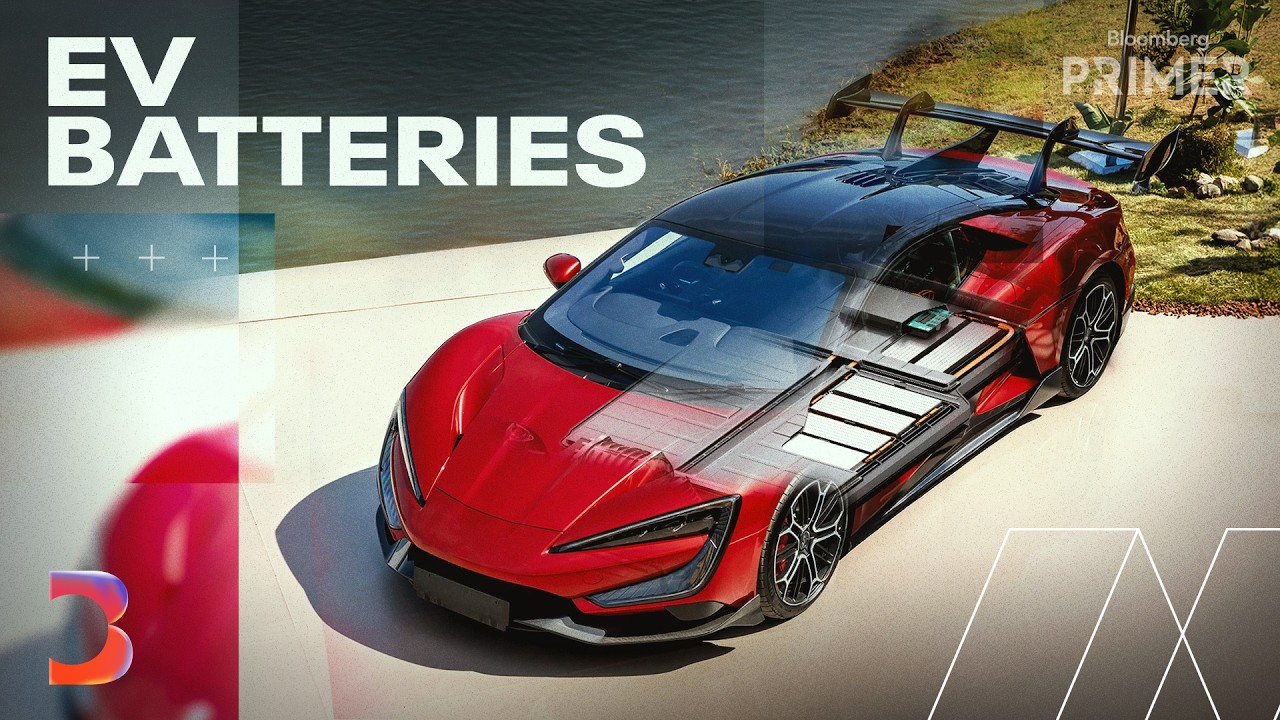
Inside the Effort to Disrupt China’s Grip on EV Batteries | Bloomberg Primer — Bloomberg Originals

Bloomberg Originals

Domestic price wars are driving Chinese battery giants into foreign markets, forcing Western rivals to develop alternative chemistries to eliminate reliance on China's supply chain.

AI-assisted summary of Inside the Effort to Disrupt China’s Grip on EV Batteries | Bloomberg Primer — original source. Check the original for full context.

Source published:

Detailed notes

## Background Published by Bloomberg Originals on YouTube on April 22, 2026, this video report titled "Inside the Effort to Disrupt China’s Grip on EV Batteries" explores how China came to dominate the global electric vehicle supply chain from raw materials to finished cars. The description notes that domestic price wars and overcapacity are driving Chinese manufacturers to expand abroad, while international rivals rush to develop alternative chemistries and independent supply chains to challenge China's monopoly.

## TL;DR The primer traces how lithium-ion technology evolved from powering 1990s camcorders to driving the global electric vehicle market, where state-subsidized Chinese giants currently hold a dominant grip across every supply chain layer. Western competitors like General Motors are attempting to leapfrog this dominance by developing alternative chemistries like LMR, while Chinese firms like Gotion navigate complex geopolitical friction to open facilities in the U.S. Meanwhile, in mature EV markets like Norway, recyclers like Hydrovolt demonstrate the potential and economic hurdles of recovering valuable metals into a circular supply chain. Ultimately, despite policy swings and market fluctuations, mastering battery supply and cost remains the single defining factor for the future of the automotive industry.

## Atmosphere & style The presentation is crisp, authoritative, and fast-paced, blending high-production investigative journalism with cinematic data visuals and on-the-ground industrial reporting. It moves seamlessly between high-level geopolitical analysis and tangible tours of automated battery plants and recycling shredders, creating an engaging narrative of industrial ambition and cutthroat global competition. The dynamic host interplay adds a touch of accessible wit, keeping the tone intellectually rigorous yet visually compelling and grounded.

## Key takeaways - [00:00](https://www.youtube.com/watch?v=uVxltd_Xv5E&t=0s) Driven by Wright's Law, lithium-ion battery production scaling drastically lowered manufacturing costs and boosted energy density, laying the groundwork for the modern electric vehicle revolution. - [00:00](https://www.youtube.com/watch?v=uVxltd_Xv5E&t=0s) China has secured a dominant lead in global battery manufacturing, controlling four of the world's five largest producers as well as the majority of critical chemical refining and component supply chains. - [04:05](https://www.youtube.com/watch?v=uVxltd_Xv5E&t=245s) Decades of deliberate state policy, including early public transit deployment and the 'Made in China 2025' strategy, were foundational to building China's battery ecosystem. - [06:32](https://www.youtube.com/watch?v=uVxltd_Xv5E&t=392s) Chinese battery manufacturers scaled low-cost Lithium Iron Phosphate (LFP) chemistry to offer significantly more affordable EVs compared to Western competitors relying on Nickel Manganese Cobalt (NMC). - [06:32](https://www.youtube.com/watch?v=uVxltd_Xv5E&t=392s) Domestic market saturation and aggressive price wars inside China forced Chinese battery firms to allocate more capital to foreign operations than domestically in 2024 for the first time. - [09:14](https://www.youtube.com/watch?v=uVxltd_Xv5E&t=554s) U.S. automakers like General Motors are developing novel chemistries, such as Lithium Manganese Rich (LMR), to lower material costs, reduce cobalt/nickel reliance, and eliminate Chinese supply inputs by 2028. - [12:52](https://www.youtube.com/watch?v=uVxltd_Xv5E&t=772s) Chinese producers like Gotion are establishing manufacturing plants directly in North America to bypass tariffs and serve local demand, despite facing geopolitical friction and export restriction challenges. - [18:28](https://www.youtube.com/watch?v=uVxltd_Xv5E&t=1108s) Norway's mature EV market has made battery recycling operational, using 'Discharge and Dismount' processes to extract high-value 'black mass' for re-refining back into battery raw materials. - [21:09](https://www.youtube.com/watch?v=uVxltd_Xv5E&t=1269s) The economics of EV battery recycling remain tough due to volatile metal prices and supply chain disruptions, highlighted by the collapse of major European off-taker Northvolt. - [22:29](https://www.youtube.com/watch?v=uVxltd_Xv5E&t=1349s) Despite global policy swings and fragmented regulatory landscapes across the U.S. and Europe, controlling battery supply chains and cost structure remains essential for long-term automaker survival.

## Detailed walkthrough ### [00:00](https://www.youtube.com/watch?v=uVxltd_Xv5E&t=0s) From Camcorders to Cars: The Lithium-Ion Revolution

Three decades ago, an upgrade to the Sony Handycam changed consumer technology forever. It was not the screen, the viewfinder, or the physical tape, but the lithium-ion battery. Lighter and far more powerful than its predecessors, this battery technology quickly became a product that was "selling like hotcakes" as Sony scrambled to insert it into every device imaginable. Under Wright's Law, as production scaled up, manufacturing costs plummeted while battery energy density surged.

By the 2020s, these cost reductions and power improvements catalyzed a second electronic revolution—this time in automotive transport. Electric vehicles became increasingly affordable, driving worldwide adoption around the core realization that driving an EV means "you're not driving a car, you're driving a battery." China quickly seized the global lead in battery manufacturing, housing four of the world's top five battery producers, including BYD, which continually competes with Tesla for global EV sales supremacy. Fierce domestic competition in China has pushed its industrial giants to expand overseas, altering the "chess board of global power" and prompting international competitors to overhaul their own tech and supply chains.

* Wright's Law demonstrates that increased production volume directly lowers manufacturing costs. * Four out of the five largest battery manufacturers in the world are based in China. * China's EV prices are, on average, lower than comparable gas-powered vehicles.

---

[02:58](https://www.youtube.com/watch?v=uVxltd_Xv5E&t=178s) How EV Batteries Work

At its core, driving an electric vehicle relies on converting chemical energy into electrical current through the precise movement of subatomic particles. Inside a lithium-ion battery cell, charged lithium atoms (ions) shuttle back and forth between two key ends. On one side sits the cathode, typically constructed from a refined mixture of specialized metals, while the opposite side houses the anode, which is usually made of graphite.

When the battery powers the vehicle, lithium ions pass directly through an internal liquid electrolyte, while their corresponding electrons are forced to take "the scenic route" across an external circuit. This electron movement generates the steady electric current that allows the vehicle to accelerate quietly. Positioned directly between the cathode and anode is a critical physical component known as the separator, designed strictly to keep the two ends from making direct contact and causing catastrophic failure. Currently, China holds a dominant position across every step of this component supply chain.

---

[04:05](https://www.youtube.com/watch?v=uVxltd_Xv5E&t=245s) Supply Chain Complexities and State Subsidies

The journey of an EV battery is far more intricate than simply extracting raw ore and assembling a cell. As battery research analyst Sam Adham explains, the global market depends on a "very complex interwoven supply chain." Raw lithium is mined from geographically distinct sources, such as the expansive salt flats of Chile or the hard-rock mining operations in Australia. Once extracted, these raw materials are shipped across oceans to specialized refining facilities—mostly concentrated in China—to be converted into battery-grade chemical powders such as lithium carbonate and lithium hydroxide. This intermediate processing step represents a major bottleneck controlled by Chinese refiners.

China's current dominance is also the direct result of deliberate, multi-decade state planning and hundreds of billions of dollars in subsidies. Beginning as early as 2001, the Chinese government targeted advanced technologies as core economic drivers. This strategy culminated in the "Made in China 2025" plan launched in 2015, which elevated batteries, EVs, and robotics to top strategic priorities. Initial deployment began with public transit systems, backed by policy measures including "sticks and carrots"—such as expediting vehicle license plate registration specifically for EV buyers while restricting gas-car permits. This predictable demand environment gave emerging battery makers the confidence to invest heavily for the long haul.

* Raw lithium is extracted primarily from Chilean salt flats and Australian hard-rock mines. * Key refined lithium compounds required for battery production are lithium carbonate and lithium hydroxide. * China's "Made in China 2025" strategy formally designated batteries, EVs, and robotics as high-priority national industries.

---

[06:32](https://www.youtube.com/watch?v=uVxltd_Xv5E&t=392s) LFP vs. NMC: The Battle over Battery Chemistries

Sustained government backing, integrated supply chains, and strong engineering talent enabled Chinese companies to commercialize overlooked battery chemistries. A prime example of this cost advantage is BYD's Seagull, a compact domestic EV with 190 miles of range. In China, consumers can purchase roughly three BYD Seagulls for the price of a single 2026 Nissan Leaf in the U.S. (which offers around 300 miles of range). A key factor driving this price dynamic is the Seagull's reliance on Lithium Iron Phosphate (LFP) chemistry.

While LFP chemistry was originally developed by American researchers, Chinese manufacturers scaled its manufacturing up significantly. Early LFP designs utilized inexpensive, abundant raw materials like iron and phosphorus, but suffered from poor energy density compared to Nickel Manganese Cobalt (NMC) cells. Over time, incremental chemical and structural tweaks gradually raised LFP energy density while reducing costs far faster than NMC alternatives. Modern Chinese LFP cells continue to evolve, with recent iterations claiming recharge times comparable to refueling a conventional gas car. However, intense domestic overcapacity and aggressive local price wars forced Chinese battery firms in 2024 to invest more capital overseas than domestically for the first time.

* The BYD Seagull offers a 190-mile range at approximately one-third the retail price of a 300-mile 2026 Nissan Leaf in the United States. * LFP (Lithium Iron Phosphate) relies on low-cost iron and phosphorus, whereas NMC (Nickel Manganese Cobalt) offers higher energy density at a higher material cost. * Driven by domestic market saturation, 2024 marked the first year Chinese battery firms invested more capital in foreign operations than at home.

---

[09:14](https://www.youtube.com/watch?v=uVxltd_Xv5E&t=554s) General Motors Bets Big on LMR Chemistry

Legacy automakers are actively attempting to challenge China's dominance by pioneering next-generation chemistries. General Motors, which developed the early EV1 electric vehicle back in the 1990s before shutting it down after heavy financial losses, is now backing a novel chemistry designed to leapfrog current technology. Led by battery industry veteran Kurt Kelty—who previously worked at Tesla and has been in the industry since Sony introduced lithium-ion—GM's engineering team is focused on Lithium Manganese Rich (LMR) cathodes.

Kelty describes LMR's specialized active material as containing "added pixie dust" that optimizes performance in heavy vehicles. By elevating manganese content while reducing nickel and virtually eliminating expensive cobalt, GM aims to slash manufacturing costs without sacrificing significant driving range. For instance, while a high-nickel Chevrolet Silverado EV achieves 492 miles of range and an equivalent LFP pack would yield roughly 350 miles, an LMR pack achieves approximately 400 miles. GM aims to commercialize LMR batteries for trucks and SUVs by 2028, alongside a broader push to remove Foreign Entity of Concern (FEOC) inputs—including Chinese supply chains for cathode materials and graphite—by the same year. However, frequent U.S. policy shifts every four to eight years continue to create a challenging environment for long-term supply chain investments.

``` Vehicle Range Comparison (GM Silverado EV test platform): +-------------------------+-------------------+ | Chemistry Type | Estimated Range | +-------------------------+-------------------+ | High-Nickel (NMC) | 492 miles | | Lithium Manganese Rich | ~400 miles | | Lithium Iron Phosphate | ~350 miles | +-------------------------+-------------------+ ```

* GM plans to introduce commercial LMR batteries in its electric trucks and SUVs by 2028. * LMR chemistry significantly reduces nickel reliance and almost entirely removes cobalt from the cathode active material. * GM is actively working to eliminate FEOC (Foreign Entity of Concern) components, specifically Chinese cathode materials and graphite, from its supply chain by 2028.

---

[12:52](https://www.youtube.com/watch?v=uVxltd_Xv5E&t=772s) Gotion's American Expansion and Geopolitical Friction

Founded in Hefei, China in 2006, Gotion has grown into one of the world's largest lithium-ion battery producers. To access new markets and navigate foreign tariffs, Gotion built its first U.S. manufacturing facility in Manteno, Illinois, dedicated to producing LFP cells for both electric vehicles and grid-scale Energy Storage Systems (ESS). Plant director Mark Kreusel oversees the "Generation 7" facility—Gotion's most automated plant globally—which utilizes extensive robotics to ensure product consistency and balance higher U.S. labor costs. The factory operates with an initial workforce of 300 employees, with plans to scale to 750 by the end of 2026.

Despite these investments, cross-border expansion presents substantial geopolitical hurdles. Public pushback regarding Chinese ties and potential environmental impacts led to a temporary hold on Gotion's separate $2.36 billion planned battery material facility in Michigan. Simultaneously, the Chinese government has instituted tighter export controls on advanced LFP manufacturing technologies to prevent foreign rivals from eroding its competitive advantage. Nonetheless, with marketing forecasts projecting over 500 gigawatt-hours (GWh) of battery demand in North America alone, Chinese firms remain strongly motivated to navigate these regulatory and political landscapes.

* Gotion was established in 2006 in Hefei, China, and its Manteno, Illinois plant serves as its flagship U.S. facility. * The Illinois "Generation 7" facility plans to expand its local workforce from 300 to 750 employees by the end of 2026. * Gotion's proposed $2.36 billion battery material plant in Michigan was placed on hold amid local political and environmental opposition. * North American battery demand is conservatively projected to surpass 500 GWh.

---

[18:28](https://www.youtube.com/watch?v=uVxltd_Xv5E&t=1108s) Recycling the Future: Hydrovolt's Black Mass

In Norway, where one out of every three passenger cars on the road is fully electric, battery recycling has become a critical operational necessity. Operating in this mature EV market, recycling firm Hydrovolt processes roughly 200 distinct battery pack models collected from hybrid and electric vehicles. The recycling process begins with a crucial safety protocol called "D&D"—Discharge and Dismount—where stored electrical energy is systematically drained before technicians remove external wiring, electronics, modules, and structural plastics.

Once dismantled, the remaining battery modules enter a heavy-duty mechanical crushing system inside the facility's control room. The modules undergo initial coarse crushing followed by fine shredding, drying, and mechanical sorting. This sequence yields a fine powder known as "black mass," which contains concentrated oxides of valuable metals including lithium, manganese, cobalt, and nickel. Hydrovolt analyzes the exact composition of nickel and cobalt before shipping the black mass to chemical refiners across Europe and South Korea, where the materials are processed back into battery-grade raw inputs to power a circular supply chain.

* In Norway, 33% (1 in 3) of all passenger cars on the road are electric. * Hydrovolt's recycling facility handles roughly 200 different EV and hybrid battery variations. * "D&D" stands for "Discharge and Dismount," representing the initial de-energizing and teardown phase of battery recycling. * Black mass powder is rich in lithium, manganese, cobalt, and nickel oxides, which are resold to refiners in South Korea and Europe.

[21:09](https://www.youtube.com/watch?v=uVxltd_Xv5E&t=1269s) The Economics and Challenges of EV Battery Recycling

Recycling battery materials directly bypasses the troubling human rights records and environmental destruction that have long plagued the global mining industry. However, the overarching challenge now facing the recycling sector is establishing a business model that is actually profitable. Even in Norway, where strict regulations mandate that battery producers and importers pay to have their products recycled, the underlying economics remain extremely tough. The primary byproduct of battery recycling—a metal-rich powder known as "black mass"—is priced at a steep discount relative to raw metal components, leaving recyclers vulnerable to fluctuating commodity markets.

Compounding these economic hurdles is the fact that Europe’s broader battery supply chain has been unexpectedly slow to develop. Hydrovolt was originally launched to supply recycled materials directly to Northvolt, the hyped Swedish battery startup hailed as Europe's best hope for counterbalancing Asian manufacturing dominance. However, Northvolt collapsed into bankruptcy after expanding too quickly and delivering excessive volumes of faulty cells. Despite this setback, Hydrovolt anticipates that as Norway's massive fleet of early-adopted EVs ages off the road, the incoming wave of spent batteries will supply the volume needed to scale up processing operations.

* Regulatory mandates in Norway require battery producers and importers to fund end-of-life recycling operations. * Pricing for black mass remains tied to volatile global metal markets, squeezing recycler margins. * Northvolt's bankruptcy, driven by rapid overexpansion and cell defect issues, severely disrupted the European off-take market for recycled battery materials. * Hydrovolt expects a major surge in supply over the next 10 to 15 years as current Norwegian EVs reach the end of their lifespans.

[22:29](https://www.youtube.com/watch?v=uVxltd_Xv5E&t=1349s) The Fork in the Road for the Global EV Revolution

Looking back at the modest beginnings of early battery chemistry, it is remarkable how much a single, unassuming technological innovation unlocked a future that was once unimaginable. Batteries have already reshaped modern life once, and they possess the capability to do so again as energy storage applications expand to meet global climate goals and drive down energy costs—or, as one host playfully notes, simply "because we like cool devices."

However, the global EV revolution has arrived at a critical fork in the road, with the overall pace of adoption becoming increasingly uneven across global markets. Political and regulatory shifts are reshaping the transition: the U.S. government is betting heavily on "oil rather than ions" to move people and goods, while the European Union has rolled back its strict 2035 ban on new combustion engine vehicles. Yet, despite these short-term policy swings and market fluctuations, the long-term reality remains unchanged: any automotive manufacturer striving to stay globally competitive must produce affordable electric vehicles, and controlling battery cost and supply remains the definitive key to reaching that goal.

* Energy storage technologies are crucial for lowering energy costs and meeting international climate targets. * Adoption momentum has splintered globally, highlighted by political shifts favoring fossil fuels in the U.S. and softened ICE mandates in the EU. * Battery innovation and cost reduction remain the primary factors determining long-term automotive market competitiveness.

## Notable quotes > [00:00](https://www.youtube.com/watch?v=uVxltd_Xv5E&t=0s) selling like hotcakes

> [00:00](https://www.youtube.com/watch?v=uVxltd_Xv5E&t=0s) you're not driving a car, you're driving a battery

> [00:00](https://www.youtube.com/watch?v=uVxltd_Xv5E&t=0s) chess board of global power

> [02:58](https://www.youtube.com/watch?v=uVxltd_Xv5E&t=178s) the scenic route

> [04:05](https://www.youtube.com/watch?v=uVxltd_Xv5E&t=245s) very complex interwoven supply chain — Sam Adham

> [04:05](https://www.youtube.com/watch?v=uVxltd_Xv5E&t=245s) Made in China 2025

> [04:05](https://www.youtube.com/watch?v=uVxltd_Xv5E&t=245s) sticks and carrots

> [09:14](https://www.youtube.com/watch?v=uVxltd_Xv5E&t=554s) added pixie dust — Kurt Kelty

> [09:14](https://www.youtube.com/watch?v=uVxltd_Xv5E&t=554s) Foreign Entity of Concern

> [12:52](https://www.youtube.com/watch?v=uVxltd_Xv5E&t=772s) Generation 7

> [18:28](https://www.youtube.com/watch?v=uVxltd_Xv5E&t=1108s) Discharge and Dismount

> [18:28](https://www.youtube.com/watch?v=uVxltd_Xv5E&t=1108s) black mass

> [22:29](https://www.youtube.com/watch?v=uVxltd_Xv5E&t=1349s) oil rather than ions

> [22:29](https://www.youtube.com/watch?v=uVxltd_Xv5E&t=1349s) because we like cool devices

## Mentioned Sony, Handycam, Wright's Law, Tesla, BYD, Sam Adham, Made in China 2025, Nissan Leaf, BYD Seagull, General Motors, EV1, Kurt Kelty, Chevrolet Silverado EV, Gotion, Mark Kreusel, Hydrovolt, Northvolt, Lithium-ion, Lithium Carbonate, Lithium Hydroxide, Lithium Iron Phosphate (LFP), Nickel Manganese Cobalt (NMC), Lithium Manganese Rich (LMR), China, Chile, Australia, Norway, European Union, United States, Hefei, Manteno, Illinois, Michigan, South Korea, Europe

[Source](https://www.youtube.com/watch?v=uVxltd_Xv5E)

中文简报

通用汽车研发锰基电池以摆脱中国供应链 国内价格战正推动中国电池巨头走向海外市场,迫使西方竞争对手研发替代化学技术以消除对中国供应链的依赖。 本篇入门指南梳理了锂离子技术如何从20世纪90年代为便携式摄像机供电,演变至驱动全球电动汽车市场,而享有国家补贴的中国巨头目前在这一市场的各个供应链层级均占据主导地位。通用汽车等西方竞争对手正试图通过研发LMR(富锂锰基)等替代化学技术来实现弯道超车,而国轩高科等中国企业则在复杂的应对地缘政治摩擦中在美国建厂。与此同时,在挪威等成熟的电动汽车市场,Hydrovolt等回收企业展现了将贵重金属回收纳入循环供应链的潜力和经济阻碍。归根结底,尽管存在政策摇摆和市场波动,掌握电池供应和成本依然是决定汽车行业未来的唯一决定性因素。 在赖特定律的推动下,锂离子电池生产规模的大幅扩张显著降低了制造成本并提升了能量密度,为现代电动汽车革命奠定了基础。 (0:00) 中国在全球电池制造领域确立了主导领先地位,不仅坐拥全球前五大生产商中的四席,还掌控着绝大多数关键化学品精炼及零部件供应链。 (0:00) 数十年深思熟虑的国家政策(包括早期公共交通领域的推广部署和“中国制造2025”战略)为构建中国电池生态系统奠定了基石。 (4:05) 相较于依赖镍锰钴(NMC)三元材料的西方竞争对手,中国电池制造商通过实现低成本磷酸铁锂(LFP)技术的规模化,提供了价格实惠得多的电动汽车。 (6:32) 中国国内市场的饱和与激烈的价格战,迫使中国电池企业在2024年首次将更多资本配置于海外业务而非本土业务。 (6:32)

Reading summary

China's multi-decade industrial planning and integrated supply chains have given it dominance over the global electric vehicle battery market. International rivals and legacy automakers are now attempting to contest that lead through novel chemistries, overseas localization, and closed-loop recycling despite shifting policies and economic headwinds. State Support and Refining Centralization Built China's Advantage (4:05) China's command of the EV battery sector reflects deliberate long-term industrial policy rather than raw resource abundance. Starting as early as 2001 and reinforced through the 2015 "Made in China 2025" initiative, the Chinese government deployed hundreds of billions of dollars in subsidies alongside regulatory incentives like expedited EV license plates and combustion-engine permit curbs. These policies secured early local demand and allowed battery makers to scale down costs in line with Wright's Law. While raw lithium is largely extracted from Australian hard-rock mines and Chilean salt flats, China established a strategic choke point by centralizing the refining infrastructure required to produce battery-grade lithium carbonate and lithium hydroxide. Four of the world's five largest battery manufacturers are now based in China, with domestic EV retail prices running below comparable gas-powered models on average. LFP Commercialization and Legacy Automakers' Chemistry Countermeasures (6:32) Chinese producers gained an edge by refining Lithium Iron Phosphate (LFP) chemistry, an American invention initially sidelined for poor energy density compared to Nickel Manganese Cobalt (NMC). By using cheap iron and phosphorus and continuously improving cell design, Chinese companies achieved aggressive price cuts. BYD's Seagull offers 190 miles of range for roughly one-third the retail price of a 300-mile 2026 Nissan Leaf in the U.S. Amid intense domestic saturation and price wars, Chinese battery makers in 2024 invested more capital abroad than domestically for the first time. To counter this advantage without incurring high costs, General Motors—led by battery industry veteran Kurt Kelty—is backing Lithium Manganese Rich (LMR) chemistry. LMR boosts manganese while sharply curtailing nickel and largely eliminating cobalt. Tested on GM's Silverado EV platform, LMR delivers an estimated 400 miles of range compared to 492 miles on high-nickel cells and 350 miles on LFP. GM plans to commercialize LMR for electric trucks and SUVs by 2028, aiming to excise Foreign Entity of Concern (FEOC) inputs like Chinese cathode active materials and graphite by that same date. Cross-Border Expansion Collides with Geopolitical Barriers (12:52) Chinese battery makers are seeking to maintain growth and bypass trade barriers by setting up foreign plants, targeting an anticipated North American battery demand projected to top 500 gigawatt-hours. Gotion, founded in Hefei in 2006, opened a highly automated "Generation 7" facility in Manteno, Illinois, to manufacture LFP cells for EVs and grid storage, aiming to expand its workforce from 300 to 750 by late 2026. However, localization faces political pushback. Gotion saw its planned $2.36 billion material plant in Michigan put on hold over local environmental and geopolitical concerns. At the same time, Beijing has tightened export controls on advanced LFP manufacturing technologies to prevent overseas competitors from replicating its technical edge, while U.S. political shifts every four to eight years introduce policy volatility for long-term investments. Recycling Infrastructure Confronts Off-Take and Pricing Limits (18:28) Closed-loop recycling offers a potential domestic alternative to mined raw materials and foreign supply reliance. In Norway, where 33% of passenger cars are electric, recycling firm Hydrovolt processes roughly 200 battery pack variations. The company de-energizes and disassembles packs through a Discharge and Dismount protocol, followed by mechanical shredding and sorting to generate "black mass"—a fine powder loaded with lithium, nickel, cobalt, and manganese oxides sold to refiners in Europe and South Korea. Yet the business model remains economically vulnerable. Even with Norwegian rules forcing importers and manufacturers to finance end-of-life recycling, black mass sells at a heavy discount to pure refined metals, tying recycler margins to volatile commodity prices. Regional supply chain fragility was further exposed when battery startup Northvolt filed for bankruptcy due to production defects and overexpansion, wiping out Hydrovolt's intended regional buyer. Hydrovolt anticipates that volume scale will improve over the next 10 to 15 years as Norway's earliest high-volume EV fleets retire. The transition to electric transport faces near-term friction as policy divergence widens, from the European Union softening its planned 2035 combustion-engine ban to U.S. federal support leaning toward fossil fuels. Even so, the global automotive market remains fundamentally tethered to battery cost and supply chain integration, leaving long-term competitiveness dependent on resolving manufacturing scale and mineral access.

精炼阅读摘要

彭博社(Bloomberg Originals)指出,中国依托数十年的国家产业战略与垂直整合的供应链,牢固掌控了全球电动汽车动力电池产业;尽管美欧车企与回收机构试图通过研发新型化学体系、海外建厂及推进闭环回收重塑竞争格局,但地缘政治摩擦、政策摇摆与商业化阻力仍让打破这一垄断充满变数。 国家战略与全链整合奠定中国电池垄断 (4:05) 动力电池的生产依赖一条极其复杂的跨国供应链。开采自智利盐滩与澳大利亚硬岩的锂矿原料,绝大部分被运往中国提炼为电池级碳酸锂与氢氧化锂,中国企业在这一中间加工瓶颈以及正极、石墨负极、隔膜和电解液等核心组件制造上均占据主导地位。根据莱特定律(Wright's Law),产能的扩张促使制造成本大幅下挫并推高能量密度,不仅使全球前五大电池制造商中有四家位于中国,还推动中国本土电动汽车的平均售价低于同级别燃油车。 分析指出,中国的产业优势源于数十年的系统性规划与数千亿美元的政府补贴。中国政府早在2001年便将先进技术确定为核心经济驱动力,并在2015年的“中国制造2025”规划中将动力电池、电动车和机器人升级为最高战略优先级。政策层面通过公共交通示范应用,以及加速纯电汽车上牌、限制燃油车牌照等“胡萝卜加大棒”的调控手段,为宁德时代、比亚迪等电池企业的大规模长期扩产提供了极具确定性的市场需求。 技术路线博弈:磷酸铁锂与富锂锰基竞速 (6:32) 在电池化学体系的竞争中,中国企业成功实现了技术路线的逆袭。磷酸铁锂(LFP)技术虽最初由美国研究人员开发,但中国产业界率先实现了大规模量产。尽管LFP早期在能量密度上落后于三元锂电池(NMC),但中国厂商通过渐进式的化学与物理结构改进弥补了短板,同时保有极高的成本优势。例如搭载LFP电池的比亚迪海鸥续航达190英里,其在中国市场的售价仅相当于一辆美国版2026款日产聆风(续航约300英里)的三分之一,且最新的中国LFP电池声称具备接近燃油车加油的补能速度。 为抗衡这一优势并摆脱对华供应链依赖,通用汽车(GM)正在押注富锂锰基(LMR)正极材料。前特斯拉高管、现任通用电池工程主管Kurt Kelty表示,LMR大幅增加了锰元素比例,在减少镍的同时几乎完全剔除了昂贵的钴。在雪佛兰Silverado EV测试平台上,高镍NMC电池包续航为492英里,等效LFP电池包约为350英里,而LMR电池包可达到约400英里。通用汽车计划在2028年实现LMR电池在皮卡与SUV上的商业化落地,并力争在同年将正极材料与石墨等“受关注外国实体”(FEOC)的中国供应链彻底剥离。 产能出海倒逼中企扩张遭遇地缘政治壁垒 (12:52) 随着国内市场陷入激烈的价格内卷与产能过剩,2024年中国电池企业对外资本投资规模首次超过本土投资。以2006年成立于合肥的国轩高科(Gotion)为例,为开拓新市场并规避关税,该公司在美国伊利诺伊州曼特诺建立了高度自动化的“第七代”示范工厂,生产用于电动车与电网储能系统(ESS)的LFP电芯。厂长Mark Kreusel介绍,工厂依靠大量机器人来抵消美国本土较高的劳动力成本并维持产品一致性,员工规模预计将从初期的300人扩大到2026年底的750人。 然而,跨国扩张面临着日趋严峻的地缘政治与国家安全阻力。国轩高科此前计划投资23.6亿美元在密歇根州兴建的电池材料工厂,因当地民众对其中国背景的政治质疑与环保顾虑被迫搁置。与此同时,中国政府也对先进LFP电池制造技术实施了更严格的出口管制,以防止外国对手削弱其竞争壁垒。尽管如此,鉴于北美市场保守预测将产生超过500吉瓦时(GWh)的电池需求,中资企业仍在持续寻找进入海外市场的途径。 闭环回收的商业化困境与欧洲供应链挫折 (18:28) 在纯电动汽车占比已达三分之一的挪威,电池回收正成为关键产业。回收企业Hydrovolt当前处理着约200种不同车型的电池包,其工艺包含名为“放电与拆卸”(D&D)的安全前处理,随后在控制室内对模组进行多级机械粉碎、干燥与筛分,提炼出富含锂、锰、钴、镍氧化物的细粉末“黑粉”(Black Mass)。这些材料随后被运往韩国和欧洲的精炼厂转化为电池级原料,以绕开传统矿业开采面临的人权争议与生态破坏。 然而,电池回收行业正遭遇盈利难题。即便挪威立法强制要求电池生产商与进口商承担末端回收费用,但由于黑粉的市场价格相比原生金属存在大幅折价,回收商极易受到大宗商品价格波动的冲击。雪上加霜的是,欧洲本土供应链建设滞后,作为Hydrovolt关键下游合作方的瑞典初创明星企业Northvolt因盲目激进扩张与高电芯不良率宣告破产,打乱了欧洲的原料闭环链条。不过Hydrovolt预测,随着挪威早期普及的大批电动车在未来10至15年进入报废期,规模化的废旧电池流入有望改善其经营效益。 彭博社总结认为,全球电动汽车革命已行至分岔路口。美国在政策层面反复出现偏向传统燃油车的摇摆,其四年到八年的政权更迭周期持续给长期供应链投资带来不确定性,而欧盟也已推迟原定2035年全面禁售燃油新车的计划。但不可忽视的长期现实在于,全球车企若想在未来保持核心竞争力并实现气候目标,依然必须造出平价的电动汽车,而攻克电池成本与保障供应链供应,仍是决定竞争成败的最根本钥匙。

Detailed notes — zh

## Background 本期内容由彭博原创(Bloomberg Originals)于 2026 年 5 月 21 日在 YouTube 平台发布,属于《Bloomberg Primer》系列纪录片。视频简介指出,中国牢牢控制着从关键原材料到整车制造的全球电动汽车电池供应链,在国内产能过剩与价格战倒逼企业出海的同时,海外竞争对手正通过开发新电池化学体系及在本土重构供应链发起反击。 ## TL;DR 中国依靠对矿产提炼环节的卡位、工程师红利以及对磷酸铁锂(LFP)路线的深耕,在全球动力电池领域建立了绝对霸权,并正在激烈的国内内卷下大举出海。面对这一局面,通用汽车等传统西方汽车巨头押注富锂锰基(LMR)等全新化学配方以求实现跨越式反超,却深陷北美本土供应链匮乏与美国联邦政策频繁摇摆的泥潭。与此同时,国轩高科等中国电池巨头已携更高阶的自动化产线逆向在美建厂,而以挪威 Hydrovolt 为代表的欧洲电池回收闭环也因 Northvolt 破产等本土工业脆弱性而步履维艰。长远来看,全球车企争夺未来生存权的核心抓手,依然落在谁能率先以极低成本造出大众买得起的平价电池。 ## Atmosphere & style 全片呈现出极具质感的现代商业调查纪录片风格,视听语言兼顾微观化学演示与宏大超级工厂的全景镜头,节奏紧凑而充满张力。镜头在高度自动化的机械臂流水线、轰鸣的电池物理粉碎车间以及一线制造工程师的焦虑讲述间来回切换,直观呈现出西方在制造业流失数十年后重拾工业能力的艰难。整体叙事弥漫着一种清醒、克制却又暗流涌动的现实主义焦灼感,让观众深刻体会到地缘政治脱钩与残酷商业成本规律碰撞下的巨大阵痛。 ## Bulletin - [06:18](https://www.youtube.com/watch?v=uVxltd_Xv5E&t=378s) 全球排名前五的动力电池制造巨头中中国独占四席,且由于国内产能扩张与价格内卷,2024年中国电池企业的海外投资额历史上首次超过了本土投资。 - [04:26](https://www.youtube.com/watch?v=uVxltd_Xv5E&t=266s) 电池关键矿产的提炼加工环节构成了中国最具壁垒的垄断瓶颈,即便锂矿广泛分布于智利与澳大利亚,绝大多数粗料仍须运往中国冶炼为电池级碳酸锂与氢氧化锂。 - [12:28](https://www.youtube.com/watch?v=uVxltd_Xv5E&t=748s) 产业技术流动发生逆转,中国电池龙头国轩高科正向美国伊利诺伊工厂输入其自动化程度最高的“第七代”产线,向经历制造业断代的美国反向输出成熟的磷酸铁锂(LFP)量产工艺。 - [21:17](https://www.youtube.com/watch?v=uVxltd_Xv5E&t=1277s) 欧洲电池闭环生态遭遇重挫,昔日抗衡亚洲垄断的瑞典独角兽 Northvolt 因扩产失控与严重品控良率问题宣告破产,直接冲击了包括挪威 Hydrovolt 在内的上游回收供应链。 ## Key takeaways - [00:07](https://www.youtube.com/watch?v=uVxltd_Xv5E&t=7s) 规模效应遵循莱特定律(Wright's Law),随着产能成倍放大,锂电池能量密度大幅提升且成本骤降,推动中国本土纯电动汽车的平均售价已低于同级别燃油车。 - [02:58](https://www.youtube.com/watch?v=uVxltd_Xv5E&t=178s) 动力电池的真正战略卡点在于中游精炼与化工转化,中国企业控制了全球绝大部分高纯度电池级锂盐、前驱体及电芯四大核心主材的供给。 - [04:26](https://www.youtube.com/watch?v=uVxltd_Xv5E&t=266s) 中国从2001年启动战略引导并于2015年将其列为“中国制造2025”核心产业,通过公交电动化和城市燃油车牌照摇号等确定性政策,为本土电池与整车产业链提供了无后顾之忧的市场土壤。 - [06:18](https://www.youtube.com/watch?v=uVxltd_Xv5E&t=378s) 曾被西方车企因能量密度偏低而轻视的磷酸铁锂(LFP)路线,通过中国供应链的微观改性与结构工程实现逆袭,凭借无贵金属、低成本及超快充能力统治了主流高性价比车型。 - [09:14](https://www.youtube.com/watch?v=uVxltd_Xv5E&t=554s) 通用汽车(GM)押注富锂锰基(LMR)化学体系,试图通过近乎完全剔除昂贵钴元素并在续航与成本间取得折中,计划于2028年实现对现有中国电池技术的跨越式突围。 - [09:14](https://www.youtube.com/watch?v=uVxltd_Xv5E&t=554s) 美国车企在重塑本土供应链时,不仅面临高阶前驱体与负极石墨高度依赖外部采购的现实,还深受每隔四至八年便可能发生180度政策逆转的政治监管风险困扰。 - [12:28](https://www.youtube.com/watch?v=uVxltd_Xv5E&t=748s) 跨国汽车技术合作的历史逻辑彻底颠覆:从20世纪90年代中国推行“50:50股比以市场换技术”,转变为如今西方企业借助中国电池巨头在本土建厂以获取稀缺的量产Know-how。 - [15:28](https://www.youtube.com/watch?v=uVxltd_Xv5E&t=928s) 面对美国远高于中国的劳动力成本,国轩高科在美工厂跳级引入全球自动化程度最高的“第七代”产线,依靠密集工业机器人降低人工开支并保证严苛的生产公差。 - [15:28](https://www.youtube.com/watch?v=uVxltd_Xv5E&t=928s) 电池产业链的出海扩张伴随着激烈的地缘政治反弹,如国轩高科密歇根材料工厂遭遇民意阻力搁置;同时中国政府也加强了关键三电专利与生产设备的出口管制。 - [18:05](https://www.youtube.com/watch?v=uVxltd_Xv5E&t=1085s) 挪威凭借道路上每三辆汽车就有一辆是电动车的极高普及率成为电池回收的前沿试验场,Hydrovolt 通过深度放电与多级破碎物理分离出富含锂镍钴锰的“黑粉(Black Mass)”。 - [21:17](https://www.youtube.com/watch?v=uVxltd_Xv5E&t=1277s) 动力电池物理回收面临严苛的商业盈利挑战,产出的黑粉需锚定波动剧烈的大宗金属现货价格折价出售,且严重依赖下游湿法冶炼配套的工业消纳能力。 - [21:17](https://www.youtube.com/watch?v=uVxltd_Xv5E&t=1277s) 被欧洲寄予厚望的电池旗舰企业 Northvolt 因盲目超速扩张与产线良品率过低而轰然破产,给欧洲构建独立自主电池生态的努力造成了沉重打击。 - [22:29](https://www.youtube.com/watch?v=uVxltd_Xv5E&t=1349s) 尽管欧美多国在碳减排政策与燃油车禁售时间表上出现阶段性摇摆与推迟,但全球车企未来的生存根基依然取决于能否推出大众买得起的平价电动车,电池仍是终极决胜枢纽。 ## Detailed walkthrough ### [00:07](https://www.youtube.com/watch?v=uVxltd_Xv5E&t=7s) 锂电池的技术跃进与中国的主导地位 大约三十年前,索尼(Sony)推出的一款 Handycam 便携摄像机迎来了一项改变世界的技术升级。这项突破既非屏幕也非取景器,而是其内置的锂离子电池。相比以往的电池技术,锂电池重量更轻、储能更强,迅速在消费电子领域掀起了一场颠覆性风暴。当时索尼手握这款热销产品,渴望将其推广应用到旗下几乎所有的电子设备中。随着生产规模的持续扩大,莱特定律(Wright's Law)所描述的规律显现无遗——制造规模越大,单品成本就越低;电池的成本一路下滑,蕴含的能量密度却节节攀升。 步入 2020 年代,电池在功率与成本上的巨大突破,将这场电子革命从随身数码延伸到了汽车工业,让电动汽车(EV)变得愈发经济实惠,从而在全球范围内加速普及。业内常有一句行话:“你开的其实不是一辆车,而是一块电池。”而在当今的电池舞台上,中国已经确立了无可置疑的领跑地位。全球前五大电池制造商中有四家来自中国,其中比亚迪(BYD)更是在全球最大电动汽车制造商的宝座上与特斯拉展开了多年的拉锯争夺。伴随国内激烈的竞争与产能,中国车企正大举进军海外;尽管美欧等主要市场筑起贸易壁垒,但诸多新兴市场已张开双臂接纳了性价比极高的中国电动车。正如行业观察人士戏称的那样,这种局面“正在打乱全球权力的棋局(upsetting the chess board of global power)”。 - 生产规模效应遵循莱特定律(Wright's Law),产量每增加一倍,生产成本就会呈现出可预测的比例下降。 - 全球排名前五的动力电池制造巨头中,中国企业独占四席。 - 中国电动汽车的平均售价目前已低于同级别的燃油车。 ### [02:58](https://www.youtube.com/watch?v=uVxltd_Xv5E&t=178s) 电池工作原理解构与中国供应链的全面掌控 从微观物理层面来看,驱动电动汽车前行的核心动力源自微小电子的定向移动,这套精妙的化学系统能够稳定地将化学能转化为电能。锂离子电池内部呈现精密的多层结构:一侧是由特殊金属化合物制成的正极(Cathode),另一侧则是通常采用石墨材料的负极(Anode)。在车辆行驶过程中,带电的锂离子在正负两极之间穿梭,而剥离出的电子则被迫经由外电路流动,从而形成电流并驱动电机平稳而安静地输出动力。在正负极之间,隔膜(Separator)起到了至关重要的阻隔作用,防止两极直接接触引发短路甚至燃爆,而充满其中的液态电解液(Electrolyte)则为锂离子的穿梭提供了媒介通道。 然而令全球汽车产业警惕的现实在于,中国几乎卡死了上述每一个核心部件的市场命脉。彭博行业研究分析师萨姆·阿德姆(Sam Adham)指出,公众常常存在一种误解,以为制造电池不过是从地下挖出原材料然后拼装在一起。但实际上,动力电池是一个高度复杂且环环相扣的精密供应链网络,从矿石开采到材料提纯,其技术壁垒与产业纵深远超外界想象。 ```mermaid flowchart TD accTitle: 动力电池制造与供应链流程图 accDescr: 展示从上游矿石开采、中游提纯加工、电芯四大主材组装到下游终端应用的完整产业链结构。 subgraph Mining["1. 上游采矿 (全球分布)"] A["智利盐湖 / 澳大利亚硬岩矿 (锂)"] B["其他关键金属矿产 (镍/钴/锰/石墨)"] end subgraph Refining["2. 中游提纯与化工转化 (中国垄断)"] C["碳酸锂 / 氢氧化锂加工"] D["精细化工粉末与前驱体"] end subgraph Components["3. 核心电芯四大主材"] E["正极材料 (LFP / NMC)"] F["负极材料 (天然/人造石墨)"] G["隔膜 (微孔聚烯烃膜)"] H["电解液 (锂盐与溶剂)"] end subgraph Assembly["4. 下游模组与终端集成"] I["电芯制造 (Cell)"] J["电池包与系统 (Pack/BESS)"] K["终端应用 (智能手机 / 电动汽车 / 电网储能)"] end A --> C B --> D C --> E D --> E D --> F D --> G D --> H E & F & G & H --> I I --> J J --> K ``` ### [04:26](https://www.youtube.com/watch?v=uVxltd_Xv5E&t=266s) 提炼瓶颈与“中国制造2025”的国家战略推力 以核心金属锂为例,锂资源虽然广泛分布于智利的盐湖以及澳大利亚的硬岩矿山中,但在矿企开采出原矿石或盐水原料后,这些粗料绝大多数都要被海运至位于中国的冶炼加工厂,转化为具有电池级化学纯度的碳酸锂与氢氧化锂。正是这一精炼加工环节,构成了中国在全球电池工业中最强大的产业瓶颈。随后,这些加工后的化学粉末被制成电芯,并进一步成组装配成电池模组或电池包,最终流向智能手机、电动汽车以及电网级的大型储能系统(BESS)。 除了对提炼加工环节的战略卡位,中国政府在过去数十年间向电动汽车产业链注入了数千亿美元的资金支持。早在 2001 年,中国便将动力电池及尖端科技确定为未来经济转型的关键驱动引擎;而在 2015 年推出的“中国制造2025”国家规划中,动力电池更与电动汽车、机器人并列为核心战略优先事项。在政策推行过程中,政府巧妙地结合了“胡萝卜与大棒”策略:最早从公共交通系统切入推行公交电动化,在消费端则利用严苛的大城市燃油车牌照摇号机制倒逼消费者——燃油车牌照一号难求,而购买电动车即可快速上牌。这种长期且具有高度确定性的国家意志与政策环境,为本土电池与整车企业消除了后顾之忧,使其坚信只要扩大产能,市场需求就必然存在。 - 锂原料的核心形态:原矿需提炼为高纯度的碳酸锂(Lithium Carbonate)或氢氧化锂(Lithium Hydroxide)。 - 政策节点:2001年启动专项引导,2015年通过“中国制造2025”将动力电池上升为国家最高战略产业之一。 - 市场培育路径:率先推进城市公共巴士全面电动化,并在大城市对私家车牌照实行倾斜配额。 ### [06:18](https://www.youtube.com/watch?v=uVxltd_Xv5E&t=378s) 电池化学演进:被忽视的磷酸铁锂(LFP)逆袭之路 依靠全产业链的垂直整合优势以及规模庞大的工程师红利,中国企业成功盘活了一条曾被西方主流汽车界轻视的电池化学路线——磷酸铁锂(LFP)。这种成本优势在具体车型对比中极为悬殊:在中国市场,比亚迪海鸥(BYD Seagull)售价极度亲民,虽然续航仅约 190 英里;而在美国市场,即便是最平价的入门级纯电车型之一(如 2026 款日产聆风 Nissan Leaf,续航约 300 英里),其单台售价在中国足以买下整整三台比亚迪海鸥。造成巨大价差的核心根源,正是电池技术路线的选择。 磷酸铁锂技术最初虽由美国科学家研发,但最终却由中国产业链实现了真正的产业化与规模放大。早期 LFP 因使用价格低廉的铁和磷,能量密度明显逊色于欧美车企偏爱的三元锂电池(镍锰钴,即 NMC)。然而,中国材料学家与工程师通过对电池化学体系微观改性与空间结构设计的连年迭代,使 LFP 的能量密度持续稳步爬升。由于研发与应用主阵地高度聚集在中国,LFP 电池成本的下降速度远快于 NMC 体系。如今,中国本土生产的大多数电动车均由 LFP 驱动,且最新的 LFP 技术已能够实现接近燃油车加注燃油速度的超快充能力。然而,极度的产能扩张与激烈的国内价格战,也使得中国动力电池行业在 2024 年首次出现“对外投资总额超过国内本土投资”的历史性拐点。 | 特性对比 | 磷酸铁锂电池(LFP) | 三元锂电池(NMC) | |:--- |:--- |:--- | | **主要正极金属元素** | 铁(Fe)、磷(P) | 镍(Ni)、锰(Mn)、钴(Co) | | **原材料成本** | 低(原料储量丰富且无贵金属) | 高(依赖昂贵且供应敏感的钴和镍) | | **能量密度表现** | 中等(经结构工程改进后已能满足主流需求) | 高(单次充电续航里程优势显著) | | **产业主导力量** | 中国供应链占据绝对主导 | 日韩及欧美传统整车厂较多采用 | | **典型应用车型** | 比亚迪海鸥(BYD Seagull)等高性价比车型 | 追求长续航的高端电动乘用车与皮卡 | ### [09:14](https://www.youtube.com/watch?v=uVxltd_Xv5E&t=554s) 通用汽车的突围:押注富锰锂(LMR)与摆脱对外依赖 面对中国在动力电池领域的全面统治,海外传统汽车巨头与初创公司正试图通过全新化学体系实现技术跨越。始创于 1908 年的通用汽车(General Motors, GM)曾是燃油内燃机时代的领航者,早在 1990 年代就曾推出过划时代的 EV1 电动汽车,但该项目终因巨额亏损而惨遭腰斩。如今,由特斯拉前电池研发老将库尔特·凯尔蒂(Kurt Kelty)领衔的通用电池团队,将反超的希望寄托在一项名为“富锂锰基”(Lithium Manganese Rich, 简称 LMR)的全新阴极活性材料上。凯尔蒂信心满满地表示,通用正在打造的这一化学体系将极具竞争力,旨在对中国现有电池技术实现“跨越式超越(leapfrogging)”。 所谓的研发“独家配方(pixie dust)”,本质是通过大幅提升锰的配比、压低镍含量,并几乎完全剔除昂贵且涉及伦理争议的钴,从而在成本与性能之间找到绝佳平衡。以雪佛兰 Silverado 电动皮卡为例:搭载高镍三元电池的续航可达 492 英里,若换成普通的 LFP 电池则会跌至约 350 英里,而采用富锂锰基(LMR)电池后,续航能够稳定在约 400 英里左右,既有效控制了造价又保障了充足的实用里程。通用计划在 2028 年将 LMR 商业化应用于旗下全尺寸 SUV 与皮卡车型上。 然而,技术研发之外更严峻的挑战在于地缘供应链重构。通用汽车在过去数年中斥资数十亿美元,试图在北美本土构建电池闭环生态,以摆脱对“受关注外国实体”(FEOC,主要指代中国)的供应链依赖。但正极高阶前驱体以及负极石墨材料的去中国化难度极大。与此同时,美国国内动荡的产业政策更让企业苦不堪言:白宫政权每隔四年至八年便可能发生 180 度大转弯,前一任政府大举通过补贴鼓励电动化,后一届政府可能立刻对巨额资金补贴提出严厉质疑与阻挠。面对瞬息万变的监管政策与中国坚实的产业护城河,美国传统车企想要打破垄断,无疑正面临着一场极为艰难的持久逆风战。 - 通用汽车(GM)核心规划:计划于 2028 年实现 LMR 电池商业化落地,并力争在同年将核心电池供应链移出中国。 - Silverado 纯电皮卡理论续航差异:高镍 NMC 电池约 492 英里;富锰锂 LMR 电池约 400 英里;磷酸铁锂 LFP 电池约 350 英里。 - 关键阻碍因素:阴极与石墨负极供应链高度依赖中国外包,叠加美国联邦政策频繁转向对巨额资本开支造成的巨大消耗。 ### [12:28](https://www.youtube.com/watch?v=uVxltd_Xv5E&t=748s) 中国电池巨头逆向出海:国轩高科的伊利诺伊工厂与技术反哺 电池化学体系的选择就像是在挑选“冰淇淋口味”,每家企业都在尝试不同的配方组合,以寻找综合性能与成本的最佳平衡点。然而,这种技术探索不仅需要经历无数次的试错,还需要耗费庞大的资金。与此同时,中国电池制造商已经凭借成熟的工业体系向全球大举扩张,甚至直接挺进了美国本土。2006 年创立于中国合肥的国轩高科(Gotion High-Tech)如今已成长为全球最大的锂离子电池制造商之一。该企业在美国的首座制造基地落户于伊利诺伊州曼特诺(Manteno),专门生产磷酸铁锂(LFP)电池,产品将同时供应电动汽车市场以及用于调节电网的储能系统(ESS)。 国轩高科在美国建厂的举动,正在彻底改写一段长达半个世纪的传统工业叙事。过去几十年里,美国制造业逐渐生锈,许多关键技术和生产经验因长期的外包策略而流失殆尽。在冷清了近五十年后,如果要从零开始重新建立本土制造能力,过程极其艰难,绝非简单地“复制和粘贴”。回溯至 20 世纪 90 年代,中国曾实施要求外资车企必须与本土企业组建合资公司的“50:50 股比政策”;外企由此开拓了中国庞大的消费市场,而中国本土产业则获得了至关重要的技术外溢(knowledge spillover)。如今局势完全逆转,国际合作成为了西方在短期内具备成本效益造出电池的重要途径——通过直接与中国企业合作来获取工业技术。 国轩高科伊利诺伊工厂计划将员工规模从早期的 300 人逐步扩建至 2026 年底的 750 人。负责推进该厂区落地的是拥有数十年制造经验的资深主管马克·克罗伊泽尔(Mark Kreusel)。他自 23 岁起便投身制造业,深感美国制造业在过去这些年里被时代远远甩在了身后。对他而言,将此类先进电池制造工艺重新引入美国,是阻止本土制造技术进一步被淘汰的关键契机。 - **核心生产技术**:专注于磷酸铁锂(LFP)电池电芯与模组,供应乘用电动车及电网侧储能系统(ESS)。 - **产业反向落地**:从 90 年代中国合资换技术,转变为当今美国依赖中国电池龙头输入制造工艺与量产 Know-how。 - **就业与团队规模**:伊利诺伊州曼特诺工厂初期团队为 300 人,目标于 2026 年底扩增至 750 人。 --- ### [15:28](https://www.youtube.com/watch?v=uVxltd_Xv5E&t=928s) 第七代高自动化生产、地缘政治阻力与中美经济镜像 高度自动化构成了国轩高科美国超级工厂的核心竞争力。由于美国本土的劳动力成本远高于中国,工厂必须依靠大量工业机器人来实现更高的生产效率。国轩高科直接将该工厂设计为其全球自动化程度最高的“第七代”(Generation 7)产线,相比之下中国本土成熟厂区普遍采用的是第六代(Generation 6)产线。通过这套高精密自动化设备,厂方不仅大幅削减了人工成本压力,更获得了高度一致的产品质量与生产公差控制。 然而,中国企业的出海之路绝非一帆风顺。尽管设厂是为了贴近北美客户并规避贸易保护主义关税,但地缘政治摩擦与本土反弹始终如影随形。例如在密歇根州,大批当地民众针对国轩高科拟投资 23.6 亿美元的电池正负极材料工厂举行集会抗议,表达对中国背景的戒心以及对潜在环境影响的担忧,导致该项目暂时陷入搁置状态。与此同时,这种防备心理并非单向:中国政府同样收紧了对锂电产业链关键技术与设备环节的出口管制,防止核心三电专利与工艺过快外流至欧美,进而削弱自身的产业壁垒。 从宏观经济结构来看,中美两国就像彼此的一张“底片”(photo negative):美国经济严重依赖国内消费拉动;中国经济则由高强度的生产性投资、先进研发与规模化产能驱动。中国在国内建立了庞大的动力电池与整车产能,在国内激烈价格战与产能过剩的背景下,企业必须走向全球市场以维持产能利用率并保障国内就业。尽管政策风向存在极大的不确定性,但市场研究保守预测,仅北美地区未来的电池需求就将突破 500 GWh,如此庞大的市场真空让任何具备全球野心的电池巨头都无法放弃。 - **生产线代差对比**:美国工厂直接跳级配置“第七代”全自动化产线,自动化收益在劳动力成本偏高的美国市场更为显著。 - **密歇根投资受阻**:规划投资额达 23.6 亿美元的电池材料工厂因地缘舆论反弹与环保抗议而暂缓推进。 - **市场需求体量**:保守商业预测显示,仅北美市场的电池总需求规模就超过 500 GWh。 --- ### [18:05](https://www.youtube.com/watch?v=uVxltd_Xv5E&t=1085s) 挪威 Hydrovolt 电池回收:告别开采,从废旧电池中提炼“黑粉” 随着全球电池需求的井喷,上游核心矿物资源的开采与消耗也达到了前所未有的峰值。如果不想在全球各地大肆开矿,建立闭环循环经济就成了唯一的解法。在挪威,路上行驶的乘用车中每三辆就有一辆是纯电动车,极高的电动化渗透率使其成为了全球废旧电池回收最理想的天然试验场。坐落于此的电池回收企业 Hydrovolt,正在将退役动力电池转化为制造新电池所需的关键战略原材料。 进入回收工厂的动力电池五花八门,涵盖了从小型混合动力电池包到重型纯电电池模块的各类规格,状态也从崭新完好到严重腐蚀各不相同。Hydrovolt 针对多达 200 种不同架构的电池包定制了针对性的处理方案。整个流水线始于被称为“D&D”的关键环节——即放电(Discharge)与拆解(Dismantle)。 ```mermaid flowchart TD accTitle: Hydrovolt 动力电池物理回收流水线流程 accDescr: 展现从废旧动力电池放电、拆解、多级破碎到产出黑粉并运往精炼厂的完整工艺链路。 subgraph Pre["预处理阶段"] A["退役电池进厂<br/>(涵盖 200 种规格)"] --> B["安全深度放电<br/>(6座专用放电工位)"] B --> C["物理拆解<br/>(分离外壳、电缆、电路板与塑料)"] end subgraph Crushing["多级机械破碎与分选"] C --> D["中央控制室监控"] D --> E["一级粗破碎机"] E --> F["二级细粉碎与干燥分选"] end subgraph Refining["下游精炼与循环"] F --> G["产出高纯度黑粉 Black Mass<br/>(含镍、钴、锂、锰氧化物)"] G --> H["湿法冶炼精炼厂<br/>(韩国与欧洲化学品公司)"] H --> I["电池级正极前驱体<br/>(闭环回流新电池制造)"] end ``` 在中央控制室的监控下,拆除了电线外壳与电子元件的电池芯模组被投入工业粉碎机,经历粗破碎与细粉碎两道物理研磨,再经过干燥与筛分,最终提炼成极细的黑色粉末——“黑粉”(Black Mass)。黑粉中高度富集了锂、锰、钴、镍等高价值重金属氧化物。技术人员会在现场检测黑粉成分,核心指标是回收价值最高的镍与钴含量,以便向下游买家明码标价。这些黑粉随后被运往韩国和欧洲的化学品精炼企业,通过湿法冶金提炼成电池级正极原料,不仅彻底规避了传统采矿业饱受诟病的人权争议与生态破坏,也让稀有金属在闭环经济中持续循环。 - **挪威市场基数**:道路上每三辆汽车就有一辆是电动汽车,率先迎来了大规模退役动力电池潮。 - **D&D 安全工序**:工厂设立 6 座专用放电工位,确保高压动力电池在物理拆解与粉碎前完全释能,防止起火爆炸。 - **黑粉(Black Mass)价值**:集成了锂、镍、钴、锰氧化物的高纯度重金属混合粉末,以镍和钴为核心定价锚点。 --- ### [21:17](https://www.youtube.com/watch?v=uVxltd_Xv5E&t=1277s) 欧洲电池产业的阵痛:Northvolt 破产与回收盈利难题 尽管物理回收技术已被验证,但如何让这项业务在商业上实现持续盈利,仍然是整个行业面临的残酷考验。挪威法律虽然硬性要求电池生产商与汽车进口商必须支付电池报废回收费,但回收企业的实际利润空间依然十分微薄。黑粉的交易价格直接与大宗金属市场的原料价格挂钩并打折出售,而全球金属原材料价格的剧烈波动极易侵蚀利润。雪上加霜的是,欧洲本土的动力电池供应链培育速度极其迟缓,缺乏稳定消化黑粉的下游工业承接体系。 这一困境在欧洲电池冠军企业 Northvolt 的陨落中展现得淋漓尽致。Hydrovolt 最初成立时的核心使命之一,正是为这家被寄予厚望的瑞典独角兽提供回收闭环原料,当时欧洲各界普遍将 Northvolt 视作抗衡亚洲电池霸权的最有力武器。然而,Northvolt 陷入了盲目超速扩张的泥潭,产线良品率低下且交付了大量缺陷电池,最终轰然倒闭破产。核心客户的猝死给整个欧洲闭环生态带来了巨大的震荡。尽管如此,Hydrovolt 管理层依然对长期前景持乐观态度,他们认为产业正处于黎明前夜;随着挪威及欧洲庞大的现役电动车在未来 10 至 15 年内成批进入报废期,原料供应规模的爆发式增长将助推回收企业最终实现规模效益。 - **商业模式痛点**:黑粉依据现货金属价格折价交易,大宗商品价格剧烈震荡直接冲击回收端利润。 - **欧洲旗手猝死**:瑞典初创巨头 Northvolt 因盲目盲目扩张、良率过低及供应缺陷电芯最终走向破产,重创欧洲本土产业链。 - **长期供应预期**:存量电动汽车生命周期一般为 10 到 15 年,挪威第一波真正意义上的电池报废洪峰即将来临。 --- ### [22:29](https://www.youtube.com/watch?v=uVxltd_Xv5E&t=1349s) 能源转型的十字路口:政策反复与电池决定权 回望动力电池的发展史,这项起初毫不起眼的技术不仅改变了消费电子的面貌,更以前所未有的深度重构了全球能源与出行版图。今天,电池的应用场景不仅在横向爆发,各领域对其性能与安全的要求也在纵向加深——这既是为了满足全球严苛的碳减排气候目标,也是为了大幅拉低社会的综合用能成本,同时还能满足消费者对高科技硬件产品的偏好。 向零排放汽车转型的长期大方向已不可逆转,但这场电动化革命的推进节奏正遭遇阶段性的分流与颠簸: - **美国政策摇摆**:政权更迭与政策转向使得美国政府在大规模资源分配上重新向石油化石能源倾斜,放缓了对“离子技术”的全方位押注。 - **欧盟放宽期限**:迫于汽车工业成本压力与转型阵痛,欧盟内部也出现妥协,原本定于 2035 年全面禁售燃油车的激进禁令被逐步推迟或做出豁免妥协。 然而,短期内的政治博弈与政策倒退无法改变汽车工业底层的商业竞争逻辑:长远来看,全球任何一家跨国车企如果想要在未来汽车市场保有一席之地,就必须制造出大众消费者买得起的平价电动车(affordable EVs)。而攻克这一终极商业目标的唯一密钥,依然牢牢掌握在动力电池的技术革新与成本控制之中。 ## Notable quotes > [00:07](https://www.youtube.com/watch?v=uVxltd_Xv5E&t=7s) 你开的其实不是一辆车,而是一块电池。 > [00:07](https://www.youtube.com/watch?v=uVxltd_Xv5E&t=7s) 正在打乱全球权力的棋局(upsetting the chess board of global power) — 行业观察人士 > [02:58](https://www.youtube.com/watch?v=uVxltd_Xv5E&t=178s) 公众常常存在一种误解,以为制造电池不过是从地下挖出原材料然后拼装在一起。 — Sam Adham > [09:14](https://www.youtube.com/watch?v=uVxltd_Xv5E&t=554s) 跨越式超越(leapfrogging) — Kurt Kelty > [09:14](https://www.youtube.com/watch?v=uVxltd_Xv5E&t=554s) 独家配方(pixie dust) — Kurt Kelty > [12:28](https://www.youtube.com/watch?v=uVxltd_Xv5E&t=748s) 冷清了近五十年后,如果要从零开始重新建立本土制造能力,过程极其艰难,绝非简单地“复制和粘贴”。 > [12:28](https://www.youtube.com/watch?v=uVxltd_Xv5E&t=748s) 电池化学体系的选择就像是在挑选“冰淇淋口味”,每家企业都在尝试不同的配方组合,以寻找综合性能与成本的最佳平衡点。 > [15:28](https://www.youtube.com/watch?v=uVxltd_Xv5E&t=928s) 中美两国就像彼此的一张“底片”(photo negative):美国经济严重依赖国内消费拉动;中国经济则由高强度的生产性投资、先进研发与规模化产能驱动。 ## Mentioned 索尼(Sony), Handycam, 莱特定律(Wright's Law), 比亚迪(BYD), 特斯拉(Tesla), 萨姆·阿德姆(Sam Adham), 彭博行业研究(Bloomberg Intelligence), 中国制造2025, 比亚迪海鸥(BYD Seagull), 日产聆风(Nissan Leaf), 通用汽车(General Motors / GM), EV1, 库尔特·凯尔蒂(Kurt Kelty), 雪佛兰 Silverado EV, 国轩高科(Gotion High-Tech), 马克·克罗伊泽尔(Mark Kreusel), Hydrovolt, Northvolt ## Video description China controls much of the global electric vehicle battery supply chain—from raw materials to finished cars. Now, domestic overcapacity and price wars are pushing its companies to expand overseas. At the same time, rivals are racing to compete, developing new battery chemistries and building supply chains outside China in a bid to challenge its dominance. 0:00 Intro 2:05 China’s Battery Dominance 4:05 How EV Batteries Work 6:30 The Battery Supply Chain 9:00 General Motors 12:40 Chinese Battery Maker Gotion 18:00 Battery Recycling With Hydrovolt 20:30 The Future of EV Batteries 23:33 Credits Watch more: https://www.youtube.com/show/VLPLqq4LnWs3olWuFFpsiq0cFkGs7WMb6MtA?sbp=QAE%3D Bloomberg Primer cuts through the complex jargon to reveal the business behind technologies poised to transform global markets. This six-part, planet-spanning series offers a comprehensive look at the "impossible" industries vying to shape our future. #EVs #Batteries #Tech -------- Like this video? Subscribe: http://www.youtube.com/Bloomberg?sub_confirmation=1 Get unlimited access to Bloomberg.com for just $1.99 your first month: https://www.bloomberg.com/subscriptions?in_source=YoutubeOriginals Bloomberg Originals offers bold takes for curious minds on today’s biggest topics. Hosted by experts covering stories you haven’t seen and viewpoints you haven’t heard, you’ll discover cinematic, data-led shows that investigate the intersection of business and culture. Exploring every angle of climate change, technology, finance, sports and beyond, Bloomberg Originals is business as you’ve never seen it. Subscribe for business news, but not as you've known it: exclusive interviews, fascinating profiles, data-driven analysis, and the latest in tech innovation from around the world. Visit our partner channel Bloomberg News for global news and insight in an instant. [Source](https://www.youtube.com/watch?v=uVxltd_Xv5E)

Source quotes

[0:07] 你开的其实不是一辆车,而是一块电池。 [0:07] 行业观察人士: 正在打乱全球权力的棋局(upsetting the chess board of global power) [2:58] Sam Adham: 公众常常存在一种误解,以为制造电池不过是从地下挖出原材料然后拼装在一起。 [9:14] Kurt Kelty: 跨越式超越(leapfrogging) [9:14] Kurt Kelty: 独家配方(pixie dust) [12:28] 冷清了近五十年后,如果要从零开始重新建立本土制造能力,过程极其艰难,绝非简单地“复制和粘贴”。 [12:28] 电池化学体系的选择就像是在挑选“冰淇淋口味”,每家企业都在尝试不同的配方组合,以寻找综合性能与成本的最佳平衡点。 [15:28] 中美两国就像彼此的一张“底片”(photo negative):美国经济严重依赖国内消费拉动;中国经济则由高强度的生产性投资、先进研发与规模化产能驱动。

Source quotes

[0:00] selling like hotcakes [0:00] you're not driving a car, you're driving a battery [0:00] chess board of global power [2:58] the scenic route [4:05] Sam Adham: very complex interwoven supply chain [4:05] Made in China 2025 [4:05] sticks and carrots [9:14] Kurt Kelty: added pixie dust [9:14] Foreign Entity of Concern [12:52] Generation 7 [18:28] Discharge and Dismount [18:28] black mass [22:29] oil rather than ions [22:29] because we like cool devices

Original transcript

[0:07] - This is a Sony Handycam [0:09] and about three decades ago, it featured an upgrade [0:12] that changed the world. [0:14] It wasn't the screen or the viewfinder, [0:17] and it didn't replace this thing. [0:21] It was the battery. [0:24] The lithium ion battery to be exact, [0:27] which was lighter and more powerful. [0:29] And it was about to set off a massive change in [0:32] consumer technology. [0:37] - Suddenly Sony had in its hand this product [0:40] that was selling like hotcakes that it wanted [0:43] to put not just in the one camcorder, [0:45] but in every device it could find. [0:55] - Over time, the price of batteries went down [0:58] and the power they packed went up. [1:00] - And what we know from Wright's Law is [1:02] that the more you make something, [1:04] the cheaper you can make it. [1:07] - Fast forward to the 2020s and batteries had improved [1:09] in power and cost so much [1:11] that they helped kick off another electronic revolution [1:15] this time in automobiles. [1:18] Now, just like with consumer electronics, [1:21] batteries are helping make EVs more affordable, [1:24] driving adoption around the world. [1:26] - You're not driving a car, you're driving a battery. [1:28] And China right now is the leader in batteries. [1:32] - China's EVs are already cheaper on average than similar [1:36] gas cars, and it's no surprise that 4 of the top 5 [1:39] of the top 5 battery makers in the world are located here. [1:43] Also, one of them BYD, has been jockeying with Tesla for [1:47] years for the title of the world's biggest EV maker. [1:50] All that success means lots of competition at home, [1:53] propelling China to look outward for expansion. [1:57] And while some big markets like the US [1:58] and the EU have resisted China's cheaper EVs, [2:02] many emerging markets have brought them in. [2:05] - They're kind of upsetting the chess board of global power. [2:10] No pun intended. [2:12] Sorry. [2:14] - That's okay. I love a pun. [2:16] China's dominance in global lithium ion has sparked [2:20] companies worldwide to recharge [2:22] their own efforts in battery technology, [2:24] from new chemistry to production techniques in an effort [2:27] to disrupt the status quo. [2:30] And with great power comes well, [2:33] a great opportunity for profit. [2:38] - It sounds like the distant thunder, [2:42] feels like the sound of money [2:58] - When you drive an electric vehicle, [3:00] that car is powered by the movement of teeny tiny electrons, [3:03] a clever bit of science that converts [3:05] chemical energy to electricity. [3:08] Inside a lithium ion battery is a system [3:10] built of layers. [3:12] The cathode is on one side, often made up of [3:15] a special combo of metals. [3:17] And then there's the anode on the other side, [3:20] usually made of graphite. [3:23] In an EV battery, charged lithium atoms called ions move [3:27] from one end to the other, and their electrons take [3:30] the scenic route through an external circuit. [3:32] Creating the flow of electricity [3:34] that makes the car go *VROOM!* [3:37] ...quietly. [3:40] Between them is the all-important separator. [3:42] 'cause of the two ends touch. [3:49] Well, you get the picture. [3:51] And the batteries are filled with a liquid electrolyte, [3:54] which helps the ions flow between layers. [3:57] But here's the thing, [3:59] China's cornered the market on everyone of these components. [4:05] This is Sam Adham. [4:07] He's a research analyst on the battery industry [4:09] and knows a lot about the ins and outs of its supply chain. [4:13] - A lot of people assume [4:14] that we just dig up the raw materials [4:17] and then we put 'em together in a battery cell, right? [4:20] But in reality, [4:21] this is a very complex interwoven supply chain. [4:26] - Let's take lithium, for example. [4:28] I mean it's in the name, right? [4:30] - So things like lithium can be found in places like [4:34] salt flats of Chile, the hard rock mines of Australia. [4:38] Miners extract raw materials from the earth [4:41] and then those raw materials are shipped to refining plants, [4:45] which are usually in China [4:47] to be processed into the refined chemicals [4:49] and the powders that are actually [4:51] useful for making batteries. [4:54] - Lithium is refined into lithium carbonate [4:56] and lithium hydroxide. [4:59] And this processing step is [5:00] where China has really created a bottleneck. [5:03] Just look at how much China controls each part of a battery. [5:08] - That battery cell gets grouped together into a battery [5:11] module or battery pack that goes into your smartphone, [5:15] your electric car, or into a grid-scale [5:17] battery energy storage system. [5:21] - In addition to that supply chain, [5:23] the Chinese government poured hundreds [5:24] of billions into subsidies for the EV industry. [5:28] - Basically as early as 2001, [5:30] the Chinese government wanted batteries [5:33] and other advanced technology [5:35] to become a bigger driver for the economy. [5:38] And it was in 2015 when they came up [5:40] with this Made in China 2025 plan where they made [5:45] batteries along with EVs [5:46] and robotics as strategic priorities for the future. [5:52] - They started out with public buses making those electric. [5:55] They had all kinds of sticks and carrots. [5:57] It's hard to get a license plate for a new car, [5:59] but if you buy an EV, you can get one faster. [6:01] You know, things like that that encourage people [6:02] to buy electric cars. [6:04] And all of that kind of state support that kind [6:06] of created this stable environment in which new battery [6:11] and EV companies could thrive [6:12] because they knew that long term there was gonna be demand [6:14] for the product 'cause the state was behind it. [6:18] - That sustained support combined with a [6:20] vertically integrated supply chain [6:22] and a talented pool of engineers, [6:24] help Chinese battery companies commercialise an overlooked [6:27] bit of battery chemistry and crack the code on cheaper EVs. [6:32] Just how cheap? [6:34] Well, in China, one of the most popular EVs is [6:36] by BYD's Seagull. [6:38] It's tiny, and only has a range of 190 miles. [6:42] Compare that to one of the cheapest new EVs in the U.S. [6:45] The 2026 Nissan Leaf, it has a range of about 300 miles. [6:50] The difference though is in price. [6:53] You can buy about three seagulls in China [6:55] for one Leaf in the U.S. and part of that is [6:59] because the Seagull uses a cheaper battery. [7:01] Lithium iron phosphate or LFP. [7:06] FYI, we're about to talk about a lot of initialisms. [7:09] They may be a P-I-T-A, [7:11] but they are the SOP in the world of EVs. [7:15] - A lot of the innovation with lithium ion batteries now has [7:18] to do at the component level. [7:21] On the cathode, there was the lithium ion phosphate cathode, [7:24] LFP developed by Americans, but scaled up by China. [7:29] It used cheap raw materials like iron and phosphorus, [7:34] but it had a bunch of limitations. [7:36] It couldn't store a lot of energy, whereas the nickel, [7:40] manganese, cobalt cathode, [7:42] or NMC, was a lot more energy dense. [7:47] - Even though NMC packed more energy, [7:49] the cheaper LFP cells showed promise. [7:53] - And so chemists began making tweaks to LFP batteries [7:57] with small chemistry changes, small structural changes, [8:01] and every year the LFP batteries started [8:04] to become a little more energy dense. [8:06] And because China was the place [8:09] where LFP batteries were finding its most development, [8:13] they also lowered in price faster than NMC batteries did. [8:18] So today, most electric cars produced in China are powered [8:22] by LFP batteries. [8:25] - And they're still improving. [8:27] Last year, Chinese companies announced [8:29] that their newest LFP batteries can recharge in about the [8:32] same amount of time it takes to refuel a gas car. [8:36] - That technical innovation goes hand in [8:38] hand with the supply chain. [8:41] - But they've hit some bumps in the road. [8:43] For years, China was investing heavily in domestic EV [8:47] supply chains, but thanks to over capacity [8:49] and price wars, 2024 was the first time Chinese companies [8:53] invested more overseas than at home. [8:56] But we'll get to that later. [8:58] Meanwhile, other players are hoping [9:00] to disrupt the dominant technology [9:02] and compete on the global stage. [9:14] General Motors founded in 1908 is one of the OGs [9:18] of the internal combustion engine. [9:26] They also built one of the world's first modern [9:28] electric cars called the EV1 all the way back in the 90s. [9:33] But GM cancelled the project after heavy losses. [9:39] Since then, GM's made headway when it comes to EVs. [9:43] And now they're trying to kickstart a new kind [9:46] of battery technology. [9:47] - We've got a chemistry [9:49] that we think is gonna be really competitive. [9:52] It's a leapfrogging of what they've got in in China. [9:56] - This is Kurt Kelty. [9:57] He's a Tesla veteran who's been working in batteries since [10:00] Sony introduced lithium ion to the world. [10:04] Now Kelty and his team are betting on a new kind [10:07] of chemistry called LMR [10:10] or Lithium Manganese Rich, another initialism I know. [10:14] - So this is the final form [10:15] of the LMR cathode active material. [10:18] It contains all the, the added pixie dust [10:21] that is gonna make it work optimally in a, in a vehicle [10:27] - That pixie dust is a new cathode mix [10:29] that boosts manganese, reduces nickel [10:32] and nearly eliminates cobalt. [10:34] GM claims that the shift in chemistry lowers cost without [10:37] losing too much range. [10:39] - So with the the Silverado, we're getting 492 miles, [10:43] that's with a high nickel cell. [10:45] If you end up using an LFP cell, [10:48] you're gonna get about 350 miles of range. [10:50] Well, if you use LMR, [10:52] you're gonna get about 400 miles of range. [10:54] So it's right, it's, it's in between them. [11:00] - GM hopes to launch commercial LMR batteries for SUVs [11:03] and pickup trucks in 2028. [11:06] They're also hoping to bring their supply chain [11:08] closer to home. [11:09] - What we've been doing over the last four [11:11] or five years is trying [11:12] to reduce our reliance on FEOC-based countries, [11:17] including China. [11:18] And the most challenging part has definitely been the [11:22] cathode materials, the most expensive part. [11:24] The graphite has also been challenging. [11:26] Our intention is to have this all outside of China by 2028. [11:31] - GM has invested in several projects [11:34] to build up a battery supply chain in North America. [11:37] Shifts in policy have cost GM billions [11:40] and can make it harder to establish a supply chain. [11:44] - The problem is, every 4 to 8 years, the United States [11:47] does a 180 and have a totally different policy. [11:49] The government certainly didn't make it easier on them [11:51] by changing course every so often. [11:54] - Mr. President! - This sucker's quick. [11:56] - You know, they're having a hard time, [11:57] the electric vehicles [11:58] and they want us to pay billions of dollars in subsidy. [12:03] - I don't think the US car companies can compete [12:06] with China right now, but I think [12:08] if they have a chance at it, they need [12:10] to continue to innovate. [12:12] It's definitely an uphill battle. [12:16] - GM isn't alone in its experimentation. [12:19] Startups around the world have raised [12:21] billions to find the next best battery. [12:24] - I don't think the future is at all settled [12:26] and there's lots of different chemistries. [12:28] I like to think of them as ice cream flavors. [12:30] Everyone's trying out different combinations [12:32] to see what works best. [12:34] - And it'll take a lot of trial, error, [12:36] and money to see what new tech actually succeeds. [12:41] Meanwhile, Chinese battery companies are expanding all over [12:45] even here. [12:52] - So in 2006, Gotion was founded in Hefei, China [12:56] but today the company has expanded into the U.S. market [13:00] with the first factory being here in Manteno, Illinois. [13:04] We are going to be making LFP batteries [13:06] or lithium ion phosphate batteries. [13:09] Gotion is one of the world's largest lithium [13:11] ion battery makers. [13:14] Its new Midwestern facility will make batteries for EVs [13:18] energy storage systems [13:19] or ESS, which are used to supplement the electric grid. [13:37] - In the past few years, [13:38] Goshen built several overseas facilities around the world [13:42] and now it's flipping the script on an old American tale. [13:50] - Oh, ho ho... [13:54] There's a lot that goes into building a factory [13:56] and even a company that has built many factories [13:59] before, it's not just simply a copy and paste. [14:03] - When it comes to manufacturing, the US is a bit rusty. [14:06] You have to build something from scratch [14:08] that hasn't been here before [14:09] or it hasn't been here in decades. [14:11] That knowhow and technology [14:12] and that manufacturing experience, that's things [14:15] that the U.S. used to do. [14:16] We decided it wasn't important anymore and outsourced it. [14:19] And that's been the model for the last, you know, [14:21] 50 years or so. [14:23] Enter international collaboration. [14:27] - It's perfectly possible to make batteries outside [14:31] of China recently cost effective. [14:33] And one of those pathways is actually working [14:36] with the Chinese companies. [14:38] - Collaboration helped Chinese manufacturers get to [14:40] where they are today. [14:42] In the 90s, China implemented the 50-50 Rule. [14:45] Foreign auto firms could only operate [14:47] through a joint venture with a local company. [14:50] The car companies expanded their markets [14:52] and the Chinese counterparts got knowledge spillover. [14:56] Gotion's Illinois factory has 300 employees [15:00] with plans to scale up to 750 by the end of 2026. [15:05] This is the man responsible for pulling that off, [15:08] Mark Kreusel. [15:09] - So I've been in manufacturing my entire life, [15:12] so ever since I was 23, [15:15] and I see this as a great opportunity to bring this type [15:19] of manufacturing to the U.S. [15:22] I don't wanna see the U.S. be left behind [15:24] like we were being left behind. [15:28] - A key part of the modern American factory, [15:31] lots of robots. [15:42] - So this is a very highly-automated plant, [15:45] Gotion's most automated plant to date. [15:47] We call it "Generation 7." [15:49] So they had Generation 6 in China [15:52] and we have Generation 7 here in the U.S. [15:55] The first thing is you get better consistency, [15:57] better quality with automation, [16:00] and secondly, we get to reduce some of the manpower costs. [16:04] So automation is a little more cost effective in the [16:07] U.S. than in China. [16:12] - Gotion's expansion is part of a larger trend [16:14] of Chinese companies setting up factories outside of China [16:17] to capture new markets and avoid protectionist tariffs. [16:21] But the company's U.S. expansion hasn't all [16:24] been smooth driving. [16:26] - Many people throughout Michigan came [16:28] to today's rally voicing their concerns [16:31] of the company's ties to China [16:33] and the environmental effects. [16:35] - Three years later, Gotion's additional $2.36 billion [16:39] battery materials plant in Michigan is temporarily on hold. [16:44] The hesitation goes both ways. [16:46] The Chinese government wants [16:47] to keep the lid on its technology [16:49] with stronger export controls on various parts [16:51] of the lithium iron supply chain. [16:55] - China's battery making technology as, as well [16:58] as their EV technology is world class [17:01] and they're afraid that the U.S. [17:04] or Europe is gonna be able to sort of use that technology [17:08] for their own purposes, making China less competitive. [17:14] - Needless to say, this is all very challenging for EV [17:17] and battery makers seeking new shores [17:19] but they may not have much choice. [17:22] - I always like to think about the U.S. economy [17:24] and the Chinese economy as sort [17:25] of like this one is like the photo negative of the other. [17:27] Like the U.S. economy is driven by consumption [17:30] and China's economy is driven by investment in production [17:33] and R&D, they have all this capacity [17:35] to make all this stuff EVs batteries, [17:38] and need to sell it in the rest of the world [17:39] to keep everybody in China employed. [17:41] Expanding overseas is really important for any [17:43] of these Chinese companies because they need new [17:44] markets to keep growing. [17:47] - I would say that there's a lot of geopolitical uncertainty [17:49] and making companies a little bit hesitant. [17:51] However, conservatively our marketing research tells us [17:54] that there will be over 500 gigawatt hours of demand [17:58] for batteries just in the North America region alone. [18:01] And Gotion definitely wants to be a part of that. [18:05] - It's not just the U.S. [18:07] Demand for batteries is growing globally, [18:09] which means demand for raw materials. [18:13] But what if you didn't have to mine all over the world [18:16] to make your batteries? [18:28] - We have everything from a small hybrid battery [18:32] to a large EV battery. [18:36] Over there you have a shiny battery you see to dismantle. [18:40] Other models here are, are are more corroded [18:42] and more, more challenging to, to take apart. [18:48] - We are doing the, the coolest thing there is we are [18:51] turning waste into important critical raw materials [18:55] for new batteries. [18:58] - In Norway, one in three passenger cars on the road is [19:01] electric, making it a prime environment for recycling. [19:06] That's where Hydrovolt comes in. [19:10] Since the types of batteries can vary, Hydrovolt has [19:13] to design a recycling process for each kind. [19:16] Today they're up to about 200 different batteries. [19:20] The process begins with D&D. [19:23] No, not that one. [19:25] Discharge and dismount. [19:29] - Over on this side we have six discharging stations. [19:34] That's sort of the most critical step, [19:36] getting the energy out of the battery. [19:38] And then, then we move to the dismantling part. [19:45] We take off electronics, we take off cables, [19:50] we take off plastic materials. [19:55] We're in the control room. [19:56] The heart of this, this plant, [20:00] these are battery modules falling into the crusher, [20:03] ready to be be crushed and shredded into into pieces. [20:07] First a coarse crushing [20:09] and then a finer crushing afterwards. [20:16] - This mechanical shredding process, along with several [20:19] drying and sorting steps, results in a material mix [20:22] called black mass. [20:27] - This is a really fine black powder, [20:29] which contains the heavy metals like the lithium, manganese, [20:34] cobalt, nickel oxides. [20:37] So here we are conducting a measurement [20:40] and the main components that we're looking for is the nickel [20:43] and cobalt, which is most valuable [20:46] so that our customers will know [20:47] how much is in the black mass when they refine it. [20:52] That black mass is sold to chemical companies, [20:54] mostly in South Korea and Europe, [20:56] which refine it back into battery grade material, [20:59] keeping those same metals in motion from old [21:02] batteries into new ones in a new circular economy. [21:07] Another benefit is [21:09] that it bypasses the troubling human rights record [21:11] and environmental damage [21:13] that plague the global mining industry. [21:17] - And the challenge now is to make the business profitable. [21:23] - Norway requires producers [21:25] and importers to pay to have their batteries recycled, [21:28] but the economics are still tough. [21:31] Black mass is priced at a discount based on the cost [21:34] of metal components, which can be volatile. [21:37] Plus Europe's battery supply chain, [21:39] which would form an important customer base [21:41] for Hydrovolt has been slow to develop. [21:44] In fact, Hydrovolt was initially launched [21:46] to supply Northvolt, a Swedish startup battery maker [21:50] that was hailed as a viable counter to Asia. [21:53] Unfortunately, Northvolt went bankrupt [21:55] after it expanded too fast [21:57] and delivered too many faulty cells. [22:00] But as more EVs age [22:01] and come off the road in Norway, [22:03] hydro Volt hopes the increased supply [22:05] of EV batteries will help the company scale up operations. [22:09] - We know we're at the very beginning [22:11] of a very exciting journey. [22:14] We see all the electric cars outside on, on the roads, [22:18] and in in 10, 15 years they will be, they will be here. [22:29] - It's hard to believe how much has changed since this [22:31] unassuming battery was first introduced [22:33] and unlocked a future we couldn't imagine at the time. [22:38] - Batteries have changed the world once [22:40] and they can change the world again [22:42] because the applications for batteries are many and growing [22:46] and the need for those applications to work [22:49] is getting deeper because we have to meet climate goals [22:53] because we have to cut the cost off energy. [22:57] And because we like cool devices. [23:00] - The future is zero emission vehicles. [23:03] It's just a matter of when that EV revolution has hit a fork [23:07] in the road and the pace of adoption is going to be uneven. [23:11] The U.S. government is betting big on oil rather than ions [23:15] to move people and goods. [23:17] And the EU has rolled back their 2035 ban on [23:20] combustion engine vehicles. [23:23] But long term, any car company that wants [23:25] to be globally competitive needs to make affordable EVs [23:29] and batteries are the key to unlocking that goal.