OpenAI and Chip Ganassi Racing Deploy AI to Win Long Beach Grand Prix
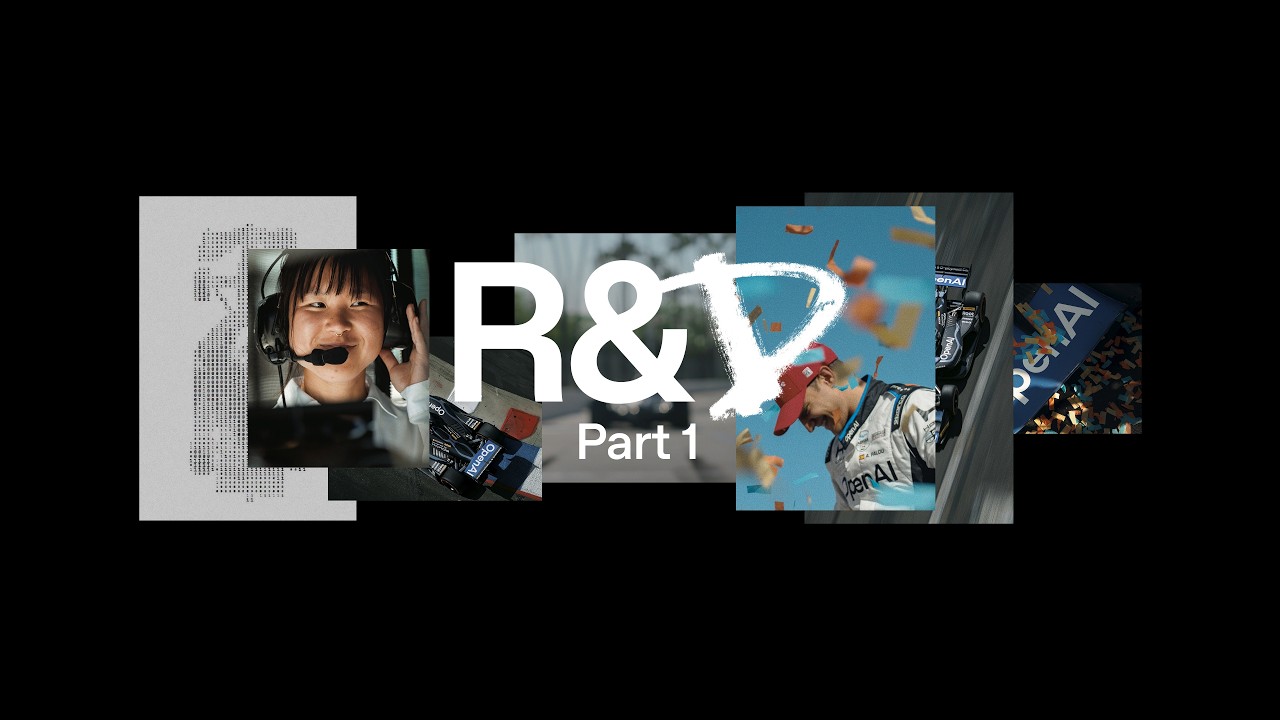
R&D Part 1 — OpenAI

OpenAI

Chip Ganassi Racing uses OpenAI's models to synthesize decades of fragmented race telemetry in seconds, enabling real-time pit strategy that secured victory at the Acura Grand Prix of Long Beach.

AI-assisted summary of R&D Part 1 — original source. Check the original for full context.

Source published:

Detailed notes

## Background OpenAI published this video on YouTube on May 28, 2026. The page description provides no additional details about the video.

## TL;DR The video highlights OpenAI's collaboration with Chip Ganassi Racing as the motorsports team aims to become the first to fully leverage artificial intelligence on the track. Joyce, a research engineer at OpenAI, explains how AI helps aggregate and synthesize massive volumes of telemetry and historical data between sessions to refine race strategy and gain fractional-second advantages. The content also showcases how AI supports human performance, such as trainer Will Plummer using ChatGPT for pit crew workout programs, and culminates in a strategic victory at the Acura Grand Prix of Long Beach.

## Atmosphere & style The dynamic is high-stakes, fast-paced, and analytical, balancing the high-octane excitement of motorsports with pragmatic technological engineering. It creates a visceral sense of urgency—from the tense split-second decisions on the timing stand and seven-second pit stops to the technical precision of navigating Long Beach's tight Turn 11. Watching it feels like witnessing cutting-edge theoretical AI models directly translate into real-world track efficiency and a triumphant victory lane experience.

## Key takeaways - [00:00](https://www.youtube.com/watch?v=DHfZqTWlSc4&t=0s) Chip Ganassi Racing aims to become the first motorsports organization to fully integrate artificial intelligence into its trackside operations and strategy. - [00:00](https://www.youtube.com/watch?v=DHfZqTWlSc4&t=0s) Because base chassis and engines are standardized in IndyCar, teams must find competitive edges in fractions of a second through data and setup optimization. - [01:00](https://www.youtube.com/watch?v=DHfZqTWlSc4&t=60s) OpenAI and Chip Ganassi Racing aggregate telemetry and historic data from 2023–2025 to synthesize strategic insights within tight multi-hour engineering windows. - [00:00](https://www.youtube.com/watch?v=DHfZqTWlSc4&t=0s) Joyce emphasizes that possessing the fastest car on the track is insufficient without executing flawless race strategy. - [02:44](https://www.youtube.com/watch?v=DHfZqTWlSc4&t=164s) Human performance trainer Will Plummer uses ChatGPT as an assistant strength coach to generate and adapt workout programs for IndyCar's multi-role pit crew members. - [02:44](https://www.youtube.com/watch?v=DHfZqTWlSc4&t=164s) Unlike NASCAR's specialized pit crews, IndyCar pit stops are executed by full-time mechanics, truck drivers, and engineers who achieve consistent seven-second pit stops. - [02:44](https://www.youtube.com/watch?v=DHfZqTWlSc4&t=164s) Strategists on the timing stand distill continuous telemetry streams into dynamic, real-time driver updates to manage track traffic and gaps. - [05:00](https://www.youtube.com/watch?v=DHfZqTWlSc4&t=300s) Engineers rely on confidential, custom digital tools co-developed with OpenAI to make split-second pit calls and adjust contingency plans under pressure. - [05:00](https://www.youtube.com/watch?v=DHfZqTWlSc4&t=300s) During the Long Beach race, rapid real-time calculations allowed the team to capitalize on rival Felix Rosenquist's unexpected pit entry and secure victory. - [05:00](https://www.youtube.com/watch?v=DHfZqTWlSc4&t=300s) Following the win, the team denied the driver's request to perform victory donuts in order to preserve the engine for two scheduled test sessions.

## Detailed walkthrough ### [00:00](https://www.youtube.com/watch?v=DHfZqTWlSc4&t=0s) Data Integration and Strategy on the Streets of Long Beach

Being the front-runner in motorsports is a double-edged sword: you hold the top spot, but every rival on the grid is actively targeting your position. Joyce, a research engineer at OpenAI who leads the team's collaboration with Chip Ganassi Racing, describes this exact tension as a high-stakes problem-solving game. In a sport where every team works under rigid constraints—given the same base chassis and engine—the ultimate challenge is finding innovative ways to shave crucial fractions of a second off lap times. Chip Ganassi Racing, known for its dominant history and a culture built on trying new things, aims to become the first motorsports organization to fully leverage artificial intelligence on the track.

The primary objective of the partnership is aggregating and synthesizing the enormous, fragmented volume of data generated during test sessions, race weekends, and past seasons. Between sessions on a race weekend, engineers often have only a couple of hours to process complex telemetry, learn from it, and tune the car's setup. AI allows the team to ingest this history instantly, analyzing past performances from 2023, 2024, and 2025 to uncover competitive advantages and refine race strategy. Preparing for major events like the Acura Grand Prix of Long Beach—the team's biggest race after the Indianapolis 500, where they finished second the previous year—requires analyzing far more variables than humanly possible in short timeframes.

- Joyce emphasizes that a single tenth of a second frequently dictates whether a team wins or loses, noting that having the fastest car on track often isn't enough to secure victory without perfect strategy. - Chip Ganassi's core philosophy is simple yet demanding: "Do the simple things right."

[02:44](https://www.youtube.com/watch?v=DHfZqTWlSc4&t=164s) Human Performance and the Timing Stand High-Wire Act

Unlike NASCAR teams that employ former collegiate or professional athletes solely to perform pit stops, IndyCar pit crews consist of team members who work full-time operational jobs—such as mechanics, truck drivers, and engineers—who step up to execute pit stops during critical moments. Will Plummer, the human performance trainer for Chip Ganassi Racing, manages the conditioning of these multi-role crew members. Plummer utilizes ChatGPT as an assistant strength and conditioning coach, feeding it weekly workout routines and prompting it to generate subsequent training programs adapted to the crew's physical progression.

On the timing stand during a race, engineers face a constant flood of data signals. The fundamental challenge is distilling raw data streams into quick, essential callouts for the driver in the cockpit, who has no visual sense of the traffic unfolding ahead of or behind them. Spotters and strategists paint dynamic, real-time pictures over the radio, tracking tight gaps and managing track position. When a strategy call is made, execution must be instantaneous, relying on custom digital tools and confidential internal technology developed alongside OpenAI.

- An average IndyCar pit stop lasts roughly seven seconds, a benchmark Chip Ganassi Racing hits consistently while competing teams struggle with higher variability. - Strategists on the timing stand constantly adjust calculations based on real-time track gaps, such as monitoring the tight margin behind Marcus Ericsson to give clear feedback to the driver.

[05:00](https://www.youtube.com/watch?v=DHfZqTWlSc4&t=300s) Real-Time Track Execution and Victory at Turn 11

The street circuit at Long Beach features high-speed straights balanced by technical sections, dominated by Turn 11—a tight, right-hand hairpin that severely punishes mistakes. As the race nears its critical window, flexibility becomes paramount because a single lap can dramatically alter a team's entire strategy. When cars bunch up around pit windows, engineers must decide in split seconds whether to call the driver into pit lane or keep them out for an extra lap to overcut opponents in clean air.

During one pivotal sequence, competitor Felix Rosenquist makes an unexpected early pit stop, creating a brief window of opportunity. The timing stand relies on total trust between the crew and the engineering team: when the call is made, the fueler receives an exact countdown—down to five, four, three, two, one seconds—fueling the car precisely as directed with zero room for error. The strategic execution pays off as the team captures the win and heads to victory lane. Reflecting on the result, Joyce highlights how visceral it feels to watch theoretical AI models leave the lab and yield immediate efficiency gains on the track.

- Race strategy requires maintaining multiple contingency plans, as traffic or sudden pit calls by rivals like Felix Rosenquist force immediate modifications on the fly. - Following the victory call over the radio, the driver asks if he can perform celebratory donuts, but the team promptly denies the request over the radio because the engine still needs to be saved for two upcoming test sessions.

## Notable quotes > [00:00](https://www.youtube.com/watch?v=DHfZqTWlSc4&t=0s) Do the simple things right. — Chip Ganassi

## Mentioned Acura Grand Prix of Long Beach, ChatGPT, Chip Ganassi, Chip Ganassi Racing, Felix Rosenquist, IndyCar, Indianapolis 500, Joyce, Long Beach, NASCAR, OpenAI, Will Plummer, YouTube

[Source](https://www.youtube.com/watch?v=DHfZqTWlSc4)

中文简报

OpenAI携手Chip Ganassi Racing运用AI斩获长滩大奖赛冠军 Chip Ganassi Racing使用OpenAI的模型在数秒内综合整理数十年来零散的赛车遥测数据,从而实现实时进站策略,在Acura长滩大奖赛中锁定胜局。 该视频重点介绍了OpenAI与Chip Ganassi Racing的合作,这支赛车队力求成为首个在赛道上全面运用人工智能的队伍。OpenAI研究工程师Joyce解释了AI如何帮助在各节赛事间歇汇总并综合海量遥测与历史数据,以优化比赛策略并争取零点几秒的优势。内容还展示了AI如何助力人员表现,例如体能训练师Will Plummer使用ChatGPT为维修站机组人员制定锻炼方案,并最终在Acura长滩大奖赛中取得了战略性胜利。 Chip Ganassi Racing力求成为首个将人工智能全面融入赛道现场运营与比赛策略的赛车组织。 (0:00) 由于IndyCar的基础底盘和引擎均已标准化,车队必须通过数据和调校优化在零点几秒之间寻找竞争优势。 (0:00) OpenAI与Chip Ganassi Racing汇总了2023至2025年的遥测及历史数据,以便在紧迫的数小时工程窗口内综合提炼策略洞见。 (1:00) Joyce强调,如果不能执行无可挑剔的比赛策略,仅拥有赛道上最快的赛车也是不够的。 (0:00) 体能训练师Will Plummer将ChatGPT作为体能助教,为IndyCar身兼数职的进站维修人员生成并调整训练计划。 (2:44)

Reading summary

Chip Ganassi Racing has partnered with OpenAI to integrate artificial intelligence into race preparation, conditioning, and real-time strategy, seeking fractional-second advantages in an IndyCar series governed by standardized equipment. Data Synthesis Under Tight Session Constraints (0:00) In IndyCar, teams compete under rigid regulations featuring identical base chassis and engines, meaning competitive margins frequently come down to a single tenth of a second. According to OpenAI research engineer Joyce, having the fastest car is insufficient without flawless strategic execution. During race weekends, engineers often have only a couple of hours between track sessions to digest complex telemetry, evaluate setups, and adapt plans. The collaboration addresses this bottleneck by using AI to aggregate and synthesize extensive historical performance and telemetry data across the 2023, 2024, and 2025 seasons. This allows the team to process vastly more variables than manual analysis permits, helping refine car setup and race strategy ahead of major events like the Acura Grand Prix of Long Beach. AI-Assisted Conditioning for Multi-Role Crews (2:44) Unlike NASCAR programs that recruit dedicated former collegiate or professional athletes solely for pit stops, IndyCar pit crews are composed of full-time operational personnel, such as mechanics, truck drivers, and engineers. Human performance trainer Will Plummer oversees the physical conditioning of these multi-role crew members. Plummer incorporates ChatGPT as an assistant strength and conditioning coach, prompting the model with weekly workout logs to generate progressive training programs tailored to the crew's physical development. This conditioning underpins pit execution, where Chip Ganassi Racing consistently hits seven-second pit stops while competitors face wider variance. Split-Second Timing Stand Strategy at Long Beach (5:00) During live competition on circuits like Long Beach—defined by the tight Turn 11 hairpin—the timing stand must distill overwhelming data signals into concise, actionable instructions for the driver. Strategists track dynamic gaps relative to rivals such as Marcus Ericsson, preparing multiple contingency plans around critical pit windows. When competitor Felix Rosenquist made an unscheduled early pit stop, Ganassi strategists had to react instantly, weighing whether to pit immediately or keep the car out in clean air. The resulting call relied on synchronized precision, including an exact second-by-second countdown for the fueler, ultimately securing the race victory. While the collaboration demonstrated immediate track efficiency and yielded a race victory, practical equipment constraints persist: the team denied the winning driver's request to perform post-race donuts to conserve the engine for two scheduled test sessions.

精炼阅读摘要

OpenAI与Chip Ganassi Racing展开技术合作,探索将人工智能整合至赛车运动中,通过快速处理海量遥测与历史数据来优化比赛策略。OpenAI研究工程师Joyce指出,在赛车底盘与引擎均受严格统一限制的竞技环境下,AI支持下的策略精度与几十分之一秒的细微优势直接决定了比赛胜负。 规则限制下的数据合成与战略分析 (0:00) 在IndyCar赛事中,所有车队均使用标准化的底盘与引擎,因此竞争的核心在于如何从每个单圈中抠出几分之一秒的优势。Chip Ganassi Racing的目标是成为首个在赛道上全面运用人工智能的赛车组织。在比赛周末的分节练习与排位赛之间,工程师通常仅有数小时来处理复杂的遥测流,而与OpenAI合作开发的技术能够即时摄取并综合分析2023年、2024年和2025年的历史数据,从而协助工程师在极短时间内挖掘出竞争优势并制定策略。Joyce强调,拥有赛道上速度最快的赛车并不能确保胜利,完美的策略至关重要;在长滩大奖赛(Acura Grand Prix of Long Beach)这类重要赛事中,车队必须处理远超人工能力极限的多元变量,同时践行车队创始人Chip Ganassi“做好简单的事情”的运营哲学。 多重角色体能训练与计时台决策 (2:44) 与NASCAR专门聘请退役专业运动员担任进站机组成员不同,IndyCar的进站人员通常由机械师、卡车司机和工程师等全职运营员工兼任。Chip Ganassi Racing的人体机能教练Will Plummer将ChatGPT作为体能训练助理,通过输入每周训练常规并提示其生成贴合队员身体进度的自适应训练方案,帮助多重角色的机组成员稳定实现平均约7秒的高水准进站时间,显著降低了操作波动。在比赛进行时,计时台工程师面临持续涌入的数据信号,核心挑战在于将庞杂的原始数据提炼为极简的关键指令,通过无线电实时传递给无法观察前后车况的车手。策略师与观察员必须利用与OpenAI合作开发的内部保密技术,严密监控与Marcus Ericsson等前后车辆的微小间距,动态构建赛道全局图像以支持瞬间决策。 瞬态策略响应与长滩街道赛取胜 (5:00) 长滩街道赛道兼具高速直道与以11号弯(Turn 11)为代表的狭窄右发卡弯,对失误的惩罚极高。随着进站窗口临近,车队需要在数秒内权衡是立即召回赛车还是留在干净气流中跑出超车窗口(Overcut)。在对手Felix Rosenquist出人意料地提前进站打乱节奏时,计时台迅速调整应急预案并果断执行指令。加油工在精准到秒的倒计时语音中完成了零容错的进站操作,协助车队成功斩获冠军并进入胜利通道。赛后,车手在无线电中请求通过原地烧胎(donuts)庆祝胜利,但被车队当即拒绝,原因是该引擎必须严格保留给接下来的两场测试赛使用。Joyce表示,目睹理论层面的AI模型走出实验室并在物理赛道上直接转化为效率与战术成果,带来了极其深刻的实感体验。 该项目展示了AI在多源数据瞬时综合与跨职能团队保障中的实际价值,说明算法可以在微秒级竞争中提升决策与体能管理效率;然而,竞技体育仍受到机械损耗与资源分配等现实物理条件的强力制约,技术模型必须与严苛的实地运营限制始终保持同步。

Detailed notes — zh

## Background 本视频由 OpenAI 于 2026 年 6 月 3 日在 YouTube 平台发布,标题为《R&D Part 1》。视频页面未提供额外的描述或节目说明,主要记录了 OpenAI 与顶尖印第赛车(IndyCar)车队的技术合作实录。 ## TL;DR 视频展示了 OpenAI 研究团队与著名印第赛车车队 Chip Ganassi Racing 跨界合作的真实研发场景。车队利用 AI 技术在短短两三小时的有限窗口期内高效透视并分析海量遥测与历史数据,同时借助 ChatGPT 为多重身份的进站组员量身打造精准的体能训练计划。在长滩大奖赛的决战中,指挥台工程师结合实时燃油推算与保密级 AI 工具果断变阵,分秒不差地执行进站策略并斩获胜利,成功验证了 AI 算法在真实赛道毫秒级博弈中的巨大工程价值。 ## Atmosphere & style 全片节奏极快且张力十足,兼具硬核工程纪录片的严谨求实与顶尖赛车竞技的热血澎湃。镜头在嘈杂紧张的指挥台无线电信号、车手视角下的极限弯角博弈以及毫秒必争的 7 秒进站动作之间自如切换,营造出极度压迫的时间感与决策负荷。工程师与赛车手严丝合缝的默契协同,以及见证 AI 模型走出实验室在沥青赛道上转化为真实胜势的瞬间,让整场观影体验既专业冷静又令人心潮澎湃。 ## Bulletin - [00:00](https://www.youtube.com/watch?v=DHfZqTWlSc4&t=0s) OpenAI 与顶尖印第赛车队 Chip Ganassi Racing 展开深度技术合作,通过 AI 分析引擎在两小时的赛道窗口期内快速消化海量遥测与赛况数据,挖掘致胜边际优势。 - [02:30](https://www.youtube.com/watch?v=DHfZqTWlSc4&t=150s) 车队体能训练师将 ChatGPT 深度用作“助理教练”,根据进站人员兼具机械师与运动员的多重工作属性动态生成定制化体能训练计划。 - [02:30](https://www.youtube.com/watch?v=DHfZqTWlSc4&t=150s) 在比赛指挥台上,工程师除常规战术看板外还集成了 OpenAI 保密级研发工具,在极高心智负荷下协助车手进行毫秒级战术筛选与指令下达。 - [05:00](https://www.youtube.com/watch?v=DHfZqTWlSc4&t=300s) 长滩大奖赛实战中,车队依托实时燃油与拥堵推算果断动态调整进站窗口,精确到秒级加注燃油,成功实现进站超越并夺冠冲入优胜巷。 ## Key takeaways - [00:00](https://www.youtube.com/watch?v=DHfZqTWlSc4&t=0s) 在印第赛车底盘和引擎硬件高度受限的规则下,胜负核心转向毫秒级的工程与战术决策,AI 成为打破平衡的关键力量。 - [00:00](https://www.youtube.com/watch?v=DHfZqTWlSc4&t=0s) 顶尖赛车产生的历史和实时遥测数据极为繁杂,传统人工处理无法在练习赛到下一调校阶段仅有的 2 至 3 小时窗口内完全消化。 - [00:00](https://www.youtube.com/watch?v=DHfZqTWlSc4&t=0s) 赛前备战占据了车队整个比赛周末 50% 以上的比重,深入复盘往届表现以识别优劣势至关重要。 - [00:00](https://www.youtube.com/watch?v=DHfZqTWlSc4&t=0s) “赛车速度最快就能赢”是普遍误区,策略与执行上仅十分之一秒的微小差距便足以逆转胜负。 - [02:30](https://www.youtube.com/watch?v=DHfZqTWlSc4&t=150s) 印第赛车的进站人员并非专职职业运动员,而是平时兼任机械师、卡车司机等多重角色的队伍成员,进站时间稳定保持在极限的 7 秒以内。 - [02:30](https://www.youtube.com/watch?v=DHfZqTWlSc4&t=150s) 体能训练师将 ChatGPT 当作智能助理教练,针对队员独特的兼职属性与高强度赛况持续迭代训练计划。 - [02:30](https://www.youtube.com/watch?v=DHfZqTWlSc4&t=150s) 指挥台工程师作为座舱视线受限车手的“眼睛”,承担着极高密度信息过滤与下达单一清晰战术指令的核心职责。 - [02:30](https://www.youtube.com/watch?v=DHfZqTWlSc4&t=150s) 车队指挥系统集成了 OpenAI 的保密级研发工具,用于辅助高压环境下的即时战略判断。 - [05:00](https://www.youtube.com/watch?v=DHfZqTWlSc4&t=300s) 长滩赛道 11 号右转发夹弯是整场比赛中最考验赛车调校与驾驶技术的关键瓶颈点。 - [05:00](https://www.youtube.com/watch?v=DHfZqTWlSc4&t=300s) 正赛瞬息万变,固定预案往往失效,车队依据实时燃油余量与维修区扎堆态势果断做出动态进站决策。 - [05:00](https://www.youtube.com/watch?v=DHfZqTWlSc4&t=300s) 进站加注燃油时长被精确到以“秒”为单位下达并严格执行,确保不多不少以最大化赛道速度优势。 - [05:00](https://www.youtube.com/watch?v=DHfZqTWlSc4&t=300s) OpenAI 视此次长滩获胜为模型从实验室走向现实世界硬核场景的实战验证,并认为当前 AI 在赛车领域的应用仅展现了冰山一角。 ## Detailed walkthrough ### [00:00](https://www.youtube.com/watch?v=DHfZqTWlSc4&t=0s) 领跑者的挑战:OpenAI 与 Chip Ganassi Racing 的跨界融合 作为顶级赛车运动中的领跑车队,处境往往最为艰难,因为所有竞争对手都将目标对准了你。OpenAI 的研究工程师 Joyce 负责领导与知名印第赛车(IndyCar)车队 Chip Ganassi Racing 的技术合作。底盘和引擎等硬件配置在规则框架下往往高度受限,胜负的核心就在于如何在毫秒级的时间里解决工程与战术问题。Chip Ganassi Racing 一直在探索如何成为第一支真正利用人工智能提速的赛车队伍,这种不断尝试新事物、探索技术边界的 DNA 与 OpenAI 的技术探索不谋而合。 在顶尖赛车竞技中,数据量庞大且极端繁杂。车队不仅拥有多年的历史数据,每一次测试赛段(Test Session)和正赛赛段(Race Session)都会产生海量遥测与赛况信号,单凭传统的人工方式几乎无法在短时间内完全消化。在紧凑的比赛周末,从结束练习赛到下一阶段调校赛车之间往往只有两三个小时的时间窗口。引入 AI 技术的核心目标,正是帮助工程师以前所未有的速度抓取并透视这些数据,在极度有限的调车窗口期内挖掘出致胜的边际优势。 ```mermaid flowchart TD accTitle: Chip Ganassi Racing 与 OpenAI 数据流协同 accDescr: 展示赛道数据如何通过 AI 处理并在极端时间窗口内反馈给工程决策。 subgraph S1["海量数据源输入"] D1["历史赛事遥测"] D2["练习与测试赛段数据"] D3["即时赛况与对手动态"] end subgraph S2["OpenAI AI 分析引擎"] P1["多源数据快速检索"] P2["赛道策略与车况交叉对比"] end subgraph S3["赛道现场工程响应"] O1["两小时内完成赛车机械调校"] O2["正赛进站策略动态修正"] end S1 --> S2 S2 --> S3 ``` - 备战是整个比赛周末成败的关键,车队直言准备工作占到了整个比赛周末 50% 以上的比重。 - 面临仅次于印第 500(Indy 500)的重要赛事——长滩大奖赛(Long Beach Grand Prix),车队深入分析了 2023、2024 及 2025 年的历史表现,以复盘强弱项。 - 赛车界普遍存在一个误区:“只要赛车速度最快就能赢下比赛”;事实上,最快的赛车错失冠军的情况比比皆是,哪怕十分之一秒的策略与执行差距,就足以逆转胜负。 --- ### [02:30](https://www.youtube.com/watch?v=DHfZqTWlSc4&t=150s) 人类极限与进站协同:ChatGPT 赋能体能训练与指挥台决策 车队创始人 Chip Ganassi 常说的一句格言是:“把简单的事情做好(Do the simple things right)”,而进站换胎加油(Pit Stop)正是车队极致追求的环节。据 Chip Ganassi Racing 的人类体能训练师 Will Plummer 介绍,印第赛车的进站人员构成与 NASCAR 截然不同:NASCAR 通常直接雇佣前大学甚至职业运动员专职进站操作;而在印第赛车中,进站人员平时身兼机械师、卡车司机或工程师等多种日常工作,只有在正赛的关键时刻才会披挂上阵。印第赛车标准的进站时间通常被严格卡在 7 秒左右,Ganassi 车队以稳定维持在 7 秒内著称,而其他车队往往稍慢。 在体能保障层面,训练师直接将 ChatGPT 当作自己的“体能助理教练”。他将一周的训练内容录入模型,让 AI 依据队员的多重工作属性推导下一步的训练计划。而在正赛期间,指挥台(Timing Stand)上的工程师则承担着巨大的心智负荷:他们必须在耳机嘈杂的声音中,从无数无线电信号和遥测流中筛选出最关键的那一条,清晰地为座舱内的车手“描绘赛况画面”。车手置身于视线受限的单座座舱中,完全不知道前后赛车在发生什么,全凭工程师指令行事;若工程师认定“策略 A 就是最佳策略”,车手便会毫不犹豫执行。在工具链上,车队的工程师不仅使用常规战术看板,还集成了一些属于 OpenAI 的保密级研发工具(OpenAI confidential stuff)。 - 印第赛车进站极限时长标准约为 7 秒,涵盖换胎与精准加注燃油。 - 进站人员必须兼顾机械师/工程师与专业体能运动员的双重角色,训练计划通过 ChatGPT 持续迭代调优。 - 工程师在比赛中充当车手的“眼睛”,以极高密度的信息过滤能力下达单一决策指令。 --- ### [05:00](https://www.youtube.com/watch?v=DHfZqTWlSc4&t=300s) 长滩决战:11 号弯博弈、动态进站与实战验证 长滩赛道以极速直道著称,但整条赛道技术难度最大、最考验调校的则是极度紧凑的右转发夹弯——11 号弯(Turn 11)。比赛进入白热化阶段,前序多圈内赛车紧咬布局,车队在无线电中与车手密切沟通轮胎状态与抓地力反馈。正赛往往变幻莫测,“一进一退”全在电光石火之间。当对手 Felix 阻挡在前、赛道超车极为困难时,车队的策略果断切换为贴紧跟车,试图通过进站(Pit Lane)完成“翻越”(Undercut/Overcut)。 正赛瞬息万变,单凭一套固定预案绝不可能取胜。指挥台观察到多辆赛车同时扎堆涌入维修通道,而车手 Felix Rosenquist 也在计划之外进站,原定窗口瞬间打破。凭借对赛车燃油剩余量的实时推算,工程师当机立断让车手多跑一圈,化被动为主动。进站瞬间,倒计时“5、4、3、2、1”精准下达,工程师指令精确到以“秒”为单位计算必须加注的油量,进站组分秒不差严格执行。最终车队锁定胜局,斩获优异战绩冲入优胜巷(Victory Lane)。 赛后,工程师们开玩笑地拒绝了车手想要“原地烧胎(Donuts)”庆祝的请求,因为这台引擎还需要跑接下来的两轮严苛测试。OpenAI 团队感叹,没有任何事情比亲眼见证模型走出实验室、在真实的沥青赛道上转化为切切实实的提速优势更令人热血沸腾;目前的技术应用,仅仅只是未来可能性的“冰山一角”。 - 长滩赛道 11 号发夹弯是车手与赛车调校面临的最关键考验。 - 车队基于实时燃油余量与进站通道拥挤情况做出动态进站(Fly Decision)变更。 - 工程师对加注燃油时长精确到具体秒数,执行“分秒不差、不多不少”的标准流程。 - 赛后引擎因后续仍需承担两次测试任务,车手被明确禁止进行烧胎庆祝。 ## Notable quotes > [00:00](https://www.youtube.com/watch?v=DHfZqTWlSc4&t=0s) 作为顶级赛车运动中的领跑车队,处境往往最为艰难,因为所有竞争对手都将目标对准了你。 > [00:00](https://www.youtube.com/watch?v=DHfZqTWlSc4&t=0s) 胜负的核心就在于如何在毫秒级的时间里解决工程与战术问题。 — Joyce > [00:00](https://www.youtube.com/watch?v=DHfZqTWlSc4&t=0s) 在紧凑的比赛周末,从结束练习赛到下一阶段调校赛车之间往往只有两三个小时的时间窗口。 > [00:00](https://www.youtube.com/watch?v=DHfZqTWlSc4&t=0s) 只要赛车速度最快就能赢下比赛 > [02:30](https://www.youtube.com/watch?v=DHfZqTWlSc4&t=150s) 把简单的事情做好(Do the simple things right) — Chip Ganassi > [02:30](https://www.youtube.com/watch?v=DHfZqTWlSc4&t=150s) NASCAR 通常直接雇佣前大学甚至职业运动员专职进站操作;而在印第赛车中,进站人员平时身兼机械师、卡车司机或工程师等多种日常工作,只有在正赛的关键时刻才会披挂上阵。 — Will Plummer > [02:30](https://www.youtube.com/watch?v=DHfZqTWlSc4&t=150s) 车手置身于视线受限的单座座舱中,完全不知道前后赛车在发生什么,全凭工程师指令行事;若工程师认定“策略 A 就是最佳策略”,车手便会毫不犹豫执行。 > [05:00](https://www.youtube.com/watch?v=DHfZqTWlSc4&t=300s) 长滩赛道以极速直道著称,但整条赛道技术难度最大、最考验调校的则是极度紧凑的右转发夹弯——11 号弯(Turn 11)。 > [05:00](https://www.youtube.com/watch?v=DHfZqTWlSc4&t=300s) 正赛瞬息万变,单凭一套固定预案绝不可能取胜。 > [05:00](https://www.youtube.com/watch?v=DHfZqTWlSc4&t=300s) 没有任何事情比亲眼见证模型走出实验室、在真实的沥青赛道上转化为切切实实的提速优势更令人热血沸腾;目前的技术应用,仅仅只是未来可能性的“冰山一角”。 — OpenAI 团队 ## Mentioned OpenAI, Chip Ganassi Racing, IndyCar, Joyce, Indy 500, Long Beach Grand Prix, Chip Ganassi, Will Plummer, NASCAR, ChatGPT, Felix Rosenquist [Source](https://www.youtube.com/watch?v=DHfZqTWlSc4)

Source quotes

[0:00] 作为顶级赛车运动中的领跑车队,处境往往最为艰难,因为所有竞争对手都将目标对准了你。 [0:00] Joyce: 胜负的核心就在于如何在毫秒级的时间里解决工程与战术问题。 [0:00] 在紧凑的比赛周末,从结束练习赛到下一阶段调校赛车之间往往只有两三个小时的时间窗口。 [0:00] 只要赛车速度最快就能赢下比赛 [2:30] Chip Ganassi: 把简单的事情做好(Do the simple things right) [2:30] Will Plummer: NASCAR 通常直接雇佣前大学甚至职业运动员专职进站操作;而在印第赛车中,进站人员平时身兼机械师、卡车司机或工程师等多种日常工作,只有在正赛的关键时刻才会披挂上阵。 [2:30] 车手置身于视线受限的单座座舱中,完全不知道前后赛车在发生什么,全凭工程师指令行事;若工程师认定“策略 A 就是最佳策略”,车手便会毫不犹豫执行。 [5:00] 长滩赛道以极速直道著称,但整条赛道技术难度最大、最考验调校的则是极度紧凑的右转发夹弯——11 号弯(Turn 11)。 [5:00] 正赛瞬息万变,单凭一套固定预案绝不可能取胜。 [5:00] OpenAI 团队: 没有任何事情比亲眼见证模型走出实验室、在真实的沥青赛道上转化为切切实实的提速优势更令人热血沸腾;目前的技术应用,仅仅只是未来可能性的“冰山一角”。

Source quotes

[0:00] Chip Ganassi: Do the simple things right.

Original transcript

[0:00] - The front runner? It's a hard place to be. Everyone's gunning for you. But what I love about it is problem solving. You're given your chassis, you're given your engine, How do you shave seconds off your time? My name is Joyce. I'm a research engineer here at OpenAI. I also lead the motorsports collaboration with Chip Ganassi Racing. I came to Indy because I'm a motorsports fan. The dominance that we've seen out of this team. already looking to be the first motorsports team to truly figure out how to use AI to make them faster. The partnership was really a meeting of the world. You know, we have a DNA around here of trying new things and being on the leading edge. What's the next thing? How are we going to go faster? How are we going to beat the competition? How are we going to do better than we did last year? Thank you. This year, we are trying to figure out how to connect all the data that the team has. I think if we go back and look historically at that event, it's pretty likely... Chip Ganassi is a very data-driven team. They have myriad data sources, they have historical data, they have data coming from every test session, every race session, at a volume that's really kind of impossible to... process AI enables them to pull this data more quickly and look at it in different ways, help them find advantages in between sessions. Really only a couple hours to take your learnings and then tune the car. Long Beach is probably our biggest event after the Indy 500. We finished second last year. Prep is huge. I would say it's more than 50% of our weekend. We analyze what happened in 2025, 2024, 2023 and so on and so on to try and see if there are strengths. With OpenAI we're able to analyze a lot more data, a lot more races, a lot more strategies that are competitors, cars and see what's best. One tenth of a second can make the difference between winning or losing a race. People think... "Oh, just have the fastest car and you'll win the race." The fastest car plenty of times doesn't win the race. - Chip has a saying, "Do the simple things right." Pit stops are one of the things that they have really figured out how to do right. My name is Will Plummer. I'm the human performance trainer here at Chip Ganassi Racing. IndyCar pit crews are different from other types of racing. Like NASCAR, they're taking either ex-collegiate or professional athletes. paying them to just go and pit the race car. Our crews work multiple jobs, whether it's a mechanic, truck driver, engineer. Then, you know, being called on at the most pivotal point of a race to pit the car. To put in context, an IndyCar pit stop is about seven seconds. Chip Ganassi is actually pretty good about just being seven seconds. Most other teams are slightly I use ChatGPT as kind of, I call it my assistant strength conditioning coach. I put in a week of workouts and say, I want you to write me the next one. And it listens for the most part and grows. And that's the cool part. What's that? I can't hear you because they're blabbing in my ear. The biggest challenge of being on the timing stand is to filter through all these signals that they're getting and deciding what is that crucial bit of information to get out to the driver. Imagine a driver sitting in the cockpit not knowing what's happening behind him or in front of him. How's the box behind Ericsson? I paint that picture during the race. It's a very small gap. It's pretty busy out there. If he says "A strategy is the strategy." I just go. Our engineers are using a variety of tools. Including some open AI confidential stuff. Maybe don't put that on the... for everybody else to know. [5:00] This Long Beach circuit synonymous with long blasts at high speed, but probably the most technical and challenging corner is that turn 11. A tight right-hand hairpin, incredibly tough to get right. All right, next time I will be green. Let's have a great day, Ted Car. Sounds good. All right, once again, boys, let's try and finish on Victor Lane. How are the tires? Yeah, I feel good. For 29 laps, Valix Palau has sat and waited. Bided his time. At some point, what we need to do is just get on Felix's ass if we can't do it, so we can try to pass him in the pits. You have to have more than one strategy for a race, because your whole day can change fast. We may decide, okay, we're coming in this lap, but other cars may be pitting around the same time. We maybe just decide we have enough fuel to do one more lap. They could see all these cars bunched up and came into pit lane together. Felix Rosenquist makes it in. That wasn't part of the plan. This was the opportunity. That's where the trust comes in. 5, 4, 3, 2, 1. That engineer tells them exactly how many seconds you need to fuel for it and they do exactly that and nothing more and nothing less. We make changes on the fly. Congrats, man. We'll meet you in victory lane. Thank you, bud. There is really nothing more visceral than seeing our models leave our lab and translate into real efficiency gains on and off the track. I think we've just dipped our toes in the water of what's possible here. In racing, we're always dancing against the time. Can we do some donuts? No, no. No donuts. It's the last race for the engine. No, it's two tests. No, I've still got to do two tests. Okay.