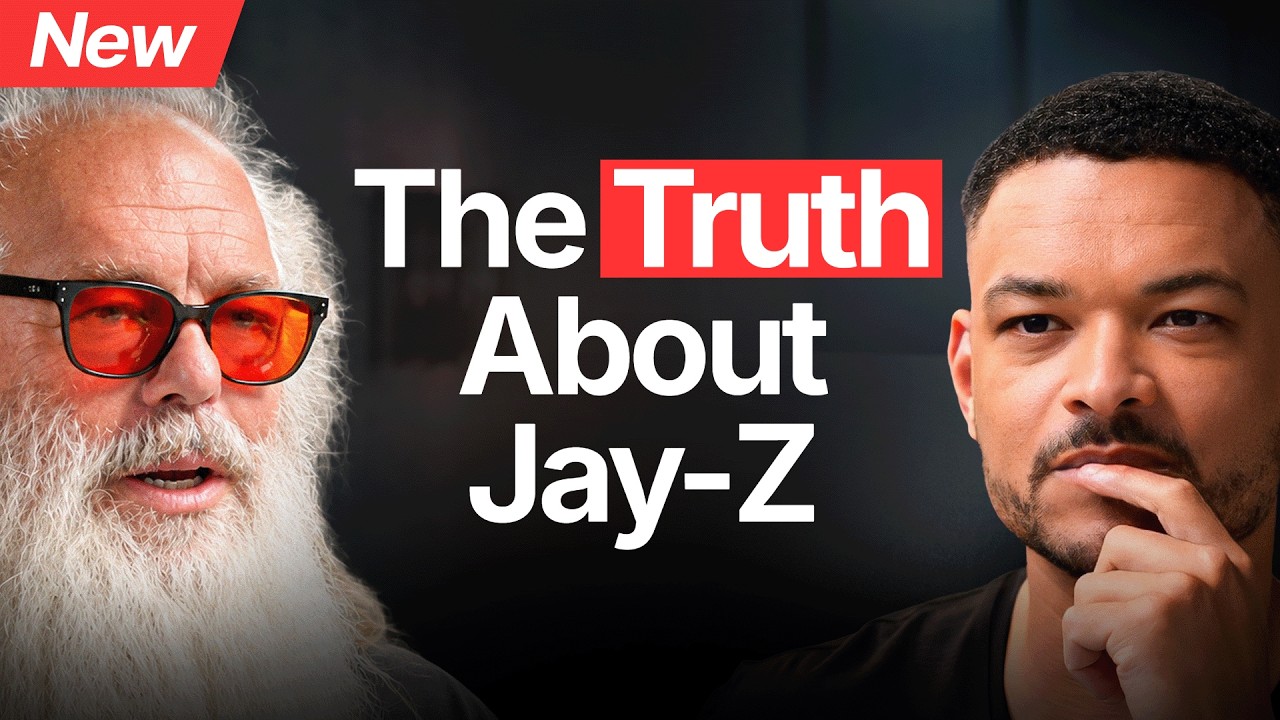
Rick Rubin argues that revolutionary art must embrace 'indefensible' ideas that defy rational business logic and commercial consensus, noting that focus-group testing and market research dilute creative breakthroughs. (4:00)
The 'vacuum principle' posits that quitting misaligned obligations creates an energetic void that invites massive, unforeseen opportunities—illustrated by Jay-Z walking away from Cristal without a safety net, which eventually led to a $630 million valuation deal for Armand de Brignac with Moët Hennessy. (118:15)
Rubin reveals that Jay-Z composed his master takes for '99 Problems' entirely in his head over a 20-to-30-minute period of silent humming without writing a single line on paper, cutting complete verses in just two to three takes. (127:09)
Rubin views AI as the modern equivalent of hip-hop crate digging and film directing, arguing that authentic creativity resides strictly in upstream ideation and worldview rather than physical or mechanical execution. (93:00)
Detailed notes
## Background
Published on YouTube by The Diary Of A CEO on September 21, 2026, this interview features legendary music producer and author Rick Rubin discussing the spiritual, psychological, and artistic methodologies behind his storied career. According to the show notes, Rubin examines how embracing 'indefensible' creative risks, dismantling conventional professional identities, and applying the 'vacuum principle' empower creators to transcend commercial limitations.
## TL;DR
Rick Rubin explores the nature of genuine creativity, asserting that transformative art stems from intuitive personal expression, unyielding self-trust, and spiritual alignment rather than market data or audience expectations. Through vivid accounts of working with icons such as Jay-Z, Kanye West, Johnny Cash, and Adele, he illustrates how relentless practice, creative pivots, and high-wire risks produce undeniable work. Rubin also reflects candidly on his own history, from a severe psychological breakdown at age 33 to losing his home to a wildfire, framing life's setbacks as essential clearances that make room for renewal. Throughout the dialogue, he champions walking away from misaligned obligations, protecting art from economic survival pressure, and treating creative output as a sacred offering.
## Atmosphere & style
The exchange possesses a calm, contemplative rhythm anchored by Rubin's soft-spoken, Zen-like demeanor and Steven Bartlett's attentive, respectful questioning. Rather than feeling like a fast-paced media debrief, the discussion unfolds like an unhurried philosophical retreat centered on mindfulness, ego surrender, and intuitive listening. Moments of quiet gravity—including Rubin's reflections on clinical depression, personal grief, and conversations with friends in crisis—give the interview a grounded, emotionally resonant weight that balances its abstract artistic theories.
## Bulletin
- [04:00](https://www.youtube.com/watch?v=a_GiFiHXJ6g&t=240s) Rick Rubin argues that revolutionary art must embrace 'indefensible' ideas that defy rational business logic and commercial consensus, noting that focus-group testing and market research dilute creative breakthroughs.
- [01:58:15](https://www.youtube.com/watch?v=a_GiFiHXJ6g&t=7095s) The 'vacuum principle' posits that quitting misaligned obligations creates an energetic void that invites massive, unforeseen opportunities—illustrated by Jay-Z walking away from Cristal without a safety net, which eventually led to a $630 million valuation deal for Armand de Brignac with Moët Hennessy.
- [02:07:09](https://www.youtube.com/watch?v=a_GiFiHXJ6g&t=7629s) Rubin reveals that Jay-Z composed his master takes for '99 Problems' entirely in his head over a 20-to-30-minute period of silent humming without writing a single line on paper, cutting complete verses in just two to three takes.
- [01:33:00](https://www.youtube.com/watch?v=a_GiFiHXJ6g&t=5580s) Rubin views AI as the modern equivalent of hip-hop crate digging and film directing, arguing that authentic creativity resides strictly in upstream ideation and worldview rather than physical or mechanical execution.
## Key takeaways
- [10:48](https://www.youtube.com/watch?v=a_GiFiHXJ6g&t=648s) Art functions as a personal, unchallengeable diary entry rather than a product designed to appease audience expectations or market metrics.
- [35:11](https://www.youtube.com/watch?v=a_GiFiHXJ6g&t=2111s) Rigid deadlines should be excluded from the early phases of creative work and only established once the project is roughly 90% finished and the core creative code is cracked.
- [39:52](https://www.youtube.com/watch?v=a_GiFiHXJ6g&t=2392s) Burdening artistic pursuits with immediate financial survival forces creators into shortsighted compromises; maintaining an independent source of income protects pure creative integrity.
- [54:16](https://www.youtube.com/watch?v=a_GiFiHXJ6g&t=3256s) Severe burnout and suicidal impulses often stem from a misinterpretation that the physical self must die, when in reality it is an oppressive scenario, identity, or career path that must be abandoned.
- [01:07:34](https://www.youtube.com/watch?v=a_GiFiHXJ6g&t=4054s) A severe psychological breakdown at age 33 following corporate instability destroyed Rubin's perceived 'Superman complex' and permanently deepened his empathy for struggling artists.
- [01:17:09](https://www.youtube.com/watch?v=a_GiFiHXJ6g&t=4629s) Original creative breakthroughs emerge from cross-pollinating across unrelated disciplines and reading foundational ancient texts rather than consuming homogeneous industry echo chambers.
- [01:33:00](https://www.youtube.com/watch?v=a_GiFiHXJ6g&t=5580s) The essence of art exists entirely in upstream vision and ideation; the physical output is merely an artifact of that initial creative idea.
- [01:43:49](https://www.youtube.com/watch?v=a_GiFiHXJ6g&t=6229s) Studio magic and transcendent recordings are fundamentally non-repeatable; an artist's sole controllable variable is showing up consistently and refusing to settle until the work is undeniable.
- [01:48:03](https://www.youtube.com/watch?v=a_GiFiHXJ6g&t=6483s) Approaching creative work as a sacred offering to God or universal consciousness liberates creators from anxieties around streaming numbers, radio play, and commercial reception.
- [01:58:15](https://www.youtube.com/watch?v=a_GiFiHXJ6g&t=7095s) The vacuum principle demonstrates that walking away from misaligned partnerships on pure conviction is often a mandatory prerequisite for reaching greater creative scale.
- [02:20:46](https://www.youtube.com/watch?v=a_GiFiHXJ6g&t=8446s) Artistic greatness is largely the product of deliberate, obsessive practice rather than divine entitlement, evidenced by Eminem writing stacks of lyric notebooks that will never be released.
- [02:27:36](https://www.youtube.com/watch?v=a_GiFiHXJ6g&t=8856s) Procrastination in creative fields is primarily rooted in the paralyzing fear of public exposure and release, whereas true perfectionism is an unhurried commitment to refining the vision.
- [02:43:31](https://www.youtube.com/watch?v=a_GiFiHXJ6g&t=9811s) Young children serve as the purest model of creative expression because they operate entirely free from social conditioning, analytical self-doubt, and rigid rules.
## Detailed walkthrough
### [00:00](https://www.youtube.com/watch?v=a_GiFiHXJ6g&t=0s) Teaser: The Mind of Jay-Z, Obsession, and Breaking Free
Rick Rubin reflects on the distinct and singular creative process of Jay-Z while working on "99 Problems." Unlike virtually every other rapper Rubin collaborated with—who spent extensive time writing verses down on paper—Jay-Z never wrote his lyrics down. When Rubin played him the instrumental beat, Jay-Z simply instructed him to keep looping it continuously while he sat in the back of the room, humming and mumbling under his breath. After roughly twenty to thirty minutes, he announced, "Okay, I got it," stepped into the recording booth, and delivered the complete first verse. He performed about three takes, listened back, selected the second take as the winner, and moved forward—the entire lyrical architecture having manifested entirely within his mind.
When asked why legendary artists spanning Kanye West, Adele, Justin Timberlake, Mick Jagger, and the Red Hot Chili Peppers seek him out, Rubin downplays any innate elitism. Having spent forty years creating music—starting purely as a hobby before it assumed a life of its own as a business—he argues that generational icons are simply ordinary individuals who made a resolute decision. He cites Eminem as an archetype of this mentality: someone perpetually writing and driven by an intense, obsessive commitment to be the absolute best.
Rubin rejects the idea that creative genius belongs to a chosen few, arguing that genuine creativity is systematically beaten out of people over the course of formal schooling. Educational systems enforce rigid rules designed for social control rather than personal liberation. To reclaim genuine creative freedom, one must embrace risk and permit prior identities to dissolve.
- Jay-Z composed his verses entirely in his head over 20 to 30 minutes without writing down a single word, routinely executing the master take in two or three passes.
- Rubin attributes creative greatness not to inherent talent, but to unwavering commitment and obsessive practice, pointing to Eminem's relentless writing habits as prime evidence.
- Creative renewal requires disruption: old lifestyles, comfortable career paths, and stagnant relationships must metaphorically "die" to make room for transformative artistic breakthroughs.
- In his early thirties, Rubin suffered a severe depressive crisis marked by debilitating panic attacks, insomnia, and physical illness that felt akin to being struck by a "poison arrow."
---
[02:32](https://www.youtube.com/watch?v=a_GiFiHXJ6g&t=152s) Self-Identification and the Creative Solution
When host Steven Bartlett inquires how Rubin defines his profession, Rubin intentionally avoids standard industry terminology like record producer or executive. He describes his vocation simply as being "involved in art and creativity." Depending on the context, that involvement manifests as a coach, an active artistic collaborator, a film contributor, or an advisor to startup founders seeking creative solutions to systemic business challenges.
```mermaid
flowchart TD
accTitle: The Creative Problem-Solving Approach
accDescr: Diagram illustrating the shift from conventional problem-solving to Rick Rubin's intuition-led creative approach.
subgraph Conventional["The Standard Approach"]
A["Problem or Aspiration"] --> B["Accepted Playbook / Norms"]
B --> C["Artificial Limitations"]
end
subgraph Creative["The Creative Path"]
D["Openness to the Universe"] --> E["Intuitive Exploration"]
E --> F["The 'Indefensible' Solution"]
end
```
Rubin asserts that regardless of whether a dilemma is commercial, interpersonal, or musical, conventional playbooks frequently restrict vision. Relying on accepted norms merely creates artificial boundaries, whereas testing unconventional, lateral paths often yields the most effective answers.
---
[03:53](https://www.youtube.com/watch?v=a_GiFiHXJ6g&t=233s) The Power of the "Indefensible"
Rubin introduces a core philosophical principle he has been contemplating: the value of the "indefensible." While the word typically carries a heavy, pejorative connotation denoting an action beyond justification, Rubin views it as a vital criterion for significant art. To make something truly transcendent, one must push ideas to an extreme that cannot be justified by rational logic or commercial forecasting.
Reason, in Rubin's view, represents only a narrow sliver of sound decision-making. He places far greater weight on intuition and openness to being steered by the creative force of the universe—which he personally identifies as God, while noting that others are free to name that force however they choose. When an artist creates from a place of radical conviction, the inability to defend the work on pragmatic grounds is not a liability; it is proof of authenticity.
---
[05:27](https://www.youtube.com/watch?v=a_GiFiHXJ6g&t=327s) The Vibe Coding Phenomenon and Answering the Universe's Call
To illustrate the mechanics of pursuing an indefensible impulse, Rubin details an experience that occurred a little over a year prior. Computer scientist Andrej Karpathy coined the term "vibe coding" on social media. That very day, an internet meme paired the term with an existing photograph of Rubin sitting with his eyes closed, wearing large studio headphones, with his hand resting on a computer mouse. Rubin initially had no idea what vibe coding was, but within days, friends and colleagues flooded his inbox with hundreds of variations of the meme.
Prior to writing his book *The Creative Act: A Way of Being*, Rubin notes he would have laughed off the trend and moved on. However, one of the central tenets of his philosophy is recognizing that the universe constantly sends energetic invitations. When external signals align with intense repetition, Rubin treats it as a prompt to engage. Deciding to participate in the phenomenon without knowing its precise technical meaning, he posted an experimental joke tweet: *"Tools will come, tools will go, only the vibe coder remains."*
While his posts typically generated ten to twenty thousand impressions, this single tweet garnered over 1.5 million views overnight. Perceiving clear confirmation from the universe, Rubin executed an entirely indefensible maneuver: he shelved his scheduled professional responsibilities to dedicate himself entirely to authoring a book on vibe coding.
---
[08:31](https://www.youtube.com/watch?v=a_GiFiHXJ6g&t=511s) Why Labels Make You Smaller
Steven points out that when unexpected opportunities arise, high achievers routinely decline them because the subject matter falls outside their established professional identity. Success frequently narrows an individual's scope, leading them to reject invitations simply because the venture is not listed on their business card.
Rubin emphasizes that any title or categorization applied to oneself—or imposed by society—diminishes human potential. He maintains that true creative capability exists entirely beyond labels. While labels serve as convenient shortcuts at cocktail parties, Rubin warns that life offers no meaningful shortcuts, and reducing one's identity to a rigid professional title ultimately blinds an artist to life's most compelling callings.
---
[09:23](https://www.youtube.com/watch?v=a_GiFiHXJ6g&t=563s) Revolutionary Art Defies Context
Expanding on the nature of creative risk, Rubin argues that creating a song or artwork driven by the assumption that "everyone will love it" produces shallow, uninteresting results. The most impactful creative works are fundamentally challenging—both to the person producing them and to the audience receiving them.
If an artist creates something intensely personal that feels urgent, yet harbors the intuition that nobody else will understand or like it, Rubin considers that the optimal creative space. Genuine revolutionary art rarely resonates immediately because society lacks the contextual framework required to process it. Rubin admits that many of the creative works he came to love most over his lifetime were things he initially disliked or found overwhelming upon first exposure, precisely because they defied all existing benchmarks.
[10:48](https://www.youtube.com/watch?v=a_GiFiHXJ6g&t=648s) Yeezus as Anti-Hip-Hop and the Indefensible Realm
Steven Bartlett recalls his intense initial reaction as a dedicated Kanye West fan sitting down to listen to *Yeezus*, expecting another album in the vein of *The College Dropout*, only to be completely jarred and disoriented by the abrasive sonic shift. In his friend group of six, it took a long time and repeated, persevering listens before the record clicked and revealed itself as a stroke of genius that introduced an entirely new musical paradigm. Rick Rubin nods in agreement, explaining that pushing the album into that disruptive space was entirely intentional. West and Rubin deliberately set out to craft an "anti-hip hop album," pushing the sonic and conceptual boundaries as far as possible into what Rubin defines as an "indefensible realm."
When Steven challenges this approach by asking about commercial sales, record label pressures, and quarterly numbers, Rubin responds with disarming simplicity. He asks Steven directly whether *Yeezus* remains an important, culturally resonant album to him today. When Steven confirms without hesitation that it is, Rubin concludes that the work accomplished its purpose: "Did its job."
[11:51](https://www.youtube.com/watch?v=a_GiFiHXJ6g&t=711s) Near-Term Incentives vs. Art as a Personal Diary Entry
Steven raises the constant commercial temptation for artists to chase immediate hits—the pressure to replicate familiar formulas like Drake or reproduce past chart-toppers. Rubin dismisses this mindset entirely, insisting that near-term incentives have never once factored into his creative equation. For Rubin, short-term commercial considerations simply do not exist in the studio because true art is made for eternity, conceived as a deeply personal artifact rather than a product tailored to contemporary market expectations.
Rubin reframes every piece of creative work as an intimate diary entry. If an audience or critic fails to connect with a record on release, they simply do not understand it yet, or perhaps they never will—and that outcome is completely acceptable. Just as an outsider cannot read someone's private diary and tell them that their internal feelings are wrong, inadequate, or untrue, listeners cannot invalidate an artist's genuine perspective on the world. The fundamental purpose of sharing art is not to accumulate streaming figures, but to offer a unique window into reality: to say, "I see it like this," expanding the listener's worldview beyond comfortable repetition.
```mermaid
flowchart TD
accTitle: Creative Motives: Commerce vs. Art
accDescr: Flowchart contrasting the commerce-driven cycle with the authentic diary entry approach to art.
subgraph Commerce ["The Commerce Game (Near-Term)"]
A["Follow Market Trends & Radio Sound"] --> B["Deliver Expected Formulas"]
B --> C["Immediate Commercial Validation"]
C --> D["Rapid Creative Obsolescence"]
end
subgraph Art ["The Art Game (Enduring)"]
E["Express Personal Truth ('Diary Entry')"] --> F["Push into 'Indefensible' Realms"]
F --> G["Initial Audience Friction & Division"]
G --> H["Enduring Cultural Relevance & Longevity"]
end
```
[13:16](https://www.youtube.com/watch?v=a_GiFiHXJ6g&t=796s) The Courage to Pivot: Linkin Park, Radiohead, and the Art Game
Rubin illustrates the dangers of chasing numbers through his collaboration with Linkin Park, who stood as one of the biggest bands in the world roughly eight to ten years into their career. Having achieved massive commercial success across three stylistically uniform rap-rock albums, the band arrived at a crossroads. While pioneering bands like Rage Against the Machine, Korn, and Limp Bizkit had shaped the rap-rock movement, Linkin Park represented the tail end of that wave. Continuing in that signature style would have guaranteed short-term audience approval, but the genre itself was dying. Choosing creative honesty over safety, Rubin and the band broke away toward a brand-new sonic identity on *Minutes to Midnight*. The pivot initially alienated half of their core fanbase, but it magnetized new listeners and preserved their artistic vitality for decades to come.
Steven draws a direct parallel to his own experience with Radiohead's *Kid A*. Having idolized the band through guitar-driven masterworks like *The Bends* and *OK Computer*, he felt profoundly alienated when *Kid A* was released, only for it to eventually become his favorite Radiohead record. When Steven notes that prioritizing risk over commercial safety can sometimes lead to commercial failure, Rubin readily concedes the point, noting that prioritizing mortgage payments over vision belongs to an entirely different enterprise: "That's the investment commerce game and I'm in the art game." Looking back over forty uninterrupted years of production, Rubin affirms that backing genuine creative conviction has consistently produced revolutionary milestones that emboldened other artists to take profound risks.
- Linkin Park's stylistic pivot alienated approximately 50% of their existing audience on arrival, while simultaneously securing their long-term survival beyond the dying rap-rock movement.
- Rubin notes that while chasing immediate hits might keep an artist afloat in the near term, playing the "art game" for four decades has yielded work that transformed the broader cultural landscape.
[16:37](https://www.youtube.com/watch?v=a_GiFiHXJ6g&t=997s) Jay-Z, Chris Rock, and the Creation of "99 Problems"
When Steven asks why iconic musicians consistently seek Rubin's guidance, Rubin recounts his first meeting with Jay-Z during the sessions for *The Black Album*. At the time, Jay-Z genuinely intended the record to be his definitive swan song—a final retirement project where he invited his ten favorite producers to contribute one track each. Rubin produced the instrumental track, and Jay-Z loved it enough to write and record his verses immediately over the music.
The concept for the record evolved from a conversation between Rubin and comedian Chris Rock. Rock had pointed out Ice-T's 1993 record "99 Problems," which revolved around the hook, "I got 99 problems, but a bitch ain't one," followed by stories about women. Rock suggested that the line would make an incredible, explosive chorus if it abandoned the girl-focused narrative and addressed actual, grinding struggles instead. Rubin brought that insight directly to Jay-Z, suggesting, "make it about the problems," which Jay-Z translated into the genre-defining three-verse masterclass.
[18:14](https://www.youtube.com/watch?v=a_GiFiHXJ6g&t=1094s) Defying the Gatekeepers: Def Jam and System of a Down
Even with Jay-Z's status, institutional gatekeepers completely failed to recognize the track's magnitude. Although Rubin had co-founded Def Jam Recordings, he was no longer running the company when they delivered "99 Problems." The sitting president of Def Jam listened to the finished record and remarked that while it was a solid album track, it could never possibly become a radio single because it sounded completely foreign to the current radio landscape. Rubin emphasizes that chasing current radio trends is a fool's errand: if you produce something that sounds identical to everything else on the airwaves, "who cares?" Because "99 Problems" sounded like nothing else, it cut through the noise with monumental cultural impact once it hit the air.
Rubin shares an identical dynamic with alternative metal band System of a Down. While the group was packing out 200-capacity clubs across California, Rubin brought their breakthrough single "Sugar" to Kevin Weatherly, the influential program director at KROQ, whose playlist dictated alternative rock radio nationwide. Weatherly rejected it on the spot, declaring that KROQ would not only pass on "Sugar" but would never play System of a Down on the station under any circumstances because the music sounded completely unhinged. Within a single year, "Sugar" became the most requested, number-one track on KROQ. Decades later, Rubin watched System of a Down sell out an 80,000-seat Paris stadium two consecutive nights in a row, demonstrating how radical creative bets ultimately conquer the mainstream.
- The president of Def Jam initially dismissed Jay-Z's "99 Problems" as an album cut that lacked single potential due to its unconventional production.
- Kevin Weatherly at KROQ initially swore the station would never play System of a Down because their sound was too chaotic and unfamiliar.
- One year after the initial radio rejection, System of a Down earned the station's most-requested number-one song.
- Decades after their debut, System of a Down proved the durability of that sound by selling out back-to-back 80,000-seat stadium shows in Paris.
[20:42](https://www.youtube.com/watch?v=a_GiFiHXJ6g&t=1242s) Transcendental Meditation as an Artistic Compass
Steven asks how an individual or creator can strip away external conditioning to discover what they truly love. Rubin answers instantly with a single practice: meditation. Rubin was first introduced to Transcendental Meditation (TM) at age 14, establishing an internal grounding mechanism that fundamentally rewired his perception.
Although he allowed the practice to lapse during his college years, Rubin recognized that returning to meditation would represent a significant turning point upon moving to California after graduation. Knowing intuitively that the decision required intentionality, he waited several months until the timing felt exact before sitting for his first formal meditation session after the multi-year hiatus, rediscovering the silent inner foundation that anchored his creative life.
[21:34](https://www.youtube.com/watch?v=a_GiFiHXJ6g&t=1294s) The Bank Account of Meditation: Transcendental Meditation and the Depths Below the Surface
Rick Rubin reflects on returning to meditation after a five-year hiatus, recalling the immediate sensation that the practice was intimately familiar and remained foundational to how he views reality. When Steven Bartlett asks who Rubin would be without it, Rubin admits he is grateful not to know. Drawing on the teachings of Transcendental Meditation founder Maharishi Mahesh Yogi, Rubin explains that each meditation session is like making a deposit in a bank account: the benefits accumulate over a lifetime. Even when he stops practicing, that reserve does not simply vanish. The accumulated practice fundamentally alters perception, training the mind to see far beyond the superficial veneer of reality into the profound depths beneath it—the only realm Rubin finds genuinely interesting.
Rubin outlines the mechanics of Transcendental Meditation (TM) as a silent, personal practice learned directly from a certified teacher. Practitioners sit quietly with closed eyes for twenty minutes, typically twice a day—once right upon waking and again before dinner. Rubin received his personal mantra at age fourteen, a sacred sound vibration he has never spoken aloud or revealed to another human being. For Rubin, meditation became an indispensable part of his recording workflow. While living in California, he routinely sat in silent meditation with artists like Tom Petty, Johnny Cash, and the Red Hot Chili Peppers before beginning studio sessions. When asked how he knows the practice is truly efficacious, Rubin explains that the ultimate proof emerged whenever he stepped away from it: returning to the cushion instantly revealed how profoundly centered and connected the practice kept him. It is not an intellectual exercise, but a spiritual discipline that clears away ordinary worldly anxieties.
```mermaid
flowchart TD
accTitle: The Mechanics and Routine of Transcendental Meditation
accDescr: Diagram illustrating the components, schedule, and artistic application of Rick Rubin's TM practice.
subgraph Foundation ["Core Foundation"]
Mantra["Private Sound Vibration<br/>(Received at age 14; never spoken aloud)"]
Teacher["Transcendental Meditation Teacher<br/>(Personal transmission)"]
end
subgraph DailyCadence ["Daily Cadence"]
Morning["Session 1: 20 Minutes<br/>(Upon waking)"]
Evening["Session 2: 20 Minutes<br/>(Before dinner)"]
end
subgraph StudioApplication ["Collaborative Application"]
Artists["Pre-Session Shared Practice<br/>(Tom Petty, Johnny Cash, Red Hot Chili Peppers)"]
Depth["Accessing Depth & Creative Clarity<br/>(Letting go of surface concerns)"]
end
Teacher --> Mantra
Mantra --> Morning
Mantra --> Evening
Morning --> Artists
Evening --> Artists
Artists --> Depth
```
- **Core Routine**: Practiced for twenty minutes, ideally twice daily (morning upon waking and late afternoon before dinner).
- **Mantra Secrecy**: Bestowed individually at age fourteen; Rubin has never uttered his mantra out loud or shared it with anyone.
- **Collaborative Rituals**: Group meditations served as creative grounding prior to recording sessions with Johnny Cash, Tom Petty, and the Red Hot Chili Peppers.
---
[25:02](https://www.youtube.com/watch?v=a_GiFiHXJ6g&t=1502s) Looking Inward vs. Customer Obsession: The Amazon Contrast
Bartlett observes how frequently world-class visionaries—from studio guests to historical icons like Steve Jobs—cite daily meditation as the wellspring of their ability to see around corners. Bartlett mentions that his own fiancée, a breathwork practitioner, meditates for twenty minutes every morning to access a grounded, spiritual connection to the universe. Hearing this, Rubin turns the tables on Bartlett, asking why he has not simply joined her for a month to experience the effects firsthand. Bartlett laughs and concedes he has no good excuse. Rubin emphasizes that creative breakthroughs come exclusively from looking for cues within oneself rather than reading external tea leaves: making something because you are thrilled to share it with a friend, astonished that such a beautiful thing could exist, rather than calculating how an audience might react.
Bartlett pushes back by comparing this inward focus to modern business orthodoxy, where tech founders like Sebastian Siemiatkowski of Klarna and Jeff Bezos of Amazon preach obsessing over customer problems and working backward from user pain points. Bezos famously built Amazon around timeless constants, noting that no customer will ever ask for packages to arrive slower. Rubin dismantles the apparent contradiction by looking at Amazon's actual history: the company operated at a loss for roughly two decades and was widely derided as an awful investment. Bezos persevered not because current audience metrics verified his strategy, but because he relentlessly doubled down on what he believed in when all conventional data insisted it was failing. In Rubin's view, disruptive entrepreneurship and pure artistic expression share the exact same foundation: unwavering commitment to an internal conviction in defiance of external metrics.
---
[29:26](https://www.youtube.com/watch?v=a_GiFiHXJ6g&t=1766s) How Institutions Stifle Creativity and the Trap of Metrics
When Bartlett asks whether some people are simply born with an innate creative wiring while others are trapped in analytical, linear thinking, Rubin rejects the idea of inherent creative inequality. Instead, he argues that society systematically beats creativity out of children. From early childhood, schools break the human spirit by forcing kids to sit still in chairs all day and merely recite what they are told. Institutions replace curiosity with arbitrary rules designed to enforce social control rather than nurture originality. Rubin contends that humanity’s fundamental purpose on this planet is free self-expression, yet society conditions individuals to treat creation merely as a transactional vehicle for grades, titles, compensation, and promotions.
Bartlett asks whether optimizing for measurable performance indicators is ever useful during the creative process. Rubin answers unequivocally: data has no place in the act of making art. Commercial numbers can never gauge whether a piece of work truly lights up a human soul; two projects can generate identical commercial returns, but one electrifies the listener while the other merely functions as a disposable product. Turning to Rubin’s book, *The Creative Act: A Way of Being*, Bartlett raises the common inner saboteur: believing you are not good enough. Rubin underscores how a single offhand remark in childhood—a teacher sneering "you can't sing," a parent saying you cannot cook, or someone declaring you are not smart enough—lodges deep within the psyche, permanently extinguishing natural inclinations. Everyone possesses innate creativity; what separates people is merely whether they accept bad conditioning or muster the courage to ignore false limitations.
- **Institutional Conditioning**: Traditional schooling suppresses instinctive artistic freedom by rewarding rule-following and mechanical regurgitation.
- **Data vs. Resonance**: Quantitative metrics cannot capture the emotional spark of art; Rubin avoids data entirely when collaborating and creating.
- **The "Not Good Enough" Trap**: Casual childhood criticism often leaves emotional scars that convince individuals they lack creative gifts, smothering talents before they can develop.
[32:27](https://www.youtube.com/watch?v=a_GiFiHXJ6g&t=1947s) The Fallacy of "Creatives" and the Absurdity of Artistic Competition
Steven challenges the common cultural binary that categorizes certain individuals as "creatives"—such as painters, musicians, or designers—while relegating people who build spreadsheets and deal with operational logistics to the box of the "non-creative." Rick Rubin dismisses this classification as an oversimplification of a complex world, arguing that human capability is far broader than societal labels allow. The artificial divide, Rubin suggests, is fueled by society's obsession with competition. He offers the analogy of baseball: while he knows he might never be skilled enough to play professionally for the New York Mets, deliberate practice and interest could still make him dramatically better at the sport. The tragedy occurs when people realize they cannot reach the absolute top tier—like playing for the Mets—and immediately conclude that the pursuit is not for them, closing the door on their own potential.
```mermaid
flowchart LR
accTitle: The Trap of Creative Comparison
accDescr: Diagram contrasting natural personal development with the artificial bottleneck of comparative judgment.
subgraph NaturalGrowth["True Creative Development"]
A["Curiosity & Interest"] --> B["Deliberate Practice"]
B --> C["Individual Expression"]
end
subgraph ComparisonTrap["The Competition Trap"]
D["Societal Comparison"] --> E["'Not as good as the Mets'"]
E --> F["Abandoning the Pursuit"]
end
```
When Steven points out that comparing things seems like an innate human shortcut to determine value—much like selecting the middle-priced steak on a restaurant menu to avoid the cheap cut or the overpriced luxury option—Rubin insists that artists must withdraw from the business of comparison altogether. In art, comparison is always "apples and oranges." When asked whether Prince or Michael Jackson was better, Rubin explains that Michael Jackson was simply better at being Michael Jackson, and Prince was better at being Prince. He applies the same logic to Kanye West and Drake: comparing them is entirely pointless because what you receive from each artist fulfills a completely different purpose. The concept of competition between artists is inherently absurd, Rubin explains, because it reduces profound personal expression to an impossible contest over "who has a better diary entry."
---
[35:11](https://www.youtube.com/watch?v=a_GiFiHXJ6g&t=2111s) The "Lazy Workaholic" and Refusing Label Deadlines
Steven shifts the conversation to the internal feelings of lethargy and fatigue that convince creators they lack the energy to do the work. Rubin readily admits to experiencing this resistance himself. Having flown in from London, jetlagged and exhausted, his immediate physical instinct was to lie down, rest, and cancel the interview, yet he chose to show up anyway. Addressing Steven's mention that Rubin has previously described himself as a "lazy workaholic," Rubin explains the paradox: on almost any given day, he would genuinely prefer not to do any of the things scheduled on his calendar, yet he schedules them, shows up consistently, and executes whatever needs to be done.
When asked whether he ever compromises or settles on creative projects when a record label deadline is looming, Rubin states that he refuses to operate under arbitrary timelines. Deadlines are banished until the core problem of the art has already been solved:
> "The first time we would ever establish a deadline is when we already know we've cracked the code. We know what this is going to be. We can see it. It may not be completely finished, but we have a good idea of what it is and how it's going to work and it's maybe 90% done. Then we might set a deadline for that last 10% of finishing it. And that last 10% probably won't make or break the project."
---
[36:43](https://www.youtube.com/watch?v=a_GiFiHXJ6g&t=2203s) Blue Statues, Red Paintings, and the Four Creative Phases
Rubin acknowledges that creating work purely on the basis of whether you and your collaborators love it carries an inherent commercial gamble: while it can result in legendary, unprecedented work, it also guarantees that you will make things the public simply dislikes. The creative journey cannot be plotted predictably. An artist might set out with the explicit intention of sculpting a blue statue, only to discover midway through that the material wants to become a red painting. Other times, an idea that appears effortless is finished in five minutes flat. You cannot calculate the outcome beforehand, but without exploring the initial "wrong" idea, the breakthrough concept would never emerge. In some instances, an endeavor fails to resonate for two decades before suddenly transforming into an empire, much like Amazon.
```mermaid
flowchart LR
accTitle: Rick Rubin's Four Phases of Creativity
accDescr: Flowchart displaying the four distinct phases of the creative process from initial seeds to completion.
subgraph Ideation["Open-Ended Discovery (No Timelines)"]
S["1. Seed Phase<br/>Collect impulses without judgment"] --> E["2. Experimentation Phase<br/>See what seeds want to become"]
E --> C["3. Crafting Phase<br/>Prune, shape, and structure"]
end
subgraph Execution["Final Execution (Deadlines Permitted)"]
C --> F["4. Completion Phase<br/>Final 10% polish & editorial"]
end
```
Rubin explains that rigid time horizons choke this process, detailing the framework of the four phases of creativity from his book *The Creative Act: A Way of Being*:
- **The Seed Phase:** A period of pure accumulation where an artist tries numerous experiments without pressure, letting ideas take as long as they need.
- **The Experimentation Phase:** Taking those raw seeds and testing them to see what they naturally want to grow into.
- **The Crafting Phase:** The stage where the creator begins actively shaping, pruning, and building the work into a coherent structure.
- **The Completion (Editorial) Phase:** The final stage where the piece is brought across the finish line.
Imposing a deadline during the first three phases destroys the work because the creator does not yet know what the piece actually is; it remains an unformed dream. Only once the work emerges clearly and passes the creator's internal standard does it become ready for the world. For Rubin, the metric of success is strictly subjective: "When I say it's good, I mean it's good to me. That's it. That's where it ends."
---
[39:52](https://www.youtube.com/watch?v=a_GiFiHXJ6g&t=2392s) Living as an Artist and Dismantling the Career Trap
Responding to Steven's observation that these four phases sound like a framework for navigating life rather than just making music, Rubin agrees completely. *The Creative Act* began as an inquiry into how to make physical things, but evolved into a manual for "how to be in the world." Whether one is a chef, an entrepreneur, or a mother raising children, living with openness, presence, and responsiveness means living as an artist. Any finished work is not a permanent monument to who an artist is forever, but an honest reflection of how they perceive reality on that specific day.
Steven notes that fear of failure—the fear of losing money, losing friends, or being judged as eccentric for walking away from an established career to play the violin in Peru—keeps people imprisoned in conformity. Rubin’s perspective balances uncompromising artistic bravery with grounded realism:
- **Accept the social fallout:** Rubin encourages creators to take the risk and be willing to lose unsupportive friends who question their calling.
- **Dismantle the romantic monopoly:** Rubin firmly rejects the notion that one's ultimate creative passion must immediately double as their sole financial livelihood. It is entirely acceptable to maintain a regular job to pay the bills while cultivating art on the side.
- **Rubin's own beginnings:** When he first began producing music, he never envisioned it as a viable profession. He fully anticipated going to law school and working a conventional day job, viewing music purely as a lifelong hobby and the love of his life. Because he approached it without the burden of commercial necessity, the universe allowed it to grow organically on its own terms.
[42:49](https://www.youtube.com/watch?v=a_GiFiHXJ6g&t=2569s) Protecting Art from the Pressure of Survival
Steven challenges the conventional advice given to young creators to recklessly follow their passion, noting that people working demanding jobs often feel immense pressure to take a blind leap into the unknown. Rubin pushes back on the romanticized idea of throwing caution to the wind. While creators should pursue their work, they must also honor the baseline realities of life, whether that means paying rent or continuing to live with their parents. Burdening artistic output with the immediate responsibility of financial survival forces compromise, compelling artists to make shortsighted choices to solve urgent real-world problems rather than serving the enduring integrity of the work.
When Steven asks how Rubin persuades hesitant artists to follow their true instincts, Rubin rejects the premise outright: "I don't try to persuade anyone of anything." Rather than cajoling or forcing an agenda, his role is centered entirely on dialogue and inquiry. He asks collaborators what they actually hope to accomplish, establishing an environment where their core artistic intent can surface on its own terms so he can support that vision without coercion.
[44:21](https://www.youtube.com/watch?v=a_GiFiHXJ6g&t=2661s) Roleplaying the Studio: Deep Listening as Therapy
To demonstrate his process, Steven invites Rubin to roleplay with him as an aspiring house music producer who has been learning to DJ for four years and wants to make an album. Rather than assessing market viability or technical prowess, Rubin’s first move is simply to ask to hear the artist's favorite pieces among the work they have made so far. Even if the track were terrible, Rubin explains he would never respond harshly. Instead, he uses gentle, curious questioning to unpack the creator's emotional and sensory relationship with their craft:
- "Explain to me what it is that you like about it."
- "How did you get to that? What equipment did you use?"
- "Was it fun making it? Was it a good experience?"
- "What's the feeling you get when you're making it? What's the feeling you get when you play it for a friend? Have you ever played it in a club?"
```mermaid
flowchart TD
accTitle: The Producer as Mirror Framework
accDescr: Diagram illustrating how deep listening allows an artist to discover their vision by removing internal roadblocks.
subgraph ArtistState["The Artist's Dilemma"]
A["Artistic Vision Stated"] --> B["Internal Block: 'I don't know what to do'"]
end
subgraph RubinMethod["Rubin's Therapeutic Inquiry"]
B --> C["Deep, Attentive Listening"]
C --> D["Inquisitive Questions on Emotion & Process"]
D --> E["Roadblock Dismantled"]
end
E --> F["Clarity and Self-Trust Restored"]
```
Rubin compares this dynamic directly to psychotherapy. In therapy, a patient can speak at length while the practitioner says very little, yet through the mere act of articulating their thoughts to a focused listener, the patient arrives at sudden epiphanies. Artists frequently arrive at Rubin's studio, articulate their exact creative desires, and immediately follow it with, "I have no idea what I want to do. Can you help me?" Rubin observes that because most people go through life never being truly heard—constantly spoken to by individuals who are merely waiting for their turn to talk—they become deaf to their own instincts. His function is to serve as a focused mirror and systematically dismantle the internal roadblocks that artists erect against themselves.
[46:38](https://www.youtube.com/watch?v=a_GiFiHXJ6g&t=2798s) Self-Trust, the Ego Mask, and the Pizza Test
Steven asks whether this disconnect stems from a fundamental lack of self-trust. Rubin agrees, noting that modern cultural conditioning systematically strips people of confidence in their own perceptions. While extreme egotism might look like absolute confidence from the outside, Rubin identifies it as merely a mask designed to conceal deep-seated insecurity; extreme arrogance and paralyzing self-doubt are simply opposite sides of the same coin. The creative objective is finding an unshakeable middle ground anchored in reality rather than fear or audience expectations.
To illustrate how uncomplicated creative judgment should be, Rubin offers his pizza analogy. If presented with two different slices of pizza and asked to select the better one, a person makes a prompt, instinctual choice based on direct experience. Crucially, they never pause to consider whether someone else down the street might prefer the alternate slice; they simply know: "This one tastes better to me." Making art requires trusting that exact same simplicity, yet artists frequently overcomplicate the process because they struggle to accept that genuine creative truth can be so straightforward.
[48:10](https://www.youtube.com/watch?v=a_GiFiHXJ6g&t=2890s) Backing the Artist and The Strokes' 20-Second Voice Notes
Turning to how Rubin decides which creators to bet on, Steven draws a comparison to venture capital. Rubin relates a conversation with a venture capitalist friend who explained that when evaluating startup investments, he consistently backs the founder over the business premise. Rubin approaches music with the same philosophy: a hit song is merely a product, but what truly matters is the artist's foundational worldview and instinct for innovation.
To demonstrate this intuition, Rubin recounts his multi-decade history with The Strokes:
- **First Approach (~15 years prior):** The band shared polished demos, but Rubin passed because he could not hear a clear path forward or feel where the music could go.
- **Second Approach (~12 years prior):** The Strokes approached him again with new material, but Rubin still could not discern an entryway and declined a second time.
- **The Breakthrough (~6 years prior):** The band submitted what were technically the "worst demos they ever sent"—including raw 20-second voice notes—yet the musical spark was unmistakable. Rubin immediately felt hooked: "Whatever this is, this seed of an idea... has the potential to really be good."
When Steven asks how Rubin can distinguish potential from noise, Rubin clarifies that it is not rational intellectual knowledge, but an innate, physical "knowingness." The music triggers an instinctual reaction where you lean forward rather than leaning back, longing to hear the idea repeated rather than skipping forward to the next track.
[51:36](https://www.youtube.com/watch?v=a_GiFiHXJ6g&t=3096s) Zero Goals, Impermanence, and Driving Without Satnav
When Steven asks if Rubin sets goals for his personal life, Rubin's response is immediate and absolute: "None." Steven observes that Rubin possesses an unusual tolerance for uncertainty in a culture obsessed with predictability. Rubin explains that uncertainty is the only objective reality. That worldview was cemented eight years ago when a devastating California wildfire incinerated his primary home in Malibu along with all of his possessions. Having assumed he would live there for the rest of his life, watching the property instantly reduced to a dirt lot forced him to confront the absolute reality of impermanence: no one can truly control the future, and life must be navigated by responding in the moment to whatever unfolds.
Steven draws a contrast using the metaphor of a vehicle's satnav system: conventional goal-setters climb into the car, strap in, program their exact destination, and drive with rigid intent, whereas Rubin appears to simply put the car in gear and drive aimlessly. Rubin laughs and confirms that this is literal truth for him. During the peak years of his career, when he would produce up to eight albums in a single year while juggling overlapping studio sessions seven days a week, his favorite weekend escape was to get in the car with zero plans or destinations, turn on the stereo, and just drive wherever the open road took him.
[53:16](https://www.youtube.com/watch?v=a_GiFiHXJ6g&t=3196s) Why Five-Year Plans Limit the Impossible
Responding to the suggestion that wandering without a strict map risks getting lost—the very reason conventional society leans on five-year plans and New Year's resolutions—Rick Rubin dismisses the entire concept of rigid planning as a self-imposed trap. Rubin shares that he has never drafted a five-year plan or made a resolution in his entire life, viewing them as a "terrible limitation." In his worldview, mapping out the future according to ordinary human logic only blinds people to the wondrous and unpredictable nature of reality. He explains that if he had lived by deliberate plans, his expectations would have been confined to a modest, mundane understanding of the world, rather than allowing him to witness the impossible manifest repeatedly throughout his career. Having seen unimaginable outcomes occur so regularly, he has simply surrendered to the ride and made peace with the unknown.
When asked whether embracing radical uncertainty is a unique luxury reserved only for the ultra-wealthy and wildly successful, Rubin pushes back. He argues that limitation is rarely about financial status; rather, people at every level of society unnecessarily cage themselves into psychological boxes, voluntarily shutting the door on freedom out of perceived obligation.
---
[54:16](https://www.youtube.com/watch?v=a_GiFiHXJ6g&t=3256s) The Malibu Dinner: What Really Needs to Die
Rubin illustrates this universal confinement through a harrowing memory of dining with an exceptionally famous, highly successful artist at a restaurant in Malibu. Throughout the meal, the artist radiated an energy so fractured, conflicted, and agonizing that Rubin felt certain the person was on the verge of ending their life. Recognizing the profound despair, Rubin looked across the table and gave the artist explicit permission to abandon everything. He reminded the artist that they had already accomplished remarkable things, possessed enough wealth to never work another day, and were under no contractual or moral obligation to endure such torment. Rubin urged them to consider walking away entirely—moving to a remote beach on the other side of the planet, eating fresh food, playing in the surf, and letting the old world go. Years passed before Rubin learned whether the message had registered; eventually, the artist reached out, reminded Rubin of the conversation, and confirmed that they had followed that advice to "check out" from the suffocating machinery of their previous existence.
```mermaid
flowchart TD
accTitle: The Reset Button vs The Fatal Illusion
accDescr: Diagram contrasting the tragic impulse that the physical body must die with Rick Rubin's philosophy of putting an end to the suffocating circumstance.
subgraph Trap["The Psychological Trap"]
A["Identities & Heavy Commitments"] --> B["Feeling Boxed In with No Exit"]
B --> C["Deep Instinct: 'Something Needs to Die'"]
end
subgraph Paths["Two Interpretations"]
C -->|"Tragic Misinterpretation"| D["Belief That the Body Must Die"]
C -->|"Rick Rubin's Insight"| E["The Scenario Must Die"]
end
subgraph Resolution["The Clean Reset"]
E --> F["Walk Away from the Career, Role, or Relationship"]
F --> G["The Reset Button: Blank Slate & Total Freedom"]
end
```
Reflecting on multiple acquaintances who died by suicide and one close friend who survived an attempt, Rubin outlines a core psychological insight into the suicidal impulse. He observes that in moments of extreme crisis, individuals feel inextricably boxed in by the cumulative weight of their past choices. The tragedy lies in a fatal misinterpretation of an internal instinct: the person intuitively recognizes that "something needs to die," but mistakenly assumes it is their physical body. In reality, the body is innocent; what truly needs to perish is the lifestyle, the career path, the destructive relationship, or the crushing weight of external expectations. Rubin likens life to a game of chess: at any given moment, a player can simply push back their chair, walk away from the board, and go play an entirely different game. Starting over in an inexpensive, beautiful corner of the world requires very little money, only the willingness to declare that the current chapter has ended.
---
[57:46](https://www.youtube.com/watch?v=a_GiFiHXJ6g&t=3466s) Context & Sponsors: Ketone-IQ and Fiverr
Taking a brief pause in the conversation, Steven Bartlett reflects on the nature of peak performance and creative flow—the state where distractions dissolve, mental clarity sharpens, and individuals operate at their peak. Bartlett highlights his involvement as an investor and co-owner in Ketone-IQ, describing it as an essential tool that provides sustained mental focus and metabolic fuel on demand, which is crucial during demanding interviews across diverse disciplines. He notes that the product is now distributed nationwide through CVS locations and online. Bartlett then turns to the modern business landscape, emphasizing that genuine expertise in artificial intelligence has become the ultimate competitive advantage, with AI job postings in the United States doubling since 2023 and VP of AI executive searches surging by approximately 600%. To bridge the gap for small businesses that cannot afford dedicated in-house departments, he points to Fiverr as a marketplace connecting entrepreneurs with vetted AI talent capable of engineering custom automated workflows while preserving indispensable human judgment.
- Ketone-IQ is highlighted for providing sustained focus fuel to eliminate bad cognitive days and enter flow state on demand.
- Job postings for AI roles have roughly doubled since 2023, while demand for VP of AI roles has surged around 600%.
- Fiverr is presented as a bridge for businesses to leverage top-tier freelance AI engineers for strategic, bespoke automation.
---
[59:41](https://www.youtube.com/watch?v=a_GiFiHXJ6g&t=3581s) The Trap of Identity and the Catatonic Friend
Returning to the dialogue, Bartlett notes that the cage trapping most individuals is constructed from the architecture of identity. People adopt labels—such as being a successful Manhattan attorney, a dutiful spouse, or a specific type of professional—trading away their personal sovereignty in exchange for the cheap social currency of impressing acquaintances at dinner parties. Over time, that transactional identity becomes a gilded cell. Rubin agrees emphatically, declaring that regardless of circumstance, "we're free," and that human beings routinely forget their innate power to walk away from any role they once agreed to perform.
To demonstrate the power of that freedom, Rubin recalls visiting a dear friend who had survived a severe suicide attempt. Arriving at the hospital, Rubin found his friend lying in a fetal position, entirely catatonic and unable to utter a single syllable. Outside the room, a line of well-meaning friends waited to pay their respects. Rubin listened as two visitors entered before him, weeping hysterically and addressing the patient as though he had already passed away. Observing the scene, Rubin recognized that while grief and bewilderment were natural, treating the friend as a corpse was actively reinforcing his trauma and offering him no path forward.
---
[01:01:46](https://www.youtube.com/watch?v=a_GiFiHXJ6g&t=3706s) "You're in the Sweet Spot": Hitting the Reset Button
Stepping into the hospital room, Rubin took a radically counterintuitive approach. Looking down at his curled-up, mute friend, Rubin told him candidly: "This may be hard for you to see right now, but you're in the sweet spot." The comment stunned the friend, who looked up at Rubin as if he had lost his mind—the very first physical reaction the patient had shown to anyone all day. Rubin pressed forward, explaining that by surviving the attempt, the friend had inadvertently pushed the cosmic reset button on his entire existence. Every suffocating commitment, burdensome expectation, and hated obligation that had driven him toward self-destruction was now instantly vaporized. Society and his social circle no longer expected him to maintain the old facade. He was completely unbound, possessing a clean slate to begin an entirely new life from scratch. The revelation broke the spell; the friend sat up, began conversing normally, got dressed, and immediately began re-engaging with life.
Bartlett asks what actionable first step someone can take if they feel suffocated by their commitments but want to press that reset button before reaching a breaking point. Rubin explains that one must calmly inventory their life, pinpoint precisely what causes the acute friction, and determine the cleanest, most decisive way to exit—whether by leaving an unfulfilling job or walking away from a relationship. While acknowledging that honoring commitments made in good faith is generally virtuous, Rubin emphasizes that commitments must never be allowed to override human survival. When a pact turns toxic or circumstances change beyond repair—such as finding oneself married to an active alcoholic where every attempt to help has failed—refusing to hit the reset button serves no one, and choosing self-preservation becomes an absolute moral necessity.
[01:04:25](https://www.youtube.com/watch?v=a_GiFiHXJ6g&t=3865s) Misalignment, Relationship Traps, and the Myth of Unrequited Love
Rick Rubin reflects on how people trap themselves in painful, stagnant situations simply because they feel bound by past commitments. He notices this often among friends whose romantic partnerships have deteriorated, yet both parties remain together because they believe, "this is the life we signed up for." Rubin argues that staying in an unhappy union does no favors for anyone. Genuine love functions like the opposing poles of a magnet—positive and negative pulling directly toward one another. If only one person feels that pull, genuine love does not exist; it is merely an optimistic fantasy of what could be. Similarly, staying out of fear that leaving will completely destroy the other person is misguided: when a relationship stops functioning, moving on is the only way for both people to discover a new, beautiful life.
Steven Bartlett connects this dynamic to everyday life, suggesting that many people do not suffer from one catastrophic issue, but rather live with a hundred minor misalignments stemming from a struggle with honesty across small matters. Rubin agrees that while smaller issues can often be repaired through direct communication, people must never let them simply linger. Bartlett points out that having these difficult conversations is agonizing for chronic people-pleasers, noting a direct parallel to the compromises artists often make in their creative careers.
```mermaid
flowchart TD
accTitle: Dynamics of Misalignment versus Mutual Connection
accDescr: Diagram illustrating how unrequited love and avoided conversations cause stagnation, while honest separation or alignment creates renewal.
subgraph FalseDynamics["The Fantasy of Obligation"]
A["One-Sided Attraction / Duty"] --> B["'What we signed up for'"]
B --> C["Accumulation of Small Dishonesties"]
C --> D["Chronic Stagnation & Misalignment"]
end
subgraph TrueDynamics["Honest Resolution"]
E["Mutual Magnetic Attraction (+ / -)"] --> F["Authentic Relationship"]
D -.->|"Difficult Conversation / Leaving"| G["Space for a New, Beautiful Life"]
end
```
[01:06:20](https://www.youtube.com/watch?v=a_GiFiHXJ6g&t=3980s) Creative Integrity over Financial Incentives
The discussion shifts to how people-pleasing and compromise intersect with lucrative financial offers. Bartlett asks how Rubin navigates situations where enormous sums of money are on the table for projects that do not align with his core values or taste. Rubin's guiding benchmark is remarkably simple: "I want to make something good." While he cannot recall specific offers off the top of his head—explaining that he naturally focuses entirely on the projects he chooses to do rather than the ones he turns down—he acknowledges having walked away from substantial financial incentives whenever the work did not feel aligned.
Rubin clarifies that he is not opposed to wealth or commercial reward; he genuinely wants projects to succeed and believes it is right to share in the upside of that success. However, financial gain can never be the initiating motive behind creative work:
- Rubin never makes any creative or career decision strictly for financial reasons.
- He views financial reward as a healthy byproduct of participating in genuine artistic success, not as the primary compass.
- Retaining the ability to say "this isn't for me" preserves artistic clarity and prevents compromising standard of excellence.
[01:07:34](https://www.youtube.com/watch?v=a_GiFiHXJ6g&t=4054s) The Turning Point at Age 33: A First Encounter with Rejection
Bartlett directs the conversation to Rubin's personal mental health crisis at age thirty-three—a breakdown Rubin previously noted altered him permanently. Up to that juncture, Rubin had lived an exceptionally sheltered, charmed existence. As an adored only child whose parents constantly supported him, he grew up internalizing the feeling that he could do no wrong. His college music hobby organically transformed into Def Jam Recordings and a massive professional enterprise, enjoying an unbroken decade of critical and commercial triumphs without ever encountering institutional instability.
```mermaid
flowchart LR
accTitle: Breakdown at Age 33
accDescr: Flowchart showing the transition from unbroken success to sudden destabilization following a brief phone call.
subgraph ProtectedLife["Charmed Foundation"]
A["Supportive Childhood<br/>(Belief: Can do no wrong)"]
B["Decade of Unbroken Success<br/>(Hobby becomes hit empire)"]
A --> B
end
subgraph Catalyst["Corporate Disruption"]
C["Mentor Executive Ousted"]
D["New Corporate Head Takes Over"]
E["Phone Call: 'I don't like our agreement.'"]
C --> D --> E
end
subgraph Crisis["Psychological Collapse"]
F["Complete Absence of Coping Musculature"]
G["Severe Panic Attacks, Insomnia & Nausea"]
F --> G
end
B --> C
E --> F
```
That unbroken trajectory shattered during a corporate restructuring. The top executive at the record company Rubin was partnered with—a deeply beloved mentor and industry giant—was politically ousted. The replacement executive inherited Rubin's existing contract without having any prior relationship with him. The new head called Rubin with a blunt message: *"I read our agreement... I don't like it. When you come back to California, we should talk about it."* That brief remark instantly triggered an internal catastrophe:
- Having never faced professional conflict or instability, Rubin felt the entire foundation beneath him had vanished.
- Whereas another veteran might have casually brushed it off with a plan to talk later, Rubin lacked the emotional "musculature" to process the friction.
- The sudden shock provoked severe physical illness, sleeplessness, and overwhelming panic attacks.
- Even after Rubin successfully resolved the business conflict by leaving the company and signing a new partnership elsewhere, the psychological trauma persisted for years, likening the sensation to a balloon that had been violently popped.
[01:11:09](https://www.youtube.com/watch?v=a_GiFiHXJ6g&t=4269s) The "Poison Arrow," Intensive Healing, and Losing the Superman Complex
Rubin details the terrifying depth of the depressive episode that followed, recalling how he openly stated on *Desert Island Discs* that he thought he was physically dying. Because the crisis occurred beneath conscious reasoning, it manifested through debilitating somatic symptoms: perpetual nausea, inability to sleep, and days where getting out of bed felt impossible. He describes the blow using the classic philosophical metaphor of being struck out of nowhere by a "poison arrow," entirely upending the foundational identity he had built around himself.
Desperate for relief despite historically avoiding pharmaceutical interventions, Rubin sought out professional care, seeing a rotating group of therapists and healers five days a week:
- Every morning began with the agonizing, repetitive hope: *"Maybe today it's going to be better"*—only to find the distress unchanged.
- He eventually turned to antidepressant medication as a final resort to stabilize his nervous system.
- Bartlett observes that while many top performers are fueled by early childhood trauma or a chip on their shoulder, Rubin's vulnerability stemmed from the opposite: having two loving parents and an unbroken winning streak meant he possessed zero scar tissue or context when someone finally challenged him.
When Bartlett asks if he would press a hypothetical button to erase that agonizing season from his memory, Rubin responds without hesitation: *"I would not."* He believes every experience—painful or joyful—was required to shape who he is today. Surviving that collapse fundamentally deepened his empathy for the personal turmoil and self-doubt endured by the recording artists he produces. While he still firmly believes in magic and daily impossibilities, the trauma permanently dismantled his hubris: *"Before I might have felt more like Superman, and I don't feel like Superman anymore."*
[01:14:32](https://www.youtube.com/watch?v=a_GiFiHXJ6g&t=4472s) The Dual Engine of Great Artists: Unique Perspective and Brutal Work Ethic
When Steven asks Rick Rubin how he is feeling, Rubin admits with a quiet sigh that he is simply "tired." Steven pulls the conversation back to an earlier thread regarding what truly unifies generational artists like Jay-Z and Kanye West. Having previously noted the paradoxical tension between absolute conviction and deep humility, Steven wonders what other shared characteristics Rubin has observed across his decades in the studio. Rubin explains that greatness fundamentally comes down to possessing a distinct point of view. It is not necessarily about seeing things that exist in an alternate reality; rather, the great artist notices everyday phenomena that everyone experiences but no one has yet articulated—operating much like an elite stand-up comedian whose observations make an audience laugh in sudden recognition because they expose the unspoken absurdity of human life.
Rubin reflects that art allows people to navigate deeper emotional layers than ordinary perception permits. A listener can experience profound sorrow through a heartbreak ballad without actually being heartbroken, or watch a movie that reshapes their entire worldview, simply because human empathy resonates across shared creative expressions. When Steven asks whether these legendary creators actually work hard, Rubin emphasizes that their reality is grueling: "Very hard." The romanticized outsider perception—checking casually into a recording studio, releasing an album, and basking in screaming stadium crowds—masks a relentless, competitive grind. While artists are not necessarily in direct competition with their peers, the sheer volume of aspirants means raw talent alone is essentially useless. Without a ferocious, disciplined work ethic willing to do whatever it takes, exceptional ideas remain unheard.
[01:17:09](https://www.youtube.com/watch?v=a_GiFiHXJ6g&t=4629s) Escaping the Echo Chamber: Great Art, Old Books, and Cross-Pollination
Prompted by Steven asking how one can actively make their perspective on the world more interesting, Rubin gently points out Steven's media diet, noting that he spends an enormous amount of time immersed strictly in business and self-help literature. Rubin advises that the most original breakthroughs rarely come from studying one's own domain. Instead, unexpected creative leaps occur when someone ventures far outside their lane and discovers where unrelated disciplines rhyme and resonate. He urges Steven to wander through art museums with audio guide headphones on, listen to historical narratives, watch the greatest films ever made, and read the enduring classics of literature—suggesting a practical rule of thumb that "if three people recommend it, definitely read it."
Steven draws a parallel to Steve Jobs, whose transformative impact on personal computing stemmed not from traditional software engineering classes, but from his seemingly impractical obsession with calligraphy and typography. Rubin agrees that standard educational tracks homogenize thought: if everyone reads the same modern trade books, everyone develops the exact same predictable perspective. To counter this, Rubin strongly advocates bypassing contemporary bestsellers altogether in favor of ancient texts: "Ancient wisdom is the best. Start very old."
- **The Cross-Pollination Principle:** True originality comes from an asymmetric "skill stack" built on disciplines entirely unrelated to your day job.
- **The Rule of Three:** If three trustworthy people independently recommend a classic book, consider it mandatory reading.
- **The Pitfall of Contemporary Reading:** Consuming only current business and self-help literature produces an identical, commodified point of view.
[01:19:01](https://www.youtube.com/watch?v=a_GiFiHXJ6g&t=4741s) Ancient Wisdom and Napoleon's Two-Week Rule of Non-Action
Steven gestures toward a selection of books Rubin has brought with him, prompting Rubin to reflect on his introduction to the *Dao De Jing* roughly thirty years prior, shortly after moving to California. Rubin recalls that the text felt unlike anything he had ever encountered. Astonishingly, when he revisited it six months later, it read like an entirely different volume—a shape-shifting quality where the text reconfigures itself around whatever phase of life the reader is currently experiencing. This foundational philosophy directly inspired Rubin's adaptation, *The Way of Code*, applying ancient principles of non-striving to the modern domain of vibe coding.
```mermaid
flowchart TD
accTitle: Napoleon's Two-Week Rule
accDescr: Flowchart illustrating how crisis management through deliberate delay resolves most emergencies naturally.
subgraph Filter ["The Two-Week Buffer"]
B --> C{"State After 14 Days"}
end
subgraph Outcome ["Resolution"]
C -->|"99% of Situations"| D["Problem Resolves Itself"]
C -->|"Remaining 1%"| E["Warrants Direct Action"]
end
```
Asked to distill the central lesson of the *Dao*, Rubin offers the principle that "the soft overcomes the hard"—the counterintuitive truth that non-action is frequently the most potent action, much like soft, malleable water wearing away an immovable stone over time. To illustrate, Rubin shares an anecdote about Napoleon Bonaparte during his military campaigns. Whenever panicked officers rushed in claiming an unprecedented emergency required his immediate command, Napoleon would routinely instruct them to bring the matter back in two weeks. His reasoning was that ninety-nine percent of urgent problems resolve themselves naturally within a fortnight, leaving only the rare, legitimate crises to be addressed. Steven jokes that he might test that exact two-week delay strategy on his fiancée, to which Rubin dryly replies, "See how it goes."
[01:21:21](https://www.youtube.com/watch?v=a_GiFiHXJ6g&t=4881s) Carl Jung, Synchronicity, and Tuning the Energetic Antenna
Turning to a volume by Carl Jung, Rubin identifies it as the psychoanalyst's most mystical work, praising Jung's exploration of archetypes, dream symbolism, and synchronicity as reflections of how reality genuinely functions. Rubin finds comfort in Jung because his framework challenges the rigid confines of conventional math and science. In Rubin's view, modern science merely describes the current consensus until the next inevitable breakthrough dismantles everything that preceded it. Science cannot capture the inexplicable, visceral "inner knowingness" that draws someone magnetically toward a stranger or makes them feel an immediate energetic need to walk away from another person.
Steven considers how adopting this mystical outlook might fundamentally alter his own life, and Rubin affirms that it removes the suffocating shackles of linear analysis. While analytical frameworks like *Moneyball* have their utility, relying strictly on data creates a fragile worldview where spreadsheets often fail to predict three-year outcomes. Rubin contrasts metric-driven logic with romance: no spreadsheet or quantitative model could have calculated Steven's intuitive realization that he wanted to be with his wife. Trusting these energetic realities requires regular practice; when people ignore their instincts, their internal receiver becomes rusty. Rubin notes that by deliberately exercising that "antenna" every day, synchronous and miraculous events cease to feel anomalous—they become the standard, reliable texture of an intelligent creative universe.
[01:25:18](https://www.youtube.com/watch?v=a_GiFiHXJ6g&t=5118s) Riding the Generative Wave and Why Rationality Is Overrated
Rick explains that behind reality lies an underlying generative force—the very power that makes plants grow and sustains life. While he does not believe this energy is intentionally targeted at any single individual, it represents a momentum where "life wants to live," which a person can learn to ride like an ocean wave. These waves are not always visible to the naked eye, but with practice, one learns to feel and recognize them. For Rick, tuning into this current explains his willingness to pursue seemingly irrational projects, such as *The Way of Code*. Even though dedicating energy to it felt indefensible and made little logical sense on paper, persistent signals from diverse sources prompted him to step in and participate in what the universe was asking of him.
Steven reflects on this dynamic, noting that an insistence on strict rationality can easily turn into a creative and psychological trap. When Steven admits to being a deeply rational thinker, Rick counters bluntly: "Rationality is overrated. The rational world is very small. There are much more interesting things going on than the rational world." Steven laughs, admitting that his fiancée tells him the exact same thing and continually helps pull him out of his intellectual rigidity. Although Steven confesses that his instinct is often to mentally debate her larger, non-rational ideas, Rick challenges him to observe how those ideas transform her life and raise her vibration. Steven readily agrees, conceding that her energy is intoxicating and joking that he often feels like he is simply "leeching off that vibe."
[01:27:44](https://www.youtube.com/watch?v=a_GiFiHXJ6g&t=5264s) The Fire Analogy: Artificial Intelligence and the Threat of Extinction
The mention of higher intelligence and generative forces leads Steven directly into artificial intelligence, connecting it to the cultural buzz around vibe coding and rising public anxiety. Steven shares that just the day prior, a friend completely detached from the tech world texted him in panic, asking if AI was coming for everyone's jobs—a clear "bat signal" that existential worries have pierced the mainstream consciousness. He also references an Anthropic and former OpenAI researcher warning publicly that there might be a greater than 10% chance AI could lead to the extinction of humanity.
Rick views artificial intelligence as an extraordinarily powerful tool, approaching it with deep curiosity rather than outright panic. To illustrate how humanity handles double-edged innovations, he points to fire:
> "Fire burned down my house. I wouldn't say we should ban fire. Fire cooks our food. Does some good stuff. Heats our houses."
He highlights how every transformational breakthrough triggers comparable friction and fear. The internet brought massive benefits alongside significant harm, and centuries earlier, the Church actively attempted to ban the printing press because authorities did not want ordinary people to have direct access to books and knowledge. AI, in Rick's view, will inevitably deliver both good and bad consequences.
```mermaid
flowchart TD
accTitle: Evolution of Transformative Human Tools
accDescr: A diagram comparing historical technologies like fire, the printing press, and the internet to modern artificial intelligence.
subgraph Historical["Historical Catalysts"]
F["Fire<br/>(Cooks food & warms homes,<br/>yet burns down houses)"]
P["Printing Press<br/>(Democratized knowledge,<br/>opposed by the Church)"]
I["The Internet<br/>(Global connectivity,<br/>unprecedented disruption)"]
end
subgraph Modern["Modern Frontier"]
AI["Artificial Intelligence<br/>(Extremely powerful tool:<br/>capable of immense good & harm)"]
end
F --> AI
P --> AI
I --> AI
```
[01:29:19](https://www.youtube.com/watch?v=a_GiFiHXJ6g&t=5359s) Point of View, Crate Digging, and AI as an Artistic Enabler
When Steven presses whether an AI can ever truly be creative, Rick expresses skepticism rooted in his core definition of art. For Rick, true creativity requires an authentic, personal point of view. AI does not possess a worldview; it is merely an aggregation of existing human output. Because it lacks a stable perceptual lens, asking an AI the same question on consecutive days often produces wildly contradictory answers. Steven asks if prompting an AI to generate ten million songs would statistically guarantee a hit, even without a point of view. Rick replies that while generating 10,000 tracks might accidentally yield a few tracks someone likes, that process mirrors an older production practice: crate digging.
In early hip-hop, producers would spend hours flipping through dusty vinyl records in stores, listening to full albums just to isolate a single two-second drum breakbeat and repurpose it into a completely fresh track. Rick imagines AI functioning similarly—a ceaseless background generator where human artists listen in, hear a compelling fragment, and sample it. However, he cannot envision AI replacing human artists end-to-end, because listeners crave a personal perspective. Instead, AI's greatest promise may be democratizing self-expression for non-traditional creators who have creative instincts but lack traditional technical skills:
- **Empowering the Non-Musician:** Individuals who cannot draw or play an instrument can now collaborate with AI through iterative prompting to bring beautiful ideas into existence.
- **Lowering the Barrier to Entry:** Removing technical gatekeeping allows anyone who does not identify as an artist to experiment and discover their creative voice.
- **Human Curation over Raw Generation:** The value remains in the human ear that recognizes which 5% of generated material contains soul and resonance.
[01:33:00](https://www.youtube.com/watch?v=a_GiFiHXJ6g&t=5580s) The True Locus of Creativity: From Hitchcock's Storyboards to Prompting
Steven notes that our perception of creativity is heavily distorted by commercial outcomes and retroactive narratives. People often look at a hit song by an artist like Olivia Dean and assume the magic lies entirely in the final audio, ignoring the broader context—the label backing, MTV meetings, distribution muscle, and the public emotional investment in the artist's personal story. Rick takes the concept further, asserting that creativity exists entirely upstream from the physical end product:
> "The things that we make are the reminders that we're creative. They're just the output. The real creativity is the idea that allows this thing to be made."
To demonstrate that execution is secondary to vision, Rick points to master film directors:
- **Alfred Hitchcock:** Meticulously storyboarded every single frame of his films before shooting. On paper, the entire movie already existed with full dramatic intention; filming with actors was merely capturing the blueprint.
- **Wes Anderson:** Assembles complete, frame-by-frame animatics and visual mockups before actors ever step onto the set, allowing him to watch the entire movie in advance.
In this paradigm, Rick argues that AI prompting is not a cheat; it is the modern equivalent of a director instructing storyboard artists. The prompt itself is where the genuine artistic choice resides, not in the physical rendering or the final file. Because the barrier to entry has collapsed and anyone can learn to prompt through trial and error, Steven asks what will distinguish true artistic greatness from mediocrity in an AI-saturated world. Rick responds simply: the exact same qualities that have always separated them.
[01:35:20](https://www.youtube.com/watch?v=a_GiFiHXJ6g&t=5720s) AI, Andy Warhol, and Why Art Lives in the Ideation
Steven Bartlett and Rick Rubin explore whether artificial intelligence can ever replicate the deep emotional bond listeners form with human art. Steven shares an experience where he and his business partner, Georgia Gibson, fell in love with a song on Spotify. Two months later, Steven went searching for more music by the artist after one of the tracks mysteriously vanished from the platform, only to discover via Google that the entire project was generated by AI. Immediately upon learning this, Steven noticed a profound internal shift: he no longer liked the song nearly as much. The track had resonated because he imagined a real woman singing about painful lived experiences; once the human backstory dissolved, the song lost its emotional resonance. Steven compares it to Formula 1 racing: if you removed Lewis Hamilton and replaced him with an autonomous car that drove faster and beat every record, nobody would care to watch because spectators are tuning in for human emotion, tension, and fallibility.
Rick counters with a broader historical perspective on art and execution. He points out that Andy Warhol began as a commercial illustrator hand-drawing shoes before pioneering pop art with Campbell’s soup cans and Brillo boxes. While Warhol hand-painted his earliest soup cans, his most iconic works—such as the portraits of Marilyn Monroe and Elvis Presley—were silkscreened. Warhol never painted or physically touched those canvases; he simply selected the photographs, decided how they should be visually treated, and directed assistants in his studio to pull the prints. Those works are no less authentic to Warhol's vision. Rick notes this practice stretches back through art history:
> "The art's always in the ideation. That's where the art is. It's not who put the paint on the canvas."
From Renaissance masters like Rembrandt—whose apprentices often painted 30% to 70% of a canvas under the master’s direction—to modern studio albums where anonymous session musicians track the parts instead of the credited band members, Rick argues that delegating mechanical execution is completely routine. While Rick questions whether an AI's autonomous ideation will ever truly interest human beings, he finds it fascinating that Steven loved the Spotify track before knowing its origin: "You either like it or you don't. Would I be against something because of the way it was made? This doesn't make sense to me."
```mermaid
flowchart TD
accTitle: Ideation vs Execution in Creative History
accDescr: Diagram illustrating how the master's ideation guides execution across Renaissance workshops, Pop Art, modern music, and AI.
subgraph Ideation["The Core Source: Ideation & Vision"]
Vision["The Artist's Vision<br/>(Rembrandt, Warhol, Record Producer)"]
end
subgraph Execution["Delegated Execution"]
Apprentices["Renaissance Workshop Disciples<br/>(Paint 30-70% of canvas)"]
Silkscreen["The Factory Studio Assistants<br/>(Screen-print Marilyn & Elvis)"]
SessionPlayers["Session Musicians<br/>(Ghost-track band parts on records)"]
GenerativeAI["AI / Algorithmic Tools<br/>(Carries out technical prompts)"]
end
Vision --> Apprentices
Vision --> Silkscreen
Vision --> SessionPlayers
Vision --> GenerativeAI
```
---
[01:40:21](https://www.youtube.com/watch?v=a_GiFiHXJ6g&t=6021s) Studio Miracles: The Avett Brothers and Neil Young
When Steven asks about moments that feel like genuine "miracles" in the recording studio, Rick responds that they happen constantly, though they remain entirely beyond anyone's deliberate control. He recalls tracking the song "No Hard Feelings" with The Avett Brothers. The band had run through the track several times in the studio; it sounded fine and completely ordinary. Then, without any dramatic pep talk or altered direction—perhaps just a simple "try it again"—they began a take where time suddenly seemed to stop:
> "For some reason, while they were playing it, it was like time stopped and this incredible thing happened. I don't know why. No one involved knew why or how... After I remember about a minute into the song, I remember thinking, there's this feeling—it's scary because it's really good. We don't know how or why. I hope they can get to the end of the song, because if they don't get to the end of the song, we don't have it and maybe we can never get back to this."
A similar miracle occurred during an album Rick produced for Neil Young. For the entire first week of tracking, the band sounded outright terrible—so rough that it seemed they not only couldn't play the songs, but might never be able to play them. At the end of that discouraging week, Neil calmly assured Rick that the following week would be better. When they reconvened, Neil asked drummer Ralph Molina to run the third song again. Ralph pushed back, insisting they had already nailed it the week before. Neil offered to try beating it, but Ralph stood his ground: "No, I really think we got it."
After tracking another pass that was no better, Ralph asked the engineer to put up the previous week's take, suggesting they simply lower the bass and bring up the piano. Listening back with fresh ears, Rick realized that despite noticeable mistakes, the underlying emotional magic was fully captured. Rather than re-recording, their job simply became making minor sonic repairs, ducking certain elements, spotlighting others, and adding a vocal touch. Nearly the entire finished record ended up being sourced from that first week of sessions when everyone thought failure was absolute.
---
[01:43:49](https://www.youtube.com/watch?v=a_GiFiHXJ6g&t=6229s) The Myth of Repeatability and Johnny Cash's Living Room
Steven asks the central question every creator and executive wrestles with: once you tap into that kind of magic, how do you make the process repeatable? Rick answers bluntly: "None of this is repeatable." The only variable an artist can control is showing up every day and refusing to quit until the work is undeniable, whatever that takes.
Rick illustrates this with the classic painter's dilemma: an artist dashes off a rough five-minute sketch that radiates life, decides to scale it into a grand oil painting, labors over the canvas for months only for it to fall flat, and ultimately discovers the original five-minute doodle was the real masterpiece all along. That exact dynamic defined Rick’s legendary first collaboration with Johnny Cash on *American Recordings*:
* **Informal Exploration:** Rick invited Cash to his living room with just an acoustic guitar. The intention was never to make a record; it was simply a relaxed way for the two men to get to know each other.
* **Curating the Repertoire:** Cash played childhood memories, vintage favorites, and personal staples, while Rick tossed out outside songs to see how Johnny's voice inhabited them.
* **The Original Strategy:** The plan was to audition roughly 100 songs in this informal living-room setting, select the top 10, and take them into a professional studio with a world-class backing band.
* **The Studio Failure:** When they hired an elite band to track those 10 songs, the recordings were interesting, but they lacked the raw power of the living-room run-throughs. They hired an entirely different group of top-tier musicians and tried again, yielding the exact same disappointing result.
* **The Living Room Revelation:** Rick realized the intimate, unvarnished living-room tapes—recorded with no expectation that anyone outside the room would ever hear them—captured an unfiltered soul and presence that no studio polish could ever surpass.
[01:45:30](https://www.youtube.com/watch?v=a_GiFiHXJ6g&t=6330s) The Artwork Has a Mind of Its Own
Rubin reflects on the organic nature of music production, noting that the final form of a project often emerges unbidden rather than from a rigid blueprint. Even when an artist enters the studio with a definitive concept, following the process through to the end frequently exposes that the song actually "wants to be this entire other thing." When Steven Bartlett observes that Rubin speaks as if the piece of music possesses its own autonomous consciousness, Rubin does not back down. While acknowledging that he is personifying the art, he insists that the directional signals it gives off are unmistakable.
The work communicates through immediate, visceral feedback once it is played back. An artist may begin with the absolute conviction that a track should be recorded at a blistering tempo or blasted through loud, distorted electric instruments, only to discover upon listening that it sounds overwhelmingly rushed or abrasive. In those moments, the material reveals that it fundamentally wants to be played slowly and softly—a reality the creators could never have predicted until they allowed the work to lead.
[01:46:40](https://www.youtube.com/watch?v=a_GiFiHXJ6g&t=6400s) Detachment from Reception: "What's Next?"
Bartlett asks Rubin how he mentally processes scenarios where he believes a record is an absolute masterpiece, yet the world responds with indifference upon its release. Rubin responds that this happens frequently, but he maintains total psychological detachment from external validation. The moment Rubin and the artist agree that a record is strong enough to bear their names—the artist’s on the front cover and his on the back—his responsibility concludes entirely. He treats what follows as completely outside his domain, immediately asking, "What's next?"
```mermaid
flowchart TD
accTitle: The Two Paradigms of Creative Intention
accDescr: A comparison between commercial audience-seeking creation and pure creative offering.
subgraph Trap["The Audience Trap"]
T1["Create Track"] --> T2["Anticipate Single / Chart Success"]
T2 --> T3["Compromise Work for Public Taste"]
T3 --> T4["Vulnerable to Critical Indifference"]
end
subgraph Pure["The Sacred Offering"]
P1["Create Track"] --> P2["Follow What the Song Wants"]
P2 --> P3["Offer Highest Effort as Gift / Gratitude"]
P3 --> P4["Release and Move On: 'What's Next?'"]
end
```
For Rubin, audience adoration is a welcome "bonus," but obsessing over market reception is toxic to artistic purity. Allowing thoughts of post-release performance into the room pollutes the delicate creative state, causing the entire "house of cards" to collapse.
- **Studio boundaries:** Whenever an artist in the studio starts getting excited and remarks that a work-in-progress sounds like a guaranteed radio single, Rubin shuts the topic down immediately: "We're not talking about that. That has nothing to do with what we're doing."
- **The primary metric:** The only allowable standard in the studio is pushing the work toward its absolute limit of timeless greatness.
[01:48:03](https://www.youtube.com/watch?v=a_GiFiHXJ6g&t=6483s) Making Art as an Offering to God
While Rubin spent decades chasing what he termed "timeless greatness" without fully comprehending its origin, an epiphany several years ago reframed his entire career: he realized that every record he makes is an offering to God. He recalls having this breakthrough while sitting on a lifeguard chair on a beach in Hawaii, feeling an overwhelming wave of clarity that explained thirty-five years of unexplainable creative impulses. Under this framework, commercial considerations like stream counts, chart positions, and financial metrics become completely insignificant.
When Bartlett questions whether Rubin means this literally and whether God is essentially the "customer" of his music, Rubin clarifies the dynamic. God is not a customer engaged in a commercial exchange; rather, God is the beneficiary of an unreserved gift. The creative act is driven purely by love, humility, and gratitude: "Here's the best I can do. That's what it is." Rubin does not dwell on whether the creator receives direct feedback from above, though he admits that when an audience embraces a record with widespread love, he views the resulting energy as a positive sign that the offering was well received.
[01:51:25](https://www.youtube.com/watch?v=a_GiFiHXJ6g&t=6685s) Self-Expression and Fractured Consciousness
Bartlett asks if this devotion to artistic offering hints at our ultimate existential purpose. Rubin affirms that humanity exists to express itself—to state clearly, "This is me. This is how I see the world," and invite others to do the same. By comparing these distinct viewpoints, people make sense of reality. Consequently, Rubin notes that imitating previous commercial successes completely misses the point of life:
> "The best version, it's never because they did it this way. That's not self-expression. Copying the—they were successful and I'm copying them, that's not self-expression. That's a different game. That's not what we're here for."
Bartlett connects Rubin's perspective to a theory shared with him by a spiritual physicist: that God fragmented universal consciousness into infinite individual vantage points—into Rubin, Bartlett's French bulldog Pablo, someone living in China, or a fish swimming at the bottom of the ocean. In this paradigm, consciousness explores reality through diverse lenses, much like tourists gazing up at a mountain in Malta. Rubin embraces the idea warmly, noting that it aligns with his philosophy of creative exploration and declaring that when it comes to the mysteries of the universe, "Nothing's off the table."
[01:54:18](https://www.youtube.com/watch?v=a_GiFiHXJ6g&t=6858s) Jay-Z, Integrity, and the Cristal Boycott
The conversation pivots to Rubin’s collaboration with Jay-Z on the eight-part documentary series *JAY-Z in 8*. Bartlett highlights a story featured in the series regarding Jay-Z’s luxury champagne brand, Armand de Brignac (widely known as "Ace of Spades"), illustrating how Jay-Z embodies the principle of walking away from misaligned incentives.
Rubin explains that Jay-Z had single-handedly popularized Cristal champagne within hip-hop culture. Jay-Z was the first major figure to introduce the obscure prestige brand to the genre, frequently celebrating it in his lyrics and videos until it became a definitive status symbol. However, when the managing director of Champagne Louis Roederer (Cristal's maker) made derogatory remarks expressing dismay that the hip-hop community was consuming their high-end product, Jay-Z took immediate offense. Rather than accepting the slight for the sake of lifestyle branding, Jay-Z cut ties on the spot:
- **The public insult:** The brand's leadership openly lamented their hip-hop association, with comments echoing a dismissive attitude of "I can't get them to stop drinking it."
- **The decisive split:** Jay-Z immediately announced, "You know what? No more. I won't do that anymore," permanently dropping the brand from his music and social sphere.
- **The long-term pivot:** By abandoning Cristal on principle despite his heavy personal association with it, Jay-Z accepted the immediate friction, setting the stage for his subsequent investment in and worldwide launch of Armand de Brignac.
[01:56:08](https://www.youtube.com/watch?v=a_GiFiHXJ6g&t=6968s) Jay-Z and the Champagne Principle: Standing on Conviction
Rick Rubin clarifies the true origin of Jay-Z's venture into the champagne business, dispelling the myth that it was a premeditated corporate calculation. Jay-Z did not walk away from his previous brand affiliation with a blueprint to launch a rival product. Instead, after a top executive from the champagne brand Jay-Z had relentlessly championed made dismissive, insulting remarks about the hip-hop community, Jay-Z reacted strictly out of personal conviction. He took immediate action, crossing the brand off his menus, pulling it from his 40/40 clubs, and refusing to give them another dime of business.
Almost immediately after cutting ties, an unexpected opportunity materialized out of thin air. Someone approached Jay-Z with the concept for a new champagne brand—at that stage, all they possessed was a distinctive gold bottle whose shape and finish Jay loved. Rubin marvels at how the miraculous logic of the universe worked: Jay-Z made an uncompromising moral choice without any expectation of commercial upside, and in direct response, he was presented with an asset that evolved into an iconic, globally celebrated business. Rubin insists this is not mere luck, but a tangible demonstration of karma: when you act honorably and defend what you believe in, the universe orchestrates outcomes beyond what anyone could script.
[01:58:15](https://www.youtube.com/watch?v=a_GiFiHXJ6g&t=7095s) The Vacuum Principle: Why Quitting Creates Space for Greatness
Rubin introduces what he terms the "vacuum" principle—an energetic and psychological rule where something new and meaningful can only enter your life once you deliberately clear out what no longer belongs. He draws a comparison to modern relationship dynamics: many people unhappily linger in dead-end partnerships, quietly waiting until they meet someone better before jumping ship. Rubin argues that life does not reward this hedging strategy. Real transformation requires having the courage to end what is broken first, thereby producing an intentional void. In Jay-Z’s case, he walked away from representing a beloved product without having a safety net in place; the universe stepped into that silence and offered him a brand of his own that he could champion with complete pride.
```mermaid
flowchart TD
accTitle: The Vacuum Strategy in Creative and Career Decisions
accDescr: A visual diagram showing how closing an unaligned path opens an energetic void that invites authentic opportunities.
subgraph Phase1["1. Ending Unaligned Engagements"]
A["Compromised Status Quo"] --> B["Walk Away on Principle"]
end
subgraph Phase2["2. The Void"]
B --> C["The Vacuum: Space & Uncertainty"]
end
subgraph Phase3["3. Universal Rebalancing"]
C --> D["Aligned Opportunity Arrives"]
D --> E["Autonomous Success & Ownership"]
end
```
Steven Bartlett observes that society routinely glorifies starting—new jobs, new projects, and the grind—while stigmatizing quitting with clichés like "never give up." Yet, walking away is the non-negotiable prerequisite for starting anything of profound scale, such as Jay-Z's champagne stake, which was valued at roughly $630 million when he sold 50% to Moët Hennessy. Rubin reinforces that stepping down on principle is an act of ultimate personal power. He shares an anecdote about a high-ranking executive at a major tech company who recently chose to resign over ethical disagreements with the firm's direction. Despite knowing that peers on the outside would assume he was pushed out or fired, the executive chose personal integrity over corporate optics. Rubin likens this courage to artists who must quit their defining genre to discover their real creative voice.
- Jay-Z did not search for a replacement sponsor; his sole motive was refusing to support people who insulted his culture.
- Society preaches "never quit" due to a fear of uncertainty and the compulsion to cling to the next branch before letting go.
- True artistic and personal reinvention requires embracing the vacuum rather than calculating the safe transition.
[02:00:54](https://www.youtube.com/watch?v=a_GiFiHXJ6g&t=7254s) Commercial Break: The 1% Diary and Community Support
Steven Bartlett steps out of the conversation to reflect on the psychological overwhelm that accompanies grand ambitions, comparing large goals to standing at the base of Mount Everest. He introduces *The Diary of a CEO*’s signature framework: the "1% philosophy," which breaks massive milestones down into manageable, daily micro-habits. After selling out the initial production run, the team re-engineered the 1% Diaries with new colors and refined layout tweaks, now available via thediary.com. Bartlett follows with an appeal to the audience, noting that algorithm data shows a vast portion of regular viewers watch the podcast without subscribing, and asks viewers to hit the subscribe button to support the production.
[02:02:21](https://www.youtube.com/watch?v=a_GiFiHXJ6g&t=7341s) Taste, Conviction, and Passing on Guns N' Roses
Returning to the studio, Bartlett touches a tabletop music production device and challenges Rubin with a hypothetical dilemma: what happens if an artist brings in music that is "objectively" poor, yet insists that they love it? Rubin flatly rejects the idea of objective quality. If an artist genuinely loves what they have made, Rubin will support putting it out into the world. His responsibility as a producer is not to impose an external doctrine of quality, but to nurture genuine belief. When he dislikes a song or an arrangement, he offers suggestions for alternate approaches, but he never confuses his personal preferences with absolute universal truths.
Addressing how he maintains such unshakeable confidence in his critiques, Rubin demystifies his judgment entirely: "I have the confidence that I don't like the pizza." Having taste is simply knowing what resonates with you personally, not claiming to be the ultimate arbiter of art. To illustrate this humility, Rubin shares two major examples:
- **The Unexpected Hit:** Rubin worked on an album with an artist where he strongly felt one particular track did not belong with the rest of the body of work. The artist backed their own instinct, kept the track on the record, and it became an enormous hit single.
- **Passing on Guns N' Roses:** Rubin was invited to produce Guns N' Roses' debut album (*Appetite for Destruction*). He went to scout them at a basement club show with barely 30 people in attendance. At the time, the band was operating in the glam/hair-metal scene, sporting makeup and styled hair. Rubin simply did not connect with what he saw and passed on the job. Looking back, Rubin considers his decision a blessing for the band: had he produced them, his personal sensibilities might have altered their raw chemistry, preventing them from becoming the iconic rock powerhouse they naturally developed into without him.
[02:05:30](https://www.youtube.com/watch?v=a_GiFiHXJ6g&t=7530s) Artistry vs. Commercial Success
Bartlett closes the segment by questioning whether an artist can be truly great while remaining completely devoid of commercial success across their entire lifetime. Rubin answers immediately and emphatically: "Absolutely. For sure. Probably more often than not." In Rubin's worldview, pure artistic greatness and market adoption are driven by entirely separate forces; brilliant creative offerings are constantly produced without ever being recognized by mass-market commercial machinery.
[02:05:54](https://www.youtube.com/watch?v=a_GiFiHXJ6g&t=7554s) The Karmic Mystery of Success and Def Jam's Beginnings
Steven Bartlett and Rick Rubin reflect on the elusive nature of artistic breakthrough, agreeing that raw talent is merely a single piece of a far larger puzzle. For work to truly resonate and achieve widespread commercial success, countless external variables must align—factors entirely beyond an artist's personal control. Rubin acknowledges having collaborated with exceptionally gifted individuals whose work simply never took off with the public. Rather than viewing this strictly as a failing, he speculates that it may ultimately be a karmic reality, noting that commercial triumph might simply not be part of that specific person's path in this lifetime.
The conversation pivots to Rubin's foundational years, when he co-founded Def Jam Recordings at just twenty-one years old. Bartlett points to the iconic catalog Rubin built during that era and throughout his subsequent career, prompting Rubin to reflect on what made working with certain singular visionaries—specifically Jay-Z—so fundamentally different from anyone else in the industry.
---
[02:07:09](https://www.youtube.com/watch?v=a_GiFiHXJ6g&t=7629s) Jay-Z's 30-Minute Miracle on "99 Problems"
Rubin explains that Jay-Z operated under a creative discipline unlike any other rapper he had ever encountered. While standard hip-hop recording sessions involved artists spending hours physically writing down verses on notepads or phones, Rubin never saw Jay-Z write down a single lyric. During the recording session for "99 Problems," Rubin put on the instrumental beat, and Jay-Z simply instructed him to keep looping it continuously. Jay-Z then retreated to the back of the room and sat quietly while Rubin talked with the engineer. The loop ran for so long that Rubin almost forgot Jay-Z was even present, except for the occasional sound of low humming or mumbling coming from the corner.
```mermaid
flowchart TD
accTitle: Jay-Z's Mental Recording Process
accDescr: Flowchart illustrating Jay-Z's non-written lyric generation and recording cycle during the making of 99 Problems.
subgraph Composition ["Mental Composition"]
A["Loop beat continuously"] --> B["Sit in silence for 20–30 mins"]
B --> C["Occasional humming and mumbling"]
end
subgraph Execution ["Vocal Delivery"]
C --> D["Step into the booth"]
D --> E["Deliver entire verse from memory"]
E --> F["Record multiple takes with varying cadences"]
end
subgraph Review ["Selection & Iteration"]
F --> G["Select preferred take"]
G --> H["Repeat cycle for next verse"]
end
```
After twenty to thirty minutes of silent contemplation, Jay-Z suddenly announced that he had it, walked straight into the recording booth, and delivered the entire first verse in full without any written notes. He laid down roughly three takes, keeping the exact same words each time while shifting his delivery, inflection, and rhythm. Rubin likens Jay-Z's approach to a jazz saxophonist playing a solo: the melodic framework remains intact, but each performance highlights different notes, breaths, and emotional emphases. After stepping back out to review the takes and choosing his favorite, Jay-Z asked Rubin to start looping the track again, retreated back to his chair, and repeated the exact same mental composition process for the next section.
---
[02:09:26](https://www.youtube.com/watch?v=a_GiFiHXJ6g&t=7766s) The Danger of Advice and Finding Your Internal Compass
When Bartlett asks whether Jay-Z's method stems from taste or cognitive ability, Rubin characterizes it as a rare and astonishing memory skill, particularly given the dense linguistic complexity of rap verses compared to standard four-line rock stanzas. This contrast underlines a core artistic truth for Rubin: there is never one "correct" way to create. Different creators can reach brilliant outcomes through completely contradictory workflows.
Because creative approaches are highly individual, Rubin warns against taking prescriptive guidance from successful people. When someone gives advice based on how they achieved a breakthrough, they are merely recounting their own unique story, not yours. Instead of adopting external formulas, creators should deeply immerse themselves in their chosen medium and cultivate an internal compass:
- **Immerse deeply in the craft:** Absorb as much art, music, or literature within your domain as possible to develop an innate sensibility.
- **Gather conflicting perspectives:** Seek out diverse and opposing inputs from various mentors rather than relying on a single authoritative dogma.
- **Do the research until intuition clarifies:** Keep gathering information until an internal sense of resolution emerges, signaling the choice that is right for you personally.
---
[02:12:02](https://www.youtube.com/watch?v=a_GiFiHXJ6g&t=7922s) Untangling Your True Voice from Parental Expectations
Bartlett notes how easily people confuse their genuine inner calling with the voices of their parents or culture. Rubin shares that his own parents initially hoped he would become a medical doctor; when he proved to have an aversion to needles, they pivoted to suggesting he become an attorney. Rubin recalls that leaving home for college was essential to separating his own desires from his parents' conditioning. It took roughly a full year of living independently in that new environment before he could decipher which thoughts belonged to him and which were inherited expectations.
Bartlett observes that when aspiring professionals or musicians are asked about their ambitions, they often regurgitate grandiose goals picked up from social media or family pressures, falling apart under deeper scrutiny. Rubin stresses that separating inherited programming from personal alignment requires intentional grounding practices. While tools like meditation or talk therapy can help, the process demands sustained effort over time to reveal who you fundamentally are beneath external conditioning.
---
[02:14:27](https://www.youtube.com/watch?v=a_GiFiHXJ6g&t=8067s) Developing Inward Knowingness Through Practice
Reflecting on his own emotional evolution, Rubin recalls that during his very first talk therapy session, he found himself completely unable to communicate because he had never learned to examine his inner landscape. Despite years of dedicated meditation, he had never consciously practiced looking inward, making emotional introspection an entirely new skill he had to build through consistent repetition.
When Bartlett asks if he finally knows who he is today, Rubin affirms that he feels firmly grounded, describing the sensation not as mere happiness—since he experienced happiness even as an unreflective young man—but as a deep, resonant "knowingness." Where his younger self possessed strong artistic taste without being able to articulate why, he can now immediately access and articulate how he feels, where he stands, and how he perceives reality.
[02:16:18](https://www.youtube.com/watch?v=a_GiFiHXJ6g&t=8178s) Peace Over Happiness and Kanye West's Total Fearlessness
Steven asks Rick Rubin whether happiness should be the ultimate goal in life. Rubin admits that while he naturally prefers feeling happy over being unhappy and considers joy a beautiful thing, he views "peace" as a far better target. In his view, reaching a resting state of inner peace is much more sustainable than chasing extreme highs. When emotional states climb too high, an inevitable crash usually follows on the other side. Rubin notes that when he experiences a remarkably great mood, it is often followed the very next day by a bad mood, suspecting a biological or neurochemical mechanism where using up all the brain's "feel-good chemicals" leaves a deficit the following day. Maintaining an even, tranquil baseline where everything remains cool and consistent is what he ultimately values.
```mermaid
flowchart LR
accTitle: The Pendulum of Extreme Moods vs. Peace
accDescr: Contrasting the volatile cycle of emotional highs and chemical deficits with the steady baseline of peace.
subgraph Volatile["Extreme Highs & Lows"]
High["Intense High / Joy"] --> Crash["Next-Day Deficit"]
Crash --> BadMood["Low Mood / Crash"]
end
subgraph Baseline["Rick's Preferred State"]
Equanimity["Tranquility / Calm"] --> Peace["Resting in Peace"]
end
```
The conversation shifts to artists who inhabit extreme emotional highs and lows, specifically Kanye West. Steven asks what makes Kanye uniquely brilliant from Rubin's vantage point. Rubin reflects on a personal realization he once shared directly with Kanye: Rubin is completely fearless when it comes to art, but he is not fearless in everyday life. In contrast, Kanye is entirely fearless in all aspects of life, all the time. This contrast makes Rubin an ideal artistic collaborator for him, as Rubin can fearlessly match Kanye's creative boldness while marveling at Kanye's unrestrained, all-encompassing courage:
- Kanye lives without fear across both art and life, creating a rare personal strength that is "really something to behold."
- While Rubin brings pure artistic fearlessness into the studio, he openly acknowledges that his courage does not extend to daily existence in the way Kanye's does.
---
[02:18:16](https://www.youtube.com/watch?v=a_GiFiHXJ6g&t=8296s) The Tightrope of Risk and Greatness
Steven comments on how astonishing it is that someone like Kanye can accumulate so many massive successes while consistently taking enormous risks. Rubin immediately disagrees with the premise that risk and success can be separated, emphasizing that risk and greatness are fundamentally linked: "It's only through the risk that the greatness is shown." Producing comfortable, repeated formulas cannot produce true greatness. Rubin visualizes the creative journey as walking a razor's edge or a high tightrope where the only choice is to step out onto the wire. If you cross successfully, the result is magnificent; if you fall, the outcome is painful, but greatness cannot exist on solid, safe ground.
Rubin passionately defends this high-stakes approach because the core objective of art is to express oneself in the purest possible way and make something extraordinary. He rejects the safety of normalcy and conformity, noting that "normal is nothing to aspire to" and "average is nothing to aspire to." When Steven asks if everyone is cut out for that level of greatness given the heavy toll it takes, Rubin clarifies that while not everyone is suited to walking the artist's tightrope or becoming an elite Formula 1 driver, every human being possesses the potential to become the absolute greatest version of themselves:
- Greatness requires accepting that "sometimes eggs get broken" along the way.
- True artistic expression defies ordinary standards and demands navigating the razor's edge.
- Every person holds the potential to let their own light shine brighter than anyone else doing what they uniquely do.
---
[02:20:46](https://www.youtube.com/watch?v=a_GiFiHXJ6g&t=8446s) The Obsession of Eminem: Practicing in the Offseason
Reflecting on the towering list of legendary musicians Rubin has worked with—spanning Justin Timberlake, Red Hot Chili Peppers, Kanye West (highlighting the track "Runaway"), Jay-Z, System of a Down, AC/DC, and Mick Jagger—Steven asks whether these icons were endowed with innate greatness from birth or if they were ordinary individuals who simply made a deliberate choice. Rubin explains that they are fundamentally ordinary people who committed to a decision. While some had natural gifts, many others were ordinary people who deliberately cultivated their abilities through unrelenting dedication and rode that momentum.
To illustrate this, Rubin points to Eminem's obsessive work ethic. Eminem writes constantly, day and night, filling notebook after notebook solely to hone his craft:
- Rubin once asked Eminem if the vast stacks of notebooks he was filling were meant for upcoming records.
- Eminem answered bluntly: "No, no, no. 99% of this stuff no one will ever see. I just want to be good. I want to—I'm practicing. I want to get better at what I do."
- Rubin compares Eminem's relentless dedication to elite athletes who train during the offseason, noting that those who remain in continuous training inevitably perform better and sustain significantly longer careers.
---
[02:22:49](https://www.youtube.com/watch?v=a_GiFiHXJ6g&t=8569s) Johnny Cash and Tom Petty: The Two Masters Who Changed Rick Rubin
Turning the tables on Rubin, Steven asks which artists fundamentally changed him as a person. Rubin names Johnny Cash first, visibly moved by the memory. Rubin describes Cash as an intensely humble, quiet, deeply spiritual man who never felt the need to prove his intelligence to anyone. If you did not actively draw him out in conversation, Cash remained silent, yet he possessed deep wisdom on virtually any subject:
- Cash held an immense internal world without any ego or desire to show off.
- Spending extended periods around someone so quiet, profound, and inspiring deeply improved Rubin's own life and perspective.
The second artist Rubin highlights is Tom Petty, whom he characterizes as the ultimate musical craftsman. Rubin compares Petty to the dual creative dynamics of The Beatles: John Lennon was the raw nerve who ripped open his chest and led purely with his soul, while Paul McCartney was the musical savant and craftsman who knew how every part fit together and could make anything sound magnificent. According to Rubin, Petty possessed the best of both worlds: the raw, soul-baring songwriting of Lennon and the comprehensive technical craftsmanship of McCartney.
```mermaid
flowchart TD
accTitle: The Archetypes of Artistry in The Beatles and Tom Petty
accDescr: How Tom Petty synthesized the raw soul of John Lennon with the meticulous craftsmanship of Paul McCartney.
subgraph Beatles["The Beatles Archetypes"]
John["John Lennon<br/>Raw nerve, leads with heart/soul"]
Paul["Paul McCartney<br/>Master craftsman, musical savant"]
end
subgraph Synthesis["Tom Petty's Fusion"]
Petty["Tom Petty<br/>Combines soul-baring songwriting with supreme technical craft"]
end
John --> Petty
Paul --> Petty
```
When they first collaborated on the landmark album *Wildflowers*, Rubin had previously only produced debut records for newer artists, whereas Petty was already an experienced, master studio artist. Working together over an unhurried span of two to two-and-a-half years taught Rubin foundational lessons in studio perfection:
- Petty insisted that every element had to be perfectly in time and in tune.
- Vocal clarity was paramount; Petty believed listeners had to understand every single syllable and word clearly.
- If a word was pluralized and the trailing "s" was slightly obscured, Petty would stop to re-record or punch in the "s" sound so the lyrical meaning was never lost in translation.
- Petty had endless patience and work ethic, never rushing a project just to finish it, instead working tirelessly until the record met his exacting standards.
[02:27:36](https://www.youtube.com/watch?v=a_GiFiHXJ6g&t=8856s) Perfectionism, Procrastination, and the Fear of Releasing Art
Reflecting on the working habits of generational greats, Rick Rubin distinguishes between relentless dedication and destructive delay. While an intense drive to continually refine a piece of work can look from the outside like perfectionism, Rubin rejects the idea that it is merely procrastination in disguise. Having spent decades around both disciplined masters and genuine procrastinators, he identifies a clear psychological dividing line: procrastination almost always stems from the paralyzing dread of releasing work into the public sphere.
Rubin notes that several world-famous artists have gone over a decade without putting out an album, trapped in an escalating psychological feedback loop. The longer an artist delays, the greater the gravity of expectation becomes, until living up to the phantom standard feels impossible. By contrast, true perfectionists are not paralyzed by fear of judgment; their deliberate pacing is driven by something entirely different, though Rubin admits the internal mechanics of that distinction remain mysterious and difficult to quantify.
```mermaid
flowchart TD
accTitle: The Artistic Delay Dilemma
accDescr: Flowchart contrasting true perfectionism driven by patience with procrastination driven by fear of release.
subgraph CreativeDelay["Approaches to Delay"]
P["Artistic Pauses / Extended Iteration"]
end
subgraph Pathways["Underlying Motivations"]
Perf["Perfectionism / Patience"]
Proc["Procrastination / Fear of Exposure"]
end
subgraph Outcomes["Long-Term Impact"]
Work["Refining the 'Dream Version'"]
Trap["Mounting Pressure & 10-Year Creative Freeze"]
end
P --> Perf
P --> Proc
Perf --> Work
Proc --> Trap
```
- **The Ten-Year Trap**: The longer an artist waits to release an album, the heavier the burden of anticipation becomes, making an eventual release exponentially harder.
- **The Core Symptom of Procrastination**: It is fundamentally rooted in fear of exposure and public judgment rather than craft or sonic discovery.
---
[02:29:05](https://www.youtube.com/watch?v=a_GiFiHXJ6g&t=8945s) Adele's Raw Power and the Art of Singer-Songwriters
When Steven Bartlett asks which other collaborators fundamentally shifted Rubin's understanding of greatness alongside Johnny Cash and Tom Petty, Rubin immediately points to Adele. Calling her "mythic," he describes her vocal ability as an awe-inspiring, immovable force. While many modern vocalists spend days singing endless takes only to assemble a usable composite vocal track line by line, Adele operates on an entirely different plane of consistency. Rubin recalls that she can sing a track thirty times in a row, delivering thirty completely stunning, emotionally resonant performances back to back.
Rubin, who produced tracks on her acclaimed album *21*, realized early on that she represented a rare break from contemporary pop conventions. At a time when mainstream radio was dominated by manufactured records engineered by committee, Adele operated like a classic 1970s singer-songwriter who generated her material from within. Rubin draws a parallel to working with Shakira, another artist whose ability to write her own music elevates her beyond mere vocal delivery. Because Adele’s music flows directly from her lived experience, every performance carries an unmistakable emotional weight that feels as urgent and authentic on stage as it did when first recorded.
- **Vocal Consistency**: Unlike artists who rely on comped vocals, Adele delivers complete, fully realized takes back-to-back without vocal degradation.
- **The Pop Anomaly**: Working on *21*, Rubin identified Adele as a rare throwback in modern pop, operating as an authentic singer-songwriter rather than an interpreter of external songwriting rooms.
---
[02:30:51](https://www.youtube.com/watch?v=a_GiFiHXJ6g&t=9051s) The Fundamental Rule: Protecting Art from Undue Pressure
Asked to distill the most critical creative truth that artists often miss, Rubin boils his entire creative philosophy down to radical authenticity and endurance. His ultimate guidance is to stop listening to outside opinions, remain uncompromisingly true to oneself, work persistently, and simply refuse to quit. Above all, Rubin emphasizes that creators must build their daily lives in a way that shields their craft from financial and existential desperation.
Imposing the burden of economic survival or immediate commercial validation onto art pollutes the creative impulse, preventing work from ever reaching its uncompromised "dream version." Rubin explains that when artists find sustainable ways to live outside their creative output, their art can exist in pure freedom. Over time, that uncompromising dream version can gather enough momentum to become not merely a private passion, but an entire life.
> "Don't listen to what anyone tells you. Be true to yourself. Work hard. Never give up. Don't quit... and don't put undue pressure on your art. Find a way to live that doesn't put pressure on your art so that you could be totally free in the things that you're making for them to be the dream version."
---
[02:31:46](https://www.youtube.com/watch?v=a_GiFiHXJ6g&t=9106s) Reframing Jay-Z: Revealing the Poet Behind the Billionaire
The genesis of Rubin’s documentary projects stems from a desire to reframe icons whose foundational genius has been obscured by their cultural mythology. He previously produced the six-part docuseries *McCartney 3, 2, 1* after realizing that existing Beatles documentaries focused entirely on songwriting lore and Beatlemania, ignoring Paul McCartney’s world-class musicianship and status as arguably the greatest bass player of all time. After that project revealed how powerfully an intimate, musician-focused lens could resonate, Rubin turned his attention toward another widely misunderstood figure: Jay-Z.
Rubin argues that while the modern public perceives Jay-Z as a billionaire mogul, a master strategist, and a celebrity husband, his primary identity as an intricate, peerless lyricist has been pushed into the background. Fascinated by the astonishing linguistic density of Jay-Z's writing, Rubin proposed making a documentary that stripped away the corporate myth to highlight the poet. When Rubin first pitched the idea, Jay-Z responded honestly: "I like it a lot. I'm not going to say yes because if I say yes we're going to make it, and I don't know, so I'll let you know." A mutual friend eventually warned Rubin that the film would never happen unless he broke the silence, and after months of hesitation, Rubin followed up and the project was greenlit.
- **The McCartney Precedent**: *McCartney 3, 2, 1* was created because Rubin noticed no films properly examined Paul McCartney’s raw instrumental musicianship.
- **The Perception Gap**: Jay-Z is globally famous for being a business titan, yet the very engine of his legacy—his elite, complex poetic composition—is rarely given serious cultural dissection.
- **The Gestation Period**: After the initial pitch, the project sat dormant for a year, followed by another six to eight months of hesitation before Rubin reached back out.
---
[02:35:48](https://www.youtube.com/watch?v=a_GiFiHXJ6g&t=9348s) Intimate Filming and The Philosophy of 'The Creative Act'
Bartlett remarks on the startling visual and emotional feel of the finished Jay-Z documentary, noting how completely it abandons standard interview conventions. Shot in striking black and white with unconventional framing and off-kilter camera angles, the piece feels less like a polished celebrity profile and more like an unauthorized eavesdropping session on a raw, private conversation. Rubin confirms that this was deliberate: the documentary captures an unguarded, deeply personal side of Jay-Z that has never surfaced in his sparse public interviews, enabled by complete creative trust between the two longtime collaborators.
The conversation naturally segues into Rubin's widely praised 2023 bestselling book, *The Creative Act: A Way of Being*. Bartlett notes that countless creative leaders treat the book not as a standard instructional guide, but as a challenging, philosophical coach designed to dismantle mental roadblocks. Bartlett observes that the book's structure mirrors the 78 cards of a traditional Tarot deck—a framework Rubin describes not strictly as standard book chapters, but as discrete "areas of thought."
[02:37:47](https://www.youtube.com/watch?v=a_GiFiHXJ6g&t=9467s) The Mystery of the 78 Chapters: Synchronicities in *The Creative Act*
Steven Bartlett asks whether there is a deliberate link between the 78 areas of thought in Rick Rubin's book, *The Creative Act: A Way of Being*, and the 78 cards in a traditional tarot deck. Rubin confirms that "there is and there isn't," describing it as a humorous and uncanny story of creative synchronicity. Originally, the manuscript had no structured organization, sprawling across roughly 1,400 pages of notes and observations. After years of failed experiments and organizational struggles, Rubin distilled the material into 63 distinct handwritten "areas of thought," a list he still preserves in a photograph on his phone. As he and his team organized the sprawling ideas under these 63 headers, the sections naturally expanded until they reached 83 or 84 individual essays.
At that point, the book appeared finished, and the team was satisfied. Rubin had been working closely with his neighbor and friend, author Neil Strauss, who stepped in to help guide the process after an earlier collaboration with another writer had stalled. Despite the book being essentially done after eight painstaking years of effort, Rubin felt a nagging intuition and called Strauss, announcing: "Okay, book's done. We have 83 areas of thought. I'd rather it be 78." When Strauss asked why, Rubin explained that he wanted the total to resonate with a meaningful, existing number in the universe—like the 78 cards of the tarot deck. Rubin noted that if they had landed at 103 essays, he would have aimed for 108, or even 144, because "certain numbers that are good numbers" carry real resonance. Strauss was dumbfounded, telling Rubin he was completely insane for wanting to arbitrarily trim five essays after eight years of work and urging him to just leave it alone and celebrate being done.
Rubin remained firm on his gut feeling. At the time, Rubin was working in Italy with his assistant, Dylan. Because they treated every section as a self-contained, independent essay—referring to them simply by numbers like "37"—Rubin instructed Dylan to assemble all the finalized pieces into their master sequence. The following morning, Dylan came to Rubin baffled: after compiling the manuscript in order, the count totaled exactly 78 sections. Rubin insisted there had been 83 the day before and asked where the missing pieces were. Dylan checked and confirmed there were no other files or missing chapters anywhere; the finished manuscript simply stood at 78. Whether it was an unresolved counting error or a bizarre stroke of cosmic alignment, Rubin got his exact number without cutting a single word.
```mermaid
flowchart TD
accTitle: Evolution of The Creative Act Manuscript
accDescr: Flowchart illustrating how Rick Rubin's book transformed from 1,400 pages to 78 chapters.
subgraph Drafting ["Manuscript Development"]
A["1,400 Pages of Raw Notes"] --> B["63 Handwritten Areas of Thought"]
B --> C["83–84 Independent Essays"]
end
subgraph TheShift ["The 78 Mystery"]
C --> D{"Rubin's Intuition: Match Tarot (78)"}
D --> E["Neil Strauss Objects: 'You're Insane'"]
D --> F["Dylan Compiles Order in Italy"]
F --> G["Manuscript Automatically Totals 78"]
end
```
- Rubin originally kept a handwritten outline of 63 core themes, which he still keeps as a photo on his phone.
- Numbers Rubin considers inherently resonant or "good numbers" include 78, 108, and 144.
- Neil Strauss worked unofficially on the book across its eight-year gestation before taking on an official role toward the finish line.
---
[02:42:15](https://www.youtube.com/watch?v=a_GiFiHXJ6g&t=9735s) The Closing Tradition: A Phone Call of Gratitude
Bartlett introduces the show’s closing tradition, in which the preceding guest leaves an anonymous prompt for the next interviewee: "If you could make a phone call and you had 60 seconds to call anybody and it had to be an apology, who would you call and what would you say and why?" Rubin pauses, confessing that this is an exceptionally difficult prompt for him to answer. In everyday life, Rubin almost never uses the telephone unless there is an urgent emergency, and he does not walk around with unresolved conflicts or lingering apologies weighing on his conscience.
Seeing Rubin's reluctance, Bartlett pivots the premise from an apology to a message of gratitude: who would Rubin call if he had one final phone call just to say thank you? Rubin immediately warms to the idea. He explains that without hesitation, he would call his wife, Mourielle, or his young son. Rubin notes that his message would be simple and heartfelt: thanking them deeply for "bringing so much light into my life."
- Rubin avoids phone conversations almost entirely, reserving calls strictly for genuine emergencies.
- Rather than harboring unsaid apologies, Rubin lives with clear relationships, preferring to dedicate any final message to profound gratitude for his immediate family.
---
[02:43:31](https://www.youtube.com/watch?v=a_GiFiHXJ6g&t=9811s) Fatherhood, Childlike Wonder, and the True Essence of Art
Rubin reflects on how marriage and family completely transformed his day-to-day existence. He and his family function as a tightly knit pack, traveling together wherever work or life takes them. Over the roughly fifteen years he has been with his wife, Rubin estimates they have spent no more than three nights apart in total, making any extended solo trip feel unusually long and leaving him eager to get home. Fatherhood has brought a parallel sense of joy. Rubin delights in watching his son get excited about the exact things that once captivated Rubin as a child, while also introducing him to his own passions. At times, Rubin is floored by his son's perspective, noting that the boy regularly drops insights with a wisdom so uncanny and baffling that Rubin cannot fathom where he learned them.
Bartlett points out that in *The Creative Act*, Rubin highlights children as the ultimate living reminder of creativity in its pure, uncorrupted essence. Rubin agrees wholeheartedly. Young children look at existence with genuine awe and curiosity because the world has not yet conditioned them with rules about what they can or cannot do, or rigid explanations of how everything works. To Rubin, this untainted perspective is the defining trait of every great artist: walking through the world in perpetual wonder, uncovering breathtaking beauty in things the rest of society dismisses as mundane. Rubin emphasizes that if people would simply slow down and genuinely listen, they would realize that everyday life is extraordinary and that every person has something interesting to offer.
Bartlett closes the conversation by thanking Rubin for his wisdom, his fearless authenticity, and his mentorship to millions of creators. He reminds viewers to pick up *The Creative Act: A Way of Being* and watch Rubin's eight-part documentary project, *JAY-Z in 8*, available on HBO in the United States and on MUBI internationally.
- Rubin and his wife have spent only about three nights apart across their 15 years together.
- Rubin views the essence of great artistry as preserving childlike wonder—the state of moving through everyday life in awe before cultural conditioning dictates what is possible.
- The eight-part documentary *JAY-Z in 8* debuted in September on HBO Max (US) and MUBI (international).
## Notable quotes
> [05:27](https://www.youtube.com/watch?v=a_GiFiHXJ6g&t=327s) Tools will come, tools will go, only the vibe coder remains. — Rick Rubin
> [13:16](https://www.youtube.com/watch?v=a_GiFiHXJ6g&t=796s) That's the investment commerce game and I'm in the art game. — Rick Rubin
> [35:11](https://www.youtube.com/watch?v=a_GiFiHXJ6g&t=2111s) The first time we would ever establish a deadline is when we already know we've cracked the code. We know what this is going to be. We can see it. It may not be completely finished, but we have a good idea of what it is and how it's going to work and it's maybe 90% done. Then we might set a deadline for that last 10% of finishing it. And that last 10% probably won't make or break the project. — Rick Rubin
> [01:01:46](https://www.youtube.com/watch?v=a_GiFiHXJ6g&t=3706s) This may be hard for you to see right now, but you're in the sweet spot. — Rick Rubin
> [01:17:09](https://www.youtube.com/watch?v=a_GiFiHXJ6g&t=4629s) Ancient wisdom is the best. Start very old. — Rick Rubin
> [01:25:18](https://www.youtube.com/watch?v=a_GiFiHXJ6g&t=5118s) Rationality is overrated. The rational world is very small. There are much more interesting things going on than the rational world. — Rick Rubin
> [01:27:44](https://www.youtube.com/watch?v=a_GiFiHXJ6g&t=5264s) Fire burned down my house. I wouldn't say we should ban fire. Fire cooks our food. Does some good stuff. Heats our houses. — Rick Rubin
> [01:33:00](https://www.youtube.com/watch?v=a_GiFiHXJ6g&t=5580s) The things that we make are the reminders that we're creative. They're just the output. The real creativity is the idea that allows this thing to be made. — Rick Rubin
> [01:35:20](https://www.youtube.com/watch?v=a_GiFiHXJ6g&t=5720s) The art's always in the ideation. That's where the art is. It's not who put the paint on the canvas. — Rick Rubin
> [02:02:21](https://www.youtube.com/watch?v=a_GiFiHXJ6g&t=7341s) I have the confidence that I don't like the pizza. — Rick Rubin
> [02:18:16](https://www.youtube.com/watch?v=a_GiFiHXJ6g&t=8296s) It's only through the risk that the greatness is shown. — Rick Rubin
> [02:20:46](https://www.youtube.com/watch?v=a_GiFiHXJ6g&t=8446s) No, no, no. 99% of this stuff no one will ever see. I just want to be good. I want to—I'm practicing. I want to get better at what I do. — Eminem
> [02:30:51](https://www.youtube.com/watch?v=a_GiFiHXJ6g&t=9051s) Don't listen to what anyone tells you. Be true to yourself. Work hard. Never give up. Don't quit... and don't put undue pressure on your art. Find a way to live that doesn't put pressure on your art so that you could be totally free in the things that you're making for them to be the dream version. — Rick Rubin
## Mentioned
Rick Rubin, Steven Bartlett, Jay-Z, Kanye West, Adele, Eminem, Johnny Cash, Tom Petty, Paul McCartney, John Lennon, The Beatles, Linkin Park, Radiohead, System of a Down, The Strokes, The Avett Brothers, Neil Young, Guns N' Roses, Chris Rock, Ice-T, Andrej Karpathy, Steve Jobs, Napoleon Bonaparte, Carl Jung, Andy Warhol, Alfred Hitchcock, Wes Anderson, Def Jam Recordings, HBO Max, MUBI, Moët Hennessy, Armand de Brignac, Cristal, The Creative Act: A Way of Being, The Way of Code, JAY-Z in 8, McCartney 3, 2, 1, 99 Problems, Yeezus, Minutes to Midnight, Sugar, Wildflowers, 21, No Hard Feelings, Dao De Jing
## Video description
Discover the spiritual and psychological creative process that legendary producer Rick Rubin uses to help the world's biggest artists transcend and achieve greatness.
Rick Rubin is the co-founder of Def Jam Recordings, the author of the philosophical bestseller _The Creative Act: A Way of Being,_ and has a new documentary called JAY-Z in 8 available on HBO Max and Mubi. Having collaborated with icons like Jay-Z, Johnny Cash, Adele, Tom Petty, and Kanye West, Rubin does not rely on commercial metrics or audience testing to guide his workflow. He shares practical strategies for dismantling the prisons of identity, harnessing the power of "indefensible" ideas, and cultivating a state of pure creative freedom.
*In this episode, he explains:*
■ *The "Indefensible" Act:* Why the greatest artistic breakthroughs defy logic and market research.
■ *The Vacuum Strategy:* How walking away from obligations that no longer serve you creates an energetic void, allowing the universe to present massive unexpected opportunities.
■ *The Audience Trap:* Why focusing on commercial incentives and audience expectations completely undermines the creative process.
■ *Deconstructing the Greats:* The psychological traits that separate good musicians from generational icons.
■ *The Trauma of Success:* Rubin opens up about his crippling depressive episode at age 33 after a corporate restructuring at Def Jam.
00:00:00 Intro
00:02:38 Why the Greatest Artists Call Rick Rubin
00:04:00 The Power of the Indefensible: Taking Creative Risks
00:05:33 The Vibe Coding Story: Following the Universe's Call
00:09:03 Why Labels Make You Smaller
00:10:45 The Yeezus Album: Creating Anti-Hip-Hop with Kanye
00:11:51 Why Near-Term Success Doesn't Matter
00:12:46 Everything We Make Is a Diary Entry
00:13:30 The Linkin Park Experiment: Reinvention Over Repetition
00:19:33 The System of a Down Rejection That Became Success
00:20:54 Meditation: The Practice That Changed Everything
00:29:32 The Belief That Creativity Is Beaten Out of Us
00:33:51 Why Competition Between Artists Is Ridiculous
00:57:46 Ads
01:08:06 The Depression That Transformed Rick's Life
01:26:58 Why Rationality Is Overrated in Creativity
01:45:08 The Johnny Cash Sessions: Capturing Magic in the Living Room
01:50:19 Making Art as an Offering to God
01:59:38 Quitting as a Superpower: Creating Space for What's Next
02:00:54 Ads
02:07:00 Jay-Z's 30-Minute Miracle: Writing Without Writing
02:19:15 Walking the Tightrope: Why Risk Equals Greatness
02:21:27 How Great Artists Work: Eminem's Obsessive Practice
02:29:13 Adele's Effortless Greatness: 30 Perfect Takes
02:30:51 Final Wisdom: Don't Listen to Anyone, Be True to Yourself
02:31:36 The Jay-Z Documentary: Revealing the Poet Behind the Billionaire
02:40:49 The 78 Chapters Mystery: When the Universe Intervened
*Follow Rick Rubin:*
*Instagram -* https://link.thediaryofaceo.com/2PaPSZI
*X -* https://link.thediaryofaceo.com/88EVXdF
*YouTube -* https://link.thediaryofaceo.com/HGY2CrI
*The Way of Code -* https://link.thediaryofaceo.com/CTcdN7D
*Tetragrammaton -* https://link.thediaryofaceo.com/vdp2of
*The Diary Of A CEO:*
◼ Join DOAC circle here - https://doaccircle.com/
◼ Buy The Diary Of A CEO book here - https://link.thediaryofaceo.com/BWjLTZK
◼ Shop The Diary Of A CEO collection: https://thediary.com/collections/shop
◼ Get email updates - https://link.thediaryofaceo.com/5IB1H6E
◼ Follow Steven - https://link.thediaryofaceo.com/AGU9QP4
*Sponsors:*
Ketone - https://ketone.com/STEVEN for 30% off your subscription order
Fiverr - https://fiverr.com/diary and get 10% off your first order when you use code DIARY
## Background
本期内容由知名播客频道 The Diary Of A CEO 于 2026 年 9 月 21 日发布在 YouTube 平台上。页面简介指出,传奇音乐制作人、《创造力的修行》(The Creative Act: A Way of Being)作者 Rick Rubin 在本期节目中深入拆解了他协助全球顶级艺术家突破自我、实现伟大的心理与灵性创作法则,并同步推介了他在 HBO Max 与 Mubi 上线的全新纪录片《JAY-Z in 8》。
## TL;DR
在长达近三个小时的深度对话中,Rick Rubin 剖析了自己从业四十余年来的创作哲学:真正的艺术突破往往诞生于逻辑无法辩护的极端直觉与宇宙召唤,而非迎合市场与短期商业考量。他生动回顾了与 Jay-Z 脑内无笔创作、Kanye West 颠覆性专辑《Yeezus》、Johnny Cash 客厅原生录音以及 Linkin Park 和 System of a Down 逆风突围的真实幕后,证明唯有承担走钢丝般的巨大风险才能诞生非凡杰作。此外,Rubin 诚恳分享了自己在 33 岁遭遇重度抑郁与心理重创后的精神重生,阐明了超验冥想、将生计与艺术脱钩、果断放弃以创造“真空”,以及将艺术视为献给更高力量纯粹供奉的深刻智慧。整场对谈最终指向回归本心:破除世俗标签与评判的枷锁,如孩童般以纯粹的惊叹与敏锐视角去拥抱生命的奇迹。
## Atmosphere & style
整场对话沉静、幽深且极具禅意,宛如一场在静谧密室中展开的灵魂修行与心理诊疗。Rick Rubin 语调舒缓松弛却字字千钧,与主持人 Steven Bartlett 敏锐探究、不断以世俗商业逻辑碰撞深层哲学的提问形成了奇妙而和谐的张力;当话题从激烈的录音室冒险切入到 33 岁抑郁濒死的毒箭创伤、自杀未遂挚友的病房重生以及对家人的深情感恩时,氛围数度转为极具共情力的人性温度。聆听本期节目既像是在近距离窥视一代造星传奇的殿堂级秘密,又像是在喧嚣尘世中接受了一场关于卸下执念、拥抱未知与找回内在平和的精神洗礼。
## Bulletin
- [02:00:00](https://www.youtube.com/watch?v=a_GiFiHXJ6g&t=7200s) 传奇制作人 Rick Rubin 推出聚焦 Jay-Z 创作内核与诗人身份的纪录片《JAY-Z in 8》,揭示其在录制经典《99 Problems》时无需纸笔、纯靠脑内构思并在 30 分钟内一气呵成录完主歌的罕见创作方式。
- [03:53](https://www.youtube.com/watch?v=a_GiFiHXJ6g&t=233s) Rubin 提出反常识的“不可辩护”(Indefensible)创作哲学,主张革命性艺术往往违背短期商业逻辑与市场测试,如《Yeezus》与 System of a Down 早期的电台拒播逆袭,唯有推向常理无法解释的极致才能铸就传世经典。
- [01:58:10](https://www.youtube.com/watch?v=a_GiFiHXJ6g&t=7090s) Rubin 阐述“真空理论”(Vacuum Strategy),强调主动放弃已无意义的身份、合同或关系能创造能量空缺,从而吸引新契机涌入,正如 Jay-Z 因尊严决绝割席 Cristal 香槟后意外催生出估值高达 6.3 亿美元的黑桃 A 香槟帝国。
- [01:29:19](https://www.youtube.com/watch?v=a_GiFiHXJ6g&t=5359s) 在 AI 浪潮下,Rubin 认为 AI 无法取代人类的核心创造力,因为创造力根植于不可复制的个人视角与审美鉴赏;AI 本质上如同嘻哈制作中的“黑胶唱片库”,真正的艺术与灵魂存在于人类给出的提示词(Prompt)与构思之中。
## Key takeaways
- [03:53](https://www.youtube.com/watch?v=a_GiFiHXJ6g&t=233s) 创意的最高境界往往是“不可辩护”的(Indefensible):顺应直觉与未知的感召,将创作推向纯理性无法解释的极端,往往是打破流行陈规、实现范式创新的唯一路径。
- [11:51](https://www.youtube.com/watch?v=a_GiFiHXJ6g&t=711s) 每件作品都应当是一篇私密的“日记”:艺术创作是个人视角的真实记录,外界无权用“好坏”来评判真伪;试图取悦受众只会让人陷入平庸的商业同质化陷阱。
- [42:49](https://www.youtube.com/watch?v=a_GiFiHXJ6g&t=2569s) 绝不能让现实生存压力绑架艺术创作:创作者应将生计与纯粹表达解绑,在现实中脚踏实地工作,保留创作空间中的纯粹自由,避免因短视妥协毁掉作品的长期生命力。
- [21:34](https://www.youtube.com/watch?v=a_GiFiHXJ6g&t=1294s) 超觉静坐(TM)如向心灵账户存钱:Rubin 自 14 岁起保持每日两次的冥想习惯,以此剥离日常杂音,穿透事物的表象并洞悉深层本质与精神连接。
- [29:26](https://www.youtube.com/watch?v=a_GiFiHXJ6g&t=1766s) 创造力往往是在成长中被体制规训扼杀的:学校和规则往往旨在实施秩序与控制,植入“我不够好”的自我怀疑;打破心智枷锁的关键是认清负面评价只是“坏情报”。
- [33:45](https://www.youtube.com/watch?v=a_GiFiHXJ6g&t=2025s) 艺术家之间的竞争是一个伪命题:艺术是苹果与橙子的差异化呈现,正如迈克尔·杰克逊与王子、Kanye 与 Drake,比较谁比谁高级如同争论谁的私人日记更优秀一样荒谬。
- [35:11](https://www.youtube.com/watch?v=a_GiFiHXJ6g&t=2111s) 探索期严禁设立截止日期:在项目破解核心密码、显露灵魂的前 90% 阶段必须允许自由试错与转向,只有在最后 10% 的收尾打磨阶段设立时间表才具备合理性。
- [54:17](https://www.youtube.com/watch?v=a_GiFiHXJ6g&t=3257s) 绝境中需要终结的是旧生活模式而非肉体生命:许多被困甚至想轻生的人误以为必须终结肉身,其实真正需要彻底斩断和重置的是原有的承诺、糟糕的关系或固化的职业路径。
- [01:07:41](https://www.youtube.com/watch?v=a_GiFiHXJ6g&t=4061s) 33 岁的重度精神危机重塑了生命厚度:此前人生一帆风顺的 Rubin 遭遇商业变故后陷入急性恐慌与抑郁,但这场彻底剥离“超人”幻象的深渊经历,赋予了他深度共情受困艺术家痛苦的超能力。
- [01:14:32](https://www.youtube.com/watch?v=a_GiFiHXJ6g&t=4472s) 伟大艺术家依赖“独特视角”与“极致勤勉”的结合:光有天赋无法立足,Eminem 日复一日苦练 99% 不会发表的韵脚,唯有不计代价的职业操守才能将超凡的世界观推向大众。
- [01:19:06](https://www.youtube.com/watch?v=a_GiFiHXJ6g&t=4746s) 拓展视角的秘诀在于汲取跨界与古老经典的养分:阅读《道德经》等古老智慧,领悟“柔弱胜刚强”与“无为”的处事之道,避免因跟风阅读畅销书而陷入千篇一律的思维窄道。
- [01:35:20](https://www.youtube.com/watch?v=a_GiFiHXJ6g&t=5720s) 构思即艺术(Ideation is the Art):如同安迪·沃霍尔通过指令由助手完成丝网印刷,艺术的核心在于观念、提示词与审美筛选,而非物理层面的具体操作手法。
- [01:48:03](https://www.youtube.com/watch?v=a_GiFiHXJ6g&t=6483s) 艺术创作的终极本质是“献给上帝的供奉”:一旦将创作视作对至高存在的感恩礼物,榜单、流量与世俗反馈就成了无关紧要的副产物,艺术家由此获得彻底的纯粹与自由。
- [01:58:10](https://www.youtube.com/watch?v=a_GiFiHXJ6g&t=7090s) 践行“真空理论”:主动斩断已变质的关系或业务能够形成能量留白,为真正伟大的转机腾出空间,Jay-Z 封杀 Cristal 香槟后意外创立黑桃 A 香槟便是典型例证。
- [02:16:18](https://www.youtube.com/watch?v=a_GiFiHXJ6g&t=8178s) 追求平和胜过追求短期快乐:情绪的狂喜往往伴随着多巴胺透支带来的谷底,追求如“平静中歇息”般的稳定心境,方能在高风险的艺术走钢丝中持续产出。
- [02:27:36](https://www.youtube.com/watch?v=a_GiFiHXJ6g&t=8856s) 真正的完美主义无关拖延症:拖延症本质是对作品公布后受审视的恐惧与拖延,而纯粹的完美主义(如 Tom Petty 字正腔圆的苛求、Adele 30 遍近乎完美的自写自唱)是对极致表达的纯粹敬畏。
- [02:44:45](https://www.youtube.com/watch?v=a_GiFiHXJ6g&t=9885s) 保留孩童般的惊叹(Wonder)是伟大艺术家的永恒底色:未经世俗规则驯化的小孩对世界充满天然敬畏,唯有终生保留这种纯真视角的创作者,才能在平淡日常中持续发现不可思议的奇迹。
## Detailed walkthrough
### [00:00](https://www.youtube.com/watch?v=a_GiFiHXJ6g&t=0s) 伟大艺术家的创作奥秘与不可思议的合作名单
节目开篇以传奇制作人 Rick Rubin 讲述 Jay-Z 独特的创作习惯拉开序幕。与其他耗费大量时间反复动笔雕琢歌词的说唱歌手不同,Rick 从未见过 Jay-Z 动笔写歌词。在制作经典单曲《99 Problems》时,Rick 放出伴奏,Jay-Z 只说了一句“继续一遍又一遍放着就行”,随后独自坐在房间后方低声哼唱、喃喃自语。仅仅过了二三十分钟,Jay-Z 便抬头说“我准备好了”,随即走进录音间一气呵成录下第一段主歌。他大概只录了三遍,出来试听后便敲定“我觉得第二遍就很好”——整首歌词的构思与编排完全是在他的脑海中自然生成的。
主持人 Steven Bartlett 列举了与 Rick Rubin 合作过的豪华名单:从 Jay-Z、Kanye West、Adele,到 Justin Timberlake、Mick Jagger 以及红辣椒乐队(Red Hot Chili Peppers)。当被问及“为什么这些顶尖人物都会找你”时,Rick 谦逊地表示,自己只是入行做了 40 年,最初做音乐纯属个人爱好,后来才逐渐演变为事业。在他看来,这些巨星并非拥有超能力的神人,而是做出了决绝选择的普通人。例如 Eminem,之所以能达到登峰造极的高度,是因为他极其痴迷于成为最优秀的创作者,无时无刻不在执着地写作练习。
谈到很多人看似生来更具创造力这一现象,Rick 尖锐地指出,大部分人的创造力其实是在成长过程中被强行磨灭的。学校和既定社会体制教育大家循规蹈矩,而这些规则的本质是规训与控制,绝非为了培养自由的独立思考者。想要打破这种束缚,就必须敢于承担风险,因为“只有通过冒险,伟大才能显现”。而每一次真正的重塑,都意味着某些既有事物的“死亡”——无论是过去的生活方式、固化的职业路径,还是某段关系,都必须彻底终结,才能腾出重生的空间。
随后提到了 Rick 在 30 岁出头遭遇的严重精神危机:当时他感觉脚下的地毯被突然抽走,陷入严重的恐慌发作、失眠和重病,犹如被毒箭射中一般痛苦不堪。
---
### [02:32](https://www.youtube.com/watch?v=a_GiFiHXJ6g&t=152s) 自我身份的去标签化与创意的普适解法
对话回到访谈现场,主持人询问 Rick 如今在职业上究竟如何定义自己的身份。Rick 沉思片刻后回答,自己主要参与的是“艺术与创意”。这种参与的形式极为多元:有时像是导师(Coach),有时是共同创作者(Collaborator);它可能落在一部电影项目里,也可能出现在一家初创公司的会议桌上,与创始人共同探索创意的破局之法。在 Rick 眼中,无论面对什么难题,通常都存在一条创意的路径去改善现状或另辟蹊径,而世俗公认的“正统解决方案”往往恰恰构成了新的认知枷锁。
面对商业投资者和创业者对通用解决原则的探寻,Rick 抛出了一个近来反复思考的核心词汇——**“站不住脚”**(Indefensible)。
---
### [03:53](https://www.youtube.com/watch?v=a_GiFiHXJ6g&t=233s) “站不住脚”(Indefensible)的力量与直觉指引
在日常语境中,“站不住脚”是一个具有极强贬义和排斥意味的词,意味着极其极端、缺乏合理依据。然而,Rick 却得出了一个反直觉的洞察:在艺术与创作中,追求“站不住脚”不仅是一件好事,甚至是一件必不可少的事。将事物推向一个理性无法解释的极端,虽然在逻辑上无法自圆其说,但那正是因为艺术超越了理性的范畴。
Rick 坦言自己坚定地站在“直觉”与“宇宙指引”这一侧。理性在人类做出真正重大决策的过程中只占极小的一部分;相比之下,创作者需要对某种更为宏大的力量保持全然的开放——那是宇宙的创生力量,你可以称之为上帝,也可以不这么叫,但它确实存在并指引着前路。
```mermaid
flowchart TD
accTitle: Rational versus Indefensible Creative Approaches
accDescr: 比较基于理性的安全常规路径与基于宇宙指引的不可辩护创意路径
subgraph RationalPath["理性与常规路径"]
A["世俗经验 / 既定规则"] --> B["合乎逻辑的决策"]
B --> C["平庸且可预测的产物"]
end
subgraph IntuitivePath["不可辩护的直觉路径"]
D["宇宙信号 / 莫名直觉"] --> E["站不住脚的极端尝试"]
E --> F["革命性突破与伟大艺术"]
end
```
---
### [05:27](https://www.youtube.com/watch?v=a_GiFiHXJ6g&t=327s) Vibe Coding 奇遇:倾听宇宙发出的邀请
为了阐释何为“站不住脚”的冲动,Rick 分享了他经历的一段奇特故事。大约一年多前,AI 领域的 Andrej Karpathy 在社交媒体上首次提出了“Vibe Coding”(氛围写代码)这个概念。就在发帖当天,有人将一张 Rick 戴着耳机、双眼紧闭、手握鼠标的标志性照片做成梗图,并与 Vibe Coding 强行关联在一起。起初 Rick 完全不知道这是什么意思,但接下来的几天里,全球各地的朋友向他转发了数百张不同版本的此类梗图。
换作写下《创造力的修行》(*The Creative Act*)之前的自己,Rick 大概只会一笑了之;但书中的核心哲学提醒他:宇宙每时每刻都在向我们传递信息和发出邀请。当一股能量从四面八方汇聚而来时,即便自己毫无背景,也应该顺应这种召唤去参与这场创意实验。于是,他抱着好玩的心态发了一条推文:
> “工具来来去去,唯有氛围编码者永存。”(Tools will come, tools will go, only the vibe coder remains.)
平时他的推文通常只有一两万浏览量,而这条推文第二天竟飙升至 150 万次浏览。这是一个完全“站不住脚”、毫无现实理由的举动,但由于感受到了这股能量,Rick 决定接下邀请并走得更远:即便自己依然不真正懂什么是 Vibe Coding,他还是毅然搁置了手头所有正式的专业工作,全情投入到撰写一本关于 Vibe Coding 的新书中。这在商业和逻辑上完全无法解释,却是一次纯粹追随召唤的创作实践。
---
### [08:31](https://www.youtube.com/watch?v=a_GiFiHXJ6g&t=511s) 摆脱标签的牢笼,拥抱具有挑战性的革命之作
主持人感叹,人们在生活中常常会收到参与某些看似与自身毫无瓜葛之事的邀请,但大多数人都会因为名片上的头衔或过去的经历而直接拒绝,成功反而让人变得越来越狭隘。针对这一点,Rick 斩钉截铁地表示:任何强加在自己身上或自己贴给自己的标签,都只会让你变得渺小。人是超越一切标签的,在真正的生命与创作探索中没有任何捷径可走。
对于艺术家而言,最宝贵的状态莫过于写出一首连自己都觉得“可能没人会喜欢、在逻辑上站不住脚,但内心又极度被触动”的作品。如果创作的出发点是迎合大众或笃定大家一定会喜欢,那这种创作就显得太轻巧廉价了。
Rick 总结道,真正革命性的伟大作品往往是具有挑战性的——它不仅挑战受众,也在挑战创作者自己。在生活中,许多真正让他深陷其中的艺术杰作,初见或初听时往往由于过于超前、缺乏既有认知语境而让人无法立刻接受甚至感到不适;然而,恰恰是没有现成框架可依附的未知领域,才孕育着真正的革命性突破。随后,主持人将话题引向了流行数字与艺术突破的矛盾,提到了像 Drake 这样持续制造迎合俱乐部热单的现象级商业案例。
### [10:48](https://www.youtube.com/watch?v=a_GiFiHXJ6g&t=648s) 《Yeezus》与“不可辩护”的艺术冒险
斯蒂芬·巴特利特(Steven Bartlett)回忆起自己初次聆听坎耶·韦斯特(Kanye West)与里克·鲁宾(Rick Rubin)合作的专辑《Yeezus》时的巨大冲击。作为坎耶的铁杆粉丝,巴特利特原本期待听到另一张像《The College Dropout》那样顺滑悦耳的唱片,然而当音乐一放出来,他的第一反应却是极度错愕:“这他妈到底是什么东西?”在身边的六人小圈子里,大家花了好长一段时间才逐渐接纳它。巴特利特直言,像德雷克(Drake)的歌通常听第一遍就会喜欢,但《Yeezus》却需要听众反复坚持、不断咀嚼,最终他才恍然大悟:这是一部打破常规、开创新范式的天才之作。
鲁宾对此回应道,《Yeezus》正是一张蓄意为之的“反嘻哈”(anti-hip-hop)专辑。在制作过程中,他和坎耶有意把风格推向极致,彻底跨入常理无法解释的“不可辩护之境”(indefensible realm)。当巴特利特追问唱片公司难道不关心商业销量、打榜数字和短期利益时,鲁宾平静地反问了一句:“对现在的你来说,它是一张重要的专辑吗?”巴特利特回答“是的”,鲁宾便淡然一笑:“那就行了,它已经完成了它的使命。”
```mermaid
flowchart TD
accTitle: 艺术创作的两条路径对比
accDescr: 对比迎合市场的短期商业逻辑与遵从本心的长远艺术表达。
subgraph Commerce ["商业逻辑 (短期游戏)"]
A["迎合受众预期"] --> B["模仿电台流行声音"]
B --> C["追求即时销量与数据"]
C --> D["随风格潮流消亡"]
end
subgraph Art ["艺术探索 (永恒游戏)"]
E["当下的个人真实表达"] --> F["进入'不可辩护'之境"]
F --> G["打破预期 / 引发初期排斥"]
G --> H["经受时间淘洗成为经典"]
end
```
### [11:51](https://www.youtube.com/watch?v=a_GiFiHXJ6g&t=711s) 每一件作品都是日记:艺术游戏与商业游戏的决裂
鲁宾斩钉截铁地表示,在创作中他们从始至终、绝无分秒考虑过任何短期激励,“那种考量根本不存在,我们做东西是为了流传永世”。在他看来,创作的本质就是写日记:它是最深层、最私人、最真实的自我表达。外人根本没有资格翻看你的日记,然后评判它“写得不对”、“不够好”或者“不是真的”。创作者的目的不是为了迎合他人,而是借由作品告诉世界:“你们是那样看世界的,而我是这样看的。”这种纯粹的视角碰撞,才能让听众惊叹世界原来比想象中更广阔,而不是在千篇一律的流行公式里原地打转。
为了说明顺应潮流与勇于蜕变的区别,鲁宾提到了林肯公园(Linkin Park)。当年林肯公园正如日中天,是全球最顶级的摇滚乐队之一。此前他们接连推出了三张在风格上高度相似的说唱摇滚(Rap-Rock)专辑——那场由讨伐体制乐队(Rage Against the Machine)开创,科恩乐队(Korn)与软饼干(Limp Bizkit)推波助澜的浪潮,林肯公园正是最后一波执牛耳者。合作之初,摆在他们面前的有两条路:一是驾轻就熟地炮制第四张同质化专辑,歌迷绝对买账,商业上十拿九稳;二是遵从乐队成军八到十年后的心境变化,彻底解放束缚,探寻全新的声音。他们最终选择了自我革新,结果在发行初期遭遇了两极分化的评价——老歌迷有一半无法接受,但另一半深感震撼,同时大批新听众涌入,这反而为乐队赢得了长达数十年的生命周期。事实证明,那个旧流派随后迅速走向衰亡,如果当年林肯公园墨守成规,早晚会被时代的浪潮一同吞没。
随后巴特利特提到了电台司令(Radiohead)的里程碑式专辑《Kid A》。当年深爱《The Bends》与《OK Computer》的他,在《Kid A》刚发布时感到被彻底背叛和疏离,然而时至今日,《Kid A》却成了他最挚爱的电台司令作品。面对巴特利特的追问——如果一个音乐人完全不顾及听众、执着于自我表达却惨遭失败,甚至连房贷都还不上怎么办?鲁宾毫不避讳地划清了界限:“那是投资与商业的游戏,而我玩的是艺术的游戏。商业游戏没有任何错,但那不是我的游戏。”回顾自己长达四十年的制作生涯,鲁宾始终坚持只做自己热爱的音乐,全力支持艺术家冒最大的险、表达最真实的情感,而正是这种毫无妥协的冒险,一次次打破了行业的既定边界。
### [16:44](https://www.youtube.com/watch?v=a_GiFiHXJ6g&t=1004s) Jay-Z 与《99 Problems》的诞生内幕
当话题转向巨星为何纷纷找上门时,鲁宾分享了与 Jay-Z 合作名曲《99 Problems》的幕后历程。当时 Jay-Z 正筹备《The Black Album》,并宣称这将是他的退役告别之作(尽管后来复出,但当时确实以此为目标)。Jay-Z 邀请了心目中最顶尖的十位制作人各做一首歌,鲁宾便是其中之一。
鲁宾在工作室做好了底层编曲(track),Jay-Z 听后十分青睐,随即填词说唱。这首歌的经典概念源于喜剧演员克里斯·洛克(Chris Rock)的奇思妙想:
- 洛克指出,说唱老将 Ice-T 曾有一首名为《99 Problems》的旧歌,但那首歌通篇都在抱怨女性(“I got 99 problems and a bitch ain't one”)。
- 洛克建议,这个副歌是一句绝佳的记忆点,完全可以跳脱出男女恩怨的俗套。
- 鲁宾顺势向 Jay-Z 提议:“何不把这首歌真正写成生活中遭遇的种种大麻烦?”Jay-Z 欣然采纳,将种族偏见、警察拦截与媒体审判写入其中,铸就了这首神作。
然而当这首歌完成送审时,戏剧性的一幕发生了。当时 Jay-Z 签约于鲁宾当年亲手创立的 Def Jam 唱片(此时鲁宾已离开公司管理层)。Def Jam 时任总裁听完后评价道:“这首歌太棒了,但它绝不可能成为主打单曲(single),只能放在专辑里当充数曲目(album track)。”因为在行业行话与传统思维里,能够被电台播放的“单曲”必须听起来和当下电台里轰鸣的热门歌别无二致。鲁宾当时心想:“如果每首歌都听起来一模一样,那还有谁在乎?”最终,《99 Problems》凭借完全脱离电台流行模板的硬核摇滚嘻哈轰鸣打破了一切成见,成为具有划时代意义的流行文化符号。
### [19:10](https://www.youtube.com/watch?v=a_GiFiHXJ6g&t=1150s) 从电台拒播到巴黎八万人体育馆:System of a Down 的突围
类似的反抗常规之战,同样发生在重金属乐队堕落体制(System of a Down)身上。当时作为一支在加州俱乐部初露头角的乐队,他们每场演出仅能吸引约两百名观众,但场场爆满。鲁宾带着他们极具实验色彩的单曲《Sugar》前往加州最具行业风向标地位的另类摇滚电台 K-ROQ,拜会节目总监凯文·韦瑟利(Kevin Weatherly)——在那个年代,只要 K-ROQ 率先播出一首歌,全美各地的摇滚电台就会纷纷跟进。
韦瑟利听完《Sugar》后当场拒绝,并撂下狠话:“我们不仅不会放这首歌,以后也绝对不可能在电台放这个乐队的任何作品。”因为这种狂躁怪诞、充满亚美尼亚民族音乐调式的重金属,在当时的广播体系里无异于外星噪音。然而仅仅一年之后,《Sugar》一路逆袭,成为了该电台点播率第一的冠军单曲。就在录制这期播客的两周前,鲁宾刚刚亲临巴黎,见证了 System of a Down 在容纳八万人的巨型体育场连开两场、门票瞬间售罄的盛况。鲁宾感慨,他无法给出一套百分之百奏效的商业操作公式,但他唯一的准则就是:“我们只做自己热爱的东西,从不探究别人喜不喜欢,从不揣摩受众的预期,也从不讨论什么所谓的‘市场定位’。我们把热爱推向常理无法辩护的极境,幸运的是,它最终成全了一切。”
### [20:42](https://www.youtube.com/watch?v=a_GiFiHXJ6g&t=1242s) 找回内心所爱:14岁开启的超验冥想
巴特利特提出一个深刻的问题:创作者究竟该如何倾听内心,清晰辨别自己真正热爱的是什么?鲁宾毫不犹豫地给出了唯一的答案:“去冥想(Meditate)。”
鲁宾透露,自己在 14 岁时就学会了超验冥想(Transcendental Meditation,简称 TM)。这门古老而专注的练习从此成为他一生立足当下的压舱石。进入大学后,鲁宾曾一度中断了冥想;直到大学毕业后搬迁到加利福尼亚州,他才重新下定决心拾回这一习惯。当时他潜意识里清楚重拾冥想是一个极其重要的人生决定,因此他足足等待了几个月,耐心地寻找最合宜的契机。当他在中断数年后终于再次闭目盘腿、完成重启后的第一场冥想时,一股深刻的内在转变便由此展开。
### [21:34](https://www.youtube.com/watch?v=a_GiFiHXJ6g&t=1294s) 超觉静坐:如银行存钱般的灵魂积蓄
Rick Rubin 坦言,哪怕中间有长达五年没有练习,当他重新坐下来时,那种感觉依旧无比熟悉——它早已融为他生命不可分割的一部分,深植于他观察世界的方式之中。当被主持人 Steven 问及“如果没有这项练习,你会是谁”时,Rubin 笑着表示自己也不知道,但他很庆幸自己拥有它。正如超觉静坐(Transcendental Meditation, TM)的导师玛哈礼希·玛哈士·优济(Maharishi Mahesh Yogi)所言:每次冥想,就像往银行账户里存入一笔资金。长年累月的练习会不断沉淀与积累,让人看穿事物的表象,洞悉底层的深意。对 Rubin 来说,漂浮在表面的事物从来都不迷人,他真正追寻的是背后深不可测的底蕴。
超觉静坐是一项完全默读心咒(mantra)的静修方式。习练者闭目静坐,由认证教师传授一段独属于个人的声音振动。Rubin 回忆自己 14 岁时获得了专属的 Mantra,从那刻起,他从未对外大声念出过这个音节,也从未向任何人透露过半句。按照惯例,他通常每天进行两次、每次 20 分钟——一次在清晨刚醒时,另一次在晚餐之前。在加利福尼亚的录音室工作期间,冥想成了他与顶级音乐人合作的重要仪式:在正式开录之前,他曾与 Tom Petty、Johnny Cash 以及红辣椒乐队(Red Hot Chili Peppers)一同闭目静坐。正是这种多年沉淀的、可习得的实践,彻底重塑了他的心智格局。
```mermaid
flowchart TD
accTitle: 冥想与内在洞察的积累机制
accDescr: 展示超觉静坐如何通过日常练习向内心账户存款,最终穿透表面看清深层本质。
subgraph DailyPractice["日常练习体系"]
A["每日两次 20 分钟静坐"] --> B["默念专属 Mantra 声音振动"]
B --> C["录音前与艺术家共同静修<br/>(Tom Petty / Johnny Cash / RHCP)"]
end
subgraph InternalAccumulation["内在心智转化"]
C --> D["向内心账户持续存款<br/>(Maharishi 银行比喻)"]
D --> E["剥离日常琐碎与外界噪音"]
E --> F["穿透表面,洞悉底层深意<br/>(看透事物背后的深层连接)"]
end
```
### [24:27](https://www.youtube.com/watch?v=a_GiFiHXJ6g&t=1467s) 创作不是智力产物,而是一场精神连接
当被问及如何衡量冥想的有效性时,Rubin 直言唯一的证明方式就是“离开它,然后再回到它”。当他隔了一段时间重新坐回垫子上,那一瞬间就能清晰感知到自己与内在深处重新连接的强烈震动。这种练习所唤醒的不单单是灵感或创意,而是一切认知的深化。Steven 分享道,许多商界领袖与远见卓识者(如 Steve Jobs)都有冥想习惯;自己的未婚妻同样是一名呼吸法实践者(breathwork practitioner),每天早晨静坐 20 分钟,并称其能带来一种深刻的“笃定与扎根感”(groundedness),让人感到与宇宙以及他人之间产生了神圣的联结。
Rubin 对此深表赞同,他指出创作的体验本质上正是这种精神联结:“这不是一个智力过程,而是一个精神过程(It's not an intellectual process. It's a spiritual process)。”它不属于生物学或逻辑学能够轻易拆解的范畴,其核心作用是让人彻底放下所有平庸琐碎的世俗担忧。谈到这里,Rubin 甚至反客为主,好奇地反问 Steven:“既然你身边同住的伴侣每天都在实践且获益良多,你为什么不试着陪她一起练上一个月看看效果?”面对这记直击要害的反问,Steven 只得坦白承认自己确实“没有任何借口”。
- **精神连接凌驾于智力之上**:真正的创造力不依赖计算与逻辑,而是向内探寻能让自己兴奋发光的事物。
- **分享的纯粹动机**:向朋友播放一首新歌,不该是功利地试探“你觉得这能火吗”,而是发自内心地惊呼“你敢相信世界上竟然能有这么酷的东西存在吗?”
### [27:26](https://www.youtube.com/watch?v=a_GiFiHXJ6g&t=1646s) 违背商业直觉:亚马逊的长期主义与内心坚守
针对 Rubin 强调的“倾听内心而非迎合外界”,Steven 提出了商业上的经典反例:许多知名创业公司(如 Klarna 创始人 Sebastian Siemiatkowski 的理念)及商业畅销书都推崇“以客户为中心,逆向推导解决方案”(working backwards)。正如 Jeff Bezos 的名言——将筹码押在未来十年都不会改变的事情上(比如没有人会希望包裹送得更慢)。Steven 疑问,这种极度关注受众痛点的方法,是否与 Rubin 的理念背道而驰?
Rubin 却给出了极其颠覆的解读:在他看来,亚马逊的本质恰恰印证了他的哲学。在成立后的头二十年里,亚马逊长期亏损,被华尔街和外界主流视作最糟糕的投资标的之一。所有的商业模型和初期数据都在告诉 Bezos 这个模式行不通,但管理团队依然不断加倍押注于自己内心坚信的东西,直到最终改写了世界商业版图。无论做音乐还是做企业,当所有现成指标都宣判失败时,敢于倾听内心信念并加倍坚持,才是孕育出伟大突破的真正共性。
### [29:26](https://www.youtube.com/watch?v=a_GiFiHXJ6g&t=1766s) 被规训扼杀的天性:挣脱“我不够好”的牢笼
聊到人与人之间是否存在天生的创造力差距时,Rubin 表达了极其坚定的批判态度:“创造力是在我们漫长的一生中,被外界硬生生打碎、剥夺掉的。”从孩童时代步入学校起,教育制度就在驯化我们按部就班:坐在固定的椅子上一整天,原封不动地背诵和复述被灌输的现成标准。体制击碎了个体的灵性,规则的存在往往不是为了赋能,而是为了控制。人类来到这颗星球上的真正使命,本应是自由无拘地表达自我。
```mermaid
flowchart LR
accTitle: 创造力被扼杀与解放的路径对比
accDescr: 对比传统体制对创造力的打压过程与打破规则重获自由表达的过程。
subgraph InstitutionalStifling["体制对灵性的扼杀"]
G["机械复述与规训限制"] --> H["将创作绑定为晋升/金钱的手段"]
H --> I["被植入'我不够好'的恐惧心理"]
end
subgraph CreativeLiberation["重获创造力自由"]
I -.->|"觉醒与反抗"| J["打破外在控制与指标陷阱"]
J --> K["回归内心震颤与精神共鸣"]
K --> L["自由纯粹的自我表达"]
end
```
针对创作过程中将作品视为“升职、加薪、追逐资本与头衔的工具”,Rubin 强调在创作阶段引入数据和指标完全有害无益。没有任何衡量标准能记录下一件作品是否真的能点亮一个人的灵魂。两件商业成绩相当的作品,一件可能只是“交差了事”,另一件却能让人神采飞扬;而唯有后者,才能在漫长岁月中展现出历久弥新的生命力。在谈到他在《The Creative Act: A Way of Being》一书中探讨的阻碍创意的心理屏障时,Rubin 指出最致命的就是“相信自己不够好”:
- 许多人小时候刚一开口唱歌,就被某个人随口贬低一句“你根本不会唱歌”,从此这句话像钉子一样扎进心底,终生不敢再发声;
- 类似的规训还包括“你做饭真难吃”或“你不够聪明”,导致原生天赋在萌芽阶段就被残忍掐灭;
- Rubin 强调,每个人天生都是创作者,关键在于认清那些来自外界的负面评判不过是“坏情报”,从而主动挣脱自我否定的枷锁。
### [32:27](https://www.youtube.com/watch?v=a_GiFiHXJ6g&t=1947s) 重新定义“创意人”:摆脱以胜负论英雄的竞争陷阱
在流行文化语境中,人们习惯把人贴上两极化的标签:做音乐或画画的 Rick Rubin 是“创意人”,而在电脑前处理 Excel 表格的 Steven Bartlett 就被归类为“非创意人”。Steven 尖锐地发问,这种非黑即白的划分究竟意味着什么?人们是否从根本上误解了创意的定义?Rick Rubin 回应道,这种标签化不过是人类试图将复杂的外部世界过度简化的一种手段。事实上,每个人身上都蕴藏着无限可能。然而,这种潜能往往被社会中无处不在的“竞争思维”所扼杀——人们误以为只有做到技压群雄、超越所有人,所做的事情才有意义。
Rick Rubin 举了一个打棒球的生动例子:如果他去练习棒球,他很清楚自己的球技一定会随着训练而精进。虽然他自知无论怎样苦练也绝不可能加入纽约大都会队(New York Mets)去打职业联赛,但这并不妨碍他把球打得更好。现实生活中,许多人在意识到自己永远无法达到职业顶尖(比如进不了大都会队)的那一瞬间,就果断给自己贴上“我不适合这个”的标签,亲手掐灭了探索的火花。Rick 叹息道,这种因功利和竞争而放弃探索的心态,实际上是对自我潜能的辜负,阻止了人们成长为更完整、更饱满的自己。
### [33:45](https://www.youtube.com/watch?v=a_GiFiHXJ6g&t=2025s) 艺术无从比较:迈克尔·杰克逊对决王子,侃爷对决德雷克
人类似乎有一种根深蒂固的本能,必须通过与外部的比较才能确认自身的价值。Steven 补充道,这种比较捷径无处不在——就像去餐厅点牛排,最贵的可能华而不实,最便宜的让人担心品质,多数人便折中选择中间档;在自我评价时,人们也习惯于通过“我的作品排名比你高、长得比你好看、赚得比你多”来建立信心。当 Steven 询问是否应当彻底摒弃这种比较机制时,Rick Rubin 斩钉截铁地给出了肯定回答。
Rick 指出,艺术创作从来都是“苹果与橙子”,根本无法放在同一维度衡量:
- **迈克尔·杰克逊(Michael Jackson)与王子(Prince)**:如果要比谁更优秀,答案是迈克尔·杰克逊最擅长做迈克尔·杰克逊,而王子最擅长做王子。两人的艺术表达截然不同,强行分出高下毫无意义。
- **侃爷(Kanye West)与德雷克(Drake)**:两者提供的是完全不同的音乐体验。听众绝不会期望从 Drake 身上听到 Kanye 的表达,反之亦然。
Rick 直言,艺术家之间的所谓“竞争”完全是一个荒谬的伪命题。艺术作品本质上是创作者内心的投射,“这就好比在争论谁写的一篇日记更高级一样,极其可笑”。
### [35:11](https://www.youtube.com/watch?v=a_GiFiHXJ6g&t=2111s) 懒散的工作狂与截止日期的真相
谈到创作中的阻碍,Steven 提到“觉得自己缺乏精力”常常会让人退缩。Rick Rubin 坦率地承认自己也经常面临这种困扰。前一天他刚从伦敦飞抵拍摄地,整个人筋疲力尽且深受时差困扰。原本理智在劝他不如躺平休息、好好恢复,但他依然选择按计划出席并坐在镜头前。
面对 Steven 对其“懒散的工作狂”(lazy workaholic)这一自评的追问,Rick 莞尔一笑。他解释道,在大多数日子里,他的潜意识其实极度排斥日程表上的任何安排;但他依然会一一把事情排进日程,并逼自己准时到场把该做的事情做完。而在面对唱片公司强加的项目截止日期(deadlines)时,Rick Rubin 则有着不可动摇的准则:他绝不在摸清创作方向前向截止日期妥协。
```mermaid
flowchart TD
accTitle: Rick Rubin 的截止日期设立逻辑
accDescr: 展示项目何时不该设立截止日期,以及何时可以设立截止日期的流程
subgraph PhaseExploration["摸索与解题阶段(前 90%)"]
A["创意萌芽与试验"] --> B{"是否攻克核心关卡?\n(Crack the Code)"}
B -- "否" --> C["严禁设立截止日期\n保持充分探索与试错"]
C --> A
end
subgraph PhaseFinishing["收尾阶段(后 10%)"]
B -- "是:项目已完成约 90%\n形态与灵魂已清晰可见" --> D["设立明确截止日期"]
D --> E["完成最后 10% 的编辑与打磨\n(细枝末节已无关大局)"]
end
```
Rick 强调,团队只有在确信已经“破译了密码”(cracked the code)、看清了作品全貌,且进度达到约 90% 时,才会首次设立截止日期。因为到了那个阶段,剩下的 10% 收尾打磨工作无论如何都不会再动摇整个项目的成败。
### [36:43](https://www.youtube.com/watch?v=a_GiFiHXJ6g&t=2203s) 创作的不可预测性:从蓝雕像到红油画
按照内在喜好进行创作意味着承担一种天然的风险:你可能会创造出前所未有、青史留名的神作,但也必须接受大众可能完全不买账的结果。Rick 认为,创作过程本质上就是一场不可预测的奇遇:
- 很多时候你初衷是想雕刻一座蓝色的雕像,可在动手的过程中,你发现最初的想法并不成熟,路径不断发生偏转,最终呈现在眼前的却是一幅红色的画作。
- 另一些时候,你想要一件蓝色的东西,动手五分钟就彻底做成了。
这种灵感的迸发与演变完全无法被精密计算或预先设计。但关键在于,如果不去动手做眼前看似徒劳的实验,就永远无法触达后面更好的顿悟。“有时你打造了一样东西,整整二十年它都不奏效,直到后来它变成了亚马逊(Amazon)。”
### [38:24](https://www.youtube.com/watch?v=a_GiFiHXJ6g&t=2304s) 创意的四个阶段与时间周期的束缚
Steven 探讨了时间周期对工作深度的制约——如果在创作之初就被迫框定“五年内要达成什么目标”,就绝不可能拥有自由探索蓝雕像蜕变为红油画的余地。Rick 对此深表赞同,并结合自己的著作《创造力的修行》(*The Creative Act: A Way of Being*),详细剖析了创意必经的四个阶段:
```mermaid
flowchart LR
accTitle: 创意的四个渐进阶段
accDescr: 从种子阶段到实验阶段,再到打磨阶段与最后的收尾编辑阶段
subgraph Discovery["探索与孵化期(不可设时限)"]
S1["1. 种子阶段 (Seed)\n广撒网,顺其自然"] --> S2["2. 实验阶段 (Experimentation)\n观察种子的走向与形态"]
S2 --> S3["3. 塑形打磨阶段 (Crafting)\n修剪枝叶,按愿景成型"]
end
subgraph Completion["定型与收官期"]
S3 --> S4["4. 收尾编辑阶段 (Finishing/Editorial)\n明确轮廓后设立终点线"]
end
```
- **第一阶段:种子阶段(Seed Phase)**:尝试各种微小的可能性,耗时多久完全取决于自然法则,绝不能强加时限。
- **第二阶段:实验阶段(Experimentation Phase)**:观察这些种子究竟渴望成长为什么模样,给予充分的酝酿期。
- **第三阶段:塑形/打磨阶段(Crafting Phase)**:种子已开始生根发芽,创作者开始修剪轮廓,赋予其心中所构想的形貌。在此之前,整个构想不过是一场梦境。
- **第四阶段:收尾与编辑阶段(Finishing / Completion / Editorial Phase)**:只有当前三个阶段尘埃落定、作品形态跃然纸上时,才能谈及时间表。
对于作品优劣的标准,Rick 的尺度纯粹而极致:“它必须让我自己觉得好,仅此而已。好到我愿意拿给你看;只要我愿意展示给你,我就愿意展示给全世界。”
### [40:00](https://www.youtube.com/watch?v=a_GiFiHXJ6g&t=2400s) 创作即生活方式:人人皆为艺术家
当 Steven 惊叹这些艺术阶段完全可以作为人生各阶段的行动指南时,Rick 予以了高度认同。他透露,《创造力的修行》初衷只是想探讨如何制作物品,但在写作过程中他顿悟到,这本书真正探讨的是“如何在世间存在”(A way of being in the world)。
一个人是否是艺术家,并不取决于头衔或产出形式,而取决于是否以此种姿态生活:
- 无论你是商人、大厨还是全职母亲,只要你敞开生命让灵感自然流淌,你就是在以艺术家的身份活着。
- 艺术表达并非固化的“真实自我”,而是创作者在特定当下对世界看法的投射。今天交出的这件作品,仅代表当下此刻眼中的世界;即便明天认知颠覆也无妨,只要在此刻它是所能呈现的极致。
### [41:00](https://www.youtube.com/watch?v=a_GiFiHXJ6g&t=2460s) 冒险、失败与将热爱与生计解绑
面对人们因害怕失败、畏惧贫穷或顾忌世俗眼光(例如“如果我辞职去秘鲁拉小提琴,朋友会觉得我疯了”)而选择随波逐流的现状,Rick 给出了大胆却极其清醒的建议:**去冒这个险,哪怕失去那些朋友也无妨。**
然而,Rick 提出了一个至关重要的现实区隔:**不要强行将热爱与谋生手段捆绑在一起。**
- 去秘鲁拉小提琴不一定会大获成功,在追寻梦想的同时保留一份普通工作来支付账单完全合情合理。
- 人们总被一种执念所困,误以为自己的终极梦想必须同时成为自己的全职职业、唯一收入来源与生活重心。
- Rick 回顾自己早年踏入音乐领域的经历:当时的他从未幻想过能靠做音乐养活自己,甚至觉得把音乐当成职业是个荒诞透顶的念头。他原本的人生规划是老老实实去读法学院,找一份按部就班的日常工作糊口,而把做音乐当作一生最纯粹的热爱去坚守。正因为没有任何商业算计与职业企图,纯粹出于热爱的创作最终反而不可思议地生根发芽,演变成了一段传奇事业。
### [42:49](https://www.youtube.com/watch?v=a_GiFiHXJ6g&t=2569s) 现实与艺术的边界:切勿让生存压力绑架创作
许多年轻人在步入社会时,常常被各种流行口号所裹挟,被要求去“寻找激情”或“找寻人生使命”。然而,“激情”这个词往往暗示着某种单一的目标,而“寻找”又给人一种必须主动向外盲目追逐的紧迫感。现实中,大量在工厂流水线或普通岗位上奔波的人,看着眼前的生计往往会产生焦虑,暗自认定当下的工作只是暂时的苟且,并盘算着何时才能彻底脱身、孤注一掷地“纵身一跃”。
对此,里克·鲁宾(Rick Rubin)给出了非常审慎的提醒:**绝不要盲目地纵身一跃**。生活中存在着必须面对的现实法则,没有人可以无视每个月需要按时缴纳的房租,即便选择一直寄宿在父母家中等待时机,也是一种正视现实的方式。鲁宾强调,最致命的误区在于将维持生计的现实重压强加在艺术创作之上。一旦创作背负了生存压力,创作者就不可避免地会根据眼前的现实危机做出短视妥协,从而彻底背离能够让作品沉淀出长久价值的正确决策。
```mermaid
flowchart TD
accTitle: 生存压力对艺术创作的破坏路径
accDescr: 展示将现实压力转嫁给艺术时导致的恶性循环与短视决策
subgraph 现实与艺术脱钩 ["良性创作状态(现实与艺术脱钩)"]
A["正视现实生活<br/>(工作/房租/基础生存)"] --> B["保持艺术纯粹性<br/>(不背负生计压力)"]
B --> C["从容探索、遵循直觉"]
C --> D["孕育具备长远生命力的杰作"]
end
subgraph 生存压力绑架艺术 ["恶性短视循环(生存压力绑架艺术)"]
E["现实生存压力<br/>(房租、账单、迫切变现)"] --> F["强加压力于艺术创作"]
F --> G["做出妥协性的短期决策"]
G --> H["破坏作品核心灵魂与长期价值"]
end
```
---
### [43:59](https://www.youtube.com/watch?v=a_GiFiHXJ6g&t=2639s) 倾听而非说服:制作人如同心理咨询师
当被问及在录音室里是否会试图“说服”艺术家坚持自我时,鲁宾明确表示自己从不试图说服任何人做任何事情。他更倾向于将自己的角色定义为一个支持者,通过开放式对话探寻艺术家真正想要实现的目标。为了直观展现这一过程,鲁宾与主持人进行了一场即兴的角色扮演:主持人假定自己学了四年 DJ,带着一首钟爱的 House 风格小样前来寻求制作建议。
鲁宾表示,他首先会让对方播放其创作中最喜欢的作品,并毫无保留地分享最真实的感受。即便觉得作品不尽如人意,他也绝不会用刻薄伤人的方式去否定,而是会抛出一连串直击创作体验的核心问题:
- “你究竟喜欢这首歌的哪一点?”
- “你是怎么做出这段旋律的?当时使用了什么器材?”
- “做这首歌的过程中你觉得有趣吗?整体体验如何?”
- “你把它放给别人听过吗?那种感觉怎么样?”
- “当你创作它时,内心涌动的是什么情绪?在俱乐部放给全场观众听时,又是什么体验?”
鲁宾指出,很多艺术家来到他面前时,往往能无比清晰详尽地描绘自己想做的事情,但在说完之后却又茫然地问道:“我完全不知道自己要做什么,你能帮帮我吗?”这种矛盾的根源在于人往往“听不见自己的声音”。这一过程与心理咨询如出一辙:来访者在咨询师面前倾诉,咨询师甚至无需发表高论,来访者仅凭在被专注倾听的氛围中梳理自己的思绪,就能顿悟出自己的信念与方向。当今世界上的绝大多数人几乎从未体验过真正被深度倾听的感觉;日常交流中,人们往往在对方还在讲话时,脑子里就已经在盘算自己下一句要回什么。鲁宾的核心工作正是提供极致专注的倾听,看清艺术家的真实意图,随后“协助他们移开自己亲手放置在前进道路上的绊脚石”。
---
### [46:34](https://www.youtube.com/watch?v=a_GiFiHXJ6g&t=2794s) 缺乏自我信任与“比萨隐喻”
艺术家在明确表达了渴望之后却依然向外界讨要答案,这种现象的本质在于“缺乏自我信任”(lack of self-trust)。鲁宾直言,不信任自我并非少数人的特例,而是整个现代社会灌输给大众的集体心理沉疴。与此同时,那些表面上表现得极度自信、自负到被视为狂妄自大狂(egomaniacs)的人,往往只是将自大当作掩饰内心极度不安全感的防护面具;过分自信与极度自卑,本质上是同一枚硬币的正反两面。
鲁宾追寻的是剥离恐惧与虚荣之后的“中间真实之境”——创作者无需担忧外界评判,也无需受制于对自我的恐惧,只需回归最质朴的本能判断。为了阐明这种纯粹性,鲁宾提出了生动的“比萨隐喻”:
> “如果我递给你两块比萨并对你说:‘尝尝这两块比萨,告诉我你更喜欢哪一块。’这从来不是一道难题。你很可能会毫不犹豫地说:‘我明显更喜欢这一块。’当你回答时,你绝不会瞻前顾后地想:‘呃,我猜旁边那个人可能会更喜欢另外那一块吧。’你只会简单地给出直觉答案:‘这一块对我而言更好吃。’创作的核心目标正是找回这种直截了当的感知力——‘它对我而言更好’。这本该如此纯粹,但我们往往不敢相信它竟然如此简单。”
---
### [48:34](https://www.youtube.com/watch?v=a_GiFiHXJ6g&t=2914s) 押注创始人与 The Strokes 的粗粝 Demo
谈及如何甄别并押注那些能孕育非凡杰作的顶级艺术家时,鲁宾引用了一位资深风险投资家朋友的投资哲学:在评估项目时,起决定性作用的永远是“创始人本身”,而非商业策划书的内容;只要笃信这个人的特质与视野,就会全力支持。音乐领域的逻辑完全一致:一首大热金曲就好比一款偶然爆火的产品,它证明了创作者的当下能力,但更关键的指标在于该艺术家理解音乐的独特视角,以及他们是否具备打破常规、持续创新的底色。
为了说明这种对“人与内核”的直觉感知,鲁宾讲述了自己与知名摇滚乐队 The Strokes(鼓击乐团)长达十余年的曲折交集:
- **约 15 年前**:The Strokes 首次邀请鲁宾担任制作人,鲁宾在仔细聆听了他们送来的 Demo 后婉拒了合作。他表示并不是觉得作品不行,而是自己完全看不到介入的切入点,内心感受不到驱动力。
- **约 12 年前**:乐队第二次发出邀请,鲁宾再次听了 Demo,依然无法在其中勾勒出清晰的制作路径,再次选择放弃。
- **约 6 年前(合作开启)**:乐队第三次寄来小样。鲁宾回忆道,从专业制作的角度来看,这批 Demo 堪称他们历来发过来的质量最粗糙的小样,其中一首甚至仅仅是一段长约 20 秒、用手机随手录制的语音备忘录(voice note)。然而,正是这段 20 秒极其简陋的粗糙片段,瞬间击中了鲁宾。
以往制作精良的成品 Demo 未能打动他,但这区区 20 秒的灵感胚胎,却让鲁宾萌生了强烈的渴望:“我必须把这首完整的歌听完,不管这个创意的种子究竟是什么,它绝对有潜力演变为极其伟大的作品。”
当被追问究竟是如何判断出潜力的,鲁宾坦言这并非基于逻辑层面的推导,而是一种内生的“心领神会”(knowingness):
- **身体本能反应**:听到真正的好东西时,人的身体会下意识地前倾专注,而不是慵懒地往后靠;
- **持续的探索欲**:它会让人忍不住想要单曲循环,而不是急于切换到下一首;
- **纯粹的驱动力**:它在瞬间激发无尽的好奇心与探究欲,让人迫切想要见证它最终绽放的模样。
---
### [51:36](https://www.youtube.com/watch?v=a_GiFiHXJ6g&t=3096s) 放弃目标、拥抱无常与“漫无目的前行”
在个人生活管理上,鲁宾有着极为罕见的人生态度:当主持人问及他是否会为自己的人生设定目标时,他的回答斩截干脆:“完全没有(None)。”在绝大多数人必须依靠确定性才能迈步行动的世界里,鲁宾对“不可预测性”与“无常”保持着超乎寻常的坦然与接纳。
这种对无常的领悟不仅源于直觉,更有一段惨痛的现实经历:大约 8 年前(2018 年加州山火期间),鲁宾在马里布(Malibu)的主宅连同屋内的所有生活痕迹与个人珍藏,在一场大火中彻底被焚毁,昔日居所瞬间化为一片焦黑的泥地荒土。这场变故让他深刻体悟到:曾经以为会永远生活下去的避风港转瞬即逝,“无常”才是生命的真实底色。鲁宾认为人类根本无法未卜先知,唯一能做的就是凭借当下所掌握的信息做出眼前的决定,任由生命自然舒展。
针对这种生活状态,主持人做了一个形象的汽车导航对比:
- **普通人的模式(车载导航)**:清晨坐进车内,系好安全带,在导航系统中设定明确的目的地,并宣告“这就是我的目标”,随后向着终点一路疾驰。
- **鲁宾的人生模式(漫无目的巡航)**:直接启动车辆,踩下油门,漫无目的地向前开。
鲁宾欣然认可了这一隐喻,并回忆起早年在录音室高负荷运转的岁月。当时他常常一年同时制作八张专辑,连续数周泡在不同的录音项目中连轴转。每当周末迎来难得的一天假期,他绝不制定任何行程计划,只是独自坐进车里,播放着音乐漫无目的地沿着公路开下去,任由沿途风景将自己带向未知的地方。
### [53:16](https://www.youtube.com/watch?v=a_GiFiHXJ6g&t=3196s) 拥抱未知:拒绝五年规划与人生的设定限制
对话从一种漫无目的的生活方式展开。Steven Bartlett 提到,如果漫无目的地开车兜风几个小时,固然令人放松,但潜在的风险是可能会迷路;正因如此,人们才会制定人生目标、五年规划或新年誓愿。然而 Rick Rubin 坦言,自己这辈子从未做过任何此类规划,甚至无法想象按计划行事。在他看来,给自己制定严密的计划无异于一种“可怕的限制”。
Rubin 解释说,如果按常理去规划,自己对世界的理解就会变得非常平庸。而真实发生在他生活中的,却是频繁目睹“不可能之事变为可能”的奇迹。这种事情根本无法预先规划;正因为生命中无数次发生超乎想象的奇妙转折,他学会了顺其自然,欣然全盘接受,沉浸在这场不可预知的旅程中。当 Bartlett 询问接纳未知与不确定性是否是成功后才享有的特权时,Rubin 明确指出,人类在太多维度上主动画地为牢、限制了自己。
### [54:17](https://www.youtube.com/watch?v=a_GiFiHXJ6g&t=3257s) 窒息的牢笼:需要死去的不是肉体,而是旧生活
Rubin 回忆起一位极富盛名且非常成功的艺术家朋友。当时这位艺术家正经历着极度痛苦的挣扎,两人在马里布的一家餐厅共进晚餐。Rubin 敏锐地感受到对方身上的能量处于极度失衡与剧烈冲突之中,痛苦万分,甚至让他由衷担忧对方可能会选择自杀。Rubin 当时对他说:“你完全没必要继续承受这些。你已经取得过巨大成就,你的财富足以让你选择不再做这些事。只要你愿意,你随时可以搬去世界的另一端,住在海滩边,品尝美食,在水里嬉戏。你没有任何义务继续去做那些在生命中引发巨大冲突的事情,你做得已经足够多了。”
当时对方深陷绝境,Rubin 甚至不确定他是否听了进去。然而数年之后,那位朋友主动对 Rubin 说:“你还记得你当时说的话吗?你说我可以随时‘离场’。”对方最终确实以自己的方式彻底退出了那个旋涡。Rubin 感慨道,他认识多位最终自杀身亡的人,也有一位挚友曾自杀未遂;所有这些身处绝境的人,都会产生一种极其强烈的窒息感——觉得自己过去所做的种种选择已经将自己彻底封死在盒子里,再无出路。
```mermaid
flowchart TD
accTitle: 人生困局与重启机制
accDescr: 展示人们如何陷入被困错觉,以及如何通过认清真相进行人生重启
subgraph Trap["困顿与自毁的错觉"]
A["做出过多承诺与身份绑定"] --> B["陷入失衡与极端痛苦"]
B --> C["感到无路可走:被困在死局中"]
C --> D["错误认知:误以为需要肉体死亡"]
end
subgraph Solution["顿悟与彻底重启"]
E["看破真相:需要结束的是旧模式"]
F["职业/关系/生活方式按下重置键"]
G["获得真正的人身自由与新生"]
end
D -->|"认知纠偏"| E
E --> F
F --> G
```
Rubin 指出,自杀的冲动往往源自当事人潜意识里清楚“有什么东西必须死去”,但他们却误以为必须死去的是自己的肉体。事实上,真正需要被终结的,是他们过去的选择、当下的生活方式、现有的职业路径或是糟糕的人际关系,绝非生命本身。人们完全可以离开原有的环境,开启崭新的人生。换个活法并不需要巨额财富,甚至可能比原有生活更省钱,世界上有许多消费极低却生活惬意美好的地方。人生如同一盘棋局,如果觉得痛苦,任何人随时都可以离开棋桌,去开启另一个真正好玩的全新游戏。
### [57:46](https://www.youtube.com/watch?v=a_GiFiHXJ6g&t=3466s) 中场赞助:Ketone-IQ 与 Fiverr
在此间歇,节目插入了两个赞助商信息:
- **Ketone-IQ**:Steven Bartlett 分享了自己作为投资人和共同拥有者的经历,强调在应对复杂对话时保持心智敏锐的重要性,该产品能提供持久的大脑专注与清晰度,现已入驻全美 CVS 门店。
- **Fiverr**:提到当前企业竞争中 AI 专才的重要性,指出自 2023 年以来美国 AI 岗位发布量近乎翻倍,AI 副总裁类职位的招聘需求激增约 600%。中小企业可通过平台灵活对接顶尖 AI 专家,以提升工作流自动化并构建专属 AI 工具。
### [59:41](https://www.youtube.com/watch?v=a_GiFiHXJ6g&t=3581s) 身份的枷锁与病房里的“重置按钮”
Bartlett 提出,许多把人死死困住的无形牢笼,实际上是人们自我认同的“身份”(Identity)。比如在曼哈顿当律师、为人父母,人们为了在社交场合获得别人的赞许和认可,主动接受了这种标签,却最终沦为身份的囚徒。Rubin 对此深表赞同,强调人类拥有自由的馈赠,只要主动选择,随时都可以重新开始。
为了说明这一点,Rubin 动情地分享了探望那位自杀未遂挚友的真实经历:
- 挚友在自杀未遂后被送往医院,整个人蜷缩成胎儿姿势,陷入紧张性木僵状态,事发后一言不发。
- 病房外站着一排前来探望的朋友,大家轮流单独进屋。排在 Rubin 前面的两个人走进去后失声痛哭,说话的语气宛如他已经死了一样,病房内的氛围极其诡异压抑。
- Rubin 意识到,大家在面对前所未有的创伤情境时都不知所措,但这种过度悲伤的反应对病人毫无帮助,必须用另一种截然不同的方式打破僵局。
- 轮到 Rubin 走进去时,他低头看着床上的朋友,突然说出了一句出人意料的话:“你现在可能很难体会到这一点,但你其实正处于‘黄金契机’(sweet spot)之中。”
- 听到这句话,朋友第一次有了反应,眼神像看疯子一样惊愕地看着他。
- Rubin 随即坚定地对他讲道:“你刚刚按下了‘重置按钮’。过去那些你讨厌做的事、那些你感到被绑架的义务和承诺,正是逼得你不想活下去的根源;而现在,你已经把重置按钮拍下去了。从今往后,那些事情你一件都不需要再去履行,过去那些悬在头顶的旧观念与责任烟消云散,你彻底自由了,可以做任何你想做的事。”
- 这一番话彻底破除了沉重的精神枷锁,两人随后展开了一场真挚愉快的交谈,朋友不久便从床上坐起、穿好衣服,重新恢复了神采。
### [01:03:14](https://www.youtube.com/watch?v=a_GiFiHXJ6g&t=3794s) 改变的第一步:审视承诺何时变成生死存亡的问题
当 Bartlett 问到想要按下人生重置按钮的人第一步该怎么做时,Rubin 建议:
- 首先认真审视自己的生活,找出那些真正迫切想要改变的事情,并思考最干净利落的切割方式,例如主动离职或结束一段不健康的关系。
- 人之所以会陷入被困的境地,往往是因为当初出于善意做出了承诺,但当履行承诺变得极其痛苦沉重时,牢笼便形成了。
- 承诺本身是美好的,无论是做出承诺还是坚守承诺都值得赞许;但凡事都有临界点,一旦它演变成关乎生死存亡的压迫,就必须明白,当初做出的某些承诺可能是个错误,或者现实条件已经发生了根本性改变。
- 比如结婚后对方不幸酗酒成瘾,同住变得痛苦不堪,而这根本不是当初签约时预想的轨道;即使你已竭尽全力去帮助对方,但若毫无起色,按下重置按钮选择离开不仅完全正当,而且继续互相折磨也绝非善举。
### [01:04:25](https://www.youtube.com/watch?v=a_GiFiHXJ6g&t=3865s) 关系的磁极法则与拒绝妥协的勇气
Rick Rubin 深入探讨了人际关系与合作中的“错位”问题。他身边有许多朋友被困在早已变质的关系中,双方之所以迟迟不肯分开,仅仅是因为觉得“这就是我们当初选择的生活”。但在 Rick 看来,勉强维持一段充满怨怼的关系,对任何人都没有好处。他强调爱的本质是一条双向通道,就像物理学中正负磁极的相互吸引一样,绝不可能只有单极产生拉力:“单相思在本质上并不算真正的爱,那只是一种极具乐观主义色彩的幻象,人们只是在脑海中编织‘这本可以很美好’的梦境。”
许多人迟迟不敢提分手,借口往往是“我不能离开,这会彻底毁掉对方”。Rick 直言这完全是自欺欺人——如果一段关系已经无法运转,放手让彼此去追寻崭新而美好的人生,才是对所有人真正负责的决定。Steven 随后指出,许多人的生活其实并未遭遇毁天灭地的大崩塌,而是由上百个微小的不坦诚与小错位堆叠而成的,最终让人感觉整个人生都严重偏航。Rick 对此表示认同,强调无论是在亲密关系还是在创意工作中,讨好型人格(people-pleasers)和逃避艰难对话都是极具破坏性的,绝不能任由这些细微的错位悬而未决,必须直面并加以修复。
```mermaid
flowchart TD
accTitle: 关系失调与果断重构模型
accDescr: 展示从逃避冲突的微小错位到正视现实并寻找新生的心理演变路径。
subgraph Trap["关系陷阱"]
A["微小的不坦诚与妥协"] --> B["百处细节错位堆积"]
B --> C["讨好型人格与逃避对话"]
end
subgraph Illusion["单极幻象"]
D["单相思 / 自顾自的幻想"] -.->|"无法形成"| E["双向磁吸效应"]
end
subgraph Resolution["破局与重生"]
C --> F["果断开启艰难对话"]
F --> G["终止内耗与束缚"]
G --> H["释放彼此寻找新生"]
end
```
---
### [01:06:37](https://www.youtube.com/watch?v=a_GiFiHXJ6g&t=3997s) 创作不为金钱妥协:专注当下而非错过的筹码
面对 Steven 提出的关于巨额金钱诱惑与原则冲突的问题,Rick 阐明了自己数十年来的决策铁律。当被问及是否曾因某件事在精神内核或价值观上不合拍,而拒绝过天价报酬时,Rick 的回答非常直接:“我只想做出好东西。”他坦承自己肯定推掉过无数巨额项目,但他脑子里从来没有一张“错失清单”,因为他从不去琢磨自己选择不做的事,他的所有心力只倾注于眼前正在做的事情。
关于金钱在人生中的角色,Rick 阐述了微妙而清晰的平衡:
- 他从不因为财务回报去决定是否接下一个项目("I never make a decision for a financial reason.")。
- 但这并不意味着他排斥商业财富;相反,他非常渴望参与到成功之中,并认为作品在商业上取得成功并分享红利是完全正当且极具价值的体验。
- 关键在于因果顺序:纯粹的创造冲动必须永远走在金钱回报的前面,而不是本末倒置。
---
### [01:07:41](https://www.youtube.com/watch?v=a_GiFiHXJ6g&t=4061s) 33岁被抽走的地毯:顺遂人生遭遇的第一次政治风暴
对话转入了 Rick Rubin 人生中最脆弱的转折点——他在 33 岁(恰好是对话时 Steven 的年龄)经历的一场几乎致命的重度抑郁发作。在这场危机爆发前,Rick 的人生堪称绝对的顺风顺水:他是家中的独生子,父母视他为掌上明珠,给予了他毫无保留的溺爱与支持,让他从小深信自己“绝不会做错任何事”。大学期间,他纯粹把制作音乐当成业余爱好,却无心插柳将其变成了庞大的商业帝国,年纪轻轻便名利双收,三十几年来从未经历过生活或心理上的任何剧烈动荡。
然而,33 岁那年,这根无形的保护支柱突然折断:
- 当时他与一家大型唱片公司维持着深度业务合作,对接人是整个音乐界最受人爱戴的泰斗级人物,也是 Rick 最重要的精神导师之一。
- 该导师在残酷的公司政治斗争中被排挤出局,换上了一位与 Rick 毫无交情的新高管。
- 新高管接管了双方的原有合同后,直接给 Rick 打了一通极其冰冷的电话:“我看过我们的协议了,我不喜欢它。等你回加州,我们得谈谈。”
- 整通电话仅此而已。对普通职业经理人来说,这不过是一次再平常不过的商业博弈;但对于从未受过挫败、心理肌肉从未经历过撕裂锻炼的 Rick 来说,这句话就像“猛然抽走了脚下的地毯”。
他瞬间陷入了无法自拔的急性惊恐与病痛中。强烈的失控感引发了持续的恐慌发作、严重失眠与躯体化恶心,他整日卧床不起,感到自己就像一个“被当场戳爆的气球”。即便后来合同纠纷通过和平解约、签约新公司顺利化解,他的心理创伤依然持续了数年之久。
---
### [01:11:35](https://www.youtube.com/watch?v=a_GiFiHXJ6g&t=4295s) 毒箭与创伤重生:从“超人”到真正共情艺术家的痛苦
回顾那段黑暗岁月,Rick 援引哲学与心理学上的比喻,形容自己就像在潜意识层面“被一支淬毒的箭直接射中”。在表象之下,身体的崩溃是全方位的——持续性反胃、起不来床、对万事万物失去一切欲望。在当时接受 BBC 电台节目《荒岛唱片》(*Desert Island Discs*)采访时,他曾坦白道:“那完全超出了我的理解范畴,我当时以为自己快要死了。”
为了走出深渊,Rick 展开了漫长而痛苦的自救:
- 他几乎每天都在四处奔波求医,一周五天频繁拜访不同的心理治疗师与灵性疗愈师。
- 每一个清晨醒来,他心里都在暗暗祈祷“也许今天会好一点”,但迎接他的依然是周而复始的绝望。
- 作为一个向来排斥任何药物的人,在痛苦持续数年毫无起色后,他最终在极度绝望下妥协,服用了抗抑郁药物以打破生理恶性循环。
当 Steven 问及“如果面前有一个红色按钮,按下去就能彻底抹除这段痛苦的记忆,你按吗?”Rick 毫不犹豫地回答:“我绝不会按。”他深知人生中遭遇的所有正面与负面事件,都是塑造当下的自己的必要砖瓦。这场浩劫剥夺了他过去自封为“超人”的傲慢幻象,将他彻底拉回了脚踏实地的现实生活,并赋予了他一项无可替代的制作人超能力——在 33 岁之前,他无法真正理解那些饱受精神折磨、个人生活支离破碎的艺术家;而经历过这场深渊之后,他才终于能够与那些巨星灵魂深处的痛苦产生完全的共情。
### [01:14:32](https://www.youtube.com/watch?v=a_GiFiHXJ6g&t=4472s) 伟大艺术家的共性:独特的视角与勤勉的职业道德
对话重新聚焦于顶级创作者之间的共通特质。在探讨了“坚定的信念”与“谦逊”这对看似对立的特质后,里克·鲁宾指出,像 Jay-Z 和 Kanye West 这一级别的伟大艺术家,其核心力量往往源于一种“独特的视角”(point of view)。他们能以常人无法察觉的方式审视世界,或是指出所有人每天都在经历、却从未有人言明的细微真相。这就像一名出色的喜剧演员,当他讲出一个段子时,听众会因为深深的共鸣而捧腹大笑——“正是如此,太荒谬了,而这恰恰就是我们的生活”。艺术让人类得以体会发生在他人身上的情感风暴:即便你此刻没有经历失恋,一首心碎的情歌依然能让你感同身受;一部杰出的电影能够震撼心灵,艺术用这种不可思议的方式拓展了人类的视野。
谈及外界对艺术家的浪漫化想象,里克打破了所谓“在录音棚轻松创作、巡演享受掌声”的幻想。他直言,成为杰出艺术家的过程极其残酷繁重,艺术创作在本质上是一项“令人精疲力竭的工作”。这种竞争的激烈并非源于你刻意与他人争斗,而是因为有成千上万的人在涌入这条赛道。倘若只有过人的天赋而缺乏极度勤勉的职业道德(work ethic),世人很可能永远没有机会听到你的声音。唯有将“不惜一切代价的勤勉”与“新颖敏锐的世界观”融为一体,才能让受众在作品前驻足并发出由衷的惊叹。
- **视角的穿透力**:优秀艺术的核心不在于呈现前所未见的奇异事物,而在于以全新的维度揭示人人都体验过却未能表达的真实。
- **天赋与努力的平衡**:光靠天赋无法立足,极其自律、高强度的职业操守是将作品推向世界的必备基础。
---
### [01:17:14](https://www.youtube.com/watch?v=a_GiFiHXJ6g&t=4634s) 拓展视角的秘诀:跳出舒适圈与古老经典的智慧
当被问及普通人如何让自己的视角变得更加有趣时,里克观察到史蒂文平时阅读了大量的商业管理和个人成长类书籍。他直言不讳地建议:必须将目光投向这些专业领域之外,去观察其他领域的伟大造物是如何产生“押韵”与共鸣的。人类最卓越的灵感,往往诞生于那些与本职工作看似风马牛不相及的事物之中。
里克建议多去艺术博物馆,戴上语音导览耳机,一边漫步一边聆听艺术品背后的故事;去阅读经典文学名著——标准很简单,只要身边的朋友有三个人同时推荐,那就务必拿来一读;去观赏影史上最伟大的经典电影。这恰如史蒂夫·乔布斯(Steve Jobs)在大学接触字体排印学(typography)与设计的经历:没有任何一所大学会在培养计算机程序员时建议学生去学字体设计,然而正是这种跨界的独特技能叠加,才造就了无可替代的创新。里克特别强调,与其追逐最新的畅销书,不如去阅读承载着古老智慧的古书,因为如果所有人读的书都一样,产出的思考和视角也必然千篇一律。
```mermaid
flowchart TD
accTitle: 视角拓宽与灵感获取路径
accDescr: 展示从跳出单一领域、摄取古典与跨界养分,到最终形成独特视角的流转过程。
subgraph Inputs["破除单一认知输入"]
A["跳出商业与成功学局限"]
B["博物馆艺术与历史漫步"]
C["跨界经典文学与影史杰作"]
D["古老智慧与经典原著"]
end
subgraph Synthesis["跨领域共鸣与沉淀"]
E["跨界知识叠加<br/>(例如乔布斯的字体设计)"]
F["寻找底层韵律与隐性关联"]
end
subgraph Output["独特创造力"]
G["不可复制的独创视角 (Point of View)"]
end
Inputs --> Synthesis
Synthesis --> Output
```
---
### [01:19:06](https://www.youtube.com/watch?v=a_GiFiHXJ6g&t=4746s) 《道德经》与拿破仑的“两周法则”:柔弱胜刚强与无为的智慧
在翻阅桌上史蒂文带来的书籍时,里克表达了对中国古代典籍《道德经》(The Dao)的长久敬意。他回忆道,大约三十年前自己刚搬到加州时第一次阅读《道德经》,便感到其中所蕴含的洞见与以往读过的任何书籍都截然不同。令他惊叹的是,六个月后再读,它就像是一本全新的书;在人生的不同阶段重新翻开,每一次都能读出完全不同的领悟。这部经典不仅深深塑造了他的哲学观,也是他后来撰写关于 Vibe Coding 概念的《代码之道》(The Way of Code)的核心灵感源泉。
如果用一句话概括《道德经》的核心智慧,里克给出的答案是“柔弱胜刚强”(The soft overcomes the hard),以及在直觉上反常识的“无为”(non-action)。无为往往是解决纷繁问题的最佳行动方式,正如水滴石穿,水看似完全顺从、柔软、具有可塑性,却最终能侵蚀坚硬的岩石。为了具象化这种智慧,里克分享了拿破仑(Napoleon)在战事频仍时的处事铁律:
> “当属下带着十万火急的问题跑来向拿破仑汇报,声称‘这是紧急事件,只有您才能决断’时,拿破仑的回答永远只有一句话:‘两周之后再拿来给我。’他的逻辑在于,99%看似迫在眉睫、需要立即处理的危机,在两周之后都会自行化解;如果两周后问题依然存在,那才是真正需要介入的事情。”
听到这里,史蒂文打趣道“也许我该拿这招去应付我的未婚妻”,里克也笑着附和“试试看效果如何”。
---
### [01:21:21](https://www.youtube.com/watch?v=a_GiFiHXJ6g&t=4881s) 荣格、共时性与直觉天线:超越理性数据的世界法则
探讨转向心理学家卡尔·荣格(Carl Jung),里克尤其推崇荣格关于原型(archetypes)、梦境解析以及共时性(synchronicity)的神秘学洞察。他认为,相比于冰冷的数学和实证科学,荣格所描述的无形秩序也许更加贴近世界运转的本质真相。人类对宇宙运行逻辑的认知极其肤浅,而现代科学的本质不过是“在下一个推翻前人的科学突破到来之前的阶段性假说”,永远处于被颠覆与更新的循环中。
在日常生活中,许多深刻的抉择根本无法用科学数据来量化。里克举例说,当我们初次遇见某个人时,内心会瞬间产生一种极度渴望亲近的冲动,或者相反,一种明确的能量抗拒感(“这个人不适合我”)。这种微妙的能量感应和内在认知(inner knowingness),对人生的实质影响远远超过任何冰冷的数据指标。一味迷信量化分析就如同商业上的“魔球理论”(Moneyball approach),人们常常对照着图表做出自以为绝对正确的决定,三年后却发现事与愿违;然而当你遇到未来的妻子并下定决心与她共度一生时,绝无任何数字模型能计算出这是否是一门划算的生意。
- **卸下数据的精神枷锁**:过分执迷于狭隘的数字预测,会抹杀生命本该拥有的广阔可能。
- **擦亮直觉的天线**:当一个人长久压抑直觉、只听信外在指标时,内在感知信号的“天线”就会生锈。必须在日常中频繁使用并信任自己的直觉,让它来引导行动。
- **接受不可预测的奇迹**:面对生命中的巧合与奇迹,里克坦言自己过去曾感到震惊,如今则多了一份泰然自若的接纳——你无法精准预测它何时到来,但当它显现时,你深知这本就是事物运行的自然轨迹。
### [01:25:18](https://www.youtube.com/watch?v=a_GiFiHXJ6g&t=5118s) 宇宙的生成力与理性的局限
Rick Rubin 谈到世间存在一种让万物生长的驱动力量——一种超越人类个体的“生成力”(generative force)。生命本身渴望生存与绽放,这种力量就像海洋中涌动的波浪,虽然并非总是肉眼可见,但人们完全可以感知到它的存在。长此以往,敏锐的人会学会如何辨识并“乘风破浪”。Rubin 提到自己在做《The Way of Code》时的直觉体验,从纯理性的角度来看,去涉足这件事情简直是荒谬且“不可辩护”(indefensible)的,但这种来自多个维度的感知信号不断敲击着他,让他意识到宇宙在向他发出邀请:“这里有件事需要我做,虽然我不懂为什么,但我愿意尝试参与其中。”
主持人 Steven Bartlett 由此引申出对“理性”(rationality)的思考,承认自己是一个高度理性的人,甚至有时觉得理性是一种诅咒。Rubin 斩钉截铁地指出:“理性被高估了,理性的世界其实非常狭小,世界上发生着远比纯理性更有趣得多的事情。”Steven 深有感触地附和,表示他的未婚妻也经常这样对他说,并在生活中帮助他打破理性的禁锢。尽管 Steven 偶尔会从逻辑上反驳未婚妻那些看似宏大缥缈的想法,但 Rubin 提醒他观察未婚妻的生活状态和能量场:“这是否提升了她的振动频率(raised her vibration)?这种感受和气场(vibe)是真正至关重要的,足以让你渴望一直待在她身边。”
---
### [01:27:44](https://www.youtube.com/watch?v=a_GiFiHXJ6g&t=5264s) 人工智能是双刃剑:从火、印刷机到末日担忧
对话自然延伸到当下最火热的技术浪潮——人工智能(AI)与“氛围编码”(vibe coding)。Steven 提到,就连平时完全不接触科技圈的朋友最近都发来消息表达恐慌,担心 AI 会夺走所有人的饭碗,这表明公众对 AI 的焦虑已真正下沉到普通人群;同时本周还有来自 Anthropic 和 OpenAI 背景的研究员公开发出预警,认为 AI 导致人类毁灭的概率可能超过 10%。
面对这种剧烈变革,Rubin 保持了极其沉着且历史维度的视角。他将 AI 视为一种威力极其强大的工具,而任何强力工具都兼具建设与毁灭的双面性:
- **火的隐喻**:Rubin 坦言大火曾烧毁过自己的房子,但这并不意味着人类应该禁止使用火;火为人类烹饪食物、取暖供热,是文明的基石。
- **互联网与印刷机**:互联网深刻改变了世界,伴随着巨大收益但也带来了诸多弊端;当年印刷机问世时,教会曾极力阻挠并试图封杀,因为他们害怕信息与知识普及到平民大众手中,但历史证明技术不可阻挡。
```mermaid
flowchart TD
accTitle: 工具的双刃剑演进图
accDescr: 展示强大技术工具在历史中的双面性及其与人类创造力工具AI的关系
subgraph Historical["历史强力工具"]
Fire["火<br/>(毁坏房屋 vs 烹饪取暖)"]
Press["印刷机<br/>(教会试图封杀 vs 知识民主化)"]
Net["互联网<br/>(信息泛滥 vs 全球互联)"]
end
subgraph Modern["现代技术演进"]
AI["人工智能 (AI)<br/>(潜在生存威胁 vs 创造力赋能工具)"]
end
Historical --> Modern
```
---
### [01:29:19](https://www.youtube.com/watch?v=a_GiFiHXJ6g&t=5359s) AI 是否具备创造力?视角、淘黑胶与提示词的本质
当被问及“AI 是否能够拥有创造力”时,Rubin 表达了怀疑。在他看来,一切真正的创造力都源自独特的“个人视角”(point of view)。AI 的本质是既有知识与观念的海量集合体,它缺乏属于自己的固定观察角度;如果你在连续几天向 AI 提出同一个问题,它可能会给出截然不同、前后矛盾的答案,因为它并不具备一个稳固的、看待世界的核心视角。
即便 AI 能在一瞬间生成 1000 万首音乐音轨,并在概率上碰巧产出一两首所谓的“爆款热门”(hit),Rubin 也不认为那是 AI 具备了艺术家的心智。他用早期嘻哈音乐制作中的“淘黑胶”(crate digging)作了生动的类比:制作人整天泡在旧唱片店里,一张张听完堆积如山的古老唱片,从中捕捉到一个极其惊艳的小节碎拍(breakbeat),然后将其重新置于全新的语境中拼贴成一首伟大的新歌。如果 AI 在后台不间断生成成千上万首曲目,人类创作者在一旁聆听并敏锐地喊出“停,这小段可以当作绝佳的采样”,那么 AI 扮演的依然只是提供素材的声音库或辅助工具。
```mermaid
flowchart LR
accTitle: 艺术创作流程中AI的角色定位
accDescr: 展示从AI生成素材到人类艺术家输入视角与提示词的创作链条
subgraph Machine["技术层面(工具)"]
Gen["AI 海量生成<br/>(类似旧黑胶库)"]
Draft["分镜/小样预览<br/>(执行与填充)"]
end
subgraph Human["核心创造力(人类)"]
POV["独特的视角 (Point of View)"]
Prompt["提示词 (Prompt)<br/>定义灵感与意图"]
Select["审美筛选与再语境化<br/>(Crate Digging 采样)"]
end
POV --> Prompt
Prompt --> Gen
Gen --> Select
Prompt --> Draft
```
进一步探讨中,Rubin 颠覆了通常对艺术成品的执念。他认为最终的作品只是人类拥有创造力的“纪念品”和“输出结果”,而非创造力本身:
- **希区柯克与韦斯·安德森的启示**:Alfred Hitchcock 在真正开拍前就会完成整部电影极其详尽的分镜脚本(storyboard),精确到每一帧的画面细节,甚至无需实际拍摄,整部电影的精髓就已经完全确立;Wes Anderson 也会在演员进组前将电影做成逐帧动态预览小样。
- **创造力的真正归宿**:Rubin 强调,“创造力存在于提示词(Prompt)之中,而不是最终的绘画或成片里。”导演告诉画师每一帧该画什么的要求就是 Prompt,那是全部灵魂所在。
- **门槛的普惠**:AI 让缺乏专业技能的人(比如既不会画画也不会弹乐器的普通人)通过语言 Prompt 和不断试错迭代来表达自我。当技术操作的门槛被彻底抹平后,区分伟大艺术家与平庸创作者的唯一标尺,依然是那个永恒不变的要素——你是否拥有深刻而不可替代的个人视角与审美鉴赏力。
### [01:35:20](https://www.youtube.com/watch?v=a_GiFiHXJ6g&t=5720s) 人工智能与艺术的人性共鸣:安迪·沃霍尔与观念的本质
讨论从艺术对人产生的深刻影响切入:当你真正热爱某位艺术家时,是因为他们的作品改变了你的生活、触动了你的心灵,让你情不自禁想听上一百万次、把电影翻来覆去看很多遍,或者一遍遍重读他们的著作。里克·鲁宾坦言,他不确定人工智能本身能否写出让人想要反复阅读的经典之作,至少目前没有任何迹象表明这正在发生,但拥有更多优秀的艺术本身绝非坏事。
史蒂芬·巴特利特分享了一段亲身经历:他和商业伙伴乔治亚·吉布森(Georgia Gibson)曾在 Spotify 上听到一首非常喜欢的歌,大约两个月后,史蒂芬想要寻找该艺术家的更多作品,却在搜索时意外发现这位歌手是 AI 生成的;与此同时,该歌手发布的两首歌曲中有一首突然在平台上消失了,通过 Google 检索才彻底证实其虚构身份。史蒂芬坦承,得知那是 AI 创作的瞬间,心理发生了微妙的变化——“我没那么喜欢它了”。他反思这是否意味着艺术中存在某种“不可替代的人性要素”:起初这首歌之所以打动他,是因为他以为背后站着一位真实的女歌手,诉说着切身的经历与深沉的情感;而一旦得知这一切背后空无一人,歌曲的魅力便瞬间瓦解。史蒂芬借 F1 赛车作比喻:即使自动化赛车能开得更快、不断打破圈速记录,但如果抽离了像刘易斯·汉密尔顿(Lewis Hamilton)这样的车手,自己就不会再看 F1,因为观众看的是人类在赛道上展现的情绪、竞争的张力与愤怒,能透过驾驶风格感知车手的心理状态并产生共鸣。
里克·鲁宾对此提出了极具启发性的不同视角。他以波普艺术先驱安迪·沃霍尔(Andy Warhol)为例:沃霍尔早年是商业插画师,专门画鞋类广告,后来创立了波普艺术,从最初手绘布里洛盒子(Brillo box)与金宝汤罐头(Campbell's soup can),演变到后期最著名的埃尔维斯·普雷斯利(Elvis Presley)和玛丽莲·梦露(Marilyn Monroe)系列丝网印刷画。在这些巅峰之作中,沃霍尔本人甚至从未亲手动笔画过一笔,也没有触碰过画布,他只是决定选定梦露的照片并设定处理方式,随后指导工作室的工作人员完成丝网印刷。但这丝毫不影响它们成为纯粹的安迪·沃霍尔杰作。鲁宾指出:“艺术始终存在于构思之中,那才是艺术的真正所在,而不在于究竟是谁把颜料涂抹在画布上。”
从文艺复兴时期伦勃朗等大师的工作室学徒代笔,到如今录音棚里由职业伴奏乐手代替乐队成员录音,这种分工在艺术史上屡见不鲜。鲁宾强调,重要的是构思与观念(ideation),尽管他尚不能确定 AI 的构思能否持续吸引人类,但面对史蒂芬因为得知制作方式而改变喜好的反应,鲁宾直言不讳地质疑这种心理:“仅仅因为某样东西的制作方式就去排斥它,在我看来是没有道理的——你要么喜欢它,要么不喜欢它。”
```mermaid
flowchart TD
accTitle: 艺术价值的本质分析
accDescr: 对比传统观念与鲁宾视角的艺术价值归属路径
subgraph 传统视角["传统视角:依赖人类肉身与情感联结"]
A["物理执行 / 真实肉身"] --> B["真实人生故事与情绪"]
B --> C["受众的情感投射与共鸣"]
end
subgraph 鲁宾的艺术哲学["鲁宾视角:构思即艺术"]
D["观念与构思 (Ideation)"] --> E["执行手段 (学徒/伴奏乐手/AI)"]
E --> F["作品呈现与直觉感受 (喜欢或不喜欢)"]
end
```
---
### [01:40:21](https://www.youtube.com/watch?v=a_GiFiHXJ6g&t=6021s) 创作过程中的“奇迹”:阿维特兄弟与尼尔·杨的录音现场
当史蒂芬提及鲁宾之前用过的“奇迹”一词时,鲁宾毫不犹豫地表示,在与伟大艺术家合作的创作历程中,奇迹“时刻都在发生”。
鲁宾分享了民谣摇滚乐队阿维特兄弟(The Avett Brothers)录制代表作《No Hard Feelings》时的震撼瞬间。当时乐队在录音棚里一遍遍排练演奏,表现只能算过得去、尚可,谈不上惊艳。后来他们又试了一遍,甚至没有人给出任何具体的调整指令,可能仅仅是说了一句“再来一次”。然而就在那一次演奏中,奇异的场域降临了:“时间仿佛停止了,不可思议的事情发生了。没人知道为什么,身处其中的所有人都不明白究竟是如何发生的。”鲁宾回忆道,歌曲进行到大约一分钟时,一种令人战栗的敬畏感油然而生——那是一种混杂着恐惧与狂喜的感觉,因为音乐美妙得令人窒息,却毫无逻辑可循,“我心里默默祈祷:希望他们能顺利演奏到整首歌的结尾,因为如果他们没能撑到最后,我们就会失去它,而且可能永远也无法重新回到这种境界了。”
另一个神迹发生在他与摇滚传奇尼尔·杨(Neil Young)的合作中。整个第一周的录音过程堪称灾难,听起来不仅乐队演奏得奇差无比,甚至让人觉得这支乐队“永远也别想把这几首歌弹好”。周末结束时,尼尔·杨却平静地对鲁宾说:“别担心,下周会好起来的,他们能搞定的。”鲁宾心想虽然没有任何迹象支持这一结论,但还是选择信任并跟随。到了第二周,尼尔·杨对鼓手拉尔夫·莫利纳(Ralph Molina)说重新录一遍第三首歌试试能否超越,拉尔夫却坚持说:“不,我觉得我们上周已经抓住了。”
大家再次重录了一遍,确实毫无起色。拉尔夫提议把上一周被认为一塌糊涂的录音调出来听听,只是随手把低音(Bass)关小了一点,把钢琴音量推大了一点。当众人重新坐下来聆听时,全场震惊了:尽管里面确实存在大量的技术失误,但完全抛开那些技术瑕疵,“那种感觉在,那种魔力真真切切地存在”。最终,团队只需要在细节上做些修修补补——压低某些杂音、凸显某段乐器、补录一句和声——整张专辑的绝大部分曲目,居然全部来自第一周那个看似濒临崩溃的录音现场。
- **录音室里的顿悟时刻**:优秀与伟大的分水岭往往在一瞬间打破,没有任何技术参数能够提前预告奇迹的发生。
- **直觉优于技术完美**:尼尔·杨的专辑录音证明,充斥演奏失误却蕴含澎湃灵魂的原始音轨,其感染力远超冰冷精准的完美复刻。
---
### [01:43:48](https://www.youtube.com/watch?v=a_GiFiHXJ6g&t=6228s) 不可复制的伟大与约翰尼·卡什的客厅录音
史蒂芬随即抛出了无数创作者和商业操盘手最关切的核心问题:当这些诞生伟大艺术的奇迹时刻出现后,我们该如何将其转化为一套“可复制的流程”?
鲁宾给出了极其坚决的回答:“这一切根本无法复制。唯一可复制的事情,就是你每天按时出现,并不断推进,直到作品变得伟大为止——不惜付出一切代价。”他指出,艺术创作经常出现这种悖论:你可能先录了一段简单的 Demo 或画了一副五分钟的小草稿,感觉极具灵气,随后你决定耗费数月心血去画一幅巨大的油画,但精雕细琢后却始终缺少灵魂;当你回过头审视那幅几分钟内完成的原始草图时,才会惊觉“原来精髓全都在那张草图里”。
鲁宾将这一规律映射到他与传奇乡村歌手约翰尼·卡什(Johnny Cash)合作里程碑式专辑《American Recordings》的过程。最初,他们并没有任何录制正式唱片的计划,卡什仅仅是抱着吉他在鲁宾的客厅里弹唱。那只是两人互相熟悉的方式:鲁宾让卡什弹奏所有他最喜爱的歌、从小记到大的老歌、对自己意义重大的作品,或是让卡什尝试唱一些全新的歌来看看效果。他们的初衷是以这种极简的方式测试一百首歌,挑选出最满意的十首,然后带着顶尖的乐队进驻专业录音棚正式录制。
然而,当他们挑选好曲目、找来极高水平的乐队进棚伴奏后,录出来的成果虽然有趣,却无论如何也无法超越客厅里的感觉;鲁宾甚至换了一批完全不同的顶尖乐手重新录制了一遍,结果依然无法匹敌。最终鲁宾不得不承认:那些最初在客厅里随意录制、从未打算公之于众的吉他自弹自唱小样,恰恰拥有正规录音棚倾尽全力也无法复刻的摄人魔力。
### [01:45:30](https://www.youtube.com/watch?v=a_GiFiHXJ6g&t=6330s) 作品本身的生命力与创作过程的保护
当一段音乐在制作过程中逐渐成形,它往往会反过来指导创作者该去往何方。Rick Rubin 提到,许多时候录音室里的工作并非按既定蓝图严丝合缝地推进,而是一场顺应未知的发现之旅。即便一开始带着极其清晰的构想,整个过程也会在某处突然发生转向,仿佛作品自身在发声,宣布“它想要成为完全不同的模样”。面对主持人 Steven Bartlett 关于“作品是否拥有自主意志”的追问,Rick Rubin 直言不讳地给予肯定——作品虽不吐人言,但信号清晰无比:原本以为应该写成一首节奏飞快、失真喧闹的电声摇滚,听下来却发现节奏太急、底色太躁,作品本身渴望的是一首极其轻柔、缓慢的歌。
当被问及如果创作者自认为做出了惊世之作、推向世界后外界反响却平平甚至冷淡该如何自洽时,Rick Rubin 坦然表示这实属家常便饭。他的解决方式极其利落:一旦确定自己足够喜爱这件作品并决定公之于众,创作便已画上句号,他会立刻抽身转向下一件事。“外界怎么看,根本无法动摇作品本身。如果大家喜欢,那很棒,我很高兴,但这完全是额外的奖励(bonus)。”黑胶唱片的正面印着艺术家的名字,背面印着他的制作人署名,只要双方确信这是能令自己骄傲的作品,便足矣交付世人。Rick Rubin 强调,任何对作品发布后市场反馈的执念,都会从根基上摧毁纯粹而脆弱的创作过程;一旦在录音室里过早去盘算“这听起来像是一首打榜单曲(single)”,整座创意的纸牌屋便会瞬间坍塌。
- 艺术作品往往具备超越创作者预设的内在意志,会通过试听反馈清晰地纠正创作者的偏见(如曲速过快、编曲过载等)。
- 创作者必须建立坚固的心理界线:将作品交付世界的那一刻起,外界评价就变成“无关己事”的领域,不能以此反噬创作本身。
### [01:48:03](https://www.youtube.com/watch?v=a_GiFiHXJ6g&t=6483s) 艺术是献给上帝的礼物
在抛弃了商业考量与市场指标之后,创作究竟是在追求什么?Rick Rubin 回顾自己过去的认知,曾以为那是一种“永恒的伟大(timeless greatness)”,尽管当时他并不确切知道伟大意味着什么。直到几年前,他才迎来了真正的顿悟:艺术创作的终极本质,其实是“作为献给上帝的供奉(an offering to God)”。当一件作品被定位为献给更高力量的祭礼时,任何榜单数据、播放量或商业利益都在瞬间变得微不足道,没有任何指标能与这种赤诚相抗衡。
```mermaid
flowchart LR
accTitle: 创作导向对比
accDescr: 对比商业指标导向与献礼上帝导向两种截然不同的创作闭环
subgraph Commercial["商业指标导向(脆弱)"]
A["创作过程"] --> B["迎合受众/单曲思维"]
B --> C["过度在意数据与反馈"]
C --> D["创作机制被削弱与破坏"]
end
subgraph Spiritual["精神献礼导向(稳固)"]
E["创作过程"] --> F["倾注极致心力与真诚"]
F --> G["作为感恩礼物献给更高力量"]
G --> H["内心完满与纯粹自由"]
end
```
这种豁然开朗的时刻发生在从业35年之后。Rick Rubin 回忆起当时他正坐在夏威夷海滩的一把救生员高脚椅上,尽管细节有些模糊,但那种顿悟感犹如醍醐灌顶,将他几十年来未曾言明的内在动机彻底串联了起来。面对 Steven 关于这是否意味着将上帝视作“顾客”的询问,Rick 纠正道:上帝不是客户,而是受赠者(beneficiary)。“这是出于爱、感恩与谢意,把我们能做到的最好的一切展现给祂看:‘这是我的全力以赴,如果其他人也喜欢,那很好;如果大家不喜欢,也完全没关系。’”
- 顿悟契机:从业约35年时,Rick Rubin 在夏威夷海滩的救生员椅上体会到创作的终极意义。
- 供奉逻辑:创作者与至高力量之间是基于感恩的赠予关系,而非商业买卖;受众的广泛共鸣则被视作一种正向能量的共振。
### [01:51:25](https://www.youtube.com/watch?v=a_GiFiHXJ6g&t=6685s) 存在的终极使命:自我表达与意识的分形
顺着与至高力量的关系,两人深入探讨了人类存在的核心目的。Rick Rubin 认为,人类来到世间就是为了“自我表达(self-express)”——向世界宣告“我是谁、我是如何看待这个世界的”,同时倾听他人的视角,在共鸣与分歧中探寻彼此的联结。任何因他人成功而盲目效仿的做法都与自我表达背道而驰。模仿或许是一种可行的商业策略,但绝非人生的真正意义所在。
随后,Steven 分享了一位研究意识的物理学家的假说:整个宇宙的“意识(Consciousness)”或许本为一体,也就是所谓的神,而神将自身分裂成了无数碎片——散落进法国斗牛犬 Pablo、Rick Rubin、远在中国的陌生人,乃至深海中的游鱼——派遣每一个意识碎片去替整体探索、体验未知的世界。Steven 提到他在马耳他旅行时,曾看到成群的游客驻足仰望一座山峦,那种对新奇事物本能的惊叹与凝视,正是意识在通过个体来认知自身。对于这种奇妙的假说,Rick Rubin 毫不迟疑地全盘接纳,坦言这不仅毫不怪异,反倒是一个极具美感且贴合本质的洞见,“在探索生命的命题上,没有任何可能性是不能探讨的”。
### [01:54:18](https://www.youtube.com/watch?v=a_GiFiHXJ6g&t=6858s) Jay-Z 与黑桃 A 香槟:坚守尊严与商业割席
话题随后转向 Rick Rubin 的长期合作者 Jay-Z,以及即将于9月18日上线的纪录片《JAY-Z in 8》。Steven 对片中展现的关于个人尊严、直觉决断以及牺牲短期利益的魄力深感震撼,并特别提到了 Jay-Z 旗下香槟品牌黑桃 A(Armand de Brignac,俗称 Ace of Spades)的创立渊源。
Rick Rubin 与 Steven 梳理了这段嘻哈商业史上的标志性转折:在最初阶段,法国著名香槟路易王妃水晶香槟(Cristal)并不为人所熟知,是 Jay-Z 率先在嘻哈圈中饮用并在歌词中大力宣扬,从而一手将 Cristal 推上了嘻哈文化的奢华王座,为其带来了难以估量的市场价值与文化光环。然而,Cristal 品牌的高管在接受采访时,却发表了针对嘻哈社群的傲慢与贬损言论,甚至公开发出“我们也无法阻止他们买来喝”之类的轻蔑表态。面对这种缺乏尊重的冒犯,Jay-Z 在巨大的既得利益与商业势头面前毫不妥协,毅然决定彻底封杀并与该品牌割席,宁愿承受短期的代价,也要遵循内心的尊严与道德底线,这一决定最终直接促成了黑桃 A 香槟帝国的诞生。
- 纪录片动态:聚焦 Jay-Z 的八集纪录片《JAY-Z in 8》定于9月18日上线(流媒体平台包括 HBO Max 与 Mubi)。
- 品牌恩怨:Jay-Z 早年凭借自身强大的文化影响力带火了法国老牌 Cristal 香槟,但在遭遇对方高层的傲慢歧视后彻底终止背书与引用,随后创立了属于自己的顶级香槟品牌 Armand de Brignac(黑桃 A)。
### [01:56:08](https://www.youtube.com/watch?v=a_GiFiHXJ6g&t=6968s) 坚守原则带来的奇迹:Jay-Z 与黑桃 A 香槟的诞生
里克·鲁宾(Rick Rubin)详细回顾了 Jay-Z 创立黑桃 A 香槟(Armand de Brignac)背后的真实过程。人们往往误以为 Jay-Z 是被老牌香槟品牌(Cristal)侮辱后,处心积虑地策划“我要自己做一个品牌来对抗”,但事实完全不是这样。当时,该品牌的高管发表了带有蔑视色彩的言论,Jay-Z 纯粹出于尊严与原则做出了反击:既然你们侮辱了这个文化与群体,我就将你们的产品从我的 40/40 俱乐部里彻底下架,“我们绝不再给他们一分钱的生意”。他当时根本没有涉足香槟生意的商业算盘。
就在 Jay-Z 做出这个决定的极短时间内,有人主动找上门来,对他说自己想做一个新品牌,询问他是否愿意合作。当时对方手里甚至连完整的产品都没有,只有一个独特的金色瓶身设计,而 Jay-Z 一眼就看中了那个金瓶的质感。鲁宾感叹道,这个故事戏剧化得让人难以置信,但它确实真真切切地发生了:当 Jay-Z 纯粹为了做正确的事而承担风险、坚守底线时,宇宙给予了他的回报,让他最终拥有了一家属于自己的世界顶级香槟品牌。
鲁宾认为这正是宇宙运作的奇妙法则,你也可以将其称之为因果(Karma)。当一个人采取行动时完全不计较个人利益,仅仅是因为“这帮人侮辱了我们的运动,我绝不再和他们有任何瓜葛”,宇宙便会以不可思议的方式回馈这种纯粹的道德勇气。
---
### [01:58:10](https://www.youtube.com/watch?v=a_GiFiHXJ6g&t=7090s) 真空法则与放弃的勇气:先腾出空间,好事才会发生
鲁宾由此引申出一个关于人生与创作的核心洞见——“真空理论”(Vacuum Strategy)。许多人在处理关系时总喜欢骑驴找马,比如在一段已经名存实亡的恋爱关系中,明明知道彼此不适合长久走下去,却非要等到遇见下一个更好的人才肯脱身。鲁宾直言这种思维方式彻底违背了事物运行的规律:“当你知道某件事已经行不通并果断终结它时,你便创造出了一个真空与空间,那些你真正寻找的美好事物才能顺理成章地涌入并填补它。”Jay-Z 放弃代理和宣传原本的品牌,就是在生命中清空了一个代表位,宇宙随即告诉他:“既然你之前帮别人代言得那么出色,何不代表一个你自己真心认可的品牌?”
史蒂文·巴特利特(Steven Bartlett)对此深有感触。他指出现代社会文化极度推崇“开启”新事物(例如庆祝入职或创业),却病态地恐惧“放弃”(Quit),到处充斥着“永不放弃”的毒鸡汤。然而在逻辑上,如果不先主动放弃旧事物,根本不可能有空间开启大事业。在 Jay-Z 的案例中,这一放弃最终孕育出一个在出售股份时估值高达 6.3 亿美元的商业帝国。鲁宾进一步分享,他最近刚与某顶尖高科技公司的一位极高层管理者交流,对方因看不惯公司内部的现状而决定主动辞职。在常人眼里这种级别的高管主动离职不可思议,该高管甚至担心外界会误解他为“被解雇”,但这恰恰是一种掌控自我命运的赋权之举,就像艺术家敢于主动放弃自己驾轻就熟的音乐流派一样。
```mermaid
flowchart TD
accTitle: 真空理论与选择路径对比
accDescr: 对比传统骑驴找马的心态与果断放弃创造真空带来的机遇流动
subgraph Trap["传统妥协模式(陷入停滞)"]
A["意识到当前状态不合适"] --> B["害怕不确定性,坚守旧状态"]
B --> C["精力被持续内耗占用"]
C --> D["新机遇无法进入空间"]
end
subgraph Flow["真空突破模式(鲁宾哲学)"]
E["察觉事物已失去意义"] --> F["果断斩断关系 / 主动放弃"]
F --> G["形成能量真空与注意力留白"]
G --> H["宇宙与新机遇涌入填补"]
end
```
- **放弃的溢价**:Jay-Z 当初凭原则放弃了顶流老牌香槟,后续创立的黑桃 A 香槟最终在出售股份时让该品牌估值达 6.3 亿美元。
- **高管的决断**:一位顶级高科技公司高管为了原则主动卸任,宁愿承受外界关于“被开除”的误解,也要拒绝同流合污。
---
### [02:00:55](https://www.youtube.com/watch?v=a_GiFiHXJ6g&t=7255s) 面对崇山峻岭:目标拆解与“1% 哲学”
史蒂文在节目中插叙了他面向追求卓越的听众所打造的成长工具。他观察到无论是商业还是健康领域,当人们树立起极其宏大的目标时,心理上往往会产生巨大的压迫感与不适感,犹如孤身站在珠穆朗玛峰脚下仰望峰顶。破除这种无力感的唯一方式,就是将庞大的野心拆解为微小的日常执行单元。
在团队内部,他们将这一理念称为“1% 哲学”——不去贪求一步登天,而是专注于每天取得 1% 的递增改进。这项哲学正是播客团队取得如今成就的核心动力。为了让听众能落地实践,他们推出了经过反复迭代的“1% 日记”,旨在提供清晰的框架与内在驱动力。同时,史蒂文也提醒经常观看节目却尚未订阅频道的忠实听众点击订阅支持制作。
---
### [02:02:28](https://www.youtube.com/watch?v=a_GiFiHXJ6g&t=7348s) 艺术信念与主观品味:支持创作者热爱的作品
史蒂文转向音乐制作的现实情境,向鲁宾抛出了一个尖锐的假设:“如果我随手用设备敲了一段节奏,自我感觉棒极了,但客观上它听起来非常糟糕,跑来问你并坚持想发出来,你会怎么做?”鲁宾的回答毫不犹豫:“如果你真心认为它是绝妙的,我绝对全力支持你把它发布出去。”
面对史蒂文的追问,鲁宾阐明了自己作为制作人的根本边界:
- **艺术家的热爱高于一切**:只要创作者不是自欺欺人,而是发自内心地深爱某件作品,鲁宾就会坚定捍卫这种表达。“我永远支持一个人去创造并发布自己真心热爱的事物,这对世界是一件美好的事。”
- **建议而非独裁**:如果鲁宾个人不喜欢,他会坦诚地提出修改尝试的方向,但绝不会将自己的审美强加给创作者。
鲁宾坦承这种冲突曾真实发生过。在与某位知名艺术家合作时,专辑里收录了大量优秀曲目,但其中有一首歌鲁宾打心底觉得“跟整张专辑格格不入”,并不建议放入。然而艺术家坚持保留该曲目,结果这首歌不仅留了下来,后来甚至成为该艺术家的超级大热单曲。
由此,鲁宾解释了外界经常误解的“自信”本质。人们常问鲁宾:“当你断言不喜欢某样东西时,你哪来的自信笃定它是不好的?”鲁宾幽默而精辟地回应道:“我对‘我不喜欢吃某种披萨’很有自信,但这除此以外不代表任何其他意义。”他的判断只是百分之百忠于他个人的感官体验,这种真实属于他自己,而非客观真理。
---
### [02:04:43](https://www.youtube.com/watch?v=a_GiFiHXJ6g&t=7483s) 错过 Guns N' Roses 与商业成功的本质
鲁宾随后讲述了自己与传奇摇滚乐队枪与玫瑰(Guns N' Roses)之间鲜为人知的一段渊源。在枪花推出那张轰动全球的处女作专辑前,曾有人力邀鲁宾担任制作人。鲁宾专程前往一家狭小的地下室俱乐部观看他们的现场演出,当时台下大概只有 30 名观众。
那时的 Guns N' Roses 还是一支典型的盛装重金属发型乐队(Hair Metal Band),化着浓妆。鲁宾看完全场后,内心的真实感受是:“我实在无法理解这个东西。”于是他果断拒绝了合作。后来,枪花凭借自身的力量席卷全球,成为了不可复制的传奇摇滚巨星。鲁宾如今回看,认为自己当年的拒绝无论对自己还是对乐队都是最好的结果:“如果我当时参与了制作,它最终呈现的样貌很可能会被带向另一个方向,反而无法成就他们独自完成的伟大成就。”
这一讨论引向了一个深刻的艺术议题:一个艺术家是否可能具有极其伟大的创造力,却一生都未能获得世俗意义上的商业成功?鲁宾斩钉截铁地回答:“绝对会,百分之百。而且很可能大多数情况下都是如此。”在他看来,商业层面的巨大成功取决于时代风向、市场运作等极其繁杂且不受控的外部变量,无法取得世俗的商业回报反而是绝大多数天才艺术家的常态,但这丝毫不影响其艺术创造本身的伟大。
### [02:05:54](https://www.youtube.com/watch?v=a_GiFiHXJ6g&t=7554s) 才能与命运:为什么不是所有人都能成功
在艺术创作与商业现实的交汇点上,才华往往只是其中的一小部分拼图。要让一件作品真正突破圈层、获得巨大成功,必须天时地利人和,需要无数完全处于个人掌控之外的因素汇聚在一起。Rick Rubin 合作过许多才华横溢的艺术家,但并非每个人最终都能大放异彩。面对这种现象,他认为这往往涉及某种“业力(karma)”或命运轨迹——有些人即便才华绝顶,但世俗意义上的世俗成功或许根本不在他们此生的生命路径之中。
- 艺术作品能否爆发取决于极多不可控变量的协同运作。
- 即使具备超一流的天赋,外界没有给予回响也是常态。
- 成功的缺失并不否定才能本身,可能只是特定个体的生命重心并非商业成功。
---
### [02:07:00](https://www.youtube.com/watch?v=a_GiFiHXJ6g&t=7620s) Jay-Z 的 30 分钟奇迹:无需动笔的创作方式
谈及 21 岁创立 Def Jam 唱片公司以来合作过的诸多传奇,Rick Rubin 重点回忆了与 Jay-Z 合作制作经典单曲《99 Problems》的经历。与其他随身携带笔记本、花费大量时间反复修改歌词的说唱歌手截然不同,Jay-Z 从不在物理纸页上写下一个字。整个过程完全在脑海中完成:
```mermaid
flowchart TD
accTitle: Jay-Z 的脑内创作流程
accDescr: 展示 Jay-Z 听伴奏、脑内构建歌词、进棚录音与调整节奏的完整创作步骤
subgraph Listen ["伴奏与沉浸"]
A["播放伴奏循环 (Beat Loop)"] --> B["独坐在房间角落 20~30 分钟"]
B --> C["偶尔低语、哼唱构思韵脚"]
end
subgraph Record ["进棚录制与微调"]
C --> D["走向麦克风完成整段 Verse"]
D --> E["连续录制数遍:词句一致,律动各异"]
E --> F["挑选满意版本,继续下一段循环"]
end
```
当时 Rick Rubin 为 Jay-Z 播放了《99 Problems》的伴奏,Jay-Z 只是简单交代:“让伴奏一直循环播放,别停。”随后他便静静坐在控制室后排。时间长到 Rubin 几乎忘记了他的存在,正忙着与录音师沟通,只偶尔能听到他在后面低声喃喃自语或哼唱。大约二三十分钟后,Jay-Z 突然起身说:“好了,我有感觉了。”他直接走进录音棚,没有看任何笔记,一口气完整录下了第一段主歌(verse)。
更令人惊叹的是随后的录音版本。Jay-Z 录了几遍,每一遍的文字内容完全一模一样,但语流节奏(cadence)和轻重缓急却截然不同。Rubin 形容这就像萨克斯风大师在吹奏即兴独奏——乐手心中虽有骨架,但每一次吹奏都会在不同的词句上赋予微妙的重音与留白。录完三遍后,Jay-Z 回到控制室听回放,挑出最满意的版本,随后再度坐回角落:“接着放伴奏吧,我准备下一段。”这种在极度复杂的说唱结构下仅凭大脑储存和架构复杂词句的能力,是 Rubin 在其他任何人身上从未见过的罕见天赋。
---
### [02:09:36](https://www.youtube.com/watch?v=a_GiFiHXJ6g&t=7776s) 警惕他人的建议:没有唯一的“正确之路”
针对 Jay-Z 这种独特的创作方式,对话延伸到了创作流程的多样性。不同的创作者抵达同一艺术终点的路径千差万别,有人下笔千言,有人全凭脑内构建,艺术领域从来不存在唯一的“标准答案”。Rubin 严肃地告诫:创作者最危险的陷阱之一,就是轻信他人的建议。
很多时候,别人出于好意分享经验:“我是这样写的,并且获得了巨大成功,所以你也必须这样做。”然而,那套流程仅仅适用于分享者自己的人生与故事,并不契合听者的底色。Rubin 建议:
- 沉浸于你所从事的媒介(音乐、文字或任何形式),尽可能深入地探索与吸收。
- 广泛汲取信息,甚至刻意去听取彼此冲突、矛盾的多元观点。
- 避开非黑即白的简单结论,转向倾听内部的声音。
- 依靠内在罗盘指引方向;若内心仍旧混沌不明,说明吸收的素材与前期功课尚且不足,直到在多重视角的冲撞中找到唯独适合自己的答案为止。
---
### [02:12:02](https://www.youtube.com/watch?v=a_GiFiHXJ6g&t=7922s) 剥离外界的声音:寻找内心的“确知感”
许多创作者之所以难以听到内在的声音,往往是因为内心充斥着家庭与社会的杂音。例如,Rubin 年少时父母曾希望他成为医生,得知他晕针后又期望他去当律师。厘清“什么是自己真正的渴望”与“什么是父母或外界的投射”,是每个人必须经历的痛苦剥离过程。
Rubin 回忆自己刚上大学搬出家门的第一年,几乎整整花了一年时间才逐渐弄明白:脑海中漂浮的想法,究竟哪些来自父母,哪些属于自己。很多年轻人在社交媒体或长辈期望的裹挟下,会随口说出宏大却空洞的目标,但一旦深究细节,背后空无一物。要想剥离这些继承而来的虚假愿望,必须借助长期的内在探索:
- **扎根自我的实践:** 诸如冥想或心理谈话治疗(talk therapy)。Rubin 提到自己初次接受谈话治疗时,甚至不知道该如何开口倾诉,对自己的内在状态一无所知,这是一种需要反复训练才能掌握的觉察技能。
- **确知感(Knowingness)而非单纯的快乐:** 这种自我锚定带来的不是短暂的快乐,而是一种笃定与清醒。年轻时即便不知道自己是谁,人同样能感受到快乐;但现在的状态是一种清晰的感知力——当被问及任何事物时,能够毫不迟疑、精准无误地表达自己当下的真实感受与独特视角。
### [02:16:18](https://www.youtube.com/watch?v=a_GiFiHXJ6g&t=8178s) 内心的平和与大起大落的情绪循环
主持人 Steven Bartlett 询问 Rick Rubin,是否认为“快乐”是人生值得追求的终极目标。Rubin 沉思后表示,虽然自己当然喜欢快乐,也觉得沉浸在喜悦中很美好,但他并不把快乐当作目标,在他看来更贴切的词其实是“平和”(peace)。能够达到一种心安理得、如在平静中歇息(resting in peace)的境界,才是真正理想的状态。
Rubin 进一步解释,当情绪冲得太高时,往往伴随着反作用力的低谷。他发现自己有时处于极度亢奋或极好的心情中,次日却会毫无缘由地陷入糟糕的心情。他推测这背后可能存在某种生理机制——如果大脑把让人感觉良好的神经化学物质(如多巴胺或血清素)一次性消耗殆尽,第二天或许就会出现化学物质匮乏的赤字。因此,与其在情绪的高峰与谷底之间剧烈摆荡,他更向往一种长久、平稳且持续的安宁。
### [02:17:32](https://www.youtube.com/watch?v=a_GiFiHXJ6g&t=8252s) Kanye West 与钢丝上的终极冒险
话题随即转向了那些深谙人生大起大落的艺术家,Steven 提到了 Kanye West,并请 Rubin 分析 Kanye 为何如此非凡且与众不同。Rubin 透露,自己曾当面告诉 Kanye:“在艺术创作上,我是完全无所畏惧的;但你在整个人生中,随时随地都毫无畏惧。”Rubin 坦言自己并非在生活中什么都不怕,正因为他在艺术层面拥有毫无保留的胆识,才能成为 Kanye 在音乐上极具默契的合作搭档;而 Kanye 那种在任何情境下都彻底无畏的姿态,着实令人惊叹。
```mermaid
flowchart TD
accTitle: 艺术突破的钢丝法则
accDescr: 展现从安全平庸走向高风险艺术创造,最终通往非凡伟大的逻辑闭环
subgraph Trap["平庸的陷阱"]
A["固守既有安全套路"] --> B["平凡与平庸<br/>(Average / Normal)"]
end
subgraph Edge["走钢丝的冒险"]
C["押上一切去走钢丝<br/>(Walking the Tightrope)"] --> D{"能否成功越过?"}
D -- "失败" --> E["付出代价与打破鸡蛋"]
D -- "成功" --> F["诞生最纯粹的美与伟大<br/>(Greatness)"]
end
B -. "拒绝平庸".-> C
```
当 Steven 惊叹于 Kanye 冒了如此巨大的风险却依然能收获无数成功时,Rubin 明确表示反对将“风险”与“成功”割裂来看。在 Rubin 眼中,风险与成功从来都是相辅相成的:
- **唯有冒险才能显现伟大**:如果只是重复以前成功过的安全套路,绝不可能跻身真正伟大的行列。
- **走钢丝的隐喻**:创作就像在悬崖高空走钢丝,“如果走过去了,结果自然无比美妙;如果掉下去,那确实很糟。但艺术家唯一的选择就是走上那根钢丝”。
- **拒绝平庸**:追求极致美感和最纯粹的自我表达,注定是一条游走在刀刃上的路(a razor's edge walk)。正如 Rubin 所言:“打破鸡蛋是难免的,但这就是追求非凡的代价。”
- **潜能的普适性**:每个人都有机会成为最好的自己,尽管这不意味着每个人都能成为顶尖的 F1 赛车手,但每个人都能在自己的领域里让光芒彻底绽放。
### [02:21:12](https://www.youtube.com/watch?v=a_GiFiHXJ6g&t=8472s) 普通人与执念:Eminem 的日夜苦练
面对 Rubin 合作过的超豪华阵容——从 Justin Timberlake、Red Hot Chili Peppers 到 Kanye West(如名作《Runaway》)、Jay-Z、System of a Down、AC/DC 以及 Mick Jagger 等——Steven 提出疑问:这些大师究竟是天生非凡,还是做出了某种关键选择的普通人?Rubin 回答,他们本质上都是做出了选择的普通人,有些人或许具备天赋,但更多人是通过日复一日地精进才铸就了才能。
Rubin 以说唱巨星 Eminem 为例,生动描绘了他那种近乎疯狂的职业伦理:
- **永不停歇的打磨**:Eminem 的整个人生几乎都扑在笔记本前,日以继夜地写词,甚至在没有发新专辑计划时依然不停笔。
- **只为追求极致**:Rubin 曾看着他堆积如山的笔记本问这些内容是否都会发表,Eminem 回答:“这里面 99% 的东西永远不会有人看到。我只是想保持优秀,我是在训练,我想把手艺练得更好。”
- **休赛期训练的运动员心态**:Rubin 将其比作高水平运动员——休赛期依然自觉苦练的人,不仅表现更出色,职业寿命也远比普通选手漫长。
### [02:22:49](https://www.youtube.com/watch?v=a_GiFiHXJ6g&t=8569s) 深刻改变 Rubin 的导师:Johnny Cash 与 Tom Petty
当 Steven 问起有哪些艺术家在合作中从根本上改变了 Rubin 自身时,Rubin 动情地列举了两位对自己影响深远的音乐巨匠:
- **Johnny Cash:内敛与灵性的长者**
谈起 Cash 时,现场涌动着极为真挚的情感。Rubin 回忆 Cash 为人极其谦卑、安静且睿智。如果你不主动引出话题,他绝不会多说一句话;但他胸中丘壑万千,无论你请教什么,他都知晓一切并拥有超凡独特的见识。Cash 从不需要刻意向外界证明自己,所有的深厚沉淀都在他的内心流淌。能与这样一位充满灵性的人共度漫长时光,深深滋养并提升了 Rubin 的生命。
- **Tom Petty:将感性与技术融为一体的终极工匠**
Rubin 用 The Beatles 里的双子星来作类比:John Lennon 宛如一根袒露的敏锐神经(raw nerve),撕开胸膛直接展现灵魂;而 Paul McCartney 则是一位无所不能的音乐工匠(craftsman),通晓所有乐器声部与编曲架构。在 Rubin 眼中,Tom Petty 兼具了 John 的灵魂写作天赋与 Paul 的精湛工艺。
在两人合作制作传奇专辑《Wildflowers》期间,身为年轻制作人的 Rubin 从已是一代宗师的 Petty 身上学到了极其严苛的录音标准:
- **音准、节拍与字正腔圆**:Petty 要求每个声部必须严丝合缝在拍子和音调上,尤其是人声咬字必须字字清晰可辨。他曾因为回听时听不清一个单词结尾的复数发音“s”,而坚持重录或单独补录那个“s”音,因为一旦听不清歌词,音乐的表达力就会大打折扣。
- **毫无止境的耐性**:Petty 在创作上极度勤勉,绝不轻易妥协或宣布完工。《Wildflowers》专辑前后打磨了两年到两年半的时间,虽然并非每天都在录音室,但两人始终保持着不疾不徐的节奏,唯有将每处细节雕琢至臻方才罢休。
### [02:27:36](https://www.youtube.com/watch?v=a_GiFiHXJ6g&t=8856s) 完美主义与拖延症的区别
对话延续了对艺术家创作耐心的探讨。Rick Rubin 提到,从伟大的合作者身上,他学到了无与伦比的耐心——那种无论耗费多久都要“继续往前推进”的韧劲。主持人 Steven 提出,有些人可能会将这种死磕细节的倾向视为“完美主义”,而许多人常把完美主义看作是一种变相的“拖延症”。
Rubin 明确反驳了这一观点,指出纯粹的艺术追求中根本没有拖延的成分。他深入剖析了真正拖延者的心理机制:拖延往往源于艺术家对“将作品公之于众”的深层恐惧。在现实中,有一些家喻户晓的知名艺术家,整整十年都无法推出一张新专辑。Rubin 观察到,创作者等待的时间越长,事情就会变得越艰难,因为随着时间流逝,外界的期待和内心的压力会呈指数级攀升,让创作者觉得无论自己拿出什么作品,都再也无法配得上外界积累已久的期许。而真正的完美主义者,其推迟作品的原因与恐惧无关,而是单纯源于对艺术表达极致的苛求。
```mermaid
flowchart TD
accTitle: 完美主义与拖延症的机制差异
accDescr: 对比拖延症源于恐惧与完美主义源于艺术苛求的不同心理路径
subgraph Procrastination ["拖延症 (Procrastination)"]
A["害怕作品公之于众"] --> B["推迟发布 / 长期搁置"]
B --> C["外界与自我期待不断累积"]
C --> D["感到作品永远无法达到预期"]
D --> B
end
subgraph Perfectionism ["纯粹的完美主义 (Perfectionism)"]
E["对作品极高标准追求"] --> F["一遍又一遍打磨细节"]
F --> G["无关恐惧,纯粹聚焦于艺术极限"]
end
```
### [02:29:05](https://www.youtube.com/watch?v=a_GiFiHXJ6g&t=8945s) 阿黛尔(Adele)的神话:30次无可挑剔的演唱
当被问及除了 Johnny Cash 和 Tom Petty 之外,还有哪些艺术家给他留下了难以磨灭的印记时,Rubin 毫不犹豫地提到了 Adele。他形容 Adele 就像一个“神话”,她所做的一切都极其惊艳。在录音室里,一旦 Adele 开口歌唱,周围的“一切都会静止下来”。
与许多需要录制无数个片段、然后再通过后期拼接成完美音轨的歌手截然不同,Adele 能够连续演唱一首歌 30 次,而这 30 次里的每一次演唱都堪称完美杰作。虽然每一次可能带有不同的微小情绪变化,但水准无一例外都是顶级的。
Rubin 回顾了与她合作制作格莱美获奖专辑《21》的经历。他指出 Adele 独一无二的特质在于:在主流流行乐高度工业化、歌手普遍依赖外部创作团队的时代,Adele 却更像 70 年代传统的唱作人(Singer-Songwriter),所有歌曲都亲自操刀。Rubin 提到自己曾合作过的 Shakira 也是如此,这类亲自写歌的流行歌手与仅仅擅长“演绎他人歌曲”的人有着本质区别。Adele 的音乐完全源自她最真实的个人内核,因此无论在录音棚还是演唱会现场,听众都能真切地感受到那种直击心灵的情感共鸣,仿佛那是她此生第一次动情演唱。
- **录音表现**:无需依靠后期剪辑拼凑音轨,能够一连唱 30 遍,每一遍都具备顶级水准。
- **创作独特性**:在高度模板化、流水线运作的流行乐坛中,依然坚守 70 年代自写自唱的纯粹传统。
### [02:30:50](https://www.youtube.com/watch?v=a_GiFiHXJ6g&t=9050s) 艺术创作的核心铁律:排除外界噪音
在总结关于伟大艺术创作的终极哲学时,Steven 询问 Rubin:在关于创作与成就伟大事物的话题中,什么是人们最应该讨论却尚未触及的核心?Rubin 坦言,其实最关键的理念始终如一:
> “不要听信任何人的指指点点。忠于你自己。努力工作。永不放弃。不要退出。继续走下去。”
Rubin 特别强调,创作者绝不能把不必要的现实生存压力转嫁到自己的艺术之上。他建议艺术家找到一种不给艺术施加生计压力的生活方式,唯有如此,创作时才能拥有绝对的自由,才能把作品雕琢成内心理想的“梦之形态”(Dream Version)。而随着长久的坚持,这个完全自由的“梦之版本”终有一天会反超并占据主导,让艺术不再仅仅是一项孤立的激情爱好,而是全面化为你整个人生本身。
### [02:31:45](https://www.youtube.com/watch?v=a_GiFiHXJ6g&t=9105s) 还原诗人面貌:制作 Jay-Z 纪录片的契机
Rubin 谈到了为 HBO Max 制作全新纪录片《Jay-Z in 8》的初衷。这一灵感直接脱胎于他此前为传奇披头士成员 Paul McCartney 制作的六集纪录片《McCartney 3, 2, 1》。当年制作披头士纪录片时,Rubin 发现世面上所有影像资料要么聚焦于词曲创作,要么停留在“披头士狂热”(Beatlemania)的历史现象,几乎从未有人真正探讨过他们的“演奏技艺”(Musicianship)。Rubin 认为,Paul McCartney 足以排进有史以来最伟大贝斯手的第一名,但大众往往只将他视作偶像人物而忽略了他的乐器技艺。那部纪录片以打破常规的形式大获成功后,Rubin 开始思考:当今世上还有哪位巨星同样被大众严重误解?
这个问题的答案就是 Jay-Z。在当今大众与媒体眼中,Jay-Z 的标签是亿万富翁商业巨鳄、幕后商业天才、或是超级天后 Beyoncé 的丈夫。人们最先想到的绝不是“诗人”这个身份。即便许多喜欢他音乐的乐迷,也未必真正意识到他歌词架构的精妙绝伦与惊人难度。正是他作为作词家与诗人的极致天赋让他成名,但这个核心特质却被巨大的商业光环所遮蔽。
Rubin 向 Jay-Z 提议拍摄一部聚焦其词作与诗人灵魂的纪录片。当时 Jay-Z 听后十分心动,但直言:“我非常喜欢这个想法,但我现在不能答应你,因为一旦我点头,我们就会把它拍出来,所以我想好了再告诉你。”随后整整一年,两人都没再提起此事。后来在朋友的鼓励与催促下,克服了不好意思的心态,Rubin 最终再次联络并确认了合作。
```mermaid
flowchart TD
accTitle: 纪录片创作逻辑与初心
accDescr: 展现从保罗麦卡特尼纪录片延伸到为Jay-Z制作纪录片的核心动机
subgraph Paul McCartney ["Paul McCartney 纪录片"]
P1["传统印象:Beatlemania / 流行文化偶像"]
P2["真实核心:被低估的史上顶级贝斯手与乐手"]
P1 -.揭示真实内核.-> P2
end
subgraph Jay-Z ["Jay-Z in 8 纪录片"]
J1["大众认知:亿万富翁商人 / 幕后商业天才"]
J2["真正本质:极其复杂精妙的诗人与填词大师"]
J1 -.揭示真实内核.-> J2
end
```
### [02:35:48](https://www.youtube.com/watch?v=a_GiFiHXJ6g&t=9348s) 窥探私人灵魂的镜头与《创造力的修行》
Steven 盛赞该纪录片呈现出令人震撼的质感,完全打破了传统访谈式纪录片的套路。片中运用了极具反差的黑白调色与非同寻常的构图机位,毫无常规采访的生硬感,反而让观众感觉像是在悄然“窥视一段极其私密的个人对话”。Rubin 确认了这一点,直言 Jay-Z 在镜头前极度松弛坦诚,呈现出了公众在以往任何媒体采访中从未见过的真实灵魂。
随后,话题转向了 Rubin 在 2023 年出版的畅销哲学著作《创造力的修行:一种存在方式》(_The Creative Act: A Way of Being_)。Steven 感慨,许多来到节目的顶尖嘉宾都将这本书奉为关于创造力的圣经。它之所以震撼人心,是因为它并不提供廉价的速成技巧,而是像一位要求极为严格、直击本质的精神导师,与其说是一本关于创意的手册,不如说是一本深刻的人生哲学书。在探讨书本结构的细节时,Steven 提到读者发现书中包含了 78 个特定篇章,Rubin 纠正并解释说,那些在书里其实被定义为 78 个“思考领域”(Areas of Thought),对应着某种深层次的宇宙象征与精神意图。
### [02:37:47](https://www.youtube.com/watch?v=a_GiFiHXJ6g&t=9467s) 78篇章节之谜:塔罗牌与宇宙的巧合
主持人向里克·鲁宾(Rick Rubin)询问,他的著作《创造力的修行》(*The Creative Act: A Way of Being*)中包含的 78 个思考维度(areas of thought),是否与塔罗牌的 78 张牌之间存在某种联系。鲁宾笑着承认“既有联系,也没有联系”,并分享了一段令人难以置信的幕后故事。这部书稿最初是从 1400 页杂乱无章的笔记与零散想法中慢慢提炼出来的。在经历了数年反复失败与摸索的分类整理之后,鲁宾终于将这些想法初步归纳为 63 个具体命题——他至今还保留着那张手写清单的照片。随着思想的进一步细化,章节数量增加到了 80 多篇,最终定稿时停留在 83 或 84 篇。当时历时八年的打磨宣告完成,包括鲁宾的挚友兼合作写作者尼尔(Neil Strauss)在内的所有人都松了一口气。
然而,就在大功告成之际,鲁宾突然给尼尔打电话提出一个不可思议的要求:“书写完了,我们现在有 83 个章节,但我希望把它变成 78 个。”尼尔困惑不解,鲁宾解释称自己希望书里的数字与世间万物产生某种神秘共鸣,正如塔罗牌有 78 张一样;如果是 103 篇,他就会想凑成佛教与东方哲学中神圣的 108,或者是 144 这种具有特殊象征意味的吉利数字。当时尼尔几乎要抓狂,直呼鲁宾“彻底疯了”:“你为这本书整整耗费了八年心血!现在好不容易定稿了,你居然要毫无缘由地把它从 83 篇砍到 78 篇?内容已经足够好了,你就不能知足、让它画上句号吗?”但鲁宾完全遵从自己的直觉,坚信必须找到办法让它变成 78 篇。
接下来发生的事情堪称奇迹。鲁宾当时的助理迪伦(Dylan)负责统筹整理工作。由于每一个章节都是作为独立随笔单独打磨的,鲁宾指示迪伦按照既定的大纲顺序将所有篇目汇总合体。第二天,身在意大利的鲁宾接到了迪伦不可思议的汇报。迪伦说:“太诡异了,我刚才按顺序排好之后数了一遍,刚好就是 78 篇。”鲁宾质问:“不可能,昨天明明是 83 篇,多出来的那些去哪儿了?”迪伦查验后回答:“根本没有多出来的那些。”没有人知道是原先计数有误,还是中间发生了什么偏差,但事实就是:在没有任何人刻意删改篇目或刻意拼凑的情况下,整本书就这样神圣而巧合地自然落在了鲁宾心心念念的 78 篇。
- 原始底稿体量:长达 1400 页的松散思想碎片,历时 8 年打磨。
- 章节演变路径:从最初手写的 63 个核心主题,扩充到定稿阶段的 83 或 84 篇独立章节。
- 数字直觉:鲁宾偏爱具有宇宙神秘关联的数字符号,如塔罗牌的 78、东方传统中的 108,以及几何数学中的 144。
### [02:42:15](https://www.youtube.com/watch?v=a_GiFiHXJ6g&t=9735s) 最后一通电话:对妻子与孩子的感恩
按照节目每期的收尾传统,上一位做客的嘉宾给未知的下一位嘉宾留下了一个提问:“如果你只有 60 秒的时间给任何人打最后一通电话,并且这通电话必须是一句道歉,你会打给谁?说什么?为什么?”面对这个问题,鲁宾坦言非常难答。首先,他在现实生活中极度抗拒打电话,除非遇到紧急突发事件,否则平时几乎从不拨弄手机;其次,在审视自己的人生后,他真诚地感到自己并没有什么未解的重大歉疚需要通过电话去弥补。
当主持人将问题调整为“如果是打一通表达感谢的电话”时,鲁宾毫不犹豫地选择了自己的家人。他表示,自己一定会打给妻子穆丽叶(Mourielle)或年幼的孩子,感谢他们为自己的生命带来了如此丰盈的光芒。鲁宾坦言,家庭和亲密关系彻底重塑了他的人生体验。在与妻子相伴的 15 年岁月中,他们始终像“群居动物(travel as a pack)”一样同进同出,整整 15 年间两人分开过夜的次数大概只有三晚,甚至这次来录制播客的短暂独处都让他急切地想要赶回家中相聚。
谈及成为父亲的体验,鲁宾流露出纯粹的喜悦。他发现陪伴孩子成长是一件妙趣横生的事情,透过儿子的眼睛,他不仅重新看见了自己童年时曾为之深深着迷的世界,还能将自己热爱的事物一一分享给孩子。更令鲁宾惊叹的是,幼小的儿子常常会说出一些超乎年龄、充满天然智慧的深刻洞见,那种浑然天成的通透常让他感到不可思议与震撼。
- 通话偏好:鲁宾日常极度排斥手机通话,仅在紧急情况下联络他人。
- 伴侣羁绊:与妻子相守 15 年,两人几乎形影不离,分开过夜的记录仅有约 3 次。
- 育儿感悟:孩子身上具备一种不可思议的天然智慧,能唤醒成年人沉睡已久的纯真视角。
### [02:44:45](https://www.youtube.com/watch?v=a_GiFiHXJ6g&t=9885s) 孩童般的惊叹:伟大艺术家的本质视角
鲁宾在对话中回溯了他在书中所阐述的核心哲学:孩童是人类理解纯粹创造力本质的最佳范本。小孩子之所以拥有无限的创造可能,是因为他们尚未被世俗的规则所驯化,没有人在他们耳边框定“什么能做、什么不能做”,也没有人教条化地灌输现实世界的既定运行法则。他们完全以一种纯粹的“惊叹(wonder)”和敬畏之情来审视眼前的一切。
在鲁宾看来,世间所有真正伟大的艺术家,终其一生都保留着这种孩童般的视角。他们行走在人世间,能够对那些在常人眼里早已麻木、平淡无奇的日常事物始终保持好奇、震撼与崇敬。大自然与生活本身蕴藏着摄人心魄的壮丽之美,每个人身上也都有着引人入胜的独特故事;世俗之人的麻木只是因为脚步太匆忙,只要人们愿意慢下来、屏息凝神地真正倾听,便会发现世界无时无刻不在绽放令人屏息的奇迹。
在节目尾声,主持人盛赞鲁宾多年来作为数百万创作者的灯塔与导师,始终无所畏惧地践行最本真的自我。除了推介鲁宾的著作外,主持人还向听众推荐了鲁宾参与打造、聚焦 Jay-Z 创作内核的纪录片《JAY-Z in 8》(于 9 月 18 日在 HBO Max 上线,国际地区同步登陆 Mubi 平台),并在最后与观众风趣互动,圆满结束了整场深邃的对谈。
## Notable quotes
> [05:27](https://www.youtube.com/watch?v=a_GiFiHXJ6g&t=327s) 工具来来去去,唯有氛围编码者永存。 — Rick Rubin
> [10:48](https://www.youtube.com/watch?v=a_GiFiHXJ6g&t=648s) 对现在的你来说,它是一张重要的专辑吗? — Rick Rubin
> [11:51](https://www.youtube.com/watch?v=a_GiFiHXJ6g&t=711s) 那是投资与商业的游戏,而我玩的是艺术的游戏。商业游戏没有任何错,但那不是我的游戏。 — Rick Rubin
> [24:27](https://www.youtube.com/watch?v=a_GiFiHXJ6g&t=1467s) 这不是一个智力过程,而是一个精神过程(It's not an intellectual process. It's a spiritual process) — Rick Rubin
> [46:34](https://www.youtube.com/watch?v=a_GiFiHXJ6g&t=2794s) 如果我递给你两块比萨并对你说:‘尝尝这两块比萨,告诉我你更喜欢哪一块。’这从来不是一道难题。你很可能会毫不犹豫地说:‘我明显更喜欢这一块。’当你回答时,你绝不会瞻前顾后地想:‘呃,我猜旁边那个人可能会更喜欢另外那一块吧。’你只会简单地给出直觉答案:‘这一块对我而言更好吃。’创作的核心目标正是找回这种直截了当的感知力——‘它对我而言更好’。这本该如此纯粹,但我们往往不敢相信它竟然如此简单。 — Rick Rubin
> [59:41](https://www.youtube.com/watch?v=a_GiFiHXJ6g&t=3581s) 你刚刚按下了‘重置按钮’。过去那些你讨厌做的事、那些你感到被绑架的义务和承诺,正是逼得你不想活下去的根源;而现在,你已经把重置按钮拍下去了。从今往后,那些事情你一件都不需要再去履行,过去那些悬在头顶的旧观念与责任烟消云散,你彻底自由了,可以做任何你想做的事。 — Rick Rubin
> [01:19:06](https://www.youtube.com/watch?v=a_GiFiHXJ6g&t=4746s) 当属下带着十万火急的问题跑来向拿破仑汇报,声称‘这是紧急事件,只有您才能决断’时,拿破仑的回答永远只有一句话:‘两周之后再拿来给我。’他的逻辑在于,99%看似迫在眉睫、需要立即处理的危机,在两周之后都会自行化解;如果两周后问题依然存在,那才是真正需要介入的事情。 — Rick Rubin
> [01:29:19](https://www.youtube.com/watch?v=a_GiFiHXJ6g&t=5359s) 创造力存在于提示词(Prompt)之中,而不是最终的绘画或成片里。 — Rick Rubin
> [01:35:20](https://www.youtube.com/watch?v=a_GiFiHXJ6g&t=5720s) 艺术始终存在于构思之中,那才是艺术的真正所在,而不在于究竟是谁把颜料涂抹在画布上。 — Rick Rubin
> [01:43:48](https://www.youtube.com/watch?v=a_GiFiHXJ6g&t=6228s) 这一切根本无法复制。唯一可复制的事情,就是你每天按时出现,并不断推进,直到作品变得伟大为止——不惜付出一切代价。 — Rick Rubin
> [02:30:50](https://www.youtube.com/watch?v=a_GiFiHXJ6g&t=9050s) 不要听信任何人的指指点点。忠于你自己。努力工作。永不放弃。不要退出。继续走下去。 — Rick Rubin
## Mentioned
Rick Rubin(里克·鲁宾), Steven Bartlett(史蒂芬·巴特利特), Jay-Z, Kanye West(坎耶·韦斯特), Adele(阿黛尔), Johnny Cash(约翰尼·卡什), Tom Petty(汤姆·佩蒂), Eminem(阿姆), Linkin Park(林肯公园), System of a Down(堕落体制乐队), Radiohead(电台司令), The Strokes(鼓击乐团), The Avett Brothers(阿维特兄弟), Neil Young(尼尔·杨), Guns N' Roses(枪与玫瑰), Paul McCartney(保罗·麦卡特尼), John Lennon(约翰·列侬), Michael Jackson(迈克尔·杰克逊), Prince(王子), Drake(德雷克), Chris Rock(克里斯·洛克), Andy Warhol(安迪·沃霍尔), Carl Jung(卡尔·荣格), Steve Jobs(史蒂夫·乔布斯), Jeff Bezos(杰夫·贝索斯), Andrej Karpathy, Def Jam Recordings, HBO Max, Mubi, 《The Creative Act: A Way of Being》(《创造力的修行》), 《The Way of Code》(《代码之道》), 《JAY-Z in 8》, 《99 Problems》, 《Yeezus》, 《Wildflowers》, 《American Recordings》, 《21》, 《道德经》, 超觉静坐(Transcendental Meditation), 黑桃 A 香槟(Armand de Brignac), 路易王妃水晶香槟(Cristal), Vibe Coding
## Video description
Discover the spiritual and psychological creative process that legendary producer Rick Rubin uses to help the world's biggest artists transcend and achieve greatness.
Rick Rubin is the co-founder of Def Jam Recordings, the author of the philosophical bestseller _The Creative Act: A Way of Being,_ and has a new documentary called JAY-Z in 8 available on HBO Max and Mubi. Having collaborated with icons like Jay-Z, Johnny Cash, Adele, Tom Petty, and Kanye West, Rubin does not rely on commercial metrics or audience testing to guide his workflow. He shares practical strategies for dismantling the prisons of identity, harnessing the power of "indefensible" ideas, and cultivating a state of pure creative freedom.
*In this episode, he explains:*
■ *The "Indefensible" Act:* Why the greatest artistic breakthroughs defy logic and market research.
■ *The Vacuum Strategy:* How walking away from obligations that no longer serve you creates an energetic void, allowing the universe to present massive unexpected opportunities.
■ *The Audience Trap:* Why focusing on commercial incentives and audience expectations completely undermines the creative process.
■ *Deconstructing the Greats:* The psychological traits that separate good musicians from generational icons.
■ *The Trauma of Success:* Rubin opens up about his crippling depressive episode at age 33 after a corporate restructuring at Def Jam.
00:00:00 Intro
00:02:38 Why the Greatest Artists Call Rick Rubin
00:04:00 The Power of the Indefensible: Taking Creative Risks
00:05:33 The Vibe Coding Story: Following the Universe's Call
00:09:03 Why Labels Make You Smaller
00:10:45 The Yeezus Album: Creating Anti-Hip-Hop with Kanye
00:11:51 Why Near-Term Success Doesn't Matter
00:12:46 Everything We Make Is a Diary Entry
00:13:30 The Linkin Park Experiment: Reinvention Over Repetition
00:19:33 The System of a Down Rejection That Became Success
00:20:54 Meditation: The Practice That Changed Everything
00:29:32 The Belief That Creativity Is Beaten Out of Us
00:33:51 Why Competition Between Artists Is Ridiculous
00:57:46 Ads
01:08:06 The Depression That Transformed Rick's Life
01:26:58 Why Rationality Is Overrated in Creativity
01:45:08 The Johnny Cash Sessions: Capturing Magic in the Living Room
01:50:19 Making Art as an Offering to God
01:59:38 Quitting as a Superpower: Creating Space for What's Next
02:00:54 Ads
02:07:00 Jay-Z's 30-Minute Miracle: Writing Without Writing
02:19:15 Walking the Tightrope: Why Risk Equals Greatness
02:21:27 How Great Artists Work: Eminem's Obsessive Practice
02:29:13 Adele's Effortless Greatness: 30 Perfect Takes
02:30:51 Final Wisdom: Don't Listen to Anyone, Be True to Yourself
02:31:36 The Jay-Z Documentary: Revealing the Poet Behind the Billionaire
02:40:49 The 78 Chapters Mystery: When the Universe Intervened
*Follow Rick Rubin:*
*Instagram -* https://link.thediaryofaceo.com/2PaPSZI
*X -* https://link.thediaryofaceo.com/88EVXdF
*YouTube -* https://link.thediaryofaceo.com/HGY2CrI
*The Way of Code -* https://link.thediaryofaceo.com/CTcdN7D
*Tetragrammaton -* https://link.thediaryofaceo.com/vdp2of
*The Diary Of A CEO:*
◼ Join DOAC circle here - https://doaccircle.com/
◼ Buy The Diary Of A CEO book here - https://link.thediaryofaceo.com/BWjLTZK
◼ Shop The Diary Of A CEO collection: https://thediary.com/collections/shop
◼ Get email updates - https://link.thediaryofaceo.com/5IB1H6E
◼ Follow Steven - https://link.thediaryofaceo.com/AGU9QP4
*Sponsors:*
Ketone - https://ketone.com/STEVEN for 30% off your subscription order
Fiverr - https://fiverr.com/diary and get 10% off your first order when you use code DIARY
[Source](https://www.youtube.com/watch?v=a_GiFiHXJ6g)
Source quotes
[5:27] Rick Rubin: 工具来来去去,唯有氛围编码者永存。
[10:48] Rick Rubin: 对现在的你来说,它是一张重要的专辑吗?
[11:51] Rick Rubin: 那是投资与商业的游戏,而我玩的是艺术的游戏。商业游戏没有任何错,但那不是我的游戏。
[24:27] Rick Rubin: 这不是一个智力过程,而是一个精神过程(It's not an intellectual process. It's a spiritual process)
[46:34] Rick Rubin: 如果我递给你两块比萨并对你说:‘尝尝这两块比萨,告诉我你更喜欢哪一块。’这从来不是一道难题。你很可能会毫不犹豫地说:‘我明显更喜欢这一块。’当你回答时,你绝不会瞻前顾后地想:‘呃,我猜旁边那个人可能会更喜欢另外那一块吧。’你只会简单地给出直觉答案:‘这一块对我而言更好吃。’创作的核心目标正是找回这种直截了当的感知力——‘它对我而言更好’。这本该如此纯粹,但我们往往不敢相信它竟然如此简单。
[59:41] Rick Rubin: 你刚刚按下了‘重置按钮’。过去那些你讨厌做的事、那些你感到被绑架的义务和承诺,正是逼得你不想活下去的根源;而现在,你已经把重置按钮拍下去了。从今往后,那些事情你一件都不需要再去履行,过去那些悬在头顶的旧观念与责任烟消云散,你彻底自由了,可以做任何你想做的事。
[79:06] Rick Rubin: 当属下带着十万火急的问题跑来向拿破仑汇报,声称‘这是紧急事件,只有您才能决断’时,拿破仑的回答永远只有一句话:‘两周之后再拿来给我。’他的逻辑在于,99%看似迫在眉睫、需要立即处理的危机,在两周之后都会自行化解;如果两周后问题依然存在,那才是真正需要介入的事情。
[89:19] Rick Rubin: 创造力存在于提示词(Prompt)之中,而不是最终的绘画或成片里。
[95:20] Rick Rubin: 艺术始终存在于构思之中,那才是艺术的真正所在,而不在于究竟是谁把颜料涂抹在画布上。
[103:48] Rick Rubin: 这一切根本无法复制。唯一可复制的事情,就是你每天按时出现,并不断推进,直到作品变得伟大为止——不惜付出一切代价。
[150:50] Rick Rubin: 不要听信任何人的指指点点。忠于你自己。努力工作。永不放弃。不要退出。继续走下去。
Source quotes
[5:27] Rick Rubin: Tools will come, tools will go, only the vibe coder remains.
[13:16] Rick Rubin: That's the investment commerce game and I'm in the art game.
[35:11] Rick Rubin: The first time we would ever establish a deadline is when we already know we've cracked the code. We know what this is going to be. We can see it. It may not be completely finished, but we have a good idea of what it is and how it's going to work and it's maybe 90% done. Then we might set a deadline for that last 10% of finishing it. And that last 10% probably won't make or break the project.
[61:46] Rick Rubin: This may be hard for you to see right now, but you're in the sweet spot.
[77:09] Rick Rubin: Ancient wisdom is the best. Start very old.
[85:18] Rick Rubin: Rationality is overrated. The rational world is very small. There are much more interesting things going on than the rational world.
[87:44] Rick Rubin: Fire burned down my house. I wouldn't say we should ban fire. Fire cooks our food. Does some good stuff. Heats our houses.
[93:00] Rick Rubin: The things that we make are the reminders that we're creative. They're just the output. The real creativity is the idea that allows this thing to be made.
[95:20] Rick Rubin: The art's always in the ideation. That's where the art is. It's not who put the paint on the canvas.
[122:21] Rick Rubin: I have the confidence that I don't like the pizza.
[138:16] Rick Rubin: It's only through the risk that the greatness is shown.
[140:46] Eminem: No, no, no. 99% of this stuff no one will ever see. I just want to be good. I want to—I'm practicing. I want to get better at what I do.
[150:51] Rick Rubin: Don't listen to what anyone tells you. Be true to yourself. Work hard. Never give up. Don't quit... and don't put undue pressure on your art. Find a way to live that doesn't put pressure on your art so that you could be totally free in the things that you're making for them to be the dream version.
Original transcript
[0:00] Jay-Z wrote in a way that no one else
[0:02] wrote. All the other rappers that I
[0:04] worked with spent a lot of time writing
[0:06] lyrics. And I never saw Jay write
[0:07] lyrics. And when I played him the beat
[0:09] for 99 Problems, he said, "Okay, just
[0:11] keep playing it over and over again."
[0:13] And he sat in the back of the room. You
[0:15] could hear him mumbling or humming.
[0:16] After 20 or 30 minutes, he's like,
[0:18] "Okay, I got it." And ran into the other
[0:20] room and did the first verse. He did,
[0:22] let's say, three takes. And then he came
[0:24] in, he listened to him. He's like, "Oh,
[0:25] yeah. I think the second one's good." It
[0:27] just happens in his mind. And then this
[0:29] big list of people that you've worked
[0:30] with. I mean, it's just this
[0:31] unbelievable list. Jay-Z and Kanye Adel,
[0:34] Justin Timberlake, and MC Jagger and the
[0:36] Red Hot Chili Peppers. Why do you think
[0:38] these people call you? Because I've been
[0:40] making things for 40 years and I started
[0:42] making music as a hobby. It ended up
[0:44] taking on a life of its own and becoming
[0:45] a business. And that list, they're not
[0:48] special. I would say they're ordinary
[0:49] people who made a decision. I think of
[0:51] Eminem as a good example. Eminem is
[0:53] someone who's always writing because he
[0:55] wants to be the best he could possibly
[0:57] be and he's insanely obsessive about
[1:00] that. It
[1:00] >> appears that some people are just like
[1:02] inherently more creative than others.
[1:04] >> Well, creativity is beaten out of us
[1:07] over the course of our lives. We go to
[1:09] school, we're taught to follow rules.
[1:11] The rules are not there to help us. The
[1:13] rules are there to control us. We're not
[1:15] taught to be free creative thinkers. So,
[1:18] I'm suggesting we break free and express
[1:20] ourselves freely. How? Well, all of the
[1:23] best things involve risk. It's only
[1:25] through the risk that the greatness is
[1:27] shown. And so something needs to die.
[1:29] That lifestyle in that moment, that
[1:31] career path, that relationship, that's
[1:33] what needs to die. Is there a step one
[1:36] in that direction for people that want
[1:37] to hit the reset button?
[1:38] >> Yeah. The first one I I'll say is
[1:41] >> your early 30s, you had a depressive
[1:44] episode yourself.
[1:45] >> Yeah. It was really a tough time. I felt
[1:47] like the rug had been pulled out from
[1:49] under me. started having panic attacks
[1:51] and couldn't sleep and got really sick
[1:54] and it felt like I was shot with a
[1:55] poison arrow. Take me into that part of
[1:58] your life. So, um,
[2:04] here is a strange fact. Most of the
[2:06] people watching this right now, about
[2:08] 58% of you aren't yet subscribed to this
[2:10] channel. Statistically, that is probably
[2:12] you. So, could I ask you a small favor?
[2:15] If this channel has ever given you any
[2:17] value at all, please could you do me a
[2:18] favor and hit the subscribe button. It
[2:20] costs nothing. It helps us more than you
[2:22] could know. And the bigger the channel
[2:23] gets, as you've seen, the more we can
[2:24] invest in the guests and the production.
[2:26] So, thank you so much. And I hope you
[2:27] enjoy this episode.
[2:32] >> I'm going to start Rick where my
[2:34] curiosity is.
[2:34] >> Yes.
[2:35] >> How do you sort of self-categorize or
[2:37] selfidentify in terms of like your
[2:39] profession?
[2:40] >> H I would say I'm involved in art and
[2:43] creativity. And what is your involvement
[2:45] in art and creativity?
[2:47] >> Might be as a coach.
[2:50] It might be as a uh collaborator.
[2:54] >> It might come up in a film project or it
[2:57] might come up in someone who's has a
[3:00] startup who wants to talk about what are
[3:03] the things creative solutions. any any
[3:06] problem that we have or any anything we
[3:09] want to get better at, there's usually a
[3:12] creative path
[3:14] to improve or at least to test to see if
[3:17] there are other ways around. Often the
[3:19] accepted version of how to move forward
[3:23] is another limitation.
[3:25] >> I'm very curious about your principles
[3:27] as it relates to finding the solution,
[3:29] whether that's in business or whether
[3:31] it's in music. Um, and I'm I'm really
[3:33] interested in if there's any
[3:34] similarities in the process of finding a
[3:37] solution because I'm an entrepreneur. I
[3:40] guess I'm a podcaster as well. I do
[3:41] investments all day every day. I'm in
[3:43] the pursuit of a solution to a problem,
[3:45] a people problem, a creative problem.
[3:48] Do you have any highle principles that
[3:50] are broadly applicable irrespective of
[3:52] the type of problem you're solving?
[3:53] >> I'll tell you an interesting one. A word
[3:55] I've been thinking about lately is
[3:58] indefensible. Indefensible is a funny
[4:00] word because it's a it's a really
[4:02] projorative word. It's a strong
[4:05] projorative.
[4:07] If something is indefensible,
[4:10] it's not just bad. Indefensible is is
[4:14] really
[4:16] extreme.
[4:18] I'm thinking that in making art,
[4:22] indefensible is actually a good thing.
[4:25] Maybe not only a good thing, maybe a
[4:27] necessary thing.
[4:29] that you take things to the extreme
[4:33] that are indefensible.
[4:35] I can't tell you why.
[4:38] I can't tell you why because it's beyond
[4:41] reason.
[4:44] So, I'm I'm in that camp of reason is a
[4:47] is a tiny sliver of how decisions get
[4:51] made.
[4:53] And I I would be much more in the camp
[4:55] of intuition
[4:57] or maybe some sort of a
[5:01] guide guidance from the universe.
[5:04] Openness to being guided by
[5:10] something more something
[5:13] the creative force of the universe. You
[5:15] could call it God. I call it God. You're
[5:18] not required to. What art that you've
[5:21] been involved in creating would you
[5:23] would you define in the moment as being
[5:25] indefensible?
[5:27] >> A little over a year ago there was a
[5:30] meme about vibe coding.
[5:32] >> Mhm.
[5:33] >> The way it started was if something new
[5:35] happened. A guy named Andrev Carpathy
[5:39] coined the term vibe coding. I didn't
[5:42] know what it was. That same day that he
[5:45] coined the term and tweeted about it.
[5:48] Someone put a picture of me with my
[5:50] wearing headphones with my eyes closed,
[5:52] hand on a mouse. And that image became
[5:55] associated with vibe coding. Had nothing
[5:57] to do with me. I saw it. I didn't know
[5:59] what it meant. But then over the next
[6:00] few days, friends started sending me
[6:02] hundreds of this image associated with
[6:05] vibe coding in all different ways. And I
[6:08] thought, hm, now the the old me,
[6:11] precreative act me would have laughed
[6:16] and moved on with my life. And one of
[6:19] the things that I learned through
[6:21] working on the creative act, one of the
[6:23] things it talks about a lot is
[6:27] we're given information all the time
[6:30] around us. There are all these uh
[6:32] opportunities or invitations
[6:35] being made all the time. In the past, if
[6:38] someone told me about a movie that
[6:39] sounded like I didn't want to see it,
[6:41] that doesn't sound like it's for me, I
[6:42] would I would ignore it. But if two or
[6:44] three people say you might want to see
[6:47] this movie, I might even if it's not
[6:49] interesting to me, it's almost like the
[6:51] universe some too much energy behind
[6:54] this. So this was an example of a lot of
[6:58] energy coming towards me relating to
[7:01] vibe coding. I don't know what it is.
[7:03] And I thought, okay, how do I
[7:05] participate? If I want to participate in
[7:07] this thing that's going on, an
[7:10] experiment, creative experiment. And I
[7:12] thought, okay, I'm going to write a joke
[7:13] tweet
[7:16] related to vibe coding. I thought about
[7:18] it and came up with tools will come,
[7:21] tools will go, only the vibe coder
[7:23] remains. And typically the tweets get
[7:28] 10,000 20,000 views. I look the next day
[7:31] and this joke tweet has a million and a
[7:34] half views. It's like something's going
[7:37] on. It was an indefensible act. There
[7:40] was no reason for me to do it. But I'm
[7:41] feeling this energy coming at me from
[7:44] all of these different directions.
[7:47] I participate. I I answer the
[7:50] invitation.
[7:52] Comes back. there's interest said hm
[7:56] what would be the next step and the next
[7:58] step is well I still don't really know
[7:59] what vibe coding is maybe I'll write a
[8:01] book about vibe coding I put aside all
[8:04] of my real work my professional work
[8:08] to dedicate myself to this book on vibe
[8:12] coding
[8:13] and again I couldn't explain it I
[8:17] couldn't tell you why I can't say it was
[8:19] a good idea none of those things I was
[8:22] following a calling
[8:24] feeling like I was being invited to
[8:26] participate in this thing and this is
[8:28] the way that I could answer the call. So
[8:30] I did.
[8:31] >> In so many parts of our life, we might
[8:35] get that invitation to participate in
[8:36] something that is none of our business.
[8:38] >> Yes. All the time.
[8:39] >> Yeah. And we and we usually say no
[8:41] because it's not what's on our business
[8:42] card. It's not what we've done in the
[8:43] past. And we are, you know, the more
[8:45] successful we become, the more narrow we
[8:46] become in many respects.
[8:47] >> Yes.
[8:50] I'm thinking about this idea of like how
[8:51] one resists their label so they can
[8:53] capitalize on all the callings or you
[8:55] know the so they don't miss
[8:56] >> yeah important
[8:57] >> any label that you put on yourself or
[9:00] that's put on you makes you smaller no
[9:03] label supply
[9:05] no label supply we are beyond labels
[9:10] >> it's tempting though isn't it because
[9:11] labels are nice shortcuts at cocktail
[9:13] parties
[9:14] >> there are also no shortcuts
[9:17] and I hope you don't spend too and
[9:18] shaming cocktail parties.
[9:19] >> No, I don't. Don't worry. I'm guessing
[9:22] what goes on there.
[9:23] >> Okay. So, that's interesting. This idea
[9:24] of sometimes following the indefensible.
[9:26] >> Well, if you feel a call, even if it
[9:29] doesn't make sense,
[9:32] if you uh for for an artist to write a
[9:36] song
[9:37] and you really feel like this is really
[9:40] this is some this is really meaningful
[9:42] to me. I think no one's going to like
[9:44] it, but I really feel it. I can't defend
[9:48] it. That's the best thing you can do. If
[9:52] you make something where you think this
[9:54] is for everyone or they're going to love
[9:56] it,
[9:58] it's like uh it's too easy. The most
[10:01] interesting things are challenging. It's
[10:04] challenging to you. It's challenging to
[10:07] the people who see it. The things that
[10:09] are revolutionary. I most of the things
[10:12] that I've fallen in love with over my
[10:14] life creatively art when I first see it
[10:17] often or first hear it I might not like
[10:20] it at first because it's it's too much
[10:23] or I don't have any context for it. The
[10:26] true revolutionary works we don't have
[10:29] context for. It appears to me Rick that
[10:31] sometimes things that are more of the
[10:33] same do bigger numbers. So I've been
[10:36] thinking about maybe for a period of
[10:38] time I was thinking about two artists.
[10:41] One of them is
[10:43] Drake who listened makes great music
[10:45] makes hits everybody loves them. They
[10:47] come out we dance in the clubs to them
[10:48] etc. Then I was thinking about I think a
[10:51] record that you worked on with Kanye
[10:52] Jesus.
[10:53] >> Mhm.
[10:54] >> And I remember where I was when I first
[10:56] heard that as a huge Kanye fan. I
[10:57] thought here we go. I'm going to get
[10:58] more college dropout. Here we go. And I
[11:00] put it on and I was like what the
[11:01] is this?
[11:02] >> But then I loved it. And in my little
[11:05] group of six,
[11:05] >> how long did it take? A while.
[11:07] >> A while.
[11:08] >> It took a while. I mean, you know, with
[11:10] Jake stuff, I I tend to like it on first
[11:12] listen,
[11:13] >> but with that Jesus album,
[11:16] >> I had to really like persevere and then
[11:19] I thought it was was genius because it
[11:21] was a new paradigm.
[11:22] >> Um, you worked on that album.
[11:24] >> Yeah.
[11:25] And that that's a good example of like
[11:29] it was a sort of an anti-hip hop album
[11:33] and that was done intentionally and it
[11:35] definitely we went as far as we could
[11:38] into uh
[11:42] into an indefensible realm.
[11:44] >> But what about the numbers? What about
[11:46] the sales? What about the record label?
[11:48] >> Do is it an important album to you now?
[11:51] >> Yeah.
[11:51] >> Okay. Did its job.
[11:55] those near-term incentives though.
[11:57] Listen, we need Drake. We need you to
[11:58] make another.
[11:59] >> We never consider near-term incentive
[12:00] ever at any point in time. Never once.
[12:04] Never a consideration.
[12:06] It doesn't exist.
[12:09] We're making things
[12:11] forever.
[12:13] We're making things that are truly
[12:15] personal to us. And if it's truly
[12:19] personal to us, if someone doesn't get
[12:20] it,
[12:22] that's they just don't get it yet. Or
[12:24] maybe they'll never get it. And it's
[12:26] fine because I know this is my diary
[12:29] entry. Can someone else read your diary
[12:32] entry and tell you it's wrong, it's not
[12:34] good enough, or it's not true. It's not
[12:38] how you see the world. Everything we
[12:41] make is a diary entry. Everything we
[12:43] make is our personal
[12:48] true expression. The reason we're saying
[12:51] it is to show you see it like that. We
[12:55] see it like this or I see it like this.
[12:57] This is how I see it. And with that
[12:59] information, you can see it's like, ah,
[13:01] I never considered that before. There's
[13:04] more. The world is bigger than I
[13:06] thought.
[13:07] It's not just more the same. It's not
[13:10] just
[13:11] more numbers. And it's also the the more
[13:13] numbers game is a shorter term game. I
[13:16] remember I made an album with Lincoln
[13:18] Park who at the time
[13:21] were probably one of the biggest bands
[13:23] in the world and they had made three
[13:25] albums that were I would say
[13:29] stylistically very similar. They were
[13:31] rap rock and they were there was this
[13:35] there was a rap rock movement. corn, I
[13:39] guess. Rage Against the Machine was
[13:40] first, K, Limp Biscuit, all these bands.
[13:43] And Lincoln Park was probably the last
[13:46] of that wave of music. And they were
[13:50] wildly successful doing that music. And
[13:53] when we started working together, there
[13:54] was a choice. We could continue and do
[13:57] the next in that same style which the
[14:01] audience would love and it would be easy
[14:03] to do or we could be true to where the
[14:06] band was in this moment of time 10 years
[14:09] after they started about probably 8 10
[14:11] years after they started and be free to
[14:16] find the new sound the next sound. And
[14:19] when we did that, probably half of the
[14:21] audience didn't like it and half of the
[14:24] audience loved it and new people came
[14:26] along and they set themselves up
[14:31] to have a much longer career of making
[14:35] the things that they wanted to make.
[14:36] Whereas they were already on the tail
[14:39] end of a genre that had they made
[14:41] another one, maybe it would have been it
[14:44] probably would have been, you know, as
[14:45] successful as what they had done. But
[14:48] long-term the genre was dying.
[14:51] >> Mhm.
[14:52] >> Again, none of this was thought about at
[14:53] the time. Another example I think of is
[14:55] um Radio Heads Kid A. I remember when
[14:58] Kid A came out, I didn't like it at all.
[15:00] I loved the Benz and Okay Computer. They
[15:02] were my favorite band. And then they
[15:03] made this album Kid A. And it was
[15:05] totally different and it really
[15:08] alienated me. And today that might be my
[15:11] favorite Radio Head album. It feels like
[15:13] a risk. Yes. But that's all of the best
[15:17] things involve risk
[15:19] >> because I'm sure you've also got
[15:20] examples where someone followed that
[15:22] thesis of listening to what they wanted
[15:23] to make or doing it for themselves and
[15:25] not thinking too much about the audience
[15:26] and it didn't work.
[15:28] >> Of course,
[15:28] >> and they could have just made, you know,
[15:30] a hit and paid off their mortgage and
[15:32] >> yeah, it's not so interesting. I know
[15:34] it's not so interesting to me. I think
[15:36] that's it's a different game. That's
[15:38] the, you know, that's the investment
[15:40] commerce game and I'm in the art game.
[15:43] It's just a different thing. There's
[15:45] nothing wrong with that other game. It's
[15:47] just not my game.
[15:49] >> Which one leads to more success over the
[15:51] long term? Defined by, let's say, if we
[15:53] define success in this context, by the
[15:56] subjective opinion of people that that
[15:58] was good and money.
[16:00] >> All I can say is that I've been making
[16:02] things for 40 years. I have never done
[16:05] it the way you're suggesting. I have
[16:07] always taken the risk. I've always made
[16:10] my favorite thing. I've always supported
[16:12] the artists in making their favorite
[16:14] thing and luckily a lot of revolutionary
[16:19] things have happened from that and I
[16:21] would say things that
[16:23] probably inspired other artists to be
[16:26] more free and more true and more honest
[16:31] and take bigger risks to make something
[16:34] more interesting made the world more
[16:36] interesting place.
[16:37] >> Why do you think these people call you?
[16:41] I think it's probably different for
[16:42] different artists.
[16:44] >> Why did Jay-Z call you?
[16:45] >> The time that I first met Jay was when
[16:48] he was making the Black Album and he
[16:50] wanted to
[16:53] he was planning on retiring and this was
[16:54] going to be his swan song. His final
[16:56] album. The Black Album was the Jay-Z's
[16:59] last album. Turned out not to be, but
[17:01] that was the plan. And he asked his 10
[17:05] favorite producers to each make one
[17:07] track with them. And ours was called 99
[17:09] Problems. And it was a really fun
[17:12] experience to make.
[17:14] >> I mean, what an iconic record that is.
[17:16] What was your contribution to that
[17:17] record? Everybody knows that record.
[17:19] >> Everybody.
[17:20] >> Yeah. We created the track and we played
[17:22] it for Jay and he liked it and then he
[17:25] wrote the words and wrapped on top of
[17:26] it.
[17:27] >> So you you produced the music.
[17:30] >> Made the music. I read that you gave him
[17:31] direction in terms of the lyrics as
[17:34] well. When my friend Chris Rock had the
[17:36] idea of um
[17:39] Ice Tea had a song called 99 Problems
[17:41] that was the opposite. It was
[17:46] I have 99 problems and a ain't one
[17:48] and then it's a story about the girls.
[17:51] >> Mhm.
[17:52] >> And Chris said, you know, 99 problems
[17:55] would be a great hook and it doesn't
[17:56] have to be about the girls. And then I
[17:59] suggested to Jay, make it about the
[18:00] problems. And then that's what it was.
[18:04] and business people, startups, they seek
[18:06] your advice as well. Entrepreneurs
[18:08] >> all the time.
[18:09] >> And what are they seeking?
[18:10] >> Let's talk about 99 problems a little
[18:12] more because it's an interesting story.
[18:13] >> Sure.
[18:14] >> Jay-Z was signed to Def Jam Records. Def
[18:16] Jam Records was the label that I founded
[18:18] >> and I was no longer at Def Jam when we
[18:22] made 99 problems. And I remember giving
[18:24] it to the people at Def Jam and the
[18:26] person who was the president of Def Jam
[18:28] at the time listened to and he's like,
[18:29] "Oh, this is great. It'll never be a
[18:31] single, but it'll be a great album
[18:32] track." I remember thinking, okay, and
[18:34] again, I don't I don't know. I I I
[18:36] couldn't say, but
[18:39] the president of the label that I
[18:40] founded was saying this could never be a
[18:42] single because it doesn't sound like
[18:44] everything else on the radio.
[18:47] That was the old way of thinking. That
[18:48] was the normal way of thinking of like
[18:50] you make things to go on the radio that
[18:53] sound like everything else on the radio.
[18:55] But if you do that,
[18:58] who cares?
[19:00] It's just more the same. So 99 Problems
[19:03] didn't sound like anything on the radio.
[19:05] So when it eventually got on the radio,
[19:08] it had a big impact. Another band I work
[19:10] with is called System of a Down.
[19:12] >> Yeah, I remember.
[19:13] >> And I remember bringing their record to
[19:15] Kevin Weatherly at KRock, which is the
[19:18] rock station, alternative rock station
[19:20] in California. And if they play it, all
[19:23] of the other alternative rock stations
[19:25] in the country play it. They were like
[19:26] the leading station. And they this was a
[19:28] California band that was starting to get
[19:30] popular in the clubs. Maybe 200 people
[19:32] would come, but in a club, the club
[19:35] would sell out. Good sign. And I brought
[19:38] I think the song was called Sugar. And I
[19:40] brought it to Kevin Weatherly and I
[19:42] played it for him and he said, "Not only
[19:43] will we not play this record, we will
[19:45] never play this band on our station
[19:48] because it sounded insane. It didn't
[19:49] sound like anything else on the
[19:51] station." One year later, number one
[19:54] song on the station, most requested,
[19:57] and two weeks ago, I saw System of a
[20:00] Down sell out 80,000 seats in a stadium
[20:04] in Paris. They sold it out two nights in
[20:06] a row.
[20:07] I can't tell you how or why this this
[20:10] works. I can't tell you that there's
[20:12] anything to follow, but I will say we
[20:16] made the things that we loved.
[20:18] We never questioned if anyone else was
[20:21] going to like it. We never questioned
[20:22] what the audience was going to think. We
[20:24] never questioned where does it fit in
[20:25] the market. None of the none of those
[20:28] normal conversations.
[20:30] We made our favorite thing. We took it
[20:33] to an indefensible level as far as we
[20:36] could go and luckily
[20:40] it worked out.
[20:42] >> Is there a way to get clearer on what
[20:43] you love? This sounds like a strange
[20:45] question, but um
[20:47] >> meditate.
[20:48] >> Meditate. I learned to meditate when I
[20:49] was 14. And
[20:52] I think having a TM
[20:57] as a grounding element in my life,
[21:00] >> TM,
[21:01] >> a transcendental meditation. That was
[21:03] the first type of meditation I learned
[21:05] when I was 14.
[21:07] It it it changed me. I know this because
[21:11] I stopped meditating when I went to
[21:12] college. And then when I moved to
[21:14] California, right after college, I
[21:17] started meditating again. Somewhere I
[21:19] knew it was a big decision and somewhere
[21:22] I knew there would be a right moment to
[21:24] start. And it took several months before
[21:26] I actually sat for the first meditation
[21:29] after not doing it for several years.
[21:31] And in that first meditation, I
[21:34] realized, oh, this is this is very
[21:37] familiar to me.
[21:39] This is a big part of who I am, even
[21:41] though I haven't done it in 5 years.
[21:44] It's a big part of how I see the world.
[21:48] The fact that I got to do that from a
[21:50] young age
[21:52] >> to understand who you are with it, I'm
[21:54] going to ask you who you would be
[21:55] without it.
[21:56] >> I don't know. It it'd be I'm curious.
[21:59] I'm happy that I don't know because I
[22:01] like having the practice. But whether I
[22:04] continue a practice or not, I've done
[22:08] enough of it over the course of my life
[22:10] that
[22:13] I'm there. I'm when I meditate more, it
[22:17] gets deeper. But even if I don't
[22:20] meditate, it's like um Maharishi teacher
[22:23] of transcendental meditation Maharishi
[22:25] Mahesy Yogi says every time you meditate
[22:28] it's like making a deposit in the bank.
[22:30] So it builds up and again that was
[22:34] rhetoric before but in my experience I
[22:36] got to see oh it's not rhetoric like I I
[22:38] actually had this experience
[22:41] and it changed the way I saw the world
[22:43] and and I'll say you see beyond the
[22:47] surface.
[22:49] You can see the depth underneath. And
[22:52] for me the things on the surface are not
[22:54] so interesting.
[22:57] I'm interested in the depth the the the
[23:00] depth behind it.
[23:03] >> So my first question would be what is
[23:04] transcendental meditation?
[23:06] >> It's a mantra practice that's done
[23:09] silently.
[23:11] You do it sitting with your eyes closed.
[23:14] You learn it from a TM teacher. I can't
[23:16] teach it to you.
[23:17] >> We close our eyes and then the mantra is
[23:21] a sound vibration
[23:24] that gets given to you. I was given mine
[23:26] at when I was 14. I have never uttered
[23:29] it out loud since that time. I've never
[23:31] shared it with anyone. And that's part
[23:33] of the training. It It's like a a
[23:36] private sound
[23:39] and you engage with this sound in the
[23:42] way that you're taught.
[23:44] 20 minutes
[23:46] at least once a day, typically twice a
[23:48] day. I would do it right when I woke up
[23:50] in the morning and then again before
[23:52] dinner. Those would be the two the two
[23:54] windows. I when I lived in California
[23:57] and I was working in different recording
[23:59] studios, I meditated with Tom Petty and
[24:03] Johnny Cash and different artists before
[24:05] sessions that would be part of our
[24:07] practice. Red Hot Chili Peppers. We
[24:09] would sit and meditate together before
[24:10] sessions. So, I've had this experience
[24:13] for a while in my life and it's uh it's
[24:16] probably the most profound thing I can
[24:18] mention. We we'll get to others, but
[24:20] that that that's one that's a learnable,
[24:24] practicable action that really changed
[24:26] who I am.
[24:27] >> How did you know it was
[24:30] efficacious? How did you know it was
[24:31] working? What is the measure that this
[24:33] practice is worth that investment in
[24:35] time
[24:36] in your view?
[24:38] >> The only proof that I had was getting
[24:41] away from it and coming back to it. That
[24:43] was I I recognized it in that first
[24:45] meditation back
[24:48] how deep and connected I was to this
[24:50] thing.
[24:52] >> And I'm guessing this unlocks, you said
[24:54] a deeper level, a deeper level of
[24:55] creativity and ideas,
[24:56] >> everything.
[24:57] >> Oh,
[24:58] >> everything,
[25:00] deeper understanding.
[25:02] >> People often hear that meditation in
[25:05] various forms is beneficial. very
[25:07] successful people sit here all the time
[25:08] and say it's so it's so central to why
[25:11] I've been able to do what I've done. And
[25:12] then there'll be people, you know, that
[25:14] think, well, I sitting there for 10
[25:15] minutes. My brain is very, very busy.
[25:17] I've tried it once, it didn't really
[25:18] work. And then they move on. And then I
[25:20] study some of the great some of the
[25:22] great creatives in the world, the great
[25:23] visionaries, people that I thought could
[25:24] see round corners in an atypical way,
[25:26] like Steve Jobs. And there's always a
[25:28] practice, a meditation practice, well,
[25:30] so often at the very heart of of their
[25:33] brilliance. So I've I don't currently
[25:35] have a meditation practice. My wonderful
[25:38] fiance does. She does it every morning
[25:39] for 20 minutes. She's a breath work
[25:41] practitioner. So I mean it's her whole
[25:42] world. And tell me what she says about
[25:44] it.
[25:45] >> She says it unlocks a deeper level of um
[25:48] calm. And I don't mean calm as in like
[25:50] stress. I mean a deeper level of like
[25:52] groundedness.
[25:55] And she says
[25:57] she feels more connected.
[26:00] Now in her context I think that's more
[26:01] of like a spiritual thing. She feels
[26:03] more connected to the universe and and
[26:05] others.
[26:06] >> As far as the creative
[26:09] experience goes, a spiritual connection
[26:11] is a big part of that. It's just the
[26:13] nature of
[26:15] >> it's the nature of how it works. It's
[26:16] not an intellectual process. It's a
[26:19] spiritual process.
[26:21] >> What is the mechanism
[26:23] that is causing these results that you
[26:25] see? What from a biological perspective?
[26:27] I I couldn't answer that in the way that
[26:29] you would hope, but I will say I think
[26:32] it it allows you to let go of all of the
[26:39] ordinary concerns.
[26:42] I I also have a question which is if you
[26:44] live with a person who says this
[26:48] practice is so impactful on her life.
[26:52] I'm questioning why you at least haven't
[26:54] tried it with her for a month to see how
[26:57] >> good question.
[26:59] >> No, it's a good question.
[27:01] >> I have no good answer for it.
[27:02] >> Yeah. Yeah. Yeah. Because it's what it
[27:04] has to do with it's you're not looking
[27:06] for cues from the outside. You're
[27:08] looking for cues on the inside. What
[27:11] lights you up? What are you excited to
[27:14] play for your friend? Not what are you
[27:16] excited to play for your friend of like
[27:17] what do you think this will do?
[27:20] You're playing for your friend like wow
[27:21] can you believe something like this
[27:23] exists in the world? How cool is that?
[27:26] The distinction that I'm trying to make
[27:27] is often if you read business books or
[27:29] entrepreneurship books when they're
[27:31] talking about innovation when they're
[27:33] talking about the great companies like
[27:34] Amazon or I heard Sebastian who's the
[27:36] CEO of Clara say it the other day who's
[27:37] a tech founder they spend a lot of time
[27:40] thinking about the customer the
[27:42] customer's problem and they work
[27:44] backwards they call it to the answer. So
[27:47] they'll zoom in on Rick's world and say
[27:48] Rick has these problems he's d and
[27:50] they'll work backwards from there to a
[27:52] answer. That's how Amazon say they built
[27:55] the platform.
[27:57] >> And and one of the quotes that's quite
[27:59] famous with Jeff Bezos is he bets on
[28:01] things that he knows won't change. He
[28:03] says, "No one in 10 is going to come up
[28:05] to me and say I wish my package would
[28:07] take longer." So he can double down on
[28:09] that solving a customer problem. Does
[28:11] that sit in contrast to what you're
[28:12] saying or is it the same thing or it's a
[28:14] different type of work?
[28:16] >> Well, I'll start by saying if you look
[28:17] at the history of Amazon, it was it lost
[28:21] money for probably 20 years. It was
[28:23] considered one of the worst investments
[28:25] until it wasn't. They kept doubling down
[28:28] on what they believed in. It wasn't
[28:31] working. The audience showed it didn't
[28:33] work. The model showed it didn't work,
[28:36] but they stuck to what they believed and
[28:39] it changed the world.
[28:41] >> So, it's it's the same thing. It's it's
[28:45] doubling down on what you believe in
[28:48] when all of the metrics are showing you
[28:51] it's not working. That's the story of
[28:53] Amazon.
[28:55] Do you think people are um have
[28:56] different levels of their ability to uh
[28:59] you know if we take practices like
[29:01] meditation aside, it just seems that
[29:03] through history some people are better
[29:05] at cultivating that or listening to that
[29:07] internal voice than others. Obviously, I
[29:09] sit here and interview these like some
[29:10] of these great founders and it appears
[29:12] that some people are just like
[29:13] inherently more creative than others.
[29:17] Some people are in the analytical part
[29:18] of their brain and they need 1 plus one
[29:20] to equal two all the time. I'm wondering
[29:22] if you know there's other ways if you
[29:23] think there is an inherent difference in
[29:25] creativity.
[29:26] >> I think that creativity is beaten out of
[29:28] us over the course of our lives. I think
[29:31] we we go to school, we're told to repeat
[29:34] back what we're told. We're told to sit
[29:37] in a chair all day. We're where our
[29:40] spirits are broken by institutions.
[29:44] We're not taught to be free creative
[29:47] thinkers. We're taught to follow rules.
[29:50] The rules are not there to help us. The
[29:52] rules are there to control us.
[29:55] I'm suggesting we break free and be free
[30:00] and express ourselves freely. And that's
[30:02] our purpose here on the planet is to
[30:04] express ourselves freely. That's why
[30:05] we're here.
[30:07] >> What you're saying links to something we
[30:08] were talking about earlier, which is at
[30:10] a very young age, we're taught that the
[30:11] things we make are a means to a
[30:12] particular end, and that end is
[30:14] promotions, pay rises, capital, success,
[30:17] job titles.
[30:17] >> Yes.
[30:18] >> In the creative process, are you saying
[30:21] that it's never productive to talk about
[30:24] how we'll measure success and to try and
[30:27] optimize for that measurement
[30:30] >> in the creative process? I I would I
[30:33] tend not to think about those things.
[30:36] I can't think of an example where we
[30:38] would
[30:40] want to use data.
[30:43] I think it's it's much more about this
[30:46] internal feeling and then the feeling we
[30:49] have when you play it for someone, when
[30:52] you share it with someone, whether it
[30:55] lights someone up. You can tell when
[30:57] someone really resonates with something.
[31:00] Sometimes the numbers don't show the
[31:02] numbers can't reflect that. You know,
[31:05] you can have two things that are kind of
[31:08] on equal footing commercially,
[31:11] yet one of them lights you up and the
[31:14] other one is, well, this gets the job
[31:16] done. They're different.
[31:20] And longterm, chances are the one that
[31:24] lights you up is going to have more
[31:26] value to you and you'll be more willing
[31:28] to support that thing over time.
[31:32] >> In your book here, um, the creative act,
[31:35] a way of being, you talk about the
[31:37] things that block creativity,
[31:39] thoughts and habits not conducive
[31:43] to the work. Believing you're not good
[31:45] enough.
[31:46] >> That's a big one. Someone at some point
[31:49] in time you were singing and someone's
[31:51] like, "Ah, you can't sing at when you're
[31:53] a kid and that gets lodged in you.
[31:56] Singing is not something I can ever do
[31:58] or you're a terrible cook
[32:01] or you're not smart enough." So often
[32:04] the gifts that we have are stifled and
[32:08] smothered.
[32:10] We're all creative. We may not choose to
[32:14] embark on a creative make creative
[32:17] choices, but that's it's on us. We can
[32:22] we just have bad information. We we
[32:25] we're told we're not good enough and we
[32:27] believe it and it's not true. When
[32:30] people say that, oh, you know, Rick is a
[32:32] creative and Steven is say they say
[32:33] Steven is not a creative. What are they
[32:35] actually saying? What is that like in
[32:37] our culture to be a creative? how like
[32:40] we misunderstanding the definition. You
[32:43] see what I'm saying? Cuz we do we go
[32:44] creative. Uh they do a little bit of art
[32:46] and music stuff. Creative, not creative.
[32:48] Excel documents. Creative.
[32:50] >> What are we actually saying there?
[32:52] >> I think it's a way to um
[32:56] try to simplify the world. The world is
[32:58] complicated and I think all of us can do
[33:00] anything. I I'm not saying all of us
[33:02] could do everything to the best of our
[33:04] ability better than anyone else. That's
[33:06] a big part of it is the idea of
[33:08] competition.
[33:10] Like if I want to play baseball, I know
[33:13] that I could get better at baseball.
[33:15] That doesn't mean I think I could get
[33:17] good enough to play on the Mets, but I
[33:19] know I could get better and I know I
[33:21] could train anything that I'm interested
[33:24] in and get much better at it.
[33:27] And as soon as we're not capable of
[33:30] playing for the Mets, we think it's not
[33:32] for us and we shut that off. We're not
[33:35] doing a service to ourselves. We're not
[33:37] becoming our best selves or really uh
[33:42] living up to our full potential as
[33:43] humans.
[33:45] Feels like a natural human instinct to
[33:48] compare in order to understand the value
[33:50] of anything. I feel like we do it when
[33:52] we go to restaurants. There's three
[33:53] stakes. The expensive one's probably a
[33:55] bit bougie. The cheap one's probably not
[33:57] good. I'll go for the middle one. Seems
[33:59] like a a way that humans take shortcuts,
[34:01] but we do it with ourselves as well. So,
[34:03] I know that the thing I've made is good
[34:04] as if I look over at your thing and mine
[34:07] is ranked better or mine is prettier or
[34:10] richer. Are you saying for us to get out
[34:13] of the business of comparison?
[34:15] >> Yes. Because I'm saying it's it's always
[34:18] apples and oranges. If you if if you
[34:20] were to ask who's better, Michael
[34:22] Jackson or Prince, I would say Michael
[34:25] Jackson's much better at being Michael
[34:26] Jackson. And Prince is probably better
[34:29] at being Prince. But you can't compare
[34:32] what the two of them do. They do two
[34:33] different things.
[34:35] Before you mentioned Kanye West and and
[34:38] Drake, there's no competition there.
[34:41] They do two totally different things.
[34:44] What you get from each of them is
[34:46] totally different. I wouldn't want from
[34:49] Drake what I get from Kanye. And I
[34:51] certainly wouldn't want from Kanye what
[34:53] I get from Drake. It's It's pointless.
[34:57] >> Is either more creative. That's for you
[34:59] to decide. That's for you to decide.
[35:01] There's no The whole idea of competition
[35:04] between artists is it's such a weird
[35:06] thing. Again, it's back to who has a
[35:08] better diary entry. It's ridiculous.
[35:11] >> Feeling you don't have the energy it
[35:14] takes. These are all things that are not
[35:17] conducive to the work.
[35:18] >> Yeah, I have that one sometimes.
[35:21] Feeling like I'm not up to it too much.
[35:24] I flew here yesterday from London. I'm
[35:27] tired. I'm a little jetlagged. I'm going
[35:29] to show up and talk to you. Maybe it
[35:32] won't be good. Maybe it's better to just
[35:35] lay down, relax, and recover. But I'm
[35:38] here. I show up.
[35:41] >> You've referred to yourself as a um a
[35:44] lazy workaholic.
[35:45] >> Yes,
[35:46] >> it's true.
[35:47] >> What is a lazy workaholic?
[35:49] >> Often, most days, I would rather not do
[35:52] any of the things that I'm scheduled to
[35:54] do. and I schedule the things and I show
[35:58] up and I do what needs to get done.
[36:01] >> Do you ever settle with creative work?
[36:04] The the deadline for the record label is
[36:06] approaching. The work is not yet done.
[36:08] We'll finish here and we'll send it.
[36:11] >> I tend not to do that. I tend not to
[36:13] work on deadlines until we're past the
[36:16] point. The first time we would ever
[36:17] establish a deadline is when we already
[36:20] know we've cracked the code. We know
[36:22] what this is going to be. We can see it.
[36:24] It may not be completely finished, but
[36:27] we have a good idea of what it is and
[36:30] how it's going to work and it's maybe
[36:32] 90% done. Then we might set a deadline
[36:36] for that last 10% of finishing it. And
[36:38] that last 10% probably won't make or
[36:41] break the project.
[36:43] Part of what you accept when you pursue
[36:47] the creative process you've described
[36:48] where it's really about like do I like
[36:50] it? Do we like it? is you will create
[36:53] things that are at some some points just
[36:55] absolute legendary and unlike anything
[36:57] else that exists. They are not the same.
[37:00] But part of the risk you take is you'll
[37:02] make things that other people just don't
[37:03] like.
[37:03] >> Yeah. That's all there is in this
[37:05] process is you have an idea, you build
[37:09] it. You may learn along the way that the
[37:11] idea was maybe not the best idea and it
[37:13] turns left and you make I I'm starting
[37:15] out to make this blue statue and it
[37:18] turns out to be this red painting. You
[37:21] don't know that going in, but you
[37:22] discover it through the process, and it
[37:25] could take a long time. Other times,
[37:26] you'll think, "I'm going to make this
[37:28] blue thing." You make it in 5 minutes.
[37:31] There it is. Done. And and we can't you
[37:36] can't calculate that. You can't
[37:38] anticipate what's going to happen. But
[37:40] if I wasn't doing this experiment here,
[37:43] I would never get to the better thing.
[37:45] It happens all the time. And then
[37:47] sometimes you build it and it doesn't
[37:50] work for 20 years and then it becomes
[37:53] Amazon.
[37:55] >> I've thought a lot recently about how
[37:57] time horizons change the work that you
[37:59] do. And that's kind of also what I'm
[38:01] hearing there because in that example
[38:02] you gave of this blue statue thing. If
[38:05] you were under a time horizon, you
[38:06] wouldn't have the space for that
[38:07] exploration you've described. And
[38:09] actually in all of our lives, we I think
[38:12] apply time horizons. We say this part of
[38:14] my career is going to be 5 years. and in
[38:16] in those 5 years I want to achieve these
[38:17] things. How do you think about setting
[38:20] personal time horizons but also like
[38:22] creative time horizons? One of the
[38:24] things I talk about in the book is that
[38:25] there are different um phases of
[38:28] creativity. The first phase is the seed
[38:30] phase, then is the experimentation
[38:33] phase, then is the crafting phase and
[38:36] then is the finishing completion
[38:39] editorial phase. And you can't set a
[38:44] timeline
[38:46] early in that process. In the seed
[38:47] phase, you have to try a lot of things
[38:50] and it's going to take as long as it
[38:51] takes. And in the experimental phase,
[38:53] which is where you're taking the seeds
[38:55] and seeing what they want to be, that
[38:58] takes time. And then in the crafting
[39:00] phase, the third phase still takes time
[39:02] because now you have the seed, you see
[39:04] what it wants to be. You've given it
[39:06] time to just state. You see how it
[39:07] grows. And now in the crafting phase,
[39:09] the third phase, you start trimming it
[39:11] and making it the way you see it.
[39:15] All of that has to happen before there's
[39:18] any idea of a timeline because until
[39:20] that time, you don't really know what
[39:22] you're making. It's a dream. But once
[39:25] you've gotten gone through these three
[39:26] phases and you have this thing in front
[39:28] of you, it may not be finished, but you
[39:31] see what it is. You see it and it's
[39:34] good. You're excited about it. When I
[39:36] say it's good, I mean it's good to me.
[39:40] That's it. That's where it ends. It's
[39:43] good to me. I like it enough that I'm
[39:46] willing to show it to you. If I like it
[39:48] enough that I'm willing to show it to
[39:49] you, I like it enough to show it to
[39:51] everybody.
[39:52] >> People will hear this as creative
[39:53] advice. I was hearing it as life advice.
[39:55] I was hearing the seed phase of my life,
[39:57] the experimentation phase of my life,
[39:58] the crafting phase.
[40:00] >> It's the same. It's all the same. And
[40:02] that's why the the creative act started
[40:04] with this idea of how to make things.
[40:07] And it turned what I realized through
[40:09] writing the book is it's how to be in
[40:11] the world that that you you either live
[40:15] your life to allow these things to
[40:18] happen or you don't. And if you live
[40:21] your life to allow these things to
[40:23] happen, then you're an artist. Even if
[40:25] you're a businessman or if you're a chef
[40:27] or if you're a mother,
[40:30] you're living your life as an artist.
[40:33] You're embodying it
[40:35] and it's coming from you and it's I want
[40:39] to say it's who you are. It's not who
[40:41] you are, but it's who you are in that
[40:43] moment. I'm showing you this beautiful
[40:46] thing as a reflection of how I see the
[40:48] world today. Now, tomorrow I may see the
[40:51] world differently. That's fine. But when
[40:54] I share it with you, this is the best it
[40:56] can be in this moment.
[40:59] >> The reason I was asking this question
[41:00] about the um you know sometimes they the
[41:03] world might not like what you give it.
[41:05] >> Yeah.
[41:05] >> Is because because of this word failure
[41:08] which you talk about in the book as well
[41:09] and how to deal with failure. I guess a
[41:11] lot of the reason why people won't take
[41:13] the risk to listen to themselves to what
[41:15] they love is because of the word risk.
[41:19] And with that comes I might lose money.
[41:21] I might lose friends. If I quit this job
[41:23] and pursue that violin hobby and go to
[41:25] Peru and violin up in Peru, my I'm going
[41:28] to lose friends. People are going to
[41:29] think I'm strange. So I I'll conform.
[41:32] Yeah. And I'm saying you have to do all
[41:35] of those things. Lose the friends. Take
[41:37] the risk. Now, I'm not I'm and and I'm
[41:40] also saying
[41:42] I'm not saying that for that 100% if you
[41:44] go move to Peru and be the violinist,
[41:47] it's going to work. And you may want to
[41:50] have an actual job to pay the bills
[41:53] while you're doing that. That's okay.
[41:56] The idea that it all has to be one
[41:58] thing. I have to do my dream thing and
[42:01] it has to be my prof. It has to be my
[42:04] hobby, my love, my profession. The way I
[42:07] support myself doesn't have to be. When
[42:10] I started making music, I thought I was
[42:12] going to have a real job and I'd make
[42:13] music and it would be my hobby. I would
[42:15] do it forever. I would do exactly what I
[42:17] was doing. But I thought I would have a
[42:18] real job to support myself to do these
[42:22] things that I want to do. Luckily, I was
[42:26] able to it it turned into its own thing
[42:29] by nothing that I did. Had no
[42:30] expectation that that it could be a
[42:32] profession. I had no it couldn't be. It
[42:35] was a ridiculous idea. I did it because
[42:37] I loved it. And while I was going to
[42:39] school and while I was probably going to
[42:41] go go to law school and I would have a
[42:43] regular job, day job, and I would do
[42:46] music as the love of my life. That's
[42:49] what I would do. Luckily, I didn't have
[42:51] to do that. But that's what would have
[42:54] happened. A lot of people at that age
[42:55] are told to follow their passion, find
[42:58] their purpose, which sounds like this,
[42:59] you know, cuz the word passion is a
[43:00] singular word. And also the word find
[43:03] means I have to go go out there and
[43:05] actively pursue the thing. A lot of
[43:07] people listening now would would say,
[43:08] you know, I've been told to find my
[43:10] passion and when they look at their job
[43:11] in the factory or wherever it might be,
[43:14] whatever they're doing, they go, okay,
[43:16] this isn't it yet, but I will get there
[43:19] at some point later.
[43:20] >> Yeah.
[43:20] >> And I will jump. So you're saying don't
[43:22] jump necessarily. There are realities of
[43:24] life that you have to deal with. I'm not
[43:26] saying ignore the fact that you get you
[43:28] have to pay rent or or say I'm happy
[43:32] living in my parents house until until
[43:34] it works. That's fine. I'm saying there
[43:37] are realities of life that have to be
[43:38] dealt with. Don't put the pressure of of
[43:41] that on your art because then you won't
[43:45] make the best decisions. You'll make
[43:46] short-term decisions based on real world
[43:50] issues that you have to deal with in
[43:52] that moment that won't support the
[43:56] long-term benefit of the work you're
[43:57] doing, the real work you're doing.
[43:59] >> I'm sure you've sat there in those
[44:00] moments where you're trying to persuade
[44:02] an artist to follow themselves and what
[44:04] they No,
[44:05] >> I don't try to persuade anyone of
[44:06] anything.
[44:07] >> Oh, really? Okay.
[44:08] >> I don't I wouldn't use that word. I
[44:11] wouldn't use the word persuade.
[44:12] >> What word would you use?
[44:13] >> We talk about it. I I ask what are your
[44:17] what do you hope to accomplish and then
[44:19] I'd support that process.
[44:21] >> Can we role play? I pretend I'm an
[44:22] artist who wants to write an album. So,
[44:24] >> okay. So, I am actually learning to DJ.
[44:26] I've been learning for like 4 years.
[44:28] >> What would you say to me? So, I can come
[44:29] say Rick, I want to make an album.
[44:31] >> What would the first questions be to me?
[44:33] >> Play me the of all the things you've
[44:34] made, play me your favorites. Let's talk
[44:36] about it. I would listen to it and then
[44:38] we would talk about it.
[44:40] >> So, I play you uh let's say it's a a
[44:42] house song. I play it. I said, "This is
[44:44] my favorite."
[44:45] >> I would tell you whatever I think about
[44:46] it. Honestly,
[44:48] >> honestly, even if you thought it was
[44:50] terrible.
[44:50] >> Yeah. I probably wouldn't say it in a in
[44:52] a unpleasant way, but I would probably
[44:55] ask more questions around it. Get ask
[44:57] how, you know, explain to me what it is
[44:59] that you like about it. How did you get
[45:00] to that? What equipment did you use? Was
[45:03] it fun making it? Was it a good
[45:05] experience? Have you played it for other
[45:06] people? What's it like? What's the
[45:08] experience like? What's the feeling you
[45:09] get when you when you're making it?
[45:10] What's the feeling you get when you play
[45:12] it for a friend? Have you ever played it
[45:13] in a club? What's that like? I would
[45:15] listen to what you say and then we would
[45:16] talk about it. Often an artist will come
[45:18] to me, they'll tell me exactly what they
[45:21] want to do and then say, "I have no idea
[45:25] what I want to do. Can you help me?"
[45:27] It's like they can't they can't hear
[45:30] themselves.
[45:32] There's a we we all have this barrier
[45:36] between it's it's a little bit how
[45:38] therapy works. If you go to see a
[45:39] therapist, you might talk They might not
[45:43] say anything, but through the talking
[45:46] you start understanding
[45:48] what you believe, what you think, what's
[45:50] going on in your life. You might have
[45:52] epiphies just because someone's
[45:54] listening. Most people are not used to
[45:56] being heard,
[45:59] really heard, deeply heard. Often you
[46:03] will say something to someone and
[46:05] they're thinking about what they're
[46:06] going to say next, like what what
[46:09] they're they're not really hearing what
[46:11] you're saying.
[46:13] And um I find if you really are there
[46:16] and listen to what someone's saying,
[46:20] they tell you what they want to do and
[46:22] then my job is to just help remove the
[46:25] roadblocks that they're putting in the
[46:27] way of themselves
[46:29] to get there. And when they say what
[46:31] they want to do but then ask you what
[46:33] they should do.
[46:34] >> Yeah.
[46:34] >> Is that a lack of sort of selfrust? What
[46:37] what is
[46:38] >> Yeah. Yes. But that lack of selfrust is
[46:41] what is the condition of the world?
[46:44] That's what we're that's how we're
[46:45] indoctrinated. We most people don't
[46:48] trust themselves. And it's a fine line
[46:50] because there are the few people who
[46:53] might seem to really trust themselves
[46:56] and you think, "Oh, they're
[46:57] egoomaniacs." H usually when someone
[47:01] really comes off as wildly egotistical,
[47:05] it's usually hiding some insecurities
[47:09] really. It's like a mask. So that's
[47:11] dealing with someone who's insecure and
[47:13] dealing with someone who's
[47:14] overconfident. It's often two sides of
[47:17] the same coin. And we're really looking
[47:20] for this middle place of reality. It's
[47:23] like not what you're afraid of about
[47:26] yourself, but or what other people are
[47:29] going to think, but where are you really
[47:32] on this? I often describe it as tasting
[47:35] food. Like if I gave you two pieces of
[47:36] pizza and say, "Taste the two pieces of
[47:38] pizza. Tell me which one you like
[47:39] better." It's not a hard question.
[47:42] You'll probably say, "I like this one
[47:44] much better than this." And when I ask
[47:46] you which tastes better, you wouldn't
[47:48] say, "Well, I think this guy's going to
[47:50] like this pizza better.
[47:52] You would say, "This one tastes better
[47:54] to me."
[47:56] That's the goal is getting to that,
[47:58] "This one tastes better to me." Simple.
[48:02] We don't believe that it can be as
[48:05] simple as it is. And it is simple.
[48:09] If you were um to bet on an artist being
[48:12] one of these great artists that you've
[48:14] worked with because they have a set of
[48:17] characteristics or a perspective or a
[48:19] humility that is conducive with what
[48:21] you've seen results in exceptional work.
[48:24] What are those like similar attributes?
[48:27] As someone that does a lot of investing
[48:28] in entrepreneurs, um I was wondering if
[48:31] there were similarities even there cuz
[48:33] some of it sounded the same.
[48:34] >> I'm sure there are. Um, I asked a friend
[48:37] of mine who is a venture capital guy
[48:40] about when he's picking things to invest
[48:44] in, is it the premise of the business or
[48:48] is it the founder? And he said, it's
[48:50] always the founder doesn't matter what
[48:51] the business is.
[48:52] >> He said, if I believe in the person,
[48:56] >> I'll back them.
[48:57] >> Mhm.
[48:58] >> And
[49:00] I suppose it's it would be the same with
[49:02] artists. just like it's it's the artists
[49:05] not like well they wrote a great song.
[49:09] The great song is more like the great
[49:11] product. It's like
[49:13] maybe they could do that again.
[49:16] But if you see that the way that they
[49:19] see music, the way that they innovate in
[49:22] the things that they make,
[49:24] that's a good sign. Tell you a story.
[49:26] Uh, the band The Strokes.
[49:28] >> I produced their new album, just came
[49:30] out maybe a month ago, and they had
[49:32] asked me to produce an album for them
[49:34] maybe
[49:35] I want to say 15 years ago, and I
[49:38] listened to the demos, and I didn't hear
[49:42] it. I didn't I didn't I'm not saying it
[49:44] couldn't be good. I just didn't see the
[49:46] way in. For me, it's like I don't think
[49:50] I should do this. I don't I don't feel
[49:52] it. And then they asked me another time
[49:54] maybe 12 years ago and I listened to the
[49:57] demos and I didn't hear it. I couldn't I
[50:01] just I don't see how to do it. So I
[50:04] passed.
[50:05] >> I didn't see how to do it. Give me some
[50:07] color on what that means.
[50:08] >> Yeah. It's like um when I hear something
[50:12] and I know I can see a path.
[50:16] I can hear a thing. doesn't have to be
[50:18] good, but I could hear something in it
[50:21] of like I understand what this is and I
[50:23] can I'm c I want to see what this can
[50:25] become.
[50:26] >> I didn't feel that the first two times.
[50:29] And then on the first album we worked on
[50:32] together, which came out about 6 years
[50:34] ago, they sent me demos again. They were
[50:37] probably the worst demos they ever sent,
[50:40] but I could hear what it could be. And
[50:42] some one of the demos might be a 20
[50:45] second voice note. Whereas in the past
[50:47] there were these produced demos of like
[50:50] here's our great new songs. But in this
[50:53] 202 voice note I could listen and think
[50:57] I really want to hear this whole song.
[50:59] Whatever this is this seed of an idea.
[51:03] This is going to be good. Has the
[51:05] potential to really be good.
[51:06] >> How do you know?
[51:07] >> Feel it. There is no knowing. It's a
[51:10] it's a it's a knowingness. It's like I
[51:13] have a knowingness. I couldn't explain
[51:16] it to you. It's uh an internal
[51:19] experience. One of the things is again
[51:21] you tend to want to lean forward, not
[51:23] lean back. You tend to want to listen
[51:25] again, not skip to the next one. It
[51:27] generates curiosity. It generates
[51:30] interest
[51:33] and I want to know more. Do you set
[51:36] goals in your own life?
[51:37] >> None.
[51:40] You strike me as someone who has a
[51:43] who is okay with uncertainty in a world
[51:45] where most people need certainty in
[51:46] order to take forward motion or take an
[51:48] action in a direction. I know
[51:50] uncertainty is real. I had a house in
[51:53] Malibu that was my main house with all
[51:56] of my possessions that 8 years ago
[51:58] burned in a fire. And when that
[52:01] happened, you very quickly see like I
[52:03] thought I would live there forever. When
[52:05] that happened, I realized, hm,
[52:08] impermanence is real.
[52:10] >> I thought I was going to live there
[52:11] forever. It's gone now. It's it's a lot.
[52:14] It's a a dirt lot.
[52:17] So, I I don't think that we can know
[52:20] anything. We just kind of move along and
[52:24] make decisions based on the information
[52:26] we have at the time and life unfolds.
[52:31] I guess an analogy would be satnav in
[52:33] the car. You get in the car in the
[52:34] morning, you, you know, put your seat
[52:36] belt on, then you set your satnav and
[52:38] say, "This is my goal. This is where I
[52:40] want to go." And then you drive. So, you
[52:42] put action towards that goal. What
[52:44] you're saying sounds more like you just
[52:46] drive.
[52:47] >> Yeah. All the time.
[52:49] Yeah. I used to do that. I remember um
[52:52] It's funny you bring that up, but there
[52:54] was a period of time
[52:57] when I worked a lot in the recording
[52:59] studio. a lot of hours, many sessions at
[53:02] sometimes I made eight albums a year and
[53:04] I'd be working on different projects at
[53:05] the same time and then I would have a
[53:07] day off on the weekend and I wouldn't
[53:09] make any plans but I would just drive
[53:11] and just listen to music in the car and
[53:14] drive and I might end up somewhere but I
[53:16] might just drive for a couple of hours
[53:18] and relax and it felt good.
[53:21] >> You might get lost though and that's the
[53:22] risk.
[53:23] >> That's okay.
[53:25] >> That's why we have goals in our life.
[53:26] That's why we make a 5year plan, a New
[53:28] Year's resolution. Yeah, I've never done
[53:29] any of those things. Couldn't imagine
[53:31] it.
[53:33] Seems like a a terrible limitation.
[53:36] As good as it can be, I could never
[53:39] imagine that.
[53:41] I would have much more ordinary
[53:43] understanding of the world than what
[53:45] what actually happens than seeing the
[53:48] impossible become possible on a regular
[53:50] basis. I certainly couldn't plan for
[53:52] that. now because it's happened so much
[53:55] in my life. I accept that's how it is
[54:00] and I'm on the ride.
[54:02] >> You accept the unknown and the
[54:04] uncertainty.
[54:05] >> The unknown.
[54:06] >> Is that something that we can all do or
[54:09] is that a privilege that you have now
[54:11] that you're so successful in that
[54:13] >> we limit ourselves in so many ways?
[54:17] I can remember a very successful artist
[54:22] who was going through a really hard time
[54:25] went out to dinner at this restaurant in
[54:26] Malibu. I remember specifically what it
[54:28] was. And I remember thinking this person
[54:31] might commit suicide. That's how I could
[54:34] feel their energy was so
[54:39] unbalanced
[54:41] and so conflicted and they were
[54:43] suffering.
[54:45] And I remember saying, you know, you
[54:47] don't have to keep doing this. You know,
[54:50] you've done a lot of great things.
[54:52] You've had great success. You can afford
[54:54] not to do this. And anytime you want to,
[54:57] you can say, you know what? I'm going to
[55:00] move to the other side of the world and
[55:01] live on the beach and just eat good
[55:04] food, play in the water. You're not
[55:08] obligated to continue doing what you're
[55:10] doing that's causing so much conflict in
[55:13] your life.
[55:14] you've done enough.
[55:17] And
[55:19] I found out years later, I didn't even
[55:23] know that the person really heard what I
[55:24] was saying cuz they were they were
[55:26] really in a a hard place.
[55:29] But years later, that person said to me,
[55:32] "Remember what you said? You said I
[55:34] could go I could check out."
[55:37] And he did. I He didn't do it in the way
[55:39] that I imagined. I didn't know that
[55:40] that's what happened, but he did that.
[55:43] I know several people who committed
[55:45] suicide and I have one friend, a good
[55:47] friend who
[55:50] unsuccessfully tried to commit suicide.
[55:53] All of them when in those moments it's
[55:56] like they feel like the choices I've
[56:00] made have me boxed in and there's no way
[56:04] out.
[56:06] And when someone thinks that
[56:11] the the the
[56:14] inclination to commit suicide is the
[56:16] person knows something needs to die
[56:20] and they think the body needs to die.
[56:23] But in reality
[56:25] that those choices that they made, that
[56:27] lifestyle in that moment, that career
[56:29] path, that
[56:32] relationship,
[56:34] that's what needs to die. and they can
[56:36] go and start a whole new life.
[56:40] And we we don't see that. We we get very
[56:44] locked in thinking this is all there is
[56:48] and this is not all there is. This is
[56:50] what we have chosen
[56:53] and we're going along on this path and
[56:56] at any time we say you know what I want
[56:59] to do it all differently.
[57:02] I want to start a whole new life in a
[57:04] whole new way. And you and that doesn't
[57:06] take a lot of money to do. It might take
[57:09] less money to do because you can move to
[57:11] somewhere in the world that costs
[57:12] nothing to live, beautiful places where
[57:14] people are happy. It's just a choice.
[57:17] It's almost like we're playing a game.
[57:21] It's a game of chess.
[57:23] You can get up and leave the table and
[57:25] not play anymore and go on and play a
[57:28] different game and have fun.
[57:31] It's always available to us.
[57:34] You could press a button and it all goes
[57:36] away. And it doesn't mean that you have
[57:38] to die for that to happen. Just that
[57:41] scenario has to stop and you go on find
[57:45] a new one. I've seen a lot online again
[57:48] about how to find your flow. That
[57:49] feeling when everything just clicked,
[57:51] distractions disappear, and suddenly
[57:52] you're operating at your very very best.
[57:54] But most of us treat flow like it's
[57:56] something that just happens randomly.
[57:58] But when you're operating at the highest
[57:59] level, you can't just leave that to
[58:00] chance, or at least you don't want to.
[58:01] Bad days are expensive and you need to
[58:03] be able to zone in on demand. That's the
[58:06] idea behind our sponsor, Ketone IQ, a
[58:08] company I've invested in and become a
[58:10] co-owner of because I've seen for myself
[58:12] the profound impact it has on me as a
[58:14] podcaster. Sometimes I'm here with an
[58:15] investor or a business person or a
[58:17] philosopher or someone talking about
[58:18] menopause, whatever it might be. I need
[58:20] my brain to be sharp. Keto IQ is a
[58:22] premium focus fuel for your brain and
[58:24] delivers sustained mental clarity and
[58:26] focus so you can be more intentional
[58:28] about creating the conditions for
[58:29] focused work. And it's no longer just
[58:31] chance because your best work shouldn't
[58:33] have to depend on a lucky moment. So go
[58:35] to ketone.com/stephven
[58:37] for 30% off or you can head to CVS and
[58:40] get your first shot for free. That's
[58:41] right, Ketone IQ is now available at CVS
[58:44] locations nationwide.
[58:46] The biggest unfair advantage in business
[58:47] right now is having people who genuinely
[58:49] understand AI and big businesses are
[58:52] hiring them very, very quickly. AI job
[58:54] postings in the US have roughly doubled
[58:56] since 2023, while postings for VP of AI
[59:00] roles are around 600%
[59:03] up. If you're running a small business,
[59:05] you can't just build an entire AI team,
[59:08] but you still want the same advantage
[59:09] that these big businesses have. This is
[59:11] where our sponsor Fiverr comes in. It
[59:13] lets you plug into top tier AI
[59:14] specialists for the strategic work that
[59:16] usually requires serious in-house
[59:18] expertise. That could mean building
[59:20] custom AI tools. It could be automating
[59:21] complex workflows or creating something
[59:23] that off-the-shelf software simply
[59:25] cannot do because at the end of the day,
[59:28] it still comes down to human judgment,
[59:30] knowing what's worth building and what
[59:32] good actually looks like. So, if you
[59:33] want that kind of leverage in your
[59:34] business, check out fiverr.com. That's
[59:37] fiverr with two rs.com.
[59:41] A lot of the um the prison that I think
[59:44] uh
[59:46] I almost hear you sort of referring to
[59:47] that we've kind of built that makes us
[59:50] feel boxed in is our identity.
[59:53] >> This word identity. I am a lawyer in
[59:57] Manhattan and a father and a and I took
[60:00] that identity. It's almost a bit of a
[60:01] trade I made. I I accepted it which
[60:03] meant that at cocktail parties people
[60:05] were impressed by me.
[60:07] >> Yeah. And so, you know, we traded
[60:09] something for something else and now
[60:12] we're boxed in. And now a lot, you know,
[60:14] I hear a lot from our listeners on this
[60:15] show like they feel stuck.
[60:17] >> Yeah.
[60:19] >> We're free.
[60:21] We're free. We just have to choose to
[60:23] take advantage of this human gift of
[60:27] freedom and we can start over.
[60:32] I remember the one close friend who
[60:35] tried to commit suicide and didn't
[60:37] luckily lived. I went to visit him in
[60:40] the hospital.
[60:42] He was laying in in a hospital bed and
[60:46] he was seemingly catatonic. He hadn't
[60:49] spoke since this happened. And I was
[60:51] standing in the hallway
[60:53] and there were a series of his friends
[60:56] coming to see him. Everybody would go
[60:57] into the room one at a time. And I
[61:00] listened to the two people who went in
[61:01] before me and they were crying and they
[61:06] were acting as if he had died.
[61:09] Now he's laying there. He's in fetal
[61:12] position. He's not saying a word. And
[61:15] I'm just thinking this this is really
[61:18] weird. This is it's really the whole
[61:20] scene is weird. Never seen anything like
[61:22] it before.
[61:24] And my first thought was the people who
[61:26] are going in there and talking to him,
[61:28] they have no idea how to act. None of us
[61:31] do because this is an unusual situ
[61:32] unless you've been in it, which I hadn't
[61:34] been before, you'd have no idea what to
[61:37] do. But I knew from listening,
[61:41] this is not the best. What they're doing
[61:43] is not the best situation. There's a
[61:45] better way. And I was the next one in.
[61:48] And I went in and I looked down and I
[61:51] said,
[61:53] again, I don't know where this came
[61:55] from, but it came. I said,
[61:57] "This may be hard for you to see right
[62:00] now, but you're in the sweet spot."
[62:03] And I remember saying that and he looked
[62:06] at me and he looked at me like I was
[62:08] insane.
[62:10] But it was the first re the first time
[62:11] anyone the first thing he reacted to was
[62:15] that.
[62:18] And I said, "You just hit the reset
[62:20] button."
[62:22] I said, "All of the things that you hate
[62:25] to do, that you feel obligated to do,
[62:28] that you feel committed to do, that made
[62:32] you want to not be here anymore,
[62:36] you just hit the reset button. You never
[62:38] have to do any of those things again.
[62:42] And now you can do anything you want.
[62:44] you're free to start. All of those old
[62:48] ideas, none of those obligations are
[62:51] hanging over your head. And we ended up
[62:54] having a really nice conversation and he
[62:55] got up and he got dressed and he was
[62:57] like himself. It was an amazing an
[63:00] amazing experience.
[63:03] But that that's how
[63:05] boxed in we feel.
[63:08] But it's all just a story. It's not
[63:11] true. We are free.
[63:14] Is there a step one in that direction
[63:16] for people that want to hit the reset
[63:18] button? Is there a first step?
[63:21] >> Well, I would try to see what are the
[63:23] things in your life that really you want
[63:26] to change and then think about what's
[63:28] the what's the cleanest way to change
[63:31] them, leaving a job, leaving a
[63:34] relationship.
[63:35] You know the the reason these things
[63:37] happen is we make commitments with good
[63:40] intentions and then when it's hard to
[63:42] keep the commitment is where it starts
[63:45] feeling boxed in. Now I think
[63:47] commitments are a good thing both to
[63:49] make and to keep. That said there can be
[63:52] a point where it becomes life and death.
[63:56] It's like this commitment that I made
[63:58] was a mistake and it was and or
[64:00] something changed. Maybe the person that
[64:02] I married became an alcoholic and it's
[64:06] really hard living with an alcoholic and
[64:08] it's not fun. This is not what we signed
[64:10] up for and I can do everything I can to
[64:13] help this person but maybe nothing works
[64:16] and at some point it's okay to hit the
[64:20] reset button and say you know what
[64:23] you're not doing any favors if you're if
[64:25] you're locked in a situation. I have a
[64:28] lot of friends who are in relationships
[64:30] and maybe the relationship has gone
[64:32] south but they stay in it because both
[64:35] both sides of the couple feel like this
[64:38] is the life we signed up for
[64:41] and in reality you're not doing any
[64:44] favors for the person being unhappy in a
[64:47] relationship. It's the nature of love is
[64:50] it's a two-way street or the same the
[64:53] same I can say if someone is in love
[64:56] with someone and the other person un
[64:58] unrequited love the person's not in love
[65:00] with them there's no really such thing
[65:03] because the nature of love is it's like
[65:07] a negative and a positive magnet
[65:11] pull pulling towards each other.
[65:14] You can't have one side of the magnet in
[65:17] love. It doesn't work. And it's just a
[65:21] fantasy of what you know, it's a it's a
[65:23] beautiful fantasy of what you think like
[65:25] as an optimist, it could be so
[65:27] beautiful,
[65:29] but if it's not there,
[65:32] it's best for everyone involved.
[65:34] Sometime I have some friends who feel
[65:36] like, well, I don't want to break up
[65:38] with them because it'll it'll um it'll
[65:40] destroy them. It's not true. It's better
[65:44] for everyone involved if it's not
[65:47] working to find the new beautiful life.
[65:50] You can do that. It's okay. I imagine as
[65:54] well there's some people who um have
[65:55] lots of small misalignments. None of
[65:58] them are are huge issues on their own,
[65:59] but now they have a life full of hundred
[66:01] small misaligned things. Could be
[66:04] anything. Um and so their life feels
[66:06] really fundamentally misaligned, but
[66:07] it's actually just maybe they struggled
[66:08] with honesty across many little areas of
[66:10] their life.
[66:11] >> Yeah. And maybe those can be worked on
[66:12] and maybe it can be fixed. But in either
[66:14] case, don't let it just linger, you
[66:17] know, repair them. It's hard
[66:18] conversations there, Rick.
[66:20] >> Yeah.
[66:20] >> A lot of people aren't good at that.
[66:22] But, you know, people pleasers and
[66:23] there's a through line here with
[66:24] creativity generally. I think this idea
[66:26] of like people pleasing, the difficult
[66:28] conversation. And I've obviously seen
[66:29] from some of the things you've mentioned
[66:31] through this conversation, like you
[66:32] would be willing to tell people like
[66:33] this isn't for me. I imagine you offered
[66:35] a lot of money a lot of the time as
[66:36] well.
[66:37] >> Yeah. How do you sort of pass through
[66:39] that if you're offered a ton of money to
[66:40] do something but at some level it's not
[66:42] aligned with your principles or values
[66:45] or
[66:47] >> I want to make good things like I want
[66:49] to make something good.
[66:51] >> Have you turned down large numbers of in
[66:53] in terms of money or other incentives
[66:56] because you didn't feel something was
[66:58] going to be good or was aligned or
[67:00] >> Yeah, I'm sure I have. I can't think of
[67:02] examples but I'm sure I have. I I I
[67:05] don't think about the stuff like I think
[67:06] about the things I do. I don't think
[67:08] about things I don't do, you know.
[67:10] >> Does it matter to you the money part of
[67:11] it?
[67:12] >> I want to be in success.
[67:16] I want to participate in the success. I
[67:18] think that's right. That feels right to
[67:20] me. I never make a decision
[67:25] for a financial reason. That said, if we
[67:29] make something successful,
[67:32] that's valuable.
[67:34] >> And in your own life, and we're talking
[67:35] there about mental health through your
[67:37] early 30s, you had a depressive episode
[67:40] yourself.
[67:41] >> Yeah.
[67:42] >> Was there a causal factor? And how how
[67:45] important was that in shaping how you
[67:47] think generally about the world and the
[67:48] art and the creativity? Cuz I know it
[67:50] I've heard you say on News Day that it
[67:51] changed you permanently.
[67:53] >> It did. Take me into that part of your
[67:56] life. You're 33 years old, my age.
[67:58] >> Yeah.
[67:59] >> What What happened?
[68:00] >> What happened was I had been an only
[68:03] child.
[68:05] My parents really loved me, really cared
[68:08] about me, always supportive.
[68:11] I went to school. I started making music
[68:14] as a hobby. It ended up taking on a life
[68:17] of its own and becoming a business and
[68:19] had great success for all those years.
[68:23] And then at 33 for the first time
[68:27] it got called into question. I had a
[68:30] business relationship with a big
[68:32] company. The person who I was in
[68:34] relationship with was one of the
[68:38] probably the top person in the whole
[68:39] music industry. Well-loved, beautiful
[68:41] person, one of my mentors. He got
[68:44] politically forced out and a new person
[68:46] was put in who I didn't have a
[68:48] relationship with. And that person
[68:50] called me and said, 'I read your I read
[68:51] our agreement because he had adopted the
[68:54] agreement that I had with my mentor.
[68:56] He's like, I don't like it. When you
[68:58] come back to California, we should talk
[69:00] about it. That was it. That was the
[69:02] whole conversation. Now, for me, I I
[69:05] didn't I didn't know because I'd had
[69:10] so much success for so long. I never I
[69:12] never had to deal with any instability
[69:15] in my life in that way. I felt like the
[69:17] rug had been pulled out from under me
[69:20] and I had a started having panic attacks
[69:23] and couldn't sleep and got really sick.
[69:26] And again, for for almost anyone else,
[69:30] the exact same scenario would have been,
[69:32] okay, we'll deal with it when I get
[69:33] there, no problem, and move on. But I
[69:36] didn't have the ability to deal with it
[69:38] because I never had to deal with
[69:39] anything like that. I didn't have the
[69:40] musculature to deal with that issue.
[69:44] and it felt like the rug was pulled out.
[69:46] I didn't know what to do and sunk and
[69:51] then it ended up going on for years.
[69:54] Even after the problem was solved, I
[69:57] ended up leaving the company, starting a
[70:00] relationship with a new company.
[70:01] Everything was fine. But some it's like
[70:04] it was like a a it was like I was a
[70:07] balloon that got burst in that moment.
[70:10] And I'm still not the same person as I
[70:12] was before.
[70:14] Now maybe now I'm more rooted in reality
[70:17] which probably sounds funny after a lot
[70:19] of the things I've been saying before
[70:21] that I would say I never questioned
[70:23] anything. It was just like everything
[70:25] was always rolling in this one direction
[70:28] and that was the first time that it was
[70:30] questioned and I
[70:32] it sunk me and it took years to get out
[70:34] of it.
[70:36] What I will say though is that because
[70:38] of that,
[70:41] so many of the artists I work with deal
[70:43] with a lot of personal issues. And
[70:47] before that, before I was 33, I probably
[70:51] didn't understand how they felt as much
[70:55] as I do now because now I've had an
[70:58] experience
[71:00] where I feel like the bottom fell out.
[71:03] I would say it has helped my
[71:06] understanding of the artists I work
[71:08] with.
[71:09] >> On your desert island discs, you said it
[71:11] wasn't anything that I understood. I
[71:12] thought I was dying.
[71:14] >> Yeah.
[71:14] >> The essence of this is a it was your
[71:16] first sort of big professional, dare I
[71:18] say, rejection.
[71:19] >> Yeah.
[71:20] >> Yeah.
[71:21] >> Yeah.
[71:23] >> I was wrapped up in that in who I was
[71:29] and that questioned who I was.
[71:33] for the first time
[71:35] >> and you went to therapy. Yes. Went to
[71:38] therapy and ended up uh using an
[71:40] anti-depressant drug, which I tend not
[71:44] to be a drug person, but it was bad
[71:47] enough for long enough that that was the
[71:50] final
[71:51] it was the it was the last thing I was
[71:53] seeing a different therapist, probably a
[71:56] therapist or a healer, at least one, 5
[71:58] days a week. And every time I would wake
[72:02] up and go and just thinking, maybe today
[72:05] it's going to be better. Maybe today
[72:06] it's going to be better. And it wasn't
[72:09] better.
[72:11] It was really a tough time.
[72:14] >> What was what was going on under the
[72:15] surface of this? Cuz it cuz on the
[72:17] surface one would say Rick got a
[72:19] professional rejection and it resulted
[72:21] in him saying that he thought he was
[72:22] dying. That's what we see on the
[72:24] surface.
[72:25] >> Well, it was totally un it all was
[72:26] happening on the unconscious level.
[72:28] Couldn't sleep,
[72:30] >> was nauseous all the time. Didn't want
[72:32] to get out of bed. It was like it it was
[72:34] a I felt it in a physical way and didn't
[72:38] want to do anything.
[72:41] >> What What is this? What What was that?
[72:44] >> Well, I've heard it described as like
[72:45] being shot with a poison arrow in a in a
[72:48] philosophical
[72:51] or a psychological way. I was shot with
[72:53] a poison arrow.
[72:54] >> Cuz I've I've looked at your um your
[72:56] earliest years. I've looked at, you
[72:57] know, two wonderful people there.
[73:00] >> Yes.
[73:00] >> Your mom and your dad.
[73:01] >> Yes. Um, and sometimes, you know, when I
[73:03] interview people that are anomalous in
[73:04] some way, I find that their upbringing
[73:07] had some sort of trauma and they they
[73:09] had a chip on their shoulder. But with
[73:10] you, I had very much the opposite that
[73:12] you had two parents that really, really
[73:13] loved you,
[73:14] >> really loved me, could do no wrong. But
[73:16] that was part of what it was. It's like
[73:18] I had been raised
[73:21] believing I could do no wrong.
[73:24] And then in the real world making music,
[73:28] the success showed that I could do no
[73:30] wrong until someone decided, you know
[73:35] what? I don't like I don't like what
[73:37] you're doing.
[73:39] So, I just had no I just didn't have
[73:41] context for it, no way to deal with it.
[73:45] Sounds like a horrific season of your
[73:47] life.
[73:47] >> Yeah. Would you if there was um if there
[73:50] was a button on the table now that would
[73:52] allow you to erase it, would you press
[73:53] it? I would not.
[73:55] >> Why? Um
[73:59] I feel like every event that I've had in
[74:01] my life, positive and negative, has
[74:05] brought me to where I am now. And
[74:09] I wouldn't want to change a thing. I
[74:11] wouldn't want to change
[74:13] anything.
[74:13] >> What did it give you?
[74:15] >> It gave me a different perspective.
[74:17] Again, I think it it brought me down to
[74:19] a more realistic view of the world.
[74:21] Still one who believes in magic and that
[74:23] the impossible is possible on a daily
[74:25] basis. But but before I might have felt
[74:28] more like Superman and I don't feel like
[74:30] Superman anymore.
[74:32] >> What do you feel like?
[74:33] >> Uh tired.
[74:35] >> Tired.
[74:38] I am, you know, as as creatives. I want
[74:40] to go back to this question I was asking
[74:42] you earlier on about the similarities
[74:44] you see in these great artists. I heard
[74:47] on one end conviction and then I also
[74:49] had humility which kind of seemed like
[74:52] opposing forces. Is there anything else
[74:54] that you see in the similarities between
[74:55] the Jay-Z's, the Kanye's, the list of
[74:57] people that you worked with is endless?
[74:59] >> It usually has to do with a point of
[75:02] view. Seeing the world in a way that
[75:06] other people don't see. Now, maybe
[75:07] something that everybody sees, but no
[75:11] one has pointed out before.
[75:14] They notice the world in a different
[75:16] way. It's what a great comedian does.
[75:18] Great comedian says something and you
[75:21] laugh at it because you relate to what
[75:23] he's saying. It's like, of course, it's
[75:24] so funny. It's so ridiculous. That's
[75:25] what we do.
[75:27] >> It's the same. It's it's seeing another
[75:29] layer of what's possible. Understanding
[75:31] the world on a deeper level than we
[75:34] think we see it. And with art, we get to
[75:37] experience all these emotions
[75:40] that are happening to someone else, but
[75:44] because we're humans, they resonate and
[75:46] we get to feel. You can hear a a song of
[75:49] heartbreak. And you don't even have to
[75:50] be heartbroken, but you feel you can
[75:53] feel it. You can see a movie that can
[75:56] really impact your life. And art has
[76:01] this incredible ability to um widen our
[76:05] perspective and see things from
[76:07] different angles that we couldn't see
[76:09] before.
[76:10] >> Do great artists work hard?
[76:13] >> Very hard. And what does that mean?
[76:15] >> From the outside, you'd think
[76:19] you check into the recording studio and
[76:21] make something and put it out and then
[76:22] you go on tour and everybody screams.
[76:24] It's a grueling job. Everything about it
[76:28] is hard. It's wildly competitive, not
[76:30] because you're competing with other
[76:31] people, but because a lot of people are
[76:33] trying to do it. And and you can be
[76:35] tremendously talented, but if you don't
[76:37] have the work ethic to go with it,
[76:40] it's unlikely that anyone will ever hear
[76:42] what you do. So, it's a this combination
[76:45] of really diligent work ethic doing
[76:48] whatever it takes and
[76:53] some
[76:56] interesting perspective, an interesting
[76:59] point of view, an interesting view on
[77:01] the world that someone else looks at and
[77:03] thinks, hm, I never saw it that way
[77:06] before. Is there a way that you know to
[77:09] make my perspective on the world more
[77:12] interesting?
[77:14] >> It sounds like you spend a lot of time
[77:16] looking at business and self-help
[77:18] material.
[77:20] And I would say maybe
[77:23] look outside look at the great things
[77:25] outside of that area and see how they
[77:29] rhyme or how they resonate or how they
[77:32] relate. Often we get great ideas from
[77:35] something having nothing to do with what
[77:39] we're actually interested in.
[77:41] >> We'll see some new thing. I would say
[77:43] start going to museums. You know, go to
[77:45] museums, look at the art, take the
[77:47] walking tour with the headphones, listen
[77:49] to the stories,
[77:52] read the great literature. When I say
[77:54] the great literature, it's not one
[77:56] single list, but if you ask around,
[77:59] you'll find out. And if three people
[78:02] recommend it, definitely read it.
[78:05] See the great movies. Ever. See the
[78:07] great movies. The, you know, the
[78:08] greatest movies of all time. It's funny
[78:10] cuz when we're told how to become a good
[78:12] insert occupation, we're told to go
[78:15] study that occupation. Being a good
[78:16] lawyer, go study law. But often times it
[78:18] appears to be the case even with someone
[78:20] like Steve Jobs that they have these
[78:22] sort of rare things in their skill stack
[78:24] like his love of design and typography.
[78:26] >> Mhm. No one at university would have
[78:28] told him, "Okay, you want to be a great
[78:29] computer programmer, go do typography
[78:32] design."
[78:32] >> Yeah. Yeah. It's usually
[78:36] what makes you good at what you do is
[78:39] not that you do it the same as everybody
[78:41] else. So if everyone is reading the same
[78:43] books, they're going to have the same
[78:45] perspective.
[78:46] >> I would go outside. I would also
[78:48] recommend reading old books as opposed
[78:49] to new books. Ancient wisdom is the
[78:52] best. Start very old.
[78:57] I mean, I've got some books here.
[78:59] >> Yes.
[79:01] Good choices.
[79:02] >> You're a fan of these books?
[79:04] >> I love these books.
[79:05] >> Why? What did they give you?
[79:06] >> I first read The Dao when I was I had
[79:10] just moved to California. It's probably
[79:13] 30 years ago. And
[79:16] I read it and I felt like
[79:19] this is different than anything I read
[79:21] before.
[79:23] It speaks to me on so many levels. And
[79:26] then I remember reading it something
[79:27] like 6 months later and it was an
[79:29] entirely different book. And it's the
[79:31] kind of book that every time you read it
[79:33] at different points in your life, you'll
[79:35] read an entirely different book. And
[79:38] this was the inspiration for the way of
[79:40] code. And the way of code is essentially
[79:43] an adaptation of the Dao for vibe
[79:48] coding. Often times books can be
[79:51] summarized into a sort of a lesson. Is
[79:54] there a lesson a central lesson that you
[79:56] got from that book?
[79:57] >> Maybe I I would use one sentence like
[79:59] that. The soft overcomes the hard. That
[80:01] would be a good that would be one things
[80:04] that seem counterintuitive
[80:07] that non-action is often the best
[80:10] action. Now that seems crazy,
[80:15] but that really is where it's at. You
[80:17] know, there's a story about Napoleon
[80:20] that when someone would come to Napoleon
[80:23] during all the waring stuff that was
[80:25] going on, they would come with an
[80:27] emergency. You know, you're the only one
[80:30] who can answer this.
[80:32] Here's the problem. It's an emergency.
[80:36] He would always say, "Bring it back to
[80:37] me in two weeks."
[80:40] And the idea was
[80:43] 99% of the problems that need your
[80:45] immediate attention in 2 weeks will
[80:48] resolve themselves. And if it's still a
[80:50] problem in 2 weeks, he'll deal with it.
[80:54] >> Might try that with my fiance.
[80:56] >> See how it goes.
[80:59] >> It's an interesting idea though that um
[81:01] what was that phrase you said? The soft
[81:03] >> the soft overcomes the hard.
[81:04] >> The soft overcomes the hard.
[81:06] >> Yeah. That's like the idea of water
[81:08] dripping on a rock that eventually the
[81:11] water will eat through the rock slowly
[81:14] dripping and the water's soft. The
[81:16] water's totally
[81:18] >> pliable, malleable, soft.
[81:21] >> And what about this book? Is there an
[81:23] essence? Well, I like I like Carl Young,
[81:26] and this is probably his most mystical
[81:29] book, but in general, his ideas of uh
[81:32] archetypes and looking into dreams and
[81:36] synchronicity
[81:37] are beautiful ideas, and I think that
[81:39] they're
[81:41] I think that they're really how the
[81:43] world works. So, um,
[81:47] I find comfort in reading him because
[81:49] it's different than what we're
[81:52] shown in math and science,
[81:55] but maybe closer to how it really is.
[81:58] >> I'm going to have to ask you to
[81:59] elaborate, especially on this point of
[82:00] you saying that synchronicity is
[82:02] actually more so how the world works.
[82:05] >> Yeah, I think we don't know how anything
[82:07] really works.
[82:10] I think the world is much bigger and
[82:14] more interesting
[82:15] than we give it credit for.
[82:19] And most of the things that we think we
[82:21] understand
[82:23] maybe are not so accurate. Like the one
[82:25] of the things about science is that
[82:27] science is the understanding of how
[82:30] things are now until the next scientific
[82:33] breakthrough comes and negates
[82:36] everything that was before it. It's like
[82:38] this ongoing
[82:41] interest and I think maybe there's an
[82:43] inner knowingness like we don't know why
[82:46] you meet somebody and you really want to
[82:48] spend time with them. I don't think that
[82:51] science can explain that and you meet
[82:53] someone else and you feel like you know
[82:54] what I don't want to be around this
[82:56] person. There's something going on
[82:59] energetically here that's not for me.
[83:03] I think that that's the kind of wisdom
[83:05] that probably has more impact on our
[83:08] lives than anything that you can uh any
[83:11] data can show us.
[83:15] >> I was thinking about how believing what
[83:17] you've just said might change my life.
[83:20] >> Yes, it would.
[83:22] >> In what ways do you think it might
[83:23] change my life? It's like you would take
[83:25] the shackles off of feeling like it has
[83:29] to be this narrow way or thinking well
[83:32] if these numbers look like this then it
[83:34] means this and this is what's going to
[83:36] happen when in reality you know many
[83:38] times you've looked at the numbers and
[83:41] then acted accordingly and then 3 years
[83:43] later realized hm didn't really work out
[83:45] the way I thought
[83:47] that's the real world like that's one
[83:50] way of looking at things you know the
[83:52] money ball approach is one way. And then
[83:55] the other way is when you met your wife
[83:57] and you felt like I want to be with her.
[84:00] That's different. There weren't any
[84:02] metrics you could use to calculate
[84:04] whether that was a good idea or not.
[84:06] >> It's like an invitation to trust
[84:07] ourselves more as well because you're
[84:09] talking about energetic feeling and
[84:12] >> and doing things that would make
[84:15] trusting yourself make more sense.
[84:18] >> That's the other part of it. It's like
[84:19] if you spend so much time not trusting
[84:21] yourself,
[84:24] then that antenna to be able to tell
[84:27] what's going on might be a little rusty.
[84:30] >> So, anything you can do to start
[84:35] using the antenna as often as possible
[84:38] and letting it dictate you. There was a
[84:40] time when I was surprised by the
[84:42] miracles that I would see and now I'm
[84:44] not surprised. It's still surprising,
[84:47] but it happens enough where it's like,
[84:50] "Yeah, that's what happens. Look at
[84:52] that. Can't predict it. Can't bet on it.
[84:56] But when it happens, like it seemed like
[84:59] that's what was going to happen.
[85:02] Happened. Look at that.
[85:07] And do you think there is a higher force
[85:09] taking actions on our lives or
[85:12] >> I think there's a higher intellig
[85:14] creative intelligence that
[85:18] I'll say lives the world like the thing
[85:21] that
[85:23] allows plants to grow. There's some
[85:25] generative force.
[85:28] I don't know that it's like aiming
[85:30] particularly at you or me, but there's
[85:33] some energy that like life wants to live
[85:39] and you can ride. Same like catching a
[85:41] wave, you know? You can
[85:44] you can catch the wave. The wave is
[85:46] there. There's a lot of waves beyond the
[85:50] ones in the ocean
[85:51] >> and you can ride those waves. You can't
[85:54] always see them, but you might be able
[85:56] to feel them. you might be able to
[85:59] over time you start to recognize them
[86:01] and for some reason it seems like the
[86:04] universe wants us to know about this.
[86:06] It's what I talked about paying
[86:07] attention and about the um the way of
[86:10] code like it was a ridiculous thing. It
[86:13] was indefensible.
[86:14] But I listened to this
[86:18] feeling
[86:19] was coming from a lot of sources.
[86:22] Didn't make sense to me,
[86:25] but it felt like, hm, I'm being asked to
[86:27] do something here. What could it be? Let
[86:29] me try to participate.
[86:32] >> What I hear from a lot of what you're
[86:33] saying is um it's making me think about
[86:35] how like rationality as an idea, being
[86:37] rational,
[86:38] >> yeah,
[86:38] >> can be a bit of a curse. I would
[86:40] consider myself to be quite a rational
[86:41] person. I would say rationality is
[86:43] overrated. The rational world is very
[86:46] small. There's much more there are much
[86:50] more interesting things going on than
[86:51] the rational world.
[86:54] Yes, that's what exactly what my fiance
[86:56] would say to me. What she has been
[86:58] saying to me. I think I think we we go
[87:00] together. Funny enough, you're talking
[87:02] about plus and minuses because she is
[87:03] someone that helps me break outside of
[87:05] rationality.
[87:06] >> Yes. And when when she when she speaks
[87:08] to me about these ideas she has about
[87:09] these you know bigger ideas she has I
[87:11] always listen very intently although at
[87:13] some level I am I guess rebuttling them
[87:16] >> but do you see how they impact her life?
[87:19] Do you see what they do to her?
[87:20] >> Yeah.
[87:21] >> Does it feel like it raises her
[87:23] vibration like
[87:24] >> 100%.
[87:25] >> Yeah. It's like there there's
[87:27] >> that counts you know the way she feels
[87:31] that counts
[87:33] her vibe. Yeah.
[87:36] >> One of the um
[87:37] >> enough for you to want to be around her
[87:38] all the time.
[87:40] >> I feel like I'm Yeah. leeching off that
[87:42] vibe to some degree sometimes.
[87:44] >> What you talked about higher
[87:45] intelligence and you talked about uh a
[87:47] generative force which is the perfect
[87:48] segue into the big subject of the moment
[87:51] which is artificial intelligence. Kind
[87:53] of links to what you're saying about
[87:54] vibe coding as well. for the first time
[87:56] ever. I was saying yesterday I I got a
[87:58] message from my f one of my friends who
[88:00] isn't involved in technology saying like
[88:02] I'm concerned. I don't know what this
[88:05] technology is. Is it going to take our
[88:06] jobs? I'm concerned. And that for me was
[88:08] the bat signal that that that this is
[88:10] really getting down to everyday people.
[88:13] This week there was a anthropic
[88:15] researcher um who also worked at a uh
[88:17] chat GBT open AI say he thinks it might
[88:20] be uh the the end of the human race or
[88:23] at least there's a more than 10% chance
[88:25] of that.
[88:26] AI is a broad subject. Sure. You've got
[88:29] lots of thoughts on it.
[88:30] >> Yeah, I'd think it's a it's a wildly
[88:33] powerful tool
[88:34] and I'm curious to see what it can do.
[88:38] Like any powerful tool, it could be
[88:40] really dangerous. It could be used for
[88:42] bad or it could be used for good.
[88:45] Fire burned down my house. I wouldn't
[88:48] say we should ban fire. Fire cooks our
[88:51] food. Does some good stuff. Heats our
[88:53] heats our houses. It's one of these
[88:55] things. It's like the internet changed
[88:57] the world. It does some really good
[88:59] things. Probably does some really bad
[89:01] things.
[89:03] It's very powerful. The printing press
[89:06] when it came along, the church tried to
[89:08] ban the printing press. They didn't want
[89:10] that. They didn't want books to be able
[89:12] to they didn't want information to be
[89:14] able to be for everybody. Good came from
[89:16] that and probably some bad.
[89:19] >> Can it be creative?
[89:21] >> I don't know. I'm curious. I I don't
[89:23] know. I feel like everything we've
[89:25] talked about today about what creativity
[89:27] is has to do with point of view.
[89:30] >> And AI doesn't have a point of view.
[89:33] AI is uh
[89:37] the collected ideas that already exist.
[89:41] It doesn't have it doesn't see it from a
[89:44] particular angle. And if you ask it the
[89:46] same question
[89:48] several times or several days in a row,
[89:50] it may give you very different answer
[89:52] day after day. So it's not like it has
[89:54] this is how it sees the world.
[89:57] >> If I asked an AI to make 10 million
[90:00] different tracks,
[90:01] >> Yeah. Would it theoretically it would at
[90:04] some point make a hit even though it
[90:06] doesn't have a a point of view per se?
[90:08] >> Yeah, I wouldn't I wouldn't. It's hard
[90:10] for me to say what a hit even is,
[90:12] >> but I would say
[90:14] >> it could make 10,000 tracks and you
[90:16] might like one or two of them or you may
[90:17] like 5% of them. You might. And that's
[90:21] interesting. And I could see like there
[90:22] was a time when we would sample records
[90:25] when we were doing hip-hop records. It
[90:27] was called crate digging where you'd
[90:30] go to record stores, find old records,
[90:32] listen to them all the way through and
[90:33] find one little part. It's like, ah,
[90:35] this little breakbe beat, let's use that
[90:36] and make a new song out of it and and
[90:39] you change the context, make something
[90:40] new. So, if AI was playing music
[90:43] constantly in the background and then
[90:44] all of a sudden I heard a little clip,
[90:46] oh, that's a good sample. We can make
[90:48] that into something
[90:49] >> that would be a use. I I I I think the
[90:52] idea of it doing the end to end of
[90:56] replacing the artist, I don't think it I
[91:00] I I can't imagine it doing that. I'd be
[91:02] curious to see if it could, but I think
[91:04] what we want from an artist has to do
[91:05] with point of view. And I see AI maybe
[91:08] is a tool that could help the artist and
[91:11] maybe even help the person who doesn't
[91:13] know they're an artist be an artist. So,
[91:17] I can't draw. I can't play any
[91:19] instruments. I don't have any talent. I
[91:23] have no way to express my creativity.
[91:25] But I could talk to the AI and maybe I
[91:28] could prompt the AI into making
[91:30] something beautiful through iteration
[91:32] and prompting. So maybe more people will
[91:35] get to be creative using AI. And I think
[91:38] that's a beautiful thing. This is such a
[91:40] recurring debate. You'll hear it
[91:41] probably on every panel everywhere at
[91:43] the moment, which is can AI be creative?
[91:45] And I've thought a lot about like I've
[91:47] sort of tried to interrogate the
[91:48] question itself because you first sort
[91:50] of need to define what creativity is and
[91:53] then I think what people are saying is
[91:54] when they think of creativity they
[91:56] actually think of good creativity that
[91:59] sold well or that was number one. So
[92:01] often times I remember one of my friends
[92:02] was saying to me the other day um I
[92:04] don't think AI could ever make and then
[92:06] he like named a great song.
[92:08] >> AI could never make that. And even when
[92:10] I look at that great song, what's making
[92:12] him think it was great creativity in in
[92:14] hindsight was actually as you use the
[92:17] word end to end an end to end process of
[92:20] having the meeting with MTV, building up
[92:23] distribution and reputation. Maybe
[92:24] people being following that artist's
[92:27] life and therefore that being part of
[92:28] the point of view. People have followed
[92:29] Olivia Dean. So when she makes music,
[92:32] something else comes with that. A story
[92:33] comes with that. Olivia Dean signed to a
[92:35] record label. So maybe there's some
[92:36] support there that's done. And in
[92:38] hindsight we go amazing creativity. But
[92:41] what we're actually saying is there was
[92:43] this long process which resulted in this
[92:46] me experiencing this thing and so I
[92:49] consider it creative. Now AI might like
[92:51] I was trying to think like okay AI could
[92:53] help with be the tool that you describe.
[92:55] >> But isn't the whole process part of what
[92:57] we look back on and say that was great
[92:59] creativity.
[93:00] I would say the whole process. I I also
[93:02] think it's even beyond the process. Like
[93:06] the things that we make
[93:08] are the reminders that we're creative.
[93:13] They're just the output. The real
[93:15] creativity is
[93:18] the idea that allows this thing to be
[93:20] made. If you look at Alfred Hitchcock,
[93:24] his movies, he works out his whole movie
[93:28] in advance and he storyboards the whole
[93:30] movie. And if you look at the
[93:31] storyboard, he doesn't even really need
[93:34] to make the movie. The whole thing is
[93:35] there just in drawings. Exactly. Frame
[93:40] by frame, the whole movie is there. Wes
[93:43] Anderson makes his movie frame by frame
[93:45] in advance before there are actors. So
[93:47] he could watch the whole movie.
[93:50] um like a a mock a mockup of the movie
[93:56] and then with the actors is where he
[93:59] executes the idea. And I think AI is a
[94:02] could be a great tool to like assist in
[94:05] this mocking up,
[94:07] >> but it's the prompt. The prompt is where
[94:11] the creativity is.
[94:14] The prompt is what Wes is using and what
[94:18] Alfred Hitchcock is using to tell the
[94:21] the artist what to draw in each frame.
[94:24] The creativity is there. It's not in the
[94:27] drawing. It's not in the finished movie.
[94:31] It's in the prompt. Mhm.
[94:34] >> So the I feel like
[94:38] now using prompts anyone can prompt and
[94:41] you can get better at prompting
[94:43] through experimentation.
[94:47] So someone who thinks of themselves as
[94:49] not not creative, the idea of learning
[94:51] how to prompt, it's pretty easy.
[94:56] It's really like the barrier of entry is
[94:58] very low
[95:00] and I think that's a good thing.
[95:04] In a world where the barrier of entry is
[95:06] so low to creating,
[95:10] what what becomes the distinction? What
[95:12] makes a great artist from a a not so
[95:14] great great artist?
[95:15] >> Well, the same thing now. It's the same
[95:17] thing as now. Like the the reason you
[95:20] love the artist you love is they make
[95:22] something that changes your life, moves
[95:24] you. You want to listen to it a million
[95:25] times. You want to see the movie over
[95:26] and over again. You want to read you
[95:28] want to read their books.
[95:31] I don't know if it
[95:34] if the AI itself could write the book
[95:38] that you want to read over and over
[95:39] again. I don't know if that's a problem.
[95:42] If that happens, I don't see any
[95:45] indication that that's going to happen.
[95:48] >> But more good art doesn't seem like a
[95:51] bad thing.
[95:53] me and uh my uh business partner out
[95:56] there, Georgia Gibson. We were on
[95:59] Spotify and we um listened to this song.
[96:01] We really liked it. And about 2 months
[96:04] later, I figured out it was AI. The only
[96:06] reason I figured out it was AI was
[96:07] because I went to get more from the
[96:08] artist. As I clicked through, I realized
[96:11] it was AI. And then the other thing that
[96:12] happened around the time is there was
[96:14] these two songs from this uh Spotify
[96:17] artist, I guess, and one of them
[96:19] disappeared. And so I that's when I went
[96:21] on Google and was looking like what what
[96:22] happened to that song and it turns out
[96:24] it was an AI artist. Something
[96:26] interesting happened when I realized I
[96:27] was listening to an AI song.
[96:28] >> What happened?
[96:29] >> I didn't like it as much anymore.
[96:31] >> Interesting.
[96:33] And so when I think about again
[96:34] creativity, I wonder if there is a sort
[96:37] of an irreplaceably human element
[96:39] because it resonated with me because
[96:41] there was this story that it came from
[96:42] this woman who was singing and she was
[96:44] talking about this subject and it meant
[96:46] something to her and then when I found
[96:47] out it was none of that it the song lost
[96:51] something. If you think about Andy
[96:54] Warhol's art,
[96:57] Andy Warhol started as a commercial um
[97:02] illustrator. He would draw shoes for
[97:04] advertising, let's say. And then he came
[97:07] up with what essentially now what we
[97:10] call pop art. And pop art was
[97:14] a brillow box or a soup a Campbell soup
[97:16] can. And maybe the first Campbell soup
[97:18] cans, he drew them and painted them.
[97:20] Those were the first ones. But then over
[97:22] time he did a series of images that were
[97:26] screen printed. So like Elvis, Marilyn
[97:29] Monroe, really famous the most famous
[97:31] Andy Warhol images. He never painted
[97:34] anything. He never touched anything.
[97:38] He said, "We're going to use this shot
[97:40] of of Marilyn and we're going to treat
[97:42] it in this way." and he prompted the the
[97:46] people in the studio to screen print
[97:48] these things.
[97:50] And they're not less Andy Warhol.
[97:56] The art's always in the idiation. That's
[98:00] where the art is. It's not who put the
[98:04] paint on the canvas.
[98:08] There was a time even even going back to
[98:11] the um the Renaissance so many of the
[98:14] painters had studios and you'd see
[98:16] Rembrandt and Rembrandt might have
[98:18] painted
[98:20] 70% he might have painted 30% of that
[98:23] painting but it was his vision for the
[98:26] painting and he would have the guys in
[98:27] the studio you guys do this not sure if
[98:30] Rembrandt's the best example of this but
[98:32] could be that it was it's a normal thing
[98:34] that artists who had studios would have
[98:38] other people, other painters, disciples
[98:41] who would do a lot of the work.
[98:43] Happens now in the studio. So many
[98:46] records, you'll hear a it can be a band,
[98:49] but then the band isn't playing on the
[98:51] record. Studio musicians are playing on
[98:53] the record.
[98:55] It's normal. It's just part of the
[98:57] process, but doesn't make it less good.
[98:59] It's just a different thing. It's fine.
[99:04] It's the idiation is where it comes
[99:06] from. And I don't know that the AI's
[99:08] idiation
[99:11] is interesting to anyone. We'll see.
[99:14] >> I always think with like the F1, um, if
[99:17] they removed Lewis Hamilton from the
[99:19] car, I wouldn't watch the F1 anymore,
[99:21] even if the cars drove faster and beat
[99:23] their times because there's something in
[99:25] me watching a human being experience
[99:27] those emotions of competition and anger.
[99:30] And you know, you can kind of see by the
[99:31] way they're driving how they're feeling.
[99:32] And you can relate to that. I felt like
[99:34] that in work once.
[99:34] >> Yeah. Yeah. It does seem less
[99:37] interesting if it was just a car,
[99:38] automated car doing it.
[99:40] >> So what what has been removed
[99:43] is kind of I guess what I experienced
[99:44] with that Spotify song I was talking
[99:46] about is like res human relatability and
[99:49] resonance and me too and connection.
[99:52] >> But it's interesting that you liked it
[99:54] before you knew.
[99:55] >> And that's interest, you know, that's
[99:57] interesting to me. And I wonder,
[100:00] would I
[100:02] be against something because of the way
[100:05] it was made? This doesn't make sense to
[100:07] me. You either like it or you don't.
[100:17] >> It's We're living in interesting times.
[100:19] >> Absolutely.
[100:21] >> You used the word miracles earlier on,
[100:23] which I found to be an interesting word.
[100:25] >> Yeah. And I wondered if you had
[100:26] experienced miracles through the
[100:28] creative process of working with great
[100:29] artists
[100:30] >> all the time.
[100:31] >> What are those? Is there a miracle you
[100:32] could share?
[100:34] >> Uh there's a a brother song called um
[100:39] No Hard Feelings and they were playing
[100:42] it in the studio and it was okay. It was
[100:44] fine. Wasn't great. They played it a few
[100:48] times and then finally they played it
[100:49] one time and again I don't even remember
[100:52] if we even said do anything different.
[100:53] It might have been just try it again.
[100:55] You know, that could have been that
[100:57] nothing changed.
[100:59] And for some reason,
[101:03] while they were playing it, it was like
[101:04] time stopped
[101:06] and this incredible thing happened. I
[101:09] don't know why. No one involved knew why
[101:12] or how.
[101:14] But after I I remember about a minute
[101:17] into the song, I remember thinking
[101:20] it there's this feeling it's scary
[101:23] because it's really good. We don't know
[101:25] how or why.
[101:28] I hope they can get to the end of the
[101:29] song because if they don't get to the
[101:31] end of the song, we don't have it and we
[101:33] maybe we can never get back to this.
[101:36] That's what it's like. It's like so as
[101:38] soon as you realize in the process if
[101:40] you happen to realize okay something
[101:44] shifted something magic is happening now
[101:47] sometimes you don't know it right away
[101:48] sometimes you know it after I've made an
[101:51] album with Neil Young where we recorded
[101:53] for a week
[101:56] it was not good
[101:58] the band it sounded like the band not
[102:00] only couldn't play the songs but would
[102:03] never be able to play the songs that was
[102:04] a feeling in the first week.
[102:07] And at the end of the first week, Neil
[102:10] said to me after he's like, "Don't
[102:11] worry, next week's going to be better.
[102:12] We're going to they're going to be able
[102:14] to do it." It's like, "Okay, okay."
[102:15] Like, I'm
[102:17] nothing showed me that, but let's go. I
[102:20] I'll listen. And then the next week,
[102:23] Neil said to Ralph, the drummer, he's
[102:25] like, "Uh, okay, let's play whatever the
[102:28] third song again." And Ralph's like,
[102:29] "Well, we already did that last week."
[102:31] And he was like, "Oh, let's maybe we
[102:32] could beat it." And R's like, "No, I
[102:34] really think we got it."
[102:37] And now last week we thought not only
[102:40] did we not get it, but that we may never
[102:42] get it. And then we try playing it
[102:44] again. It is no better. And then Ralph
[102:47] says, "Put back. Put on the one from
[102:49] last week." And he puts on the one from
[102:51] last week. And he says, "Well, turn down
[102:53] the um turn down the bass a little bit.
[102:58] Maybe turn the piano up." And we listen
[103:01] to it again. And
[103:04] it seemed like it still had problems,
[103:09] but the magic was there
[103:12] kind of a it had a lot of mistakes, but
[103:16] forgetting the mistakes, the feeling,
[103:20] the feeling was there. And then our job
[103:23] was just like
[103:26] doing little bits of repairs here and
[103:30] there or a little ducking a sound or
[103:33] featuring a sound or adding another
[103:35] vocal or doing little things and turned
[103:39] almost the whole album turned out to be
[103:41] recorded that first week when it seemed
[103:43] like it would never happen.
[103:46] So that would that felt like a miracle.
[103:48] The question that's front of mind when
[103:49] you talk about these moments where great
[103:50] art was created, everybody wants to know
[103:52] how to make it repeatable. How do we
[103:54] repeat that process?
[103:55] >> Yeah. It's not none of this is
[103:56] repeatable. Ah,
[103:59] >> no. The thing that's repeatable is you
[104:01] show up and you keep going till it's
[104:02] great. Whatever it takes. That's the
[104:04] thing. It's like and sometimes you
[104:06] listen back like you'll make a demo or
[104:09] you'll do a little sketch and you think
[104:11] this is this is a great idea. This is
[104:13] beautiful. Now I'm going to make a big
[104:15] painting. and you work on the painting
[104:16] for months and months and months, it
[104:18] never really comes together.
[104:19] >> But then you look back at that original
[104:21] drawing that you made in five minutes
[104:23] like, you know, that's actually it
[104:26] happened on the first album I made with
[104:28] Johnny Cash. We recorded all these songs
[104:31] in my living room of him singing and
[104:33] playing guitar.
[104:35] We weren't recording for an album. We
[104:38] were recording.
[104:40] It was the way that we got to know each
[104:41] other. I asked him to play me all of his
[104:43] favorite songs, songs he like remembered
[104:45] from growing up. Uh songs that mean a
[104:47] lot to him. Or I might say, "Can you try
[104:50] playing this song? Let's just see what
[104:51] it sounds like." More like trying to
[104:54] understand what sounded good when he
[104:56] sang it. We were doing this exploration.
[104:59] And we did that with the idea of we're
[105:01] going to test a hundred songs this way
[105:03] and then maybe we'll find 10. And the 10
[105:05] that we like best, we'll go into the
[105:06] studio with a band and we'll record
[105:08] them. And we did that and recorded with
[105:10] a great band and it was interesting but
[105:12] it wasn't better. And then we did it
[105:14] again with a different band. Same thing
[105:16] wasn't better. It's like I guess those
[105:19] recordings from the living room which we
[105:22] had no thoughts of ever anybody ever
[105:26] hearing
[105:28] they have something that the real
[105:30] recordings don't have.
[105:32] >> And we ended up putting out those.
[105:36] So, but again that we didn't go into the
[105:38] process to do that. We discovered it
[105:42] through the process. And sometimes it's
[105:44] the opposite way where you make you have
[105:46] a clear vision of what it's going to be
[105:48] and you do it all the way and it it
[105:52] tells you through that process. It wants
[105:54] to be this entire other thing.
[105:56] >> It wants to be.
[105:57] >> It wants to be.
[105:58] >> You're saying that as if it's got a mind
[106:00] of its own.
[106:01] >> It does. Hm.
[106:04] Well, it I'm only saying it does because
[106:06] it shows you
[106:09] no what you think is wrong. Try it like
[106:12] this.
[106:14] You're sort of personifying. You're sort
[106:16] of
[106:16] >> Yeah, I'm personifying. It doesn't say
[106:18] it in words, but it's clear. The
[106:21] indicators are clear. What we get back
[106:23] is, hm, we thought it was supposed to be
[106:26] this fast. When we listen to it, it's
[106:28] clearly much too fast. We have to play
[106:31] it slower. We thought it was going to be
[106:33] a loud electric song. Turns out it wants
[106:36] to be a really quiet song. We didn't
[106:38] know that.
[106:40] Has there been a time where you thought
[106:41] something was just the most amazing
[106:44] thing ever and then when it went out
[106:46] into the world, the world didn't
[106:48] subjectively think it was amazing.
[106:51] >> For sure. It probably happens often. And
[106:53] how do you rationalize that on the basis
[106:55] of
[106:56] >> as soon as I decide that I like it
[106:59] enough to share with the world, I'm
[107:01] done. I move on to the next thing. I
[107:03] can't the what anyone else thinks
[107:06] doesn't really impact it. It's fun when
[107:08] people like it. I love it when people
[107:09] like it. But that's total bonus. The
[107:14] real work is I like this enough to put
[107:17] it out into the world. My name's on the
[107:20] back of the record. The artist's name's
[107:22] on the front. They like it enough to put
[107:24] it out. I like it enough to put it out.
[107:27] Here you go. What's next?
[107:30] >> And what comes of that you're treating
[107:31] like none of your business.
[107:32] >> Correct.
[107:36] Cuz anything that I think of past that
[107:40] is going to totally undermine the
[107:42] creative process. The creative process
[107:44] is a pure
[107:48] uh delicate process
[107:51] to be protected.
[107:54] And if you're thinking about what
[107:56] happens next totally undermines it, the
[108:00] house of cards crumbles.
[108:03] When we're working in the studio and
[108:05] something starts sounding good and
[108:06] someone, one of the artists might say,
[108:07] "This sounds like it could be a single."
[108:09] It's like, "We're not talking about
[108:12] that. That has nothing to do with what
[108:14] we're doing.
[108:16] >> What are you doing?
[108:17] >> Making the best thing we can make.
[108:20] We We're making the best thing we can
[108:21] make. And I always used this I always
[108:24] thought of it as greatness. Like we're
[108:26] working towards greatness, timeless
[108:27] greatness. Didn't know what it meant.
[108:29] And more recently, I came to realize
[108:31] we're making it as an offering to God.
[108:34] And if we're making it as an offering to
[108:36] God, things like the numbers,
[108:41] that's much that's insignificant.
[108:44] This is we're doing our best as an
[108:48] offering.
[108:50] There's nothing deeper than that.
[108:52] There's no metric that competes with
[108:54] that.
[108:58] I didn't always know that, but it was
[108:59] always the same.
[109:02] Was
[109:04] there a point when you realized that?
[109:06] >> Yeah, a few years ago.
[109:08] And it felt good when I realized it. It
[109:10] was like, ah,
[109:12] of course,
[109:14] you know, 35 years in like, oh,
[109:17] >> do you remember the moment?
[109:20] >> I have a vague memory. I don't remember
[109:21] the specifics. I remember I was sitting
[109:23] on a lifeguard chair in Hawaii and um
[109:26] and I remember thinking about it there,
[109:28] but I don't know if that's the moment
[109:29] where it struck me, but I remember it
[109:32] was like it was a total epiphany even
[109:36] though it was only, you know,
[109:39] for me. It didn't apply to anything
[109:42] else. It was just like I realized
[109:45] what I've been doing all this time
[109:47] without understanding it. It just became
[109:49] clear. It's like ah that's what it is.
[109:53] Yeah, it was a great it was a great
[109:55] feeling of like now it all makes more
[109:58] sense.
[110:01] >> Do you mean in the literal sense? You
[110:02] think that you are making offerings for
[110:05] a higher power? Very literally.
[110:07] >> I'm saying God
[110:12] >> and God defined as the higher power.
[110:15] >> We can call him the father.
[110:17] >> Okay. And you're liter So So the art you
[110:20] make, the music you you make, he is
[110:22] actually the customer in some respects.
[110:25] >> No, because it's a gift. So he's not
[110:27] it's not a customer. He's the
[110:29] beneficiary, but he's not the customer.
[110:31] And it's like a I want to I want to
[110:36] show you my best
[110:39] out of love and thanks, gratitude.
[110:43] Here's the best I can do.
[110:48] That's what it is.
[110:51] This is my best.
[110:54] If anybody else likes it, great. But if
[110:56] not, we're good.
[111:00] Does he ever give feedback?
[111:03] I want to say that when other people
[111:05] like it, I might I might take that as a
[111:08] good sign, but I don't know. I I don't
[111:10] really think about it, but I feel like
[111:12] when a lot of people like it, it's like
[111:15] the energy of it is positive all the way
[111:19] around.
[111:22] Interesting to think about, fun to think
[111:24] about.
[111:25] >> Do you think that's why we're here? Cuz
[111:27] I'm now trying to figure out why there
[111:28] would be such relationship with God
[111:30] where we were offering gifts and how
[111:31] that links to our maybe higher purpose.
[111:34] >> Well, I think we're here to show who we
[111:37] are. We're here to self-express.
[111:40] I am here. I'm here to tell you this is
[111:43] me. This is how I see the world. And to
[111:45] say to you, show me who you are. Tell me
[111:48] how you see the world. And the way we
[111:50] make sense of it is we discuss that. And
[111:53] we may, in some areas, we may line up.
[111:55] In some cases, we may differ. But that's
[111:57] how we figure it out. And everything we
[111:59] do is this is how I see the world. And
[112:04] then other people say, "I never saw it
[112:08] that way, but yes,
[112:10] I'm on board with that." And other
[112:12] people are like, "No, that's not for
[112:13] me." And that's fine.
[112:16] But we are here. Our purpose is to
[112:19] self-express
[112:22] through several different means through
[112:24] any different way any self-expression
[112:26] comes in a lot of in a lot of forms.
[112:31] But the best version, it's never because
[112:34] they did it this way. That's not
[112:36] self-expression.
[112:38] Copying the They were successful and I'm
[112:40] copying them. That's not
[112:41] self-expression.
[112:43] That's a different game.
[112:46] That's not what we're here for. You can
[112:48] do it. It's fine. It's fine. But I don't
[112:51] think that's why we're here.
[112:53] >> I sat with a someone who is an expert on
[112:56] consciousness. He's a physicist who
[112:57] just, you know, is very spiritual. One
[112:59] of the things he said to me which has
[113:00] really stayed with me is he was positing
[113:02] that potentially consciousness itself is
[113:05] God has divided consciousness into lots
[113:07] of little pieces into my French bulldog
[113:09] Pablo into Rick into someone in China
[113:13] and he set us all off to go and explore
[113:16] and understand the world and by doing so
[113:19] consciousness is seeking to understand
[113:20] itself. very strange idea. And then I
[113:22] went to I think Malta and I was driving
[113:24] down the road in Malta and I looked and
[113:26] I saw these tourists and with that idea
[113:28] in mind that consciousness has divided
[113:30] itself to go and understand itself into
[113:32] these pieces into a fish so we can go
[113:33] check the bottom of the ocean. I saw
[113:35] these tourists and they were all just
[113:36] looking up at this mountain.
[113:38] >> Mhm.
[113:38] >> And like with in the abstract that's it
[113:40] looks like a very strange thing that
[113:41] we're like fascinated by the novel. And
[113:44] so I started to think maybe that is
[113:45] true. Maybe this thing called
[113:47] consciousness is this exploration to
[113:49] understand
[113:50] itself and it's turned some
[113:52] consciousness has gone into Rick and
[113:54] Rick is experimenting and creating to
[113:56] understand and to and kind of what you
[113:58] were saying there reminded me of it cuz
[114:00] sounded like you were talking about
[114:01] consciousness itself and the
[114:03] self-exression of consciousness. So
[114:05] >> it could be
[114:07] it's a beautiful idea.
[114:08] >> Strange idea, isn't it? Not
[114:10] >> not strange to me.
[114:11] >> Not strange to you. Okay.
[114:13] >> Not at all. Nothing. Nothing is
[114:15] >> Nothing is off the table.
[114:16] >> Nothing's off the table.
[114:18] >> One of um one of the great artists
[114:20] you've uh you've worked with, we talked
[114:22] about is um is Jay-Z.
[114:24] >> Yes.
[114:24] >> And you have this wonderful eight-part
[114:26] documentary.
[114:27] >> Yes.
[114:28] >> Coming out with Jay-Z, which I was
[114:30] fascinated enough to uh what I found
[114:33] fascinating to watch. It's out on the
[114:36] 18th of September. And one of the clips
[114:38] that I watched from it just had us run
[114:41] down
[114:42] is the story of um this brand.
[114:44] >> Ah yes, Ace of Spades. I found it really
[114:47] fascinating the story that Jay-Z told
[114:49] about this brand Ace of Spades um for
[114:53] many reasons, but it also it rhymes with
[114:56] some of the things you're saying about
[114:58] integrity and how you feel and his
[115:02] decision to
[115:04] um abandon another brand and at a cost
[115:08] at a near-term cost against his
[115:09] near-term incentives and pursue
[115:11] launching his own.
[115:12] >> Yes. And what's interesting what what's
[115:14] most interesting about that story and
[115:16] it's not we don't make a lot of it. It's
[115:19] just a passing remark but what happened
[115:21] was he decided not to support
[115:28] a company going forward.
[115:30] >> Crystal
[115:31] >> yes which he had made very popular in
[115:35] the hip-hop community. He was the first
[115:36] person to drink it. Nobody knew what it
[115:38] was. He talked about it in in records,
[115:41] in songs, and it became a very popular
[115:45] drink in the hip-hop community.
[115:47] And the person who ran Crystal said some
[115:51] disparaging remarks about it, about
[115:54] hip-hop people drinking Crystal.
[115:56] >> I can't get them to stop drinking it.
[115:58] >> Yeah. And Jay was insulted, rightly so.
[116:02] And he said, "You know what? No more. I
[116:05] won't do that anymore." Now, he that
[116:08] didn't happen and then he thought, I'm
[116:10] going to go start my own. That's not
[116:11] what happened. That happened and almost
[116:15] immediately
[116:16] someone came to him and said, I'm
[116:18] thinking about starting this brand. Do
[116:20] you want to do it with me?
[116:23] And all they had was the bottle. Which
[116:25] he loved the shape of the bottle and he
[116:27] loved that it was a gold bottle.
[116:30] And
[116:32] it's like the universe allowed
[116:36] first he gets this negative comment he
[116:40] reacts following his belief stood for
[116:43] what he believed in
[116:44] >> removed it from his clubs.
[116:45] >> Yes. And this new opportunity that he
[116:49] was not looking for
[116:51] arrives
[116:53] and it's like you couldn't write the
[116:56] story. I mean, you could write the
[116:58] story, but it seems almost unbelievable
[117:00] the way it happened, but that's how it
[117:02] really happened. And that's again like
[117:05] the miraculous nature of Jay did the
[117:08] right thing and in response for doing
[117:10] the right thing,
[117:13] he ended up owning a champagne brand.
[117:16] >> Do you believe that's how the universe
[117:18] is working?
[117:18] >> Yes,
[117:20] >> I know it.
[117:22] I know it.
[117:23] >> Is that karma? What is that?
[117:25] >> Well, that's part it. You could call it
[117:26] that. It's like there there's a lot of
[117:28] there's a lot of names. There's a lot of
[117:30] labels, but you can call it karma.
[117:34] >> When he took that action, he wasn't
[117:36] thinking about how he might benefit.
[117:39] Not at all. All he knew was these guys
[117:43] are insulting this movement and I'm not
[117:46] going to have anything to do with them
[117:47] anymore after I was telling everybody
[117:50] this is the best stuff. They insult us.
[117:55] They're we crossing them off. They're
[117:57] not for us anymore. We will not give
[117:59] them our business.
[118:01] He wasn't thinking about starting a
[118:03] business. He was he wasn't thinking
[118:04] about that at all.
[118:07] But it became a great business.
[118:09] >> It became a great business. But it's
[118:10] it's the universe filled the void. This
[118:14] is another thing we could talk about.
[118:15] It's an interesting idea.
[118:18] You're in a you're dating someone.
[118:23] you think maybe this is not this is not
[118:26] right for the long term
[118:29] but you're going along with it and then
[118:31] you think well maybe I'll meet someone
[118:33] while this is happening and then if I
[118:35] like that person more then I'll get out
[118:37] of this relationship for that
[118:38] relationship and switch a lot of people
[118:40] do this I feel like it's not the way I
[118:44] don't I don't think that's the way it
[118:45] works I think
[118:48] when you know that something isn't
[118:49] working and you end it and you create
[118:54] that vacuum. You create that space,
[118:57] the good thing that you're looking for
[118:59] can come in to fill it. Jay wasn't
[119:02] looking in this case, he wasn't looking
[119:03] for a good thing to fill it, but he did
[119:06] create a vacuum in his life. There's a
[119:08] thing that he's out there representing.
[119:11] And now he decides based on their
[119:13] action, I'm not going to represent this
[119:16] anymore. And the universe steps in and
[119:18] says, you know what? you were doing a
[119:20] good job representing that thing.
[119:23] How about representing one for yourself
[119:25] that you can feel good about
[119:27] representing?
[119:29] >> It's funny what you were saying there um
[119:30] about creating a vacuum. We in culture
[119:33] like generally in society we celebrate
[119:35] starting. So like you know you start a
[119:37] new job, you start a new thing but
[119:39] obviously from what you've just said
[119:40] logically
[119:42] you can't really start anything big in
[119:43] life without first doing something which
[119:45] none of us really glamorize actually
[119:46] it's the opposite. We say never quit.
[119:48] Don't quit. Yeah,
[119:49] >> but that is the necessary first step to
[119:52] starting to starting a brand which in
[119:54] Jay-Z's case went on to be worth 630
[119:57] million at the time when he sold his
[119:59] stake. Um, we have a weird relationship
[120:02] with quitting. We need certainty. I need
[120:05] the branch.
[120:06] >> Yeah.
[120:07] No, I think that's it's an empowering
[120:09] thing. It's like taking control. I just
[120:12] had a conversation about this recently
[120:14] with someone who's a
[120:16] very high up person in a very high-tech
[120:18] company who is um who's decided to step
[120:22] down and he's stepping down for the
[120:25] right reasons
[120:27] and he's concerned that people the
[120:29] perception will be he's being fired that
[120:31] that'll be the outside world but he's
[120:33] really stepping down because he doesn't
[120:34] like what's going on there and usually
[120:36] people don't leave jobs at that level. M
[120:40] >> so it's an interesting it's an
[120:42] interesting moment in time when that
[120:44] when that happens
[120:46] >> similar to what you were saying about
[120:47] getting artists to step outside of their
[120:49] genre to quit their genre.
[120:51] >> Yeah. Yeah.
[120:55] >> This is something that I've made for
[120:57] you. I realize that the dire audience
[120:59] are strivvers whether it's in business
[121:00] or health. We all have big goals that we
[121:03] want to accomplish. And one of the
[121:04] things I've learned is that when you aim
[121:06] at the big big big goal, it can feel
[121:09] incredibly psychologically uncomfortable
[121:12] because it's kind of like being stood at
[121:13] the foot of Mount Everest and looking
[121:15] upwards. The way to accomplish your
[121:17] goals is by breaking them down into tiny
[121:20] small steps. And we call this in our
[121:22] team the 1%. And actually this
[121:23] philosophy is highly responsible for
[121:26] much of our success here. So, what we've
[121:28] done so that you at home can accomplish
[121:30] any big goal that you have is we've made
[121:32] these 1% diaries and we released these
[121:35] last year and they all sold out. So, I
[121:38] asked my team over and over again to
[121:39] bring the diaries back, but also to
[121:40] introduce some new colors and to make
[121:42] some minor tweaks to the diary. So, now
[121:44] we have a better range for you. So, if
[121:48] you have a big goal in mind and you need
[121:50] a framework and a process and some
[121:52] motivation, then I highly recommend you
[121:54] get one of these diaries before they all
[121:56] sell out once again. And you can get
[121:58] yours at the diary.com.
[122:00] And if you want the link, the link is in
[122:02] the description below. There should be a
[122:04] button just down below here. And if it
[122:06] says subscribed, you're already
[122:07] subscribed. If it says subscriber, that
[122:10] means you're not yet. And if you're not
[122:11] subscribed, please could you do us a
[122:12] favor and hit that button? It helps the
[122:14] show more than you know. And according
[122:15] to the algorithm, you're someone that
[122:17] watches our show, but you haven't yet
[122:18] hit that button. Thank you so much. I
[122:21] hear you used to make music with one of
[122:23] these things here. I've never used that
[122:25] particular device, but it looks
[122:27] beautiful.
[122:29] >> You know, if I came to you, Rick, and I
[122:30] went,
[122:34] I love that.
[122:35] >> Yeah.
[122:36] >> And clearly, I mean, objectively, it
[122:38] wasn't great.
[122:40] >> I don't know. could be great
[122:41] >> if but if I if I was like Rick
[122:47] >> I want to put that out.
[122:48] >> Do you really believe it's great? If you
[122:50] really believe it's great I support you
[122:52] putting it out.
[122:52] >> Really?
[122:53] >> If you really believe it's great. Yes.
[122:57] >> Would you interrogate?
[122:58] >> You're giving me this hypothetical with
[122:59] like what if this thing that's bad if I
[123:02] tell you I think it's great. It's like
[123:04] you don't believe it's great.
[123:06] I trust when you tell me I really love
[123:09] this thing. I want to play it for
[123:11] people. I support that.
[123:13] >> Even if you don't, it doesn't matter if
[123:15] you
[123:15] >> doesn't matter. And if I don't like it,
[123:17] I'll say you might want to try these
[123:19] things.
[123:21] But I always support somebody who makes
[123:23] something that they love. That's
[123:25] beautiful for the world.
[123:26] >> Is there an example of that with artists
[123:28] you've worked with where they presented
[123:29] you with something and you didn't really
[123:31] get it, you didn't feel it? You didn't
[123:32] like it. They put it out and it was a
[123:34] huge success for them but also for the
[123:37] audience.
[123:39] >> I can think of one but I don't really
[123:40] want to talk about it but yes I could
[123:42] think of one. It it has happened.
[123:47] >> Is there anything you can tell me about
[123:48] it without identifying what the song was
[123:49] or the person was?
[123:50] >> Um
[123:53] I was working with an artist and there
[123:54] were lots of good songs and there was
[123:57] one song that I felt like this one
[123:59] doesn't fit with all the rest. M it
[124:01] feels like it doesn't go with the others
[124:04] and um the artist chose to include that
[124:08] one and it ended up becoming a big hit
[124:12] wasn't the first single but it did
[124:14] become a big hit
[124:17] and
[124:19] it's anytime I give my opinion this
[124:22] isn't this is a really interesting idea
[124:25] this idea of I'm asked how do I have the
[124:28] confidence
[124:30] cuz when I say I don't like something, I
[124:32] really mean it. It's like, well, how
[124:34] could you have the confidence that it's
[124:35] not good? It's like, well, I have the
[124:37] confidence that I don't like the pizza.
[124:40] >> It It doesn't mean more than that. You
[124:43] know, it ends I was asked to produce
[124:46] Guns and Roses's first album and I
[124:48] turned them down because I went to see
[124:50] him live, played in a little club in a
[124:52] basement, maybe 30 people there, and
[124:55] they were they were a hair band at the
[124:56] time with makeup and stuff and I just
[124:58] looked like I don't really get it.
[125:01] Now, they went on to become Guns and
[125:02] Roses.
[125:04] It's good that I didn't work with them
[125:05] because if I would have worked with
[125:06] them, it might have turned into
[125:08] something different than what they did
[125:10] without me.
[125:11] >> Mhm.
[125:12] >> So, it wasn't the right it wasn't the
[125:14] right fit. Um,
[125:17] do you know what I'm saying? It's like,
[125:19] >> yeah,
[125:19] >> it's
[125:22] >> I'm honest about what I see and it's
[125:26] true, but it's only true for me.
[125:30] I'm wondering if you can be at the
[125:31] inverse of that if you can be a great
[125:33] creative and never be commercially
[125:35] successful ever. Absolutely.
[125:38] For sure.
[125:40] For sure.
[125:42] Probably more often than not. That's
[125:45] probably the
[125:47] That's probably regular
[125:50] because becoming successful has so much
[125:54] to do with other things beyond being
[125:56] talented. M
[125:57] >> like the talent is a piece but then the
[126:01] stars have to align like for for
[126:03] anything to break through and get
[126:05] successful.
[126:08] So many things have to go right so many
[126:13] totally out of your control.
[126:17] You must have worked with a lot of
[126:18] artists where you thought I know this
[126:20] person is so talented.
[126:21] >> Yeah.
[126:22] >> Um but for whatever reason they they
[126:24] just didn't
[126:25] >> Yeah. It happens. the world wasn't. It
[126:28] happens. And that also could be a karmic
[126:30] thing like there could be maybe for some
[126:32] reason this person as good as they are
[126:36] that's not their path on this life.
[126:38] Maybe success is not part of their life
[126:40] path.
[126:43] Who knows? That's a it's a different
[126:45] that's a different question. You know,
[126:48] >> you co-founded Death Jam when you were a
[126:51] very young young man. I think you were
[126:52] 21 years old when you co-ounded Death
[126:54] Jam.
[126:56] And then
[126:58] >> through that process, you you got to
[126:59] meet, you know, some incredible people.
[127:00] I've got some of the albums that you
[127:02] produced around that time and published.
[127:04] Um, but one of those people through
[127:05] throughout your career and then
[127:07] thereafter was Jay-Z. What was special
[127:09] about Jay?
[127:11] Jay wrote in a way that no one else
[127:13] wrote. All the other rappers that I
[127:16] worked with spent a lot of time writing
[127:18] lyrics. And I never saw Jay write
[127:21] lyrics.
[127:23] And when I got to work with him, I got
[127:25] to see him not physically write lyrics.
[127:28] And when I played him the beat for 99
[127:31] Problems,
[127:32] he said, "Okay, just keep looping it.
[127:34] Keep playing it over and over again."
[127:37] And he sat in the back of the room. And
[127:38] it went on long enough that I almost
[127:40] forgot that he was there because I was
[127:41] talking to the engineer and song's just
[127:43] playing over and over. And he's silent
[127:44] in the back. On occasion, you could hear
[127:46] him mumbling or humming.
[127:49] And then after 20 or 30 minutes, he's
[127:52] like, "Okay, I got it." Ran into the
[127:53] other room and did the first verse
[127:57] totally the whole thing. No, nothing was
[128:00] written. Just
[128:02] he just remembered it. And he did it. He
[128:05] did several takes. And each of the takes
[128:07] the words were the same, but the cadence
[128:10] was different. Like almost as if a
[128:13] saxoponist was playing a solo. And you
[128:16] you know how the solo goes, but every
[128:18] time you play it, you play a little
[128:19] different.
[128:19] >> Mhm.
[128:20] >> That's what it was like. Like it had
[128:22] emphasis in different places and the
[128:25] cadence was a little different and one
[128:27] word might be featured in one version
[128:30] whereas in the next version that word
[128:32] just kind of went by less important. Um
[128:35] and then so he did let's say three takes
[128:38] and then he came in, he'd listen to him.
[128:40] He's like, "Oh yeah, I think the second
[128:41] one's good." And then he's like, "Okay,
[128:42] keep playing it and I'll" and he sat
[128:44] back down and he did the same thing
[128:46] again about another half hour later.
[128:48] He's like, "Let's do the next one till
[128:50] he was ready." So he just it just
[128:52] happens in his mind.
[128:55] >> What is that? Is that taste? Is that
[128:57] >> I don't know. It's a it's a real and
[129:00] unusual skill set. Very unusual. I don't
[129:03] know how he how he can remember cuz it's
[129:05] complicated. It's not like in a rock
[129:07] song there might be four lines in a
[129:09] verse. pretty easy to remember. But rap
[129:12] songs have a lot of words and it's
[129:15] complicated.
[129:16] But so that was that was the first thing
[129:19] that really I would say separated him
[129:21] from everyone else from me is that his
[129:23] process was totally different than
[129:24] anyone else I ever worked with.
[129:26] >> Which is interesting cuz other people
[129:28] might arrive at the same outcome but
[129:29] take a different journey there. They
[129:30] might, you know, write lots of things
[129:34] down and
[129:34] >> Yeah.
[129:36] >> So there's not a correct process. No,
[129:38] there's ne with all of these things that
[129:40] aren't there's never a right way.
[129:43] What what works for one person doesn't
[129:45] mean it works for someone else. And
[129:47] that's one of the real dangers of
[129:49] getting advice from people is someone
[129:51] tells you, I wrote it this way and it
[129:54] was really successful, so this is how
[129:55] you have to do it.
[129:57] >> But that's not true. That it might work,
[130:00] but that might be the way that it works
[130:01] for that guy, not you. M
[130:05] >> so always be wary when getting advice
[130:07] because again people give you advice
[130:09] with the best intentions but they're
[130:11] giving you advice based on their story
[130:14] not your story.
[130:16] So where do we get advice from?
[130:19] >> I would say listening to a lot of stuff.
[130:22] It depends on what what the sub like
[130:24] what where we're what what medium we're
[130:28] working in. But I would swim deeply in
[130:32] that medium, whatever it is,
[130:35] and then really listen to what's going
[130:37] on in you. It it has to do with you,
[130:42] how you see it.
[130:45] It's an internal um it's an internal
[130:48] compass that tells you where to go.
[130:51] And I'll also say there may not only be
[130:54] one answer. There may not even be a
[130:56] right answer. And that's where it really
[130:59] comes down to like this internal feeling
[131:04] of I would take as I would hear as much
[131:08] information from as many people as
[131:10] possible hopefully conflicting
[131:13] and then really check in and take as
[131:16] much time as it takes to internally get
[131:19] to a point of where you know what you
[131:21] know what the right answer is. You know
[131:22] what the right answer for you is. M
[131:25] >> there is no right answer but you know
[131:27] what the right answer for you is
[131:30] and that's what you always want to get
[131:32] to what is the right answer for me how
[131:34] do I know
[131:35] >> you'll know it and if you don't know it
[131:38] you don't have enough there's not enough
[131:41] you haven't done enough research yet
[131:43] because you it has to come from you it
[131:45] has to come from you of
[131:49] I've gotten to the point I've done
[131:51] enough homework
[131:53] of conflicting information
[131:57] where I can listen to myself and I feel
[131:59] good about it.
[132:02] >> One of the ways um that that noise that
[132:05] voice inside of us gets conflicted is we
[132:07] have our parents. I I know your story. I
[132:09] know your parents, you know, they kind
[132:11] of thought maybe you'd be a doctor, but
[132:12] you didn't like needles. So, they were
[132:13] like, "Okay, he can be a lawyer." A lot
[132:15] of people say they have that voice, my
[132:17] parents. and and it's sometimes hard to
[132:20] untangle what voices me and my wishes
[132:23] >> versus external.
[132:24] >> Yes.
[132:25] >> I remember when I first went to college
[132:28] and moved out of my parents house, it
[132:30] took me probably a year
[132:33] to understand
[132:35] what in my head was me and what in my
[132:38] head was them. I was definitely confused
[132:43] but had to create that space or lucky
[132:47] enough to create that space to to allow
[132:49] it to happen. Again, I didn't go to
[132:53] college for that to happen. But in
[132:57] college, being outside of the house,
[133:01] I started to understand
[133:05] who I was and who they were and where we
[133:09] were aligned and where we saw the world
[133:11] differently. And it was fine, but it
[133:14] took time because I didn't know that. I
[133:16] didn't know that. If you ask a lot of
[133:19] people who they want to be or in your
[133:21] case in music, you know, what what music
[133:22] they want to make or what their goal is,
[133:24] they will say things that they don't
[133:26] realize have come from somewhere else.
[133:27] >> Yes.
[133:28] >> Happens a lot in my life. I'll I'll
[133:29] interview someone. I'll say, "What do
[133:30] you want to be?" And they'll say
[133:32] something just arbitrary and big and
[133:33] fancy.
[133:34] >> And then often times when you like ask
[133:36] >> more questions, there's nothing behind
[133:38] it.
[133:39] >> So they got it from Instagram or they
[133:40] got it from their parents. How how how
[133:43] can we cultivate a better understanding
[133:45] of um of our own truth? It's like when I
[133:47] played you that bad song, you started
[133:49] trying to you went in search of truth.
[133:51] How can I How can I know? How can I pass
[133:53] out what is me and my alignment and what
[133:56] is inherited from somewhere else? I I as
[134:01] I said before, I think you need to find
[134:02] some practices that ground you in
[134:05] yourself. Meditation is a great one. I'm
[134:08] sure there are others,
[134:10] but you have to get in touch with you
[134:13] with you. Maybe therapy works for some
[134:16] people.
[134:18] Well, you got to get to where who you
[134:20] are.
[134:22] >> It's a it's a it's a big job. It's a big
[134:26] job. And it's not it's not a quick
[134:27] There's no quick fix. I remember the
[134:29] first time I ever
[134:32] was in a talk therapy session. I
[134:34] remember not knowing how to talk. I
[134:36] didn't know how I felt about anything.
[134:39] I didn't know how to talk. I didn't know
[134:41] about my inner state at all. And only
[134:44] through repetition and doing it over
[134:47] time and you start understanding. So
[134:49] it's just another skill set to develop.
[134:53] I never looked inward. Even with all the
[134:55] years of meditation, I never looked
[134:57] inward.
[134:59] >> Are you there now?
[135:01] >> I think so.
[135:01] >> Do you know who you are?
[135:03] >> I think I don't know that I could
[135:04] explain it, but I feel like I feel like
[135:06] I am
[135:09] uh grounded in myself and I feel it
[135:11] pretty clearly.
[135:13] What's the difference between when you
[135:15] weren't and now that you are? Is it a
[135:17] feeling or is it is there a symptom? Is
[135:20] it happiness?
[135:23] I would say there's more of a No, there
[135:26] was happiness there, too. So, it's it's
[135:28] not happiness. There was happiness in
[135:32] in the time that I didn't know who I
[135:34] was. I probably didn't know why, but I I
[135:37] remember being happy.
[135:39] Um, it's not happiness.
[135:44] Yeah, I think I come back to the word
[135:46] knowingness just like
[135:49] you feel it.
[135:55] When you ask me something, I can tell
[135:58] you how I feel. I can tell you how I see
[136:00] it. I don't know if I was able to do
[136:03] that before.
[136:04] >> I'm talking about when I was young. I I
[136:06] don't know if I could do that.
[136:08] >> Are you telling me
[136:09] >> I still like the things I liked. My
[136:10] taste was still my taste, but I don't
[136:13] think I could um
[136:18] I don't know that I could access it as
[136:20] well as I can now.
[136:23] >> Is happiness a goal to aim for?
[136:26] >> Well, I like happiness. I I don't think
[136:28] it's a goal, but but I I definitely
[136:31] would rather be happy than not. Joyful
[136:33] is beautiful. Um I I I think maybe the
[136:37] word is peace. Getting to a point of
[136:42] cuz peace like resting in peace
[136:47] seems like a really good state.
[136:52] And I guess when things get if things
[136:55] get too high, there's always the other
[136:58] side,
[137:00] you know,
[137:01] >> like even if if I if I find myself in a
[137:04] really great mood, which does happen
[137:07] sometimes,
[137:08] >> sometimes the next day I'm just in a bad
[137:10] mood. And it almost feels like it's a
[137:12] it's a maybe it's a chemical thing.
[137:15] Maybe if you burn if you really use the
[137:18] feel-good chemicals,
[137:20] maybe there's a deficit the next day. I
[137:22] don't know. I don't know how it works,
[137:24] but it feels like if everything's cool
[137:28] and if that keeps going, I like that. An
[137:32] artist that is uh very familiar with the
[137:34] highs and the lows, one of my favorite
[137:35] artists is is Kanye. And you've worked
[137:37] with Kanye. I I want to ask the same
[137:38] question about what made him different,
[137:40] what makes him brilliant in your point
[137:41] of view.
[137:43] He's um
[137:46] I've said this to him.
[137:48] I'm totally fearless when it comes to
[137:50] art.
[137:52] He's totally fearless always. He's
[137:55] fearless in life. I'm not fearless in
[137:57] life. I'm a good collaborator for him at
[138:00] when it comes to art because I am
[138:02] fearless at art and not everybody is.
[138:06] But he's always fearless and it's um
[138:10] it's really something to behold.
[138:14] Great strength.
[138:16] It's rare to have that many um successes
[138:19] when you're taking such big risk. That's
[138:21] what fascinates me about him.
[138:23] >> Yeah. I don't agree with that
[138:24] >> really. No, no, no, no. I I think the
[138:28] risk and the success go hand in hand.
[138:31] It's only through the risk that the
[138:34] greatness is shown.
[138:36] So it's not possible to sort of produce
[138:38] more of the same and still be considered
[138:39] a great.
[138:42] I don't think so.
[138:44] I don't know. It It doesn't seem right
[138:47] to me. It feels like there's this edge.
[138:51] There's a tight rope and you're walking
[138:53] on the tight rope and if you make it,
[138:57] it's really good. And if you don't make
[138:59] it, it's not so good. But the only
[139:03] choice is the tightroppe.
[139:05] >> The risk.
[139:06] >> Yeah.
[139:08] >> And then you will achieve greatness.
[139:10] >> Well, if you if you make it, yes. If you
[139:14] make it, yes. But that's the risk. And
[139:16] it's the risk that I
[139:18] I wholeheartedly support.
[139:21] Wholeheartedly.
[139:23] >> Why?
[139:24] >> Because that's where it's at. Like
[139:25] that's if the goal is to make the be
[139:28] most beautiful thing you can and to
[139:30] self-express in the purest way.
[139:34] It's a razor's edge walk.
[139:38] There's nothing ordinary about it. It's
[139:42] beyond ordinary.
[139:45] There's nothing normal about it. Normal
[139:48] is nothing to aspire to.
[139:52] Average is nothing to aspire to.
[139:56] If you're looking for greatness,
[139:59] sometimes eggs get broken. But that's
[140:02] just but that's what comes with it.
[140:04] That's how it works.
[140:06] Are we all cut out for greatness? Cuz it
[140:08] comes with a cost. And walking tight
[140:09] ropes is not for everybody.
[140:10] >> Yeah. I think we all have potential. And
[140:14] when I say greatness, it's like we all
[140:15] have potential to be the greatest
[140:16] version of ourselves.
[140:18] You know, we we can be you can be the
[140:21] best version of you.
[140:24] I don't know what that is compared to
[140:26] other people who are great at other
[140:28] things.
[140:29] You know, I I'm it doesn't mean you'll
[140:31] be the best F1 driver,
[140:34] but your light can shine brighter than
[140:38] anyone else doing what you do. And I'm
[140:41] into that. I support that. I want to see
[140:44] that.
[140:46] >> With these great people, this big list
[140:48] of people that I have in front of me
[140:49] that you've worked with, I mean, it's
[140:50] just this endless endless almost
[140:52] unbelievable list. Everybody from like
[140:54] Justin Timberlake to the Red Hot Chili
[140:56] Peppers to helping I mean Kanye on his
[141:01] the record Runaway, which is one of the
[141:03] most incredible records of all time to
[141:05] um we've talked about Jay-Z and System
[141:07] of a Down and AC/DC and MC Jagger and I
[141:10] mean there's a endless list. When I look
[141:12] at it, I go, "Were these people all
[141:14] great?"
[141:14] >> Yes.
[141:15] >> And were they great from birth or or is
[141:19] are they ordinary people that made a
[141:21] decision?
[141:22] >> They're I would say they're ordinary
[141:23] people who made a decision. Maybe some
[141:25] of them had some particular gifts.
[141:28] Um but others were ordinary and
[141:32] cultivated a gift. That list, they're
[141:35] not special. They're not the only ones
[141:38] like that,
[141:40] but they really
[141:43] rode that wave. I think of Eminem as a
[141:45] good example. Eminem is someone who's
[141:47] always writing. He's always writing
[141:49] because he wants to be able, he wants to
[141:51] be the best he could possibly be, and
[141:54] he's insanely obsessive about that. So,
[141:57] his entire life is focused on sitting in
[142:01] a notepad writing all day and all night.
[142:04] It's all he does.
[142:08] That's what makes him him.
[142:10] >> Even if he's not publishing an album or
[142:12] >> doesn't matter.
[142:14] It's not he's not writing. I asked him
[142:17] one point looking at his notebooks. He's
[142:19] like, "Is all this going to, you know,
[142:20] is are all these?" He's like, "No, no,
[142:22] no. 99% of this stuff no one will ever
[142:24] see. I just want to be good. I want to
[142:27] I'm practicing. I'm I want to get better
[142:30] at what I do." He's in training always.
[142:34] If you think of it like an athlete, you
[142:36] know, there are athletes who there are
[142:38] some athletes who train in the offseason
[142:40] and there are some who don't. And the
[142:42] ones who train in the offseason are
[142:44] usually better and usually have a longer
[142:46] career. It's like that. When we sat
[142:49] down, you asked me a question. You said,
[142:51] um, you said, "Stephen, you you're doing
[142:52] this podcast. Have the guests changed
[142:54] you?" And much of what I've shown here
[142:56] is how you've changed people's lives
[142:57] through being a coach or a producer or
[142:59] however you might define that. My
[143:01] question to you is, can you give me a
[143:02] couple of example of artists that for
[143:04] whatever reason fundamentally changed
[143:07] you?
[143:08] >> Yeah. The first one I I'll say is Johnny
[143:10] Cash.
[143:11] >> Johnny Cash. Um because I got to spend
[143:14] time around someone who was so
[143:19] humble and quiet and smart and didn't
[143:24] offer much. Like like if you didn't if
[143:28] you didn't draw him out, he wouldn't say
[143:29] anything.
[143:31] But anything you asked him about, he
[143:34] knew about and had a really incredible
[143:36] point of view. But he wasn't um
[143:40] he didn't have a need to let you know
[143:43] that
[143:44] >> it was all going on inside and he was a
[143:47] beautiful spiritual person and I loved
[143:49] him and I feel like
[143:51] my life was really improved getting to
[143:54] spend so much time with someone so so
[143:57] inspiring. That's one.
[144:00] >> What is the um emotion there?
[144:03] >> Where's
[144:03] >> There was some emotion there.
[144:05] >> Yeah. Yeah. He's beautiful man.
[144:07] Beautiful man.
[144:12] Next one would be um Tom Petty who was
[144:21] he was the ultimate craftsman. So in the
[144:26] Beatles you have John and Paul and John
[144:29] was more of a raw nerve who
[144:34] tore his chest open and led with his
[144:36] heart and then Paul was more of a almost
[144:41] like a
[144:44] a savant of music like like a crafts
[144:47] person. Paul could take anything and
[144:50] make it good.
[144:51] John was like a raw nerve who could just
[144:56] show his soul and they're two very
[144:59] different skills and together that's
[145:01] what makes it the Beatles. Also the fact
[145:03] that George and Ring are incredible. I
[145:05] mean even with you know even as great as
[145:09] as Paul and John are, it's only the
[145:13] Beatles when it's the four of them.
[145:16] Paul is the craftsman. Paul knows all
[145:19] the parts. Paul knows how to put it
[145:22] together. He was the only one of the
[145:23] Beatles who knew how to do that other
[145:26] than George Martin whose job was to do
[145:27] that. But Paul understood that side of
[145:30] it.
[145:31] Tom Petty was like Paul. He could do he
[145:35] could play anything.
[145:38] He saw all ways around it. He knew how
[145:42] to make it.
[145:44] And in addition to that was a great
[145:46] songwriter. So he had kind of what was
[145:50] great about John and Paul both in him.
[145:56] So being around him was really
[145:57] inspiring. Also as a record producer I
[145:59] learned a lot from
[146:02] getting to work with him. I offered a
[146:04] outside perspective. I was younger
[146:07] different. So I I brought something to
[146:09] the table, but I learned a tremendous
[146:11] amount because at the time that I worked
[146:13] with him, I had only worked with artists
[146:15] who had, you know, made their first
[146:17] albums, like new artists. And he was a
[146:20] very established,
[146:22] brilliant studio recording artist. So I
[146:27] got to learn a lot working with him.
[146:29] >> What did he teach you? if there had to
[146:30] just be one lesson you pulled out.
[146:33] >> One of the things he talked about was
[146:34] everything always had to be in time and
[146:36] in tune. You have to understand every
[146:39] word of the vocals.
[146:42] Seems like an obvious thing, but so many
[146:44] records you can't understand every word.
[146:47] And he would listen back and he's like,
[146:48] "Ah, this word is supposed to be plural
[146:51] and you can't hear the s. I have to
[146:53] re-record it or I have to maybe we could
[146:55] punch in the S because if you can't
[146:57] understand it, it loses something in
[146:59] translation. You have to understand
[147:02] every word. Um so timing, tune,
[147:07] um
[147:08] he also was another person who would
[147:11] work forever on it until it was right.
[147:13] He would he would he was not at all
[147:15] lazy. He would never want it to be done.
[147:19] The first album we worked on together
[147:21] was called Wild Flowers. And I think we
[147:23] probably worked on it, not every day,
[147:25] but we worked on it over 2 years,
[147:28] probably 2 and 1/2 years. It's a long
[147:30] time for an album at that point in time
[147:31] especially. It was a long time, but
[147:33] there was no hurry. It was just like,
[147:35] oh, we're making progress. Let's keep
[147:36] going. Let's keep going. Let's keep
[147:38] going. And um so I learned a lot from
[147:41] him also about patience.
[147:44] >> Some might say that's perfectionism. And
[147:46] people think of perfectionism as a form
[147:48] of procrastination. And yeah, there was
[147:50] no procrastination in it. And I've been
[147:52] around both. Like I've been around
[147:54] procrastinating artists, too. It's a
[147:56] whole different thing.
[147:56] >> How do you know? How do you know if
[147:58] you're a perfectionist or a
[147:59] procrastinator? Is there a symptom?
[148:01] >> Yeah. The the real proc the real
[148:03] procrastinators get to the point usually
[148:06] has to do with
[148:08] being afraid to put it out into the
[148:10] world. So there are some artists I know,
[148:12] famous artists, you you know who they
[148:15] are, who haven't put out album, haven't
[148:17] put out an album for 10 years. I think
[148:20] the longer you wait, the harder it gets
[148:23] in general.
[148:25] >> Why
[148:26] the pressure like the longer you wait,
[148:30] the more it feels like it can never live
[148:32] up to what the expectation is.
[148:36] It's a difficult position to get into.
[148:41] And the perfectionist,
[148:43] their reason for delay is not to do with
[148:44] fear. It's to do with something else. Is
[148:48] that what you're saying? Hard to know.
[148:50] Hard to know. I don't know.
[148:54] Yeah. I don't know.
[148:56] So, those are two artists that you've
[148:58] mentioned that changed you, Johnny and
[149:00] um Tom. Is there any others that front
[149:03] of mind?
[149:03] >> Let me see.
[149:05] Adele,
[149:07] >> she's really good.
[149:09] >> I mean, she's amazing. She's like myth.
[149:11] I feel like everything she does is
[149:13] great.
[149:15] When she sings,
[149:18] everything stops. And she can do it over
[149:21] and over again. And it's always great.
[149:24] It's not like some singers work for a
[149:27] long time singing a bunch takes piecing
[149:29] them together to get the good one.
[149:31] She'll sing a song 30 times in a row and
[149:35] it'll be great 30 times. Might not be
[149:37] the same 30 times, but it'll always be
[149:39] great.
[149:40] >> You produced um her 21 album,
[149:42] >> worked on songs on there,
[149:43] >> some of that.
[149:46] >> Did you know she was great when you met
[149:47] her? Was there something that made her
[149:50] distinctive from these other great
[149:51] artists? at a time when most pop artists
[149:54] at that time didn't write their own
[149:56] songs.
[149:59] She was more like a throwback to the 70s
[150:01] singer songwriters.
[150:03] So, there was something about her. I
[150:05] also got to work with Shakira, who also
[150:07] writes her own songs, and there's
[150:09] something about those pop artists who
[150:11] write their own songs that it's
[150:13] different than someone who can just
[150:15] deliver a song well.
[150:17] Um, so I feel like it's a little bit of
[150:19] an anomaly in a pop world where so much
[150:22] of it is more I want to say
[150:23] manufactured, meaning a bunch of people
[150:26] work on the song and then the singer
[150:27] sings the song.
[150:28] >> Mhm.
[150:29] >> Adele, a key piece is that it always
[150:33] comes from her and you can feel that in
[150:36] the songs and it's more personal and I
[150:40] love that.
[150:42] >> You can feel it. I've seen her live as
[150:44] well. feels like this the first time
[150:46] she's ever sung the song when you we
[150:47] experience her life. Rick, what is the
[150:50] most important thing we haven't talked
[150:51] about that we shouldn't talked about
[150:52] should have talked about as it relates
[150:54] to creativity and the art of making
[150:57] great things or good things or whatever
[150:59] the measurement stick might be.
[151:02] >> I think we've kind of covered it. The
[151:03] the the main idea really is don't listen
[151:05] to what anyone tells you.
[151:08] Be true to yourself.
[151:10] Work hard. Never give up. Don't quit.
[151:15] and just keep going and and don't put
[151:17] undue pressure on your art. Find a way
[151:23] to live that doesn't put pressure on
[151:26] your art so that you could be totally
[151:28] free in the things that you're making
[151:30] for them to be the dream version. And
[151:34] hopefully at some point
[151:37] the dream version takes over and it
[151:40] becomes your whole life, not just your
[151:42] passion.
[151:45] Why did you make this documentary with
[151:46] Jay-Z?
[151:48] >> Well, I had made a documentary with Paul
[151:50] McCartney a few years ago that was six
[151:52] episodes. And the reason for that one
[151:55] was
[151:57] there were no I never I never saw any
[151:59] documentaries about either Paul or the
[152:01] Beatles about musicianship. They were
[152:03] always about either the songwriting or
[152:06] about Beatlemania.
[152:08] And I thought without the musicianship
[152:11] there wouldn't be Beatle Mania. And yes,
[152:14] you need Yes, the songs you couldn't
[152:16] deliver the songs without the
[152:17] musicianship. So, I thought there was
[152:19] this big void in the in the story of
[152:22] Paul if you were to make a list of the
[152:24] best bass players of all time. Paul
[152:27] belongs at number one, but most people
[152:28] wouldn't even put him on the list
[152:30] because you don't think of him as a bass
[152:32] player. You think of him as Beetle Paul.
[152:34] >> Mhm. And I just thought there was an
[152:36] opportunity to um shed light on
[152:40] something that I love.
[152:42] And
[152:45] through I thought that was going to be a
[152:46] more traditional documentary, but it
[152:48] turned into a different kind of
[152:49] documentary. Happened by itself. Wasn't
[152:52] pre-planned.
[152:53] Turned into this interesting thing that
[152:55] was different than anything else that
[152:57] had been made with Paul or about the
[152:59] Beatles. And people liked it.
[153:02] It felt like a dream for me to be part
[153:04] of it. And after that happened, I was
[153:06] thinking about who else is I want to say
[153:10] misunderstood because that that's kind
[153:12] of what it is. Like
[153:14] yes, Paul's great and everyone knows
[153:15] Paul's great, but people don't think of
[153:17] him as a great musician. They think of
[153:19] him as something else.
[153:20] >> Mhm.
[153:23] >> And I started thinking about Jay-Z.
[153:25] >> Why?
[153:26] >> Because Jay-Z is thought of today as
[153:28] this incredible businessman. And he's uh
[153:32] you think of him as billionaire
[153:35] businessman
[153:37] um behind the scenes genius
[153:42] married to a famous singer.
[153:46] Most of what we think about him isn't
[153:49] poet. That's not the first thing you
[153:51] think of.
[153:53] And even the people who like Jay-Z might
[153:56] not really know the depth of the
[154:00] writing. And I thought it's an
[154:01] interesting story. Like the lyrics are
[154:04] really intricate and really difficult
[154:08] and it's astounding what he does and
[154:12] he's famous but and and that's the
[154:14] reason he's famous but nobody knows it.
[154:17] People see him in a different light. So
[154:19] I thought shedding light on the poet,
[154:23] the lyricist, the artistry of Jay-Z was
[154:26] a really interesting thing. And luckily
[154:29] I shared the idea with him and when he
[154:31] when I told him the idea he said
[154:34] he said I like it a lot. I'm not going
[154:36] to say yes because if I say yes we're
[154:40] going to make it and I don't know so
[154:43] I'll let you know. He said okay. And
[154:46] then we didn't talk it about again for
[154:47] probably a year.
[154:50] And then
[154:52] I called a friend of his and I said you
[154:54] know I shared this idea with Jay a year
[154:57] ago. but we haven't discussed it since.
[155:00] What do you think? He's like, call him
[155:02] and ask him. I said, I feel like I
[155:05] already told him the idea. Don't you
[155:07] think he should just call and ask tell
[155:08] me he wants to do it? He's like, if you
[155:11] don't call him, it's not going to
[155:12] happen. He's like, just call him and ask
[155:13] him. And he'll and he'll either say yes
[155:15] or no, but at least you could ask him.
[155:18] It's still I heard that that was good
[155:20] information given to me of what to do.
[155:22] And I probably didn't call for 6 months,
[155:25] 8 months, just cuz like felt
[155:27] uncomfortable, really discussed it.
[155:31] And eventually, I can't remember if it
[155:33] happened in a call or if I ran into him
[155:35] or if I went to see him. Can't remember.
[155:40] But the next time we talked about, he's
[155:41] like, "Yeah, let's do it." I said,
[155:43] "Okay." Then we did this.
[155:48] >> It's stunning. It's stunning, I think,
[155:49] because it's different. So different in
[155:51] a way that's quite surprising. And um so
[155:54] a couple of observations I had is things
[155:57] are usually shot in a certain way. It
[155:59] felt like you had again once again
[156:02] abandoned the rules of how to shoot
[156:03] something like that. Even like the color
[156:06] the the color grading the like sort of
[156:07] black and white um color grade that I
[156:10] saw on the screen. And then some of the
[156:11] angles were a bit off. I'm like that's
[156:13] not how you shoot an interview. But for
[156:15] some reason, it felt like I was spying
[156:19] on a personal conversation.
[156:21] >> That's what it was. It was a deeply
[156:23] personal conversation.
[156:25] And
[156:28] in all the years of seeing interviews
[156:30] with Jay-Z, he doesn't do so many, but
[156:32] the ones that you've seen,
[156:34] >> he's never like that.
[156:36] >> Yeah.
[156:37] >> He's never like that. So, and this is
[156:39] really who he is. Like you really after
[156:43] you watch this, you'll really know who
[156:45] Jay-Z is, which is incredible. It's an
[156:47] incredible privilege to have that point
[156:49] of view of a real intimate view into
[156:54] someone so great.
[156:55] >> Clearly, he felt very safe with you as
[156:57] well because you do get that real side
[156:58] of Jay-Z that I think is really rare.
[157:01] Um, speaking of incredible things, this
[157:03] book is also an incredible thing. I know
[157:05] that in part because so many of my
[157:06] guests have come here and talked about
[157:08] it. Really? Oh, so many of them. and so
[157:11] many people hold it up as their favorite
[157:12] book on creativity. I think because it's
[157:14] challenging. Uh I think which is the
[157:16] essence of Rick Rubin in some respects
[157:18] is to be a challenging coach. This book
[157:21] I think finds itself being the same
[157:23] which is a very challenging coach. So I
[157:24] think it came out in 2023. I'm going to
[157:26] link it below for anyone that hasn't got
[157:27] it. If you haven't got it, I think it
[157:28] might be the challenge you need. And I
[157:30] don't necessarily think it's a book
[157:31] necessarily about creativity. It's it's
[157:32] really just I consider it to be a
[157:34] philosophy book. Dare I say.
[157:36] >> Yeah.
[157:37] >> Tarot cards. Some people noticed I think
[157:40] that you have is it 73
[157:42] >> 78
[157:44] >> 78
[157:45] we call them chapters
[157:46] >> areas of thought
[157:47] >> areas of thought in this book and that
[157:50] tarot cards have 78.
[157:52] >> Yes.
[157:52] >> Is there a link?
[157:54] >> There is and there isn't. I'll tell you
[157:55] the link and it's a pretty funny story.
[158:00] Originally there were I want to say 60
[158:07] I think there were 63 areas of thought
[158:09] when I first thought of areas of thought
[158:11] and giving them names.
[158:14] There was this period where the book
[158:16] wasn't separated into the ideas and it
[158:18] was just a lot of pages of ideas
[158:20] >> and then
[158:22] tried to move them after years of
[158:25] unsuccessful
[158:27] um organizational methods
[158:31] got to the point again through a lot of
[158:34] failed experiments and some successful
[158:36] experiments
[158:39] moved from
[158:41] 1400 pages into
[158:44] a little bit of a shape with the when
[158:46] the areas of thought came to be.
[158:49] And there were I I say I think there
[158:51] were 63. I have them they're handwritten
[158:53] and I I have a photograph of them in my
[158:55] phone. The original 63 areas of thought.
[158:58] And then once we separated all the ideas
[159:01] into the 63, there ended up being more.
[159:03] And I think there ended up being
[159:05] something like 80
[159:07] 82 or 83 84. They were in the 80s. And
[159:11] then the book was done and there were
[159:12] 80s something of them. And I have a
[159:14] collaborator named Neil who is a friend
[159:17] of mine who lived in my neighborhood,
[159:19] great writer who wanted it who was
[159:21] helped me from the beginning although
[159:23] not in an official capacity until the
[159:25] end. He he was involved the whole way
[159:28] and I was working with another another
[159:30] writer and it just didn't work out. And
[159:33] then we got to the point where there
[159:34] were these 83 or 84 areas of thought and
[159:37] it was all done and everybody was happy.
[159:40] And I remember calling my friend Neil
[159:42] and saying, "Okay, book's done. We have
[159:45] 83 areas of thought.
[159:47] I'd rather it be 78."
[159:50] He's like, "What are you talking about?
[159:53] What do you mean?" I said, "Well, I want
[159:55] it to be related to something.
[159:58] The tarot cards are 78.
[160:01] If we had 103, I would say let's make it
[160:04] 108 to get it up to 108 because that's
[160:06] another There are certain numbers that
[160:08] are good numbers. 78,
[160:11] 108, 144 is a good one. It's some good
[160:15] numbers. I want it to have a reference
[160:18] to something else in the world of a
[160:21] number.
[160:23] And he and he's like,
[160:24] >> why?
[160:25] >> That's just that's how I feel. That's
[160:27] how I want it.
[160:30] And I remember him saying, he's like,
[160:32] "You're insane." He's like, "You've been
[160:34] working on this book for 8 years.
[160:37] Now you want it to be randomly 78
[160:41] instead of 83. It's good. Be happy. It's
[160:44] good. Be done." I said, "How? We have to
[160:47] get it figure out how to get make it
[160:48] 78."
[160:49] >> Why? Just a feeling. So listen, what
[160:53] happens next? I have an assistant at
[160:56] that time named Dylan.
[160:59] And
[161:01] we work on the 83 sections
[161:03] independently. So they're almost like
[161:05] separate essays. And when we would work
[161:07] on it, we would work on let's work on
[161:09] 37, whatever it is, whatever the title
[161:12] is, and just work on that section. We
[161:14] would work on each section
[161:15] independently.
[161:17] And I said, "Okay, put them all here's
[161:20] the order. Put them all in order." And
[161:22] he put them in order. And the next day
[161:24] came you were in Italy. I remember this
[161:26] is the day after the conversation with
[161:28] Neil where he told me I was crazy and he
[161:30] said it's the weirdest thing. I put them
[161:32] in order and there were 78 sections. I
[161:36] said no there were 83 yesterday. He's
[161:39] like now there's 78.
[161:41] I said where are the others? He said
[161:43] there are no others.
[161:47] That happened.
[161:50] So, did somebody miscount or something
[161:51] or
[161:52] >> don't know, nobody knows. But we were
[161:55] sure they were 80s something and it
[161:58] turned and I wanted it to be 78 and the
[162:01] next day there were 78 and nobody did
[162:03] anything.
[162:06] Someday you're going to Neil's going to
[162:07] find four chapters and not mention it.
[162:09] Maybe or maybe you call excited like I
[162:12] told you you were crazy. Rick, we have a
[162:15] closing tradition where the last guest
[162:16] leaves a question for the next guest not
[162:17] knowing who they're leaving it for.
[162:19] If you could make a phone call and you
[162:21] had 60 seconds to call anybody and it
[162:24] had to be an apology, who would you call
[162:26] and what would you say and why?
[162:32] It's a hard question for me to answer
[162:33] for several reasons. One, I almost never
[162:37] make a phone call and I'm not really a
[162:40] phone person.
[162:42] >> So, the only reason I would call
[162:43] somebody would it would have to be some
[162:45] sort of an emergency situation.
[162:50] And I feel like
[162:53] there are not a lot of outstanding
[162:55] apologies to make.
[162:59] >> What about a thank you?
[163:00] >> A thank you would be great. I could call
[163:02] anyone and thank them.
[163:03] >> If you could only make one last phone
[163:05] call to say thank you.
[163:06] >> A one last phone call. I would probably
[163:09] call Moodielle, my wife, and just thank
[163:12] her for being in my life. and maybe
[163:16] either her or my child to just thank
[163:21] them for
[163:24] bringing so much light into my life.
[163:27] >> How did that change you?
[163:31] >> It's It's different. Totally different.
[163:34] Um
[163:39] it's beautiful being in a relationship.
[163:41] We travel as a pack. We go everywhere
[163:42] together. We've We've never been apart,
[163:45] I don't think. I think maybe in the 15
[163:49] years that I've been with my wife, we've
[163:50] maybe spent three nights apart
[163:53] >> in 15 years, something like that.
[163:56] >> And
[163:59] we're
[164:01] everything we do, we travel together.
[164:03] This this is a long time that I'm away
[164:05] from them. So, I'm looking forward to
[164:07] getting back with them
[164:08] >> and becoming a father.
[164:10] >> It's just so much fun. He I I get to see
[164:13] the world in uh
[164:16] I get to see the things that he's
[164:18] excited about that remind me of things I
[164:22] was excited about. And
[164:25] I get to show him things that I like and
[164:27] sometimes he likes them and sometimes he
[164:30] says things that I I can imagine how he
[164:34] how he knows them. There's a real wisdom
[164:39] that's uh it's baffling.
[164:43] It's just fun.
[164:45] >> You talk in the book about how children
[164:46] are the great reminder of what, you
[164:47] know, creativity might be at at its
[164:49] essence.
[164:50] >> Yeah.
[164:50] >> Before we it up.
[164:52] >> Yeah. And it's the it's the thing is
[164:53] that when you're a little kid, you
[164:56] haven't yet no one has told you what you
[165:00] can and can't do yet, how the world
[165:02] works. You really look at things with
[165:04] wonder.
[165:06] And that's the perspective of a great
[165:10] artist. They're they're walking around
[165:12] in wonder, in awe of things that maybe
[165:18] seem ordinary to everyone else, but the
[165:22] the world is filled with just incredible
[165:26] beauty. It's breathtaking. It's
[165:29] breathtaking. People are amazing. Talk
[165:32] to anyone.
[165:34] It's interesting. People are interesting
[165:37] if you just slow down and really listen.
[165:42] >> Rick, thank you. Thank you for the
[165:44] inspiration and the wisdom and for being
[165:46] a challenge and coach to many millions
[165:49] of creatives all around the world and
[165:50] being fearlessly yourself. Um, this is a
[165:52] fantastic book. I'm going to link it
[165:53] below for everyone that hasn't yet read
[165:54] it. But also the HBO documentary with
[165:56] Jay-Z, the eight part documentary we
[165:58] referenced is out now on HBO. Um, comes
[166:01] out on September 18th. So, if you're
[166:03] watching us after that, it's already
[166:04] out. Um, thank you, Rick.
[166:06] >> My pleasure. It's on movie in the rest
[166:09] of the world.
[166:09] >> Rick, thank you.
[166:10] >> My pleasure.
[166:12] >> YouTube have this new crazy algorithm
[166:13] where they know exactly what video you
[166:16] would like to watch next based on AI and
[166:18] all of your viewing behavior. And the
[166:20] algorithm says that this video is the
[166:23] perfect video for you. It's different
[166:25] for everybody looking right now. Check
[166:26] this video out and I bet you you might
[166:28] love