S&P 500 Index Replication Demands Automation, $3.5 Million Capital
How index funds changed investing forever — Acquired

Acquired

Replicating the index independently requires sophisticated computational systems and a minimum investment of $3.5 million due to the high financial cost of purchasing correctly weighted whole shares.

AI-assisted summary of How index funds changed investing forever — original source. Check the original for full context.

Source published:

Detailed notes

## Background Published on YouTube on May 29, 2026, by the channel Acquired, this short video is a business podcast segment. According to its description, it focuses on Vanguard and the impact of the "communist capitalist" who saved investors a trillion dollars.

## TL;DR Replicating an index fund like the S&P 500 is a highly complex logistical feat that requires sophisticated software and heavy automation rather than manual human effort. The S&P 500 functions by curating a manageable subset of 500 companies to mimic total market returns, avoiding the need to track thousands of corporations. However, independently replicating this index is incredibly expensive due to the necessity of buying correctly weighted, whole shares. Ultimately, an individual would need a minimum capital investment of approximately $3.5 million to recreate this tracking on their own without an existing fund.

## Atmosphere & style The conversation is deeply informative yet highly energetic, blending technical financial insights with an accessible, engaging narrative style. The dynamic between the speakers is collaborative and enthusiastic as they emphasize the sheer scale and complexity of automated market tracking. It feels like a fast-paced, sophisticated insider breakdown that concludes on a playful, rhythmic note, capturing the hosts' vibrant chemistry with the banter, 'Who got the juice? Is it you? Is it you?'

## Key takeaways - Tracking an index like the S&P 500 continuously is an incredibly complex logistical feat that strictly requires software and heavy automation. - Human efforts alone are insufficient to manage the logistical demands of tracking the index without automation. - The core purpose of the S&P 500 is to curate a smaller, more manageable subset of companies that delivers essentially identical returns to the total market. - Focusing on 500 companies instead of thousands simplifies market tracking, though setting up the computational systems for day-to-day movements remains a sophisticated technical challenge. - The financial cost of replicating the S&P 500 independently presents a massive barrier to entry for individual investors. - Purchasing a representative, correctly weighted set of the S&P 500 is exceptionally expensive, particularly when buying in whole share denominated amounts. - An individual would need a minimum capital investment of approximately $3.5 million to independently recreate the S&P 500 tracking without an existing fund. - The segment concludes with the hosts' playful, rhythmic signature banter asking 'Who got the juice?'.

## Detailed walkthrough ### The Necessity of Automation and the Cost of Tracking

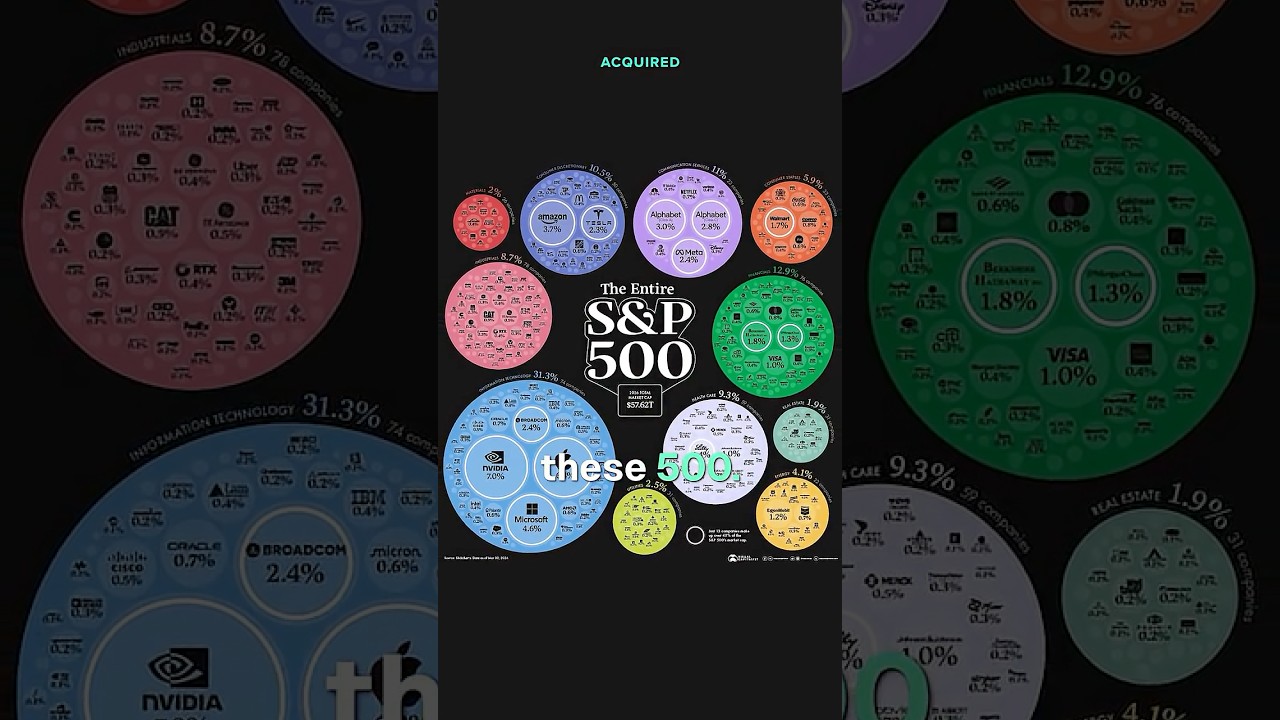
Creating a fund that continuously tracks an index like the S&P 500 is an incredibly complex logistical feat that strictly requires a lot of software and heavy automation. The speakers emphasize that "humans could not do this" on their own. The fundamental point of the S&P 500 is to curate a specific subset of the total market that delivers essentially the exact same returns but utilizes a much smaller, more manageable set of companies. Instead of dealing with thousands of different corporations, you only need to focus on these 500. However, even with that smaller number, setting up the computational systems to accurately track the day-to-day movements of 500 companies remains a highly sophisticated technical challenge.

Beyond the technological hurdles, the sheer financial cost of replicating the index presents a massive barrier to entry. It is exceptionally expensive to purchase a representative, correctly weighted set of the entire S&P 500, especially when buying in whole share denominated amounts. To put this into perspective, the speakers note that today, the minimum quantity of dollars an individual would need to recreate this tracking on their own—without buying into an existing fund—is about 3 and 1/2 million dollars. The segment wraps up with a playful, rhythmic banter as they ask, "Who got the juice? Is it you? Is it you?"

* The S&P 500 mimics total market returns using a smaller subset of 500 companies rather than thousands. * Replicating the S&P 500 independently requires a minimum capital investment of approximately $3.5 million.

## Notable quotes > humans could not do this

> Who got the juice? Is it you? Is it you?

## Mentioned S&P 500, Vanguard

[Source](https://www.youtube.com/watch?v=Hb95Vii6rp4)

中文简报

复制标普500指数需自动化及350万美元资金 由于购买按正确权重配置的整股需要高昂的财务成本,独立复制该指数需要复杂的计算系统以及至少350万美元的投资。 复制像标普500(S&P 500)这样的指数基金是一项极其复杂的运作难题,需要复杂的软件和高度自动化,而非单纯依靠人力。标普500指数通过精选出500家更便于管理的公司子集来模拟整个市场的回报,从而避免了追踪数千家公司的需要。然而,由于必须按正确权重购买整股,独立复制该指数的成本极其高昂。最终,个人若想在不借助现有基金的情况下自行复制这种追踪,至少需要约350万美元的资金投入。 持续追踪标普500这样的指数是一项极其复杂的运作难题,严格需要软件和高度自动化的支持。 在缺乏自动化的前提下,单凭人力无法应对追踪该指数的运作需求。 标普500指数的核心目的是精选出一个规模更小、更易于管理的公司子集,以实现与整个市场基本相同的回报。 聚焦于500家公司而非数千家简化了市场追踪,但建立应对日常波动的计算系统仍是一项复杂的工程技术挑战。 独立复制标普500指数的财务成本给个人投资者带来了极高的准入门槛。

Reading summary

According to Acquired, tracking an index like the S&P 500 requires advanced automated software and substantial capital, making direct replication virtually impossible for typical individual investors without an existing fund. Technological Complexity and Automation in Index Tracking Replicating an index like the S&P 500 requires continuous computational management and extensive software automation. While the S&P 500 narrows thousands of broader market equities down to 500 companies to deliver comparable returns with fewer assets, managing the day-to-day fluctuations across those 500 holdings remains a significant technical challenge that the hosts argue humans could not accomplish manually. Capital Barriers to Direct Portfolio Replication Constructing an accurate, properly weighted portfolio of S&P 500 companies in whole-share amounts demands substantial capital. According to the hosts, an investor seeking to recreate the index independently outside of an established fund would require a minimum investment of approximately $3.5 million. The technological overhead and multi-million-dollar capital threshold demonstrate why direct index replication is prohibitive for individual retail investors, reinforcing the necessity of pooled index fund structures.

精炼阅读摘要

《Acquired》指出,指数基金的运转高度依赖软件自动化与精简的成分股设计,而高昂的技术复杂性与资金门槛使得个人投资者几乎不可能独立复制标普500(S&P 500)指数。 自动化系统与成分股精简的技术挑战 持续追踪标普500这类指数是一项极度复杂的系统工程,必须依赖大量专业软件与高强度的计算自动化。主讲人强调,仅凭人力完全无法胜任这一维度的追踪任务。标普500指数的核心逻辑在于从市场上数以千计的股票中筛选出500家公司的精简子集,以更易管理的资产规模提供与整体市场基本一致的回报率。然而,即便是将跟踪范围缩小至500家企业,搭建一套能精确计算并紧密贴合其每日波动的技术系统,依然构成了一道精密的工程壁垒。 独立复制指数的巨额资金门槛 除技术限制外,按正确权重独立复制指数成分股在财务上也存在极高的准入门槛。在以整股(whole share)为单位进行配置时,按比例购入标普500的所有股票需要极其庞大的本金。主讲人指出,当前单一个人若在不申购现有基金的前提下独立重建该指数组合,所需的最低资金规模约为350万美元。这种巨额资金要求使得个人脱离成熟基金架构直接复制指数变得极为困难。 标普500指数虽然通过成分股筛选降低了覆盖整个市场的运作负担,但其对自动化软件的刚性依赖以及约350万美元的独立复制门槛,表明了专业指数基金在降低散户准入成本方面具备不可替代的规模优势。

Detailed notes — zh

## Background 本内容由知名商业播客频道 Acquired 于 2026 年 5 月 29 日发布在 YouTube 平台。页面简介表明,该短片节选自其关于 Vanguard(先锋领航)的专题音频《The communist capitalist who saved investors a trillion dollars》,聚焦于指数基金如何从根本上彻底改变了现代投资模式。 ## TL;DR 内容深入剖析了精准追踪标普 500 指数背后所面临的巨大技术复杂性与资金壁垒。标普 500 旨在通过精炼出的 500 家代表性企业来模拟整个股票市场的回报,但其日常价格变动的监控与再平衡早已超出人力极限,高度依赖精密的自动化软件工程。此外,若个人投资者试图以整股为单位在公开市场自主按权重复刻标普 500 组合,至少需要约 350 万美元的巨额初始资金。指数基金正是通过高度工程化与规模效应,为普通大众抹平了通往市场基准回报的高门槛。 ## Atmosphere & style 整体语调理性严谨、富有洞察力,展现出深度商业剖析所特有的专业与通透感。讲解节奏清晰利落,通过引用具体的数据与现实限制,生动揭示了日常投资产品背后鲜为人知的金融基建难度。整段叙述充满揭秘感,让听众深刻体会到自动化工程如何将一项原本遥不可及的复杂金融操作转化为普惠大众的革命性工具。 ## Bulletin - [00:00](https://www.youtube.com/watch?v=Hb95Vii6rp4&t=0s) 标普 500 指数通过提炼 500 家代表性企业来替代成千上万家上市公司,让投资者能够以精简组合获取与全市场基本一致的回报。 - [00:00](https://www.youtube.com/watch?v=Hb95Vii6rp4&t=0s) 指数追踪具备极高的技术壁垒,面对复杂的每日价格波动与权重调优,单纯依靠人工作业无法胜任,必须依赖大规模软件工程与自动化系统。 - [00:00](https://www.youtube.com/watch?v=Hb95Vii6rp4&t=0s) 受限于以整股为单位的交易规则,若个人投资者试图在公开市场独立自建一个权重精确的标普 500 投资组合,目前至少需要 350 万美元的启动资金。 - [00:00](https://www.youtube.com/watch?v=Hb95Vii6rp4&t=0s) 指数基金通过软硬件自动化和资产汇聚,彻底抹平了阻隔在普通散户面前的超高资金与技术门槛。 ## Key takeaways - [00:00](https://www.youtube.com/watch?v=Hb95Vii6rp4&t=0s) 标普 500 指数的核心逻辑在于从广阔的股票市场中抽样最具代表性的核心子集,以 500 家公司代替全市场的数千家企业。 - [00:00](https://www.youtube.com/watch?v=Hb95Vii6rp4&t=0s) 持有精简的 500 家成分股组合即可实现与整个股票市场基本等同的回报,大幅优化了投资与持有成本。 - [00:00](https://www.youtube.com/watch?v=Hb95Vii6rp4&t=0s) 持续、精准地跟踪标普 500 指数在技术上存在极高门槛,其复杂度远非简单的被动买入。 - [00:00](https://www.youtube.com/watch?v=Hb95Vii6rp4&t=0s) 瞬息万变的市场使得人工作业根本无法胜任每日 500 只成分股的精细监控与再平衡。 - [00:00](https://www.youtube.com/watch?v=Hb95Vii6rp4&t=0s) 指数基金必须依靠大量底层软件工程和自动化系统来支撑高精度的每日盯盘与权重修正。 - [00:00](https://www.youtube.com/watch?v=Hb95Vii6rp4&t=0s) 除了技术工程挑战,个人投资者自主复刻指数还面临着极具现实压力的资金规模壁垒。 - [00:00](https://www.youtube.com/watch?v=Hb95Vii6rp4&t=0s) 在以整股(whole shares)为最小买入单位的前提下,精确匹配官方权重配置的资金成本极其高昂。 - [00:00](https://www.youtube.com/watch?v=Hb95Vii6rp4&t=0s) 个人在不借助指数基金的情况下独立复刻完整的标普 500 组合,至少需要约 350 万美元的启动资金。 ## Detailed walkthrough ### [00:00](https://www.youtube.com/watch?v=Hb95Vii6rp4&t=0s) 标普 500 指数追踪背后的技术与资金壁垒 构建一只能够持续追踪标普 500(S&P 500)等基准指数的基金,在技术上存在极高的门槛。要实现这种持续而精准的跟踪,必须依靠大量的软件工程和自动化系统,因为面对瞬息万变的市场,单纯依靠人力根本无法胜任——“单靠人力根本做不到这一点”("Humans could not do this")。标普 500 指数的核心逻辑在于从浩瀚的整个股票市场中提炼出一个具有代表性的核心子集,使投资者无需持有成千上万家公司的股票,只需持有这 500 家公司,就能获得与整个市场基本一致的投资回报。然而,即便将范围精简到了 500 家企业,搭建起一套能够精确监控这 500 只股票每日价格波动并实时调整的系统,其精密度与工程复杂性依然十分惊人。 除了软件自动化层面的技术挑战,复制指数还面临着极具现实压力的资金壁垒。尤其是以整股(whole shares)为最小买入单位时,想要在个人账户中严格按照官方权重配置并持有标普 500 指数中的每一只股票,成本极其昂贵。如果在不借助指数基金工具的情况下,由个人独立在公开市场上建立一个具备完整代表性、权重精确的标普 500 投资组合,目前至少需要约 350 万美元的启动资金。这种极高的资金规模门槛与运作复杂度,正是指数基金为普通投资者所抹平的鸿沟。 - **标普 500 的设计精髓**:用精选的 500 家公司替代整个市场的数千家企业,在大幅精简成分股数量的同时,实现与全市场基本等同的回报水平。 - **自动化与算力依赖**:每日对 500 只股票的价格变动与权重进行监控和再平衡,超出了人工作业的极限,必须依赖自动化软件系统支撑。 - **个人独立复刻的高昂门槛**:在按整股计价且维持准确权重的前提下,个人自主构建标普 500 组合所需的最低资金规模约为 350 万美元。 ## Notable quotes > [00:00](https://www.youtube.com/watch?v=Hb95Vii6rp4&t=0s) 单靠人力根本做不到这一点(Humans could not do this) > [00:00](https://www.youtube.com/watch?v=Hb95Vii6rp4&t=0s) 构建一只能够持续追踪标普 500(S&P 500)等基准指数的基金,在技术上存在极高的门槛。 > [00:00](https://www.youtube.com/watch?v=Hb95Vii6rp4&t=0s) 标普 500 指数的核心逻辑在于从浩瀚的整个股票市场中提炼出一个具有代表性的核心子集,使投资者无需持有成千上万家公司的股票,只需持有这 500 家公司,就能获得与整个市场基本一致的投资回报。 > [00:00](https://www.youtube.com/watch?v=Hb95Vii6rp4&t=0s) 即便将范围精简到了 500 家企业,搭建起一套能够精确监控这 500 只股票每日价格波动并实时调整的系统,其精密度与工程复杂性依然十分惊人。 > [00:00](https://www.youtube.com/watch?v=Hb95Vii6rp4&t=0s) 除了软件自动化层面的技术挑战,复制指数还面临着极具现实压力的资金壁垒。 > [00:00](https://www.youtube.com/watch?v=Hb95Vii6rp4&t=0s) 尤其是以整股(whole shares)为最小买入单位时,想要在个人账户中严格按照官方权重配置并持有标普 500 指数中的每一只股票,成本极其昂贵。 > [00:00](https://www.youtube.com/watch?v=Hb95Vii6rp4&t=0s) 如果在不借助指数基金工具的情况下,由个人独立在公开市场上建立一个具备完整代表性、权重精确的标普 500 投资组合,目前至少需要约 350 万美元的启动资金。 > [00:00](https://www.youtube.com/watch?v=Hb95Vii6rp4&t=0s) 这种极高的资金规模门槛与运作复杂度,正是指数基金为普通投资者所抹平的鸿沟。 ## Mentioned 标普 500 (S&P 500), Vanguard, Acquired, 指数基金 (Index Fund) ## Video description #business #podcast 🎙 From Vanguard: The communist capitalist who saved investors a trillion dollars (Audio) [Source](https://www.youtube.com/watch?v=Hb95Vii6rp4)

Source quotes

[0:00] 单靠人力根本做不到这一点(Humans could not do this) [0:00] 构建一只能够持续追踪标普 500(S&P 500)等基准指数的基金,在技术上存在极高的门槛。 [0:00] 标普 500 指数的核心逻辑在于从浩瀚的整个股票市场中提炼出一个具有代表性的核心子集,使投资者无需持有成千上万家公司的股票,只需持有这 500 家公司,就能获得与整个市场基本一致的投资回报。 [0:00] 即便将范围精简到了 500 家企业,搭建起一套能够精确监控这 500 只股票每日价格波动并实时调整的系统,其精密度与工程复杂性依然十分惊人。 [0:00] 除了软件自动化层面的技术挑战,复制指数还面临着极具现实压力的资金壁垒。 [0:00] 尤其是以整股(whole shares)为最小买入单位时,想要在个人账户中严格按照官方权重配置并持有标普 500 指数中的每一只股票,成本极其昂贵。 [0:00] 如果在不借助指数基金工具的情况下,由个人独立在公开市场上建立一个具备完整代表性、权重精确的标普 500 投资组合,目前至少需要约 350 万美元的启动资金。 [0:00] 这种极高的资金规模门槛与运作复杂度,正是指数基金为普通投资者所抹平的鸿沟。

Source quotes

humans could not do this Who got the juice? Is it you? Is it you?

Original transcript

[0:00] In order to create a fund that [0:02] continuously [0:04] tracked something like the S&P 500 [0:06] index, you needed a lot of software. You [0:10] had to have automation. Humans could not [0:12] do this. [0:13] >> The point of the S&P 500 is to create a [0:15] subset of the total market that has [0:18] essentially the same returns but with a [0:20] smaller set of companies. So, you don't [0:22] need the thousands of companies, you [0:24] just need this 500. But even setting up [0:27] the systems to track 500 companies [0:30] movements day-to-day is sophisticated. [0:32] >> Yeah. [0:33] >> The other thing that makes it [0:34] challenging is it's kind of expensive to [0:37] buy, especially in whole share [0:39] denominated amounts, a representative [0:42] correctly weighted set of the entire S&P [0:45] 500. Today, the minimum quantity of [0:48] dollars you would need to do it on your [0:50] own without buying into a fund is about [0:51] 3 and 1/2 million dollars. [0:53] >> Who got the juice? [0:56] Is it you? Is it you?