Passive Index Funds Beat 85% of Active Managers Over Long Term
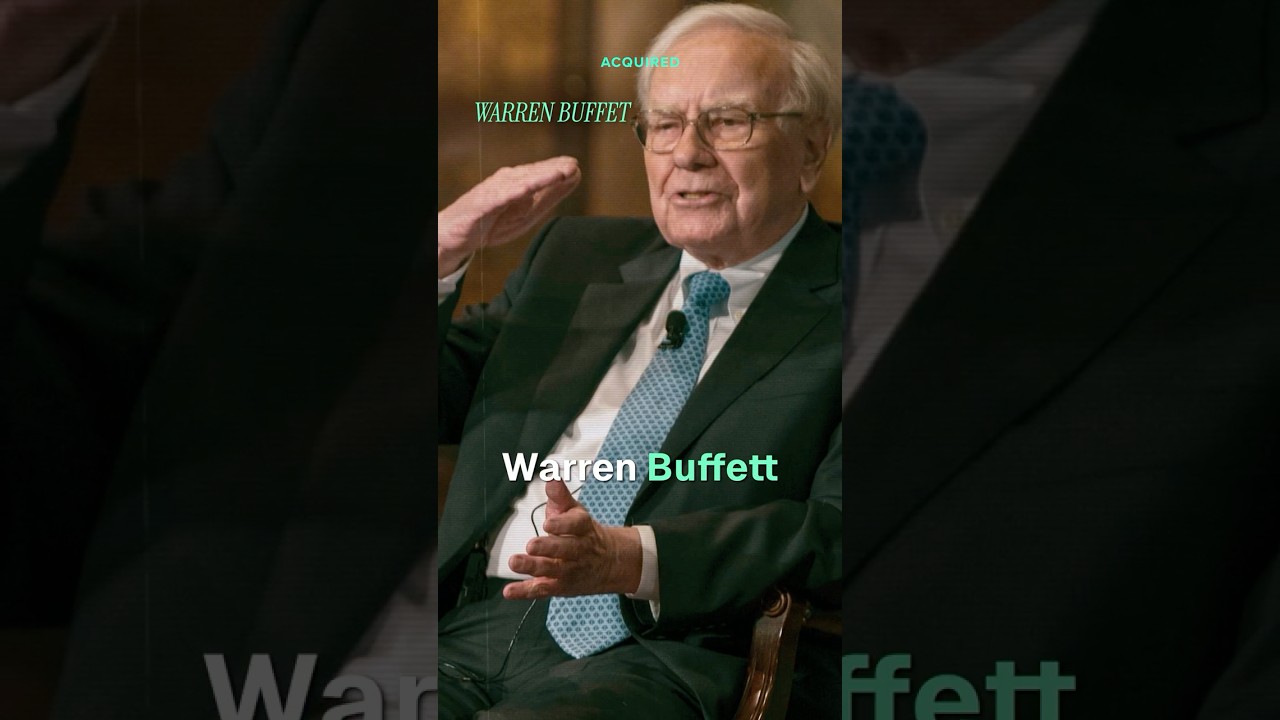
A low cost index fund will outperform 85% of actively managed funds — Acquired

Acquired

Low-cost index investing outperforms actively managed funds because it forces investors to resist emotional market reactions and remain entirely inactive for long periods of time.

AI-assisted summary of A low cost index fund will outperform 85% of actively managed funds — original source. Check the original for full context.

Source published:

Detailed notes

## Background Published on June 4, 2026, by the YouTube channel 'Acquired', this short audio clip is sourced from a business podcast episode titled 'Vanguard: The communist capitalist who saved investors a trillion dollars'. The video has garnered over 12,000 views and features brief show notes tagged with #business and #podcast.

## TL;DR The content explains how a low-cost index fund statistically outperforms 85% of actively managed funds over the long run. It highlights that active investors often fail due to emotional reactions to market fluctuations, such as selling off winning investments too early. Ultimately, long-term investing success relies on a psychological paradox of prolonged inactivity. True wealth building requires the discipline to resist constant portfolio tinkering, perfectly embodying the inverted advice to 'just stand there' instead of acting.

## Atmosphere & style The tone of the piece is analytical yet accessible, blending financial wisdom with psychological insight to challenge conventional impulses. It carries an authoritative, educational vibe that feels both grounded and deeply reflective about human behavior. The narrative style delivers a compelling counterintuitive truth, shifting from a critique of frantic market overreactions to a calm, disciplined appreciation for strategic patience. Listening to it feels like receiving a steadying, reassuring piece of advice from an expert reminding you to tune out the noise.

## Key takeaways - A low-cost index fund is statistically proven to outperform 85% of actively managed funds over the long term. - Active investors consistently fail by reacting to market fluctuations and emotional stimuli instead of maintaining discipline. - Emotional reactions often lead active investors to make critical errors on both sides of a trade, such as selling out of winners too early. - Passive index investing succeeds largely due to a psychological paradox that forces a behavioral component of prolonged inactivity. - To be a truly great investor, the key requirement is the discipline to simply not act for long periods of time. - Active investors often damage their portfolios by reacting to casual conversations with others and external market noise. - The core philosophy of successful long-term wealth building is perfectly captured by Warren Buffett's line: 'Don't just do something, stand there.' - Resisting the urge to constantly tinker with a portfolio is essential to avoid missing out on massive long-term gains.

## Detailed walkthrough ### The Behavioral Advantage of Passive Indexing

A low-cost index fund is statistically proven to outperform 85% of actively managed funds over the long run. The core issue with an active mindset is the constant temptation to react to external stimuli, whether that means panic-selling when the market is down or getting overly excited when it is up. These emotional reactions often lead investors to make critical errors on both sides of the trade, most notably "selling out of your winners too early" instead of staying in them long enough to reap massive gains.

In contrast, passive index investing succeeds largely due to a psychological paradox: it forces a behavioral component where investors tend to do absolutely nothing. To be a truly great investor, the key requirement is to simply not act for long periods of time. This philosophy is perfectly captured by a famous twist on a common phrase, highlighting the discipline required to build long-term wealth by resisting the urge to constantly tinker with a portfolio.

- A low-cost index fund will outperform **85%** of actively managed funds over the long term. - Active investors consistently fail by reacting to market fluctuations and casual conversations with others. - Success in investing relies on a behavioral component of prolonged inactivity, channeling "the great Warren Buffett line: Don't just do something, stand there."

## Notable quotes > selling out of your winners too early

> Don't just do something, stand there. — Warren Buffett

## Mentioned Vanguard, Warren Buffett

[Source](https://www.youtube.com/watch?v=h467OrLtpWw)

中文简报

被动指数基金长期跑赢85%的主动管理者 低成本指数投资之所以跑赢主动管理型基金,是因为它促使投资者抵制对市场的情绪化反应,并在长时间内完全保持静止不作为。 内容阐释了统计数据显示低成本指数基金在长期内如何跑赢85%的主动管理型基金。内容指出,主动投资者常常因对市场波动产生情绪化反应而遭遇失败,例如过早抛售盈利的资产。归根结底,长期投资的成功依赖于一种长期保持不作为的心理悖论。真正积累财富需要具备克制频繁调整投资组合的自律,这完美契合了与其采取行动不如“就站在那里别动”的反常理建议。 统计数据证实,低成本指数基金在长期内跑赢85%的主动管理型基金。 主动投资者往往因为应对市场波动和情绪刺激而非坚守纪律,从而持续遭遇失败。 情绪化反应往往导致主动投资者在交易的双向都犯下严重错误,例如过早卖出盈利资产。 被动指数投资之所以成功,很大程度上得益于一种心理悖论,它迫使投资者形成长期不作为的行为模式。 要成为真正卓越的投资者,最关键的要求是在长时间内能够坚守全然不采取行动的纪律。

Reading summary

According to Acquired, low-cost index funds outperform 85% of actively managed funds over the long run, primarily because passive investing enforces behavioral discipline by curbing emotional overreaction. The Psychological Pitfalls of Active Management Active investors frequently underperform because they are prone to reacting to external stimuli, including market fluctuations and everyday conversations. This mindset leads to emotional decision-making, such as panic-selling during market downturns or becoming overly exuberant when markets rise. These impulses often cause investors to make severe mistakes on both sides of a trade, most notably cutting winning investments short instead of holding them long enough to capture substantial compounding gains. The Wealth-Building Power of Prolonged Inactivity In contrast, the structural advantage of passive index investing lies in a psychological paradox: it enforces a routine of doing nothing. Building enduring wealth requires resisting the urge to constantly adjust a portfolio over long horizons. This principle reflects Warren Buffett's inversion of common advice: "Don't just do something, stand there." Ultimately, the primary driver behind the statistical outperformance of low-cost index funds is not complex market timing, but the behavioral discipline of sustained inaction.

精炼阅读摘要

节目《Acquired》指出,从长期统计数据来看,低成本指数基金的表现优于85%的主动管理型基金;其制胜关键在于利用心理机制迫使投资者保持长期“不作为”,从而规避情绪化交易所带来的损失。 主动投资的情绪反应与交易失误 节目分析指出,主动投资理念的核心缺陷在于投资者极易受外部刺激驱动而频繁操作。无论是市场下挫时的恐慌性抛售、行情上涨时的盲目亢奋,还是受日常交谈与短期波动的干扰,情绪化反应都会使投资者在交易双边出现关键误判。其中最典型的失误是“过早卖出盈利资产”,无法在具有增长潜力的赢家标的中维持足够长的持有期,最终错失巨额回报。 被动投资的心理机制与不作为优势 相比之下,低成本指数投资的成功依托于一种行为心理层面的悖论:它通过机制约束迫使投资者长期保持完全不操作的状态。节目援引沃伦·巴菲特(Warren Buffett)对传统格言的颠覆性表述——“不要只是做点什么,站在那里别动”(Don't just do something, stand there),强调长期财富积累的核心不在于不断微调组合,而在于克制交易冲动并耐受长时间的静止。统计上跑赢85%主动基金的结果,正是这种行为纪律的体现。 该观点总结认为投资的终极竞争力取决于抑制行为冲动而非频繁应对市场,但材料未对该85%超额表现所对应的具体样本周期、市场类型及费用扣除口径提供进一步的边界说明。

Detailed notes — zh

## Background 该视频由知名播客频道 Acquired 于 2026 年 6 月 4 日发布在 YouTube 平台上。简介显示,这段音频切片节选自其关于先锋领航(Vanguard)的深度节目,聚焦这位为投资者省下上万亿美元的投资先驱,探讨指数化投资的颠覆性意义。 ## TL;DR 节目核心探讨了为什么低成本指数基金在长期内能跑赢 85% 的主动管理型基金。Ben 与 David 指出,主动投资者极易受到市场涨跌和外部噪音的情绪化干扰,从而频频犯错并过早抛售手中的赢家标的。被动投资的核心优势反而在行为层面:它强制投资者长期保持“不作为”的状态。正如沃伦·巴菲特的经典名言所言,“别光顾着瞎忙活,站在那里别动”,克制交易冲动、坚守指数才是收获长期复合回报的致胜之道。 ## Atmosphere & style 对谈节奏紧凑、观点犀利,Ben 与 David 凭借极佳的默契,在不到一分钟的交谈中直击投资者最容易陷入的心理误区。主持人在剖析人性弱点时透着冷静与睿智,而引用巴菲特的幽默箴言则为严肃的金融话题增添了一丝诙谐与释然。片尾切入的 Acquired 标志性吉他扫弦与主题歌声,让这一反直觉的投资洞见显得干脆利落且余味悠长。 ## Bulletin - [00:00](https://www.youtube.com/watch?v=h467OrLtpWw&t=0s) 长期数据显示,一只低成本指数基金的表现能够超越市场上85%的主动管理型基金。 - [00:00](https://www.youtube.com/watch?v=h467OrLtpWw&t=0s) 主动投资者的核心劣势往往源自行为偏差,外界刺激与行情波动容易导致其过早抛售优质赢家股票。 - [00:25](https://www.youtube.com/watch?v=h467OrLtpWw&t=25s) 长期成功投资的关键在于克制交易冲动并长年按兵不动,践行巴菲特“别光顾着瞎忙活,站在那里别动”的逆直觉哲学。 ## Key takeaways - [00:00](https://www.youtube.com/watch?v=h467OrLtpWw&t=0s) 长期来看,低成本指数基金的复合回报率胜过85%的主动管理型基金。 - [00:05](https://www.youtube.com/watch?v=h467OrLtpWw&t=5s) 一旦投资者进入主动选股的心态,大脑极易对市场上涨跌幅与外部讨论产生过度反应。 - [00:12](https://www.youtube.com/watch?v=h467OrLtpWw&t=12s) 主动交易者常犯的致命错误是受情绪干扰,无法在赢家公司中坚守足够长的时间。 - [00:15](https://www.youtube.com/watch?v=h467OrLtpWw&t=15s) 过早卖出赢家标的(selling out of winners too early)是主动投资者难以战胜指数的核心原因之一。 - [00:20](https://www.youtube.com/watch?v=h467OrLtpWw&t=20s) 被动指数投资具备强大的行为金融学优势,强制帮助投资者避免频繁干预与频繁犯错。 - [00:25](https://www.youtube.com/watch?v=h467OrLtpWw&t=25s) 成为优秀投资者的核心素养往往不是高频行动,而是长时间保持“无所作为”(not act for long periods)。 - [00:30](https://www.youtube.com/watch?v=h467OrLtpWw&t=30s) 巴菲特的经典箴言“别光顾着瞎忙活,站在那里别动”,揭示了长期指数投资的反直觉智慧。 - [00:35](https://www.youtube.com/watch?v=h467OrLtpWw&t=35s) 抵御贪婪、恐慌及日常噪音对心智的动摇,是获取市场长期复合收益的关键门槛。 ## Detailed walkthrough ### [00:00](https://www.youtube.com/watch?v=h467OrLtpWw&t=0s) 低成本指数基金的长期优势与投资者的行为偏差 从长远来看,一只低成本指数基金的表现能够超越 85% 的主动管理型基金。Ben 与 David 深入探讨了为什么主动投资人往往难以战胜简单的指数化策略:一旦投资者陷入“主动挑选最佳公司”的心态,其大脑便会本能地对各种外部刺激做出过度反应。无论是市场的大幅上涨催生贪婪,还是剧烈下跌引发恐慌,亦或是日常与他人的交流讨论,都会不断动摇投资者的心智。David 随即点明了其中的关键问题——这种不断受到外界干扰的状态,往往会导致投资者无法在优质赢家公司中坚守足够长的时间("stay in your winners long enough"),甚至常常“过早地把手中的赢家股票卖掉”("selling out of your winners too early"),导致在波动的两端频频犯错。 相比之下,被动指数投资拥有极其深厚的行为金融学优势:指数投资者往往选择“按兵不动”。而要在漫长的岁月里成为一名优秀的投资者,最核心的素养恰恰是能够长年累月地“无所作为”("not act for long periods of time")。David 随即引述了沃伦·巴菲特(Warren Buffett)极为经典的反讽式箴言来总结这一投资哲学:“别光顾着瞎忙活,站在那里别动就行”("Don't just do something, stand there")。片尾伴随着 Acquired 标志性的片头曲吉他扫弦与歌声("Who's got the truth? Is it you?..."),将这一关于投资耐性与反直觉智慧的讨论推向高潮。 ```mermaid flowchart TD accTitle: 主动投资与被动指数投资的行为对比 accDescr: 对比主动选股因过度反应而导致过早卖出赢家,与被动投资长期按兵不动从而战胜85%基金的机制。 subgraph Active["主动管理心态"] A["外部刺激<br>(市场涨跌 / 外界杂音)"] --> B["情绪化频繁干预"] B --> C["过早抛售赢家标的<br>(85%跑输指数)"] end subgraph Passive["低成本指数投资"] D["买入全市场指数"] --> E["长期按兵不动<br>('Stand there')"] E --> F["捕获复合长期收益<br>(胜过大多数主动基金)"] end ``` - **长期超额表现**:长线来看,低成本指数基金的复合回报率跑赢了市场上 85% 的主动管理型基金。 - **主动选股的行为陷阱**:投资者极易受行情涨跌及社交谈资的影响,从而在恐惧与贪婪的驱动下频繁调仓,过早卖出真正的优质成长股。 - **被动投资的核心法则**:伟大的长期投资并不取决于频繁的操作,而在于长时间克制交易冲动、坚持“不作为”(not act)。 - **巴菲特经典箴言**:“别光顾着瞎忙活,站在那里别动”("Don't just do something, stand there")。 ## Notable quotes > [00:00](https://www.youtube.com/watch?v=h467OrLtpWw&t=0s) 从长远来看,一只低成本指数基金的表现能够超越 85% 的主动管理型基金。 > [00:00](https://www.youtube.com/watch?v=h467OrLtpWw&t=0s) 主动挑选最佳公司 — David Rosenthal > [00:00](https://www.youtube.com/watch?v=h467OrLtpWw&t=0s) stay in your winners long enough — David Rosenthal > [00:00](https://www.youtube.com/watch?v=h467OrLtpWw&t=0s) selling out of your winners too early — David Rosenthal > [00:00](https://www.youtube.com/watch?v=h467OrLtpWw&t=0s) not act for long periods of time — David Rosenthal > [00:00](https://www.youtube.com/watch?v=h467OrLtpWw&t=0s) Don't just do something, stand there — Warren Buffett > [00:00](https://www.youtube.com/watch?v=h467OrLtpWw&t=0s) 别光顾着瞎忙活,站在那里别动就行 — David Rosenthal > [00:00](https://www.youtube.com/watch?v=h467OrLtpWw&t=0s) Who's got the truth? Is it you?... ## Mentioned Ben Gilbert, David Rosenthal, 沃伦·巴菲特 (Warren Buffett), Acquired, 先锋领航 (Vanguard), 低成本指数基金 (Index Fund) ## Video description #business #podcast 🎙 From Vanguard: The communist capitalist who saved investors a trillion dollars (Audio) [Source](https://www.youtube.com/watch?v=h467OrLtpWw)

Source quotes

[0:00] 从长远来看,一只低成本指数基金的表现能够超越 85% 的主动管理型基金。 [0:00] David Rosenthal: 主动挑选最佳公司 [0:00] David Rosenthal: stay in your winners long enough [0:00] David Rosenthal: selling out of your winners too early [0:00] David Rosenthal: not act for long periods of time [0:00] Warren Buffett: Don't just do something, stand there [0:00] David Rosenthal: 别光顾着瞎忙活,站在那里别动就行 [0:00] Who's got the truth? Is it you?...

Source quotes

selling out of your winners too early Warren Buffett: Don't just do something, stand there.

Original transcript

[0:00] A low cost index fund in the long run [0:03] will outperform 85% of other actively [0:07] managed funds. If you are in a mindset [0:12] where you are actively trying to pick [0:14] the best companies, you tend to react to [0:18] external stimuli. The market being up. [0:20] >> stay in your winners long enough. [0:21] >> being down. You having conversations [0:23] with other people. Exactly David, you [0:25] selling out of your winners too early. [0:26] Whatever it is and you can make the [0:28] errors on either side. There's a [0:29] behavioral component where passive index [0:32] investors tend to not act and what you [0:35] need to do is not act for long periods [0:38] of time to be a great investor. [0:40] >> Yes, it's the great Warren Buffett line. [0:42] Don't just do something, stand there. [0:44] >> Yes. Yes. [0:45] >> Who's got the truth? [0:48] Is it you? Is it you? Is it