Nike Pivots Back to Wholesale, Relaunches ACG Under New CEO
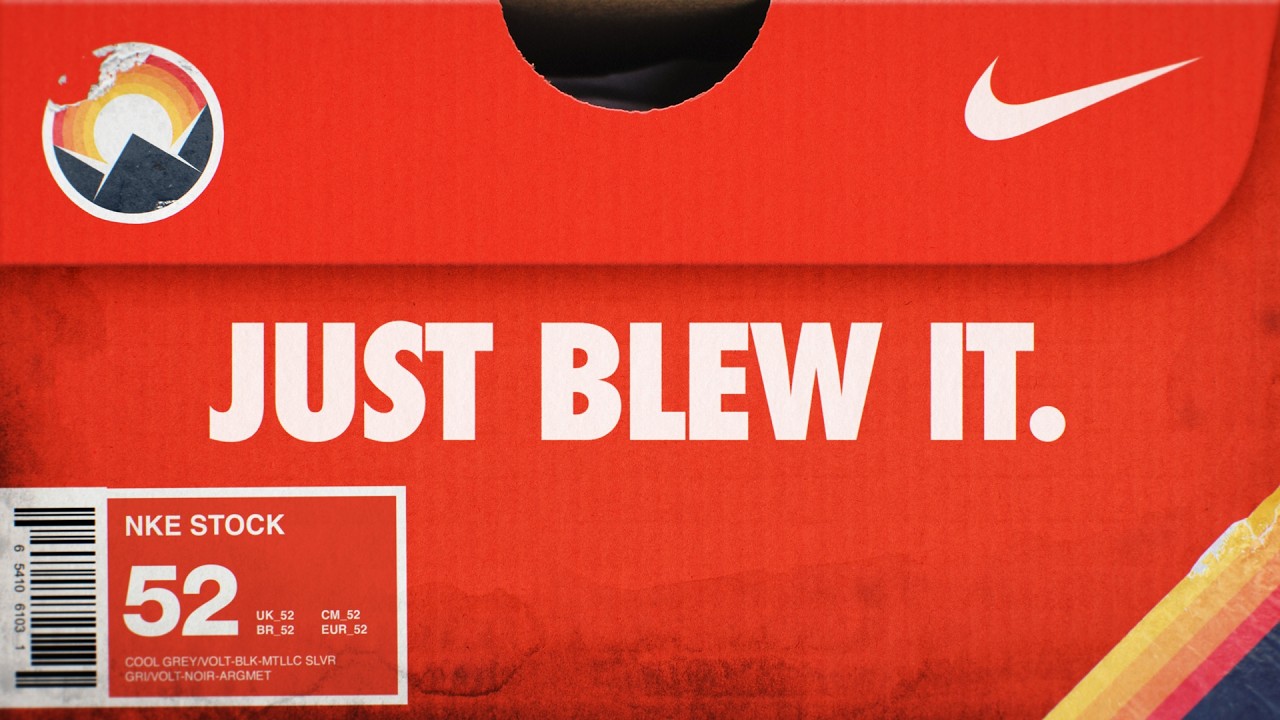
How Nike Lost Its Way — Wendover Productions

Wendover Productions

Nike's market share and stock value collapsed because the company abandoned its focus on continuous product innovation and wholesale retail partnerships in favor of short-term pandemic digital sales driven entirely by legacy product nostalgia.

AI-assisted summary of How Nike Lost Its Way — original source. Check the original for full context.

Source published:

Detailed notes

## Background Published on March 31, 2026, on YouTube by the channel Wendover Productions, this video analyzes how Nike lost its market dominance and strategic focus. The page description includes a promotional offer for the video's sponsor, Storyblocks, along with social media links and production credits for the writing, editing, animation, sound, and thumbnail design.

## TL;DR Nike has transitioned from a traditional shoemaker into a lifestyle tastemaker, originally building its global empire by partnering with rebellious, culture-defining athletes like Steve Prefontaine and Michael Jordan. However, the company has recently lost significant market share to innovative competitors like Hoka, Salomon, and On Running after failing to sustain outdoor trends like Gorpcore and neglecting specialty running retail. Following two decades of internal corporate turmoil, high-profile public relations scandals, and a catastrophic stock market crash in 2024, Nike is now attempting a strategic comeback. Under the leadership of new CEO Elliott Hill, the company is reviving its technical ACG line and repairing fractured wholesale relationships to reclaim its competitive edge.

## Atmosphere & style The video carries an analytical, objective, yet deeply compelling tone that blends investigative business journalism with an evocative narrative arc. It moves from a sense of mounting corporate panic and faded vision into a nostalgic reflection on Nike's gritty, plucky underdog origins, before shifting into a sober assessment of its modern institutional stagnation. Ultimately, the narrative leaves the viewer with a feeling of guarded optimism and renewed tension as the historic brand attempts to find its fight again.

## Key takeaways - [00:00](https://www.youtube.com/watch?v=WGhy62UZnbg&t=0s) Nike functions structurally as a tastemaker rather than a manufacturer, outsourcing all of its shoe production globally while its most valuable assets remain its design trademarks. - [01:22](https://www.youtube.com/watch?v=WGhy62UZnbg&t=82s) Footwear acts as a powerful social signaling mechanism, allowing consumers to intentionally cultivate their image and communicate personality traits, wealth, and age. - [02:16](https://www.youtube.com/watch?v=WGhy62UZnbg&t=136s) Nike's foundational corporate identity was built around the plucky, working-class charisma of distance runner Steve Prefontaine during the 1970s American jogging boom. - [04:00](https://www.youtube.com/watch?v=WGhy62UZnbg&t=240s) Early technical innovations like the Cortez and Waffle Trainer helped Nike capitalize on a massive US running revolution that saw athletic footwear market share skyrocket by 1979. - [05:24](https://www.youtube.com/watch?v=WGhy62UZnbg&t=324s) Facing its first corporate losses in 1984 due to shifting urban tastes, Nike executed a high-stakes, rebellious marketing gambit by betting heavily on rookie Michael Jordan. - [05:24](https://www.youtube.com/watch?v=WGhy62UZnbg&t=324s) The defiant campaign surrounding the banned, non-compliant Air Jordan I generated unprecedented first-year sales and established Nike's repeatable athlete-centered expansion playbook. - [07:59](https://www.youtube.com/watch?v=WGhy62UZnbg&t=479s) The explosion of 'Gorpcore' and trail running footwear over the last decade created an immense sales boom that caught an industry-leading, institutional Nike flat-footed. - [07:59](https://www.youtube.com/watch?v=WGhy62UZnbg&t=479s) Dynamic competitors like Hoka and Salomon successfully captured the everyday comfort and Gen Z urban fashion markets by out-innovating Nike in category trends. - [10:19](https://www.youtube.com/watch?v=WGhy62UZnbg&t=619s) Nike pioneered the trail category with ACG in the 1980s but allowed it to wither, illustrating a broader corporate pattern of poor long-term vision and follow-through. - [10:19](https://www.youtube.com/watch?v=WGhy62UZnbg&t=619s) Nike's global athletic shoe market share slipped from 42% in 2000 to 36% in 2022, losing critical momentum to more agile, innovative industry rivals. - [10:19](https://www.youtube.com/watch?v=WGhy62UZnbg&t=619s) By strategically pivoting away from wholesale retail, Nike's presence in specialty running shops languished to less than 5% of sales, ceding dominant ground to Brooks and Hoka. - [10:19](https://www.youtube.com/watch?v=WGhy62UZnbg&t=619s) Nike missed out on partnering with On Running by rejecting its innovative CloudTec hose prototype, allowing the Swiss brand to pass them in distinct, bold design. - [13:22](https://www.youtube.com/watch?v=WGhy62UZnbg&t=802s) Two decades of leadership instability began with CEO William Perez, who replaced Nike's gut-instinct, innovative philosophy with a rigid, short-term data-driven approach. - [13:22](https://www.youtube.com/watch?v=WGhy62UZnbg&t=802s) A series of high-profile public relations crises involving Tiger Woods, Lance Armstrong, and Alberto Salazar forced Nike into a defensive posture that stalled innovation. - [13:22](https://www.youtube.com/watch?v=WGhy62UZnbg&t=802s) Internal toxic workplace culture and sexual discrimination lawsuits heavily tarnished Nike's reputation, prompting a leadership transition to John Donahoe. - [15:00](https://www.youtube.com/watch?v=WGhy62UZnbg&t=900s) During the pandemic, CEO John Donahoe maximized short-term digital revenue by relying heavily on retro product nostalgia rather than developing future-forward designs. - [15:00](https://www.youtube.com/watch?v=WGhy62UZnbg&t=900s) Nike's aggressive direct-to-consumer pivot fractured key wholesale relationships, causing them to lose critical retail shelf space right as in-person shopping rebounded. - [15:00](https://www.youtube.com/watch?v=WGhy62UZnbg&t=900s) The lack of product innovation and strategic retail errors led to a catastrophic 20% single-day stock crash in 2024 and historic fall revenue declines in 2025. - [15:56](https://www.youtube.com/watch?v=WGhy62UZnbg&t=956s) New CEO Elliott Hill, who started as a Nike intern in 1988, inspires guarded optimism as he works to repair fractured relationships and aggressively push back into wholesale channels.

## Detailed walkthrough ### [00:00](https://www.youtube.com/watch?v=WGhy62UZnbg&t=0s) Tastemakers, Not Shoemakers

Nestled within a wooded and comparatively quiet suburb of Portland, Oregon, lies Beaverton—the home of Nike's 400-acre corporate headquarters since the 1970s. On the outside, the expansive campus appears entirely peaceful, complete with a jogging trail, running track, soccer pitch, basketball gym, research lab, and numerous office buildings. On the inside, however, panic has mounted. America's largest shoe company is in a significant funk, desperately trying to get its business back on track after bungling recent product launches, failing to innovate, and losing market share in the very athletic footwear space it helped pioneer.

A look at Nike's structural reality reveals a surprising paradox: while 67% of the company's total revenue comes from shoes, you will not find a single shoe factory on the Beaverton campus. In fact, you won't find a Nike-owned shoe factory anywhere in the United States or the world. Nike is not a traditional shoemaker; its actual business is far more abstract. According to its SEC filings, the company's most valuable assets are its Nike and Swoosh design trademarks. While the late-80s founder Phil Knight defines the business as inspiring and innovating for athletes, corporate documentation describes it as providing the design, development, worldwide marketing, and selling of athletic footwear, apparel, equipment, accessories, and services. Ultimately, Nike functions not as a manufacturer, but as a tastemaker—and tastemaking in the footwear industry is a fickle business.

- **Nike HQ:** 400-acre campus in Beaverton, Oregon. - **Revenue Metric:** 67% of total revenue is generated by shoes. - **Core Assets:** Nike and Swoosh design trademarks (per SEC filings).

---

[01:22](https://www.youtube.com/watch?v=WGhy62UZnbg&t=82s) The Psychology and Storytelling of Footwear

Shoes serve as tools for walking and working, but they also function as powerful social signaling devices. A study conducted by researchers at the University of Kansas demonstrated that when subjects were shown images of someone's footwear without any additional context, they could guess the person's age, gender, income range, personality traits, and even political leanings with surprisingly high accuracy. This finding merely reinforces what consumers already intuitively understand: people judge and are judged based on their footwear. Consequently, consumers intentionally select shoes to cultivate an image, express who they are, or signal who they aspire to be. For example, extroverts frequently reach for norm-disrupting red shoes, whereas individuals looking to blend in prioritize quieter styles and blander colors. Because we use footwear to decode others, we select our own shoes to frame how the world perceives us. Shoes tell deep personal stories, and historically, "Nike used to be the best storyteller."

---

[02:16](https://www.youtube.com/watch?v=WGhy62UZnbg&t=136s) Steve Prefontaine and the Plucky Underdog Era

The foundational narrative of Nike's rise is explicitly mapped out across the architecture of its Beaverton campus. At the end of 1 Bowerman Drive—named after the company's co-founder—sits Lake Nike, flanked by buildings dedicated to Michael Jordan and John McEnroe, and positioned across from the Ronaldo field. At the physical and spiritual core of this layout sits Steve Prefontaine Hall. Few individuals embody the Nike identity quite like the legendary runner Steve Prefontaine, affectionately known as "Pre," and that alignment was entirely intentional. Long before Nike became a global titan, it was a tiny, ambitious operation run by Phil Knight—a lifetime runner himself—who imported sleek Japanese running shoes to compete as a plucky underdog. Knight was looking to carve out a sliver of market share right at the onset of the American jogging boom in the early 1970s.

Concurrently, a scrappy distance runner from an old coastal logging town in Oregon was rising to prominence. Prefontaine ran for the University of Oregon under coach Bill Bowerman, who simultaneously designed running shoes for Nike. As Pre established himself as America's preeminent distance runner, joining the nascent brand was a natural fit. He became central to Nike's corporate identity not just because of his athletic talent, but because of his brash, working-class charisma. He was a small, handsome, and cocky kid who backed up his arrogance with a legendary work ethic. By age 19, he was on the cover of *Sports Illustrated*, his races were broadcast on national television, and his "Go Pre" T-shirts were so popular they even inspired a reactionary wave of "Stop Pre" shirts. He was an authentic American superstar, and he wore Nike.

- **Campus Landmarks Mentioned:** 1 Bowerman Drive, Lake Nike, Michael Jordan Building, John McEnroe Building, Ronaldo field, Steve Prefontaine Hall. - **Pre's Accolades:** Collegiate titles, American distance records, 1972 Munich Olympic Games competitor, *Sports Illustrated* cover athlete at age 19.

---

[04:00](https://www.youtube.com/watch?v=WGhy62UZnbg&t=240s) Catalyzing the Running Revolution

As a signed athlete, Prefontaine actively championed the brand by sporting Nike shoes at run clubs, public meetups, and high school and college track programs across the globe. He aggressively pushed the product, and the upstart company mirrored his bold, independent spirit by doing things entirely their own way. Nike pushed technical boundaries by introducing the Nike Cortez, which added essential midsole cushioning for runners, and followed it up with the Nike Waffle Trainer, engineered to be lightweight, grippy, and comfortably padded. Although a fatal car crash tragically cut Prefontaine's life short before he could wear his own signature shoe, the Pre Montreal, his indomitable spirit had already catalyzed a massive cultural shift.

Boosted by the passage of Title IX and the emergence of televised marathons, a massive running revolution swept across the United States, bringing an estimated 25 million new runners into the sport over the decade. These new runners wanted to emulate Prefontaine, and they chose Nike. This fitness boom fundamentally transformed the American retail landscape; at the start of the 1970s, athletic shoes accounted for a mere one out of every 12 pairs of shoes sold, but by 1979, they represented one out of every four pairs. Nike was positioned directly at the center of this transformation.

- **Early Footwear Innovations:** Nike Cortez (midsole cushioning), Nike Waffle Trainer (lightweight, waffle-sole grip), Pre Montreal (signature shoe). - **Market Shift:** Athletic shoes grew from 1 in 12 pairs sold in the early 1970s to 1 in 4 pairs sold by 1979.

---

[05:24](https://www.youtube.com/watch?v=WGhy62UZnbg&t=324s) The 1980s Pivot and Banning the Air Jordan I

By 1980, Nike commanded a dominant 50% of the United States running shoe market and was rapidly closing in on Adidas for total athletic shoe sales. The resounding success of the Prefontaine partnership provided a repeatable business model for expansion into new sports: identify an emerging athletic trend, find an athlete who perfectly embodies the movement, lean into them completely, and co-create the cultural concept of "cool." However, consumer tastes shift rapidly. In the 1980s, popular culture migrated to urban environments, shifting emphasis away from jogging shoes toward basketball footwear. This transition caught Nike flat-footed, leading to its very first financial losses in 1984. The crisis forced founder Phil Knight to step back into active control of the company to fend off encroaching competition from Converse, New Balance, and Reebok. Nike possessed the strategy, but lacked the basketball shoe and the superstar to execute it—until they set their sights on a rookie named Michael Jordan.

Though the Jordan brand is a massive juggernaut today, betting everything on Jordan in 1984 was an incredibly bold and risky strategy. Jordan was not even the first pick in the NBA draft, and he played a guard position that was not yet associated with league dominance. Nike was gambling heavily on unproven upside to establish a foothold against dominant basketball brands like Converse and Adidas, even having to spend considerable effort convincing a highly skeptical Jordan to sign with them in the first place. They merged product design and marketing into a single, defiant campaign.

NBA regulations dictated that basketball shoes had to be at least 51% white, but Nike decided to craft a flashy, colorful red-and-black shoe for Jordan, electing to break the rule and simply absorb the consequences for the sake of visibility. In 1984, Jordan took the court in the non-compliant shoes, and Nike willingly paid the resulting $5,000 per-game fine. The marketing gambit was pure genius. Even though the NBA threatened stricter punishments that limited Jordan to wearing the shoes only three times that season, those three appearances were more than enough. Nike marketed the Jordan I with a rebellious narrative: this wasn't just an incredible player's shoe, it was a shoe so radical and counterculture that it was banned from the league. The shoe sold out instantly, generating a massive $126 million in sales during its historic first year.

- **Market Share (1980):** 50% of the US running shoe market. - **Financial Turn:** First corporate losses occurred in 1984, prompting Phil Knight's return. - **NBA Uniform Rule:** Shoes were required to be 51% white; Nike incurred a $5,000 fine per game for violations. - **Financial Success:** The Air Jordan I generated $126 million in sales in year one.

---

[07:59](https://www.youtube.com/watch?v=WGhy62UZnbg&t=479s) The Playbook of Giants and the Rise of Gorpcore

For decades, Nike strictly adhered to this exact same athlete-centered playbook as it expanded into different sporting realms: Prefontaine in the '70s, Jordan in the '80s, Tiger Woods in golf during the '90s, and Serena Williams in tennis alongside Ronaldo in soccer during the 2000s. Nike became the largest footwear company in the world by backing mold-breakers and consistently maintaining the edgy attitude of a bold up-and-comer. Their messaging was direct: they stood for winners, made no excuses, and told the world to "Just Do It"—a message consumers accepted hook, line, and sinker. However, a fundamental existential problem arises when a company born out of the identity of a scrappy underdog succeeds so thoroughly that it becomes the undisputed industry leader. Maintaining that reckless, relentless drive becomes incredibly difficult from the top of the mountain.

This ongoing struggle for identity is visible at the 2026 Winter Olympic Games. While Team USA is covered head-to-toe in Nike apparel, this isn't an exhibition of unchallenged dominance; rather, it represents the opening salvo of a hopeful comeback story. The Olympic athletes are outfitted in a Nike sub-label called All Conditions Gear, or ACG. The reality that ACG still lacks widespread household name recognition among the general public highlights one of Nike's primary strategic fumbles over the past two decades.

Over the last ten years, the running shoe market has evolved significantly. While standard running shoes remain highly popular, trail running shoes—rugged, off-road alternatives—have become exceptionally trendy. Though trail runners accounted for just a minor fraction of total running shoe sales (sitting at roughly 12% in 2022), their projected annual compound growth rate is significantly outpacing conventional running shoes. Just like the track trainers and basketball shoes of prior eras, trail runners have successfully transitioned into everyday lifestyle fashion. Brands specializing in maximally cushioned footwear, such as Hoka, have become staples in everyday shoe rotations for service industry workers and weekend errands. Concurrently, Salomon's rugged mountain footwear has exploded in popularity among Gen Z urbanites in cities like New York. This outdoor trend, broadly labeled "Gorpcore," has extended far beyond footwear into mainstream urban fashion, with celebrities adopting outdoor technical gear and Gore-Tex garments to set modern style trends. This has resulted in an immense sales boom for trail running brands—a trend Nike is frantically attempting to chase by relaunching its ACG outdoor line in 2026.

- **Nike Athlete Roster By Era:** Steve Prefontaine (1970s), Michael Jordan (1980s), Tiger Woods (1990s), Serena Williams & Ronaldo (2000s). - **Trail Running Market Share:** Accounted for 12% of total running shoe sales in 2022. - **Trend Competitors:** Hoka (comfort/service jobs), Salomon (Gen Z/urban fashion via Gorpcore).

---

[10:19](https://www.youtube.com/watch?v=WGhy62UZnbg&t=619s) Fading Vision, Missed Opportunities, and the Rise of On

What makes Nike's current predicament so glaring is that the Gorpcore movement is a trend they actually helped invent, yet lacked the long-term vision to sustain. Nike introduced its very first trail shoe back in 1984 and launched the ACG line in 1988, essentially pioneering the category by merging the heavy-duty tread of hiking boots with the lightweight uppers of traditional running shoes. They were technical visionaries who injected performance gear with signature Nike brashness, utilizing vibrant colors and fun prints that the historically drab outdoor industry sorely lacked. However, during the 2000s, corporate leadership allowed the ACG branch to wither on the vine, establishing a broader corporate theme of poor follow-through and faded vision.

A comparison of market share figures illustrates this stagnation. In the year 2000, Nike held a dominant 42% share of the global athletic shoe market, easily outpacing its next three largest competitors combined. By 2022, even when factoring in the massive Jordan brand umbrella, Nike's market share dipped slightly to 36%. While they still technically outpace their top three competitors combined, market share is merely a static freeze-frame that fails to account for market momentum.

Dynamic brands like Hoka, New Balance, Saucony, Puma, ASICS, Brooks, and On Running are aggressively clawing away market share by out-innovating Nike in the specialty running market. In specialty running shops—where knowledgeable staff cater directly to dedicated runners—Brooks and Hoka combine to command nearly half of all sales. New Balance, On, and Saucony make up the next 29% of the market. Meanwhile, Nike—which strategically pivoted away from wholesale in-store retail and actively deemphasized running—languishes at less than 5% of specialty running shop sales.

- **Market Share Comparison:** 42% in 2000 vs. 36% in 2022 (including Jordan brand). - **Specialty Running Shop Market Share Breakdown:** * Brooks & Hoka: ~50% * New Balance, On, & Saucony: 29% * Nike: Less than 5%

Nike has been systematically overtaken across every major footwear category. In the speed category, which Nike once completely dominated via its Vaporfly line (renowned as the world's fastest road-running shoe), they have been caught by Adidas and completely surpassed in laboratory testing by Puma. In terms of comfort and cushioning—concepts entirely foreign to running before Nike popularized them—they have been entirely eclipsed by the maximal support of Hoka and the corrective alignment designs of Brooks, both of which have captured the lucrative market of professionals who stand all day, such as hospital workers. Even in terms of unapologetically bold, eye-catching design, Nike has been passed by On Running.

On Running, a Swiss brand instantly recognizable for its distinct CloudTec sole design, features an origin story that mirrors Nike's own historical narrative. Instead of using a kitchen waffle iron to innovate a new sole tread, On's founder, Oliver Bernhard—a professional triathlete plagued by chronic Achilles pain—decided to build a custom solution. In 2010, the prototype for CloudTec was born when Bernhard literally sliced up a piece of rubber garden hose and attached the pieces to the heel of his shoe. Before building an independent brand around the garden hose innovation, Bernhard initially brought the concept to his primary corporate sponsor to see if they wanted to develop it. That sponsor was Nike, who promptly turned the idea down. By missing out on On Running and losing focus, Nike fell behind across the broader running landscape, largely because it spent the last decade trapped in damage control.

---

[13:22](https://www.youtube.com/watch?v=WGhy62UZnbg&t=802s) Two Decades of Internal Corporate Turmoil

Nike's slide from innovative dominance can be traced back to a series of disruptive leadership decisions and public scandals. In 2004, the company did something entirely unprecedented in its history by hiring an outsider, William Perez, as CEO. That choice proved costly. Perez departed from the gut-instinct, future-forward philosophy that originally defined the company, operating instead on a rigid, data-driven methodology that focused strictly on short-term sales rather than era-defining innovation. Perez lasted only two years before being replaced by Nike veteran Mark Parker. While Parker initially stabilized corporate operations, he quickly had to steer the company through an absolute minefield of high-profile public relations crises.

First came Tiger Woods' highly publicized marital scandals in 2009, followed closely by Lance Armstrong's massive doping exposure in 2013. These incidents forced the sports giant into a defensive PR posture, an incredibly difficult environment from which to drive meaningful product innovation. Even within the areas where they actively pushed technical boundaries—specifically elite distance running—scandal deeply rocked the institution. Highly successful marathon coach Alberto Salazar was so deeply integrated into the Nike distance running project that he had an entire corporate building named after him on the Beaverton campus. However, that legacy collapsed under a wave of severe allegations. Investigations revealed that Salazar's athletes were engaged in doping, resulting in a lifetime ban for the coach. This was compounded by subsequent athlete allegations detailed between 2015 and 2019 exposing widespread abusive conduct by the disgraced coach.

Simultaneously, Nike was hit with a major sexual discrimination lawsuit. The legal action alleged that an entrenched, toxic "boys' club" corporate culture had resulted in systemic discrimination, workplace retaliation, and unfair wage gaps between male and female employees. This twin storm of cultural and athletic scandals ultimately forced Mark Parker to step down as CEO. Heavily weighed down by a severely tarnished corporate reputation, Nike once again looked backward instead of forward for its next leader, bringing in another outsider, John Donahoe. Tasked with a strict mandate to rapidly scale up the company's digital footprint, Donahoe chose to play Nike's historical hits. At first, the digital strategy worked beautifully; Nike pivoted hard toward a direct-to-consumer sales model right as the global COVID-19 pandemic hit, causing an initial surge in digital revenue.

- **Corporate Leadership Chronology:** William Perez (2004–2006; outsider), Mark Parker (2006–2020; Nike veteran), John Donahoe (2020–present; outsider). - **Major Corporate PR Scandals:** Tiger Woods marital crisis (2009), Lance Armstrong doping scandal (2013), Alberto Salazar doping/abuse investigation and ban (2015–2019), Corporate sexual discrimination lawsuit.

[15:00](https://www.youtube.com/watch?v=WGhy62UZnbg&t=900s) Losing the Plot and the Bottoming Out of Nike

During the pandemic, Nike capitalized heavily on the massive hype surrounding the much-anticipated Michael Jordan documentary. The company aggressively pushed its classic Jordan and Air Force product lines, which initially triggered a massive boom in sales. However, this short-term financial success masked a deeper structural failure: product innovation completely flatlined. To make matters worse, Nike's strategic pivot away from traditional retail channels soured its relationships with major shoe carriers and wholesalers. This self-inflicted wound meant Nike actively ceded valuable retail shelf space right at the critical moment when in-person shopping roared back to life.

The consequences of these decisions culminated in catastrophic financial performance. Nike navigated its absolute worst day on the stock market in 2024, watching its shares plummet by a staggering 20% in a single day. The bleeding continued into 2025, with the company reporting its worst fall revenue on record, marked by an 11.5% year-over-year drop. The narrator points out that Nike had bottomed out because, in a business fundamentally driven by storytelling, "it had lost its own plot." It stopped innovating for the future and relied entirely on the nostalgia of the past, transforming from a trusted, "scrappy winner" into a "bloated institution so scared of failing." For the first time in its history, Nike felt like an artifact of the past rather than a driver of the present, causing athlete after athlete to walk away from the iconic brand.

* **Stock Market Crash (2024):** Shares dropped by 20% in a single day. * **Revenue Decline (2025):** Fall revenue suffered an 11.5% year-over-year drop. * **Strategic Errors:** Focused heavily on retro Jordan and Air Force lines, stopped innovating, and abandoned wholesale partners right before in-person retail rebounded.

[15:56](https://www.youtube.com/watch?v=WGhy62UZnbg&t=956s) The Return of Elliott Hill and Guarded Optimism

With John Donahoe out, Elliott Hill has stepped into the role of CEO, bringing with him a profound understanding of the company's DNA. Having started his journey at Nike all the way back in 1988 as an intern, Hill's appointment has sparked a wave of company-wide hope that he can steer the athletic giant back to its roots. There is currently a sense of "guarded optimism" surrounding his leadership, backed by concrete moves to revitalize the brand. For instance, the relaunch of Nike's ACG (All Conditions Gear) line has provided a much-needed shot in the arm for their product offering.

Hill is also aggressively tackling the wholesale blunders of his predecessor. He has pushed hard to get Nike back into the wholesale game and back onto physical retail shelves where they belong. Mending fractured relationships has become a top priority; the new CEO has embarked on consecutive business trips to personally repair bonds between the sport's biggest names and biggest brands. While only time will tell if these relationships will hold and if Hill can successfully rebuild the consumer trust that has waned over the last decade, it feels like the company is finally "finding its fight again."

* **CEO Transition:** John Donahoe replaced by Elliott Hill, who originally started as a Nike intern in 1988. * **Product Revival:** The relaunch of the ACG line has provided an immediate boost to the brand. * **Retail Strategy Shift:** Pushing back into wholesale channels to reclaim lost shelf space and mending ties with major athletic figures.

[16:43](https://www.youtube.com/watch?v=WGhy62UZnbg&t=1003s) Visual Storytelling and the Storyblocks Solution

Transitioning from corporate strategy to video production, the narrator reflects on how finding the perfect clips and footage to tell a compelling story can be an absolute fight of its own. This serves as an introduction to the video's sponsor, Storyblocks, a service that has been absolutely instrumental to the channel since its very inception. The creator explains that sending production crews out into the world to film original footage is wildly expensive and time-consuming. Similarly, licensing individual clips from traditional services is highly restrictive and costly because creators are typically forced to pay on a per-clip basis.

Storyblocks disrupts this model by operating as a flat-rate subscription service, giving users unlimited access to everything they offer without the stress of per-clip pricing. The narrator highlights that the platform is far more than a simple repository; it features a human-made, easy-to-navigate catalog of footage alongside music, sound effects, and editing templates designed to speed up workflows and professionalize the final product. Speaking from long-term personal experience that predates the sponsorship, the narrator emphasizes that the service offers peace of mind because all content is fully licensed and ready to go, while currently offering a limited-time 15% discount on annual plans.

* **Sponsor:** Storyblocks ([storyblocks.com/wendover](https://storyblocks.com/wendover)). * **Pricing Model:** Flat-rate subscription instead of the industry-standard per-clip licensing fees. * **Features:** Human-made footage catalog, music tracks, sound effects, and editing templates. * **Promotional Offer:** 15% off any of their annual plans for a limited time.

## Notable quotes > [00:00](https://www.youtube.com/watch?v=WGhy62UZnbg&t=0s) inspiring and innovating for athletes — Phil Knight

> [00:00](https://www.youtube.com/watch?v=WGhy62UZnbg&t=0s) providing the design, development, worldwide marketing, and selling of athletic footwear, apparel, equipment, accessories, and services — corporate documentation

> [01:22](https://www.youtube.com/watch?v=WGhy62UZnbg&t=82s) Nike used to be the best storyteller. — narrator

> [07:59](https://www.youtube.com/watch?v=WGhy62UZnbg&t=479s) Just Do It — narrator

> [15:00](https://www.youtube.com/watch?v=WGhy62UZnbg&t=900s) it had lost its own plot. — narrator

> [15:00](https://www.youtube.com/watch?v=WGhy62UZnbg&t=900s) scrappy winner — narrator

> [15:00](https://www.youtube.com/watch?v=WGhy62UZnbg&t=900s) bloated institution so scared of failing. — narrator

> [15:56](https://www.youtube.com/watch?v=WGhy62UZnbg&t=956s) guarded optimism — narrator

> [15:56](https://www.youtube.com/watch?v=WGhy62UZnbg&t=956s) finding its fight again. — narrator

## Mentioned Nike, Wendover Productions, Storyblocks, Beaverton, Portland, Oregon, United States, Phil Knight, Swoosh, University of Kansas, Bill Bowerman, Michael Jordan, John McEnroe, Ronaldo, Steve Prefontaine, Sports Illustrated, Munich Olympic Games, Nike Cortez, Nike Waffle Trainer, Pre Montreal, Title IX, Adidas, Converse, New Balance, Reebok, NBA, Air Jordan I, Tiger Woods, Serena Williams, Team USA, All Conditions Gear, ACG, Hoka, Salomon, Gen Z, New York, Gorpcore, Gore-Tex, Saucony, Puma, ASICS, Brooks, On Running, Vaporfly, CloudTec, Oliver Bernhard, William Perez, Mark Parker, Lance Armstrong, Alberto Salazar, John Donahoe, Air Force, Elliott Hill

[Source](https://www.youtube.com/watch?v=WGhy62UZnbg)

中文简报

耐克重返批发模式,新任CEO掌舵重启ACG 耐克的市场份额和股票市值出现暴跌,原因是该公司放弃了对持续产品创新和批发零售合作关系的关注,转而追求完全由经典复古情怀推动的疫情期间短期线上销售。 耐克已从传统制鞋商转型为生活方式潮流风向标,最初通过与Steve Prefontaine和Michael Jordan等具有叛逆精神且定义文化的运动员合作建立起全球帝国。然而,由于未能持续抓住Gorpcore等户外潮流风向并忽视了专业跑步零售渠道,该公司近期将大量市场份额拱手让给了Hoka、Salomon和On Running等创新型竞争对手。在经历了二十年的内部动荡、引人注目的公关丑闻以及2024年灾难性的股价暴跌后,耐克目前正试图实现战略复苏。在新任首席执行官Elliott Hill的领导下,公司正在重启专业户外ACG系列,并修复破裂的批发合作关系,以重夺竞争优势。 耐克在架构上扮演的是潮流风向标而非制造商的角色,其鞋类生产全部在全球范围内外包,而最核心的资产依然是其设计商标。 (0:00) 鞋履充当着强有力的社会信号机制,使消费者能够有针对性地打造自身形象,并传达个性特征、财富水平及年龄阶段。 (1:22) 在20世纪70年代美国慢跑热潮期间,耐克围绕长跑运动员Steve Prefontaine勇敢坚毅的工人阶级魅力,构建了最初的企业核心形象。 (2:16) 早期诸如Cortez和Waffle Trainer等技术创新,帮助耐克充分把握了全美跑步革命的契机,其运动鞋市场份额在1979年实现飞速增长。 (4:00) 1984年,面对因城市审美转变而导致的公司首次亏损,耐克通过在新秀Michael Jordan身上押下重注,实施了一次高风险且具叛逆色彩的营销决断。 (5:24)

Reading summary

Wendover Productions argues that Nike built its global empire by functioning as a rebellious cultural tastemaker rather than a traditional shoemaker, but years of institutional complacency, leadership scandals, and a flawed direct-to-consumer strategy detached the brand from its innovative roots. The Athlete Storytelling Playbook and Tastemaker Model (0:00) Nike's business model relies on an abstract corporate structure: while athletic footwear accounts for 67% of its total revenue, the company owns no footwear manufacturing factories. SEC filings confirm that its most valuable assets are its brand trademarks, meaning Nike functions primarily as a cultural tastemaker. This model capitalizes on the psychology of footwear as a social signaling mechanism, supported by University of Kansas research demonstrating that observers can accurately deduce personal demographics and personality traits from shoes alone. Historically, Nike weaponized this dynamic through bold, athlete-driven narratives. In the 1970s, distance runner Steve Prefontaine gave the upstart company a brash identity that captured America's running boom, helping athletic shoes expand from one in 12 footwear purchases to one in four by 1979. In 1984, facing its first financial losses, Nike repeated the formula by signing NBA rookie Michael Jordan. By designing a non-compliant red-and-black shoe and absorbing the NBA's $5,000 per-game uniform fines, Nike branded the Air Jordan I as an outlaw product, driving $126 million in first-year sales and cementing an athlete-first playbook that defined the brand for decades. Erosion of Technical Leadership in Specialty Footwear (10:19) As Nike evolved from a scrappy challenger into an industry giant, it repeatedly failed to sustain long-term category vision. Although Nike pioneered outdoor trail footwear with the 1988 launch of All Conditions Gear (ACG), it neglected the line during the 2000s. Consequently, newer brands capitalized on the rise of 'Gorpcore' and trail running, which accounted for roughly 12% of total running shoe sales in 2022. While Hoka captured the lifestyle and workplace comfort demographic, Salomon became an urban fashion staple. This loss of product focus decimated Nike's standing among core runners. Nike's global market share slipped from 42% in 2000 to 36% in 2022. More critically, in dedicated specialty running shops, Brooks and Hoka now account for approximately 50% of footwear sales, with New Balance, On Running, and Saucony capturing another 29%. Nike fell below 5% of specialty running sales. Competitors simultaneously erased Nike's technical advantages: Adidas and Puma caught or surpassed the Vaporfly in racing speeds, while On Running—whose founder Oliver Bernhard initially offered his hose-cushion prototype to Nike in 2010, only to be rejected—eclipsed Nike in bold visual design. Corporate Scandals and the Direct-to-Consumer Pivot (13:22) Nike's innovative stagnation was exacerbated by two decades of internal management disruptions. Following an unsuccessful, data-driven tenure by outsider CEO William Perez between 2004 and 2006, veteran CEO Mark Parker stabilized operations but became consumed by major PR crises. These included the personal and doping scandals of high-profile endorsers Tiger Woods and Lance Armstrong, the lifetime ban of prominent Nike distance running coach Alberto Salazar following doping and athlete abuse investigations, and a systemic corporate sexual discrimination lawsuit alleging a toxic workplace culture. Parker's departure ushered in outsider CEO John Donahoe in 2020, who prioritized digital channels and an aggressive direct-to-consumer pivot during the COVID-19 pandemic. While leaning on nostalgia and retro Air Jordan and Air Force releases produced short-term revenue spikes, technical product development stalled. Furthermore, Nike intentionally cut ties with major wholesale retailers right before foot traffic returned to brick-and-mortar storefronts, forfeiting prime shelf space to competing brands. Leadership Reset and the Return to Wholesale (15:56) The direct-to-consumer retreat and creative standstill culminated in severe financial fallout. Nike suffered a 20% single-day stock collapse in 2024, followed by an 11.5% year-over-year autumn revenue decline in 2025. In response, Nike ousted Donahoe and appointed Elliott Hill as CEO, a company veteran who originally started as an intern in 1988. Hill has initiated a brand turnaround focused on rebuilding damaged relationships across the athletic and retail landscapes. His early strategy centers on personal outreach to key athletic figures, restoring fractured partnerships with major wholesale shoe retailers to regain retail shelf presence, and revitalizing the ACG outdoor lineup to recapture lost momentum in lifestyle and trail running. The source observes that while Elliott Hill's appointment and the revival of wholesale partnerships and lines like ACG have generated guarded optimism, it remains unproven whether Nike can successfully rebuild consumer trust and re-establish its innovative edge against entrenched competitors.

精炼阅读摘要

Wendover Productions 的分析指出,Nike 的核心本质并非鞋履制造商,而是依托运动员叙事引领大众审美的潮流策源地;然而,由于近年陷入内部丑闻、过度依赖复古怀旧、轻视产品研发并误判零售渠道,该品牌在专业跑鞋等基本盘上遭遇严重失守与业绩下滑。 潮流缔造者定位与反叛叙事范式 (0:00) Nike 虽然有 67% 的收入来自鞋类,但其在俄勒冈州比弗顿的总部以及全球范围内均未设立任何自有制鞋工厂。美国证券交易委员会(SEC)的文件显示,Nike 最核心的资产是其品牌与 Swoosh 标志商标,其实质业务是产品的设计、开发、全球营销与销售。根据堪萨斯大学的一项研究,鞋履具有强烈的社会信号功能,仅凭鞋子照片便能高准确度推断主人的年龄、收入和性格特征,而 Nike 在历史上正是最擅长利用这一心理机制构建品牌神话的企业。 在 1970 年代,联合创始人 Phil Knight 与传奇长跑运动员 Steve Prefontaine 深度绑定,借助其张扬、出身蓝领的不羁形象塑造了敢于打破常规的挑战者人设,并伴随全美慢跑热潮将运动鞋占鞋类销售比例从 1970 年代初的十二分之一推升至 1979 年的四分之一。进入 1980 年代后,Nike 复制该模式押注新秀 Michael Jordan:面对联盟要求球鞋至少有 51% 白色的规定,Nike 宁愿每场支付 5000 美元罚款也坚持让 Jordan 穿着黑红配色的 Air Jordan I 登场。通过将禁令转化为反主流文化象征,该鞋款在发售首年便创造了 1.26 亿美元的销售额,确立了通过绑定破局运动员来定义潮流的核心商业闭环。 户外潮流误判与专业跑鞋阵地失守 (7:59) 当 Nike 发展为全球绝对巨头后,维持挑战者姿态变得极其困难,并在产品敏锐度上屡屡出现战略迟滞。以近年流行的山系户外风格(Gorpcore)为例,越野跑鞋在 2022 年已占跑鞋总销售额的约 12%,复合年均增长率显著超越传统公路跑鞋。讽刺的是,Nike 早在 1988 年就推出了全天候装备线 ACG(All Conditions Gear)并开创了该品类,却在 2000 年代任由其萎缩,最终被 Hoka 和 Salomon 等新兴品牌抢占了城市与户外市场红利。 更为严峻的危机发生在专业跑步领域。虽然 Nike 在全球运动鞋市场的整体份额从 2000 年的 42% 仅小幅降至 2022 年的 36%(计入 Jordan 品牌),但该数据掩盖了其在专业圈层丧失动量的现实。在面向核心跑步人群的专业跑鞋专卖店中,Brooks 与 Hoka 联手拿下约 50% 的市场份额,New Balance、On 和 Saucony 占据 29%,而 Nike 的份额已跌破 5%。在竞速领域,Nike 曾经统治级的 Vaporfly 系列已被 Adidas 赶超并在实验室测试中落后于 Puma;在缓震舒适领域,其被 Hoka 和 Brooks 超越;在先锋外观设计上,瑞士品牌 On Running 凭借 CloudTec 镂空鞋底风靡市场——而该专利的原型设计在品牌创立前曾向其赞助商 Nike 提案,但被 Nike 当场拒绝。 高层动荡、直营冒进与创新停滞 (13:22) 过去二十年间,Nike 经历了持续的管理层动荡与严重舆论危机。2004 年外聘的首位空降 CEO William Perez 抛弃直觉创新,转向依赖短期销售的死板数据模式,仅任职两年便被老将 Mark Parker 替换。随后,公司接连卷入 2009 年 Tiger Woods 丑闻、2013 年 Lance Armstrong 禁药事件,以及 2015 至 2019 年间传奇教练 Alberto Salazar 的禁药与虐待运动员丑闻,甚至面临内部毒性职场文化的性别歧视诉讼,导致管理层长年处于被动公关防御状态。 2020 年接任 CEO 的 John Donahoe 大刀阔斧推行数字化直营(DTC)模式,并在疫情期间借力 Jordan 纪录片热度,过度聚焦于 Jordan 与 Air Force 等经典复古系列赚取快钱。这种策略导致底层产品研发几乎停滞,同时主动切断与大型批发商和实体鞋店的合作,直接在实体零售客流复苏的关键节点让出了宝贵的线下货架空间。这套组合拳最终引发经营崩盘:2024 年 Nike 股价创下单日暴跌 20% 的历史最差纪录,2025 年秋季营收同比下挫 11.5%,创下史上最差秋季业绩,被解说者评价为“彻底失去了自己的故事内核”。 老将掌舵与渠道重构的纠偏尝试 (15:56) 面对深重危机,Nike 罢免了 John Donahoe,任命 1988 年便以实习生身份加入公司的功勋老将 Elliott Hill 出任新 CEO。Hill 的回归引发了内部对于重塑品牌基因的“审慎乐观”。其上任后的首要举措是全面纠正上一任的渠道失误,密集出访修复与各大批发零售商及知名体育人物的关系,全力推动 Nike 产品重返实体零售货架。 在产品端,Nike 重新激活了沉寂已久的 ACG 户外产品线,并将其作为 2026 年冬季奥运会美国国家队的官方装备进行全面推广,试图重新争夺户外潮流与机能市场的主导权。解说者认为,尽管修复流失的消费者信任与破裂的合作伙伴关系仍需时间检验,但管理层的调优至少让这家迷失的巨头重新展现出了找回自身斗志的迹象。 Nike 衰落的教训表明,当一家依靠打破常规与前沿叙事崛起的公司蜕变为依赖怀旧红利和财务数字的官僚机构时,其核心护城河便会迅速瓦解。尽管新管理层正在全力修补批发渠道并重启户外产品线,但面对在技术与细分市场全面崛起的竞争对手,Nike 能否真正恢复颠覆性的创新能力,目前依然是一个悬而未决的未知数。

Detailed notes — zh

## Background 本视频由知名商业与科普频道 Wendover Productions 于 2026 年 3 月 31 日发布在 YouTube 平台上。页面简介主要列出了视频的撰稿、剪辑与动画制作团队名单,并附有赞助商 Storyblocks 的订阅折扣推广信息,核心内容深入探究运动巨头耐克如何从行业颠覆者逐步迷失方向。 ## TL;DR 耐克本质上不是单纯的制鞋商,而是依靠敏锐洞察时代风潮、绑定普雷方丹与乔丹等叛逆体育偶像起家的“造潮者”。然而在蜕变为行业垄断霸主后,耐克陷入了创新停滞与身份认同困境:它不仅错失了自己亲手开创的越野跑与 Gorpcore 户外风潮,在核心专业跑鞋领域被 Hoka、On 和 Brooks 等新兴品牌全线超越,还因频繁的代言人公关丑闻与内部动荡元气大伤。前 CEO 约翰·多纳霍激进押注 DTC 模式、过度炒作复古爆款并抛弃实体批发商,最终导致 2024 至 2025 年遭遇断崖式的业绩崩盘与历史性股价暴跌。如今,深谙品牌基因的耐克老将埃利奥特·希尔挂帅接任,正试图通过重启 ACG 户外线并修补渠道裂痕来重拾斗志。 ## Atmosphere & style 视频展现了 Wendover Productions 标志性的沉着、严谨与宏大视野,旁白叙事克制冷静却极具穿透力。全片通过将耐克昔日敢为人先的狂傲风骨与当下畏缩保守的狼狈现状进行尖锐对冲,营造出强烈的戏剧反差与历史宿命感。观看时宛如置身一场抽丝剥茧的高级商业复盘,既能深切感受到行业巨头迷失灵魂的荒诞与唏嘘,也传达出新帅临危受命、艰难重拾斗志的紧迫张力。 ## Bulletin - [10:19](https://www.youtube.com/watch?v=WGhy62UZnbg&t=619s) 耐克在运动鞋整体市场虽仍保持约36%份额,但在专业跑步专卖店渠道的销售占比已萎缩至不足5%,阵地被Brooks、Hoka、On和Saucony等细分专业品牌全面瓜分。 - [14:41](https://www.youtube.com/watch?v=WGhy62UZnbg&t=881s) 前CEO多纳霍激进推进DTC数字化转型并过度透支复古经典鞋款,同时削减实体零售配额导致货架被竞品占据,直接引发2024年单日股价暴跌20%以及2025年秋季营收同比下挫11.5%。 - [08:59](https://www.youtube.com/watch?v=WGhy62UZnbg&t=539s) 耐克早在1988年便凭借ACG开创越野跑鞋先河,却缺乏战略定力错失Gorpcore热潮,甚至在2010年亲手拒绝了On昂跑创始人的CloudTec原型合作方案。 - [15:56](https://www.youtube.com/watch?v=WGhy62UZnbg&t=956s) 30余年司龄的内部老将埃利奥特·希尔接任CEO,迅速启动战略转向:重启ACG户外产品线、叫停激进DTC冒进,并重新回归传统批发渠道以修补零售商与运动员关系。 ## Key takeaways - [00:00](https://www.youtube.com/watch?v=WGhy62UZnbg&t=0s) 耐克本质上是“造潮者”而非传统制鞋商,在鞋类贡献67%营收的同时全球自有工厂为零,其最核心资产是品牌符号与精神叙事能力。 - [01:22](https://www.youtube.com/watch?v=WGhy62UZnbg&t=82s) 鞋履在心理学层面承载着强烈的身份认同与人设表达,耐克几十年的核心竞争力正是通过鞋子讲述引人共鸣的自我实现故事。 - [02:16](https://www.youtube.com/watch?v=WGhy62UZnbg&t=136s) 史蒂夫·普雷方丹的草根逆袭与桀骜风骨奠定了耐克的灵魂图腾,使耐克以“无畏挑战者”与“下风者”的姿态立足于全美慢跑热潮。 - [04:00](https://www.youtube.com/watch?v=WGhy62UZnbg&t=240s) 耐克早期通过洞察时代趋势、绑定反叛偶像、推出颠覆性产品(如Cortez与Waffle),成功将运动鞋推向大众日常穿搭风尚。 - [05:33](https://www.youtube.com/watch?v=WGhy62UZnbg&t=333s) 1984年耐克遭遇首次亏损后豪赌迈克尔·乔丹,通过违规着装营销掀起反叛狂潮,Air Jordan 1 首年斩获1.26亿美元并奠定商业帝国。 - [07:59](https://www.youtube.com/watch?v=WGhy62UZnbg&t=479s) 耐克成功打磨出一套“发掘风潮-绑定打破常规者-故事营销-垄断赛道”的飞轮,但成长为行业垄断巨头后逐渐丧失了最初的反叛精神与饥渴驱动力。 - [08:59](https://www.youtube.com/watch?v=WGhy62UZnbg&t=539s) 越野跑鞋复合增长率显著压倒传统公路跑,演化为风靡全球的Gorpcore潮流,而作为户外机能先驱的耐克ACG线却因长期投入不足严重掉队。 - [10:19](https://www.youtube.com/watch?v=WGhy62UZnbg&t=619s) 大盘市场份额掩盖了核心阵地的沦陷:在专业跑步装备专卖店中,Brooks与Hoka拿下近半数份额,而耐克份额跌破5%。 - [12:11](https://www.youtube.com/watch?v=WGhy62UZnbg&t=731s) 耐克在核心产品力上多面失守:竞速被阿迪达斯与彪马追赶,缓震被Hoka主导,甚至曾主动拒绝收购On昂跑的CloudTec雏形专利。 - [13:22](https://www.youtube.com/watch?v=WGhy62UZnbg&t=802s) 外部职业经理人的数据至上主义削弱了耐克的创新土壤,叠加巨星丑闻、俄勒冈长跑计划禁药虐待风波及内部职场诉讼,公司陷入长达数年的公关泥潭。 - [14:41](https://www.youtube.com/watch?v=WGhy62UZnbg&t=881s) 激进DTC战略结合《最后之舞》纪录片红利疯狂收割经典复古鞋款,导致前沿研发停滞并主动放弃实体货架,最终在实体零售复苏时遭遇断崖式业绩反噬。 - [15:56](https://www.youtube.com/watch?v=WGhy62UZnbg&t=956s) 从基层实习生做起的老将埃利奥特·希尔挂帅重掌大局,重拾务实路线,全面修补合作伙伴信任以带领耐克重回正轨。 ## Detailed walkthrough ### [00:00](https://www.youtube.com/watch?v=WGhy62UZnbg&t=0s) 比弗顿总部与耐克的本质:不是制鞋商,而是“造潮者” 在俄勒冈州波特兰郊外郁郁葱葱、相对静谧的比弗顿(Beaverton),坐落着耐克自 20 世纪 70 年代以来的全球总部。这个占地 400 英亩的园区内设施完备,慢跑小径、田径跑道、足球场、篮球馆、顶尖研发实验室以及数不清的办公楼掩映在林木之间。然而,在这看似平静祥和的表象之下,耐克内部却笼罩着一股迫切的焦虑与恐慌——这家曾开创并定义了现代运动鞋市场的美国最大鞋业巨头,正因接连失误的发布策略和创新乏力而陷入泥潭,市场份额不断被蚕食。 耐克有大约 67% 的总收入来自鞋类,但令人意外的是,在这片巨大的园区内,你找不到任何一座制鞋工厂;甚至在全美乃至全世界,耐克都没有哪怕一家属于自己的制鞋厂。耐克的商业逻辑要抽象得多。在其提交给美国证券交易委员会(SEC)的文件中,耐克甚至不把自己定义为传统鞋企,而是将“Nike”字样与“Swoosh”(耐克对勾)设计商标列为公司最有价值的核心资产。对于已步入耄耋之年的联合创始人菲尔·奈特(Phil Knight)而言,耐克的使命是“为运动员带来灵感与创新”;而在官方财报中,耐克是一家提供运动鞋服、装备、配件和服务的“设计、开发与全球营销销售公司”。换句话说,耐克从来不是制鞋商(shoe maker),而是一个造潮者(tastemaker)——而在鞋履领域,引领潮流是一门极其变幻莫测的生意。 - **总部规模**:俄勒冈州比弗顿,占地 400 英亩,配备专业跑道、球场与独立研发实验室。 - **业务结构**:鞋类贡献公司总营收的 67%,但全球范围内拥有 0 座自有制鞋工厂。 - **核心资产**:SEC 财报将 Nike 品牌与 Swoosh 对勾商标认定为最高价值资产。 --- ### [01:22](https://www.youtube.com/watch?v=WGhy62UZnbg&t=82s) 鞋履背后的心理学:讲述人设与身份认同 鞋子虽然是日常行走与劳作的工具,但它的象征意义远超其实用功能。美国堪萨斯大学(University of Kansas)的一项心理学研究显示,当仅向受试者展示一个人的鞋子而不提供任何其他背景信息时,受试者就能以极高的准确率推断出鞋主人的年龄、性别、收入范围,乃至性格特质与政治倾向。 这一科学研究印证了消费者心照不宣的现实:人们会根据鞋子来审视他人,也深知自己正因脚下的鞋子被他人评价。因此,人们挑选鞋履往往是为了塑造自身形象或讲述属于自己的个人故事——无论这代表着他们当下的真实身份,还是他们渴望成为的模样。外向张扬的人可能会选择打破常规的鲜艳红鞋,而希望保持低调、不引人注目的人则倾向于选择色调内敛、款式朴素的鞋款。鞋子承载着自我表达,而耐克在过去几十年的商业奇迹中,正是全世界最擅长用鞋子讲故事的顶级叙事大师。 --- ### [02:16](https://www.youtube.com/watch?v=WGhy62UZnbg&t=136s) 史蒂夫·普雷方丹与慢跑热潮:颠覆者精神的奠基 耐克崛起的传奇历史直接铭刻在总部园区的地图之中:沿着以联合创始人命名的鲍尔曼大道 1 号(1 Bowerman Drive)走到尽头,在耐克湖畔、毗邻迈克尔·乔丹楼与约翰·麦肯罗楼、正对罗纳尔多球场的中心位置,正是位于园区心脏地带的史蒂夫·普雷方丹大楼(Steve Prefontaine Hall)。鲜有哪位人物能像史蒂夫·普雷方丹(昵称“Pre”)一样完美具象化耐克的灵魂。在耐克成长为商业帝国之前,甚至在其尚未正式定名为“Nike”的蓝带体育(Blue Ribbon Sports)时期,它不过是年轻气盛且终身热爱跑步的菲尔·奈特从日本进口轻便跑鞋的小作坊。耐克当时是一个充满野心的挑战者与无畏的“下风者”(underdog),渴望在 1970 年代初美国刚刚兴起的慢跑热潮中分得一杯羹。 与此同时,来自俄勒冈州伐木小镇的草根长跑天才普雷方丹横空出世。他在俄勒冈大学师从传奇教练比尔·鲍尔曼(Bill Bowerman)——而鲍尔曼当时正是耐克早期的跑鞋设计师。随着普雷方丹逐步确立全美顶级长跑选手的地位,他与耐克的合作顺理成章。普雷方丹之所以成为耐克崛起的灵魂图腾,不仅在于他惊人的竞技实力,更在于他比赛时所展现的狂傲风骨。他横扫全美大学联赛冠军,屡破美国纪录,并在 1972 年代表美国征战慕尼黑奥运会。他身材不高却精悍坚韧、英俊不羁,虽然自信张狂,但背后支撑他的是至今仍被美国跑步界奉为圭臬的严苛自律与职业道德。 - **普雷方丹的文化影响力**:年仅 19 岁即登上《体育画报》(Sports Illustrated)封面;比赛全美直播;全美不仅风靡“Go Pre”(冲啊普雷)T 恤,甚至火爆到催生了对手粉丝专门制作的“Stop Pre”(拦住普雷)反向应援衫。 --- ### [04:00](https://www.youtube.com/watch?v=WGhy62UZnbg&t=240s) 产品革新与跑步革命:从专业运动到日常风尚 签约耐克后,普雷方丹成为了品牌最鲜活的代言人。他活跃于各大跑团和公共聚会推广耐克跑鞋,前往高中与大学巡回演示,并将鞋子寄送给世界各地的朋友与竞争对手。这位桀骜不驯的年轻天才与当时同样敢闯敢拼的新兴品牌耐克产生了强烈的精神共振。耐克也在产品端不断打破常规:先是推出了增加中底缓震的 Nike Cortez(阿甘鞋),随后鲍尔曼利用华夫饼烤模灵感研发出颠覆性的 Nike Waffle Trainer,兼顾了轻量化、强抓地力与缓冲舒适性。 ```mermaid flowchart TD accTitle: 耐克的文化破局与飞轮扩张模式 accDescr: 展示耐克如何通过发掘运动趋势、绑定叛逆偶像、研发突破性产品并最终占领大众生活方式市场的商业飞轮。 subgraph Trend["1. 洞察时代趋势"] A["美国慢跑热潮兴起<br/>(Title IX 与赛事转播催化)"] end subgraph Icon["2. 绑定精神图腾"] B["签约桀骜天才普雷方丹<br/>(草根逆袭、无畏拼搏精神)"] end subgraph Product["3. 颠覆性产品创新"] C["研发中底缓震 Cortez 与<br/>华夫外底 Waffle Trainer"] end subgraph Market["4. 破圈日常生活"] D["运动鞋从专业训练<br/>走向全美日常穿搭风尚"] end A --> B B --> C C --> D ``` 尽管一场致命车祸过早夺去了普雷方丹的生命,使他未能等到穿上属于自己的专属签名鞋 Pre Montreal,但他所激发的精神火种彻底点燃了一场全国性运动。在《教育法修正案第九条》(Title IX)推动女性参与体育以及马拉松电视转播的助推下,全美在 1970 年代涌现了大约 2500 万名新跑者,而他们都渴望成为“普雷”。这股浪潮彻底重塑了美国鞋业市场:跑鞋变得越来越轻便舒适,使得人们开始在非训练的日常生活中穿着运动鞋。在 70 年代初,运动鞋在全美鞋类销售中仅占十二分之一(约 8.3%);而到了 1979 年,这一比例已跃升至四分之一(25%)。耐克顺势崛起,到 1980 年已吞下全美跑步鞋 50% 的市场份额,并迅速逼近当时行业霸主阿迪达斯(Adidas)的领先地位。 --- ### [05:33](https://www.youtube.com/watch?v=WGhy62UZnbg&t=333s) 1984 危机与迈克尔·乔丹的豪赌:“禁穿”神话与 Air Jordan 1 进入 1980 年代,时尚与街头文化迅速转向城市化潮流,慢跑鞋不再是年轻人的潮流首选,篮球鞋成为新的焦点。反应迟钝的耐克被打了个措手不及,在 1984 年遭遇了公司历史上的首次亏损。面对匡威(Converse)、新百伦(New Balance)和锐步(Reebok)的步步紧逼,耐克紧急恢复了创始人菲尔·奈特对公司的直接控制权。耐克拥有成熟的营销模型,但此时在篮球领域既没有拳头产品,也没有超级巨星。 耐克将全部筹码押在了一位初出茅庐的年轻球员身上——迈克尔·乔丹(Michael Jordan)。尽管今天乔丹与 Jordan Brand 的商业帝国地位毋庸置疑,但在当时这无疑是一场高风险的惊天豪赌。乔丹并非当年的选秀状元,且其后卫位置在当时传统中锋统治的 NBA 中并未被普遍视为绝对胜负手,乔丹起初甚至根本无意签约耐克。为了在匡威与阿迪达斯主导的篮球鞋市场破局,耐克必须兼具激进的设计与前所未有的营销创意。 当时 NBA 规定比赛用鞋必须包含至少 51% 的白色区域。耐克决定铤而走险:为乔丹设计一双极具视觉冲击力的红黑撞色球鞋,公然无视联盟着装禁令,并全额代缴每场 5000 美元的罚款。乔丹在新秀赛季仅在三场比赛中穿上了这双违规球鞋,因为 NBA 明确警告若再犯将采取更严厉的制裁,但这三次亮相已经足够掀起轩然大波。耐克随即发动了极具叛逆色彩的营销攻势,向大众宣告这不仅是乔丹的战靴,更是一双“因过于激进而遭到 NBA 官方封禁”的传奇球鞋。Air Jordan 1 上市后瞬间售罄,首年销售额便狂揽 1.26 亿美元。 | 历史维度 | 慢跑崛起期(1970年代) | 篮球破局期(1980年代初中叶) | |:--- |:--- |:--- | | **核心运动领域** | 田径 / 慢跑(Jogging Boom) | 城市篮球文化(NBA) | | **灵魂代言人物** | 史蒂夫·普雷方丹(Steve Prefontaine) | 迈克尔·乔丹(Michael Jordan) | | **代表性鞋款** | Nike Cortez / Waffle Trainer | Air Jordan 1 | | **破局商业战术** | 社区跑团地推、革新技术中底与轻量化 | 突破 NBA 着装规则、制造“禁穿”反叛话题营销 | | **商业战果** | 占领全美 50% 跑鞋市场,开启日常化穿鞋风潮 | 首年斩获 1.26 亿美元销售额,奠定 Jordan 商业帝国 | --- ### [07:59](https://www.youtube.com/watch?v=WGhy62UZnbg&t=479s) 巨星打法模式与“屠龙少年终成恶龙”的身份困境 凭借普雷方丹和乔丹的巨大成功,耐克形成了一套屡试不爽的增长公式:发掘正在萌芽的文化风潮,锁定并签约能够代表该领域的反叛打破常规者,以激进的产品与故事营销推波助澜,进而彻底统治该领域。在接下来的几十年里,这一公式在全球全面铺开: - **1970 年代**:田径长跑领域的普雷方丹; - **1980 年代**:篮球领域的迈克尔·乔丹; - **1990 年代**:高尔夫领域的泰格·伍兹(Tiger Woods); - **2000 年代**:网球领域的塞雷娜·威廉姆斯(Serena Williams)与足球领域的罗纳尔多(Ronaldo)。 耐克通过支持规则破坏者、将自己塑造成无所畏惧的叛逆挑战者而登顶世界之巅。耐克代表赢家,不找借口,信奉 "Just Do It",全球消费者对此全盘买单。 然而,一个根本性的矛盾悄然降临:当一家企业脱胎于桀骜不驯的草根颠覆者形象,却最终成长为不可撼动的行业垄断巨头时,它便极难维持最初那种纯粹的反叛身份与饥渴驱动力。镜头转向 2026 年米兰-科尔蒂纳丹佩佐冬季奥运会,美国国家队运动员从头到脚全副武装耐克装备。但眼前的景象已不再是耐克不可动摇的霸权象征,更像是这家在迷失中挣扎的巨头试图开启自我救赎的逆袭起点。 ### [08:59](https://www.youtube.com/watch?v=WGhy62UZnbg&t=539s) 错失越野跑与 Gorpcore 热潮:先驱者的自我边缘化 耐克旗下的全天候装备线 ACG(All Conditions Gear)在长达二十年的时间里未能在广大主流大众中确立家喻户晓的品牌知名度,这成为耐克过去二十年间诸多决策失误中极为刺眼的一个。在过去十年中,全球跑鞋市场走出了一条独特的发展轨迹:各类跑鞋一如既往地受到热捧,但相对粗犷、适宜越野路况的越野跑鞋(Trail Running Shoes)表现得尤为亮眼。尽管越野跑鞋在整个跑鞋销售总额中仅占一小部分——2022 年的数据约为 12%——但其复合年增长率的预测却持续稳步超越了传统公路跑鞋。跑步文化依然火爆,但越野跑鞋更胜一筹。 如同过去的综训鞋、篮球鞋和路跑鞋先后渗透进日常街头潮流一样,越野跑鞋如今也全面打入了大众休闲穿搭。主打极限缓震厚底的 Hoka 悄然融入了服务业从业者的工装搭配与普通人的周末琐事穿搭;萨洛蒙(Salomon)硬核的山地越野鞋更是在纽约市等大都市街头意外捕获了大量 Z 世代年轻人的心。这种户外机能热潮早已突破了鞋履的界限,演化为风靡全球的“Gorpcore”户外机能穿搭风潮。城市潮人与各路名流争相穿上各类户外专业品牌和 Gore-Tex 单品来彰显审美品位。这为各大越野跑装备供应商带来了巨大的销量激增,而耐克却处于极力追赶的尴尬境地,甚至不得不计划在 2026 年重新重启其户外产品线。 - 越野跑鞋占 2022 年跑鞋市场总销售额的 12%,但其预计复合年增长率持续压倒传统公路跑鞋。 - Hoka 凭借厚底极限缓震占据日常轮换鞋柜;Salomon 则在纽约等大都会年轻人中掀起户外机能穿搭风。 - 户外流行演变为 Gorpcore 风潮,城市流行文化与名人穿搭高度青睐 Gore-Tex 及专业户外服饰。 ### [10:19](https://www.youtube.com/watch?v=WGhy62UZnbg&t=619s) 市场份额的幻象与专业跑鞋阵地的沦陷 耐克不仅在这场户外风潮中严重滞后,更具讽刺意味的是,这一趋势正是耐克当年亲手开创的,只是他们缺乏将其贯彻到底的战略远见。早在 1984 年,耐克就推出了旗下首款越野跑鞋,并在 1988 年正式创立了 ACG 品牌。耐克是越野跑鞋形态的发明者之一,他们开创性地将重型登山靴的外底纹路与轻便跑鞋的鞋面结合在一起。耐克不仅是这项鞋类技术的先锋,更在外观风格上进行了前卫的大胆探索,将专业运动性能与耐克标志性的张扬、跳脱的色彩、印花以及户外领域以往匮乏的趣味性融为一体。然而到了 2000 年代,耐克却“任由这条极具潜力的业务分支在枝头自生自灭”(let the branch wither on the vine),缺乏持续投入与战略定力逐渐演变成了耐克日后的通病。 从表面数字来看,耐克的体量依然庞大。2000 年,耐克占据了运动鞋市场高达 42% 的绝对统治份额,这一数字超过了其后三家最大竞争对手的总和;到了 2022 年,即使将 Jordan 品牌合并计入耐克旗下,它依然维持着 36% 的强势份额,同样超越了紧随其后的三大竞争对手之和。然而,市场份额仅仅是某一时刻的“定格画面”(freeze-frame in time),它完全无法反映增长动能的变化。以 Hoka、New Balance、索康尼(Saucony)、彪马(Puma)、亚瑟士(ASICS),以及布鲁克斯(Brooks)和昂跑(On)为代表的一众品牌,正在专业细分赛道中通过高强度创新抢夺阵地,在各个垂直领域全面超越耐克。 专业跑步专卖店拥有高水准专业店员,是洞察专业核心跑者真实偏好的最精准晴雨表。在这类专卖店里,Brooks 和 Hoka 联手拿下了近半数(接近 50%)的销售份额;New Balance、On 和 Saucony 则瓜分了接下来的 29%;而早早脱离实体批发渠道、全面淡化专业跑步品类的耐克,在专业跑步专卖店里的份额竟已萎缩至不足 5%。 ```mermaid flowchart TD accTitle: 专业跑步专卖店市场份额分布 accDescr: 展示专业跑步渠道中各大品牌所占的销售份额,耐克已被严重边缘化。 subgraph SpecialistRunners["专业跑步专卖店市场份额占比 (Running Specialty Stores)"] A["Brooks & Hoka<br><b>近 50%</b>"] B["New Balance, On, Saucony<br><b>29%</b>"] C["其他专业品牌<br><b>~16%</b>"] D["Nike (耐克)<br><b>< 5%</b>"] end A --- B --- C --- D ``` - 1984 年耐克推出第一双越野跑鞋;1988 年正式推出 ACG 系列,率先实现登山外底与跑鞋鞋面的跨界融合。 - 耐克在运动鞋市场的整体份额从 2000 年的 42% 变迁至 2022 年的 36%(含 Jordan)。 - 在专业跑步装备店中,Brooks 与 Hoka 占近 50% 销售额,New Balance、On 和 Saucony 占 29%,耐克市场份额跌破 5%。 ### [12:11](https://www.youtube.com/watch?v=WGhy62UZnbg&t=731s) 全面被超越:被耐克亲手拒绝的昂跑与技术失焦 在各大核心指标上,耐克原有的优势正在全线失守: - **速度维度**:耐克曾凭借 Vaporfly 系列统治竞速赛场,打造出世界最快的公路竞速跑鞋,但如今阿迪达斯已经在赛道上迎头赶上,而在实验室测试数据中甚至被彪马超越。 - **舒适与缓震**:在耐克入局之前,跑鞋行业甚至不存在“极佳缓震”的概念,如今这一领域却被极致支撑的 Hoka 以及具备步态矫正特性的 Brooks 牢牢主导。它们不仅主霸跑步圈,还成了医院医护人员等需要长时间站立作业人群的首选。 - **大胆设计**:耐克一向傲视群雄的先锋前卫设计,如今也被来自瑞士的 On(昂跑)全面超越。 On 跑鞋凭借其辨识度极高、舒适吸睛的“CloudTec”镂空模块中底迅速崛起。令人感慨的是,On 的创始故事几乎就是耐克早期创业传奇的现代翻版。当年菲尔·奈特用华夫饼机压制鞋底,而铁人三项运动员、On 的创始人奥利维尔·伯恩哈德(Olivier Bernhard)则是为了缓解长期困扰自己的跟腱疼痛,决心自制新鞋。2010 年,伯恩哈德将一段花园浇水软管切成小截,粘在自己的跑鞋后跟处,CloudTec 的雏形由此诞生。然而,在决定自立门户创立品牌之前,他首先带着这个原型去找了自己的长期赞助商寻求量产合作——这个赞助商正是耐克。耐克毫不犹豫地拒绝了这个创意。耐克亲手放跑了 On,并在整个跑步领域全面落后,根本原因在于他们在过去十年里几乎将所有精力都耗费在四处“灭火”上。 ### [13:22](https://www.youtube.com/watch?v=WGhy62UZnbg&t=802s) 频繁的丑闻与动荡的管理层转型 耐克的战略失焦始于内部治理的震荡。2004 年,耐克打破传统,首次引入了一位外部职业经理人威廉·佩雷斯(William Perez)出任 CEO。耐克为这一激进举措付出了惨痛代价。尽管佩雷斯在任仅维持了两年便匆匆下课,却彻底打乱了公司的节奏。佩雷斯崇尚“数据驱动”,彻底背离了耐克赖以起家的直觉驱动和面向未来的冒险文化;他将全部重心放在眼前的当期销售业绩上,而不是能够定义时代的重磅创新。随后,耐克元老马克·帕克(Mark Parker)接棒出任 CEO,帮助公司稳住了阵脚,但紧接着耐克就不得不面对接二连三的公关灾难。 2009 年泰格·伍兹(Tiger Woods)爆发公开婚姻丑闻,随后 2013 年自行车巨星兰斯·阿姆斯特朗(Lance Armstrong)被坐实系统性使用兴奋剂。一连串代言人危机迫使这家体育巨头长期陷入公关防守模式,而身处被动防守泥潭的企业是很难兼顾底层创新的。更严重的是,即便在耐克持续倾注心血的长跑竞技领域,核心项目也暴雷倒塌。曾任传奇马拉松名将、后任耐克俄勒冈计划长跑教练的阿尔贝托·萨拉查(Alberto Salazar),曾是耐克长距离跑步项目的灵魂支柱,耐克总部甚至有一栋办公楼以他的名字命名。然而从 2015 年到 2019 年,其团队先是遭遇运动员服药指控,官方调查坐实后萨拉查被处以全球禁赛,随后更爆出其长期虐待、霸凌运动员的丑闻。与此同时,耐克内部爆发了一场轰动的性别歧视诉讼,指控公司充斥着排他的“兄弟会文化”(boys' club culture),导致针对女性员工的职场歧视、报复行为以及男女同工不同酬。多重丑闻彻底吞噬了高层的精力,最终导致掌舵多年的马克·帕克引咎辞职。 - 2004 年耐克首次空降外部 CEO 威廉·佩雷斯,其“数据至上、短视变现”的风格严重打击了公司的创新土壤,仅执政 2 年便告终。 - 代言人公关危机接连爆发:2009 年泰格·伍兹婚姻丑闻、2013 年兰斯·阿姆斯特朗兴奋剂事件。 - 长跑掌舵人阿尔贝托·萨拉查从禁药丑闻到虐待指控(2015–2019),致使俄勒冈计划声名狼藉;叠加内部针对“兄弟会文化”与性别薪资歧视的法律诉讼,最终迫使马克·帕克卸任。 ### [14:41](https://www.youtube.com/watch?v=WGhy62UZnbg&t=881s) 顺风局下的反噬:DTC 策略、怀旧炒冷饭与财务滑铁卢 在声誉日渐受损的重压下,耐克开始频繁向后看,再次押注外部职业经理人,请来了拥有深厚科技与电商背景的约翰·多纳霍(John Donahoe)执掌帅印。多纳霍带着激进拓展数字化版图的战略使命而来。上任初期,他采取了最省力却最见效的办法——“打安全牌,狂炒冷饭”(played the hits)。耐克在疫情暴发的节点全面发力直面消费者模式(DTC),恰逢乔丹纪录片《最后之舞》(The Last Dance)在隔离期间引发全球收视狂潮。耐克顺势疯狂推销复古 Air Jordan 系列和 Air Force 1 生产线。短期内,耐克的账面销售额迎来了暴增。 然而,这波繁荣隐藏着致命危机。由于资源过度倾斜给经典复古鞋款,前沿研发创新陷入停滞;与此同时,耐克强行削减线下渠道配给、与各大零售商和批发伙伴反目,将多年打下的实体货架拱手让出。随着疫情过去,实体零售以惊人速度强劲复苏,但货架上早已被各路专业竞品填满。苦果很快显现:2024 年耐克遭遇了公司历史上单日跌幅最惨重的交易日,股价一天内暴跌 20%;随后在 2025 年秋季财报中,耐克更是录得营收同比重挫 11.5% 的灾难性表现。耐克彻底触底。在运动这个高度依赖“精神叙事与梦想共情”的行业中,耐克彻底“丢失了自己的剧本”: - 它不再为未来设计鞋子,而是全盘依赖往日荣光; - 它不再产出令人信服并寄予信任的产品与品牌形象; - 它不再是那个勇往直前的草莽挑战者,而沦为一个体态臃肿、畏惧失败的官僚巨兽; - 历史上耐克从未像今天这样显得“陈旧过时”,致使大批顶尖运动员相继转投其他品牌阵营。 - 多纳霍推行激进 DTC 改革,借力疫情及《最后之舞》纪录片红利疯狂收割 Jordan 和 Air Force 1 复古热度。 - 单方面恶化与鞋类批发分销商的合作关系,在实体店客流全面复苏的关键时刻主动让出了实体货架。 - 业绩遭遇断崖式下跌:2024 年创下单日股价重挫 20% 的史上最差纪录;2025 年秋季营收同比大跌 11.5%。 ### [15:56](https://www.youtube.com/watch?v=WGhy62UZnbg&t=956s) 老兵埃利奥特·希尔挂帅与重拾斗志 面对全线溃败,约翰·多纳霍黯然下课,耐克迎来了老将埃利奥特·希尔(Elliott Hill)。希尔比任何人都要熟悉耐克的血液与文化:早在 1988 年,他就是耐克的一名普通实习生,几十年来在公司一步一个脚印成长起来。全公司上下无不寄托厚望,期盼希尔能带领这头迷失的巨象重回最擅长的前进轨道。 从目前来看,外界抱有谨慎乐观的态度。希尔上任后打出了一套清晰的组合拳:重新焕活 ACG 户外产品线,为品牌注入急需的强心针;彻底扭转多纳霍时期的封闭路线,全力带领耐克重返传统批发市场,将产品重新铺满实体货架。在伙伴关系方面,这位新任掌舵人开启了一趟接一趟的密集差旅,奔走于各大零售巨头与体坛顶级巨星之间,全力修补裂痕,竭力确保他们继续坚守“Swoosh”对勾阵营。过去十年被严重挥霍的消费者信任能否迅速收复,修补后的伙伴纽带能否固若金汤,仍需交由时间检验;但至少在内核层面,耐克重新找到了久违的昂扬斗志。 - 新任 CEO 埃利奥特·希尔于 1988 年以实习生身份入职耐克,是深谙品牌基因的内部功勋。 - 战略转向重构合作:重启 ACG 户外品牌,叫停全面 DTC 冒进,重新拥抱批发渠道,新 CEO 亲自高频出访修补运动员与核心零售商关系。 ### [16:43](https://www.youtube.com/watch?v=WGhy62UZnbg&t=1003s) 赞助环节:Storyblocks 的创作支持 视频制作同样是一场艰难的战斗,尤其是在寻找切合叙事节奏的视听素材时。本期视频由 Storyblocks 赞助支持。从该频道创办初期直至今天,Storyblocks 一直在幕后发挥着关键作用。实地奔赴全球各地取景拍摄极其昂贵且耗时耗力;而通过传统图库单次购买素材授权的模式同样成本高昂,创作者往往需要按片段逐个买单。 Storyblocks 采用了截然不同的按期订阅制模式。创作者只需支付固定订阅费,即可无限制使用其平台上的所有资源,而无需按条付费。平台拥有庞大且全由人类创作者拍摄的高清素材库,检索十分便捷,足以覆盖各类内容创作者或企业主的视觉叙事需求。此外,Storyblocks 不单提供视频素材,还整合了海量音乐配乐、高品质音效库以及现成的后期剪辑模板,能大幅提升剪辑工作流效率并提升成品的专业水准。 ### [17:49](https://www.youtube.com/watch?v=WGhy62UZnbg&t=1069s) 赞助商 Storyblocks 推荐 创作者最后介绍了本期视频的赞助商 Storyblocks。对于视频创作者而言,版权问题往往是一大痛点,而 Storyblocks 平台上的所有素材均已获得正规授权,创作者可以直接放心使用,无需为潜在的版权纠纷分心。此外,Storyblocks 目前还为观众提供了专属优惠,购买年度计划(annual plan)可直接享受 15% 的折扣。 制作团队坦言,Storyblocks 一直以来都是频道不可或缺的得力助手("a huge aid to this channel"),对于想要提升视觉叙事水平(visual storytelling)的内容创作者来说,同样能带来巨大的助力。观众可以通过专属链接 storyblocks.com/wendover 访问官网,在限时活动期间锁定任意年度订阅套餐的 85 折优惠,从而开启更高效、更精彩的视觉内容创作。 - **版权保障**:平台上所有素材均已获完整商用许可,开箱即用,免去创作者的版权后顾之忧。 - **限时优惠**:通过专有链接订阅任意年度会员计划,可享 15% 的价格折扣(85折)。 - **专属入口**:活动仅在限时内通过 storyblocks.com/wendover 提供。 ## Notable quotes > [00:00](https://www.youtube.com/watch?v=WGhy62UZnbg&t=0s) 耐克从来不是制鞋商(shoe maker),而是一个造潮者(tastemaker)——而在鞋履领域,引领潮流是一门极其变幻莫测的生意。 > [01:22](https://www.youtube.com/watch?v=WGhy62UZnbg&t=82s) 人们挑选鞋履往往是为了塑造自身形象或讲述属于自己的个人故事——无论这代表着他们当下的真实身份,还是他们渴望成为的模样。 > [05:33](https://www.youtube.com/watch?v=WGhy62UZnbg&t=333s) 因过于激进而遭到 NBA 官方封禁 > [07:59](https://www.youtube.com/watch?v=WGhy62UZnbg&t=479s) 当一家企业脱胎于桀骜不驯的草根颠覆者形象,却最终成长为不可撼动的行业垄断巨头时,它便极难维持最初那种纯粹的反叛身份与饥渴驱动力。 > [10:19](https://www.youtube.com/watch?v=WGhy62UZnbg&t=619s) 任由这条极具潜力的业务分支在枝头自生自灭 > [10:19](https://www.youtube.com/watch?v=WGhy62UZnbg&t=619s) 定格画面 > [12:11](https://www.youtube.com/watch?v=WGhy62UZnbg&t=731s) 耐克亲手放跑了 On,并在整个跑步领域全面落后,根本原因在于他们在过去十年里几乎将所有精力都耗费在四处“灭火”上。 > [13:22](https://www.youtube.com/watch?v=WGhy62UZnbg&t=802s) 数据驱动 > [14:41](https://www.youtube.com/watch?v=WGhy62UZnbg&t=881s) 打安全牌,狂炒冷饭 > [14:41](https://www.youtube.com/watch?v=WGhy62UZnbg&t=881s) 丢失了自己的剧本 ## Mentioned 耐克 (Nike), 菲尔·奈特 (Phil Knight), 史蒂夫·普雷方丹 (Steve Prefontaine), 比尔·鲍尔曼 (Bill Bowerman), 迈克尔·乔丹 (Michael Jordan), 泰格·伍兹 (Tiger Woods), 塞雷娜·威廉姆斯 (Serena Williams), 罗纳尔多 (Ronaldo), 威廉·佩雷斯 (William Perez), 马克·帕克 (Mark Parker), 兰斯·阿姆斯特朗 (Lance Armstrong), 阿尔贝托·萨拉查 (Alberto Salazar), 约翰·多纳霍 (John Donahoe), 埃利奥特·希尔 (Elliott Hill), 奥利维尔·伯恩哈德 (Olivier Bernhard), Nike Cortez, Nike Waffle Trainer, Air Jordan 1, Nike ACG, Vaporfly, CloudTec, 蓝带体育 (Blue Ribbon Sports), Jordan Brand, 阿迪达斯 (Adidas), 匡威 (Converse), 新百伦 (New Balance), 锐步 (Reebok), Hoka, 萨洛蒙 (Salomon), 昂跑 (On), 布鲁克斯 (Brooks), 索康尼 (Saucony), 彪马 (Puma), 亚瑟士 (ASICS), Storyblocks, 《最后之舞》 (The Last Dance), 《体育画报》 (Sports Illustrated), 堪萨斯大学 (University of Kansas), 俄勒冈大学 (University of Oregon), NBA ## Video description Thanks to Storyblocks for sponsoring this video. Get 15% off any annual plan for a limited time, only available through this link: https://www.storyblocks.com/wendover Youtube: http://www.YouTube.com/WendoverProductions Instagram: http://Instagram.com/sam.from.wendover Twitter: http://www.Twitter.com/WendoverPro Sponsorship Enquiries: wendover@standard.tv Other emails: sam@wendover.productions Reddit: http://Reddit.com/r/WendoverProductions Writing by Tristan Purdy and Sam Denby Editing by Alexander Williard Animation by Sara Stoltman, Gabriel Ferreras, Austin Glass, and Kate Ermolenkko Sound by Manni Simon and Dony Bullen Thumbnail by Simon Buckmaster [Source](https://www.youtube.com/watch?v=WGhy62UZnbg)

Source quotes

[0:00] 耐克从来不是制鞋商(shoe maker),而是一个造潮者(tastemaker)——而在鞋履领域,引领潮流是一门极其变幻莫测的生意。 [1:22] 人们挑选鞋履往往是为了塑造自身形象或讲述属于自己的个人故事——无论这代表着他们当下的真实身份,还是他们渴望成为的模样。 [5:33] 因过于激进而遭到 NBA 官方封禁 [7:59] 当一家企业脱胎于桀骜不驯的草根颠覆者形象,却最终成长为不可撼动的行业垄断巨头时,它便极难维持最初那种纯粹的反叛身份与饥渴驱动力。 [10:19] 任由这条极具潜力的业务分支在枝头自生自灭 [10:19] 定格画面 [12:11] 耐克亲手放跑了 On,并在整个跑步领域全面落后,根本原因在于他们在过去十年里几乎将所有精力都耗费在四处“灭火”上。 [13:22] 数据驱动 [14:41] 打安全牌,狂炒冷饭 [14:41] 丢失了自己的剧本

Source quotes

[0:00] Phil Knight: inspiring and innovating for athletes [0:00] corporate documentation: providing the design, development, worldwide marketing, and selling of athletic footwear, apparel, equipment, accessories, and services [1:22] narrator: Nike used to be the best storyteller. [7:59] narrator: Just Do It [15:00] narrator: it had lost its own plot. [15:00] narrator: scrappy winner [15:00] narrator: bloated institution so scared of failing. [15:56] narrator: guarded optimism [15:56] narrator: finding its fight again.

Original transcript

[0:00] This is Beaverton, Oregon. It's within [0:02] this wooded, comparatively quiet [0:04] Portland suburb where Nike's been [0:06] headquartered since the '70s. It's here [0:08] on this 400-acre campus replete with a [0:10] jogging trail, a running track, a soccer [0:12] pitch, a basketball gym, a research lab, [0:15] and countless office [music] buildings [0:16] where Nike is desperately trying to get [0:18] their business back on track. Peaceful [0:20] on the outside, panic has mounted within [0:22] the company as it loses market share in [0:24] the athletic shoe market it helped [0:26] pioneer. Bungling launches and failing [0:28] to innovate, America's largest shoe [0:30] company is in a funk. [0:32] While 67% of the company's total revenue [0:34] comes from shoes, nowhere on this campus [0:37] will you actually find a shoe factory. [0:39] Nowhere in the US, nor the world in [0:41] fact, will you find a Nike-owned shoe [0:43] factory because Nike's not a shoe maker. [0:45] [music] Its business is more abstract. [0:48] The company's SEC filings will tell you [0:50] it's not a shoe company at all, but [0:52] rather list the Nike and Swoosh design [0:55] trademarks as its most valuable [music] [0:57] assets. To Phil Knight, the company's [0:59] founder now in his late '80s, Nike's [1:01] business is inspiring and innovating for [1:03] athletes, while the filings call it a [1:05] company that provides design, [1:06] development, and worldwide marketing and [1:08] selling of athletic footwear, apparel, [1:10] equipment, [music] accessory, and [1:11] services. In other words, Nike's not a [1:14] shoe maker, but a tastemaker. And [1:17] tastemaking, when it comes to shoes, is [1:19] a pretty [music] fickle business. [1:22] Shoes are tools, but not just for [1:24] walking and working. A study by [1:26] researchers at the University of Kansas [1:27] has shown that when subjects are just [1:29] shown someone's footwear without any [1:31] other context, they're able to guess [1:33] with fairly high accuracy the age, [1:35] gender, income range, and even [1:37] personality traits and political [1:38] leanings of the person in question. The [1:41] finding only backs what consumers [1:42] already knew, though. People judge based [1:44] on shoes and recognize they get judged [1:46] based on shoes, so they make shoe [1:48] choices to cultivate an image or tell [1:50] their own personal story, whether that [1:52] be who they are or [music] who they [1:54] aspire to be. Extroverts will reach for [1:56] norm-disrupting red shoes, while those [1:58] hoping to not stick out will prioritize [2:00] quieter shoes and bland styles, for [2:02] [music] instance. One way or another, we [2:04] use shoes to understand others, and so [2:06] we in turn select shoes to help frame [2:08] how people think of ourselves. Shoe and [2:11] shoe selection tell stories, and Nike [2:13] used to be the best storyteller. [2:16] If you don't know the story of Nike's [2:17] rise, it's laid out across the map of [2:19] the company's campus. At the end of 1 [2:22] Bowerman Drive, named after the company [2:23] co-founder, on the shore of Lake Nike, [2:26] neighboring the Michael Jordan and John [2:27] McEnroe buildings, and across from the [2:29] Ronaldo field, is Steve Prefontaine [2:31] Hall, appropriately at the core of the [2:33] campus. Few characters embody the Nike [2:35] story like Steve Prefontaine, or Pre, [2:38] and that's by design. Before Nike was a [2:40] giant, before it was even called Nike, [2:42] it was little more than the young [2:44] ambitious Phil Knight, a lifetime runner [2:46] himself, importing [music] sleek [2:47] Japanese running shoes. It was a [2:49] disruptor, a plucky underdog, a fighter [2:52] looking to carve out just a bit of [2:54] market share in a nascent American [2:55] jogging boom at the beginning of the [2:57] 1970s. At about the same time that Nike [2:59] started getting momentum, a scrappy [3:01] runner from an old coastal logging town [3:03] in Oregon was beginning to rise. [3:05] Prefontaine ran distance events for the [3:07] University of Oregon under coach Bill [3:09] Bowerman, who was also designing running [3:11] shoes for Nike. As Pre began to [3:13] establish himself as America's best [3:14] distance runner, it was only natural [3:16] that he join the brand. But Pre is [3:18] central to Nike's rise, not just because [3:20] he was a good at track, but because of [3:22] how he went about being good at track. [3:24] Prefontaine won a host of collegiate [3:26] titles, he set American records, he went [3:28] to Munich in 1972 to represent the US at [3:31] the Olympics. He was an undeniable [3:33] talent. He was also a character. He was [3:35] a working-class kid from a tough [3:37] industrial town. He was small, scrappy, [3:39] handsome, and brash. He was cocky, but [3:42] he backed it up with a work ethic that's [3:43] still revered in American running [3:45] culture. He appeared on the cover of [3:46] Sports Illustrated at 19. His races were [3:49] aired on national TV. His go Pre [3:51] t-shirts became so popular they were met [3:53] by a backlash of stop Pre shirts. He was [3:56] an American star, [music] [3:57] and he wore Nike. [4:00] When signed to the company, Pre repped [4:02] Nike shoes at run clubs and public [4:03] meetups. He traveled to high school and [4:05] college programs to demo them. He sent [4:07] them to friends and rivals around the [4:08] world. He pushed the product, and the [4:10] producer, [music] a brash upstart of its [4:12] own, embodied the kid's spirit. [4:15] Nike was doing it their own way, too, [4:17] with shoes that pushed the boundaries, [4:19] first with the Nike Cortez that added [4:20] midsole cushioning for runners. They [4:22] then took the technology another step [4:24] forward with the Nike Waffle Trainer, [4:25] designed to be lightweight and grippy [4:27] while staying comfortable and padded. [4:29] Ultimately, a fatal car crash claimed [4:31] Pre before he was able to wear his own [4:33] signature shoe, the Pre Montreals, but [4:35] his indomitable spirit had catalyzed [4:37] [music] a movement. Title IX and [4:40] televised track races and marathons [4:41] helped spur a running boom that saw an [4:44] estimated 25 million new runners enter [4:46] the scene in the US across the decade, [4:48] and they wanted to be like [music] Pre. [4:51] They went with Nike, the upstart all [4:53] about running and innovating comfortable [4:55] shoes that were also worn by the most [4:56] iconic and inspirational runner the US [4:58] [music] had produced. The running [5:00] revolution transformed the American shoe [5:02] landscape, too. As running took off and [5:04] the shoes became more comfortable, it [5:05] became okay to wear trainers not to [5:08] train, but in everyday life. At the [5:10] beginning of the 1970s, athletic shoes [5:12] only accounted for one in every 12 pairs [5:15] sold. By 1979, it was one [music] in [5:18] four pairs. The shoe game had [5:20] transformed, and Nike was in the middle [5:23] of it. [5:24] By 1980, Nike made up 50% of all running [5:27] shoe sales in the US and was quickly [5:29] closing the gap on Adidas in total [5:31] athletic shoe sales. [5:32] >> [music] [5:32] >> And with the success of the Pre [5:34] partnership, Nike now had a model to [5:36] grow into other spaces, too. It [5:37] recognized a trend, in this case an [5:39] uptick in running and jogging in the US. [5:41] It found someone who embodied the [5:43] movement, and then it leaned into it, [5:45] [music] creating further demand and [5:46] momentum within the movement. It [5:48] recognized what was becoming cool and [5:50] helped make it cool at the same time. [5:53] But fashion changes fast, and in the [5:55] '80s, culture went urban. Jogging shoes [5:59] weren't cool, basketball shoes were. It [6:01] caught Nike flat-footed, reporting its [6:03] first losses in 1984 and sending it [6:05] scrambling to reinstate Phil Knight's [6:07] active control of the company to fight [6:09] back on the encroaching Converse, [6:10] >> [music] [6:10] >> New Balance, and Reebok. Nike had the [6:12] model, but neither the shoe nor the [6:15] athlete. Then it set its crosshairs on a [6:17] young promising player in Michael [6:19] [music] [6:19] Jordan. [6:21] While the legacy may speak for itself [6:22] today, as Michael Jordan would become [6:24] the best basketball player in the world [6:27] and the Jordan brand, a branch of Nike, [6:29] would itself become one of the largest [6:30] shoe brands in the world, the strategy [6:32] at the time was extremely bold. [music] [6:35] Not the first pick in the draft and [6:36] playing a position not yet associated [6:38] with basketball dominance, Jordan was [6:40] hardly a lock to be the face of the [6:42] league when he went into the National [6:44] Basketball Association. Nike was making [6:46] a bet on upside. Without a past in [6:49] basketball shoes and far behind the [6:51] Converse and Adidas basketball brands, [6:53] they had to be bold to compete and [6:55] creative to find a niche to gain a [6:56] foothold in the space and to convince an [6:58] entirely unconvinced Jordan to even join [7:00] the brand in the first place. They [7:02] melded bold and creative with a shoe [7:04] design and marketing campaign all in [7:06] one. [7:07] At the time, basketball shoes to be worn [7:09] in the NBA had to be 51% the color [7:12] white. [7:12] >> [music] [7:13] >> But Nike had an idea. Make a flashy, [7:15] colorful Michael Jordan shoe, ignore the [7:18] rule, and simply deal with the [7:19] consequences. It'd be worth the [7:21] visibility regardless, it fit the brand, [7:23] and it excited the player. In 1984, a [7:26] rookie Michael Jordan took the court [7:27] with shoes that intentionally broke the [7:29] rules, and Nike paid the $5,000 fine. It [7:32] was genius. Ultimately, he'd only wear [7:35] them on three occasions that season as [7:37] the NBA promised to make a stronger [7:39] stand on the issue should it persist, [7:40] but three times proved plenty. They [7:42] pushed the Jordan I on the message that [7:44] not only is this your new favorite [7:46] player's shoe, it's a shoe so radical [7:48] and counterculture it's banned from the [7:50] game it's designed for. The shoe, in [7:52] turn, sold out immediately and totaled [7:55] $126 million in sales in its first [7:58] [music] year. [7:59] Nike stuck to the same playbook as they [8:01] grew into other realms. It was [8:03] Prefontaine and running in the '70s, it [8:05] was Jordan and basketball in the '80s, [8:07] it was Tiger Woods and golf in the '90s, [8:09] Serena Williams and tennis alongside [8:11] Ronaldo and soccer in the 2000s. Nike [8:13] became the world's biggest by backing [8:15] the mold-breakers and acting like they [8:17] were the bold up-and-comers themselves. [8:20] They had an edge. They were for winners. [8:22] [music] They didn't make excuses, they [8:24] just did it. And customers took it hook, [8:26] line, and sinker. [8:29] But a problem, and a fundamental one at [8:31] that. [8:32] When a company is born out of the idea [8:34] of a scrappy underdog disruptor, but [8:36] succeeds to the point where it's now the [8:37] industry leader, it's hard to maintain [8:40] that same identity and relentless drive. [8:43] Fast forward to the 2026 Winter Olympic [8:46] Games. What you see is Team USA [music] [8:48] covered head to toe in Nike. But this [8:51] isn't a picture of Nike's maintained [8:53] dominance, rather it's what the company [8:55] hopes will be the beginning of a [8:56] comeback story. [8:58] These American athletes are wearing a [8:59] Nike sub-label called All Conditions [9:02] Gear, or ACG. And the fact that this [9:04] hasn't reached name brand recognition [9:06] across a public audience highlights one [9:07] of the brand's many fumbles in the past [9:09] 20 years. [9:11] The running shoe market has taken a [9:12] unique path in the last decade. Running [9:15] shoes of all sorts are as popular as [9:16] ever, but trail running shoes, a [9:18] comparatively rugged off-road option, [9:20] are especially [music] hot. [9:22] While trail runners make up a fraction [9:23] of total running shoe sales, a number [9:25] cited at 12% in 2022, they're steadily [9:28] outpacing conventional running shoes in [9:30] projected annual compound growth. [9:32] Running shoes are in, but trail runners [9:35] are even more in. And just as trainers, [9:38] basketball shoes, and running shoes [9:39] found their way into casual fashion in [9:41] the past, now so too have trail runners. [9:44] Brands specializing in maximally [9:45] cushioned trail shoes like Hoka have [9:47] wormed their way into everyday shoe [9:48] rotations for service jobs and weekend [9:51] chores alike. Salomon's rugged mountain [9:53] running shoes have unexpectedly become [9:55] popular with Gen Z'ers in the urban [9:57] environs of New York City. It goes [9:59] further, too. This outdoor gear [10:00] popularity has expanded beyond shoes. [10:03] It's called Gorpcore. It's led to urban [10:05] fashion and urban celebrities turning to [10:07] outdoor brands and their Gore-Tex [10:08] offerings to establish today's taste. It [10:11] means a big uptick in sales for trail [10:13] running suppliers, of which Nike is [10:15] desperately trying to catch up by [10:16] relaunching its outdoor line in 2026. [10:19] >> [music] [10:19] >> What's glaring is not only that Nike is [10:21] late to the trend, but the fact that [10:22] this is a trend they helped establish [10:24] [music] but lacked the vision to see [10:26] through. Nike launched its first trail [10:28] shoe in 1984. It launched ACG in 1988, [10:32] and it helped invent the trail shoe, [10:34] taking the tread of hiking boots and [10:36] matching them with the uppers of running [10:37] shoes. It was a visionary in the [10:39] technology, and it began to build out [10:41] the style, too, blending performance [10:43] with the signature Nike brashness, the [10:45] color, the prints, the fun that the [10:47] outdoor space lacked. But in the 2000s, [10:50] they let the branch wither on the vine. [10:52] The lack of follow-through and vision [10:54] became a theme. [10:55] This is Nike's total market share of [10:57] athletic shoes in 2000. It holds a [10:59] dominant 42% of all sales and outpaces [11:02] its next three largest competitors [11:03] combined. And this is what its market [11:06] share looked like in 2022. With the [11:08] Jordan brand under the Nike umbrella, it [11:10] still maintains a similarly strong 36% [11:13] market share. It still outpaces the next [11:16] three largest brands in the space [11:17] combined, but market share serves as [11:19] only a freeze-frame in time. It doesn't [11:21] consider momentum, and these brands that [11:23] are beginning to claw at market share [11:25] are making big moves. Hoka, New Balance, [11:29] Saucony, Puma, and ASICS are some of the [11:31] names, along with Brooks and On, that [11:33] are leading the charge in the specialty [11:35] running market. Now, specialty running [11:37] shoes is a rather vague term, but [11:39] effectively it's a host of brands that [11:40] are innovating hard in specific niches. [11:43] More broadly, it can be understood as [11:45] companies that are out-innovating Nike. [11:49] In specialty running shops, stores with [11:51] educated staff selling running shoes to [11:52] runners, essentially the simplest way to [11:54] understand runners' preferences, Brooks [11:56] and Hoka lead the way and account for [11:58] almost half of sales. New Balance, On, [12:02] and Saucony make up the next 29%, while [12:04] Nike, which has pivoted away from [12:06] in-store sales and deemphasized running [12:08] across the board, sat at less [music] [12:09] than 5%. [12:11] In speed, a category Nike running once [12:13] dominated with its Vaporfly line that [12:15] became the world's fastest road running [12:17] shoe, Nike has been caught by Adidas and [12:19] in the lab passed by Puma. In comfort [12:22] and cushioning, concepts foreign to [12:24] running shoes prior to Nike, it's been [12:25] overtaken by the maximally supportive [12:27] Hokas and corrective Brooks shoes, both [12:30] popular in running but also brand [12:31] leaders for on-your-feet type jobs like [12:33] hospital work. Even in unapologetically [12:36] bold design, Nike's been passed by On [12:38] Running. [12:39] A Swiss shoe recognizable for its [12:41] CloudTec that's equally eye-catching and [12:43] pleasingly comfortable, the story of [12:45] On's come-up feels reminiscent to that [12:47] of Nike's. Rather than using a waffle [12:49] iron to create a one-of-a-kind tread, [12:51] On's founder, Oliver Bernhard, a [12:53] triathlete, couldn't find a shoe that [12:55] would properly address some lingering [12:56] Achilles pain, so he set out to create [12:58] something new. In 2010, the concept of [13:00] CloudTec was born when Bernhard attached [13:02] bisected bit of garden hose to the heel [13:04] of his shoe. Before deciding to build a [13:06] brand around the idea, he took it to his [13:08] sponsor, who ultimately turned the idea [13:10] down. The sponsor was Nike. Nike missed [13:14] on On and fell behind across the board [13:17] in running because [music] it had spent [13:19] much of the last decade putting out [13:20] fires. [13:22] In 2004, Nike did something it hadn't [13:24] done before. It brought in a CEO from [13:26] outside the company, and it paid for [13:28] that decision. While William Perez only [13:30] lasted 2 years as CEO, it set Nike back. [13:34] Data-driven, rather than the gut-feel [13:36] future-forward approach that defined the [13:37] company, Perez focused his efforts on [13:39] sales in the present, rather than [13:41] era-defining innovation. Replaced by [13:43] Nike lifer Mark Parker, Nike would [13:45] regain its bearings, but it had to [13:47] navigate some scandal, too. [13:49] Tiger Woods' public marital issues in [13:50] 2009, then Lance Armstrong's doping in [13:53] 2013, put the giant in PR [music] [13:55] defense mode, a position difficult to [13:57] innovate from. And even in the spaces [13:59] they continued to push innovation, [14:01] distance running in particular, scandal [14:02] rocked the company. The immensely [14:04] successful marathoner, then marathon [14:06] coach Alberto Salazar, was so central to [14:09] the Nike distance running project that [14:11] he had a building named after him. But [14:13] that changed first with allegations of [14:15] his athletes doping, then an [14:16] investigation into the issue that saw [14:18] Salazar banned, and finally athlete [14:20] allegations over abusive conduct from [14:22] the disgraced coach from 2015 to 2019. [14:26] At the same time, the company faced a [14:27] sexual discrimination lawsuit alleging [14:29] that the boys' club culture of the [14:31] company had resulted in discrimination, [14:32] retaliation, and unfair wages [music] [14:34] across sexes. The two scandals [14:37] ultimately culminated with Parker [14:38] stepping down [music] as CEO. [14:41] Weighed down by an increasingly [14:42] tarnished reputation, Nike began looking [14:44] backwards instead of forward, and again [14:47] brought in leadership from outside the [14:48] company. This time it was John Donahoe [14:50] at the helm, and with a mandate to build [14:52] out the company's digital footprint, he [14:54] played the hits, and [music] at first it [14:56] worked. Nike went direct-to-consumer [14:58] right as COVID hit, and right as a [15:00] much-anticipated Michael Jordan [15:02] documentary debuted during the pandemic, [15:03] they pushed the Jordans and Air Force [15:06] lines. Sales boomed for the moment, but [15:09] innovation flatlined, relationships with [15:11] shoe carriers and wholesalers soured, [15:13] and Nike ceded shelf space just as [15:15] in-person shopping roared back to life. [15:18] It since navigated the company's worst [15:19] day in 2024 as stocks dropped 20% in a [15:23] single day, then reported its worst fall [15:25] revenue in 2025 with an 11.5% [music] [15:28] year-over-year drop. Nike had bottomed [15:31] out because in a business of [15:32] storytelling, it had lost its own plot. [15:35] It was no longer making shoes for the [15:37] future, it was relying on those from the [15:39] past. It was no longer producing an [15:41] image or a product that people could [15:42] trust. It was no longer the scrappy [15:44] winner, it was the bloated institution [15:46] so scared of failing. Never in its [15:49] history [music] has Nike felt like [15:50] something of the past until the present, [15:52] as athlete after athlete has turned away [15:54] [music] from the brand. [15:56] But now Donahoe is gone, and in his [15:57] place is Elliott Hill, and he knows the [15:59] company's story as well as anyone. [16:02] Starting as an intern at Nike in 1988, [16:04] there's company-wide hope that Hill can [16:06] get Nike back to what it was best at. [16:08] And so far, there's reason for some [16:10] guarded optimism. The relaunch of ACG [16:13] has been a shot in the arm, while Hill [16:15] has pushed hard to get Nike back into [16:16] the wholesale game and back on shelves. [16:19] Relationships are on the mend, too, as [16:21] the new CEO has taken off on business [16:23] trip after business trip to mend [16:24] relationships between some of the [16:26] sport's biggest names and biggest brands [16:28] to [music] ensure they stay with the [16:29] swoosh. Time will tell if these [16:31] relationships can hold and if Hill can [16:33] build back consumer trust that's waned [16:35] over the past 10 [music] years. But at [16:37] its core, the company might be back as [16:40] it's finally finding its fight again. [16:43] When we're putting these videos [16:44] together, what can also prove to be a [16:46] fight is finding the right clips and [16:48] footage that helps tell the story we're [16:50] trying to tell. That's where the sponsor [16:51] of today's video comes in, Storyblocks. [16:54] Since the beginning of this channel and [16:55] through to today, Storyblocks as a [16:57] service has been instrumental in making [16:59] all this happen. Going out into the [17:01] world to film is wildly expensive [17:03] [music] and time-consuming, while [17:04] licensing footage, whether as a one-off [17:06] deal or through a different service, is [17:08] quite costly, too, as you're often [17:09] paying by the clip. Storyblocks, in this [17:12] way, is different. It's a subscription [17:14] service, so you pay a flat rate for [17:16] everything they have and not go by the [17:18] clip. And that's massive because [17:19] Storyblocks has a ton of helpful [17:21] services. For one, there's the catalog [17:23] of footage. It's all human-made, it's [17:25] easy to navigate, and it has something [17:27] to just about cover every ask, whether [17:29] you're trying [music] to tell your story [17:30] with compelling visuals as a content [17:31] creator or a business owner. Storyblocks [17:34] is more than just a catalog of clips, [17:35] too. They have music, they have sound [17:37] effects, and editing templates that are [17:38] going to speed up your workflow and [17:40] professionalize your product. Long [17:41] before the company sponsored videos like [17:43] this, we used the service, so I can tell [17:45] you from personal experience that [17:46] Storyblocks is going to save you time, [17:48] it's going to give you some peace of [17:49] mind because all it has to offer is [17:51] licensed and ready to go, and finally [17:52] [music] it's going to save you some [17:54] money right now because they're offering [17:56] 15% off the annual plan. Storyblocks has [17:58] been a huge aid to this channel, and it [18:00] could be a huge aid to your visual [18:02] storytelling, too. So, start telling [18:04] better stories by heading to [18:05] storyblocks.com/wendover [18:07] and get 15% off any of their annual [18:09] plans by following our link only for a [18:11] limited time.