Ex-Meta Engineer Ryan Peterman Turns Solo Podcast Self-Sustaining
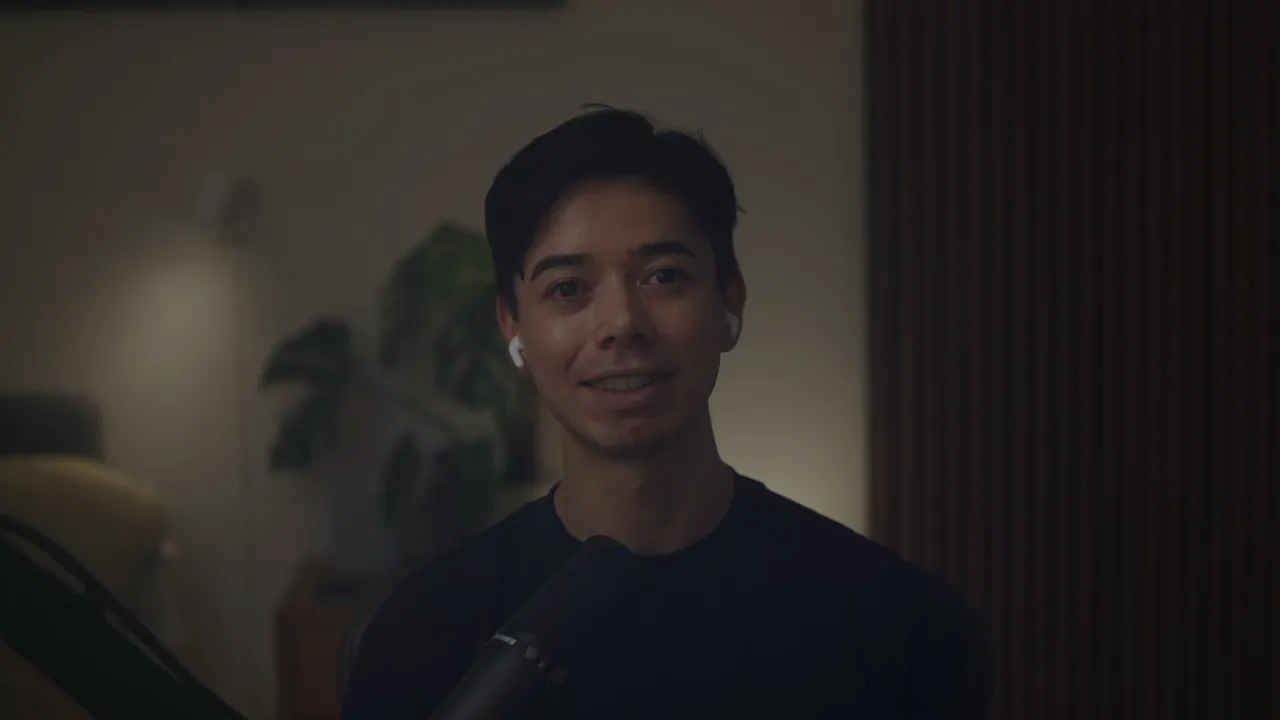
Ryan Peterman
Aggressive production scheduling and developer sponsorships allowed Ryan Peterman to reach financial self-sufficiency nine months after leaving Meta, proving solo creative operations can survive once single-point-of-failure vulnerabilities are eliminated.
AI-assisted summary of Update on Quitting My Job at Meta — original source. Check the original for full context.
Source published:
Key ideas
- Nine months after exiting Meta with a six-month personal savings runway, Ryan Peterman's software engineering podcast has reached financial self-sustainability, covering both production costs and living expenses. (3:07)
- After generating $0 in revenue during his first four months and suffering a severe flu that exposed his solo operational bottleneck, Peterman overhauled his workflow to record two episodes per week and signed developer sponsors Cursor and WorkOS. (1:45)
- Keeping production lean—such as filming C++ creator Bjarne Stroustrup in his study using just two iPhones—helped minimize burn rate while propelling the show to hover around Spotify's Top 50 Technology podcast rankings. (1:45)
- Peterman's ergonomic hardware venture, the Compose keyboard, was fully backed on Kickstarter within 24 hours and has entered assembly-line sample testing ahead of shipping early next year, though he expects the project to lose money overall. (3:07)
Detailed notes
## Background Published by Ryan Peterman on YouTube on September 18, 2026, this video provides an update on his life and ventures after leaving his engineering role at Meta. The description points viewers toward his Top 50 Spotify technology podcast, a Kickstarter campaign for his custom ergonomic keyboard project, and a companion article published on developing.dev.
## TL;DR After leaving Meta with six months of savings, Ryan Peterman set out to turn his software engineering podcast into a full-time endeavor, but four months in he faced zero revenue and severe operational bottlenecks. A sudden bout of flu exposed the extreme fragility of running a solo media production, prompting him to overhaul his workflow, record ahead of schedule, and secure developer sponsors like Cursor and WorkOS. Nine months out, the leanly produced show has achieved self-sustainability and climbed into Spotify's Top 50 Technology charts, while his secondary hardware project, the Compose ergonomic keyboard, was funded on Kickstarter within 24 hours. Ryan reflects that while leaving Big Tech makes little financial sense on paper, his goal was never profit maximization, but rather building creative projects that comfortably cover his living expenses.
## Atmosphere & style The piece carries an earnest, calm, and grounded tone, avoiding sensationalist tech-exit tropes in favor of pragmatic vulnerability. Ryan delivers a candid narrative arc that shifts from the isolating panic of burning through savings while sick in bed to the quiet satisfaction of reaching operational stability. The presentation feels like an intimate, unvarnished debrief between peers, balancing the exhausting realities of solo production with a measured passion for craft.
## Bulletin - [03:07](https://www.youtube.com/watch?v=0dHIi3lSUpU&t=187s) Nine months after exiting Meta with a six-month personal savings runway, Ryan Peterman's software engineering podcast has reached financial self-sustainability, covering both production costs and living expenses. - [01:45](https://www.youtube.com/watch?v=0dHIi3lSUpU&t=105s) After generating $0 in revenue during his first four months and suffering a severe flu that exposed his solo operational bottleneck, Peterman overhauled his workflow to record two episodes per week and signed developer sponsors Cursor and WorkOS. - [01:45](https://www.youtube.com/watch?v=0dHIi3lSUpU&t=105s) Keeping production lean—such as filming C++ creator Bjarne Stroustrup in his study using just two iPhones—helped minimize burn rate while propelling the show to hover around Spotify's Top 50 Technology podcast rankings. - [03:07](https://www.youtube.com/watch?v=0dHIi3lSUpU&t=187s) Peterman's ergonomic hardware venture, the Compose keyboard, was fully backed on Kickstarter within 24 hours and has entered assembly-line sample testing ahead of shipping early next year, though he expects the project to lose money overall.
## Key takeaways - [00:00](https://www.youtube.com/watch?v=0dHIi3lSUpU&t=0s) Ryan Peterman initially launched his podcast while working as an engineer at Meta to improve his public speaking skills and share software engineering career stories. - [00:00](https://www.youtube.com/watch?v=0dHIi3lSUpU&t=0s) A reorganization at Meta late last year provided an opportunity for Peterman to leave the company with six months of personal savings set aside to pursue his creative projects full-time. - [00:00](https://www.youtube.com/watch?v=0dHIi3lSUpU&t=0s) Handling research, filming, and editing solo created a severe bottleneck where Peterman worked longer hours than in Big Tech just to release one episode per week while vetting every second of footage. - [00:00](https://www.youtube.com/watch?v=0dHIi3lSUpU&t=0s) Four months into his six-month runway, the podcast had generated $0 in revenue because Peterman avoided pitching sponsors to stay focused on the creative work. - [01:45](https://www.youtube.com/watch?v=0dHIi3lSUpU&t=105s) Coming down with a violent flu nearly caused Peterman to miss a Monday episode release, exposing the fragility of his solo operation and forcing him to prioritize operational resilience and monetization. - [01:45](https://www.youtube.com/watch?v=0dHIi3lSUpU&t=105s) To build a content buffer and stay ahead of deadlines, Peterman streamlined his production pipeline and increased his recording pace to two episodes per week. - [01:45](https://www.youtube.com/watch?v=0dHIi3lSUpU&t=105s) Peterman successfully monetized the show by partnering with developer-focused sponsors, including Cursor and WorkOS. - [01:45](https://www.youtube.com/watch?v=0dHIi3lSUpU&t=105s) By avoiding expensive studio equipment and crews—such as recording an interview with C++ creator Bjarne Stroustrup in his study using only two iPhones—Peterman kept overhead low while preserving an intimate aesthetic. - [03:07](https://www.youtube.com/watch?v=0dHIi3lSUpU&t=187s) At the nine-month mark, the podcast is financially self-sufficient, covering both production and living expenses, and hovers around Spotify's Top 50 Technology podcast rankings. - [03:07](https://www.youtube.com/watch?v=0dHIi3lSUpU&t=187s) Peterman's split ergonomic keyboard project (Compose) achieved full Kickstarter backing within 24 hours, and he is currently testing the first assembly-line physical sample ahead of shipping early next year. - [03:07](https://www.youtube.com/watch?v=0dHIi3lSUpU&t=187s) Even though leaving Meta remains financially irrational on paper and the keyboard project is expected to lose money overall, Peterman plans to continue as long as his basic livelihood is covered because his goal is creative fulfillment rather than maximizing income.
## Detailed walkthrough ### [00:00](https://www.youtube.com/watch?v=0dHIi3lSUpU&t=0s) Leaving Meta and the Reality of Going Solo
Making a move that made zero financial sense on paper was completely unprecedented in Ryan Peterman's engineering career. He had originally launched a podcast as an avenue to improve his public speaking and share inspiring software engineering career stories. The creative process felt exciting and fresh, to the point where he spent his evenings after work constantly brainstorming ways to elevate the show. Though he harbored dreams of pursuing it full-time, taking the leap seemed impractical because the project was entirely an expense. However, when a reorganization swept through Meta late last year, Ryan recognized an opening to exit the company early and test the waters. Earmarking six months of personal savings, he set out to see if he could transform his passion into a sustainable venture.
```mermaid flowchart LR accTitle: The Solo Podcasting Bottleneck accDescr: Flowchart illustrating the solo workflow bottleneck from deep guest research to editing and publishing. subgraph Prep["Preparation"] A["Deep Guest Research"] --> B["Self-Recording Footage"] end subgraph Post["Production"] B --> C["Review Every Second"] C --> D["Weekly Release Goal"] end D -.->|"Single Point of Failure"| E["Zero Runway Buffer"] ```
At the outset, the experience was exhilarating. Ryan had the opportunity to sit down with personal heroes like Bjarne Stroustrup, the creator of C++—the very first programming language Ryan ever learned. He immersed himself in the mechanics of video production and dedicated extensive hours to researching each subject before recording. Yet taking on every role single-handedly quickly revealed an acute operational bottleneck: "If I stopped, everything stopped." Even while putting in longer hours than he ever had in Big Tech, Ryan barely kept pace with his target schedule of one episode per week because he insisted on personally vetting every second of footage. Four months into his designated six-month runway, the podcast had generated zero dollars in revenue. Ryan had deliberately avoided seeking sponsors because pitching felt like a distraction from the creative work, but with his savings rapidly approaching zero, reality began to catch up.
---
[01:45](https://www.youtube.com/watch?v=0dHIi3lSUpU&t=105s) The Turning Point: Sickness, Sponsorships, and Sustainability
The breaking point arrived unexpectedly when Ryan fell severely ill with a violent flu. Stuck in bed for days, drifting in and out of consciousness, his mind raced with anxiety over whether he would even be able to publish his scheduled episode the coming Monday. For the first time since quitting, the extreme fragility of his solo operation became terrifyingly real. A single illness threatened to derail the entire venture. Fortunately, an episode sat mostly edited in the pipeline, which saved the week's release schedule and granted him a crucial realization: he had to build operational resilience and take monetization seriously.
Determined to eliminate the vulnerability, Ryan overhauled his workflow. He streamlined his production pipeline to manage the "insane grind" of recording two episodes a week in order to stay ahead of deadlines. He set aside his initial reluctance toward monetization, successfully securing partnerships with developer-focused sponsors including Cursor and WorkOS. To keep overhead minimal, Ryan avoided expensive studio equipment and production crews, continuing to shoot everything himself. This lean approach not only reduced burn rate but also preserved an intimate, authentic aesthetic for his conversations—such as interviewing Bjarne Stroustrup directly in his personal study, flanked by walls of C++ reference books, recorded using just two iPhones.
- **Savings runway at launch:** 6 months of living expenses. - **Revenue at month 4:** $0. - **Production pace shift:** Scaled from barely 1 episode per week to grinding out 2 per week to build a buffer. - **Anchor sponsors signed:** Cursor and WorkOS. - **Lean production style:** Filming high-profile figures on-location with basic smartphone rigs rather than hiring external crews.
---
[03:07](https://www.youtube.com/watch?v=0dHIi3lSUpU&t=187s) Project Updates: Self-Sufficiency, Compose Keyboard, and Next Steps
Nine months after leaving Meta on a six-month budget, the podcast has officially achieved self-sustainability, covering both production costs and Ryan's living expenses. Alongside the podcast, his other creative endeavor—an ergonomic keyboard designed to solve hardware problems he faced as an engineer—achieved complete Kickstarter backing within 24 hours of going live. Ryan openly acknowledges that, from a purely financial perspective, the decision to leave Meta remains irrational; he anticipates the keyboard hardware project will lose money overall once manufacturing wraps up. However, maximizing personal income was never the objective: "The goal with the podcast and the keyboard wasn't to make money, otherwise I would have just stayed at Meta."
Looking toward the future, Ryan plans to continue dedicating himself to these projects as long as they cover his basic livelihood. The podcast continues to climb, hovering around Spotify's Top 50 Technology podcast rankings, and Ryan aims to leverage this momentum to book higher-profile software industry figures. Meanwhile, physical hardware development is progressing rapidly: Ryan has spent the past two weeks typing on the very first assembly-line physical sample of the split ergonomic keyboard. Holding a physical realization of an abstract idea has been a surreal milestone, and his focus is on maintaining high quality control as the keyboard gears up for general shipping early next year.
## Notable quotes > [00:00](https://www.youtube.com/watch?v=0dHIi3lSUpU&t=0s) Making a move that made zero financial sense on paper was completely unprecedented in Ryan Peterman's engineering career.
> [00:00](https://www.youtube.com/watch?v=0dHIi3lSUpU&t=0s) If I stopped, everything stopped. — Ryan Peterman
> [00:00](https://www.youtube.com/watch?v=0dHIi3lSUpU&t=0s) Four months into his designated six-month runway, the podcast had generated zero dollars in revenue.
> [01:45](https://www.youtube.com/watch?v=0dHIi3lSUpU&t=105s) For the first time since quitting, the extreme fragility of his solo operation became terrifyingly real.
> [01:45](https://www.youtube.com/watch?v=0dHIi3lSUpU&t=105s) A single illness threatened to derail the entire venture.
> [01:45](https://www.youtube.com/watch?v=0dHIi3lSUpU&t=105s) insane grind — Ryan Peterman
> [03:07](https://www.youtube.com/watch?v=0dHIi3lSUpU&t=187s) Nine months after leaving Meta on a six-month budget, the podcast has officially achieved self-sustainability, covering both production costs and Ryan's living expenses.
> [03:07](https://www.youtube.com/watch?v=0dHIi3lSUpU&t=187s) The goal with the podcast and the keyboard wasn't to make money, otherwise I would have just stayed at Meta. — Ryan Peterman
> [03:07](https://www.youtube.com/watch?v=0dHIi3lSUpU&t=187s) Holding a physical realization of an abstract idea has been a surreal milestone
## Mentioned Ryan Peterman, Meta, Bjarne Stroustrup, C++, Cursor, WorkOS, iPhone, Kickstarter, Compose, Spotify
## Video description Thank you everyone for your support 🙏
• If you want to support the pod you can drop a rating here: https://open.spotify.com/show/0MX9PyeCzDhdlyRv6slwIX • Top 50 podcast rankings here: https://podcastcharts.byspotify.com/us/technology
• If you want a keyboard: https://www.kickstarter.com/projects/ryanlpeterman/compose-simple-ergonomics-beautifully-done • If you want to follow the keyboard project: https://read.compose.llc/
• Written version of this video: https://www.developing.dev/p/update-on-quitting-my-job • Where you can find me: http://ryanlpeterman.dev/
[Source](https://www.youtube.com/watch?v=0dHIi3lSUpU)