Dermatologist Dr Dray links cutaneous signs to hidden systemic disease
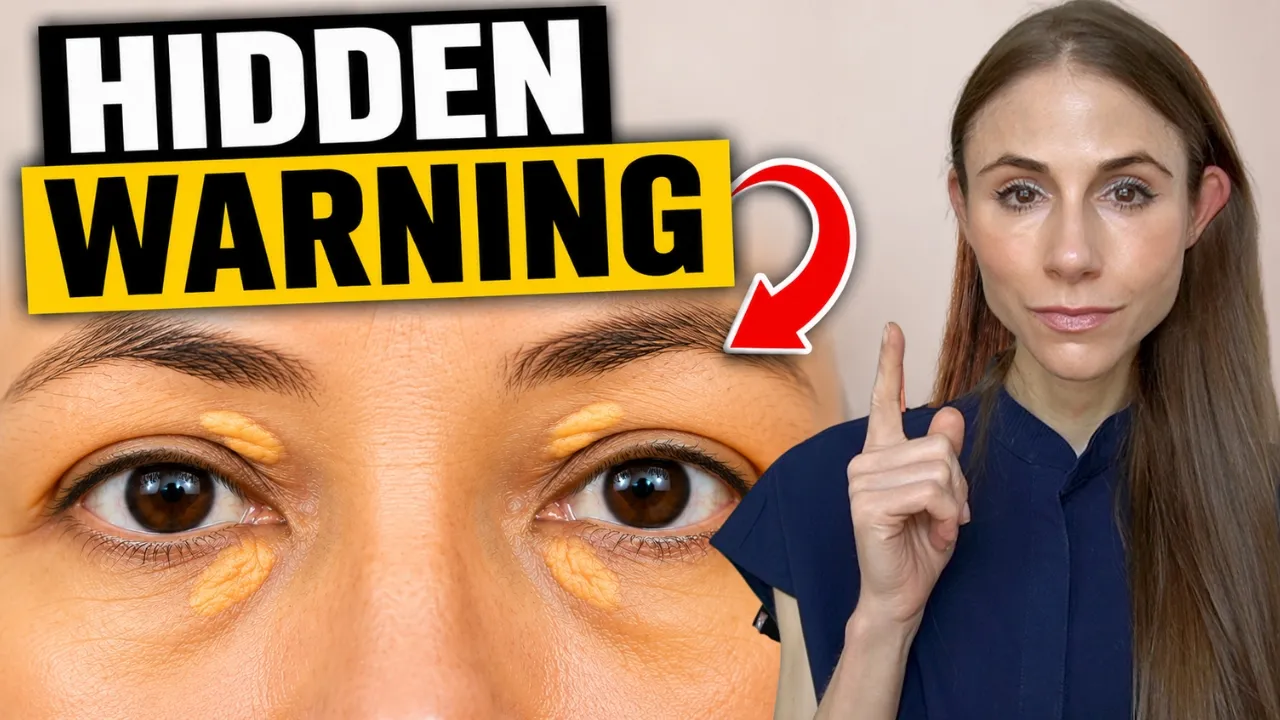
Dr Dray
Visible skin, nail, and hair changes act as vital cutaneous warning signs of underlying systemic conditions like insulin resistance, lipid disorders, and organ failure rather than being purely cosmetic issues.
AI-assisted summary of 7 Skin Signs That Could Reveal a Health Problem | Dermatologist Explains — original source. Check the original for full context.
Source published:
Key ideas
- Dark, velvety skin patches known as acanthosis nigricans are driven by hyperinsulinemia binding to epidermal receptors, serving as an early cutaneous marker of insulin resistance rather than poor hygiene. (0:28)
- Eruptive xanthomas and xanthelasma can signal severe dyslipidemia and dangerously high triglycerides, a risk that spikes when medications like isotretinoin are paired with high-fat diets. (2:49)
- Bilirubin buildup in jaundice stains mucous membranes and the sclera yellow, clearly distinguishing serious hepatobiliary and hemolytic disease from harmless dietary carotenoderma. (5:21)
- Spoon-shaped nails (koilonychia) reflect systemic iron deficiency, a risk increasingly relevant for patients experiencing reduced caloric and nutrient intake on GLP-1 receptor agonists. (11:10)
Detailed notes
## Background Published on YouTube by dermatologist Dr. Dray on August 26, 2026, this video explores seven skin, hair, and nail changes that can provide clues about internal systemic health conditions. According to the page description, the guide covers how visible signs like dark velvety skin patches, yellow eye deposits, and nail distortions relate to underlying metabolic, autoimmune, organ, and nutritional disorders.
## TL;DR Dr. Dray details seven visible cutaneous clues that indicate systemic disease, including acanthosis nigricans tied to insulin resistance, xanthomas signaling dyslipidemia, and jaundice resulting from hepatobiliary issues or hemolysis. She also reviews nail clubbing linked to heart and lung disease, heliotrope rashes and Gottron papules characteristic of dermatomyositis, koilonychia from iron deficiency, and generalized intractable pruritus associated with renal, hepatic, or hematologic conditions. Throughout the discussion, she stresses that these manifestations are diagnostic clues rather than definitive diagnoses and advises patients to seek professional medical exams without concealing their nails under polish.
## Atmosphere & style The presentation is clinical, grounded, and engagingly candid, balancing serious medical insights with Dr. Dray's characteristic dry humor and relatable analogies. Her delivery feels practical and no-nonsense, employing vivid comparisons—such as likening full-body itching to being kicked in the stomach and playfully referring to the uvula as the 'little hangy ball thingy'—to demystify complex pathology. The overarching mood is educational and cautious, steering viewers away from panic and self-diagnosis toward informed, proactive healthcare consultations.
## Bulletin - [00:28](https://www.youtube.com/watch?v=QKDlc1r8fQk&t=28s) Dark, velvety skin patches known as acanthosis nigricans are driven by hyperinsulinemia binding to epidermal receptors, serving as an early cutaneous marker of insulin resistance rather than poor hygiene. - [02:49](https://www.youtube.com/watch?v=QKDlc1r8fQk&t=169s) Eruptive xanthomas and xanthelasma can signal severe dyslipidemia and dangerously high triglycerides, a risk that spikes when medications like isotretinoin are paired with high-fat diets. - [05:21](https://www.youtube.com/watch?v=QKDlc1r8fQk&t=321s) Bilirubin buildup in jaundice stains mucous membranes and the sclera yellow, clearly distinguishing serious hepatobiliary and hemolytic disease from harmless dietary carotenoderma. - [11:10](https://www.youtube.com/watch?v=QKDlc1r8fQk&t=670s) Spoon-shaped nails (koilonychia) reflect systemic iron deficiency, a risk increasingly relevant for patients experiencing reduced caloric and nutrient intake on GLP-1 receptor agonists.
## Key takeaways - [00:00](https://www.youtube.com/watch?v=QKDlc1r8fQk&t=0s) Changes in the skin, hair, and nails serve as an external diagnostic window into systemic metabolic, autoimmune, and organ dysfunction. - [00:28](https://www.youtube.com/watch?v=QKDlc1r8fQk&t=28s) Acanthosis nigricans occurs when elevated circulating insulin binds to keratinocyte and IGF receptors, triggering abnormal cell proliferation that cannot be resolved through scrubbing or cosmetic exfoliants. - [00:28](https://www.youtube.com/watch?v=QKDlc1r8fQk&t=28s) Addressing underlying insulin resistance is the primary therapy for acanthosis nigricans, as off-label topicals like tretinoin and lactic acid offer only modest improvements and can irritate body folds. - [02:49](https://www.youtube.com/watch?v=QKDlc1r8fQk&t=169s) Xanthelasma around the inner eye and eruptive xanthomas across the body represent focal dermal lipid deposits that warrant thorough blood lipid and triglyceride testing. - [02:49](https://www.youtube.com/watch?v=QKDlc1r8fQk&t=169s) Isotretinoin therapy inherently elevates blood lipids, and combining it with a high-fat diet can trigger rapid outbreaks of eruptive xanthomas. - [05:21](https://www.youtube.com/watch?v=QKDlc1r8fQk&t=321s) Jaundice stems from liver clearance failure, bile duct obstruction, or hemolytic anemia, and is clinically confirmed by checking the sclera, tongue, and uvula for yellow bilirubin staining. - [05:21](https://www.youtube.com/watch?v=QKDlc1r8fQk&t=321s) Carotenoderma from heavy consumption of carotenoid-rich foods colors the skin orange but spares the sclera and mucous membranes, carrying zero systemic health risk. - [07:37](https://www.youtube.com/watch?v=QKDlc1r8fQk&t=457s) Nail clubbing alters the normal Lovibond angle at the nail fold and often signals chronic hypoxia linked to serious lung, heart, or congenital conditions. - [09:23](https://www.youtube.com/watch?v=QKDlc1r8fQk&t=563s) Wearing nail polish or artificial nails during a dermatology appointment impedes the clinical exam by hiding vital systemic diagnostic clues and potential nail unit cancers. - [09:23](https://www.youtube.com/watch?v=QKDlc1r8fQk&t=563s) Purplish heliotrope eyelid rashes, Gottron papules on the knuckles, and ragged periungual nail capillaries are classic markers of dermatomyositis. - [09:23](https://www.youtube.com/watch?v=QKDlc1r8fQk&t=563s) Dermatomyositis often impairs proximal muscle groups needed for basic tasks like combing hair or standing, though the amyopathic variant presents with cutaneous signs without muscle weakness. - [11:10](https://www.youtube.com/watch?v=QKDlc1r8fQk&t=670s) Koilonychia produces concave, spoon-shaped nail depressions that typically point to iron deficiency in adults, though it is often a benign physiological variant in newborns. - [11:10](https://www.youtube.com/watch?v=QKDlc1r8fQk&t=670s) GLP-1 receptor agonist medications can induce or worsen nutritional deficiencies like iron deficiency by drastically lowering caloric intake and slowing gastric emptying. - [12:50](https://www.youtube.com/watch?v=QKDlc1r8fQk&t=770s) Severe generalized pruritus without a primary rash warrants immediate medical workup for underlying systemic conditions, including renal failure, liver disease, and thyroid dysfunction. - [12:50](https://www.youtube.com/watch?v=QKDlc1r8fQk&t=770s) Aquagenic pruritus that reliably flares right after stepping out of the shower can be an early clinical warning sign of an underlying hematologic malignancy. - [14:17](https://www.youtube.com/watch?v=QKDlc1r8fQk&t=857s) Cutaneous manifestations represent diagnostic clues rather than definitive home diagnoses, making professional medical evaluation preferable to unverified direct-to-consumer testing.
## Detailed walkthrough ### [00:00](https://www.youtube.com/watch?v=QKDlc1r8fQk&t=0s) Skin as a Window into Internal Health and Acanthosis Nigricans
Dr. Dray introduces one of her core mantras: "your skin is a window to what is going on internally." The condition of skin, hair, and nails can yield vital clues about lurking systemic health issues. Rather than being purely cosmetic problems, visible changes often alert patients and clinicians to underlying disorders.
The first major finding to monitor is the appearance of dark, velvety, thickened patches. These characteristically occur on the back of the neck, under the arms, along the sides of the face, and across the backs of the hands. Patients often mistakenly believe the discoloration is caused by accidental sun exposure, lack of hygiene, or embedded dirt. Consequently, they attempt to vigorously scrub the area, apply heavy chemical exfoliants, or use vitamin C serums, only to find the condition completely unchanged. Dr. Dray emphasizes that this is neither dirt nor standard hyperpigmentation, but rather epidermal thickening known as acanthosis nigricans, which should never be ignored. It serves as an overt cutaneous warning sign of underlying insulin resistance, a state that can progress to diabetes and trigger serious cardiometabolic damage.
```mermaid flowchart LR accTitle: Mechanism of Acanthosis Nigricans accDescr: Flowchart illustrating how insulin resistance leads to epidermal thickening. subgraph S1["Systemic State"] A["Insulin Resistance"] --> B["Sky-high Circulating Insulin"] end subgraph S2["Cutaneous Response"] B --> C["Stimulation of Keratinocyte Receptors"] C --> D["Abnormal Proliferation of Keratinocytes"] D --> E["Acanthosis Nigricans"] end ```
The underlying biological mechanism involves keratinocytes (skin cells), which bear receptors for insulin and insulin-like growth factor. When circulating insulin levels become excessively elevated due to receptor resistance throughout the body, the excess insulin stimulates these epidermal receptors, driving keratinocytes to proliferate abnormally and rapidly. Intervening against insulin resistance as soon as possible is critical to stop the progression of these lesions and protect overall health. However, even after metabolic parameters normalize, acanthosis nigricans can linger and prove stubborn to resolve. While topicals like tretinoin, lactic acid formulations (such as AmLactin), and newer options are used off-label to smooth the skin, they offer only modest improvement and can easily irritate sensitive body folds. Resolving the root metabolic dysfunction remains the essential therapy.
- Common anatomical locations: posterior neck, axillae (underarms), lateral face, and dorsal hands. - Pathophysiology: hyperinsulinemia binds insulin and IGF receptors on keratinocytes, inducing rapid cellular proliferation. - Topical management attempts: tretinoin, AmLactin (lactic acid), though both risk fold irritation and cannot replace metabolic correction.
---
[02:49](https://www.youtube.com/watch?v=QKDlc1r8fQk&t=169s) Xanthomas, Xanthelasma, and Lipid Metabolism
The second warning sign involves firm, yellow, flat-topped bumps that commonly crop up around the eyes. The skin on the eyelid is exceptionally thin and delicate, making it a frequent site for xanthelasma—a localized form of xanthoma. These yellowish plaques, concentrated especially around the inner canthi of the eyelids, represent focal collections of lipid and fat deposits within the skin tissue.
While xanthelasma palpebrarum around the eyes is not an absolute, "slam down guarantee" of high cholesterol—as some individuals demonstrate normal serum lipids—its discovery warrants thorough blood testing. Elsewhere on the body, xanthomas correlate strongly with severe lipid metabolism disorders. In particular, eruptive xanthomas can suddenly appear as multiple firm yellow papules in response to a sudden, dramatic spike in circulating blood lipids or dangerously high triglycerides. Dr. Dray recalls a published medical case of a patient consuming an extreme butter-and-cheese diet who subsequently erupted in widespread xanthomas.
Treatments exist to clear these lesions locally, including clinic-based electrocautery, but eyelid skin is prone to scarring, requiring extreme caution. Fortunately, controlling systemic lipids often allows xanthomas to regress naturally. Dr. Dray highlights a specific clinical trap for younger patients prescribed isotretinoin (Accutane) for acne: isotretinoin inherently raises blood lipid levels mildly. If a patient combines that treatment with a diet heavy in fried, high-fat foods, this synergistic spike can overwhelm lipid clearance and induce extensive eruptive xanthomas.
- Nature of lesions: localized dermal accumulations of lipids and cholesterol esters. - Typical distribution: inner corners of eyelids (xanthelasma) or widespread across the body (eruptive xanthomas). - Clinical association: dyslipidemia, marked hypertriglyceridemia, and dietary extremes. - Medication risk factor: combining isotretinoin (Accutane) therapy with a high-fat/fried food diet. - Removal options: in-office electrocautery (with scarring risk) or resolution secondary to systemic lipid management.
---
[05:21](https://www.youtube.com/watch?v=QKDlc1r8fQk&t=321s) Jaundice, Scleral Icterus, and Carotenoderma
The third critical sign is a yellowish discoloration affecting the skin and the whites of the eyes (scleral icterus). In individuals with deeper complexions, yellowing of the skin can be difficult to appreciate, frequently manifesting instead as a subtle greenish, sallow, or unwell undertone. In such cases, clinicians inspect the conjunctival sclera, the undersurface of the tongue, or the uvula (humorously dubbed the "little hangy ball thingy" at the back of the throat), which visibly pick up the yellow hue.
This discoloration indicates jaundice, caused by the systemic accumulation of bilirubin, a breakdown product of hemoglobin from red blood cells. Normally, the liver metabolizes, conjugates, and excretes bilirubin via bile ducts into the digestive tract. Jaundice arises when: 1. Hepatobiliary disease disrupts clearance—either hepatocellular dysfunction or a physical plumbing blockage within the gallbladder and bile duct systems. 2. Hemolytic anemia overloads the system—red blood cells break down prematurely at rates exceeding normal hepatic processing capacity ("basically, your blood cells, for whatever reason, are just blowing up and leaking stuff out").
Dr. Dray clarifies the vital distinction between true jaundice and benign carotenoderma. People who consume large quantities of carotenoid-rich vegetables—most commonly carrots—can develop orange-tinted skin. However, in carotenoderma, the whites of the eyes and mucous membranes remain completely white and unaffected because carotenoids do not exhibit the same affinity for elastic tissues as bilirubin. Carotenoderma carries zero systemic danger and clears as dietary intake drops.
---
[07:37](https://www.youtube.com/watch?v=QKDlc1r8fQk&t=457s) Nail Clubbing and the Importance of the Cutaneous Exam
The fourth warning sign focuses on the digits: swelling at the tips of the fingers combined with downward curving of the nail plates, a physical finding known as clubbing. In clubbing, the distal phalanges become bulbous, and the normal anatomical angle between the nail plate and the proximal nail fold—known as Lovibond's angle—becomes flattened or reversed into an abnormal prominence.
Clubbing represents an abnormal tissue proliferation response typically linked to chronic low blood oxygen levels or vascular changes. It frequently signals serious underlying internal conditions, including chronic lung disease, structural heart conditions, and certain congenital anomalies. Any new-onset clubbing requires prompt medical workup. Poking fun at the term, Dr. Dray quips that she means changes in the finger, "not going out in, you know, the roof is on fire style, which I don't even think people do that much anymore."
This phenomenon demonstrates why a comprehensive dermatologic evaluation goes far beyond simple cosmetic work. Acknowledging the cynical stereotype that dermatologists merely focus on "filling and billing," Dr. Dray notes that high-volume cosmetic procedures help clinics "keep the lights on," but proper medical dermatology requires meticulous examination of the skin, hair, mucous membranes, and nails. Because systemic diseases stamp patterns across the nail apparatus, Dr. Dray emphasizes a crucial takeaway: patients should never attend a dermatology visit wearing opaque nail polish or artificial nails, as hiding the nail beds conceals vital diagnostic clues.
[09:23](https://www.youtube.com/watch?v=QKDlc1r8fQk&t=563s) Nail Polish at the Dermatologist and Recognizing Dermatomyositis
Dr. Dray emphasizes why showing up to a skin exam with painted nails is a major obstacle for a clinician. She compares it to arriving at an appointment "wrapped up in a bag the entire time" and expecting the doctor to examine your skin—it simply cannot be done. Nails covered in polish or artificial adornments prevent dermatologists from evaluating crucial clues underneath, including nail unit cancers.
Moving to more subtle clinical presentations, Dr. Dray warns about an easily overlooked yet critical warning sign: an unusual rash appearing on the knuckles, the eyelids, or both. This purplish-red discoloration is often described clinically as "heliotrope-like." When accompanied by reddish, violaceous bumps directly over the knuckles—known as Gottron papules—it serves as a classic hallmark of the autoimmune condition dermatomyositis. Beyond the rash, patients may notice that their fingernails appear ragged. When evaluated under a dermatoscope, clear abnormalities and microvascular changes emerge in the periungual capillaries surrounding the nail bed.
```mermaid flowchart TD accTitle: Clinical Features of Dermatomyositis accDescr: Visual mapping of cutaneous and muscular presentations associated with dermatomyositis variants.
subgraph Cutaneous ["Cutaneous Signs"] H["Heliotrope Rash<br/>(Purplish-red eyelids)"] G["Gottron Papules<br/>(Violaceous knuckle bumps)"] N["Ragged Nails &<br/>Capillary Changes"] end
subgraph Systemic ["Musculoskeletal Presentations"] C["Classic Dermatomyositis<br/>(With Proximal Muscle Weakness)"] A["Amyopathic Variant<br/>(Skin findings without weakness)"] end
Cutaneous --> C Cutaneous --> A ```
Dermatomyositis frequently manifests with profound proximal muscle weakness, which targets the muscles closest to the body's trunk. Patients often recognize this when everyday movements become exhausting: - Struggling to comb hair because lifting the arms overhead feels impossible. - Feeling utterly wiped out simply trying to transition from a seated position to standing up. - Dr. Dray highlights a crucial exception: *amyopathic dermatomyositis*. In this clinical variant, individuals exhibit the signature cutaneous findings on the eyelids, knuckles, or nail folds without experiencing any muscle weakness. Therefore, the absence of physical fatigue should never deter someone from getting these rashes evaluated.
[11:10](https://www.youtube.com/watch?v=QKDlc1r8fQk&t=670s) Spoon-Shaped Nails (Koilonychia), Nutrition, and GLP-1 Medications
Nails represent an intricate specialty within dermatology, and another finding worth noting is unusually thin, spoon-shaped nails—a condition medically termed koilonychia. In this presentation, the lateral edges of the nail flare outward while the center sinks inward, creating a distinct depression shaped like a tiny cup. Dr. Dray notes you could practically place a little drop of water right in the middle of it.
Koilonychia is a classic warning sign of iron deficiency, which remains the single most common nutritional deficiency worldwide. Dr. Dray connects this finding to the modern rise of GLP-1 receptor agonist medications used for weight management. Because these medications slow gastric emptying and drastically curb caloric intake, they can inadvertently cause or worsen nutritional deficits. She cautions against assuming that individuals carrying excess weight or dealing with obesity are automatically well-nourished; many patients enter treatment "over-calorie, undernourished," placing them in a "nutritionally tenuous zone" before their absorption and food volume drop further on medication.
- **Pediatric Context**: Spoon-shaped nails can be a completely benign, normal finding in newborn babies. While parents should mention it during routine pediatric visits for reassurance, it does not typically carry the same nutritional implications as it does in adults.
[12:50](https://www.youtube.com/watch?v=QKDlc1r8fQk&t=770s) Generalized Intractable Pruritus: When Itching Signals Internal Disease
The next symptom Dr. Dray addresses is impossible to brush aside: generalized intractable pruritus, the medical term for severe, unrelenting itch. She remarks that trying to ignore an all-over, full-body itch is "kind of like if I were to kick you in the stomach and say, 'Ignore it,'" because both sensations share high-misery neural signaling pathways in the body and brain.
```mermaid flowchart LR accTitle: Systemic Etiologies of Generalized Intractable Pruritus accDescr: Mapping systemic conditions that present with generalized intractable pruritus.
P["Generalized Intractable<br/>Pruritus (No Rash)"] --> Hem["Hematologic"] P --> Ren["Renal"] P --> Hep["Hepatic / Biliary"] P --> End["Endocrine"]
Hem --> H1["Blood Cancers<br/>(e.g., Post-shower itch)"] Ren --> R1["Kidney Disease &<br/>Kidney Failure"] Hep --> Hep1["Liver Failure &<br/>Bile Flow Obstruction"] End --> E1["Thyroid Disorders"] ```
When someone experiences intense, insufferable itching from head to toe without any primary rash or obvious skin explanation, it warrants prompt medical evaluation: - **Aquagenic Pruritus**: An intense itch that reliably flares up right after stepping into the shower should prompt an immediate call to the doctor, as it can be a warning sign of an underlying hematologic malignancy (such as blood cancer). - **Kidney and Thyroid Disease**: Both kidney failure and thyroid dysfunction can trigger pervasive systemic itching. - **Hepatic and Biliary Disorders**: Severe itching frequently pairs with jaundice. When combined with yellowing of the skin, eyes, or uvula ("the hangy ball thing"), intractable pruritus points toward liver disease or biliary outflow obstruction. - **Sleep Impact**: The severity of the sensation directly wrecks sleep and daily functioning, making medical intervention vital.
[14:17](https://www.youtube.com/watch?v=QKDlc1r8fQk&t=857s) Caveats, Self-Diagnosis Traps, and Final Takeaways
Dr. Dray closes with an essential warning about navigating health concerns: cutaneous signs are clinical clues, not definitive home diagnoses. She strongly cautions viewers against going down internet rabbit holes, ordering direct-to-consumer lab panels from third-party companies, or attempting to self-treat unverified conditions.
Many skin manifestations are nonspecific, and untrained individuals can easily misinterpret what they are seeing. Primary care providers, family medicine physicians, and internists are well-equipped to conduct initial screenings; however, when clarity is needed, a formal referral to a dermatologist is the gold standard for a head-to-toe examination. Dr. Dray encourages viewers to check out her dedicated playlist, *Skin Warning Signs of Health Not to Miss*, for deeper clinical dives into specific systemic disorders, and leaves the audience with her signature sign-off: "don't forget sunscreen and subscribe."
## Notable quotes > [00:00](https://www.youtube.com/watch?v=QKDlc1r8fQk&t=0s) your skin is a window to what is going on internally — Dr Dray
> [05:21](https://www.youtube.com/watch?v=QKDlc1r8fQk&t=321s) little hangy ball thingy — Dr Dray
> [05:21](https://www.youtube.com/watch?v=QKDlc1r8fQk&t=321s) basically, your blood cells, for whatever reason, are just blowing up and leaking stuff out — Dr Dray
> [07:37](https://www.youtube.com/watch?v=QKDlc1r8fQk&t=457s) not going out in, you know, the roof is on fire style, which I don't even think people do that much anymore. — Dr Dray
> [07:37](https://www.youtube.com/watch?v=QKDlc1r8fQk&t=457s) filling and billing — Dr Dray
> [07:37](https://www.youtube.com/watch?v=QKDlc1r8fQk&t=457s) keep the lights on — Dr Dray
> [09:23](https://www.youtube.com/watch?v=QKDlc1r8fQk&t=563s) wrapped up in a bag the entire time — Dr Dray
> [11:10](https://www.youtube.com/watch?v=QKDlc1r8fQk&t=670s) over-calorie, undernourished — Dr Dray
> [11:10](https://www.youtube.com/watch?v=QKDlc1r8fQk&t=670s) nutritionally tenuous zone — Dr Dray
> [12:50](https://www.youtube.com/watch?v=QKDlc1r8fQk&t=770s) kind of like if I were to kick you in the stomach and say, 'Ignore it,' — Dr Dray
> [14:58](https://www.youtube.com/watch?v=QKDlc1r8fQk&t=898s) don't forget sunscreen and subscribe. — Dr Dray
## Mentioned Dr Dray, Tretinoin, AmLactin, Isotretinoin, Accutane, Skin Warning Signs of Health Not to Miss
## Video description What can your skin reveal about your overall health?
In this video, dermatologist Dr. Dray explains 7 skin, hair, and nail changes that can sometimes provide clues about what is happening inside the body. While these findings are not diagnoses on their own, certain changes can be associated with underlying metabolic, hormonal, nutritional, autoimmune, liver, kidney, thyroid, heart, or lung conditions.
From dark, velvety skin on the neck and insulin resistance to yellow skin and jaundice, Dr. Dray explains what dermatologists look for when examining the skin, nails, and other visible signs of systemic health.
The video covers:
• Acanthosis nigricans and its connection to insulin resistance, diabetes, and metabolic health • Skin tags and their association with insulin resistance and metabolic syndrome • Xanthelasma, xanthomas, cholesterol, and triglycerides • Yellowing of the skin and eyes and possible causes of jaundice • Nail clubbing and potential associations with heart and lung disease • Dermatomyositis, heliotrope rash, and Gottron papules • Spoon-shaped nails and possible iron deficiency • Generalized itching without a rash and potential systemic causes involving the kidneys, liver, thyroid, and blood
Dr. Dray also explains why these findings should be viewed as clues rather than diagnoses, and why a new, persistent, or rapidly changing skin or nail finding deserves medical attention.
TIMESTAMPS
0:00 Can your skin reveal what's happening inside your body? 0:28 Dark, velvety skin on the neck 2:49 Yellow bumps around the eyes 5:21 Yellow skin or whites of the eyes 7:37 Swollen fingers and curved nails 9:46 Purple or red rashes on the eyelids or knuckles 11:10 Spoon-shaped or unusually thin nails 12:50 Intense itching with little or no rash 14:17 Important caveats 14:58 Final takeaways
Disclaimer: This video is for educational purposes only and is not a substitute for professional medical advice, diagnosis, or treatment. Skin changes can have many different causes, and viewers should consult an appropriate healthcare professional for evaluation of new, persistent, or concerning symptoms.
#Dermatologist #SkinHealth #SkinSigns #AcanthosisNigricans #InsulinResistance #Jaundice #SkinCare #HealthSigns #Dermatology #drdray
FTC: This video is not sponsored. Links are commissionable, meaning I may earn commission from purchases made through links.
💜Shop my Amazon store https://o.bttn.io/0BwiPWFIZLG 💜Follow me on liketoknowit https://www.liketoknow.it/drdrayzday 💜Social media Instagram @drdrayzday Pinterest https://www.pinterest.com/drdrayzday/ Facebook @DrDrayzDay Twitter: @drdrayzday Tiktok: @drdrayzday
Disclaimer: This video is not intended to provide diagnosis, treatment or medical advice. Content provided on this Youtube channel is for informational purposes only. Please consult with a physician or other healthcare professional regarding any medical or health related diagnosis or treatment options. Information on this Youtube channel should not be considered as a substitute for advice from a healthcare professional. The statements made about specific products throughout this video are not to diagnose, treat, cure or prevent disease.
[Source](https://www.youtube.com/watch?v=QKDlc1r8fQk)